http://www.pinterest.com/pin/405605510164
047198/
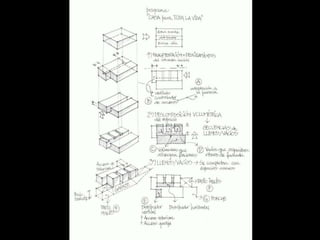
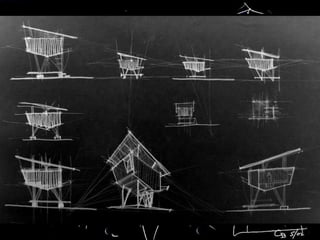
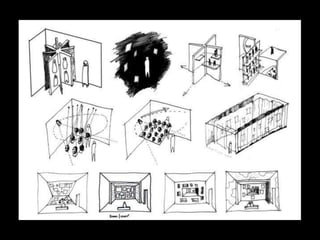
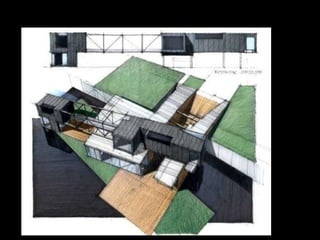
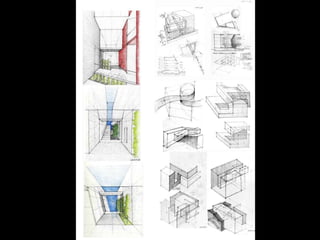
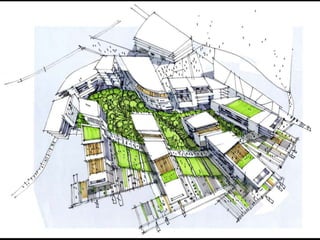
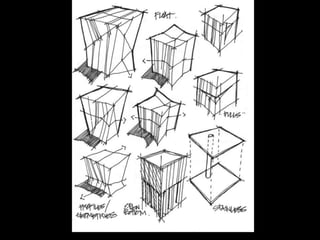
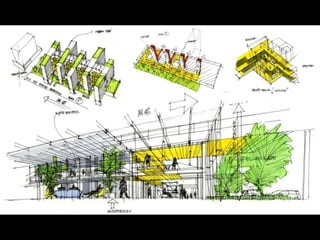
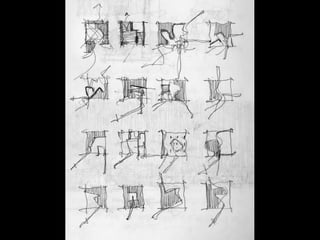
Design Begins With a Brainstorm
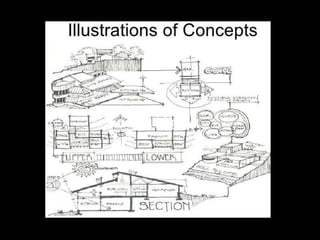
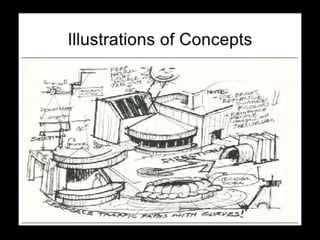
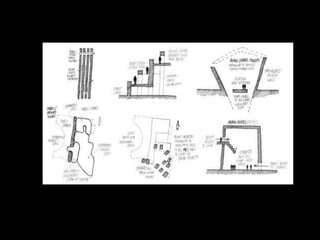
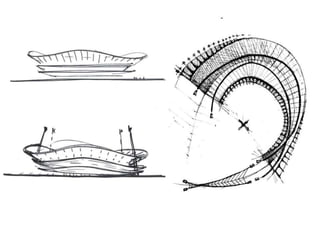
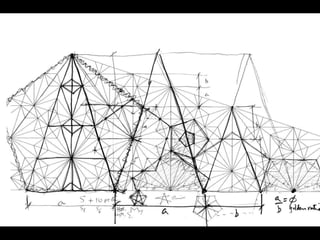
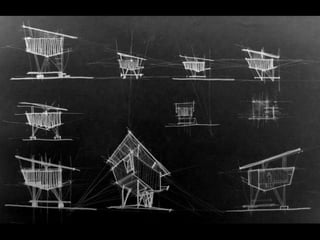
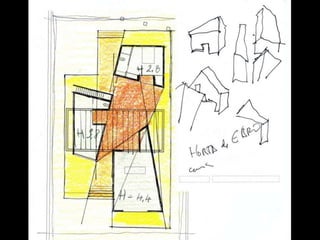
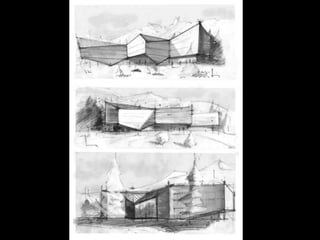
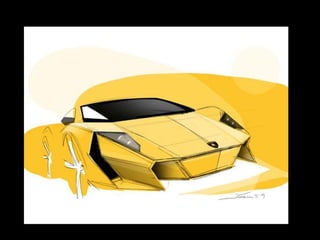
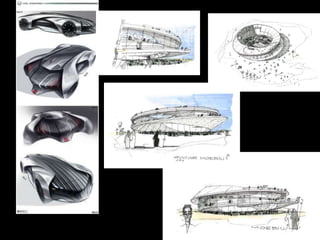
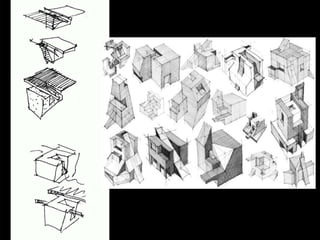
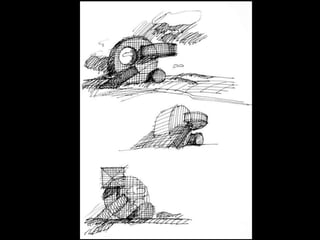
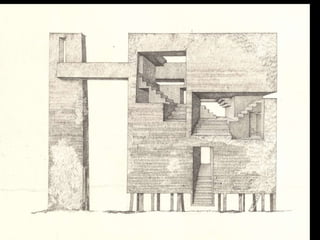
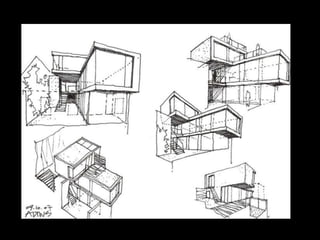
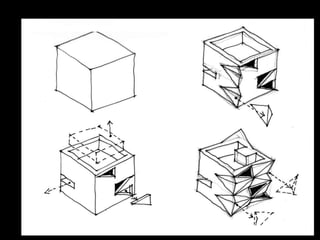
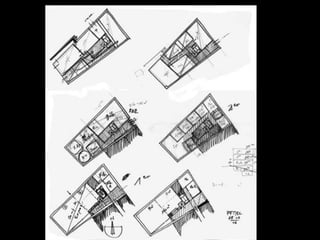
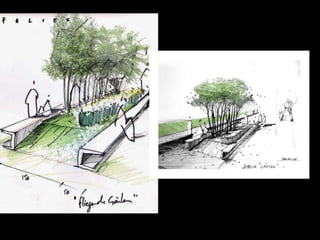
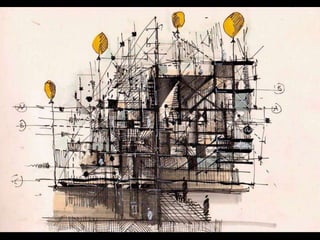
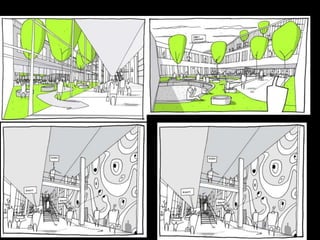
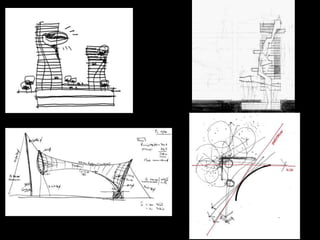
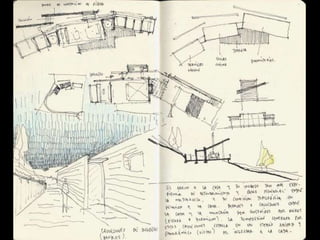
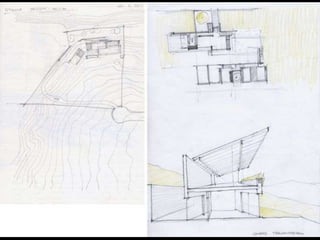
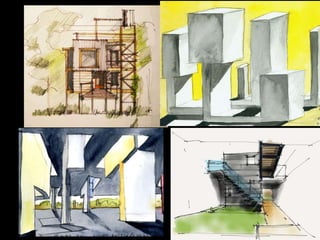
Similar to any brainstorming exercise, don’t dismiss any ideas... however
strange they are. It’s always easier to tone down a design than to try and
spice it up… sitting down in front of your library of ideas, get a pencil and
paper (which are excellent tools at this stage) and start sketching out
concepts that come to your mind by looking at your library, sketching helps
because ideas tend to fade away as fast as they pop into your mind :)
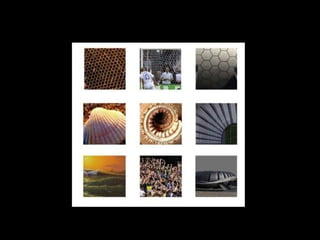
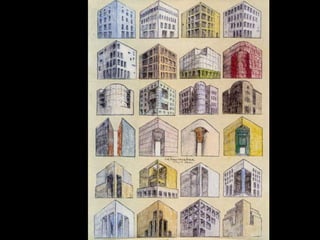
Start By Collecting a Library of Reference Images
One of the easiest and simplest ways to find ideas is to have asked your client
to give you some keywords to describe how he wants people to feel about his
site.... energetic, fresh, young, solid....etc, by simply entering these keywords in
any image search such as Google or Bing
http://conceptsketch.tumblr.com/post/68371
903987
“Design is an Expression of Feeling........Any Creative Act is Design”.
(Emerson-1953).
A Creative act or Creativity is process when an original or a new theory, a
postulate or a hypothesis, results in the permutation or combination of both
are brought together to offer generative alternatives. This is the initiation of a
Design process in a fresh and sensitive mind
Design process is a thinking process and the process adopted must generate
creative thinking. Creative thinking involves visualization which is the skill
and ability to convert vision into visuals. The element of creativity can be
nurtured if creative stimulus is introduced and the technique of problem
solving is explained. (MASA- 2010)
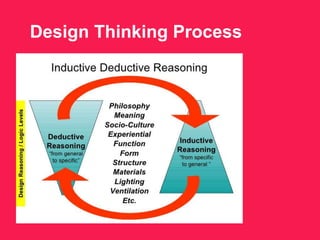
Design Thinking Process
Understanding the Problem
1. Study what the problem is.
2. List possible doubts and questions.
3. Answer the doubts and questions.
Benchmark/Research
1. Check out other similar projects
2. Learn about other solutions and problem solving
3. Research new solutions
4. Gather Insights
Identify Opportunities
1. Look for opportunities that were not noticed by any other
project or company.
2. Technology can always help.
3.What can we bring from tech to apply on this project?
Identify Problems
1. Gather all the problems that could be a barrier
2. Identify by yourself other problems that were not identified
in the previous stages
Design Strategy
. The new design should achieve an or some objectives to solve
the actual problems identified
2. Attending the needs and opportunities
3. Take advantage of technology
4. Provide innovation/security/experience
Prototype
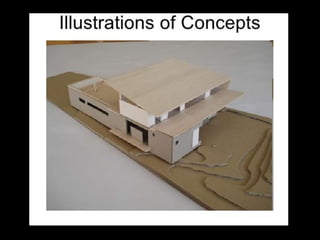
1. Make a model of the possible solution to the redesign
2. Test
Solution
1. After testing the possible models, one should come up as the
final and best
2. Design/Produce/Install
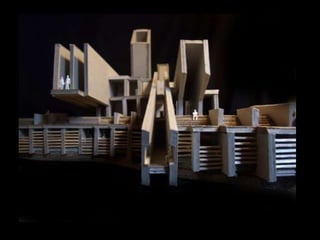
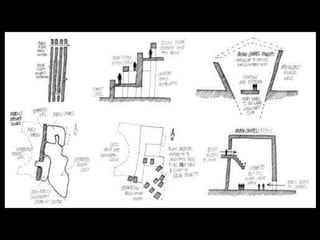
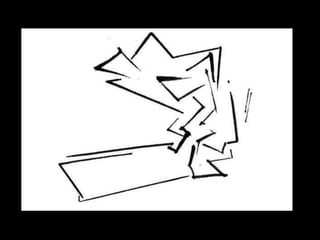
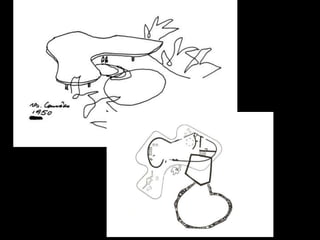
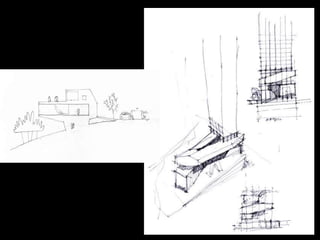
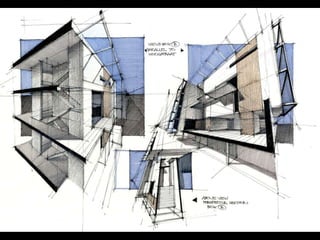
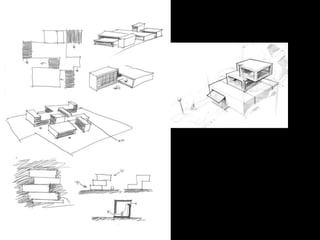
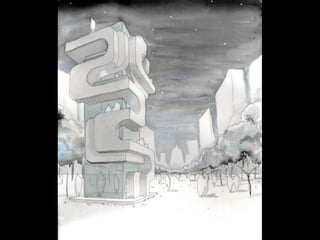
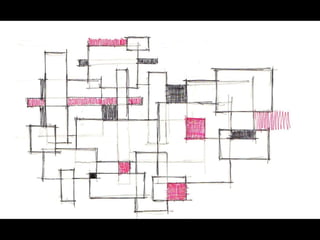
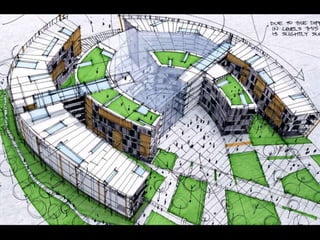
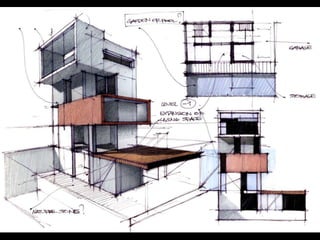
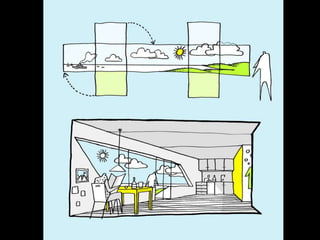
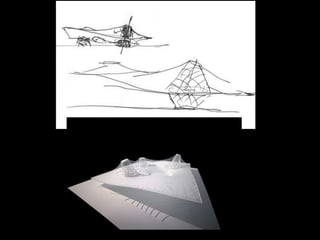
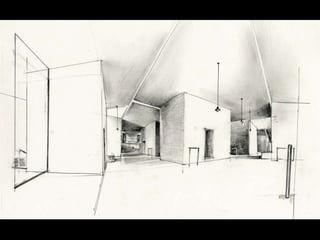
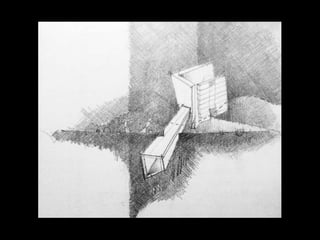
• Conceptual design is a type of art which gives
precedence to hypothetical function, it is the creation and
exploration of new ideas. It is distinguished
from conceptual art by closely relating to function; it is
distinguished from design in general by not necessarily
being actually functional but as illustrating a design that
may show an idea that may potentially be functional.
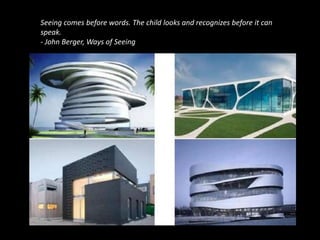
Seeing comes before words. The child looks and recognizes before it can
speak.
- John Berger, Ways of Seeing
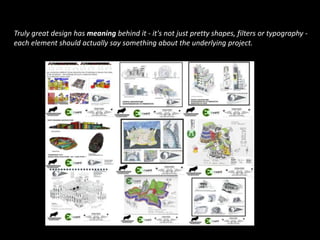
Truly great design has meaning behind it - it's not just pretty shapes, filters or typography -
each element should actually say something about the underlying project.
Thank You
Ar.Suvarna lele

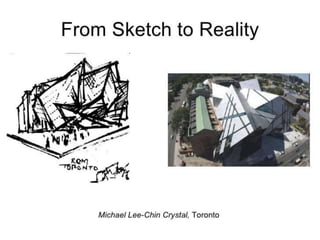
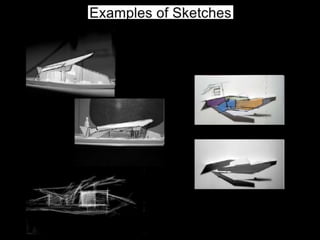
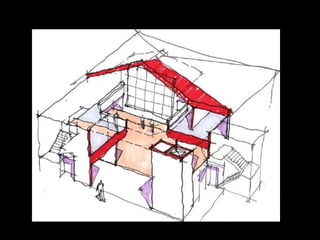
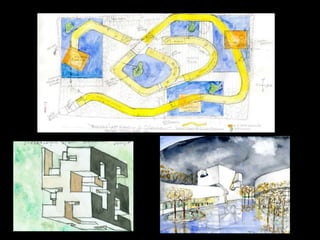
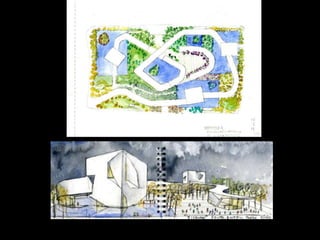
Conceptual sketches for Design

  • 3.
  • 4.
    Design Begins Witha Brainstorm Similar to any brainstorming exercise, don’t dismiss any ideas... however strange they are. It’s always easier to tone down a design than to try and spice it up… sitting down in front of your library of ideas, get a pencil and paper (which are excellent tools at this stage) and start sketching out concepts that come to your mind by looking at your library, sketching helps because ideas tend to fade away as fast as they pop into your mind :) Start By Collecting a Library of Reference Images One of the easiest and simplest ways to find ideas is to have asked your client to give you some keywords to describe how he wants people to feel about his site.... energetic, fresh, young, solid....etc, by simply entering these keywords in any image search such as Google or Bing http://conceptsketch.tumblr.com/post/68371 903987
  • 6.
    “Design is anExpression of Feeling........Any Creative Act is Design”. (Emerson-1953). A Creative act or Creativity is process when an original or a new theory, a postulate or a hypothesis, results in the permutation or combination of both are brought together to offer generative alternatives. This is the initiation of a Design process in a fresh and sensitive mind Design process is a thinking process and the process adopted must generate creative thinking. Creative thinking involves visualization which is the skill and ability to convert vision into visuals. The element of creativity can be nurtured if creative stimulus is introduced and the technique of problem solving is explained. (MASA- 2010)
  • 8.
  • 9.
    Understanding the Problem 1.Study what the problem is. 2. List possible doubts and questions. 3. Answer the doubts and questions.
  • 10.
    Benchmark/Research 1. Check outother similar projects 2. Learn about other solutions and problem solving 3. Research new solutions 4. Gather Insights
  • 11.
    Identify Opportunities 1. Lookfor opportunities that were not noticed by any other project or company. 2. Technology can always help. 3.What can we bring from tech to apply on this project?
  • 12.
    Identify Problems 1. Gatherall the problems that could be a barrier 2. Identify by yourself other problems that were not identified in the previous stages
  • 13.
    Design Strategy . Thenew design should achieve an or some objectives to solve the actual problems identified 2. Attending the needs and opportunities 3. Take advantage of technology 4. Provide innovation/security/experience
  • 14.
    Prototype 1. Make amodel of the possible solution to the redesign 2. Test
  • 15.
    Solution 1. After testingthe possible models, one should come up as the final and best 2. Design/Produce/Install
  • 17.
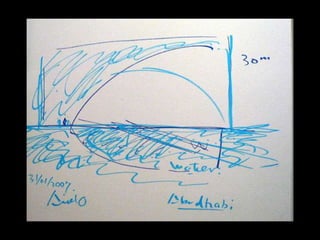
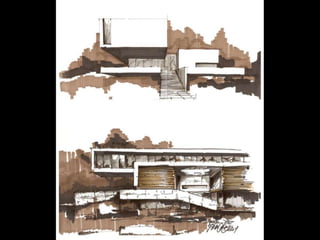
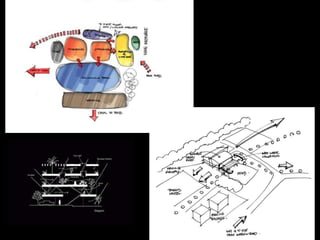
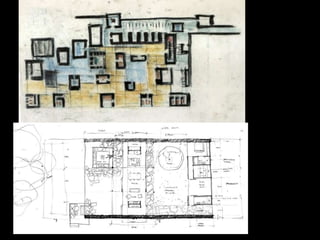
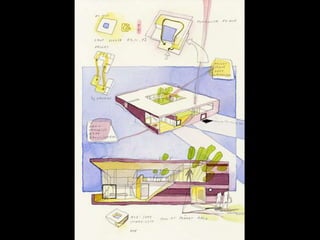
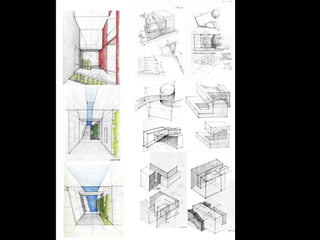
    • Conceptual designis a type of art which gives precedence to hypothetical function, it is the creation and exploration of new ideas. It is distinguished from conceptual art by closely relating to function; it is distinguished from design in general by not necessarily being actually functional but as illustrating a design that may show an idea that may potentially be functional.
  • 45.
    Seeing comes beforewords. The child looks and recognizes before it can speak. - John Berger, Ways of Seeing
  • 47.
    Truly great designhas meaning behind it - it's not just pretty shapes, filters or typography - each element should actually say something about the underlying project.
  • 96.