CHAPTER III
Is composed of discussions of facts
and principles to which the present study
is related. For instance, if the present
study deals with drug addiction, literature
to be reviewed or surveyed should be
composed of materials that deal with
drug addiction.
RELATED LITERATURE
These materials are usually printed
and found in books, encyclopedias,
professional journals, magazines,
newspapers, and other publications.
RELATED LITERATURE
RELATED LITERATURE
These materials are classified as
1. Local, if printed in the Philippines;
and
2. Foreign, if printed in other lands.
RELATED LITERATURE
Studies, inquiries, or investigations
already conducted to which the present
proposed study is relate or has some
bearing or similarity. They are usually
unpublished materials such as
manuscripts, theses, and dissertations.
RELATED STUDIES
RELATED STUDIES
They may be classified as:
1. Local, if the inquiry was conducted
in the Philippines; and
2. Foreign, if conducted in foreign
lands
RELATED STUDIES
Importance, Purposes,
and Functions of
Related Literature
and Studies
A survey or review of related
literature and studies is very important
because such reviewed literature and
studies serve as a foundation of the
proposed study. This is because related
literature and studies guide the
researcher in pursuing his research
venture.
Importance, Purposes, and Functions
of Related Literature and Studies
Reviewed literature and studies help
or guide the researcher in the following
ways:
1. They help or guide the researcher in
searching for or selecting a better
research problem or topic. By reviewing
related materials, a replication of a similar
problem may be found better than the
problem already chosen. Replication is
the study of research problem already
conducted but in another place.
Importance, Purposes, and Functions
of Related Literature and Studies
2. They help the investigator
understand his topic for research better.
Reviewing related literature and studies
may clarify vague points about his
problem.
Importance, Purposes, and Functions
of Related Literature and Studies
3. They ensure that there will be no
duplication of other studies. There is
duplication if an investigation already
made is conducted again in the same
locale using practically the same
respondents. This is avoided if a survey of
related literature and studies be made
first.
Importance, Purposes, and Functions
of Related Literature and Studies
4. They help and guide the researcher
in locating more sources of related
information. This is because the
bibliography of a study already conducted
indicate references about similar studies.
Importance, Purposes, and Functions
of Related Literature and Studies
5. They help and guide the researcher
in making his research design especially
in:
a. the formulation of specific questions
to be researched on;
b. the formulation of assumptions and
hypotheses if there should be any;
Importance, Purposes, and Functions
of Related Literature and Studies
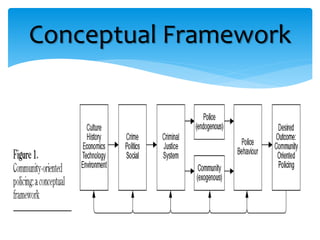
c. the formulation of conceptual
framework;
Importance, Purposes, and Functions
of Related Literature and Studies
Conceptual Framework
d. the selection and application of the
methods of research;
e. the selection and application of
sampling techniques;
Importance, Purposes, and Functions
of Related Literature and Studies
f. the selection and/or preparation and
validation of research instruments for
gathering data;
g. the selection and application of
statistical procedures;
Importance, Purposes, and Functions
of Related Literature and Studies
h. The analysis, organization,
presentation, and interpretation of data;
i. The making of the summary of
implications for the whole study;
j. The formulation of the summary of
findings, conclusions, and
recommendation; and
Importance, Purposes, and Functions
of Related Literature and Studies
6. They help and guide the researcher
in making comparison between his
findings of other researchers on similar
studies with the end in view of
formulating generalization or principles
which are the contributions of the study
to fund of knowledge.
Importance, Purposes, and Functions
of Related Literature and Studies
Characteristics of
Related Literature
and Studies
There are certain characteristics of
related materials that make them of true
value. Among these characteristics are:
1. The surveyed materials must be as
recent as possible. This is important
because of the rapid social, economic,
scientific, and technological change.
Findings several years ago may be of little
value today because of the fast changing
life style of the people.
Characteristics of Related
Literature and Studies
There are exception, however.
Treatises that deal on universals or things
of more or less permanent nature may be
still be good today. There are
mathematical laws and formulas and
statistical procedures that had been
formulated a long, long time ago which
are being use today with very, very little
improvement. This is also true with
natural and physical laws. Books on
these, though written a long time ago,
are still being cited today.
Another exception is when a
comparison or contrast is to be made
between the conditions of today and
those of a remote past, say ten or twenty
years ago. Naturally, literature and
studies about that remote past have to be
surveyed and reviewed.
2. Materials reviewed must be
objective and unbiased. Some materials
are extremely or subtly one sided, either
political, or religious, etc. Comparison
with these materials cannot be made
logically and validity. Distorted
generalizations may result.
Characteristics of Related
Literature and Studies
3. Materials surveyed must be
relevant to the study. Only materials that
have some bearing or similarity to the
research problem at hand should be
reviewed.
Characteristics of Related
Literature and Studies
4. Surveyed materials must have been
based upon genuinely original and true
facts or data to make them valid and
reliable. There are cases where fictitious
data are supplied just to complete a
research report (thesis or dissertation).
Of course, this kind of deception is hard
to detect and to prove. Thus, this is a real
problem to honest researchers.
Characteristics of Related
Literature and Studies
5. Reviewed materials must not be
few or too many. They must only be
sufficient enough to give insight into the
research problem or to indicate the
nature of the present investigation. The
may also depend upon the availability of
related materials.
Characteristics of Related
Literature and Studies
Sometimes there is a paucity of such
materials. Ordinarily, form ten to fifteen
related materials re needed for a master`s
thesis and from fifteen to twenty-five for
a doctoral dissertation depending their
availability, as well as their depth and
length of discussions.
For an undergraduate thesis, from
five to ten may do. The numbers,
however, are only suggestive and not
imperative nor mandatory. These are only
the average numbers observed from
theses and dissertation surveyed by this
author.
Sources of
Related Literature
and Studies
The sources of related literature and
studies may include the following:
1. Book, encyclopedias, almanacs, and
other similar references.
2. Articles published in professional
journals, magazines, periodicals,
newspapers, and other publications.
Sources of Related
Literature and Studies
3. Manuscripts, monographs, memoirs,
speeches, letters, and diaries.
4. Unpublished theses and
dissertations.
5. The Constitution, and laws and
statues of the land.
Sources of Related
Literature and Studies
6. Bulletins, circulars, and orders
emanating from government offices and
departments, especially from the Office
of the President of the Philippines and the
Department of Education, Culture and
Sports.
Sources of Related
Literature and Studies
7. Records from schools, public and
private, especially reports of their
activities.
8. Reports from seminars educational
or otherwise.
Sources of Related
Literature and Studies
9. Official reports of all kinds,
educational, social, economic, scientific,
technological, political, etc. from the
government and other entities.
Sources of Related
Literature and Studies
Where to Locate
the Sources of
Related Literature
and Studies
Generally, the sources of related
literature and studies are located in the
following places:
Where to Locate the Sources of
Related Literature and Studies
1. Libraries, either government, school,
or private libraries.
2. Government and private offices.
Where to Locate the Sources of
Related Literature and Studies
3. The National Library
4. The Library of the Department of
Education, Culture and Sports.
Where to Locate the Sources of
Related Literature and Studies
The last two are especially rich
depositories of related materials,
particularly unpublished master`s theses
and doctoral dissertations.
More way to go, god bless to us!

Related Literature and Related Studies

  • 2.
  • 3.
    Is composed ofdiscussions of facts and principles to which the present study is related. For instance, if the present study deals with drug addiction, literature to be reviewed or surveyed should be composed of materials that deal with drug addiction. RELATED LITERATURE
  • 4.
    These materials areusually printed and found in books, encyclopedias, professional journals, magazines, newspapers, and other publications. RELATED LITERATURE
  • 5.
  • 6.
    These materials areclassified as 1. Local, if printed in the Philippines; and 2. Foreign, if printed in other lands. RELATED LITERATURE
  • 7.
    Studies, inquiries, orinvestigations already conducted to which the present proposed study is relate or has some bearing or similarity. They are usually unpublished materials such as manuscripts, theses, and dissertations. RELATED STUDIES
  • 8.
  • 9.
    They may beclassified as: 1. Local, if the inquiry was conducted in the Philippines; and 2. Foreign, if conducted in foreign lands RELATED STUDIES
  • 10.
    Importance, Purposes, and Functionsof Related Literature and Studies
  • 11.
    A survey orreview of related literature and studies is very important because such reviewed literature and studies serve as a foundation of the proposed study. This is because related literature and studies guide the researcher in pursuing his research venture. Importance, Purposes, and Functions of Related Literature and Studies
  • 12.
    Reviewed literature andstudies help or guide the researcher in the following ways:
  • 13.
    1. They helpor guide the researcher in searching for or selecting a better research problem or topic. By reviewing related materials, a replication of a similar problem may be found better than the problem already chosen. Replication is the study of research problem already conducted but in another place. Importance, Purposes, and Functions of Related Literature and Studies
  • 14.
    2. They helpthe investigator understand his topic for research better. Reviewing related literature and studies may clarify vague points about his problem. Importance, Purposes, and Functions of Related Literature and Studies
  • 15.
    3. They ensurethat there will be no duplication of other studies. There is duplication if an investigation already made is conducted again in the same locale using practically the same respondents. This is avoided if a survey of related literature and studies be made first. Importance, Purposes, and Functions of Related Literature and Studies
  • 16.
    4. They helpand guide the researcher in locating more sources of related information. This is because the bibliography of a study already conducted indicate references about similar studies. Importance, Purposes, and Functions of Related Literature and Studies
  • 17.
    5. They helpand guide the researcher in making his research design especially in: a. the formulation of specific questions to be researched on; b. the formulation of assumptions and hypotheses if there should be any; Importance, Purposes, and Functions of Related Literature and Studies
  • 18.
    c. the formulationof conceptual framework; Importance, Purposes, and Functions of Related Literature and Studies
  • 19.
  • 20.
    d. the selectionand application of the methods of research; e. the selection and application of sampling techniques; Importance, Purposes, and Functions of Related Literature and Studies
  • 21.
    f. the selectionand/or preparation and validation of research instruments for gathering data; g. the selection and application of statistical procedures; Importance, Purposes, and Functions of Related Literature and Studies
  • 22.
    h. The analysis,organization, presentation, and interpretation of data; i. The making of the summary of implications for the whole study; j. The formulation of the summary of findings, conclusions, and recommendation; and Importance, Purposes, and Functions of Related Literature and Studies
  • 23.
    6. They helpand guide the researcher in making comparison between his findings of other researchers on similar studies with the end in view of formulating generalization or principles which are the contributions of the study to fund of knowledge. Importance, Purposes, and Functions of Related Literature and Studies
  • 24.
  • 25.
    There are certaincharacteristics of related materials that make them of true value. Among these characteristics are:
  • 26.
    1. The surveyedmaterials must be as recent as possible. This is important because of the rapid social, economic, scientific, and technological change. Findings several years ago may be of little value today because of the fast changing life style of the people. Characteristics of Related Literature and Studies
  • 27.
    There are exception,however. Treatises that deal on universals or things of more or less permanent nature may be still be good today. There are mathematical laws and formulas and statistical procedures that had been formulated a long, long time ago which are being use today with very, very little improvement. This is also true with natural and physical laws. Books on these, though written a long time ago, are still being cited today.
  • 28.
    Another exception iswhen a comparison or contrast is to be made between the conditions of today and those of a remote past, say ten or twenty years ago. Naturally, literature and studies about that remote past have to be surveyed and reviewed.
  • 29.
    2. Materials reviewedmust be objective and unbiased. Some materials are extremely or subtly one sided, either political, or religious, etc. Comparison with these materials cannot be made logically and validity. Distorted generalizations may result. Characteristics of Related Literature and Studies
  • 30.
    3. Materials surveyedmust be relevant to the study. Only materials that have some bearing or similarity to the research problem at hand should be reviewed. Characteristics of Related Literature and Studies
  • 31.
    4. Surveyed materialsmust have been based upon genuinely original and true facts or data to make them valid and reliable. There are cases where fictitious data are supplied just to complete a research report (thesis or dissertation). Of course, this kind of deception is hard to detect and to prove. Thus, this is a real problem to honest researchers. Characteristics of Related Literature and Studies
  • 32.
    5. Reviewed materialsmust not be few or too many. They must only be sufficient enough to give insight into the research problem or to indicate the nature of the present investigation. The may also depend upon the availability of related materials. Characteristics of Related Literature and Studies
  • 33.
    Sometimes there isa paucity of such materials. Ordinarily, form ten to fifteen related materials re needed for a master`s thesis and from fifteen to twenty-five for a doctoral dissertation depending their availability, as well as their depth and length of discussions.

  • 34.
    For an undergraduatethesis, from five to ten may do. The numbers, however, are only suggestive and not imperative nor mandatory. These are only the average numbers observed from theses and dissertation surveyed by this author.
  • 35.
  • 36.
    The sources ofrelated literature and studies may include the following:
  • 37.
    1. Book, encyclopedias,almanacs, and other similar references. 2. Articles published in professional journals, magazines, periodicals, newspapers, and other publications. Sources of Related Literature and Studies
  • 38.
    3. Manuscripts, monographs,memoirs, speeches, letters, and diaries. 4. Unpublished theses and dissertations. 5. The Constitution, and laws and statues of the land. Sources of Related Literature and Studies
  • 39.
    6. Bulletins, circulars,and orders emanating from government offices and departments, especially from the Office of the President of the Philippines and the Department of Education, Culture and Sports. Sources of Related Literature and Studies
  • 40.
    7. Records fromschools, public and private, especially reports of their activities. 8. Reports from seminars educational or otherwise. Sources of Related Literature and Studies
  • 41.
    9. Official reportsof all kinds, educational, social, economic, scientific, technological, political, etc. from the government and other entities. Sources of Related Literature and Studies
  • 42.
    Where to Locate theSources of Related Literature and Studies
  • 43.
    Generally, the sourcesof related literature and studies are located in the following places: Where to Locate the Sources of Related Literature and Studies
  • 44.
    1. Libraries, eithergovernment, school, or private libraries. 2. Government and private offices. Where to Locate the Sources of Related Literature and Studies
  • 45.
    3. The NationalLibrary 4. The Library of the Department of Education, Culture and Sports. Where to Locate the Sources of Related Literature and Studies
  • 46.
    The last twoare especially rich depositories of related materials, particularly unpublished master`s theses and doctoral dissertations.
  • 47.
    More way togo, god bless to us!