What shapes an Ecosystem? 4.2
Biotic FactorBiological influence on organisms within an ecosystem.
Abiotic FactorPhysical, or nonliving, factor that shapes an ecosystem.
Habitat The area where an organism lives, including the biotic and abiotic factors that affect it.
NicheFull range of physical and biological conditions in which an organism lives and the way in which the organism uses those conditions.
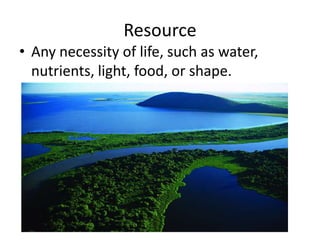
Resource Any necessity of life, such as water, nutrients, light, food, or shape.
Competitive exclusion principle Ecological rule that states that no two species can occupy the same exact niche in the same habitat at the same time.
PredationInteraction in which one organism captures and feeds on another organism.
SymbiosisRelationship in which two species live closely together.
MutualismSymbiotic relationship in which both species benefit from the relationship.
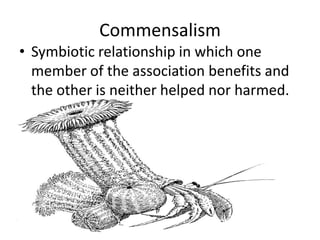
CommensalismSymbiotic relationship in which one member of the association benefits and the other is neither helped nor harmed.
ParasitismSymbiotic relationship in which one organism lives in or on another organism and consequently harms it.
Ecological SuccessionGradual change in living communities that follows a disturbance.
Primary Succession Successionthat occurs on surfaces where no soil exists.
Pioneer Species First species to populate an area during primary succession.
Secondary SuccessionSuccession following a disturbance that destroys a community without destroying the soil.
Key ConceptHow do biotic and abiotic factors influence an ecosystem?Together, biotic and abiotic factors determine the survival and growth of an organism and the productivity of the ecosystem in which the organism lives.
Key ConceptWhat interactions occur within communities?Community interactions, such as competition, predation, and various forms of symbiosis, can powerfully affect an ecosystem.
Key ConceptWhat is ecological succession?Gradual change in living communities that follows a disturbance.

Biology 4