BASICS OF CLINICAL
RESEARCH
Dr BIPUL BORTHAKUR
PROF Orthopaedics, SILCHAR ,ASSAM,INDIA
Topics to be covered
Aims and objectives of clinical research
Basic research methodology
Pre test probability
Post test probability
RESEARCH
• Research is a quest for knowledge through diligent search or
investigation or experimentation aimed at the discovery and
interpretation of new knowledge (WHO 2001).
AIMS OF CLINICAL RESEARCH
•Aims are broad statements of desired outcomes that
is it specifies the overall purpose of the study.
OBJECTIVES OF CLINICAL RESEARCH
• Objectives are defined as planned end point of all activities.
• It is precise.
• It is stated that objectives should be SMART .
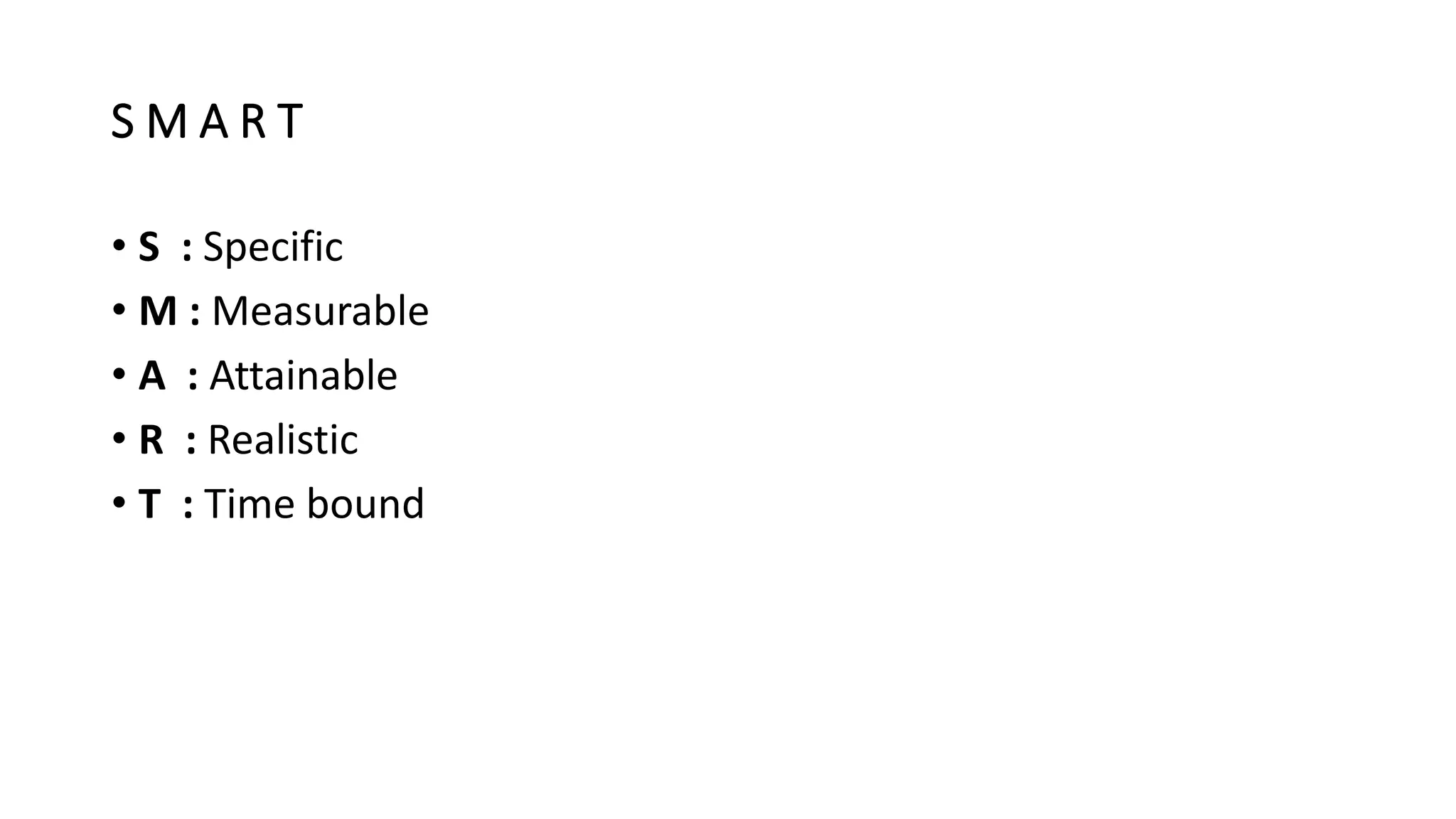
S M A R T
• S : Specific
• M : Measurable
• A : Attainable
• R : Realistic
• T : Time bound
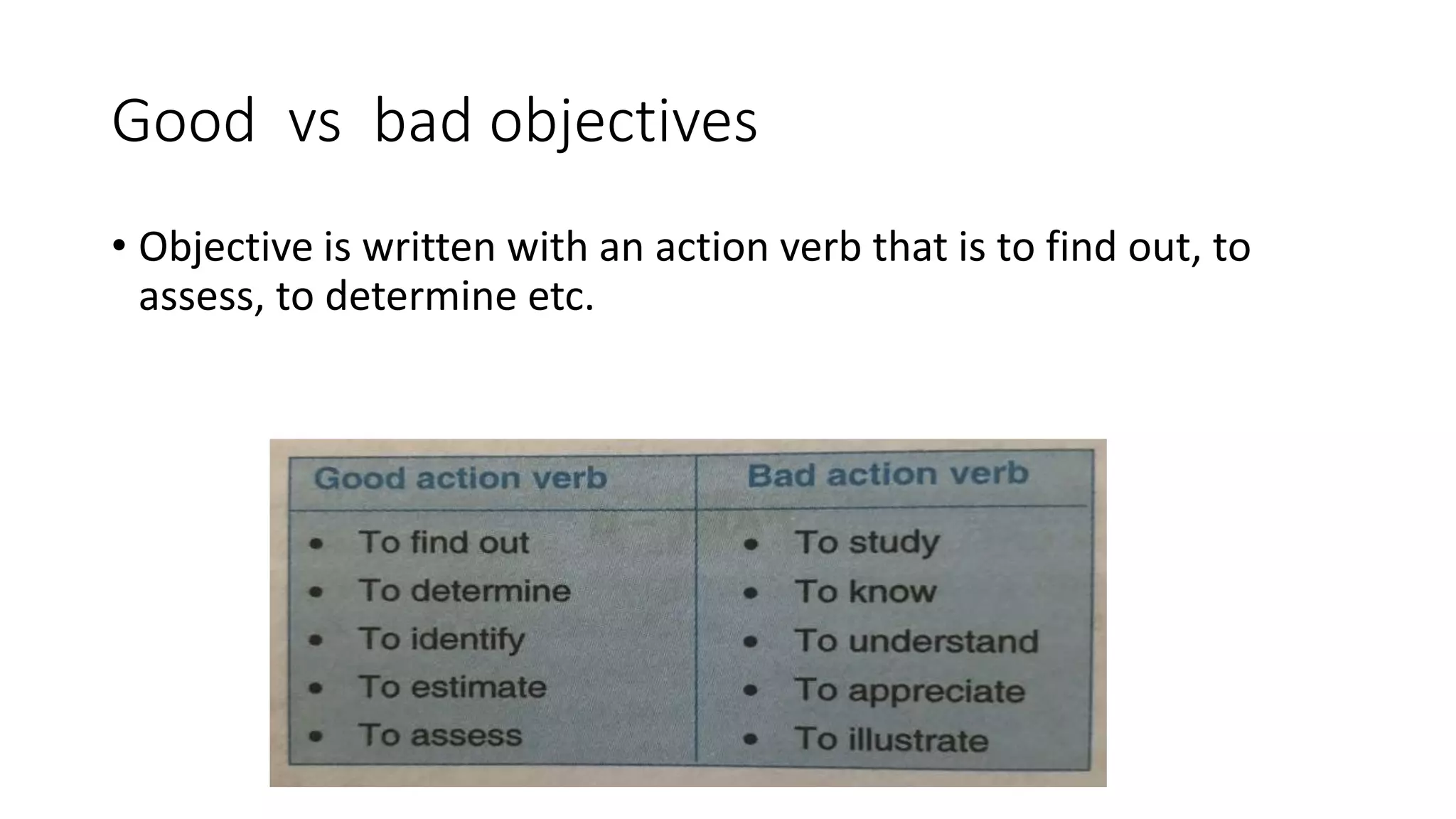
Good vs bad objectives
• Objective is written with an action verb that is to find out, to
assess, to determine etc.
Steps of a research process
• (A) Planning and defining a research problem.
• (B) Review of literature.
• (C) Development of working hypothesis/research question.
• (D) Preparing the research design.
Steps of A research Process
• (E) Estimation of sample size ans sampling technique.
• (F) Data collection.
Planning and defining research problem
• Find out the problem or areas to be explored.
• Assessment of practical feasibility in existing settings is done.
Review of literature
• Extensive review of concepts and theories related to the research
topic is done.
• First step to understand the current available information on the
research problem.
Development of working hypothesis
• Hypothesis is a carefully constructed statement about a
phenomenon in the population; when tested will lead to the
identification of the most likely causes of disease or changes in
the condition being observed.
• It should be precise and very specific.
Preparing the research design
Design depends upon factors like :
• Competence of research team
• Man-power
• Money
• Time etc.
Estimation of sample size ans sampling technique
• Sample size is the number of subjects required to conduct a
study.
• It is done by SAMPLING TECHNIQUE so that so that the sample
population becomes a true representation of the whole
population.
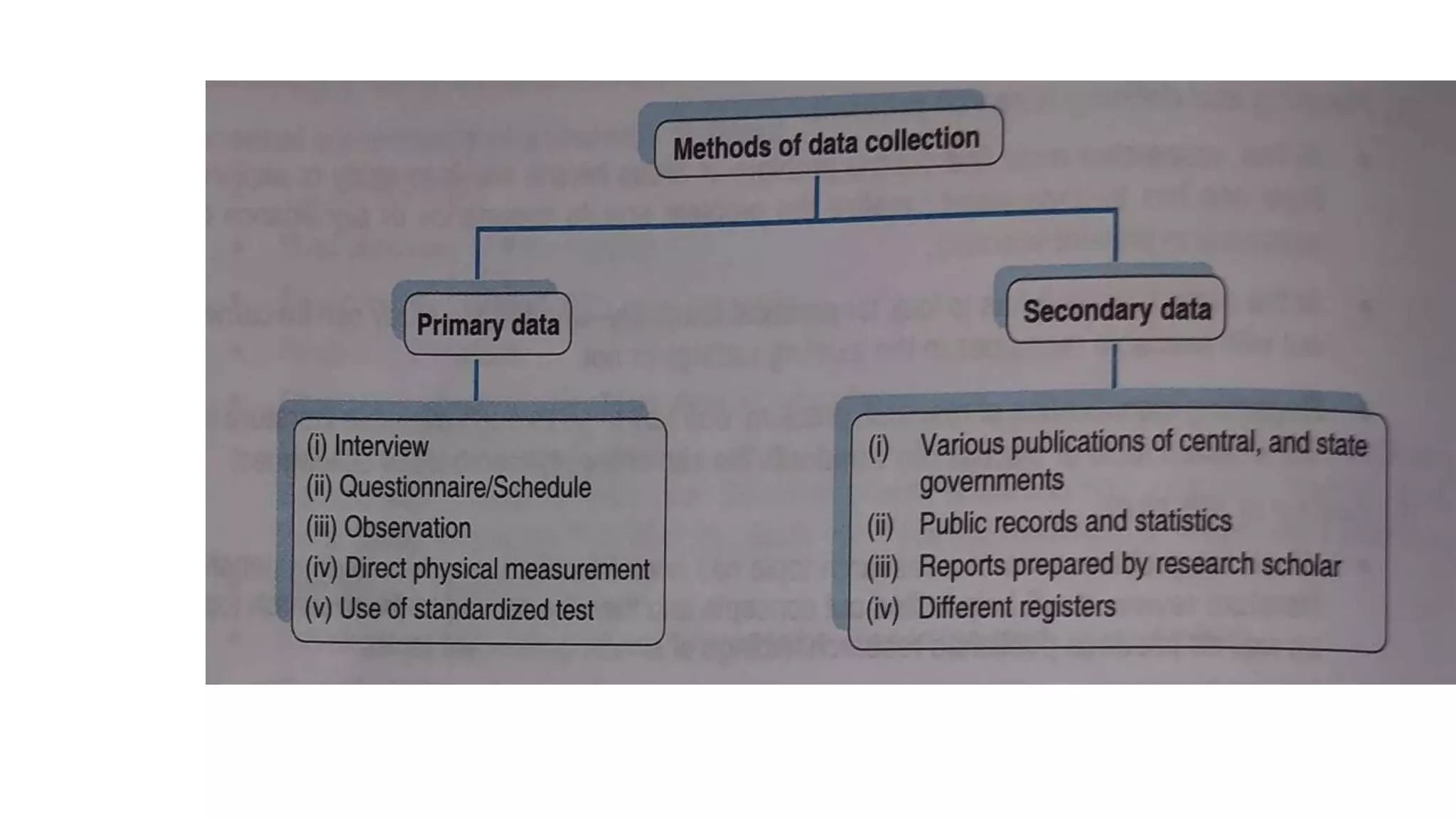
Data collection
• Primary data : Collected by researcher himself.
• Secondary data : Collected by someone else.
Pre-test probability
• The probability of presence of a disease in a person before doing
a diagnostic test.
Post Test probability
• The probability of presence of a disease in a person after doing a
diagnostic test.
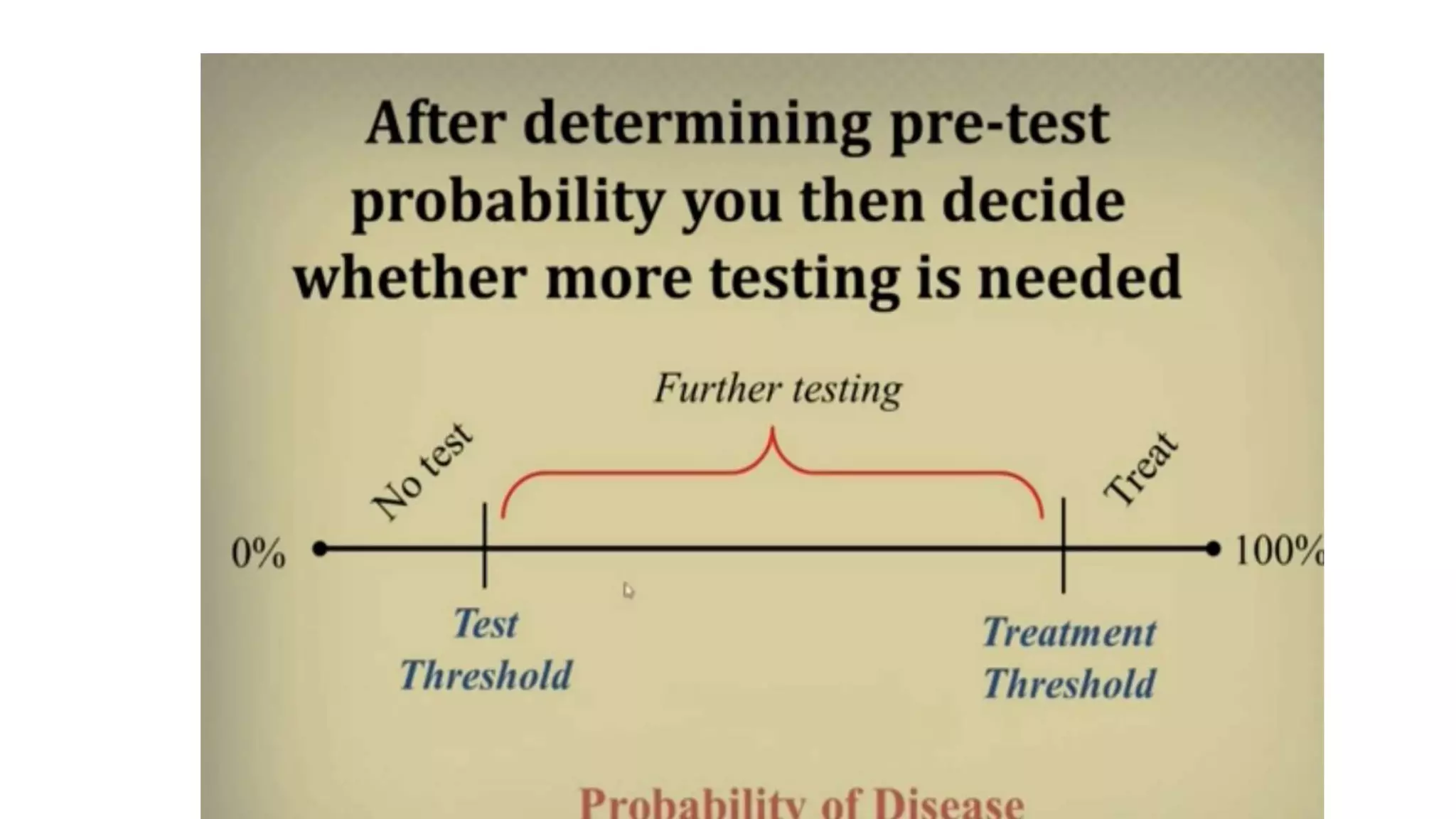
How to estimate pre-test probability
• Direct studies of disease probability by doing prevalence studies
in a population.
• Clinical experience and judgement.
• Validated clinical prediction rules.
(Example : Duke and diamond forrester rule)
Thoughtfully choosing A Diagnostic Test
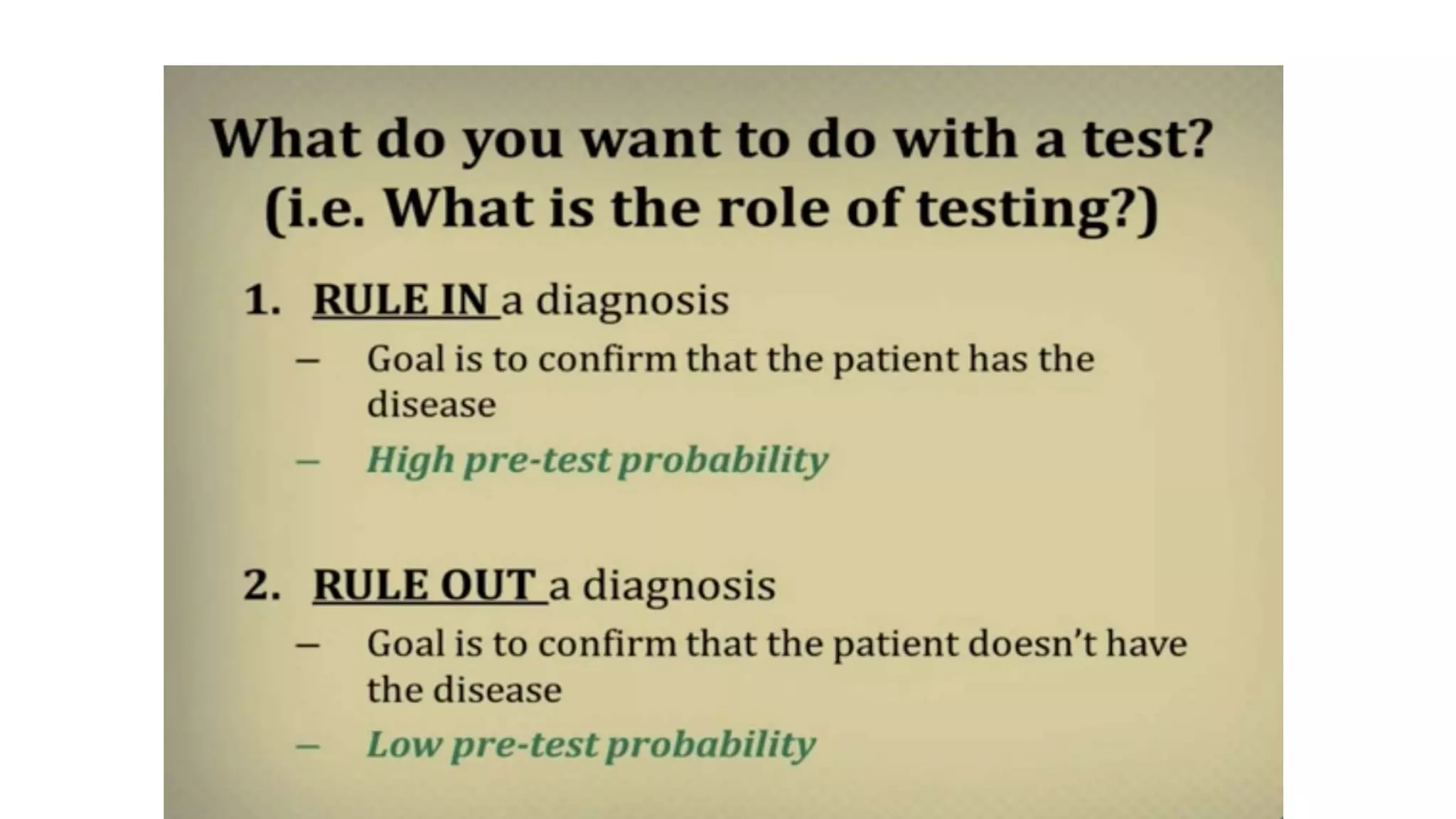
• Think about pre test probability
• Whether you want to rule in or rule out a disease.
• Compare the characteristics of a test before ordering
• To rule in a disease : Test must have high specificity
• To rule out a disease : Test must have high sensitivity
अर्जुन उवाच |
कथं भीष्ममहं सङ्ख्ये द्रोणं च मधजसूदन |
इषजभभ: प्रतियोत्स्याभम पूर्ाहाुवरिसूदन || 4||
arjuna uvācha
kathaṁ bhīṣhmam ahaṁ sankhye droṇaṁ cha
madhusūdana
iṣhubhiḥ pratiyotsyāmi pūjārhāvari-sūdana
meaning-Arjun said: O Madhusudan, how can I shoot
arrows in battle on men like Bheeshma and Dronacharya,
who are worthy of my worship, O destroyer of enemies?

basics of clinical research

  • 1.
    BASICS OF CLINICAL RESEARCH DrBIPUL BORTHAKUR PROF Orthopaedics, SILCHAR ,ASSAM,INDIA
  • 2.
    Topics to becovered Aims and objectives of clinical research Basic research methodology Pre test probability Post test probability
  • 3.
    RESEARCH • Research isa quest for knowledge through diligent search or investigation or experimentation aimed at the discovery and interpretation of new knowledge (WHO 2001).
  • 4.
    AIMS OF CLINICALRESEARCH •Aims are broad statements of desired outcomes that is it specifies the overall purpose of the study.
  • 5.
    OBJECTIVES OF CLINICALRESEARCH • Objectives are defined as planned end point of all activities. • It is precise. • It is stated that objectives should be SMART .
  • 6.
    S M AR T • S : Specific • M : Measurable • A : Attainable • R : Realistic • T : Time bound
  • 7.
    Good vs badobjectives • Objective is written with an action verb that is to find out, to assess, to determine etc.
  • 8.
    Steps of aresearch process • (A) Planning and defining a research problem. • (B) Review of literature. • (C) Development of working hypothesis/research question. • (D) Preparing the research design.
  • 9.
    Steps of Aresearch Process • (E) Estimation of sample size ans sampling technique. • (F) Data collection.
  • 10.
    Planning and definingresearch problem • Find out the problem or areas to be explored. • Assessment of practical feasibility in existing settings is done.
  • 11.
    Review of literature •Extensive review of concepts and theories related to the research topic is done. • First step to understand the current available information on the research problem.
  • 12.
    Development of workinghypothesis • Hypothesis is a carefully constructed statement about a phenomenon in the population; when tested will lead to the identification of the most likely causes of disease or changes in the condition being observed. • It should be precise and very specific.
  • 13.
    Preparing the researchdesign Design depends upon factors like : • Competence of research team • Man-power • Money • Time etc.
  • 14.
    Estimation of samplesize ans sampling technique • Sample size is the number of subjects required to conduct a study. • It is done by SAMPLING TECHNIQUE so that so that the sample population becomes a true representation of the whole population.
  • 15.
    Data collection • Primarydata : Collected by researcher himself. • Secondary data : Collected by someone else.
  • 17.
    Pre-test probability • Theprobability of presence of a disease in a person before doing a diagnostic test.
  • 18.
    Post Test probability •The probability of presence of a disease in a person after doing a diagnostic test.
  • 19.
    How to estimatepre-test probability • Direct studies of disease probability by doing prevalence studies in a population. • Clinical experience and judgement. • Validated clinical prediction rules. (Example : Duke and diamond forrester rule)
  • 21.
    Thoughtfully choosing ADiagnostic Test • Think about pre test probability • Whether you want to rule in or rule out a disease.
  • 23.
    • Compare thecharacteristics of a test before ordering • To rule in a disease : Test must have high specificity • To rule out a disease : Test must have high sensitivity
  • 24.
    अर्जुन उवाच | कथंभीष्ममहं सङ्ख्ये द्रोणं च मधजसूदन | इषजभभ: प्रतियोत्स्याभम पूर्ाहाुवरिसूदन || 4|| arjuna uvācha kathaṁ bhīṣhmam ahaṁ sankhye droṇaṁ cha madhusūdana iṣhubhiḥ pratiyotsyāmi pūjārhāvari-sūdana meaning-Arjun said: O Madhusudan, how can I shoot arrows in battle on men like Bheeshma and Dronacharya, who are worthy of my worship, O destroyer of enemies?