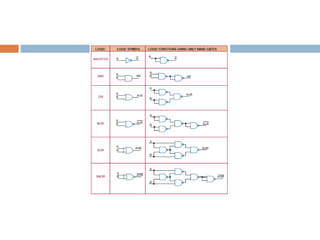
Basic Logic Gates
AND Gate
 Two or more inputs and a single output
 Produces a 1 output only when all inputs are
1s
 Total number of possible combinations:
N = 2n
where: n = total number of input variables
 Performs basic operation of multiplication
AND Gate (cont’d.)
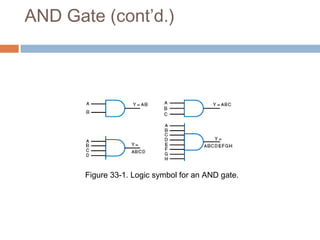
Figure 33-1. Logic symbol for an AND gate.
AND Gate (cont’d.)
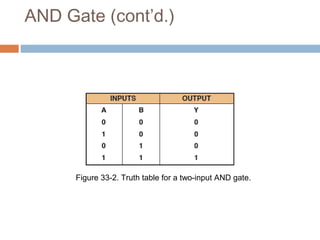
Figure 33-2. Truth table for a two-input AND gate.
OR Gate
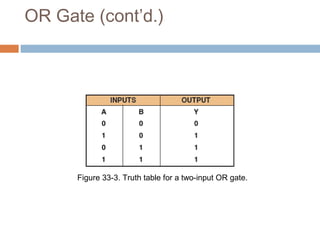
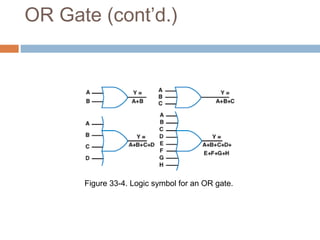
 Produces a 1 output if any of its inputs are 1s
 Performs basic operation of addition
 Can have any number of inputs greater than
one
OR Gate (cont’d.)
Figure 33-3. Truth table for a two-input OR gate.
OR Gate (cont’d.)
Figure 33-4. Logic symbol for an OR gate.
NOT Gate
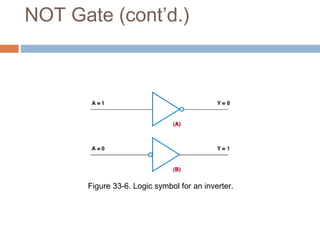
 Referred to as an inverter
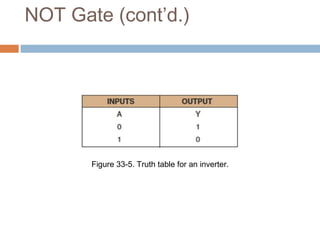
 Converts the input state to an opposite output
state
 Only two input combinations possible
NOT Gate (cont’d.)
Figure 33-5. Truth table for an inverter.
NOT Gate (cont’d.)
Figure 33-6. Logic symbol for an inverter.
NAND Gate
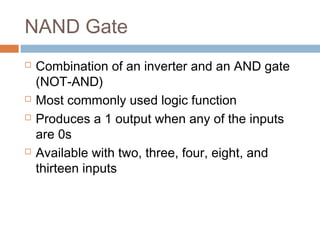
 Combination of an inverter and an AND gate
(NOT-AND)
 Most commonly used logic function
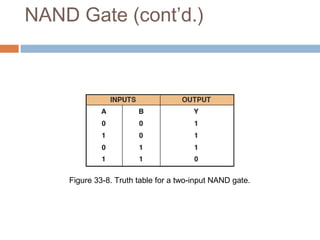
 Produces a 1 output when any of the inputs
are 0s
 Available with two, three, four, eight, and
thirteen inputs
NAND Gate (cont’d.)
Figure 33-8. Truth table for a two-input NAND gate.
NOR Gate
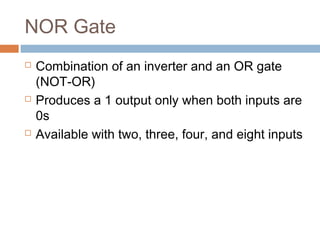
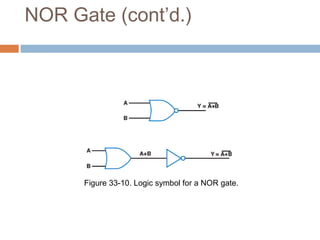
 Combination of an inverter and an OR gate
(NOT-OR)
 Produces a 1 output only when both inputs are
0s
 Available with two, three, four, and eight inputs
NOR Gate (cont’d.)
Figure 33-10. Logic symbol for a NOR gate.
NOR Gate (cont’d.)
Figure 33-11. Truth table for a two-input NOR gate.
Exclusive OR and NOR Gates
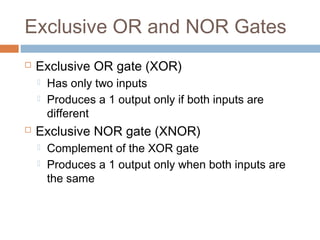
 Exclusive OR gate (XOR)
 Has only two inputs
 Produces a 1 output only if both inputs are
different
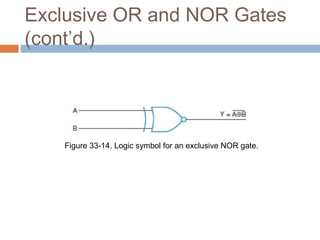
 Exclusive NOR gate (XNOR)
 Complement of the XOR gate
 Produces a 1 output only when both inputs are
the same
Exclusive OR and NOR Gates
(cont’d.)
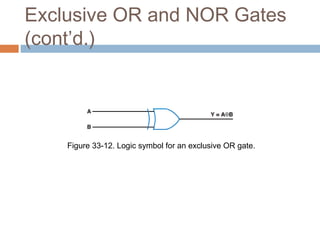
Figure 33-12. Logic symbol for an exclusive OR gate.
Exclusive OR and NOR Gates
(cont’d.)
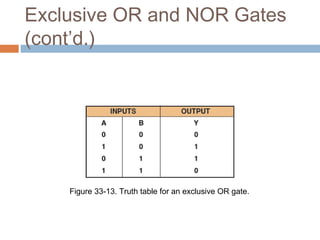
Figure 33-13. Truth table for an exclusive OR gate.
Exclusive OR and NOR Gates
(cont’d.)
Figure 33-14. Logic symbol for an exclusive NOR gate.
Exclusive OR and NOR Gates
(cont’d.)
Figure 33-15. Truth table for an exclusive NOR gate.
Buffer
 Isolates conventional gates from other circuitry
 Provides high-driving current for heavy circuit
loads
 Provides noninverting input and output
Buffer (cont’d.)
Figure 33-16. Logic symbol for a buffer.
Summary
 An AND gate produces a 1 output when all of
its inputs are 1s
 An OR gate produces a 1 output if any of its
inputs are 1s
 A NOT gate converts the input state to an
opposite output state
 A NAND gate produces a 1 output when any
of the inputs are 0s
Summary (cont’d.)
 A NOR gate produces a 1 output only when
both inputs are 0s
 An exclusive OR (XOR) gate produces a 1
output only if both inputs are different
 An exclusive NOR (XNOR) gate produces a 1
output only when both inputs are the same

basic logic gates

  • 1.
  • 2.
    AND Gate  Twoor more inputs and a single output  Produces a 1 output only when all inputs are 1s  Total number of possible combinations: N = 2n where: n = total number of input variables  Performs basic operation of multiplication
  • 3.
    AND Gate (cont’d.) Figure33-1. Logic symbol for an AND gate.
  • 4.
    AND Gate (cont’d.) Figure33-2. Truth table for a two-input AND gate.
  • 5.
    OR Gate  Producesa 1 output if any of its inputs are 1s  Performs basic operation of addition  Can have any number of inputs greater than one
  • 6.
    OR Gate (cont’d.) Figure33-3. Truth table for a two-input OR gate.
  • 7.
    OR Gate (cont’d.) Figure33-4. Logic symbol for an OR gate.
  • 8.
    NOT Gate  Referredto as an inverter  Converts the input state to an opposite output state  Only two input combinations possible
  • 9.
    NOT Gate (cont’d.) Figure33-5. Truth table for an inverter.
  • 10.
    NOT Gate (cont’d.) Figure33-6. Logic symbol for an inverter.
  • 11.
    NAND Gate  Combinationof an inverter and an AND gate (NOT-AND)  Most commonly used logic function  Produces a 1 output when any of the inputs are 0s  Available with two, three, four, eight, and thirteen inputs
  • 12.
    NAND Gate (cont’d.) Figure33-8. Truth table for a two-input NAND gate.
  • 13.
    NOR Gate  Combinationof an inverter and an OR gate (NOT-OR)  Produces a 1 output only when both inputs are 0s  Available with two, three, four, and eight inputs
  • 14.
    NOR Gate (cont’d.) Figure33-10. Logic symbol for a NOR gate.
  • 15.
    NOR Gate (cont’d.) Figure33-11. Truth table for a two-input NOR gate.
  • 16.
    Exclusive OR andNOR Gates  Exclusive OR gate (XOR)  Has only two inputs  Produces a 1 output only if both inputs are different  Exclusive NOR gate (XNOR)  Complement of the XOR gate  Produces a 1 output only when both inputs are the same
  • 17.
    Exclusive OR andNOR Gates (cont’d.) Figure 33-12. Logic symbol for an exclusive OR gate.
  • 18.
    Exclusive OR andNOR Gates (cont’d.) Figure 33-13. Truth table for an exclusive OR gate.
  • 19.
    Exclusive OR andNOR Gates (cont’d.) Figure 33-14. Logic symbol for an exclusive NOR gate.
  • 20.
    Exclusive OR andNOR Gates (cont’d.) Figure 33-15. Truth table for an exclusive NOR gate.
  • 22.
    Buffer  Isolates conventionalgates from other circuitry  Provides high-driving current for heavy circuit loads  Provides noninverting input and output
  • 23.
    Buffer (cont’d.) Figure 33-16.Logic symbol for a buffer.
  • 24.
    Summary  An ANDgate produces a 1 output when all of its inputs are 1s  An OR gate produces a 1 output if any of its inputs are 1s  A NOT gate converts the input state to an opposite output state  A NAND gate produces a 1 output when any of the inputs are 0s
  • 25.
    Summary (cont’d.)  ANOR gate produces a 1 output only when both inputs are 0s  An exclusive OR (XOR) gate produces a 1 output only if both inputs are different  An exclusive NOR (XNOR) gate produces a 1 output only when both inputs are the same