GROUP # 1
G1F17BSCH0002Ameera Ehsan
G1F17BSCH0023Hadiya Imran
G1F17BSCH0028Sadaf Ilyas
G1F17BSCH0028Iqra Qasim
 Introduction
 Noise
 Lack Of Subject
Knowledge
 Semantic Barrier
 Inattentive listening
 Inappropriate
Medium
 Interests And Attitude
 Closed Minds
 Differing Status
 Over Communication
 Comprehension Of
Reality
 Convention Of Meaning
 Solutions
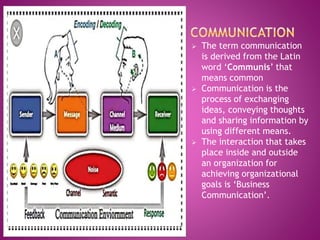
 The term communication
is derived from the Latin
word ‘Communis’ that
means common
 Communication is the
process of exchanging
ideas, conveying thoughts
and sharing information by
using different means.
 The interaction that takes
place inside and outside
an organization for
achieving organizational
goals is ‘Business
Communication’.
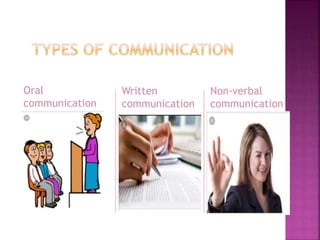
Written
communication
Non-verbal
communication
Oral
communication
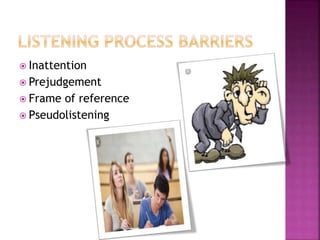
 Inattention
 Prejudgement
 Frame of reference
 Pseudolistening
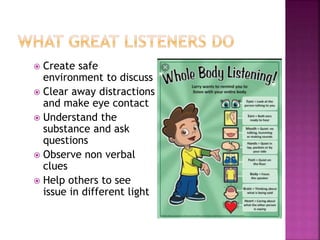
 Create safe
environment to discuss
 Clear away distractions
and make eye contact
 Understand the
substance and ask
questions
 Observe non verbal
clues
 Help others to see
issue in different light
If the length of communication is
long, or the medium selected is
inappropriate, the communication
might break up
Information sharing problem can
hamper the channel and effect its
clarity, effectiveness and accuracy
 A salesman has to submit a report on
comparative sales figures of the last five
years. If he writes a lengthy paragraph or
talks on the phone, he will fail to
communicate. He should present the
figures in a tabular form, or preferably
make a diagram to communicate
successfully
 Select medium which
suits the message and
the person you are
communicating with
 Keep in mind the cost
of medium,
confidentiality and
influence
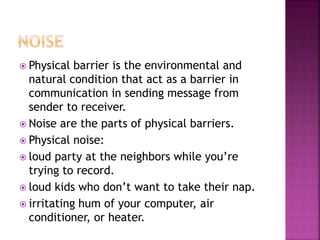
 Physical barrier is the environmental and
natural condition that act as a barrier in
communication in sending message from
sender to receiver.
 Noise are the parts of physical barriers.
 Physical noise:
 loud party at the neighbors while you’re
trying to record.
 loud kids who don’t want to take their nap.
 irritating hum of your computer, air
conditioner, or heater.
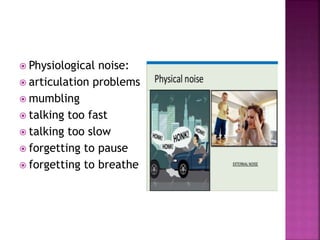
 Physiological noise:
 articulation problems
 mumbling
 talking too fast
 talking too slow
 forgetting to pause
 forgetting to breathe
 If a person who sends a message lacks
subject knowledge then he may not be able
to convey his message clearly.
 Receiver could misunderstand his message.
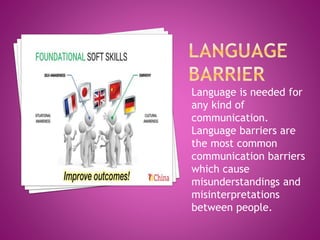
Language is needed for
any kind of
communication.
Language barriers are
the most common
communication barriers
which cause
misunderstandings and
misinterpretations
between people.
 This type of barrier exists due to differences
in organizational hierarchy where employees
have difficulty communicating either up or
down the corporate ladder.
Solution :
This difficulty can be eliminated by managers
who are excellent at relating and
understanding their employees.
 Everyone has different perceptions and
words are perceived according to our
perception.
 It can be divided into 3 types:
 Abstracting
 Slanting
 Inferring
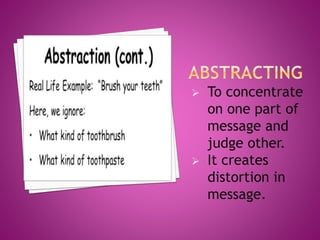
 To concentrate
on one part of
message and
judge other.
 It creates
distortion in
message.
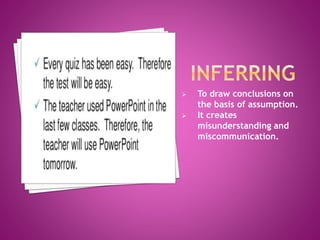
 To draw conclusions on
the basis of assumption.
 It creates
misunderstanding and
miscommunication.
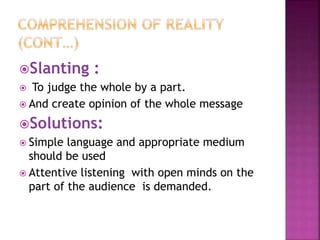
Slanting :
 To judge the whole by a part.
 And create opinion of the whole message
Solutions:
 Simple language and appropriate medium
should be used
 Attentive listening with open minds on the
part of the audience is demanded.
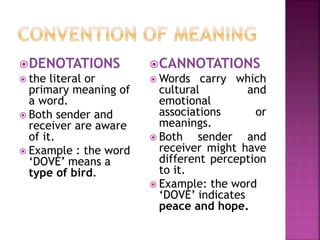
DENOTATIONS
 the literal or
primary meaning of
a word.
 Both sender and
receiver are aware
of it.
 Example : the word
‘DOVE’ means a
type of bird.
CANNOTATIONS
 Words carry which
cultural and
emotional
associations or
meanings.
 Both sender and
receiver might have
different perception
to it.
 Example: the word
‘DOVE’ indicates
peace and hope.
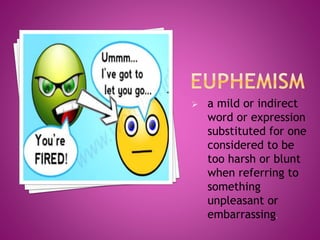
 a mild or indirect
word or expression
substituted for one
considered to be
too harsh or blunt
when referring to
something
unpleasant or
embarrassing.
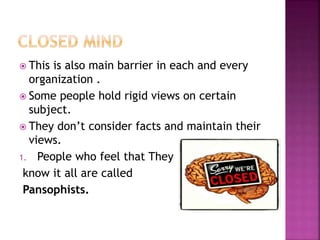
 This is also main barrier in each and every
organization .
 Some people hold rigid views on certain
subject.
 They don’t consider facts and maintain their
views.
1. People who feel that They
know it all are called
Pansophists.
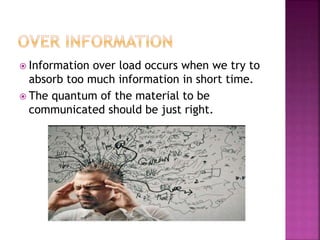
 Information over load occurs when we try to
absorb too much information in short time.
 The quantum of the material to be
communicated should be just right.
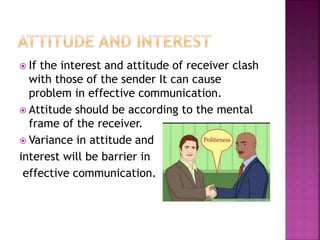
 If the interest and attitude of receiver clash
with those of the sender It can cause
problem in effective communication.
 Attitude should be according to the mental
frame of the receiver.
 Variance in attitude and
interest will be barrier in
effective communication.
Barriers To Communication

Barriers To Communication

  • 1.
    GROUP # 1 G1F17BSCH0002AmeeraEhsan G1F17BSCH0023Hadiya Imran G1F17BSCH0028Sadaf Ilyas G1F17BSCH0028Iqra Qasim
  • 2.
     Introduction  Noise Lack Of Subject Knowledge  Semantic Barrier  Inattentive listening  Inappropriate Medium  Interests And Attitude  Closed Minds  Differing Status  Over Communication  Comprehension Of Reality  Convention Of Meaning  Solutions
  • 3.
     The termcommunication is derived from the Latin word ‘Communis’ that means common  Communication is the process of exchanging ideas, conveying thoughts and sharing information by using different means.  The interaction that takes place inside and outside an organization for achieving organizational goals is ‘Business Communication’.
  • 4.
  • 5.
     Inattention  Prejudgement Frame of reference  Pseudolistening
  • 6.
     Create safe environmentto discuss  Clear away distractions and make eye contact  Understand the substance and ask questions  Observe non verbal clues  Help others to see issue in different light
  • 7.
    If the lengthof communication is long, or the medium selected is inappropriate, the communication might break up Information sharing problem can hamper the channel and effect its clarity, effectiveness and accuracy
  • 8.
     A salesmanhas to submit a report on comparative sales figures of the last five years. If he writes a lengthy paragraph or talks on the phone, he will fail to communicate. He should present the figures in a tabular form, or preferably make a diagram to communicate successfully
  • 9.
     Select mediumwhich suits the message and the person you are communicating with  Keep in mind the cost of medium, confidentiality and influence
  • 10.
     Physical barrieris the environmental and natural condition that act as a barrier in communication in sending message from sender to receiver.  Noise are the parts of physical barriers.  Physical noise:  loud party at the neighbors while you’re trying to record.  loud kids who don’t want to take their nap.  irritating hum of your computer, air conditioner, or heater.
  • 11.
     Physiological noise: articulation problems  mumbling  talking too fast  talking too slow  forgetting to pause  forgetting to breathe
  • 12.
     If aperson who sends a message lacks subject knowledge then he may not be able to convey his message clearly.  Receiver could misunderstand his message.
  • 13.
    Language is neededfor any kind of communication. Language barriers are the most common communication barriers which cause misunderstandings and misinterpretations between people.
  • 14.
     This typeof barrier exists due to differences in organizational hierarchy where employees have difficulty communicating either up or down the corporate ladder. Solution : This difficulty can be eliminated by managers who are excellent at relating and understanding their employees.
  • 15.
     Everyone hasdifferent perceptions and words are perceived according to our perception.  It can be divided into 3 types:  Abstracting  Slanting  Inferring
  • 16.
     To concentrate onone part of message and judge other.  It creates distortion in message.
  • 17.
     To drawconclusions on the basis of assumption.  It creates misunderstanding and miscommunication.
  • 18.
    Slanting :  Tojudge the whole by a part.  And create opinion of the whole message Solutions:  Simple language and appropriate medium should be used  Attentive listening with open minds on the part of the audience is demanded.
  • 19.
    DENOTATIONS  the literalor primary meaning of a word.  Both sender and receiver are aware of it.  Example : the word ‘DOVE’ means a type of bird. CANNOTATIONS  Words carry which cultural and emotional associations or meanings.  Both sender and receiver might have different perception to it.  Example: the word ‘DOVE’ indicates peace and hope.
  • 20.
     a mildor indirect word or expression substituted for one considered to be too harsh or blunt when referring to something unpleasant or embarrassing.
  • 21.
     This isalso main barrier in each and every organization .  Some people hold rigid views on certain subject.  They don’t consider facts and maintain their views. 1. People who feel that They know it all are called Pansophists.
  • 22.
     Information overload occurs when we try to absorb too much information in short time.  The quantum of the material to be communicated should be just right.
  • 23.
     If theinterest and attitude of receiver clash with those of the sender It can cause problem in effective communication.  Attitude should be according to the mental frame of the receiver.  Variance in attitude and interest will be barrier in effective communication.