Dr. Prasad B. Chinchole
Pharm D
Ass. Professor
SCOP, Almala
@ Dr. Prasad B. Chinchole
Index
1. Introduction
2. Definition
3. Etiology
4. Pathophysiology
5. Clinical Presentation
6. Diagnosis
7. Management
@ Dr. Prasad B. Chinchole
Introduction
• Asthma has been known since antiquity, yet it is a disease that still defies
precise definition.
• The word asthma is of Greek origin and means “panting.”
• More than 2,000 years ago, Hippocrates used the word asthma to describe
episodic shortness of breath;
• However, the first detailed clinical description of the asthmatic patient was
made by Aretaeus in the second century
• Asthma is a chronic inflammatory disorder of the airways in which many
cells and cellular elements play a role: in particular mast cells, eosinophils,
T-lymphocytes, macrophages, neutrophils, and epithelial cells.
@ Dr. Prasad B. Chinchole
• In susceptible individuals, this inflammation causes recurrent
episodes of wheezing, breathlessness, chest tightness, and
coughing, particularly at night or in the early morning.
• The inflammation also causes an associated increase in the
existing bronchial hyperresponsiveness (BHR) to a variety of
stimuli.
• Reversibility of airflow limitation may be incomplete in some
patients with asthma.
@ Dr. Prasad B. Chinchole
Definition
• National Asthma Education and Prevention Program
(NAEPP) defines Asthma as a Chronic inflammatory
disorder of the airways in which many cells and
cellular elements play a role.
@ Dr. Prasad B. Chinchole
Disease Pattern
• Episodic: acute exacerbations interspersed with symptom-free
periods
• Chronic : daily AW obstruction which may be mild, moderate or
severe ± superimposed acute exacerbations
• Life-threatening: slow-onset or fast-onset (fatal within 2 hours)
@ Dr. Prasad B. Chinchole
Epidemiology
@ Dr. Prasad B. Chinchole
• Approximately 7% of the population.
• Asthma is the most common chronic disease among children.
• Prevalence rate is highest in children 5–17 years at 9.6%.
• Asthma accounts for 1.6% of all ambulatory care visits.
• Children younger than 15 years of age have the highest rate of
hospitalization at 31 per 10,000 population.
• African Americans have a higher prevalence than whites.
• Approximately 2.5 times more likely to die from asthma
@ Dr. Prasad B. Chinchole
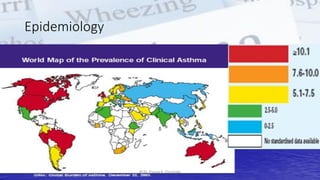
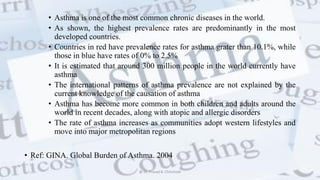
• Asthma is one of the most common chronic diseases in the world.
• As shown, the highest prevalence rates are predominantly in the most
developed countries.
• Countries in red have prevalence rates for asthma grater than 10.1%, while
those in blue have rates of 0% to 2.5%
• It is estimated that around 300 million people in the world currently have
asthma
• The international patterns of asthma prevalence are not explained by the
current knowledge of the causation of asthma
• Asthma has become more common in both children and adults around the
world in recent decades, along with atopic and allergic disorders
• The rate of asthma increases as communities adopt western lifestyles and
move into major metropolitan regions
• Ref: GINA. Global Burden of Asthma. 2004
@ Dr. Prasad B. Chinchole
Etiology
• Respiratory infection
Respiratory syncytial virus (RSV), rhinovirus,
influenza, parainfluenza, Mycoplasma pneumonia
• Allergens
Airborne pollens (grass, trees, weeds), house-dust
mites, animal danders, cockroaches, fungal spores
• Environment
Cold air, fog, ozone, sulfur dioxide, nitrogen
dioxide, tobacco smoke, wood smoke
• Emotions
Anxiety, stress, laughter
• Exercise
Particularly in cold, dry climate
• Drugs/preservatives
Aspirin, nonsteroidal antiinflammatory drugs
(cyclooxygenase inhibitors), sulfites,
benzalkonium chloride, nonselective β-blockers
• Occupational stimuli
Bakers (flour dust); farmers (hay mold); spice
and enzyme workers; printers (arabic gum);
chemical workers (azo dyes, anthraquinone,
ethylenediamine, toluene diisocyanates,
polyvinyl chloride); plastics, rubber, and wood
workers (formaldehyde, western cedar,
dimethylethanolamine, anhydrides)
@ Dr. Prasad B. Chinchole
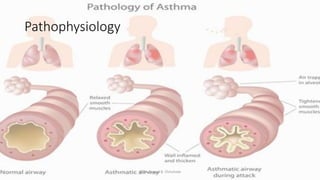
Pathophysiology
@ Dr. Prasad B. Chinchole
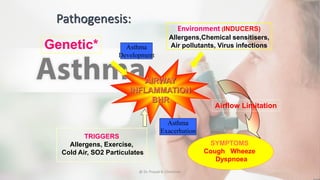
AIRWAY
INFLAMMATION
BHR
Airflow Limitation
SYMPTOMS
Cough Wheeze
Dyspnoea
TRIGGERS
Allergens, Exercise,
Cold Air, SO2 Particulates
Pathogenesis:
Genetic*
Environment (INDUCERS)
Allergens,Chemical sensitisers,
Air pollutants, Virus infectionsAsthma
Development
Asthma
Exacerbation
@ Dr. Prasad B. Chinchole
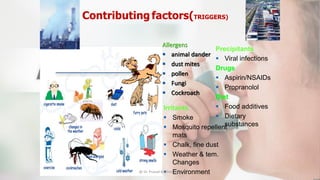
Contributing factors(TRIGGERS)
Allergens
 animal dander
 dust mites
 pollen
 Fungi
 Cockroach
Irritants
 Smoke
 Mosquito repellent
mats
 Chalk, fine dust
 Weather & tem.
Changes
 Environment
Precipitants
 Viral infections
Drugs
 Aspirin/NSAIDs
 Propranolol
Diet
 Food additives
 Dietary
substances
@ Dr. Prasad B. Chinchole
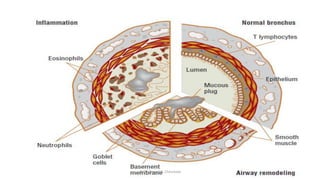
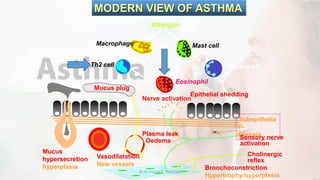
Eosinophil
Mast cell
Allergen
Th2 cell
MODERN VIEW OF ASTHMA
Vasodilatation
New vessels
Plasma leak
Oedema
Neutrophil
Mucus
hypersecretion
hyperplasia
Mucus plug
Macrophage
Bronchoconstriction
Hypertrophy/hyperplasia
Cholinergic
reflex
Epithelial shedding
Subepithelia
l
fibrosisSensory nerve
activation
Nerve activation
@ Dr. Prasad B. Chinchole
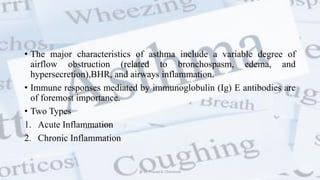
• The major characteristics of asthma include a variable degree of
airflow obstruction (related to bronchospasm, edema, and
hypersecretion),BHR, and airways inflammation.
• Immune responses mediated by immunoglobulin (Ig) E antibodies are
of foremost importance.
• Two Types
1. Acute Inflammation
2. Chronic Inflammation
@ Dr. Prasad B. Chinchole
PATHOPHYSIOLOGY
• The major characteristics of asthma include a variable
degree of airflow obstruction (related to bronchospasm,
edema, and hypersecretion), BHR, and airway
inflammation.
• Inhaled allergens cause an early-phase allergic reaction
characterized by activation of cells bearing allergen-
specific immunoglobulin E (IgE) antibodies.
@ Dr. Prasad B. Chinchole
• There is rapid activation of airway mast cells and
macrophages, which release proinflammatory
mediators such as histamine and eicosanoids that
induce contraction of airway smooth muscle, mucus
secretion, vasodilation, and exudation of plasma in
the airways.
• The late-phase inflammatory reaction occurs 6 to 9
hours after allergen provocation and involves
recruitment and activation of eosinophils, T
lymphocytes, basophils, neutrophils, and
macrophages.
@ Dr. Prasad B. Chinchole
• Eosinophils migrate to the airways and release inflammatory
mediators (leukotrienes and granule proteins), cytotoxic mediators,
and cytokines.
• T-lymphocyte activation leads to release of cytokines from type 2 T-
helper (TH2) cells that mediate allergic inflammation (interleukin
[IL]-4, IL-5, and IL-13).
• Conversely, type 1 T-helper (TH1) cells produce IL-2 and
interferon- γ that are essential for cellular defense mechanisms.
• Allergic asthmatic inflammation may result from an imbalance
between TH1 and TH2 cells.
@ Dr. Prasad B. Chinchole
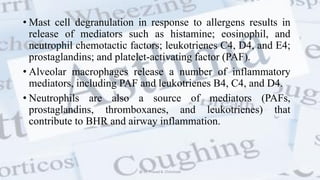
• Mast cell degranulation in response to allergens results in
release of mediators such as histamine; eosinophil, and
neutrophil chemotactic factors; leukotrienes C4, D4, and E4;
prostaglandins; and platelet-activating factor (PAF).
• Alveolar macrophages release a number of inflammatory
mediators, including PAF and leukotrienes B4, C4, and D4.
• Neutrophils are also a source of mediators (PAFs,
prostaglandins, thromboxanes, and leukotrienes) that
contribute to BHR and airway inflammation.
@ Dr. Prasad B. Chinchole
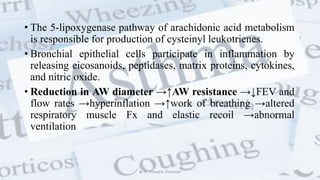
• The 5-lipoxygenase pathway of arachidonic acid metabolism
is responsible for production of cysteinyl leukotrienes.
• Bronchial epithelial cells participate in inflammation by
releasing eicosanoids, peptidases, matrix proteins, cytokines,
and nitric oxide.
• Reduction in AW diameter →↑AW resistance →↓FEV and
flow rates →hyperinflation →↑work of breathing →altered
respiratory muscle Fx and elastic recoil →abnormal
ventilation
@ Dr. Prasad B. Chinchole
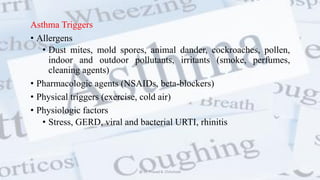
Asthma Triggers
• Allergens
• Dust mites, mold spores, animal dander, cockroaches, pollen,
indoor and outdoor pollutants, irritants (smoke, perfumes,
cleaning agents)
• Pharmacologic agents (NSAIDs, beta-blockers)
• Physical triggers (exercise, cold air)
• Physiologic factors
• Stress, GERD, viral and bacterial URTI, rhinitis
@ Dr. Prasad B. Chinchole
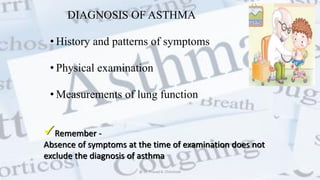
DIAGNOSIS OF ASTHMA
• History and patterns of symptoms
• Physical examination
• Measurements of lung function
Remember -
Absence of symptoms at the time of examination does not
exclude the diagnosis of asthma
@ Dr. Prasad B. Chinchole
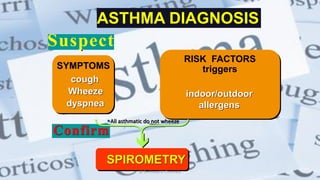
SYMPTOMS
cough
Wheeze
dyspnea
RISK FACTORS
triggers
indoor/outdoor
allergens
SPIROMETRY
ASTHMA DIAGNOSIS

Suspect
•All asthmatic do not wheeze
@ Dr. Prasad B. Chinchole
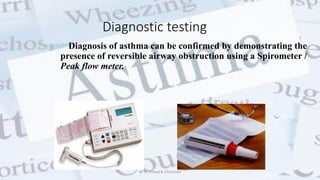
Diagnostic testing
Diagnosis of asthma can be confirmed by demonstrating the
presence of reversible airway obstruction using a Spirometer /
Peak flow meter.
@ Dr. Prasad B. Chinchole
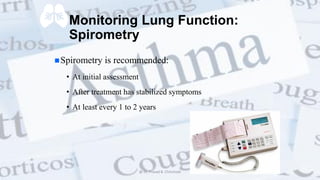
Monitoring Lung Function:
Spirometry
Spirometry is recommended:
• At initial assessment
• After treatment has stabilized symptoms
• At least every 1 to 2 years
@ Dr. Prasad B. Chinchole
• FEV1/FVC ratio
< 70% ?
Confirms airflow obstruction
@ Dr. Prasad B. Chinchole
Spirometry
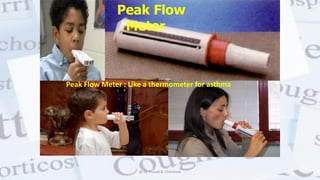
Peak Flow Meter : Like a thermometer for asthma
Peak Flow
Meter
@ Dr. Prasad B. Chinchole
Variability in PEF is associated with
poorly controlled asthma
• 15-20% increase in the peak flow post BD
• Diurnal variability of >20 % is indicative of
Asthma
@ Dr. Prasad B. Chinchole
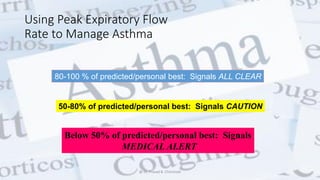
Using Peak Expiratory Flow
Rate to Manage Asthma
80-100 % of predicted/personal best: Signals ALL CLEAR
50-80% of predicted/personal best: Signals CAUTION
Below 50% of predicted/personal best: Signals
MEDICAL ALERT
@ Dr. Prasad B. Chinchole
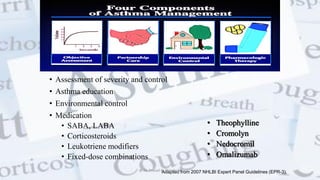
• Assessment of severity and control
• Asthma education
• Environmental control
• Medication
• SABA, LABA
• Corticosteroids
• Leukotriene modifiers
• Fixed-dose combinations
• Theophylline
• Cromolyn
• Nedocromil
• Omalizumab
Adapted from 2007 NHLBI Expert Panel Guidelines (EPR-3).@ Dr. Prasad B. Chinchole
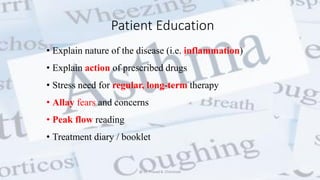
Patient Education
• Explain nature of the disease (i.e. inflammation)
• Explain action of prescribed drugs
• Stress need for regular, long-term therapy
• Allay fears and concerns
• Peak flow reading
• Treatment diary / booklet
@ Dr. Prasad B. Chinchole
Reducing Exposure to
House Dust Mites
 Use bedding encasements
 Wash bed linens weekly
Limit stuffed animals to
those that can be washed
 Reduce humidity level
Source: “What You and Your Family Can Do About Asthma” by the Global Initiative For Asthma
Created and funded by NIH/NHLBI
“What You and Your Family Can Do About Asthma”
@ Dr. Prasad B. Chinchole
Goals of Asthma Treatment
• Control chronic and nocturnal symptoms
• Maintain normal activity, including exercise
• Prevent acute episodes of asthma
• Minimize ER visits and hospitalizations
• Minimize need for reliever medications
• Maintain near-normal pulmonary function
• Avoid adverse effects of asthma medications
@ Dr. Prasad B. Chinchole
Global Initiative for Asthma (GINA) 6-point plan
• Educate patients to develop a partnership in asthma management
• Assess and monitor asthma severity with symptom reports and measures of lung
function as much as possible
• Avoid exposure to risk factors
• Establish medication plans for chronic management in children and adults
• Establish individual plans for managing exacerbations
• Provide regular follow-up care
@ Dr. Prasad B. Chinchole
NONPHARMACOLOGIC THERAPY
• Patient education and the teaching of self-management skills should be the
cornerstone of the treatment program
• Avoidance of known allergenic triggers can improve symptoms, reduce
medication use, and decrease BHR.
• Patients with acute severe asthma should receive supplemental oxygen
therapy to maintain arterial oxygen saturation above 90% (above 95% in
pregnant women and patients with heart disease).
@ Dr. Prasad B. Chinchole
Pharmacotherapy
• β2-Agonists
• Corticosteroids
• Methylxanthines
• Anticholinergics
• Mast Cell Stabilizers
• Leukotriene Modifiers
• Monoclonal antibodies
@ Dr. Prasad B. Chinchole
β2-Agonists
• The short-acting β2-agonists are the most effective bronchodilators
available.
• β2-Adrenergic receptor stimulation activates adenylcyclase, which
produces an increase in intracellular cyclic adenosine monophosphate.
• This results in smooth muscle relaxation, mast cell membrane
stabilization.
@ Dr. Prasad B. Chinchole
Salbutamol and other inhaled short-acting selective β2-agonists
are indicated for treatment of intermittent episodes of
bronchospasm and are the first treatment choice for acute severe
asthma and EIB.
Formoterol and salmeterol are inhaled long-acting β2 -agonists
indicated as adjunctive long-term control for patients with
symptoms who are already on low to medium doses of inhaled
corticosteroids prior to advancing to medium- or high-dose
inhaled corticosteroids.
@ Dr. Prasad B. Chinchole
 In acute severe asthma, continuous nebulization of short-acting β2-agonists
(e.g., albuterol) is recommended for patients having an unsatisfactory
response after three doses (every 20 minutes) of aerosolized β2-agonists and
potentially for patients presenting initially with PEF or FEV1 values <30%
of predicted normal.
 Inhaled β2-agonists agents are the treatment of choice for EIB.
 In nocturnal asthma, long-acting inhaled β2 -agonists are preferred over oral
sustained-release β2-agonists or sustained-release theophylline.
@ Dr. Prasad B. Chinchole
Corticosteroids
• Corticosteroids increase the number of β2 -adrenergic receptors and improve
receptor responsiveness to β2 adrenergic stimulation, thereby reducing
mucus production and hyper secretion, reducing BHR, and reducing airway
edema and exudation.
• Inhaled corticosteroids are the preferred long-term control therapy for
persistent asthma in all patients because of their potency and consistent
effectiveness.
@ Dr. Prasad B. Chinchole
• Patients with more severe disease require multiple daily
dosing.
• Because the inflammatory response of asthma inhibits steroid
receptor binding, patients should be started on higher and more
frequent doses and then tapered down once control has been
achieved.
Eg: Beclomethasone dipropionate, Budesonide,
Fluticasone etc.
@ Dr. Prasad B. Chinchole
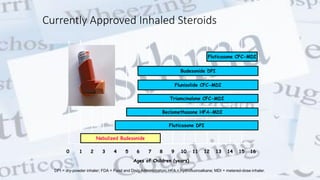
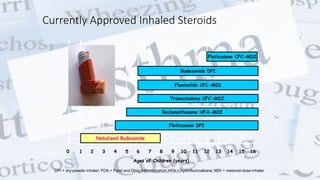
1 2 4 5 6 7 8 930 10 11 12
Ages of Children (years)
13 14 15 16
Fluticasone CFC-MDI
Budesonide DPI
Flunisolide CFC-MDI
Triamcinolone CFC-MDI
DPI = dry-powder inhaler; FDA = Food and Drug Administration; HFA = hydrofluoroalkane; MDI = metered-dose inhaler.
Beclomethasone HFA-MDI
Nebulized Budesonide
Fluticasone DPI
Currently Approved Inhaled Steroids
@ Dr. Prasad B. Chinchole
• Systemic corticosteroids are indicated in all patients with acute severe
asthma not responding completely to initial inhaled β2- agonist
administration (every 20 minutes for three to four doses).
• Prednisone 1 to 2 mg/kg/day (up to 40 to 60 mg/day), is administered
orally in two divided doses for 3 to 10 days.
• Because short-term (1 to 2 weeks), high-dose systemic steroids do not
produce serious toxicities
• The ideal method is to use a short burst and then maintain the patient on
appropriate long-term control therapy with inhaled corticosteroids.
• In patients who require chronic systemic corticosteroids for asthma control, the
lowest possible dose should be used.
@ Dr. Prasad B. Chinchole
Methylxanthines
• Theophylline
• Narrow therapeutic index/Maintain 5-20 mcg/mL
• Mechanism of action
• Smooth muscle relaxation (bronchodilation)
• Suppression of the response of the airways to stimuli
• Increase force of contraction of diaphragmatic muscles
• Interacts with many other drugs
• Clinically significant reductions in clearance can result from
cotherapy with cimetidine,erythromycin, clarithromycin, allopurinol,
propranolol, ciprofloxacin,interferon, ticlopidine, zileuton etc
@ Dr. Prasad B. Chinchole
• Because of large interpatient variability in theophylline
clearance, routine monitoring of serum theophylline
concentrations is essential for safe and effective use.
• Adverse effects include nausea, vomiting, tachycardia,
jitteriness, and difficulty sleeping.
• More severe toxicities include cardiac tachyarrhythmias and
seizures.
@ Dr. Prasad B. Chinchole
Anticholinergics
• Ipratropium bromide is a competitive inhibitor of muscarinic
receptors; they produce bronchodilation only in cholinergic mediated
bronchoconstriction.
• Anticholinergics are effective bronchodilators but are not as potent as
β2-agonists.
• They attenuate, but do not block, allergen- or exercise-induced asthma
in a dose-dependent fashion.
@ Dr. Prasad B. Chinchole
• The time to reach maximum bronchodilation from aerosolized
ipratropium is longer than from aerosolized short-acting β2-
agonists (30 to 60 minutes vs. 5 to 10 minutes).
• Inhaled ipratropium bromide is only indicated as adjunctive
therapy in severe acute asthma not completely responsive to β2-
agonists alone
@ Dr. Prasad B. Chinchole
Mast Cell Stabilizers
• Cromolyn sodium and nedocromil sodium have beneficial effects
that are believed to result from stabilization of mast cell membranes.
• They inhibit the response to allergen challenge as well as EIB but do
not cause bronchodilation.
• Cromolyn and nedocromil are indicated for the prophylaxis of mild
persistent asthma in children and adults regardless of etiology.
@ Dr. Prasad B. Chinchole
 Inhibits release of mediators from mast cells (degranulation) after
exposure to specific antigens
 Blocks Ca 2+ ions from entering the mast cell
 Safe for pediatrics (including infants)
 Should be started 2-4 weeks before allergy season when symptoms are
expected to be effective
 Can be used before exercise (not as good as ICS)
 Alternate med for persistent asthma
@ Dr. Prasad B. Chinchole
Leukotriene Modifiers
• Zafirlukast (Accolate) and montelukast (Singulair) are oral
leukotriene receptor antagonists that reduce the proinflammatory
(increased microvascular permeability and airway edema) and
bronchoconstriction effects of leukotriene D4.
• they are less effective in asthma than low-dose inhaled corticosteroids.
• They are not used to treat acute exacerbations and must be taken on a
regular basis, even during symptom-free periods.
@ Dr. Prasad B. Chinchole
• Zafirlukast and montelukast are generally well tolerated.
• Rare elevations in serum aminotransferase concentrations and clinical
hepatitis have been reported.
• Zileuton (Zyflo) is an inhibitor of leukotriene synthesis.
• The dose of zileuton tablets is 600 mg four times daily with meals and at
bedtime.
• Use of zileuton is limited due to the potential for elevated hepatic enzymes
(especially in the first 3 months of therapy), and inhibition of the
metabolism of some drugs metabolized by CYP3A4 (e.g., theophylline,
warfarin).
@ Dr. Prasad B. Chinchole
Monoclonal antibodies
• Omalizumab (Xolair) is an anti-IgE antibody approved for the treatment
of allergic asthma not well controlled by oral or inhaled corticosteroids.
• The dosage is determined by the patient’s baseline total serum
IgE(international units/mL) and body weight (kg).
• Doses range from 150 to 375 mg given subcutaneously at either 2- or 4-week
intervals.
• Because of its high cost and chance for anaphylactic reactions, it is only
indicated for patients who have allergies and severe persistent asthma that is
inadequately controlled with the combination of high-dose inhaled
corticosteroids and long-acting β2-agonists.
@ Dr. Prasad B. Chinchole
Medications
•Relievers
•Preventers
@ Dr. Prasad B. Chinchole
What Are Relievers?
- Rescue medications
- Quick relief of symptoms
- Used during acute attacks
- Action lasts 4-6 hrs
• Not for regular use
Bronchodilator
(within 2-3 minutes)
@ Dr. Prasad B. Chinchole
RELIEVERS
• Short acting 2 agonists
Salbutamol100 mcg:
1 or 2 puffs as necessary
Levosalbutamol 50 mcg :
1 or 2 puffs as necessary
• Anti-cholinergics
Ipratropium bromide
• Xanthines
Theophylline
• Adrenaline injections
@ Dr. Prasad B. Chinchole
•Anti-inflammatory
•Takes time to act (1-3 hours)
•Long-term effect (12-24 hours)
Preventer
Only for regular use (whether well or not well)
Prevent airway remodeling
@ Dr. Prasad B. Chinchole
PREVENTERS
Corticosteroids Anti-leukotrienes
Prednisolone, Betamethasone Montelukast,Zafirlukast
Beclomethasone, Budesonide
Fluticasone Xanthines
Theophylline SR
Long acting 2 agonists Mast cell stabilisers
Bambuterol, Salmeterol Sodium cromoglycate
Formoterol
COMBINATIONS
Salmeterol/Fluticasone
Formoterol/Budesonide/
Salbutamol/Beclomethasone
@ Dr. Prasad B. Chinchole
All Asthma Drugs Should Ideally Be Taken
Through The Inhaled Route.
@ Dr. Prasad B. Chinchole
Why inhalation therapy?
Oral
Slow onset of action
Large dosage used
Greater side effects
Not useful in acute
symptoms
Inhaled route
Rapid onset of action
Less amount of drug
used
Better tolerated
Treatment of choice
in acute symptoms
@ Dr. Prasad B. Chinchole
Aerosol delivery systems currently
available
• Metered dose inhalers
• Dry powder inhalers (Rotahaler)
• Spacers / Holding chambers
@ Dr. Prasad B. Chinchole
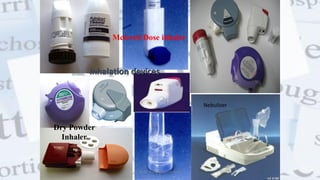
Dry Powder
Inhaler
Metered Dose inhaler
Inhalation devices
Nebuliser
@ Dr. Prasad B. Chinchole
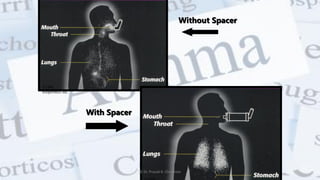
Spacers
@ Dr. Prasad B. Chinchole
©1998,
Respironics Inc.
Without Spacer
With Spacer
@ Dr. Prasad B. Chinchole
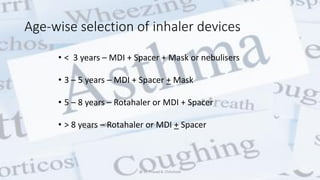
Age-wise selection of inhaler devices
• < 3 years – MDI + Spacer + Mask or nebulisers
• 3 – 5 years – MDI + Spacer + Mask
• 5 – 8 years – Rotahaler or MDI + Spacer
• > 8 years – Rotahaler or MDI + Spacer
@ Dr. Prasad B. Chinchole
1 2 4 5 6 7 8 930 10 11 12
Ages of Children (years)
13 14 15 16
Fluticasone CFC-MDI
Budesonide DPI
Flunisolide CFC-MDI
Triamcinolone CFC-MDI
DPI = dry-powder inhaler; FDA = Food and Drug Administration; HFA = hydrofluoroalkane; MDI = metered-dose inhaler.
Beclomethasone HFA-MDI
Nebulized Budesonide
Fluticasone DPI
Currently Approved Inhaled Steroids
@ Dr. Prasad B. Chinchole
Various severities of asthma
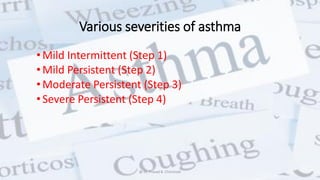
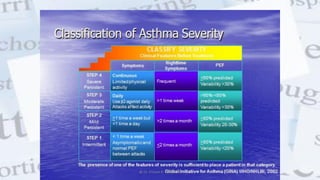
•Mild Intermittent (Step 1)
•Mild Persistent (Step 2)
•Moderate Persistent (Step 3)
•Severe Persistent (Step 4)
@ Dr. Prasad B. Chinchole
Pharmacotherapy for Adults and
Children Over the Age of 5 Years
• Step 1 (Mild intermittent asthma)
• No daily medication needed
• PRN short-acting bronchodilator (albuterol) MDI
• Severe exacerbations may require systemic corticosteroids
• Although the overall diagnosis is “mild intermittent” the exacerbations
themselves can still be severe
@ Dr. Prasad B. Chinchole
Pharmacotherapy for Adults and
Children Over the Age of 5 Years
• Step 2 (Mild persistent)
• Preferred Treatment
• Low-dose inhaled corticosteroid daily
• Alternative Treatment (no particular order)
• Leukotriene receptor antagonist
• Nedocromil
• Sustained release theophylline to maintain a blood level of 5-15 mcg/mL
@ Dr. Prasad B. Chinchole
Pharmacotherapy for Adults and
Children Over the Age of 5 Years
• Step 3 (Moderate persistent)
• Preferred Treatment
• Low-to-medium dose inhaled corticosteroids
• WITH long-acting inhaled beta2-agonist
• Alternative Treatment
• Increase inhaled corticosteroids within the medium dose range
• Add leukotriene receptor antagonist or theophylline to the inhaled
corticosteroid
@ Dr. Prasad B. Chinchole
Pharmacotherapy for Adults and
Children Over the Age of 5 Years
• Step 4 (Severe persistent)
• Preferred Treatment
• High-dose inhaled corticosteroids
• And long-acting inhaled beta2-agonists
• And (if needed) oral corticosteroids
@ Dr. Prasad B. Chinchole
Pharmacotherapy for Infants and
Young Children (<5 years)
• Step 1(mild intermittent)
• No daily medication needed
@ Dr. Prasad B. Chinchole
Pharmacotherapy for Infants and
Young Children (<5 years)
• Step 2 (mild persistent)
• Preferred treatment
• Low-dose inhaled corticosteroids
• Alternative treatment
• Cromolyn (nebulizer preferred)
• OR leukotriene receptor antagonist
@ Dr. Prasad B. Chinchole
Pharmacotherapy for Infants and
Young Children (<5 years)
• Step 3 (moderate persistent)
• Preferred treatment
• Low-dose inhaled corticosteroids and long-acting beta2-agonist
• OR Medium-dose inhaled corticosteroids
• Alternative treatment
• Low-dose inhaled corticosteroids with either:
• Leukotriene receptor antagonist
• OR theophylline
@ Dr. Prasad B. Chinchole
Pharmacotherapy for Infants and
Young Children (<5 years)
• Step 4 (severe persistent)
• Preferred treatment
• High-dose inhaled corticosteroids
• AND long-acting inhaled beta2-agonist
• AND (if needed) Oral corticosteroids
• For young children, inhaled medications should be given by nebulizer, dry
powder inhaler (DPI), or MDI with a chamber/spacer
@ Dr. Prasad B. Chinchole
Acute Exacerbations
• Inhaled albuterol is the treatment of choice in absence of impending
respiratory failure
• MDI with spacer as effective as nebulizer with equivalent doses
• Adding an antibiotic during an acute exacerbation is not recommended
in the absence of evidence of an acute bacterial infection
@ Dr. Prasad B. Chinchole
Acute Exacerbations
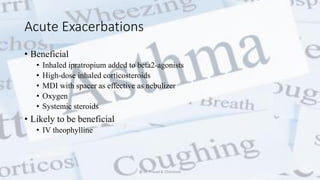
• Beneficial
• Inhaled ipratropium added to beta2-agonists
• High-dose inhaled corticosteroids
• MDI with spacer as effective as nebulizer
• Oxygen
• Systemic steroids
• Likely to be beneficial
• IV theophylline
@ Dr. Prasad B. Chinchole
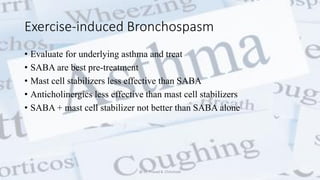
Exercise-induced Bronchospasm
• Evaluate for underlying asthma and treat
• SABA are best pre-treatment
• Mast cell stabilizers less effective than SABA
• Anticholinergics less effective than mast cell stabilizers
• SABA + mast cell stabilizer not better than SABA alone
@ Dr. Prasad B. Chinchole
Step 1
Preferred:
SABA
Step 2
Preferred:
Low-dose ICS
Alternative:
Cromolyn,
Nedocromil,
LTRA, or
Theophylline
Step 3
Preferred:
Medium-dose
ICS
OR
Low-dose
ICS + LABA
Alternative:
Low-dose ICS +
either LTRA,
Theophylline
or Zileuton
@ Dr. Prasad B. Chinchole
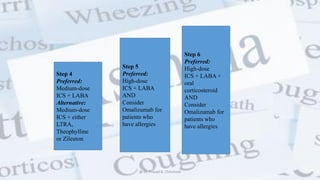
Step 4
Preferred:
Medium-dose
ICS + LABA
Alternative:
Medium-dose
ICS + either
LTRA,
Theophylline
or Zileuton
Step 5
Preferred:
High-dose
ICS + LABA
AND
Consider
Omalizumab for
patients who
have allergies
Step 6
Preferred:
High-dose
ICS + LABA +
oral
corticosteroid
AND
Consider
Omalizumab for
patients who
have allergies
@ Dr. Prasad B. Chinchole
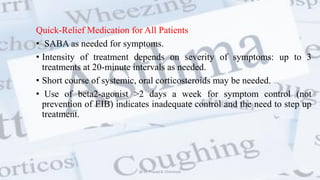
Quick-Relief Medication for All Patients
• SABA as needed for symptoms.
• Intensity of treatment depends on severity of symptoms: up to 3
treatments at 20-minute intervals as needed.
• Short course of systemic, oral corticosteroids may be needed.
• Use of beta2-agonist >2 days a week for symptom control (not
prevention of EIB) indicates inadequate control and the need to step up
treatment.
@ Dr. Prasad B. Chinchole
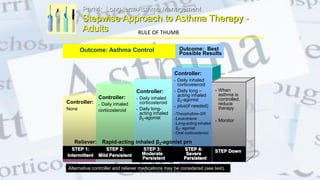
Part 4: Long-term Asthma Management
Stepwise Approach to Asthma Therapy -
Adults
Reliever: Rapid-acting inhaled β2-agonist prn
Controller:
 Daily inhaled
corticosteroid
Controller:
 Daily inhaled
corticosteroid
 Daily long-
acting inhaled
β2-agonist
Controller:
 Daily inhaled
corticosteroid
 Daily long –
acting inhaled
β2-agonist
 plus(if needed)
 When
asthma is
controlled,
reduce
therapy
 Monitor
STEP 1:
Intermittent
STEP 2:
Mild Persistent
STEP 3:
Moderate
Persistent
STEP 4:
Severe
Persistent
STEP Down
Outcome: Asthma Control Outcome: Best
Possible Results
Alternative controller and reliever medications may be considered (see text).
Controller:
None
-Theophylline-SR
-Leukotriene
-Long-acting inhaled
β2- agonist
-Oral corticosteroid
RULE OF THUMB
@ Dr. Prasad B. Chinchole
• Written Action Plans
• Written action plans for patients to follow
during exacerbations have been shown to:
• Decrease emergency department visits
• Decrease hospitalizations
• Improve lung function
• Decrease mortality in patients presenting with an
acute asthma exacerbation
• NAEPP recommends a written action plan*
@ Dr. Prasad B. Chinchole
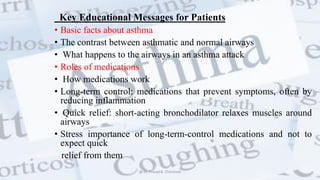
Key Educational Messages for Patients
• Basic facts about asthma
• The contrast between asthmatic and normal airways
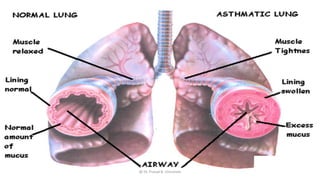
• What happens to the airways in an asthma attack
• Roles of medications
• How medications work
• Long-term control: medications that prevent symptoms, often by
reducing inflammation
• Quick relief: short-acting bronchodilator relaxes muscles around
airways
• Stress importance of long-term-control medications and not to
expect quick
relief from them
@ Dr. Prasad B. Chinchole
• Skills
• Inhaler use (patient demonstrate)
• Spacer and holding chamber use
• Use of the nebulizer
• Symptom monitoring, peak flow monitoring, and recognizing early
signs of deterioration
• How to assess asthma control after therapy has begun
• Environmental control measures
• Identifying and avoiding environmental precipitants or exposures,
including tobacco smoke
• When and how to adjust treatment
• Using written action plan
• Responding to changes in asthma control
@ Dr. Prasad B. Chinchole

Asthma

  • 1.
    Dr. Prasad B.Chinchole Pharm D Ass. Professor SCOP, Almala @ Dr. Prasad B. Chinchole
  • 2.
    Index 1. Introduction 2. Definition 3.Etiology 4. Pathophysiology 5. Clinical Presentation 6. Diagnosis 7. Management @ Dr. Prasad B. Chinchole
  • 3.
    Introduction • Asthma hasbeen known since antiquity, yet it is a disease that still defies precise definition. • The word asthma is of Greek origin and means “panting.” • More than 2,000 years ago, Hippocrates used the word asthma to describe episodic shortness of breath; • However, the first detailed clinical description of the asthmatic patient was made by Aretaeus in the second century • Asthma is a chronic inflammatory disorder of the airways in which many cells and cellular elements play a role: in particular mast cells, eosinophils, T-lymphocytes, macrophages, neutrophils, and epithelial cells. @ Dr. Prasad B. Chinchole
  • 4.
    • In susceptibleindividuals, this inflammation causes recurrent episodes of wheezing, breathlessness, chest tightness, and coughing, particularly at night or in the early morning. • The inflammation also causes an associated increase in the existing bronchial hyperresponsiveness (BHR) to a variety of stimuli. • Reversibility of airflow limitation may be incomplete in some patients with asthma. @ Dr. Prasad B. Chinchole
  • 5.
    Definition • National AsthmaEducation and Prevention Program (NAEPP) defines Asthma as a Chronic inflammatory disorder of the airways in which many cells and cellular elements play a role. @ Dr. Prasad B. Chinchole
  • 6.
    @ Dr. PrasadB. Chinchole
  • 7.
    Disease Pattern • Episodic:acute exacerbations interspersed with symptom-free periods • Chronic : daily AW obstruction which may be mild, moderate or severe ± superimposed acute exacerbations • Life-threatening: slow-onset or fast-onset (fatal within 2 hours) @ Dr. Prasad B. Chinchole
  • 8.
  • 9.
    • Approximately 7%of the population. • Asthma is the most common chronic disease among children. • Prevalence rate is highest in children 5–17 years at 9.6%. • Asthma accounts for 1.6% of all ambulatory care visits. • Children younger than 15 years of age have the highest rate of hospitalization at 31 per 10,000 population. • African Americans have a higher prevalence than whites. • Approximately 2.5 times more likely to die from asthma @ Dr. Prasad B. Chinchole
  • 10.
    • Asthma isone of the most common chronic diseases in the world. • As shown, the highest prevalence rates are predominantly in the most developed countries. • Countries in red have prevalence rates for asthma grater than 10.1%, while those in blue have rates of 0% to 2.5% • It is estimated that around 300 million people in the world currently have asthma • The international patterns of asthma prevalence are not explained by the current knowledge of the causation of asthma • Asthma has become more common in both children and adults around the world in recent decades, along with atopic and allergic disorders • The rate of asthma increases as communities adopt western lifestyles and move into major metropolitan regions • Ref: GINA. Global Burden of Asthma. 2004 @ Dr. Prasad B. Chinchole
  • 11.
    Etiology • Respiratory infection Respiratorysyncytial virus (RSV), rhinovirus, influenza, parainfluenza, Mycoplasma pneumonia • Allergens Airborne pollens (grass, trees, weeds), house-dust mites, animal danders, cockroaches, fungal spores • Environment Cold air, fog, ozone, sulfur dioxide, nitrogen dioxide, tobacco smoke, wood smoke • Emotions Anxiety, stress, laughter • Exercise Particularly in cold, dry climate • Drugs/preservatives Aspirin, nonsteroidal antiinflammatory drugs (cyclooxygenase inhibitors), sulfites, benzalkonium chloride, nonselective β-blockers • Occupational stimuli Bakers (flour dust); farmers (hay mold); spice and enzyme workers; printers (arabic gum); chemical workers (azo dyes, anthraquinone, ethylenediamine, toluene diisocyanates, polyvinyl chloride); plastics, rubber, and wood workers (formaldehyde, western cedar, dimethylethanolamine, anhydrides) @ Dr. Prasad B. Chinchole
  • 12.
  • 13.
    @ Dr. PrasadB. Chinchole
  • 14.
    AIRWAY INFLAMMATION BHR Airflow Limitation SYMPTOMS Cough Wheeze Dyspnoea TRIGGERS Allergens,Exercise, Cold Air, SO2 Particulates Pathogenesis: Genetic* Environment (INDUCERS) Allergens,Chemical sensitisers, Air pollutants, Virus infectionsAsthma Development Asthma Exacerbation @ Dr. Prasad B. Chinchole
  • 15.
    Contributing factors(TRIGGERS) Allergens  animaldander  dust mites  pollen  Fungi  Cockroach Irritants  Smoke  Mosquito repellent mats  Chalk, fine dust  Weather & tem. Changes  Environment Precipitants  Viral infections Drugs  Aspirin/NSAIDs  Propranolol Diet  Food additives  Dietary substances @ Dr. Prasad B. Chinchole
  • 16.
    Eosinophil Mast cell Allergen Th2 cell MODERNVIEW OF ASTHMA Vasodilatation New vessels Plasma leak Oedema Neutrophil Mucus hypersecretion hyperplasia Mucus plug Macrophage Bronchoconstriction Hypertrophy/hyperplasia Cholinergic reflex Epithelial shedding Subepithelia l fibrosisSensory nerve activation Nerve activation @ Dr. Prasad B. Chinchole
  • 17.
    • The majorcharacteristics of asthma include a variable degree of airflow obstruction (related to bronchospasm, edema, and hypersecretion),BHR, and airways inflammation. • Immune responses mediated by immunoglobulin (Ig) E antibodies are of foremost importance. • Two Types 1. Acute Inflammation 2. Chronic Inflammation @ Dr. Prasad B. Chinchole
  • 18.
    PATHOPHYSIOLOGY • The majorcharacteristics of asthma include a variable degree of airflow obstruction (related to bronchospasm, edema, and hypersecretion), BHR, and airway inflammation. • Inhaled allergens cause an early-phase allergic reaction characterized by activation of cells bearing allergen- specific immunoglobulin E (IgE) antibodies. @ Dr. Prasad B. Chinchole
  • 19.
    • There israpid activation of airway mast cells and macrophages, which release proinflammatory mediators such as histamine and eicosanoids that induce contraction of airway smooth muscle, mucus secretion, vasodilation, and exudation of plasma in the airways. • The late-phase inflammatory reaction occurs 6 to 9 hours after allergen provocation and involves recruitment and activation of eosinophils, T lymphocytes, basophils, neutrophils, and macrophages. @ Dr. Prasad B. Chinchole
  • 20.
    • Eosinophils migrateto the airways and release inflammatory mediators (leukotrienes and granule proteins), cytotoxic mediators, and cytokines. • T-lymphocyte activation leads to release of cytokines from type 2 T- helper (TH2) cells that mediate allergic inflammation (interleukin [IL]-4, IL-5, and IL-13). • Conversely, type 1 T-helper (TH1) cells produce IL-2 and interferon- γ that are essential for cellular defense mechanisms. • Allergic asthmatic inflammation may result from an imbalance between TH1 and TH2 cells. @ Dr. Prasad B. Chinchole
  • 21.
    • Mast celldegranulation in response to allergens results in release of mediators such as histamine; eosinophil, and neutrophil chemotactic factors; leukotrienes C4, D4, and E4; prostaglandins; and platelet-activating factor (PAF). • Alveolar macrophages release a number of inflammatory mediators, including PAF and leukotrienes B4, C4, and D4. • Neutrophils are also a source of mediators (PAFs, prostaglandins, thromboxanes, and leukotrienes) that contribute to BHR and airway inflammation. @ Dr. Prasad B. Chinchole
  • 22.
    • The 5-lipoxygenasepathway of arachidonic acid metabolism is responsible for production of cysteinyl leukotrienes. • Bronchial epithelial cells participate in inflammation by releasing eicosanoids, peptidases, matrix proteins, cytokines, and nitric oxide. • Reduction in AW diameter →↑AW resistance →↓FEV and flow rates →hyperinflation →↑work of breathing →altered respiratory muscle Fx and elastic recoil →abnormal ventilation @ Dr. Prasad B. Chinchole
  • 23.
    Asthma Triggers • Allergens •Dust mites, mold spores, animal dander, cockroaches, pollen, indoor and outdoor pollutants, irritants (smoke, perfumes, cleaning agents) • Pharmacologic agents (NSAIDs, beta-blockers) • Physical triggers (exercise, cold air) • Physiologic factors • Stress, GERD, viral and bacterial URTI, rhinitis @ Dr. Prasad B. Chinchole
  • 24.
    DIAGNOSIS OF ASTHMA •History and patterns of symptoms • Physical examination • Measurements of lung function Remember - Absence of symptoms at the time of examination does not exclude the diagnosis of asthma @ Dr. Prasad B. Chinchole
  • 25.
  • 26.
    Diagnostic testing Diagnosis ofasthma can be confirmed by demonstrating the presence of reversible airway obstruction using a Spirometer / Peak flow meter. @ Dr. Prasad B. Chinchole
  • 27.
    Monitoring Lung Function: Spirometry Spirometryis recommended: • At initial assessment • After treatment has stabilized symptoms • At least every 1 to 2 years @ Dr. Prasad B. Chinchole
  • 28.
    • FEV1/FVC ratio <70% ? Confirms airflow obstruction @ Dr. Prasad B. Chinchole
  • 29.
    Spirometry Peak Flow Meter: Like a thermometer for asthma Peak Flow Meter @ Dr. Prasad B. Chinchole
  • 30.
    Variability in PEFis associated with poorly controlled asthma • 15-20% increase in the peak flow post BD • Diurnal variability of >20 % is indicative of Asthma @ Dr. Prasad B. Chinchole
  • 31.
    Using Peak ExpiratoryFlow Rate to Manage Asthma 80-100 % of predicted/personal best: Signals ALL CLEAR 50-80% of predicted/personal best: Signals CAUTION Below 50% of predicted/personal best: Signals MEDICAL ALERT @ Dr. Prasad B. Chinchole
  • 32.
    • Assessment ofseverity and control • Asthma education • Environmental control • Medication • SABA, LABA • Corticosteroids • Leukotriene modifiers • Fixed-dose combinations • Theophylline • Cromolyn • Nedocromil • Omalizumab Adapted from 2007 NHLBI Expert Panel Guidelines (EPR-3).@ Dr. Prasad B. Chinchole
  • 33.
    Patient Education • Explainnature of the disease (i.e. inflammation) • Explain action of prescribed drugs • Stress need for regular, long-term therapy • Allay fears and concerns • Peak flow reading • Treatment diary / booklet @ Dr. Prasad B. Chinchole
  • 34.
    Reducing Exposure to HouseDust Mites  Use bedding encasements  Wash bed linens weekly Limit stuffed animals to those that can be washed  Reduce humidity level Source: “What You and Your Family Can Do About Asthma” by the Global Initiative For Asthma Created and funded by NIH/NHLBI “What You and Your Family Can Do About Asthma” @ Dr. Prasad B. Chinchole
  • 35.
    Goals of AsthmaTreatment • Control chronic and nocturnal symptoms • Maintain normal activity, including exercise • Prevent acute episodes of asthma • Minimize ER visits and hospitalizations • Minimize need for reliever medications • Maintain near-normal pulmonary function • Avoid adverse effects of asthma medications @ Dr. Prasad B. Chinchole
  • 36.
    Global Initiative forAsthma (GINA) 6-point plan • Educate patients to develop a partnership in asthma management • Assess and monitor asthma severity with symptom reports and measures of lung function as much as possible • Avoid exposure to risk factors • Establish medication plans for chronic management in children and adults • Establish individual plans for managing exacerbations • Provide regular follow-up care @ Dr. Prasad B. Chinchole
  • 37.
    NONPHARMACOLOGIC THERAPY • Patienteducation and the teaching of self-management skills should be the cornerstone of the treatment program • Avoidance of known allergenic triggers can improve symptoms, reduce medication use, and decrease BHR. • Patients with acute severe asthma should receive supplemental oxygen therapy to maintain arterial oxygen saturation above 90% (above 95% in pregnant women and patients with heart disease). @ Dr. Prasad B. Chinchole
  • 38.
    @ Dr. PrasadB. Chinchole
  • 39.
    Pharmacotherapy • β2-Agonists • Corticosteroids •Methylxanthines • Anticholinergics • Mast Cell Stabilizers • Leukotriene Modifiers • Monoclonal antibodies @ Dr. Prasad B. Chinchole
  • 40.
    β2-Agonists • The short-actingβ2-agonists are the most effective bronchodilators available. • β2-Adrenergic receptor stimulation activates adenylcyclase, which produces an increase in intracellular cyclic adenosine monophosphate. • This results in smooth muscle relaxation, mast cell membrane stabilization. @ Dr. Prasad B. Chinchole
  • 41.
    Salbutamol and otherinhaled short-acting selective β2-agonists are indicated for treatment of intermittent episodes of bronchospasm and are the first treatment choice for acute severe asthma and EIB. Formoterol and salmeterol are inhaled long-acting β2 -agonists indicated as adjunctive long-term control for patients with symptoms who are already on low to medium doses of inhaled corticosteroids prior to advancing to medium- or high-dose inhaled corticosteroids. @ Dr. Prasad B. Chinchole
  • 42.
     In acutesevere asthma, continuous nebulization of short-acting β2-agonists (e.g., albuterol) is recommended for patients having an unsatisfactory response after three doses (every 20 minutes) of aerosolized β2-agonists and potentially for patients presenting initially with PEF or FEV1 values <30% of predicted normal.  Inhaled β2-agonists agents are the treatment of choice for EIB.  In nocturnal asthma, long-acting inhaled β2 -agonists are preferred over oral sustained-release β2-agonists or sustained-release theophylline. @ Dr. Prasad B. Chinchole
  • 43.
    Corticosteroids • Corticosteroids increasethe number of β2 -adrenergic receptors and improve receptor responsiveness to β2 adrenergic stimulation, thereby reducing mucus production and hyper secretion, reducing BHR, and reducing airway edema and exudation. • Inhaled corticosteroids are the preferred long-term control therapy for persistent asthma in all patients because of their potency and consistent effectiveness. @ Dr. Prasad B. Chinchole
  • 44.
    • Patients withmore severe disease require multiple daily dosing. • Because the inflammatory response of asthma inhibits steroid receptor binding, patients should be started on higher and more frequent doses and then tapered down once control has been achieved. Eg: Beclomethasone dipropionate, Budesonide, Fluticasone etc. @ Dr. Prasad B. Chinchole
  • 45.
    1 2 45 6 7 8 930 10 11 12 Ages of Children (years) 13 14 15 16 Fluticasone CFC-MDI Budesonide DPI Flunisolide CFC-MDI Triamcinolone CFC-MDI DPI = dry-powder inhaler; FDA = Food and Drug Administration; HFA = hydrofluoroalkane; MDI = metered-dose inhaler. Beclomethasone HFA-MDI Nebulized Budesonide Fluticasone DPI Currently Approved Inhaled Steroids @ Dr. Prasad B. Chinchole
  • 46.
    • Systemic corticosteroidsare indicated in all patients with acute severe asthma not responding completely to initial inhaled β2- agonist administration (every 20 minutes for three to four doses). • Prednisone 1 to 2 mg/kg/day (up to 40 to 60 mg/day), is administered orally in two divided doses for 3 to 10 days. • Because short-term (1 to 2 weeks), high-dose systemic steroids do not produce serious toxicities • The ideal method is to use a short burst and then maintain the patient on appropriate long-term control therapy with inhaled corticosteroids. • In patients who require chronic systemic corticosteroids for asthma control, the lowest possible dose should be used. @ Dr. Prasad B. Chinchole
  • 47.
    Methylxanthines • Theophylline • Narrowtherapeutic index/Maintain 5-20 mcg/mL • Mechanism of action • Smooth muscle relaxation (bronchodilation) • Suppression of the response of the airways to stimuli • Increase force of contraction of diaphragmatic muscles • Interacts with many other drugs • Clinically significant reductions in clearance can result from cotherapy with cimetidine,erythromycin, clarithromycin, allopurinol, propranolol, ciprofloxacin,interferon, ticlopidine, zileuton etc @ Dr. Prasad B. Chinchole
  • 48.
    • Because oflarge interpatient variability in theophylline clearance, routine monitoring of serum theophylline concentrations is essential for safe and effective use. • Adverse effects include nausea, vomiting, tachycardia, jitteriness, and difficulty sleeping. • More severe toxicities include cardiac tachyarrhythmias and seizures. @ Dr. Prasad B. Chinchole
  • 49.
    Anticholinergics • Ipratropium bromideis a competitive inhibitor of muscarinic receptors; they produce bronchodilation only in cholinergic mediated bronchoconstriction. • Anticholinergics are effective bronchodilators but are not as potent as β2-agonists. • They attenuate, but do not block, allergen- or exercise-induced asthma in a dose-dependent fashion. @ Dr. Prasad B. Chinchole
  • 50.
    • The timeto reach maximum bronchodilation from aerosolized ipratropium is longer than from aerosolized short-acting β2- agonists (30 to 60 minutes vs. 5 to 10 minutes). • Inhaled ipratropium bromide is only indicated as adjunctive therapy in severe acute asthma not completely responsive to β2- agonists alone @ Dr. Prasad B. Chinchole
  • 51.
    Mast Cell Stabilizers •Cromolyn sodium and nedocromil sodium have beneficial effects that are believed to result from stabilization of mast cell membranes. • They inhibit the response to allergen challenge as well as EIB but do not cause bronchodilation. • Cromolyn and nedocromil are indicated for the prophylaxis of mild persistent asthma in children and adults regardless of etiology. @ Dr. Prasad B. Chinchole
  • 52.
     Inhibits releaseof mediators from mast cells (degranulation) after exposure to specific antigens  Blocks Ca 2+ ions from entering the mast cell  Safe for pediatrics (including infants)  Should be started 2-4 weeks before allergy season when symptoms are expected to be effective  Can be used before exercise (not as good as ICS)  Alternate med for persistent asthma @ Dr. Prasad B. Chinchole
  • 53.
    Leukotriene Modifiers • Zafirlukast(Accolate) and montelukast (Singulair) are oral leukotriene receptor antagonists that reduce the proinflammatory (increased microvascular permeability and airway edema) and bronchoconstriction effects of leukotriene D4. • they are less effective in asthma than low-dose inhaled corticosteroids. • They are not used to treat acute exacerbations and must be taken on a regular basis, even during symptom-free periods. @ Dr. Prasad B. Chinchole
  • 54.
    • Zafirlukast andmontelukast are generally well tolerated. • Rare elevations in serum aminotransferase concentrations and clinical hepatitis have been reported. • Zileuton (Zyflo) is an inhibitor of leukotriene synthesis. • The dose of zileuton tablets is 600 mg four times daily with meals and at bedtime. • Use of zileuton is limited due to the potential for elevated hepatic enzymes (especially in the first 3 months of therapy), and inhibition of the metabolism of some drugs metabolized by CYP3A4 (e.g., theophylline, warfarin). @ Dr. Prasad B. Chinchole
  • 55.
    Monoclonal antibodies • Omalizumab(Xolair) is an anti-IgE antibody approved for the treatment of allergic asthma not well controlled by oral or inhaled corticosteroids. • The dosage is determined by the patient’s baseline total serum IgE(international units/mL) and body weight (kg). • Doses range from 150 to 375 mg given subcutaneously at either 2- or 4-week intervals. • Because of its high cost and chance for anaphylactic reactions, it is only indicated for patients who have allergies and severe persistent asthma that is inadequately controlled with the combination of high-dose inhaled corticosteroids and long-acting β2-agonists. @ Dr. Prasad B. Chinchole
  • 56.
  • 57.
    What Are Relievers? -Rescue medications - Quick relief of symptoms - Used during acute attacks - Action lasts 4-6 hrs • Not for regular use Bronchodilator (within 2-3 minutes) @ Dr. Prasad B. Chinchole
  • 58.
    RELIEVERS • Short acting2 agonists Salbutamol100 mcg: 1 or 2 puffs as necessary Levosalbutamol 50 mcg : 1 or 2 puffs as necessary • Anti-cholinergics Ipratropium bromide • Xanthines Theophylline • Adrenaline injections @ Dr. Prasad B. Chinchole
  • 59.
    •Anti-inflammatory •Takes time toact (1-3 hours) •Long-term effect (12-24 hours) Preventer Only for regular use (whether well or not well) Prevent airway remodeling @ Dr. Prasad B. Chinchole
  • 60.
    PREVENTERS Corticosteroids Anti-leukotrienes Prednisolone, BetamethasoneMontelukast,Zafirlukast Beclomethasone, Budesonide Fluticasone Xanthines Theophylline SR Long acting 2 agonists Mast cell stabilisers Bambuterol, Salmeterol Sodium cromoglycate Formoterol COMBINATIONS Salmeterol/Fluticasone Formoterol/Budesonide/ Salbutamol/Beclomethasone @ Dr. Prasad B. Chinchole
  • 61.
    All Asthma DrugsShould Ideally Be Taken Through The Inhaled Route. @ Dr. Prasad B. Chinchole
  • 62.
    Why inhalation therapy? Oral Slowonset of action Large dosage used Greater side effects Not useful in acute symptoms Inhaled route Rapid onset of action Less amount of drug used Better tolerated Treatment of choice in acute symptoms @ Dr. Prasad B. Chinchole
  • 63.
    Aerosol delivery systemscurrently available • Metered dose inhalers • Dry powder inhalers (Rotahaler) • Spacers / Holding chambers @ Dr. Prasad B. Chinchole
  • 64.
    Dry Powder Inhaler Metered Doseinhaler Inhalation devices Nebuliser @ Dr. Prasad B. Chinchole
  • 65.
  • 66.
    ©1998, Respironics Inc. Without Spacer WithSpacer @ Dr. Prasad B. Chinchole
  • 67.
    Age-wise selection ofinhaler devices • < 3 years – MDI + Spacer + Mask or nebulisers • 3 – 5 years – MDI + Spacer + Mask • 5 – 8 years – Rotahaler or MDI + Spacer • > 8 years – Rotahaler or MDI + Spacer @ Dr. Prasad B. Chinchole
  • 68.
    1 2 45 6 7 8 930 10 11 12 Ages of Children (years) 13 14 15 16 Fluticasone CFC-MDI Budesonide DPI Flunisolide CFC-MDI Triamcinolone CFC-MDI DPI = dry-powder inhaler; FDA = Food and Drug Administration; HFA = hydrofluoroalkane; MDI = metered-dose inhaler. Beclomethasone HFA-MDI Nebulized Budesonide Fluticasone DPI Currently Approved Inhaled Steroids @ Dr. Prasad B. Chinchole
  • 69.
    Various severities ofasthma •Mild Intermittent (Step 1) •Mild Persistent (Step 2) •Moderate Persistent (Step 3) •Severe Persistent (Step 4) @ Dr. Prasad B. Chinchole
  • 70.
    @ Dr. PrasadB. Chinchole
  • 71.
    Pharmacotherapy for Adultsand Children Over the Age of 5 Years • Step 1 (Mild intermittent asthma) • No daily medication needed • PRN short-acting bronchodilator (albuterol) MDI • Severe exacerbations may require systemic corticosteroids • Although the overall diagnosis is “mild intermittent” the exacerbations themselves can still be severe @ Dr. Prasad B. Chinchole
  • 72.
    Pharmacotherapy for Adultsand Children Over the Age of 5 Years • Step 2 (Mild persistent) • Preferred Treatment • Low-dose inhaled corticosteroid daily • Alternative Treatment (no particular order) • Leukotriene receptor antagonist • Nedocromil • Sustained release theophylline to maintain a blood level of 5-15 mcg/mL @ Dr. Prasad B. Chinchole
  • 73.
    Pharmacotherapy for Adultsand Children Over the Age of 5 Years • Step 3 (Moderate persistent) • Preferred Treatment • Low-to-medium dose inhaled corticosteroids • WITH long-acting inhaled beta2-agonist • Alternative Treatment • Increase inhaled corticosteroids within the medium dose range • Add leukotriene receptor antagonist or theophylline to the inhaled corticosteroid @ Dr. Prasad B. Chinchole
  • 74.
    Pharmacotherapy for Adultsand Children Over the Age of 5 Years • Step 4 (Severe persistent) • Preferred Treatment • High-dose inhaled corticosteroids • And long-acting inhaled beta2-agonists • And (if needed) oral corticosteroids @ Dr. Prasad B. Chinchole
  • 75.
    Pharmacotherapy for Infantsand Young Children (<5 years) • Step 1(mild intermittent) • No daily medication needed @ Dr. Prasad B. Chinchole
  • 76.
    Pharmacotherapy for Infantsand Young Children (<5 years) • Step 2 (mild persistent) • Preferred treatment • Low-dose inhaled corticosteroids • Alternative treatment • Cromolyn (nebulizer preferred) • OR leukotriene receptor antagonist @ Dr. Prasad B. Chinchole
  • 77.
    Pharmacotherapy for Infantsand Young Children (<5 years) • Step 3 (moderate persistent) • Preferred treatment • Low-dose inhaled corticosteroids and long-acting beta2-agonist • OR Medium-dose inhaled corticosteroids • Alternative treatment • Low-dose inhaled corticosteroids with either: • Leukotriene receptor antagonist • OR theophylline @ Dr. Prasad B. Chinchole
  • 78.
    Pharmacotherapy for Infantsand Young Children (<5 years) • Step 4 (severe persistent) • Preferred treatment • High-dose inhaled corticosteroids • AND long-acting inhaled beta2-agonist • AND (if needed) Oral corticosteroids • For young children, inhaled medications should be given by nebulizer, dry powder inhaler (DPI), or MDI with a chamber/spacer @ Dr. Prasad B. Chinchole
  • 79.
    Acute Exacerbations • Inhaledalbuterol is the treatment of choice in absence of impending respiratory failure • MDI with spacer as effective as nebulizer with equivalent doses • Adding an antibiotic during an acute exacerbation is not recommended in the absence of evidence of an acute bacterial infection @ Dr. Prasad B. Chinchole
  • 80.
    Acute Exacerbations • Beneficial •Inhaled ipratropium added to beta2-agonists • High-dose inhaled corticosteroids • MDI with spacer as effective as nebulizer • Oxygen • Systemic steroids • Likely to be beneficial • IV theophylline @ Dr. Prasad B. Chinchole
  • 81.
    Exercise-induced Bronchospasm • Evaluatefor underlying asthma and treat • SABA are best pre-treatment • Mast cell stabilizers less effective than SABA • Anticholinergics less effective than mast cell stabilizers • SABA + mast cell stabilizer not better than SABA alone @ Dr. Prasad B. Chinchole
  • 82.
    Step 1 Preferred: SABA Step 2 Preferred: Low-doseICS Alternative: Cromolyn, Nedocromil, LTRA, or Theophylline Step 3 Preferred: Medium-dose ICS OR Low-dose ICS + LABA Alternative: Low-dose ICS + either LTRA, Theophylline or Zileuton @ Dr. Prasad B. Chinchole
  • 83.
    Step 4 Preferred: Medium-dose ICS +LABA Alternative: Medium-dose ICS + either LTRA, Theophylline or Zileuton Step 5 Preferred: High-dose ICS + LABA AND Consider Omalizumab for patients who have allergies Step 6 Preferred: High-dose ICS + LABA + oral corticosteroid AND Consider Omalizumab for patients who have allergies @ Dr. Prasad B. Chinchole
  • 84.
    Quick-Relief Medication forAll Patients • SABA as needed for symptoms. • Intensity of treatment depends on severity of symptoms: up to 3 treatments at 20-minute intervals as needed. • Short course of systemic, oral corticosteroids may be needed. • Use of beta2-agonist >2 days a week for symptom control (not prevention of EIB) indicates inadequate control and the need to step up treatment. @ Dr. Prasad B. Chinchole
  • 85.
    Part 4: Long-termAsthma Management Stepwise Approach to Asthma Therapy - Adults Reliever: Rapid-acting inhaled β2-agonist prn Controller:  Daily inhaled corticosteroid Controller:  Daily inhaled corticosteroid  Daily long- acting inhaled β2-agonist Controller:  Daily inhaled corticosteroid  Daily long – acting inhaled β2-agonist  plus(if needed)  When asthma is controlled, reduce therapy  Monitor STEP 1: Intermittent STEP 2: Mild Persistent STEP 3: Moderate Persistent STEP 4: Severe Persistent STEP Down Outcome: Asthma Control Outcome: Best Possible Results Alternative controller and reliever medications may be considered (see text). Controller: None -Theophylline-SR -Leukotriene -Long-acting inhaled β2- agonist -Oral corticosteroid RULE OF THUMB @ Dr. Prasad B. Chinchole
  • 86.
    • Written ActionPlans • Written action plans for patients to follow during exacerbations have been shown to: • Decrease emergency department visits • Decrease hospitalizations • Improve lung function • Decrease mortality in patients presenting with an acute asthma exacerbation • NAEPP recommends a written action plan* @ Dr. Prasad B. Chinchole
  • 87.
    @ Dr. PrasadB. Chinchole
  • 88.
    @ Dr. PrasadB. Chinchole
  • 89.
    @ Dr. PrasadB. Chinchole
  • 90.
    @ Dr. PrasadB. Chinchole
  • 91.
    Key Educational Messagesfor Patients • Basic facts about asthma • The contrast between asthmatic and normal airways • What happens to the airways in an asthma attack • Roles of medications • How medications work • Long-term control: medications that prevent symptoms, often by reducing inflammation • Quick relief: short-acting bronchodilator relaxes muscles around airways • Stress importance of long-term-control medications and not to expect quick relief from them @ Dr. Prasad B. Chinchole
  • 92.
    • Skills • Inhaleruse (patient demonstrate) • Spacer and holding chamber use • Use of the nebulizer • Symptom monitoring, peak flow monitoring, and recognizing early signs of deterioration • How to assess asthma control after therapy has begun • Environmental control measures • Identifying and avoiding environmental precipitants or exposures, including tobacco smoke • When and how to adjust treatment • Using written action plan • Responding to changes in asthma control @ Dr. Prasad B. Chinchole
  • 93.
    @ Dr. PrasadB. Chinchole