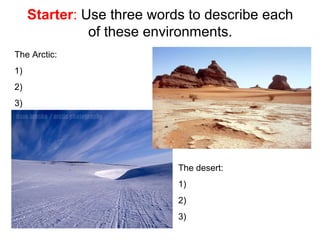
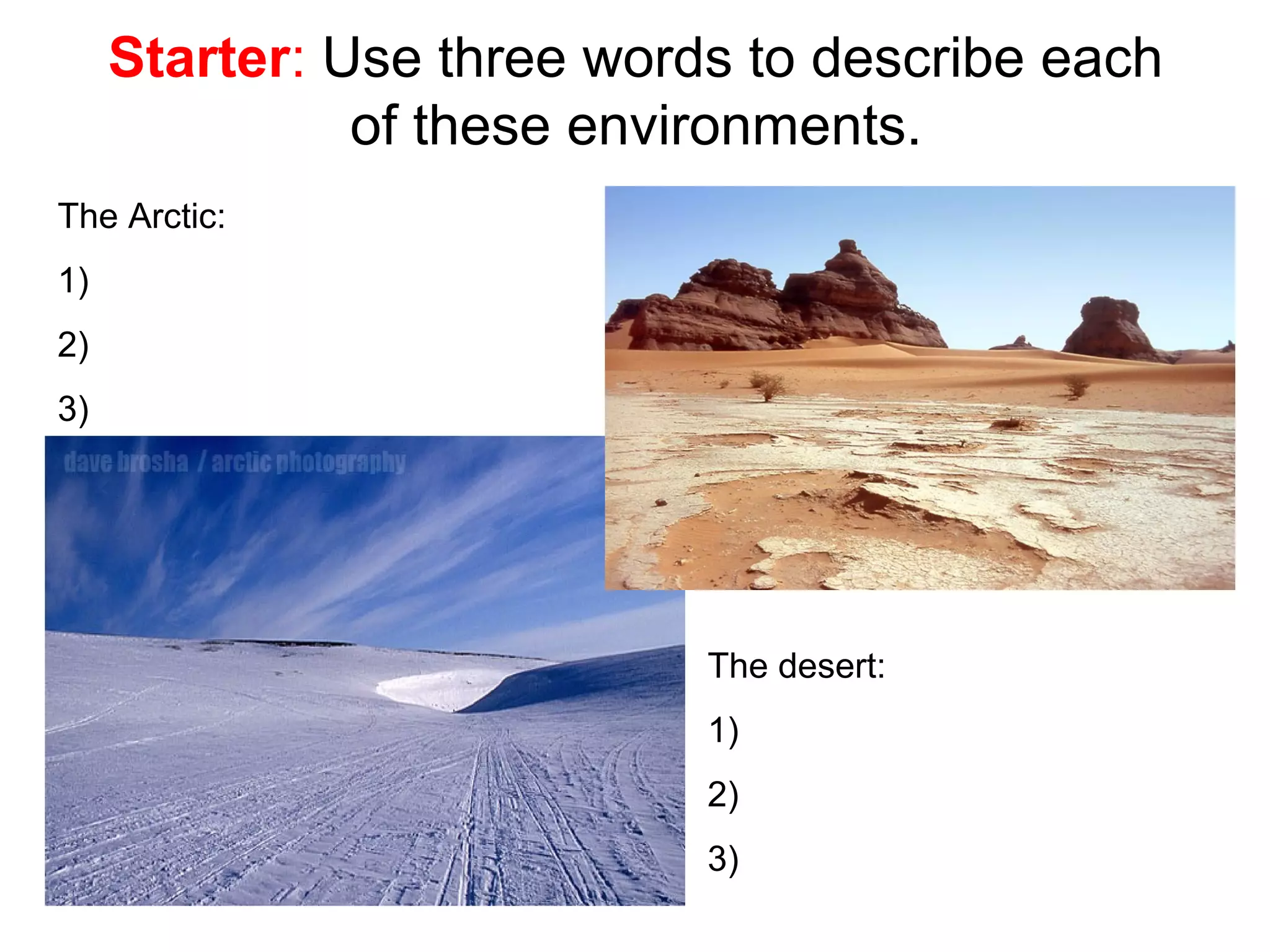
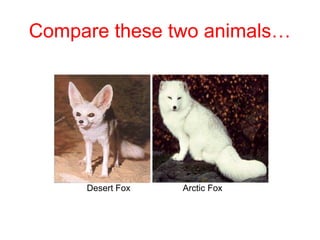
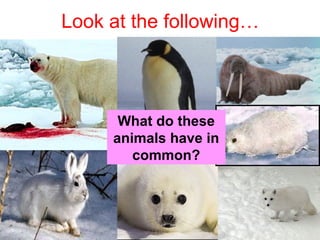
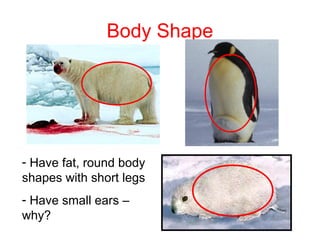
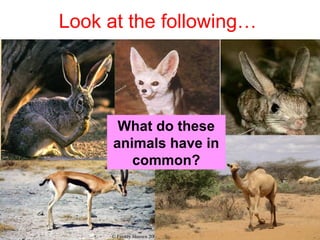
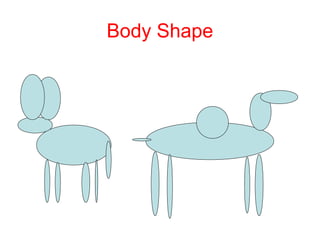
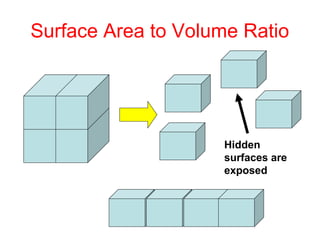
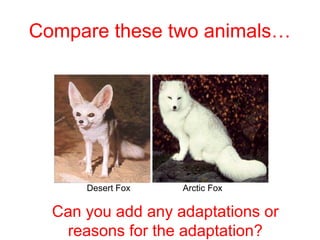
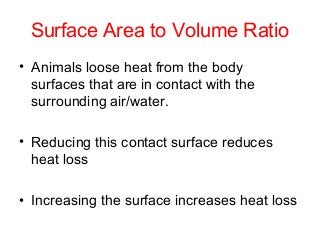
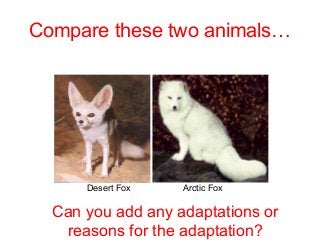
Organisms adapt to their environments in various ways. Animals in cold climates like the Arctic have adaptations like thick fur, layers of blubber, and camouflaged coloring to help them retain body heat. They also tend to have short, fat bodies and limbs to reduce surface area exposed to the cold. Animals in dry, hot climates like deserts adapt in opposing ways to dissipate heat, such as through large ears, thin fur, and longer limbs to spread heat over more surface area. They also have low body fat and are often nocturnal to avoid the daytime heat.




![Getting Started with Apache Spark: Big Data Made Simple [Free Meetup]](https://cdn.slidesharecdn.com/ss_thumbnails/apachesparkgettingstarted-260203175547-8361bcc3-thumbnail.jpg?width=640&height=640&fit=bounds)


