

Introduction
 Allergic conjunctivitis is a group of ocular surface
diseases that are typically associated with type 1
hypersensitivity reactions .
 May be associated with rhinitis and asthma
Allergic conjunctivitis
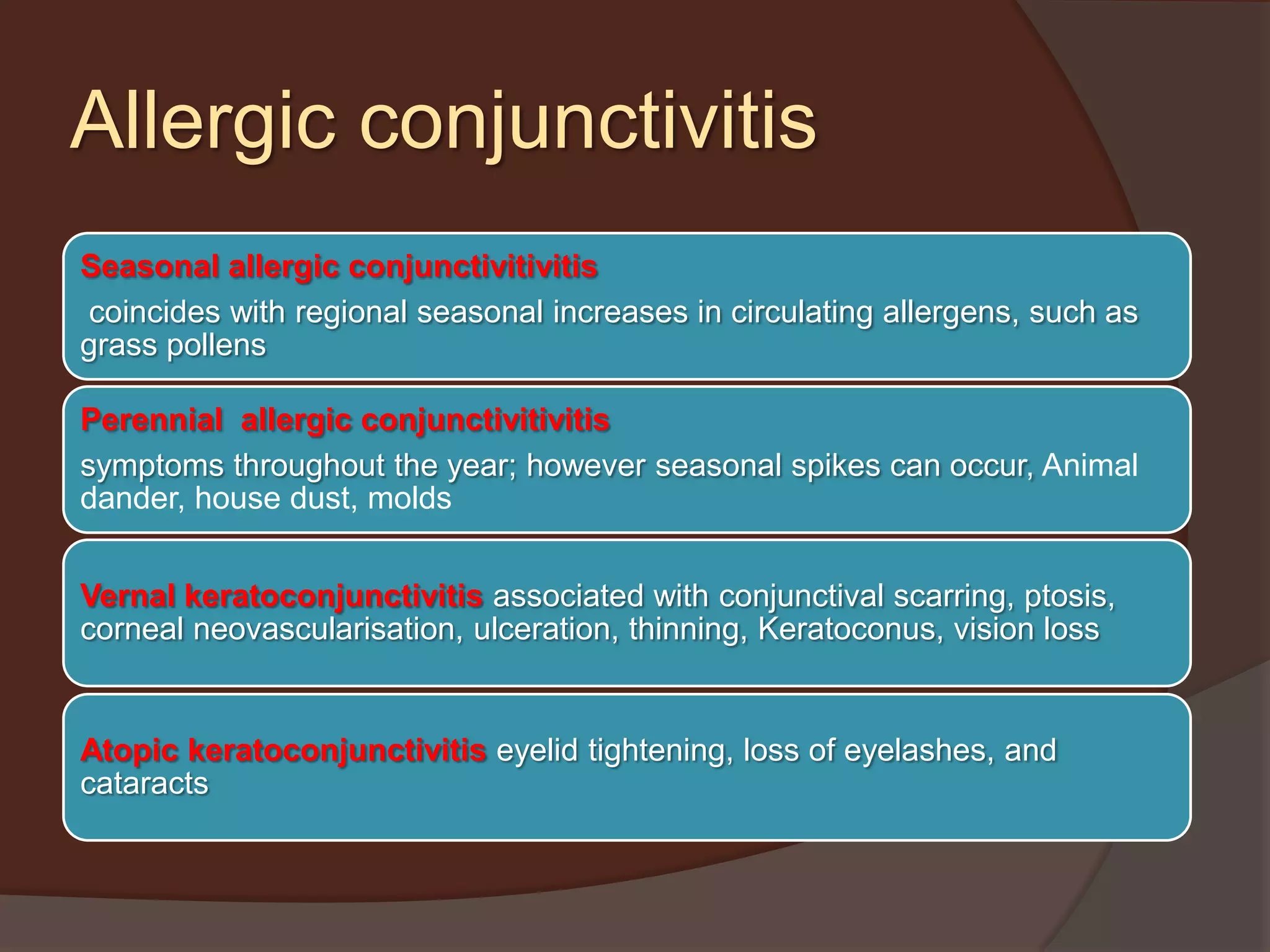
Seasonal allergic conjunctivitivitis
coincides with regional seasonal increases in circulating allergens, such as
grass pollens
Perennial allergic conjunctivitivitis
symptoms throughout the year; however seasonal spikes can occur, Animal
dander, house dust, molds
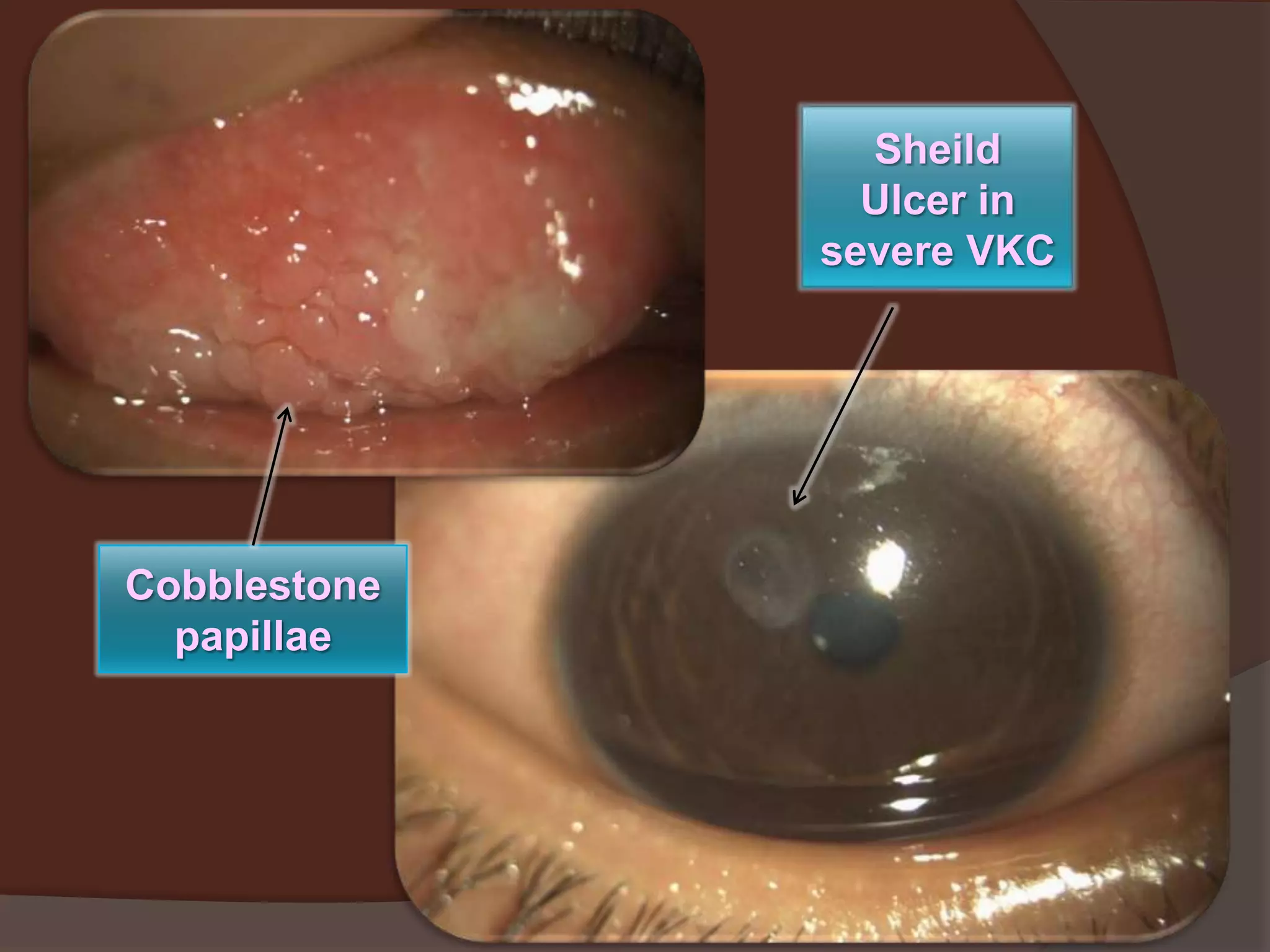
Vernal keratoconjunctivitis associated with conjunctival scarring, ptosis,
corneal neovascularisation, ulceration, thinning, Keratoconus, vision loss
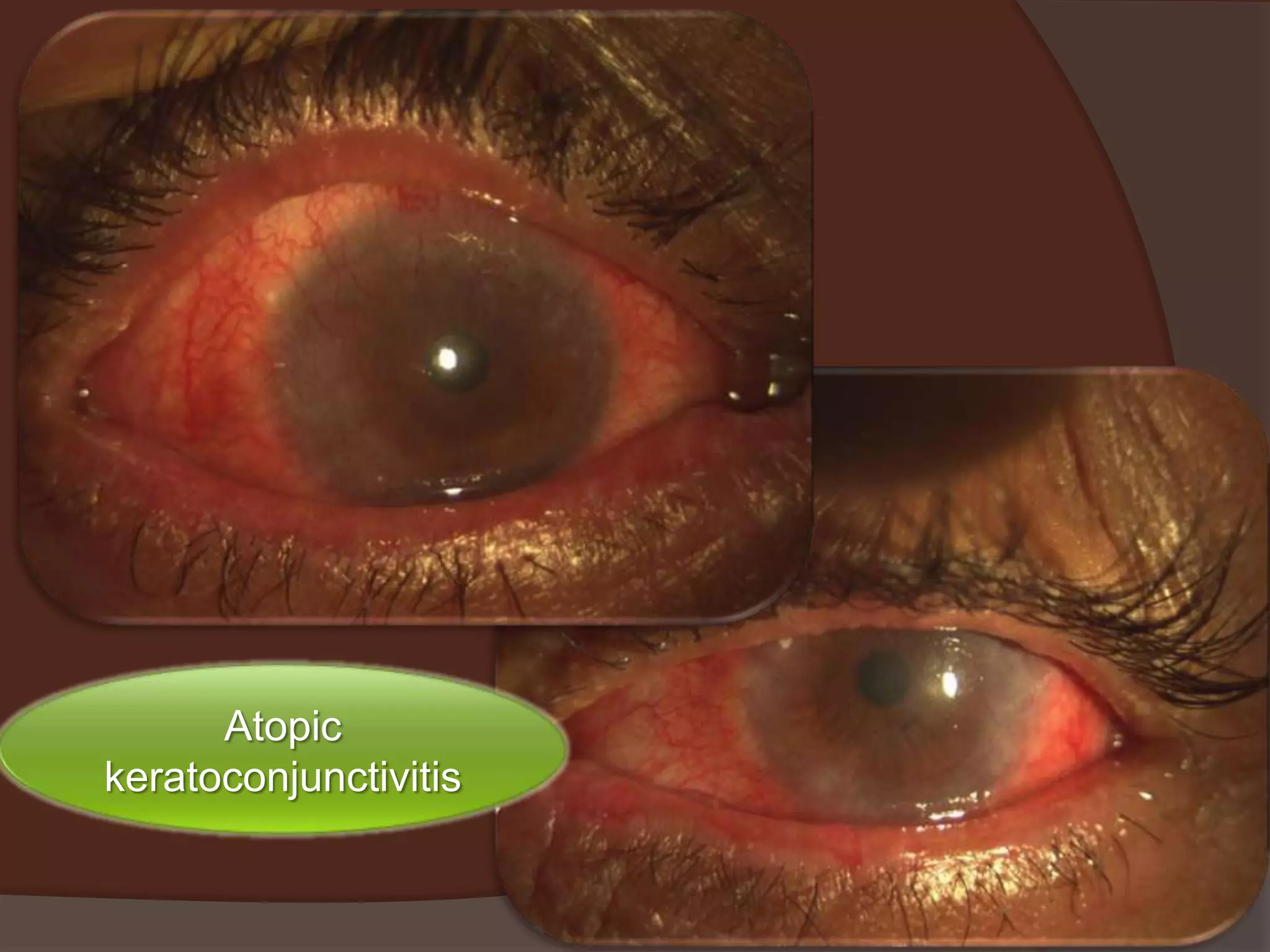
Atopic keratoconjunctivitis eyelid tightening, loss of eyelashes, and
cataracts
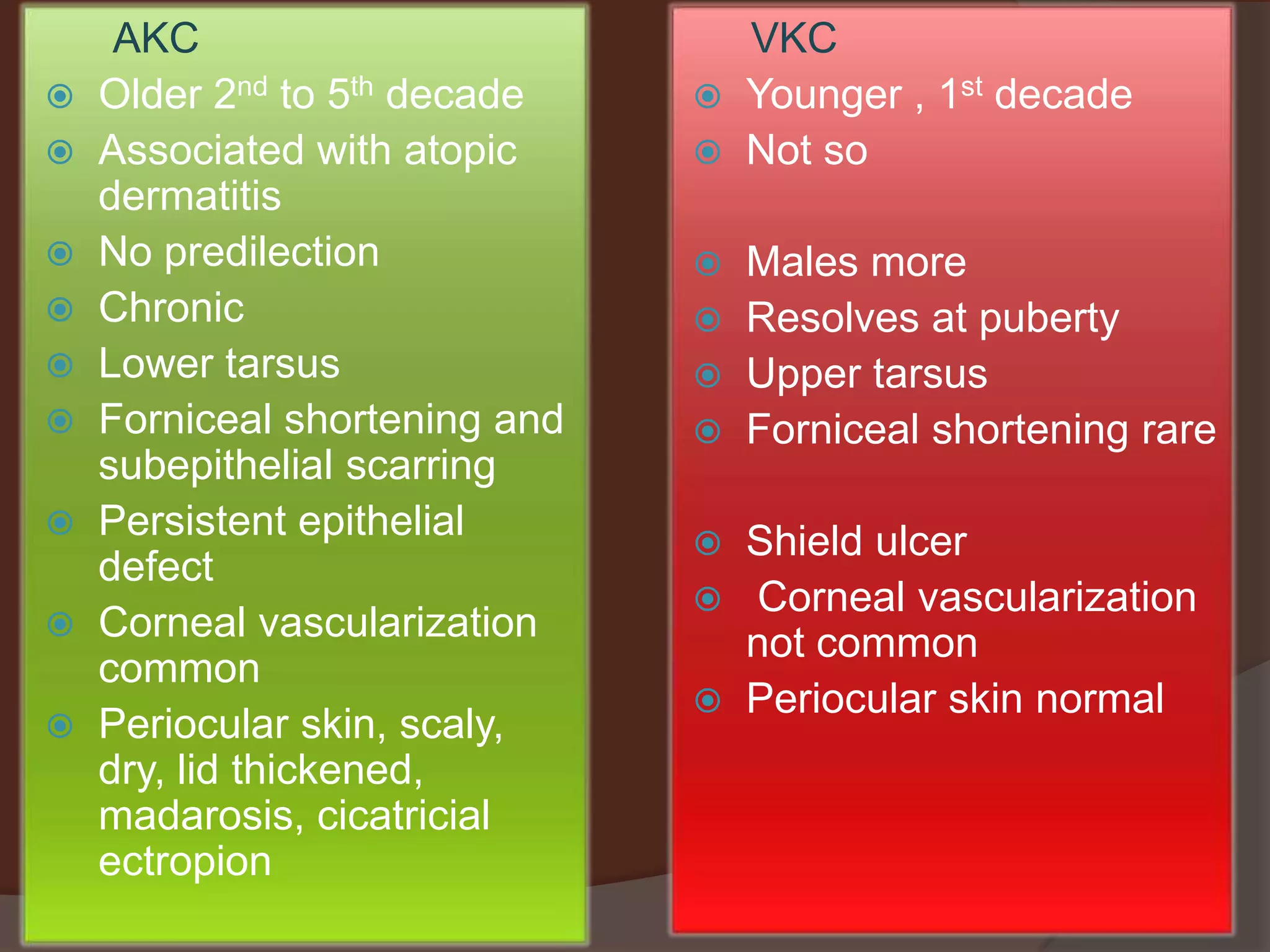
VKC
 Younger , 1st decade
 Not so
 Males more
 Resolves at puberty
 Upper tarsus
 Forniceal shortening rare
 Shield ulcer
 Corneal vascularization
not common
 Periocular skin normal
AKC
 Older 2nd to 5th decade
 Associated with atopic
dermatitis
 No predilection
 Chronic
 Lower tarsus
 Forniceal shortening and
subepithelial scarring
 Persistent epithelial
defect
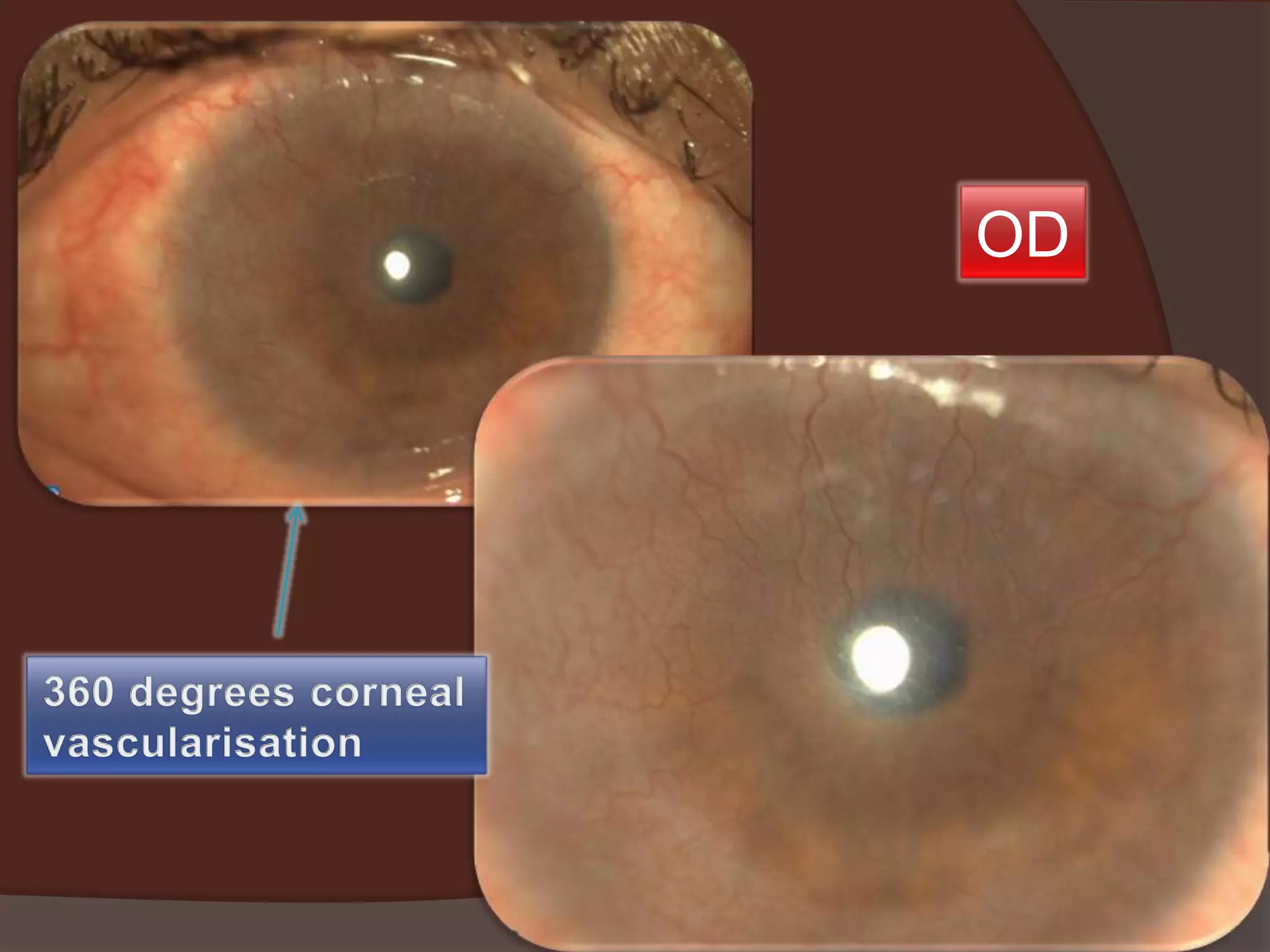
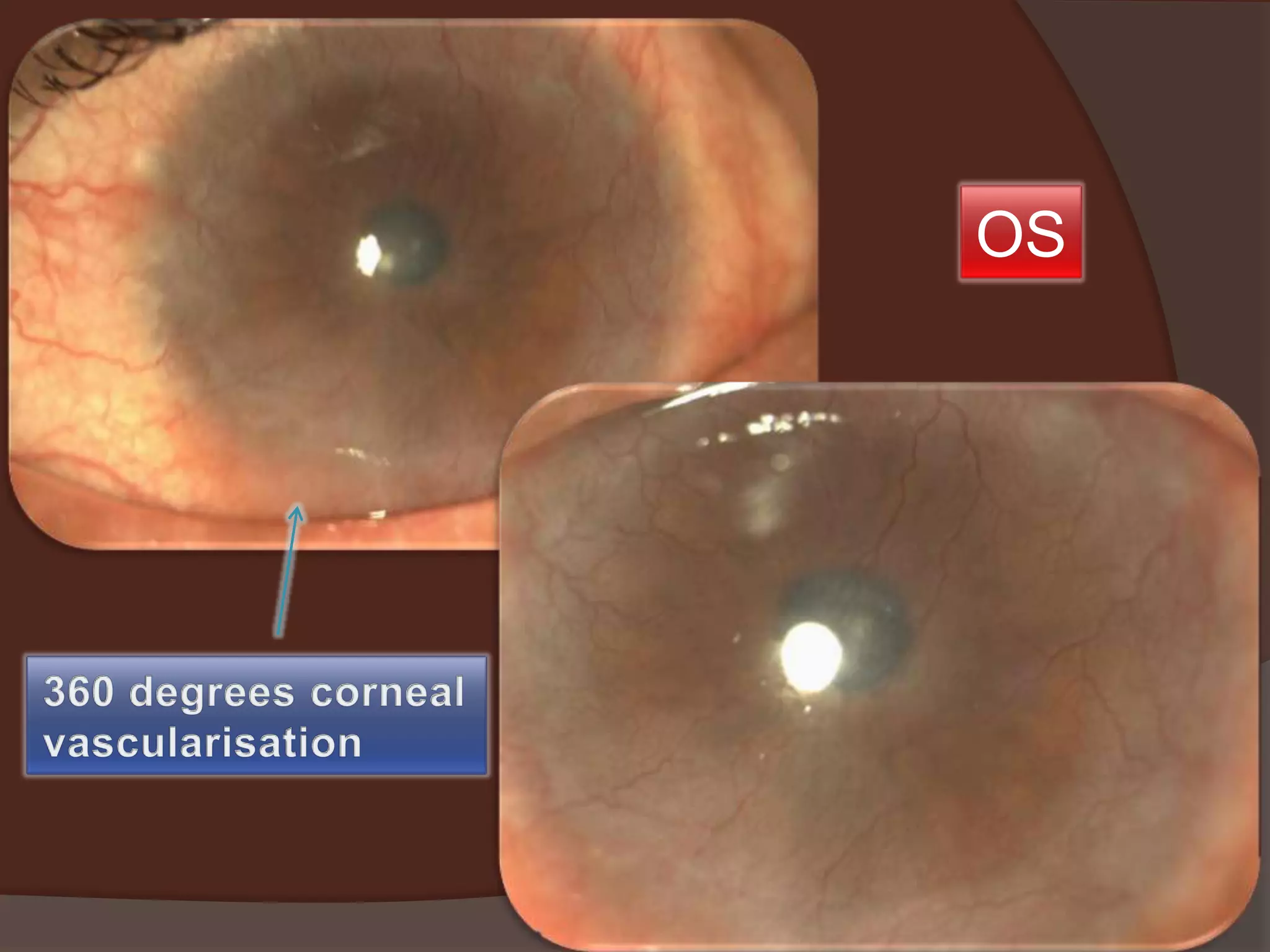
 Corneal vascularization
common
 Periocular skin, scaly,
dry, lid thickened,
madarosis, cicatricial
ectropion
Sheild
Ulcer in
severe VKC
Cobblestone
papillae
Atopic
keratoconjunctivitis
OD
OS
Symptoms
 Itching (pruritus) and
 Redness
 Burning,
 Stinging, Photophobia
 Tearing (epiphora)
 watery or mucoid ropy discharge
Signs
 Conjunctiva pinkish or milky appearance
(obscuration of conjunctival vessels due
to chemosis)
 Papillary hypertrophy upper tarsus,
limbal
 Tarsal papillae 1mm or more,
cobblestone like (differentiate VKC from
SAC, PAC)
 Limbal papillae confluent, gelatinous
Signs
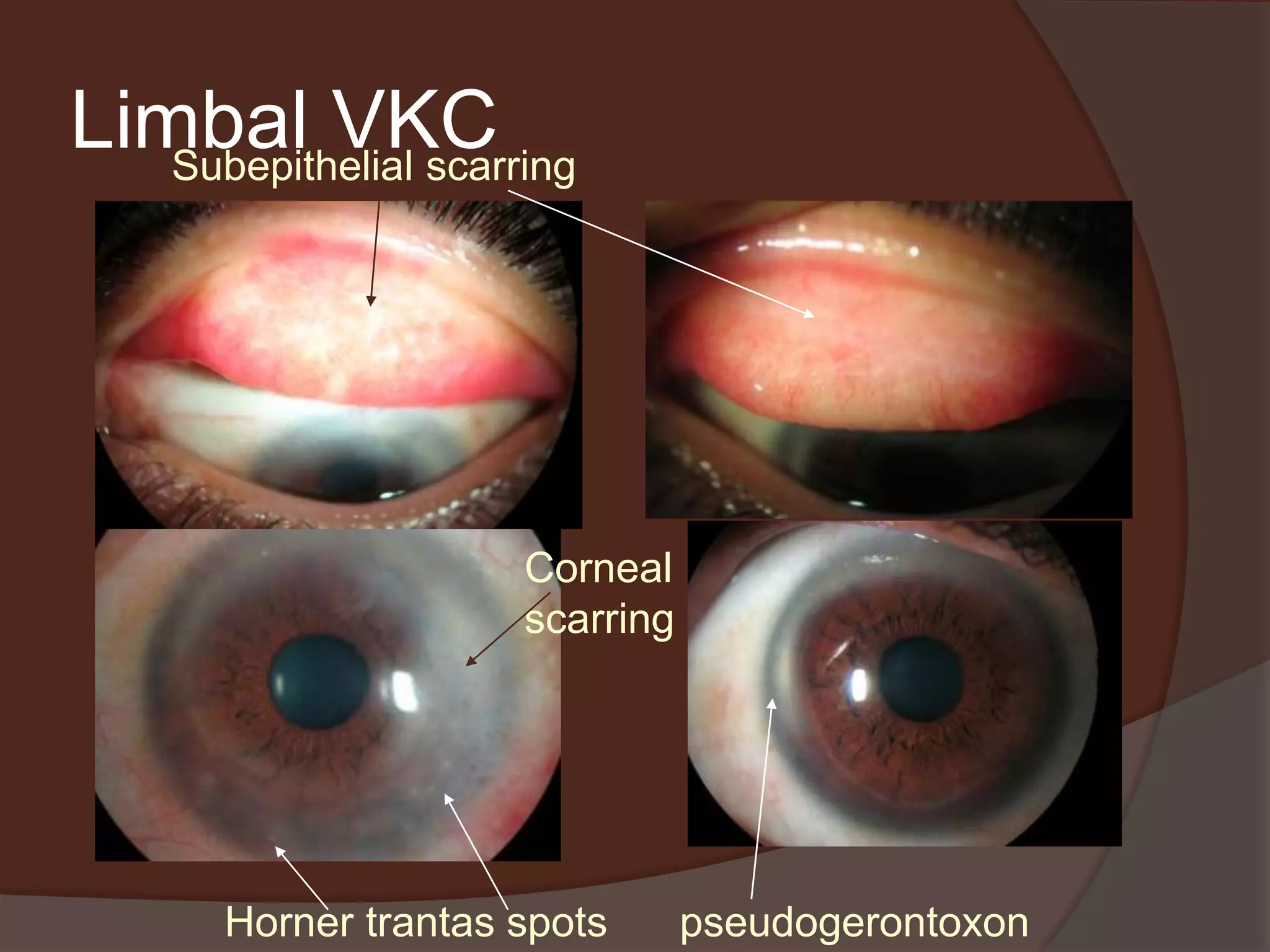
 Horner Trantas dots along the limbus
( white dots are a collection of eosinophils
and epithelial cells an indicator of active
allergy)
 Spotty pigmentation of interpalpebral
conjunctiva in brown individuals
 Punctate epithelial erosions on Cornea
 Peripheral cornea superficial stromal grey
white deposition Pseudogerontoxon
Limbal VKC
Horner trantas spots pseudogerontoxon
Subepithelial scarring
Corneal
scarring
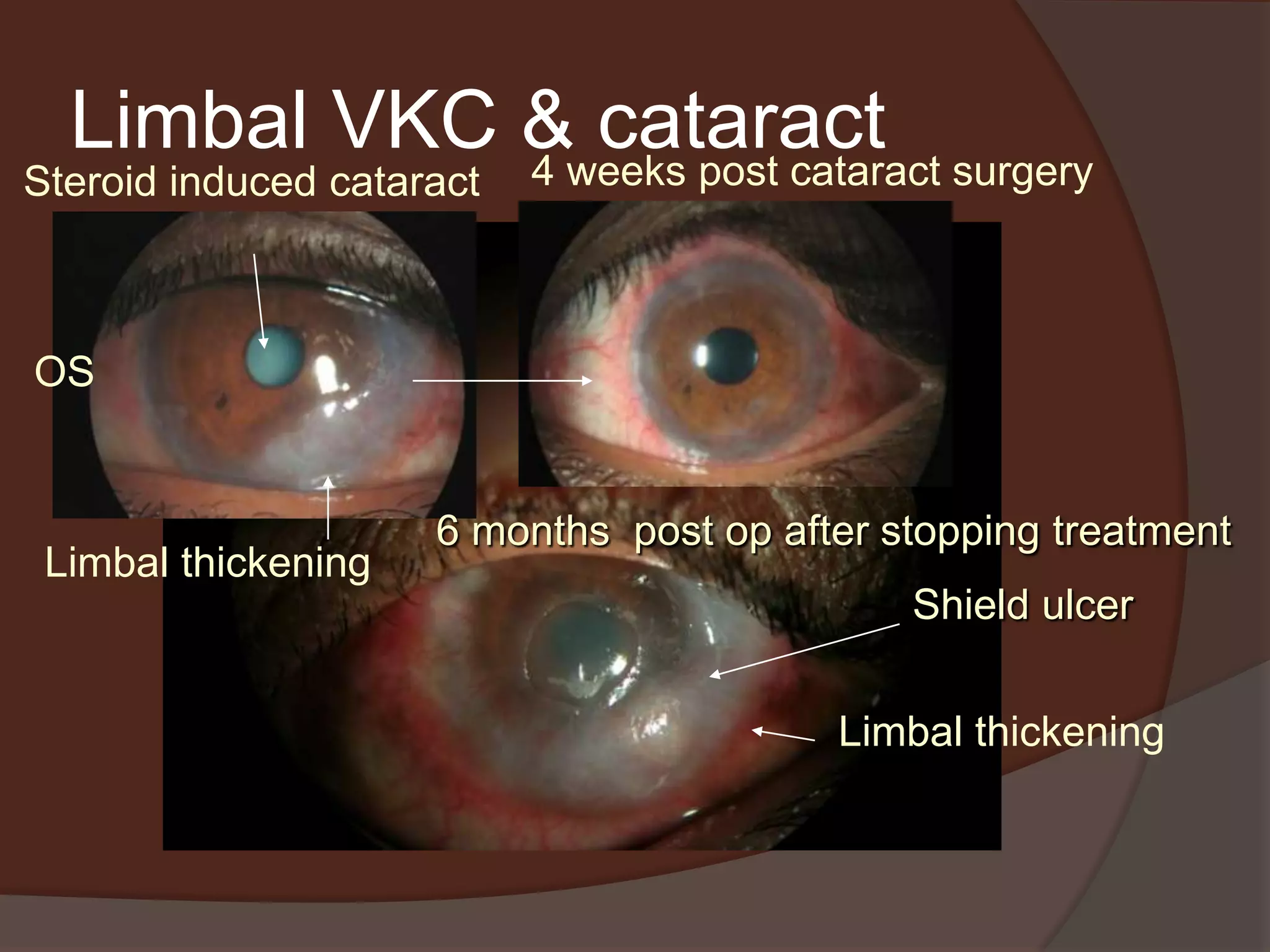
Limbal VKC & cataract4 weeks post cataract surgery
6 months post op after stopping treatment
Shield ulcer
Limbal thickening
Limbal thickening
Steroid induced cataract
OS
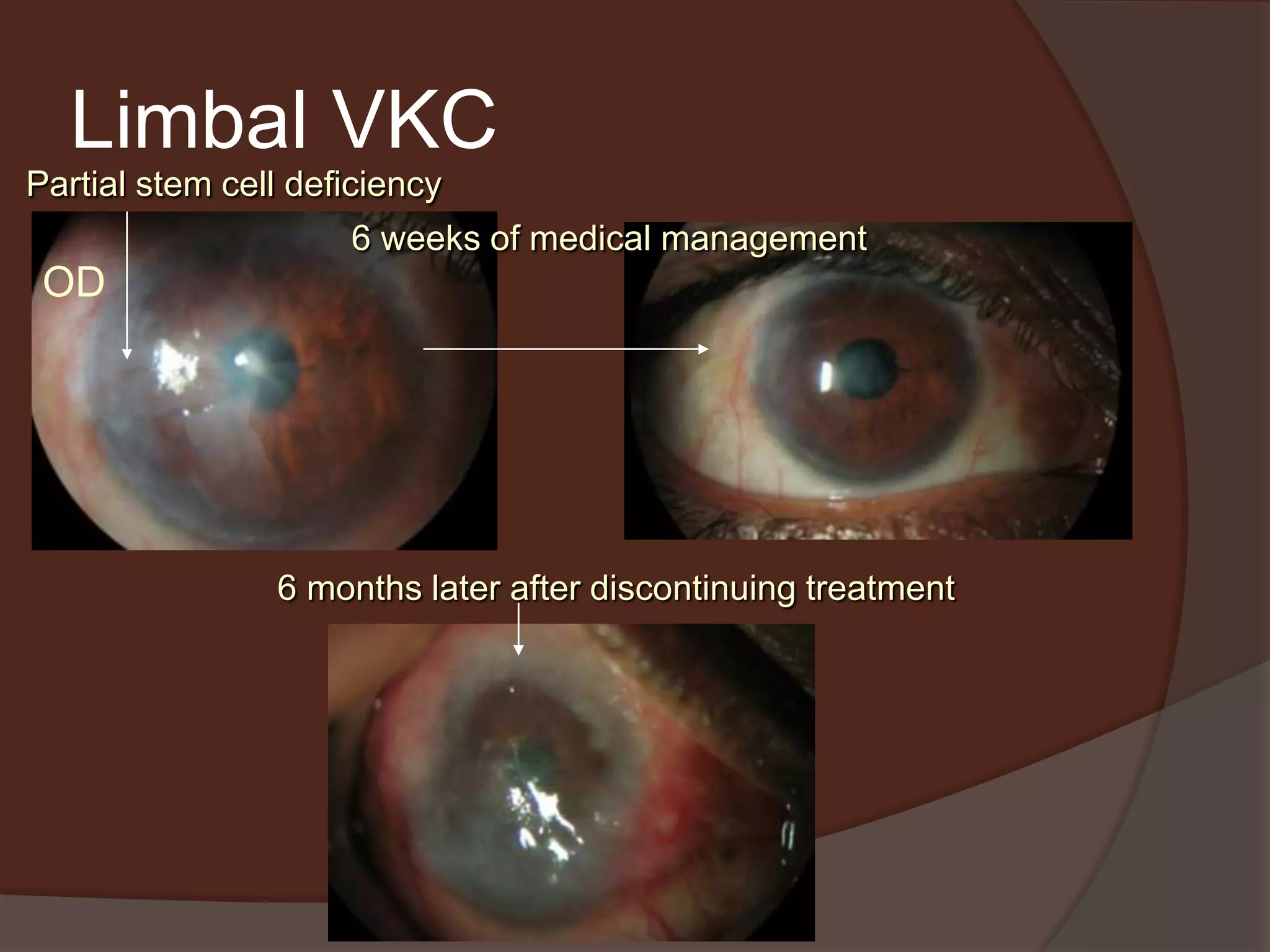
Limbal VKC
6 weeks of medical management
6 months later after discontinuing treatment
Partial stem cell deficiency
OD
Limbal VKC
 Fulminant & long standing limbal VKC
can result in stem cell deficiency
 Under recognised and frequently missed
 In established limbal stem cell deficiency
limbal allograft- direct or cultivated
 Immunosuppression
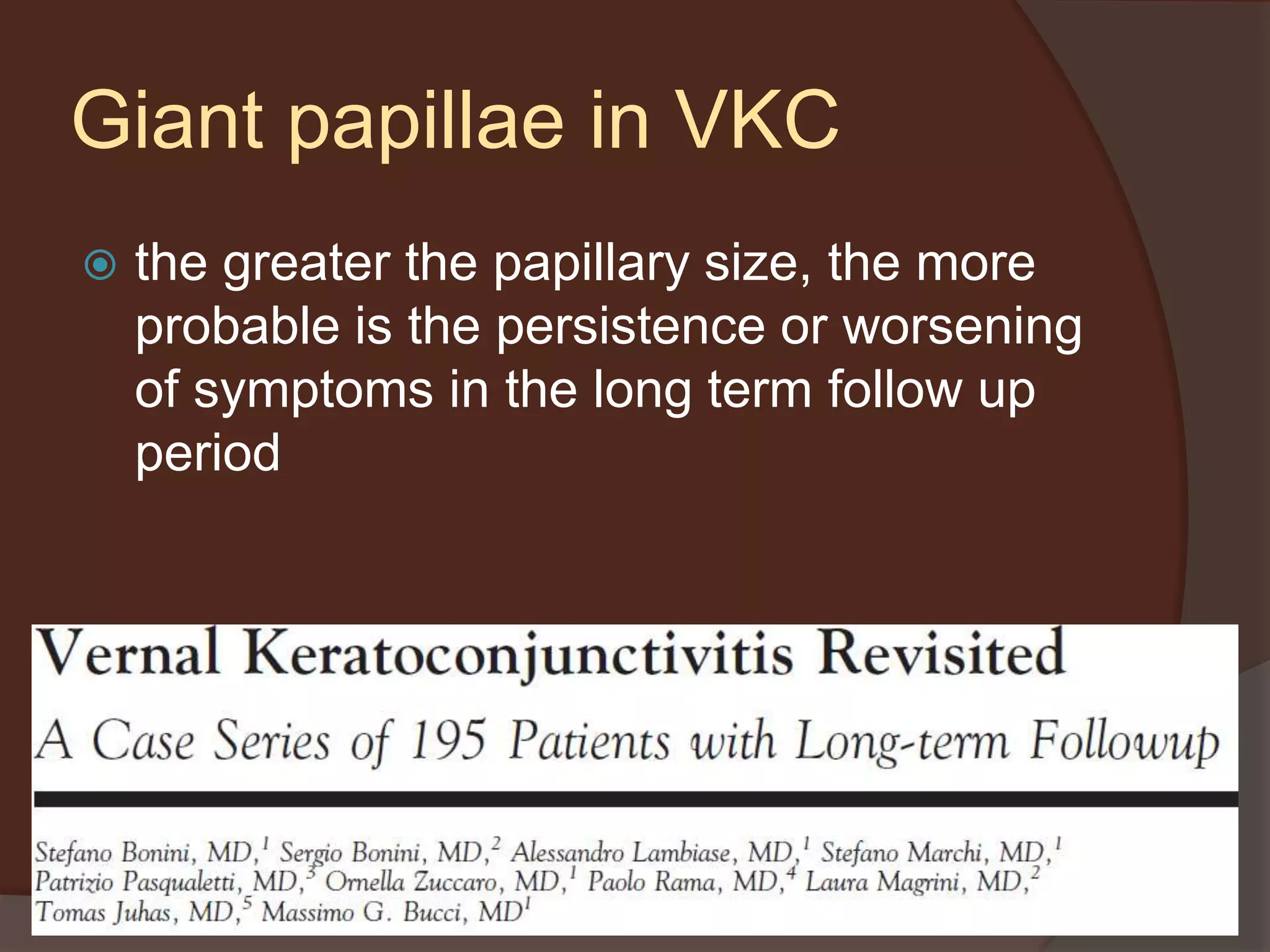
 the greater the papillary size, the more
probable is the persistence or worsening
of symptoms in the long term follow up
period
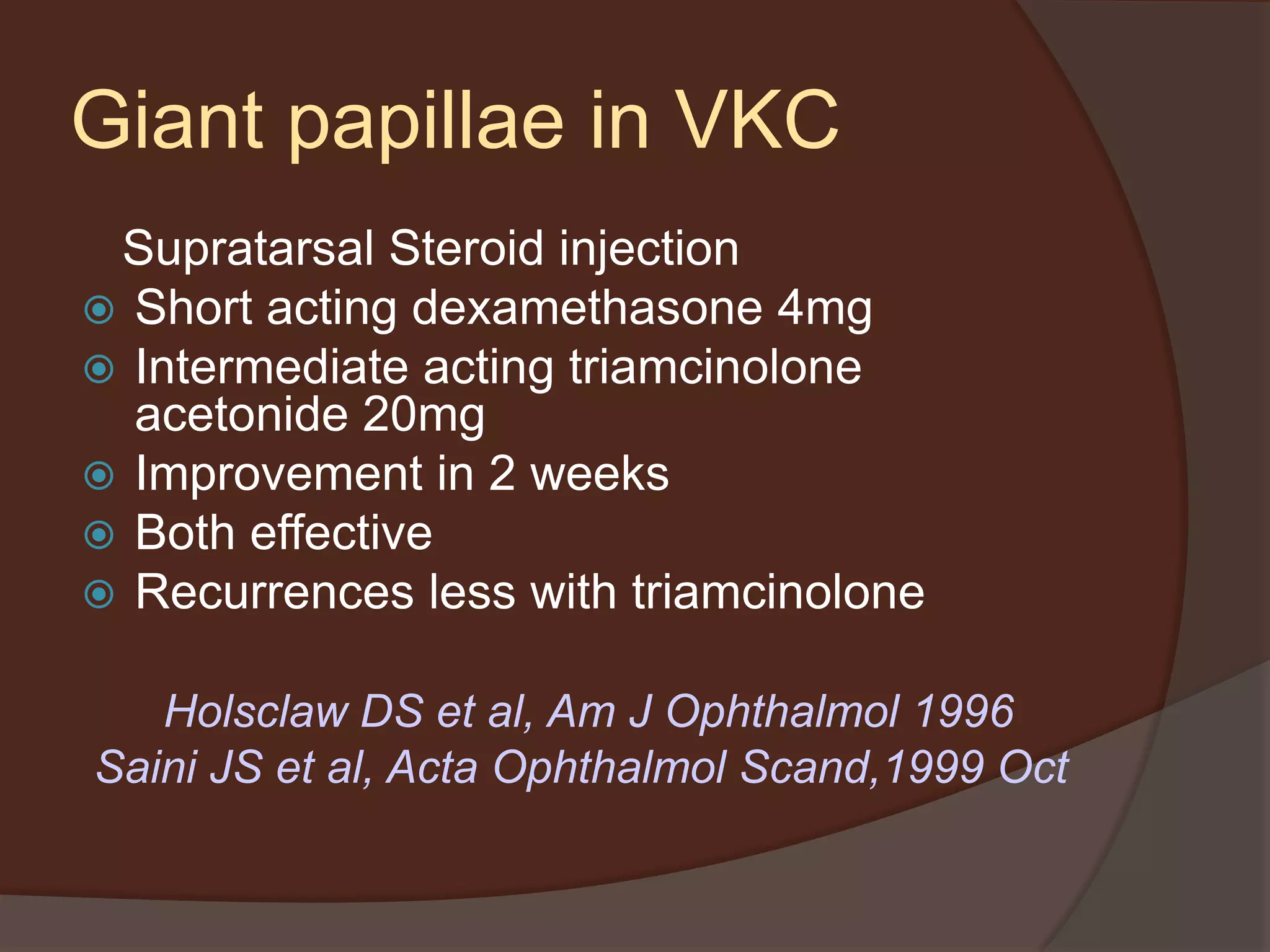
Giant papillae in VKC
Supratarsal Steroid injection
 Short acting dexamethasone 4mg
 Intermediate acting triamcinolone
acetonide 20mg
 Improvement in 2 weeks
 Both effective
 Recurrences less with triamcinolone
Holsclaw DS et al, Am J Ophthalmol 1996
Saini JS et al, Acta Ophthalmol Scand,1999 Oct
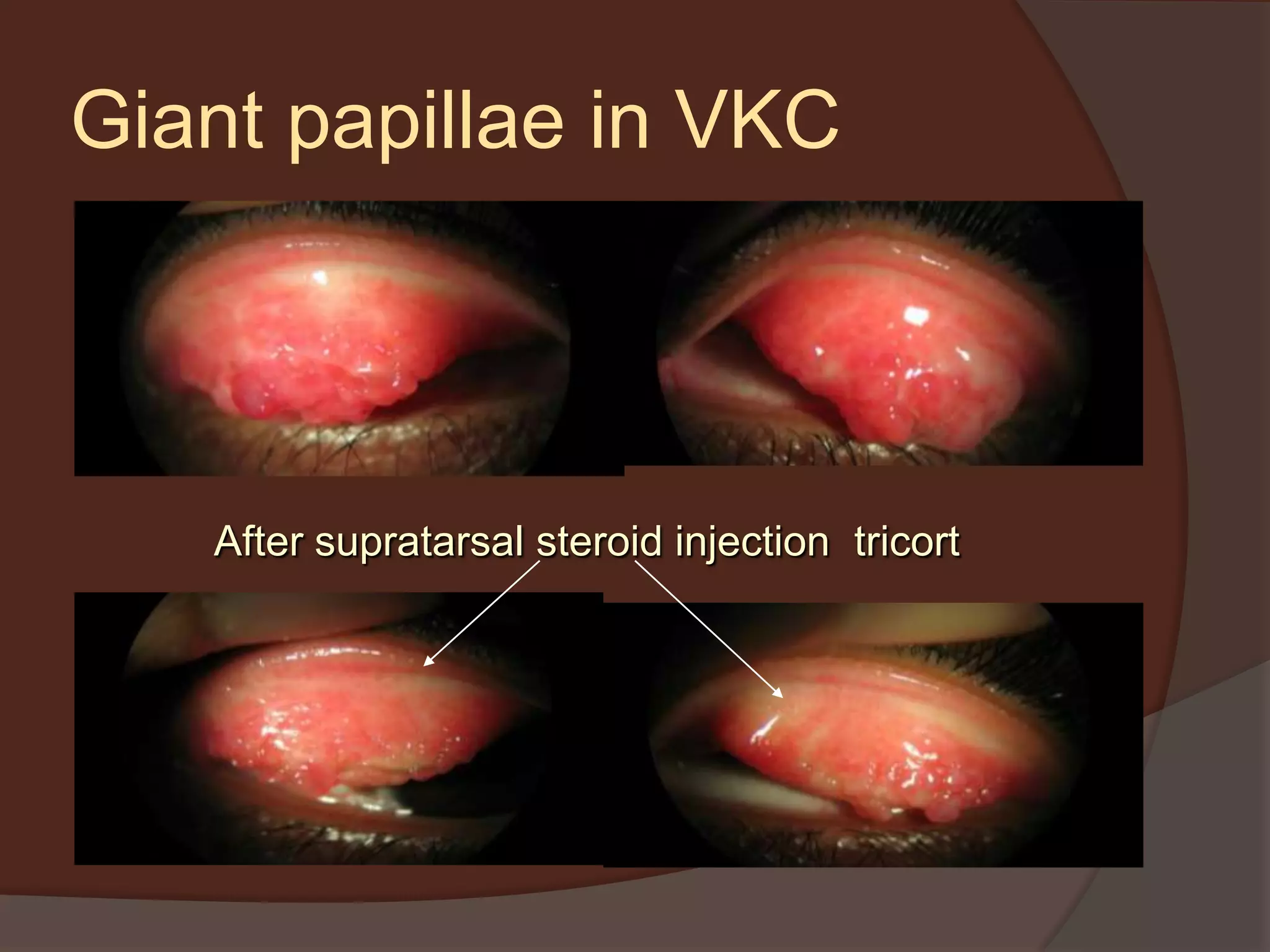
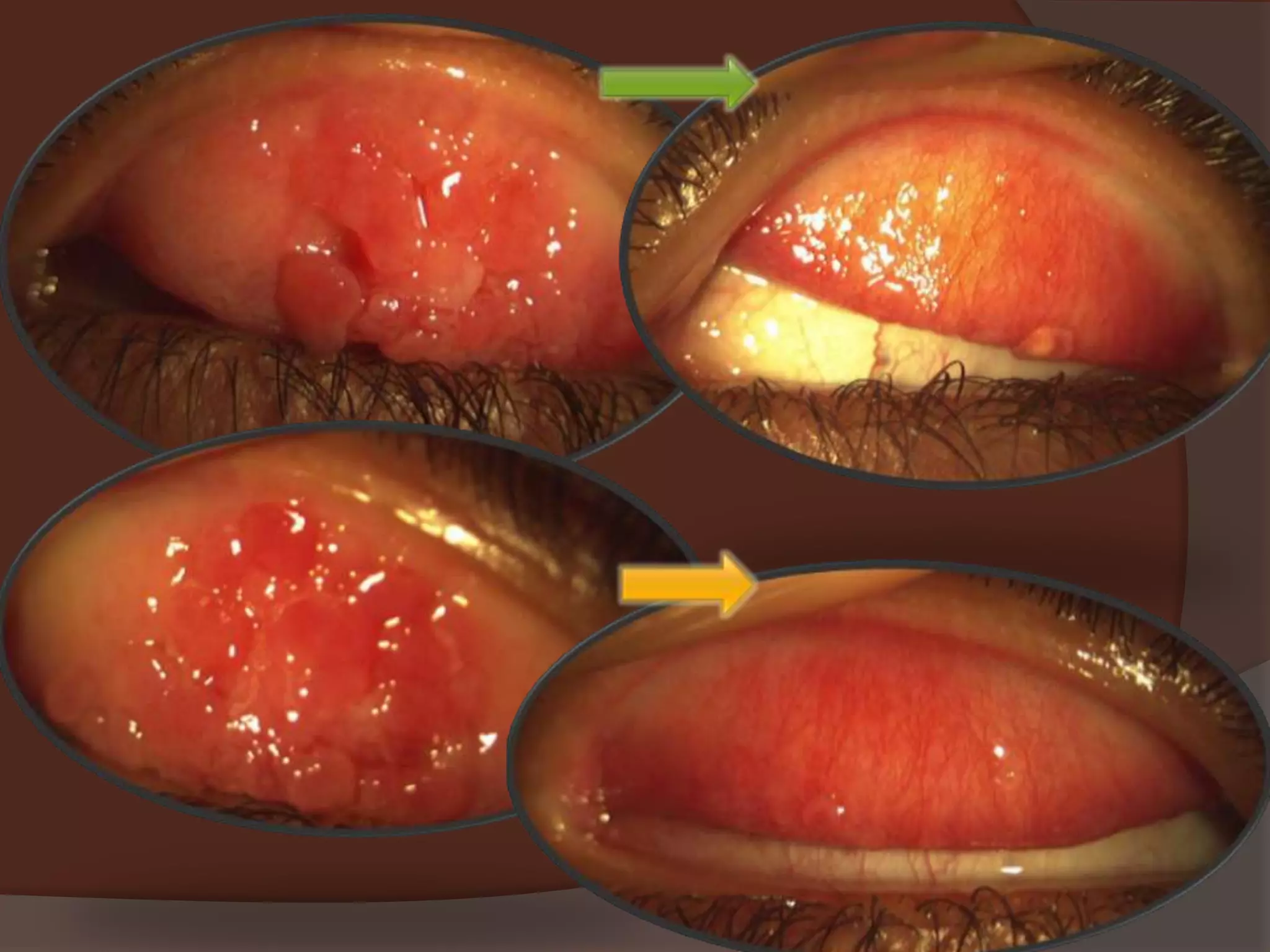
Giant papillae in VKC
After supratarsal steroid injection tricort
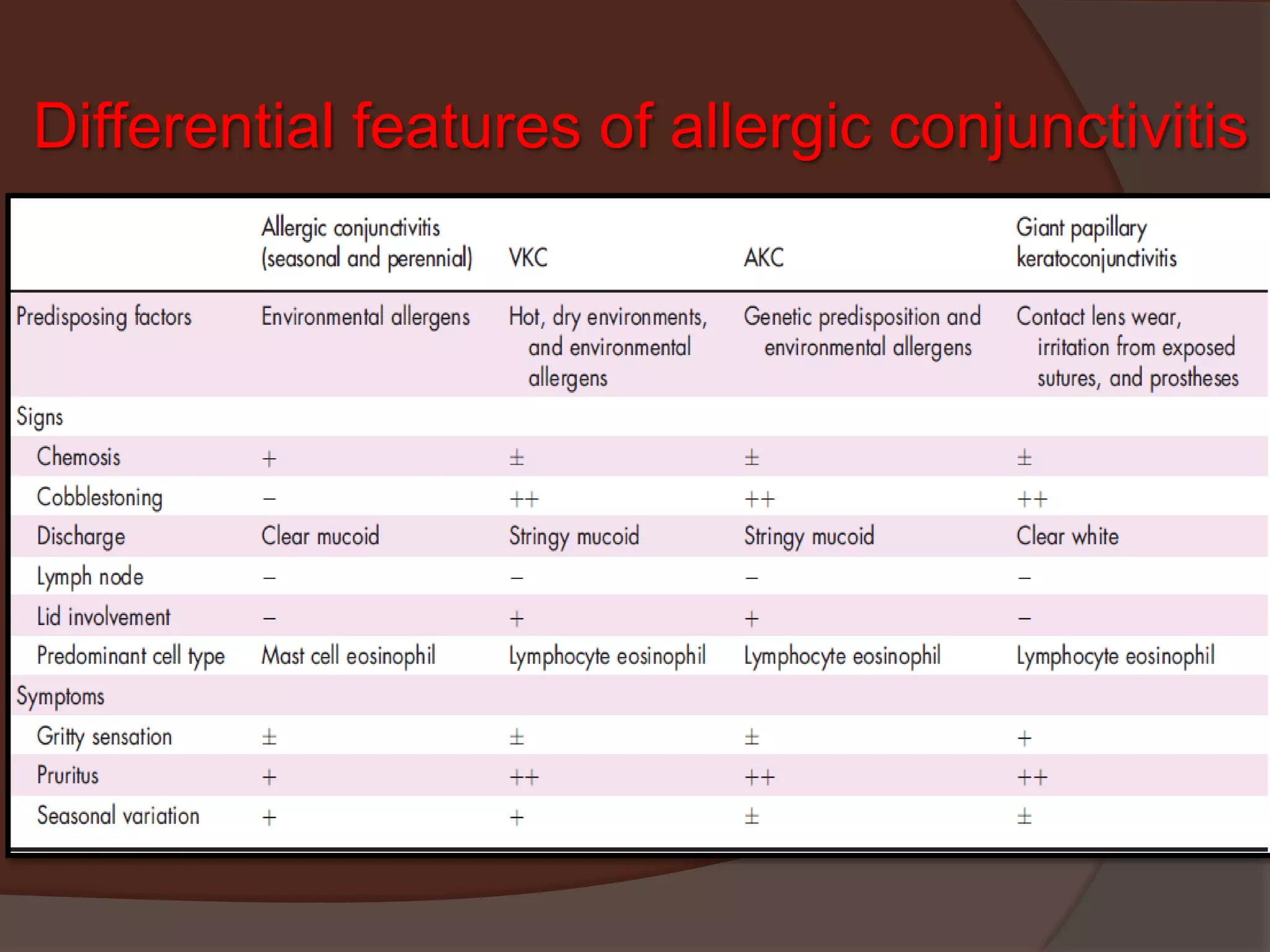
Differential features of allergic conjunctivitis
Pathophysiology
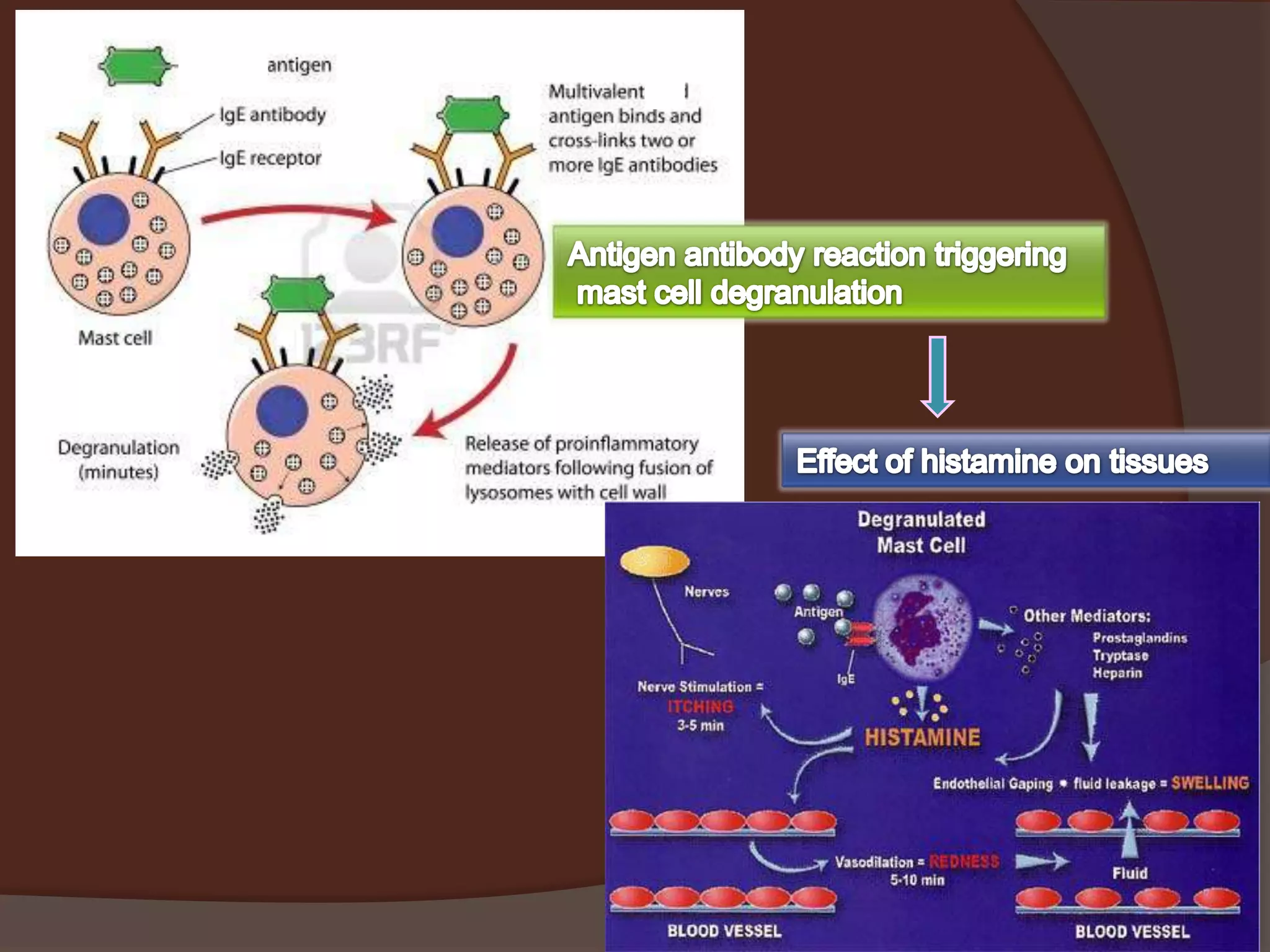
 type I (IgE-dependent) immediate
hypersensitivity reaction in VKC
 B lymphocytes from the lymphoid follicle of
the conjunctiva locally produce IgE.
 Mast cell degranulation results in the release
of a range of mediators such as histamine,
leading to the classical allergic reactions of
vasodilatation, oedema, hyperaemia,
 And recruitment of other inflammatory cells.
 Role of eosinophil in ocular allergy
important their consistent presence in
conjunctival biopsy tissues affected by
ocular allergy and by eosinophilic
cationic protein levels in tears.
 Activated eosinophils elicit ocular
surface inflammation by their soluble
mediators (EMBP, ECP) can lead to
corneal epithelial breakdown
Pathophysiology
 There is also growing evidence for the
involvement of a CD4T helper 2 (Th2)-
driven type IV (delayed or cell-
mediated)hypersensitivity reaction as
well.
 Once activated, these Th2 lymphocytes
play a role in recruitment and activation
of mast cells and eosinophils, and in B
cell switching to the production of IgE.
Pathophysiology
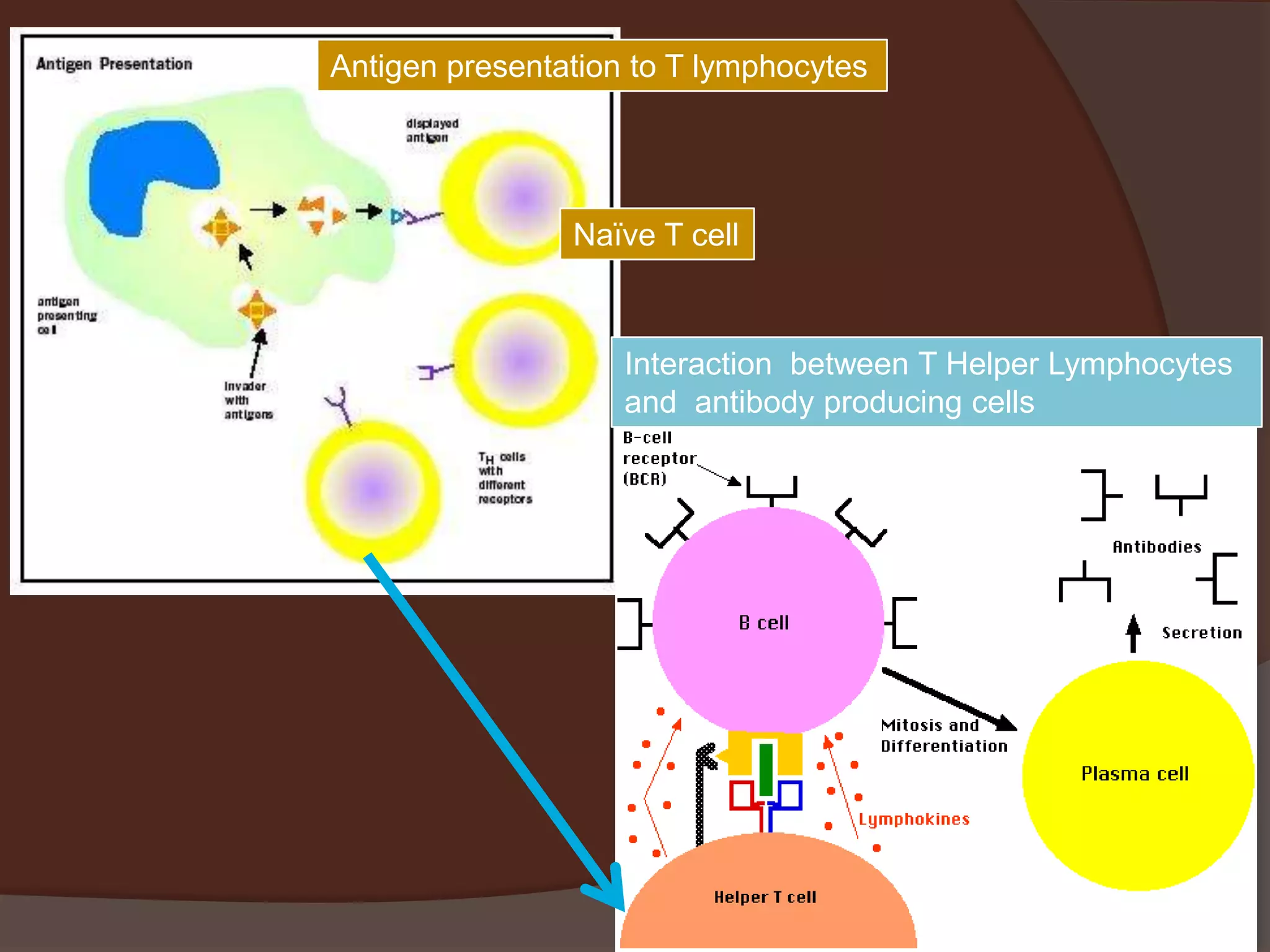
Antigen presentation to T lymphocytes
Naïve T cell
Interaction between T Helper Lymphocytes
and antibody producing cells
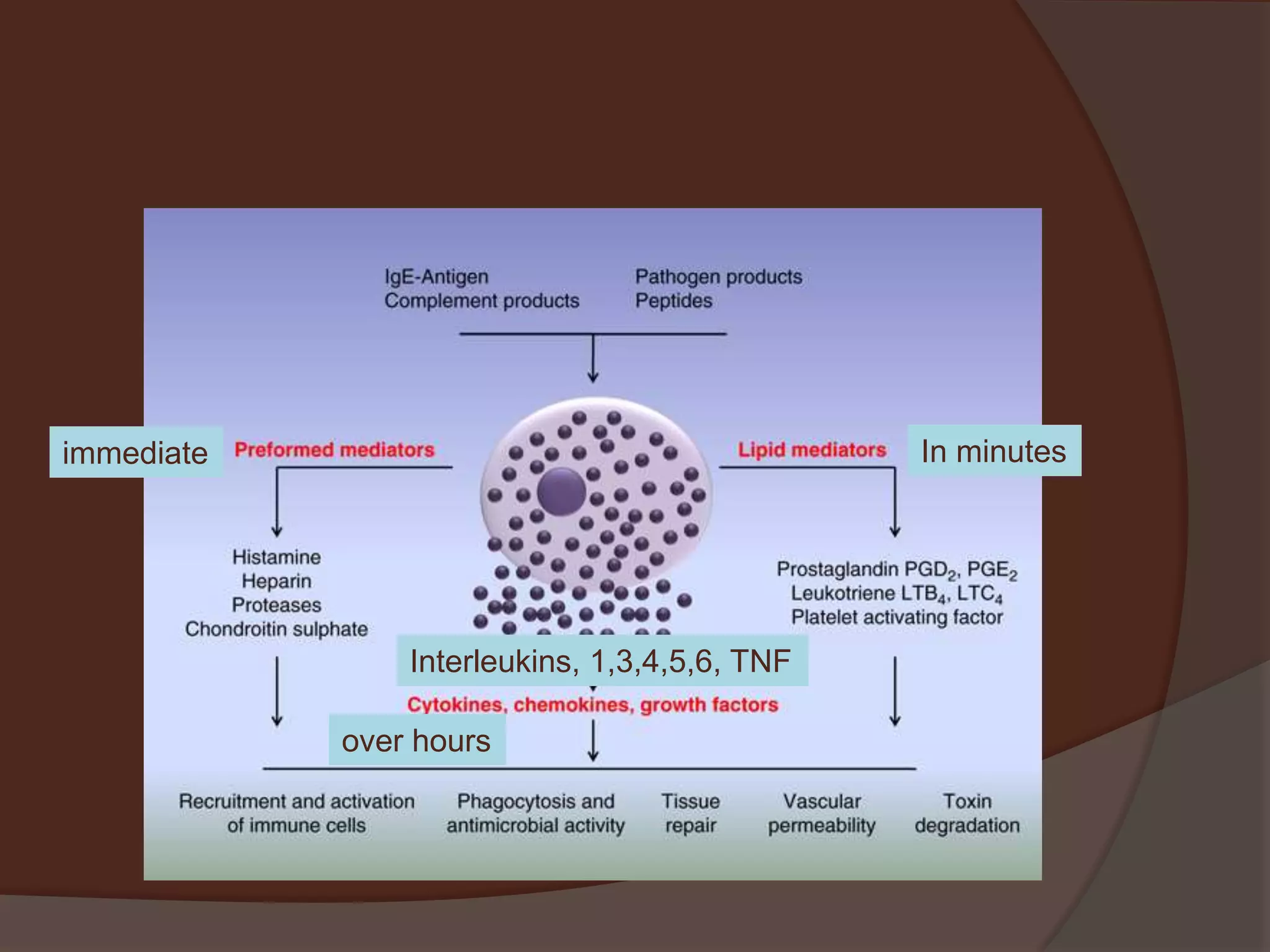
Interleukins, 1,3,4,5,6, TNF
over hours
In minutesimmediate
Differential diagnosis
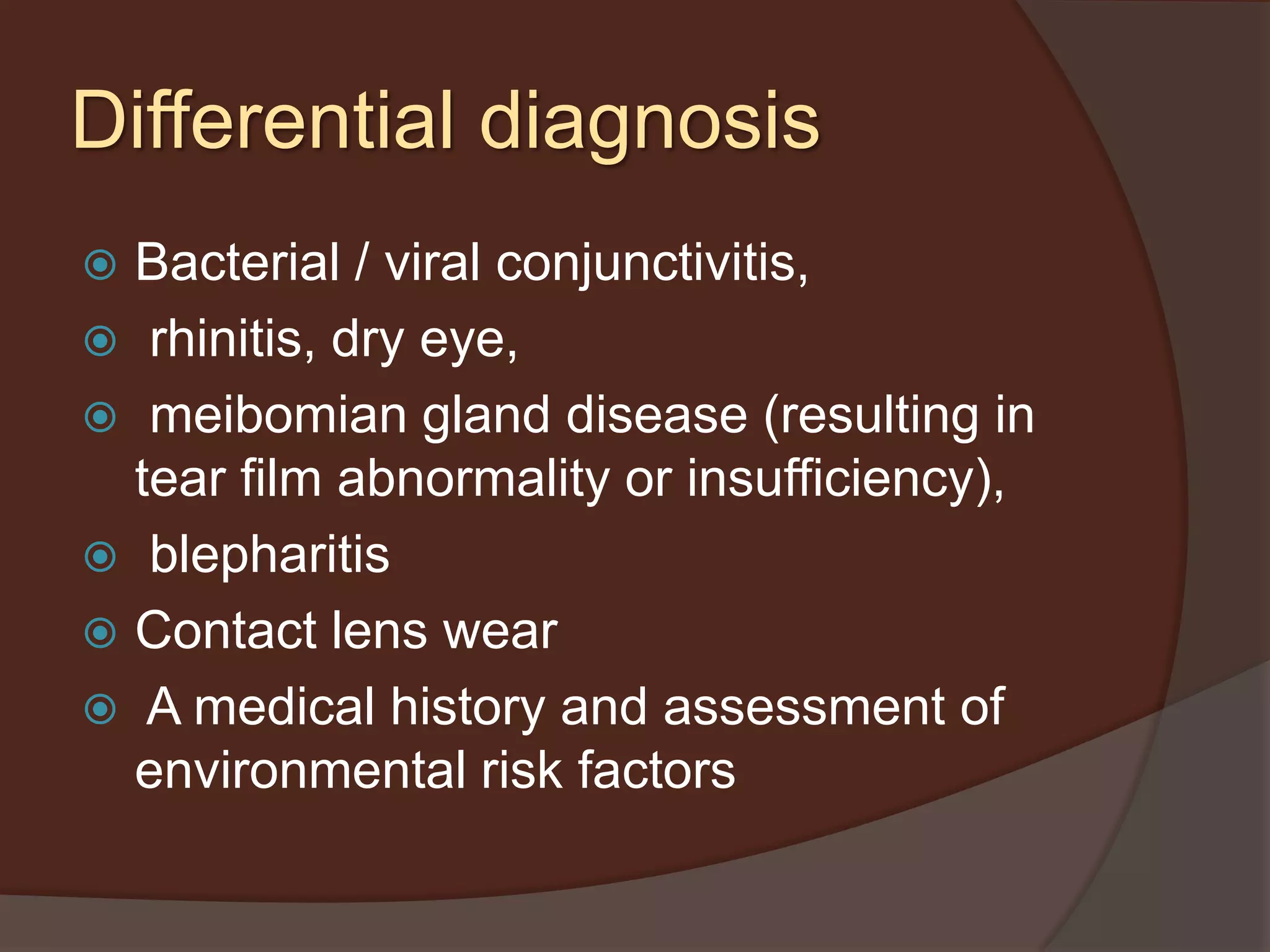
 Bacterial / viral conjunctivitis,
 rhinitis, dry eye,
 meibomian gland disease (resulting in
tear film abnormality or insufficiency),
 blepharitis
 Contact lens wear
 A medical history and assessment of
environmental risk factors
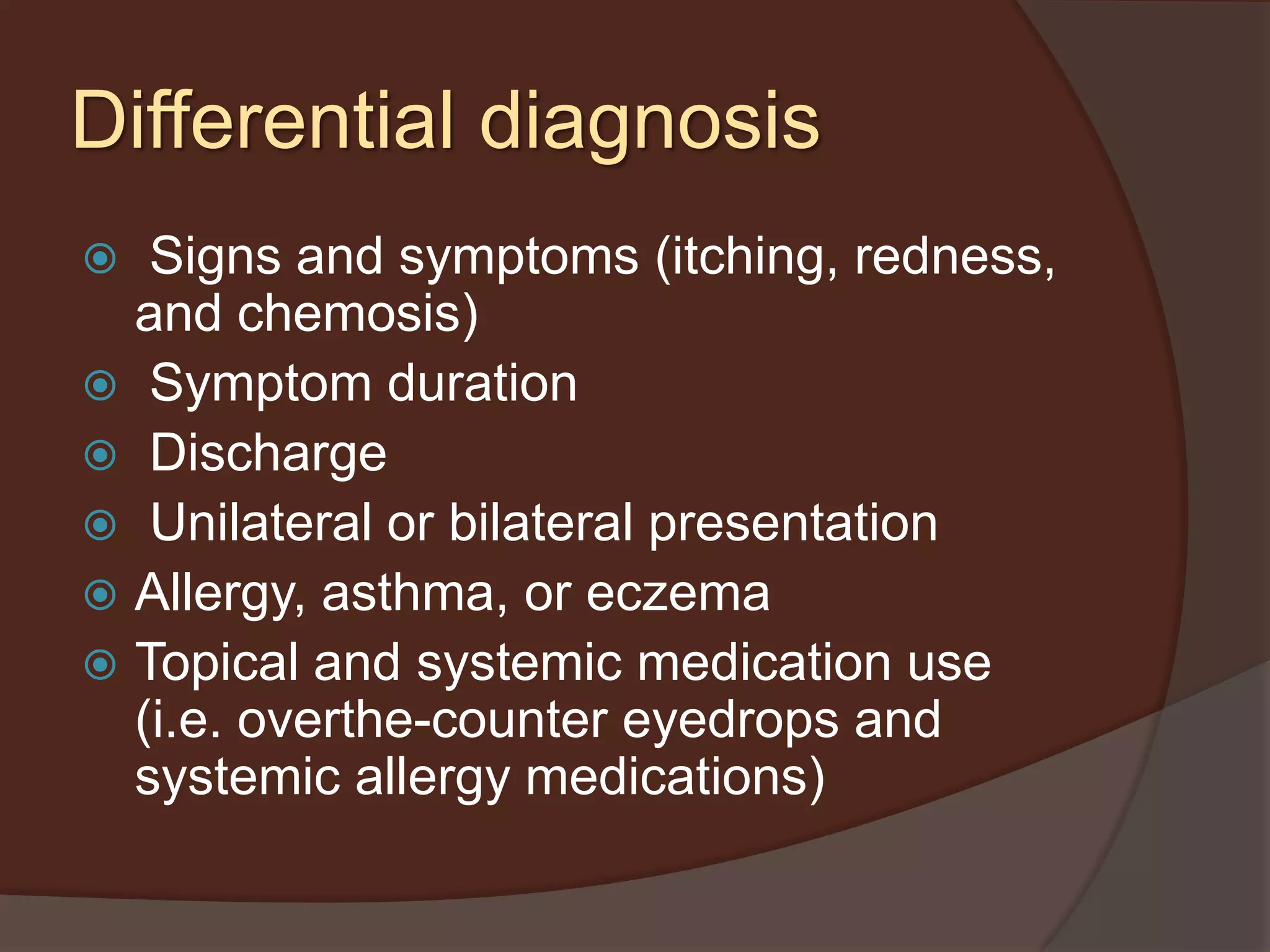
 Signs and symptoms (itching, redness,
and chemosis)
 Symptom duration
 Discharge
 Unilateral or bilateral presentation
 Allergy, asthma, or eczema
 Topical and systemic medication use
(i.e. overthe-counter eyedrops and
systemic allergy medications)
Differential diagnosis
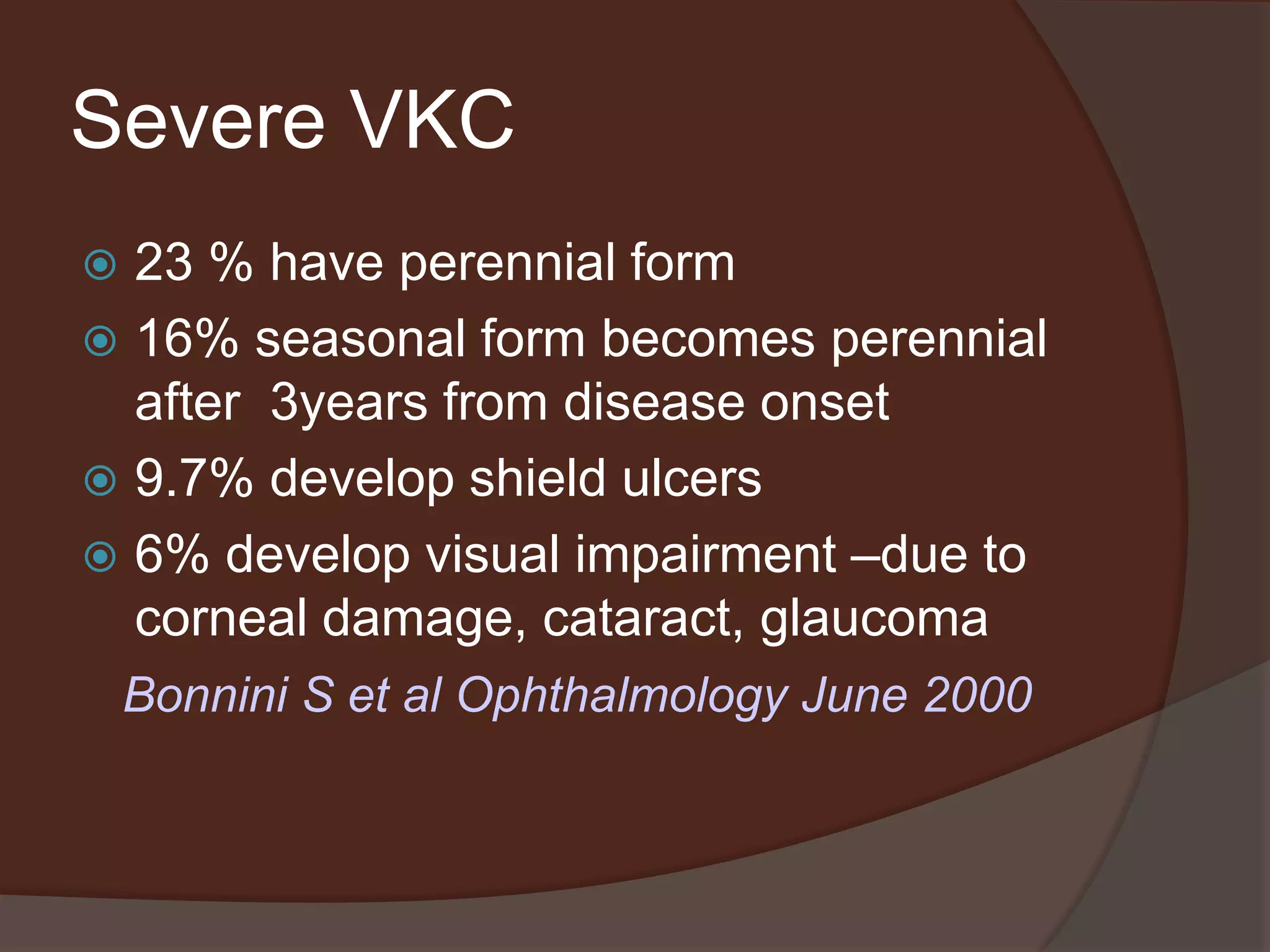
Severe VKC
 23 % have perennial form
 16% seasonal form becomes perennial
after 3years from disease onset
 9.7% develop shield ulcers
 6% develop visual impairment –due to
corneal damage, cataract, glaucoma
Bonnini S et al Ophthalmology June 2000
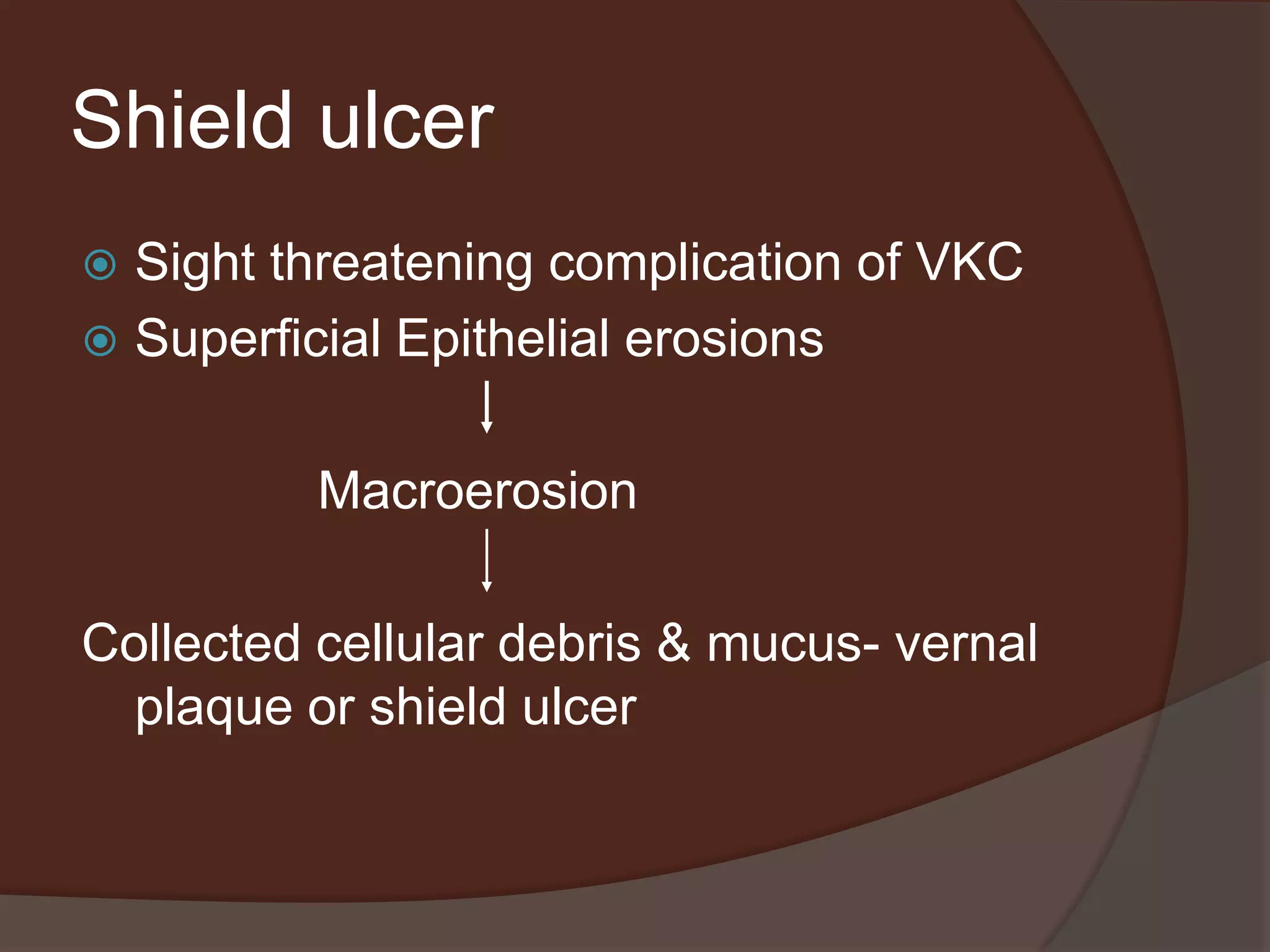
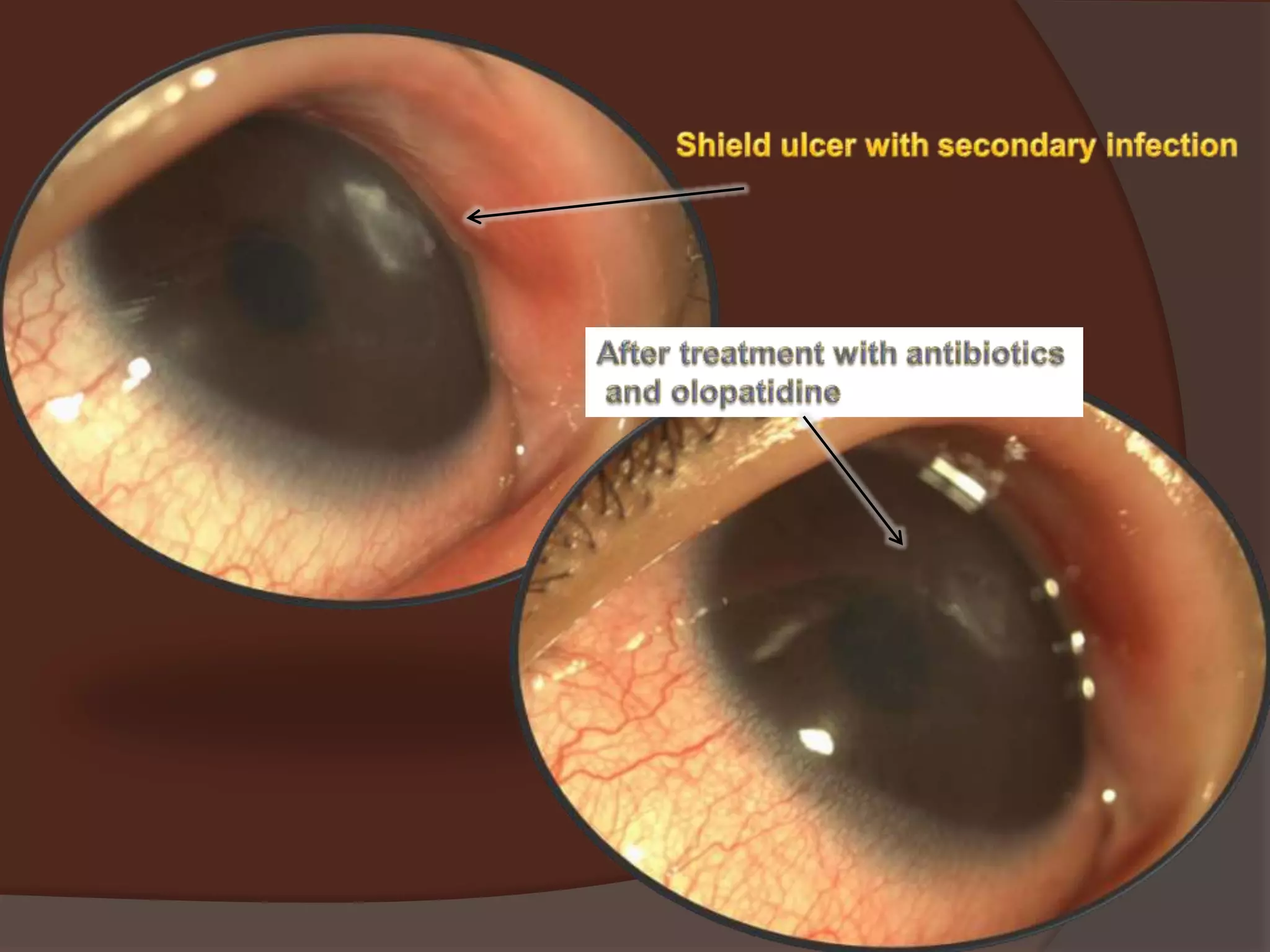
Shield ulcer
 Sight threatening complication of VKC
 Superficial Epithelial erosions
Macroerosion
Collected cellular debris & mucus- vernal
plaque or shield ulcer
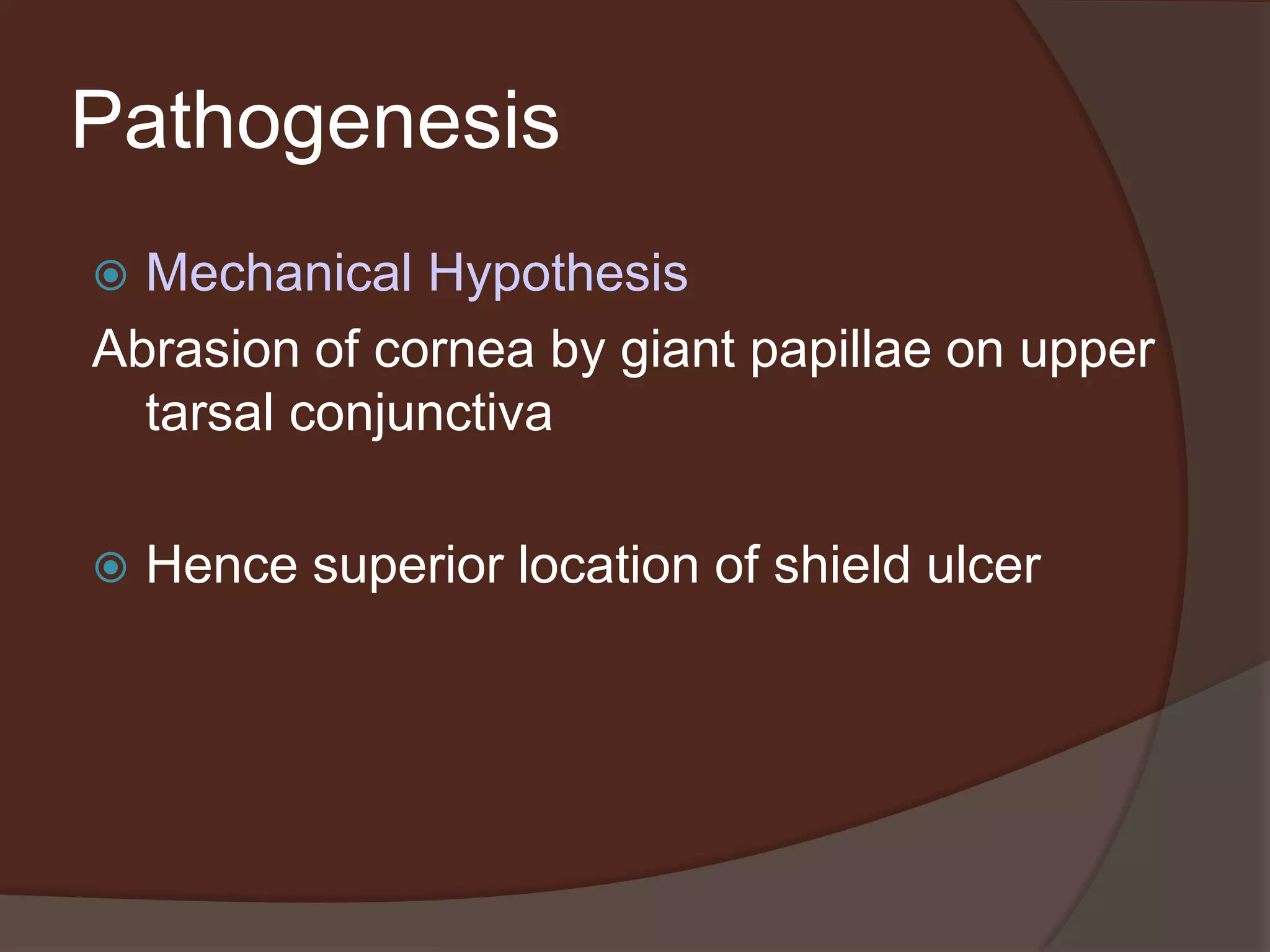
Pathogenesis
 Mechanical Hypothesis
Abrasion of cornea by giant papillae on upper
tarsal conjunctiva
 Hence superior location of shield ulcer
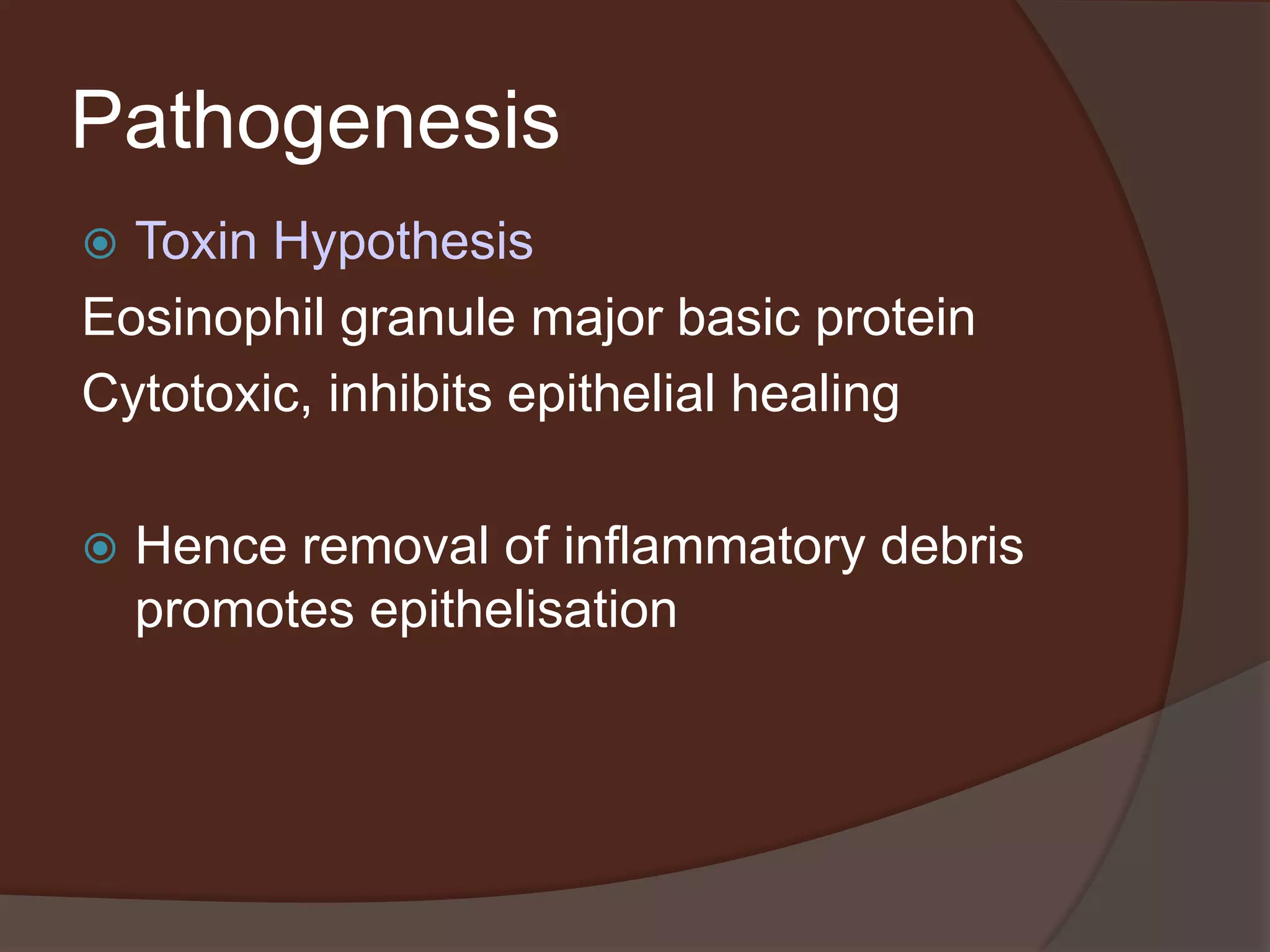
Pathogenesis
 Toxin Hypothesis
Eosinophil granule major basic protein
Cytotoxic, inhibits epithelial healing
 Hence removal of inflammatory debris
promotes epithelisation
Grades
Grade I
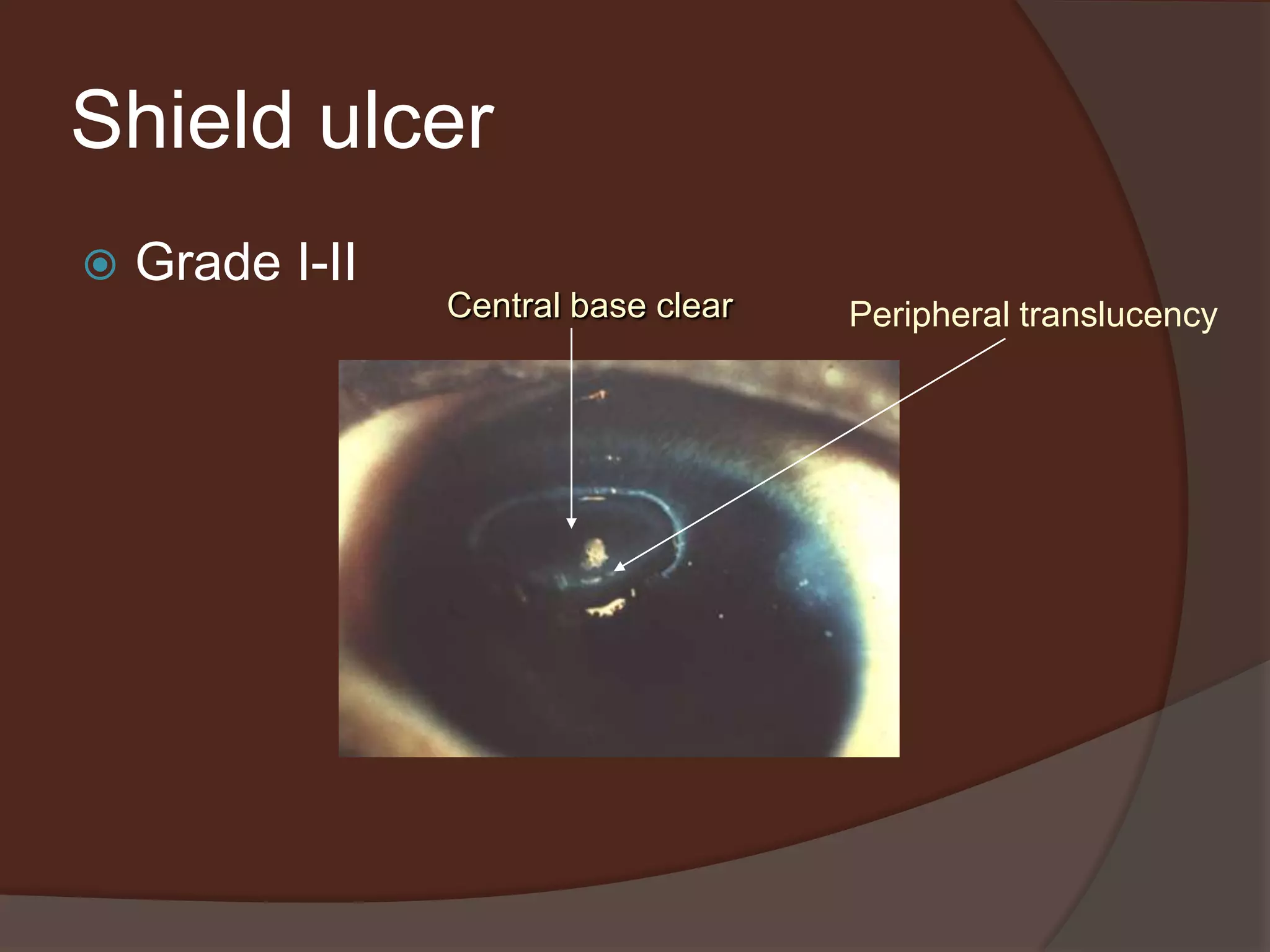
 Transparent clear base
 Respond to medical management
 Minimal scarring, no vascularisation
 Good outcome
Shield ulcer
 Grade I-II
Central base clear Peripheral translucency
Grades
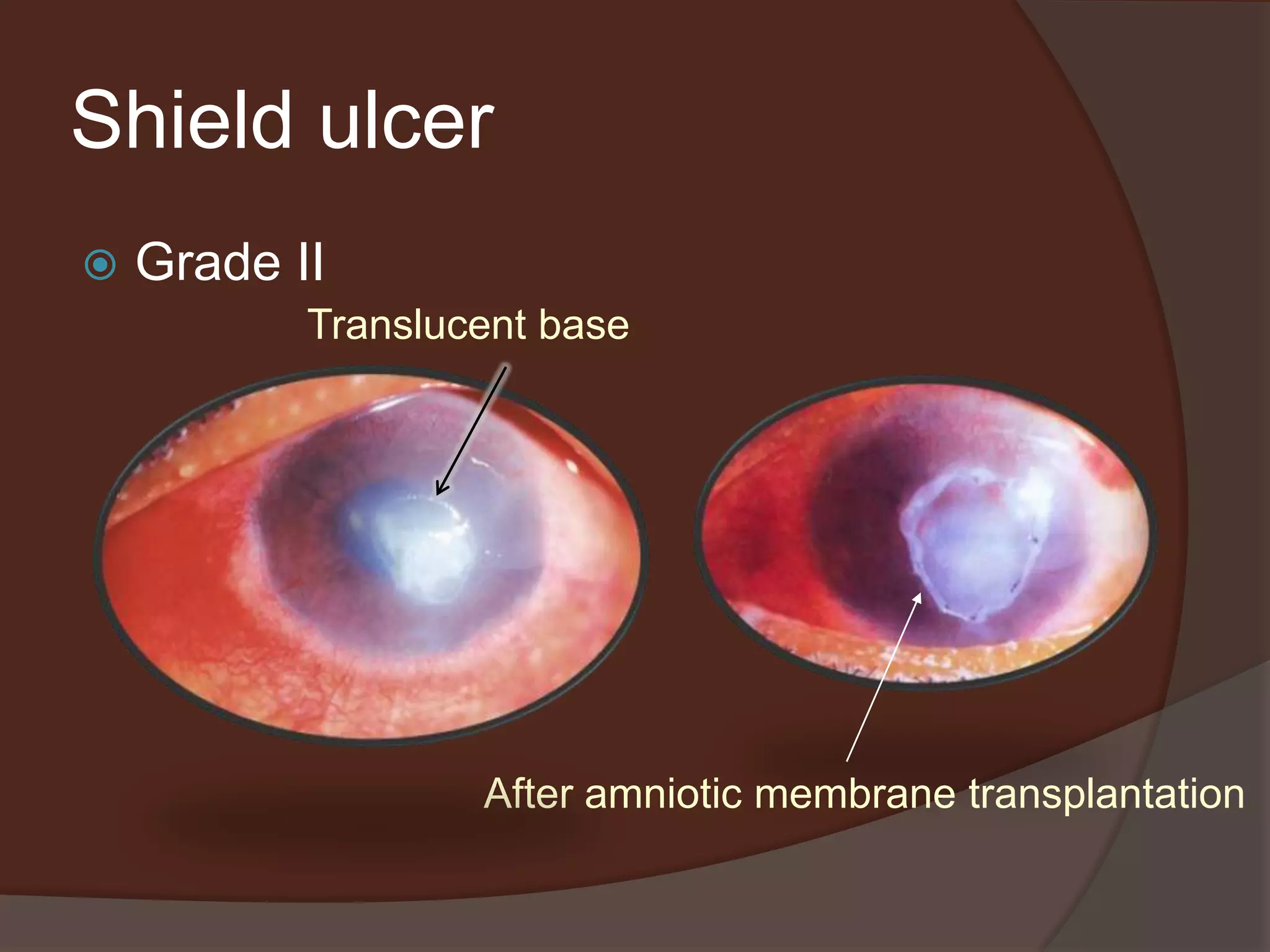
Grade II
 Inflammatory debris in Ulcer base
 Respond poorly to medical management
 Surgical debridement of ulcer base
required
 Re-epithelisation in a week
Cameroon JA, Ophthalmology 1995
Ozbek Z, Rapuano CJ, Cornea. 2006 May
Shield ulcer
 Grade II
After amniotic membrane transplantation
Translucent base
Grades
Grade III
 Elevated plaque above surrounding
epithelium
 Responds best to surgical treatment
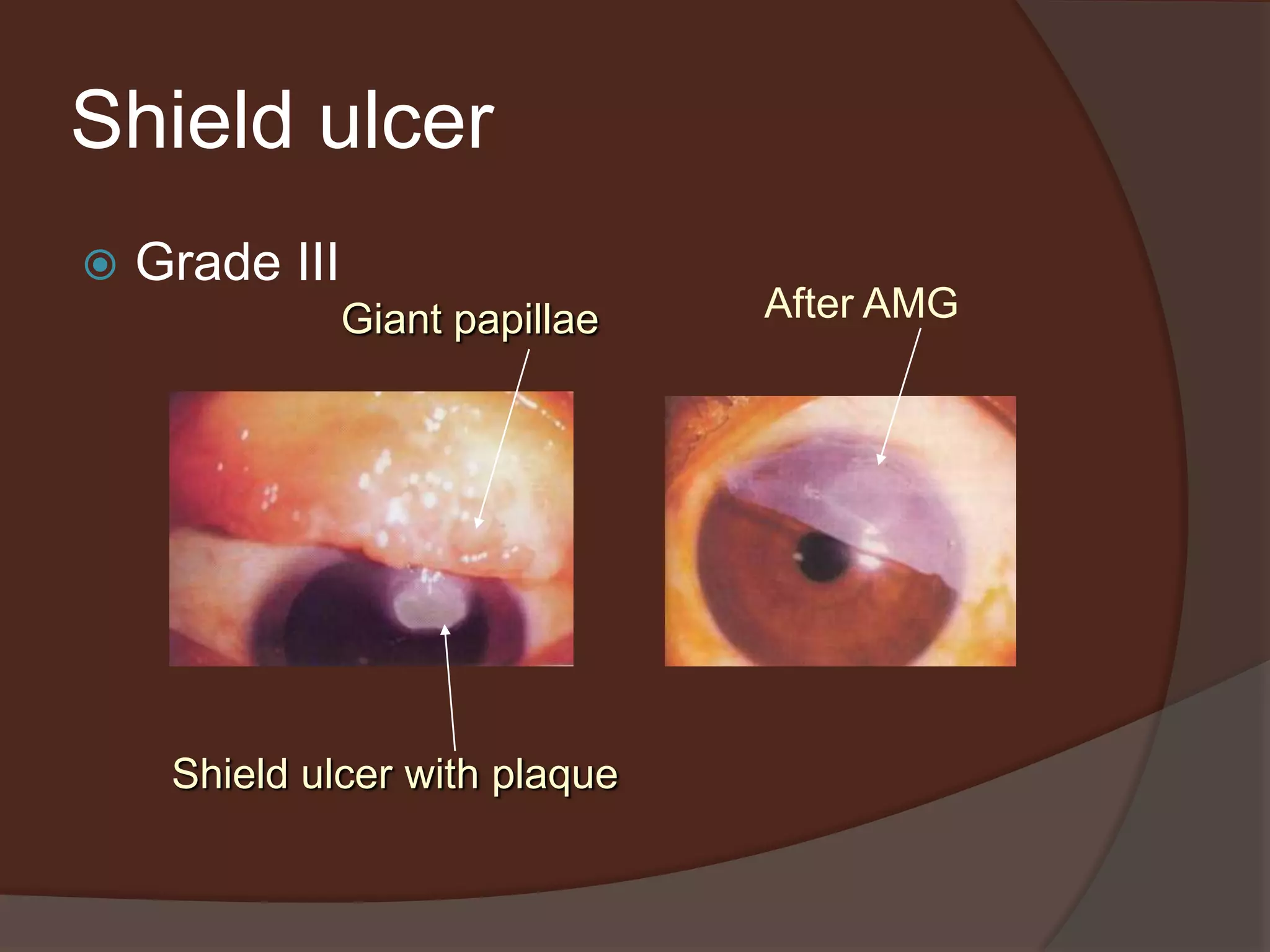
Shield ulcer
 Grade III
Giant papillae
Shield ulcer with plaque
After AMG
Shield ulcer Complications
 Secondary infection
 Corneal vascularisation
 Corneal scarring
 Amblyopia
 Strabismus
Cameroon JA, Ophthalmology 1995
Cameroon JA et al,J Pediatr Ophthalmol
Strabismus 1997
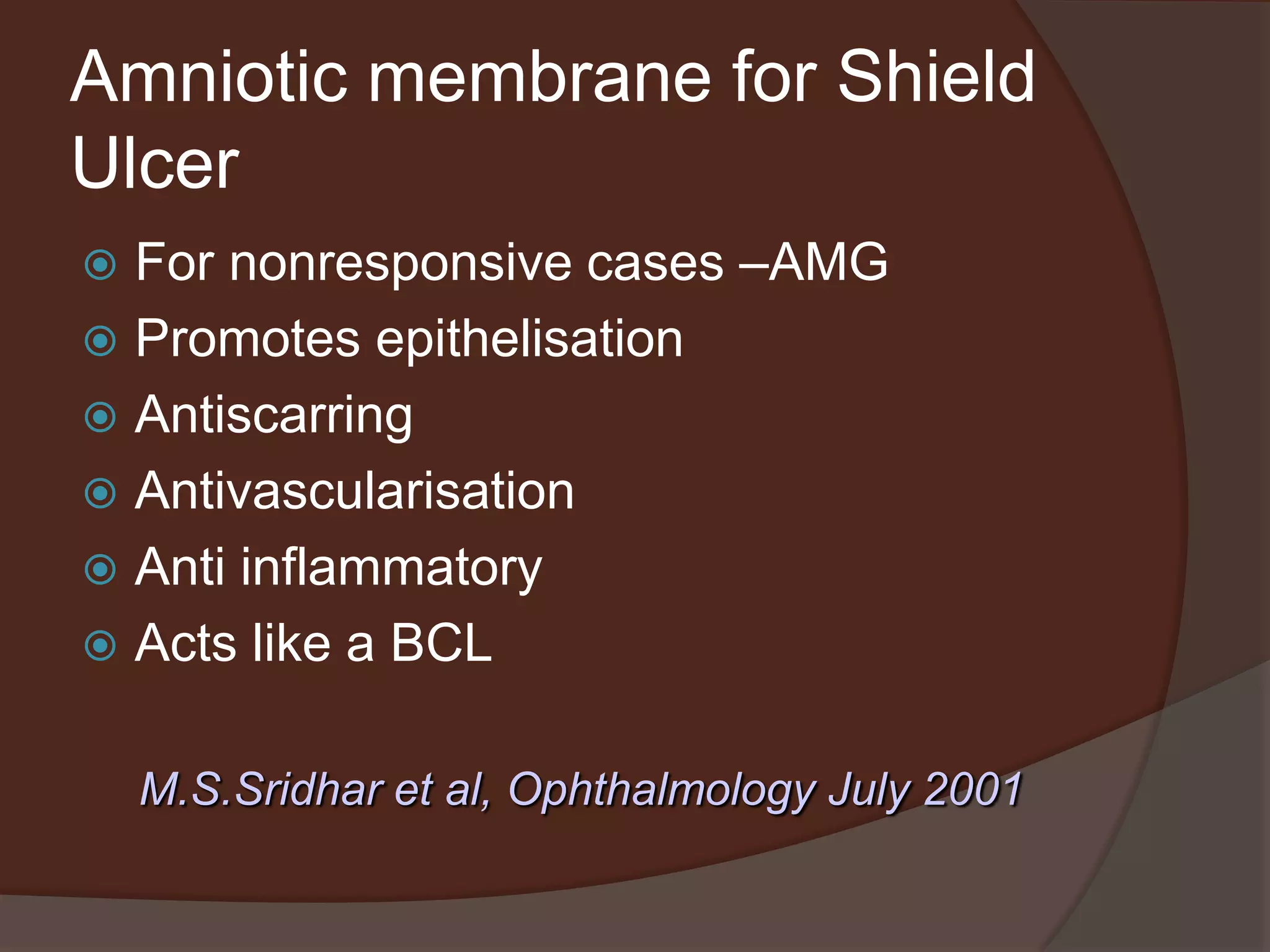
Management
 No improvement or evidence of
epithelisation after 1 week of medical
treatment – surgical debridement for
grade I & II.
 Surgical debridement needed for grade
III
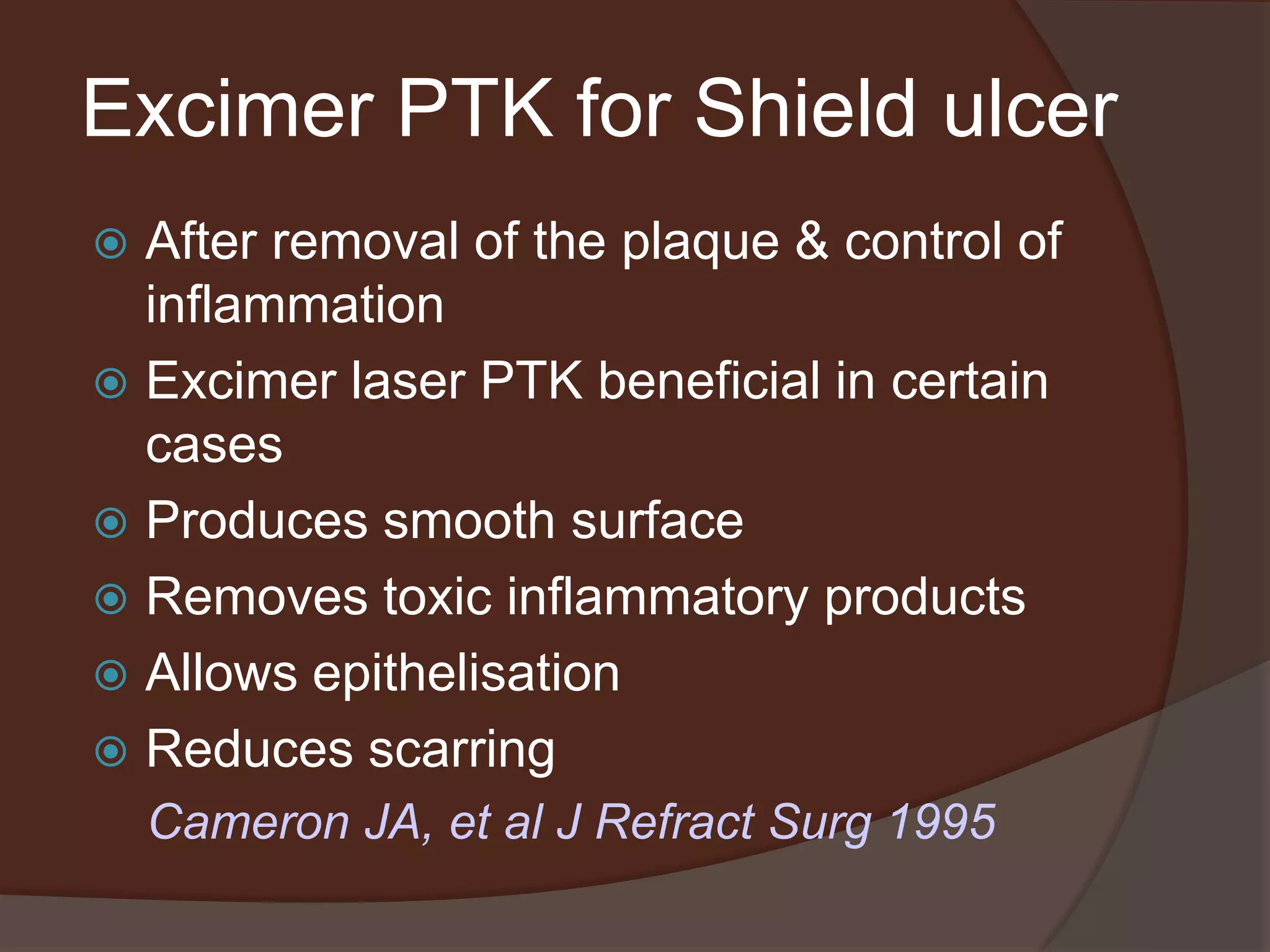
Amniotic membrane for Shield
Ulcer
 For nonresponsive cases –AMG
 Promotes epithelisation
 Antiscarring
 Antivascularisation
 Anti inflammatory
 Acts like a BCL
M.S.Sridhar et al, Ophthalmology July 2001
Excimer PTK for Shield ulcer
 After removal of the plaque & control of
inflammation
 Excimer laser PTK beneficial in certain
cases
 Produces smooth surface
 Removes toxic inflammatory products
 Allows epithelisation
 Reduces scarring
Cameron JA, et al J Refract Surg 1995
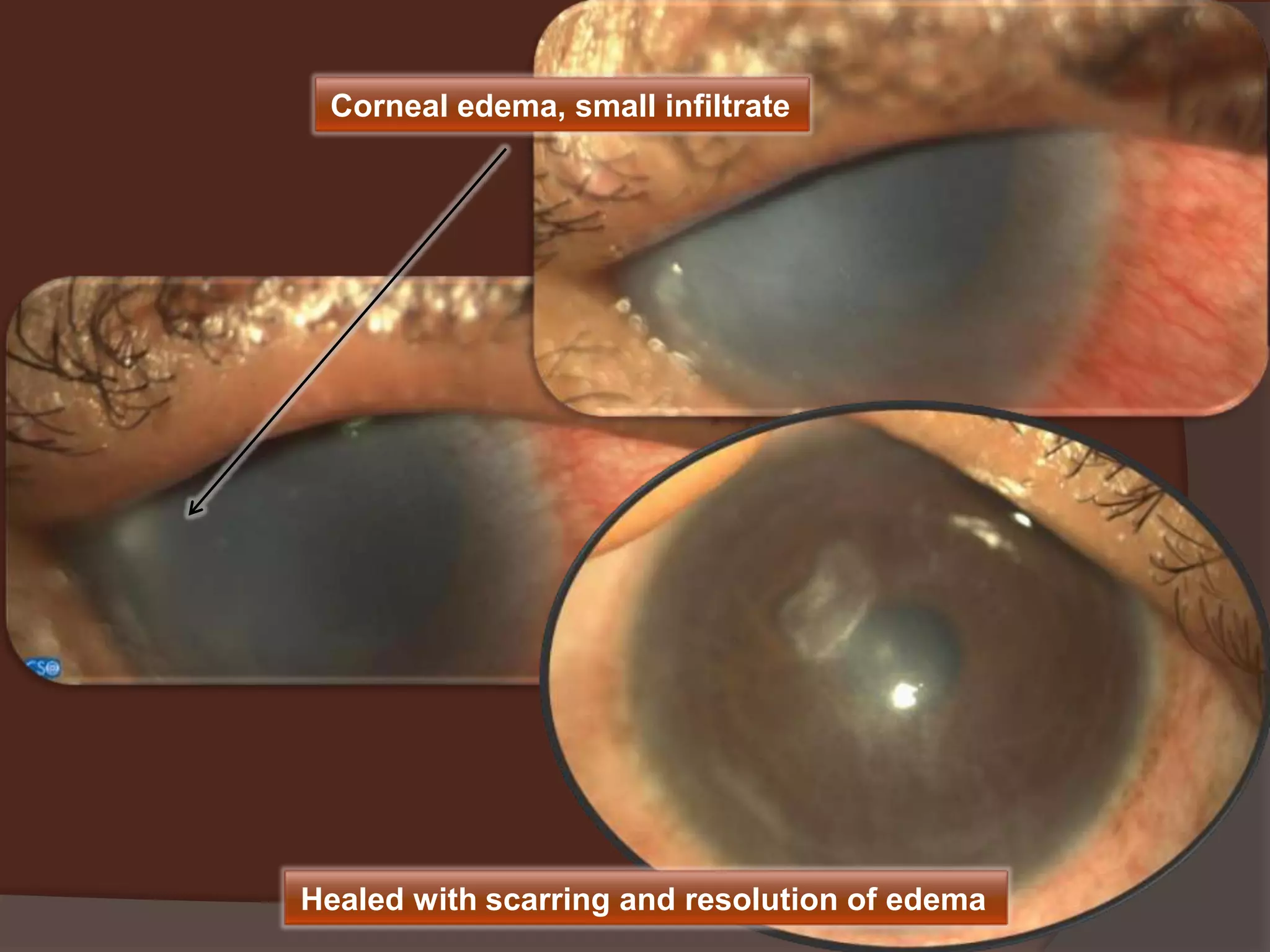
Corneal edema, small infiltrate
Healed with scarring and resolution of edema
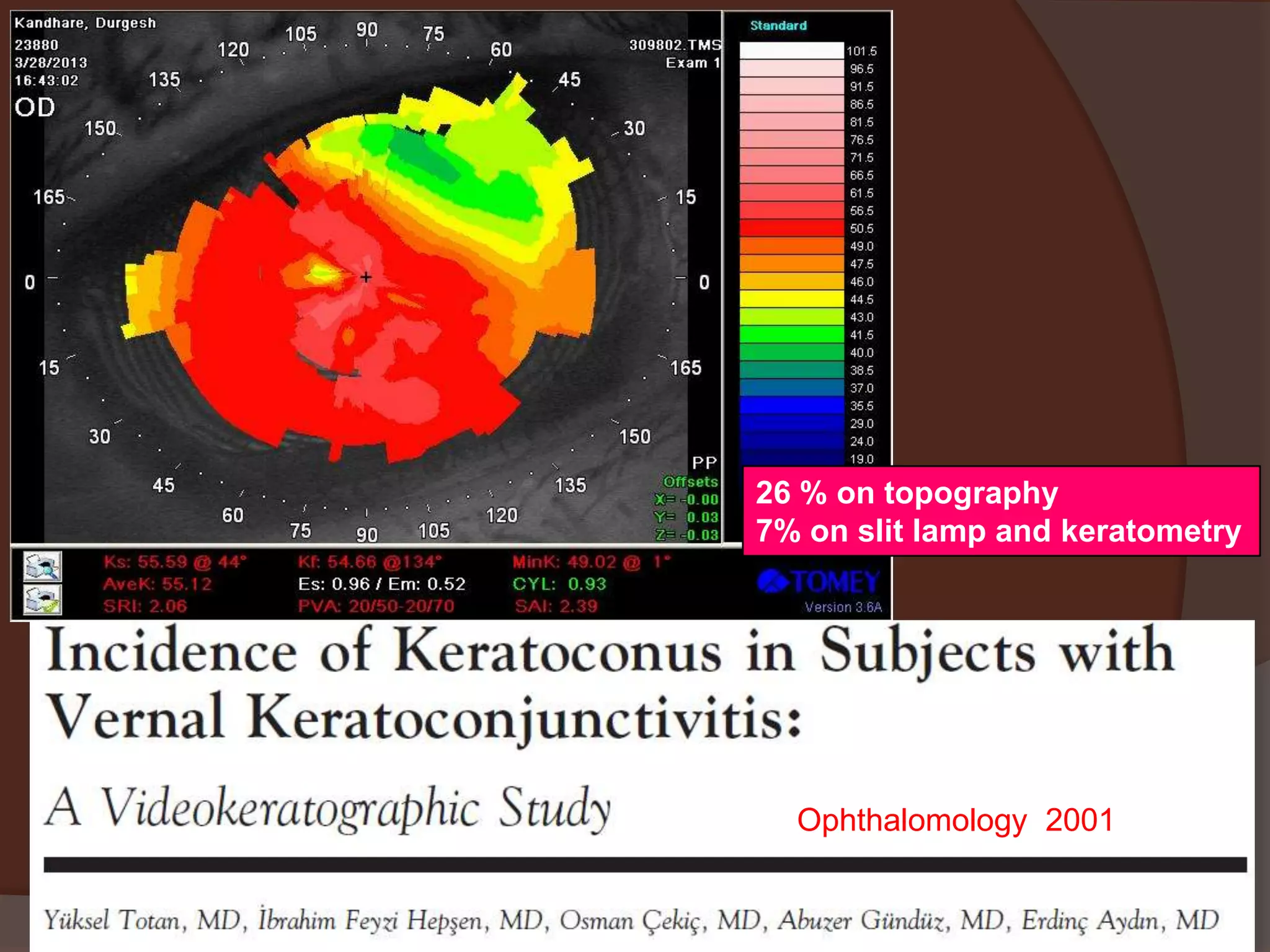
26 % on topography
7% on slit lamp and keratometry
Ophthalomology 2001
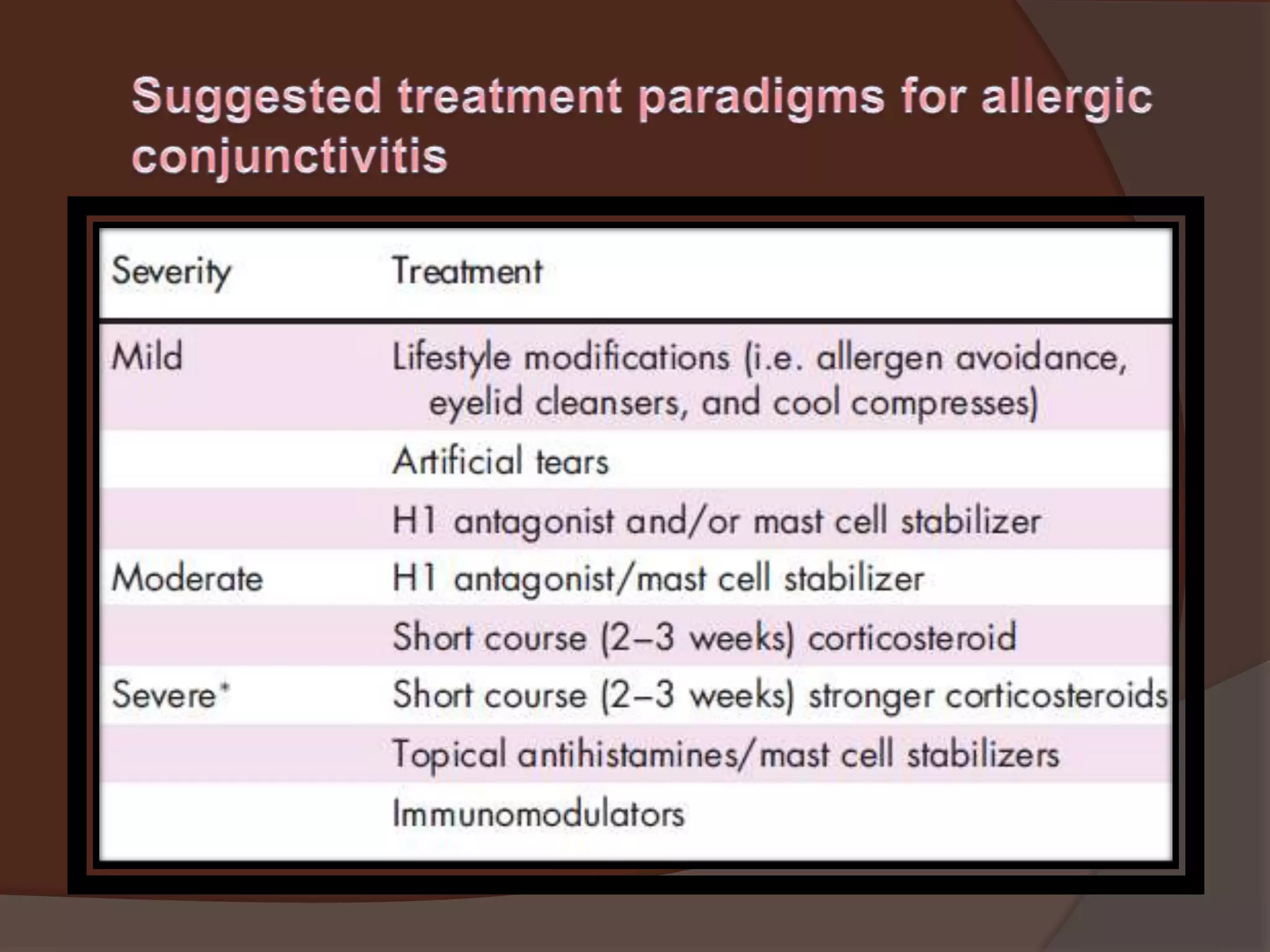
Treatment
 Topical Antihistamines
 Mast cell stabiliser
 Antihistamine and mast cell stabiliser
combination
 Topical steroids
 Immunomodulators
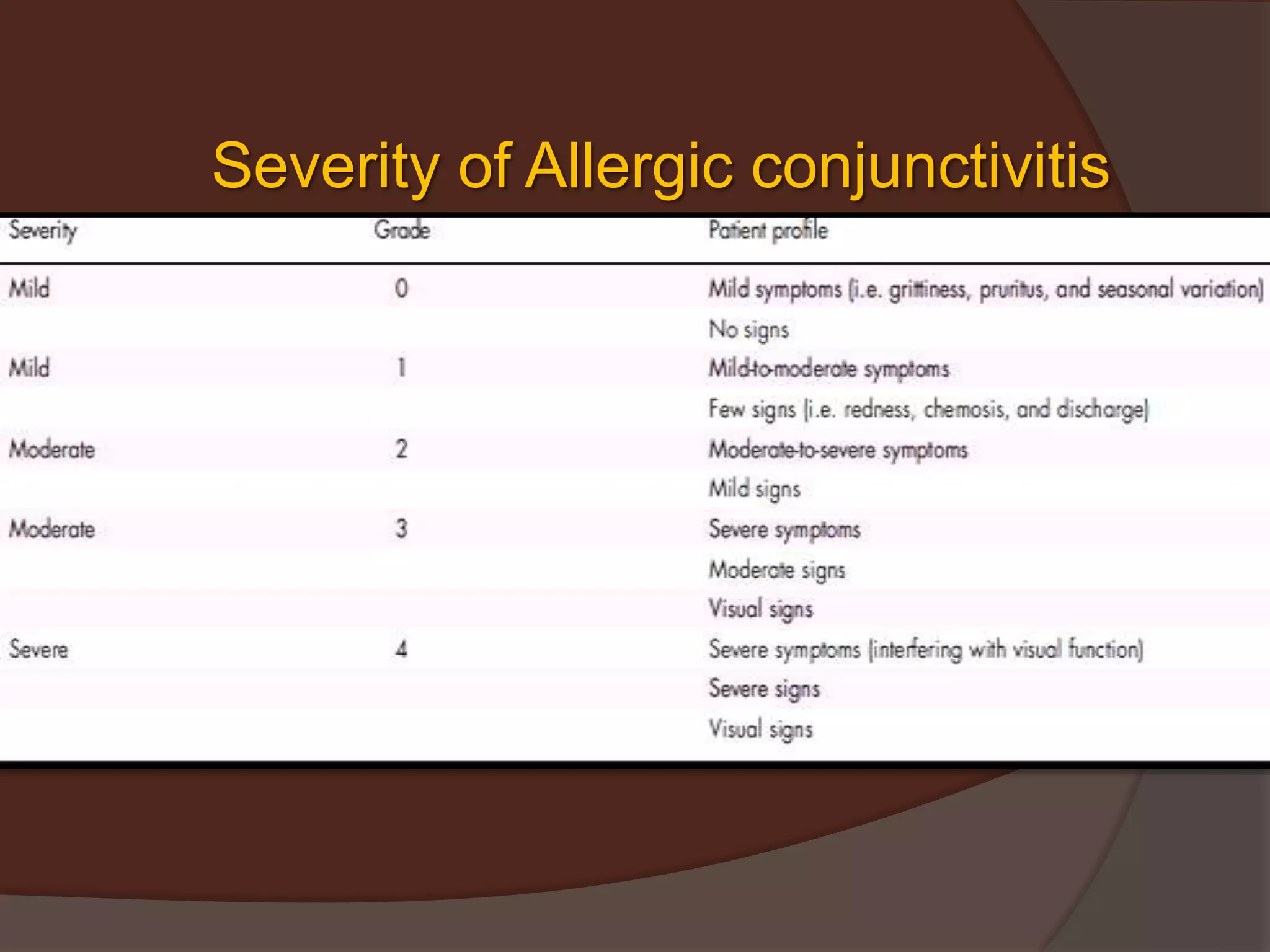
Severity of Allergic conjunctivitis
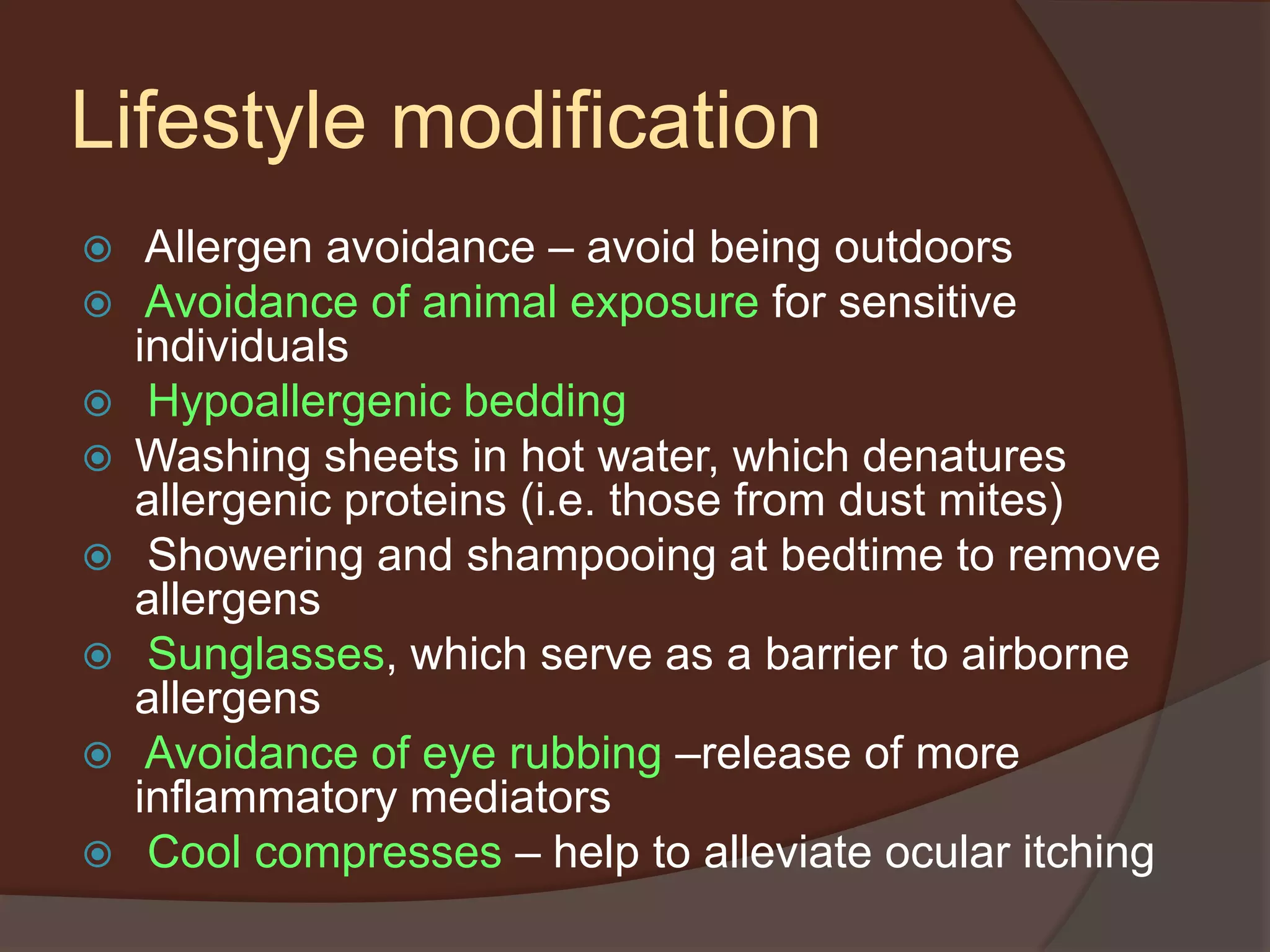
Lifestyle modification
 Allergen avoidance – avoid being outdoors
 Avoidance of animal exposure for sensitive
individuals
 Hypoallergenic bedding
 Washing sheets in hot water, which denatures
allergenic proteins (i.e. those from dust mites)
 Showering and shampooing at bedtime to remove
allergens
 Sunglasses, which serve as a barrier to airborne
allergens
 Avoidance of eye rubbing –release of more
inflammatory mediators
 Cool compresses – help to alleviate ocular itching
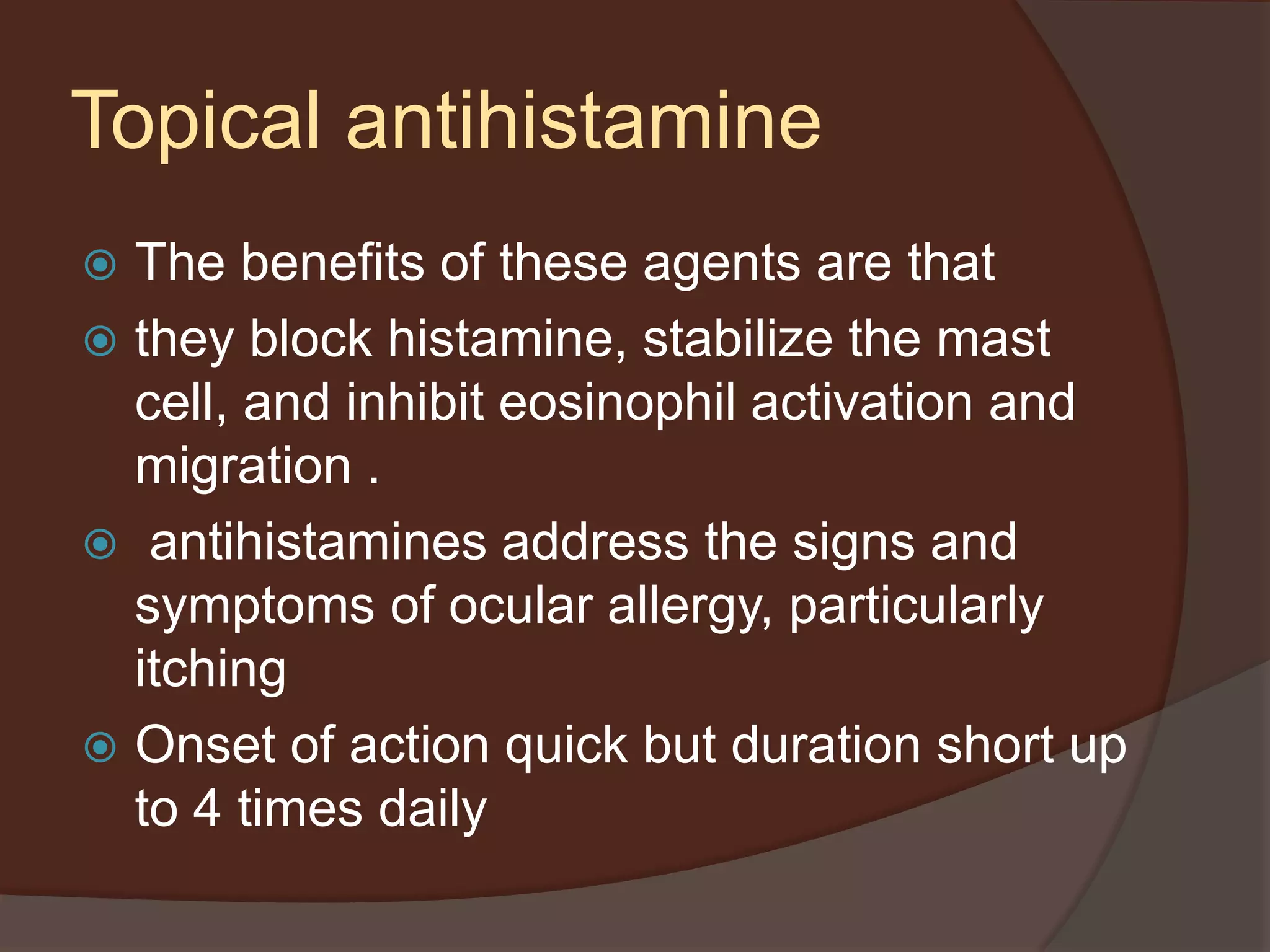
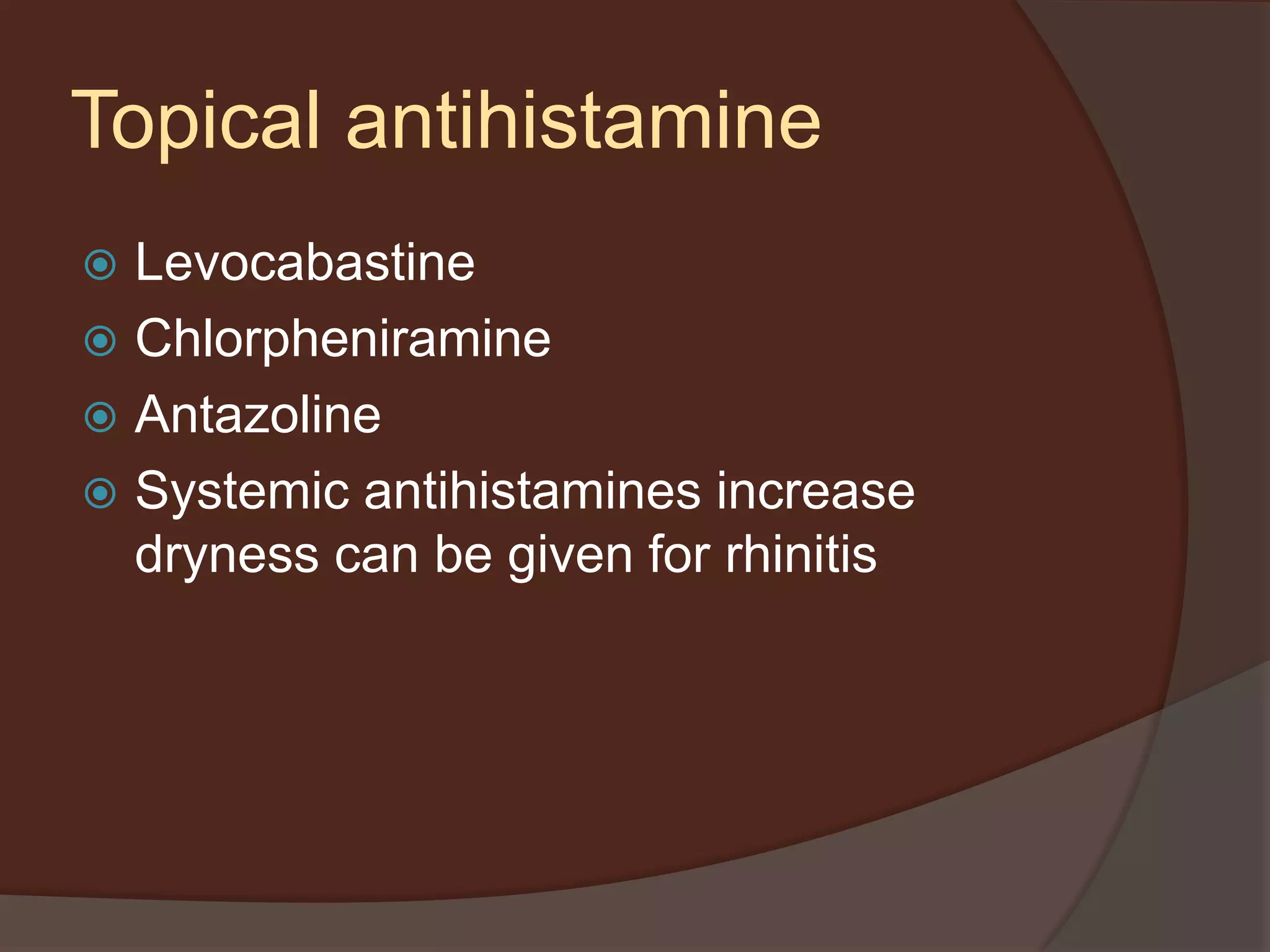
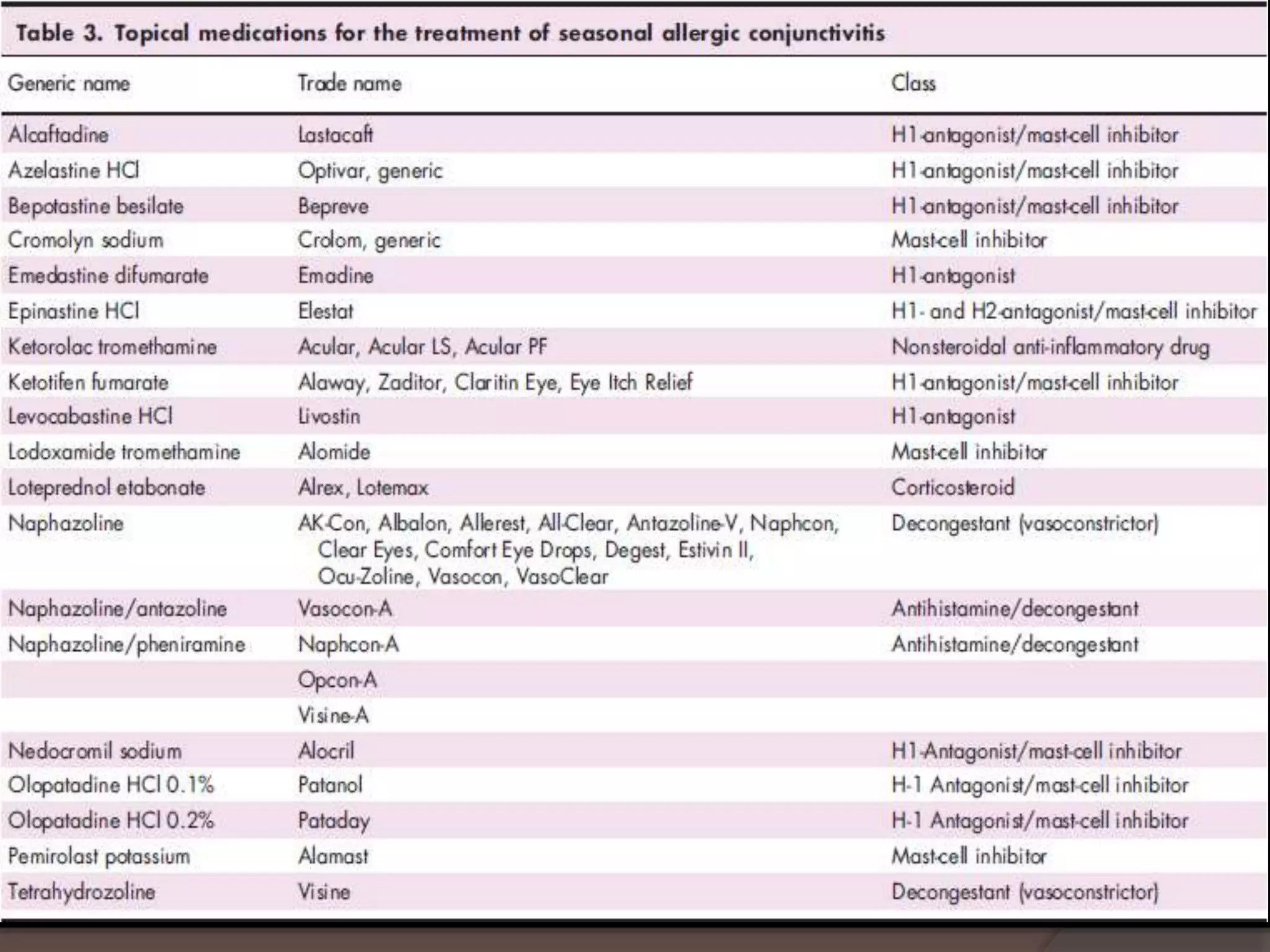
Topical antihistamine
 The benefits of these agents are that
 they block histamine, stabilize the mast
cell, and inhibit eosinophil activation and
migration .
 antihistamines address the signs and
symptoms of ocular allergy, particularly
itching
 Onset of action quick but duration short up
to 4 times daily
 Levocabastine
 Chlorpheniramine
 Antazoline
 Systemic antihistamines increase
dryness can be given for rhinitis
Topical antihistamine
Mast cell stabiliser
 Mast cell stabilizers (inhibitors) prevent
degranulation of mast cells.
 These agents are particularly effective in
SAC and PAC in which the predominant
cell types are the mast cell and eosinophil.
 Mast cell stabilizers address both the early
and late phases of the allergic response
 clinically effect takes 1-2 weeks
 Disodium cromoglycate (Cromolyn) 4%
twice a day
 Lodoxamide (Alomide 0.1 %) twice a
day
 Nedocromil 2% twice a day
Mast cell stabiliser
Antihistamine and mast cell
stabiliser combination
 These dual-acting medications relieve
redness, itching, and irritation.
 They have a quick onset of action, which is
likely to improve patient adherence
compared with the pure mast cell stabilizers
 require only once-a-day or twice-a-day
dosing.
 Side-effects, which tend to be transient and
mild, include: stinging, burning, bitter taste,
and sedation.
 Ketotifen 0.025%
 Epinastine 0.05% b.d is a multi-action agent
 potent H1 and H2-receptor antagonist, mast
cell-stabilizing properties and anti-
inflammatory actions
 Epinastine not only inhibits activation of
neutrophils and eosinophils but also
interferes with CD4+ T-cell signaling, and
thus decrease of TH2 cytokine production
 Onset of action 3 minutes, duration 8 hours
Antihistamine and mast cell
stabiliser combination
 Olopatadine
 It also has anti-inflammatory properties such as
inhibition of cytokine secretion , inhibition of
TNF-α release from human conjunctival mast
cell , with a subsequent decrease in ICAM-1
expression and thereby a decrease in
chemotaxis of inflammatory cells such as
eosinophils.
 rapid onset (within 20 min), with at least 8h
duration of action .
 The 0.1% b.d / 0.2% o.d (24 hours action) .
Antihistamine and mast cell
stabiliser combination
NSAIDS
 NSAIDs can address the itching associated
with allergic conjunctivitis
 These agents can cause discomfort upon
instillation, which can in turn lead
to reduced patient adherence, not ideal in
presence of epithelial erosions
Corticosteroids
 Corticosteroids are the most effective anti-
inflammatory drugs available
 Productions of several pro-inflammatory cytokines
such as IL-1, IL-4, IL-5and TNF-a are directly
‘repressed’ by corticosteroids
 decrease expression of adhesion molecules
 decrease in numbers of eosinophils neutrophils,
mast cells and lymphocytes at the site of
inflammation
 Topical application high local tissue concentration
 Important side effect of ocular steroids is
increase in ocular pressure (IOP)
 Cataract, secondary infection
 newer ‘soft’ corticosteroids with the alteration
of the ketone structure to ester at carbonC20
of the corticosteroid structure has led to a
marked decrease in this side effect in both
IOP and cataract formation
 Loteprednol etabonate
 is thus a preferred topical steroid 0.2%
Corticosteroids
Topical cyclosporin and
Tacrolimus
 Moderate to severe AKC and VKC
 Topical Cyclosporin or Tacrolimus
 actions of both agents are inhibition of T-cell
activation and inhibition of release of IgE-
dependent mediators and cytokines from mast
cells and other related cells
 cyclosporine A (CsA) inhibits proliferation and
cytokine production from conjunctival
fibroblasts thus suppressing the inflammatory
cascade
Topical cyclosporin
 1% - 2% in olive oil, castor oil, lubricants
 Burning sensation on topical application
 Can affect compliance
 0.1 % - 0.05% less burning, not so
effective
 Aurosporin 2% cyclosporin from Aurolab
Topical Tacrolimus
 0.1% - 0.03% ointment
 0.03% can be applied in lower fornix 2
times a day
 Minimal stinging on topical application
 Tacliment 0.03% from Aurolab
 Beneficial effects reported in VKC, AKC,
GPC in 4 weeks
 No systemic adverse effects reported
with both Cyclosporin and Tacrolimus on
topical use.
 Burning and stinging less with
Tacrolimus ointment
 HSV keratitis reported by some on
tacrolimus use.
Topical cyclosporin and
Tacrolimus
 Because allergic conjunctivitis usually
accompanies allergic rhinitis, most of the
studies of allergen immunotherapy were
conducted in patients with symptoms of
both organ systems.
 As a consequence, ocular symptoms
were shown to be improved together
with rhinitis symptoms
 Needs to be given for atleast a year.
Sublingual immunotherapy
 Sublingual immunotherapy is taken as drops or
tablets, containing specific allergen extracts which
interact with the immune system to decrease
allergic sensitivity.
 Increasing doses of the allergen are administered
by sublingual immunotherapy route to achieve
hyposensitization and creating immune tolerance
to antigens.
 Long term changes that occur with immunotherapy
include a decrease in mast cell sensitivity and a
decrease in IgE production by mucosal B-cells.
 There is a decrease in the IgE/IgG4 and a
decrease in the TH1/TH2 ratio.
 recently published metaanalysis results
of SLIT for allergic conjunctivitis.
 not only improved patients’ eye
symptoms (red eyes, itching, watery
eyes) but also increased allergen
threshold
 May benefit VKC , AKC
Sublingual immunotherapy
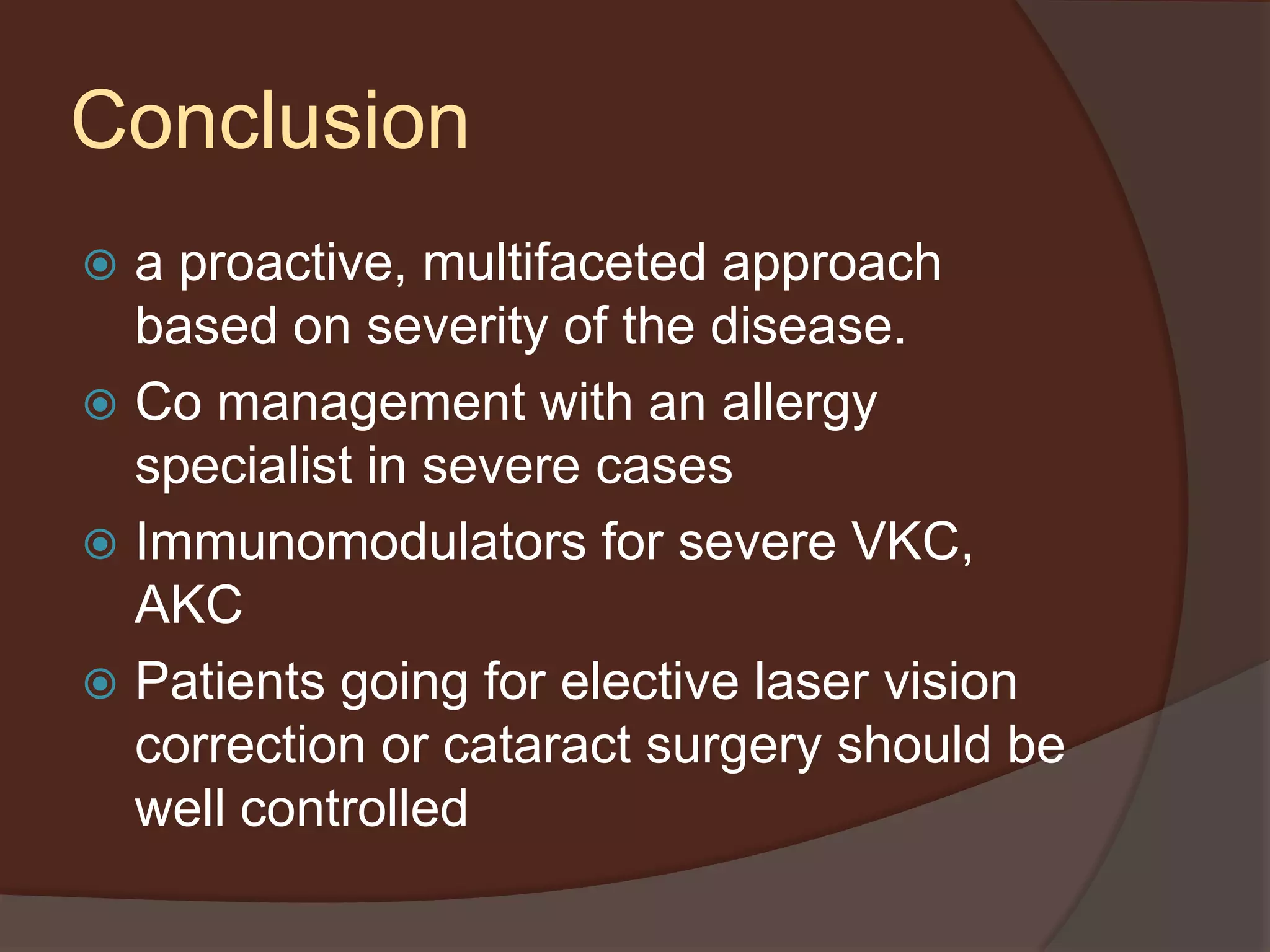
Conclusion
 a proactive, multifaceted approach
based on severity of the disease.
 Co management with an allergy
specialist in severe cases
 Immunomodulators for severe VKC,
AKC
 Patients going for elective laser vision
correction or cataract surgery should be
well controlled
October 2013
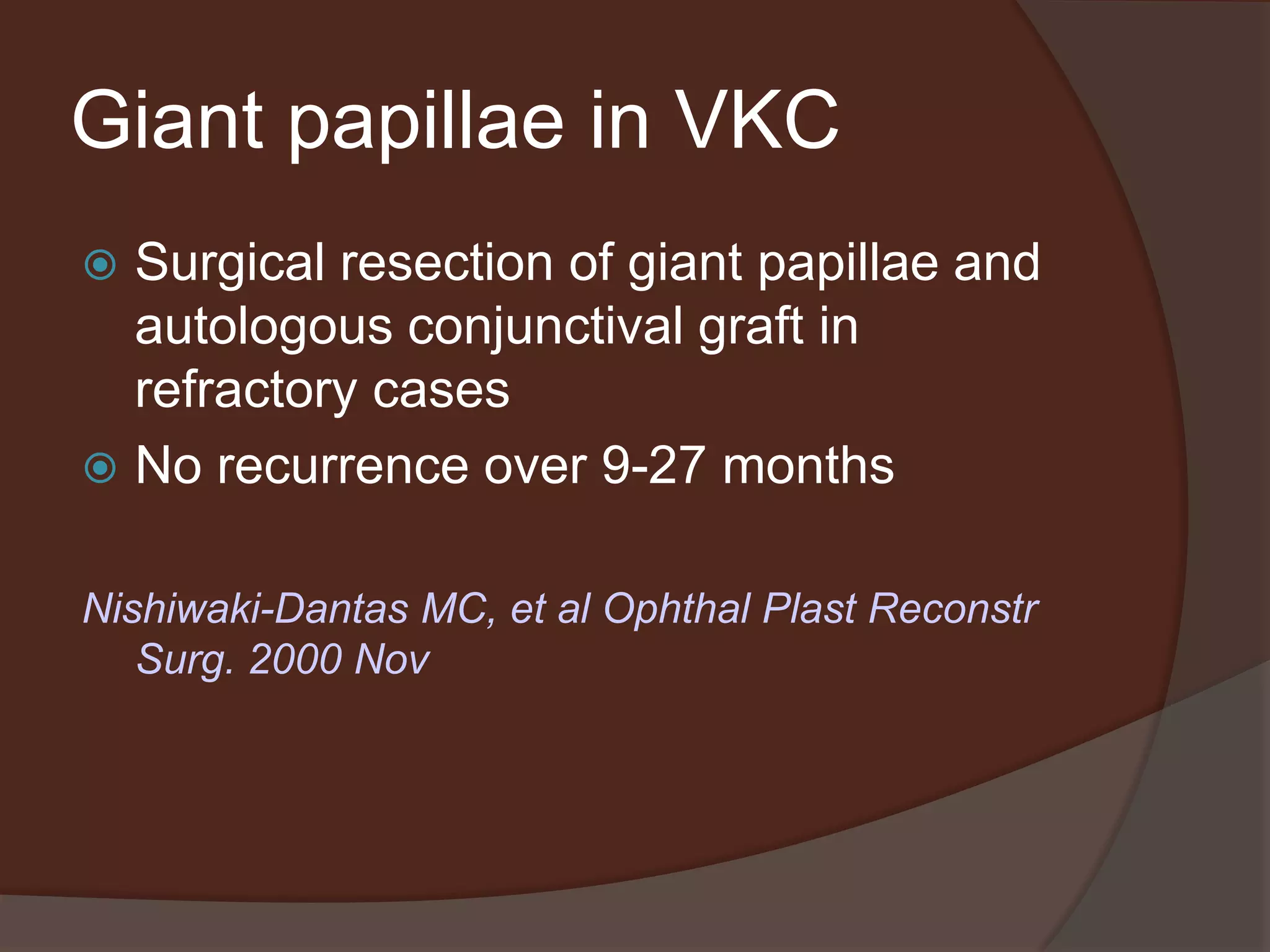
Giant papillae in VKC
 Surgical resection of giant papillae and
autologous conjunctival graft in
refractory cases
 No recurrence over 9-27 months
Nishiwaki-Dantas MC, et al Ophthal Plast Reconstr
Surg. 2000 Nov
Giant papillae in VKC
 Surgical Resection and cryotherapy
Drawback
 Irregular conjunctival scarring can
produce palpebral deformity & surface
irregularity of superior palpebral
conjunctiva
Giant papillae in VKC
 Superficial tarsectomy
Compromises accessory lacrimal and
meibomian gland function
 Surgical resection & Buccal mucous
membrane graft
Giant papillae in VKC
 Removal of giant vernal papillae by CO2
laser.
Belfair N et al Can J Ophthalmol. 2005 Aug
 Only mechanical trauma eliminated,
immunologic process controlled
medically

Allergic Conjuncitivitis

  • 2.
    Introduction  Allergic conjunctivitisis a group of ocular surface diseases that are typically associated with type 1 hypersensitivity reactions .  May be associated with rhinitis and asthma
  • 3.
    Allergic conjunctivitis Seasonal allergicconjunctivitivitis coincides with regional seasonal increases in circulating allergens, such as grass pollens Perennial allergic conjunctivitivitis symptoms throughout the year; however seasonal spikes can occur, Animal dander, house dust, molds Vernal keratoconjunctivitis associated with conjunctival scarring, ptosis, corneal neovascularisation, ulceration, thinning, Keratoconus, vision loss Atopic keratoconjunctivitis eyelid tightening, loss of eyelashes, and cataracts
  • 4.
    VKC  Younger ,1st decade  Not so  Males more  Resolves at puberty  Upper tarsus  Forniceal shortening rare  Shield ulcer  Corneal vascularization not common  Periocular skin normal AKC  Older 2nd to 5th decade  Associated with atopic dermatitis  No predilection  Chronic  Lower tarsus  Forniceal shortening and subepithelial scarring  Persistent epithelial defect  Corneal vascularization common  Periocular skin, scaly, dry, lid thickened, madarosis, cicatricial ectropion
  • 5.
  • 6.
  • 7.
  • 8.
  • 9.
    Symptoms  Itching (pruritus)and  Redness  Burning,  Stinging, Photophobia  Tearing (epiphora)  watery or mucoid ropy discharge
  • 10.
    Signs  Conjunctiva pinkishor milky appearance (obscuration of conjunctival vessels due to chemosis)  Papillary hypertrophy upper tarsus, limbal  Tarsal papillae 1mm or more, cobblestone like (differentiate VKC from SAC, PAC)  Limbal papillae confluent, gelatinous
  • 12.
    Signs  Horner Trantasdots along the limbus ( white dots are a collection of eosinophils and epithelial cells an indicator of active allergy)  Spotty pigmentation of interpalpebral conjunctiva in brown individuals  Punctate epithelial erosions on Cornea  Peripheral cornea superficial stromal grey white deposition Pseudogerontoxon
  • 13.
    Limbal VKC Horner trantasspots pseudogerontoxon Subepithelial scarring Corneal scarring
  • 14.
    Limbal VKC &cataract4 weeks post cataract surgery 6 months post op after stopping treatment Shield ulcer Limbal thickening Limbal thickening Steroid induced cataract OS
  • 15.
    Limbal VKC 6 weeksof medical management 6 months later after discontinuing treatment Partial stem cell deficiency OD
  • 16.
    Limbal VKC  Fulminant& long standing limbal VKC can result in stem cell deficiency  Under recognised and frequently missed  In established limbal stem cell deficiency limbal allograft- direct or cultivated  Immunosuppression
  • 17.
     the greaterthe papillary size, the more probable is the persistence or worsening of symptoms in the long term follow up period Giant papillae in VKC
  • 18.
    Giant papillae inVKC Supratarsal Steroid injection  Short acting dexamethasone 4mg  Intermediate acting triamcinolone acetonide 20mg  Improvement in 2 weeks  Both effective  Recurrences less with triamcinolone Holsclaw DS et al, Am J Ophthalmol 1996 Saini JS et al, Acta Ophthalmol Scand,1999 Oct
  • 19.
    Giant papillae inVKC After supratarsal steroid injection tricort
  • 21.
    Differential features ofallergic conjunctivitis
  • 22.
    Pathophysiology  type I(IgE-dependent) immediate hypersensitivity reaction in VKC  B lymphocytes from the lymphoid follicle of the conjunctiva locally produce IgE.  Mast cell degranulation results in the release of a range of mediators such as histamine, leading to the classical allergic reactions of vasodilatation, oedema, hyperaemia,  And recruitment of other inflammatory cells.
  • 23.
     Role ofeosinophil in ocular allergy important their consistent presence in conjunctival biopsy tissues affected by ocular allergy and by eosinophilic cationic protein levels in tears.  Activated eosinophils elicit ocular surface inflammation by their soluble mediators (EMBP, ECP) can lead to corneal epithelial breakdown Pathophysiology
  • 24.
     There isalso growing evidence for the involvement of a CD4T helper 2 (Th2)- driven type IV (delayed or cell- mediated)hypersensitivity reaction as well.  Once activated, these Th2 lymphocytes play a role in recruitment and activation of mast cells and eosinophils, and in B cell switching to the production of IgE. Pathophysiology
  • 25.
    Antigen presentation toT lymphocytes Naïve T cell Interaction between T Helper Lymphocytes and antibody producing cells
  • 27.
    Interleukins, 1,3,4,5,6, TNF overhours In minutesimmediate
  • 28.
    Differential diagnosis  Bacterial/ viral conjunctivitis,  rhinitis, dry eye,  meibomian gland disease (resulting in tear film abnormality or insufficiency),  blepharitis  Contact lens wear  A medical history and assessment of environmental risk factors
  • 29.
     Signs andsymptoms (itching, redness, and chemosis)  Symptom duration  Discharge  Unilateral or bilateral presentation  Allergy, asthma, or eczema  Topical and systemic medication use (i.e. overthe-counter eyedrops and systemic allergy medications) Differential diagnosis
  • 30.
    Severe VKC  23% have perennial form  16% seasonal form becomes perennial after 3years from disease onset  9.7% develop shield ulcers  6% develop visual impairment –due to corneal damage, cataract, glaucoma Bonnini S et al Ophthalmology June 2000
  • 31.
    Shield ulcer  Sightthreatening complication of VKC  Superficial Epithelial erosions Macroerosion Collected cellular debris & mucus- vernal plaque or shield ulcer
  • 32.
    Pathogenesis  Mechanical Hypothesis Abrasionof cornea by giant papillae on upper tarsal conjunctiva  Hence superior location of shield ulcer
  • 33.
    Pathogenesis  Toxin Hypothesis Eosinophilgranule major basic protein Cytotoxic, inhibits epithelial healing  Hence removal of inflammatory debris promotes epithelisation
  • 34.
    Grades Grade I  Transparentclear base  Respond to medical management  Minimal scarring, no vascularisation  Good outcome
  • 35.
    Shield ulcer  GradeI-II Central base clear Peripheral translucency
  • 36.
    Grades Grade II  Inflammatorydebris in Ulcer base  Respond poorly to medical management  Surgical debridement of ulcer base required  Re-epithelisation in a week Cameroon JA, Ophthalmology 1995 Ozbek Z, Rapuano CJ, Cornea. 2006 May
  • 37.
    Shield ulcer  GradeII After amniotic membrane transplantation Translucent base
  • 38.
    Grades Grade III  Elevatedplaque above surrounding epithelium  Responds best to surgical treatment
  • 39.
    Shield ulcer  GradeIII Giant papillae Shield ulcer with plaque After AMG
  • 40.
    Shield ulcer Complications Secondary infection  Corneal vascularisation  Corneal scarring  Amblyopia  Strabismus Cameroon JA, Ophthalmology 1995 Cameroon JA et al,J Pediatr Ophthalmol Strabismus 1997
  • 41.
    Management  No improvementor evidence of epithelisation after 1 week of medical treatment – surgical debridement for grade I & II.  Surgical debridement needed for grade III
  • 42.
    Amniotic membrane forShield Ulcer  For nonresponsive cases –AMG  Promotes epithelisation  Antiscarring  Antivascularisation  Anti inflammatory  Acts like a BCL M.S.Sridhar et al, Ophthalmology July 2001
  • 43.
    Excimer PTK forShield ulcer  After removal of the plaque & control of inflammation  Excimer laser PTK beneficial in certain cases  Produces smooth surface  Removes toxic inflammatory products  Allows epithelisation  Reduces scarring Cameron JA, et al J Refract Surg 1995
  • 45.
    Corneal edema, smallinfiltrate Healed with scarring and resolution of edema
  • 46.
    26 % ontopography 7% on slit lamp and keratometry Ophthalomology 2001
  • 47.
    Treatment  Topical Antihistamines Mast cell stabiliser  Antihistamine and mast cell stabiliser combination  Topical steroids  Immunomodulators
  • 48.
    Severity of Allergicconjunctivitis
  • 50.
    Lifestyle modification  Allergenavoidance – avoid being outdoors  Avoidance of animal exposure for sensitive individuals  Hypoallergenic bedding  Washing sheets in hot water, which denatures allergenic proteins (i.e. those from dust mites)  Showering and shampooing at bedtime to remove allergens  Sunglasses, which serve as a barrier to airborne allergens  Avoidance of eye rubbing –release of more inflammatory mediators  Cool compresses – help to alleviate ocular itching
  • 51.
    Topical antihistamine  Thebenefits of these agents are that  they block histamine, stabilize the mast cell, and inhibit eosinophil activation and migration .  antihistamines address the signs and symptoms of ocular allergy, particularly itching  Onset of action quick but duration short up to 4 times daily
  • 52.
     Levocabastine  Chlorpheniramine Antazoline  Systemic antihistamines increase dryness can be given for rhinitis Topical antihistamine
  • 53.
    Mast cell stabiliser Mast cell stabilizers (inhibitors) prevent degranulation of mast cells.  These agents are particularly effective in SAC and PAC in which the predominant cell types are the mast cell and eosinophil.  Mast cell stabilizers address both the early and late phases of the allergic response  clinically effect takes 1-2 weeks
  • 54.
     Disodium cromoglycate(Cromolyn) 4% twice a day  Lodoxamide (Alomide 0.1 %) twice a day  Nedocromil 2% twice a day Mast cell stabiliser
  • 55.
    Antihistamine and mastcell stabiliser combination  These dual-acting medications relieve redness, itching, and irritation.  They have a quick onset of action, which is likely to improve patient adherence compared with the pure mast cell stabilizers  require only once-a-day or twice-a-day dosing.  Side-effects, which tend to be transient and mild, include: stinging, burning, bitter taste, and sedation.
  • 56.
     Ketotifen 0.025% Epinastine 0.05% b.d is a multi-action agent  potent H1 and H2-receptor antagonist, mast cell-stabilizing properties and anti- inflammatory actions  Epinastine not only inhibits activation of neutrophils and eosinophils but also interferes with CD4+ T-cell signaling, and thus decrease of TH2 cytokine production  Onset of action 3 minutes, duration 8 hours Antihistamine and mast cell stabiliser combination
  • 57.
     Olopatadine  Italso has anti-inflammatory properties such as inhibition of cytokine secretion , inhibition of TNF-α release from human conjunctival mast cell , with a subsequent decrease in ICAM-1 expression and thereby a decrease in chemotaxis of inflammatory cells such as eosinophils.  rapid onset (within 20 min), with at least 8h duration of action .  The 0.1% b.d / 0.2% o.d (24 hours action) . Antihistamine and mast cell stabiliser combination
  • 58.
    NSAIDS  NSAIDs canaddress the itching associated with allergic conjunctivitis  These agents can cause discomfort upon instillation, which can in turn lead to reduced patient adherence, not ideal in presence of epithelial erosions
  • 59.
    Corticosteroids  Corticosteroids arethe most effective anti- inflammatory drugs available  Productions of several pro-inflammatory cytokines such as IL-1, IL-4, IL-5and TNF-a are directly ‘repressed’ by corticosteroids  decrease expression of adhesion molecules  decrease in numbers of eosinophils neutrophils, mast cells and lymphocytes at the site of inflammation  Topical application high local tissue concentration
  • 60.
     Important sideeffect of ocular steroids is increase in ocular pressure (IOP)  Cataract, secondary infection  newer ‘soft’ corticosteroids with the alteration of the ketone structure to ester at carbonC20 of the corticosteroid structure has led to a marked decrease in this side effect in both IOP and cataract formation  Loteprednol etabonate  is thus a preferred topical steroid 0.2% Corticosteroids
  • 61.
    Topical cyclosporin and Tacrolimus Moderate to severe AKC and VKC  Topical Cyclosporin or Tacrolimus  actions of both agents are inhibition of T-cell activation and inhibition of release of IgE- dependent mediators and cytokines from mast cells and other related cells  cyclosporine A (CsA) inhibits proliferation and cytokine production from conjunctival fibroblasts thus suppressing the inflammatory cascade
  • 62.
    Topical cyclosporin  1%- 2% in olive oil, castor oil, lubricants  Burning sensation on topical application  Can affect compliance  0.1 % - 0.05% less burning, not so effective  Aurosporin 2% cyclosporin from Aurolab
  • 63.
    Topical Tacrolimus  0.1%- 0.03% ointment  0.03% can be applied in lower fornix 2 times a day  Minimal stinging on topical application  Tacliment 0.03% from Aurolab  Beneficial effects reported in VKC, AKC, GPC in 4 weeks
  • 64.
     No systemicadverse effects reported with both Cyclosporin and Tacrolimus on topical use.  Burning and stinging less with Tacrolimus ointment  HSV keratitis reported by some on tacrolimus use. Topical cyclosporin and Tacrolimus
  • 65.
     Because allergicconjunctivitis usually accompanies allergic rhinitis, most of the studies of allergen immunotherapy were conducted in patients with symptoms of both organ systems.  As a consequence, ocular symptoms were shown to be improved together with rhinitis symptoms  Needs to be given for atleast a year. Sublingual immunotherapy
  • 66.
    Sublingual immunotherapy  Sublingualimmunotherapy is taken as drops or tablets, containing specific allergen extracts which interact with the immune system to decrease allergic sensitivity.  Increasing doses of the allergen are administered by sublingual immunotherapy route to achieve hyposensitization and creating immune tolerance to antigens.  Long term changes that occur with immunotherapy include a decrease in mast cell sensitivity and a decrease in IgE production by mucosal B-cells.  There is a decrease in the IgE/IgG4 and a decrease in the TH1/TH2 ratio.
  • 67.
     recently publishedmetaanalysis results of SLIT for allergic conjunctivitis.  not only improved patients’ eye symptoms (red eyes, itching, watery eyes) but also increased allergen threshold  May benefit VKC , AKC Sublingual immunotherapy
  • 68.
    Conclusion  a proactive,multifaceted approach based on severity of the disease.  Co management with an allergy specialist in severe cases  Immunomodulators for severe VKC, AKC  Patients going for elective laser vision correction or cataract surgery should be well controlled
  • 69.
  • 71.
    Giant papillae inVKC  Surgical resection of giant papillae and autologous conjunctival graft in refractory cases  No recurrence over 9-27 months Nishiwaki-Dantas MC, et al Ophthal Plast Reconstr Surg. 2000 Nov
  • 72.
    Giant papillae inVKC  Surgical Resection and cryotherapy Drawback  Irregular conjunctival scarring can produce palpebral deformity & surface irregularity of superior palpebral conjunctiva
  • 73.
    Giant papillae inVKC  Superficial tarsectomy Compromises accessory lacrimal and meibomian gland function  Surgical resection & Buccal mucous membrane graft
  • 74.
    Giant papillae inVKC  Removal of giant vernal papillae by CO2 laser. Belfair N et al Can J Ophthalmol. 2005 Aug  Only mechanical trauma eliminated, immunologic process controlled medically