IIMT COLLEGE OF ENGINEERIN
GREATER NOIDA
MECHANICAL ENGINEERING
2015-2016
SEMINAR
SUPERVISED BY :- PRESENTED BY:-
Mr. Krishna Kumar
Mr. Dhruv Kr. Prajapati
Deepak Singh
Roll:-1321640055
ME-3A (5th Sem.)
Seminar Report On-
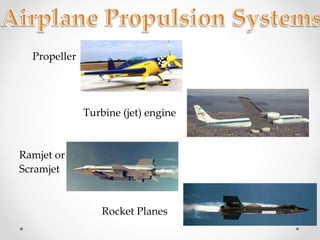
Propeller
Turbine (jet) engine
Ramjet or
Scramjet
Rocket Planes
 Aircraft is any craft that flies through the air, whether
it be an airplane, helicopter, missile, glider, balloon, or
any other vehicle that uses the air to generate lift for
flight.
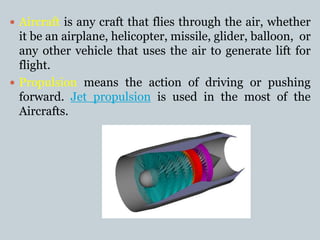
 Propulsion means the action of driving or pushing
forward. Jet propulsion is used in the most of the
Aircrafts.
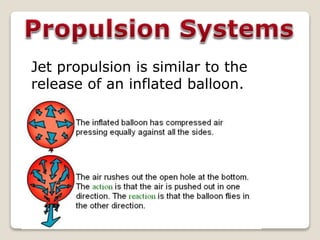
Jet propulsion is similar to the
release of an inflated balloon.
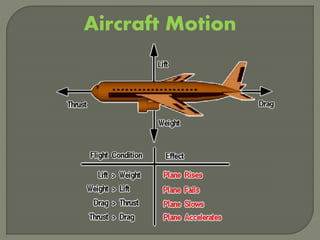
Aircraft Motion
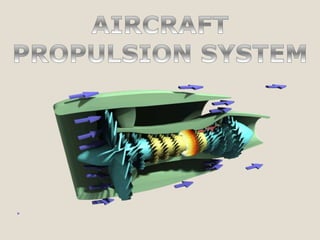
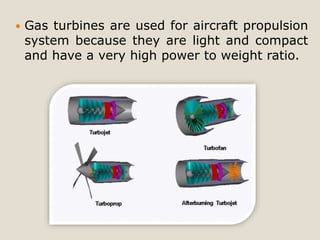
 Gas turbines are used for aircraft propulsion
system because they are light and compact
and have a very high power to weight ratio.
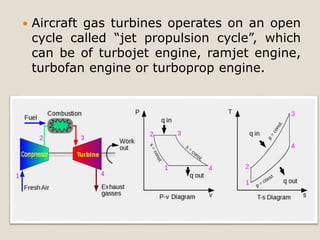
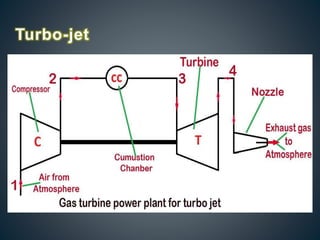
 Aircraft gas turbines operates on an open
cycle called “jet propulsion cycle”, which
can be of turbojet engine, ramjet engine,
turbofan engine or turboprop engine.
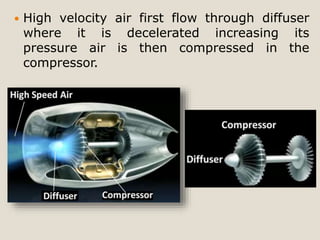
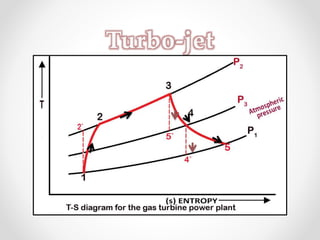
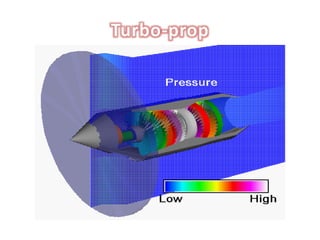
 High velocity air first flow through diffuser
where it is decelerated increasing its
pressure air is then compressed in the
compressor.
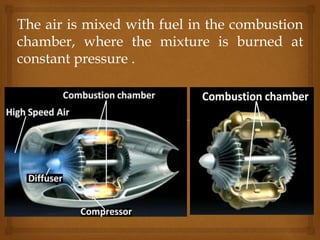
The air is mixed with fuel in the combustion
chamber, where the mixture is burned at
constant pressure .
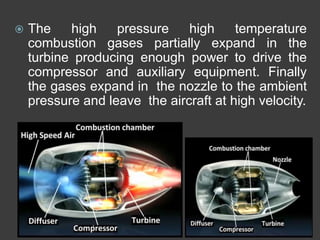
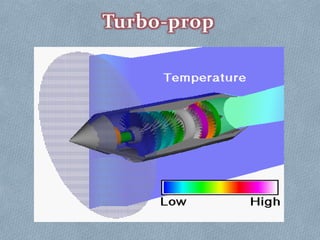
 The high pressure high temperature
combustion gases partially expand in the
turbine producing enough power to drive the
compressor and auxiliary equipment. Finally
the gases expand in the nozzle to the ambient
pressure and leave the aircraft at high velocity.
When the work output of the gas
turbine plant is used to produce high
velocity jet of hot gasses and this jet is used
to propel (to push or move something with a
lot of force) the vehicles in which the
systems are mounted, such systems are
known as
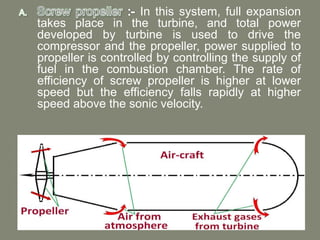
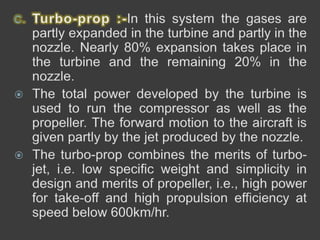
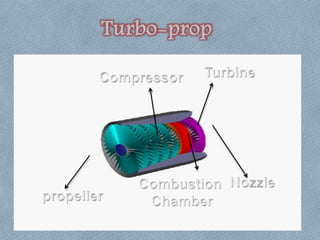
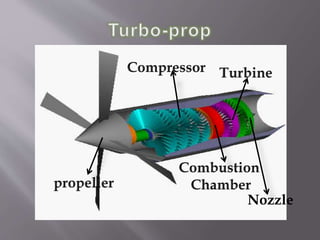
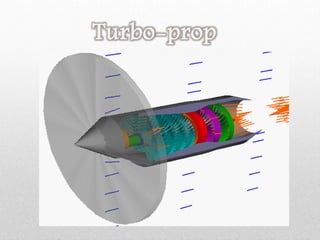
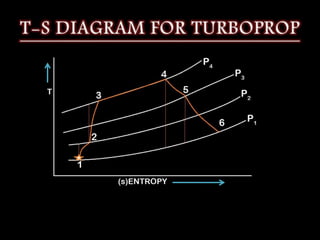
In this system, full expansion
takes place in the turbine, and total power
developed by turbine is used to drive the
compressor and the propeller, power supplied to
propeller is controlled by controlling the supply of
fuel in the combustion chamber. The rate of
efficiency of screw propeller is higher at lower
speed but the efficiency falls rapidly at higher
speed above the sonic velocity.
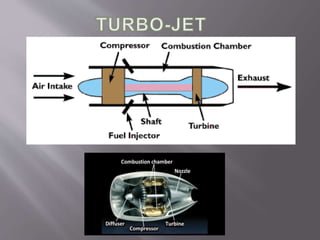
Turbo-jet
Turbo-jet
Turbo-prop
Nozzle
Turbo-prop
Turbo-prop
Turbo-prop
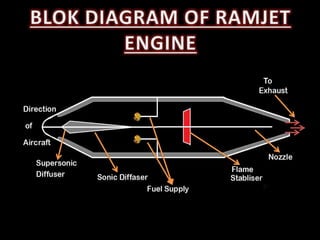
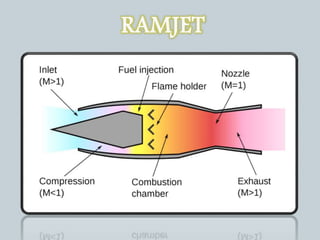
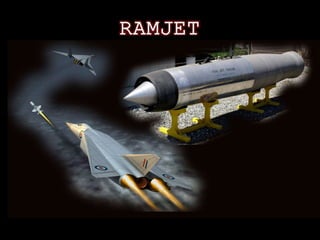
RAMJET
RAMJET
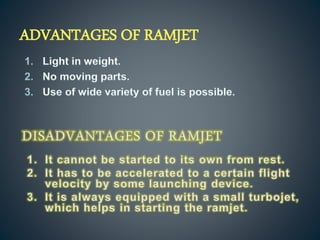
ADVANTAGES OF RAMJET
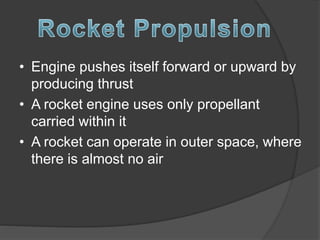
• Engine pushes itself forward or upward by
producing thrust
• A rocket engine uses only propellant
carried within it
• A rocket can operate in outer space, where
there is almost no air
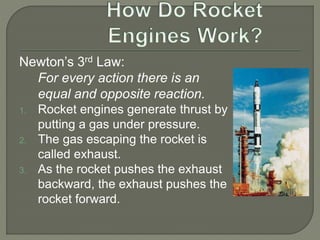
Newton’s 3rd Law:
For every action there is an
equal and opposite reaction.
1. Rocket engines generate thrust by
putting a gas under pressure.
2. The gas escaping the rocket is
called exhaust.
3. As the rocket pushes the exhaust
backward, the exhaust pushes the
rocket forward.
i. Thermodynamics by P. K. Nag
ii. Engineering Thermodynamics 3rd
edition in S.I. Units by R.K. Rajput
iii. Thermodynamics - An Engineering
Approach, 5Th Cengal Boles
iv. Thermal engineering by
Domkundwar
v. http://www.grc.nasa.gov

AIRCRAFT PROPULSION SYSTEM seminar

  • 1.
    IIMT COLLEGE OFENGINEERIN GREATER NOIDA MECHANICAL ENGINEERING 2015-2016 SEMINAR SUPERVISED BY :- PRESENTED BY:- Mr. Krishna Kumar Mr. Dhruv Kr. Prajapati Deepak Singh Roll:-1321640055 ME-3A (5th Sem.)
  • 2.
  • 4.
    Propeller Turbine (jet) engine Ramjetor Scramjet Rocket Planes
  • 5.
     Aircraft isany craft that flies through the air, whether it be an airplane, helicopter, missile, glider, balloon, or any other vehicle that uses the air to generate lift for flight.  Propulsion means the action of driving or pushing forward. Jet propulsion is used in the most of the Aircrafts.
  • 6.
    Jet propulsion issimilar to the release of an inflated balloon.
  • 7.
  • 8.
     Gas turbinesare used for aircraft propulsion system because they are light and compact and have a very high power to weight ratio.
  • 9.
     Aircraft gasturbines operates on an open cycle called “jet propulsion cycle”, which can be of turbojet engine, ramjet engine, turbofan engine or turboprop engine.
  • 10.
     High velocityair first flow through diffuser where it is decelerated increasing its pressure air is then compressed in the compressor.
  • 11.
    The air ismixed with fuel in the combustion chamber, where the mixture is burned at constant pressure .
  • 12.
     The highpressure high temperature combustion gases partially expand in the turbine producing enough power to drive the compressor and auxiliary equipment. Finally the gases expand in the nozzle to the ambient pressure and leave the aircraft at high velocity.
  • 13.
    When the workoutput of the gas turbine plant is used to produce high velocity jet of hot gasses and this jet is used to propel (to push or move something with a lot of force) the vehicles in which the systems are mounted, such systems are known as
  • 14.
    In this system,full expansion takes place in the turbine, and total power developed by turbine is used to drive the compressor and the propeller, power supplied to propeller is controlled by controlling the supply of fuel in the combustion chamber. The rate of efficiency of screw propeller is higher at lower speed but the efficiency falls rapidly at higher speed above the sonic velocity.
  • 17.
  • 18.
  • 20.
  • 21.
  • 22.
  • 23.
  • 24.
  • 28.
  • 29.
  • 30.
  • 31.
    • Engine pushesitself forward or upward by producing thrust • A rocket engine uses only propellant carried within it • A rocket can operate in outer space, where there is almost no air
  • 32.
    Newton’s 3rd Law: Forevery action there is an equal and opposite reaction. 1. Rocket engines generate thrust by putting a gas under pressure. 2. The gas escaping the rocket is called exhaust. 3. As the rocket pushes the exhaust backward, the exhaust pushes the rocket forward.
  • 33.
    i. Thermodynamics byP. K. Nag ii. Engineering Thermodynamics 3rd edition in S.I. Units by R.K. Rajput iii. Thermodynamics - An Engineering Approach, 5Th Cengal Boles iv. Thermal engineering by Domkundwar v. http://www.grc.nasa.gov

Editor's Notes

  • #33 Gateway To Technology Unit 4– Lesson 4.2– Aeronautics