Cerebral edema
YOUMANS Neurological Surgery
Sixth edition
• Accumulation of excess fluid in the intracellular or
extracellular spaces of the brain
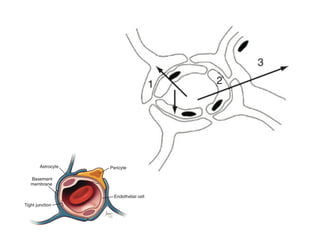
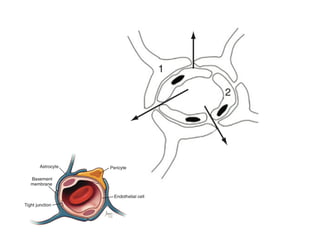
The Blood-Brain Barrier
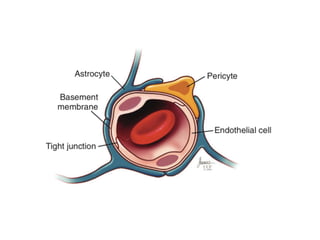
• Blood-Brain barrier (BBB) is exceptionally active
system
• Endothelial cells can inactivate neuroactivate or
neurotoxic substances
• Regulate microenvironment of the brain, fluid and
ions between circulation and brain
• Interstitial fluid of the brain
• lower Ca2+ and K+ and higher Mg2+
Cerebral edema
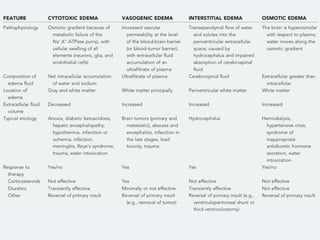
• Four categories
• Cytotoxic edema
• Vasogenic edema
• Interstitial edema
• Osmotic edema
Cytotoxic edema
• Cause of cytotoxic edema
• Cerebral infarction or ischemia
• Meningitis
• Reye’s syndrome
• Trauma
• Seizure
• Water intoxication
• Mechanisms
• Osmotic gradient from metabolic failure of the Na
+
, K
+
-ATPase
pump cause cellular swelling of neurons, glia and endothelial cells
• Loss of ATP and excess glutamate after cerebral ischemia or TBI
cause influx of calcium into cell then apoptosis and sodium
exchange (3 Na
+
per Ca
3+
) occur
• Nitric oxide (NO) from nitric oxide synthase (NOS)
• Neuronal NOS produces toxic free radical (early after cytotoxic
injury)
• Endothelial NOS cause vasodilatation and increase blood flow
• Inducible NOS produce NO and free radical at 24-48 hr after
injury
• NCCa-ATP channel (nonselective cation channel)
opened after depletion of ATP, cause cytotoxic
edema after ischemia
• Regulated by sulfonylurea receptor 1 (can be
blocked by low dose glibencamide)
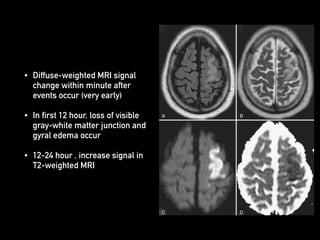
• Diffuse-weighted MRI signal
change within minute after
events occur (very early)
• In first 12 hour, loss of visible
gray-white matter junction and
gyral edema occur
• 12-24 hour , increase signal in
T2-weighted MRI
Vasogenic edema
• Cause of vasogenic edema
• Primary or secondary brain tumour
• Brain abscess and encephalitis
• Trauma
• Lead poisoning
• Late stage of cerebral infarction
• Mechanisms
• Blood-tumor barrier has abnormal micro vessels
that lacks of tight junctions cause plasma leakage
into brain’s extracellular space
• Macromolecular protein produced by tumor has
been identified as vascular permeability factor
(VPF) and vascular endothelial growth factor
(VEGF)
• Glucocorticoids can block permeability-enhancing
effects of VPF and VEGF and inhibit tumor cell
production of VPF and VEGF
• High VPF and VEGF gene expression found in
glioblastomas, meningiomas and metastases
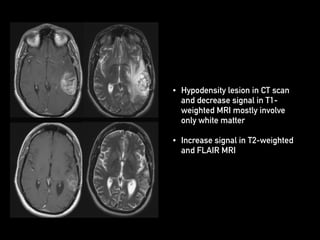
• Hypodensity lesion in CT scan
and decrease signal in T1-
weighted MRI mostly involve
only white matter
• Increase signal in T2-weighted
and FLAIR MRI
Interstitial edema
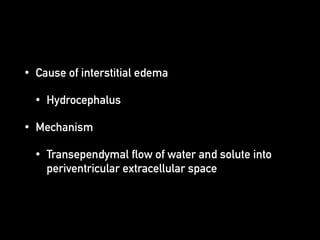
• Cause of interstitial edema
• Hydrocephalus
• Mechanism
• Transependymal flow of water and solute into
periventricular extracellular space
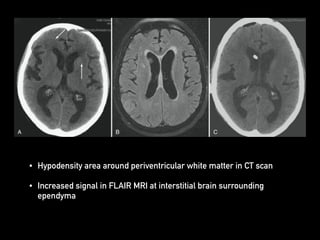
• Hypodensity area around periventricular white matter in CT scan
• Increased signal in FLAIR MRI at interstitial brain surrounding
ependyma
Osmotic edema
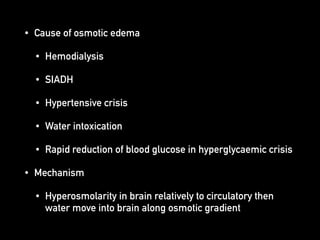
• Cause of osmotic edema
• Hemodialysis
• SIADH
• Hypertensive crisis
• Water intoxication
• Rapid reduction of blood glucose in hyperglycaemic crisis
• Mechanism
• Hyperosmolarity in brain relatively to circulatory then
water move into brain along osmotic gradient
Treatment
• Specific treatment
• Direct treatment of causative disease or
conditions
• Glucocorticoids have effect to peritumoral edema
(mostly vasogenic edema) but less effect to cytotoxic
and interstitial edema
• Diuretics can cause systemic dehydration and
increase circulatory osmolarity and carbonic
anhydrase inhibitor (acetazolamide) can reduce CSF
production
• Mannitol and other osmotic agents temporality
reduce cerebral edema (used in acute setting and
prepare for definite treatments)
Thank you

009 youmans cerebral edema

  • 1.
  • 2.
    • Accumulation ofexcess fluid in the intracellular or extracellular spaces of the brain
  • 3.
  • 5.
    • Blood-Brain barrier(BBB) is exceptionally active system • Endothelial cells can inactivate neuroactivate or neurotoxic substances • Regulate microenvironment of the brain, fluid and ions between circulation and brain • Interstitial fluid of the brain • lower Ca2+ and K+ and higher Mg2+
  • 6.
    Cerebral edema • Fourcategories • Cytotoxic edema • Vasogenic edema • Interstitial edema • Osmotic edema
  • 7.
  • 8.
    • Cause ofcytotoxic edema • Cerebral infarction or ischemia • Meningitis • Reye’s syndrome • Trauma • Seizure • Water intoxication
  • 9.
    • Mechanisms • Osmoticgradient from metabolic failure of the Na + , K + -ATPase pump cause cellular swelling of neurons, glia and endothelial cells • Loss of ATP and excess glutamate after cerebral ischemia or TBI cause influx of calcium into cell then apoptosis and sodium exchange (3 Na + per Ca 3+ ) occur • Nitric oxide (NO) from nitric oxide synthase (NOS) • Neuronal NOS produces toxic free radical (early after cytotoxic injury) • Endothelial NOS cause vasodilatation and increase blood flow • Inducible NOS produce NO and free radical at 24-48 hr after injury
  • 10.
    • NCCa-ATP channel(nonselective cation channel) opened after depletion of ATP, cause cytotoxic edema after ischemia • Regulated by sulfonylurea receptor 1 (can be blocked by low dose glibencamide)
  • 12.
    • Diffuse-weighted MRIsignal change within minute after events occur (very early) • In first 12 hour, loss of visible gray-white matter junction and gyral edema occur • 12-24 hour , increase signal in T2-weighted MRI
  • 13.
  • 14.
    • Cause ofvasogenic edema • Primary or secondary brain tumour • Brain abscess and encephalitis • Trauma • Lead poisoning • Late stage of cerebral infarction
  • 15.
    • Mechanisms • Blood-tumorbarrier has abnormal micro vessels that lacks of tight junctions cause plasma leakage into brain’s extracellular space • Macromolecular protein produced by tumor has been identified as vascular permeability factor (VPF) and vascular endothelial growth factor (VEGF)
  • 16.
    • Glucocorticoids canblock permeability-enhancing effects of VPF and VEGF and inhibit tumor cell production of VPF and VEGF • High VPF and VEGF gene expression found in glioblastomas, meningiomas and metastases
  • 18.
    • Hypodensity lesionin CT scan and decrease signal in T1- weighted MRI mostly involve only white matter • Increase signal in T2-weighted and FLAIR MRI
  • 19.
  • 20.
    • Cause ofinterstitial edema • Hydrocephalus • Mechanism • Transependymal flow of water and solute into periventricular extracellular space
  • 21.
    • Hypodensity areaaround periventricular white matter in CT scan • Increased signal in FLAIR MRI at interstitial brain surrounding ependyma
  • 22.
  • 23.
    • Cause ofosmotic edema • Hemodialysis • SIADH • Hypertensive crisis • Water intoxication • Rapid reduction of blood glucose in hyperglycaemic crisis • Mechanism • Hyperosmolarity in brain relatively to circulatory then water move into brain along osmotic gradient
  • 26.
  • 27.
    • Specific treatment •Direct treatment of causative disease or conditions • Glucocorticoids have effect to peritumoral edema (mostly vasogenic edema) but less effect to cytotoxic and interstitial edema
  • 28.
    • Diuretics cancause systemic dehydration and increase circulatory osmolarity and carbonic anhydrase inhibitor (acetazolamide) can reduce CSF production • Mannitol and other osmotic agents temporality reduce cerebral edema (used in acute setting and prepare for definite treatments)
  • 29.