2017 CROWDSTRIKE, INC. ALL RIGHTS RESERVED.
IN SEARCH OF UNIQUE BEHAVIOUR
MARIUS BUCUR & IOAN IACOB
2018 CROWDSTRIKE, INC. ALL RIGHTS RESERVED.
MARIUS BUCUR
● Threat Hunter at Crowdstrike
● 7y+ IT industry
● last 4y IT Security at
CrowdStrike and Avira
● Food and travel enthusiast
2018 CROWDSTRIKE, INC. ALL RIGHTS RESERVED.
IOAN IACOB
● Threat Analyst at Crowdstrike
● 5 years in IT Sec
● CrowdStrike and Avira
● RE & DFIR enthusiast
● CTF player
2018 CROWDSTRIKE, INC. ALL RIGHTS RESERVED.
What we do
Odd infection techniques
Quirky, but legitimate behavior
Q & A
WHAT WE DO
● Malware hunting
● Reverse engineering
● Write detections
MALWARE HUNTING
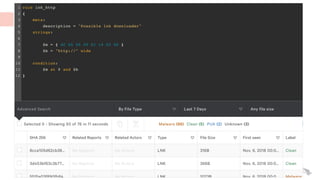
● Hunting with yara rules in MalQuery
● Overwatch patterns in Harrier
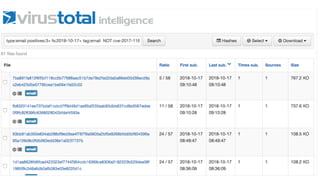
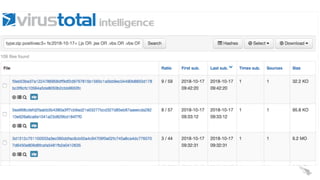
● VT queries and other OSINT
● Finding Infection vectors
● Kill chain
● Search infections
OVERWATCH PATTERNS
● Very generic patterns:
○ Eg.: "net use", wmic and http ...
● Used mostly in hunting for sophisticated attacks
● A red flag is raised once 3 or more patterns are found on one host
REVERSE ENGINEERING
● Focus on events not seen in conventional tools
○ Process injection
○ Callstack analysis
○ RPC and WMI
○ PrivEsc and Cred. Dumping
○ Exploitation techniques (DEP/ASLR bypass, HeapSpray, etc)
● Find similar samples using MalQuery
MALWARE EXAMPLES
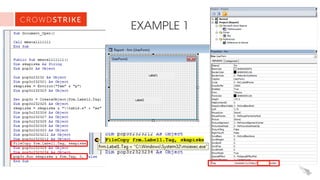
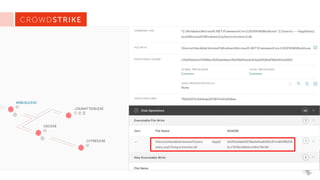
1. MalDoc abuses MSIExec that drops signed Delphi malware
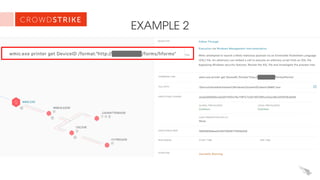
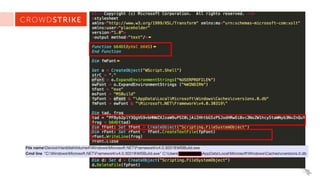
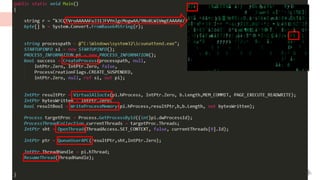
2. WMI abused to inject .NET binary in legit process (#Squiblytwo)
3. Excel Sheet and Steganography
EXAMPLE 1
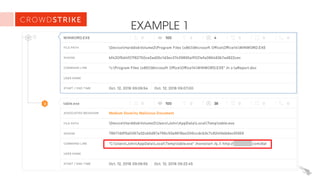
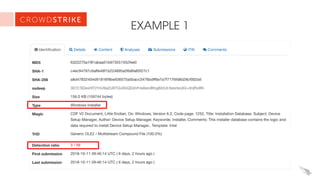
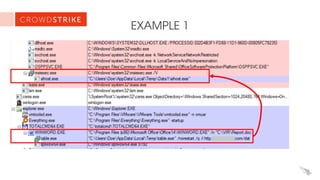
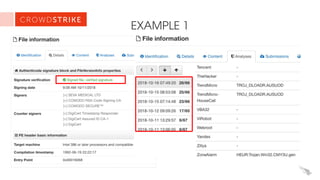
MalDoc abuses MSIExec that drops Signed Delphi malware
EXAMPLE 1
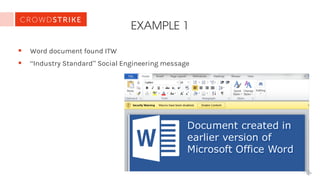
§ Word document found ITW
§ “Industry Standard” Social Engineering message
EXAMPLE 1
EXAMPLE 1
EXAMPLE 1
EXAMPLE 1
EXAMPLE 1
EXAMPLE 2
WMI abused to inject .NET binary in legit process
#Squiblytwo
„Fileless malware”
EXAMPLE 2
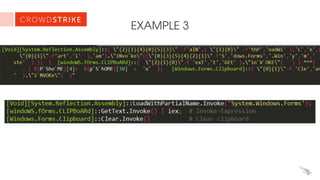
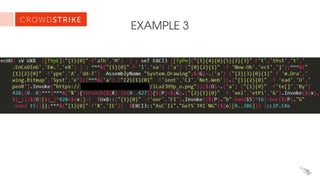
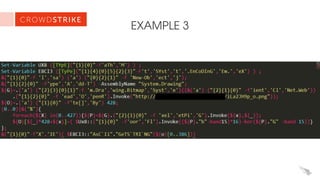
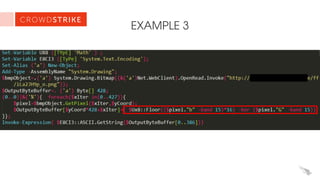
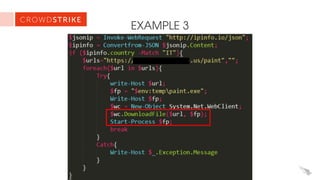
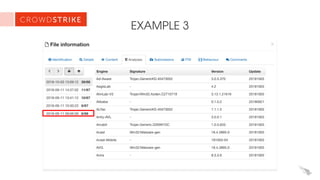
EXAMPLE 3
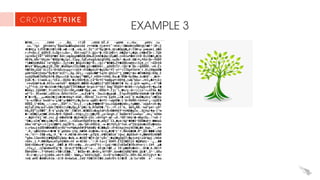
Excel Sheet and Steganography
EXAMPLE 3
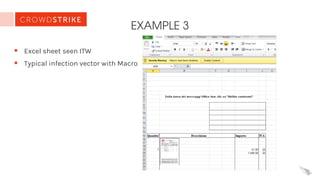
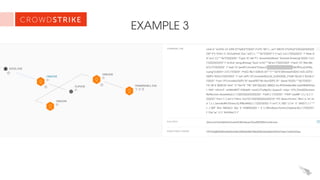
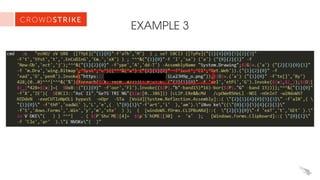
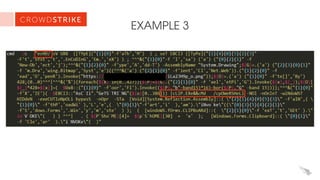
§ Excel sheet seen ITW
§ Typical infection vector with Macro
EXAMPLE 3
EXAMPLE 3
EXAMPLE 3
EXAMPLE 3
EXAMPLE 3
EXAMPLE 3
EXAMPLE 3
EXAMPLE 3
EXAMPLE 3
EXAMPLE 3
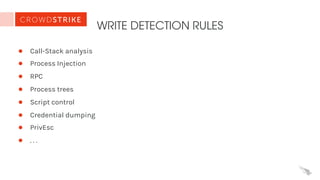
WRITE DETECTION RULES
● Call-Stack analysis
● Process Injection
● RPC
● Process trees
● Script control
● Credential dumping
● PrivEsc
● . . .
LAST STEP
§ Created detections:
§ IOAs for 1st and 3rd example
§ Injection flags for the 2nd example
BUT YOU ALSO SEE THIS
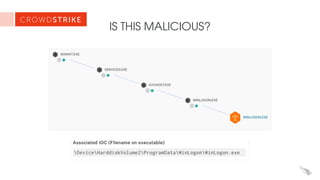
§ Winlogon in non-standard locaion
§ Crazy Powershell oneliners
§ Legit .doc|xls|pdf.exe received on emails
JUST BECAUSE YOU CAN, DOESN’T MEAN YOU SHOULD!!!
IS THIS MALICIOUS?
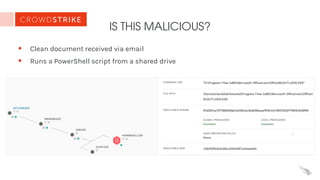
IS THIS MALICIOUS?
§ Clean document received via email
§ Runs a PowerShell script from a shared drive
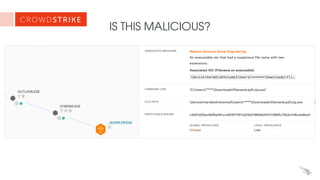
IS THIS MALICIOUS?
● Add more examples
CLOSING REMARKS
● Productivity apps are still used as initial infection vectors
● Quirky infection techniques are seen more often (WMI included)
● We can’t just blacklist all and hope for the best
● Adversaries try to migrate to fileless malware, but still write binaries on
disk
Q & A

In search of unique behaviour