Sentence Semantics I
•What is
meaning?
Boredom
• Classes
• Meetings
• No problems
• Playing computer games
• Free time
Blue
• Sky
• Sea
• Music
• Soccer team shirt
Bear
• Forest
• Zoo
• Mountains
• Hair
Bad
• Politicians
• Global warming
• Examinations
• Stress
Every
• Same as all together?
• Same as each?
• Both meanings?
Sentence semantics
•X  Y
•Logic
•Mathematical
formulae!!
Sentence semantics
•X  Y
•Logic
•Meaning is like computer
code??
Sentence semantics
•X  Y
•If X, then Y
If X then Y
• If you phone me, I will speak to you
• If you study hard, you will pass the test
• If I get up early, I will be able to go to the zoo
• If you put the air conditoner on, it will get
cooler
• If you give me money, I will be happy
If X -> Y
• If you phone me, I will speak to you
• If you study hard, you will pass the test
• If I get up early, I will be able to go to the zoo
• If you put the air conditoner on, it will get
cooler
• If you give me money, I will be happy
If X -> Y
• If you study hard, then you will pass the test
• X = Bob is a student
• Y = Mary bought the book
• If Bob is a student, Mary bought the book
• ????
• There doesn’t have to be a logical connection
• You can say anything
Sentence semantics
•X & Y  Z
•If X and Y,
•then Z
If X & Y, then Z
• If you buy me the ticket and I have free time, I
will go to the theater with you
• If we win and they lose, I will laugh at them
• If a bear comes in the classroom and I have a
gun, I will shoot it
• If I get the job and the job is well-paid, I will be
happy
• If you drink the beer and you drink the whisky,
you will feel bad
If X & Y  Z
• If you buy me the ticket and I have free time, I
will go to the theater with you
• If we win and they lose, I will laugh at them
• If a bear comes in the classroom and I have a
gun, I will shoot it
• If I get the job and the job is well-paid, I will be
happy
• If you drink the beer and you drink the whisky,
you will feel bad
If X & Y  Z
• If Pochi is a dog and you finished your
homework, then sushi is delicious.
• X = Pochi is a dog
• Y = you finished your homework
• Z = sushi is delicious
• ?????
If (X & Y)  Z
• If Pochi is a dog and you finished your
homework, then sushi is delicious.
• X = Pochi is a dog
• Y = you finished your homework
• Z = sushi is delicious
• ?????
Why do this?
• Seems completely pointless
• Maybe it is!
Propositional Logic
• Crazy name
• Crazy idea
• It’s actually very simple
• So don’t worry about it
• Just going to have a quick tour
LOGIC
• Very important in Computer Science
Words have amazing power
Incredibly complex
Mysterious
Magical
And don’t forget … we don’t know
where meaning comes from!
So there’s a problem for Semantics
• We don’t know where meaning comes from
• And meaning in words is incredibly
complicated
• So just thinking about words, we get lost
Just individual words
Full of information, concepts, meaning
That we cannot really explain
And another problem
Sometimes just word is OK
But usually we speak in sentences
• And sometimes sentences are very long, and
keep going on and on without giving very
much useful information and you start to lose
interest and ……
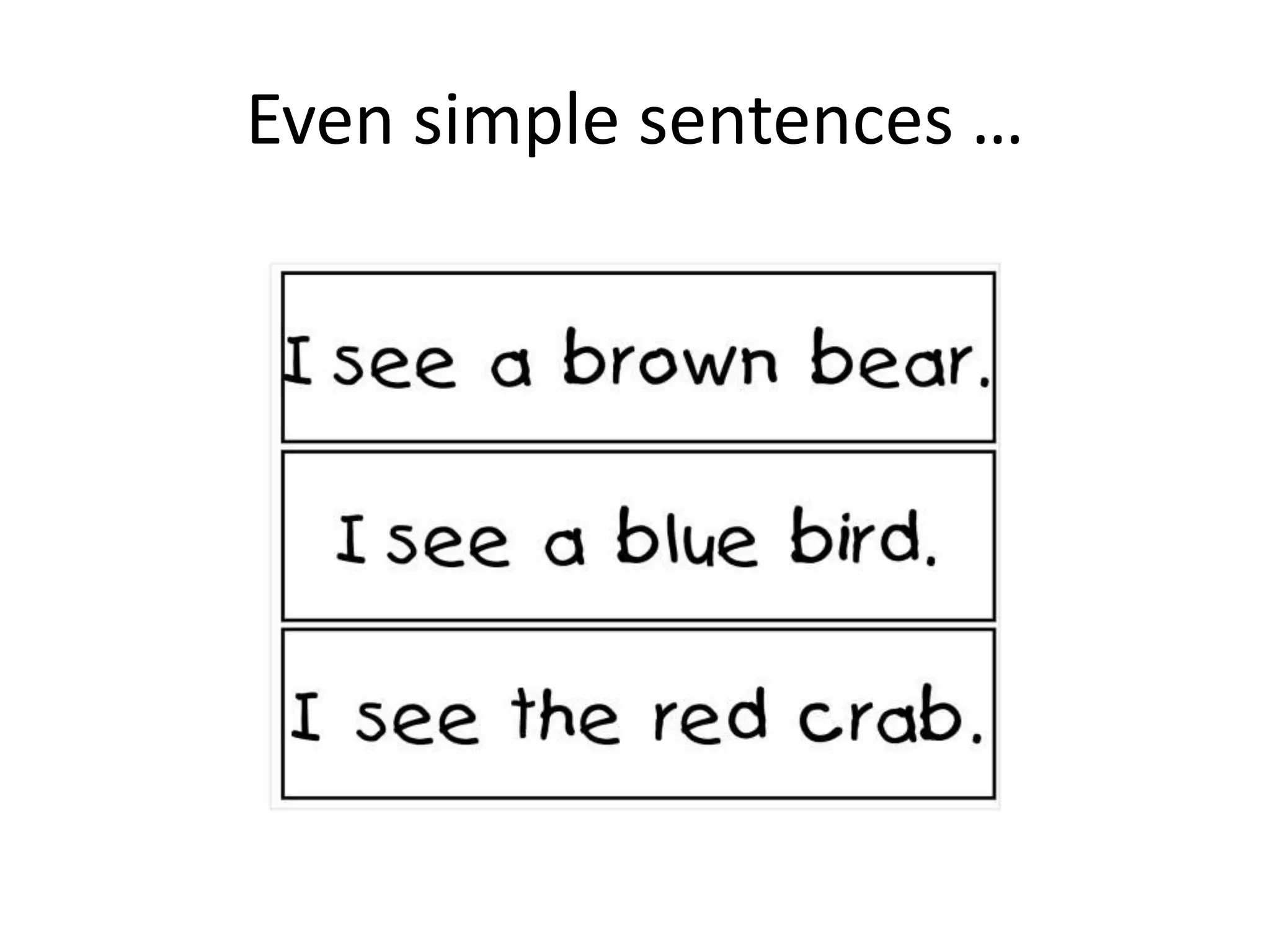
Even simple sentences …
… contain huge amounts of
information
And we cannot …
… really explain …
… at all
I saw a brown bear
• Who is “I”?
• Let’s say “I” is an individual called Jim
• What does the meaning of “Jim” look like in
your mind?
• What does “see” look like in your mind?
• etc
Lots of things we cannot explain …
Really … not at all
So how do we begin to understand?
• First step
• Simplify
• Simplify a lot
• So it sometimes seems stupid
• And very very very very
• Very
• Boring
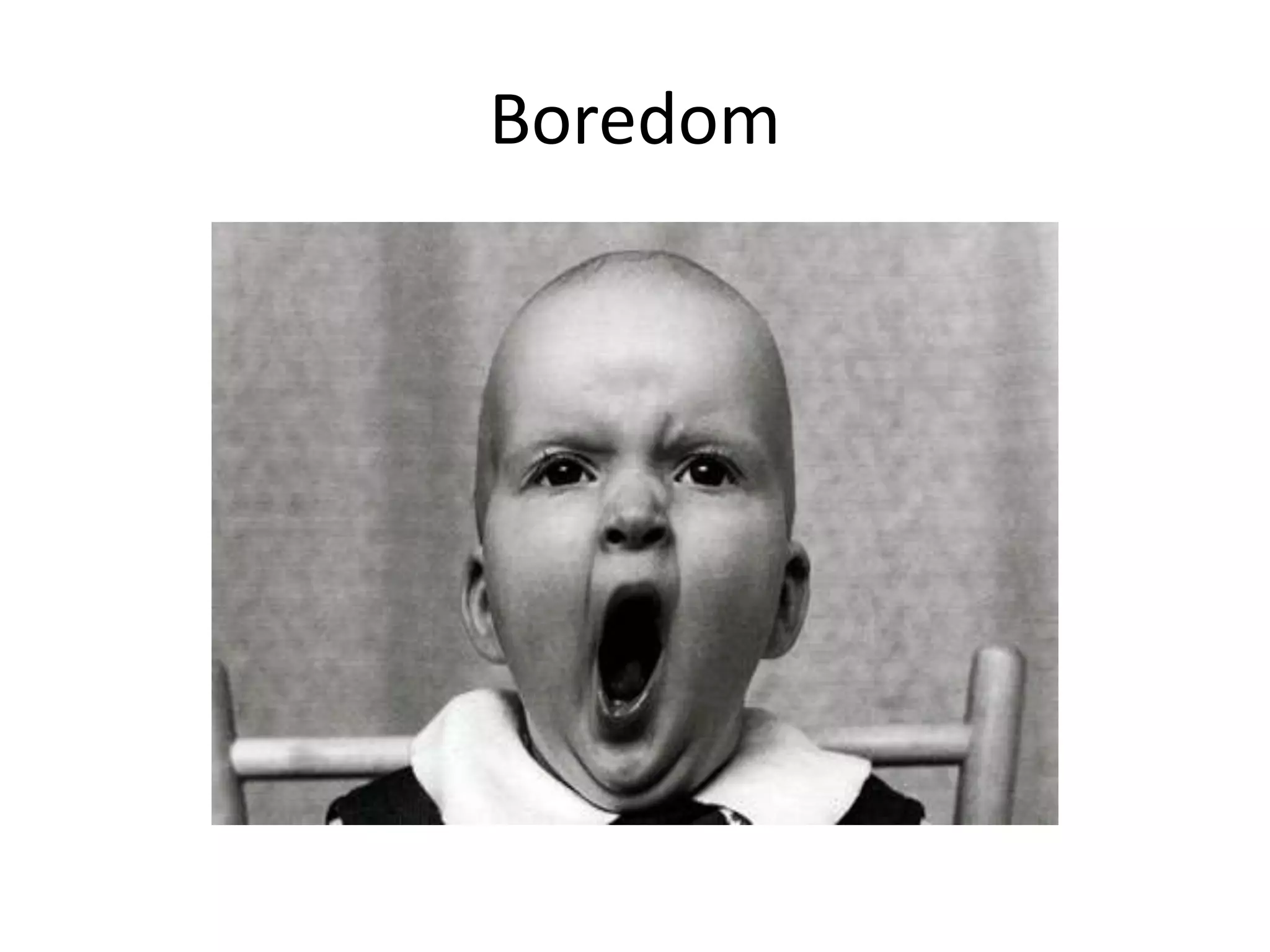
Boredom
Boredom is good!
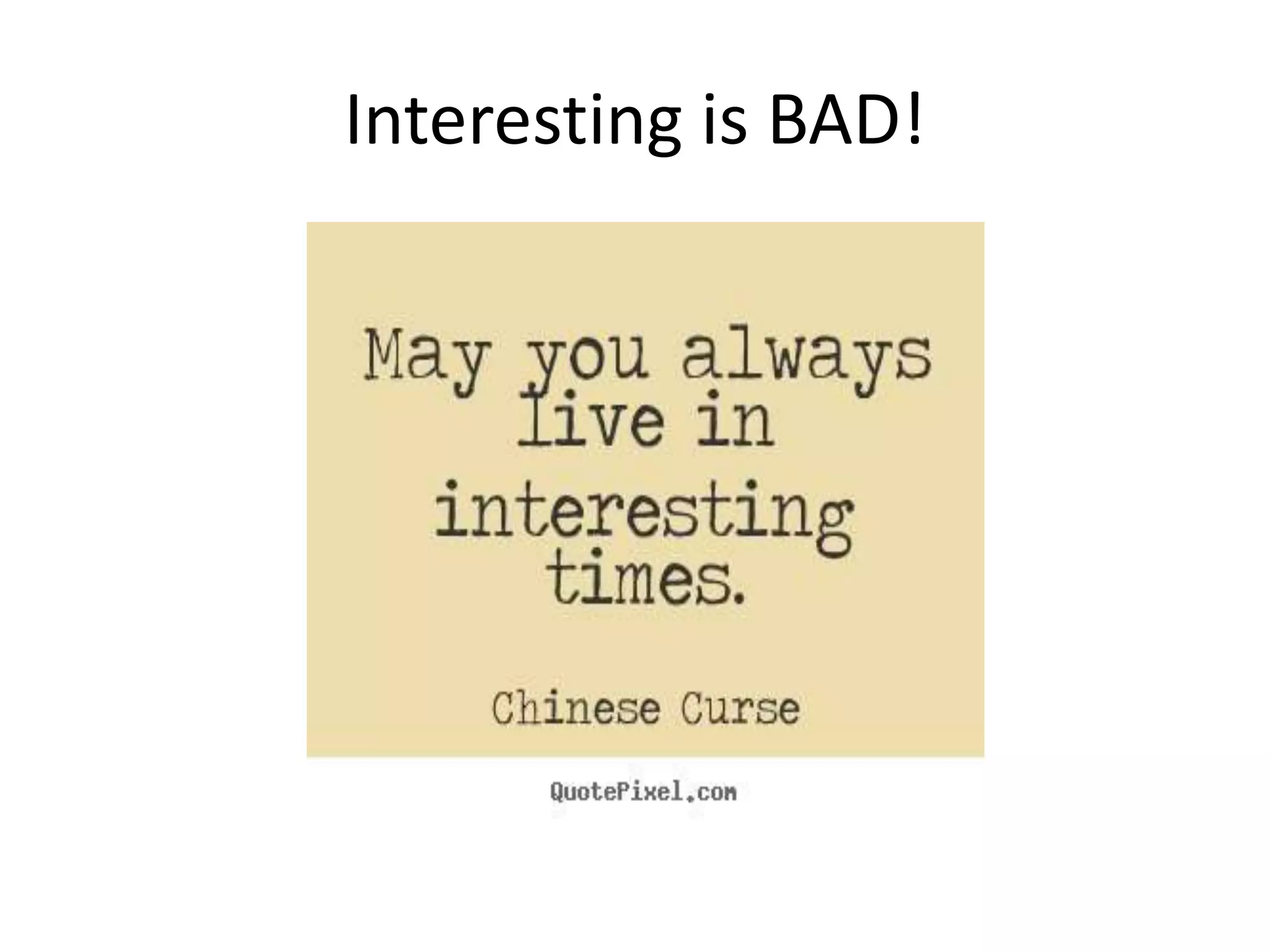
Interesting is BAD!
Boredom feels secure
Don’t forget … it’s a mystery
Complicated and mysterious
So let’s simplify
• Any sentence = p
• Or = q
• Or = some other letter, like r for example
• It’s not really important
Propositional logic: atomic statements
• Truth values
• p = 1
• Means: p is true
• Truth values
• p = 0
• Means: p is false
• p = T
• p = F
• That is also OK
• It’s not really important
• The important thing is …
• … talking about TRUTH values.
• It’s a theory about true and false.
• Any problem with that?
• No?
• OK.
• Prepare to be bored!
Propositional logic: no structure at all
• p = a grizzly is a bear
• q = a bear is a mammal
• r = a grizzly is a mammal
• If p is true
• And q is true
• Then r is true
• p & q  r
Sentences have NO structure!
• p = some sentence or other
• q = some other sentence or other
• r = some other, different, sentence or other
• And so on
• Notice they’re supposed to be lower-case
letters
• Let’s look at an example of this
• A very simple example
• p (some sentence)
• r (some sentence)
•  (if … then connective)
• p  r
• What does this mean?
• If p is true, then r is also true
• If you are human, then you are a mammal
• If … then connective
• p  r
• p = you are human
• r = you are a mammal
• If p is true
• Then r is also true
• p & q  r
• p = you are Japanese
• q = You go to university
• r = you can write Kanji
• That’s a commonsense example
• But it doesn’t HAVE to be commonsense
• We can have crazy examples if we want
• p & q  r
• If p is true and q is true, then r is true
• p = a salmon is a fish
• q = a fish is human
• r = a salmon is human
• p is true
• q is false
• r is false
• p & q  r
• What does this mean?
• Three sentences p, q, r
• It means …
• If p and q are both true,
• Then r is also true
Propositions
• A fish is human
• My teachers are turtles
• John’s friend is flying
• Her camera is transparent
• The Little Prince is standing
Propositions
• Try to keep it simple
• Passives are treated as the same as the active
form
• John kicked the ball = the ball was kicked by
John
Propositions
• John hit Ben
• Ben was hit by John
• Same proposition
• call it p
• or q
• or r
• etc
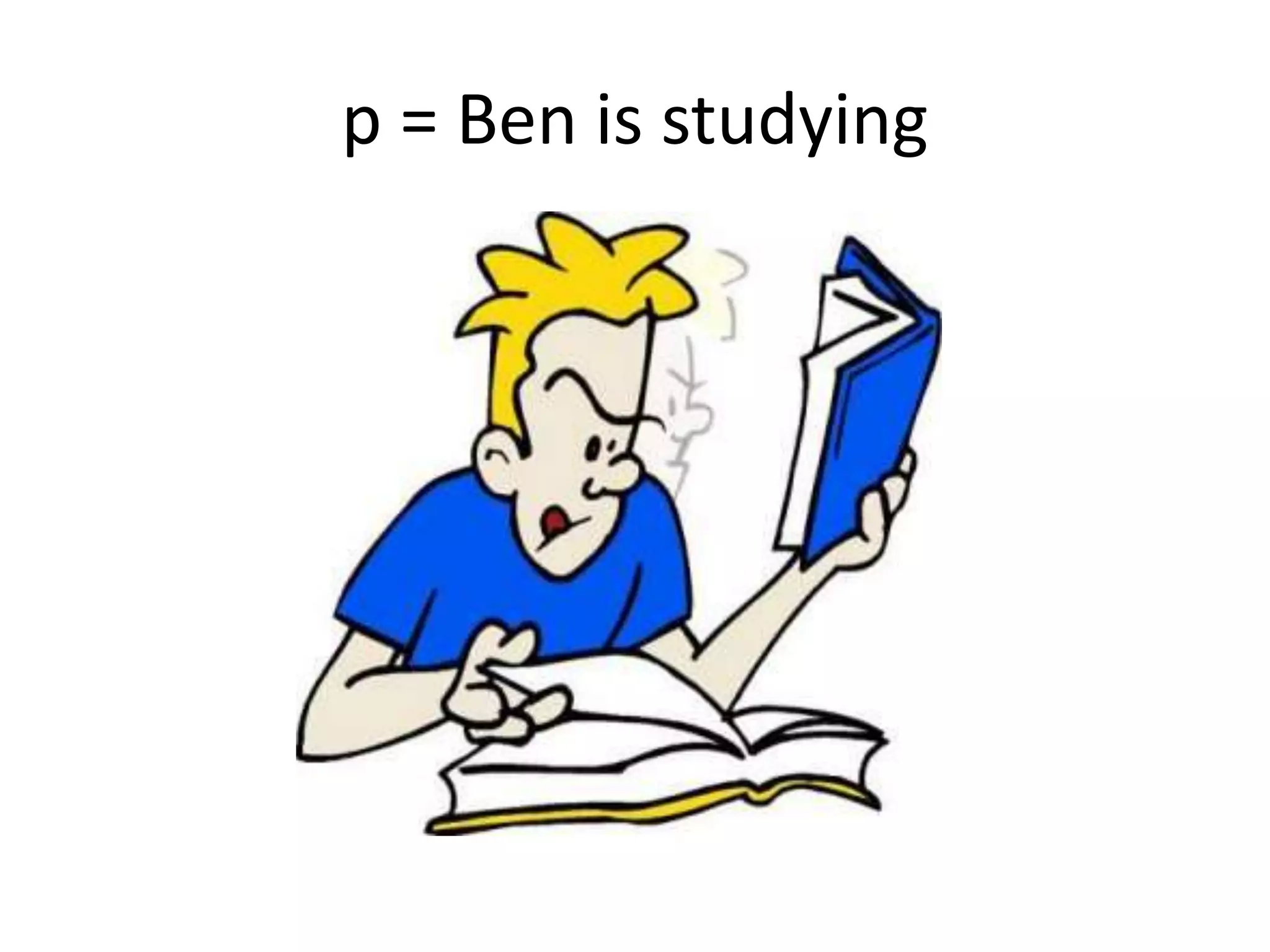
p = Ben is studying
p: Ben is studying
• Ben is studying = True
• p = True
• p = T
• p = 1
p = Ben is studying
p: Ben is studying
• Ben is studying = False
• p = False
• p = F
• p = 0
But maybe he’s studying?!
Maybe, but don’t worry too much
Keep things simple
Imagine simple little worlds
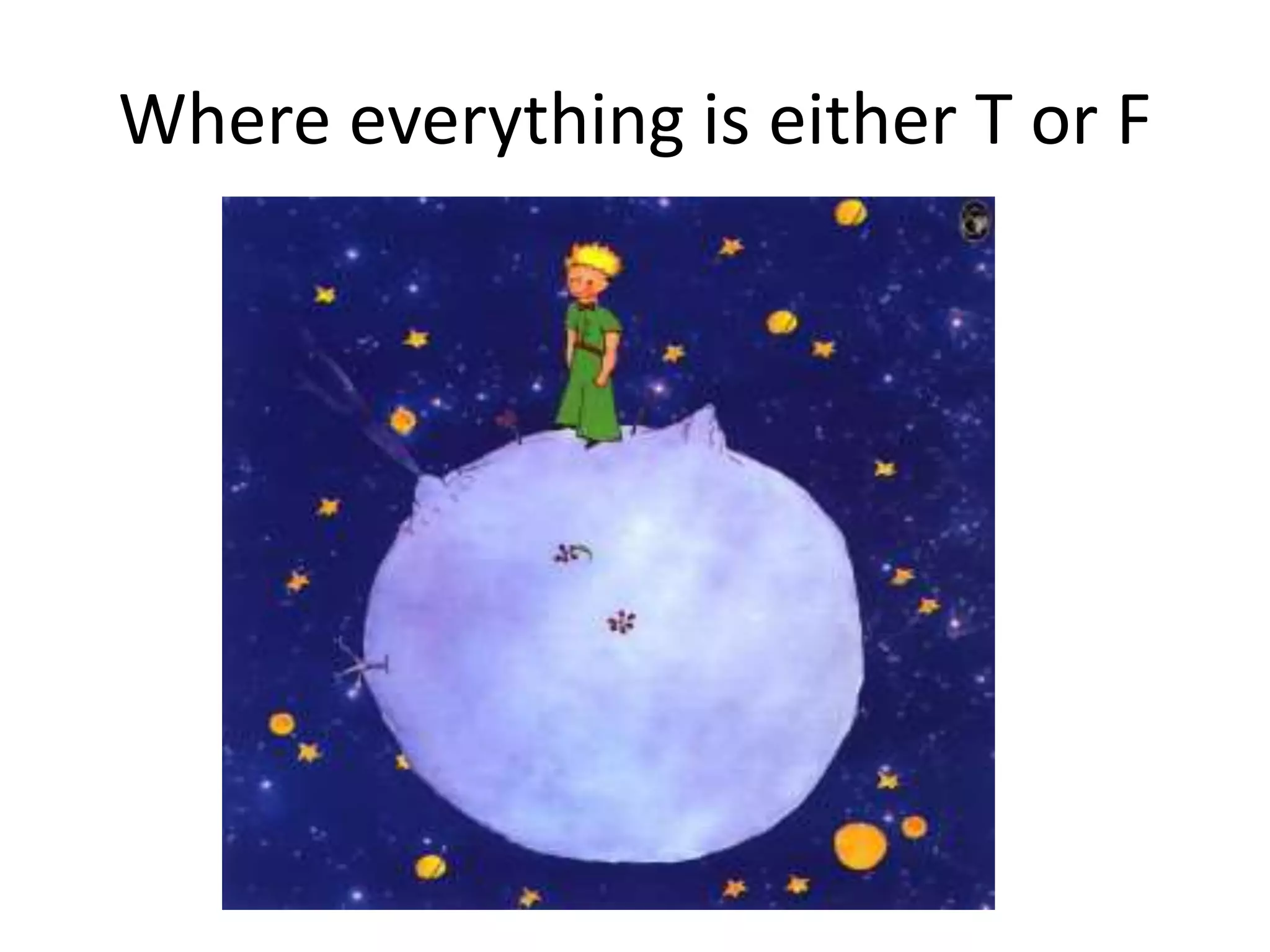
Where everything is either T or F
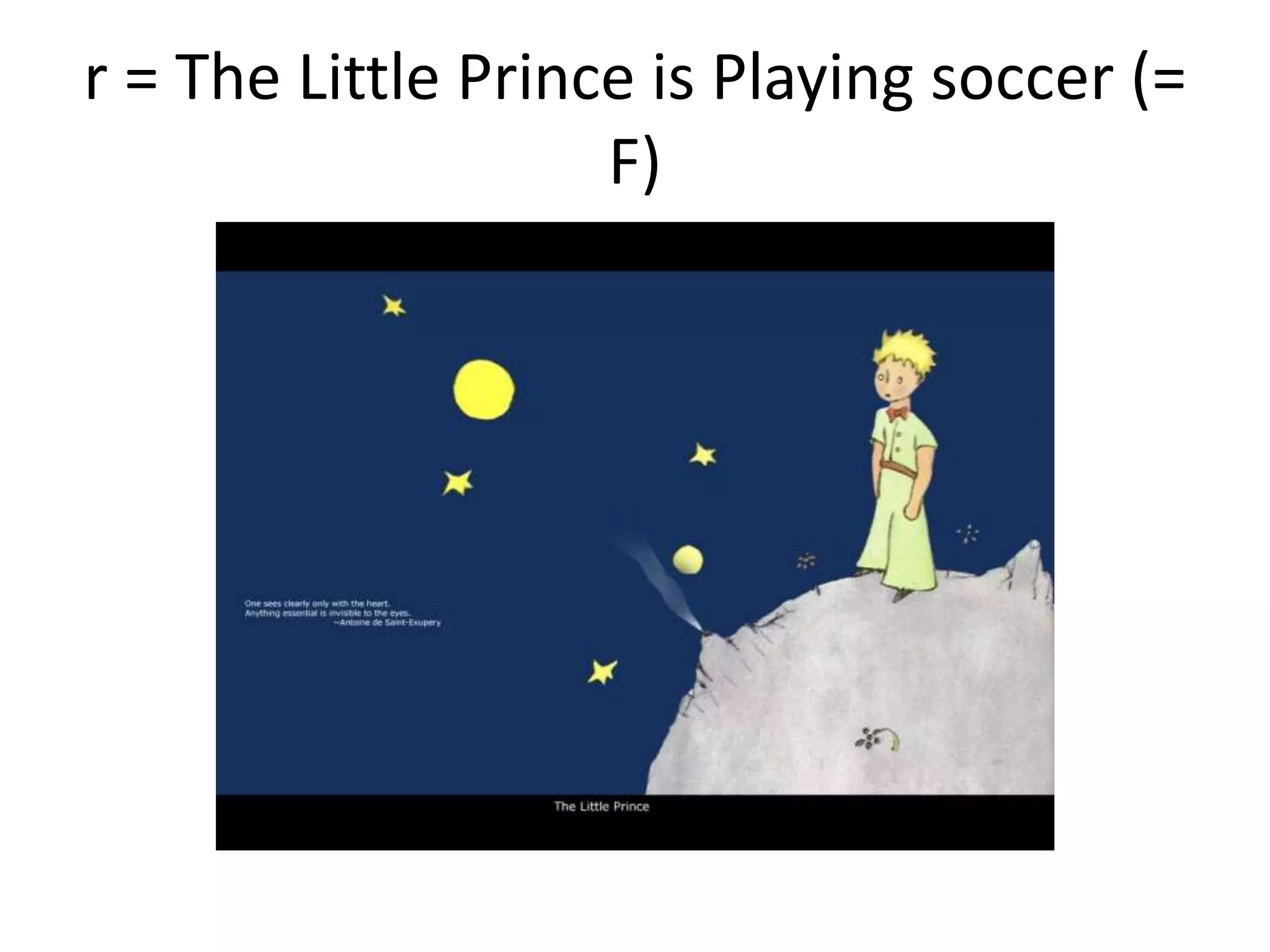
p = The Little Prince is standing (= T)
q = The Little Prince is gardening (=T)
r = The Little Prince is Playing soccer (=
F)
Quiz
• If you sleep in class then you will not
understand the lesson
• X  Y
• X = you sleep in class
• Y = you will fail the test
• If you drop the glass, then it will break
• X  Y
• X = you drop the glass
• Y = it will break
• If you eat too much, you will gain weight
• X  Y
• X = you eat too much
• Y = you will gain weight
• If you throw your money out of the window,
the teacher will get angry
• X  Y
• X = you throw your money out of the window
• Y = the teacher will get angry
• X & Y  Z
• If you sleep in class and I see you, then I will
get angry
• X = you sleep in class
• Y = I see you
• Z = I will get angry
• X & Y  Z
• If we go to the zoo and we bring food, then we
can have a picnic
• X = we go to the zoo
• Y = we bring food
• Z = we can have a picnic
• X & Y  Z
• If I do a part time job and I don’t spend much,
I can save some money
• X = I do a part time job
• Y = I don’t spend much
• Z = I can save some money
• X & Y  Z
• If I exercise a lot and I eat less, I will be very fit
• X = I exercise a lot
• Y = I eat less
• Z = I will be very fit
Logical Constants or connectives
• ∧
• &
• And
• ∨
• Or
• →
• If … then
Connectives
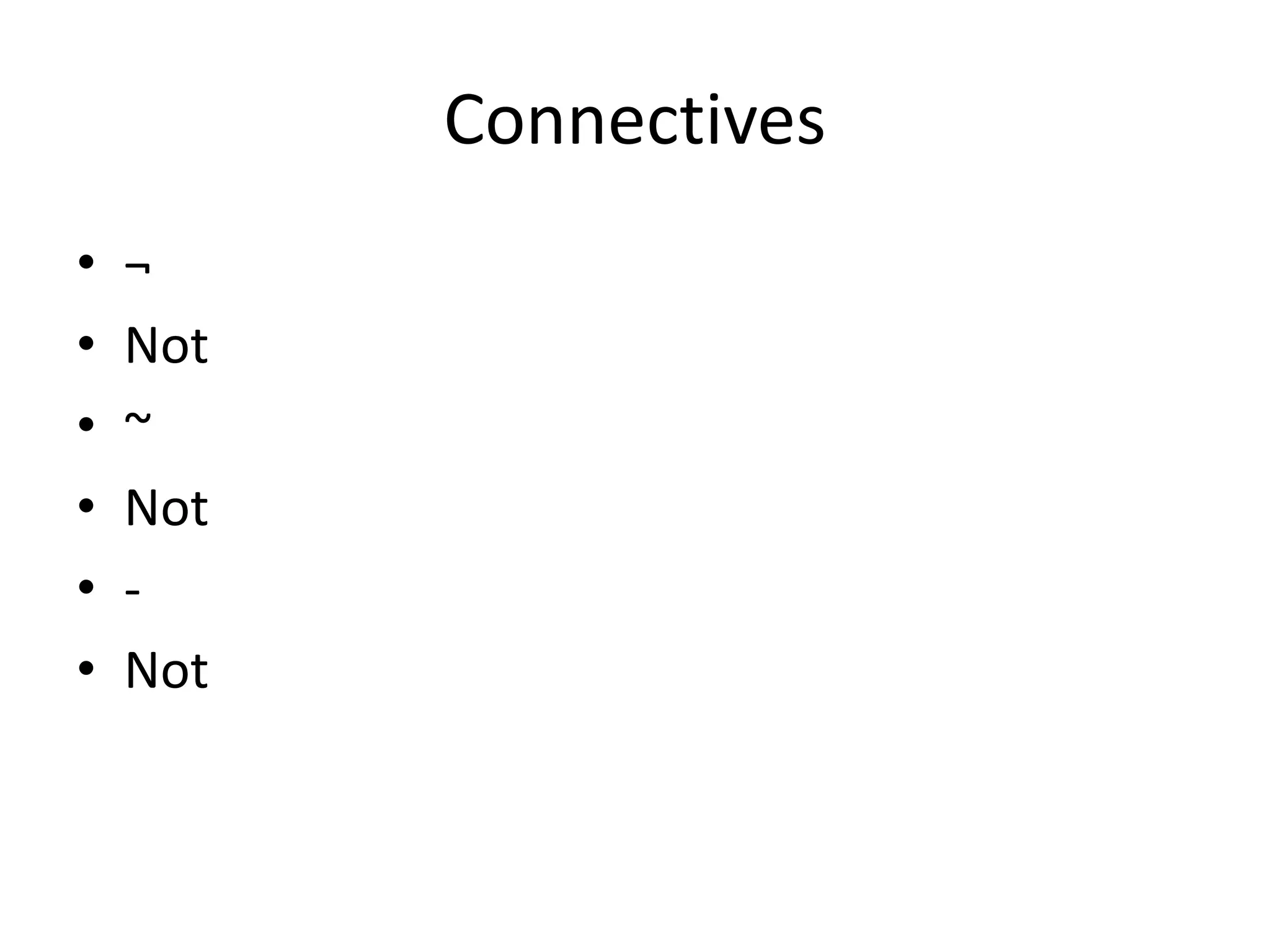
• ¬
• Not
• ~
• Not
• -
• Not
Connectives
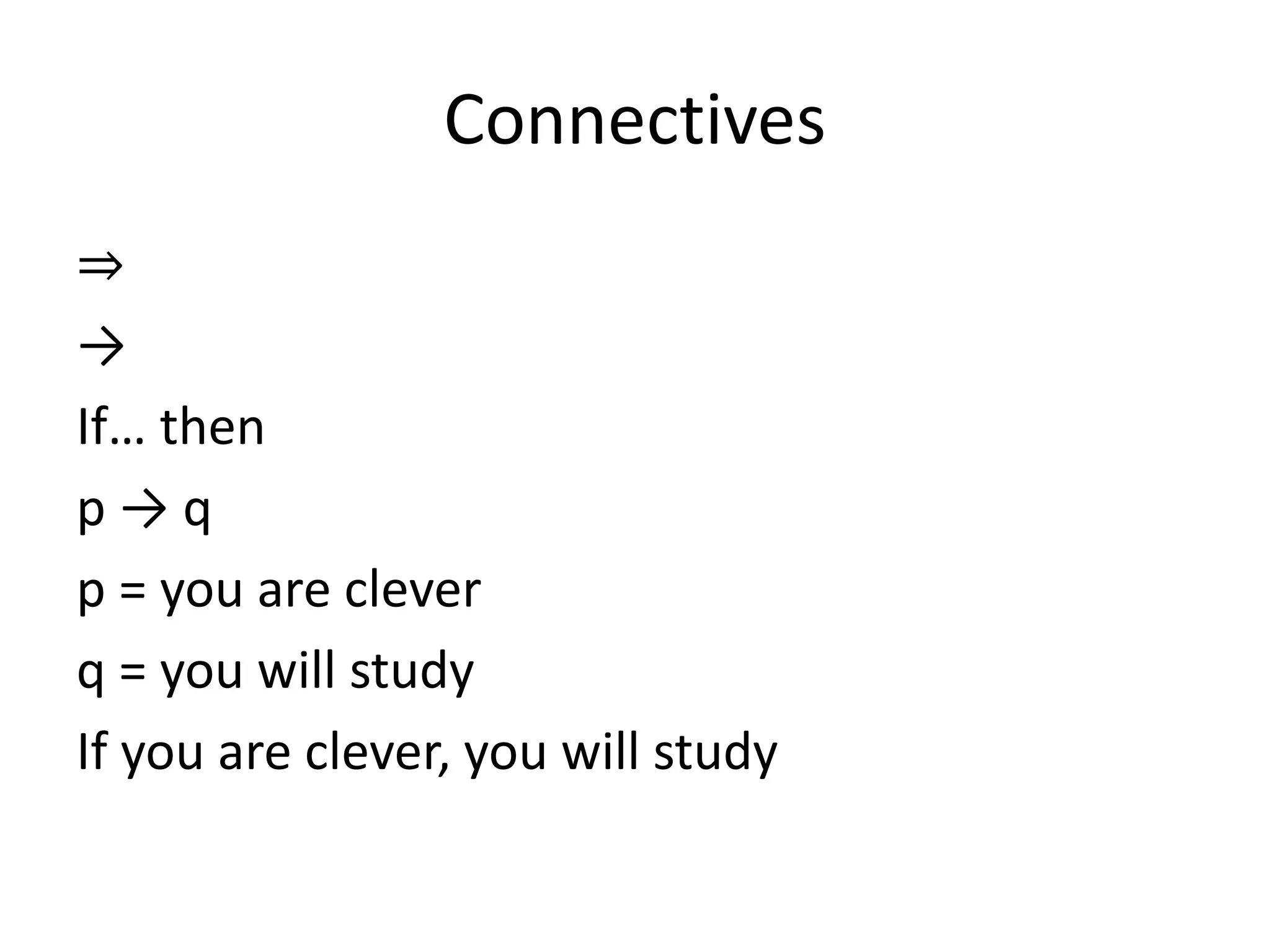
⇒
→
If… then
p → q
p = you are clever
q = you will study
If you are clever, you will study
Connectives
⇒
→
If… then
p → q
p = you are clever
q = you will pass the test
If you are clever, you will pass the test
Connectives
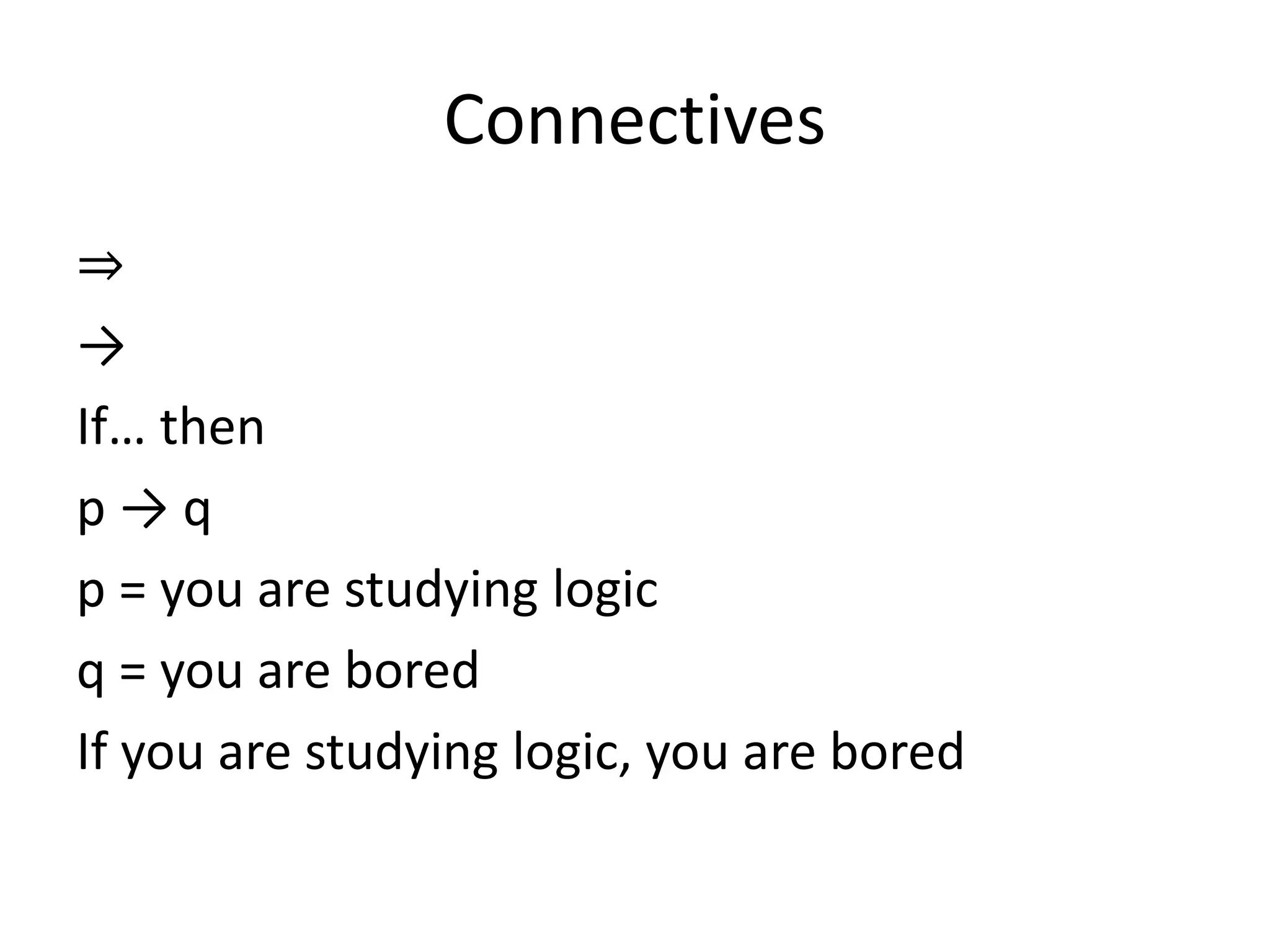
⇒
→
If… then
p → q
p = you are studying logic
q = you are bored
If you are studying logic, you are bored
Connectives
⇒
→
If… then
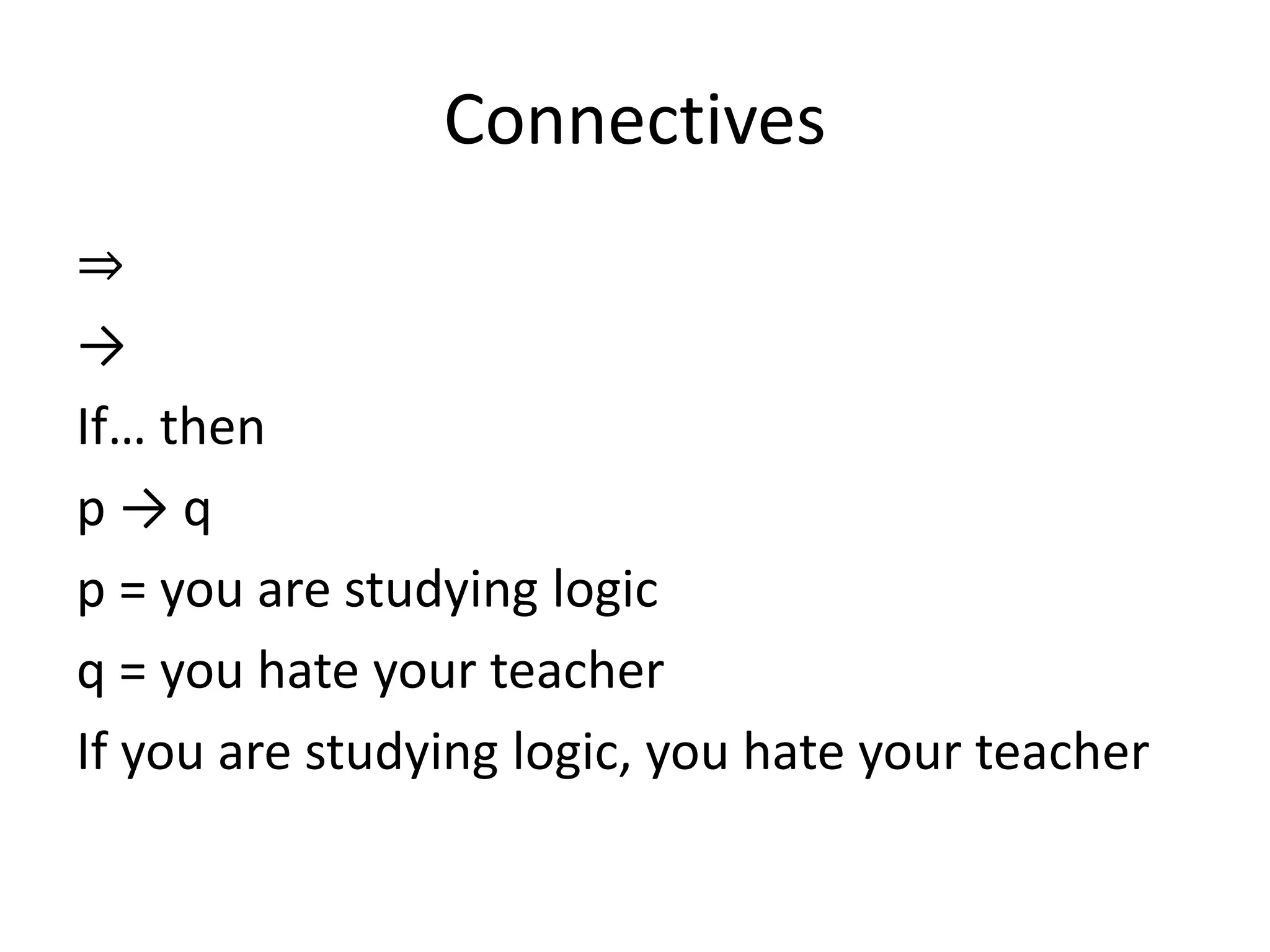
p → q
p = you are studying logic
q = you hate your teacher
If you are studying logic, you hate your teacher
Connectives
⇒
→
If… then
p → q
p = Eri hates logic
q = Eri studies logic
If Eri hates logic then she studies logic
Connectives
• ≡
• ⇔
• 
• equivalence
• if and only if (iff)
• p = Jim is a man
• q = Jim is an adult male human
• p≡q
• p⇔q
Equivalence
• p = Ken and Emi are married
• q = Ken and Emi have a certificate showing
they got married
• p≡q
• p⇔q
p & q
• p = The weather is fine
• q = Tom is sleeping
• Is p & q true?
• If both p & q it is true
• Not otherwise
Predicate Logic
• P v Q
• P or Q
• - P
• Not P
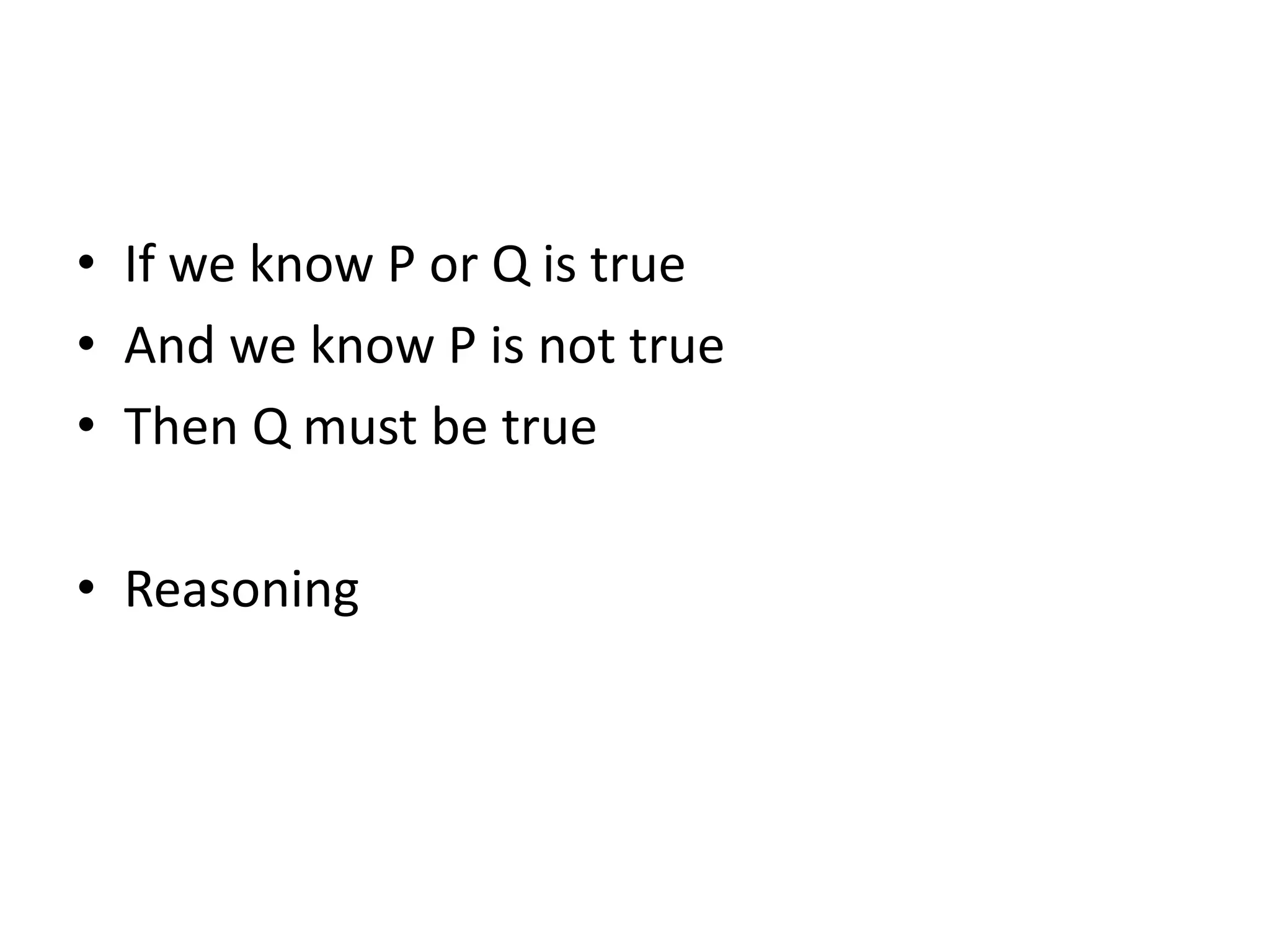
• If we know P or Q is true
• And we know P is not true
• Then Q must be true
• Reasoning
Propositional Logic – too simple
• p
• q
• No internal structure
John likes Mary
• p = John likes Mary
• p
• What happened to John and Mary?
• And what happened to the verb?
• What happened to the meaning?
• John likes Mary
• Likes (x, y)
• x = John
• y = Mary
• John likes Mary
• Likes (j, m)
• j = John
• m = Mary
• Ken gave Emi the book
• Gave (x, y, z)
• X = ken
• Y = Emi
• Z = the book
• Ken gave Emi the book
• Gave (k, e, b)
Predicate Logic
Predicate Logic
Predicate Logic
• A bit like computer code
Simple sentence (grammar)
Predicate Logic
• Predicate
• For example …
• Love
• Love (x,y)
Predicate
• Love
• Two arguments
• Love (x, y)
• x = john
• x = mary
• Love (john, mary)
Predicate
• Ken is crazy
• What’s the predicate?
• Crazy
• How many arguments?
• One
• What is it?
• Ken
Ken is crazy
• Predicate
• Crazy
• One argument
• Crazy (x)
• x = ?
• x = ken
• Crazy (ken)
Ken walks
• Walks ( )
• Walks (x)
• X = ken
• Walks (k)
What’s the point of this?
• Well information is entered into computers
like this all the time
• It’s boring?
• Don’t blame me
Love
• Two-place predicate
• John loves Mary
• Loves (john, mary)
Crazy
• One-place predicate
• Ken is crazy
• Crazy (ken)
How about three-place predicate?
• Send
• Ken sent Mary a letter
• Send (ken, mary, letter)
Predicate is capital
• Love (x,y)
Arguments are small letters
• Love (john, mary)
• Why?
• Why not?
• Who cares?
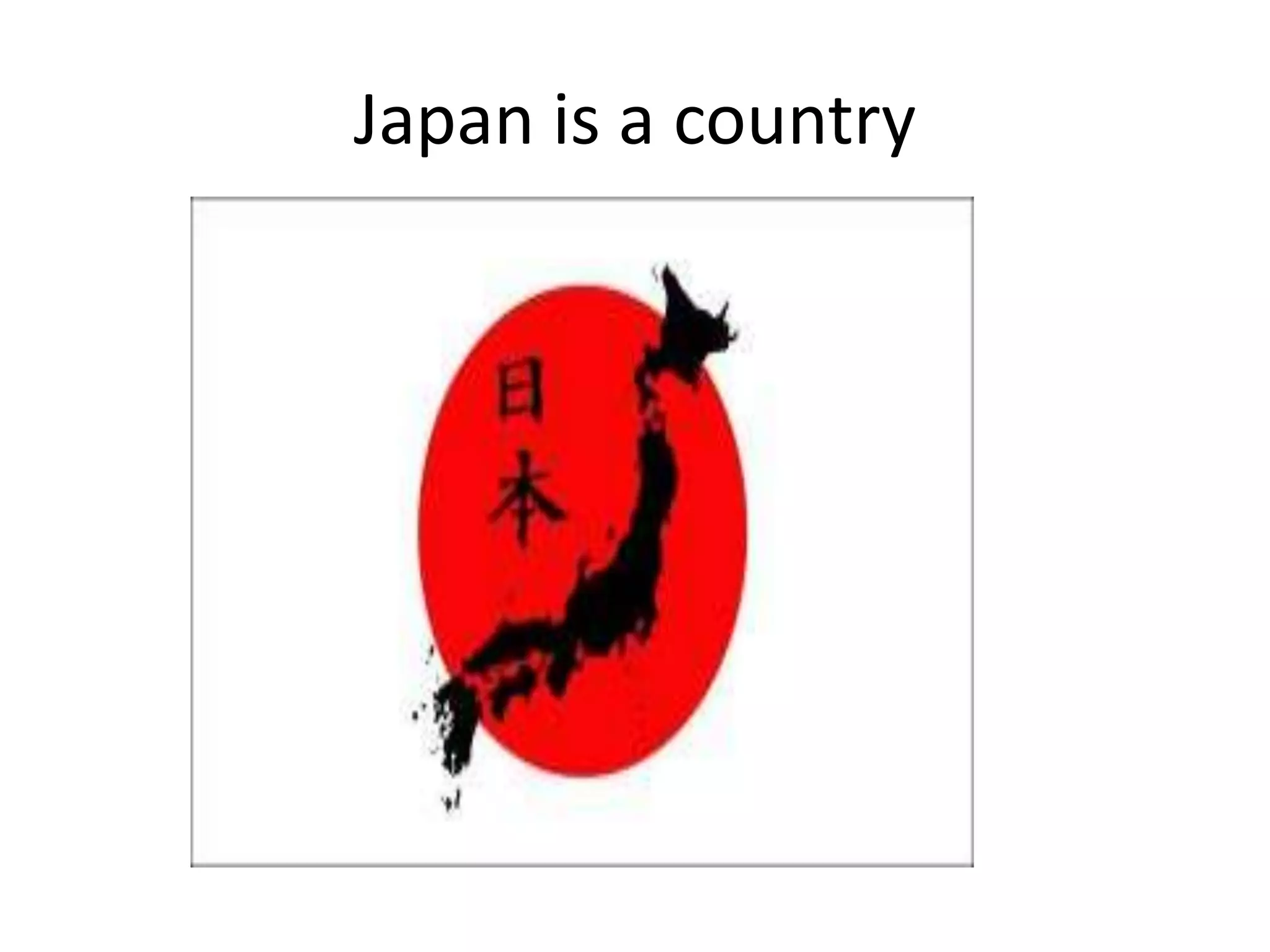
Japan is a country
Japan is a country
• Country (x)
• x = japan
• Country (japan)
Easy so far?
• Yes
• But what is the point?
• Good question
It helps with computer programming
Peter fell over
• Predicate?
• Fell_over
• How many arguments?
• One – peter
• Fell_over (peter)
Jim donated $100 to the city hospital
• Donated (x,…..n)
• Donated (jim, $100, city_hospital)
• Donated (x, y, z)
• X = Jim
• Y = $100
• Z= the city hospital
Ben hates computers
• Hate (ben, computers)
Eri gave up
• Gave_up (eri)
Eri is a genius
• Genius (eri)
Hit
• Hit ( )
• Hit (x, )
• Hit (x, y)
• X = bill
• Y = ken
• Bill hit Ken
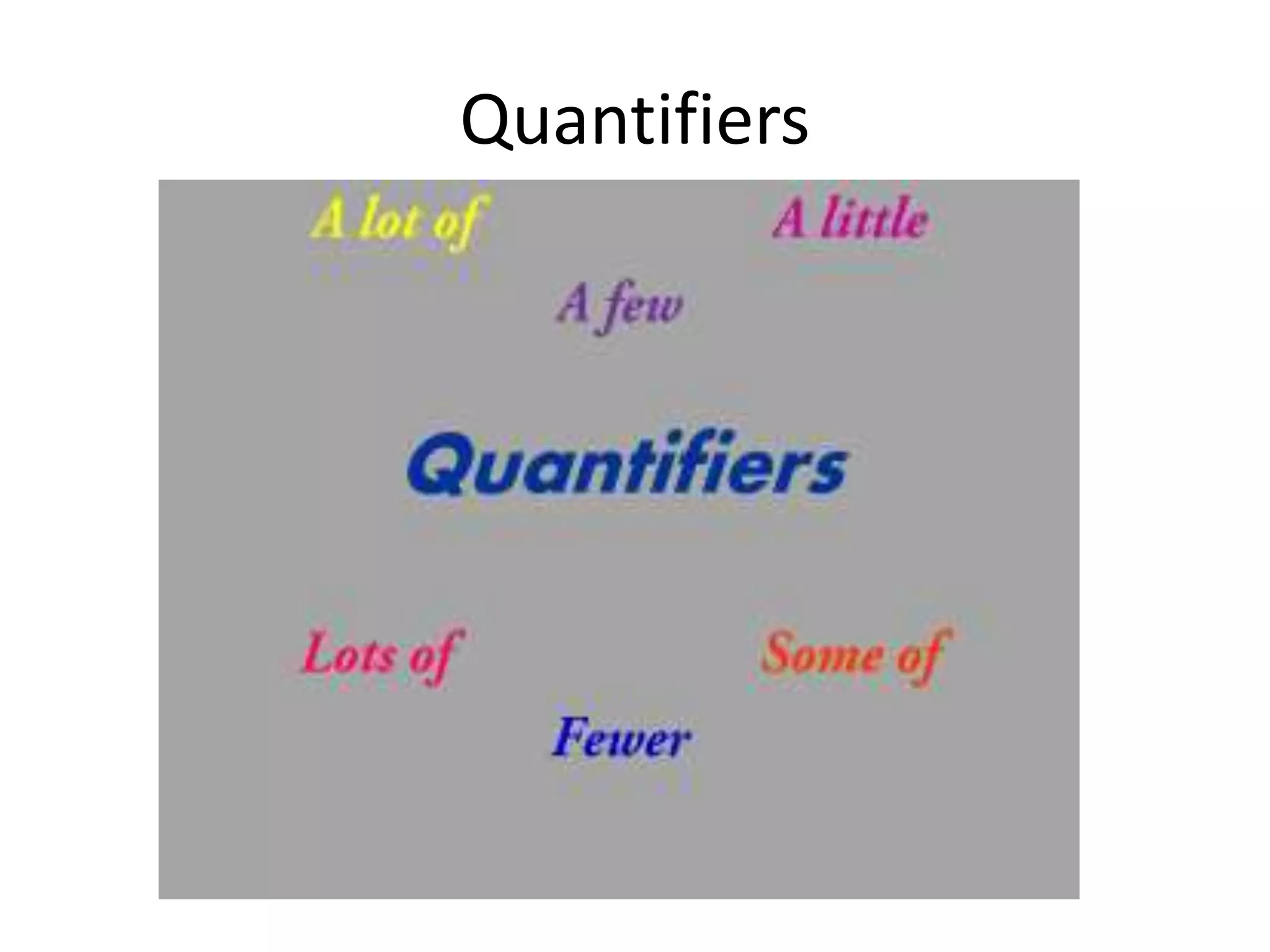
Quantifiers
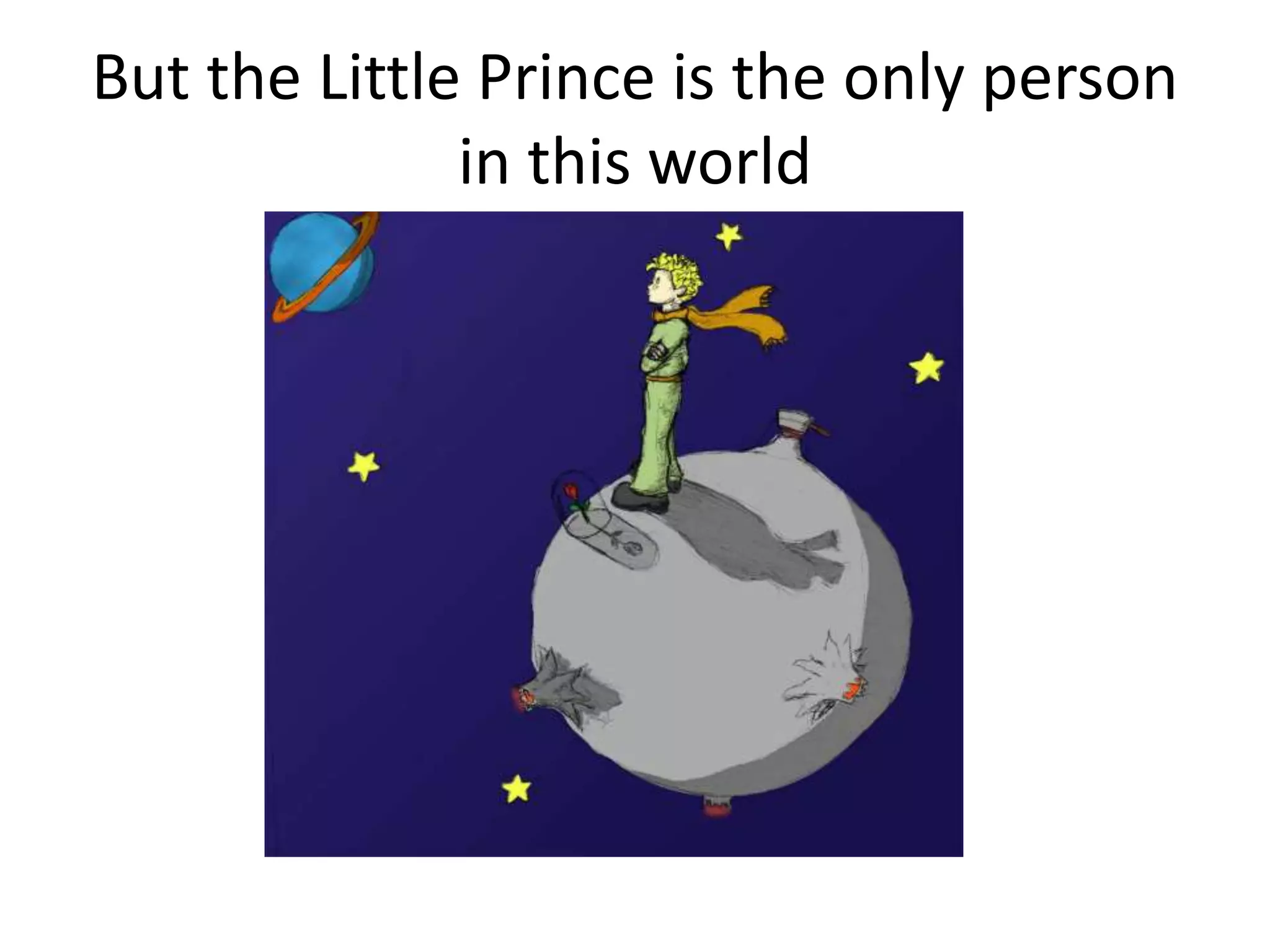
The Little Prince is wearing a brown
scarf
• Wearing_a_brown_scarf (p)
• Wearing (p, b_s)
But the Little Prince is the only person
in this world
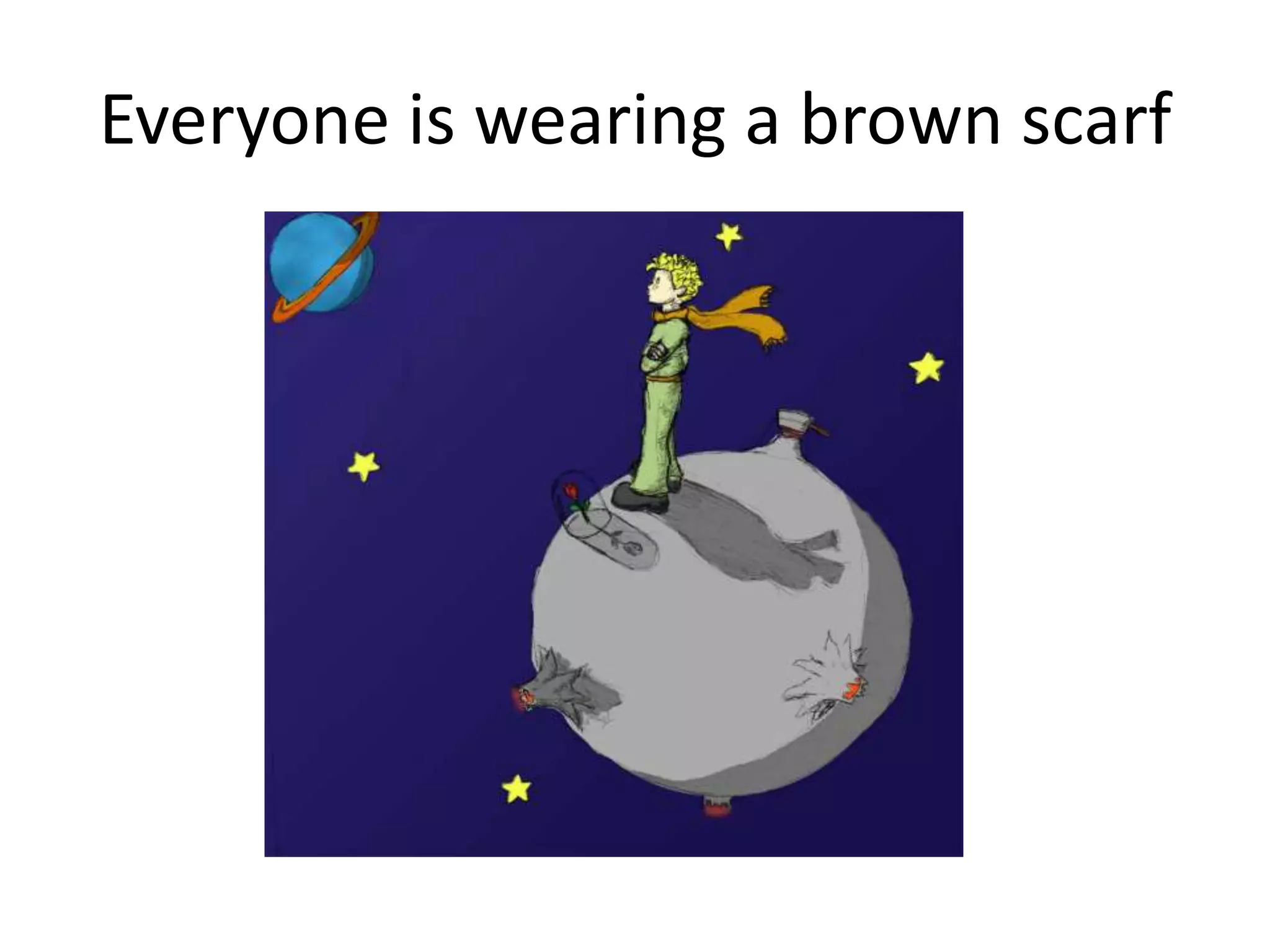
Everyone is wearing a brown scarf
Imagine simple little worlds
What do quantifiers mean?
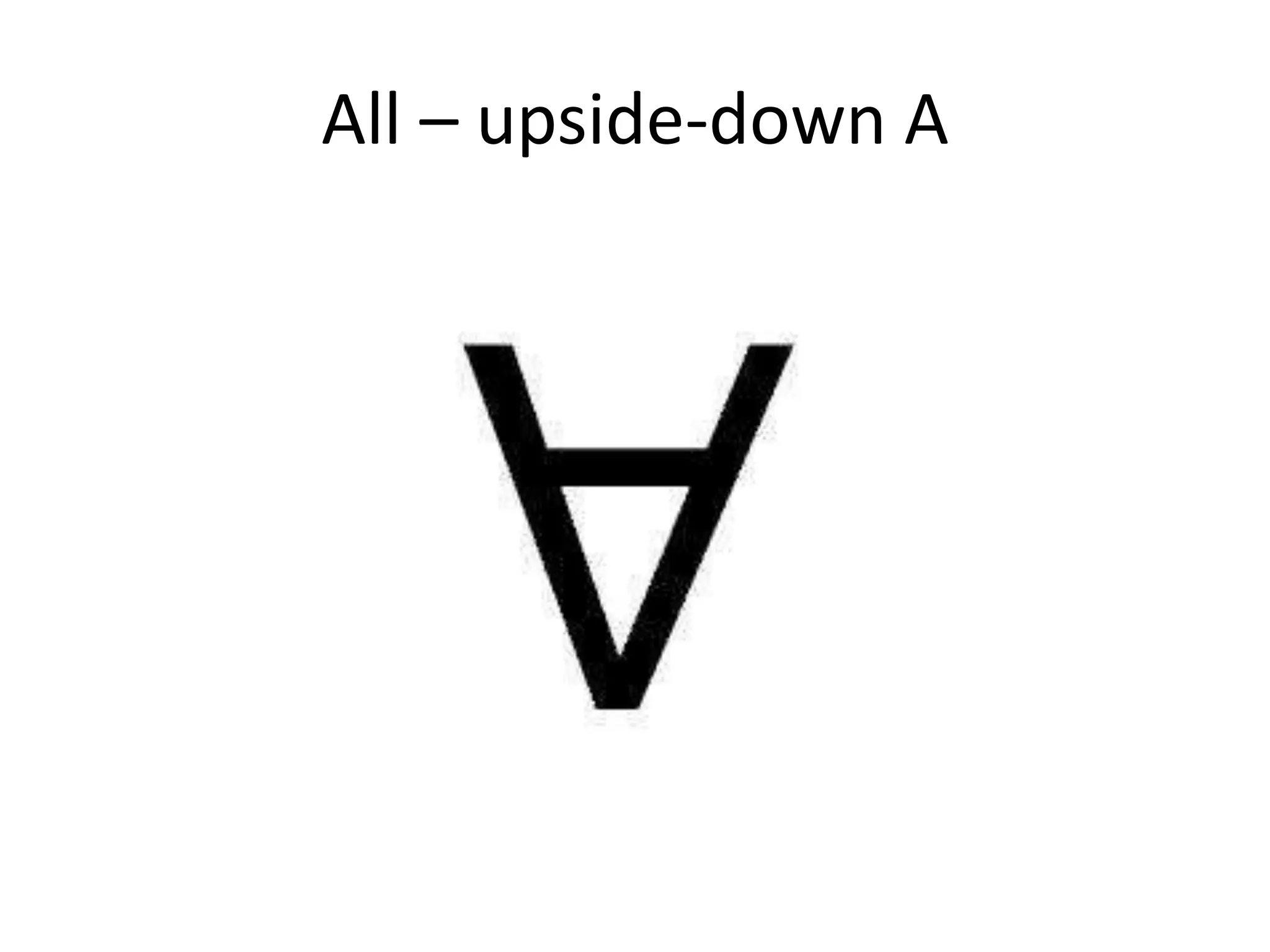
All – upside-down A
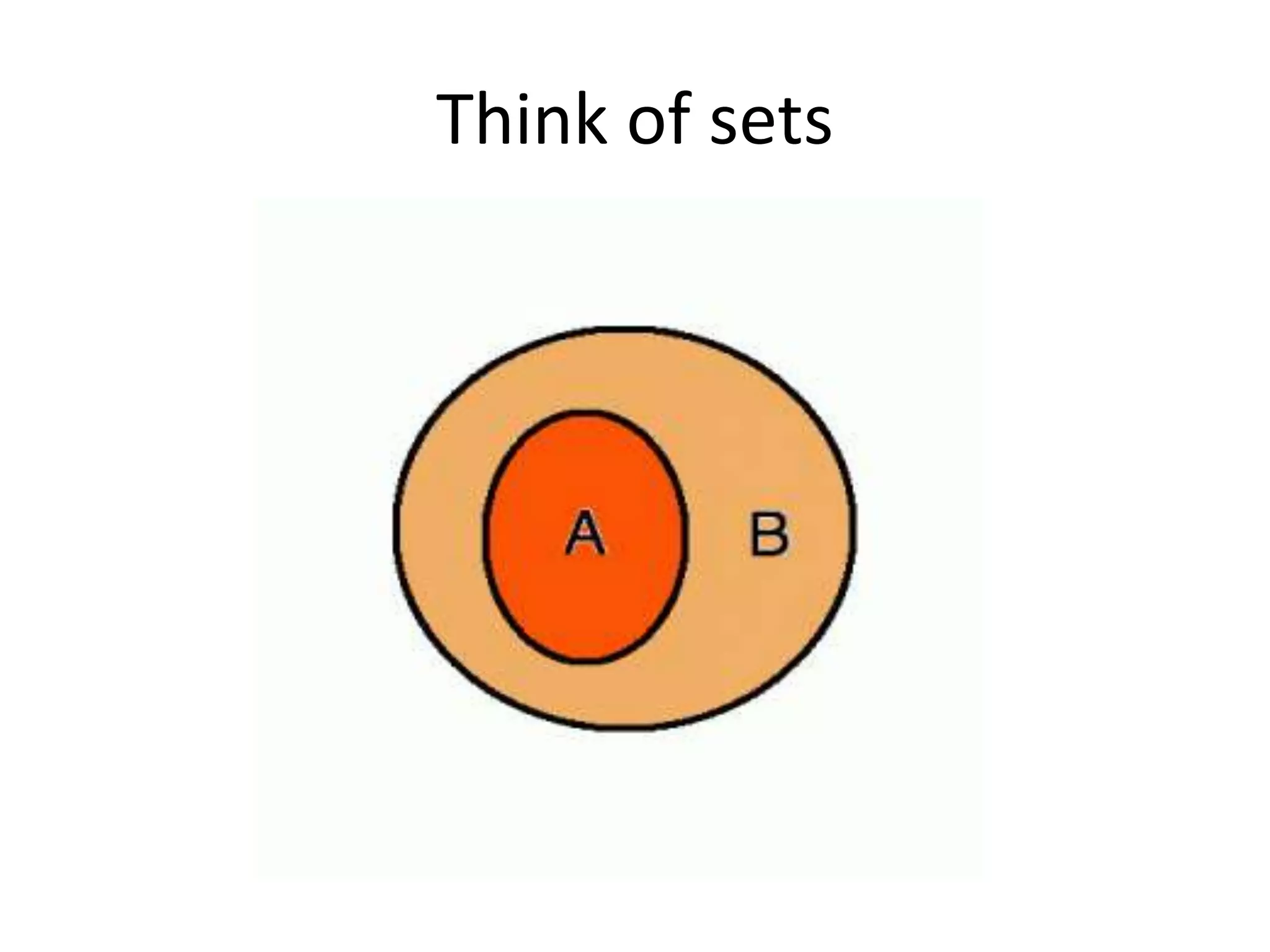
Think of sets
• Two sets
• Set A
• Set B
• Set A = the set of Linguists
• Linguist (x)
• Set B = the set of crazy people
• Crazy_person (x)
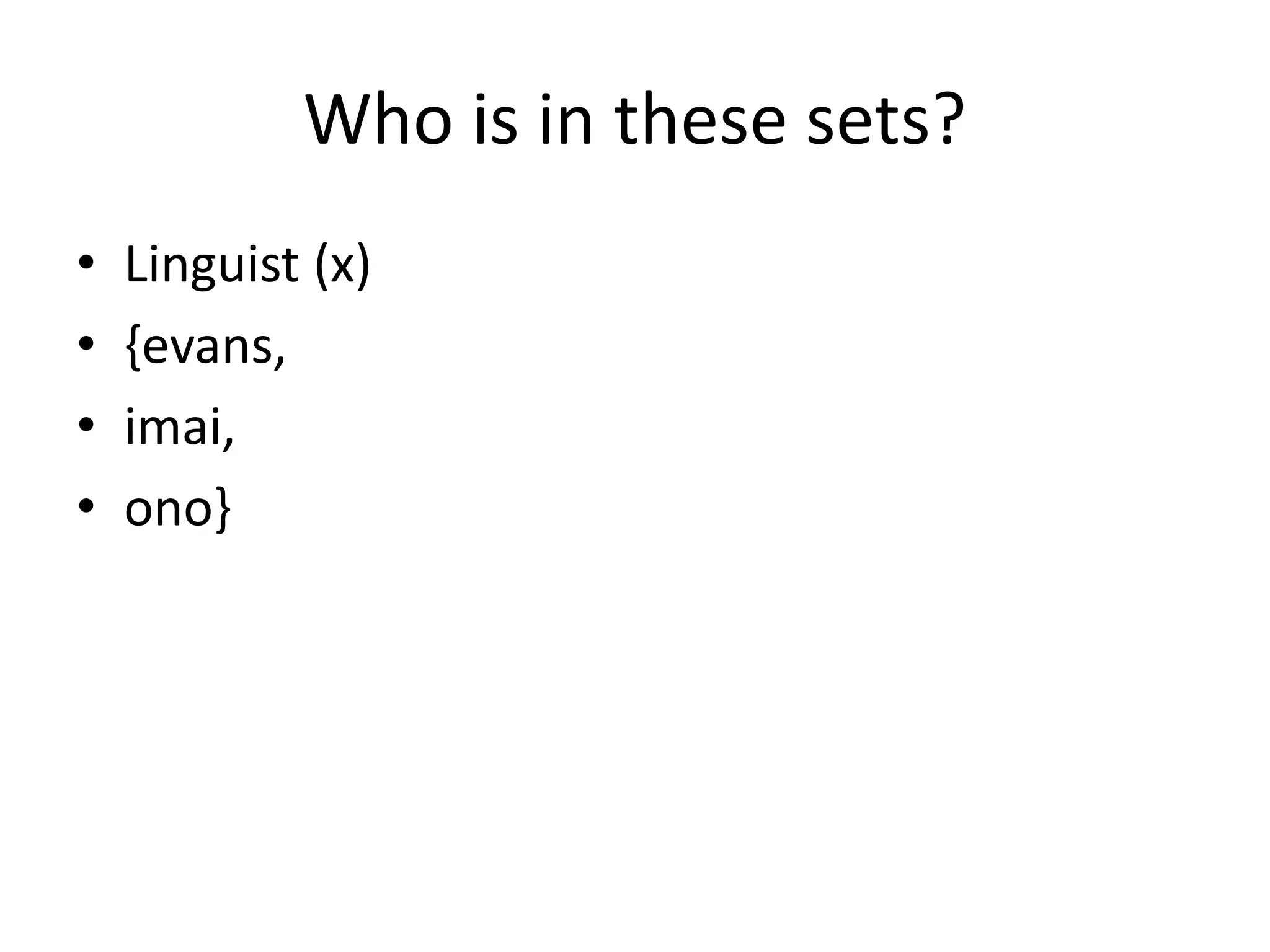
Who is in these sets?
• Linguist (x)
• {evans,
• imai,
• ono}
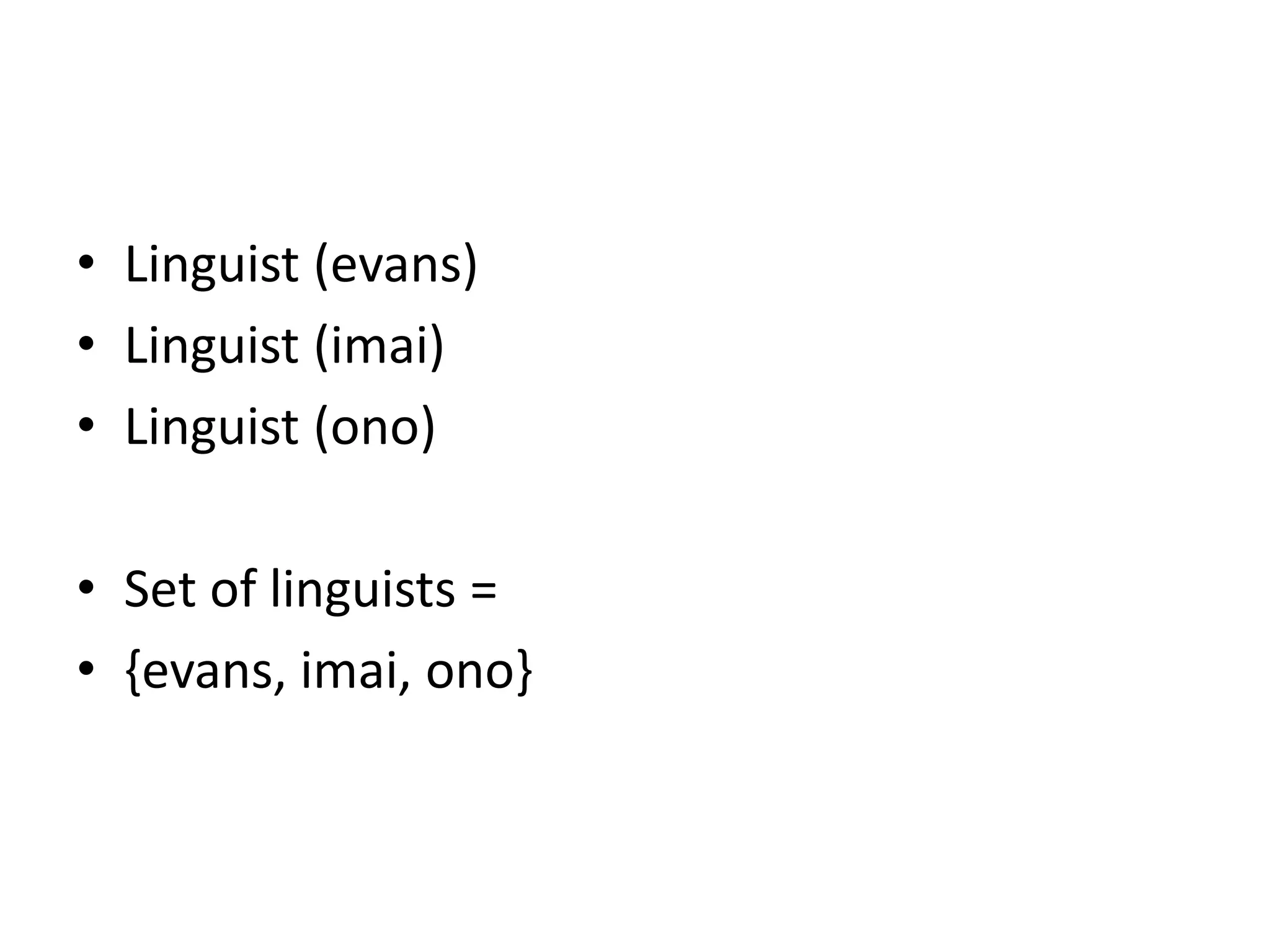
• Linguist (evans)
• Linguist (imai)
• Linguist (ono)
• Set of linguists =
• {evans, imai, ono}
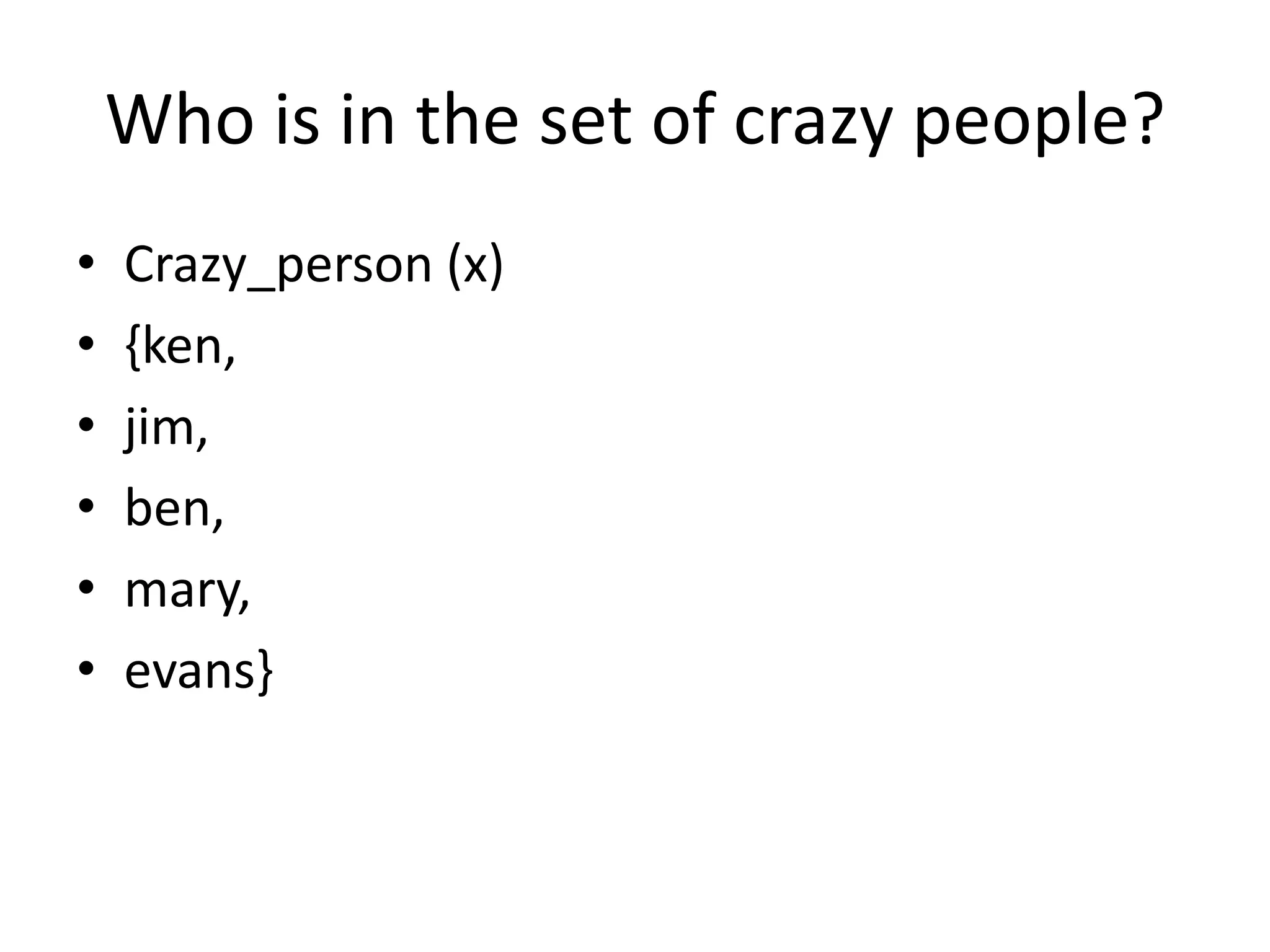
Who is in the set of crazy people?
• Crazy_person (x)
• {ken,
• jim,
• ben,
• mary,
• evans}
• Crazy_person (evans)
• Crazy_person (ken)
• Crazy_person (jim)
• Crazy_person (ben)
• Crazy_person (mary)
All linguists are crazy
• ∀x (Linguist (x)  Crazy_person (x))
• Is this true?
• For all individuals x, if x is in the set of
Linguists, x is also in the set of Crazy persons.
• Set A = the set of Linguists
• Linguist (x)
• Set B = the set of crazy people
• Crazy_person (x)
Who is in these sets?
• Linguist (x)
• {evans,
• imai,
• ono}
Who is in the set of crazy people?
• Crazy_person (x)
• {ken,
• jim,
• ben,
• mary,
• evans}
All linguists are crazy
• ∀x (Linguist (x)  Crazy_person (x))
• Is Untrue
• Because two members of the set of linguists
are not in the set of crazy people.
Some linguists are crazy
• Is this True?
Some linguists are crazy
• ∃x (Linguist (x) & Crazy_person (x))
• Backward E
• Existential Quantifier
• There is at least one individual x
• x is a linguist
• And x is crazy
Who is in the set of crazy people?
• Crazy_person (x)
• {ken,
• jim,
• ben,
• mary,
• evans}
Evans is in the set of crazy people
• So this is true
• ∃x (Linguist (x) & Crazy_person (x))
• Backward E
• Existential Quantifier
• There is at least one individual x
• x is a linguist
• And x is crazy
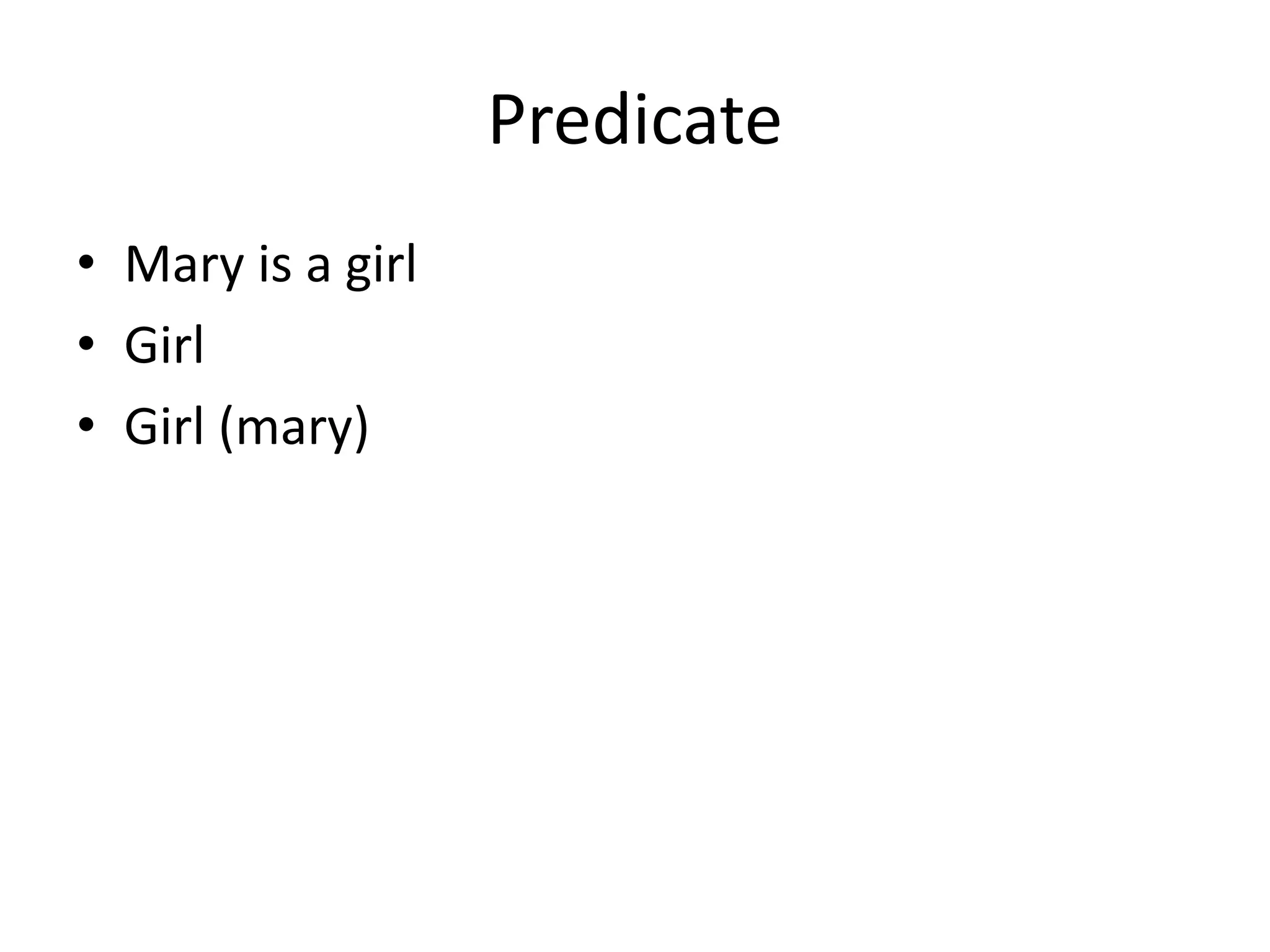
Predicate
• Mary is a girl
• Girl
• Girl (mary)
Predicate
• Mary lives in Tsuru
• Lives_in_Tsuru (mary)
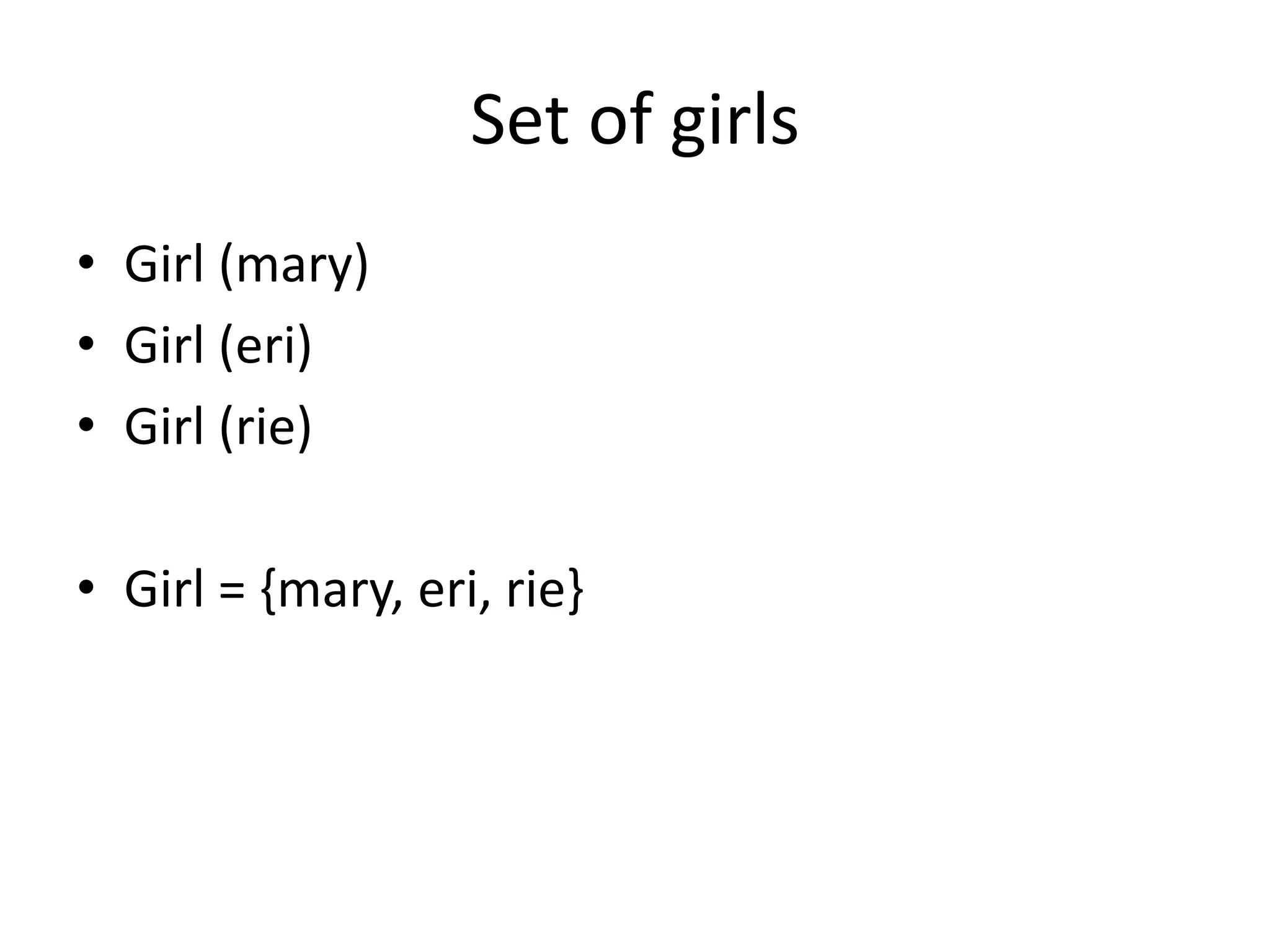
Set of girls
• Girl (mary)
• Girl (eri)
• Girl (rie)
• Girl = {mary, eri, rie}
Set of people who live in Tsuru
• Live_in_tsuru (ben)
• Live_in_tsuru (ken)
• Live_in_tsuru (mary)
• Live in Tsuru = {ben, ken, mary}
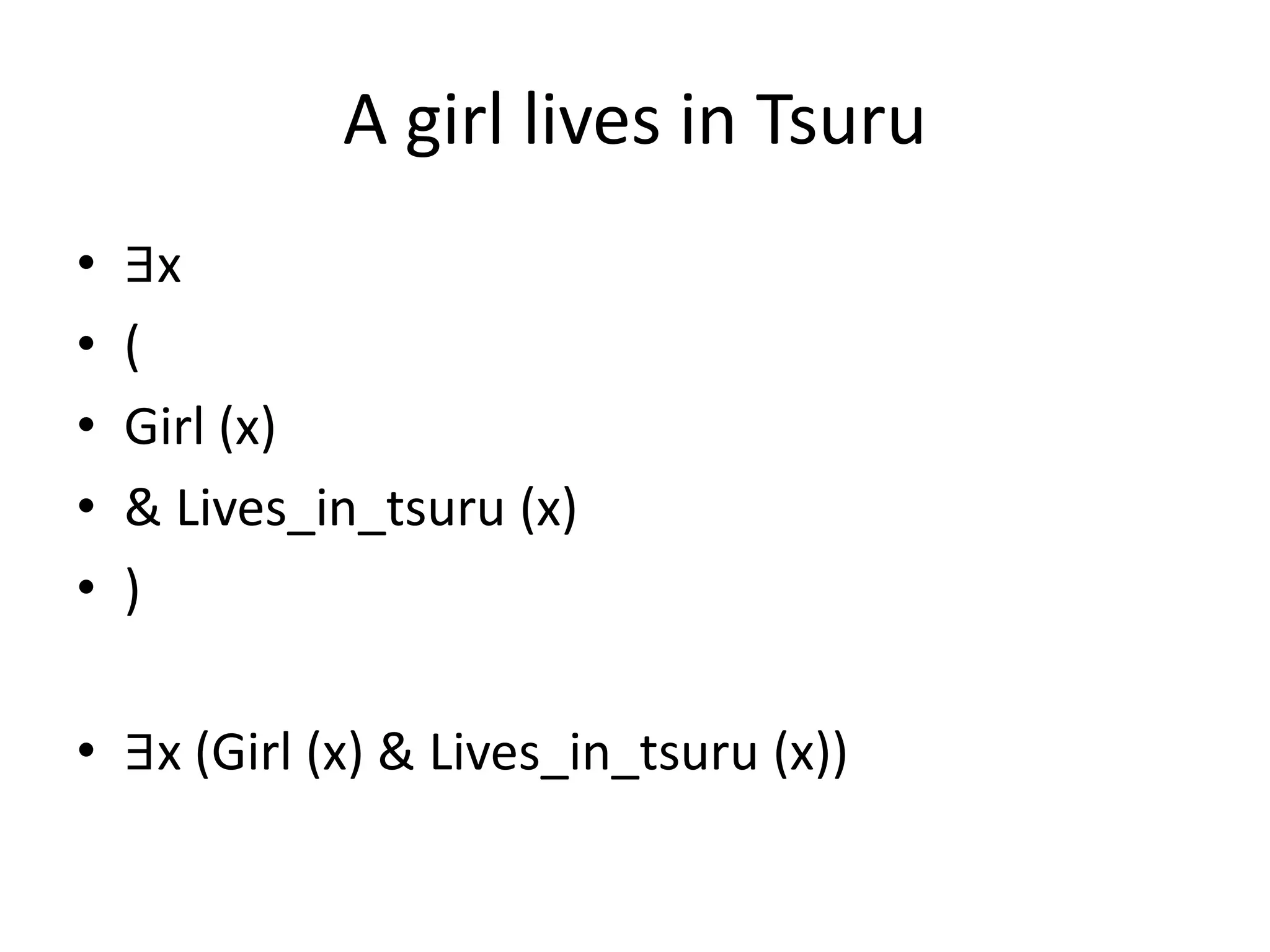
A girl lives in Tsuru
• ∃x
• (
• Girl (x)
• & Lives_in_tsuru (x)
• )
• ∃x (Girl (x) & Lives_in_tsuru (x))
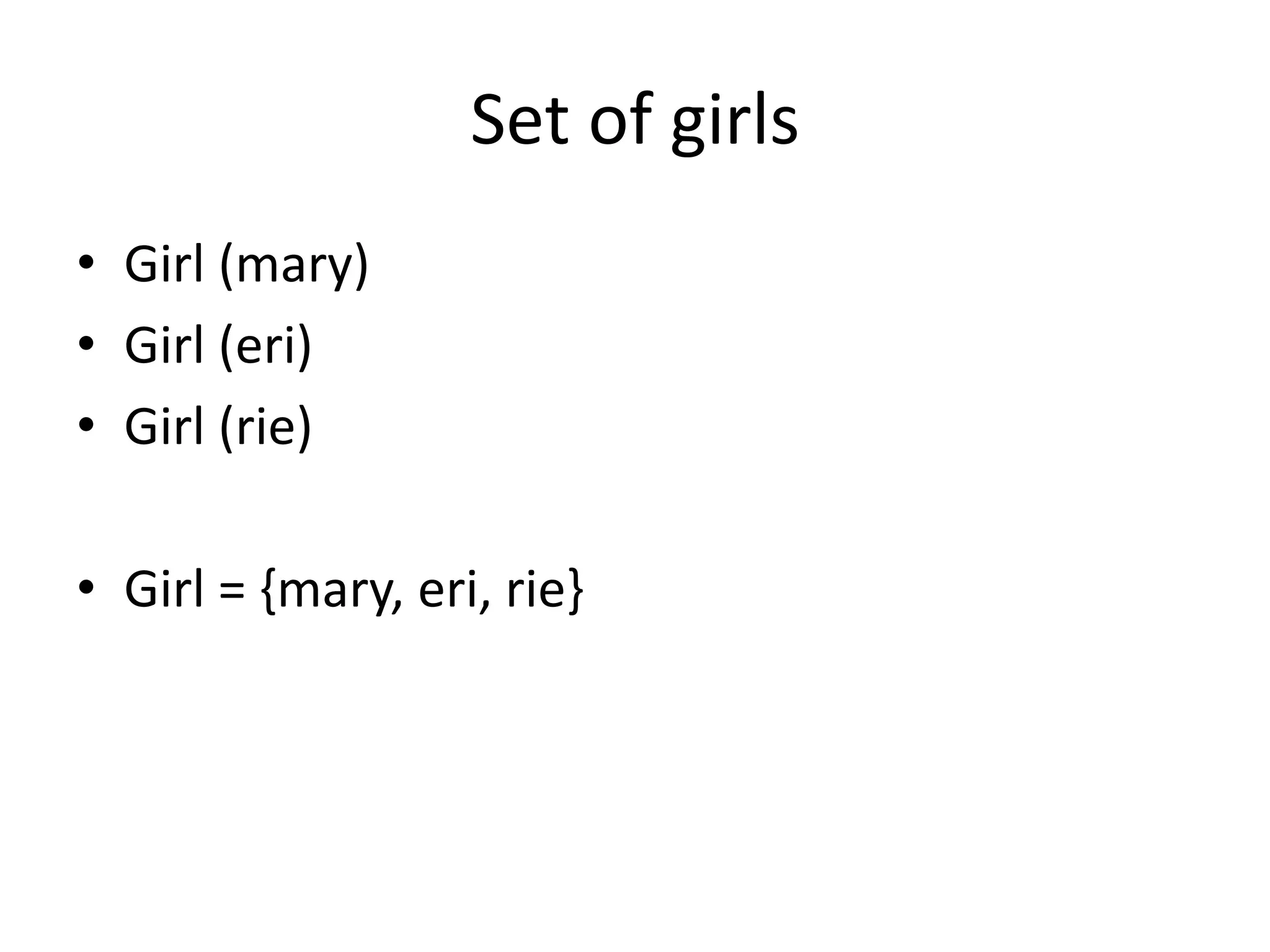
Set of girls
• Girl (mary)
• Girl (eri)
• Girl (rie)
• Girl = {mary, eri, rie}
Set of people who live in Tsuru
• Live_in_tsuru (ben)
• Live_in_tsuru (ken)
• Live_in_tsuru (mary)
• Live in Tsuru = {ben, ken, mary}
• ∃x (Girl (x) & Lives_in_tsuru (x))
• Is True!
A girl lives in Fujiyoshida
• ∃x
• (
• Girl (x)
• & Lives_in_fujiyoshida (x)
• )
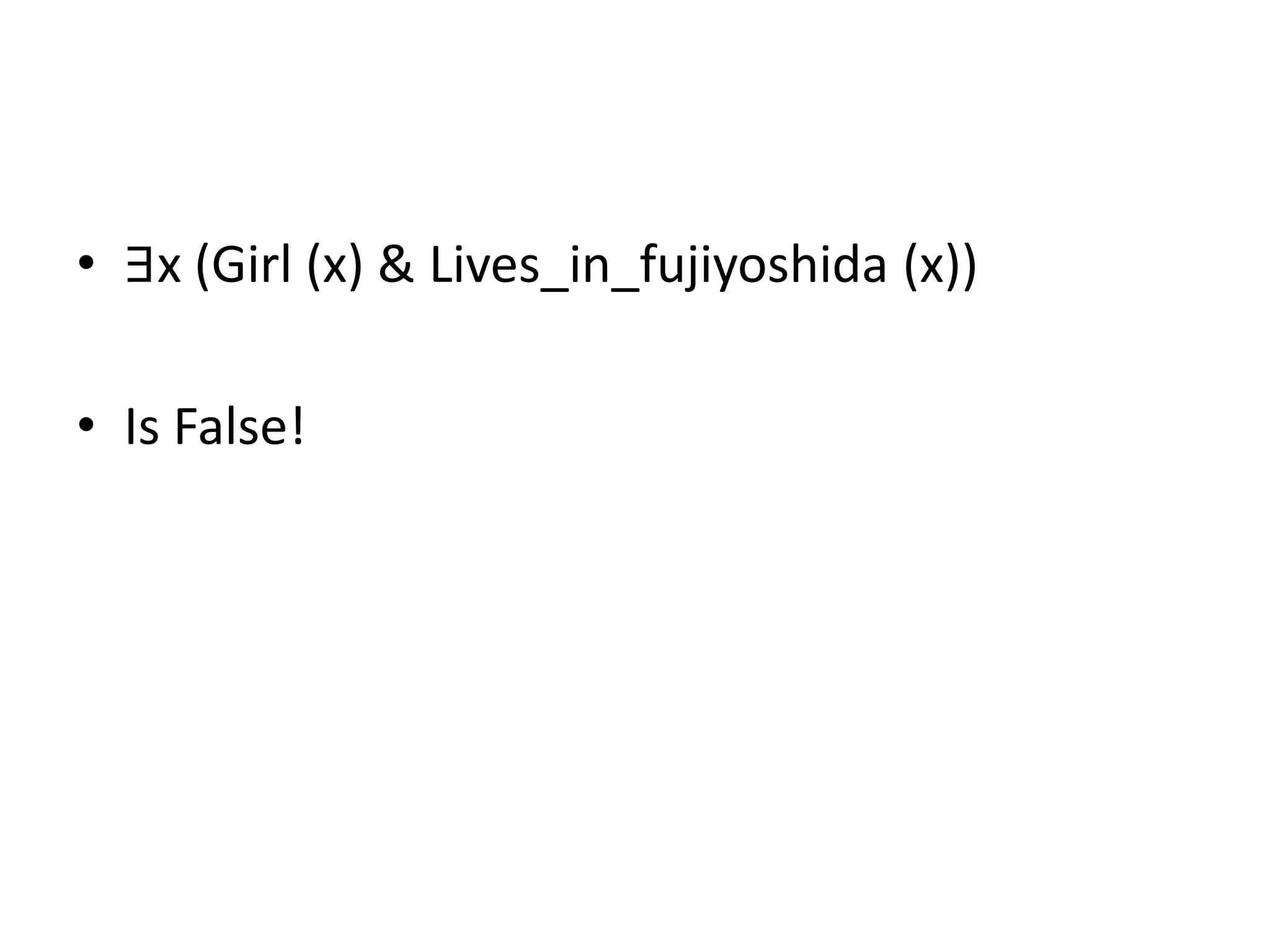
• ∃x (Girl (x) & Lives_in_fujiyoshida (x))
Set of girls
• Girl (mary)
• Girl (eri)
• Girl (rie)
• Girl = {mary, eri, rie}
Set of people who live in Fujiyoshida
• Live_in_tsuru (ben)
• Live_in_tsuru (len)
• Live_in_tsuru (stan)
• Live in Tsuru = {ben, len, stan}
• ∃x (Girl (x) & Lives_in_fujiyoshida (x))
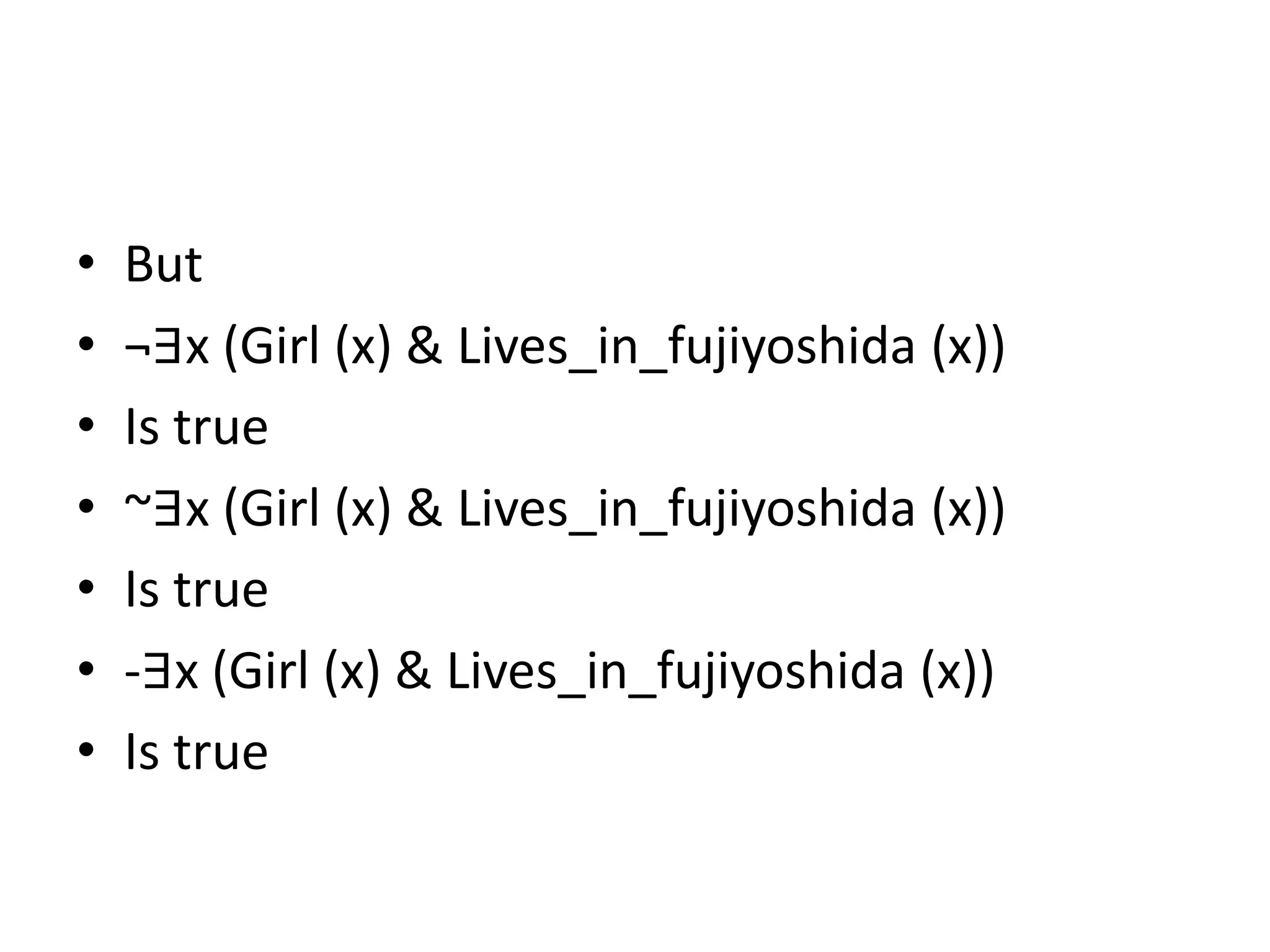
• Is False!
• But
• ¬∃x (Girl (x) & Lives_in_fujiyoshida (x))
• Is true
• ~∃x (Girl (x) & Lives_in_fujiyoshida (x))
• Is true
• -∃x (Girl (x) & Lives_in_fujiyoshida (x))
• Is true
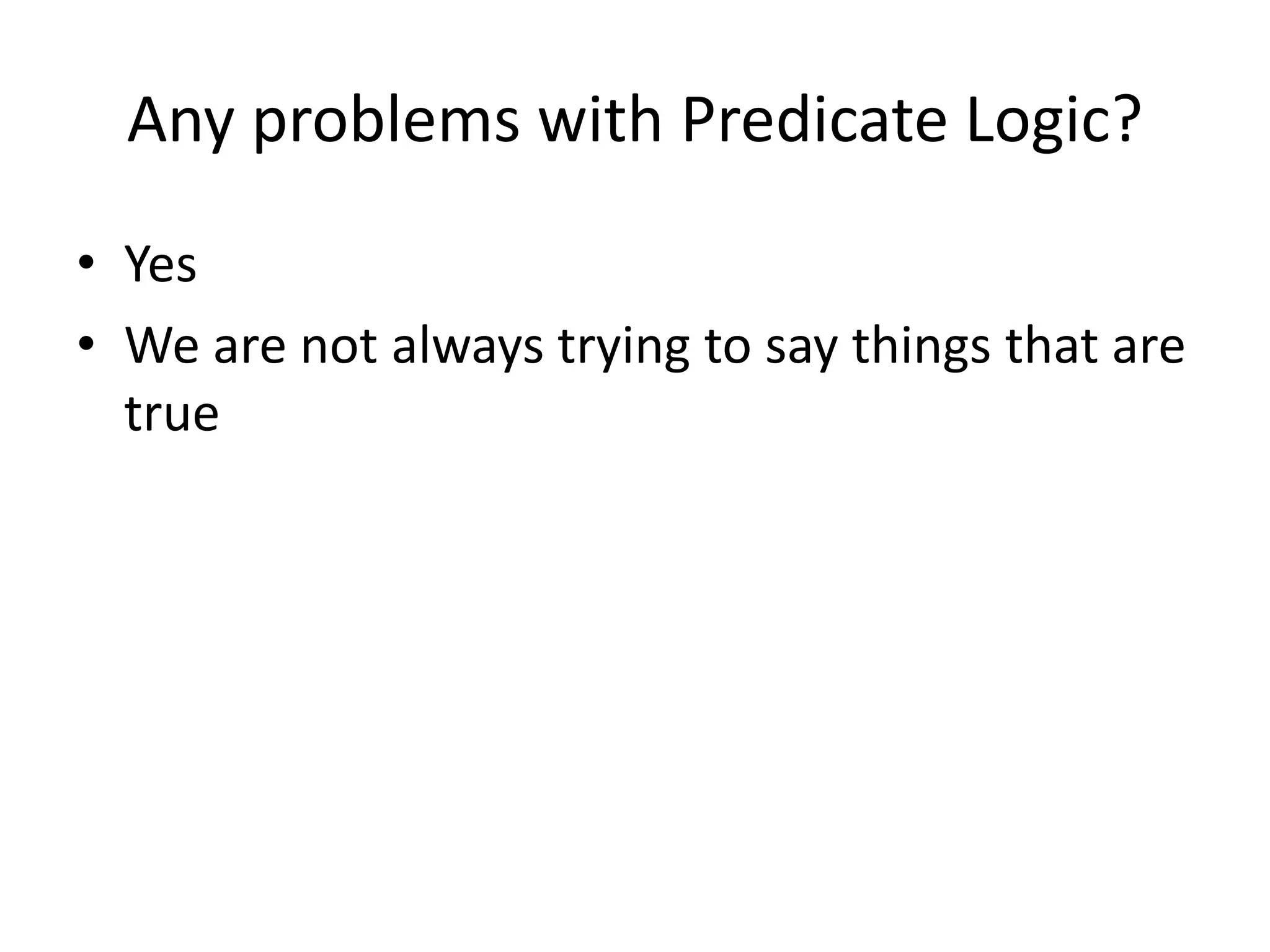
Any problems with Predicate Logic?
• Yes
• We are not always trying to say things that are
true
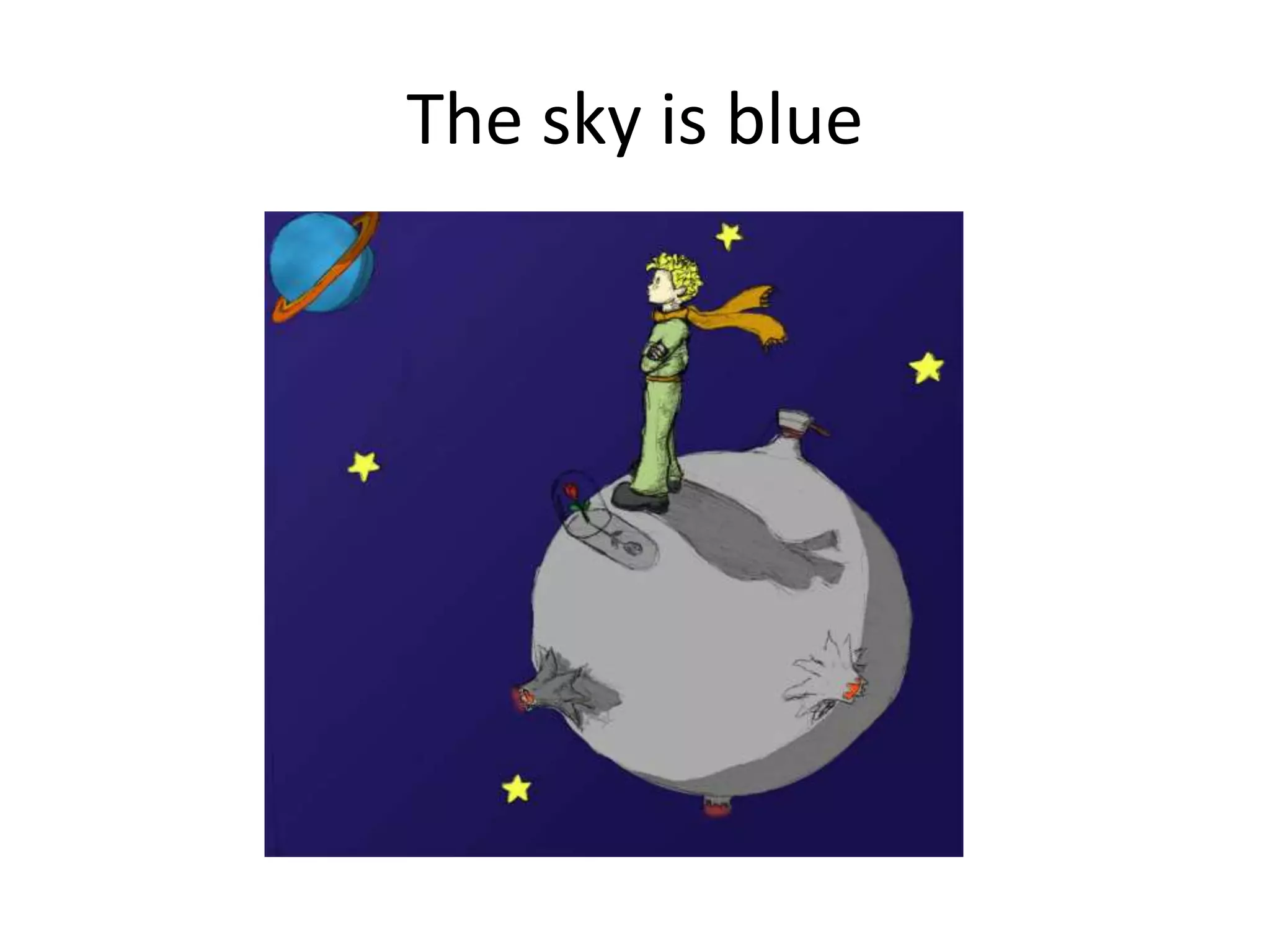
The sky is blue
We don’t say the sky is blue at night
Even though it’s true
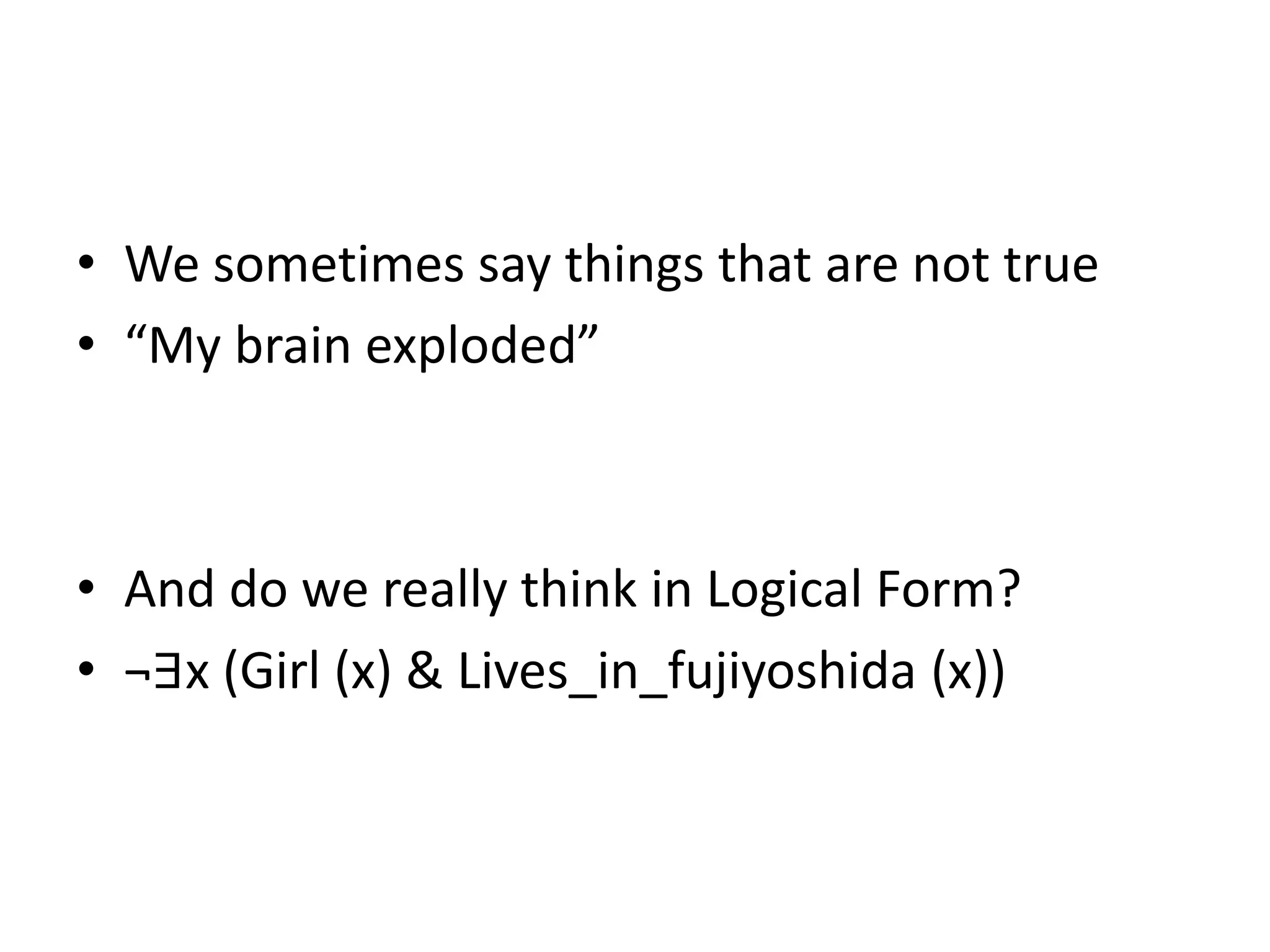
• We sometimes say things that are not true
• “My brain exploded”
• And do we really think in Logical Form?
• ¬∃x (Girl (x) & Lives_in_fujiyoshida (x))
• And if I say “A girl lives in Fujiyoshida” …
• … is it really a statement about existence of an
individual?
• Or am I more concerned with number
• Or the fact that we’re talking about a girl
rather than a boy?
• Or a girl rather than a woman?
• Or something else related to CONTEXT?
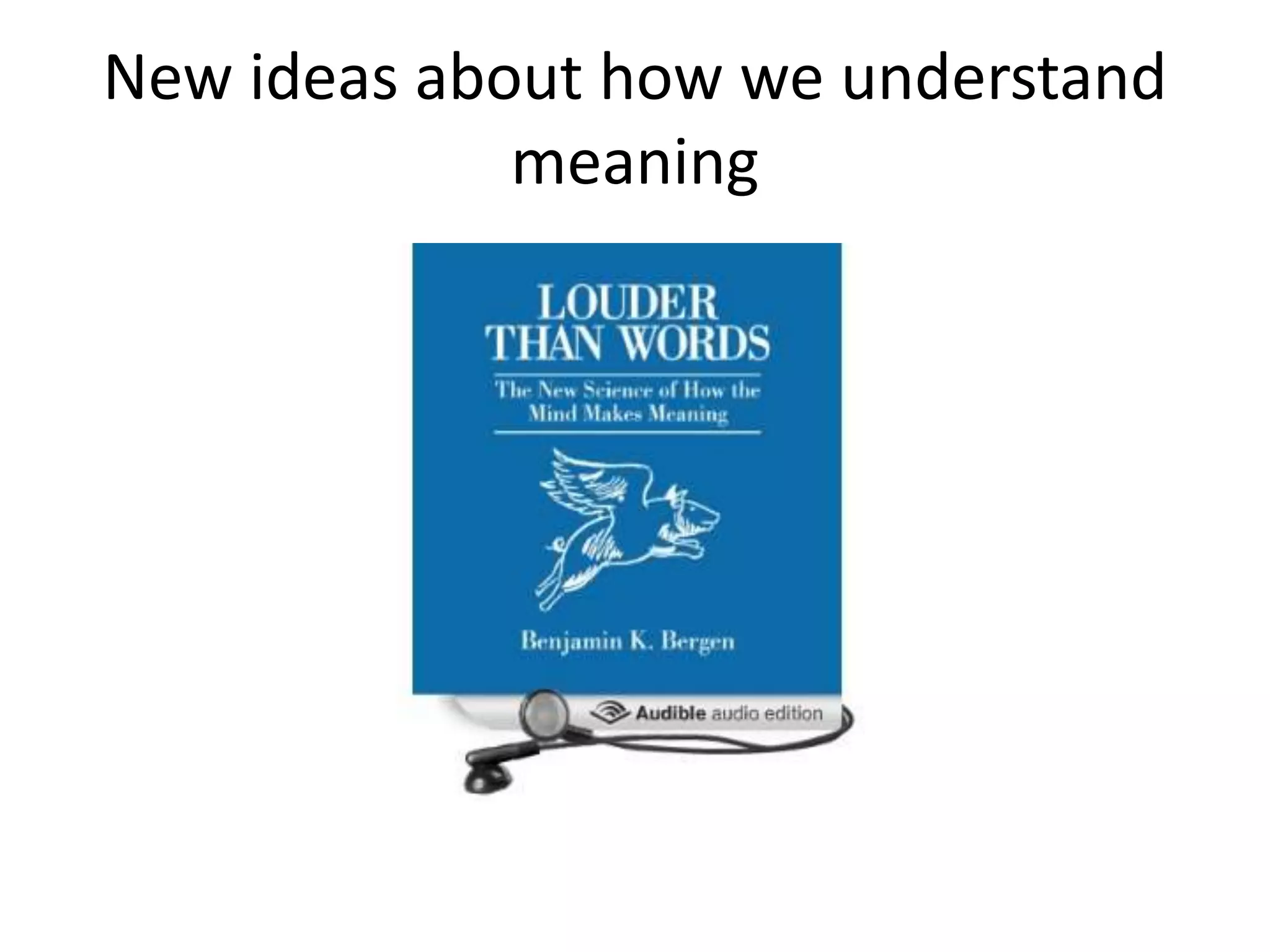
New ideas about how we understand
meaning
Strong evidence for IMAGES rather
than CODE
Strong evidence for ACTION simulation
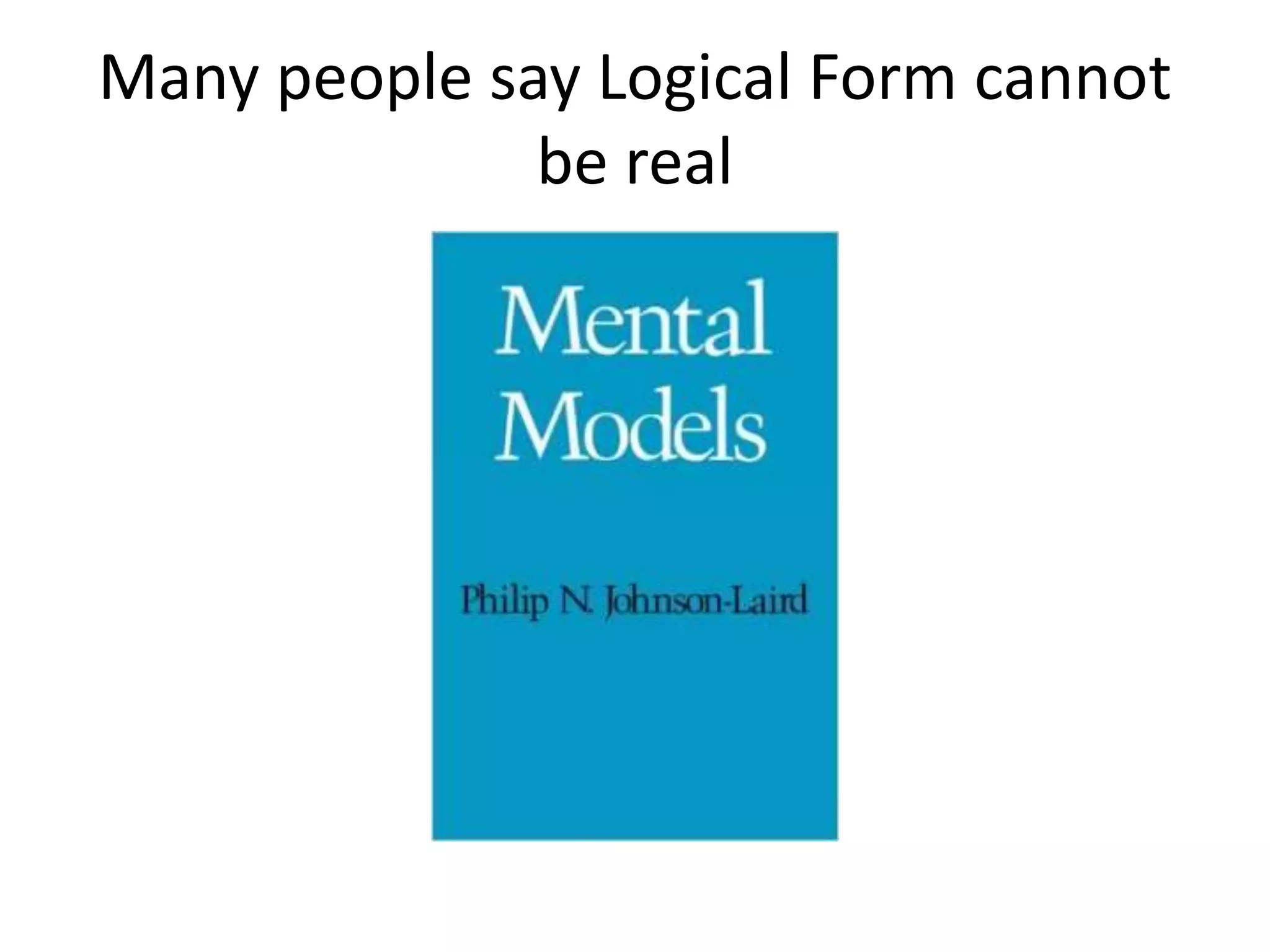
Mental Models as IMAGES
Many people say Logical Form cannot
be real
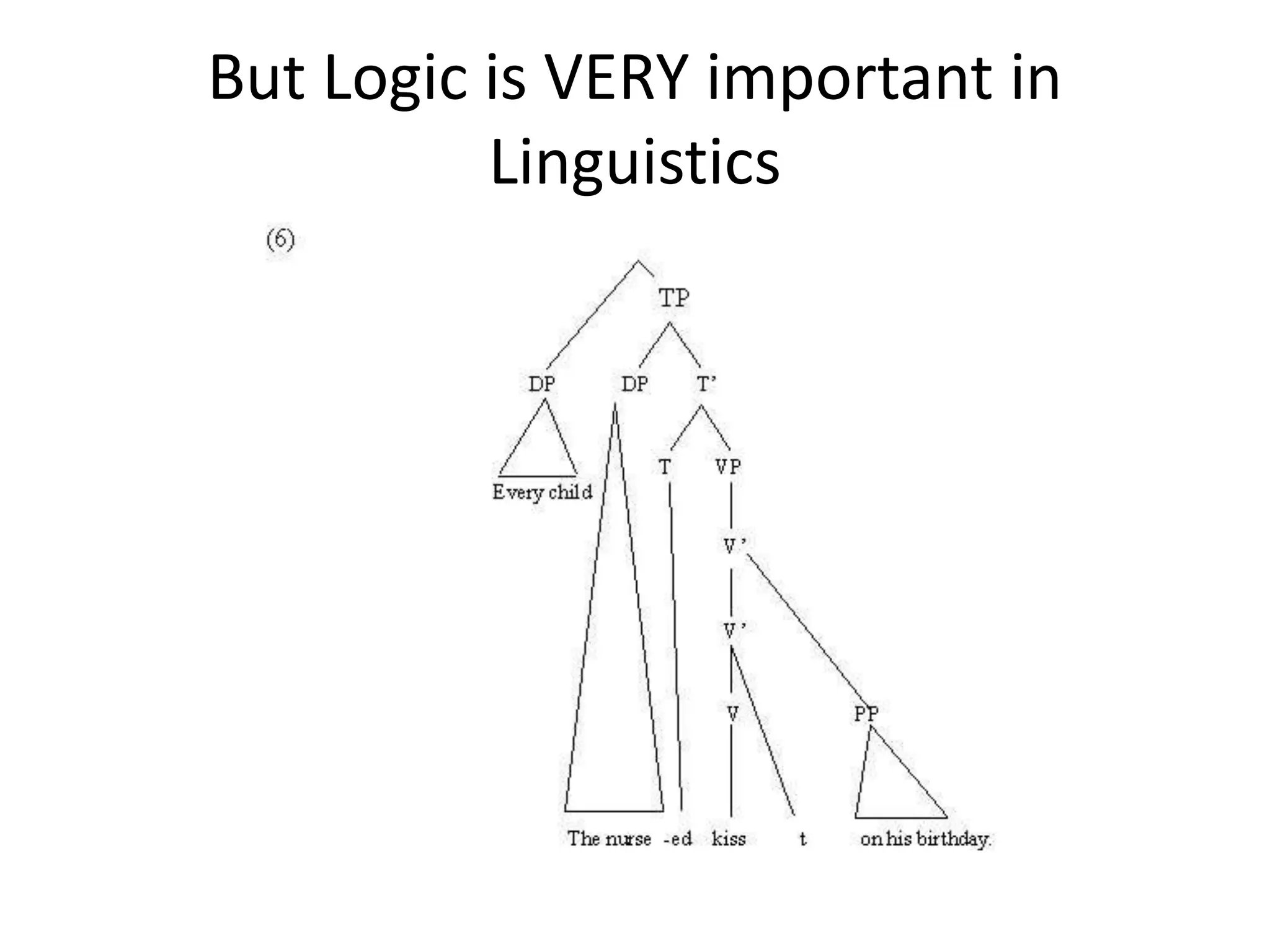
But Logic is VERY important in
Linguistics!
• The nurse kissed every child on his birthday.
• [The nurse] kissed [every child] on his birthday.
• Kissed (nurse, every_child)
• ∀x (Child (x)  Kissed (nurse, x)) on x’s
birthday
• The nurse kissed every child on his birthday
But Logic is VERY important in
Linguistics
p → q
• p = Jim is dead
• q = Mary is sad
• p → q = If Jim is dead, Mary is sad
p V q
• p = My parrot is clever
• q = Taro fell over
• p V q = (either) my parrot is clever or Taro fell
over
p → q
• p = I study hard
• q = I will pass the test
• p → q = If I study hard, I will pass the test
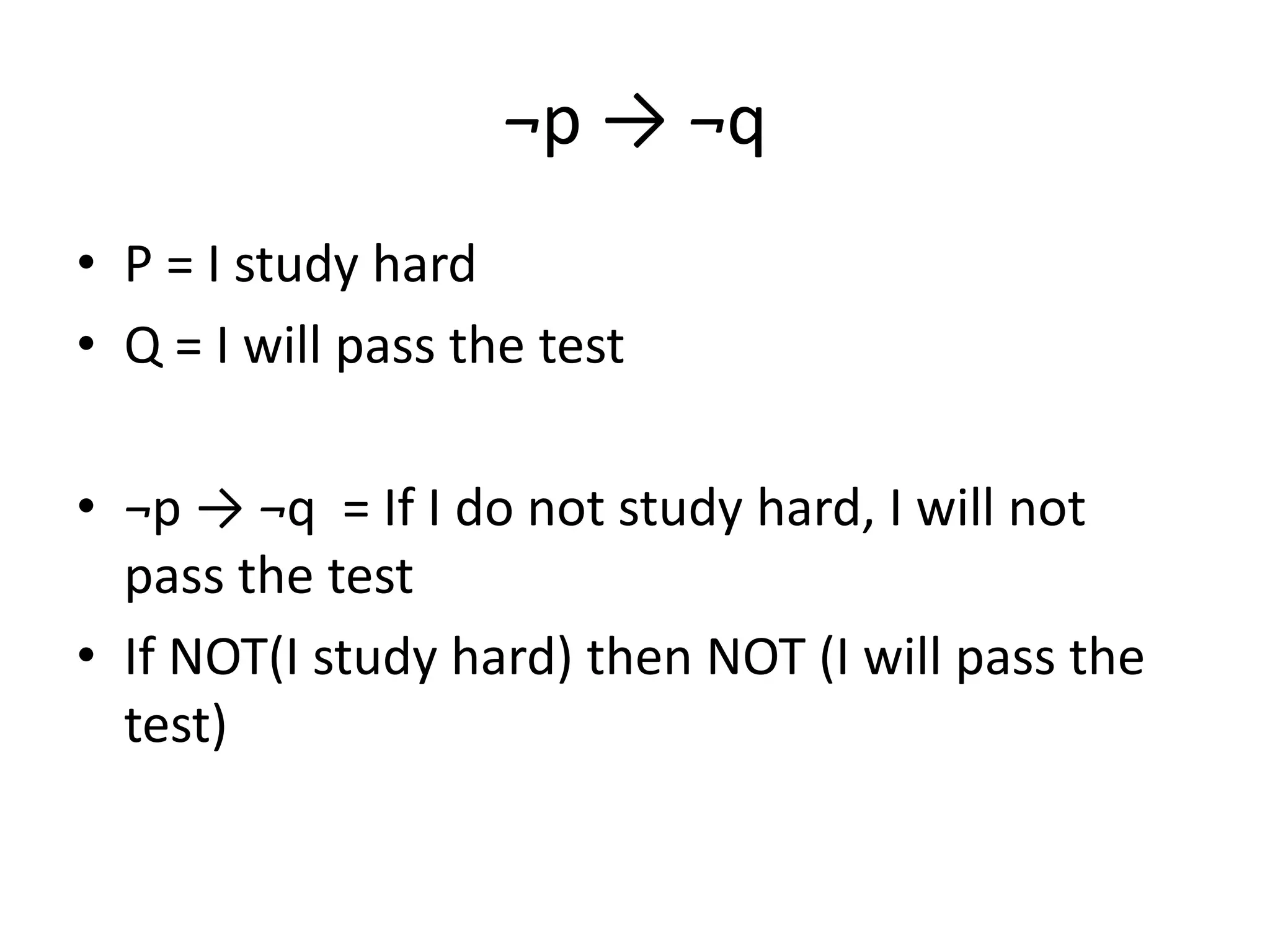
¬p → ¬q
• P = I study hard
• Q = I will pass the test
• ¬p → ¬q = If I do not study hard, I will not
pass the test
• If NOT(I study hard) then NOT (I will pass the
test)
p → q
• Normal everyday values for p and q
• p = a bear has warm blood
• q = a bear is a mammal
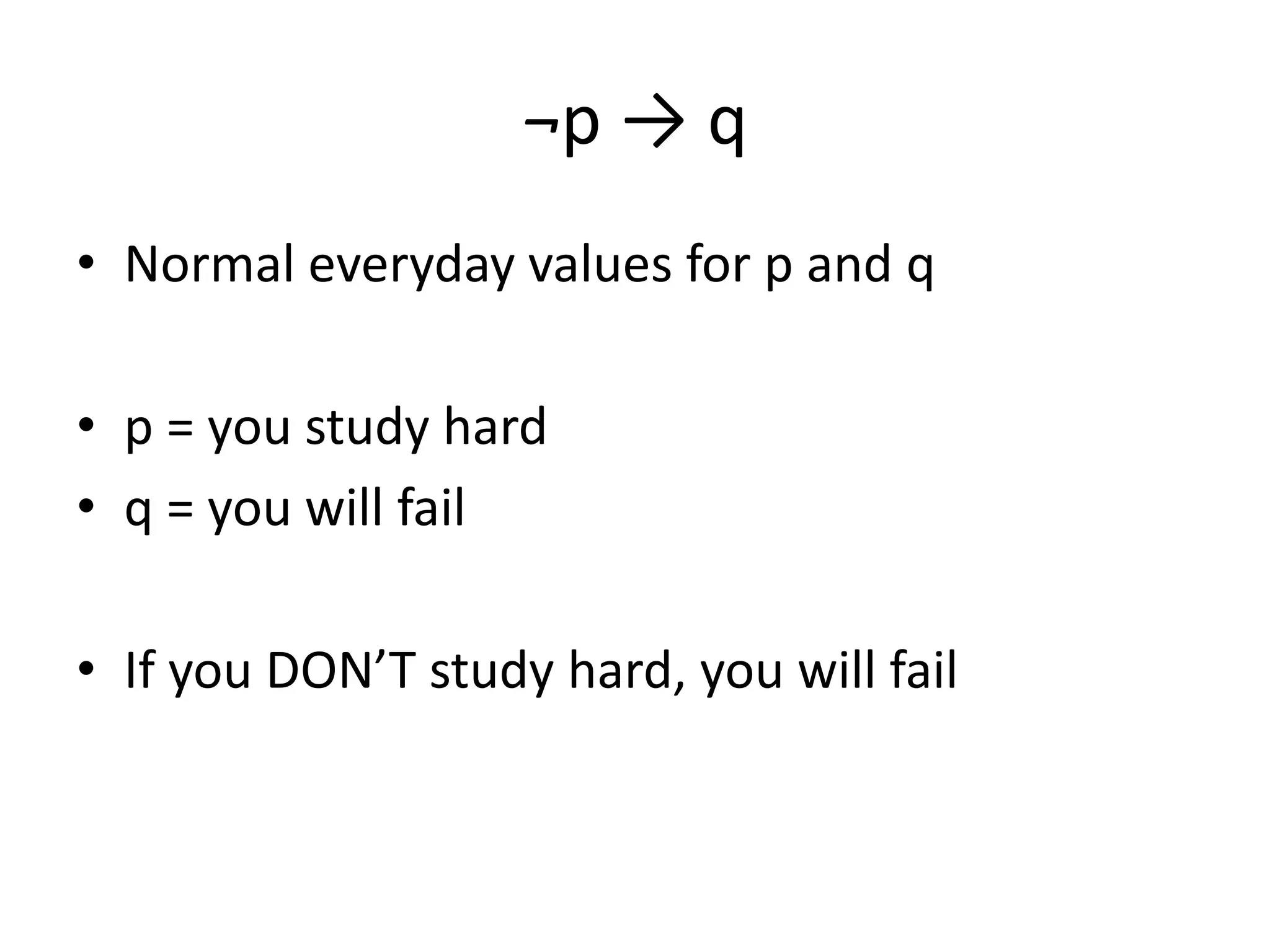
¬p → q
• Normal everyday values for p and q
• p = you study hard
• q = you will fail
• If you DON’T study hard, you will fail
∃x(G(x) & F(x))
• G = Girl
• F = Lives in Fujiyoshida
• ∃x(G(x) & F(x))
• A girl lives in Fujiyoshida
∀ x(S(x) → C(x))
• S = Student
• C = Cried
• ∀ x(S(x) → C(x))
• Every student cried
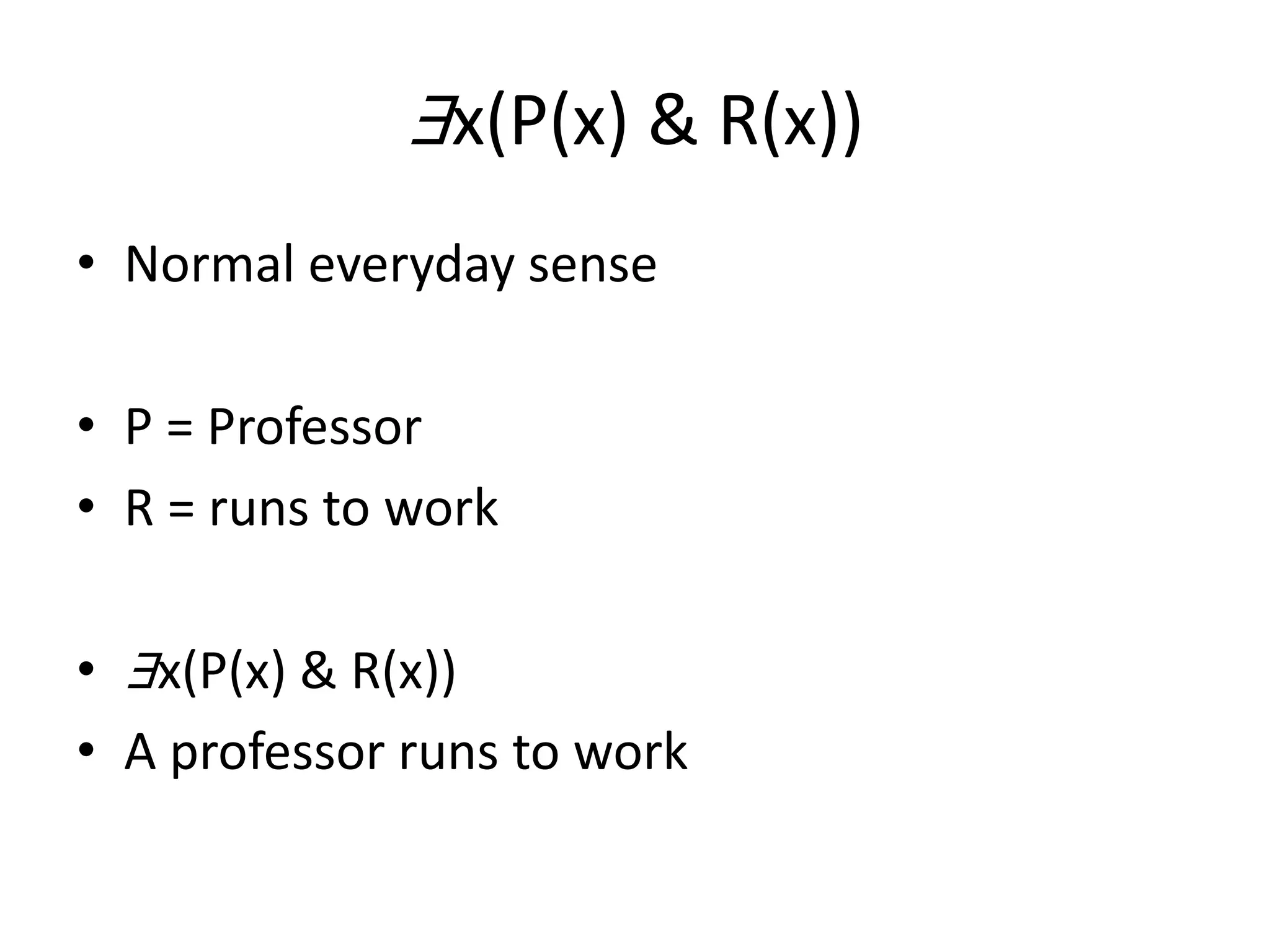
∃x(P(x) & R(x))
• Normal everyday sense
• P = Professor
• R = runs to work
• ∃x(P(x) & R(x))
• A professor runs to work
∀ x(J(x) → K(x))
• Normal everyday sense
• J = car
• K = crashed
• ∀ x(J(x) → K(x))
• Every car crashed
Modern Linguistics
• Studying language helps us understand the
human brain
• Do you think the human brain works like
computer code?
• Do you think studying language tells us
something about the brain?

Sentence sem1update

  • 1.
  • 2.
  • 3.
    Boredom • Classes • Meetings •No problems • Playing computer games • Free time
  • 4.
    Blue • Sky • Sea •Music • Soccer team shirt
  • 5.
    Bear • Forest • Zoo •Mountains • Hair
  • 6.
    Bad • Politicians • Globalwarming • Examinations • Stress
  • 7.
    Every • Same asall together? • Same as each? • Both meanings?
  • 8.
    Sentence semantics •X Y •Logic •Mathematical formulae!!
  • 9.
    Sentence semantics •X Y •Logic •Meaning is like computer code??
  • 10.
    Sentence semantics •X Y •If X, then Y
  • 11.
    If X thenY • If you phone me, I will speak to you • If you study hard, you will pass the test • If I get up early, I will be able to go to the zoo • If you put the air conditoner on, it will get cooler • If you give me money, I will be happy
  • 12.
    If X ->Y • If you phone me, I will speak to you • If you study hard, you will pass the test • If I get up early, I will be able to go to the zoo • If you put the air conditoner on, it will get cooler • If you give me money, I will be happy
  • 13.
    If X ->Y • If you study hard, then you will pass the test • X = Bob is a student • Y = Mary bought the book • If Bob is a student, Mary bought the book • ???? • There doesn’t have to be a logical connection • You can say anything
  • 14.
    Sentence semantics •X &Y  Z •If X and Y, •then Z
  • 15.
    If X &Y, then Z • If you buy me the ticket and I have free time, I will go to the theater with you • If we win and they lose, I will laugh at them • If a bear comes in the classroom and I have a gun, I will shoot it • If I get the job and the job is well-paid, I will be happy • If you drink the beer and you drink the whisky, you will feel bad
  • 16.
    If X &Y  Z • If you buy me the ticket and I have free time, I will go to the theater with you • If we win and they lose, I will laugh at them • If a bear comes in the classroom and I have a gun, I will shoot it • If I get the job and the job is well-paid, I will be happy • If you drink the beer and you drink the whisky, you will feel bad
  • 17.
    If X &Y  Z • If Pochi is a dog and you finished your homework, then sushi is delicious. • X = Pochi is a dog • Y = you finished your homework • Z = sushi is delicious • ?????
  • 18.
    If (X &Y)  Z • If Pochi is a dog and you finished your homework, then sushi is delicious. • X = Pochi is a dog • Y = you finished your homework • Z = sushi is delicious • ?????
  • 19.
    Why do this? •Seems completely pointless • Maybe it is!
  • 20.
    Propositional Logic • Crazyname • Crazy idea • It’s actually very simple • So don’t worry about it • Just going to have a quick tour
  • 21.
    LOGIC • Very importantin Computer Science
  • 22.
  • 24.
  • 25.
  • 26.
  • 28.
    And don’t forget… we don’t know where meaning comes from!
  • 29.
    So there’s aproblem for Semantics • We don’t know where meaning comes from • And meaning in words is incredibly complicated • So just thinking about words, we get lost
  • 30.
  • 31.
    Full of information,concepts, meaning
  • 32.
    That we cannotreally explain
  • 33.
  • 34.
  • 35.
    But usually wespeak in sentences
  • 36.
    • And sometimessentences are very long, and keep going on and on without giving very much useful information and you start to lose interest and ……
  • 37.
  • 38.
    … contain hugeamounts of information
  • 39.
  • 40.
  • 41.
  • 42.
    I saw abrown bear • Who is “I”? • Let’s say “I” is an individual called Jim • What does the meaning of “Jim” look like in your mind? • What does “see” look like in your mind? • etc
  • 43.
    Lots of thingswe cannot explain …
  • 44.
  • 45.
    So how dowe begin to understand? • First step • Simplify • Simplify a lot • So it sometimes seems stupid • And very very very very • Very • Boring
  • 46.
  • 47.
  • 48.
  • 49.
  • 50.
    Don’t forget …it’s a mystery
  • 51.
  • 52.
  • 53.
    • Any sentence= p • Or = q • Or = some other letter, like r for example • It’s not really important
  • 54.
  • 55.
    • Truth values •p = 1 • Means: p is true
  • 56.
    • Truth values •p = 0 • Means: p is false
  • 57.
    • p =T • p = F • That is also OK • It’s not really important
  • 58.
    • The importantthing is … • … talking about TRUTH values. • It’s a theory about true and false. • Any problem with that? • No? • OK. • Prepare to be bored!
  • 59.
    Propositional logic: nostructure at all • p = a grizzly is a bear • q = a bear is a mammal • r = a grizzly is a mammal • If p is true • And q is true • Then r is true • p & q  r
  • 60.
    Sentences have NOstructure! • p = some sentence or other • q = some other sentence or other • r = some other, different, sentence or other • And so on • Notice they’re supposed to be lower-case letters
  • 61.
    • Let’s lookat an example of this • A very simple example
  • 62.
    • p (somesentence) • r (some sentence) •  (if … then connective) • p  r • What does this mean? • If p is true, then r is also true
  • 63.
    • If youare human, then you are a mammal • If … then connective
  • 64.
    • p r • p = you are human • r = you are a mammal • If p is true • Then r is also true
  • 65.
    • p &q  r • p = you are Japanese • q = You go to university • r = you can write Kanji • That’s a commonsense example • But it doesn’t HAVE to be commonsense
  • 66.
    • We canhave crazy examples if we want
  • 67.
    • p &q  r • If p is true and q is true, then r is true • p = a salmon is a fish • q = a fish is human • r = a salmon is human • p is true • q is false • r is false
  • 68.
    • p &q  r • What does this mean? • Three sentences p, q, r • It means … • If p and q are both true, • Then r is also true
  • 69.
    Propositions • A fishis human • My teachers are turtles • John’s friend is flying • Her camera is transparent • The Little Prince is standing
  • 70.
    Propositions • Try tokeep it simple • Passives are treated as the same as the active form • John kicked the ball = the ball was kicked by John
  • 71.
    Propositions • John hitBen • Ben was hit by John • Same proposition • call it p • or q • or r • etc
  • 72.
    p = Benis studying
  • 73.
    p: Ben isstudying • Ben is studying = True • p = True • p = T • p = 1
  • 74.
    p = Benis studying
  • 75.
    p: Ben isstudying • Ben is studying = False • p = False • p = F • p = 0
  • 76.
    But maybe he’sstudying?!
  • 77.
    Maybe, but don’tworry too much
  • 78.
  • 79.
  • 80.
    Where everything iseither T or F
  • 81.
    p = TheLittle Prince is standing (= T)
  • 82.
    q = TheLittle Prince is gardening (=T)
  • 83.
    r = TheLittle Prince is Playing soccer (= F)
  • 84.
    Quiz • If yousleep in class then you will not understand the lesson • X  Y • X = you sleep in class • Y = you will fail the test
  • 85.
    • If youdrop the glass, then it will break • X  Y • X = you drop the glass • Y = it will break
  • 86.
    • If youeat too much, you will gain weight • X  Y • X = you eat too much • Y = you will gain weight
  • 87.
    • If youthrow your money out of the window, the teacher will get angry • X  Y • X = you throw your money out of the window • Y = the teacher will get angry
  • 88.
    • X &Y  Z • If you sleep in class and I see you, then I will get angry • X = you sleep in class • Y = I see you • Z = I will get angry
  • 89.
    • X &Y  Z • If we go to the zoo and we bring food, then we can have a picnic • X = we go to the zoo • Y = we bring food • Z = we can have a picnic
  • 90.
    • X &Y  Z • If I do a part time job and I don’t spend much, I can save some money • X = I do a part time job • Y = I don’t spend much • Z = I can save some money
  • 91.
    • X &Y  Z • If I exercise a lot and I eat less, I will be very fit • X = I exercise a lot • Y = I eat less • Z = I will be very fit
  • 93.
    Logical Constants orconnectives • ∧ • & • And • ∨ • Or • → • If … then
  • 94.
    Connectives • ¬ • Not •~ • Not • - • Not
  • 95.
    Connectives ⇒ → If… then p →q p = you are clever q = you will study If you are clever, you will study
  • 96.
    Connectives ⇒ → If… then p →q p = you are clever q = you will pass the test If you are clever, you will pass the test
  • 97.
    Connectives ⇒ → If… then p →q p = you are studying logic q = you are bored If you are studying logic, you are bored
  • 98.
    Connectives ⇒ → If… then p →q p = you are studying logic q = you hate your teacher If you are studying logic, you hate your teacher
  • 99.
    Connectives ⇒ → If… then p →q p = Eri hates logic q = Eri studies logic If Eri hates logic then she studies logic
  • 100.
    Connectives • ≡ • ⇔ • • equivalence • if and only if (iff) • p = Jim is a man • q = Jim is an adult male human • p≡q • p⇔q
  • 101.
    Equivalence • p =Ken and Emi are married • q = Ken and Emi have a certificate showing they got married • p≡q • p⇔q
  • 102.
    p & q •p = The weather is fine • q = Tom is sleeping • Is p & q true? • If both p & q it is true • Not otherwise
  • 103.
  • 104.
    • P vQ • P or Q • - P • Not P
  • 105.
    • If weknow P or Q is true • And we know P is not true • Then Q must be true • Reasoning
  • 106.
    Propositional Logic –too simple • p • q • No internal structure
  • 107.
    John likes Mary •p = John likes Mary • p • What happened to John and Mary? • And what happened to the verb? • What happened to the meaning?
  • 108.
    • John likesMary • Likes (x, y) • x = John • y = Mary
  • 109.
    • John likesMary • Likes (j, m) • j = John • m = Mary
  • 110.
    • Ken gaveEmi the book • Gave (x, y, z) • X = ken • Y = Emi • Z = the book
  • 111.
    • Ken gaveEmi the book • Gave (k, e, b)
  • 112.
  • 113.
  • 114.
    Predicate Logic • Abit like computer code
  • 115.
  • 116.
    Predicate Logic • Predicate •For example … • Love • Love (x,y)
  • 117.
    Predicate • Love • Twoarguments • Love (x, y) • x = john • x = mary • Love (john, mary)
  • 118.
    Predicate • Ken iscrazy • What’s the predicate? • Crazy • How many arguments? • One • What is it? • Ken
  • 119.
    Ken is crazy •Predicate • Crazy • One argument • Crazy (x) • x = ? • x = ken • Crazy (ken)
  • 120.
    Ken walks • Walks( ) • Walks (x) • X = ken • Walks (k)
  • 121.
    What’s the pointof this? • Well information is entered into computers like this all the time • It’s boring? • Don’t blame me
  • 122.
    Love • Two-place predicate •John loves Mary • Loves (john, mary)
  • 123.
    Crazy • One-place predicate •Ken is crazy • Crazy (ken)
  • 124.
    How about three-placepredicate? • Send • Ken sent Mary a letter • Send (ken, mary, letter)
  • 125.
  • 126.
    Arguments are smallletters • Love (john, mary) • Why? • Why not? • Who cares?
  • 127.
    Japan is acountry
  • 128.
    Japan is acountry • Country (x) • x = japan • Country (japan)
  • 129.
    Easy so far? •Yes • But what is the point? • Good question
  • 130.
    It helps withcomputer programming
  • 131.
    Peter fell over •Predicate? • Fell_over • How many arguments? • One – peter • Fell_over (peter)
  • 132.
    Jim donated $100to the city hospital • Donated (x,…..n) • Donated (jim, $100, city_hospital) • Donated (x, y, z) • X = Jim • Y = $100 • Z= the city hospital
  • 133.
    Ben hates computers •Hate (ben, computers)
  • 134.
    Eri gave up •Gave_up (eri)
  • 135.
    Eri is agenius • Genius (eri)
  • 136.
    Hit • Hit () • Hit (x, ) • Hit (x, y) • X = bill • Y = ken • Bill hit Ken
  • 137.
  • 138.
    The Little Princeis wearing a brown scarf
  • 139.
  • 140.
    But the LittlePrince is the only person in this world
  • 141.
    Everyone is wearinga brown scarf
  • 142.
  • 143.
  • 144.
  • 145.
  • 146.
    • Two sets •Set A • Set B
  • 147.
    • Set A= the set of Linguists • Linguist (x) • Set B = the set of crazy people • Crazy_person (x)
  • 148.
    Who is inthese sets? • Linguist (x) • {evans, • imai, • ono}
  • 149.
    • Linguist (evans) •Linguist (imai) • Linguist (ono) • Set of linguists = • {evans, imai, ono}
  • 150.
    Who is inthe set of crazy people? • Crazy_person (x) • {ken, • jim, • ben, • mary, • evans}
  • 151.
    • Crazy_person (evans) •Crazy_person (ken) • Crazy_person (jim) • Crazy_person (ben) • Crazy_person (mary)
  • 152.
    All linguists arecrazy • ∀x (Linguist (x)  Crazy_person (x)) • Is this true? • For all individuals x, if x is in the set of Linguists, x is also in the set of Crazy persons.
  • 153.
    • Set A= the set of Linguists • Linguist (x) • Set B = the set of crazy people • Crazy_person (x)
  • 154.
    Who is inthese sets? • Linguist (x) • {evans, • imai, • ono}
  • 155.
    Who is inthe set of crazy people? • Crazy_person (x) • {ken, • jim, • ben, • mary, • evans}
  • 156.
    All linguists arecrazy • ∀x (Linguist (x)  Crazy_person (x)) • Is Untrue • Because two members of the set of linguists are not in the set of crazy people.
  • 157.
    Some linguists arecrazy • Is this True?
  • 158.
    Some linguists arecrazy • ∃x (Linguist (x) & Crazy_person (x)) • Backward E • Existential Quantifier • There is at least one individual x • x is a linguist • And x is crazy
  • 159.
    Who is inthe set of crazy people? • Crazy_person (x) • {ken, • jim, • ben, • mary, • evans}
  • 160.
    Evans is inthe set of crazy people • So this is true • ∃x (Linguist (x) & Crazy_person (x)) • Backward E • Existential Quantifier • There is at least one individual x • x is a linguist • And x is crazy
  • 161.
    Predicate • Mary isa girl • Girl • Girl (mary)
  • 162.
    Predicate • Mary livesin Tsuru • Lives_in_Tsuru (mary)
  • 163.
    Set of girls •Girl (mary) • Girl (eri) • Girl (rie) • Girl = {mary, eri, rie}
  • 164.
    Set of peoplewho live in Tsuru • Live_in_tsuru (ben) • Live_in_tsuru (ken) • Live_in_tsuru (mary) • Live in Tsuru = {ben, ken, mary}
  • 165.
    A girl livesin Tsuru • ∃x • ( • Girl (x) • & Lives_in_tsuru (x) • ) • ∃x (Girl (x) & Lives_in_tsuru (x))
  • 166.
    Set of girls •Girl (mary) • Girl (eri) • Girl (rie) • Girl = {mary, eri, rie}
  • 167.
    Set of peoplewho live in Tsuru • Live_in_tsuru (ben) • Live_in_tsuru (ken) • Live_in_tsuru (mary) • Live in Tsuru = {ben, ken, mary}
  • 168.
    • ∃x (Girl(x) & Lives_in_tsuru (x)) • Is True!
  • 169.
    A girl livesin Fujiyoshida • ∃x • ( • Girl (x) • & Lives_in_fujiyoshida (x) • ) • ∃x (Girl (x) & Lives_in_fujiyoshida (x))
  • 170.
    Set of girls •Girl (mary) • Girl (eri) • Girl (rie) • Girl = {mary, eri, rie}
  • 171.
    Set of peoplewho live in Fujiyoshida • Live_in_tsuru (ben) • Live_in_tsuru (len) • Live_in_tsuru (stan) • Live in Tsuru = {ben, len, stan}
  • 172.
    • ∃x (Girl(x) & Lives_in_fujiyoshida (x)) • Is False!
  • 173.
    • But • ¬∃x(Girl (x) & Lives_in_fujiyoshida (x)) • Is true • ~∃x (Girl (x) & Lives_in_fujiyoshida (x)) • Is true • -∃x (Girl (x) & Lives_in_fujiyoshida (x)) • Is true
  • 174.
    Any problems withPredicate Logic? • Yes • We are not always trying to say things that are true
  • 175.
  • 176.
    We don’t saythe sky is blue at night
  • 177.
  • 178.
    • We sometimessay things that are not true • “My brain exploded” • And do we really think in Logical Form? • ¬∃x (Girl (x) & Lives_in_fujiyoshida (x))
  • 179.
    • And ifI say “A girl lives in Fujiyoshida” … • … is it really a statement about existence of an individual? • Or am I more concerned with number • Or the fact that we’re talking about a girl rather than a boy? • Or a girl rather than a woman? • Or something else related to CONTEXT?
  • 180.
    New ideas abouthow we understand meaning
  • 181.
    Strong evidence forIMAGES rather than CODE
  • 182.
    Strong evidence forACTION simulation
  • 183.
  • 184.
    Many people sayLogical Form cannot be real
  • 185.
    But Logic isVERY important in Linguistics! • The nurse kissed every child on his birthday. • [The nurse] kissed [every child] on his birthday. • Kissed (nurse, every_child)
  • 186.
    • ∀x (Child(x)  Kissed (nurse, x)) on x’s birthday • The nurse kissed every child on his birthday
  • 187.
    But Logic isVERY important in Linguistics
  • 188.
    p → q •p = Jim is dead • q = Mary is sad • p → q = If Jim is dead, Mary is sad
  • 189.
    p V q •p = My parrot is clever • q = Taro fell over • p V q = (either) my parrot is clever or Taro fell over
  • 190.
    p → q •p = I study hard • q = I will pass the test • p → q = If I study hard, I will pass the test
  • 191.
    ¬p → ¬q •P = I study hard • Q = I will pass the test • ¬p → ¬q = If I do not study hard, I will not pass the test • If NOT(I study hard) then NOT (I will pass the test)
  • 192.
    p → q •Normal everyday values for p and q • p = a bear has warm blood • q = a bear is a mammal
  • 193.
    ¬p → q •Normal everyday values for p and q • p = you study hard • q = you will fail • If you DON’T study hard, you will fail
  • 194.
    ∃x(G(x) & F(x)) •G = Girl • F = Lives in Fujiyoshida • ∃x(G(x) & F(x)) • A girl lives in Fujiyoshida
  • 195.
    ∀ x(S(x) →C(x)) • S = Student • C = Cried • ∀ x(S(x) → C(x)) • Every student cried
  • 196.
    ∃x(P(x) & R(x)) •Normal everyday sense • P = Professor • R = runs to work • ∃x(P(x) & R(x)) • A professor runs to work
  • 197.
    ∀ x(J(x) →K(x)) • Normal everyday sense • J = car • K = crashed • ∀ x(J(x) → K(x)) • Every car crashed
  • 198.
    Modern Linguistics • Studyinglanguage helps us understand the human brain • Do you think the human brain works like computer code? • Do you think studying language tells us something about the brain?