the good, the bad and the
           ugly
 how to get the most out of your practical projects
9 key words
•   research

•   planning

•   evidence

•   ideas

•   feedback

•   logistics

•   equipment

•   production

•   reflection
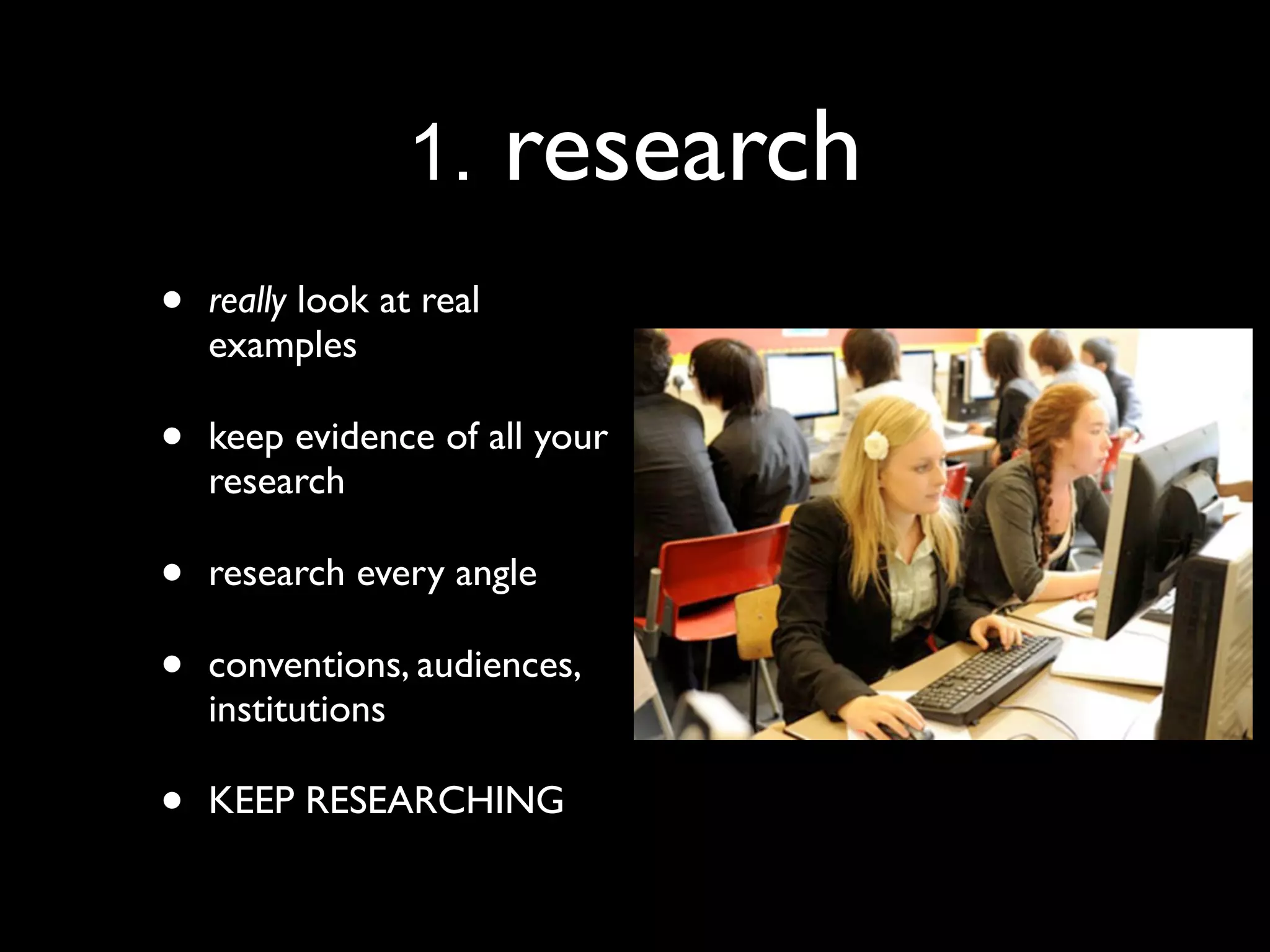
1.       research
•   really look at real
    examples

•   keep evidence of all your
    research

•   research every angle

•   conventions, audiences,
    institutions

•   KEEP RESEARCHING
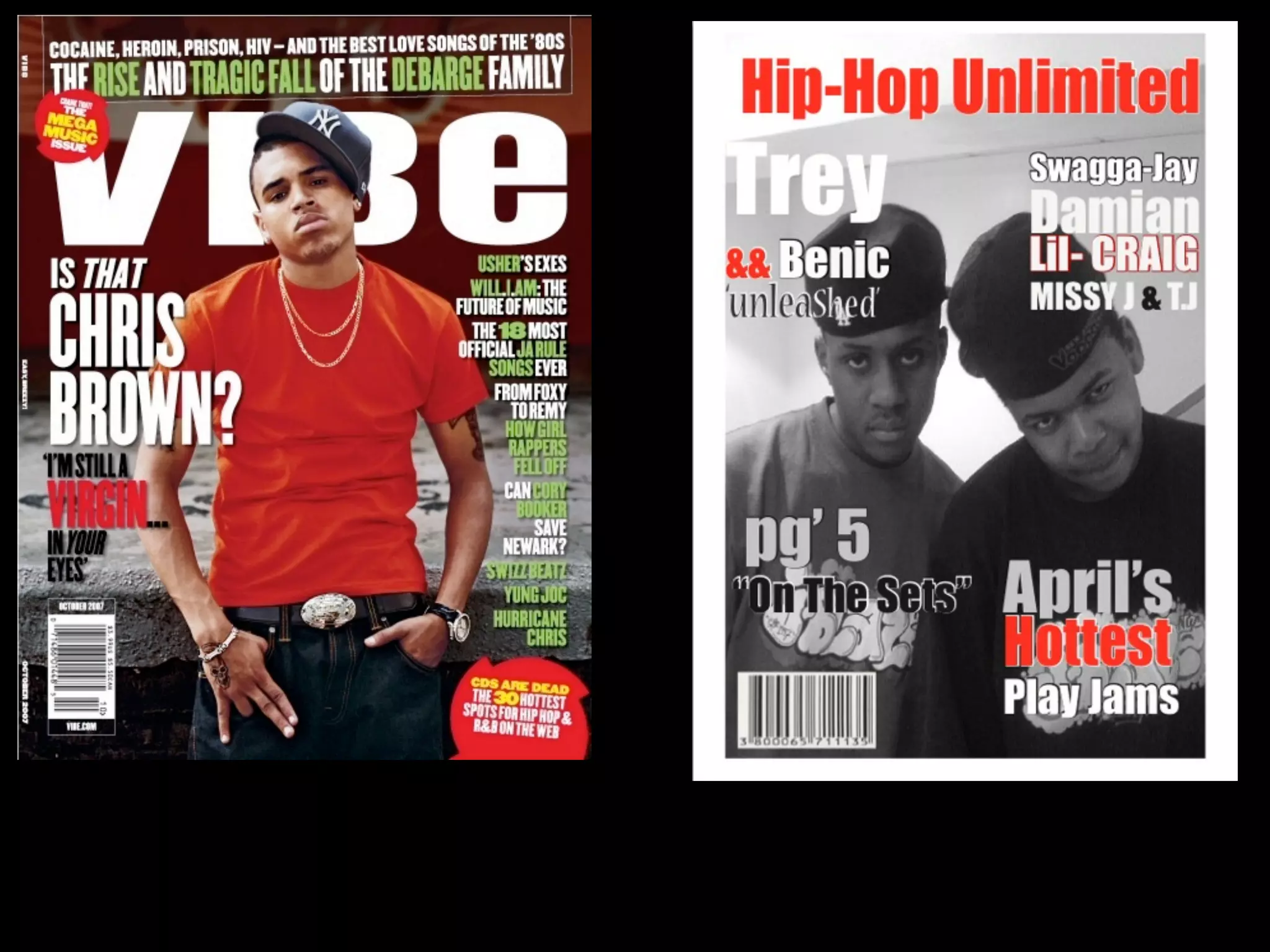
what would
improve it?
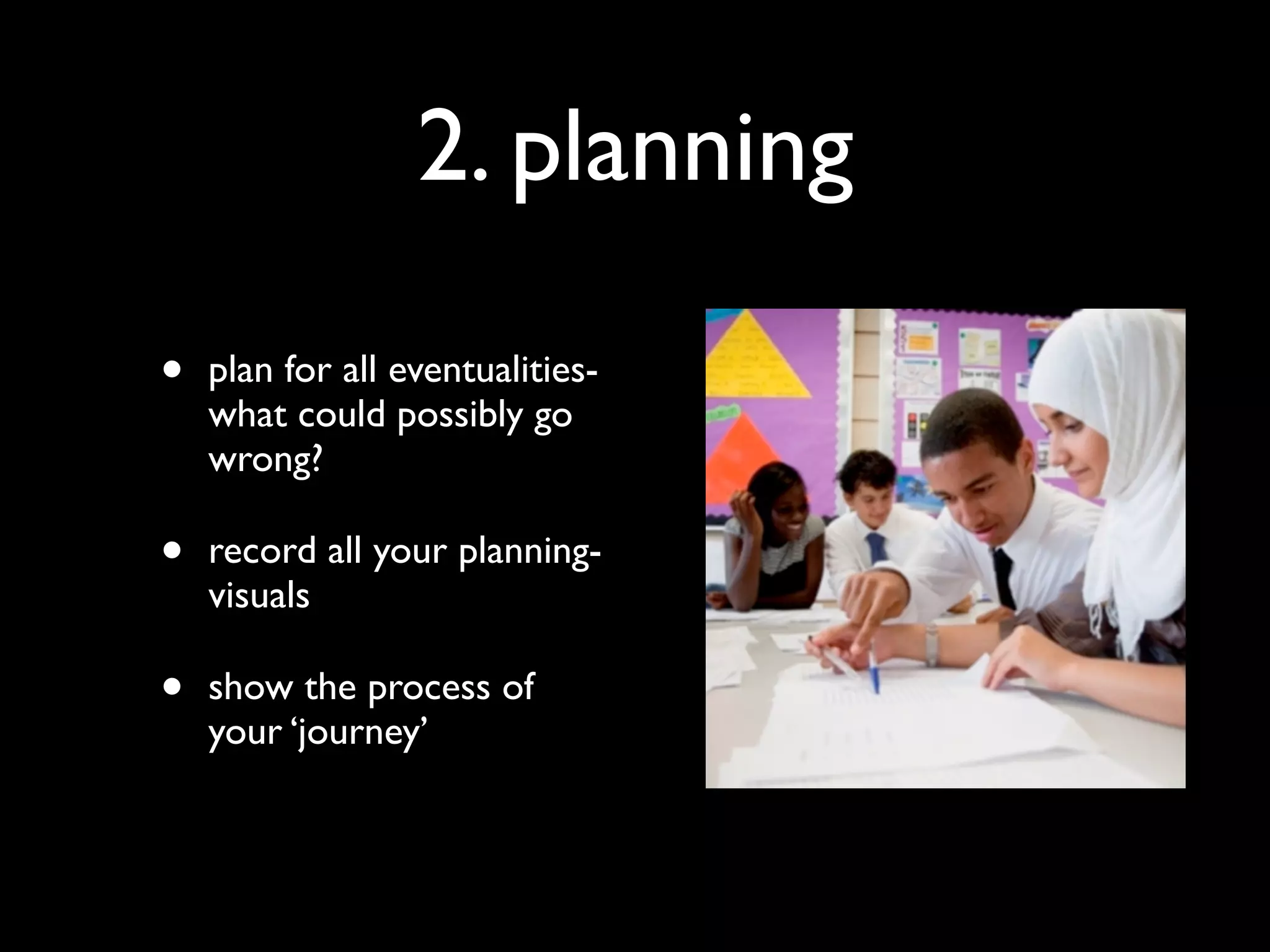
2. planning

•   plan for all eventualities-
    what could possibly go
    wrong?

•   record all your planning-
    visuals

•   show the process of
    your ‘journey’
3. evidence
•   storyboards, animatics,
    recce photos

•   flatplans, all your original
    images

•   screengrabs of your
    manipulation of material-
    digital editing,
    photoshop, etc
4. ideas

•   keep ideas simple

•   have a workable concept
    with realistic plans

•   try the ‘25 word pitch’
    or the ‘lift pitch’
5. get feedback

•   at all stages from peers,
    teachers and others

•   keep records of the
    feedback

•   take notice of it and
    respond to it
6. logistics
•   people, places, props,
    costumes

•   get it done early- you
    may need to do it all
    again

•   rehearse and prepare

•   share contact details for
    all involved
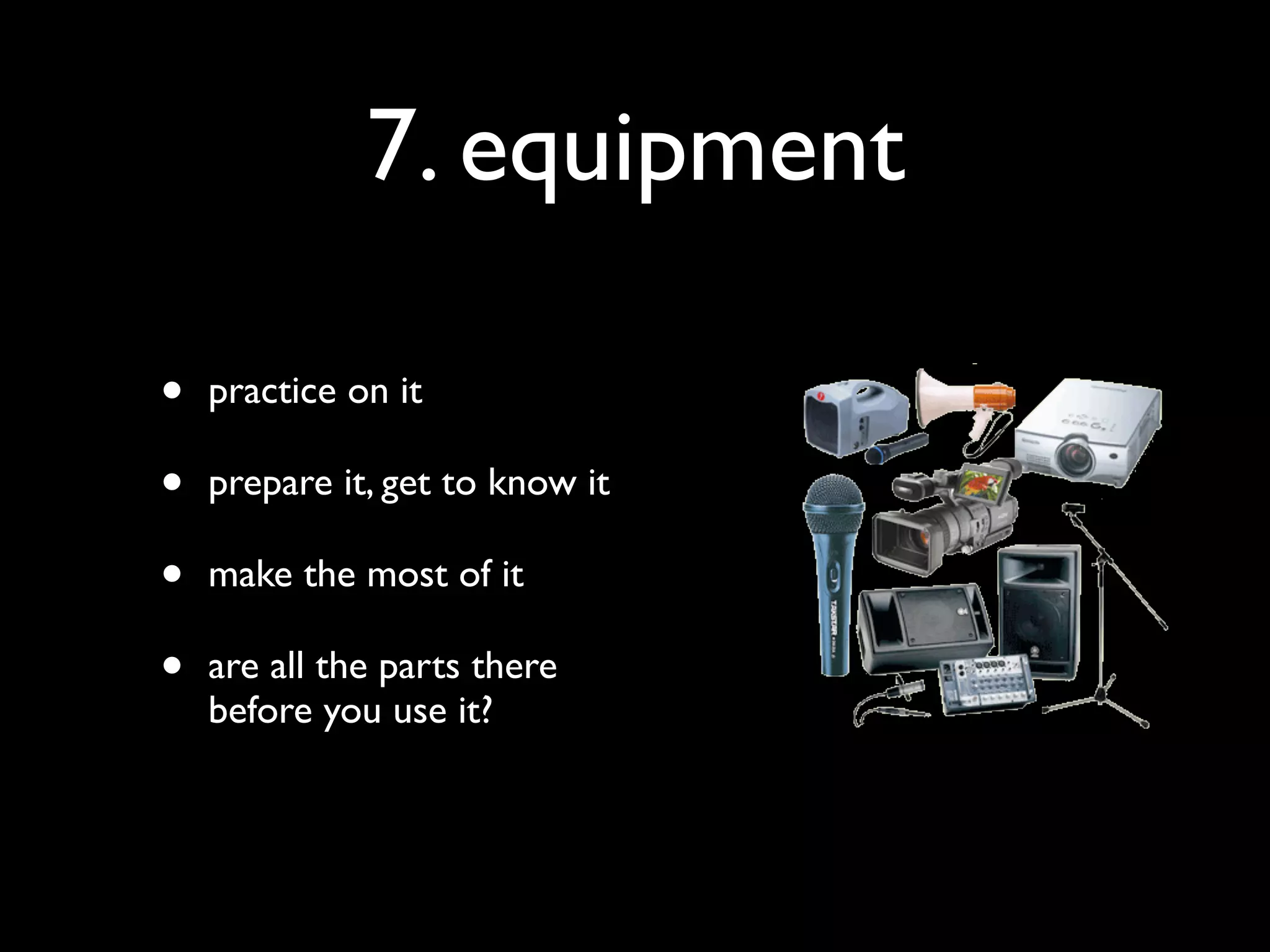
7. equipment

•   practice on it

•   prepare it, get to know it

•   make the most of it

•   are all the parts there
    before you use it?
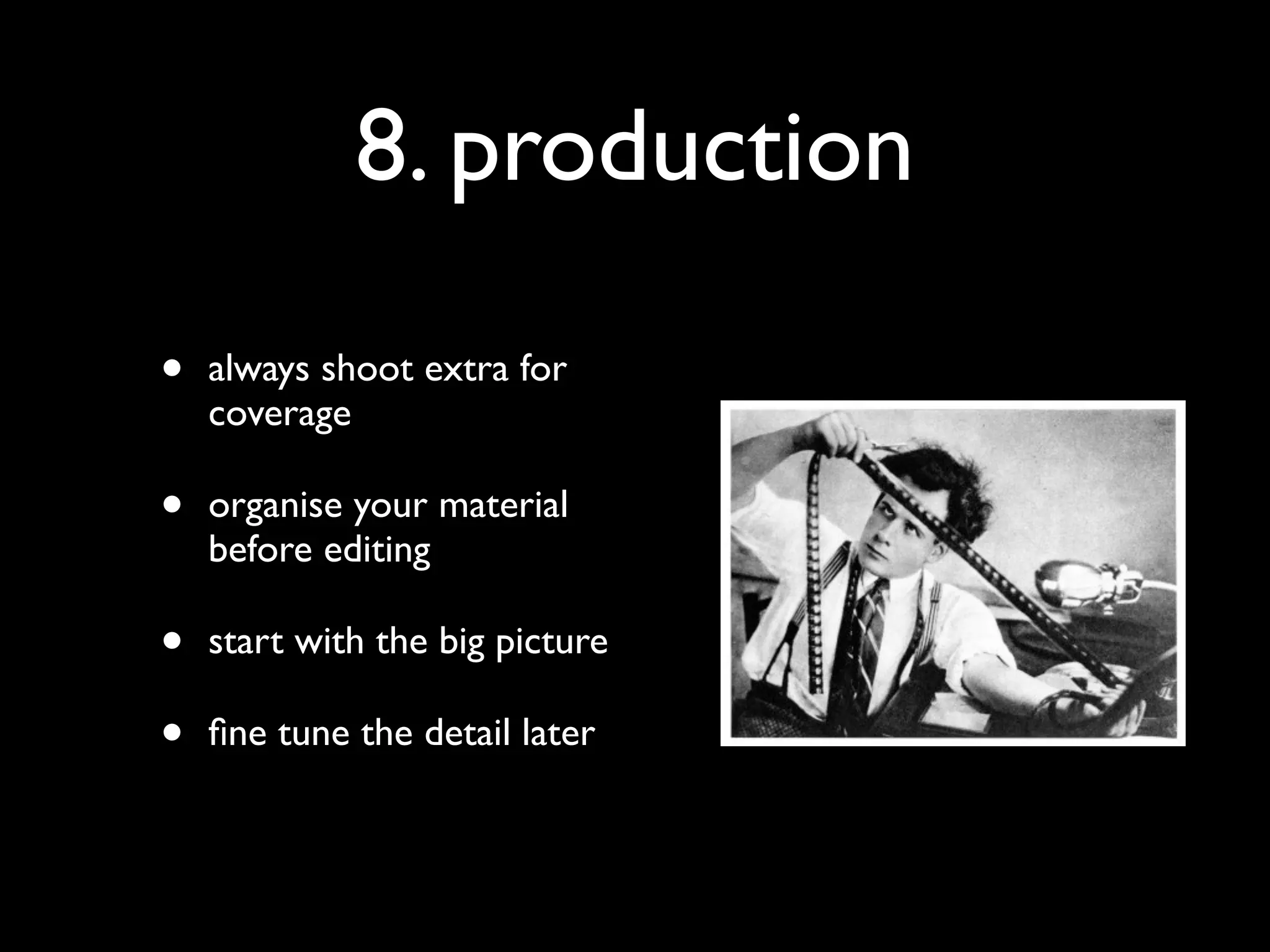
8. production

•   always shoot extra for
    coverage

•   organise your material
    before editing

•   start with the big picture

•   fine tune the detail later
9. reflection

•   ongoing as well as at the
    end

•   stand back from what
    you have made

•   get teacher advice on
    the format of ‘evaluation’

Presentation nov 4

  • 1.
    the good, thebad and the ugly how to get the most out of your practical projects
  • 2.
    9 key words • research • planning • evidence • ideas • feedback • logistics • equipment • production • reflection
  • 3.
    1. research • really look at real examples • keep evidence of all your research • research every angle • conventions, audiences, institutions • KEEP RESEARCHING
  • 5.
  • 7.
    2. planning • plan for all eventualities- what could possibly go wrong? • record all your planning- visuals • show the process of your ‘journey’
  • 8.
    3. evidence • storyboards, animatics, recce photos • flatplans, all your original images • screengrabs of your manipulation of material- digital editing, photoshop, etc
  • 9.
    4. ideas • keep ideas simple • have a workable concept with realistic plans • try the ‘25 word pitch’ or the ‘lift pitch’
  • 10.
    5. get feedback • at all stages from peers, teachers and others • keep records of the feedback • take notice of it and respond to it
  • 11.
    6. logistics • people, places, props, costumes • get it done early- you may need to do it all again • rehearse and prepare • share contact details for all involved
  • 12.
    7. equipment • practice on it • prepare it, get to know it • make the most of it • are all the parts there before you use it?
  • 13.
    8. production • always shoot extra for coverage • organise your material before editing • start with the big picture • fine tune the detail later
  • 14.
    9. reflection • ongoing as well as at the end • stand back from what you have made • get teacher advice on the format of ‘evaluation’