WRITING OF RESEARCH PROTOCOL
Presented By: Dr. Kopal Sharma
Senior Demonstrator
SMS Medical College
Jaipur
Learning Objectives
❖Definition of Research
❖What is Clinical Research Protocol
❖Why Protocol is required
❖Parts of Protocol
❖What is protocol violation
WHAT IS RESEARCH?
• Research is
Systematic collection
Analysis and
Interpretation of data
To answer a certain
question or solve a
problem
Definition
• A research protocol is a formal written record that
one prepares BEFORE research fieldwork is
undertaken.
Why a Protocol
➢ To clarify the research question
➢ To compile existing knowledge
➢ To formulate a hypothesis and objectives
➢ To decide about a study design
➢ To clarify ethical considerations
➢ To apply for funding
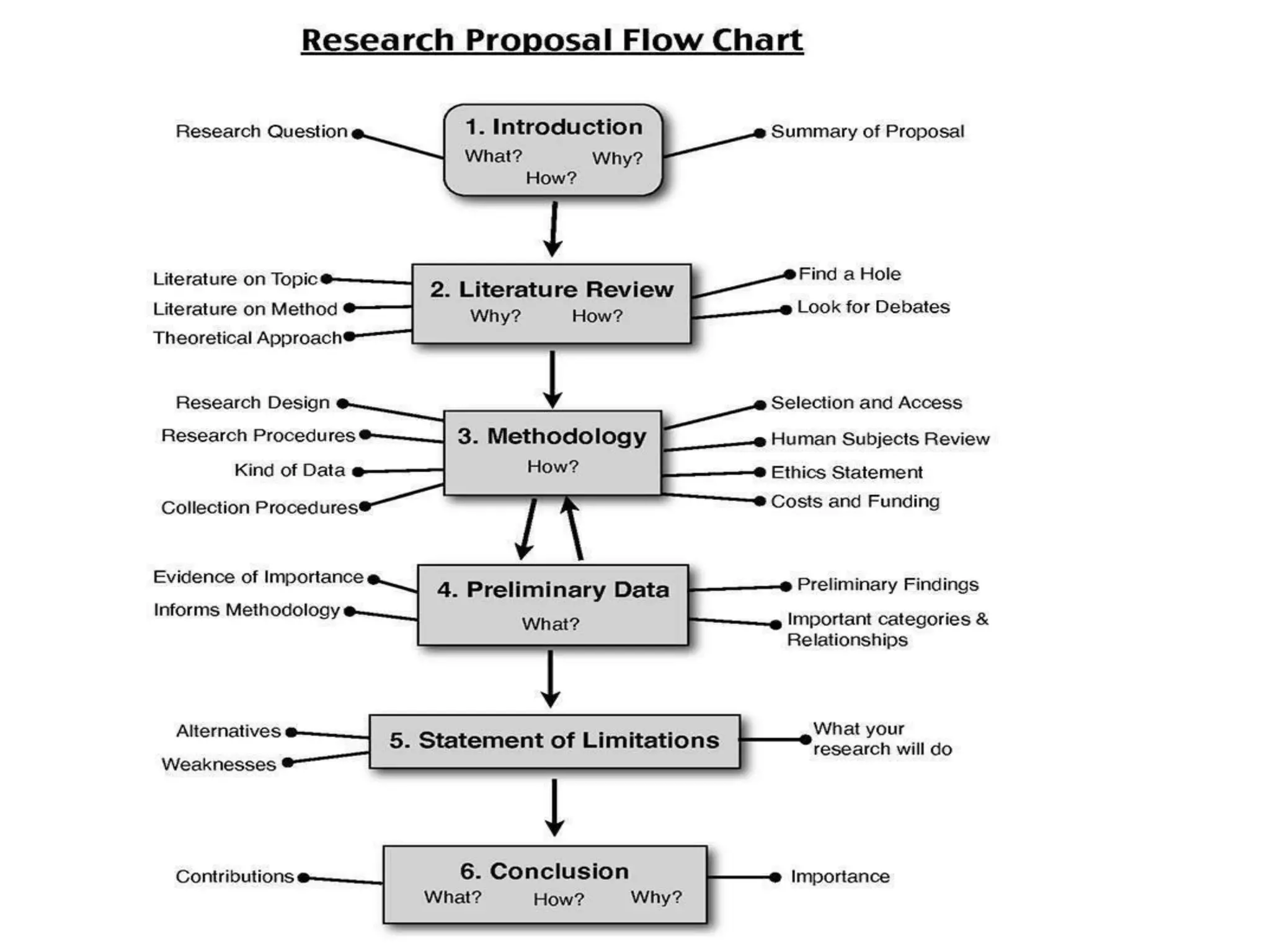
• Introduction
- Problem statements
- Background
- Rationale
- Aims and objectives of the study
• Methodology
✓ Research design
✓ Data sources
PARTS OF PROTOCOL
Contd…
✓ Sampling procedures – size and technique
✓ Data gathering instruments to include validity testing
and pilot study
✓ Procedures
✓ Data analysis
✓ Ethical considerations
• Study time frames and budget
• References
• Appendices
Title
• Should be concise and descriptive.
• Must be informative and catchy.
• Any name of the institution, the number of cases to
be studied should not be included.
• The hypothesis to be studied can be included.
Examples
• "Study of ectopic pregnancy”
- The title is too short.
- It does not state the problem or the hypothesis
- Is least informative.
- More meaningful title shall be:
- "Study of ectopic pregnancy in relation to morbidity,
mortality, and intervention in a referral hospital".
Introduction
✓ Should have a well written outline and stick to it
✓ Write few sentences to introduce your topic
✓ Length should not be more than one page.
Must be:
Accurate - which correctly reflects the purpose and
content of manuscript
Concise and specific – to make sentence
informative and as possible as brief
Try to answer these
What are the incidence and prevalence of a problem.
Which geographical area is affected by the problem.
Which population groups are affected by the problem.
What are the findings of other research.
What has been done to overcome the problem in the
past and what seems to be unanswered questions
about the problem.
Use the below format
• Problem situation
• Discrepancy
• Problem questions
• Possible answers
Aim and Objectives
❖ Specific Aim
- the aim answers the question WHAT is study about?
- Should be brief
- Describes the long terms goals of the project
- Describes hypothesis guiding your research
- Needs to be attainable in stated time frame
- Usually no longer than one page
Contd..
❖Overall Objectives
- Should be clearly linked to research problem
- Should summarize what you expect to achieve at the
end of the study
- Breakdown a general objective into smaller objectives
and logically connect the parts
- overall objectives should address WHAT will be done
WHERE will be done, WHY study being done
Differences
• The aim is about what
you hope to do, your
overall intention in the
project.
• It signals what and/or
where you aspire to be
by the end. It’s what
you want to know.
• An aim is therefore
generally broad. It is
ambitious, but not
beyond possibility.
• Objectives are usually
more than one, are the
specific steps you will
take to achieve your
aim.
Review of Literature
• Describes the work done by others either at local or
international level on it or similar subject.
• Helps the researcher to understand the difficulties faced by
others and the corrective steps taken or modifications made by
them.
• The review assists in identifying various variables in the
research project and conceptualizes their relationship.
• The reviewer can assess the work put in by the researcher and
also assists in assessing the feasibility of the study.
• The relevant information should be covered in about
300 words quoting 8-10 authentic, easily retrievable
references.
• Can be reviewed by using various scientific-
information-gathering methods : journals, national or
international; bulletins of organizations like WHO,
CDC, and ICMR; books; computer-assisted searches
like Medline and personal communications with other
researchers.
Methodology
The study design section of the protocol should contain a
stepwise description of all procedures required by the study.
Research design
• Indicate whether the study
➢ Exploratory
➢ Descriptive
➢ Explanatory
➢ Predictive
➢ Hypothesis generating or hypothesis testing
GENERAL PRINCIPLES OF
STUDY DESIGN
• Study characteristics
• Type of study design to be used
• The way in which study will be conducted
Single center
Double blind
Placebo control
Randomized / non randomized
Contd…
Methodology
Sampling
Collection of data
Statistical analysis
Merits and demerits of particular study
PROTOCOL VIOLATIONS
A protocol violation occurs when the subject,
investigator or sponsor fails to adhere to significant
protocol requirements affecting the inclusion,
exclusion, subject safety and primary endpoint
criteria.
Contd…
Protocol violations of the study include
• Failure to meet inclusion / exclusion criteria
• Use of a prohibited concomitant medication
• Failure to follow good clinical practice.
STATISTICAL METHODS &
CONSIDERATIONS
May be specified with specific processes tests,
formulae, and which may be adopted for analysis
of data, may be proposed in blue prints in
advance.
Sample size should be clearly mentioned and
reasons for selecting such number for study also
be clearly defined.
ADMINISTRATIVE,ETHICAL,
REGULATORY CONSIDERATIONS
The study should be conducted according to
Declaration of Helsinki
Protection of Human Volunteers
Institutional Review Board
Institutional Ethics Committee
Obligation of Clinical Investigators
Good Clinical Practices
INFORMED CONSENT FORM
Informed consent should be prepared in accordance
with the declaration of Helsinki, ICH GCP
(International council for harmonization good clinical
practices).
All references cited in the protocol and/or relevant to
the study should be listed properly.
Supplemental documents such as data collection
form, surveys, questionnaires should be included to
the protocol.
Clinical research protocol is a systematically
structured scientific framework of guidelines for
clarifying research question.
Proper and appropriate solution should only be
drawn by applying appropriate Protocol in
clinical research study.
Writing of Research protocol

Writing of Research protocol

  • 1.
    WRITING OF RESEARCHPROTOCOL Presented By: Dr. Kopal Sharma Senior Demonstrator SMS Medical College Jaipur
  • 2.
    Learning Objectives ❖Definition ofResearch ❖What is Clinical Research Protocol ❖Why Protocol is required ❖Parts of Protocol ❖What is protocol violation
  • 3.
    WHAT IS RESEARCH? •Research is Systematic collection Analysis and Interpretation of data To answer a certain question or solve a problem
  • 4.
    Definition • A researchprotocol is a formal written record that one prepares BEFORE research fieldwork is undertaken.
  • 5.
    Why a Protocol ➢To clarify the research question ➢ To compile existing knowledge ➢ To formulate a hypothesis and objectives ➢ To decide about a study design ➢ To clarify ethical considerations ➢ To apply for funding
  • 7.
    • Introduction - Problemstatements - Background - Rationale - Aims and objectives of the study • Methodology ✓ Research design ✓ Data sources PARTS OF PROTOCOL
  • 8.
    Contd… ✓ Sampling procedures– size and technique ✓ Data gathering instruments to include validity testing and pilot study ✓ Procedures ✓ Data analysis ✓ Ethical considerations • Study time frames and budget • References • Appendices
  • 10.
    Title • Should beconcise and descriptive. • Must be informative and catchy. • Any name of the institution, the number of cases to be studied should not be included. • The hypothesis to be studied can be included.
  • 11.
    Examples • "Study ofectopic pregnancy” - The title is too short. - It does not state the problem or the hypothesis - Is least informative. - More meaningful title shall be: - "Study of ectopic pregnancy in relation to morbidity, mortality, and intervention in a referral hospital".
  • 12.
    Introduction ✓ Should havea well written outline and stick to it ✓ Write few sentences to introduce your topic ✓ Length should not be more than one page. Must be: Accurate - which correctly reflects the purpose and content of manuscript Concise and specific – to make sentence informative and as possible as brief
  • 13.
    Try to answerthese What are the incidence and prevalence of a problem. Which geographical area is affected by the problem. Which population groups are affected by the problem. What are the findings of other research. What has been done to overcome the problem in the past and what seems to be unanswered questions about the problem.
  • 14.
    Use the belowformat • Problem situation • Discrepancy • Problem questions • Possible answers
  • 15.
    Aim and Objectives ❖Specific Aim - the aim answers the question WHAT is study about? - Should be brief - Describes the long terms goals of the project - Describes hypothesis guiding your research - Needs to be attainable in stated time frame - Usually no longer than one page
  • 16.
    Contd.. ❖Overall Objectives - Shouldbe clearly linked to research problem - Should summarize what you expect to achieve at the end of the study - Breakdown a general objective into smaller objectives and logically connect the parts - overall objectives should address WHAT will be done WHERE will be done, WHY study being done
  • 17.
    Differences • The aimis about what you hope to do, your overall intention in the project. • It signals what and/or where you aspire to be by the end. It’s what you want to know. • An aim is therefore generally broad. It is ambitious, but not beyond possibility. • Objectives are usually more than one, are the specific steps you will take to achieve your aim.
  • 18.
    Review of Literature •Describes the work done by others either at local or international level on it or similar subject. • Helps the researcher to understand the difficulties faced by others and the corrective steps taken or modifications made by them. • The review assists in identifying various variables in the research project and conceptualizes their relationship. • The reviewer can assess the work put in by the researcher and also assists in assessing the feasibility of the study.
  • 19.
    • The relevantinformation should be covered in about 300 words quoting 8-10 authentic, easily retrievable references. • Can be reviewed by using various scientific- information-gathering methods : journals, national or international; bulletins of organizations like WHO, CDC, and ICMR; books; computer-assisted searches like Medline and personal communications with other researchers.
  • 20.
    Methodology The study designsection of the protocol should contain a stepwise description of all procedures required by the study. Research design • Indicate whether the study ➢ Exploratory ➢ Descriptive ➢ Explanatory ➢ Predictive ➢ Hypothesis generating or hypothesis testing
  • 21.
    GENERAL PRINCIPLES OF STUDYDESIGN • Study characteristics • Type of study design to be used • The way in which study will be conducted Single center Double blind Placebo control Randomized / non randomized
  • 22.
    Contd… Methodology Sampling Collection of data Statisticalanalysis Merits and demerits of particular study
  • 23.
    PROTOCOL VIOLATIONS A protocolviolation occurs when the subject, investigator or sponsor fails to adhere to significant protocol requirements affecting the inclusion, exclusion, subject safety and primary endpoint criteria.
  • 24.
    Contd… Protocol violations ofthe study include • Failure to meet inclusion / exclusion criteria • Use of a prohibited concomitant medication • Failure to follow good clinical practice.
  • 25.
    STATISTICAL METHODS & CONSIDERATIONS Maybe specified with specific processes tests, formulae, and which may be adopted for analysis of data, may be proposed in blue prints in advance. Sample size should be clearly mentioned and reasons for selecting such number for study also be clearly defined.
  • 26.
    ADMINISTRATIVE,ETHICAL, REGULATORY CONSIDERATIONS The studyshould be conducted according to Declaration of Helsinki Protection of Human Volunteers Institutional Review Board Institutional Ethics Committee Obligation of Clinical Investigators Good Clinical Practices
  • 27.
    INFORMED CONSENT FORM Informedconsent should be prepared in accordance with the declaration of Helsinki, ICH GCP (International council for harmonization good clinical practices).
  • 28.
    All references citedin the protocol and/or relevant to the study should be listed properly. Supplemental documents such as data collection form, surveys, questionnaires should be included to the protocol.
  • 29.
    Clinical research protocolis a systematically structured scientific framework of guidelines for clarifying research question. Proper and appropriate solution should only be drawn by applying appropriate Protocol in clinical research study.