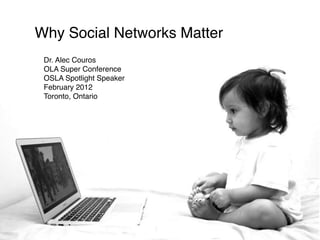
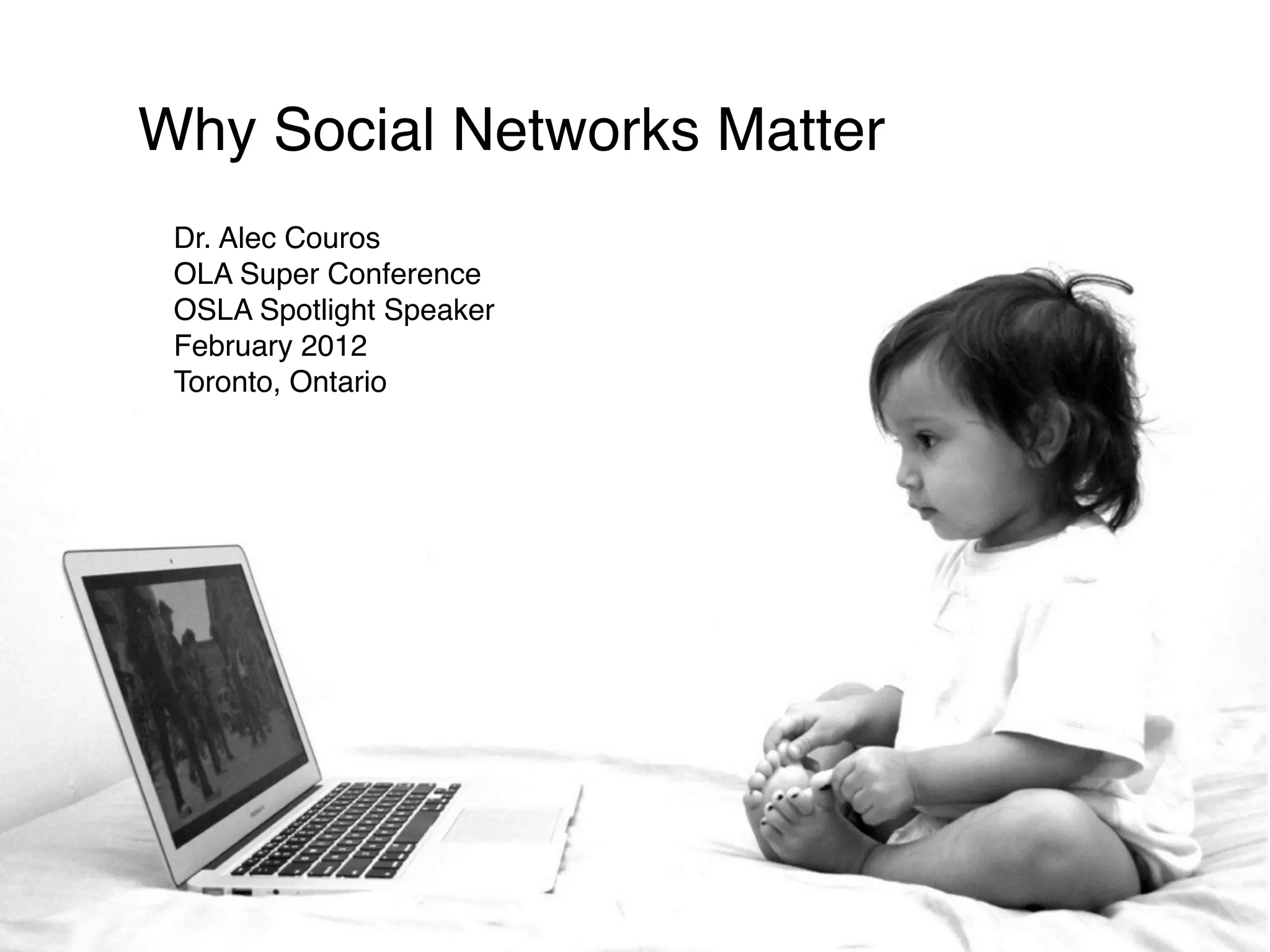
Why Social Networks Matter
 Dr. Alec Couros
 OLA Super Conference
 OSLA Spotlight Speaker
 February 2012
 Toronto, Ontario
#sc12

#tlchat

#libchat
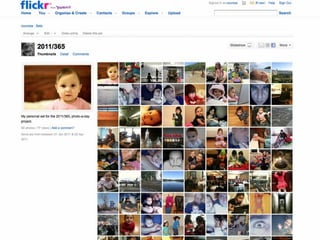
me
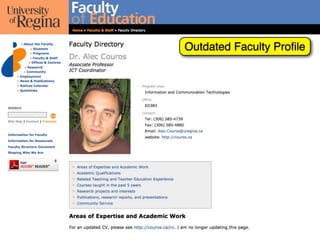
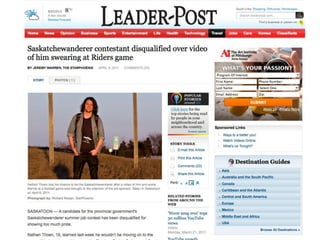
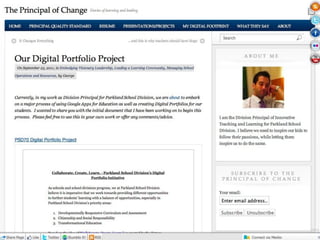
Outdated Faculty Profile
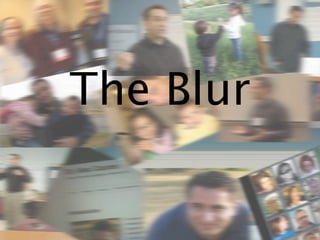
The Blur
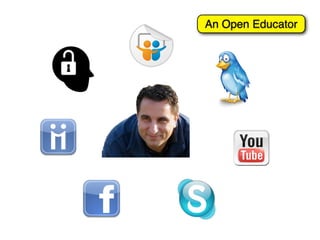
An Open Educator
eci831.ca
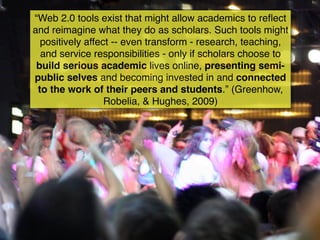
“Web 2.0 tools exist that might allow academics to reflect
and reimagine what they do as scholars. Such tools might
  positively affect -- even transform - research, teaching,
  and service responsibilities - only if scholars choose to
 build serious academic lives online, presenting semi-
public selves and becoming invested in and connected
 to the work of their peers and students.” (Greenhow,
                  Robelia, & Hughes, 2009)
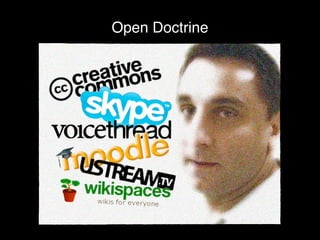
Open Doctrine
journey
(quick version)
Knowledge
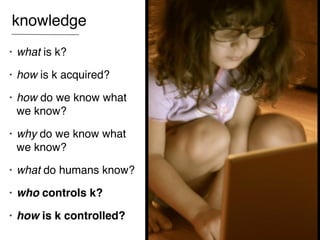
knowledge
•   what is k?
•   how is k acquired?
•   how do we know what
    we know?
•   why do we know what
    we know?
•   what do humans know?
•   who controls k?
•   how is k controlled?
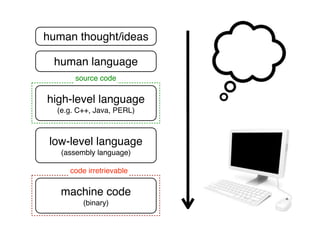
human thought/ideas

 human language
       source code

high-level language
  (e.g. C++, Java, PERL)


 low-level language
   (assembly language)

     code irretrievable

   machine code
         (binary)
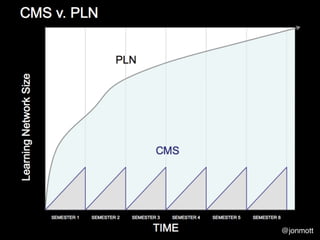
@jonmott
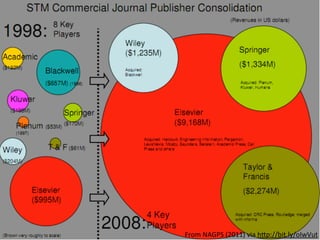
From	
  NAGPS	
  (2011)	
  via	
  h4p://bit.ly/oIwVut
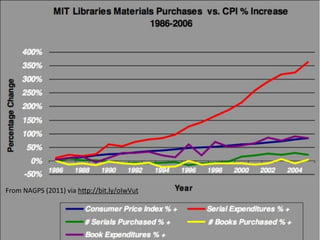
From	
  NAGPS	
  (2011)	
  via	
  h4p://bit.ly/oIwVut
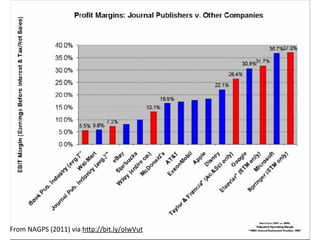
From	
  NAGPS	
  (2011)	
  via	
  h4p://bit.ly/oIwVut
Openness
“Open Education is the simple and powerful
 idea that the world’s knowledge is a public
  good and that technology in general and
the Worldwide Web in particular provide an
  extraordinary opportunity for everyone to
     share, use, and reuse knowledge.”
          (William & Flora Hewlett Foundation)
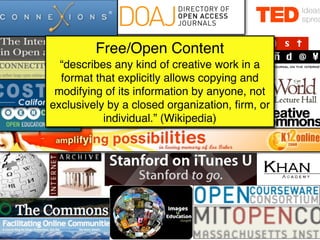
Free/Open Content
  “describes any kind of creative work in a
  format that explicitly allows copying and
 modifying of its information by anyone, not
exclusively by a closed organization, firm, or
           individual.” (Wikipedia)
25
26
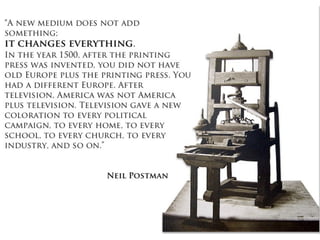
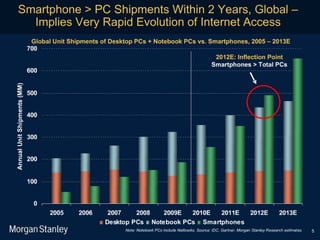
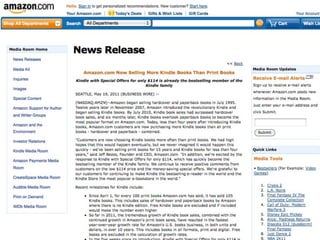
media shift
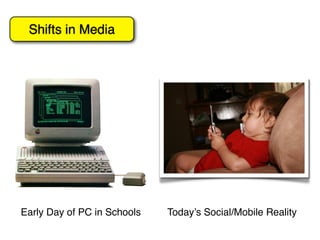
Shifts in Media


Early Day of PC in Schools   Today’s Social/Mobile Reality
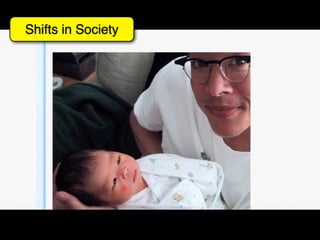
Shifts in Society
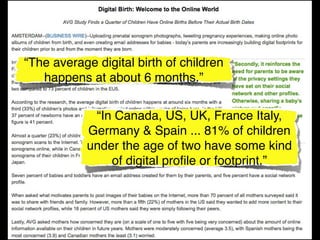
“The average digital birth of children
   happens at about 6 months.”


            “In Canada, US, UK, France Italy,
           Germany & Spain ... 81% of children
           under the age of two have some kind
               of digital profile or footprint.”
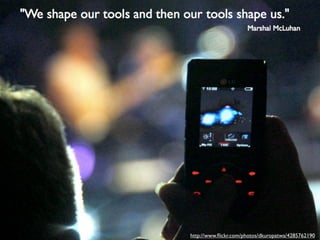
http://www.flickr.com/photos/dkuropatwa/4285762190
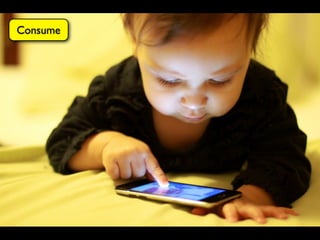
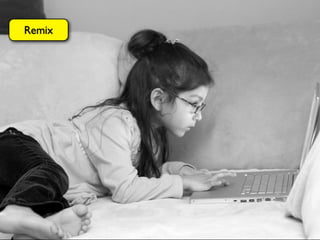
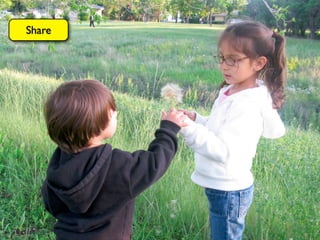
Consume
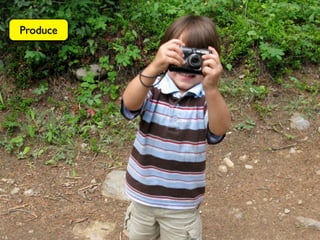
Produce
Remix
Share


        http://www.flickr.com/photos/dolmansaxlil/4802611949/
myth of the digital native
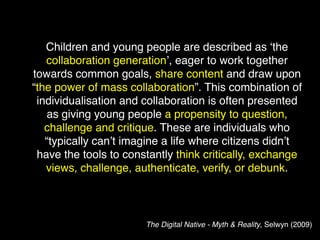
Children and young people are described as ‘the
   collaboration generation’, eager to work together
towards common goals, share content and draw upon
“the power of mass collaboration”. This combination of
 individualisation and collaboration is often presented
   as giving young people a propensity to question,
   challenge and critique. These are individuals who
   “typically can’t imagine a life where citizens didn’t
 have the tools to constantly think critically, exchange
   views, challenge, authenticate, verify, or debunk.


                       The Digital Native - Myth & Reality, Selwyn (2009)
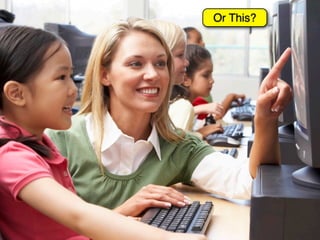
Are We To Believe This?
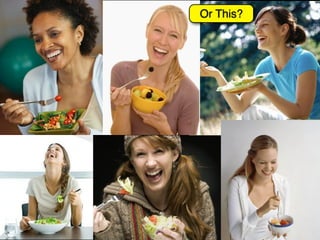
Or This?
Or This?
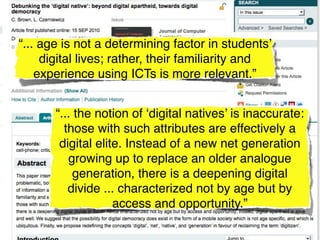
“... age is not a determining factor in students’
     digital lives; rather, their familiarity and
    experience using ICTs is more relevant.”


       “... the notion of ‘digital natives’ is inaccurate:
         those with such attributes are effectively a
        digital elite. Instead of a new net generation
          growing up to replace an older analogue
            generation, there is a deepening digital
          divide ... characterized not by age but by
                    access and opportunity.”
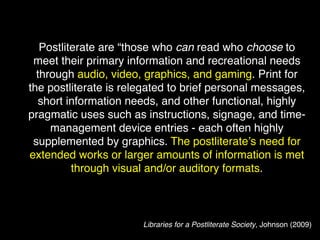
Postliterate are “those who can read who choose to
 meet their primary information and recreational needs
  through audio, video, graphics, and gaming. Print for
the postliterate is relegated to brief personal messages,
   short information needs, and other functional, highly
pragmatic uses such as instructions, signage, and time-
     management device entries - each often highly
 supplemented by graphics. The postliterate’s need for
extended works or larger amounts of information is met
          through visual and/or auditory formats.


                       Libraries for a Postliterate Society, Johnson (2009)
in practice
Categories of Tools
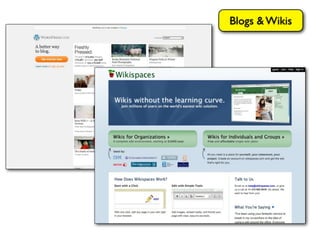
Blogs & Wikis
Simple Blogging
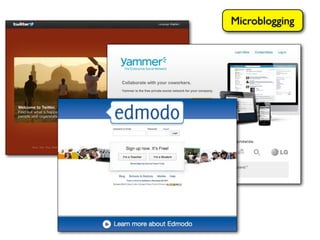
Microblogging
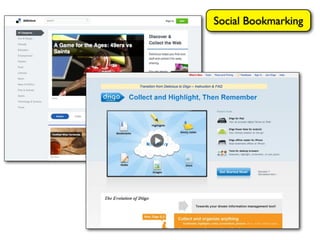
Social Bookmarking
Info/File Management
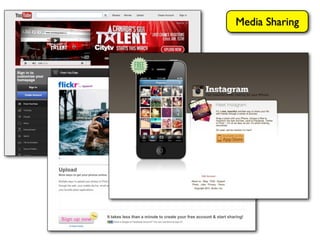
Media Sharing
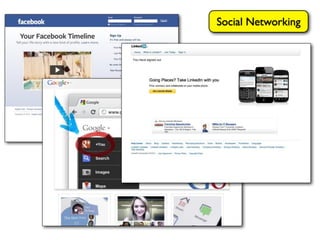
Social Networking
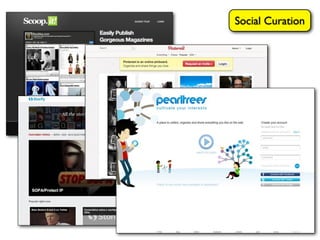
Social Curation
Networks
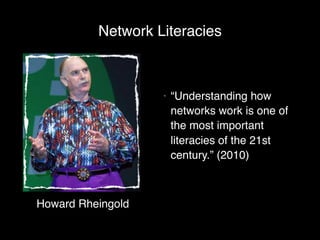
Network Literacies


                   •   “Understanding how
                       networks work is one of
                       the most important
                       literacies of the 21st
                       century.” (2010)


Howard Rheingold
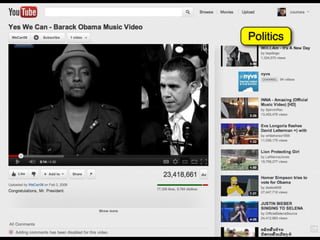
Politics


http://www.anduro.com/calgary-mayor-race.html
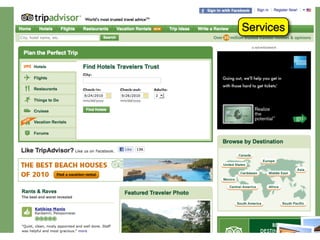
Services
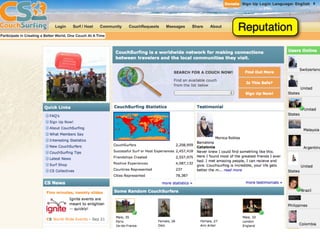
Reputation
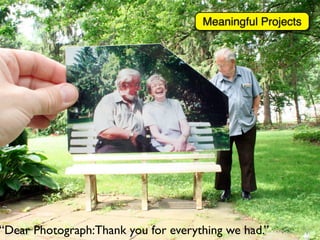
Meaningful Projects


“Dear Photograph:Thank you for everything we had.”
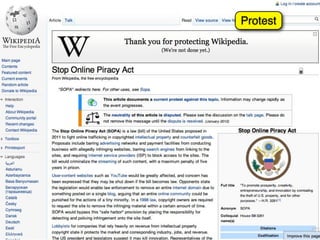
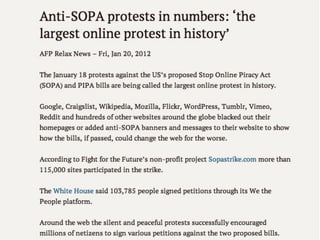
Protest
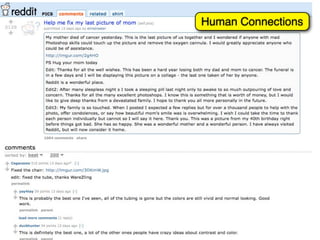
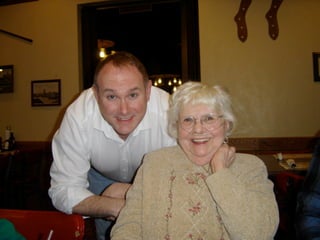
Human Connections
God bless you and your family
through this difficult time.
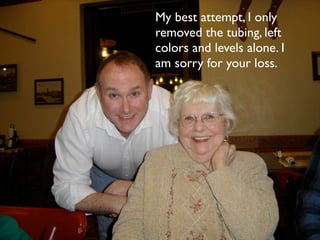
My best attempt, I only
removed the tubing, left
colors and levels alone. I
am sorry for your loss.
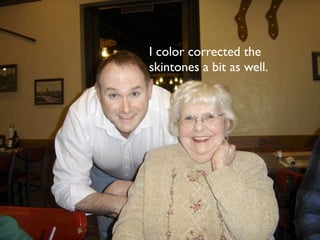
I color corrected the
skintones a bit as well.
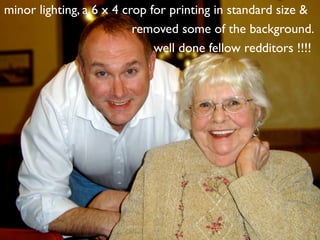
minor lighting, a 6 x 4 crop for printing in standard size &
                          removed some of the background.
                              well done fellow redditors !!!!
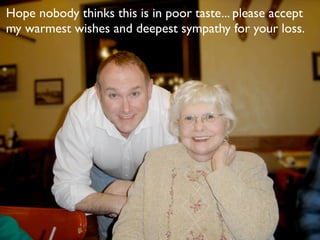
Hope nobody thinks this is in poor taste... please accept
my warmest wishes and deepest sympathy for your loss.
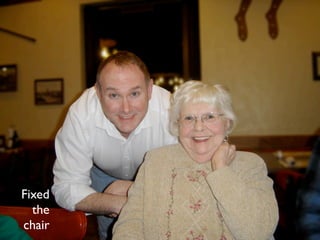
Fixed
  the
chair
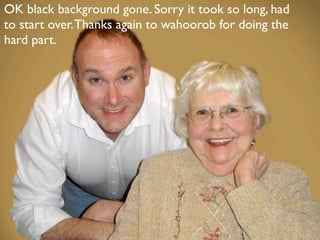
OK black background gone. Sorry it took so long, had
to start over. Thanks again to wahoorob for doing the
hard part.
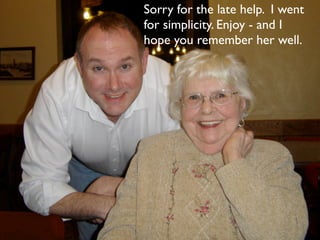
Sorry for the late help. I went
for simplicity. Enjoy - and I
hope you remember her well.
Tools + Networks
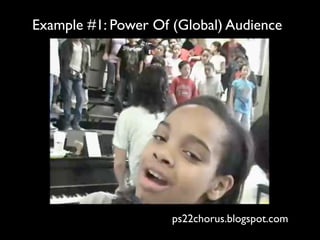
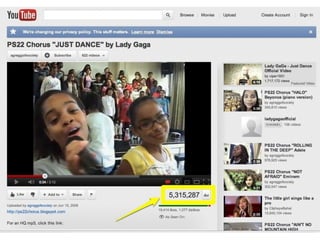
Example #1: Power Of (Global) Audience


                     ps22chorus.blogspot.com
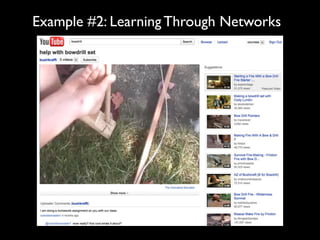
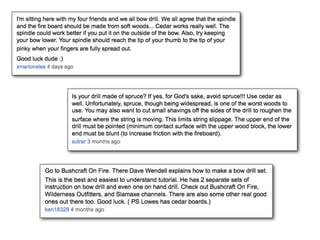
Example #2: Learning Through Networks
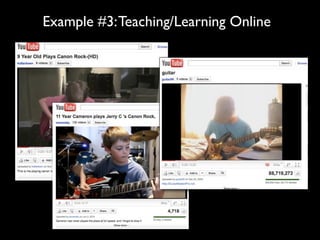
Example #3: Teaching/Learning Online
big ideas
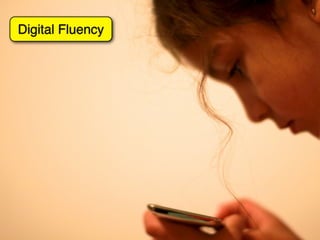
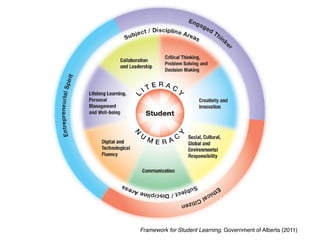
Digital Fluency
Framework for Student Learning, Government of Alberta (2011)
“Technological fluency means much more
  than the ability to use technological tools;
that would be equivalent to understanding a
   few common phrases in a language. To
    become truly fluent in a language (like
   English or French), one must be able to
articulate a complex idea or tell an engaging
 story -- that is, to be able to make things of
       significance with these tools. ”


    The Computer Clubhouse: Technology Fluency in the Inner City, Resnick, Rusk, & Cooke (1998)
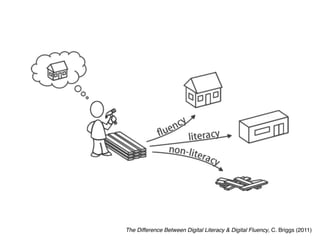
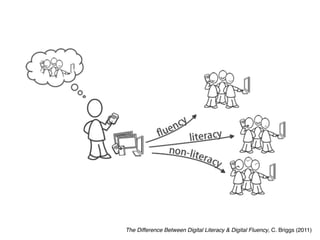
The Difference Between Digital Literacy & Digital Fluency, C. Briggs (2011)
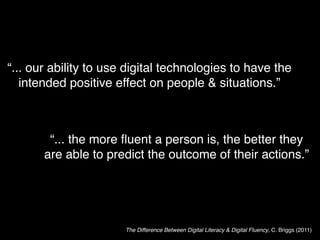
“... our ability to use digital technologies to have the
   intended positive effect on people & situations.”


        “... the more fluent a person is, the better they
       are able to predict the outcome of their actions.”


                       The Difference Between Digital Literacy & Digital Fluency, C. Briggs (2011)
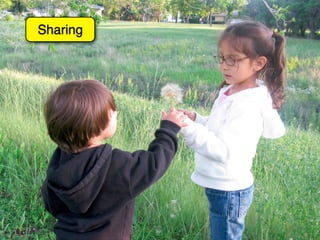
Sharing


          http://www.flickr.com/photos/dolmansaxlil/4802611949/
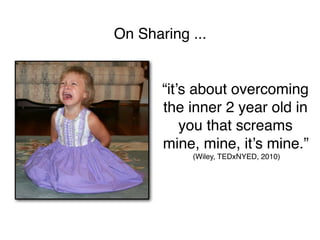
On Sharing ...


       “it’s about overcoming
       the inner 2 year old in
           you that screams
       mine, mine, it’s mine.”
           (Wiley, TEDxNYED, 2010)
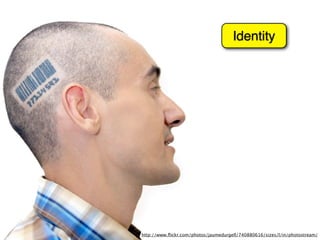
Identity


http://www.flickr.com/photos/jaumedurgell/740880616/sizes/l/in/photostream/
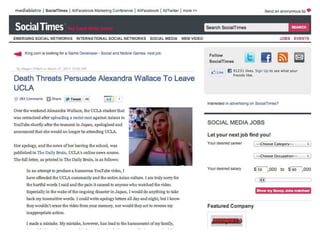
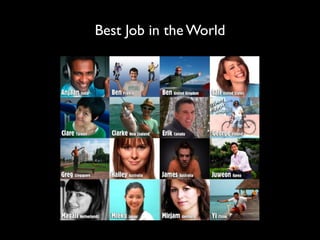
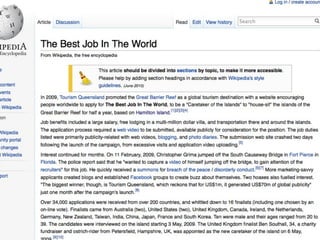
Best Job in the World
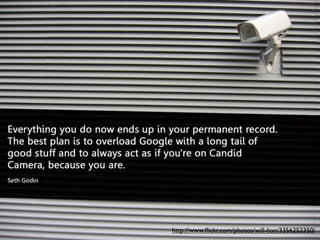
http://www.flickr.com/photos/will-lion/3356252350/
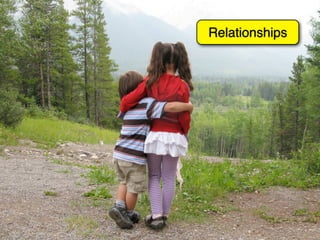
Relationships
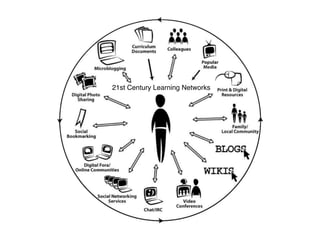
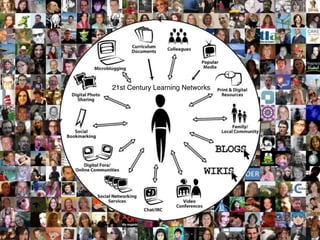
21st Century Learning Networks
@shareski
Don’t limit a child to your
own learning, for he was born
  in another time. ~Tagore


       http://couros.ca
     couros@gmail.com
          @courosa

Why Social Networks Matter