Online Learning in a Networked Age
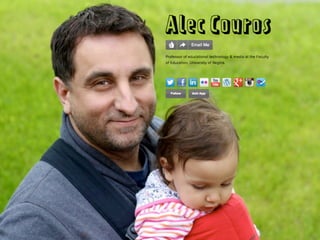
Dr. Alec Couros
SLN SOL Summit
Syracuse, New York
February 28, 2013
#slnsolsummit
me
The Blur
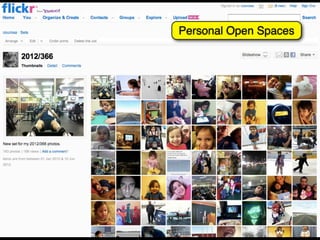
Personal Open Spaces
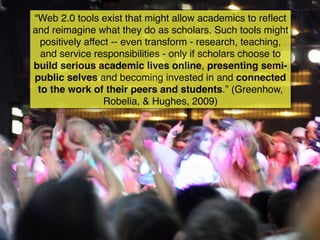
“Web 2.0 tools exist that might allow academics to reflect
and reimagine what they do as scholars. Such tools might
  positively affect -- even transform - research, teaching,
  and service responsibilities - only if scholars choose to
build serious academic lives online, presenting semi-
public selves and becoming invested in and connected
 to the work of their peers and students.” (Greenhow,
                  Robelia, & Hughes, 2009)
changes
current context - new affordances
        tools, content, networks
tools
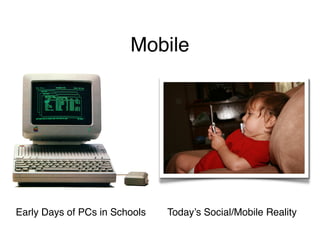
Mobile


Early Days of PCs in Schools   Today’s Social/Mobile Reality
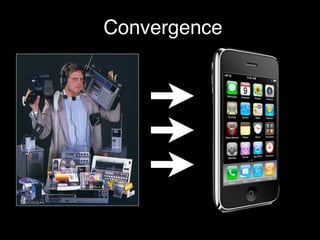
Convergence
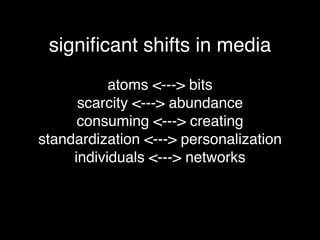
significant shifts in media
           atoms <---> bits
      scarcity <---> abundance
      consuming <---> creating
standardization <---> personalization
     individuals <---> networks
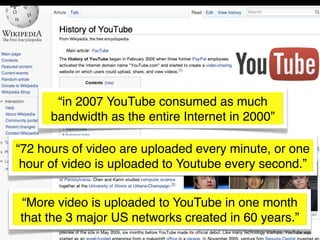
“in 2007 YouTube consumed as much
      bandwidth as the entire Internet in 2000”

“72 hours of video are uploaded every minute, or one
 hour of video is uploaded to Youtube every second.”


“More video is uploaded to YouTube in one month
that the 3 major US networks created in 60 years.”
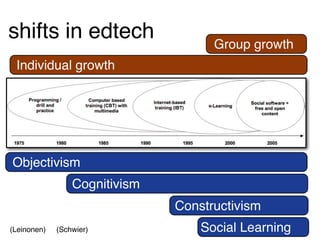
shifts in edtech                     Group growth
 Individual growth


Objectivism
                 Cognitivism
                               Constructivism
(Leinonen)   (Schwier)             Social Learning
content
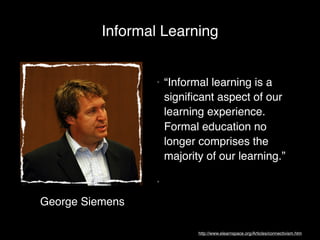
Informal Learning


                 •   “Informal learning is a
                     significant aspect of our
                     learning experience.
                     Formal education no
                     longer comprises the
                     majority of our learning.”

                 •

George Siemens

                            http://www.elearnspace.org/Articles/connectivism.htm
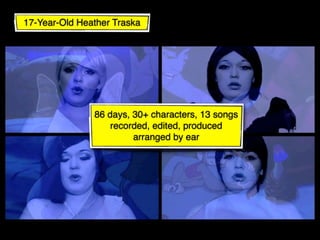
17-Year-Old Heather Traska


               86 days, 30+ characters, 13 songs
                   recorded, edited, produced
                        arranged by ear
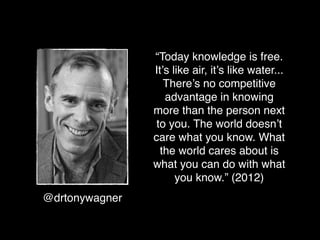
“Today knowledge is free.
                It’s like air, it’s like water...
                   There’s no competitive
                   advantage in knowing
                more than the person next
                 to you. The world doesn’t
                care what you know. What
                  the world cares about is
                what you can do with what
                      you know.” (2012)
@drtonywagner
networks
HAT’S
NO T W
          AN T
    P O RT
 IM
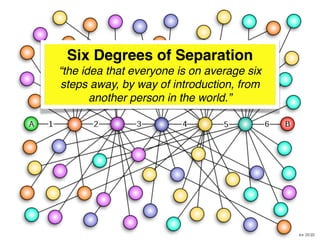
Six Degrees of Separation
“the idea that everyone is on average six
steps away, by way of introduction, from
       another person in the world.”
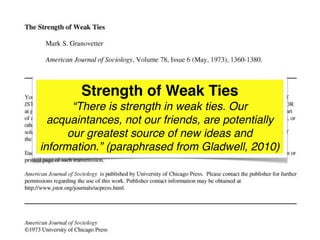
Strength of Weak Ties
       “There is strength in weak ties. Our
  acquaintances, not our friends, are potentially
      our greatest source of new ideas and
information.” (paraphrased from Gladwell, 2010)
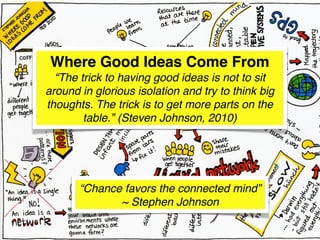
Where Good Ideas Come From
  “The trick to having good ideas is not to sit
around in glorious isolation and try to think big
thoughts. The trick is to get more parts on the
        table.” (Steven Johnson, 2010)


       “Chance favors the connected mind”
              ~ Stephen Johnson
networks provide ...
1. affordances: enable communication, collaboration
  & cooperation in ways that were once impossible
       with people who were once unreachable.

2. inspiration: connect us to new ideas & expand our
          thinking & potential for innovation.

             * ‘us’ meaning those who have access.
affordances & inspirations
value of free, crowdsourcing, visible learning
value of free
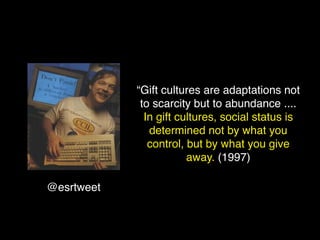
“Gift cultures are adaptations not
             to scarcity but to abundance ....
              In gift cultures, social status is
               determined not by what you
               control, but by what you give
                        away. (1997)

@esrtweet
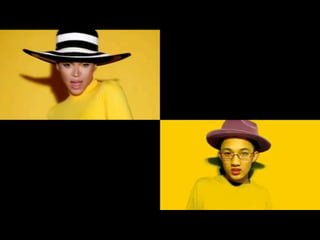
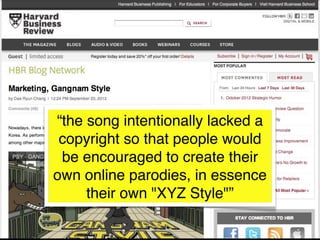
“the song intentionally lacked a
 copyright so that people would
 be encouraged to create their
own online parodies, in essence
     their own "XYZ Style"”
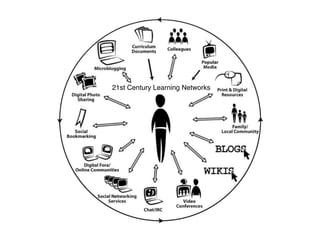
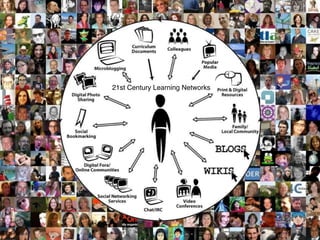
21st Century Learning Networks
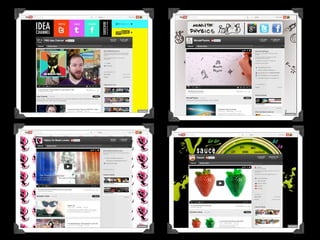
crowdsourcing
@dlnorman
@giuliaforsythe
@noiseprofessor


                  @noiseprofessor
@noiseprofessor
@timlauer
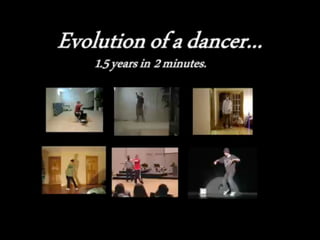
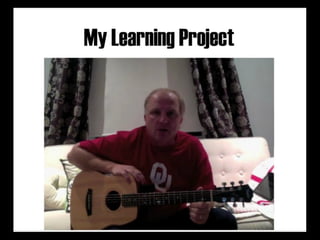
making learning visible
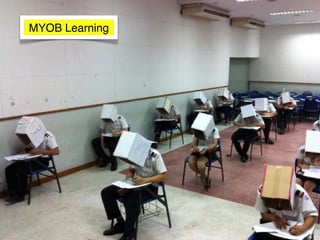
MYOB Learning
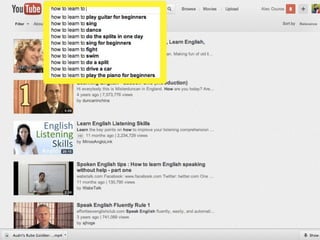
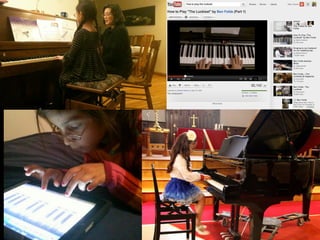
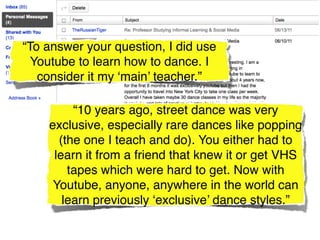
“To answer your question, I did use
  Youtube to learn how to dance. I
   consider it my ‘main’ teacher.”

         “10 years ago, street dance was very
    exclusive, especially rare dances like popping
      (the one I teach and do). You either had to
     learn it from a friend that knew it or get VHS
        tapes which were hard to get. Now with
     Youtube, anyone, anywhere in the world can
       learn previously ‘exclusive’ dance styles.”
How are you making
your learning visible?
How are you contributing
to the learning of others?
cMOOCs
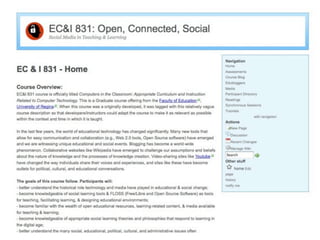
#eci831 (open-boundary)
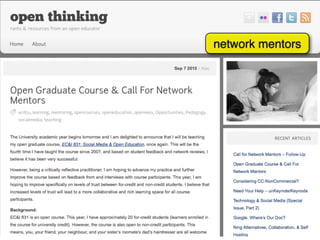
network mentors
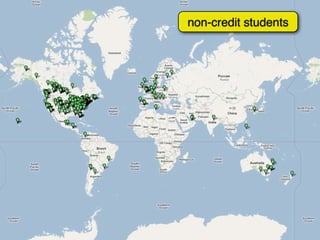
non-credit students
course trailer
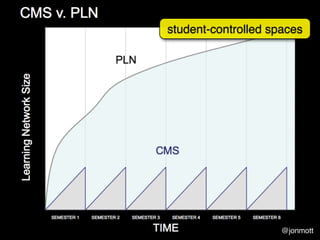
student-controlled spaces


                     @jonmott
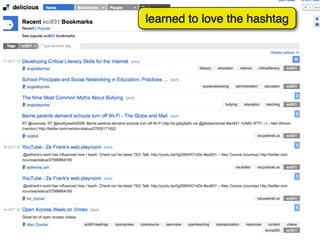
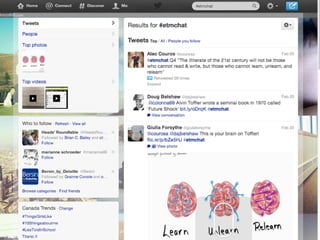
learned to love the hashtag
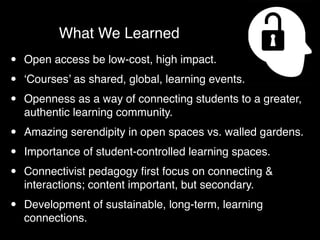
What We Learned
•   Open access be low-cost, high impact.

•   ‘Courses’ as shared, global, learning events.

•   Openness as a way of connecting students to a greater,
    authentic learning community.

•   Amazing serendipity in open spaces vs. walled gardens.

•   Importance of student-controlled learning spaces.

•   Connectivist pedagogy first focus on connecting &
    interactions; content important, but secondary.

•   Development of sustainable, long-term, learning
    connections.
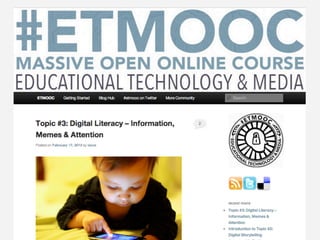
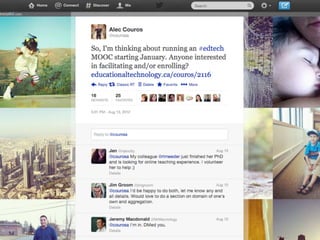
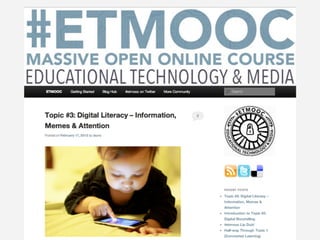
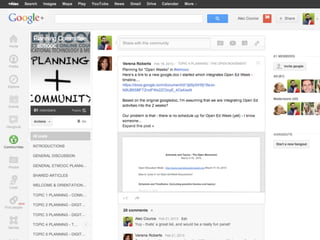
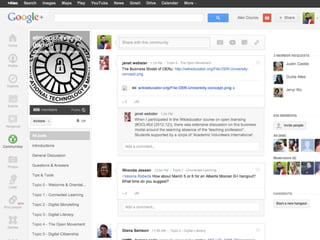
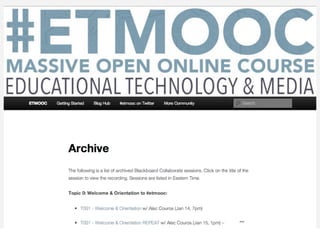
#etmooc
origins
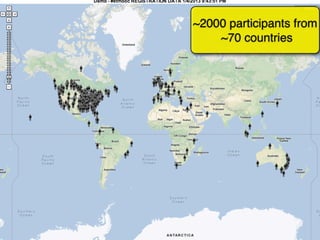
~2000 participants from
    ~70 countries
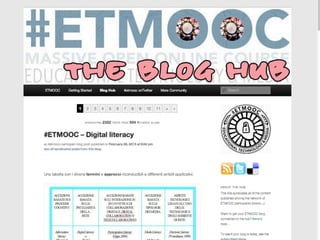
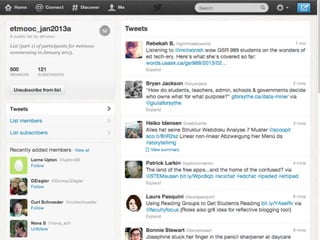
spaces
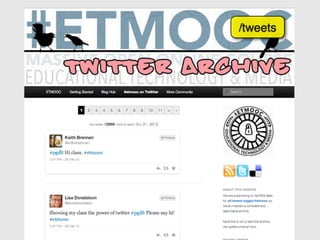
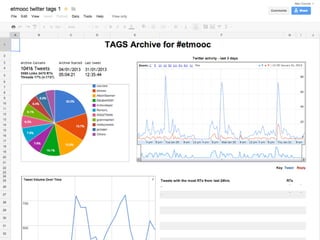
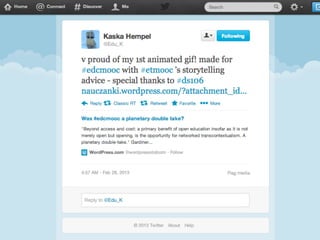
/tweets
random artefacts
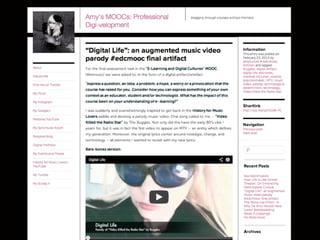
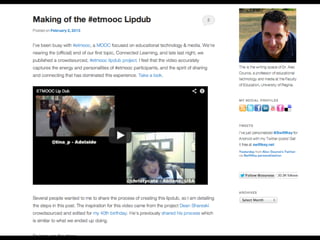
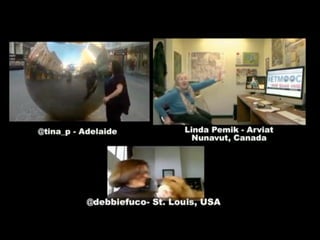
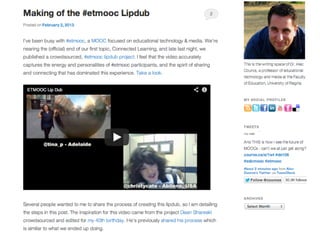
#lipdub
concluding thoughts
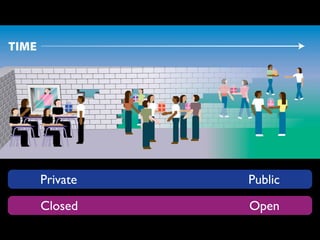
Private   Public

Closed    Open
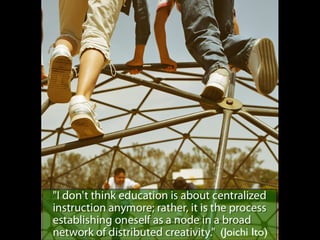
(Joichi Ito)
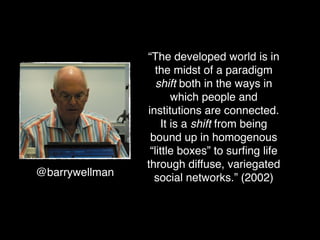
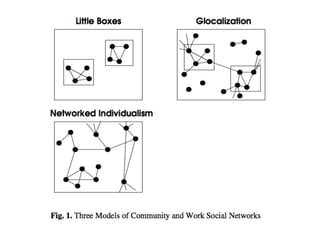
“The developed world is in
                  the midst of a paradigm
                   shift both in the ways in
                        which people and
                institutions are connected.
                     It is a shift from being
                 bound up in homogenous
                 “little boxes” to surfing life
                through diffuse, variegated
@barrywellman     social networks.” (2002)
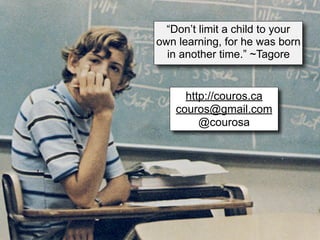
“Don’t limit a child to your
own learning, for he was born
  in another time.” ~Tagore


      http://couros.ca
    couros@gmail.com
         @courosa

Online Learning in a Networked Age

  • 1.
    Online Learning ina Networked Age Dr. Alec Couros SLN SOL Summit Syracuse, New York February 28, 2013
  • 2.
  • 3.
  • 5.
  • 7.
  • 11.
    “Web 2.0 toolsexist that might allow academics to reflect and reimagine what they do as scholars. Such tools might positively affect -- even transform - research, teaching, and service responsibilities - only if scholars choose to build serious academic lives online, presenting semi- public selves and becoming invested in and connected to the work of their peers and students.” (Greenhow, Robelia, & Hughes, 2009)
  • 12.
  • 14.
    current context -new affordances tools, content, networks
  • 15.
  • 16.
    Mobile Early Days ofPCs in Schools Today’s Social/Mobile Reality
  • 18.
  • 19.
    significant shifts inmedia atoms <---> bits scarcity <---> abundance consuming <---> creating standardization <---> personalization individuals <---> networks
  • 21.
    “in 2007 YouTubeconsumed as much bandwidth as the entire Internet in 2000” “72 hours of video are uploaded every minute, or one hour of video is uploaded to Youtube every second.” “More video is uploaded to YouTube in one month that the 3 major US networks created in 60 years.”
  • 26.
    shifts in edtech Group growth Individual growth Objectivism Cognitivism Constructivism (Leinonen) (Schwier) Social Learning
  • 27.
  • 31.
    Informal Learning • “Informal learning is a significant aspect of our learning experience. Formal education no longer comprises the majority of our learning.” • George Siemens http://www.elearnspace.org/Articles/connectivism.htm
  • 33.
    17-Year-Old Heather Traska 86 days, 30+ characters, 13 songs recorded, edited, produced arranged by ear
  • 35.
    “Today knowledge isfree. It’s like air, it’s like water... There’s no competitive advantage in knowing more than the person next to you. The world doesn’t care what you know. What the world cares about is what you can do with what you know.” (2012) @drtonywagner
  • 36.
  • 37.
    HAT’S NO T W AN T P O RT IM
  • 38.
    Six Degrees ofSeparation “the idea that everyone is on average six steps away, by way of introduction, from another person in the world.”
  • 39.
    Strength of WeakTies “There is strength in weak ties. Our acquaintances, not our friends, are potentially our greatest source of new ideas and information.” (paraphrased from Gladwell, 2010)
  • 40.
    Where Good IdeasCome From “The trick to having good ideas is not to sit around in glorious isolation and try to think big thoughts. The trick is to get more parts on the table.” (Steven Johnson, 2010) “Chance favors the connected mind” ~ Stephen Johnson
  • 41.
    networks provide ... 1.affordances: enable communication, collaboration & cooperation in ways that were once impossible with people who were once unreachable. 2. inspiration: connect us to new ideas & expand our thinking & potential for innovation. * ‘us’ meaning those who have access.
  • 42.
    affordances & inspirations valueof free, crowdsourcing, visible learning
  • 43.
  • 44.
    “Gift cultures areadaptations not to scarcity but to abundance .... In gift cultures, social status is determined not by what you control, but by what you give away. (1997) @esrtweet
  • 48.
    “the song intentionallylacked a copyright so that people would be encouraged to create their own online parodies, in essence their own "XYZ Style"”
  • 50.
  • 51.
  • 53.
  • 57.
  • 58.
  • 59.
    @noiseprofessor @noiseprofessor
  • 60.
  • 61.
  • 63.
  • 64.
  • 66.
    “To answer yourquestion, I did use Youtube to learn how to dance. I consider it my ‘main’ teacher.” “10 years ago, street dance was very exclusive, especially rare dances like popping (the one I teach and do). You either had to learn it from a friend that knew it or get VHS tapes which were hard to get. Now with Youtube, anyone, anywhere in the world can learn previously ‘exclusive’ dance styles.”
  • 72.
    How are youmaking your learning visible?
  • 73.
    How are youcontributing to the learning of others?
  • 74.
  • 75.
  • 77.
  • 78.
  • 79.
  • 80.
  • 81.
    learned to lovethe hashtag
  • 82.
    What We Learned • Open access be low-cost, high impact. • ‘Courses’ as shared, global, learning events. • Openness as a way of connecting students to a greater, authentic learning community. • Amazing serendipity in open spaces vs. walled gardens. • Importance of student-controlled learning spaces. • Connectivist pedagogy first focus on connecting & interactions; content important, but secondary. • Development of sustainable, long-term, learning connections.
  • 83.
  • 84.
  • 87.
  • 88.
  • 91.
  • 100.
  • 109.
  • 113.
  • 114.
    Private Public Closed Open
  • 115.
  • 116.
    “The developed worldis in the midst of a paradigm shift both in the ways in which people and institutions are connected. It is a shift from being bound up in homogenous “little boxes” to surfing life through diffuse, variegated @barrywellman social networks.” (2002)
  • 119.
    “Don’t limit achild to your own learning, for he was born in another time.” ~Tagore http://couros.ca couros@gmail.com @courosa