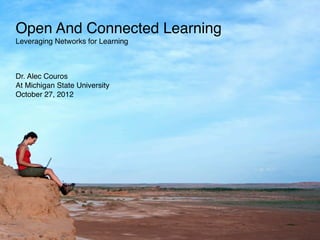
Open And Connected Learning
Leveraging Networks for Learning


Dr. Alec Couros
At Michigan State University
October 27, 2012
#coetc12
me
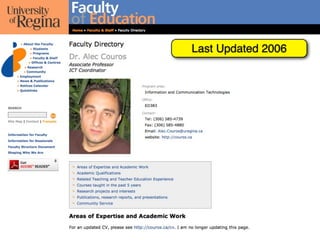
Last Updated 2006
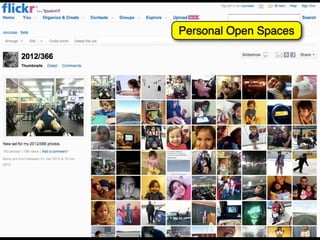
Personal Open Spaces
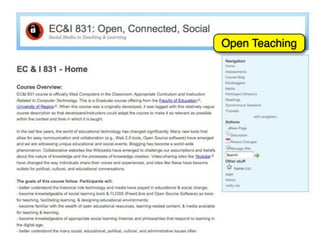
Open Teaching
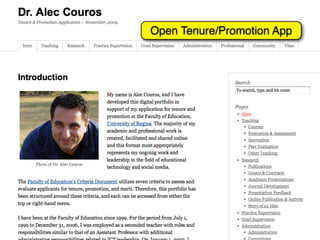
Open Tenure/Promotion App
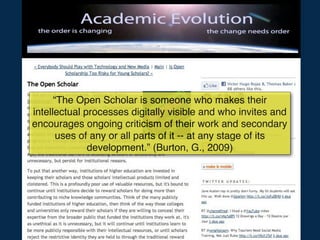
“The Open Scholar is someone who makes their
intellectual processes digitally visible and who invites and
encourages ongoing criticism of their work and secondary
       uses of any or all parts of it -- at any stage of its
              development.” (Burton, G., 2009)
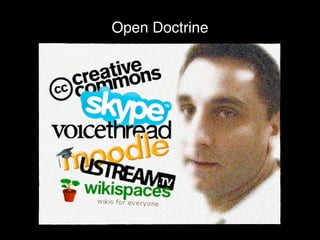
Open Doctrine
changes
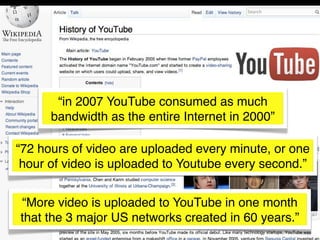
“in 2007 YouTube consumed as much
      bandwidth as the entire Internet in 2000”

“72 hours of video are uploaded every minute, or one
 hour of video is uploaded to Youtube every second.”


“More video is uploaded to YouTube in one month
that the 3 major US networks created in 60 years.”
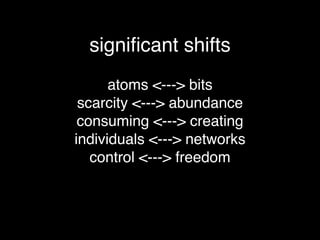
significant shifts
      atoms <---> bits
 scarcity <---> abundance
 consuming <---> creating
individuals <---> networks
   control <---> freedom
current context - new affordances
        tools, content, networks
tools
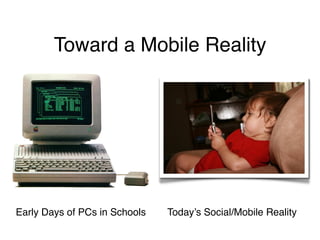
Toward a Mobile Reality


Early Days of PCs in Schools   Today’s Social/Mobile Reality
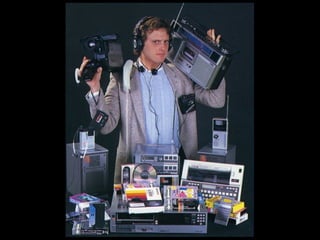
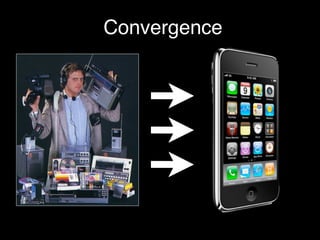
Convergence
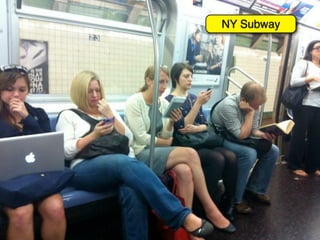
NY Subway
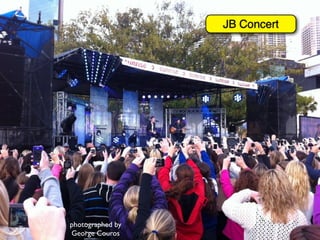
JB Concert


photographed by
George Couros
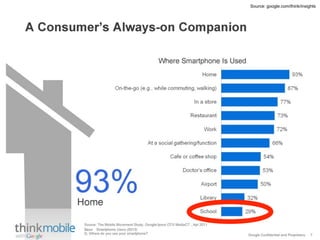
Source: google.com/think/insights
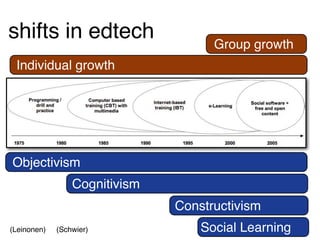
shifts in edtech                     Group growth
 Individual growth


Objectivism
                 Cognitivism
                               Constructivism
(Leinonen)   (Schwier)             Social Learning
content
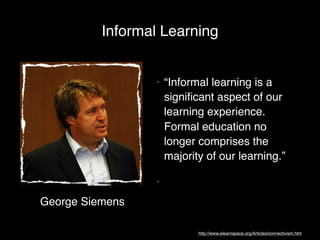
Informal Learning


                 •   “Informal learning is a
                     significant aspect of our
                     learning experience.
                     Formal education no
                     longer comprises the
                     majority of our learning.”

                 •

George Siemens

                            http://www.elearnspace.org/Articles/connectivism.htm
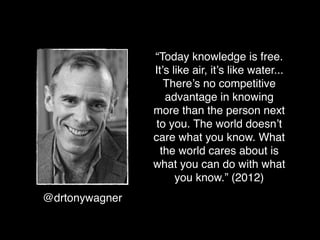
“Today knowledge is free.
                It’s like air, it’s like water...
                   There’s no competitive
                   advantage in knowing
                more than the person next
                 to you. The world doesn’t
                care what you know. What
                  the world cares about is
                what you can do with what
                      you know.” (2012)
@drtonywagner
networks
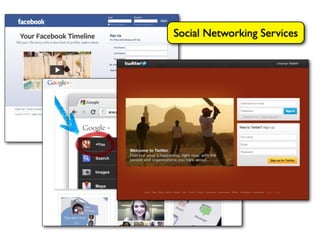
Social Networking Services
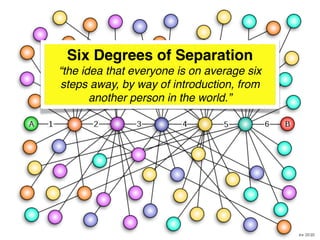
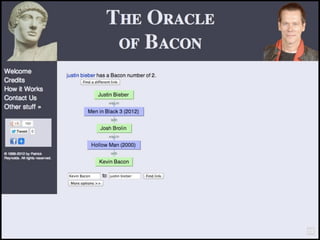
Six Degrees of Separation
“the idea that everyone is on average six
steps away, by way of introduction, from
       another person in the world.”
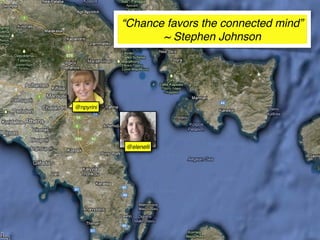
“Chance favors the connected mind”
                  ~ Stephen Johnson


@npyrini


           @elenelli
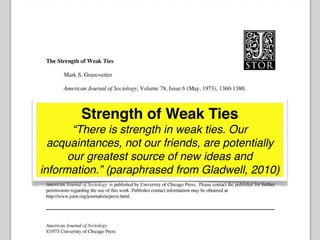
Strength of Weak Ties
       “There is strength in weak ties. Our
  acquaintances, not our friends, are potentially
      our greatest source of new ideas and
information.” (paraphrased from Gladwell, 2010)
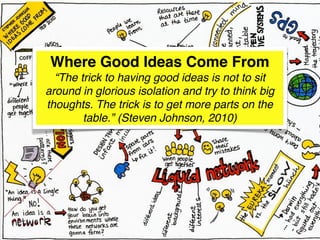
Where Good Ideas Come From
  “The trick to having good ideas is not to sit
around in glorious isolation and try to think big
thoughts. The trick is to get more parts on the
        table.” (Steven Johnson, 2010)
networks
     1. mechanism: enable communication &
collaboration in ways that were once impossible.

2. inspiration: connect us to new ideas & expand
      our thinking & potential for innovation.

       * ‘us’ meaning those who are increasingly literate
inspirations & possibilities
value of free, weak ties, visible learning
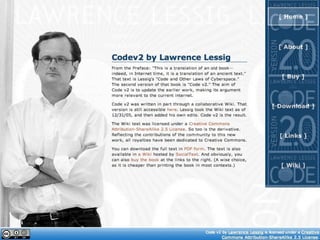
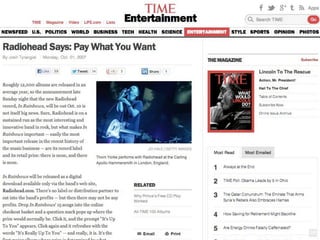
value of free
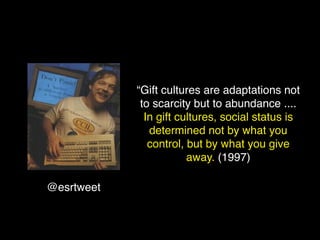
“Gift cultures are adaptations not
             to scarcity but to abundance ....
              In gift cultures, social status is
               determined not by what you
               control, but by what you give
                        away. (1997)

@esrtweet
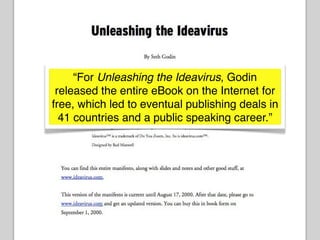
“For Unleashing the Ideavirus, Godin
 released the entire eBook on the Internet for
free, which led to eventual publishing deals in
  41 countries and a public speaking career.”
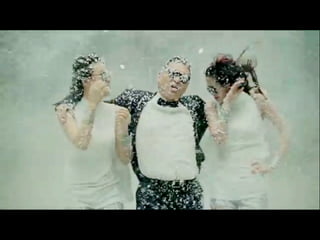
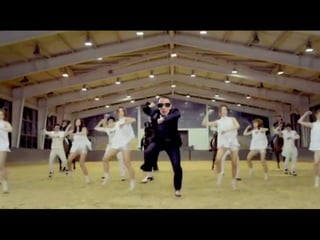
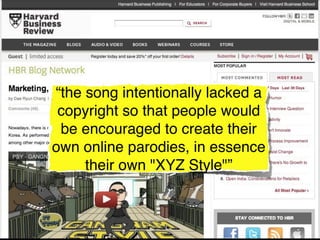
“the song intentionally lacked a
 copyright so that people would
 be encouraged to create their
own online parodies, in essence
     their own "XYZ Style"”
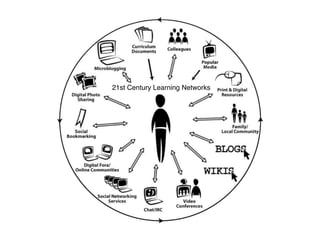
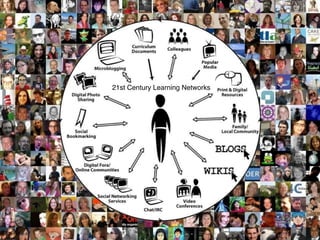
21st Century Learning Networks
strength of weak ties
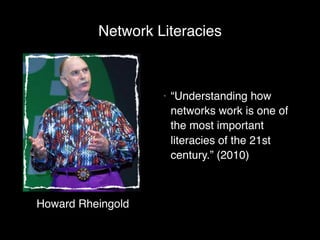
Network Literacies


                   •   “Understanding how
                       networks work is one of
                       the most important
                       literacies of the 21st
                       century.” (2010)


Howard Rheingold
@dlnorman
@giuliaforsythe
@noiseprofessor


                  @noiseprofessor
@noiseprofessor
@timlauer
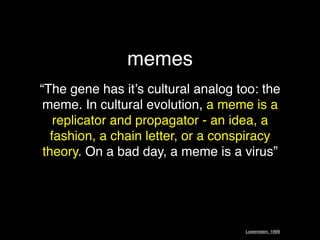
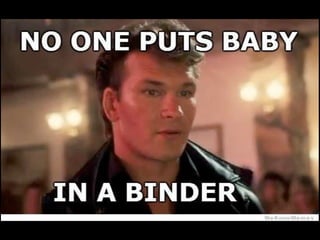
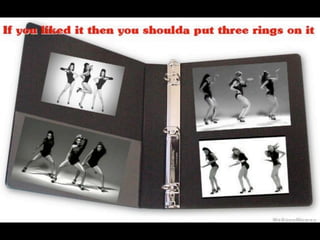
memes
“The gene has it’s cultural analog too: the
 meme. In cultural evolution, a meme is a
    replicator and propagator - an idea, a
   fashion, a chain letter, or a conspiracy
 theory. On a bad day, a meme is a virus”


                                    Lowenstein, 1999
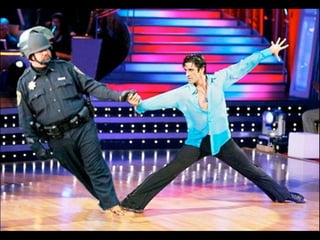
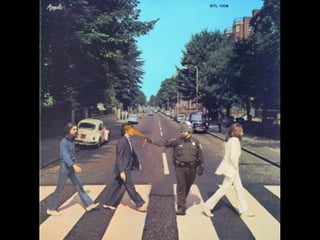
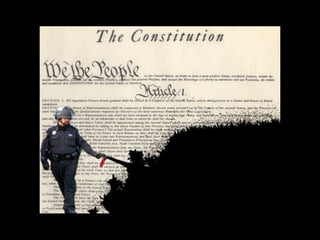
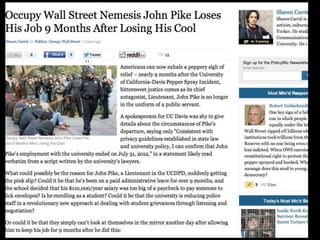
http://www.flickr.com/photos/will-lion/3601144842/sizes/l/in/photostream/
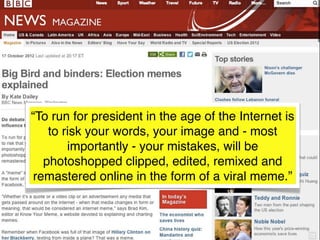
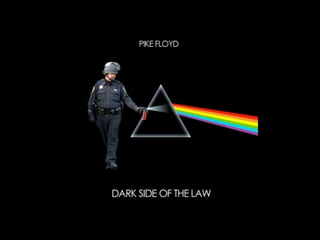
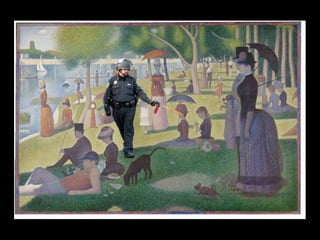
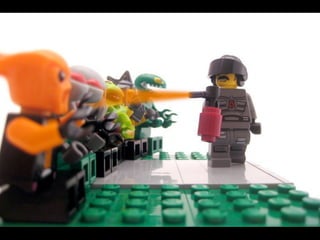
“To run for president in the age of the Internet is
    to risk your words, your image and - most
        importantly - your mistakes, will be
   photoshopped clipped, edited, remixed and
 remastered online in the form of a viral meme.”
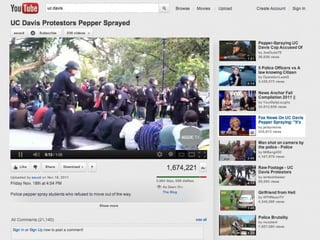
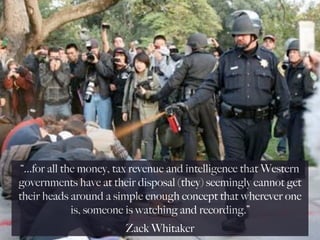
“...for all the money, tax revenue and intelligence that Western
governments have at their disposal (they) seemingly cannot get
their heads around a simple enough concept that wherever one
               is, someone is watching and recording.”
                        Zack Whitaker
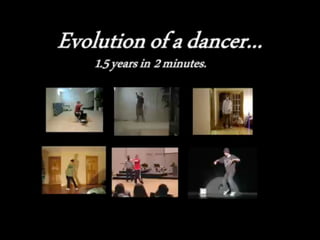
making learning visible
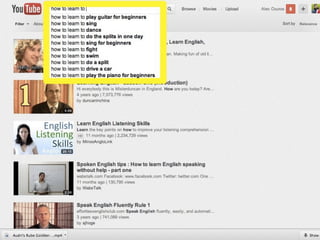
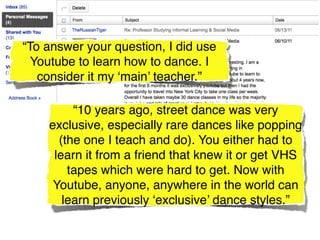
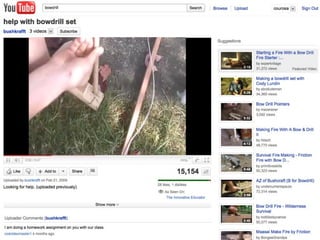
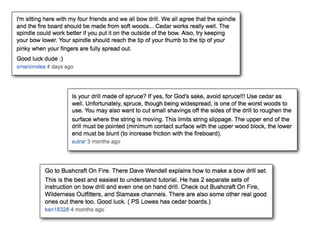
“To answer your question, I did use
  Youtube to learn how to dance. I
   consider it my ‘main’ teacher.”

         “10 years ago, street dance was very
    exclusive, especially rare dances like popping
      (the one I teach and do). You either had to
     learn it from a friend that knew it or get VHS
        tapes which were hard to get. Now with
     Youtube, anyone, anywhere in the world can
       learn previously ‘exclusive’ dance styles.”
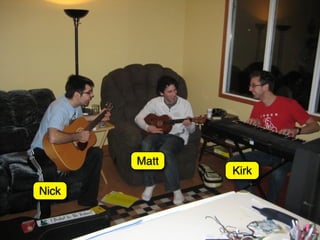
Matt
              Kirk
Nick
how are you making learning visible?
how are you contributing to
  the learning of others?
#eci831
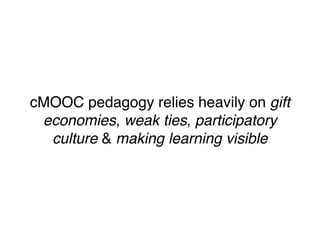
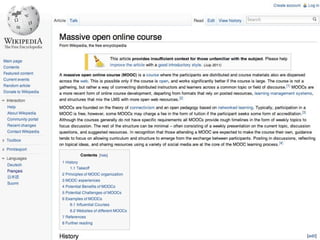
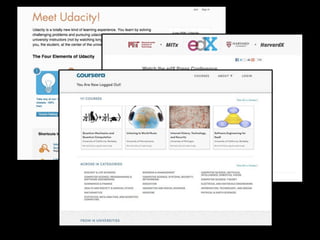
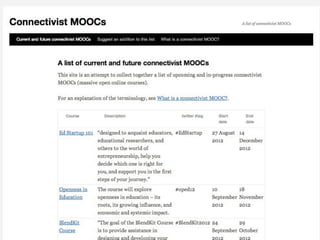
cMOOC pedagogy relies heavily on gift
 economies, weak ties, participatory
  culture & making learning visible
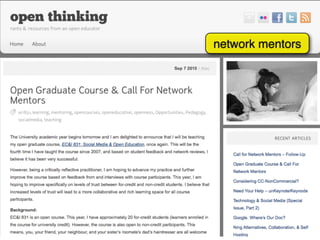
network mentors
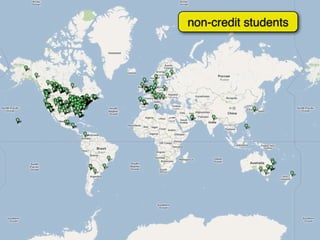
non-credit students
course trailer
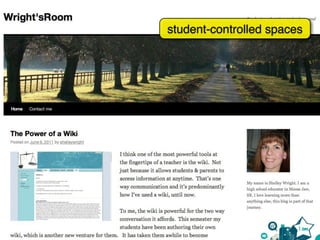
student-controlled spaces
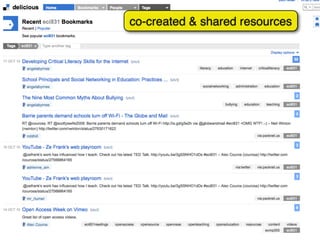
co-created & shared resources
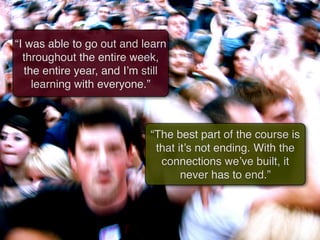
“I was able to go out and learn
  throughout the entire week,
   the entire year, and I’m still
     learning with everyone.”


                             “The best part of the course is
                              that it’s not ending. With the
                               connections we’ve built, it
                                    never has to end.”
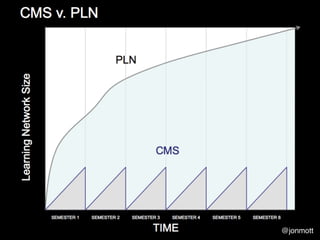
@jonmott
concluding thoughts
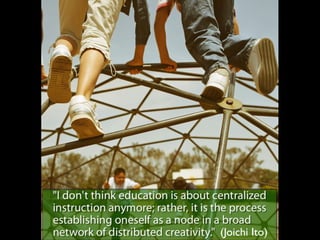
(Joichi Ito)
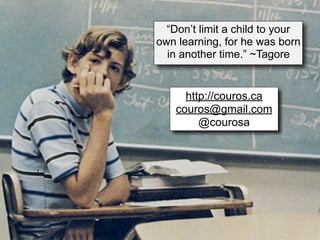
“Don’t limit a child to your
own learning, for he was born
  in another time.” ~Tagore


      http://couros.ca
    couros@gmail.com
         @courosa

Open & Connected Learning

  • 1.
    Open And ConnectedLearning Leveraging Networks for Learning Dr. Alec Couros At Michigan State University October 27, 2012
  • 2.
  • 3.
  • 5.
  • 7.
  • 10.
  • 11.
  • 12.
    “The Open Scholaris someone who makes their intellectual processes digitally visible and who invites and encourages ongoing criticism of their work and secondary uses of any or all parts of it -- at any stage of its development.” (Burton, G., 2009)
  • 13.
  • 14.
  • 16.
    “in 2007 YouTubeconsumed as much bandwidth as the entire Internet in 2000” “72 hours of video are uploaded every minute, or one hour of video is uploaded to Youtube every second.” “More video is uploaded to YouTube in one month that the 3 major US networks created in 60 years.”
  • 17.
    significant shifts atoms <---> bits scarcity <---> abundance consuming <---> creating individuals <---> networks control <---> freedom
  • 18.
    current context -new affordances tools, content, networks
  • 19.
  • 20.
    Toward a MobileReality Early Days of PCs in Schools Today’s Social/Mobile Reality
  • 23.
  • 24.
  • 25.
  • 26.
  • 30.
    shifts in edtech Group growth Individual growth Objectivism Cognitivism Constructivism (Leinonen) (Schwier) Social Learning
  • 31.
  • 35.
    Informal Learning • “Informal learning is a significant aspect of our learning experience. Formal education no longer comprises the majority of our learning.” • George Siemens http://www.elearnspace.org/Articles/connectivism.htm
  • 39.
    “Today knowledge isfree. It’s like air, it’s like water... There’s no competitive advantage in knowing more than the person next to you. The world doesn’t care what you know. What the world cares about is what you can do with what you know.” (2012) @drtonywagner
  • 40.
  • 41.
  • 42.
    Six Degrees ofSeparation “the idea that everyone is on average six steps away, by way of introduction, from another person in the world.”
  • 44.
    “Chance favors theconnected mind” ~ Stephen Johnson @npyrini @elenelli
  • 45.
    Strength of WeakTies “There is strength in weak ties. Our acquaintances, not our friends, are potentially our greatest source of new ideas and information.” (paraphrased from Gladwell, 2010)
  • 46.
    Where Good IdeasCome From “The trick to having good ideas is not to sit around in glorious isolation and try to think big thoughts. The trick is to get more parts on the table.” (Steven Johnson, 2010)
  • 47.
    networks 1. mechanism: enable communication & collaboration in ways that were once impossible. 2. inspiration: connect us to new ideas & expand our thinking & potential for innovation. * ‘us’ meaning those who are increasingly literate
  • 48.
    inspirations & possibilities valueof free, weak ties, visible learning
  • 49.
  • 50.
    “Gift cultures areadaptations not to scarcity but to abundance .... In gift cultures, social status is determined not by what you control, but by what you give away. (1997) @esrtweet
  • 52.
    “For Unleashing theIdeavirus, Godin released the entire eBook on the Internet for free, which led to eventual publishing deals in 41 countries and a public speaking career.”
  • 59.
    “the song intentionallylacked a copyright so that people would be encouraged to create their own online parodies, in essence their own "XYZ Style"”
  • 61.
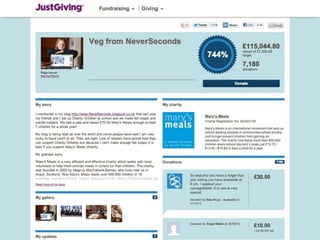
  • 62.
  • 66.
  • 67.
    Network Literacies • “Understanding how networks work is one of the most important literacies of the 21st century.” (2010) Howard Rheingold
  • 75.
  • 76.
  • 77.
    @noiseprofessor @noiseprofessor
  • 78.
  • 79.
  • 81.
    memes “The gene hasit’s cultural analog too: the meme. In cultural evolution, a meme is a replicator and propagator - an idea, a fashion, a chain letter, or a conspiracy theory. On a bad day, a meme is a virus” Lowenstein, 1999
  • 82.
  • 86.
    “To run forpresident in the age of the Internet is to risk your words, your image and - most importantly - your mistakes, will be photoshopped clipped, edited, remixed and remastered online in the form of a viral meme.”
  • 88.
    “...for all the money,tax revenue and intelligence that Western governments have at their disposal (they) seemingly cannot get their heads around a simple enough concept that wherever one is, someone is watching and recording.” Zack Whitaker
  • 96.
  • 100.
    “To answer yourquestion, I did use Youtube to learn how to dance. I consider it my ‘main’ teacher.” “10 years ago, street dance was very exclusive, especially rare dances like popping (the one I teach and do). You either had to learn it from a friend that knew it or get VHS tapes which were hard to get. Now with Youtube, anyone, anywhere in the world can learn previously ‘exclusive’ dance styles.”
  • 101.
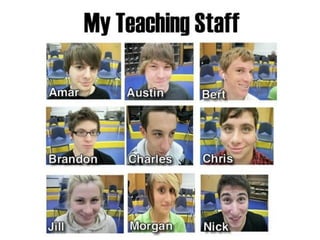
    Matt Kirk Nick
  • 102.
    how are youmaking learning visible?
  • 103.
    how are youcontributing to the learning of others?
  • 108.
  • 109.
    cMOOC pedagogy reliesheavily on gift economies, weak ties, participatory culture & making learning visible
  • 111.
  • 112.
  • 113.
  • 114.
  • 115.
  • 116.
    “I was ableto go out and learn throughout the entire week, the entire year, and I’m still learning with everyone.” “The best part of the course is that it’s not ending. With the connections we’ve built, it never has to end.”
  • 117.
  • 120.
  • 124.
  • 126.
    “Don’t limit achild to your own learning, for he was born in another time.” ~Tagore http://couros.ca couros@gmail.com @courosa