Submitted to :-
Proff. Anil Sindhu
Dept. of Bioechnology
(DCRUST) murthal
Submitted By :-
Gyan Chand Saini
23001906001
Ph.D. Student
Dept. of Biotechnology
What is Whole Genome Sequencing?
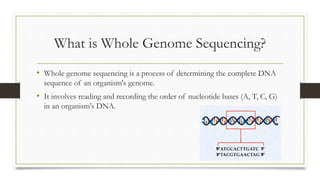
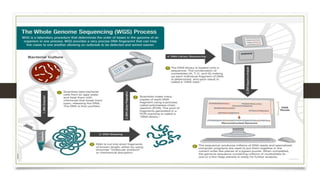
• Whole genome sequencing is a process of determining the complete DNA
sequence of an organism's genome.
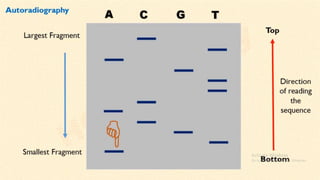
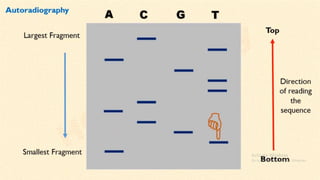
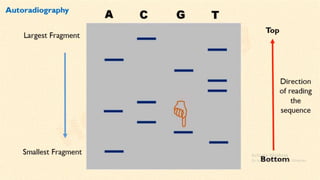
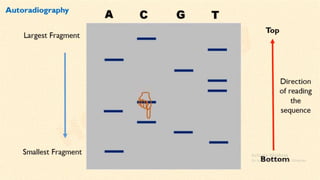
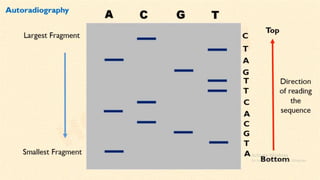
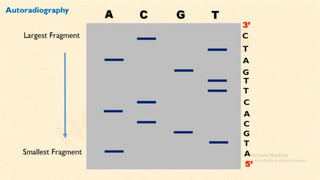
• It involves reading and recording the order of nucleotide bases (A, T, C, G)
in an organism's DNA.
Why is Whole Genome Sequencing Important?
• Whole genome sequencing provides a comprehensive view of an organism's
genetic makeup.
• It can help identify genetic variations and mutations that may be linked to
diseases or other traits.
• It also allows for a better understanding of evolution, population genetics,
and genetic diversity.
Steps in Whole Genome Sequencing
• Sample collection: A small amount of tissue or blood is collected from the
organism.
• DNA extraction: The DNA is extracted from the sample using specialized
techniques.
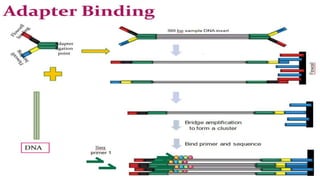
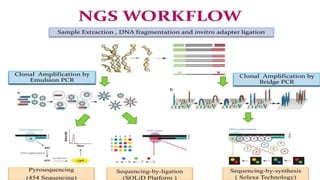
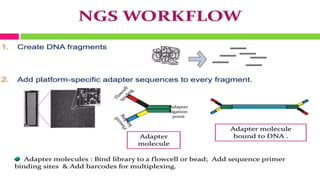
• Library preparation: The DNA is fragmented and adapters are added to facilitate
sequencing.
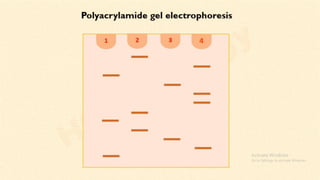
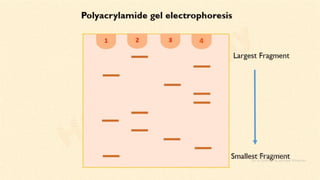
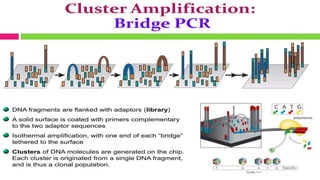
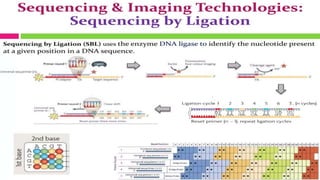
• Sequencing: The fragmented DNA is sequenced using various technologies.
• Data analysis: The raw sequencing data is processed and analyzed to generate a
complete genome sequence.
Technologies Used in Whole Genome
Sequencing
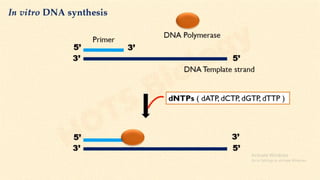
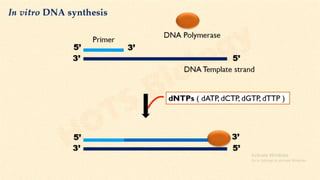
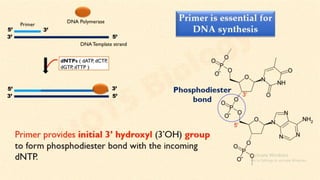
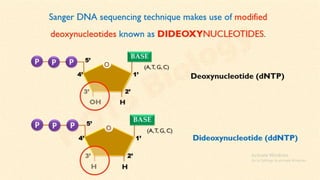
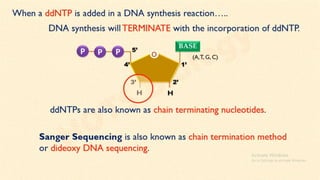
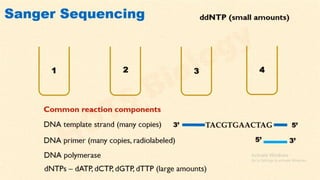
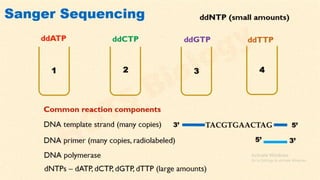
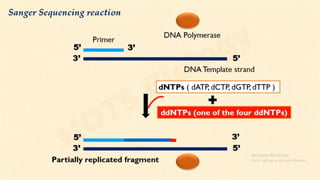
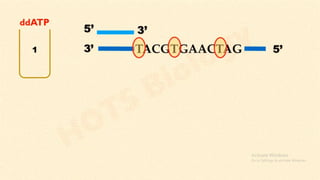
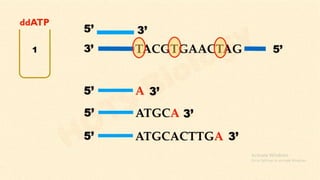
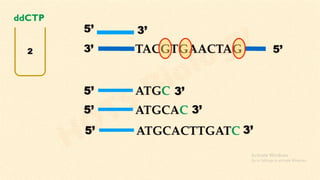
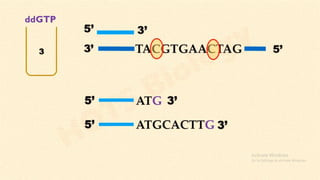
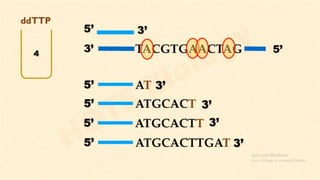
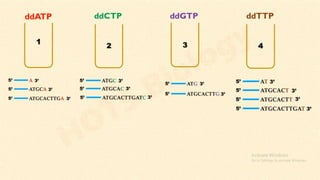
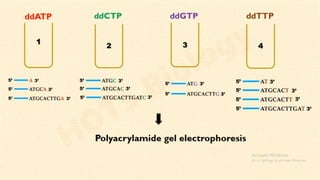
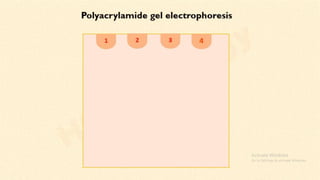
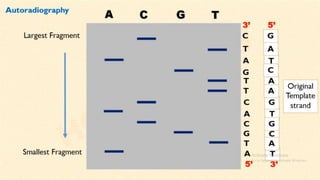
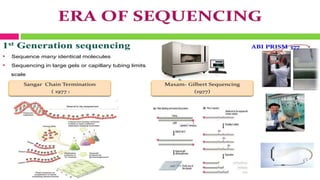
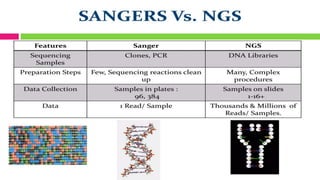
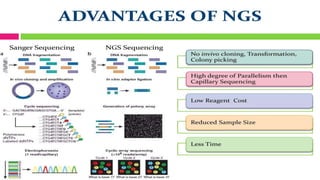
1. Sanger sequencing: This was the first method used for whole genome
sequencing and is still used for small genomes.
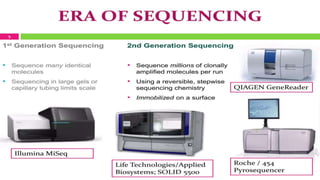
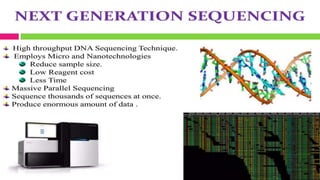
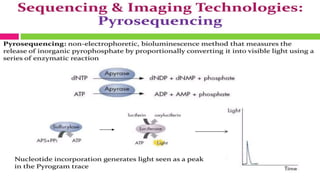
2. Next-generation sequencing (NGS): This includes various high-
throughput sequencing technologies such as Illumina, Roche 454, and Ion
Torrent.
3. Third-generation sequencing: This includes newer technologies such as
PacBio and Oxford Nanopore, which can sequence longer DNA
fragments.
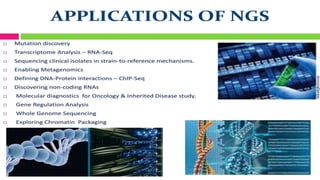
Applications of Whole Genome Sequencing
• Medical research: Whole genome sequencing can help identify genetic variations
associated with diseases and provide insights into their causes.
• Precision medicine: By analyzing an individual's genome, doctors can tailor
treatments based on their genetic makeup.
• Agriculture: Whole genome sequencing can help breeders select for desirable traits
in plants and animals.
• Forensics: DNA sequencing can be used to identify suspects and solve crimes.
• Evolutionary studies: Whole genome sequencing can provide insights into the
evolutionary history of organisms.
Challenges of Whole Genome Sequencing
1. Cost: Whole genome sequencing is still an expensive process, although the
cost has decreased significantly in recent years.
2. Data analysis: The amount of data generated by whole genome sequencing
can be overwhelming and requires specialized software and expertise for
analysis.
3. Ethical concerns: The use of whole genome sequencing raises ethical
concerns such as privacy, discrimination, and consent.
conclusion
• Whole genome sequencing is a powerful tool that has revolutionized the field
of genetics and has numerous applications in various fields.
• As technology advances and costs decrease, it is expected to become more
accessible and widely used in the future.

Whole Genome Sequencing .pptx

  • 1.
    Submitted to :- Proff.Anil Sindhu Dept. of Bioechnology (DCRUST) murthal Submitted By :- Gyan Chand Saini 23001906001 Ph.D. Student Dept. of Biotechnology
  • 2.
    What is WholeGenome Sequencing? • Whole genome sequencing is a process of determining the complete DNA sequence of an organism's genome. • It involves reading and recording the order of nucleotide bases (A, T, C, G) in an organism's DNA.
  • 3.
    Why is WholeGenome Sequencing Important? • Whole genome sequencing provides a comprehensive view of an organism's genetic makeup. • It can help identify genetic variations and mutations that may be linked to diseases or other traits. • It also allows for a better understanding of evolution, population genetics, and genetic diversity.
  • 4.
    Steps in WholeGenome Sequencing • Sample collection: A small amount of tissue or blood is collected from the organism. • DNA extraction: The DNA is extracted from the sample using specialized techniques. • Library preparation: The DNA is fragmented and adapters are added to facilitate sequencing. • Sequencing: The fragmented DNA is sequenced using various technologies. • Data analysis: The raw sequencing data is processed and analyzed to generate a complete genome sequence.
  • 6.
    Technologies Used inWhole Genome Sequencing 1. Sanger sequencing: This was the first method used for whole genome sequencing and is still used for small genomes. 2. Next-generation sequencing (NGS): This includes various high- throughput sequencing technologies such as Illumina, Roche 454, and Ion Torrent. 3. Third-generation sequencing: This includes newer technologies such as PacBio and Oxford Nanopore, which can sequence longer DNA fragments.
  • 47.
    Applications of WholeGenome Sequencing • Medical research: Whole genome sequencing can help identify genetic variations associated with diseases and provide insights into their causes. • Precision medicine: By analyzing an individual's genome, doctors can tailor treatments based on their genetic makeup. • Agriculture: Whole genome sequencing can help breeders select for desirable traits in plants and animals. • Forensics: DNA sequencing can be used to identify suspects and solve crimes. • Evolutionary studies: Whole genome sequencing can provide insights into the evolutionary history of organisms.
  • 48.
    Challenges of WholeGenome Sequencing 1. Cost: Whole genome sequencing is still an expensive process, although the cost has decreased significantly in recent years. 2. Data analysis: The amount of data generated by whole genome sequencing can be overwhelming and requires specialized software and expertise for analysis. 3. Ethical concerns: The use of whole genome sequencing raises ethical concerns such as privacy, discrimination, and consent.
  • 49.
    conclusion • Whole genomesequencing is a powerful tool that has revolutionized the field of genetics and has numerous applications in various fields. • As technology advances and costs decrease, it is expected to become more accessible and widely used in the future.