Downloaded 47 times


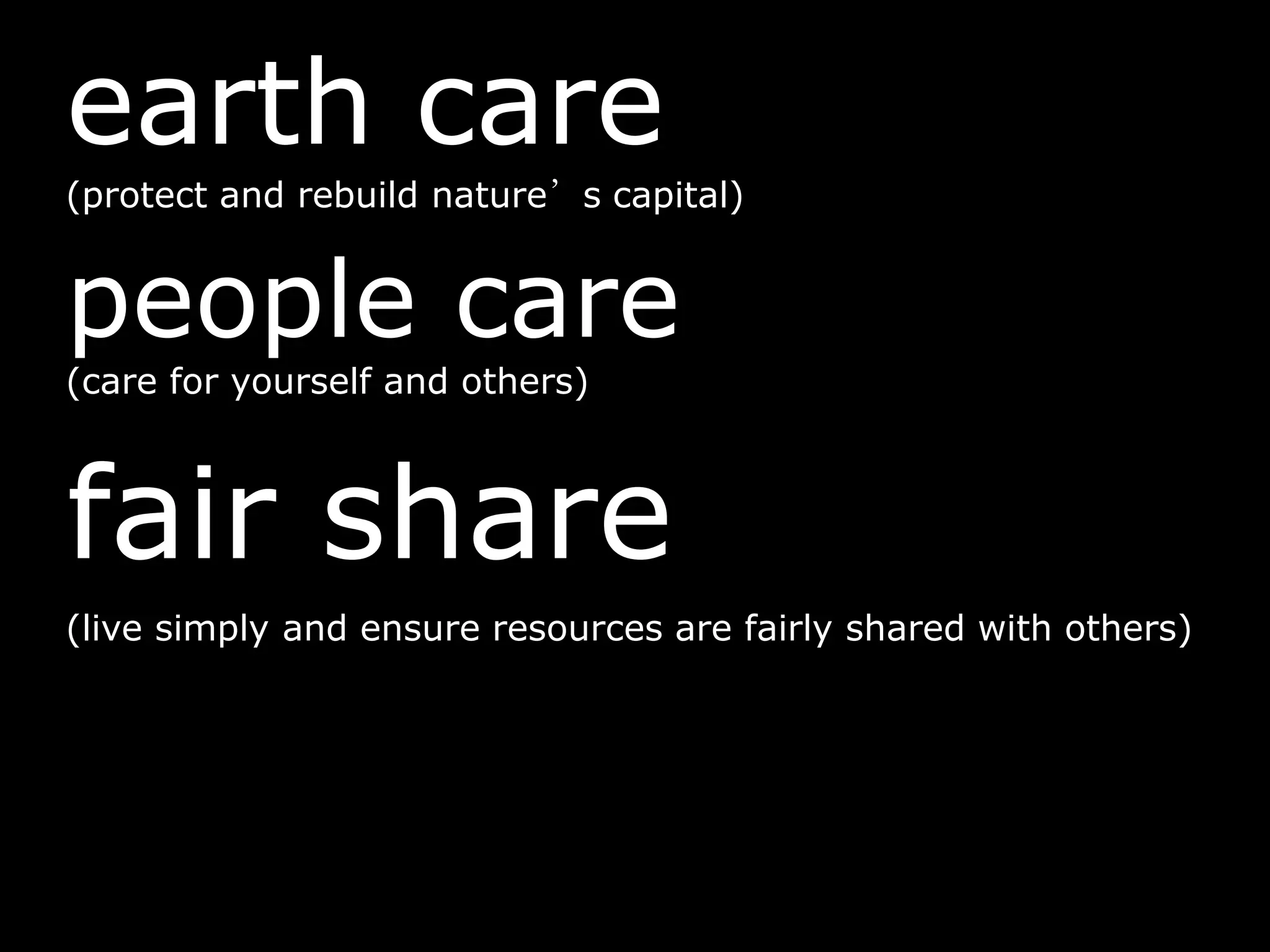




Permaculture is an ethical framework and design approach focused on understanding nature and promoting sustainable agriculture. Its principles emphasize observation, energy management, diversity, and cooperation while ensuring ecological care and fair resource distribution. Key ethics include earth care, people care, and fair share, alongside practical principles like obtaining a yield and valuing renewable resources.
Introduction and definitions of permaculture, emphasizing its meaning as permanent agriculture and culture.
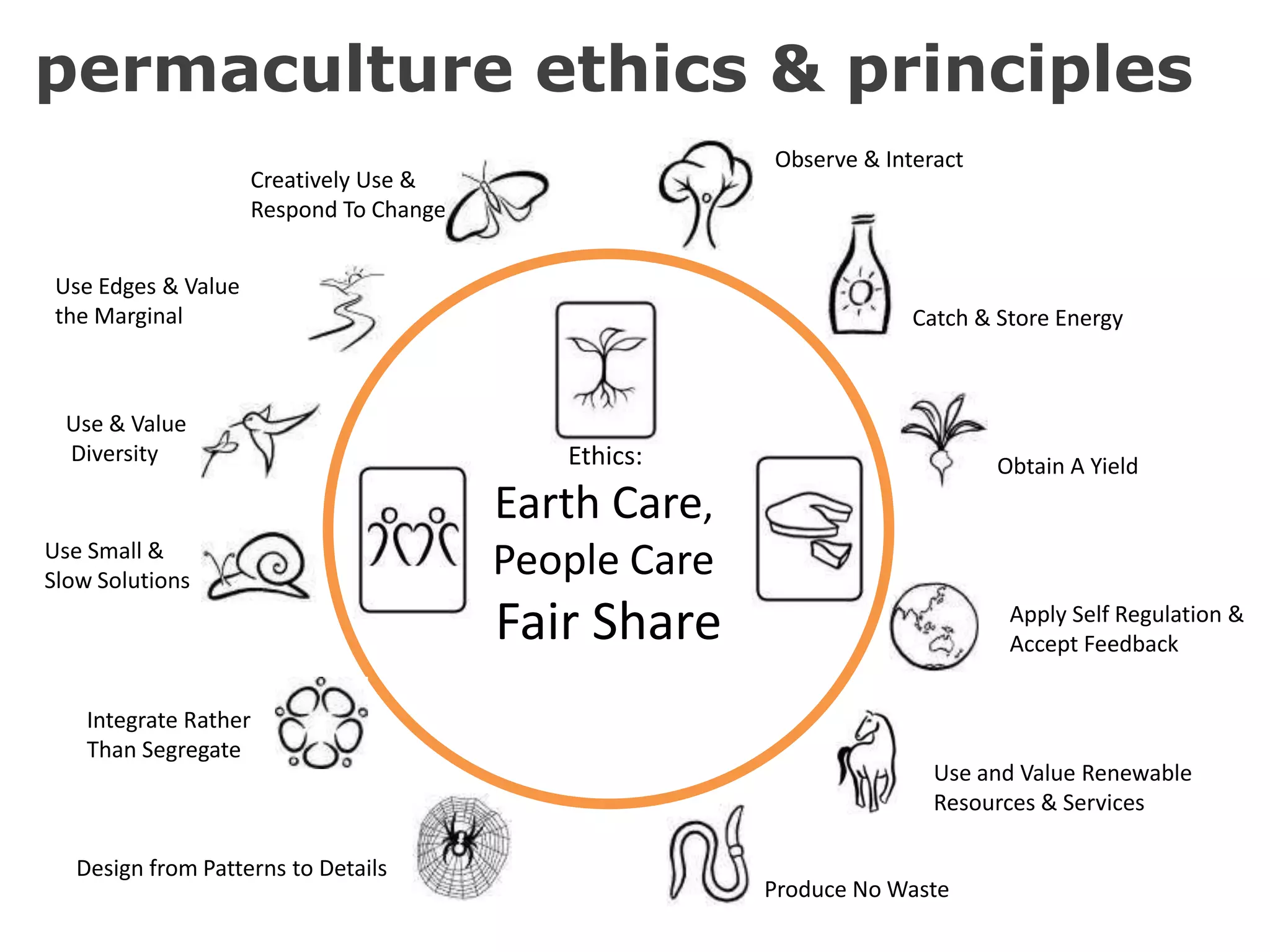
Key ethical framework of permaculture including Earth Care, People Care, and Fair Share, along with guiding principles.
Principles of observing and interacting, catching and storing energy, and obtaining a yield.
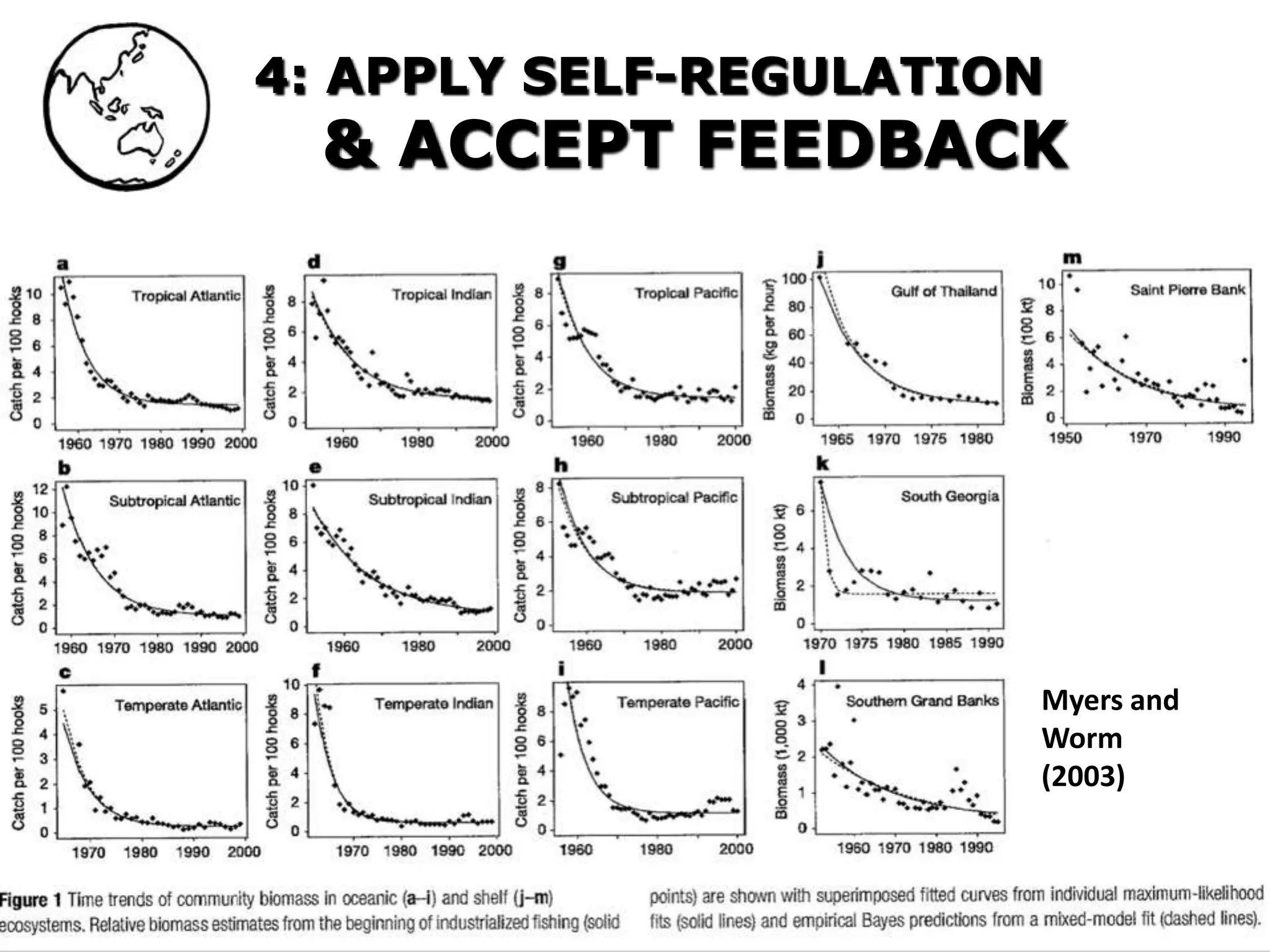
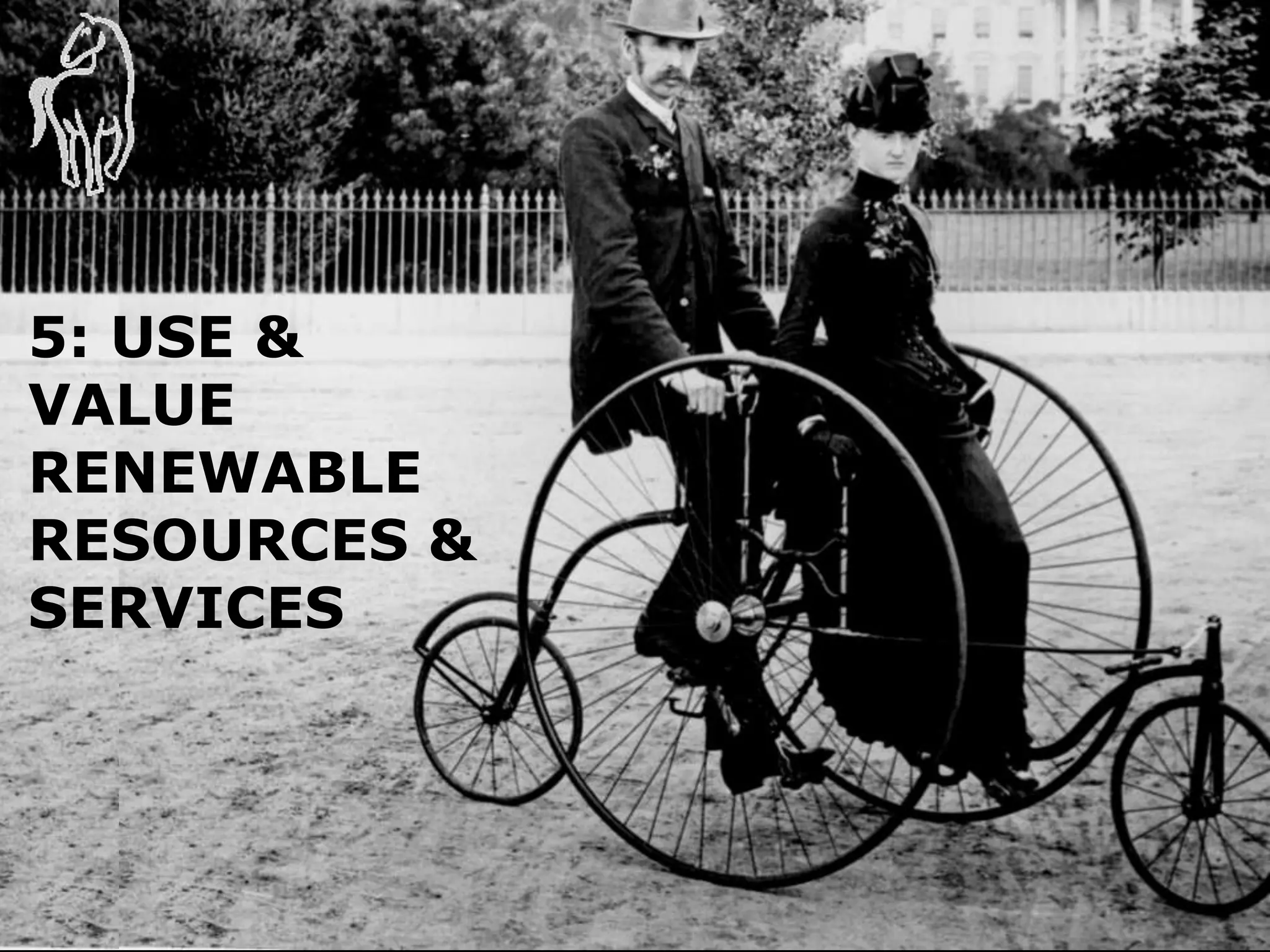
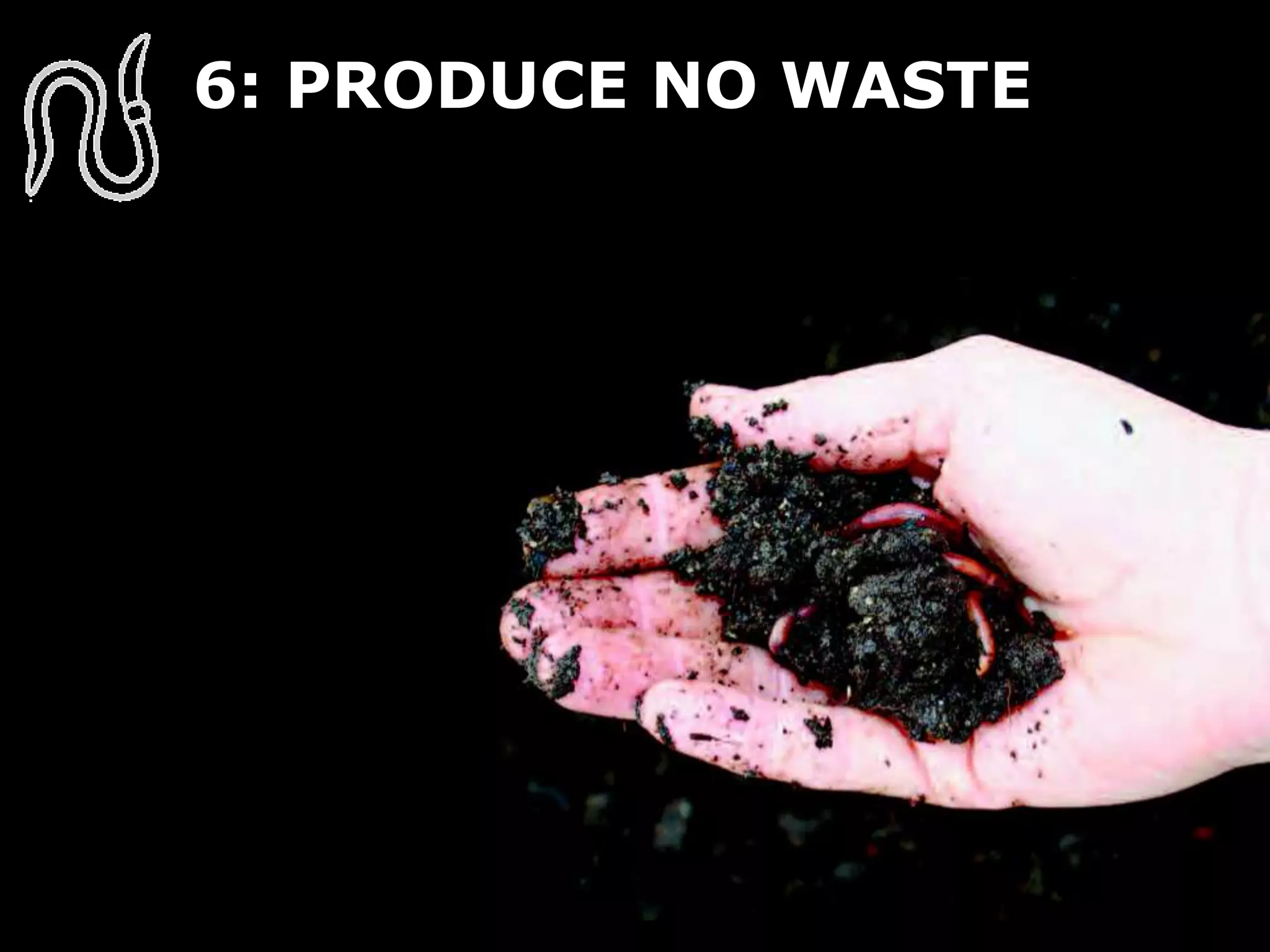
Principles of applying self-regulation, valuing renewable resources, and producing no waste.
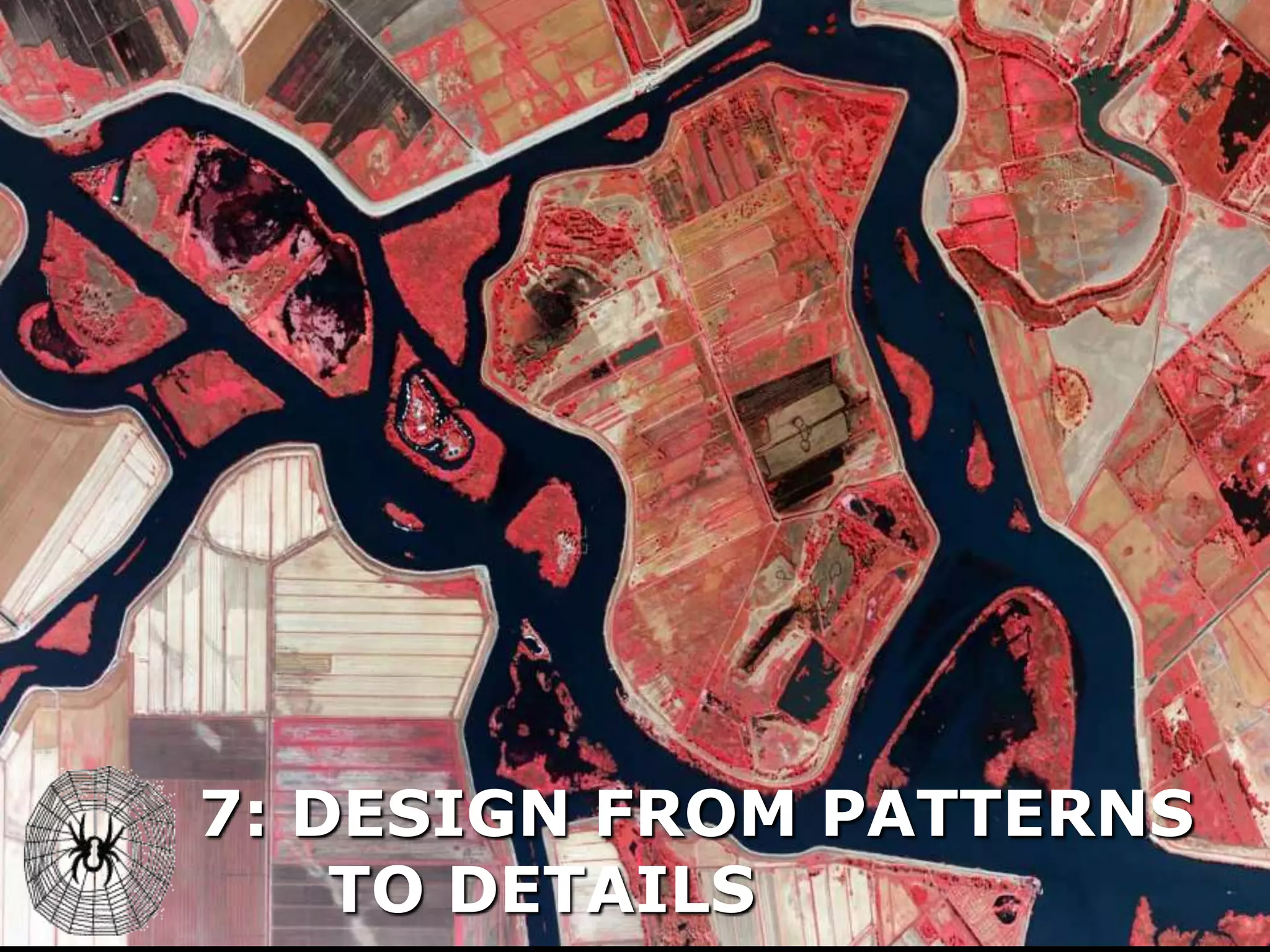
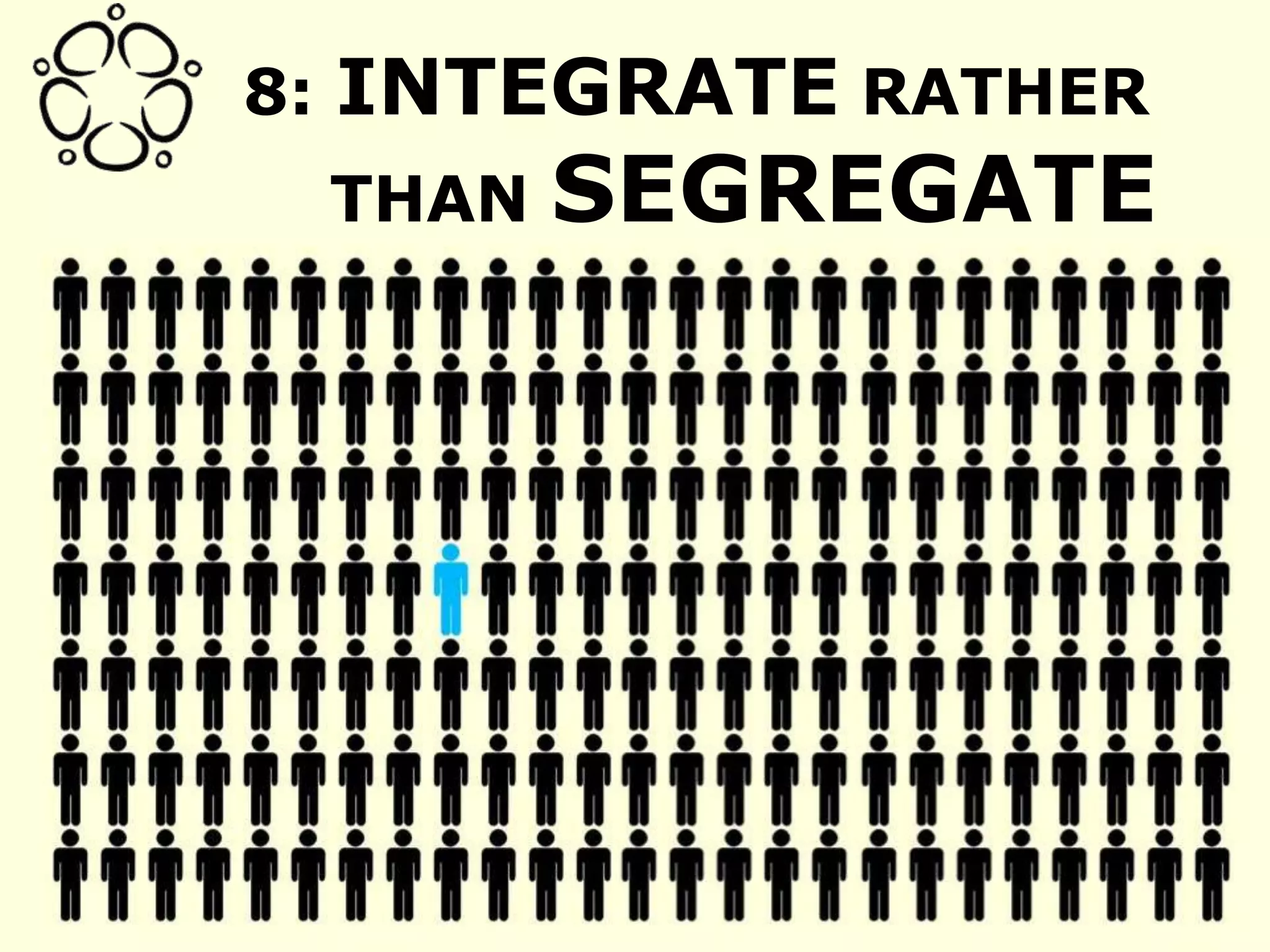
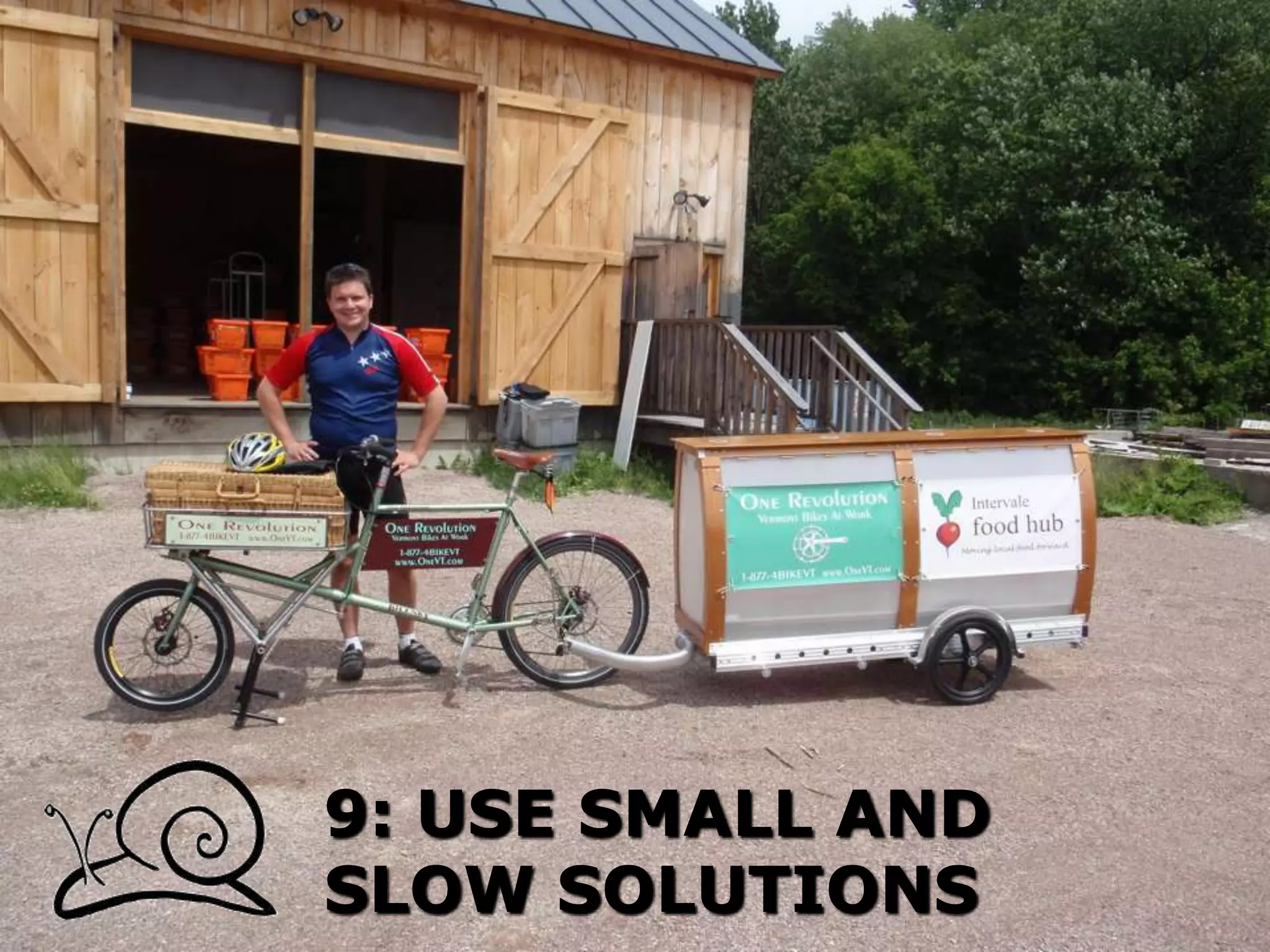
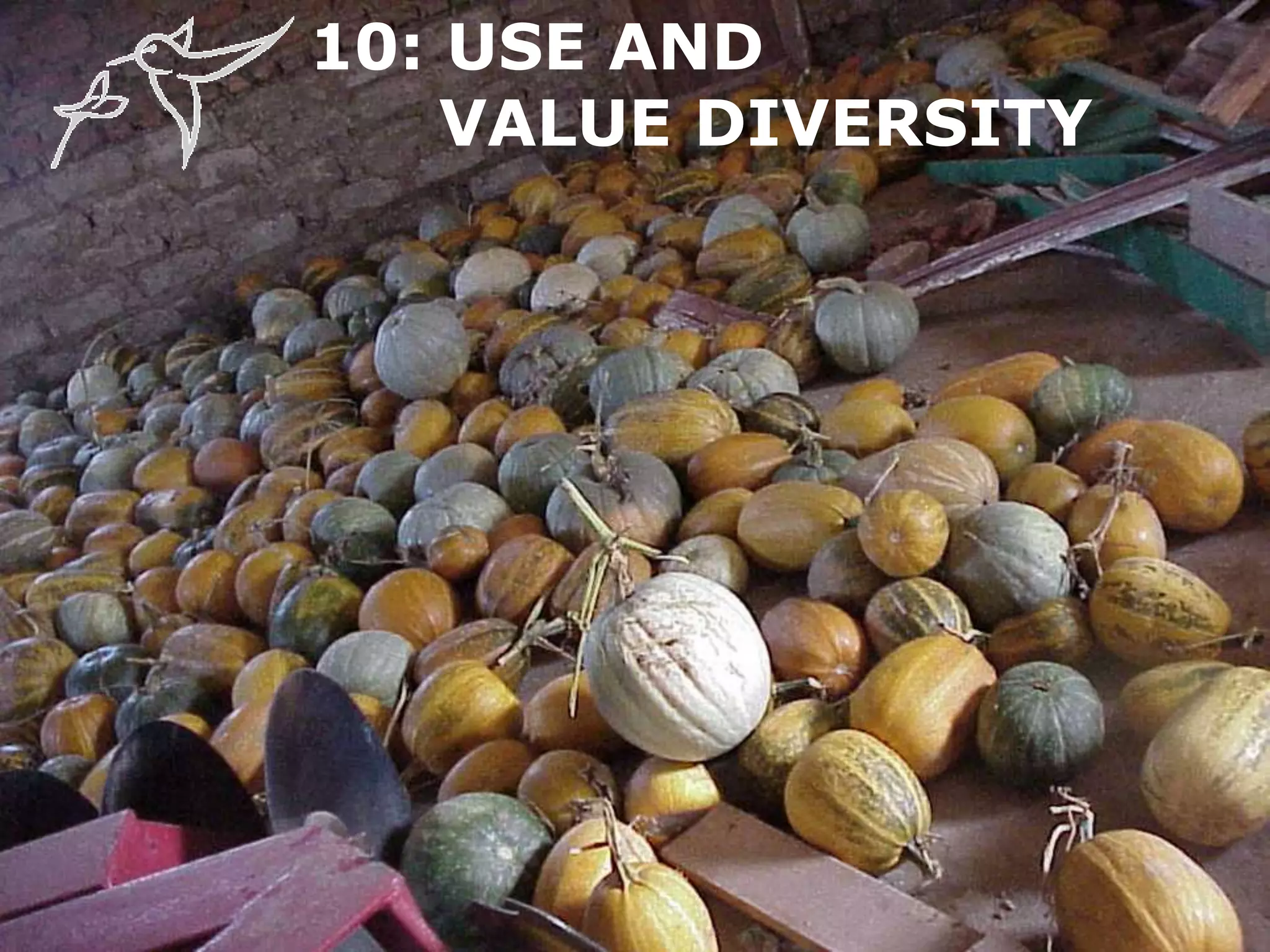
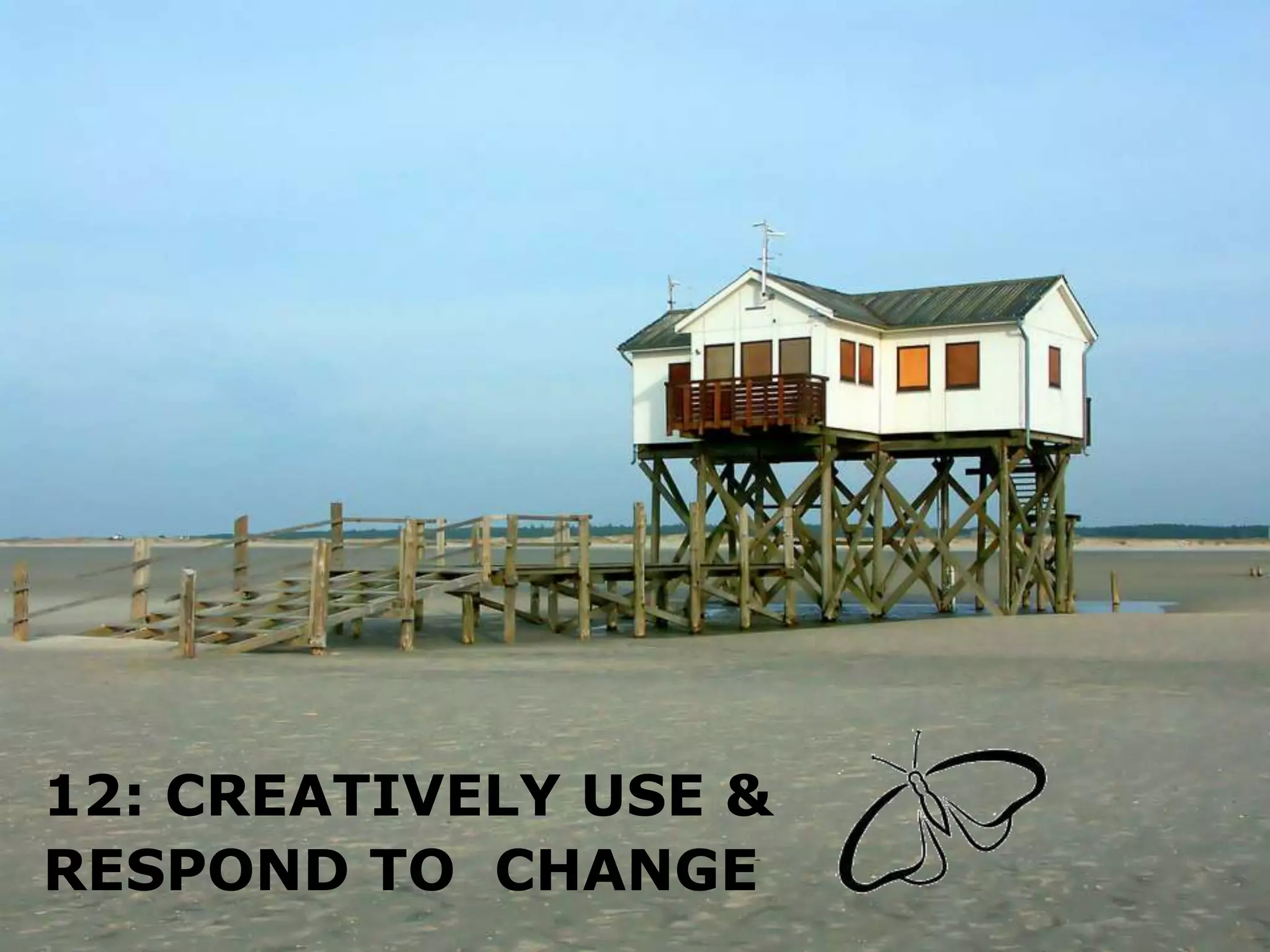
Final principles of design patterns, integration, using small solutions, valuing diversity, and responding to change.
Contact details for Anna Evely, associated with Project Maya CIC and the Aberdeen Centre for Environmental Sustainability.


