Good Morning/Afternoon!         2/25/13
EQ: How did Latin American and Caribbean
countries gain their independence?
HW: Lunch due WED. Vocab quiz WED.
                   Sponge
In your opinion, what is the most impactful
historical event of South America? Explain
your answer.
Unit 7 Notes
• Spain is building an empire- Native Americans are
  the lowest class
• Native Americans begin to die because of
  European diseases
• Introduction of Slavery
• New ethnicities- Mestizo, Mulatto, Criollo
• More money from Triangle Trade = more slaves
• Slaves are unhappy= more rebellions
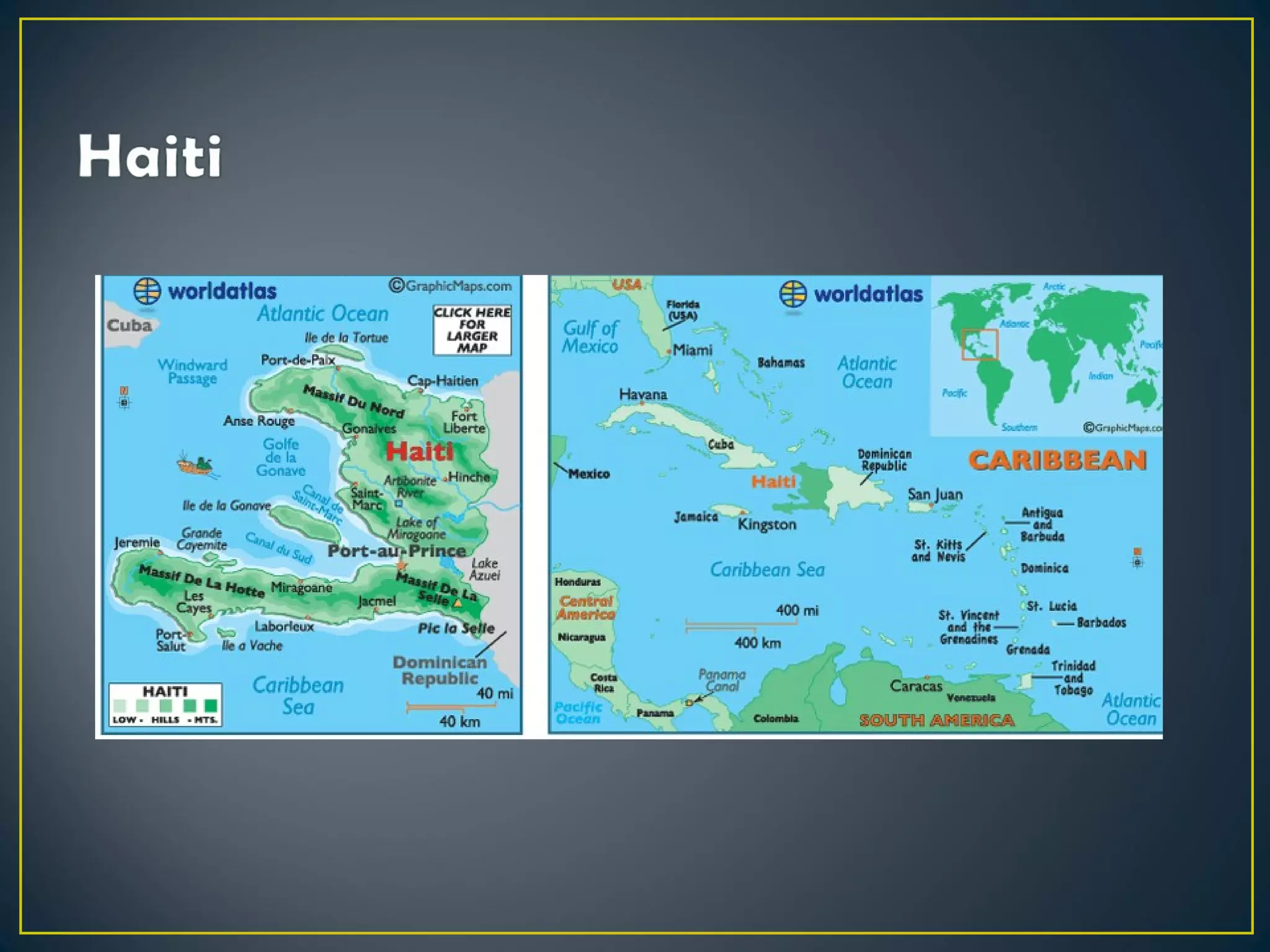
Haiti
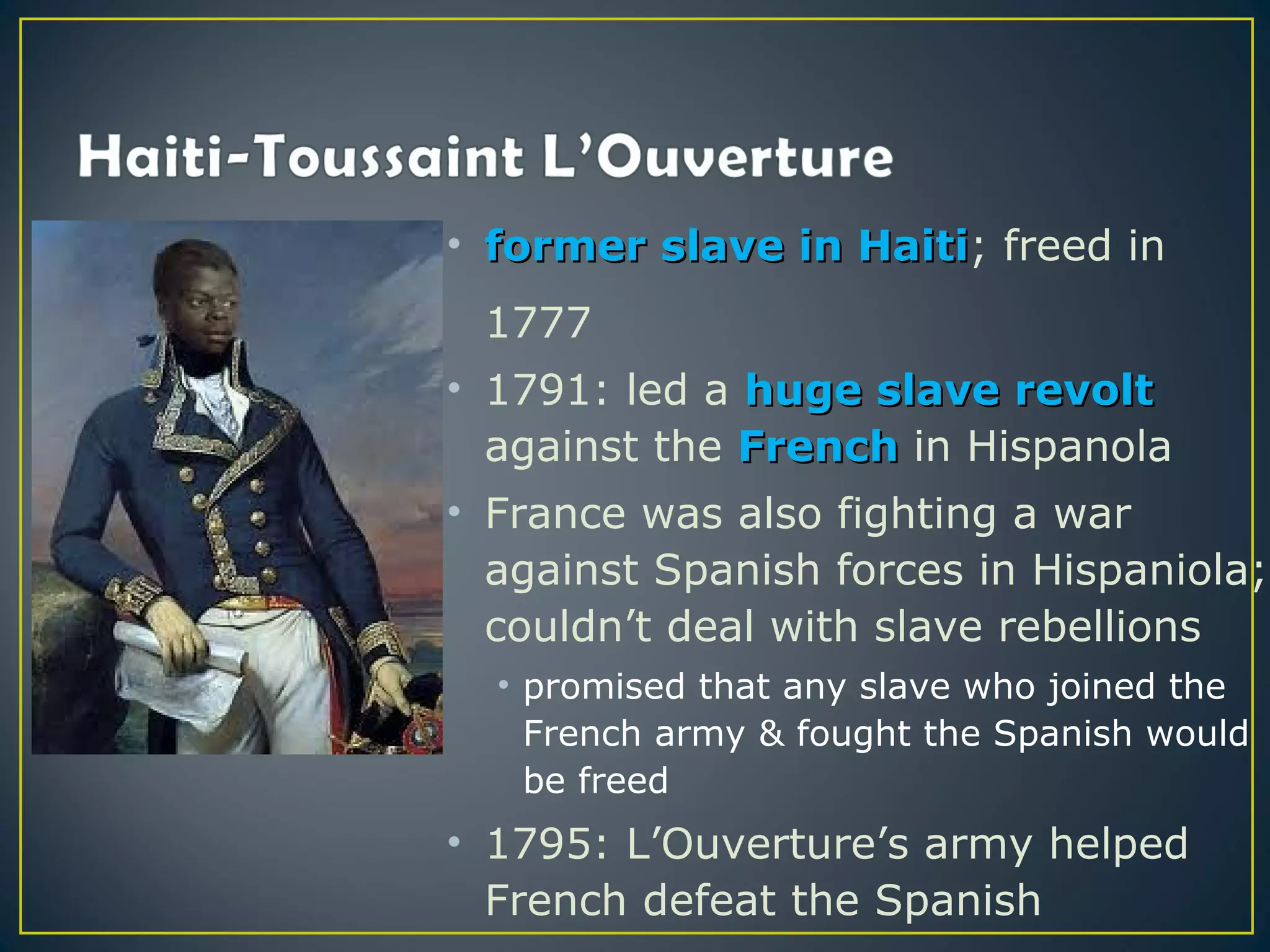
• former slave in Haiti; freed in
                  Haiti
 1777
• 1791: led a huge slave revolt
  against the French in Hispanola
• France was also fighting a war
  against Spanish forces in Hispaniola;
  couldn’t deal with slave rebellions
  • promised that any slave who joined the
    French army & fought the Spanish would
    be freed
• 1795: L’Ouverture’s army helped
  French defeat the Spanish
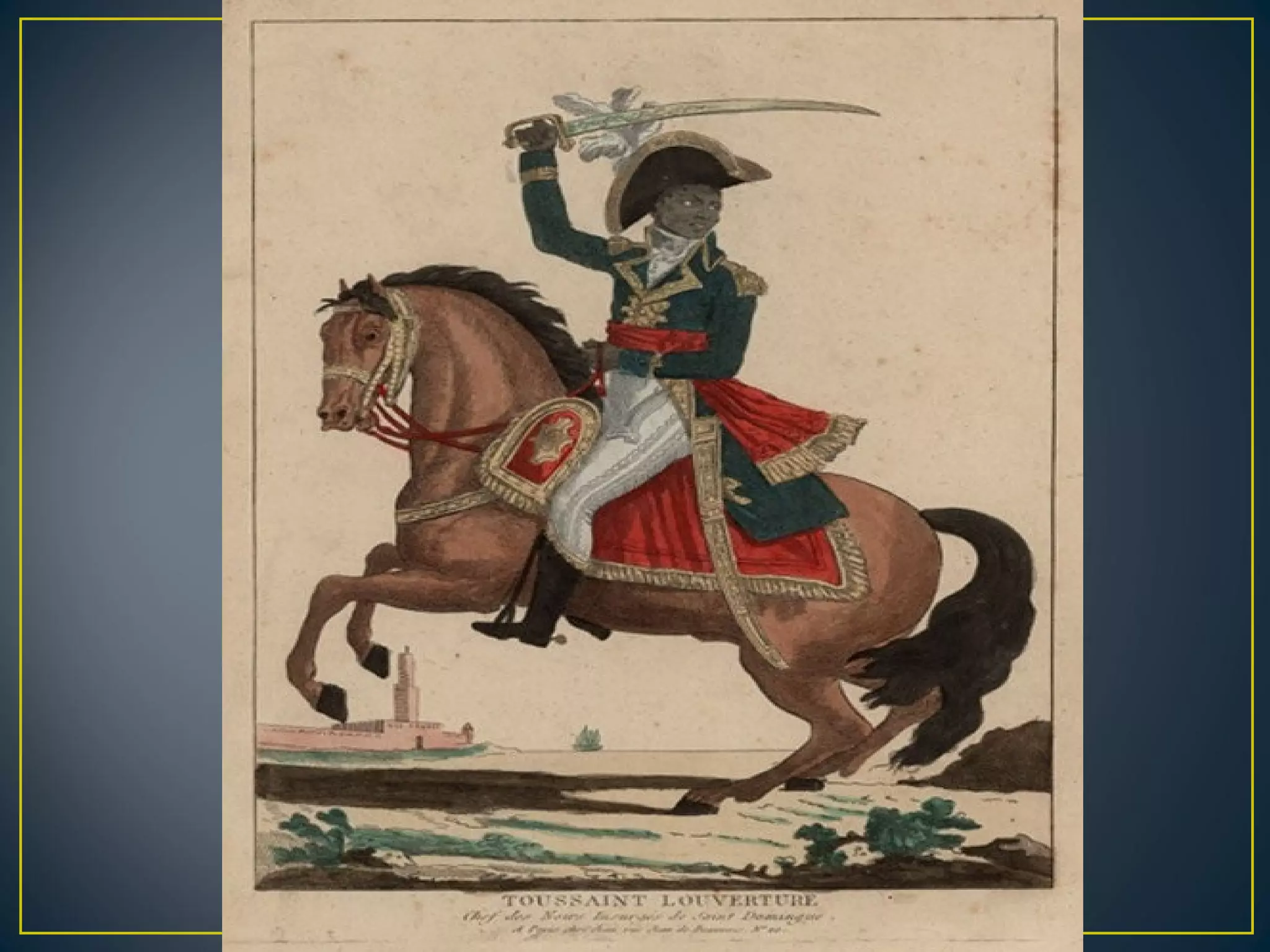
• 1801: L’Ouverture led a huge army into a Spanish colony &
  freed all slaves there
• Six months later, he became “governor general of Haiti for
  life.”
• 1802: Large French army lands in Haiti wanted to restore
  old French government & regain control of sugar trade
• L’Ouverture’s army fought the French & lost
• French arrested L’Ouverture and sent him to prison in
  France
• L’Ouverture died
• L’Ouverture’s army was outraged; it took up arms
  again against France.
  • November 1803: defeated last of the French forces

• 1804: declared Haiti independent of French rule
• Haiti became the 1st country in Latin America
  to break free of European imperialism.
Venezuela, Colombia, Ecuador, Panama, Bolivia
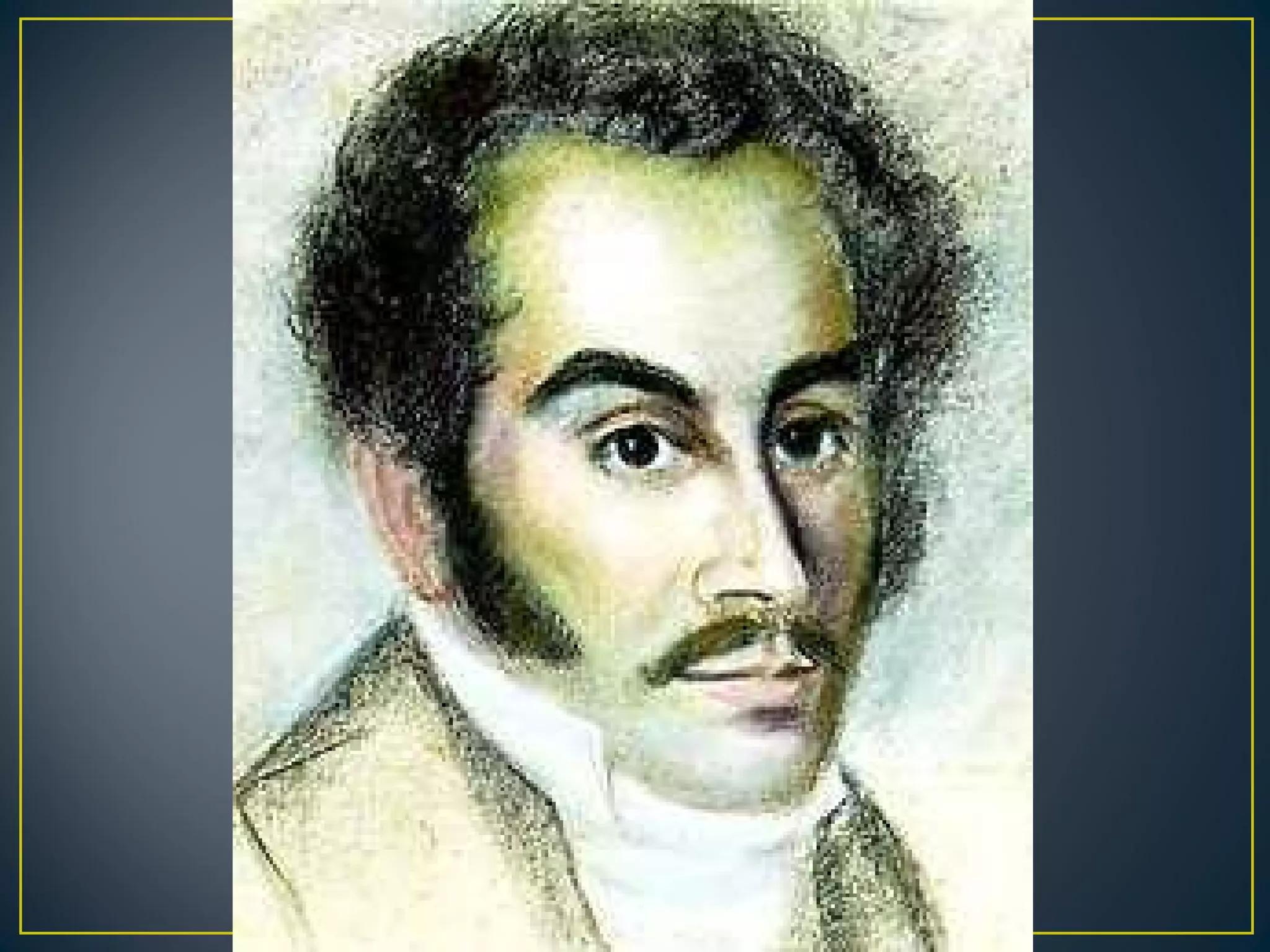
• wealthy Venezuelan criollo who spent
  many years traveling Europe
• While in Italy, he discovered his life’s
  purpose: to liberate his homeland from
  European control.
  • 1810: Bolivar’s army kicks Spanish governor
    out of Venezuela
  • 1811: new constitution proclaimed Venezuela’s
    independent of Spanish rule
• Soon after, Spanish royalists defeated the
  new country’s army & Bolivar was forced
  to flee to New Granada (Colombia).
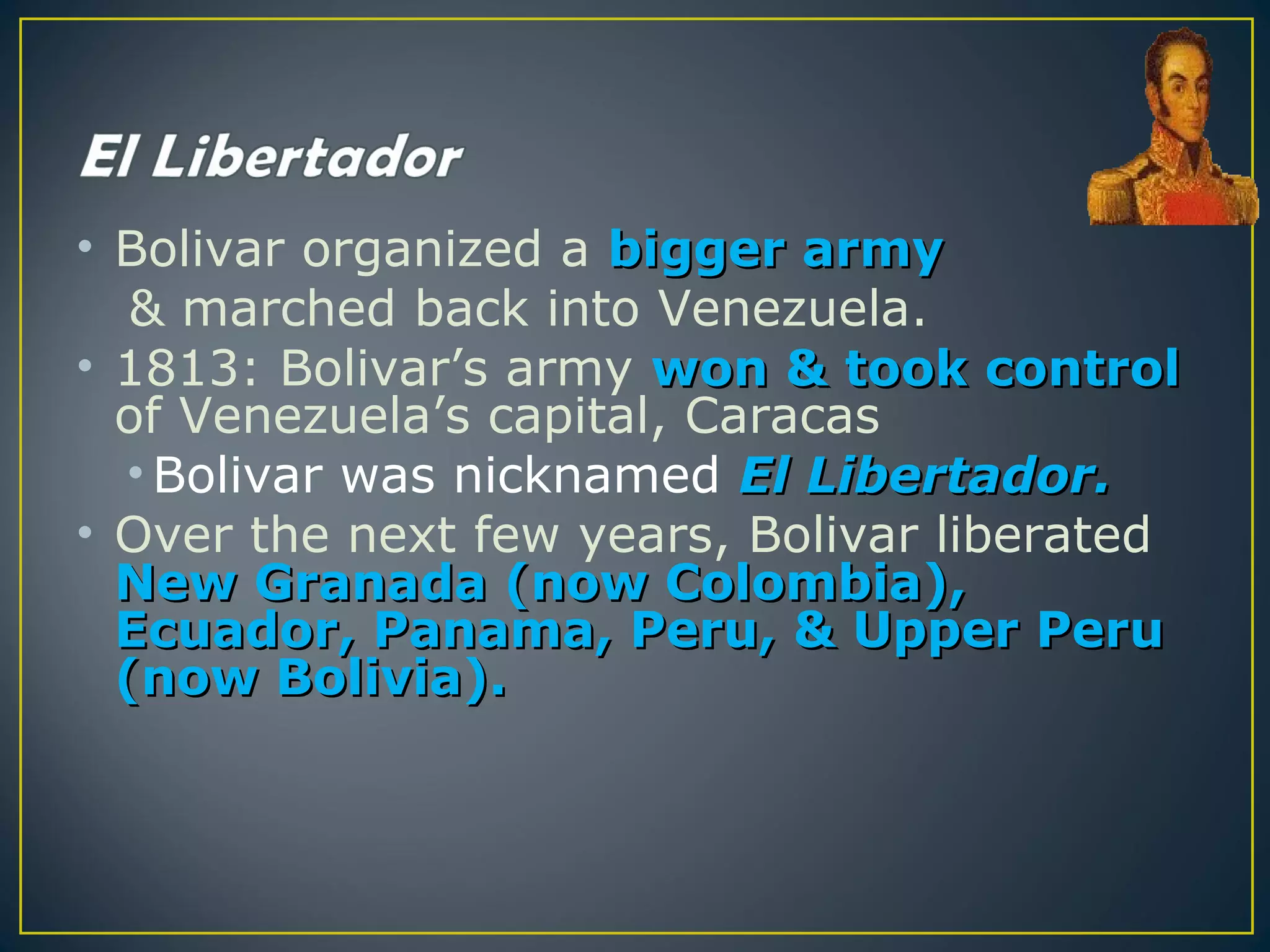
• Bolivar organized a bigger army
   & marched back into Venezuela.
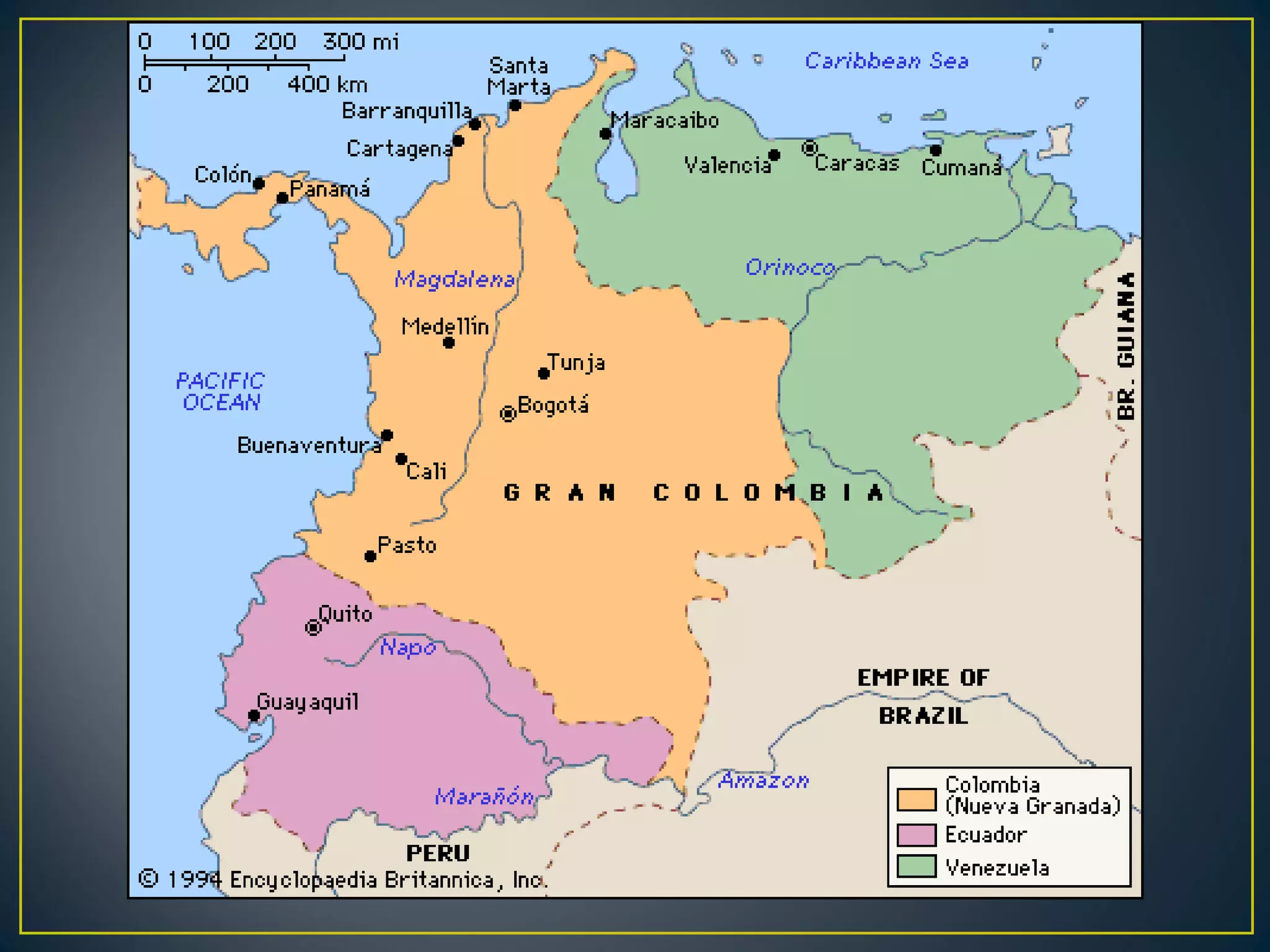
• 1813: Bolivar’s army won & took control
  of Venezuela’s capital, Caracas
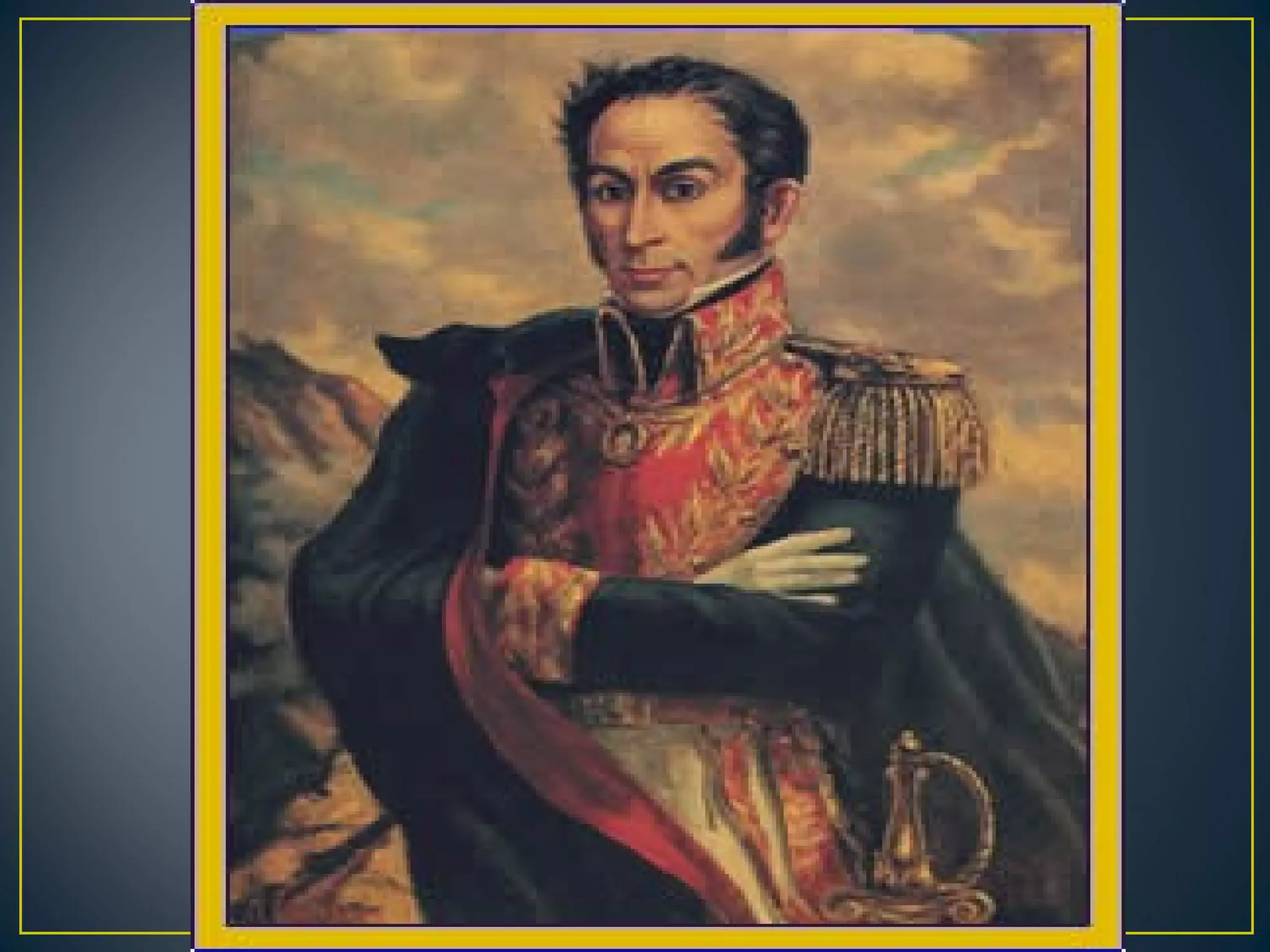
  • Bolivar was nicknamed El Libertador.
• Over the next few years, Bolivar liberated
  New Granada (now Colombia),
  Ecuador, Panama, Peru, & Upper Peru
  (now Bolivia).
Mexico
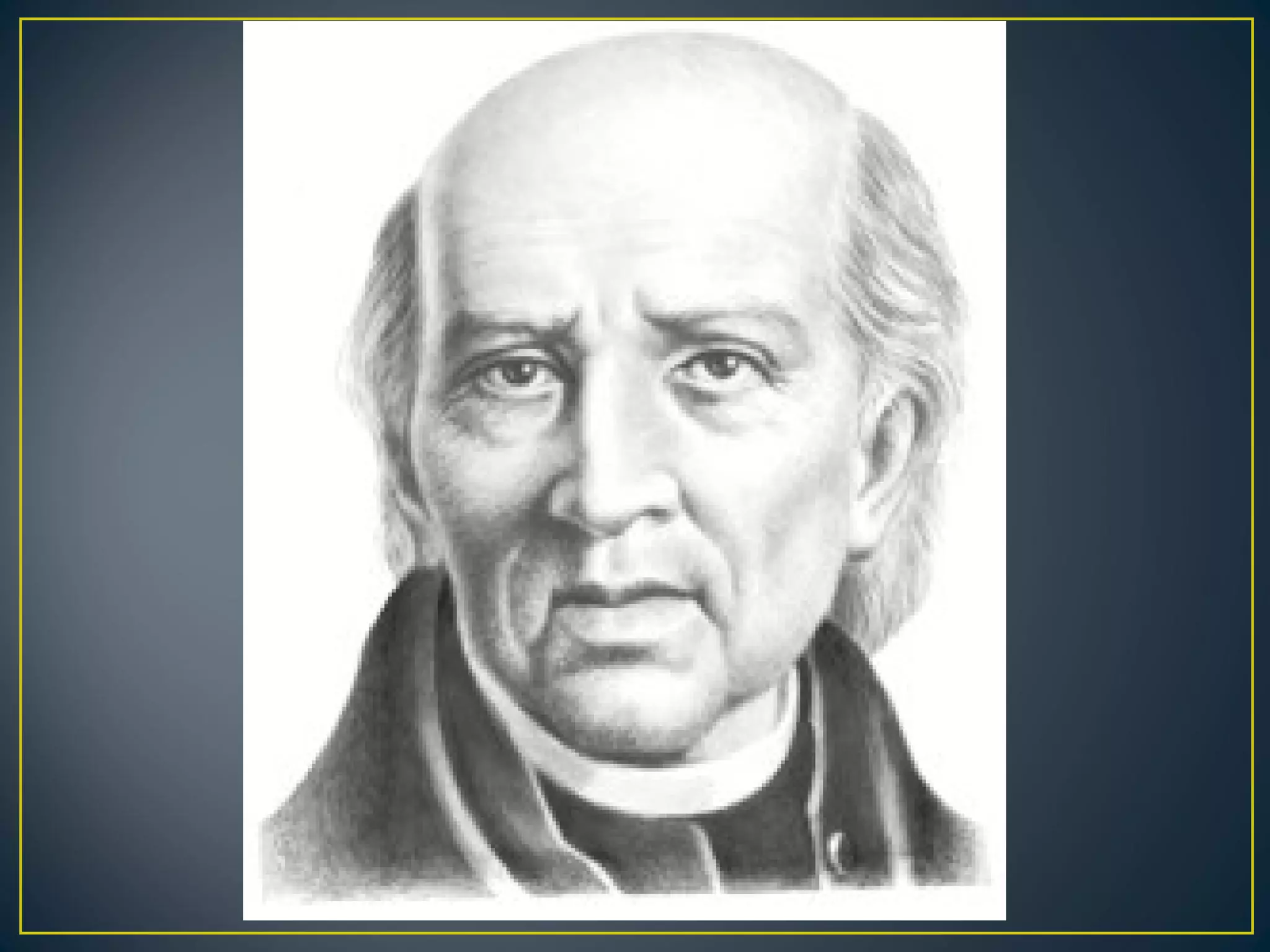
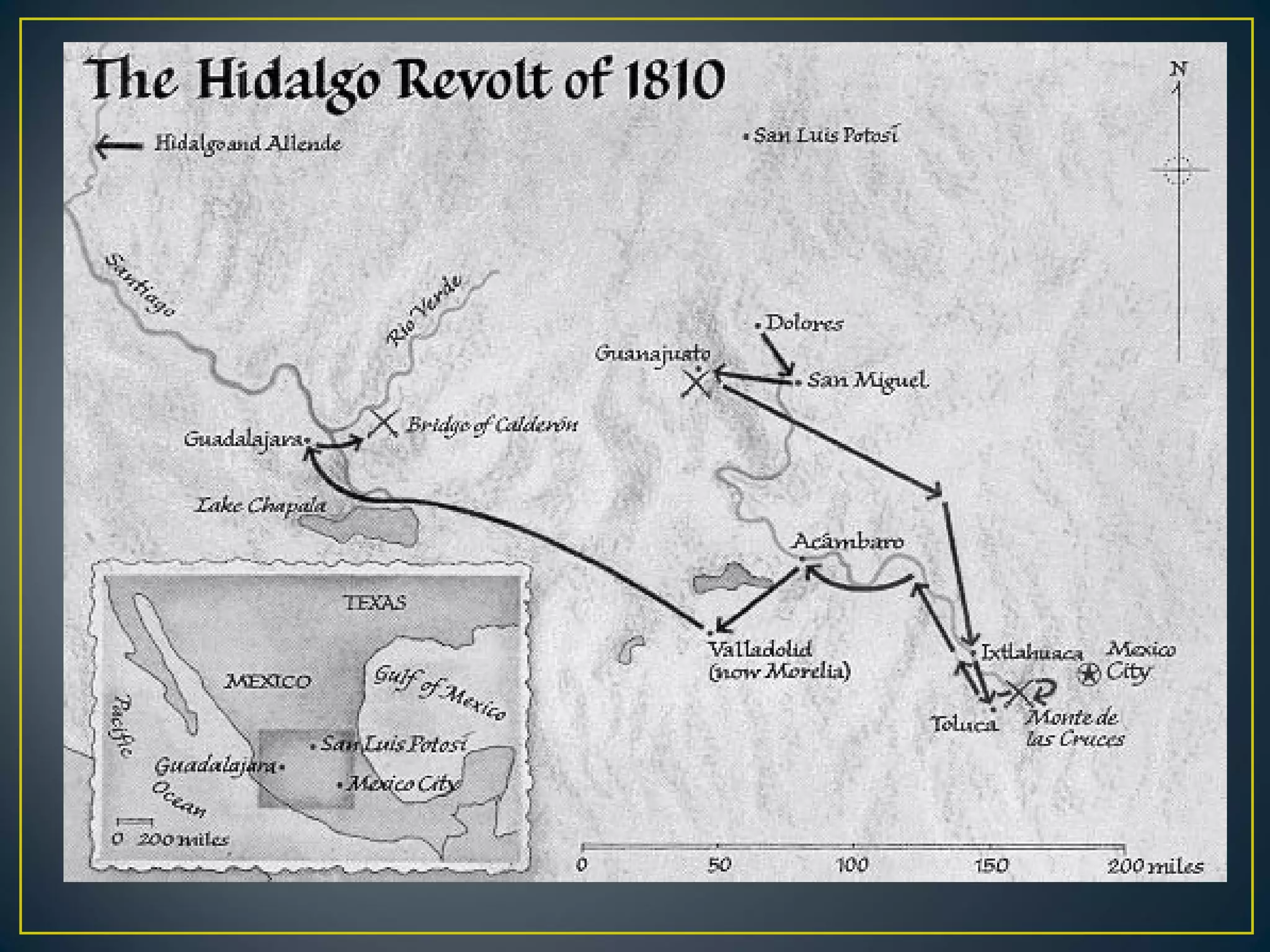
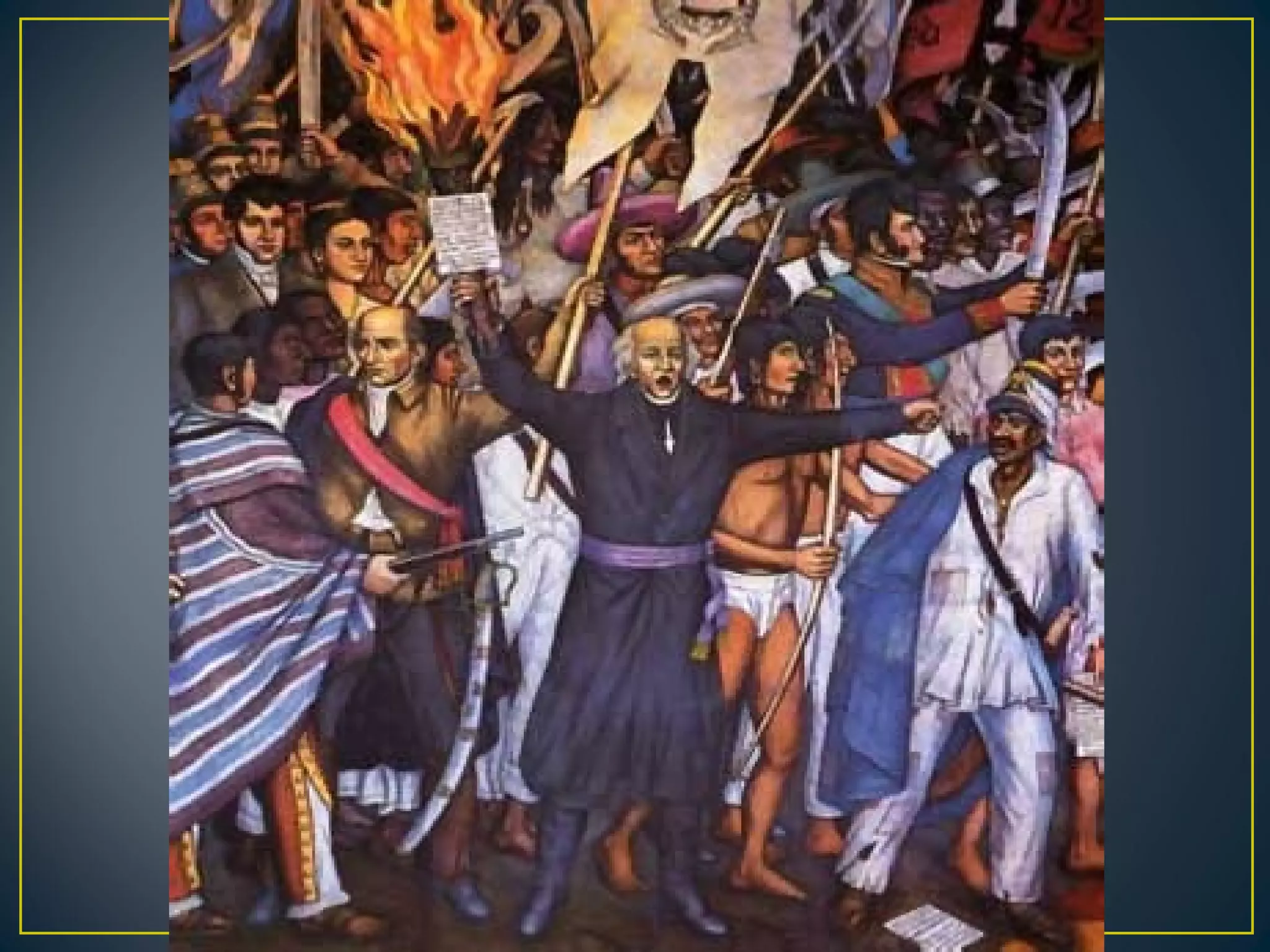
• Catholic priest in the town of Dolores
• began the struggle for Mexico’s
  independence in 1810
• September 16th, 1810: “Cry of
                     1810
  Dolores” was his call for revolution; rang
  Dolores
  church bells and shouted, “Long live our
  Lady of Guadalupe! Death to bad
  government! Death to the Spaniards!”
• an army of mestizos & Native
  Americans rallied behind Hidalgo
• 80,000 people joined the fight, but the
  army was soon defeated by the Spanish.
                                   Spanish
  • Hidalgo was captured and executed in 1811
• Mexicans continued to fight for
  independence over the next decade.
• 1821: Mexico gained independence
  from Spain.
• Mexico celebrates September 16th as it’s
  Independence Day.
  • The president rings a bell in Mexico city and
    repeats Hidalgo’s “Cry of Dolores.”
Week 28  day 1- unit 7- independence  movement

Week 28 day 1- unit 7- independence movement

  • 1.
    Good Morning/Afternoon! 2/25/13 EQ: How did Latin American and Caribbean countries gain their independence? HW: Lunch due WED. Vocab quiz WED. Sponge In your opinion, what is the most impactful historical event of South America? Explain your answer.
  • 2.
  • 3.
    • Spain isbuilding an empire- Native Americans are the lowest class • Native Americans begin to die because of European diseases • Introduction of Slavery • New ethnicities- Mestizo, Mulatto, Criollo • More money from Triangle Trade = more slaves • Slaves are unhappy= more rebellions
  • 4.
  • 6.
    • former slavein Haiti; freed in Haiti 1777 • 1791: led a huge slave revolt against the French in Hispanola • France was also fighting a war against Spanish forces in Hispaniola; couldn’t deal with slave rebellions • promised that any slave who joined the French army & fought the Spanish would be freed • 1795: L’Ouverture’s army helped French defeat the Spanish
  • 8.
    • 1801: L’Ouvertureled a huge army into a Spanish colony & freed all slaves there • Six months later, he became “governor general of Haiti for life.” • 1802: Large French army lands in Haiti wanted to restore old French government & regain control of sugar trade • L’Ouverture’s army fought the French & lost • French arrested L’Ouverture and sent him to prison in France • L’Ouverture died
  • 9.
    • L’Ouverture’s armywas outraged; it took up arms again against France. • November 1803: defeated last of the French forces • 1804: declared Haiti independent of French rule • Haiti became the 1st country in Latin America to break free of European imperialism.
  • 10.
  • 12.
    • wealthy Venezuelancriollo who spent many years traveling Europe • While in Italy, he discovered his life’s purpose: to liberate his homeland from European control. • 1810: Bolivar’s army kicks Spanish governor out of Venezuela • 1811: new constitution proclaimed Venezuela’s independent of Spanish rule • Soon after, Spanish royalists defeated the new country’s army & Bolivar was forced to flee to New Granada (Colombia).
  • 13.
    • Bolivar organizeda bigger army & marched back into Venezuela. • 1813: Bolivar’s army won & took control of Venezuela’s capital, Caracas • Bolivar was nicknamed El Libertador. • Over the next few years, Bolivar liberated New Granada (now Colombia), Ecuador, Panama, Peru, & Upper Peru (now Bolivia).
  • 16.
  • 18.
    • Catholic priestin the town of Dolores • began the struggle for Mexico’s independence in 1810 • September 16th, 1810: “Cry of 1810 Dolores” was his call for revolution; rang Dolores church bells and shouted, “Long live our Lady of Guadalupe! Death to bad government! Death to the Spaniards!” • an army of mestizos & Native Americans rallied behind Hidalgo
  • 20.
    • 80,000 peoplejoined the fight, but the army was soon defeated by the Spanish. Spanish • Hidalgo was captured and executed in 1811 • Mexicans continued to fight for independence over the next decade. • 1821: Mexico gained independence from Spain. • Mexico celebrates September 16th as it’s Independence Day. • The president rings a bell in Mexico city and repeats Hidalgo’s “Cry of Dolores.”