VISUAL PATHWAY


      Dr.S.Soundari
Consultant Ophthalmologist
 Dr Agarwal’s Eye Hospital
         Chennai
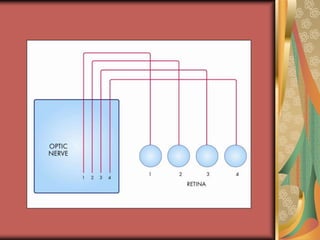
Optic nerve is an outgrowth of the
brain
Its fibers posses no neurolemmal
cells
Surrounded by meninges unlike any
peripheral nerves
Both the primary and second order
neurons are in the retina.
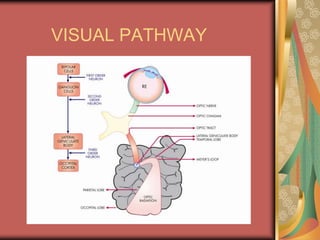
VISUAL PATHWAY
Optic nerve

Intraocular part

Intraorbital part

Intracanalicular part

Intracranial part
OPTIC NERVE LESION
        &
 FIELD DEFECTS
Optic nerve field defects

 Central scotoma

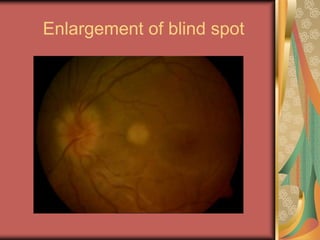
 Enlargement of blind spot

 Arcuate field defects

 Altitudinal field defects
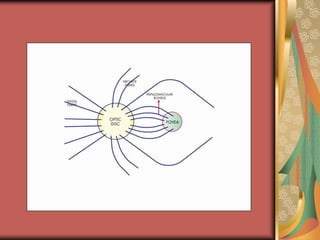
Paillomacular bundle

 Macular fibres enter the temporal
 aspect of the disc. Defect can lead to
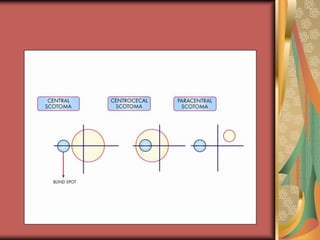
 Central scotoma
 Centrocecal scotoma
 Paracentral scotoma
Causes for central scotoma

  Demylineation[retrobulbar neuritis]
  Leber’s hereditary optic neuropathy
  Toxins-
  tobacco,lead,alcohol,methanol
  Vitamin B12 deficiency
Enlargement of blind spot
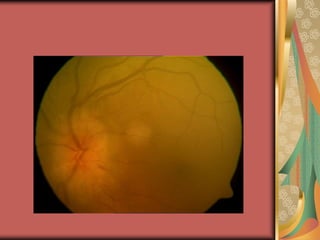
Altitudinal field defect

 Ischaemic optic neuropathy
 Branch retinal artery occlusion
 Inferior retinal coloboma
CHIASMAL LESION
        &
 FIELD DEFECTS
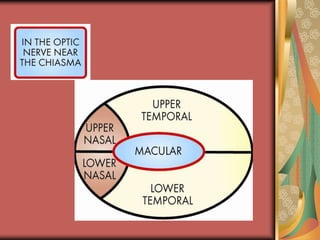
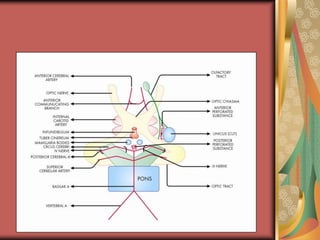
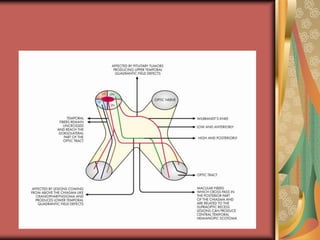
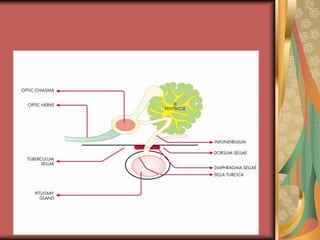
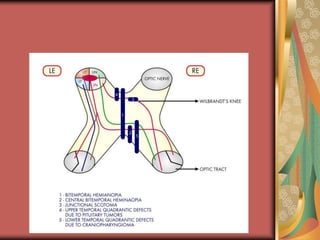
Chiasma

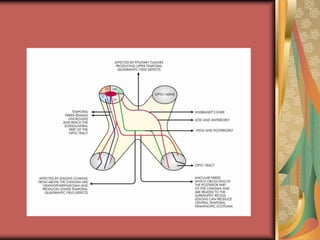
 Lower nasal fibres cross low and
 anteriorly
 Upper nasal fibres cross high and
 posteriorly
 Macular fibres also cross in the
 posterior part of the chiasm.
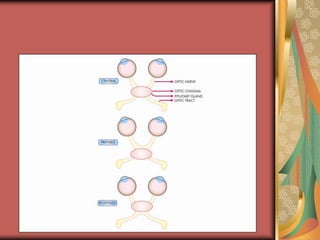
Location of chiasma

 Central fixation -80%- above the sella

 Pre fixed chiasm-10%-located anteriorly-
 so pitutary tumour involves the optic tract
 first [lower temporal fields first]

 Post fixed chiasm-10%-located posteriorly-
 so optic nerve gets involved first
 [upper temporal fields first]
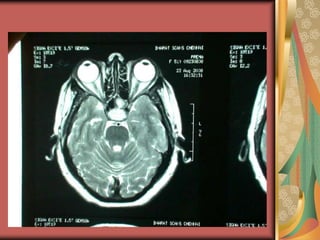
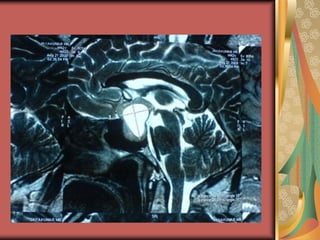
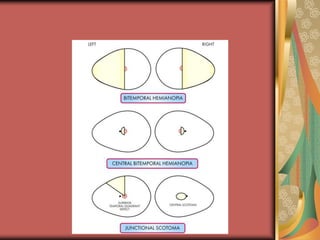
Pitutary adenoma
 Visual fields ; bitemporal
 hemianopia,junctional scotoma,
 bitemporal hemianopic scotoma
 Colour vision; early red deficit
 Visual acuity tends to reduce
 Optic disc- bow tie atrophy rarely
 papilloedema
 Extraocular movements: cranial nerve
 palsies,see saw nystagmus,spasm
 nutans.
hemifield slip- due to the failure of
controlling phoria by fusion.

Post fixation blindness.
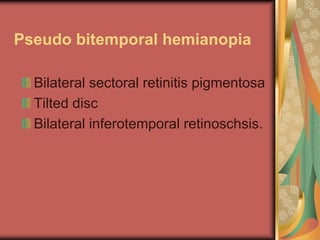
Pseudo bitemporal hemianopia

  Bilateral sectoral retinitis pigmentosa
  Tilted disc
  Bilateral inferotemporal retinoschsis.
OPTIC TRACT LESIONS
          &
 ITS FIELD DEFECTS
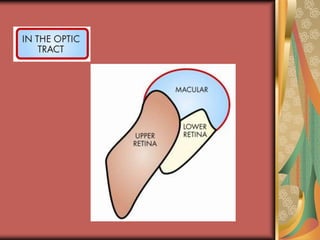
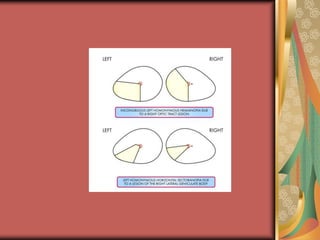
OPTIC TRACT

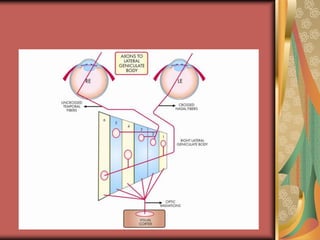
 Carries ipsilateral temporal fibres
 and controlateral nasal fibres and
 pupillary fibres.

 So right optic tract lesion will cause
 left homonymous hemianopia
ASSOCIATIONS
  Controlateral pyramidal signs.

  Incongruous homonymous hemianopia.

  Wernicke's hemianopic pupil

  Optic atrophy
OPTIC RADIATION AND ITS
FIELD DEFECTS
OPTIC RADIATIONS

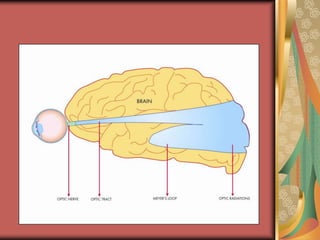
  The corresponding retinal elements
  lie progressively closer, so
  congruous hemianopia.

  Passes through the temporal lobe
  and pareital lobe and ends in the
  visual cortex.
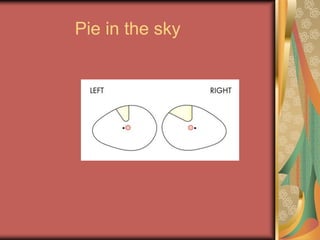
TEMPORAL LOBE

  Controlateral congruous
  homonymous superior
  quadrantanopia[pie in the sky]
  Controlateral hemisensory
  disturbance
  Mild hemiparesis
  Paraxysomal olfactory and uncinate
  fits.
  Formed visual hallucinations
Pie in the sky
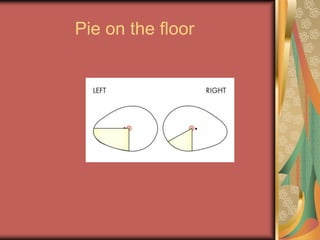
PAREITAL LOBE

   Controlateral congruous homonymous
   inferior quadrantanopia[pie on the floor]
   Visual perception difficulties
   Right-left confusion
   Acalculia
   Assymmetric OKN.[OKN response
   diminished towards the side of the
   lesion.]
Pie on the floor
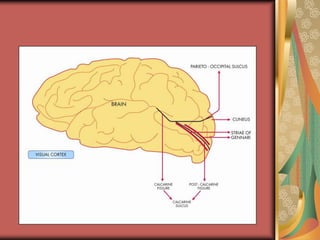
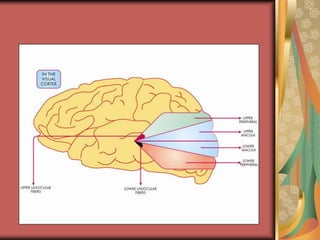
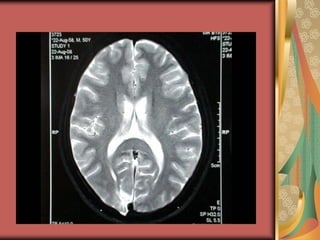
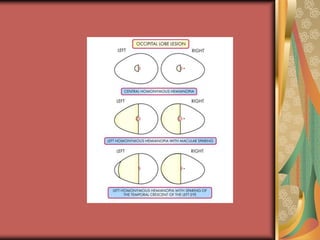
Striate calcarine cortex
   Congruous homonymous hemianopias
   with macular sparing, macular
   involvement alone.

   Formed visual hallucinations.

   Anton's syndrome[ denial of blindness]

   Riddoch phenomenon
THANK YOU

Visual pathway

  • 1.
    VISUAL PATHWAY Dr.S.Soundari Consultant Ophthalmologist Dr Agarwal’s Eye Hospital Chennai
  • 2.
    Optic nerve isan outgrowth of the brain Its fibers posses no neurolemmal cells Surrounded by meninges unlike any peripheral nerves Both the primary and second order neurons are in the retina.
  • 3.
  • 6.
    Optic nerve Intraocular part Intraorbitalpart Intracanalicular part Intracranial part
  • 18.
    OPTIC NERVE LESION & FIELD DEFECTS
  • 19.
    Optic nerve fielddefects Central scotoma Enlargement of blind spot Arcuate field defects Altitudinal field defects
  • 20.
    Paillomacular bundle Macularfibres enter the temporal aspect of the disc. Defect can lead to Central scotoma Centrocecal scotoma Paracentral scotoma
  • 21.
    Causes for centralscotoma Demylineation[retrobulbar neuritis] Leber’s hereditary optic neuropathy Toxins- tobacco,lead,alcohol,methanol Vitamin B12 deficiency
  • 23.
  • 24.
    Altitudinal field defect Ischaemic optic neuropathy Branch retinal artery occlusion Inferior retinal coloboma
  • 26.
    CHIASMAL LESION & FIELD DEFECTS
  • 27.
    Chiasma Lower nasalfibres cross low and anteriorly Upper nasal fibres cross high and posteriorly Macular fibres also cross in the posterior part of the chiasm.
  • 29.
    Location of chiasma Central fixation -80%- above the sella Pre fixed chiasm-10%-located anteriorly- so pitutary tumour involves the optic tract first [lower temporal fields first] Post fixed chiasm-10%-located posteriorly- so optic nerve gets involved first [upper temporal fields first]
  • 32.
    Pitutary adenoma Visualfields ; bitemporal hemianopia,junctional scotoma, bitemporal hemianopic scotoma Colour vision; early red deficit Visual acuity tends to reduce Optic disc- bow tie atrophy rarely papilloedema Extraocular movements: cranial nerve palsies,see saw nystagmus,spasm nutans.
  • 33.
    hemifield slip- dueto the failure of controlling phoria by fusion. Post fixation blindness.
  • 38.
    Pseudo bitemporal hemianopia Bilateral sectoral retinitis pigmentosa Tilted disc Bilateral inferotemporal retinoschsis.
  • 39.
    OPTIC TRACT LESIONS & ITS FIELD DEFECTS
  • 40.
    OPTIC TRACT Carriesipsilateral temporal fibres and controlateral nasal fibres and pupillary fibres. So right optic tract lesion will cause left homonymous hemianopia
  • 42.
    ASSOCIATIONS Controlateralpyramidal signs. Incongruous homonymous hemianopia. Wernicke's hemianopic pupil Optic atrophy
  • 43.
    OPTIC RADIATION ANDITS FIELD DEFECTS
  • 44.
    OPTIC RADIATIONS The corresponding retinal elements lie progressively closer, so congruous hemianopia. Passes through the temporal lobe and pareital lobe and ends in the visual cortex.
  • 45.
    TEMPORAL LOBE Controlateral congruous homonymous superior quadrantanopia[pie in the sky] Controlateral hemisensory disturbance Mild hemiparesis Paraxysomal olfactory and uncinate fits. Formed visual hallucinations
  • 46.
  • 47.
    PAREITAL LOBE Controlateral congruous homonymous inferior quadrantanopia[pie on the floor] Visual perception difficulties Right-left confusion Acalculia Assymmetric OKN.[OKN response diminished towards the side of the lesion.]
  • 48.
  • 49.
    Striate calcarine cortex Congruous homonymous hemianopias with macular sparing, macular involvement alone. Formed visual hallucinations. Anton's syndrome[ denial of blindness] Riddoch phenomenon
  • 52.