Utilizing an opportunity matrix
Adam Kucera
Director of Training
• Provides satellite TV to approximately 14 million subscribers
• Offers the highest quality programming and technology with the
most choices at the best value.
• Publicly traded on the NASDAQ Exchange, ticker symbol DISH
• Employs approximately 19,000 people in the U.S.
• Headquartered in Englewood, Colo.
2
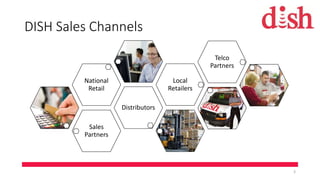
DISH Sales Channels
Sales
Partners
Distributors
National
Retail
Local
Retailers
Telco
Partners
3
Agenda
• Background
• Development of the Opportunity Matrix concept
• Overview of the Opportunity Matrix
• Putting the Opportunity Matrix into action
• Results
• Questions
4
Background
Goal – Provide on-demand training content and
delivery to anyone, anywhere. Be the single
source of training delivery for all audiences.
5
Background
• Roadblocks:
• Ability to fulfil all training needs
• Very long change process/timeline
• Lack of audience/customer buy-in
• Lack of executive buy-in
• Failure = Need for more resources (HC)
• Focus on a specific project/initiative’s challenges
6
7
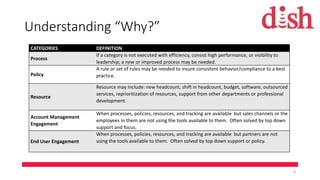
Understanding “Why?”
CATEGORIES DEFINITION
Process
If a category is not executed with efficiency, consist high performance, or visibility to
leadership; a new or improved process may be needed.
Policy
A rule or set of rules may be needed to insure consistent behavior/compliance to a best
practice.
Resource
Resource may include: new headcount, shift in headcount, budget, software, outsourced
services, reprioritization of resources, support from other departments or professional
development.
Account Management
Engagement
When processes, policies, resources, and tracking are available but sales channels or the
employees in them are not using the tools available to them. Often solved by top down
support and focus.
End User Engagement
When processes, policies, resources, and tracking are available but partners are not
using the tools available to them. Often solved by top down support or policy.
8
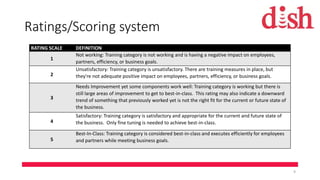
Ratings/Scoring system
RATING SCALE DEFINITION
1
Not working: Training category is not working and is having a negative impact on employees,
partners, efficiency, or business goals.
2
Unsatisfactory: Training category is unsatisfactory. There are training measures in place, but
they're not adequate positive impact on employees, partners, efficiency, or business goals.
3
Needs Improvement yet some components work well: Training category is working but there is
still large areas of improvement to get to best-in-class. This rating may also indicate a downward
trend of something that previously worked yet is not the right fit for the current or future state of
the business.
4
Satisfactory: Training category is satisfactory and appropriate for the current and future state of
the business. Only fine tuning is needed to achieve best-in-class.
5
Best-In-Class: Training category is considered best-in-class and executes efficiently for employees
and partners while meeting business goals.
9
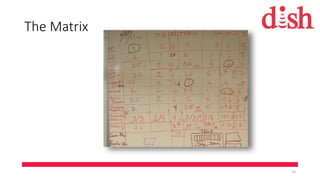
The Matrix
10
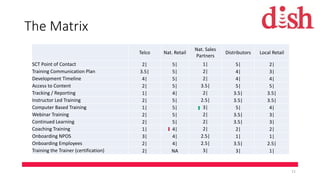
The Matrix
Telco Nat. Retail
Nat. Sales
Partners
Distributors Local Retail
SCT Point of Contact 2| 5| 1| 5| 2|
Training Communication Plan 3.5| 5| 2| 4| 3|
Development Timeline 4| 5| 2| 4| 4|
Access to Content 2| 5| 3.5| 5| 5|
Tracking / Reporting 1| 4| 2| 3.5| 3.5|
Instructor Led Training 2| 5| 2.5| 3.5| 3.5|
Computer Based Training 1| 5| 3| 5| 4|
Webinar Training 2| 5| 2| 3.5| 3|
Continued Learning 2| 5| 2| 3.5| 3|
Coaching Training 1| 4| 2| 2| 2|
Onboarding NPOS 3| 4| 2.5| 1| 1|
Onboarding Employees 2| 4| 2.5| 3.5| 2.5|
Training the Trainer (certification) 2| NA 3| 3| 1|
11
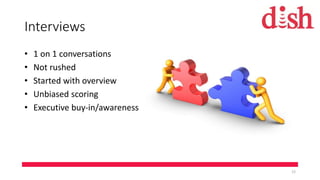
Interviews
• 1 on 1 conversations
• Not rushed
• Started with overview
• Unbiased scoring
• Executive buy-in/awareness
12
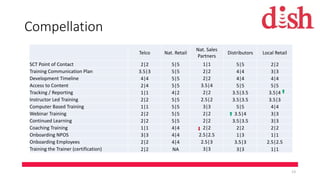
Compellation
Telco Nat. Retail
Nat. Sales
Partners
Distributors Local Retail
SCT Point of Contact 2|2 5|5 1|1 5|5 2|2
Training Communication Plan 3.5|3 5|5 2|2 4|4 3|3
Development Timeline 4|4 5|5 2|2 4|4 4|4
Access to Content 2|4 5|5 3.5|4 5|5 5|5
Tracking / Reporting 1|1 4|2 2|2 3.5|3.5 3.5|4
Instructor Led Training 2|2 5|5 2.5|2 3.5|3.5 3.5|3
Computer Based Training 1|1 5|5 3|3 5|5 4|4
Webinar Training 2|2 5|5 2|2 3.5|4 3|3
Continued Learning 2|2 5|5 2|2 3.5|3.5 3|3
Coaching Training 1|1 4|4 2|2 2|2 2|2
Onboarding NPOS 3|3 4|4 2.5|2.5 1|3 1|1
Onboarding Employees 2|2 4|4 2.5|3 3.5|3 2.5|2.5
Training the Trainer (certification) 2|2 NA 3|3 3|3 1|1
13
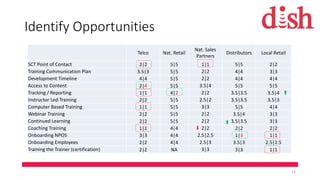
Identify Opportunities
Telco Nat. Retail
Nat. Sales
Partners
Distributors Local Retail
SCT Point of Contact 2|2 5|5 1|1 5|5 2|2
Training Communication Plan 3.5|3 5|5 2|2 4|4 3|3
Development Timeline 4|4 5|5 2|2 4|4 4|4
Access to Content 2|4 5|5 3.5|4 5|5 5|5
Tracking / Reporting 1|1 4|2 2|2 3.5|3.5 3.5|4
Instructor Led Training 2|2 5|5 2.5|2 3.5|3.5 3.5|3
Computer Based Training 1|1 5|5 3|3 5|5 4|4
Webinar Training 2|2 5|5 2|2 3.5|4 3|3
Continued Learning 2|2 5|5 2|2 3.5|3.5 3|3
Coaching Training 1|1 4|4 2|2 2|2 2|2
Onboarding NPOS 3|3 4|4 2.5|2.5 1|3 1|1
Onboarding Employees 2|2 4|4 2.5|3 3.5|3 2.5|2.5
Training the Trainer (certification) 2|2 NA 3|3 3|3 1|1
14
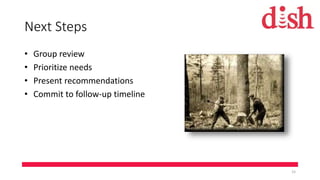
Next Steps
• Group review
• Prioritize needs
• Present recommendations
• Commit to follow-up timeline
15
Conclusion
Leave out bias
Create a system
Work the system
Communicate
16
Thank you/Questions
• www.linkedin.com/in/adamjkucera
17

Utilizing an Opportunity Matrix

  • 1.
    Utilizing an opportunitymatrix Adam Kucera Director of Training
  • 2.
    • Provides satelliteTV to approximately 14 million subscribers • Offers the highest quality programming and technology with the most choices at the best value. • Publicly traded on the NASDAQ Exchange, ticker symbol DISH • Employs approximately 19,000 people in the U.S. • Headquartered in Englewood, Colo. 2
  • 3.
  • 4.
    Agenda • Background • Developmentof the Opportunity Matrix concept • Overview of the Opportunity Matrix • Putting the Opportunity Matrix into action • Results • Questions 4
  • 5.
    Background Goal – Provideon-demand training content and delivery to anyone, anywhere. Be the single source of training delivery for all audiences. 5
  • 6.
    Background • Roadblocks: • Abilityto fulfil all training needs • Very long change process/timeline • Lack of audience/customer buy-in • Lack of executive buy-in • Failure = Need for more resources (HC) • Focus on a specific project/initiative’s challenges 6
  • 7.
  • 8.
    Understanding “Why?” CATEGORIES DEFINITION Process Ifa category is not executed with efficiency, consist high performance, or visibility to leadership; a new or improved process may be needed. Policy A rule or set of rules may be needed to insure consistent behavior/compliance to a best practice. Resource Resource may include: new headcount, shift in headcount, budget, software, outsourced services, reprioritization of resources, support from other departments or professional development. Account Management Engagement When processes, policies, resources, and tracking are available but sales channels or the employees in them are not using the tools available to them. Often solved by top down support and focus. End User Engagement When processes, policies, resources, and tracking are available but partners are not using the tools available to them. Often solved by top down support or policy. 8
  • 9.
    Ratings/Scoring system RATING SCALEDEFINITION 1 Not working: Training category is not working and is having a negative impact on employees, partners, efficiency, or business goals. 2 Unsatisfactory: Training category is unsatisfactory. There are training measures in place, but they're not adequate positive impact on employees, partners, efficiency, or business goals. 3 Needs Improvement yet some components work well: Training category is working but there is still large areas of improvement to get to best-in-class. This rating may also indicate a downward trend of something that previously worked yet is not the right fit for the current or future state of the business. 4 Satisfactory: Training category is satisfactory and appropriate for the current and future state of the business. Only fine tuning is needed to achieve best-in-class. 5 Best-In-Class: Training category is considered best-in-class and executes efficiently for employees and partners while meeting business goals. 9
  • 10.
  • 11.
    The Matrix Telco Nat.Retail Nat. Sales Partners Distributors Local Retail SCT Point of Contact 2| 5| 1| 5| 2| Training Communication Plan 3.5| 5| 2| 4| 3| Development Timeline 4| 5| 2| 4| 4| Access to Content 2| 5| 3.5| 5| 5| Tracking / Reporting 1| 4| 2| 3.5| 3.5| Instructor Led Training 2| 5| 2.5| 3.5| 3.5| Computer Based Training 1| 5| 3| 5| 4| Webinar Training 2| 5| 2| 3.5| 3| Continued Learning 2| 5| 2| 3.5| 3| Coaching Training 1| 4| 2| 2| 2| Onboarding NPOS 3| 4| 2.5| 1| 1| Onboarding Employees 2| 4| 2.5| 3.5| 2.5| Training the Trainer (certification) 2| NA 3| 3| 1| 11
  • 12.
    Interviews • 1 on1 conversations • Not rushed • Started with overview • Unbiased scoring • Executive buy-in/awareness 12
  • 13.
    Compellation Telco Nat. Retail Nat.Sales Partners Distributors Local Retail SCT Point of Contact 2|2 5|5 1|1 5|5 2|2 Training Communication Plan 3.5|3 5|5 2|2 4|4 3|3 Development Timeline 4|4 5|5 2|2 4|4 4|4 Access to Content 2|4 5|5 3.5|4 5|5 5|5 Tracking / Reporting 1|1 4|2 2|2 3.5|3.5 3.5|4 Instructor Led Training 2|2 5|5 2.5|2 3.5|3.5 3.5|3 Computer Based Training 1|1 5|5 3|3 5|5 4|4 Webinar Training 2|2 5|5 2|2 3.5|4 3|3 Continued Learning 2|2 5|5 2|2 3.5|3.5 3|3 Coaching Training 1|1 4|4 2|2 2|2 2|2 Onboarding NPOS 3|3 4|4 2.5|2.5 1|3 1|1 Onboarding Employees 2|2 4|4 2.5|3 3.5|3 2.5|2.5 Training the Trainer (certification) 2|2 NA 3|3 3|3 1|1 13
  • 14.
    Identify Opportunities Telco Nat.Retail Nat. Sales Partners Distributors Local Retail SCT Point of Contact 2|2 5|5 1|1 5|5 2|2 Training Communication Plan 3.5|3 5|5 2|2 4|4 3|3 Development Timeline 4|4 5|5 2|2 4|4 4|4 Access to Content 2|4 5|5 3.5|4 5|5 5|5 Tracking / Reporting 1|1 4|2 2|2 3.5|3.5 3.5|4 Instructor Led Training 2|2 5|5 2.5|2 3.5|3.5 3.5|3 Computer Based Training 1|1 5|5 3|3 5|5 4|4 Webinar Training 2|2 5|5 2|2 3.5|4 3|3 Continued Learning 2|2 5|5 2|2 3.5|3.5 3|3 Coaching Training 1|1 4|4 2|2 2|2 2|2 Onboarding NPOS 3|3 4|4 2.5|2.5 1|3 1|1 Onboarding Employees 2|2 4|4 2.5|3 3.5|3 2.5|2.5 Training the Trainer (certification) 2|2 NA 3|3 3|3 1|1 14
  • 15.
    Next Steps • Groupreview • Prioritize needs • Present recommendations • Commit to follow-up timeline 15
  • 16.
    Conclusion Leave out bias Createa system Work the system Communicate 16
  • 17.

Editor's Notes

  • #7 Roadblocks: Constrained resources Tightly held resources (“Mine”) Audience belief that “they could do it” High expectations