USING THEORIES
Silvia 1986 identified three different ways in
which nursing theories can be
incorporated in nursing research:
 First manner was minimal use of theory;
in this the theory is explicitly identified as
a research framework but minimally
integrated into the study.
USING THEORIES
 Second approach was, concepts from
theories were used to organize the
research usually for the descriptive
rather than the theory testing purpose.
 Third way was adequate use of model
for theory testing, characterized by
explicit indication of model use along
with a study purpose for determining
the model’s validity
TESTING THEORIES
 Theory testing is done through deductive
reasoning approach, where researcher
proceeds from general (theory) to more
specific (empirical findings).
 The researcher deduces implications and
develops research hypotheses.
 The hypotheses are then subjected to
empirical testing through systematic
research.
TESTING THEORIES
 Comparisons’ between the observed
outcome of research and the
predicted relationships of
hypotheses are the major focus of
testing process.
 The testing process continues until
pieces of evidences cannot be
interpreted within the context of the
theory.
PURPOSES OF TESTING
THEORIES
 To devise logically adequate deductions
from theories.
 To develop a research design that reduces
the credibility of alternative explanations of
observed relationship.
 To select the methods that assess the
theory’s validity under maximally
heterogeneous situations, so that potentially
competing theories can be ruled out.
CONCEPTUAL
FRAMEWORK
DEFINITION
 A written or visual presentation that
explains either graphically, or by
narration, the main things to be
studied, the key factors, concepts or
variables and the presumed
relationship among them”.
- (Miles and Huberman, 1994)
PREREQUISITES
 Knowledge of theories
 Findings of the previous similar
research studies and related field
experience
 Skills of creativity in identifying and
establishing the relationship among
two or more study concepts
PREREQUISITES
 Power of observation, understanding
the problem, imagination and
conceptualizing about abstract ideas
 Ability to link the ideas with a logical
scheme to generalize facts
 Ability of inductive reasoning
HOW TO DEVELOP A
CONCEPTUAL FRAMEWORK
 Identify the key words used in the subject
area of your study.
 Draw out the key things within something
you have already written about the subject
area – literature review.
 Take one key concept, idea or term at a time
and brainstorm all the other things that
might be related and then go back and select
those that seem most relevant.
SOURCES OF CONCEPTS
The pieces of the conceptual framework
are borrowed but the researcher
provides the structure.Concepts may be
borrowed from:-
 existing theories
 previous research models
 personal real life experiences
 findings of the previous study
 concepts of the several theories and models
THEORETICAL FRAMEWORK
VS
CONCEPTUAL FRAMEWORK
THEORITICAL FRAMEWORK CONCEPTUAL FRAMEWORK
A theoretical framework
provides a broad explanation of
relationships that exists
between concepts
A conceptual framework is not
as well developed as is a
theoretical framework
A theoretical framework is based
on ONE theory
When no existing theory fits the
concepts that the researcher
wishes to study, the researcher
may construct a conceptual
framework
The concepts of the study relate
back to the theory.
can be used to describe and
begin to explain the
relationships of the concepts
Theoretical frameworks start out
as a conceptual framework and
with much research; develop
into a research-based
theoretical framework
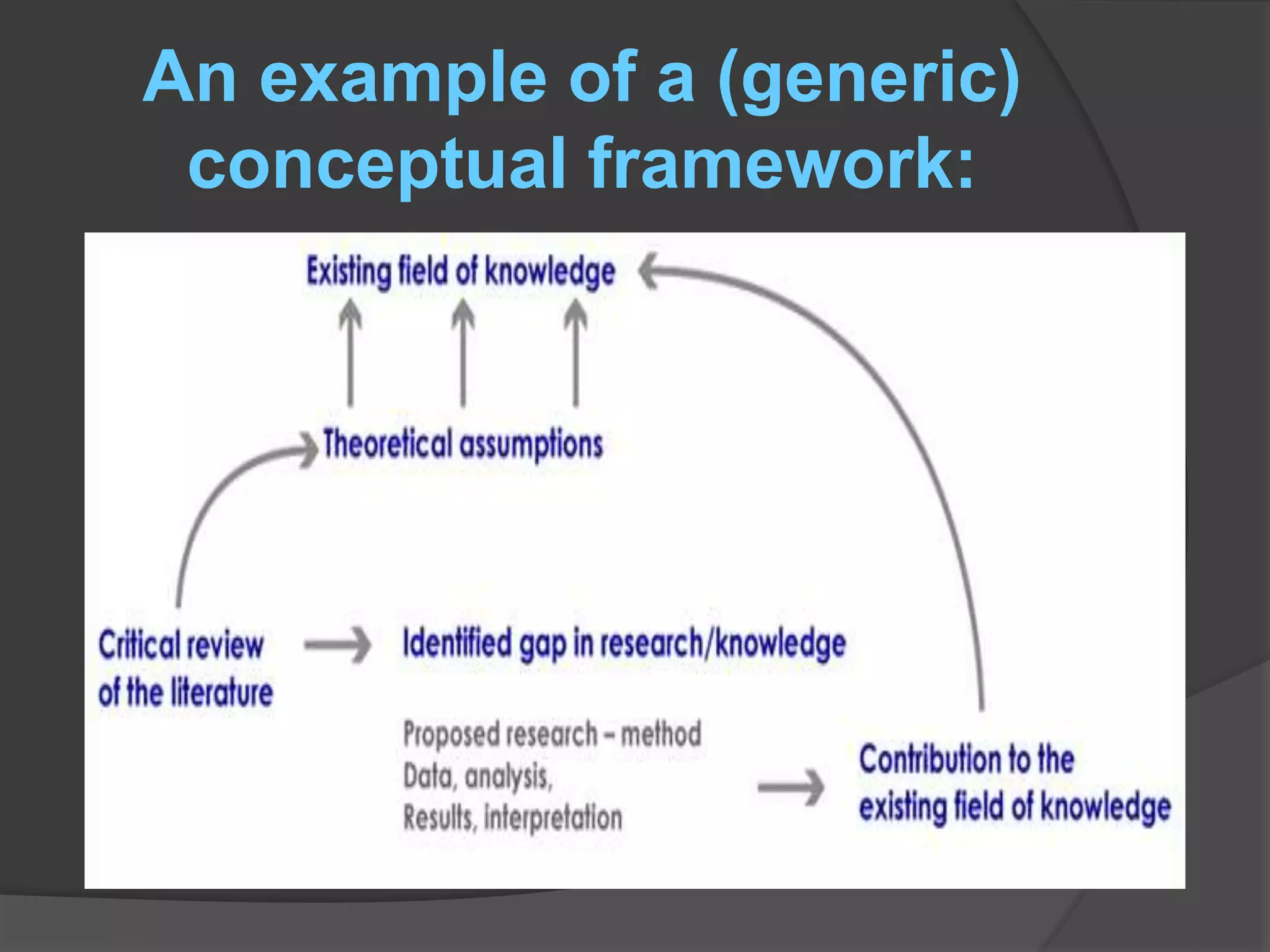
An example of a (generic)
conceptual framework:
Adding developing research questions, the
conceptual framework might look like this:
If we now add the theoretical component-the
learning theory, we get something like this:
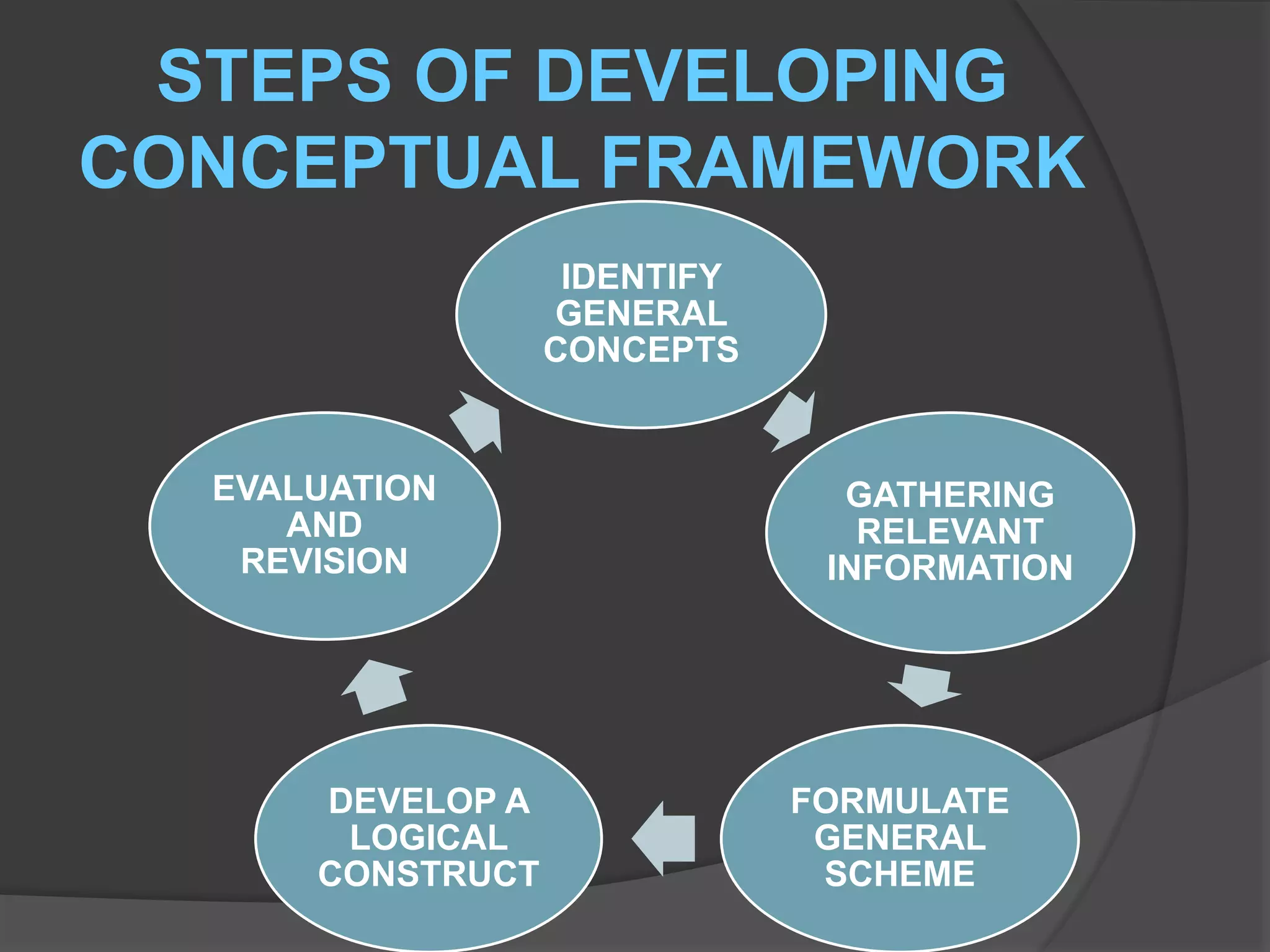
STEPS OF DEVELOPING
CONCEPTUAL FRAMEWORK
IDENTIFY
GENERAL
CONCEPTS
GATHERING
RELEVANT
INFORMATION
FORMULATE
GENERAL
SCHEME
DEVELOP A
LOGICAL
CONSTRUCT
EVALUATION
AND
REVISION
SPECIFIC FORMS OF
CONCEPTUAL FRAMEWORK
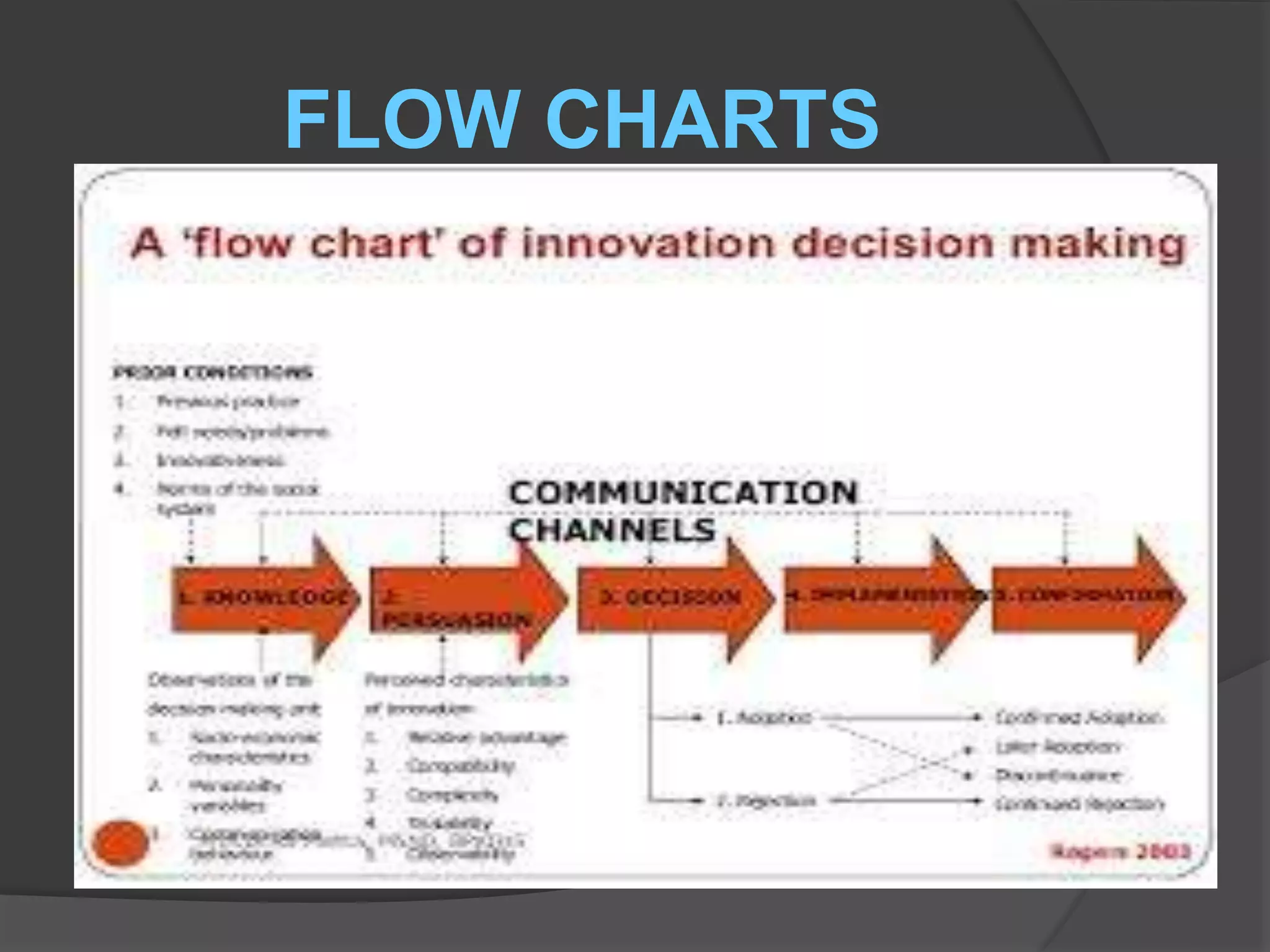
 flow charts
 tree diagrams
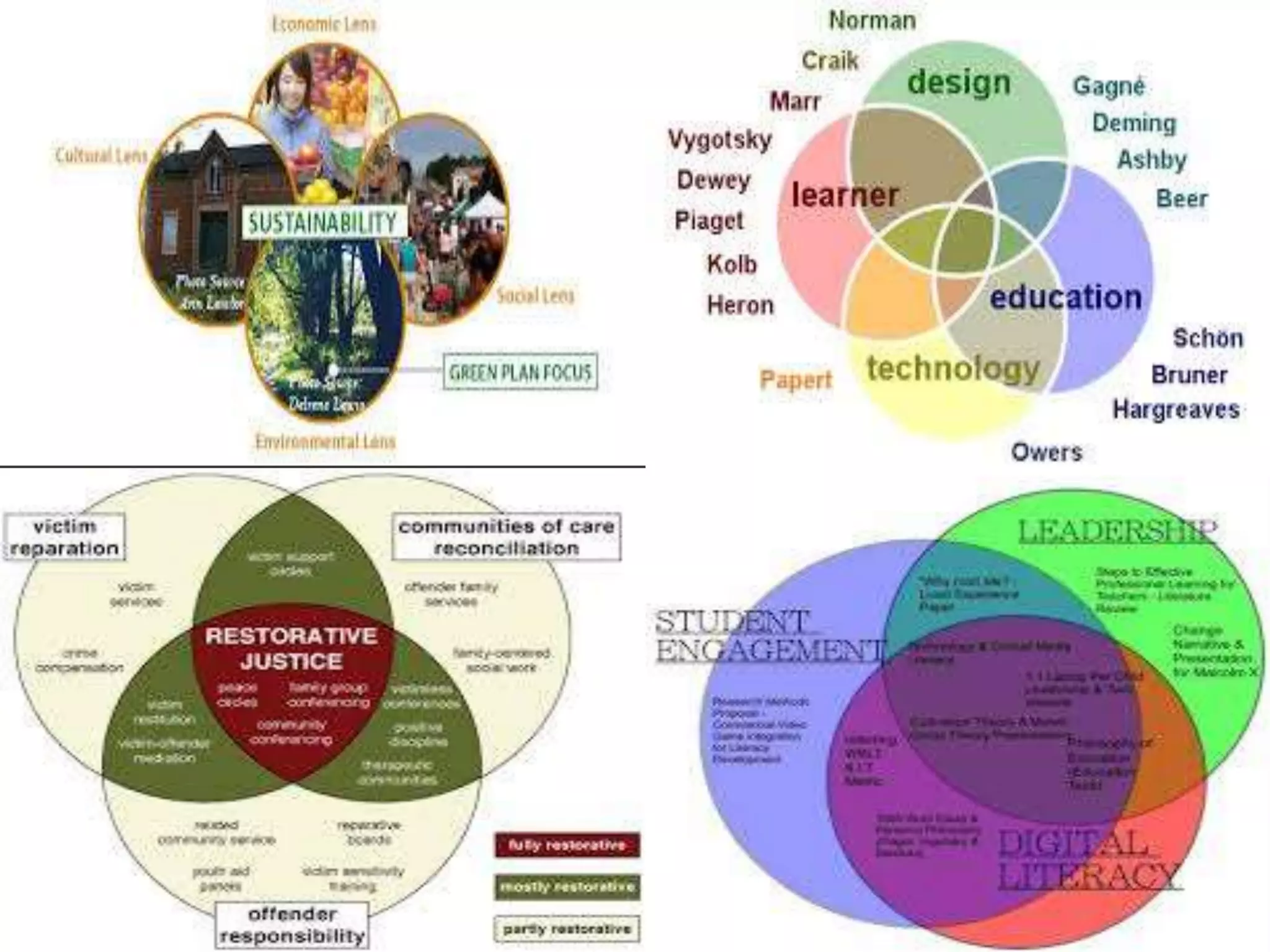
 shape based diagrams – triangles,
concentric circles, overlapping
circles
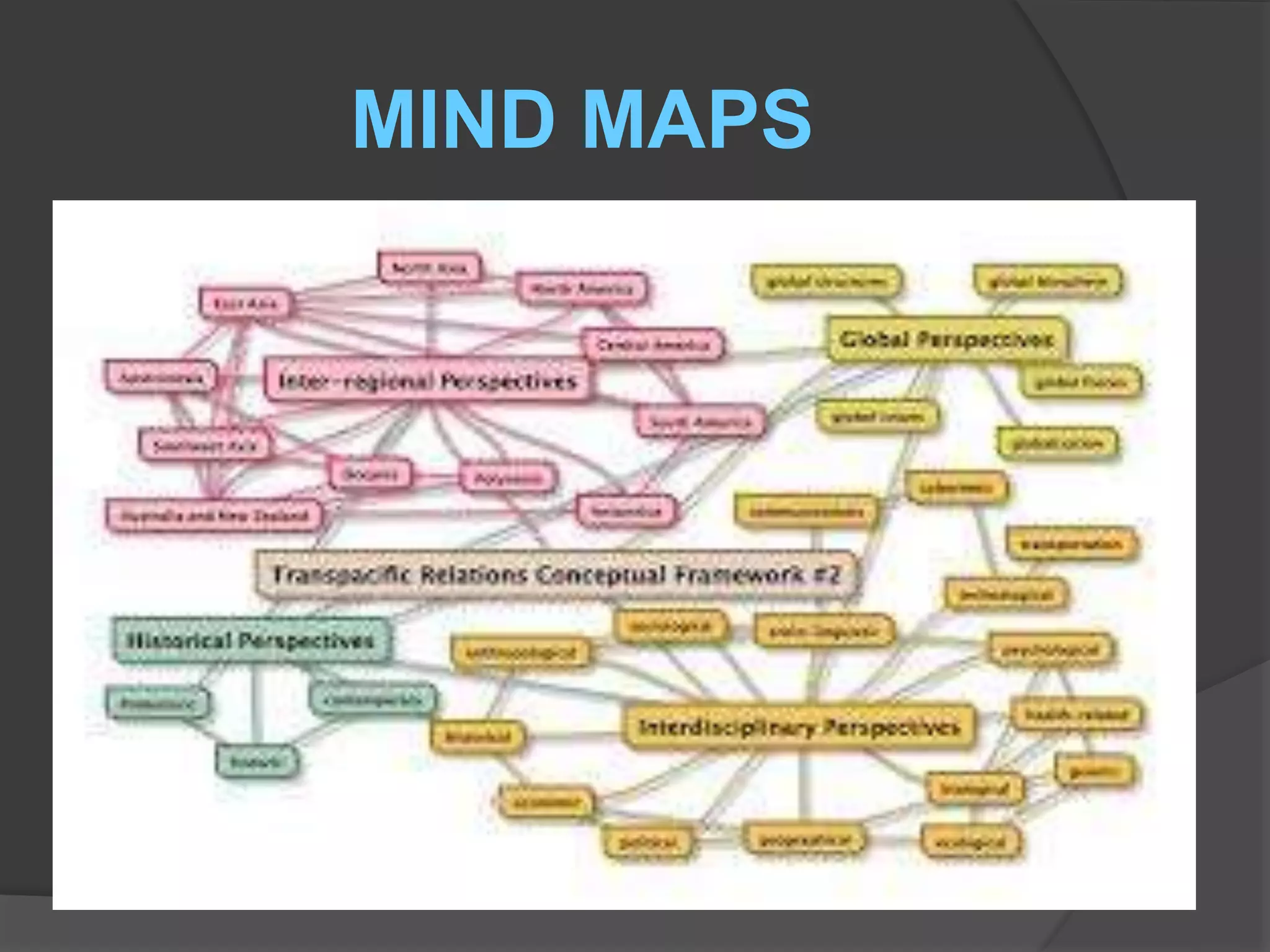
 mind maps
FLOW CHARTS
FLOW CHARTS
TREE DIAGRAMS
SHAPE BASED DIAGRAMS –
TRIANGLES, CONCENTRIC
CIRCLES, OVERLAPPING
CIRCLES
MIND MAPS
UTILITY
1. Defining the research problem
2. Establishing theoretical coherence
3. Organising research design and
implementation
4. Framing conceptual conclusions
5.Conceptual frameworks provide researchers
with:
 A means of setting out an explanation set
that might be used to define and make sense
of the data that flow from the research
question.
 An filtering tool for selecting appropriate
research questions and related data
collection methods.
 A reference point/structure for the
discussion of the literature, methodology
and results.
LIMITATIONS
Conceptual frameworks, however, also have
problems in that the framework:
 Is influenced by the experience and knowledge of
the individual – initial bias.
 Once developed will influence the researcher’s
thinking and may result in some things being given
prominence and others being ignored – ongoing
bias.
The solution is to revisit the conceptual
framework, particularly at the end when
evaluating your work
REFERENCES
THANK YOU
Using, testing and developing conceptual framework, models & theories

Using, testing and developing conceptual framework, models & theories

  • 2.
    USING THEORIES Silvia 1986identified three different ways in which nursing theories can be incorporated in nursing research:  First manner was minimal use of theory; in this the theory is explicitly identified as a research framework but minimally integrated into the study.
  • 3.
    USING THEORIES  Secondapproach was, concepts from theories were used to organize the research usually for the descriptive rather than the theory testing purpose.  Third way was adequate use of model for theory testing, characterized by explicit indication of model use along with a study purpose for determining the model’s validity
  • 4.
    TESTING THEORIES  Theorytesting is done through deductive reasoning approach, where researcher proceeds from general (theory) to more specific (empirical findings).  The researcher deduces implications and develops research hypotheses.  The hypotheses are then subjected to empirical testing through systematic research.
  • 5.
    TESTING THEORIES  Comparisons’between the observed outcome of research and the predicted relationships of hypotheses are the major focus of testing process.  The testing process continues until pieces of evidences cannot be interpreted within the context of the theory.
  • 6.
    PURPOSES OF TESTING THEORIES To devise logically adequate deductions from theories.  To develop a research design that reduces the credibility of alternative explanations of observed relationship.  To select the methods that assess the theory’s validity under maximally heterogeneous situations, so that potentially competing theories can be ruled out.
  • 7.
  • 8.
    DEFINITION  A writtenor visual presentation that explains either graphically, or by narration, the main things to be studied, the key factors, concepts or variables and the presumed relationship among them”. - (Miles and Huberman, 1994)
  • 9.
    PREREQUISITES  Knowledge oftheories  Findings of the previous similar research studies and related field experience  Skills of creativity in identifying and establishing the relationship among two or more study concepts
  • 10.
    PREREQUISITES  Power ofobservation, understanding the problem, imagination and conceptualizing about abstract ideas  Ability to link the ideas with a logical scheme to generalize facts  Ability of inductive reasoning
  • 11.
    HOW TO DEVELOPA CONCEPTUAL FRAMEWORK  Identify the key words used in the subject area of your study.  Draw out the key things within something you have already written about the subject area – literature review.  Take one key concept, idea or term at a time and brainstorm all the other things that might be related and then go back and select those that seem most relevant.
  • 12.
    SOURCES OF CONCEPTS Thepieces of the conceptual framework are borrowed but the researcher provides the structure.Concepts may be borrowed from:-  existing theories  previous research models  personal real life experiences  findings of the previous study  concepts of the several theories and models
  • 13.
  • 14.
    THEORITICAL FRAMEWORK CONCEPTUALFRAMEWORK A theoretical framework provides a broad explanation of relationships that exists between concepts A conceptual framework is not as well developed as is a theoretical framework A theoretical framework is based on ONE theory When no existing theory fits the concepts that the researcher wishes to study, the researcher may construct a conceptual framework The concepts of the study relate back to the theory. can be used to describe and begin to explain the relationships of the concepts Theoretical frameworks start out as a conceptual framework and with much research; develop into a research-based theoretical framework
  • 15.
    An example ofa (generic) conceptual framework:
  • 16.
    Adding developing researchquestions, the conceptual framework might look like this:
  • 17.
    If we nowadd the theoretical component-the learning theory, we get something like this:
  • 18.
    STEPS OF DEVELOPING CONCEPTUALFRAMEWORK IDENTIFY GENERAL CONCEPTS GATHERING RELEVANT INFORMATION FORMULATE GENERAL SCHEME DEVELOP A LOGICAL CONSTRUCT EVALUATION AND REVISION
  • 19.
    SPECIFIC FORMS OF CONCEPTUALFRAMEWORK  flow charts  tree diagrams  shape based diagrams – triangles, concentric circles, overlapping circles  mind maps
  • 20.
  • 21.
  • 22.
  • 23.
    SHAPE BASED DIAGRAMS– TRIANGLES, CONCENTRIC CIRCLES, OVERLAPPING CIRCLES
  • 27.
  • 31.
    UTILITY 1. Defining theresearch problem 2. Establishing theoretical coherence 3. Organising research design and implementation 4. Framing conceptual conclusions
  • 32.
    5.Conceptual frameworks provideresearchers with:  A means of setting out an explanation set that might be used to define and make sense of the data that flow from the research question.  An filtering tool for selecting appropriate research questions and related data collection methods.  A reference point/structure for the discussion of the literature, methodology and results.
  • 33.
    LIMITATIONS Conceptual frameworks, however,also have problems in that the framework:  Is influenced by the experience and knowledge of the individual – initial bias.  Once developed will influence the researcher’s thinking and may result in some things being given prominence and others being ignored – ongoing bias. The solution is to revisit the conceptual framework, particularly at the end when evaluating your work
  • 34.
  • 35.