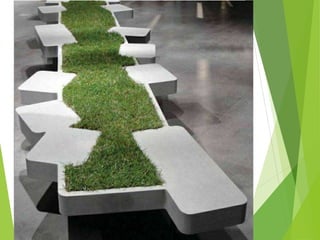
Urban Spaces
Definition and
Components
Definition of
Urban Open Spaces
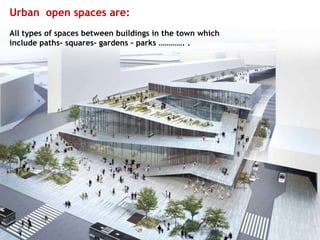
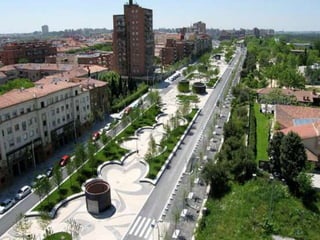
Urban open spaces are:
All types of spaces between buildings in the town which
include paths- squares- gardens – parks …………. .
Importance of
Urban Open Spaces
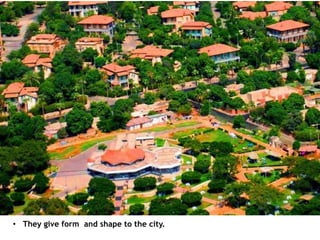
• They give form and shape to the city.
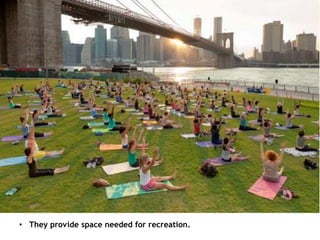
• They provide space needed for recreation.
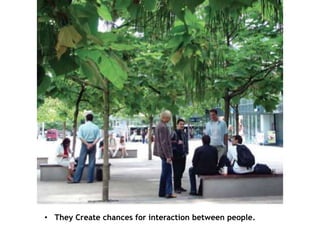
• They Create chances for interaction between people.
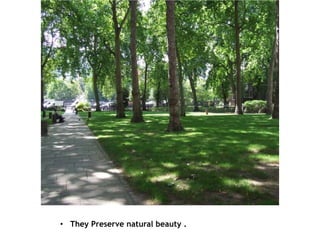
• They Preserve natural beauty .
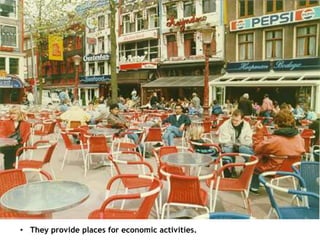
• They provide places for economic activities.
Types of
Urban Open Spaces
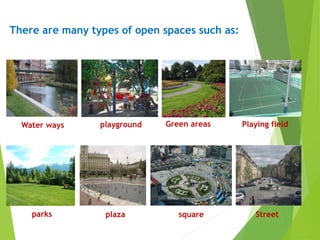
There are many types of open spaces such as:
Water ways
parks
Green areas Playing fieldplayground
plaza square Street
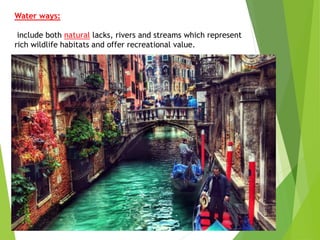
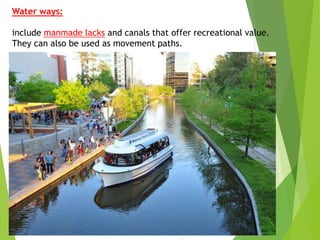
Water ways:
include both natural lacks, rivers and streams which represent
rich wildlife habitats and offer recreational value.
Water ways:
include manmade lacks and canals that offer recreational value.
They can also be used as movement paths.
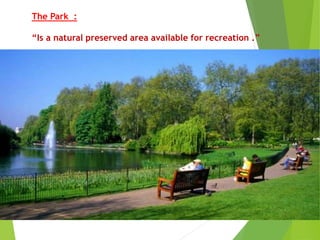
The Park :
“Is a natural preserved area available for recreation .”
The park
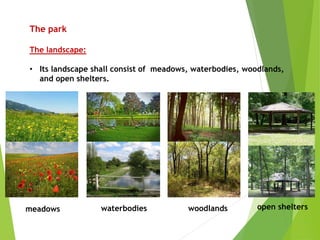
The landscape:
• Its landscape shall consist of meadows, waterbodies, woodlands,
and open shelters.
meadows waterbodies open shelterswoodlands
The park :
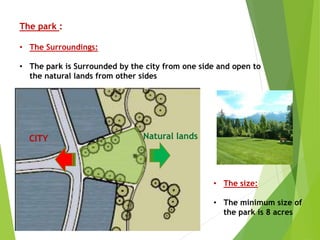
• The Surroundings:
• The park is Surrounded by the city from one side and open to
the natural lands from other sides
CITY Natural lands
• The size:
• The minimum size of
the park is 8 acres
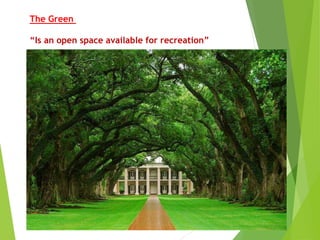
The Green
“Is an open space available for recreation”
The Green
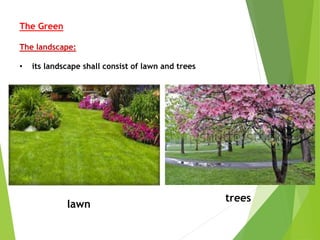
The landscape:
• its landscape shall consist of lawn and trees
lawn
trees
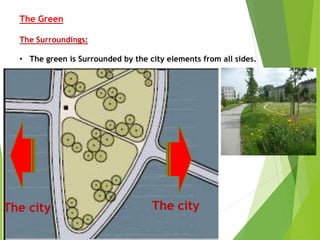
The cityThe city
The Green
The Surroundings:
• The green is Surrounded by the city elements from all sides.
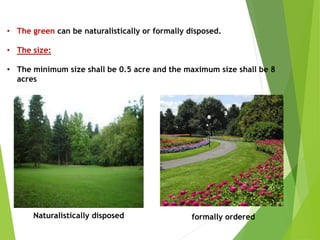
• The green can be naturalistically or formally disposed.
• The size:
• The minimum size shall be 0.5 acre and the maximum size shall be 8
acres
Naturalistically disposed formally ordered
The Playing fields
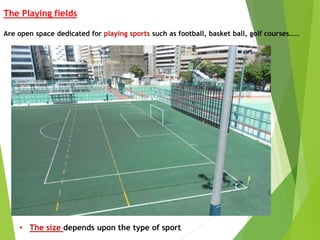
Are open space dedicated for playing sports such as football, basket ball, golf courses……
• The size depends upon the type of sport
The playground
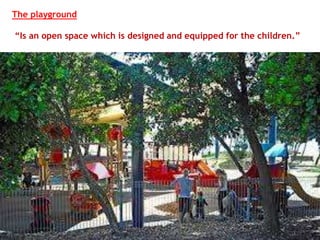
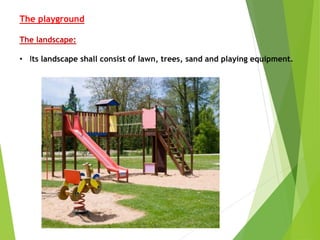
“Is an open space which is designed and equipped for the children.”
The Playground
• The Surroundings:
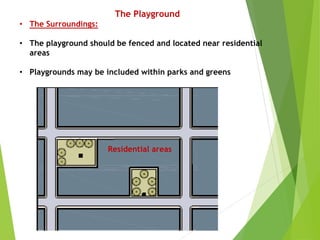
• The playground should be fenced and located near residential
areas
• Playgrounds may be included within parks and greens
Residential areas
The playground
The landscape:
• Its landscape shall consist of lawn, trees, sand and playing equipment.
The Plaza
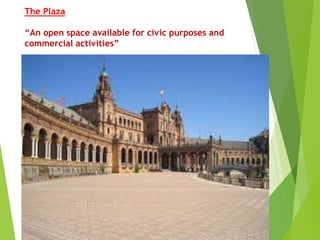
“An open space available for civic purposes and
commercial activities”
The Plaza
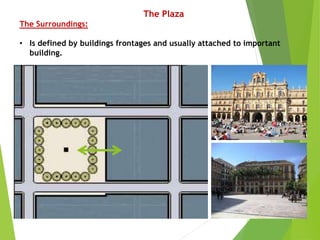
The Surroundings:
• Is defined by buildings frontages and usually attached to important
building.
The plaza
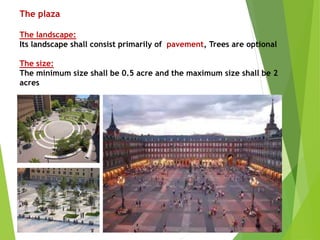
The landscape:
Its landscape shall consist primarily of pavement, Trees are optional
The size:
The minimum size shall be 0.5 acre and the maximum size shall be 2
acres
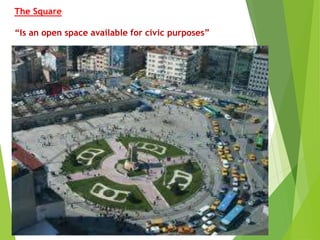
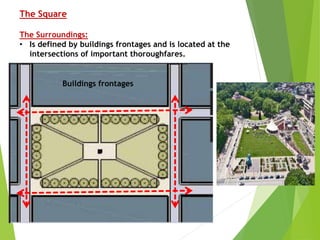
The Square
“Is an open space available for civic purposes”
The Square
The Surroundings:
• Is defined by buildings frontages and is located at the
intersections of important thoroughfares.
Buildings frontages
The Square
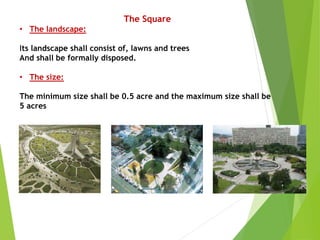
• The landscape:
Its landscape shall consist of, lawns and trees
And shall be formally disposed.
• The size:
The minimum size shall be 0.5 acre and the maximum size shall be
5 acres
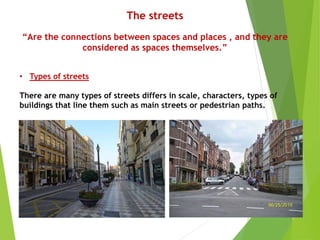
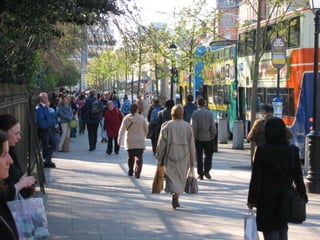
The streets
“Are the connections between spaces and places , and they are
considered as spaces themselves.”
• Types of streets
There are many types of streets differs in scale, characters, types of
buildings that line them such as main streets or pedestrian paths.
Components of
Urban Open Spaces
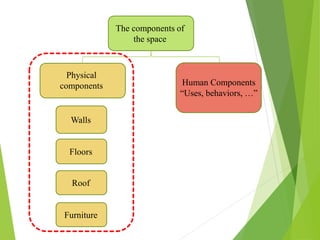
The components of
the space
Human Components
“Uses, behaviors, …”
Physical
components
Walls
Floors
Roof
Furniture
WALLS
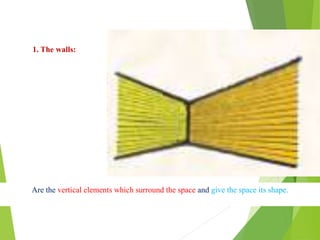
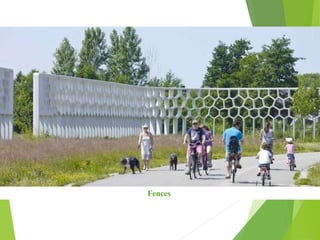
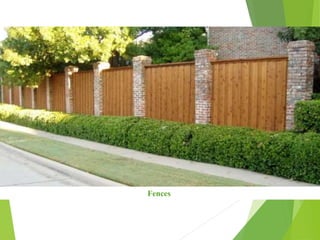
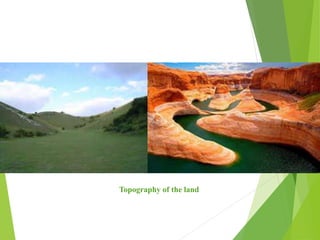
Are the vertical elements which surround the space and give the space its shape.
1. The walls:
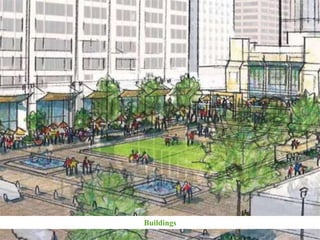
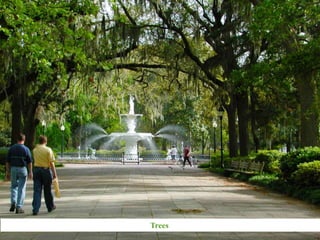
What are the types of walls?!!
Buildings
Trees
Fences
Fences
Topography of the land
Floors
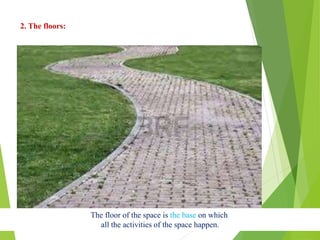
2. The floors:
The floor of the space is the base on which
all the activities of the space happen.
What are the types of floors?!!
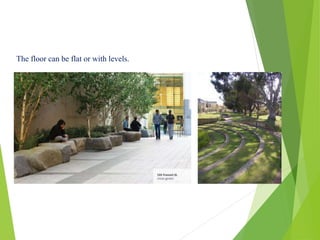
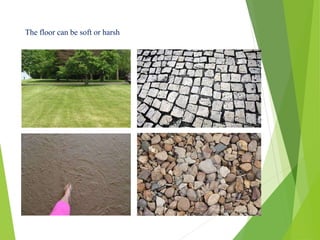
The floor can be flat or with levels.
The floor can be soft or harsh
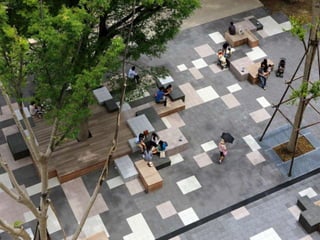
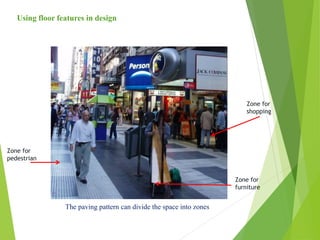
The paving pattern can divide the space into zones
Zone for
pedestrian
Zone for
furniture
Zone for
shopping
Using floor features in design
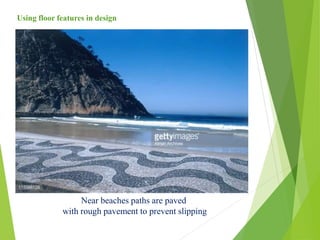
Near beaches paths are paved
with rough pavement to prevent slipping
Using floor features in design
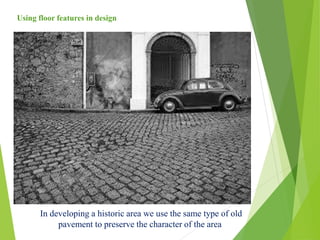
In developing a historic area we use the same type of old
pavement to preserve the character of the area
Using floor features in design
Roofs
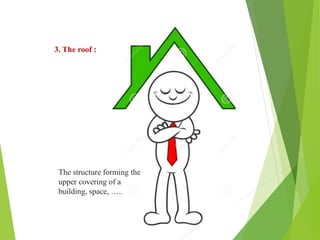
3. The roof :
The structure forming the
upper covering of a
building, space, …..
What are the types of roofs?!!
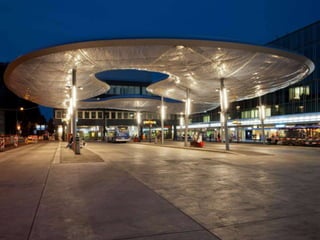
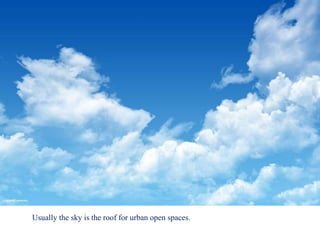
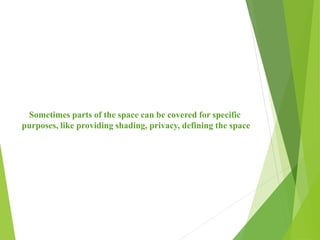
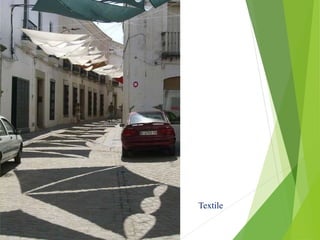
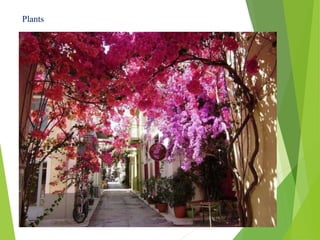
Usually the sky is the roof for urban open spaces.
Sometimes parts of the space can be covered for specific
purposes, like providing shading, privacy, defining the space
Textile
Plants
Concrete
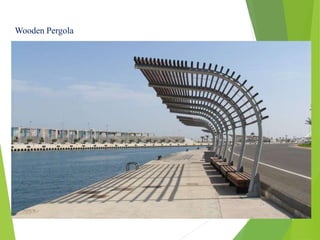
Wooden Pergola
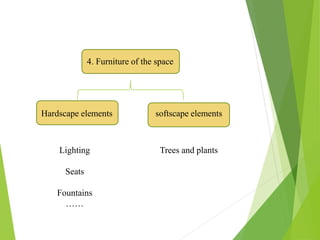
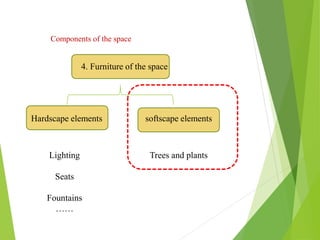
4. Furniture of the space
Hardscape elements softscape elements
Trees and plantsLighting
Seats
Fountains
……
Hardscape
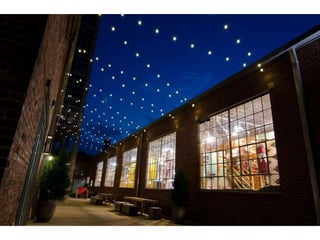
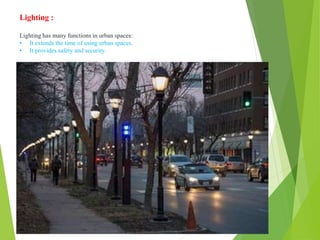
Lighting :
Lighting has many functions in urban spaces:
• It extends the time of using urban spaces.
• It provides safety and security.
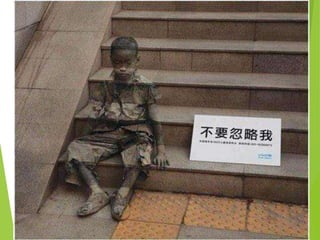
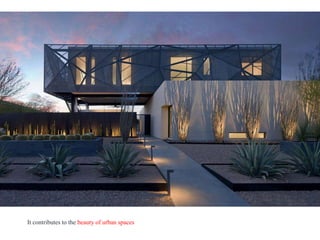
It contributes to the beauty of urban spaces
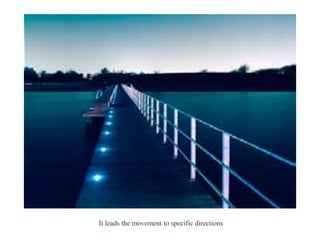
It leads the movement to specific directions
What are the types of lighting?!!
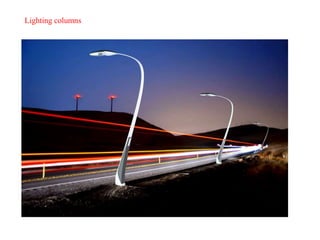
Lighting columns
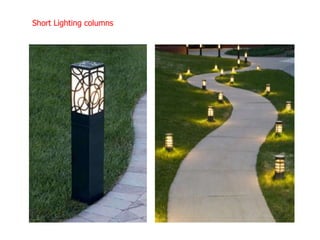
Short Lighting columns
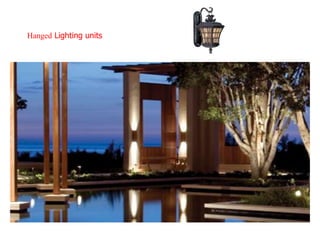
Hanged Lighting units
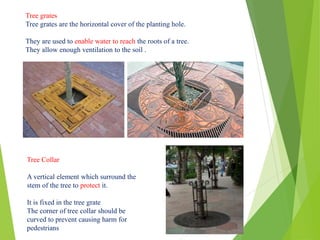
Tree grates
Tree grates are the horizontal cover of the planting hole.
They are used to enable water to reach the roots of a tree.
They allow enough ventilation to the soil .
Tree Collar
A vertical element which surround the
stem of the tree to protect it.
It is fixed in the tree grate
The corner of tree collar should be
curved to prevent causing harm for
pedestrians
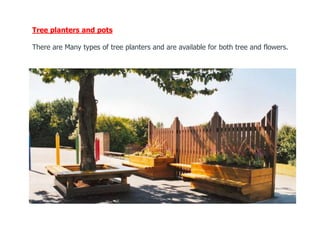
Tree planters and pots
There are Many types of tree planters and are available for both tree and flowers.
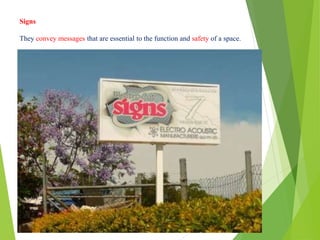
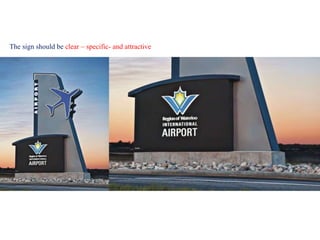
Signs
They convey messages that are essential to the function and safety of a space.
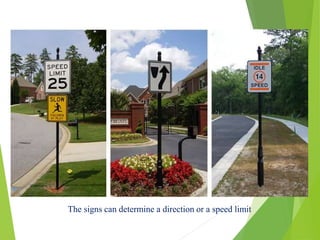
The signs can determine a direction or a speed limit
The sign should be clear – specific- and attractive
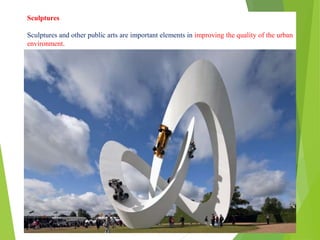
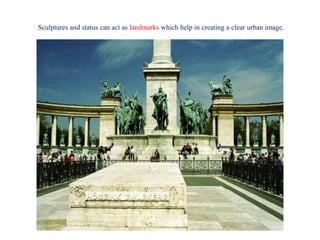
Sculptures
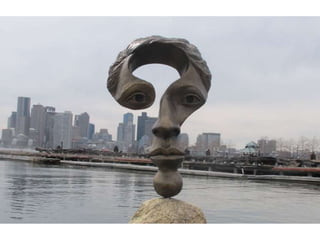
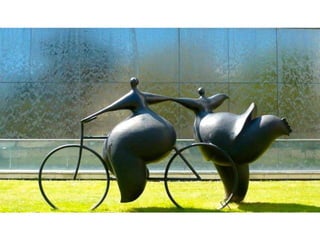
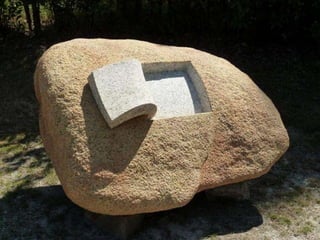
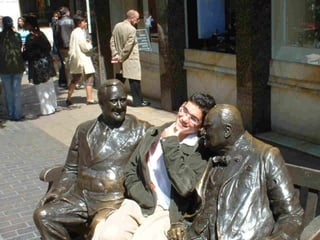
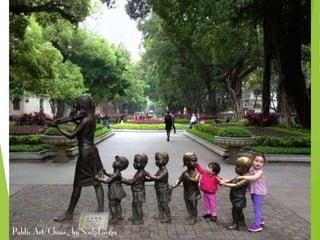
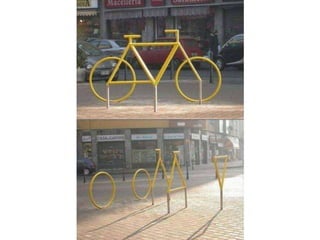
Sculptures and other public arts are important elements in improving the quality of the urban
environment.
Sculptures and status can act as landmarks which help in creating a clear urban image.
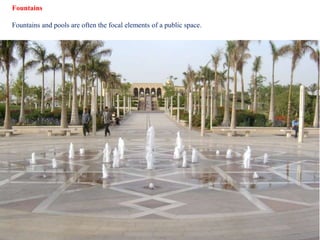
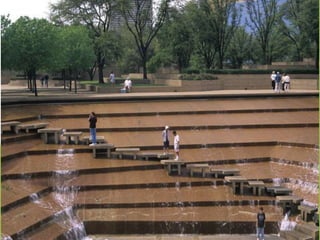
Fountains
Fountains and pools are often the focal elements of a public space.
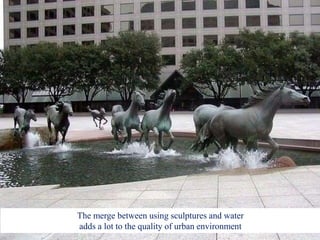
The merge between using sculptures and water
adds a lot to the quality of urban environment
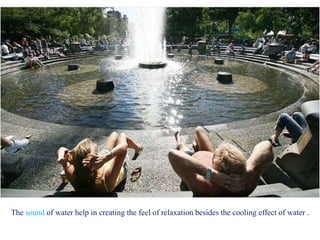
The sound of water help in creating the feel of relaxation besides the cooling effect of water .
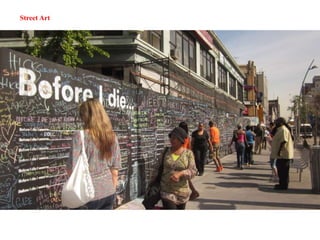
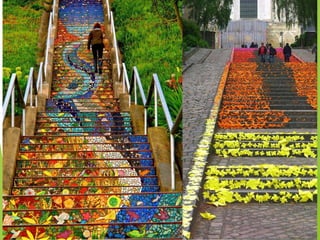
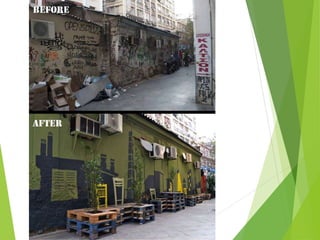
Street Art
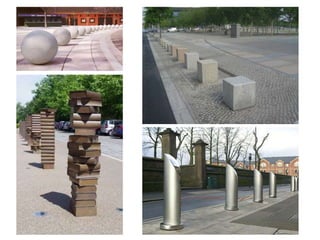
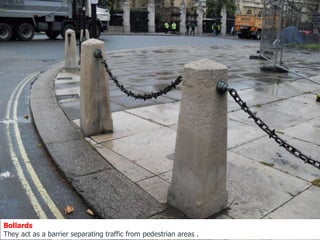
Bollards
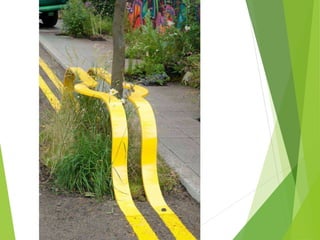
They act as a barrier separating traffic from pedestrian areas .
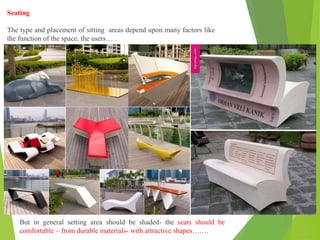
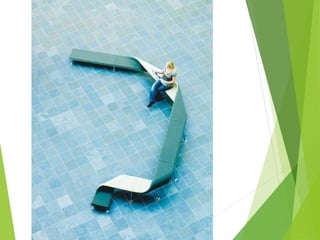
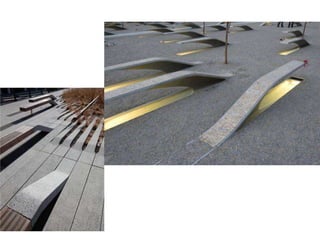
Seating
The type and placement of sitting areas depend upon many factors like
the function of the space, the users… .
But in general setting area should be shaded- the seats should be
comfortable – from durable materials- with attractive shapes…….
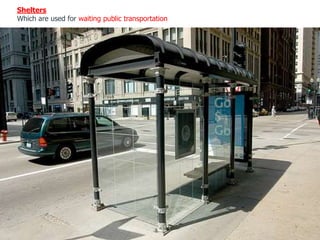
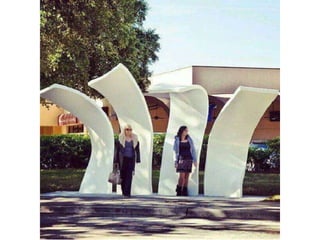
Shelters
Which are used for waiting public transportation
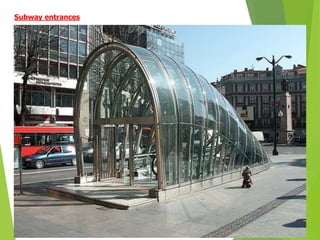
Subway entrances
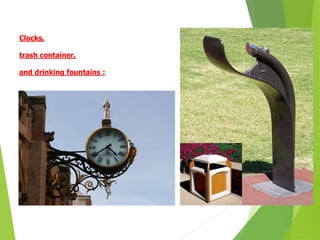
Clocks,
trash container,
and drinking fountains :
Softscape
Components of the space
4. Furniture of the space
Hardscape elements softscape elements
Trees and plantsLighting
Seats
Fountains
……
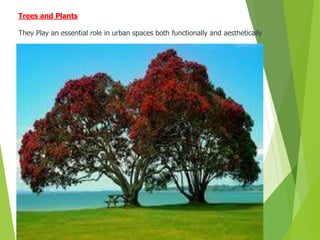
Trees and Plants
They Play an essential role in urban spaces both functionally and aesthetically
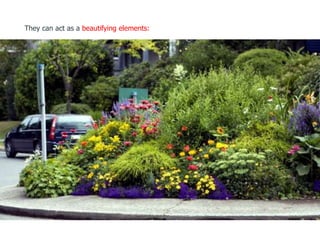
They can act as a beautifying elements:
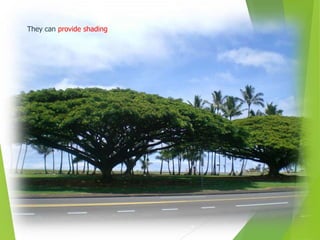
They can provide shading
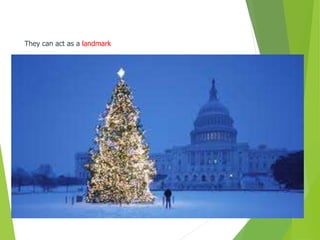
They can act as a landmark
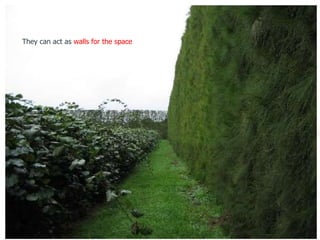
They can act as walls for the space
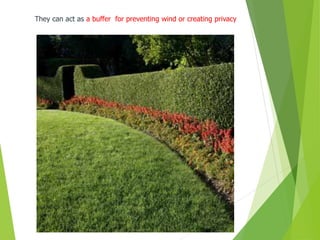
They can act as a buffer for preventing wind or creating privacy
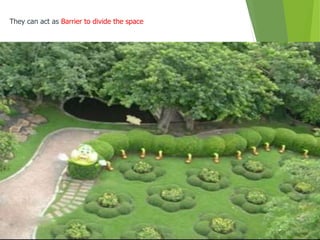
They can act as Barrier to divide the space
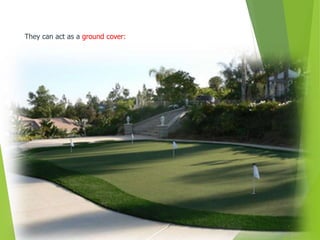
They can act as a ground cover:
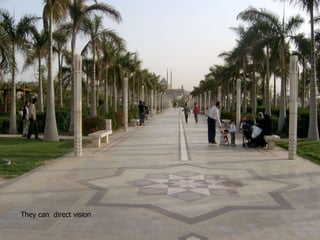
They can direct vision
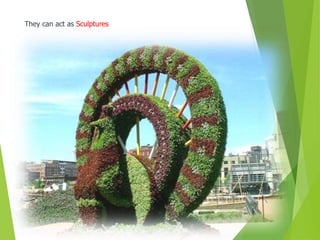
They can act as Sculptures
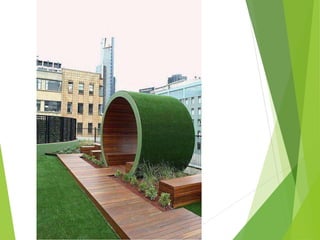
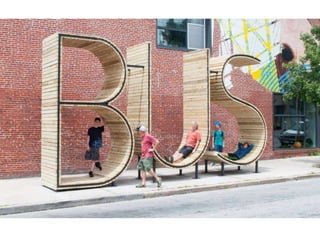
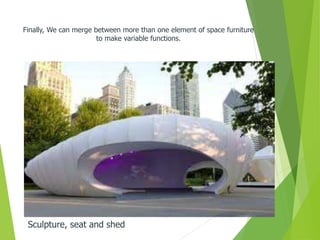
Sculpture, seat and shed
Finally, We can merge between more than one element of space furniture
to make variable functions.
THANK YOU 

Urban spaces