Downloaded 62 times
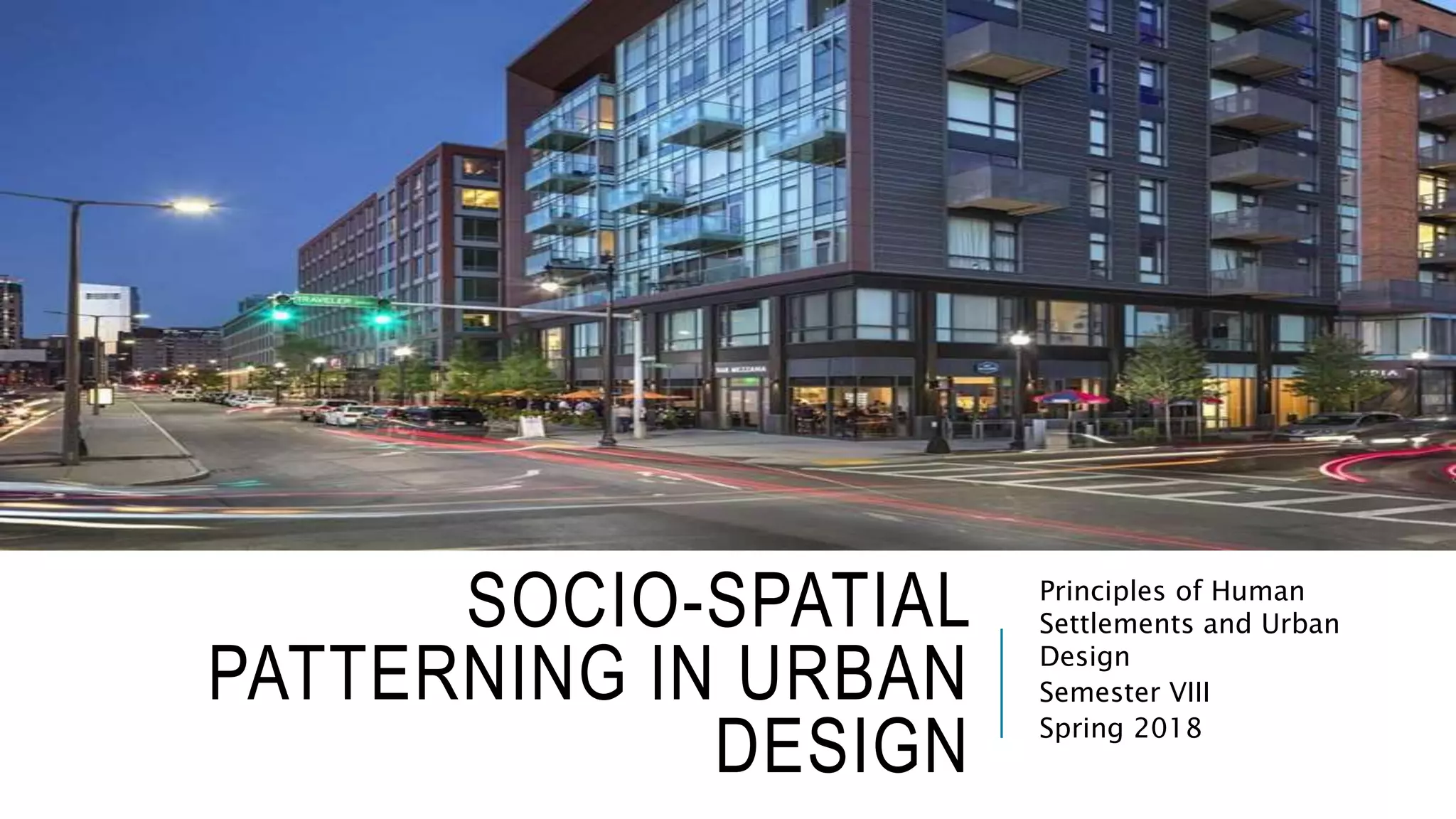
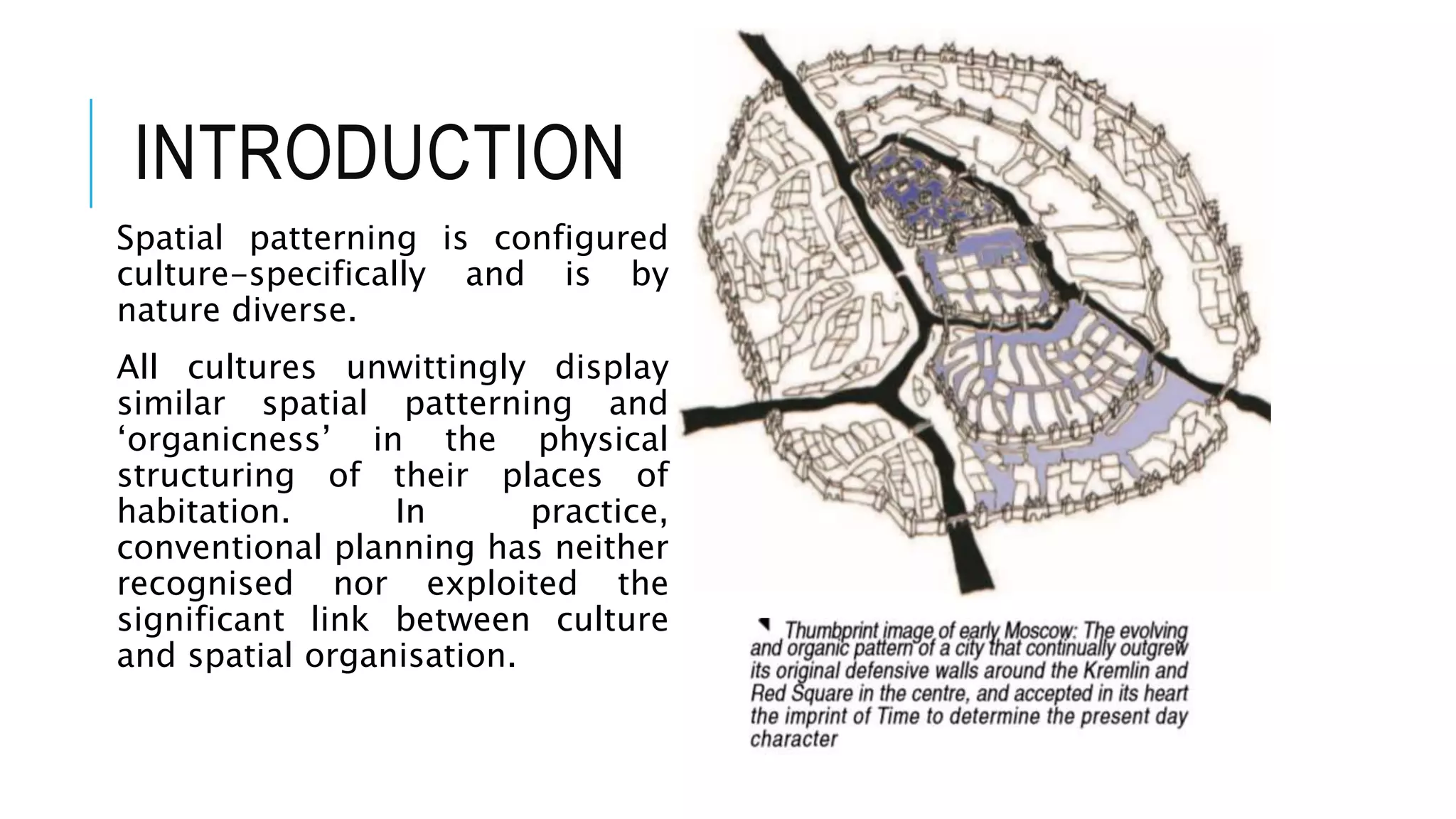
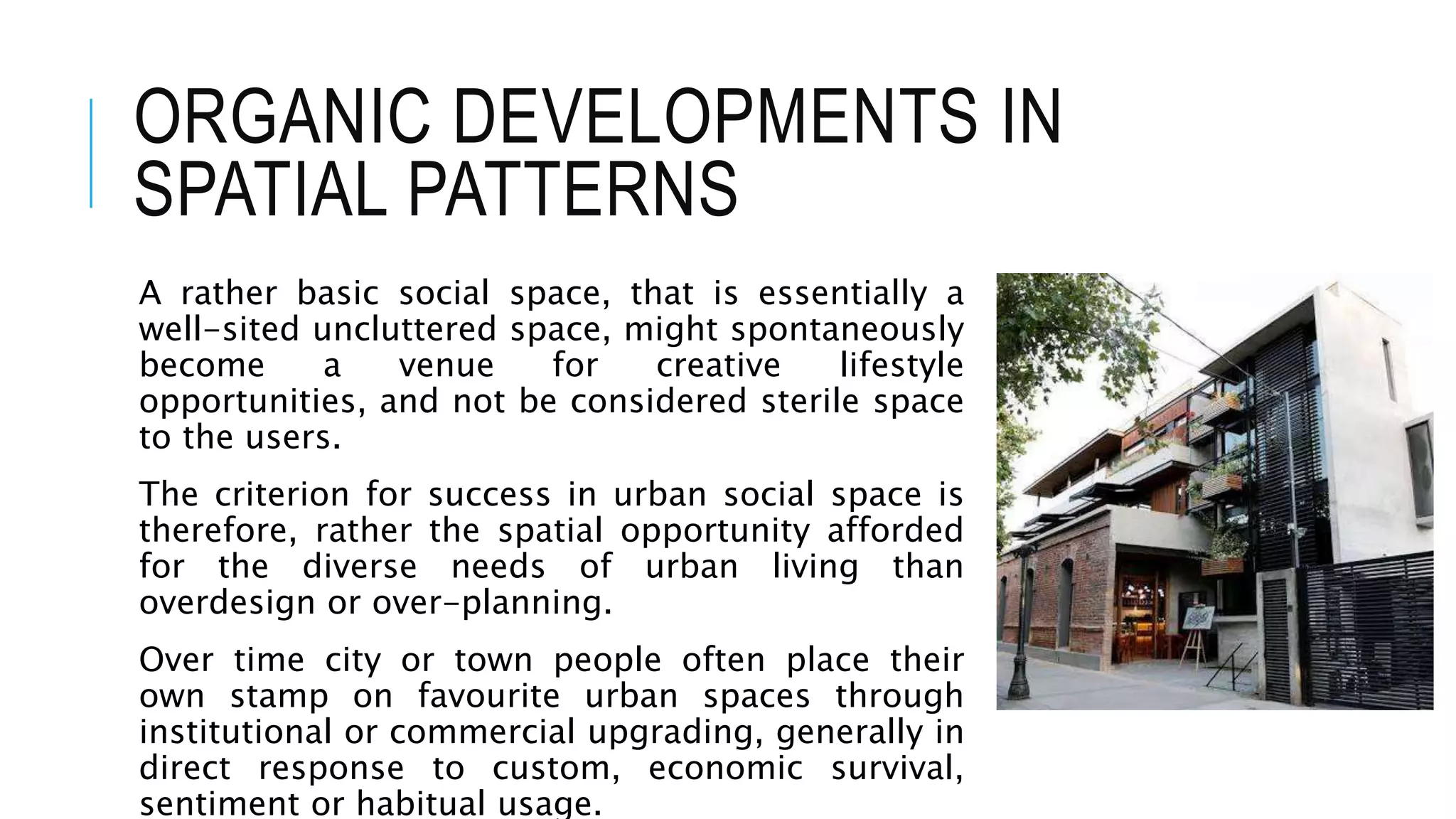
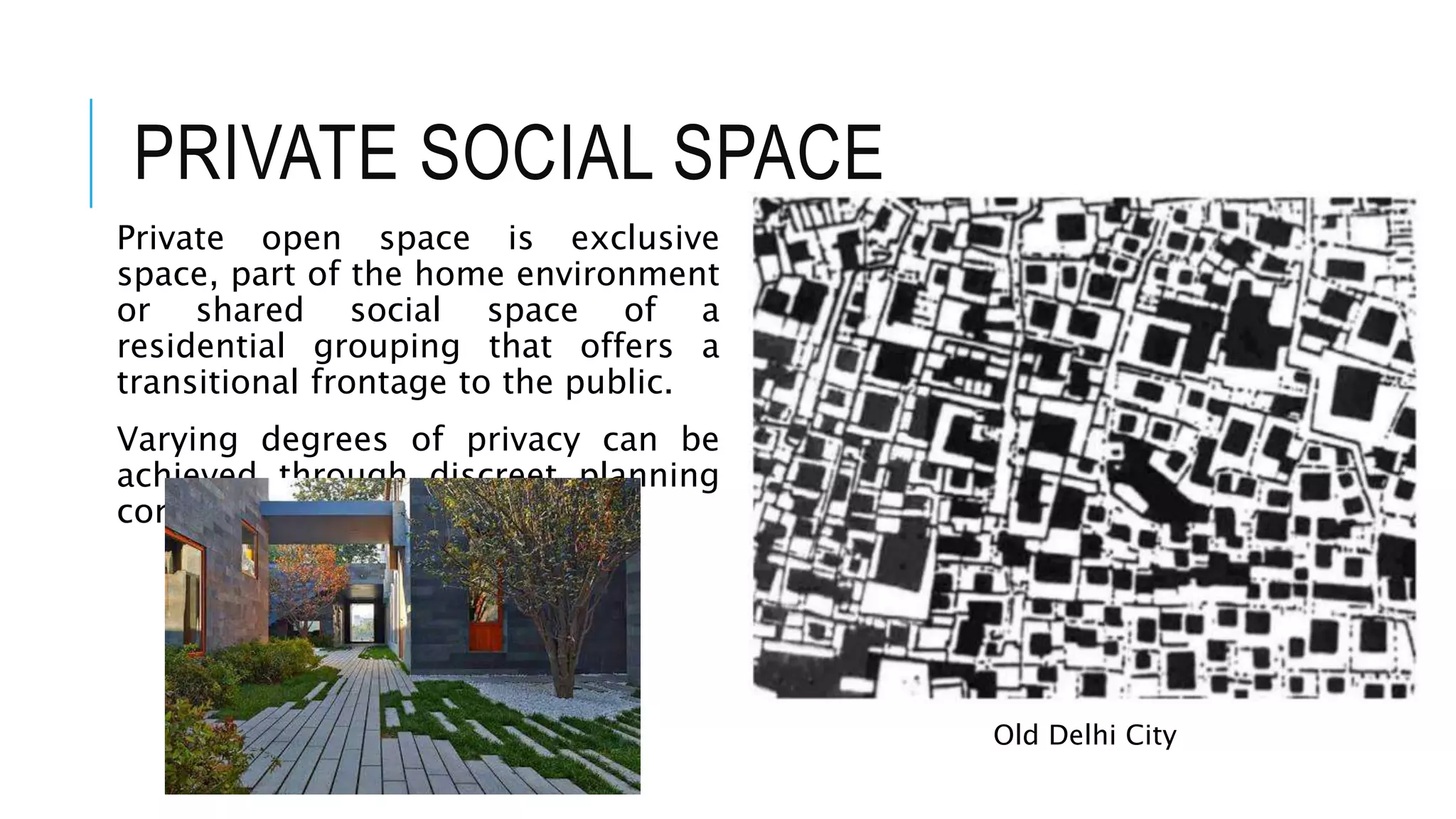
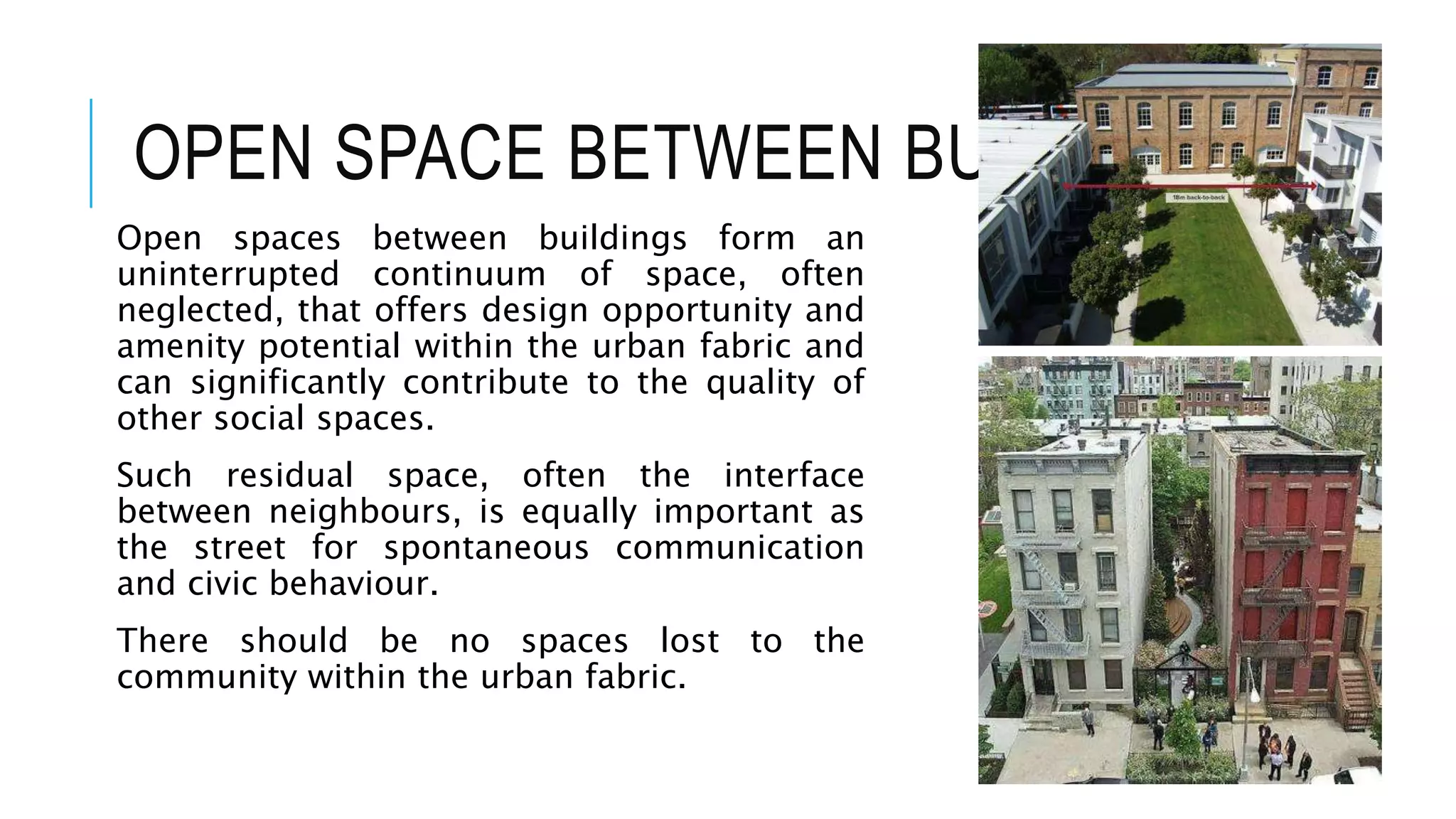
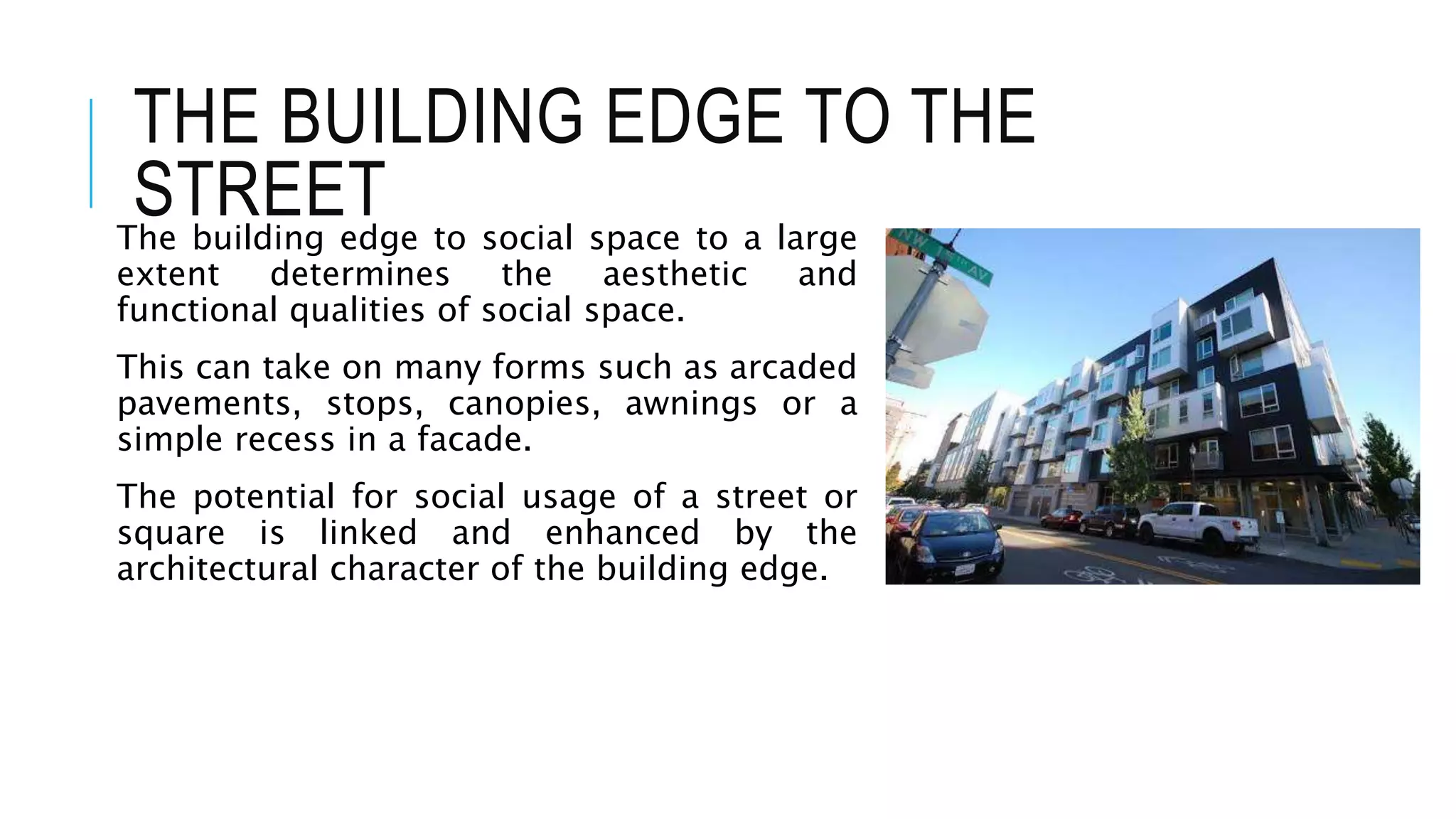
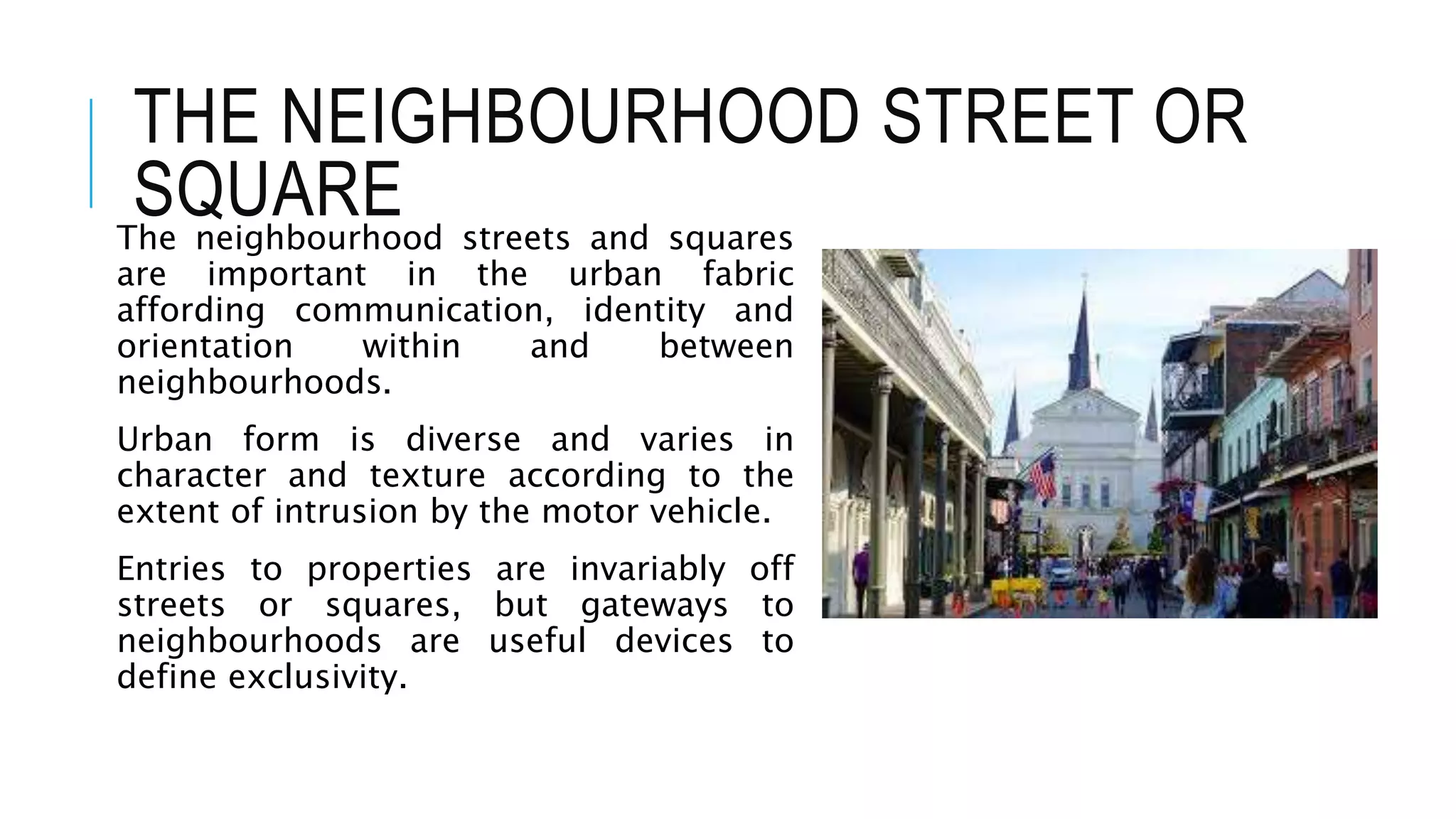
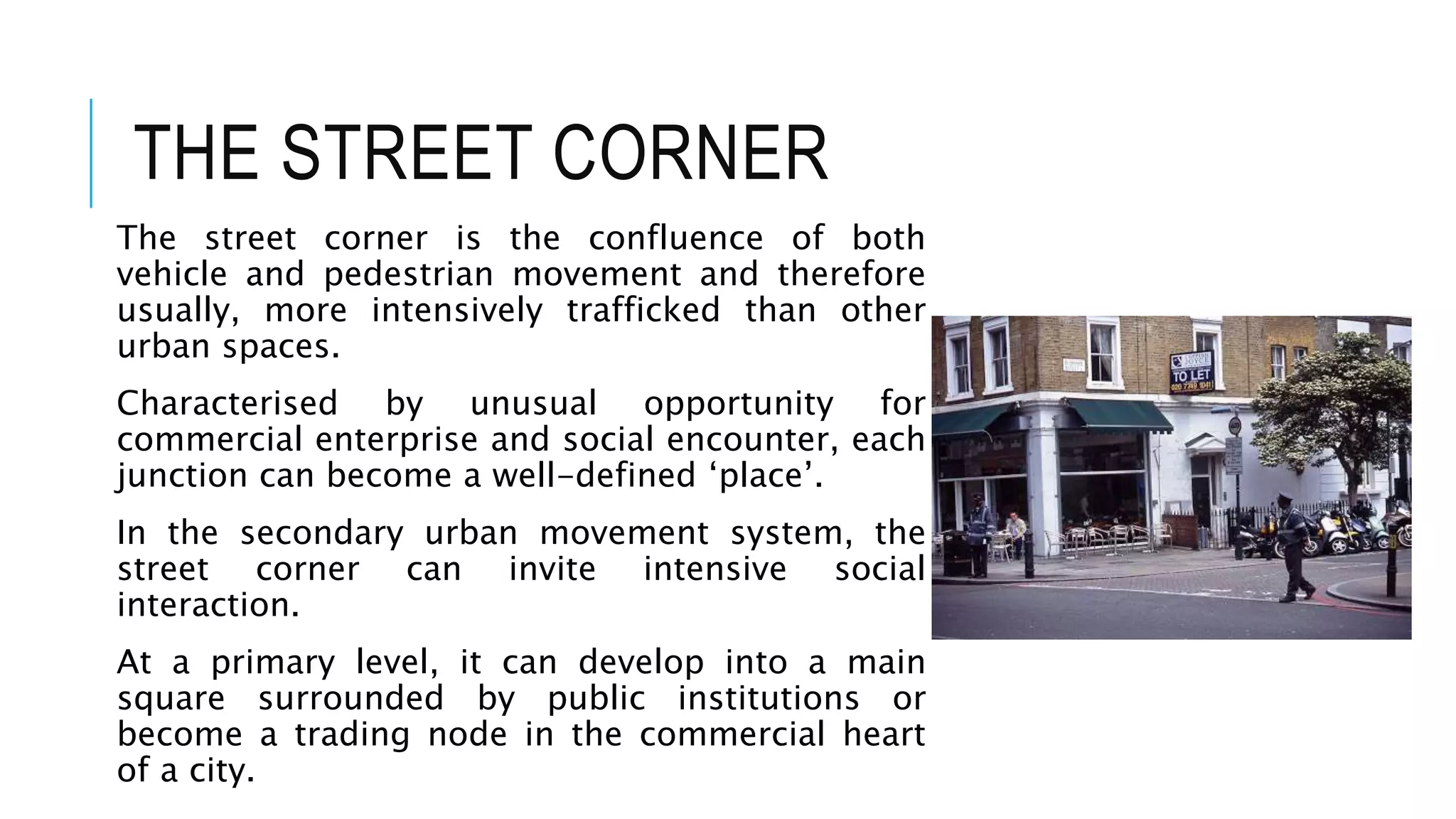
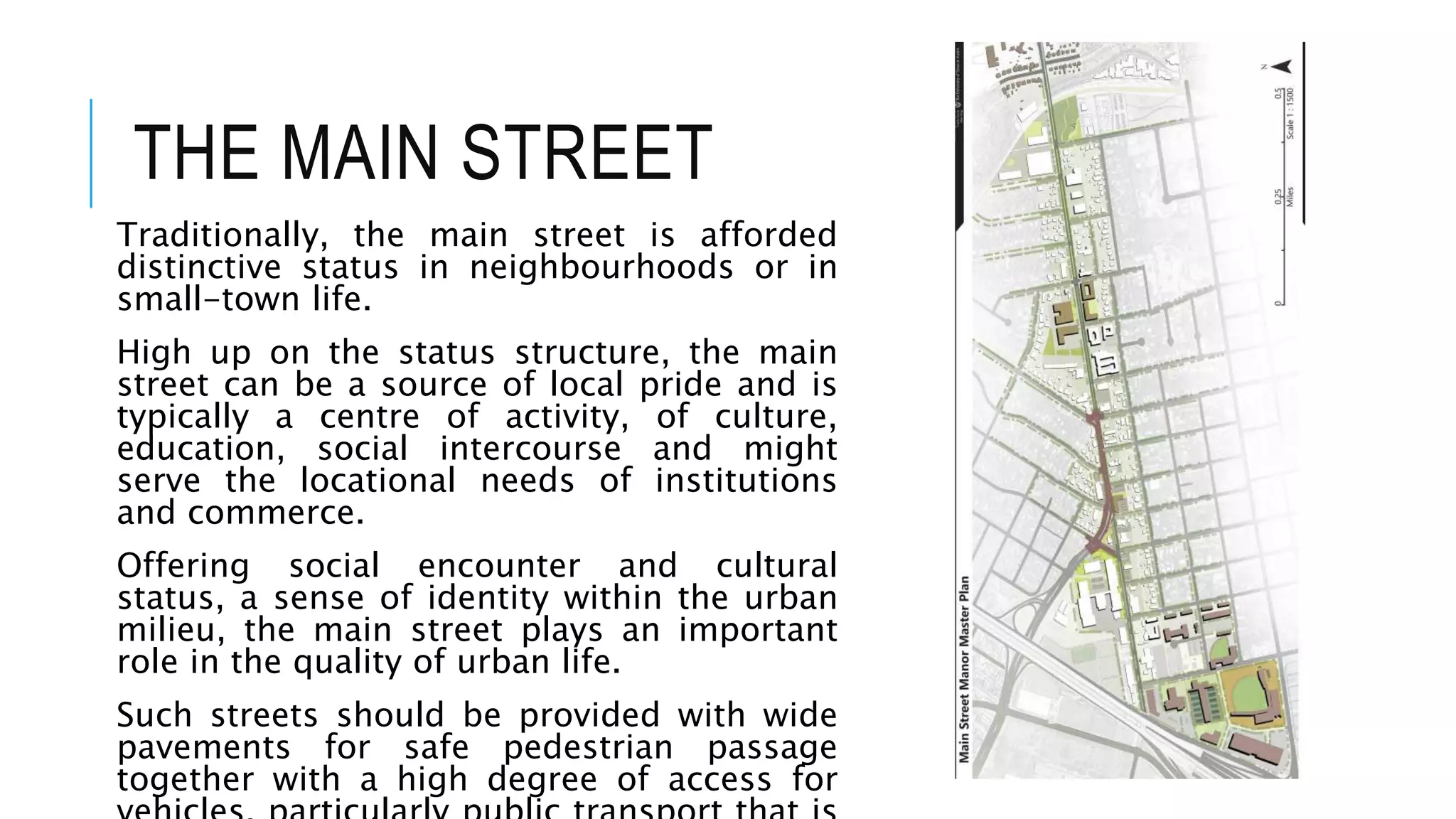
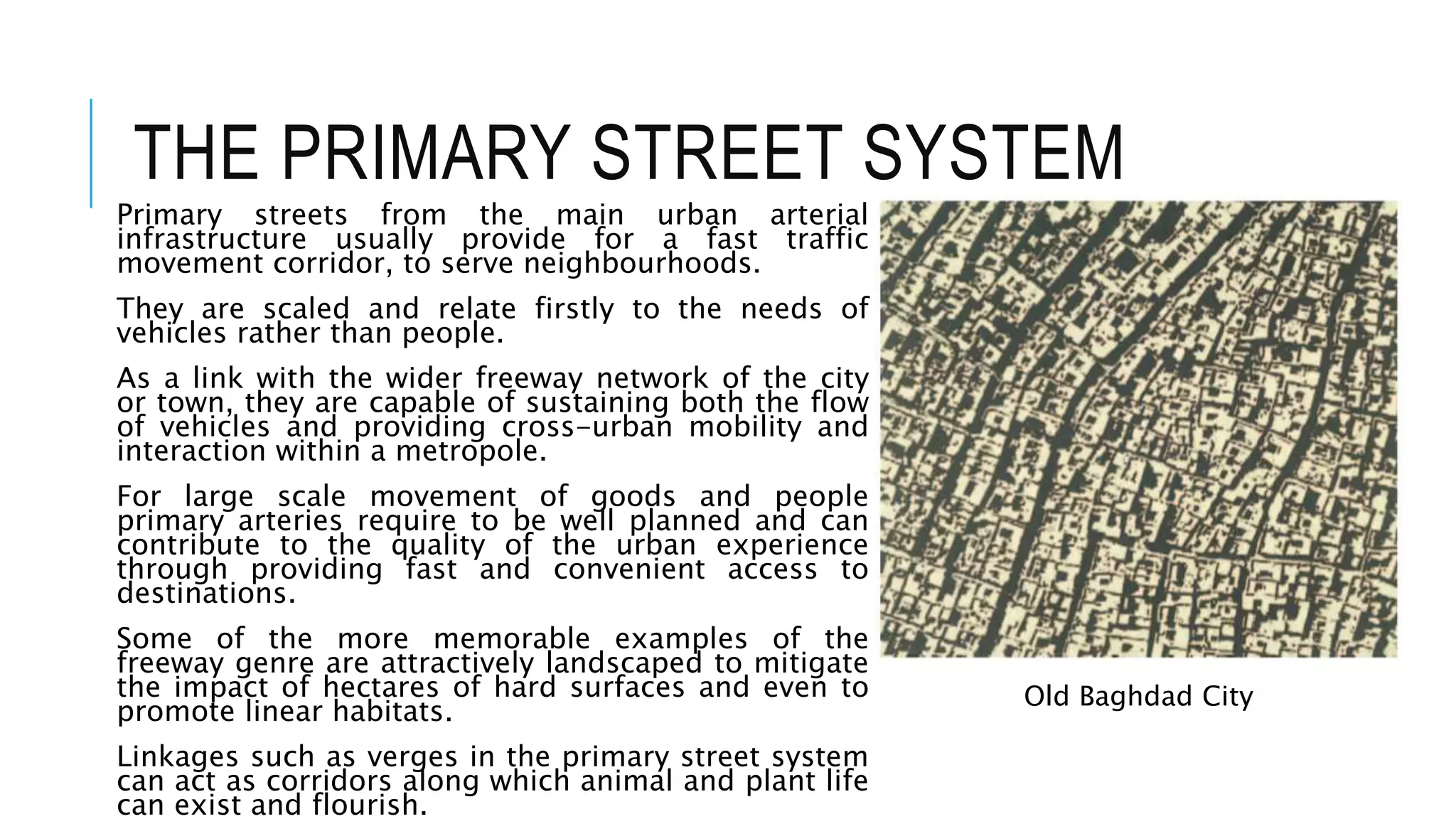
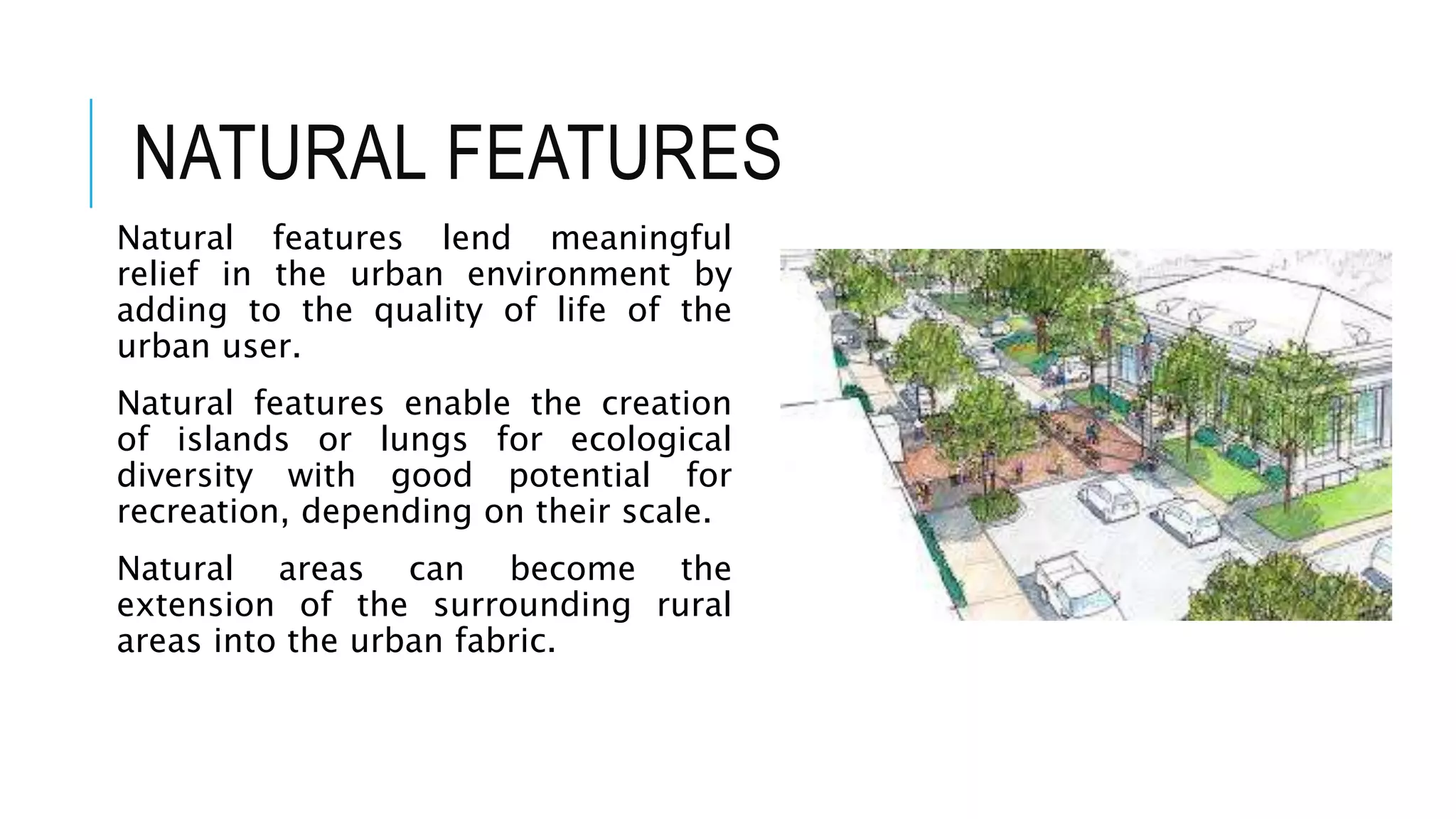



The document discusses the significance of socio-spatial patterning in urban design, highlighting the cultural diversity reflected in spatial arrangements of human settlements. It emphasizes that successful urban social spaces depend on accommodating diverse needs rather than excessive planning, with particular focus on movement corridors that serve as cultural storyboards. The role of natural features and the quality of open spaces are also crucial for enhancing the urban experience and fostering community interaction.


![[BROCHURE] Italy Tour Project | @SlideON](https://cdn.slidesharecdn.com/ss_thumbnails/brochure8-251215152319-2805af68-thumbnail.jpg?width=640&height=640&fit=bounds)


![Chapt_4[1].ppt very interseting and important](https://cdn.slidesharecdn.com/ss_thumbnails/chapt41-251208222956-7cf5e0fa-thumbnail.jpg?width=640&height=640&fit=bounds)


![Chapter4_Initiation_of_Sediment_Motion_v2[1].pptx](https://cdn.slidesharecdn.com/ss_thumbnails/chapter4initiationofsedimentmotionv21-251208223747-f94ef163-thumbnail.jpg?width=640&height=640&fit=bounds)