

Smart English
Upgrading your English Language Skills
Mr. Medhat Mohsen
Assafwa Private Schools
Ain Shams University
 Some advice
 Websites
Upgrading you English Language Skills
 Get out of a learning rut.
 Widen your vocabulary.
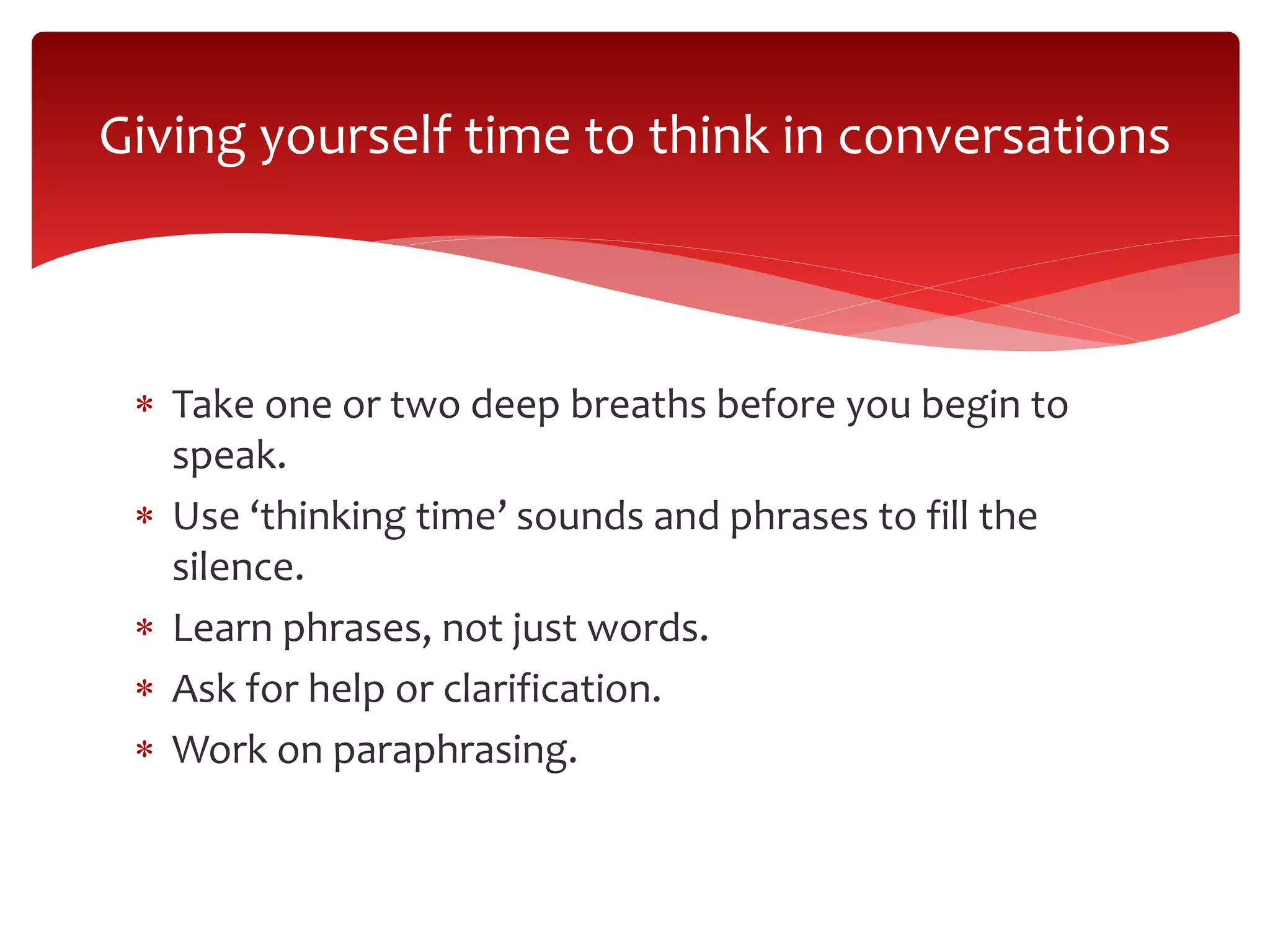
 Give yourself time to think in conversations.
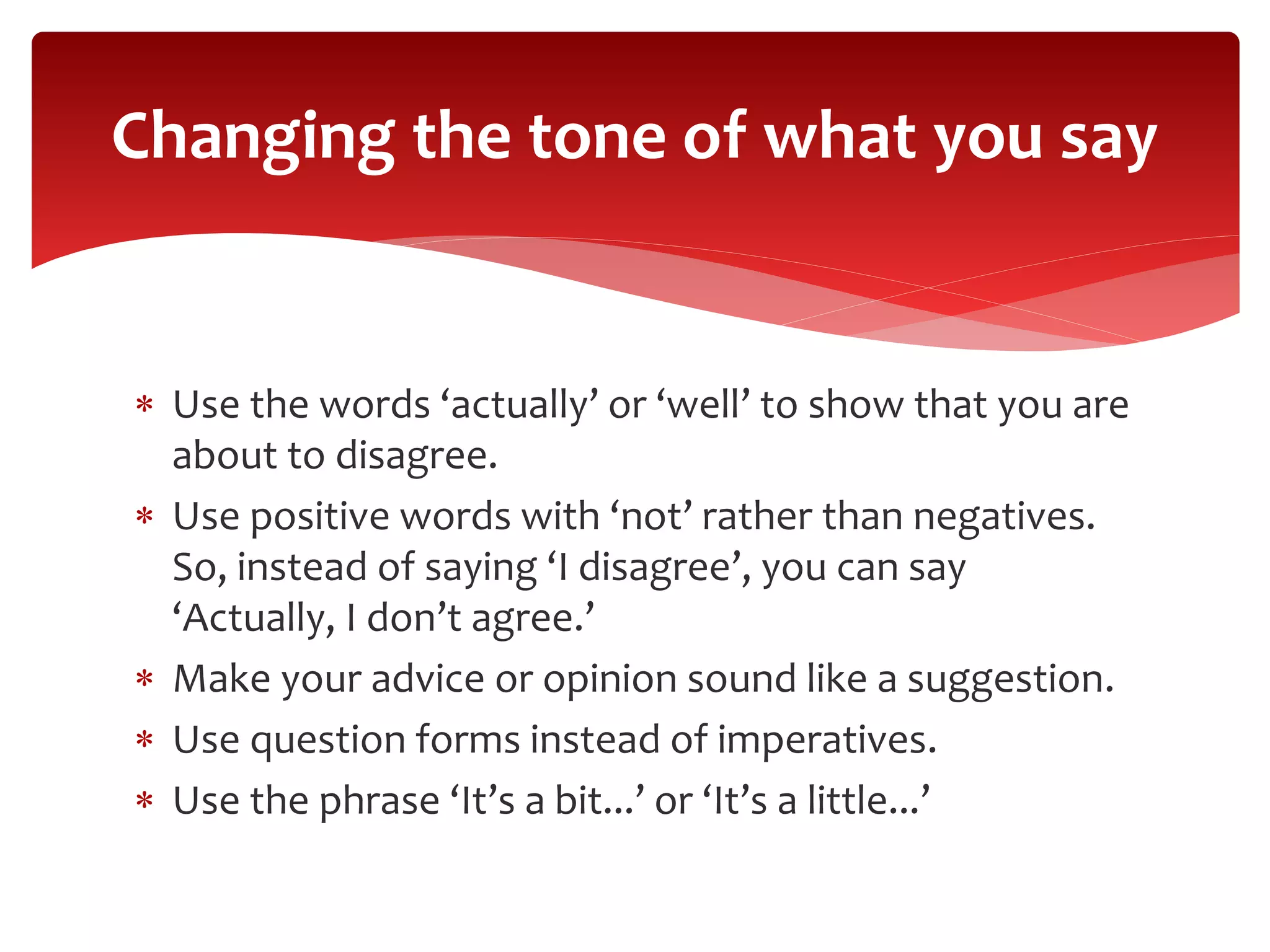
 Change the tone of what you say.
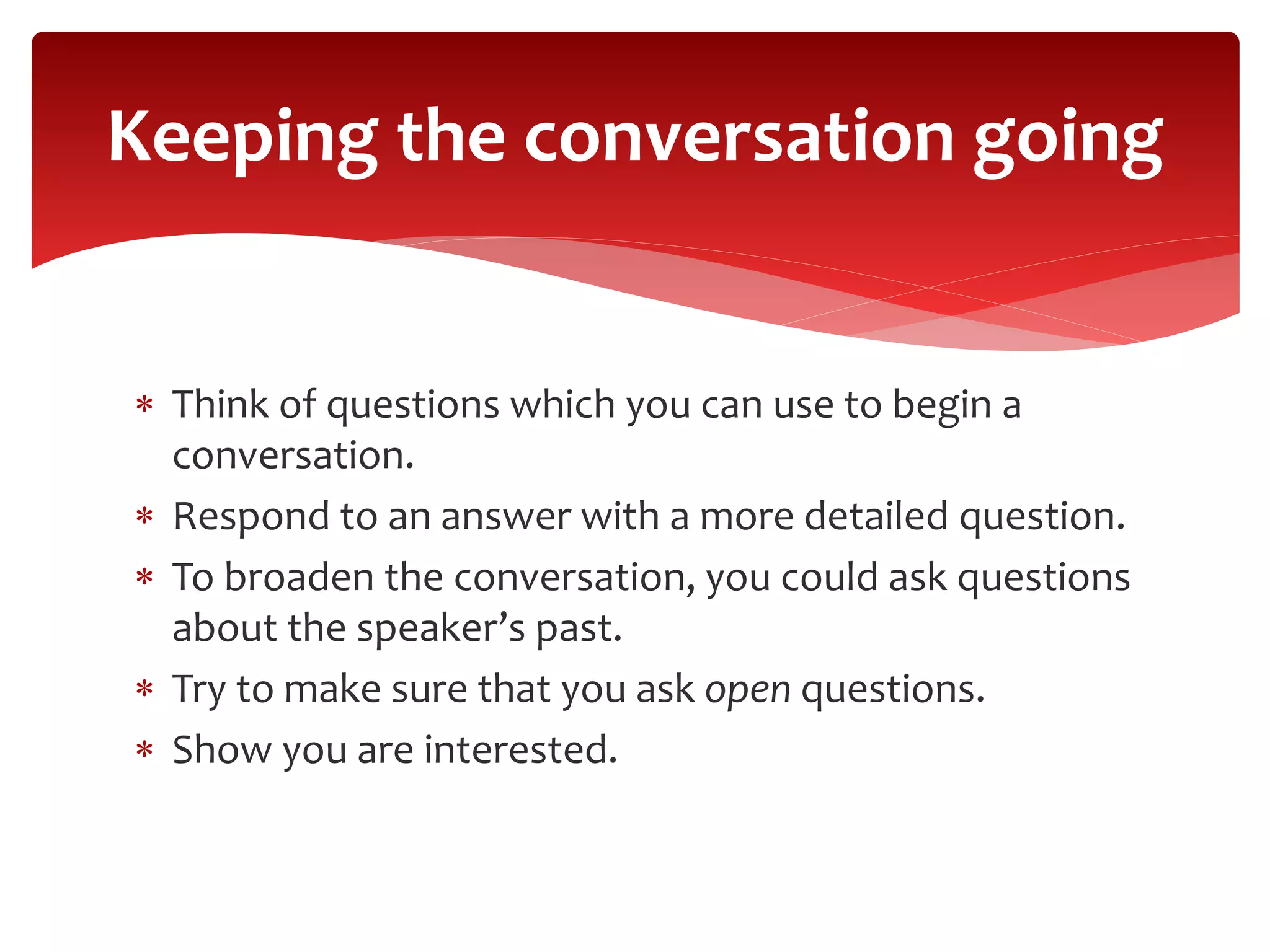
 Keep the conversation going.
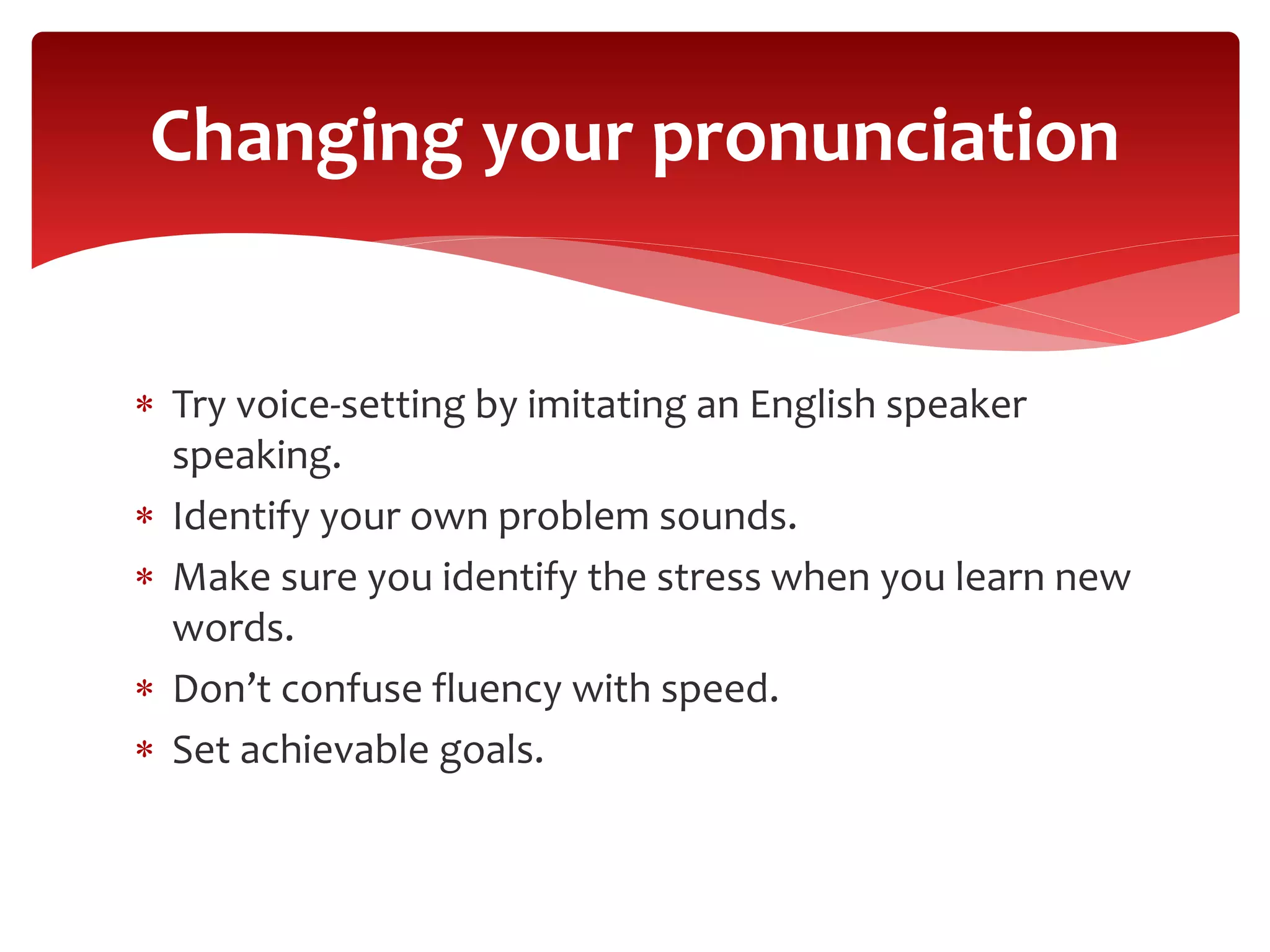
 Change your pronunciation.
 Improve your spelling.
 Upgrade your emails.
Upgrading you English Language
Skills
 Be selective in what you learn.
 Make meaning families.
 Describe new words in your own words.
 Read more English.
 Look for synonyms.
Widen your vocabulary
 Find something new to talk about.
 Meet new people.
 Activate what you know already.
 Vary the programs you listen to.
 Set yourself some new learning goals.
Get out of a learning rut
 Take one or two deep breaths before you begin to
speak.
 Use ‘thinking time’ sounds and phrases to fill the
silence.
 Learn phrases, not just words.
 Ask for help or clarification.
 Work on paraphrasing.
Giving yourself time to think in conversations
 Use the words ‘actually’ or ‘well’ to show that you are
about to disagree.
 Use positive words with ‘not’ rather than negatives.
So, instead of saying ‘I disagree’, you can say
‘Actually, I don’t agree.’
 Make your advice or opinion sound like a suggestion.
 Use question forms instead of imperatives.
 Use the phrase ‘It’s a bit...’ or ‘It’s a little...’
Changing the tone of what you say
 Try voice-setting by imitating an English speaker
speaking.
 Identify your own problem sounds.
 Make sure you identify the stress when you learn new
words.
 Don’t confuse fluency with speed.
 Set achievable goals.
Changing your pronunciation
 Think of questions which you can use to begin a
conversation.
 Respond to an answer with a more detailed question.
 To broaden the conversation, you could ask questions
about the speaker’s past.
 Try to make sure that you ask open questions.
 Show you are interested.
Keeping the conversation going
 Learn some common spelling patterns.
 Learn to recognise common sound/spelling links.
(sequences – tion)
 Spell by syllables
 Make your own mnemonic
 Test yourself.
Improving your spelling
 Think of an appropriate greeting
 Think ‘informal but polite
 Be careful with punctuation.
 Organise your information clearly.
 Try to avoid very informal language until you know
the reader better.
Upgrading your emails
 Dictionary: http://www.infovisual.info/
 Listening and speaking: http://www.talkenglish.com/
 Reading: http://www.eslfast.com/
 Vocabulary: http://www.languageguide.org/english/
 Quizzes: http://a4esl.org/
 Grammar: http://www.englishpage.com/
 Kids & all: www.go4english.com
 Newspapers: http://www.refdesk.com/top100pap.html
 Magazine: http://www.topics-mag.com/
 Games: http://www.cartoonnetwork.com/
 Encyclopedia: http://www.britannica.com/
Websites
Last  Break
Time!

Upgrading your English language skills

  • 1.
    Smart English Upgrading yourEnglish Language Skills Mr. Medhat Mohsen Assafwa Private Schools Ain Shams University
  • 2.
     Some advice Websites Upgrading you English Language Skills
  • 3.
     Get outof a learning rut.  Widen your vocabulary.  Give yourself time to think in conversations.  Change the tone of what you say.  Keep the conversation going.  Change your pronunciation.  Improve your spelling.  Upgrade your emails. Upgrading you English Language Skills
  • 4.
     Be selectivein what you learn.  Make meaning families.  Describe new words in your own words.  Read more English.  Look for synonyms. Widen your vocabulary
  • 5.
     Find somethingnew to talk about.  Meet new people.  Activate what you know already.  Vary the programs you listen to.  Set yourself some new learning goals. Get out of a learning rut
  • 6.
     Take oneor two deep breaths before you begin to speak.  Use ‘thinking time’ sounds and phrases to fill the silence.  Learn phrases, not just words.  Ask for help or clarification.  Work on paraphrasing. Giving yourself time to think in conversations
  • 7.
     Use thewords ‘actually’ or ‘well’ to show that you are about to disagree.  Use positive words with ‘not’ rather than negatives. So, instead of saying ‘I disagree’, you can say ‘Actually, I don’t agree.’  Make your advice or opinion sound like a suggestion.  Use question forms instead of imperatives.  Use the phrase ‘It’s a bit...’ or ‘It’s a little...’ Changing the tone of what you say
  • 8.
     Try voice-settingby imitating an English speaker speaking.  Identify your own problem sounds.  Make sure you identify the stress when you learn new words.  Don’t confuse fluency with speed.  Set achievable goals. Changing your pronunciation
  • 9.
     Think ofquestions which you can use to begin a conversation.  Respond to an answer with a more detailed question.  To broaden the conversation, you could ask questions about the speaker’s past.  Try to make sure that you ask open questions.  Show you are interested. Keeping the conversation going
  • 10.
     Learn somecommon spelling patterns.  Learn to recognise common sound/spelling links. (sequences – tion)  Spell by syllables  Make your own mnemonic  Test yourself. Improving your spelling
  • 11.
     Think ofan appropriate greeting  Think ‘informal but polite  Be careful with punctuation.  Organise your information clearly.  Try to avoid very informal language until you know the reader better. Upgrading your emails
  • 12.
     Dictionary: http://www.infovisual.info/ Listening and speaking: http://www.talkenglish.com/  Reading: http://www.eslfast.com/  Vocabulary: http://www.languageguide.org/english/  Quizzes: http://a4esl.org/  Grammar: http://www.englishpage.com/  Kids & all: www.go4english.com  Newspapers: http://www.refdesk.com/top100pap.html  Magazine: http://www.topics-mag.com/  Games: http://www.cartoonnetwork.com/  Encyclopedia: http://www.britannica.com/ Websites
  • 13.