4.2 FACTORS THAT AFFECT THE
HEALTHY FUNCTION OF BODY
SYSTEMS
Mr. Ilko
THE MAIN AREAS
   Disease affects all areas of the body and can range
    from sever to mild in effects

   The main 3 that are affected within your body;
     Respiratory System
     Circulatory System
     Digestive System
FACTORS THAT AFFECT HUMAN HEALTH
   Through research we have discovered many
    factors that affect your cells and therefore your
    body systems.

   Some of these factors are;
     Disease or conditions that you have inherited from
      family members
     Sensitivity to environmental conditions, such as smog or
      specific substances ( i.e allergies)
     How you respond to physical, emotional and
      psychological stress
     How you treat your body in general (sleep, exercise,
FACTORS AFFECTING THE RESPIRATORY
                           SYSTEM

   A very common disease that affects the respiratory
    system is ASTHMA

   This disease effects the bronchioles in the lungs and limits
    the amount of air that gets through
Its EXPERIMENT TIME!!!!

We are going to see what it
feels like to have ASTHMA
   Breath normally through your mouth and nose
    normally

   Then take the straw, plug your nose and use it to
    breathe for 20 seconds

   This will show you what it feels like to have a mild
    asthma attack
COMMON FACTORS
IN SOCIETY
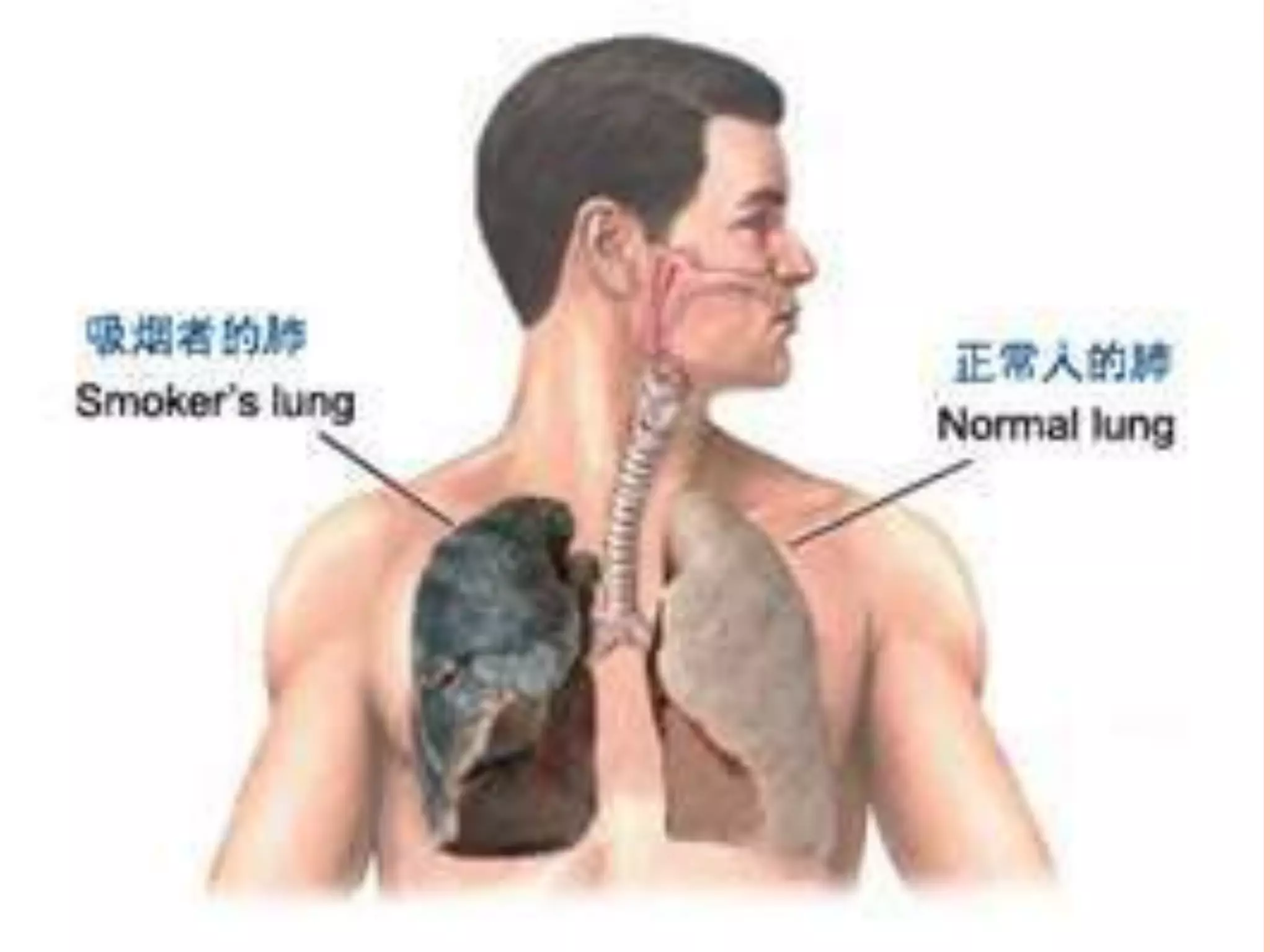
SMOKING
   Smoking has a huge impact on how our bodies can
    be affected and disease can be created

   There are over 4000 different chemicals in a single
    cigarette.

   The most destructive of them are nicotine, tar and
    carbon monoxide
TAR
   Similar to the black sticky stuff used to pave roads
    with

   This sticks to the organs of the respiratory system
    after the smoker inhales

   It lines itself on the organs preventing the bodies
    natural defenses to work properly
CARBON MONOXIDE
   Is colourless, odorless gas that is released as a
    cigarette burns

   As it is inhaled it takes the place of oxygen in the
    red blood cells
       It bonds to the red blood cell 100x better than oxygen


   Less oxygen can get to the body so the heart in
    turn beats faster to try and catch up

   Is the primary cause of cancer in 2nd hand smoke
    patients
NICOTINE
   This is a drug that is highly addictive and is know to
    speed up heart rate and raise blood pressure

   It is the least dangerous of the three, but is so
    addictive that it keeps bringing people back for
    another cigarette
SMOKING DISEASES
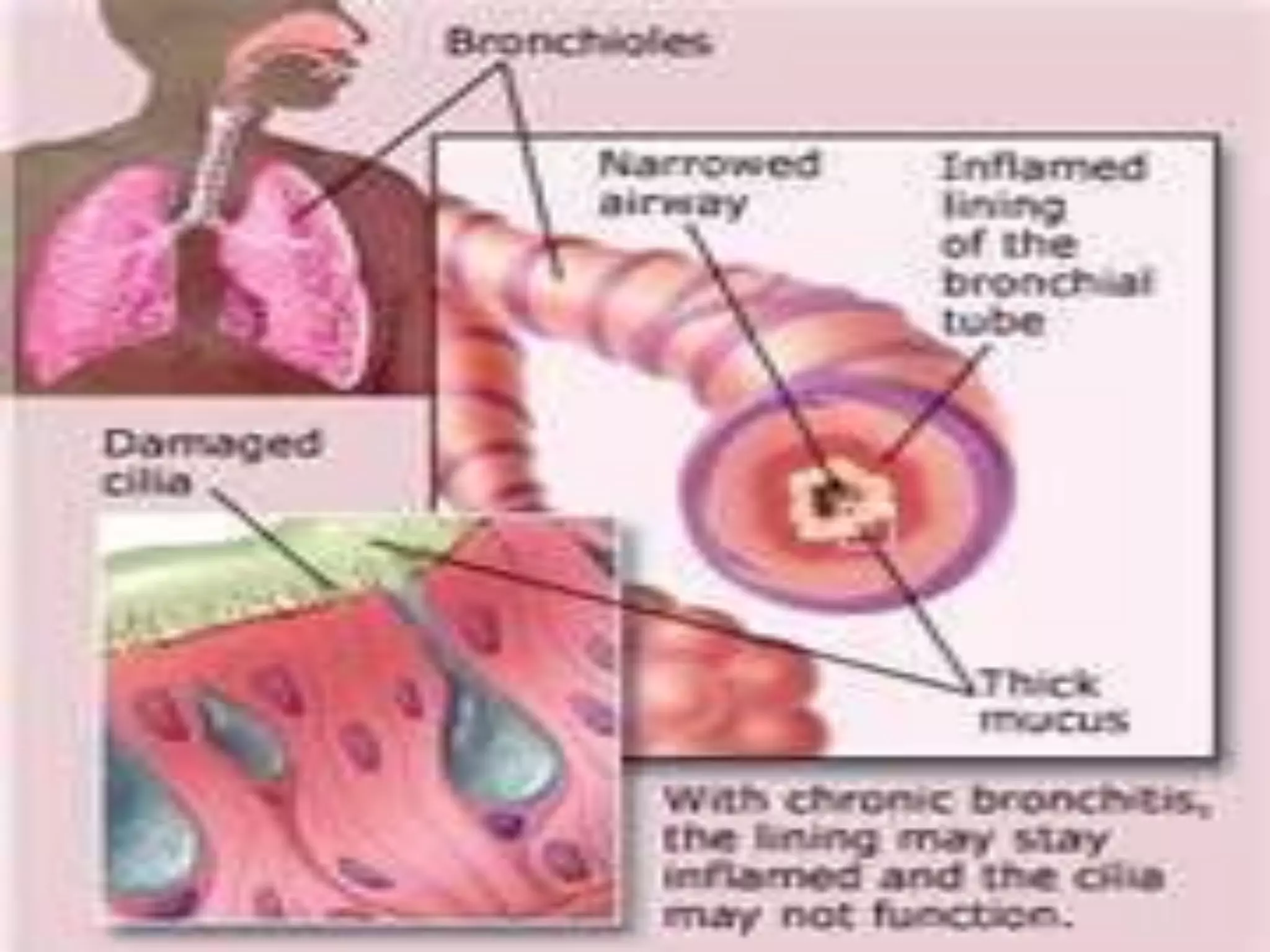
   Bronchitis – mucus build up in the bronchi causing them
    to become narrower.
       Commonly due to tar build up

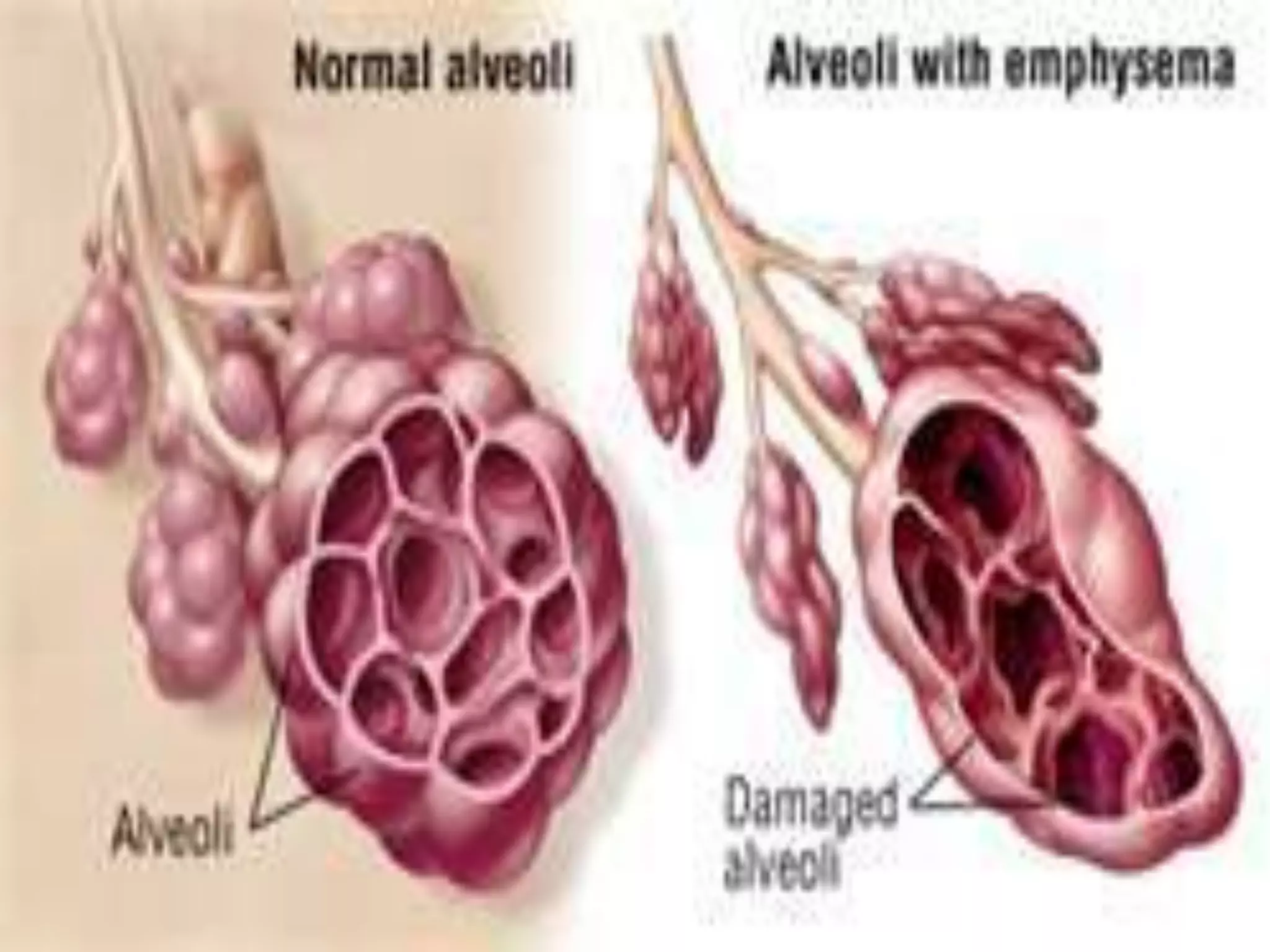
   Emphysema – Damage of lung tissue due to cigarette
    smoke. Damaged tissue cannot work the same way so
    breathing becomes harder
       Damage is permanent

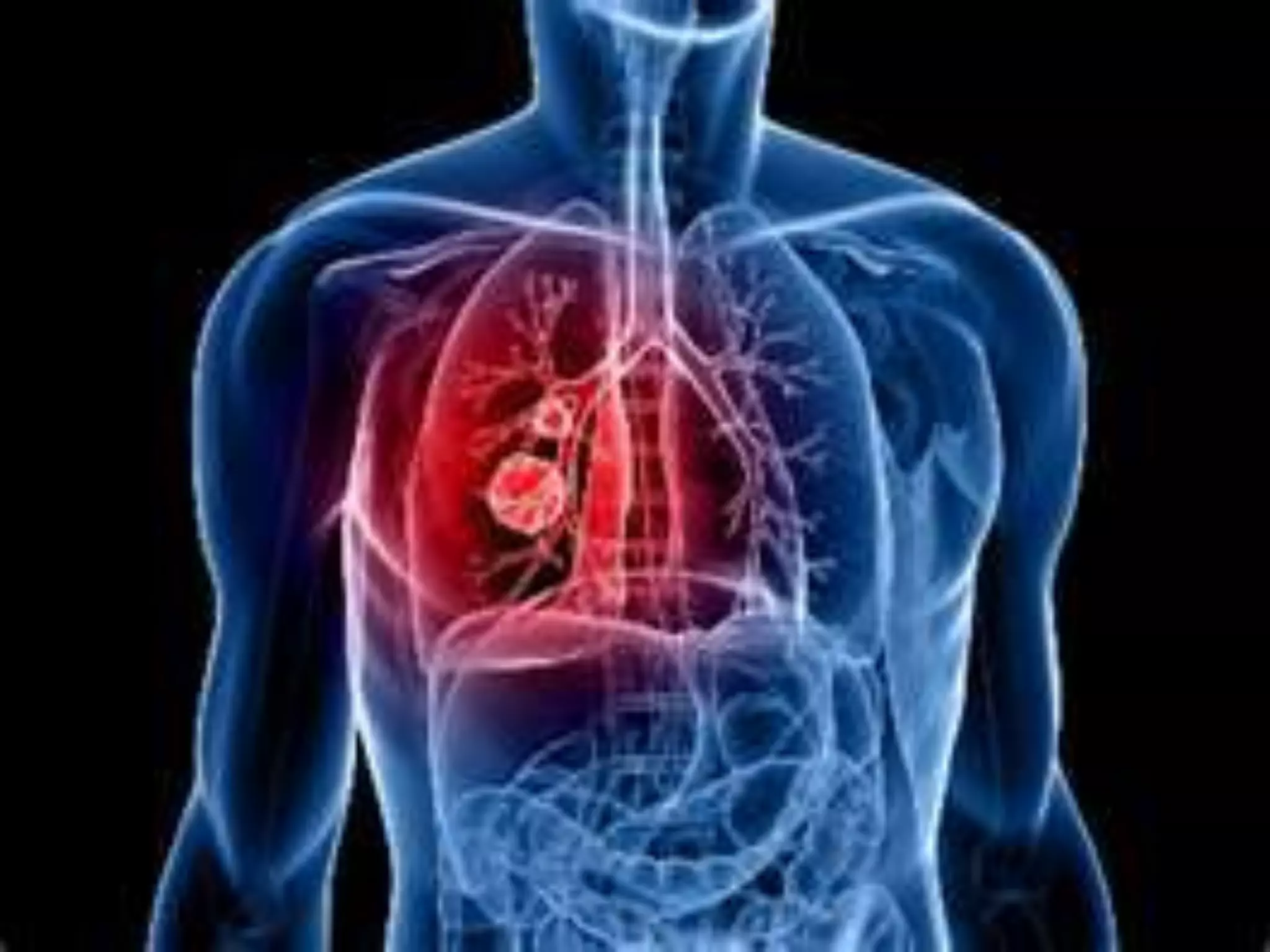
   Lung Cancer – A tumor or cancerous growth begins to
    form in the lungs.
     As is grows it takes away lung tissue and makes it hard to
      breathe
     40 of 4000 chemicals are known to cause cancer
     In 1999 – 17,400 Canadians died from lung cancer
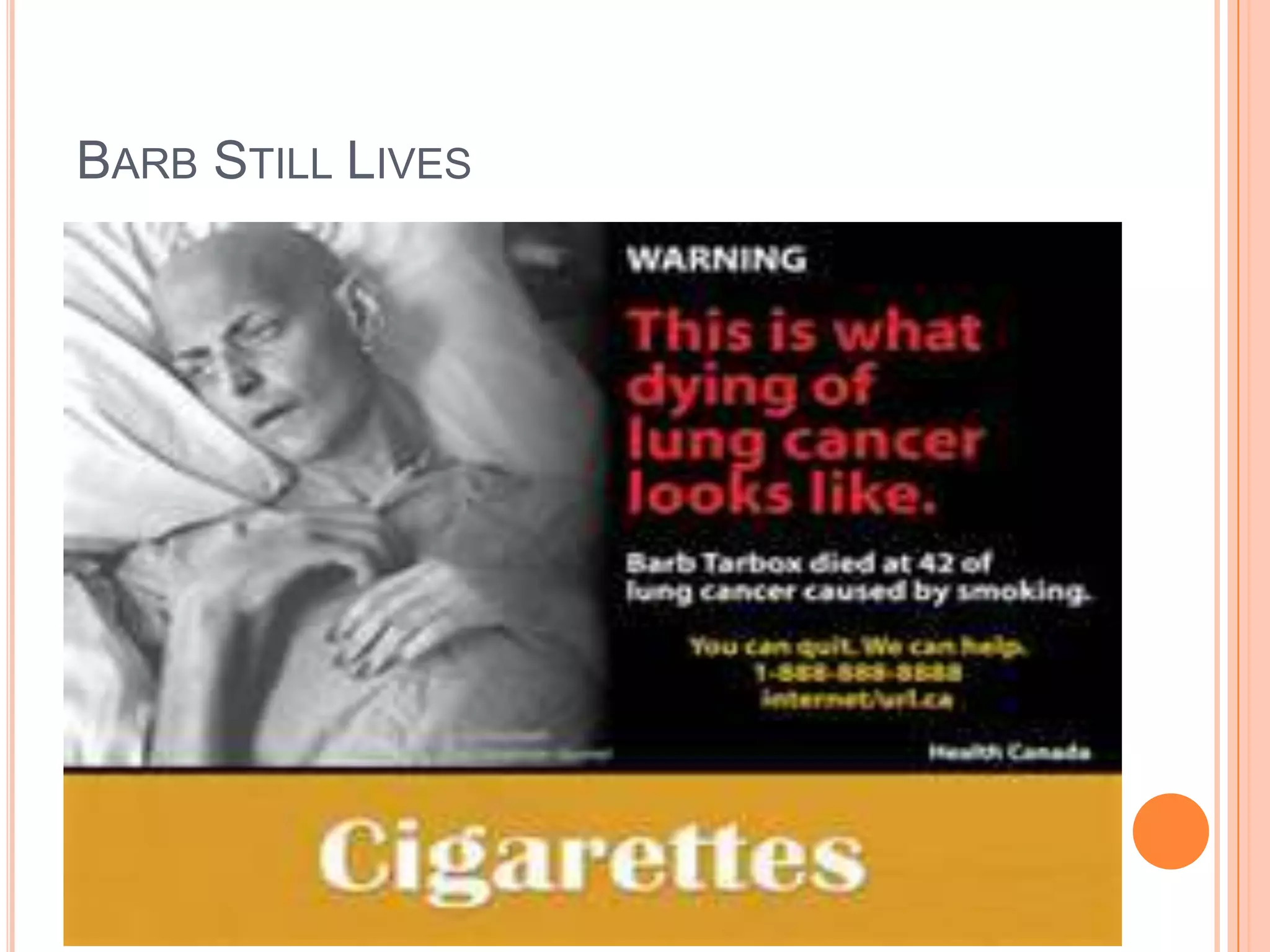
BARB TARBOX
BARB STILL LIVES
FACTORS AFFECTING THE CIRCULATORY
SYSTEM

   There is one main factor that leads to difficulties in
    the circulatory system

   That factor is; DIET
     All the fast foods (fries, burgers, etc) contain lots of fats
     When you eat these fatty foods, these fats are turned
      into cholesterol ( a lipid that is found in the blood)
              A lipid is OILS and FATS together
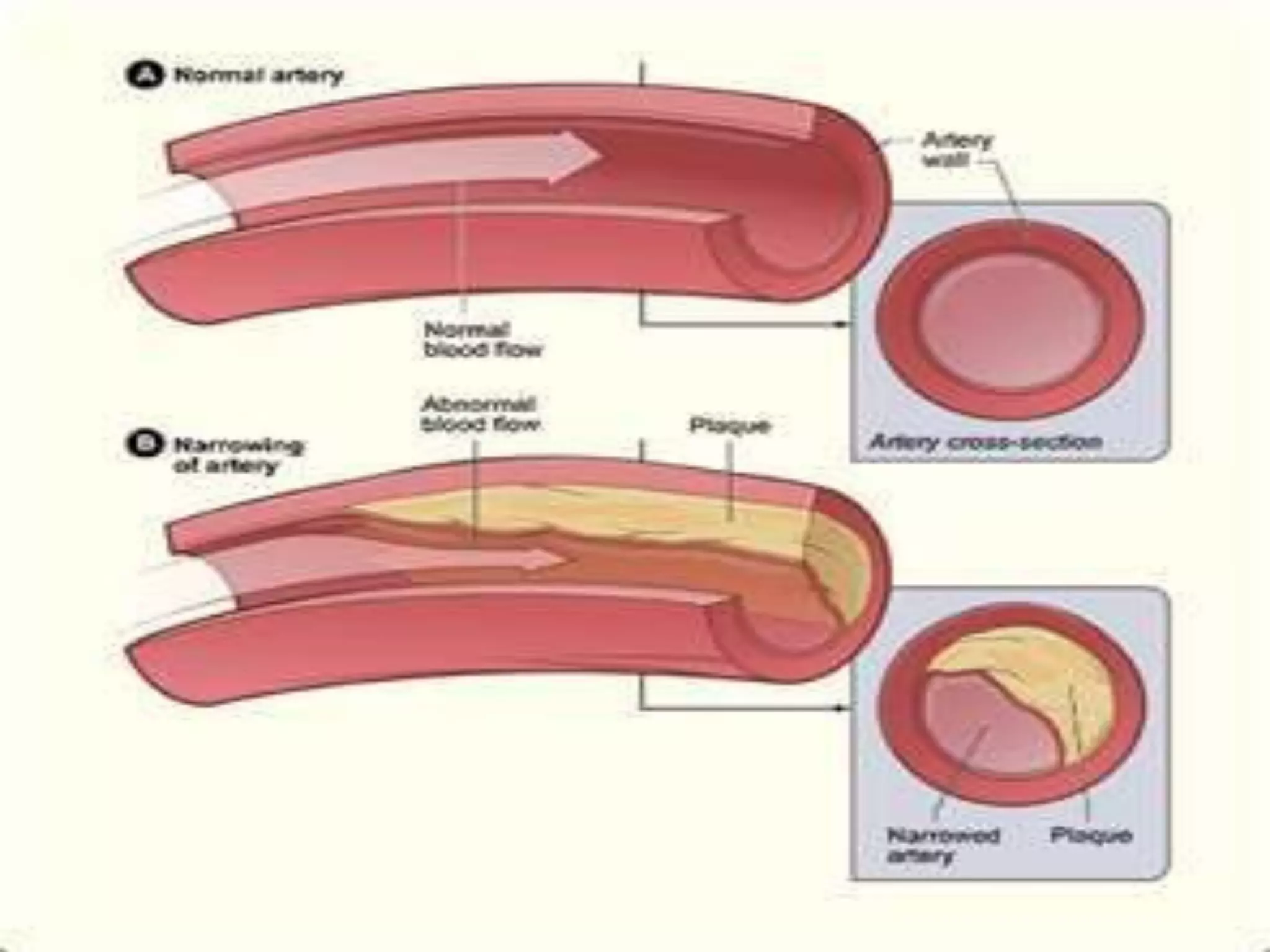
       Over time it builds up on the walls of the arteries
DISEASES ASSOCIATED WITH THE
CIRCULATORY SYSTEM

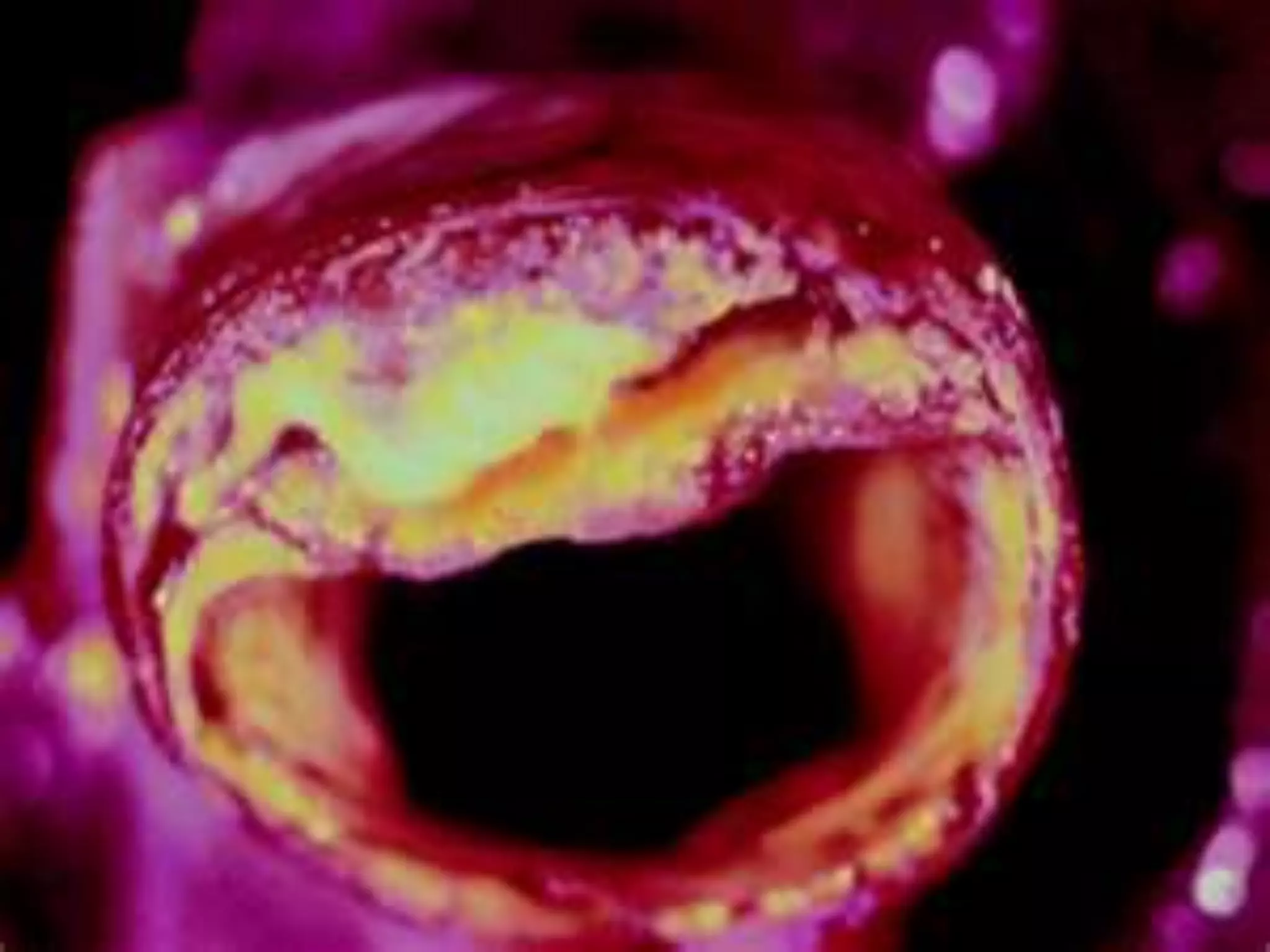
   Atherosclerosis – This is the build up of cholesterol
    in the arteries
       As arteries become narrower, the heart speeds up to
        pump more blood through

       If the arteries become blocked completely, the heart
        muscle cannot get enough oxygen to do its job

       This leads to a heart attack (myocardial infarction),
        during this time cells begin to die due to the lack of
        oxygen getting through.

       Must be treated immediately or they can die
FACTORS THAT AFFECT THE DIGESTIVE
SYSTEM

   There are a lot of different issues that arise when it
    comes to the digestive system.
       Common ones are stomach aches, acid reflux, diarrhea,
        and indigestion
   The more painful issue is ulcers
ULCERS
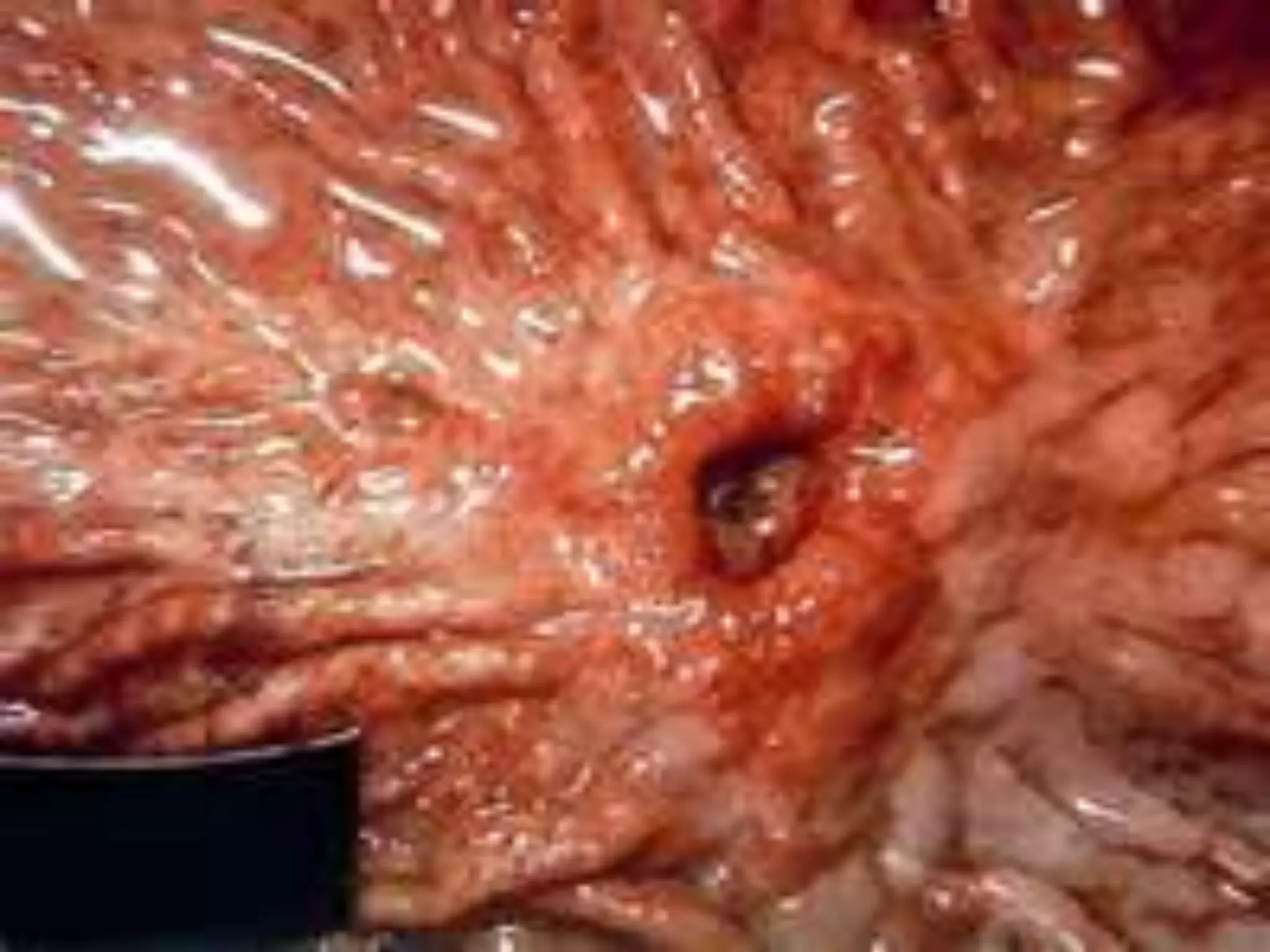
   Ulcers –
       are painful sores of the stomach lining


   Were once believed to be caused by stress, but are
    now know to be caused by bacteria

   These bacteria eat away at the mucus that protects
    the stomach lining and eventually creates a hole

   The gastric juice then breaks down the stomach
    tissue, which is extremely painful
Unit b section  - 4.2 factors that affect the body

Unit b section - 4.2 factors that affect the body

  • 1.
    4.2 FACTORS THATAFFECT THE HEALTHY FUNCTION OF BODY SYSTEMS Mr. Ilko
  • 2.
    THE MAIN AREAS  Disease affects all areas of the body and can range from sever to mild in effects  The main 3 that are affected within your body;  Respiratory System  Circulatory System  Digestive System
  • 3.
    FACTORS THAT AFFECTHUMAN HEALTH  Through research we have discovered many factors that affect your cells and therefore your body systems.  Some of these factors are;  Disease or conditions that you have inherited from family members  Sensitivity to environmental conditions, such as smog or specific substances ( i.e allergies)  How you respond to physical, emotional and psychological stress  How you treat your body in general (sleep, exercise,
  • 4.
    FACTORS AFFECTING THERESPIRATORY SYSTEM  A very common disease that affects the respiratory system is ASTHMA  This disease effects the bronchioles in the lungs and limits the amount of air that gets through
  • 5.
    Its EXPERIMENT TIME!!!! Weare going to see what it feels like to have ASTHMA
  • 6.
    Breath normally through your mouth and nose normally  Then take the straw, plug your nose and use it to breathe for 20 seconds  This will show you what it feels like to have a mild asthma attack
  • 7.
  • 8.
    SMOKING  Smoking has a huge impact on how our bodies can be affected and disease can be created  There are over 4000 different chemicals in a single cigarette.  The most destructive of them are nicotine, tar and carbon monoxide
  • 9.
    TAR  Similar to the black sticky stuff used to pave roads with  This sticks to the organs of the respiratory system after the smoker inhales  It lines itself on the organs preventing the bodies natural defenses to work properly
  • 11.
    CARBON MONOXIDE  Is colourless, odorless gas that is released as a cigarette burns  As it is inhaled it takes the place of oxygen in the red blood cells  It bonds to the red blood cell 100x better than oxygen  Less oxygen can get to the body so the heart in turn beats faster to try and catch up  Is the primary cause of cancer in 2nd hand smoke patients
  • 13.
    NICOTINE  This is a drug that is highly addictive and is know to speed up heart rate and raise blood pressure  It is the least dangerous of the three, but is so addictive that it keeps bringing people back for another cigarette
  • 14.
    SMOKING DISEASES  Bronchitis – mucus build up in the bronchi causing them to become narrower.  Commonly due to tar build up  Emphysema – Damage of lung tissue due to cigarette smoke. Damaged tissue cannot work the same way so breathing becomes harder  Damage is permanent  Lung Cancer – A tumor or cancerous growth begins to form in the lungs.  As is grows it takes away lung tissue and makes it hard to breathe  40 of 4000 chemicals are known to cause cancer  In 1999 – 17,400 Canadians died from lung cancer
  • 18.
  • 20.
  • 22.
    FACTORS AFFECTING THECIRCULATORY SYSTEM  There is one main factor that leads to difficulties in the circulatory system  That factor is; DIET  All the fast foods (fries, burgers, etc) contain lots of fats  When you eat these fatty foods, these fats are turned into cholesterol ( a lipid that is found in the blood)  A lipid is OILS and FATS together  Over time it builds up on the walls of the arteries
  • 24.
    DISEASES ASSOCIATED WITHTHE CIRCULATORY SYSTEM  Atherosclerosis – This is the build up of cholesterol in the arteries  As arteries become narrower, the heart speeds up to pump more blood through  If the arteries become blocked completely, the heart muscle cannot get enough oxygen to do its job  This leads to a heart attack (myocardial infarction), during this time cells begin to die due to the lack of oxygen getting through.  Must be treated immediately or they can die
  • 26.
    FACTORS THAT AFFECTTHE DIGESTIVE SYSTEM  There are a lot of different issues that arise when it comes to the digestive system.  Common ones are stomach aches, acid reflux, diarrhea, and indigestion  The more painful issue is ulcers
  • 27.
    ULCERS  Ulcers –  are painful sores of the stomach lining  Were once believed to be caused by stress, but are now know to be caused by bacteria  These bacteria eat away at the mucus that protects the stomach lining and eventually creates a hole  The gastric juice then breaks down the stomach tissue, which is extremely painful