Quarter 1 – Module 2:
Prevention and Treatment of Respiratory and
Circulatory Diseases
How does the Respiratory System
maintain Homeostasis?
By maintaining oxygen levels
in the body and removes
carbon dioxide waste from
the body.
Capillary
A small blood vessel that carries
blood to body cells and is where gas
exchange occurs.
Artery
A blood vessel that carries
blood away from the heart
Platelet
Tiny fragments that help to
stop bleeding when you are cut
by forming blood clots.
In the previous lesson you have learned the
different structures of the respiratory and
circulatory systems and how they work
together to deliver oxygen rich blood and
nutrients to our different parts of the body.
In this module, you will understand and
recognize the ways of prevention, detection,
and treatment of diseases affecting our
respiratory and circulatory system.
About 1.69
billion pounds
of butts end
up as toxic
trash each
year, making
cigarettes the
most littered
item on Earth.
As a consequence, tobacco kills
approximately 87,600 Filipinos per
year (240 deaths every day); one third
of them are men in the most
productive age of their lives. The
treatment of tobacco-related illnesses
costs the Philippines $858 million USD
each year.
How Smoking Kills You and Others
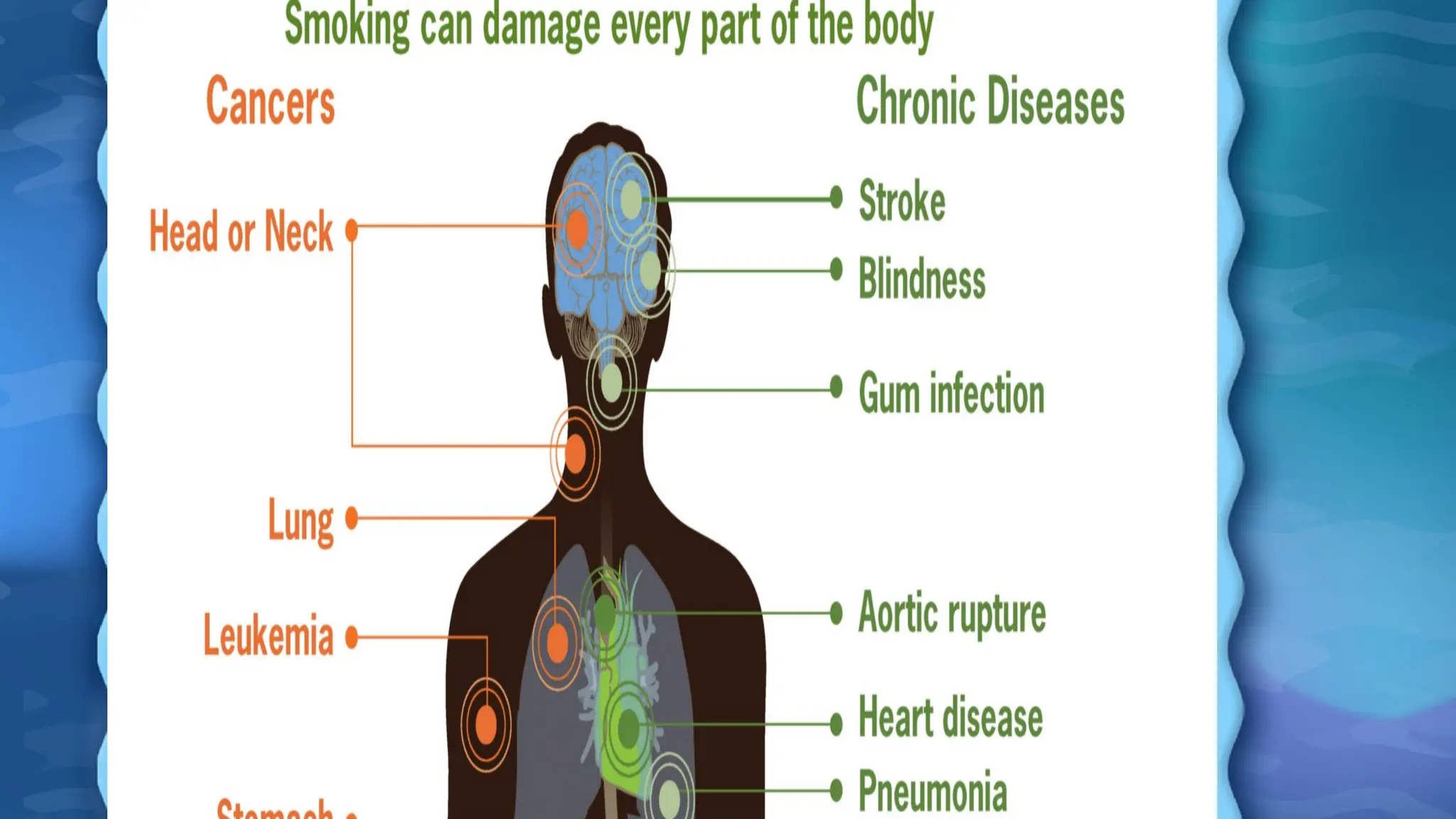
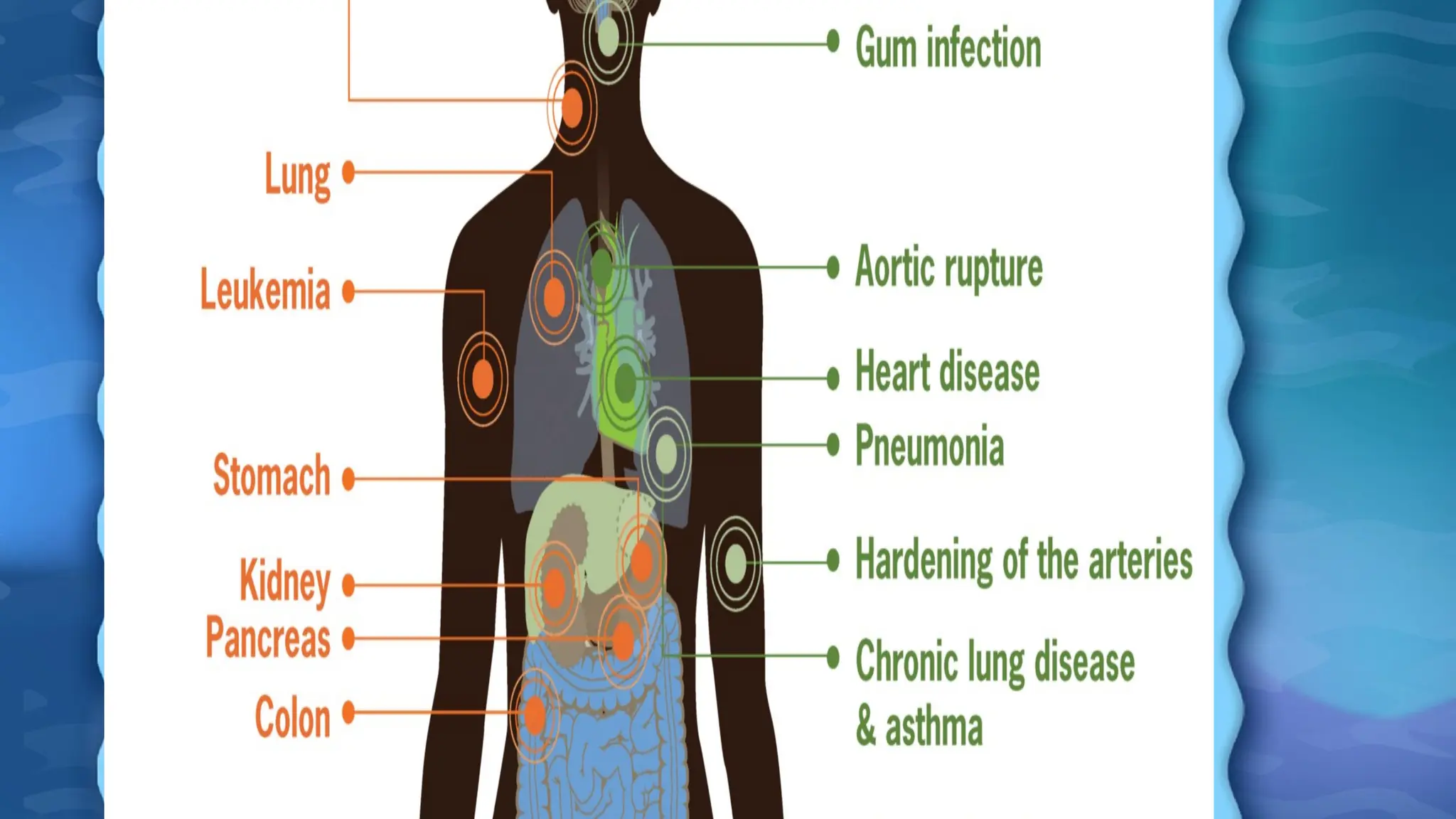
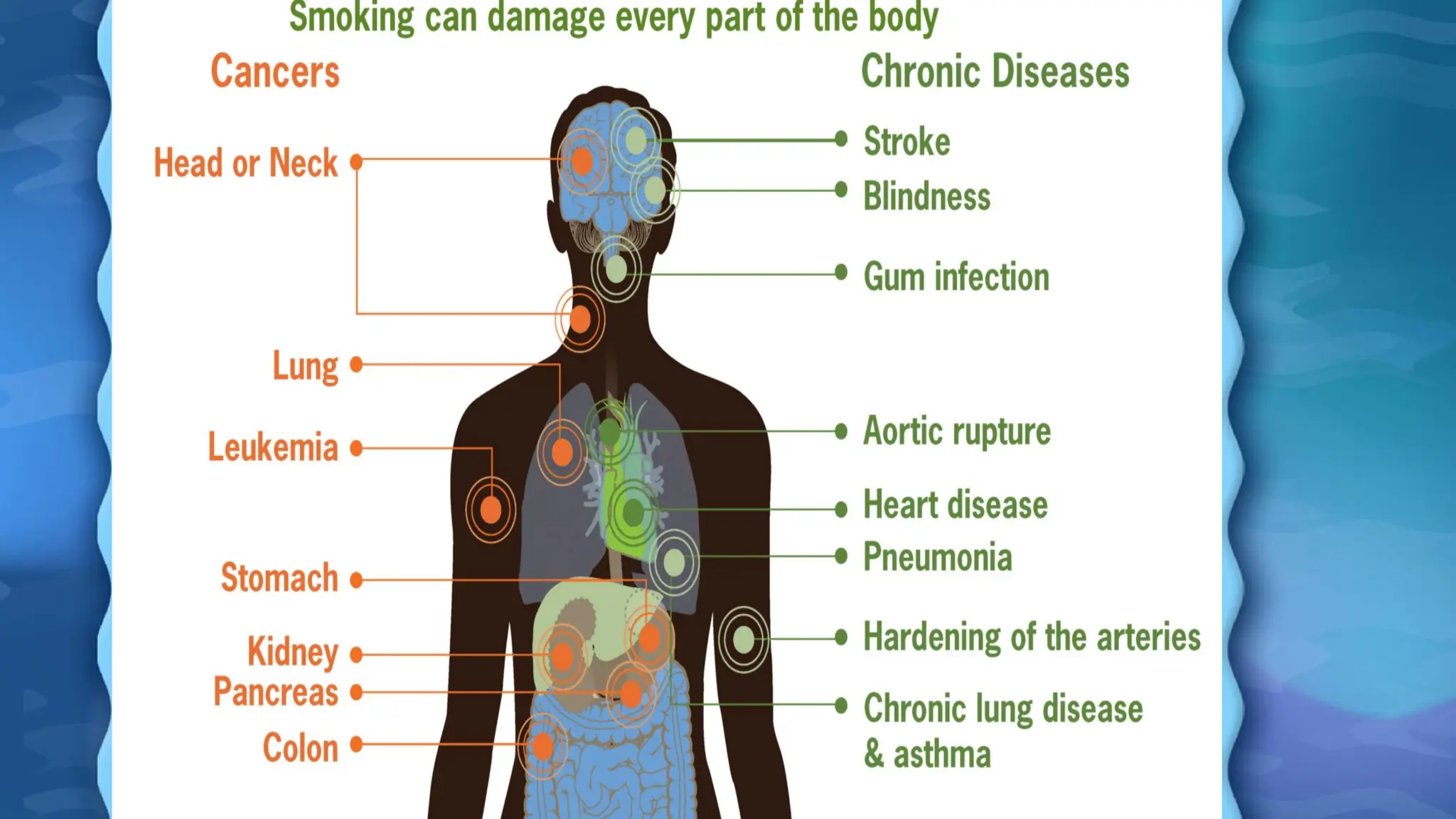
Cigarette smoking harms nearly
every organ in the body, causing many
diseases and affecting health in general.
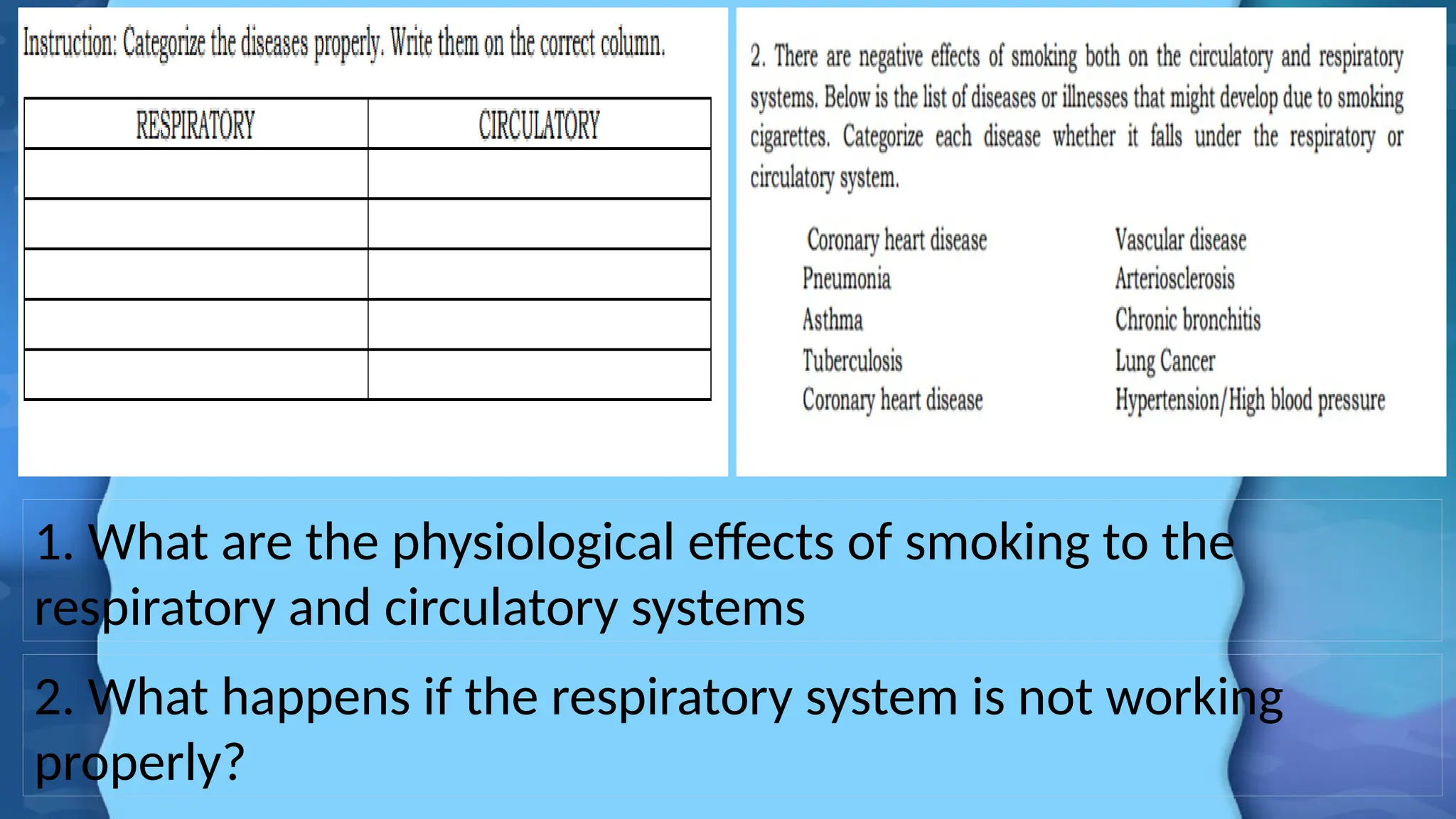
The negative effects of smoking on
circulatory system include increased
heart rate and blood pressure, coronary
heart disease, arteriosclerosis, and
vascular diseases.
How Smoking Kills You and Others
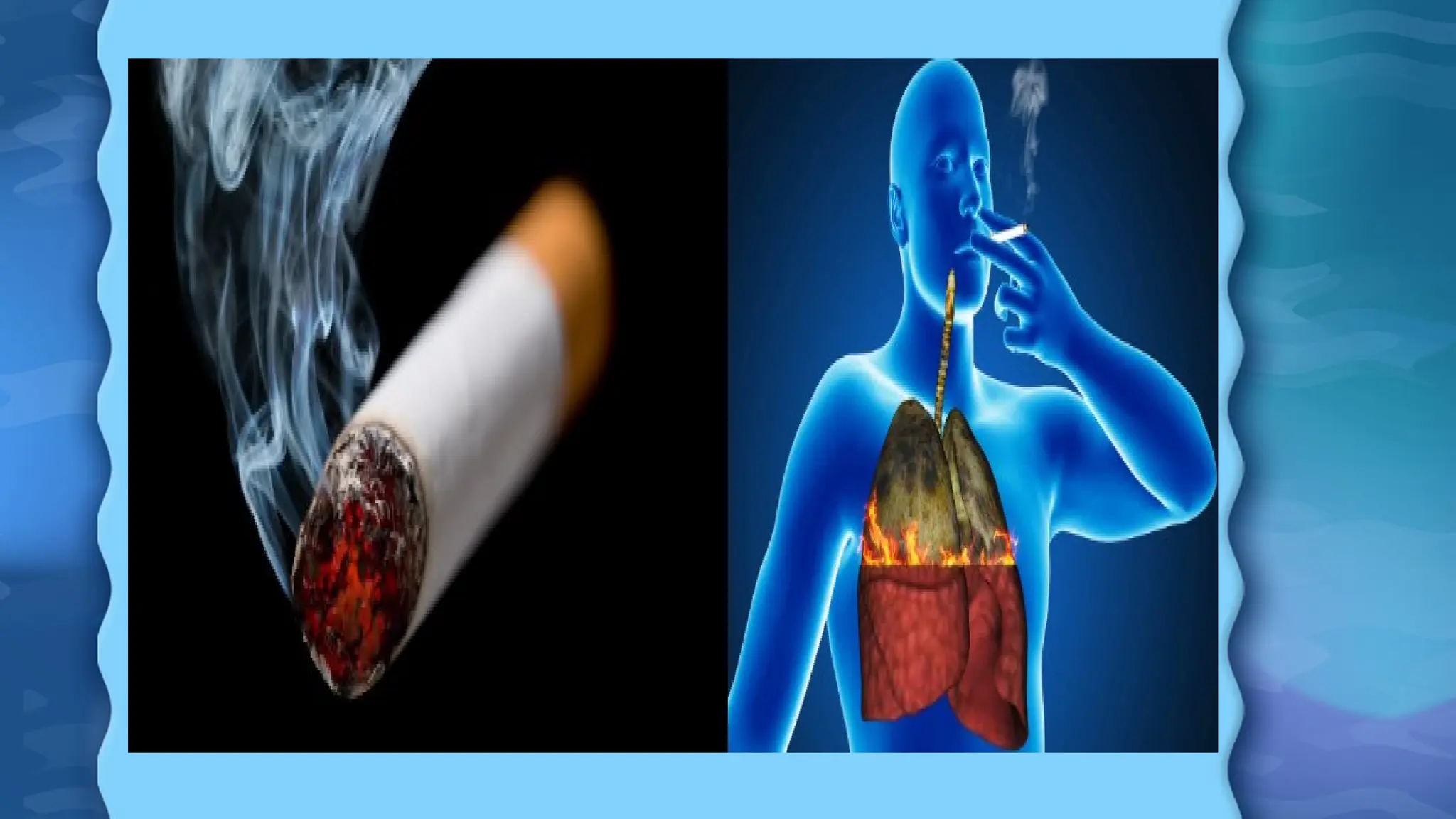
The respiratory diseases caused
by smoking are chronic bronchitis,
emphysema, asthma, cough, colds,
tuberculosis, lung cancer and other
respiratory infections.
Activity 1
1. What are the physiological effects
of smoking to the respiratory and
circulatory systems
2. What happens if the respiratory
system is not working properly?
3. What happens if the respiratory
system is not working properly?
1. What are the physiological effects of smoking to the
respiratory and circulatory systems
2. What happens if the respiratory system is not working
properly?
Depending on the
respiratory and circulatory
condition, medications are
based on the severity of the
diseases as recommended by
doctors.
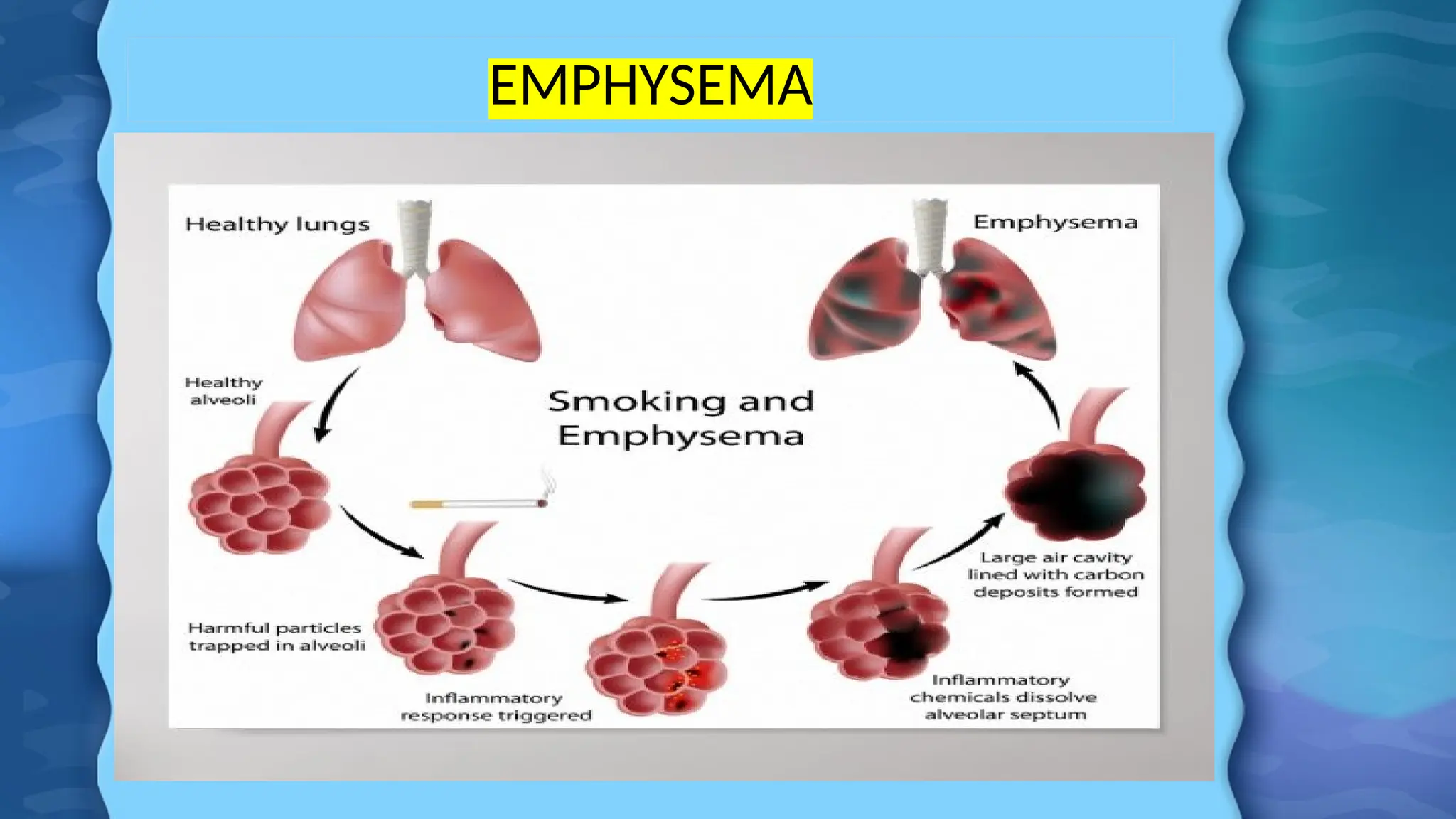
EMPHYSEMA
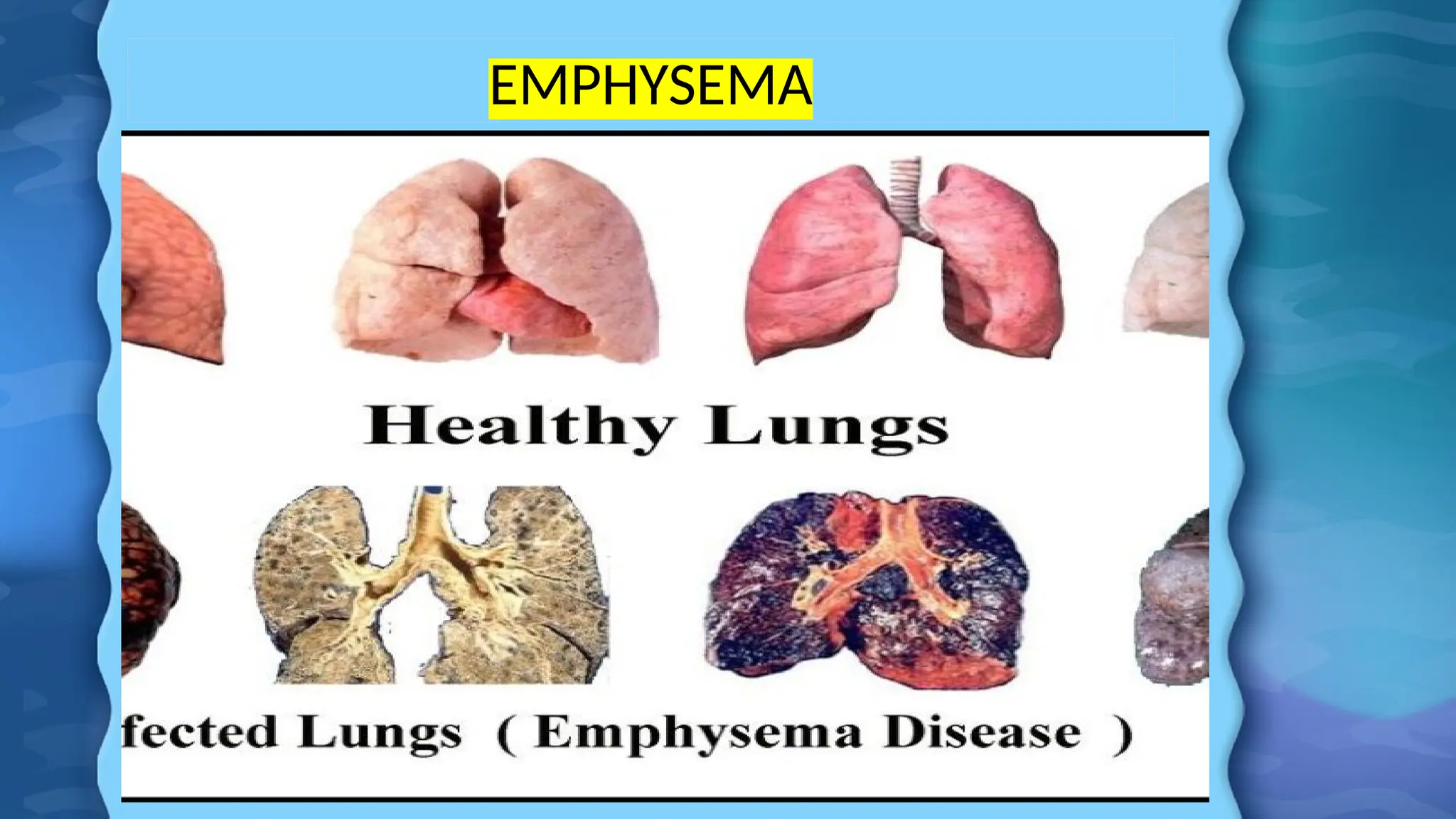
EMPHYSEMA
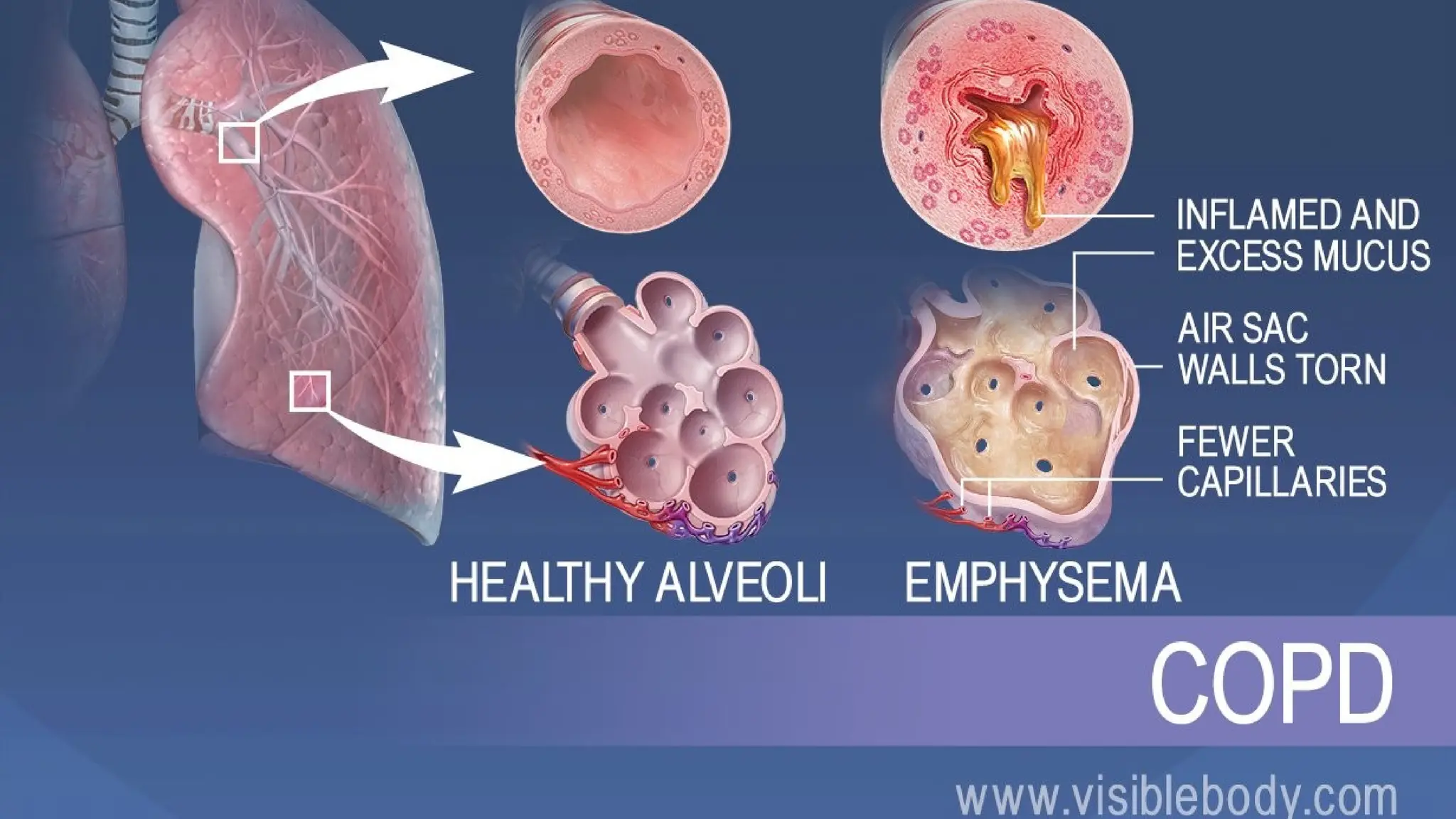
Emphysema is a lung condition that causes shortness of
breath.
Emphysema and chronic bronchitis are two
conditions that make up chronic obstructive pulmonary
disease (COPD).
Cigarette smoking is the leading cause of COPD, as
well as marijuana smoke, air pollution and chemical
fumes and dust.
A person with emphysema could be treated using
prescribed medication and supportive therapy that
includes oxygen and smoking cessation therapy.
ARTERIOSCLEROSIS
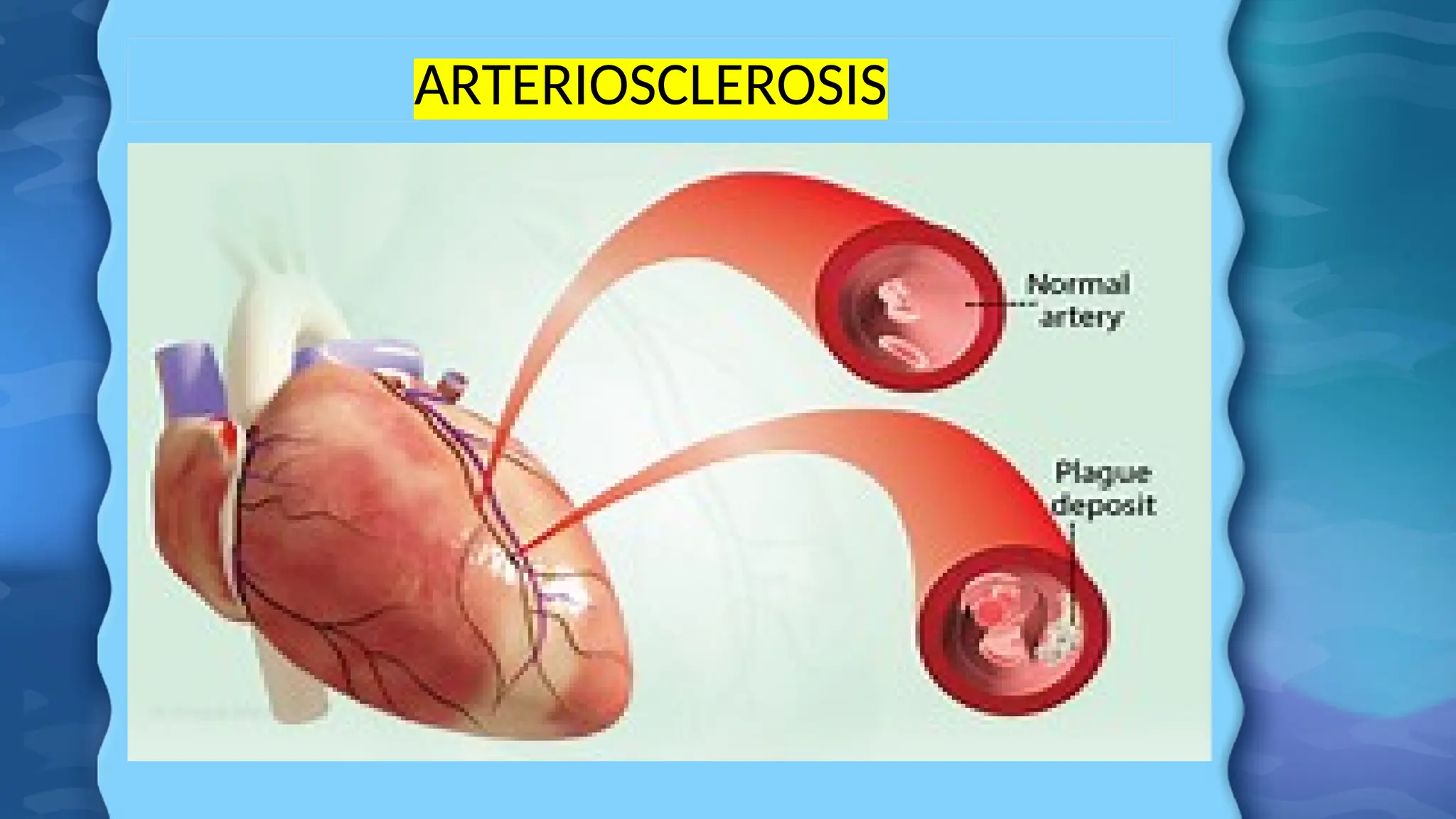
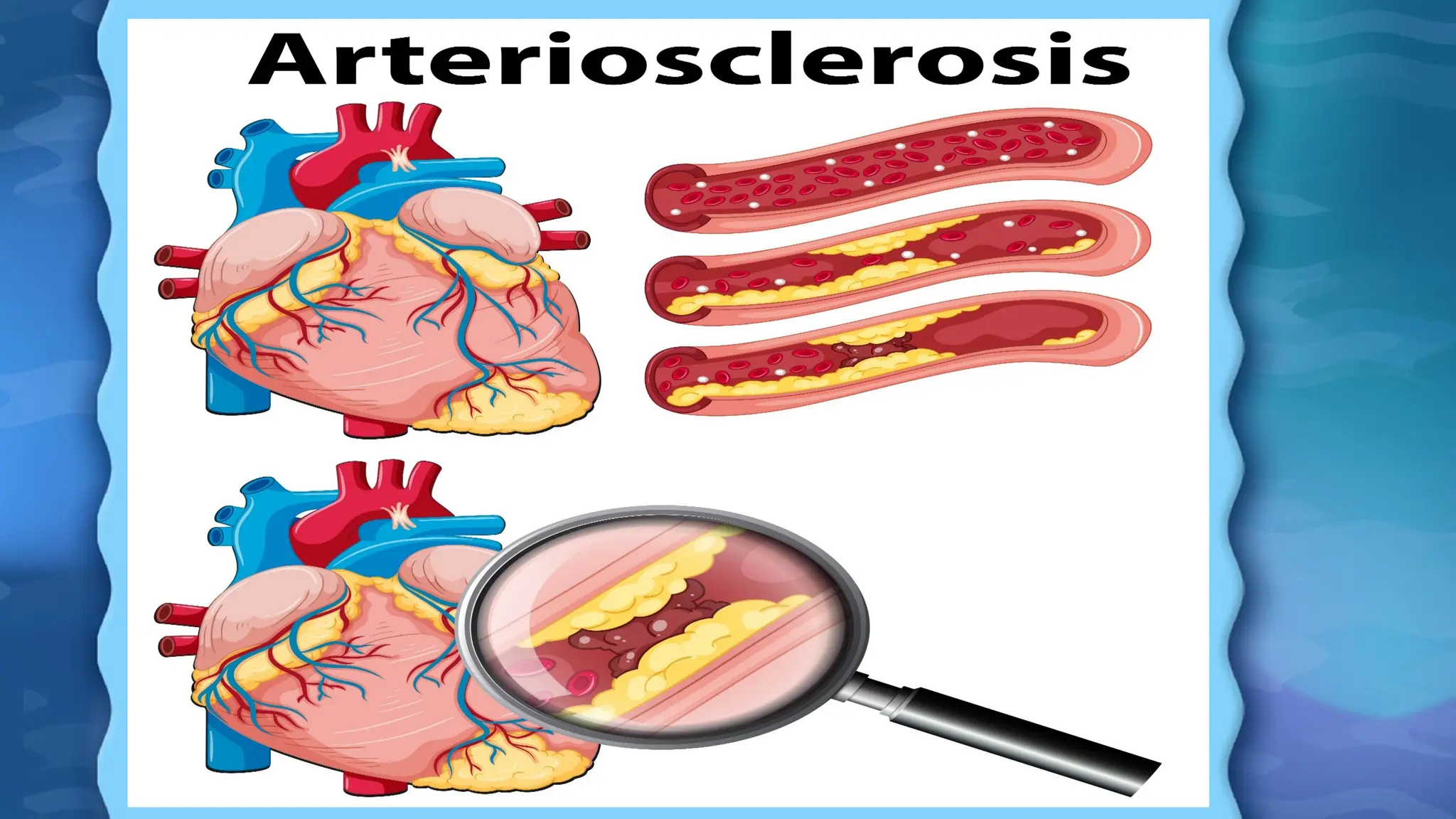
Arteriosclerosis
occurs when the blood vessels
that carry oxygen and nutrients
from the heart and to the rest of
the body become thickens and
hardens.
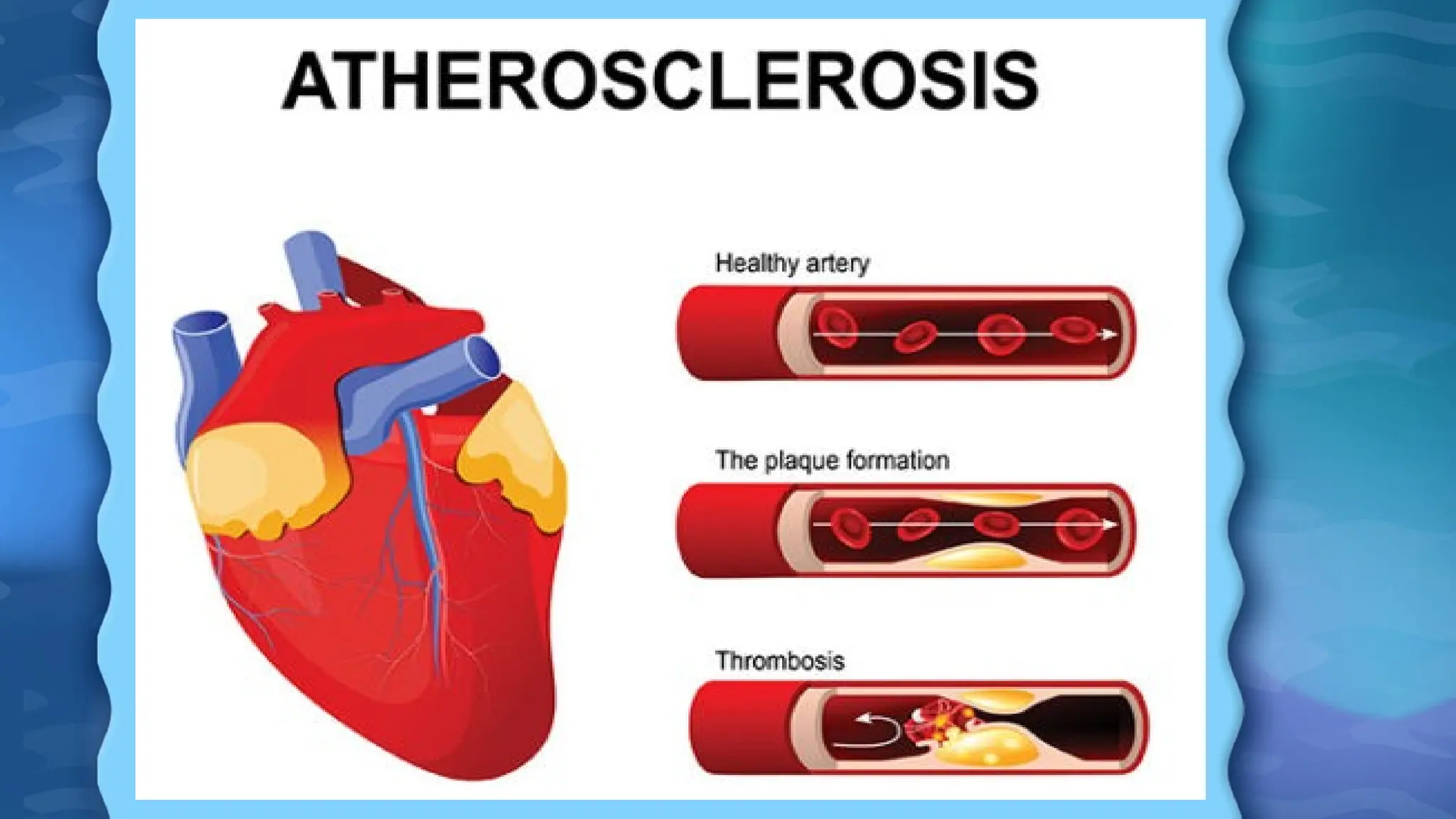
Atherosclerosis
happens when the plaque
collects and causes arteries to
narrow and harden due to
factors such as smoking, high
blood pressure and
cholesterol in the blood.
Atherosclerosis
refers to buildup of
fats, cholesterol and
other substances that
triggers to blood clot.
A person with
atherosclerosis or
arteriosclerosis is advised to
undergo medication and
surgical procedure and
treatment to change lifestyle.
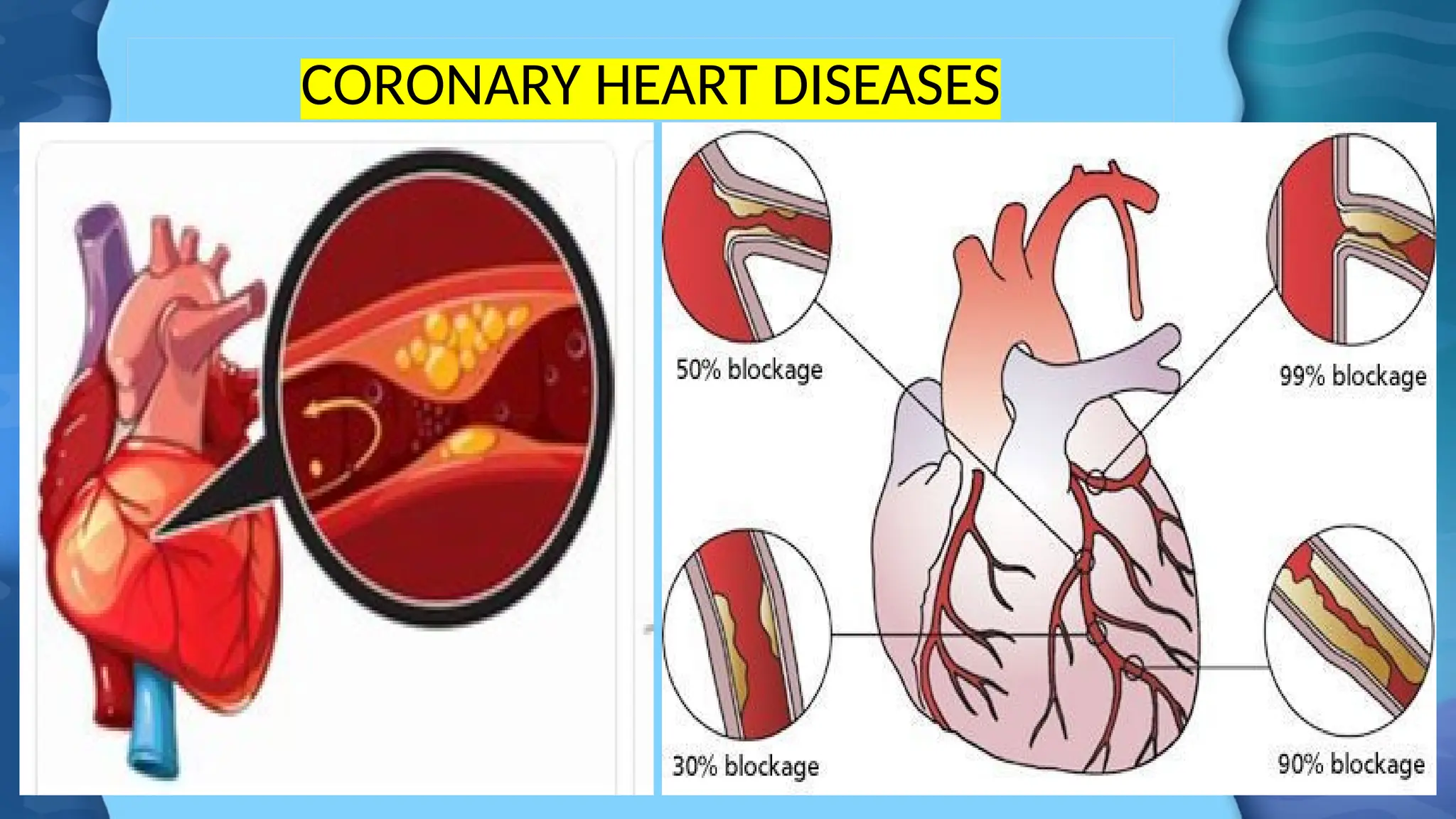
CORONARY HEART DISEASES
Coronary heart disease
develops when the major blood
vessels that supply our heart with
blood, oxygen and nutrients
become damaged.
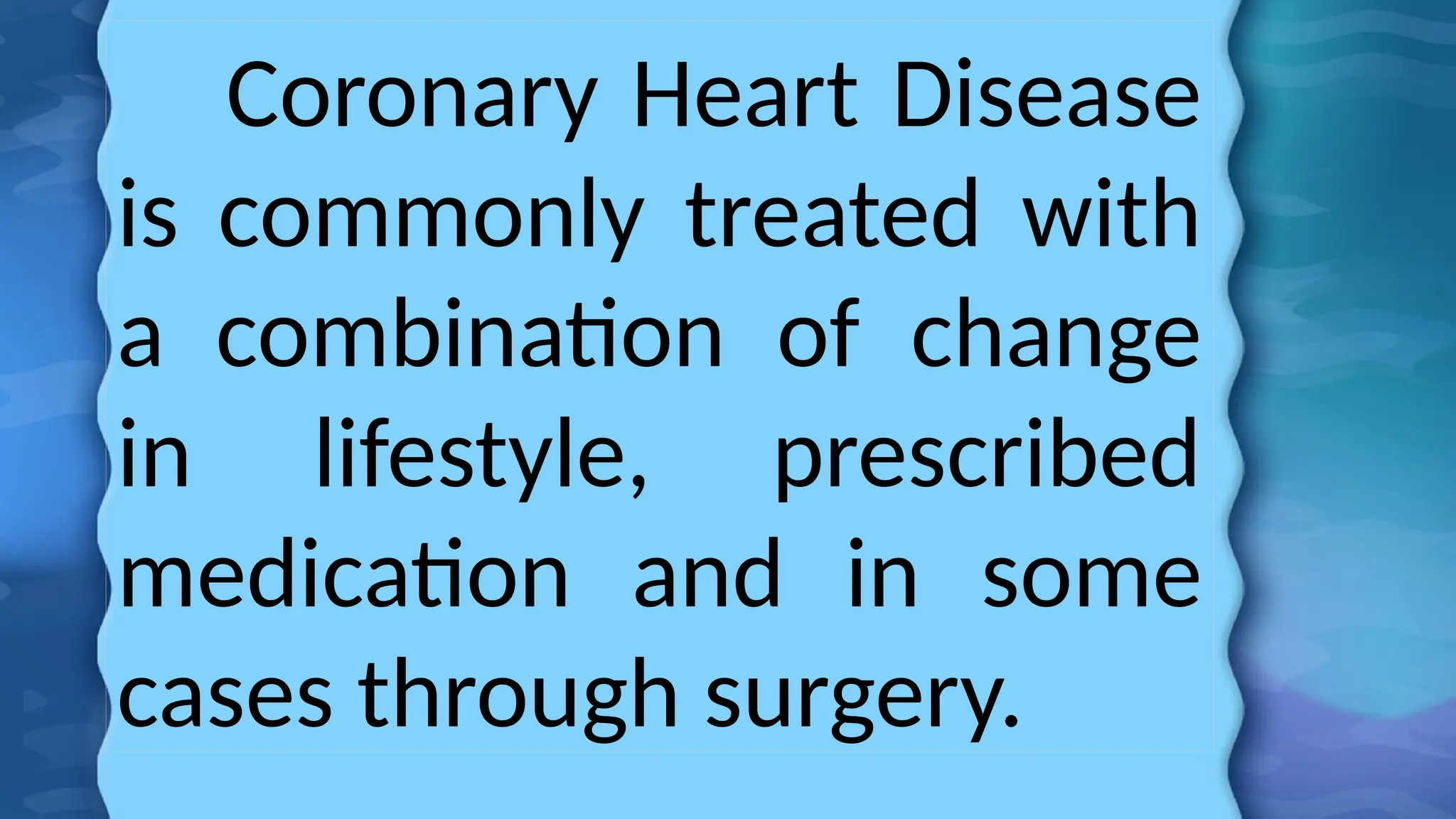
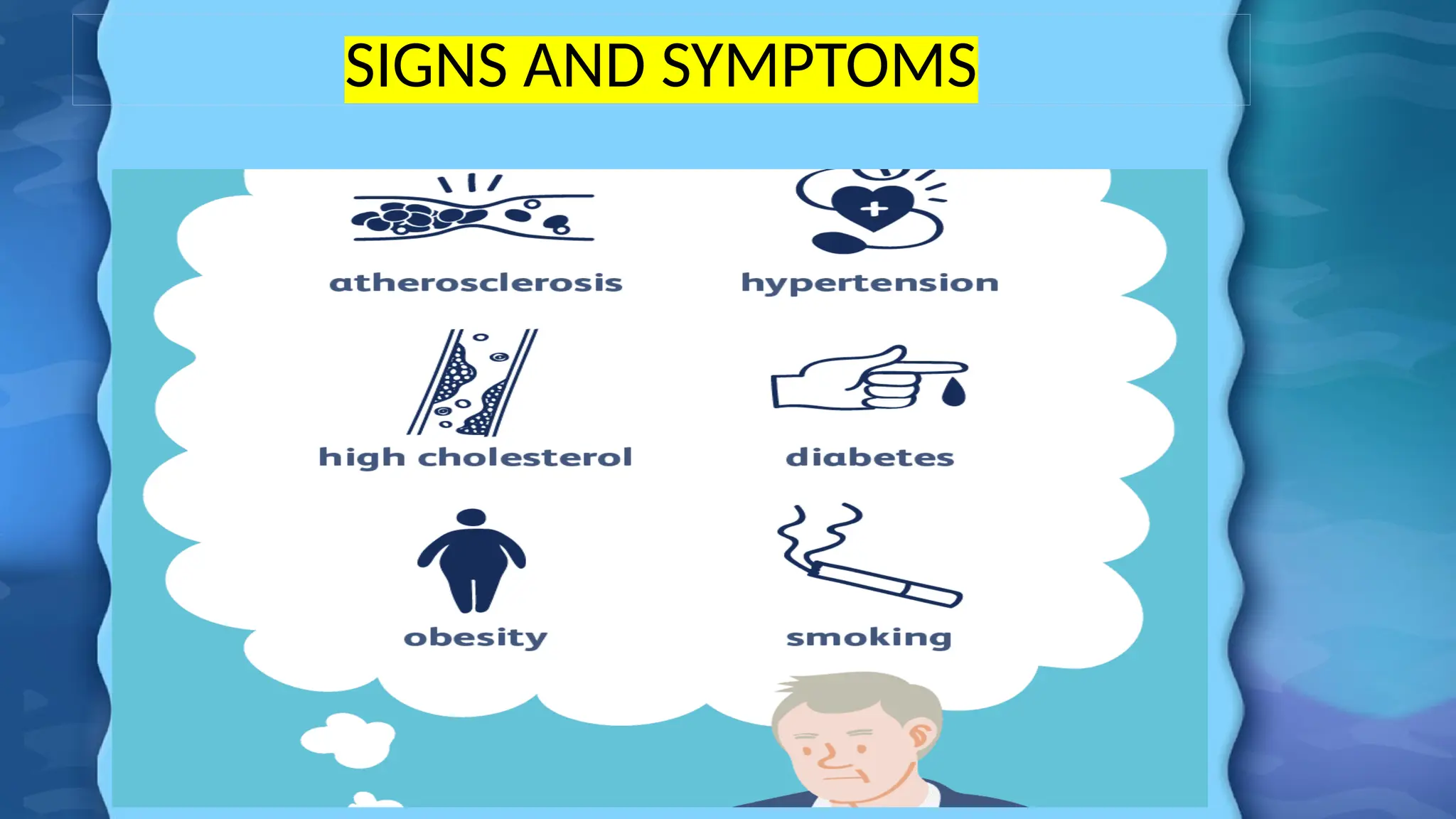
This disease can be caused by
high cholesterol foods, diabetes,
family history and smoking.
Coronary Heart Disease
is commonly treated with
a combination of change
in lifestyle, prescribed
medication and in some
cases through surgery.
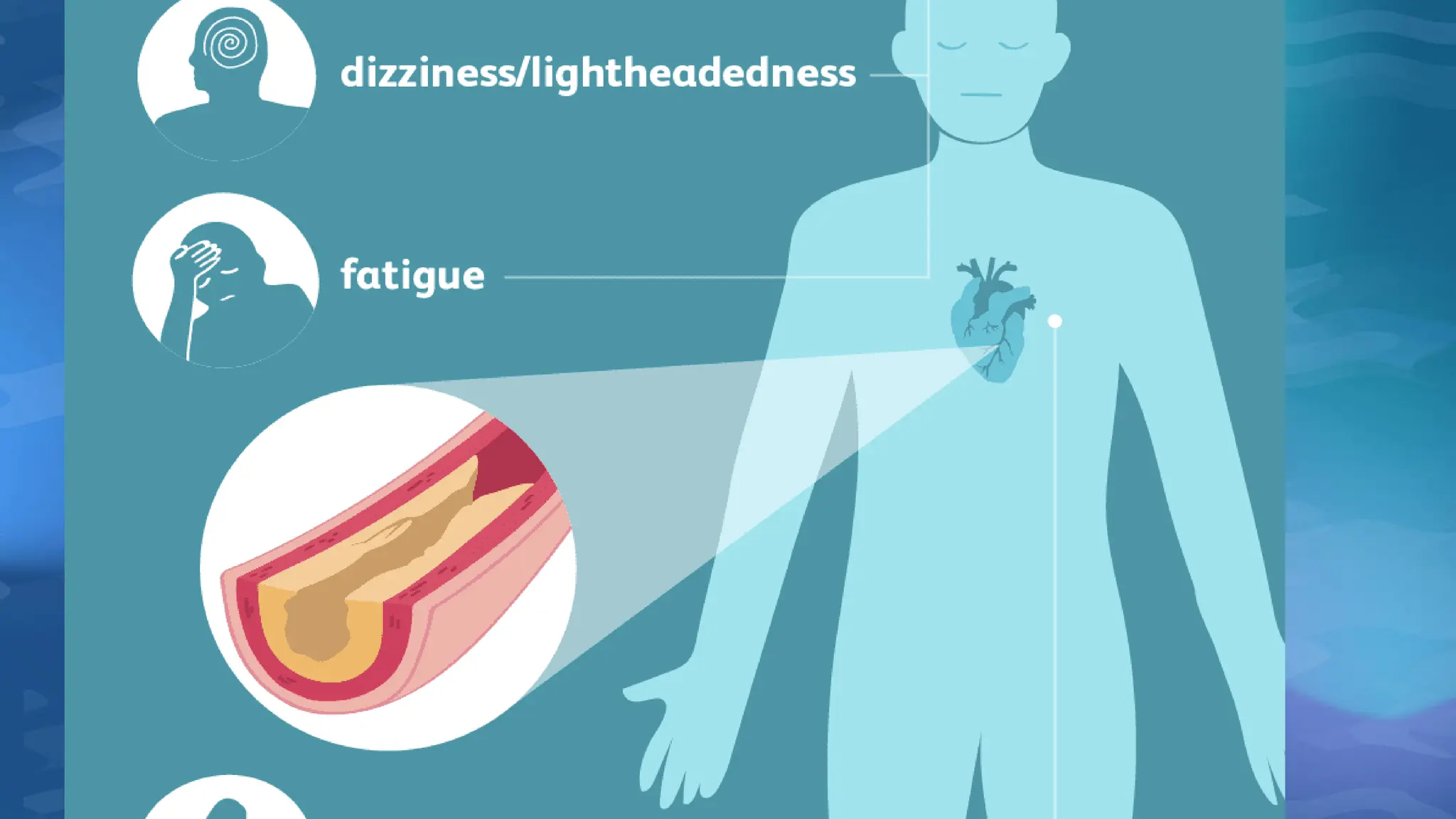
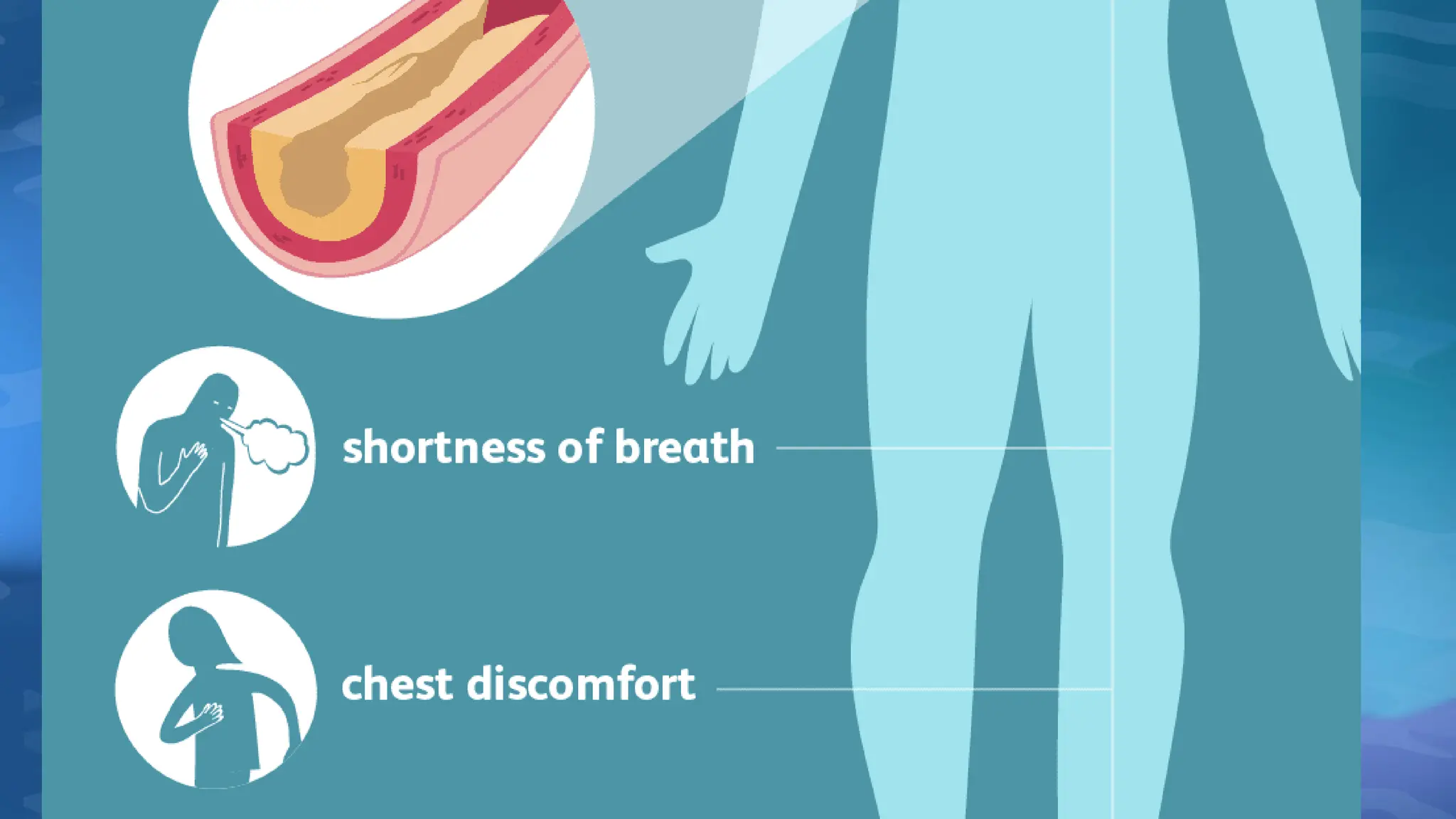
SIGNS AND SYMPTOMS
Difference between signs and
symptoms
 Who observes the effect.
 If the patient notices the effect, it is
a symptom.
 If the doctor, nurse, or anyone other
than the patient notices the effect, it
is a sign.
“Coronary” means around
the heart. Coronary artery
disease (CAD) occurs when
the major blood vessels
around your heart become
diseased.
The disease also affects the
heart itself, so it is
important to take steps to
prevent the damage from
becoming serious, which
can be life-threatening.
Key facts
An estimated 1.28 billion adults
aged 30–79 years worldwide have
hypertension, most (two-thirds) living
in low- and middle-income countries
An estimated 46% of adults with
hypertension are unaware that they
have the condition.
Less than half of adults
(42%) with hypertension are
diagnosed and treated.
Approximately 1 in 5 adults
(21%) with hypertension have it
under control.
Hypertension is a major cause
of premature death worldwide.
One of the global targets for
noncommunicable diseases is to
reduce the prevalence of
hypertension by 33% between
2010 and 2030.
CORONARY HEART
DISEASE PREVENTION
The following measures can reduce the risk
of coronary artery disease.
 Eat a healthy and well-balanced diet
which is low in fat and salt
 Maintain a regular exercise regimen
 Remain physically active
Quit smoking
Keep a check and manage the
blood sugar, cholesterol, and blood
pressure levels
Maintain a healthy height-to-
weight ratio.
Learn to manage stress effectively
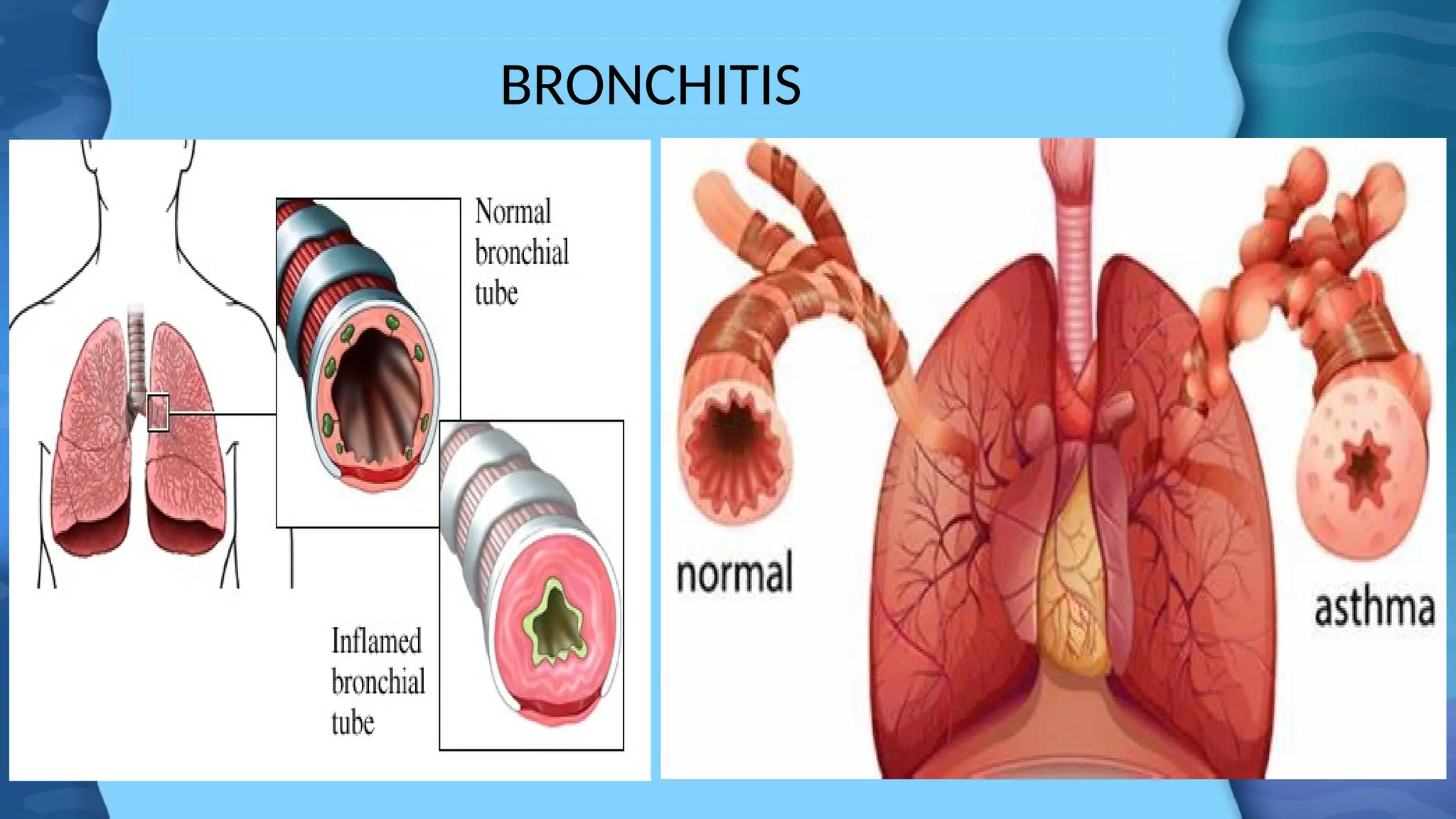
BRONCHITIS
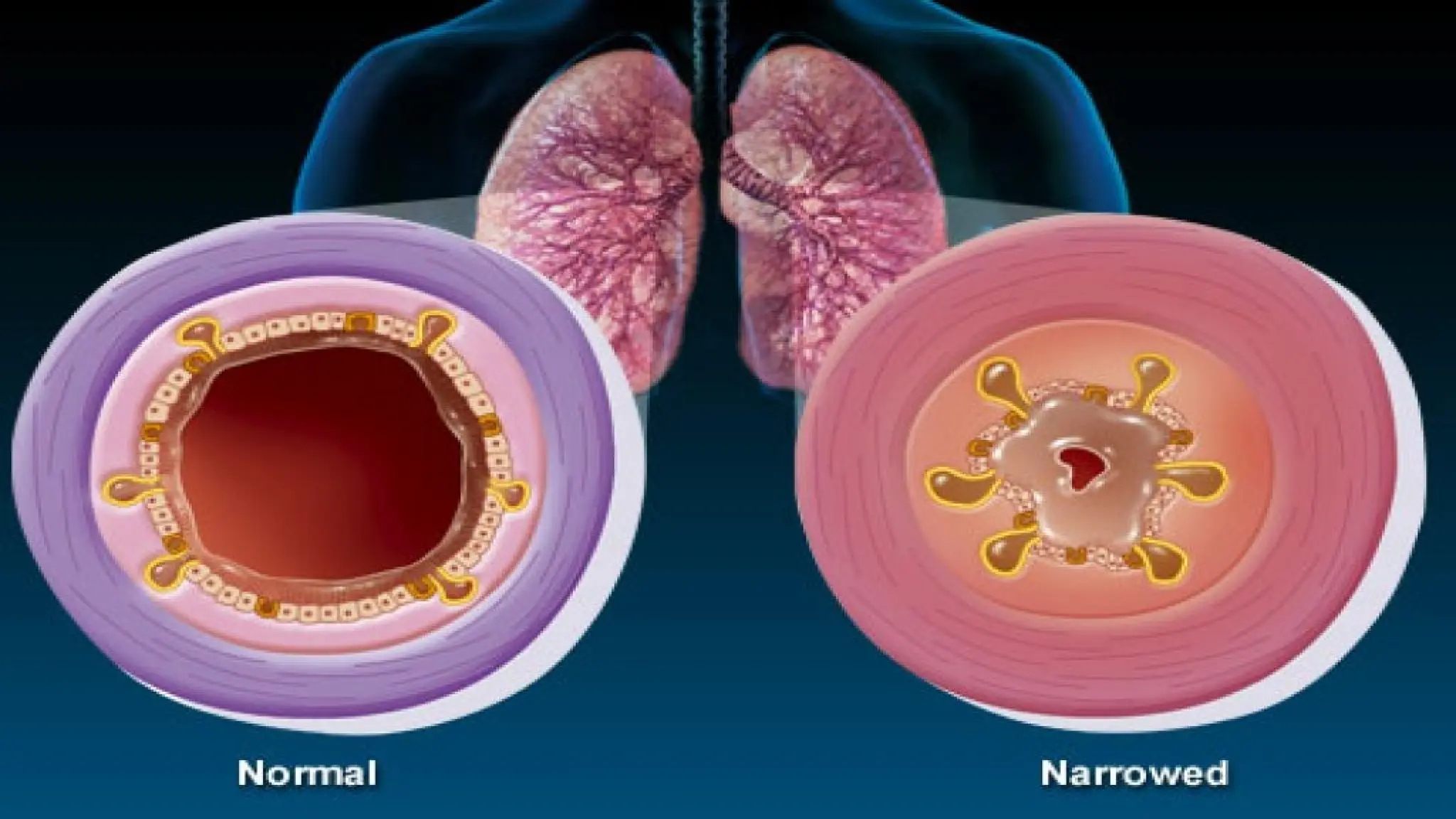
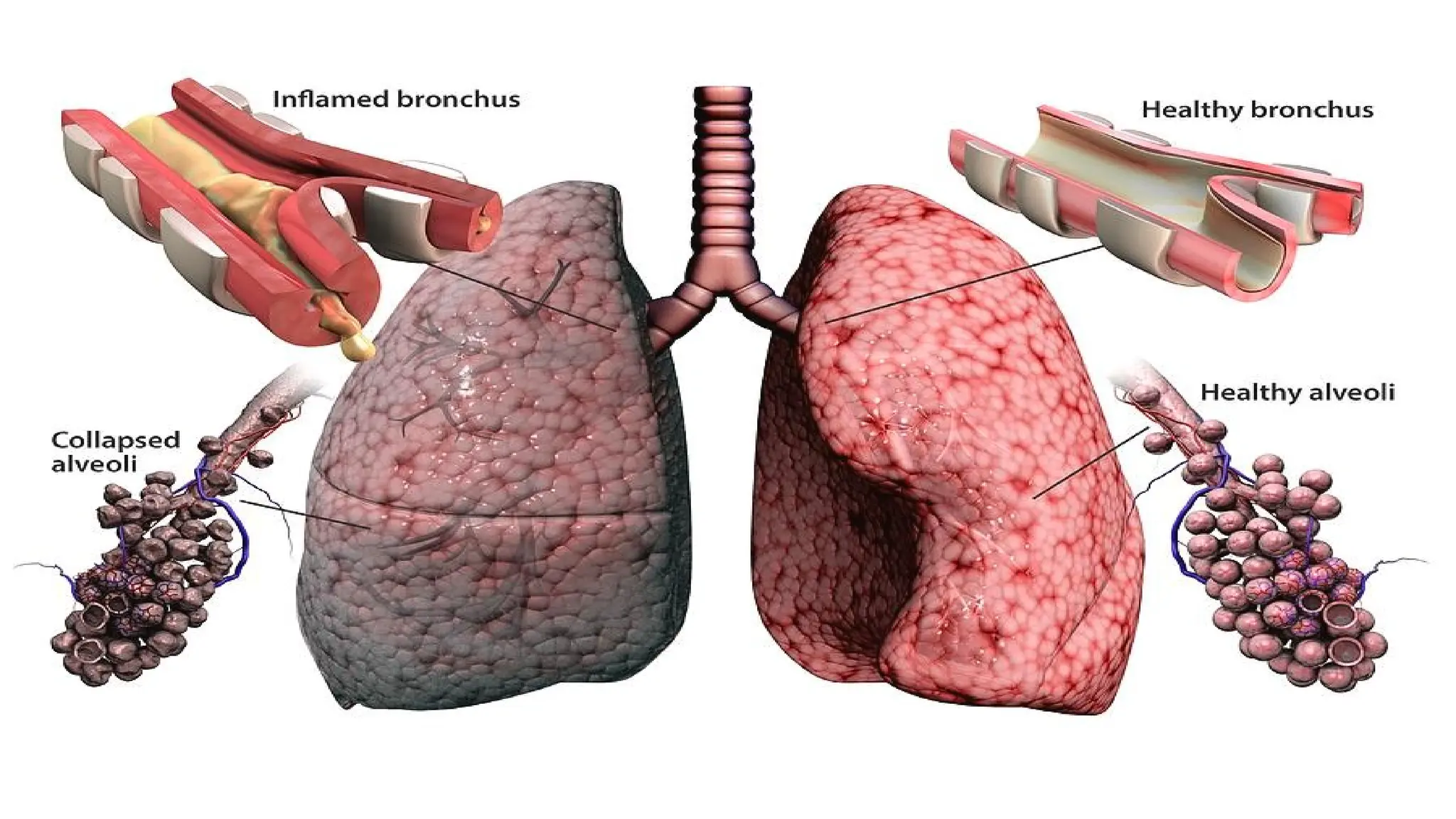
Bronchitis is an inflammation
of the mucus membrane that
lines the bronchial tubes.
The thick mucus build up
causing coughing, difficulty of
breathing and heavy feeling in
the chest.
Bronchitis may be caused by bacteria,
viruses or irritants in the air.
There is no cure for chronic bronchitis,
but there are several medications to
help relieve symptoms.
It is also important to avoid smoking
and smoky environments, and to drink
lots of water and get plenty of rest.
Bronchitis is an
inflammation of the
bronchial tubes, the
airways that carry air to
your lungs. It causes a
cough that often brings up
mucus.
It can also cause
shortness of breath,
wheezing, a low fever, and
chest tightness.
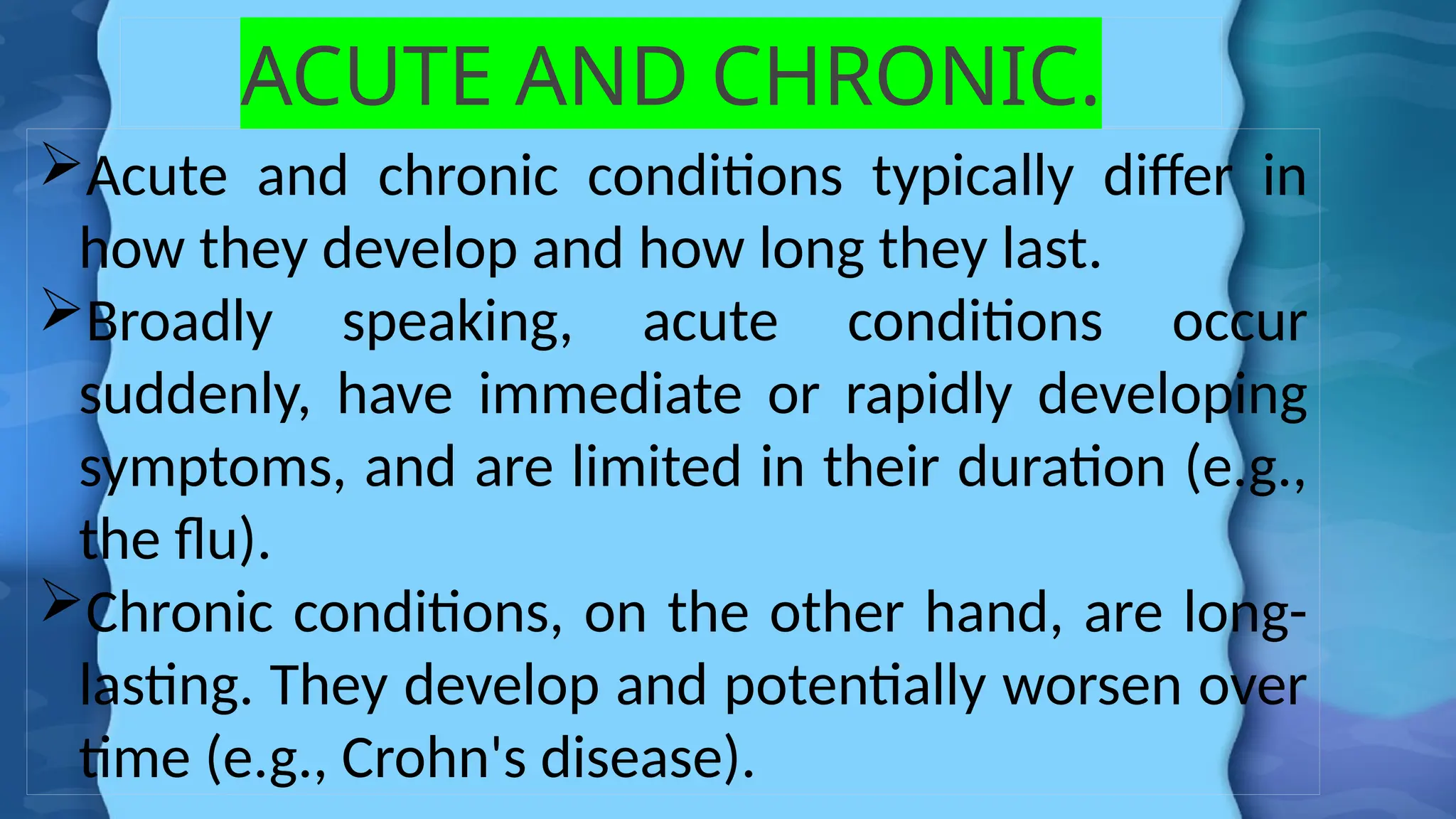
There are two main types
of bronchitis: acute and
ACUTE AND CHRONIC.
Acute and chronic conditions typically differ in
how they develop and how long they last.
Broadly speaking, acute conditions occur
suddenly, have immediate or rapidly developing
symptoms, and are limited in their duration (e.g.,
the flu).
Chronic conditions, on the other hand, are long-
lasting. They develop and potentially worsen over
time (e.g., Crohn's disease).
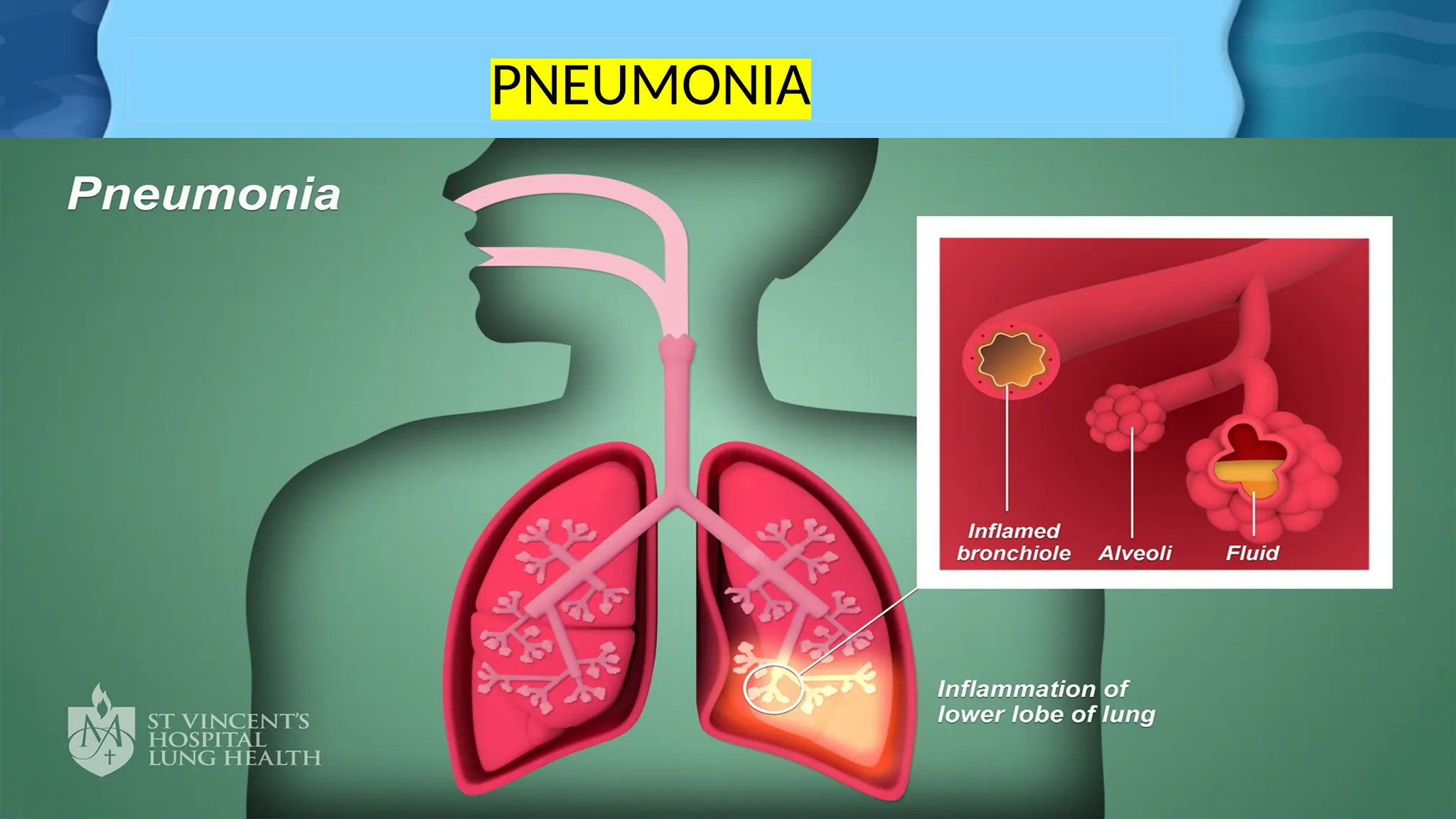
PNEUMONIA
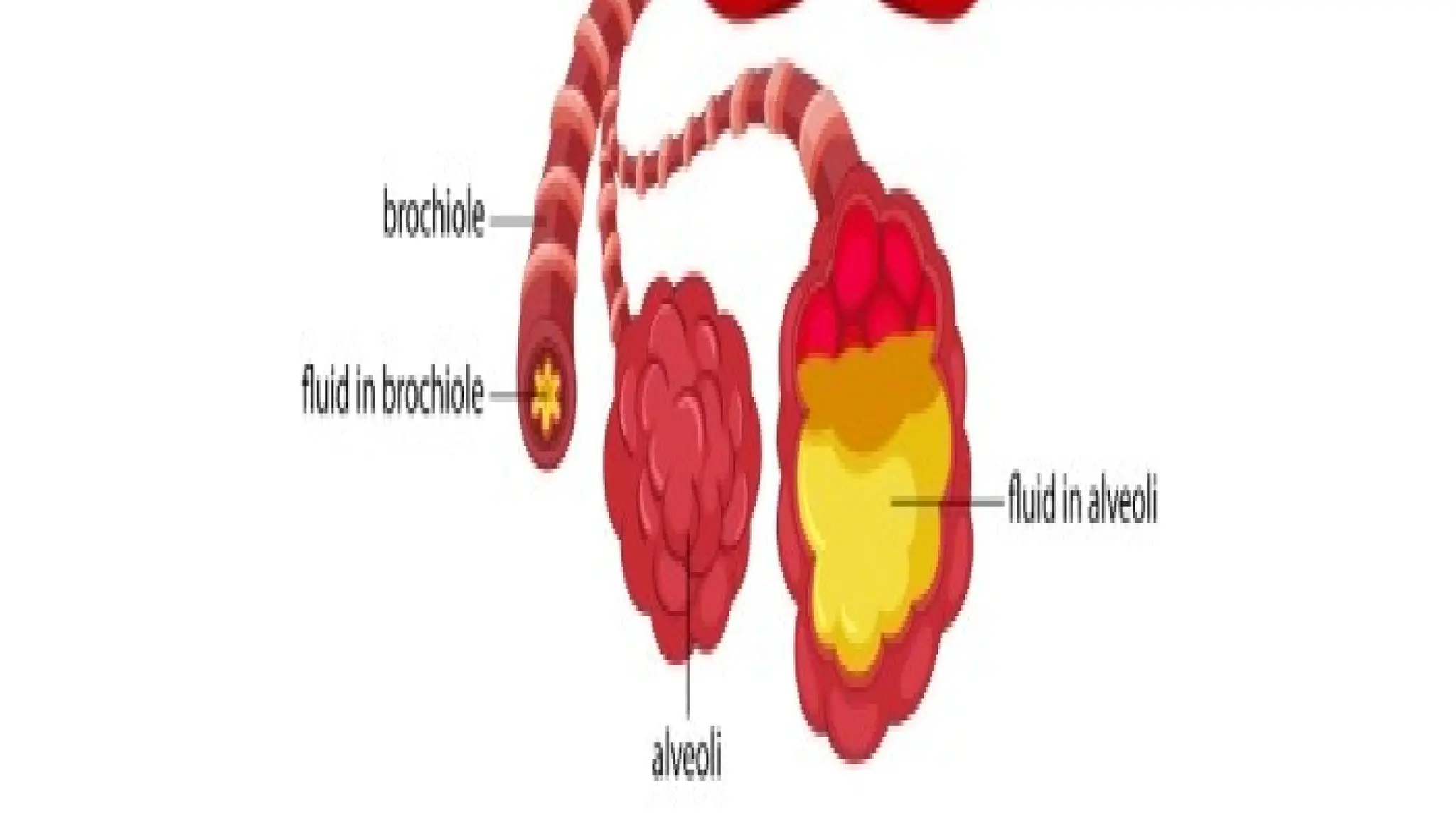
PNEUMONIA
is an infection in one or both
lungs which causes
inflammation of the air sacs.
The infection is caused by
bacteria, viruses and fungi.
PNEUMONIA
Treatment for pneumonia involves
curing the infection and preventing
complications.
People who have community-
acquired pneumonia usually can be
treated at home with medication
such as antibiotics and pain reliever
recommended by the doctor.
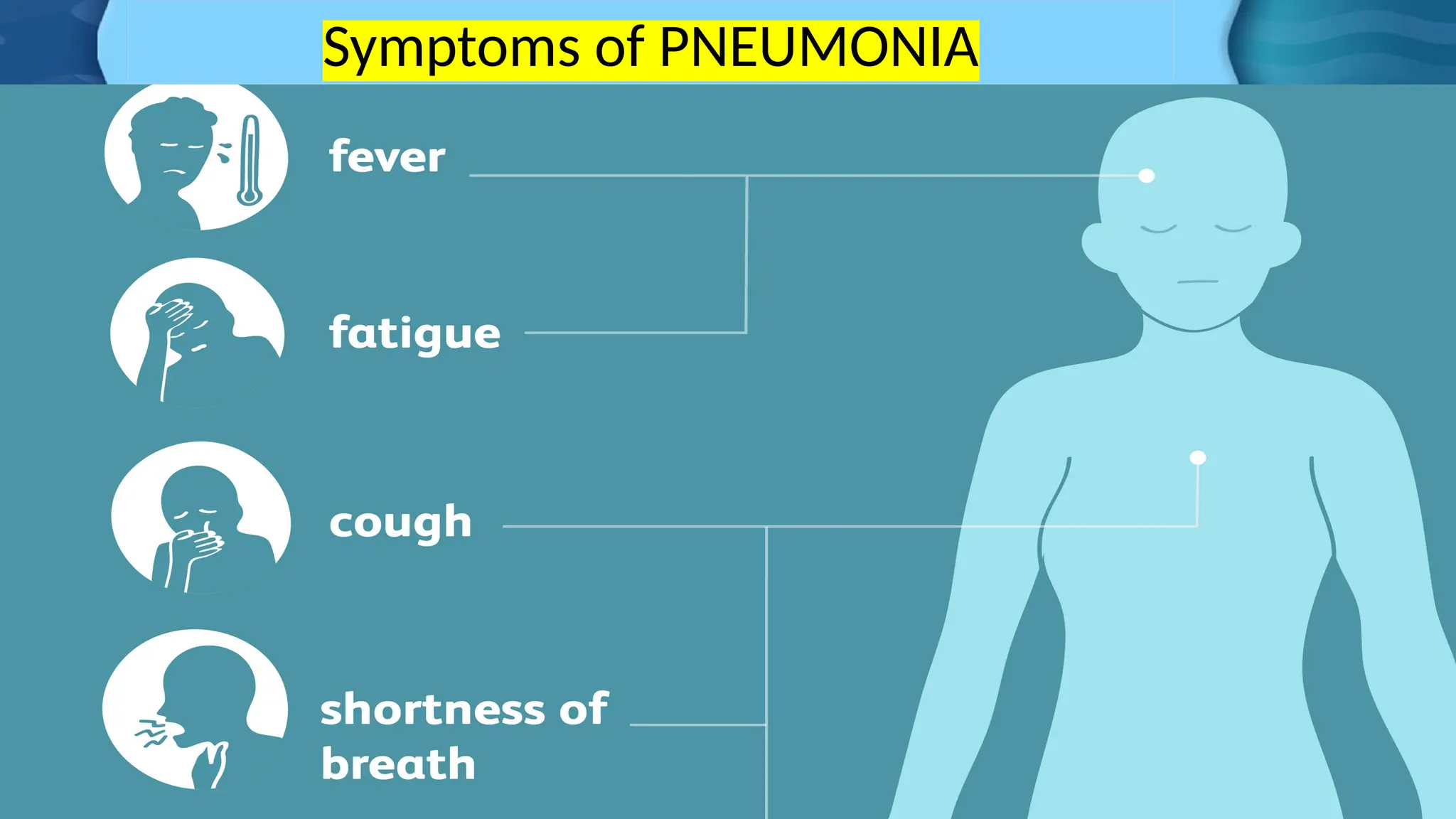
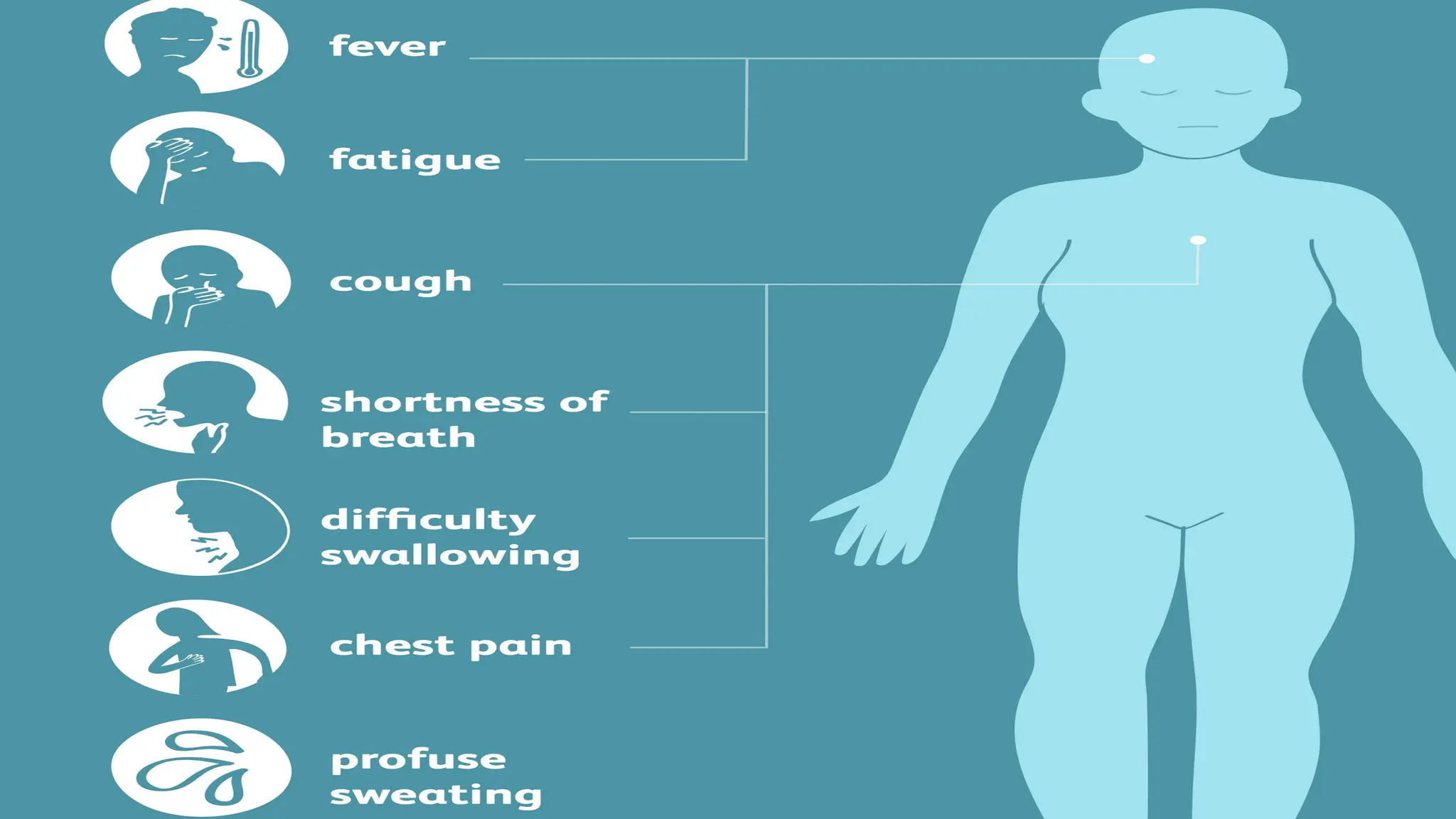
Symptoms of PNEUMONIA
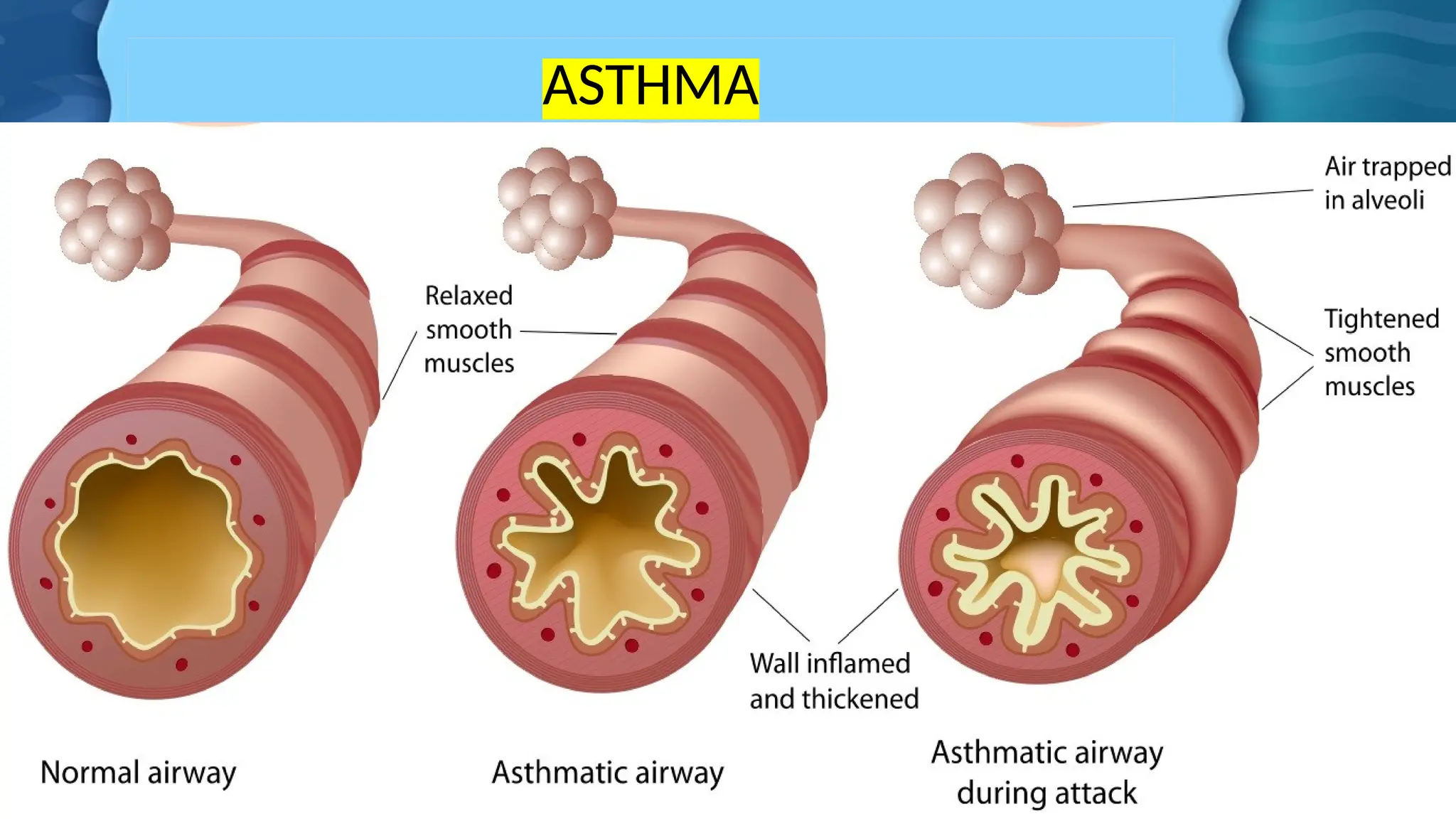
ASTHMA
Asthma
 is a chronic respiratory disorder
caused by inflammation and
narrowing of the bronchial tubes.
 An asthma triggered by airborne
substances, certain foods, common
bacteria and viruses.
 Inhalers and nebulizers are key
components of asthma treatment.
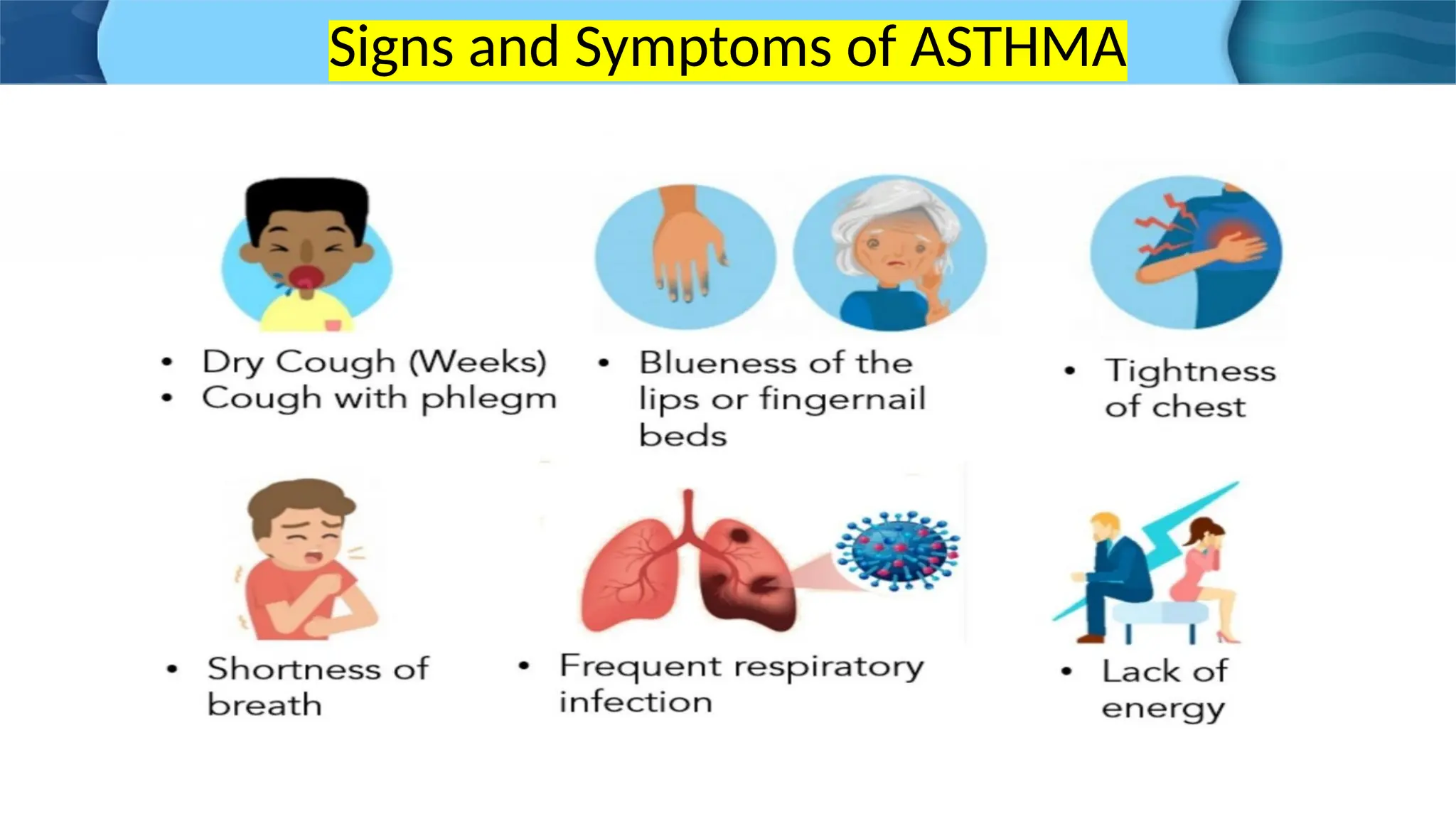
Signs and Symptoms of ASTHMA
Difference between signs and
symptoms
 Who observes the effect.
 If the patient notices the effect, it is
a symptom.
 If the doctor, nurse, or anyone other
than the patient notices the effect, it
is a sign.
TUBERCULOSIS
What causes tuberculosis?
TB is caused by the
bacterium Mycobacterium
tuberculosis. The germs are spread
through the air and usually infect
the lungs but can also infect other
parts of the body. Although TB is
infectious, it doesn’t spread easily.
You usually must spend a lot of
time in contact with someone who
TUBERCULOSIS
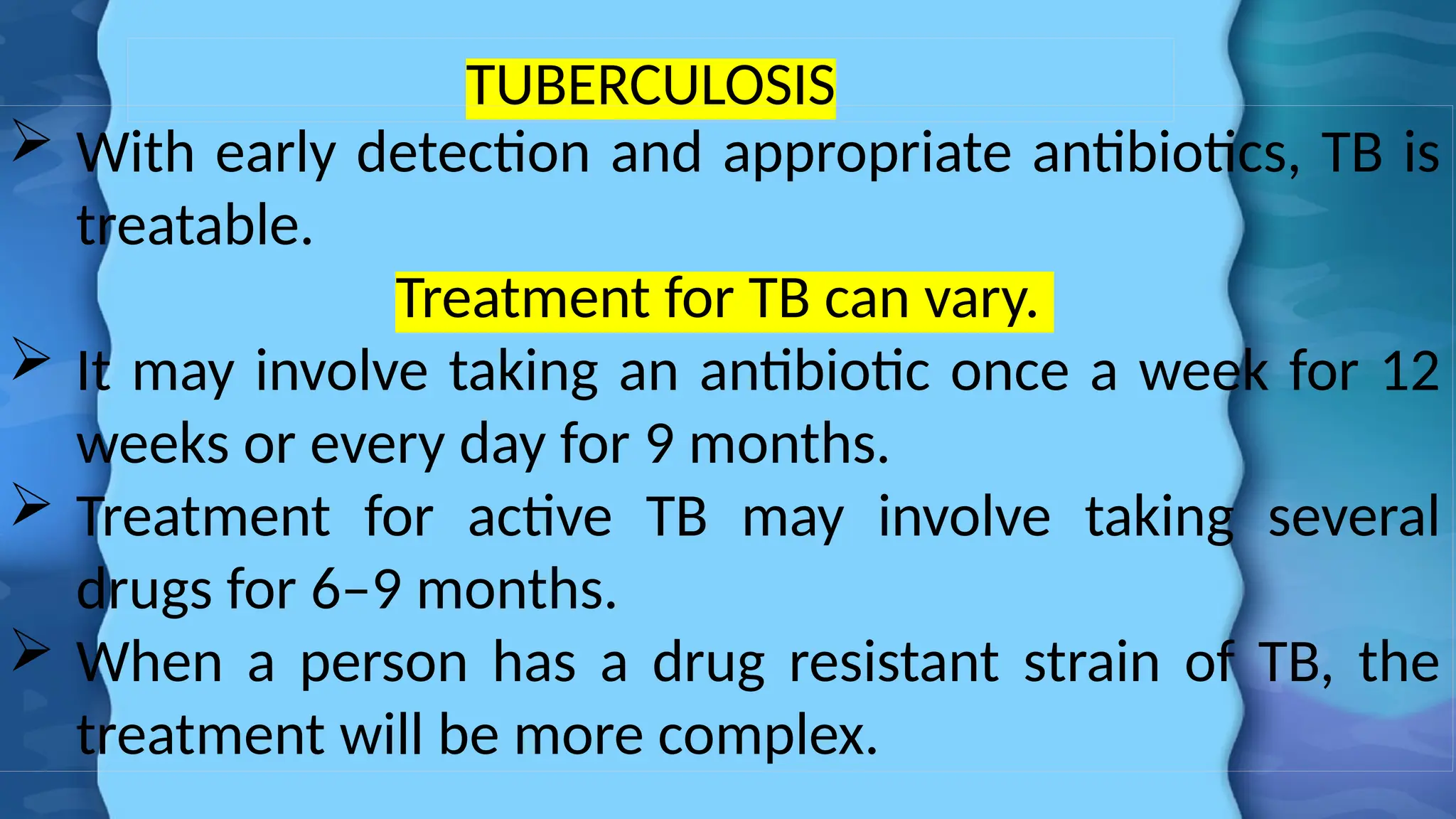
 With early detection and appropriate antibiotics, TB is
treatable.
Treatment for TB can vary.
 It may involve taking an antibiotic once a week for 12
weeks or every day for 9 months.
 Treatment for active TB may involve taking several
drugs for 6–9 months.
 When a person has a drug resistant strain of TB, the
treatment will be more complex.
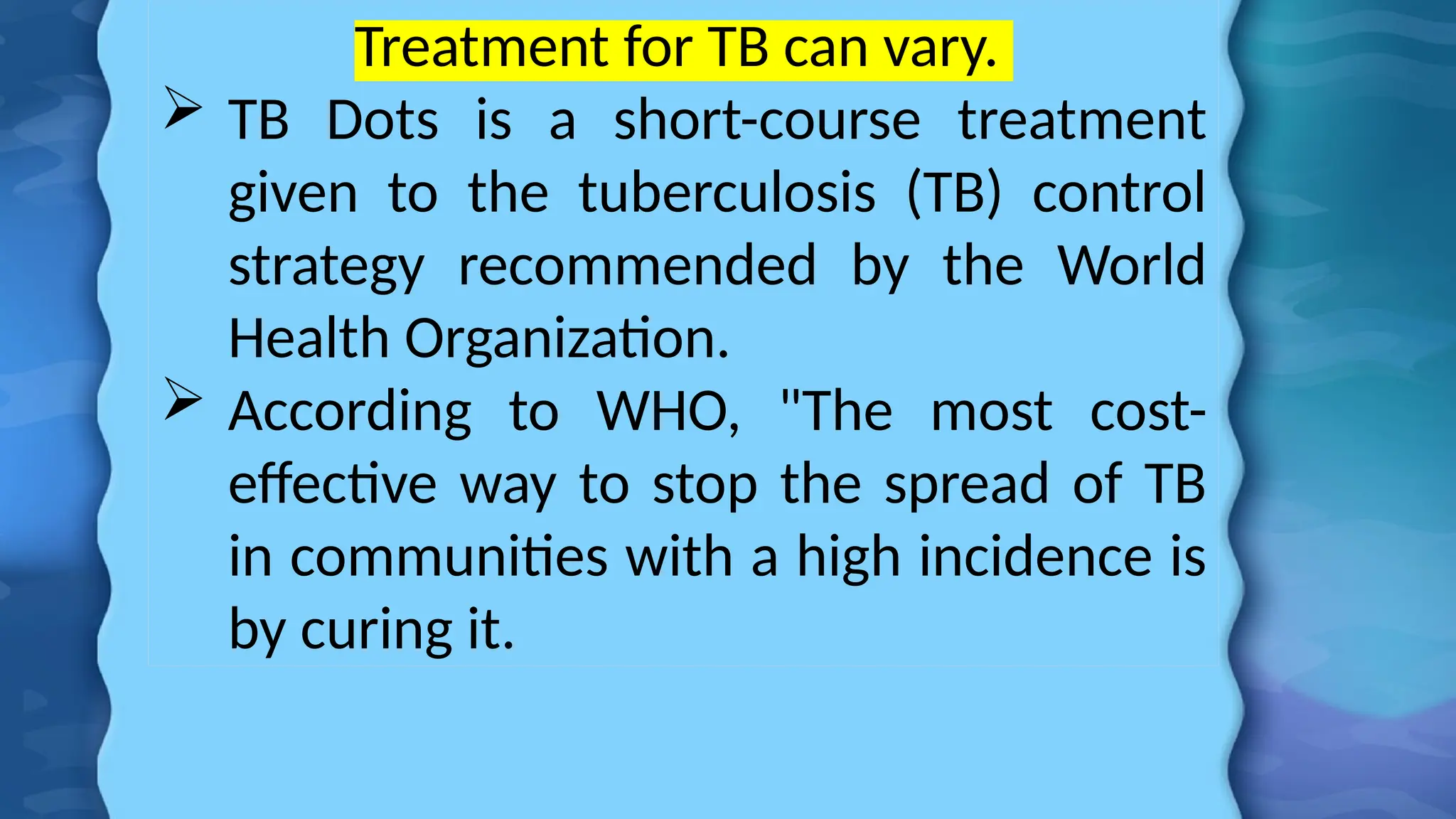
Treatment for TB can vary.
 TB Dots is a short-course treatment
given to the tuberculosis (TB) control
strategy recommended by the World
Health Organization.
 According to WHO, "The most cost-
effective way to stop the spread of TB
in communities with a high incidence is
by curing it.
Signs and Symptoms of ASTHMA
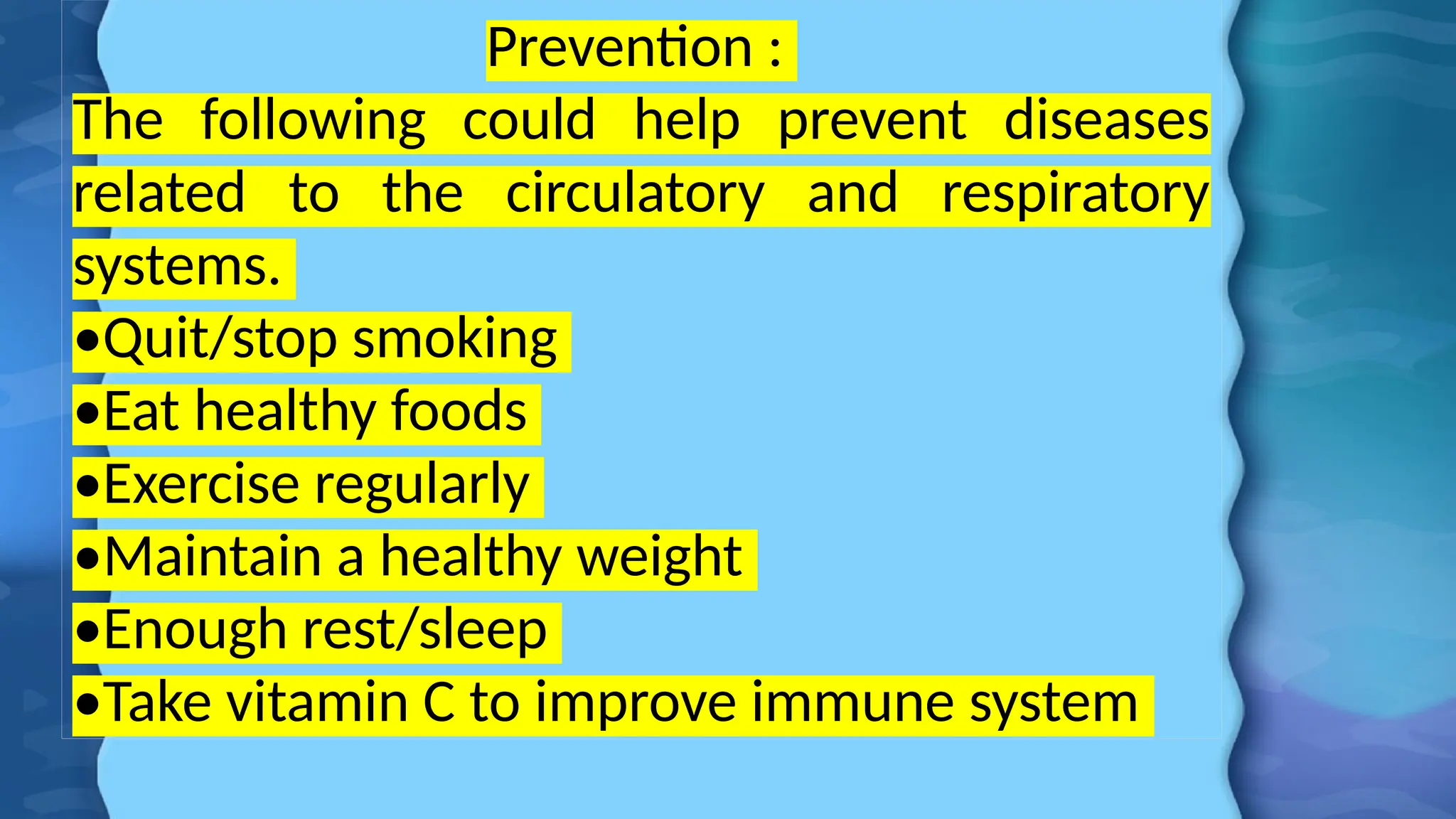
Prevention :
The following could help prevent diseases
related to the circulatory and respiratory
systems.
•Quit/stop smoking
•Eat healthy foods
•Exercise regularly
•Maintain a healthy weight
•Enough rest/sleep
•Take vitamin C to improve immune system

Module 2 diseases.pptx science 9 - respiratory system

  • 1.
    Quarter 1 –Module 2: Prevention and Treatment of Respiratory and Circulatory Diseases
  • 2.
    How does theRespiratory System maintain Homeostasis? By maintaining oxygen levels in the body and removes carbon dioxide waste from the body.
  • 3.
    Capillary A small bloodvessel that carries blood to body cells and is where gas exchange occurs.
  • 4.
    Artery A blood vesselthat carries blood away from the heart
  • 5.
    Platelet Tiny fragments thathelp to stop bleeding when you are cut by forming blood clots.
  • 6.
    In the previouslesson you have learned the different structures of the respiratory and circulatory systems and how they work together to deliver oxygen rich blood and nutrients to our different parts of the body. In this module, you will understand and recognize the ways of prevention, detection, and treatment of diseases affecting our respiratory and circulatory system.
  • 11.
    About 1.69 billion pounds ofbutts end up as toxic trash each year, making cigarettes the most littered item on Earth.
  • 12.
    As a consequence,tobacco kills approximately 87,600 Filipinos per year (240 deaths every day); one third of them are men in the most productive age of their lives. The treatment of tobacco-related illnesses costs the Philippines $858 million USD each year.
  • 13.
    How Smoking KillsYou and Others Cigarette smoking harms nearly every organ in the body, causing many diseases and affecting health in general. The negative effects of smoking on circulatory system include increased heart rate and blood pressure, coronary heart disease, arteriosclerosis, and vascular diseases.
  • 14.
    How Smoking KillsYou and Others The respiratory diseases caused by smoking are chronic bronchitis, emphysema, asthma, cough, colds, tuberculosis, lung cancer and other respiratory infections.
  • 15.
  • 16.
    1. What arethe physiological effects of smoking to the respiratory and circulatory systems 2. What happens if the respiratory system is not working properly? 3. What happens if the respiratory system is not working properly?
  • 17.
    1. What arethe physiological effects of smoking to the respiratory and circulatory systems 2. What happens if the respiratory system is not working properly?
  • 19.
    Depending on the respiratoryand circulatory condition, medications are based on the severity of the diseases as recommended by doctors.
  • 20.
  • 21.
  • 23.
    Emphysema is alung condition that causes shortness of breath. Emphysema and chronic bronchitis are two conditions that make up chronic obstructive pulmonary disease (COPD). Cigarette smoking is the leading cause of COPD, as well as marijuana smoke, air pollution and chemical fumes and dust. A person with emphysema could be treated using prescribed medication and supportive therapy that includes oxygen and smoking cessation therapy.
  • 24.
  • 26.
    Arteriosclerosis occurs when theblood vessels that carry oxygen and nutrients from the heart and to the rest of the body become thickens and hardens.
  • 28.
    Atherosclerosis happens when theplaque collects and causes arteries to narrow and harden due to factors such as smoking, high blood pressure and cholesterol in the blood.
  • 29.
    Atherosclerosis refers to buildupof fats, cholesterol and other substances that triggers to blood clot.
  • 30.
    A person with atherosclerosisor arteriosclerosis is advised to undergo medication and surgical procedure and treatment to change lifestyle.
  • 31.
  • 34.
    Coronary heart disease developswhen the major blood vessels that supply our heart with blood, oxygen and nutrients become damaged. This disease can be caused by high cholesterol foods, diabetes, family history and smoking.
  • 35.
    Coronary Heart Disease iscommonly treated with a combination of change in lifestyle, prescribed medication and in some cases through surgery.
  • 36.
  • 37.
    Difference between signsand symptoms  Who observes the effect.  If the patient notices the effect, it is a symptom.  If the doctor, nurse, or anyone other than the patient notices the effect, it is a sign.
  • 38.
    “Coronary” means around theheart. Coronary artery disease (CAD) occurs when the major blood vessels around your heart become diseased.
  • 39.
    The disease alsoaffects the heart itself, so it is important to take steps to prevent the damage from becoming serious, which can be life-threatening.
  • 40.
    Key facts An estimated1.28 billion adults aged 30–79 years worldwide have hypertension, most (two-thirds) living in low- and middle-income countries An estimated 46% of adults with hypertension are unaware that they have the condition.
  • 41.
    Less than halfof adults (42%) with hypertension are diagnosed and treated. Approximately 1 in 5 adults (21%) with hypertension have it under control.
  • 42.
    Hypertension is amajor cause of premature death worldwide. One of the global targets for noncommunicable diseases is to reduce the prevalence of hypertension by 33% between 2010 and 2030.
  • 43.
    CORONARY HEART DISEASE PREVENTION Thefollowing measures can reduce the risk of coronary artery disease.  Eat a healthy and well-balanced diet which is low in fat and salt  Maintain a regular exercise regimen  Remain physically active
  • 44.
    Quit smoking Keep acheck and manage the blood sugar, cholesterol, and blood pressure levels Maintain a healthy height-to- weight ratio. Learn to manage stress effectively
  • 45.
  • 46.
    Bronchitis is aninflammation of the mucus membrane that lines the bronchial tubes. The thick mucus build up causing coughing, difficulty of breathing and heavy feeling in the chest.
  • 47.
    Bronchitis may becaused by bacteria, viruses or irritants in the air. There is no cure for chronic bronchitis, but there are several medications to help relieve symptoms. It is also important to avoid smoking and smoky environments, and to drink lots of water and get plenty of rest.
  • 50.
    Bronchitis is an inflammationof the bronchial tubes, the airways that carry air to your lungs. It causes a cough that often brings up mucus.
  • 51.
    It can alsocause shortness of breath, wheezing, a low fever, and chest tightness. There are two main types of bronchitis: acute and
  • 52.
    ACUTE AND CHRONIC. Acuteand chronic conditions typically differ in how they develop and how long they last. Broadly speaking, acute conditions occur suddenly, have immediate or rapidly developing symptoms, and are limited in their duration (e.g., the flu). Chronic conditions, on the other hand, are long- lasting. They develop and potentially worsen over time (e.g., Crohn's disease).
  • 53.
  • 57.
    PNEUMONIA is an infectionin one or both lungs which causes inflammation of the air sacs. The infection is caused by bacteria, viruses and fungi.
  • 58.
    PNEUMONIA Treatment for pneumoniainvolves curing the infection and preventing complications. People who have community- acquired pneumonia usually can be treated at home with medication such as antibiotics and pain reliever recommended by the doctor.
  • 59.
  • 62.
  • 63.
    Asthma  is achronic respiratory disorder caused by inflammation and narrowing of the bronchial tubes.  An asthma triggered by airborne substances, certain foods, common bacteria and viruses.  Inhalers and nebulizers are key components of asthma treatment.
  • 64.
  • 65.
    Difference between signsand symptoms  Who observes the effect.  If the patient notices the effect, it is a symptom.  If the doctor, nurse, or anyone other than the patient notices the effect, it is a sign.
  • 66.
  • 67.
    What causes tuberculosis? TBis caused by the bacterium Mycobacterium tuberculosis. The germs are spread through the air and usually infect the lungs but can also infect other parts of the body. Although TB is infectious, it doesn’t spread easily. You usually must spend a lot of time in contact with someone who
  • 68.
    TUBERCULOSIS  With earlydetection and appropriate antibiotics, TB is treatable. Treatment for TB can vary.  It may involve taking an antibiotic once a week for 12 weeks or every day for 9 months.  Treatment for active TB may involve taking several drugs for 6–9 months.  When a person has a drug resistant strain of TB, the treatment will be more complex.
  • 69.
    Treatment for TBcan vary.  TB Dots is a short-course treatment given to the tuberculosis (TB) control strategy recommended by the World Health Organization.  According to WHO, "The most cost- effective way to stop the spread of TB in communities with a high incidence is by curing it.
  • 70.
  • 71.
    Prevention : The followingcould help prevent diseases related to the circulatory and respiratory systems. •Quit/stop smoking •Eat healthy foods •Exercise regularly •Maintain a healthy weight •Enough rest/sleep •Take vitamin C to improve immune system