Types of Milk Formulas and
Their Uses
S U P E R V I S E D B Y
D R J A M A L A H M A D R A S H I D
Best food for babies
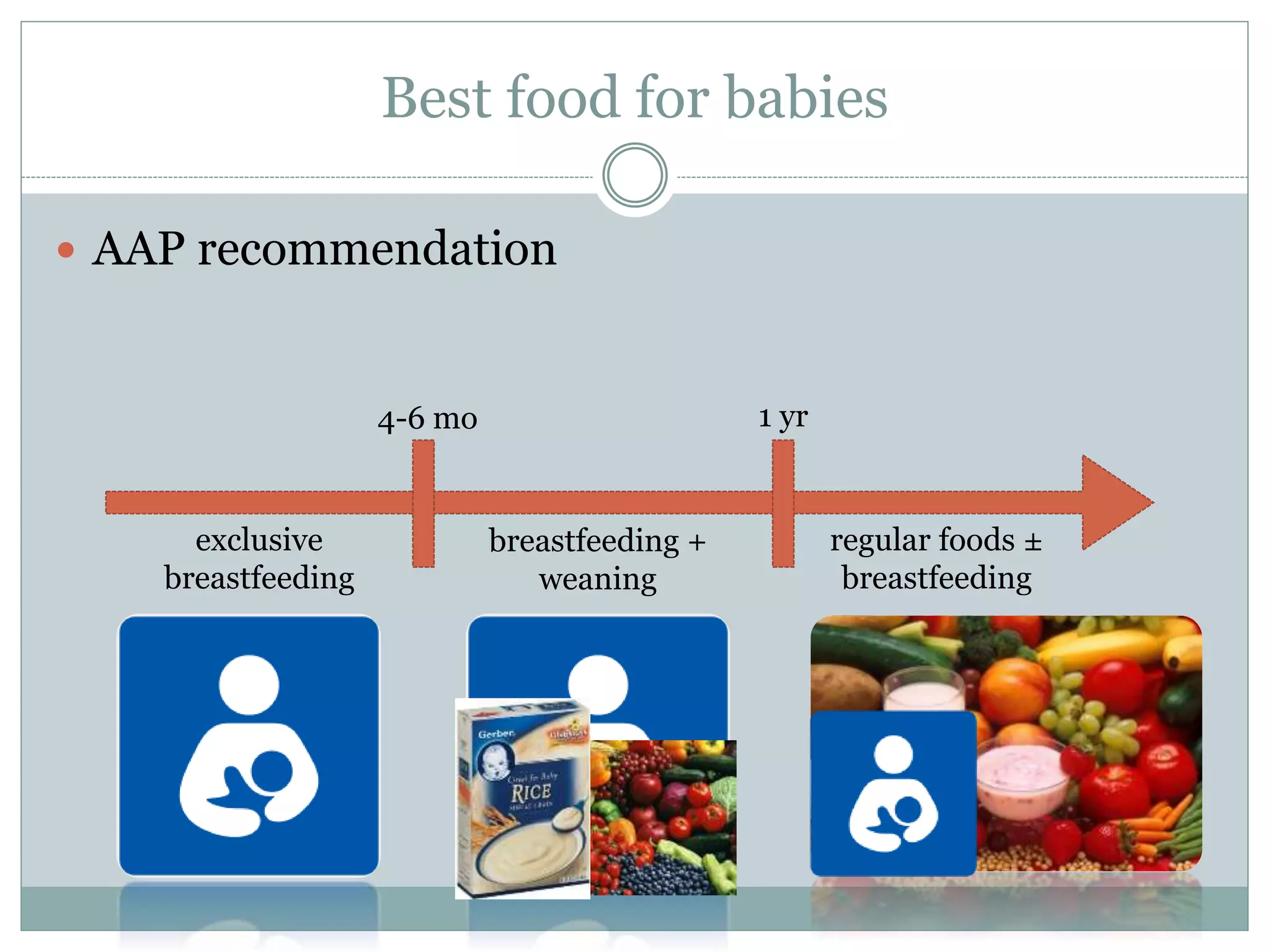
 AAP recommendation
4-6 mo 1 yr
exclusive
breastfeeding
breastfeeding +
weaning
regular foods ±
breastfeeding
What is milk?
 87% water and 13% solids
 fats (including essential fatty acids—linoleic, linolenic,
arachidonic)
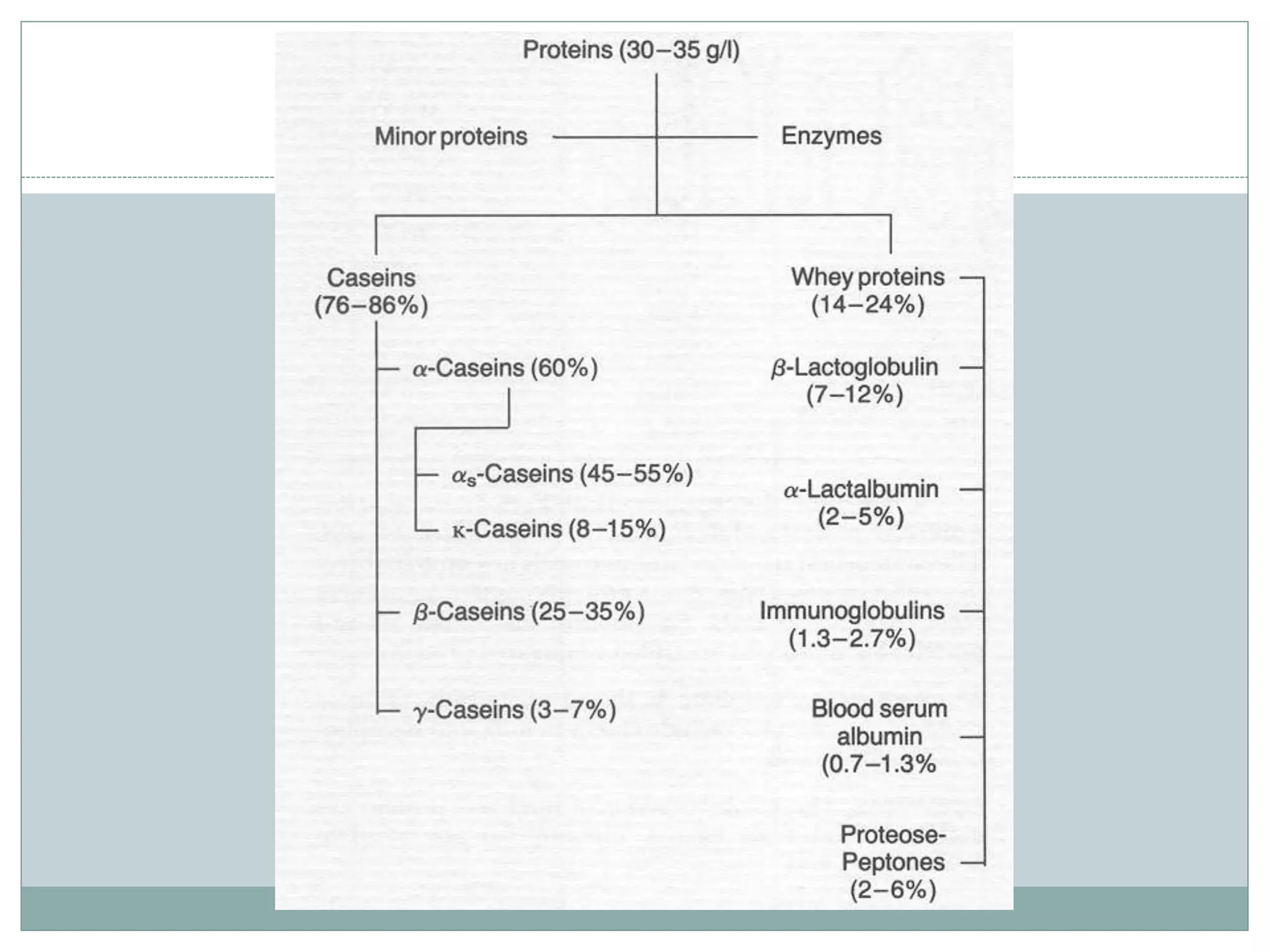
 proteins (especially caseins and whey proteins)
 carbohydrates (lactose, composed of glucose and galactose)
 minerals and vitamins
 Fresh milk has a pH of 6.7-6.5
 > 6.7 → mastitis
 < 6.5 → colostrum or bacterial activity
Breast vs Bottle
Breast vs Bottle
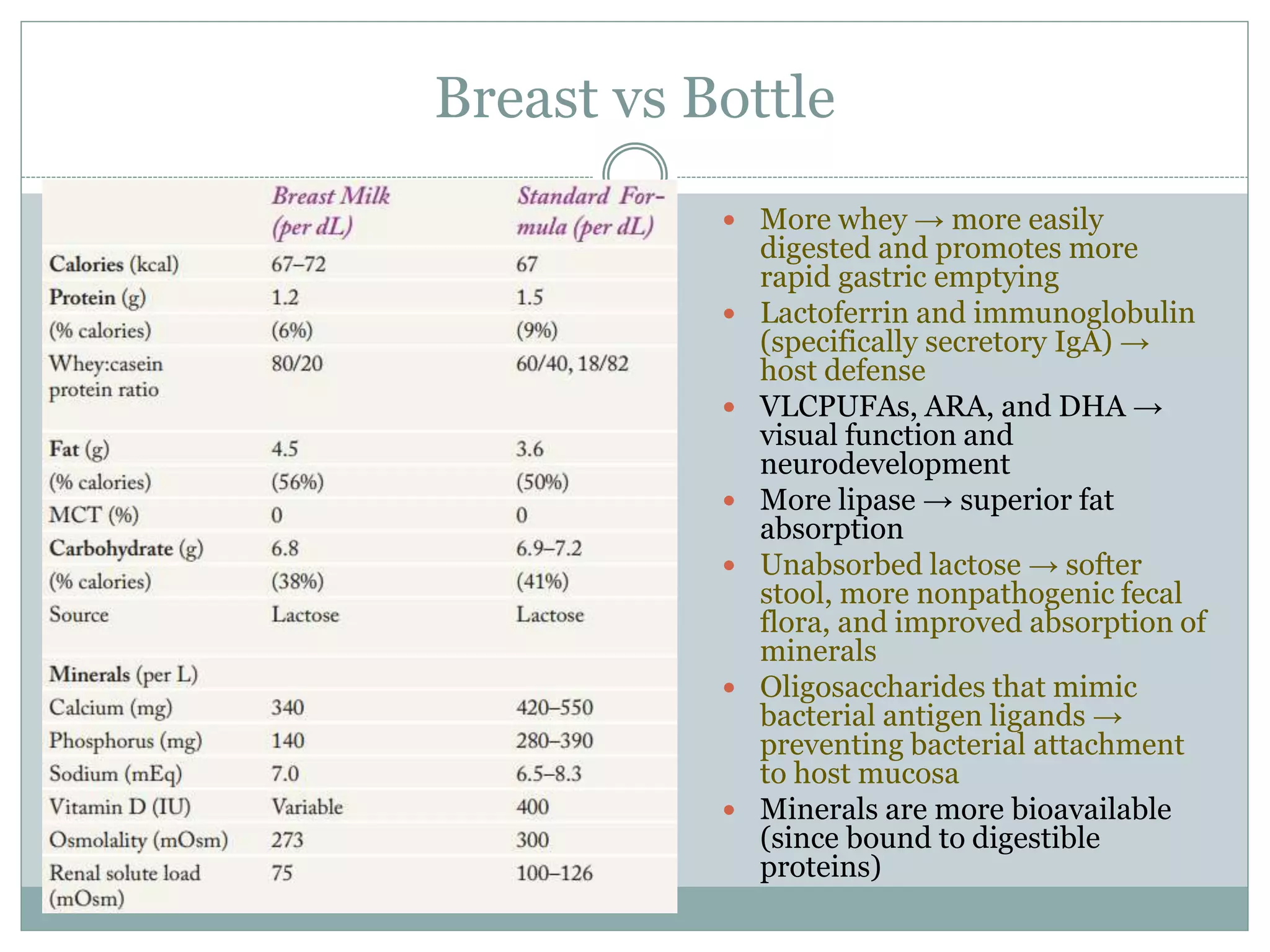
 More whey → more easily
digested and promotes more
rapid gastric emptying
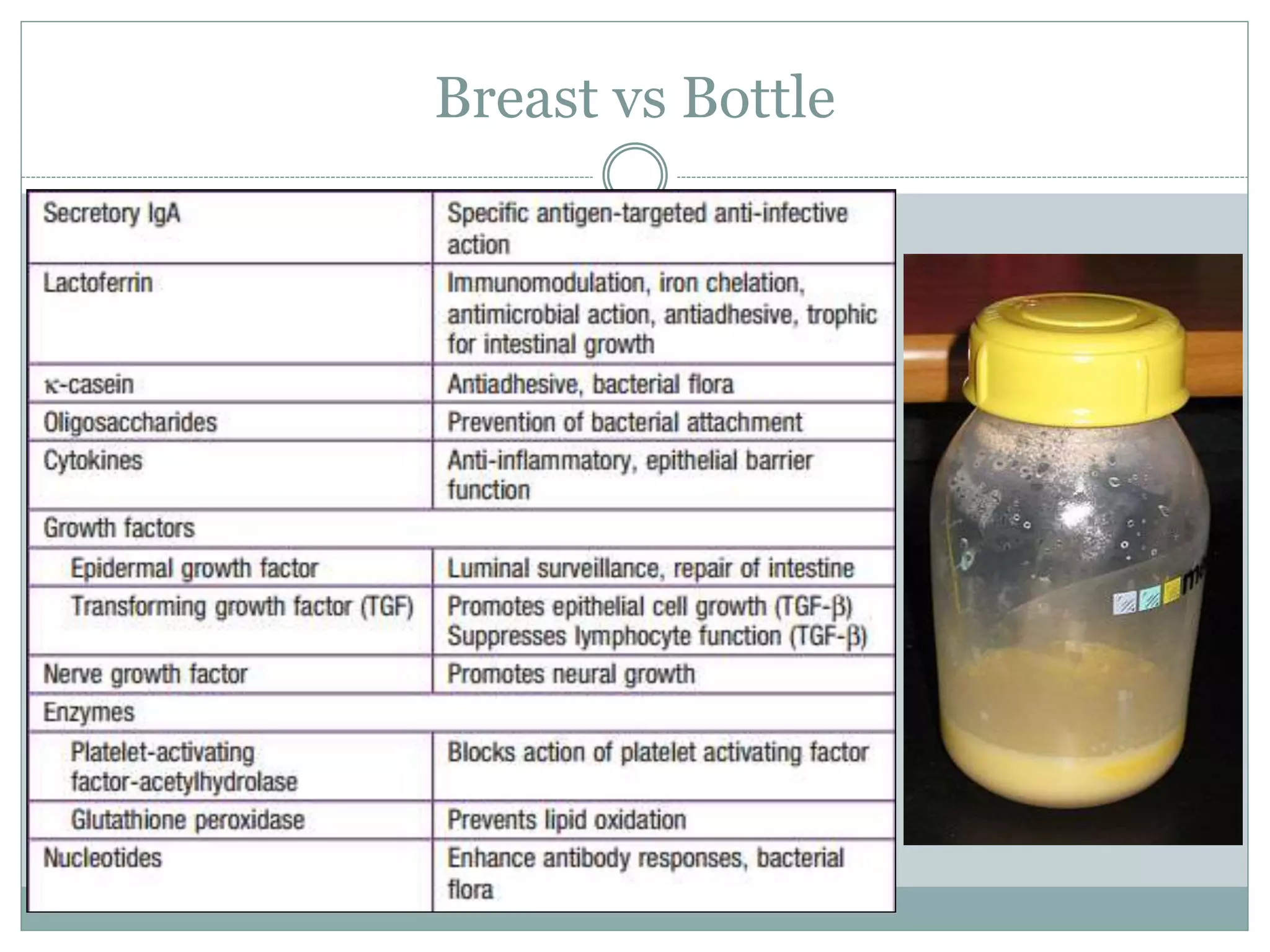
 Lactoferrin and immunoglobulin
(specifically secretory IgA) →
host defense
 VLCPUFAs, ARA, and DHA →
visual function and
neurodevelopment
 More lipase → superior fat
absorption
 Unabsorbed lactose → softer
stool, more nonpathogenic fecal
flora, and improved absorption of
minerals
 Oligosaccharides that mimic
bacterial antigen ligands →
preventing bacterial attachment
to host mucosa
 Minerals are more bioavailable
(since bound to digestible
proteins)
Breast vs Bottle
Breast is best?
 Advantages to baby
 ready, proper temperature, fresh, clean (Enterobacter sakazakii)
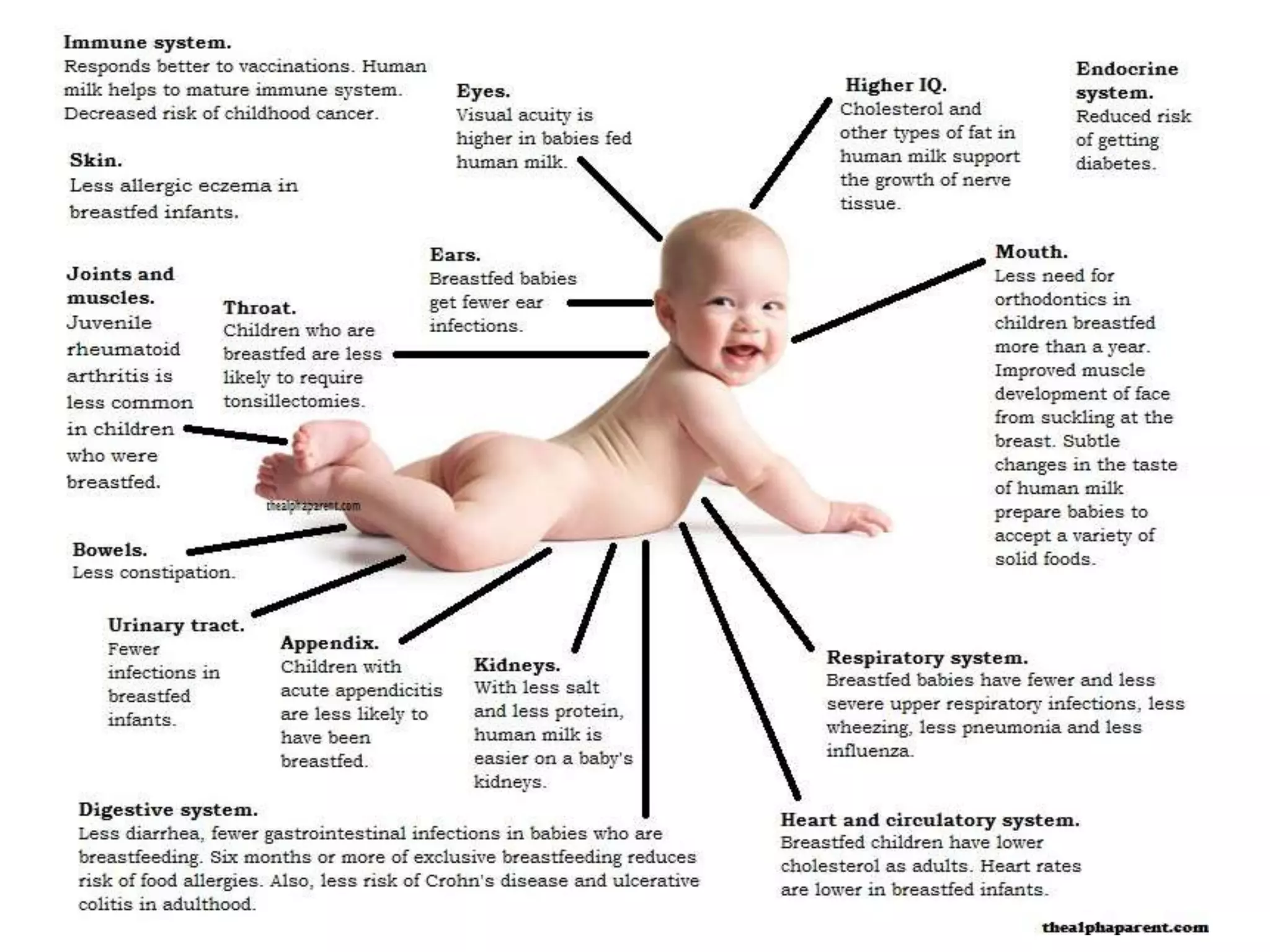
 ↓ incidence or severity of diarrhea, intestinal bleeding, occult melena,
colic, necrotizing enterocolitis
 ↓ incidence or severity of respiratory illnesses, otitis media, UTI,
bacteremia, bacterial meningitis, infant botulism
 ↓ incidence of obesity and overweight, type 1 DM, celiac disease, Crohn
disease, lymphoma, leukemia, food allergy, eczema
 ↓ hospitalizations and infant mortality
 psychological (close and comfortable relationship with the mother)
Breast is best?
 Advantages to mother
 psychological (sense of accomplishment and being essential)
 decreased risk of postpartum hemorrhage
 longer period of amenorrhea
 reduced risk of ovarian and premenopausal breast cancers
 possible reduced risk of osteoporosis
 Advantages to society
 reduced health care costs
 reduced employee absenteeism
Breast is best
When breast is not best
 Transmission of infections
 HIV, HTLV type 1, CMV, rubella virus, hepatitis B
virus (but not C), and HSV (direct contact)
 Transmission of drugs and allergens
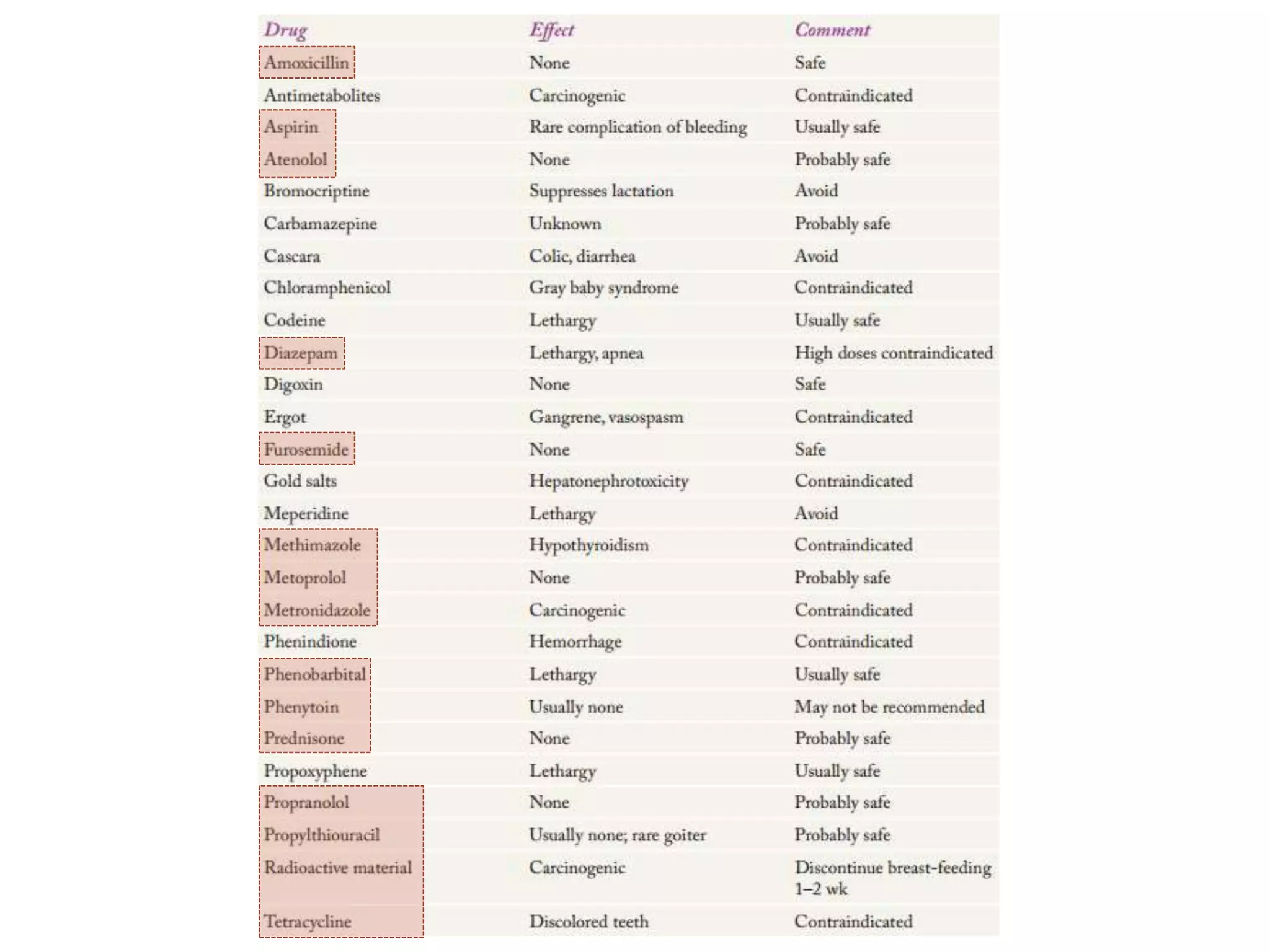
 Metronidazole, sulfonamides, antithyroid, lithium,
drugs of abuse, radioactive dyes, anticancer agents,
isoniazid
 Transmission of contaminants (cigarettes,
alcohol)
 Metabolic diseases in the baby
Nutritional issues with breastfeeding
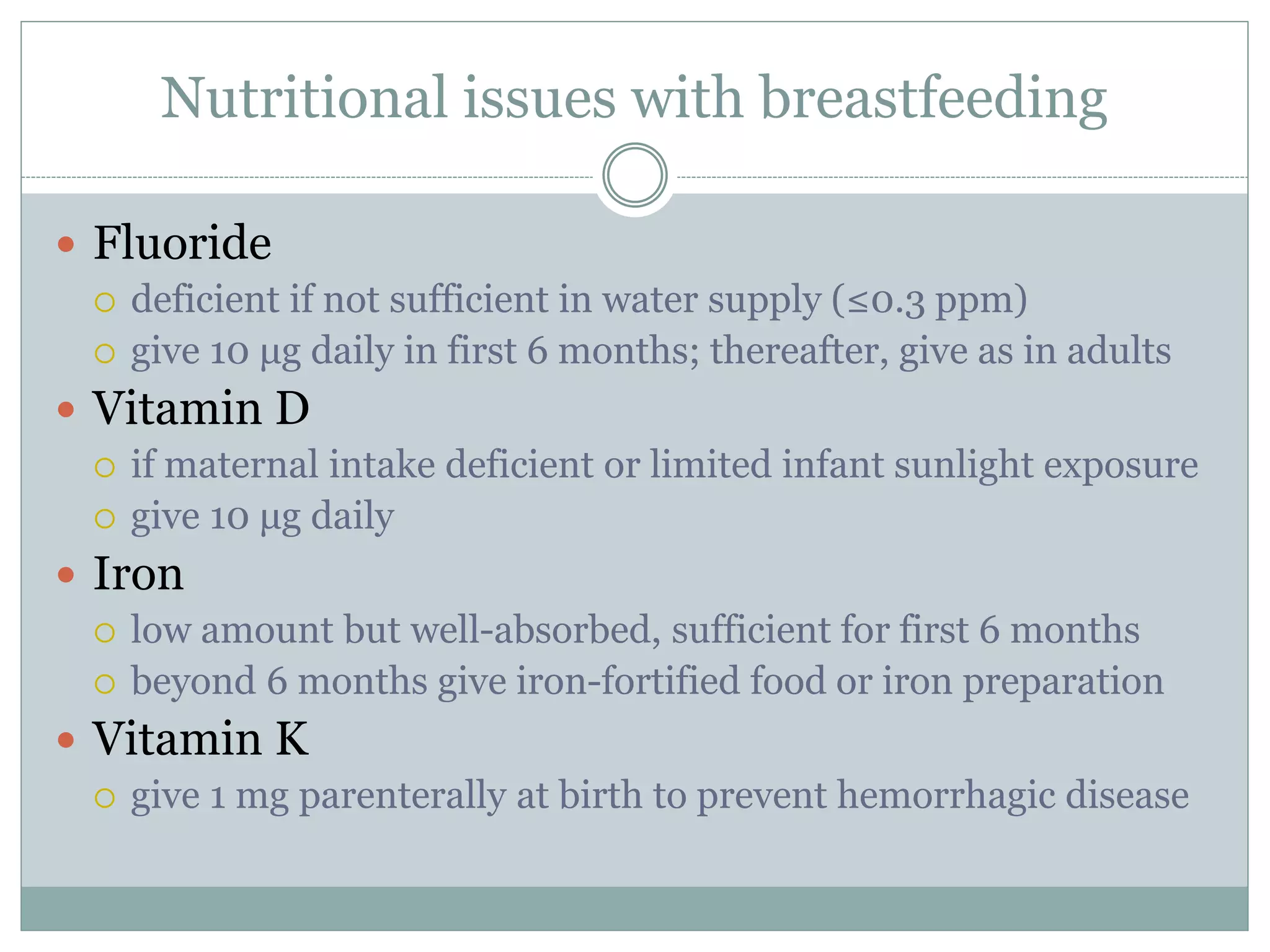
 Fluoride
 deficient if not sufficient in water supply (≤0.3 ppm)
 give 10 μg daily in first 6 months; thereafter, give as in adults
 Vitamin D
 if maternal intake deficient or limited infant sunlight exposure
 give 10 μg daily
 Iron
 low amount but well-absorbed, sufficient for first 6 months
 beyond 6 months give iron-fortified food or iron preparation
 Vitamin K
 give 1 mg parenterally at birth to prevent hemorrhagic disease
Formula feeding
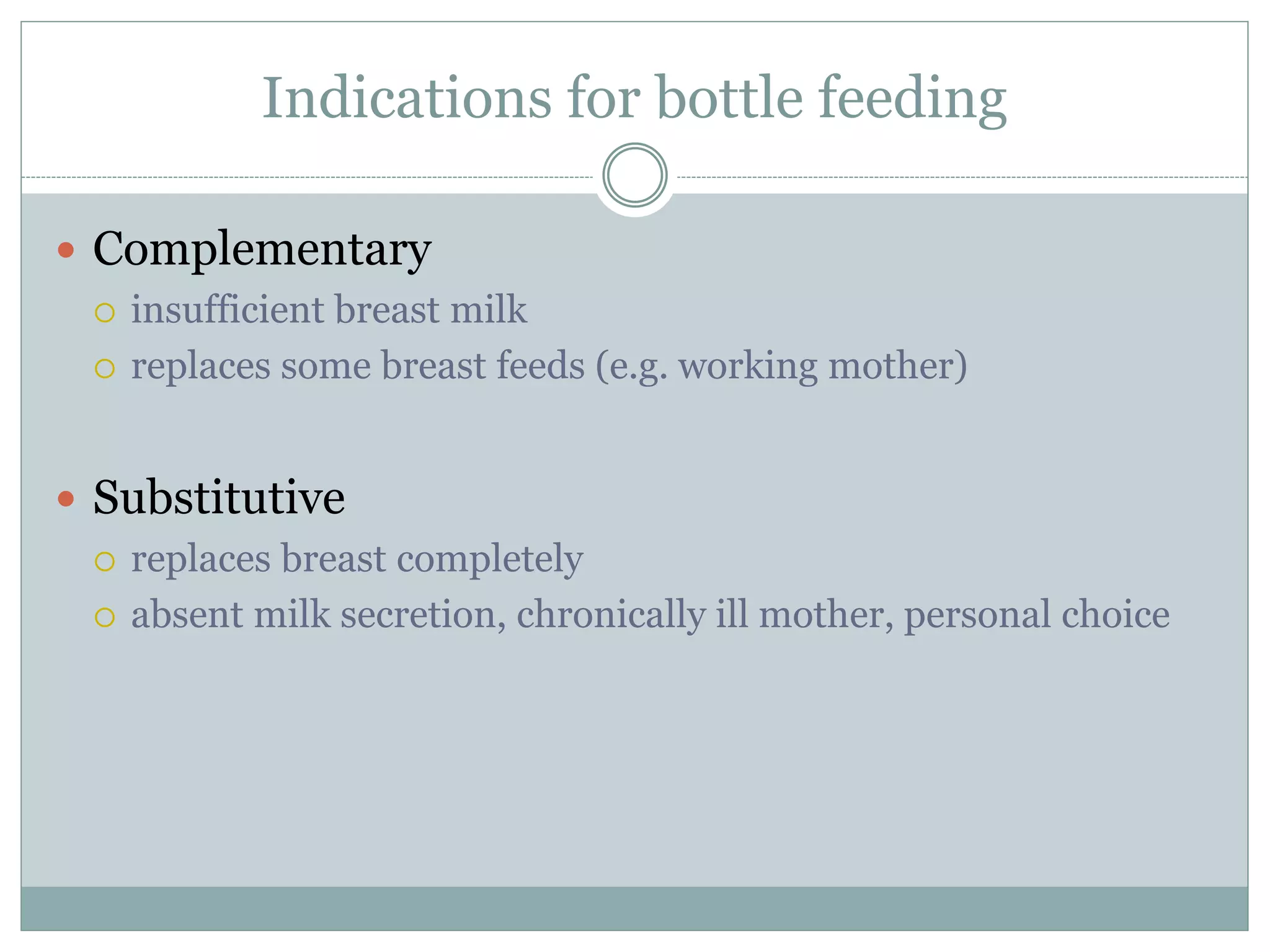
Indications for bottle feeding
 Complementary
 insufficient breast milk
 replaces some breast feeds (e.g. working mother)
 Substitutive
 replaces breast completely
 absent milk secretion, chronically ill mother, personal choice
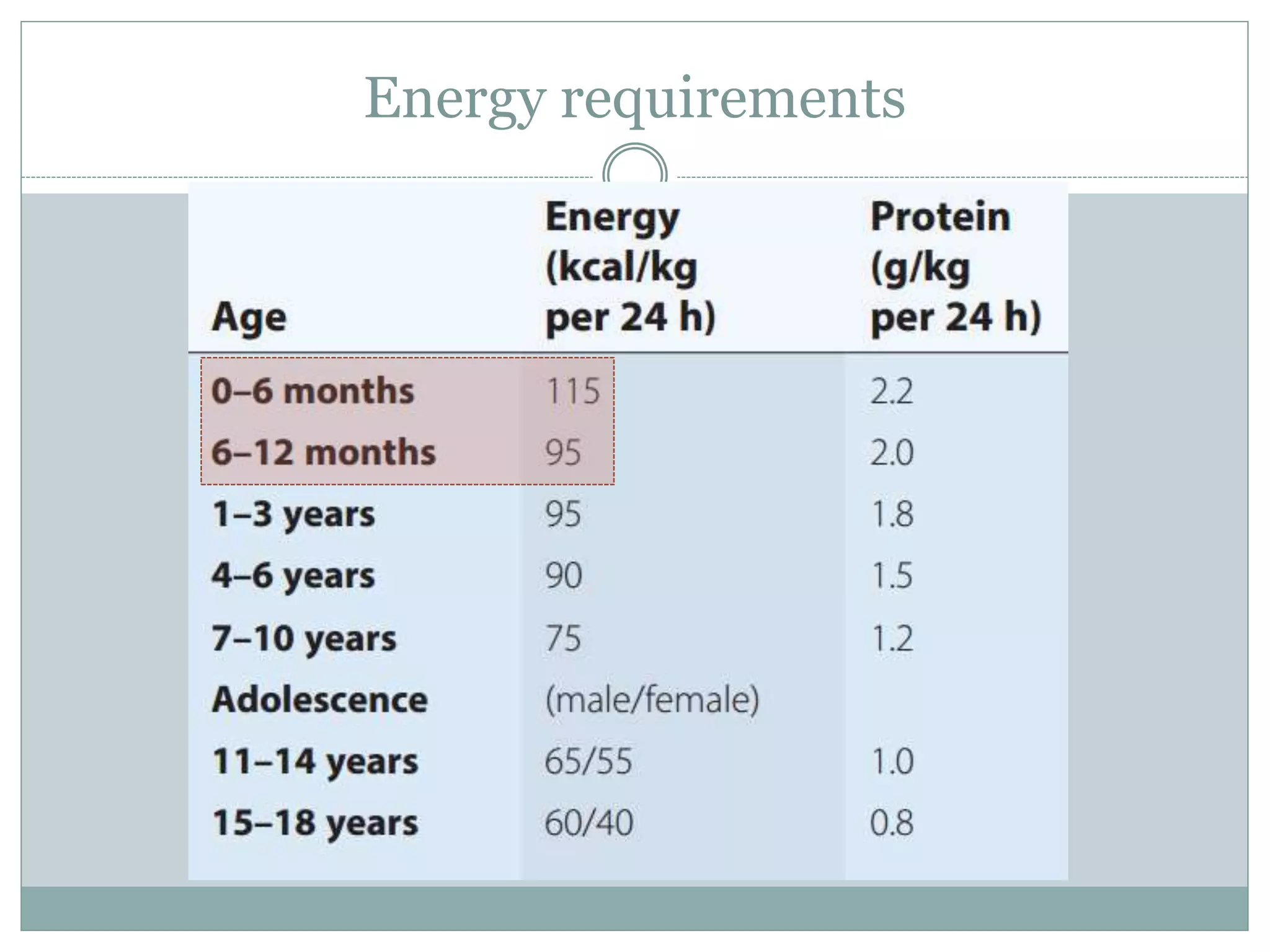
Energy requirements
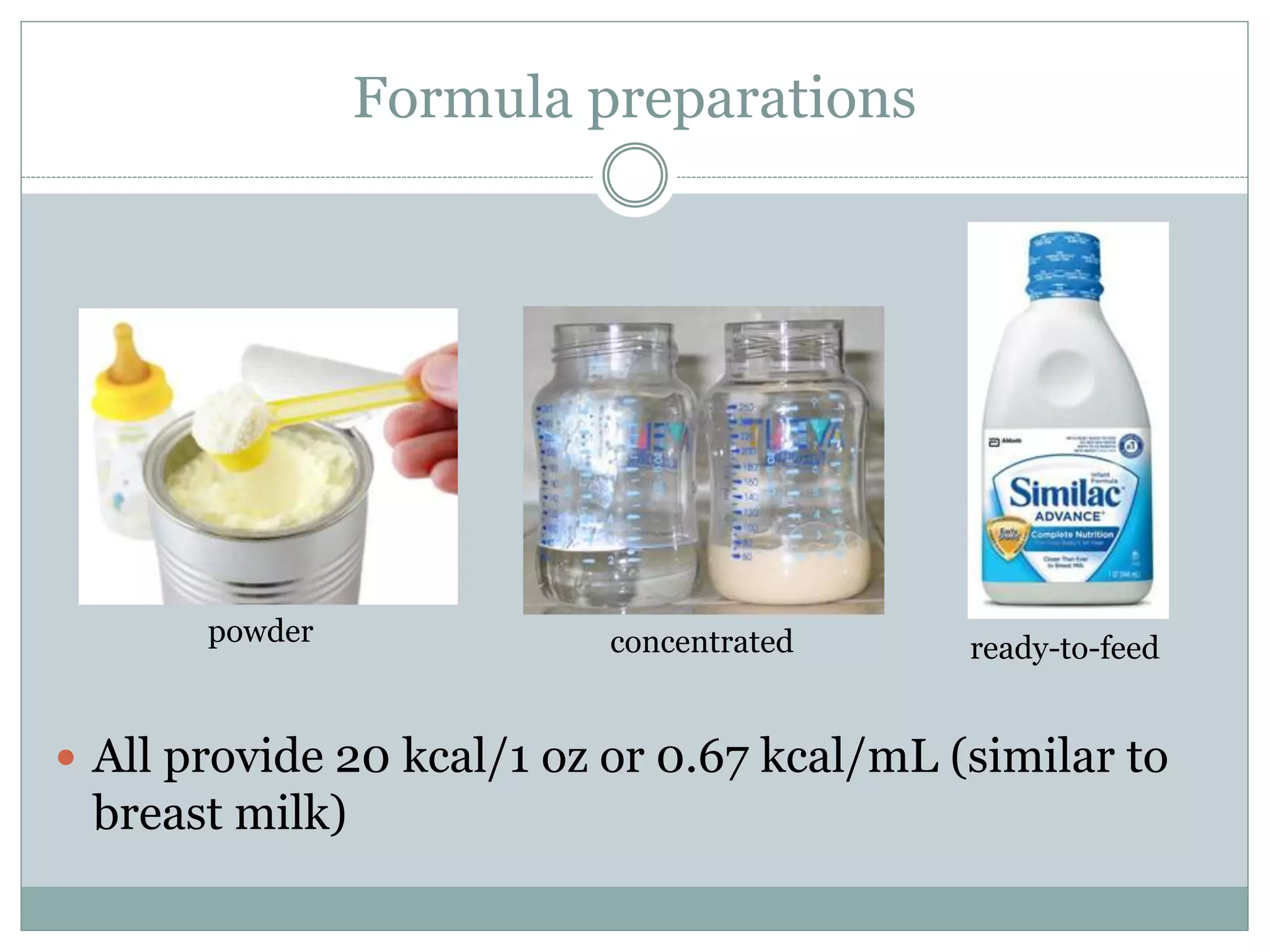
Formula preparations
 All provide 20 kcal/1 oz or 0.67 kcal/mL (similar to
breast milk)
powder concentrated ready-to-feed
Bottle feeding how-to
 Number and interval of feeds
 from ≥ 8/day after birth to 3-4/day at 1 year
 duration of each feed: 5-25 min
 interval between feeds: 3-5 hours
 around-the-clock feeding in first 2-3 months
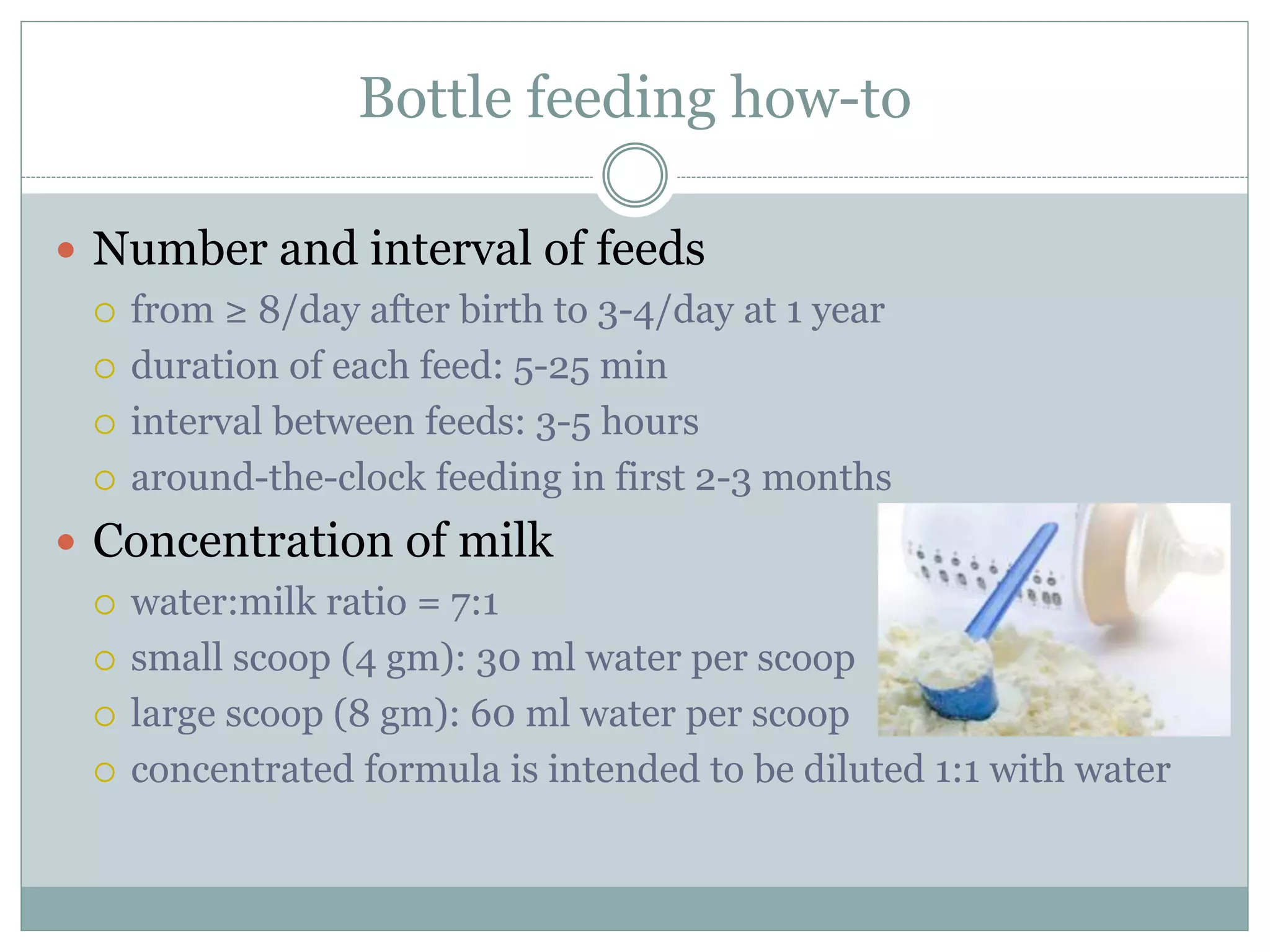
 Concentration of milk
 water:milk ratio = 7:1
 small scoop (4 gm): 30 ml water per scoop
 large scoop (8 gm): 60 ml water per scoop
 concentrated formula is intended to be diluted 1:1 with water
Bottle feeding how-to
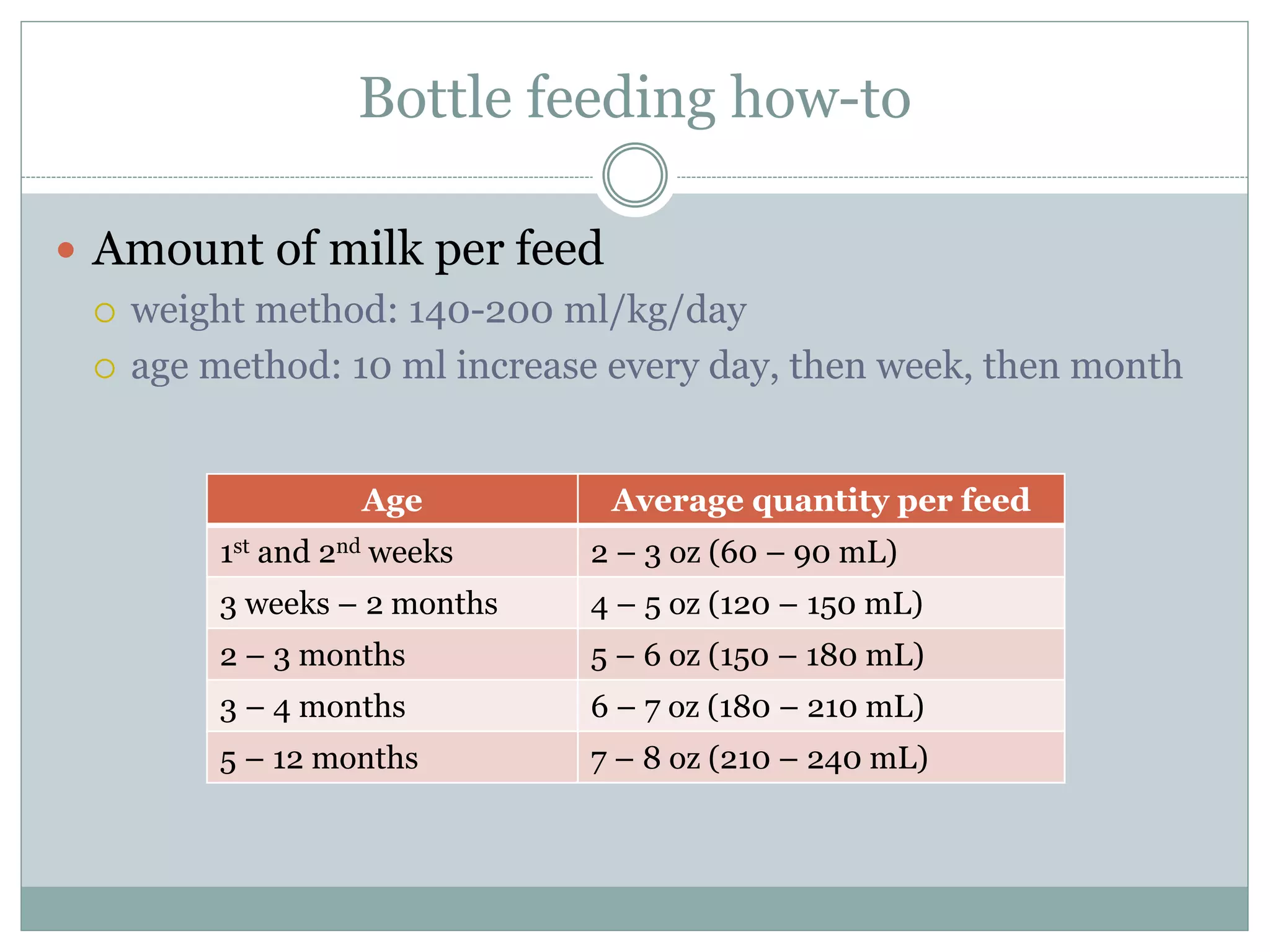
 Amount of milk per feed
 weight method: 140-200 ml/kg/day
 age method: 10 ml increase every day, then week, then month
Age Average quantity per feed
1st and 2nd weeks 2 – 3 oz (60 – 90 mL)
3 weeks – 2 months 4 – 5 oz (120 – 150 mL)
2 – 3 months 5 – 6 oz (150 – 180 mL)
3 – 4 months 6 – 7 oz (180 – 210 mL)
5 – 12 months 7 – 8 oz (210 – 240 mL)
Bottle feeding how-to
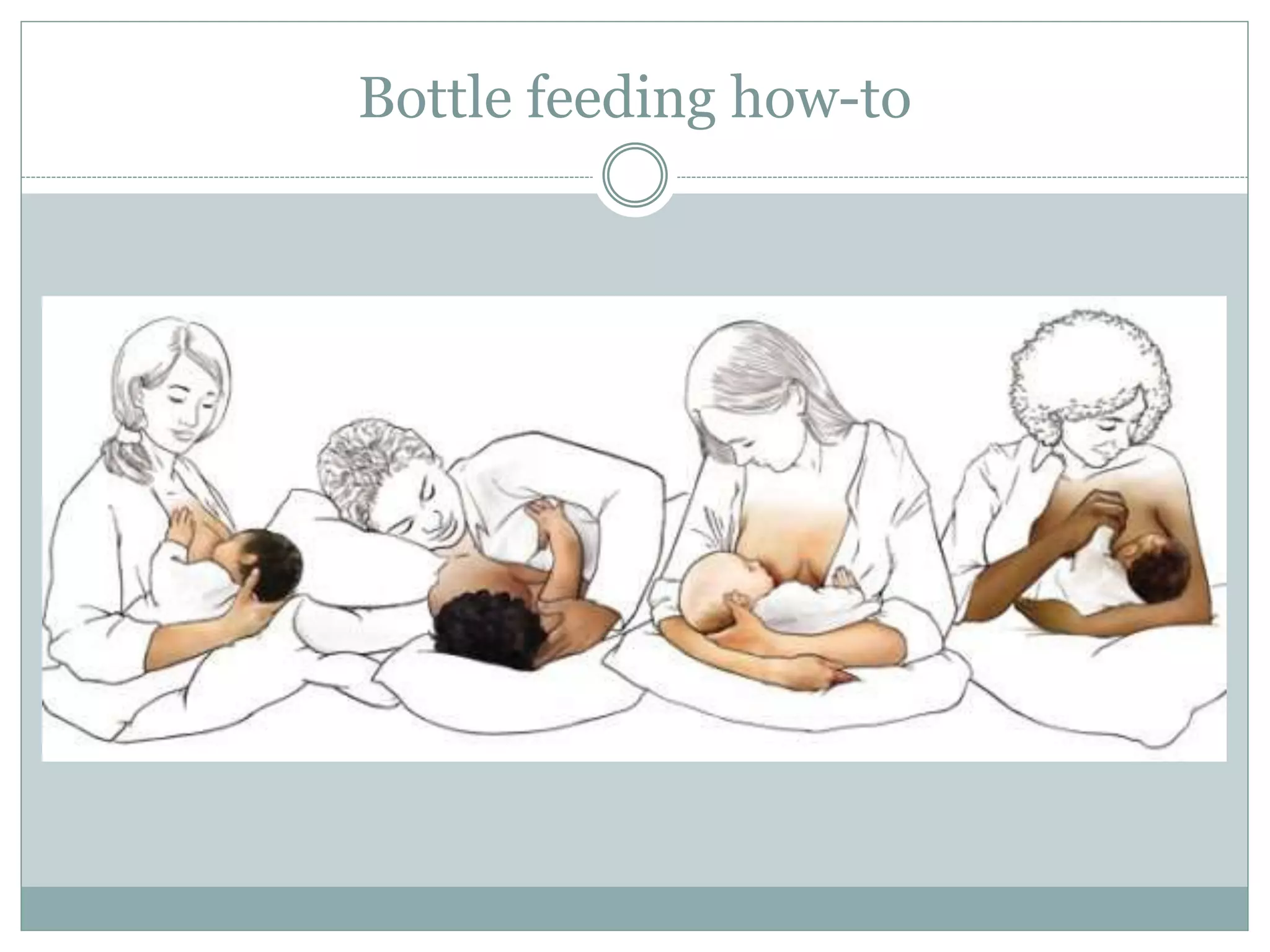
 Position: same as for breastfeeding
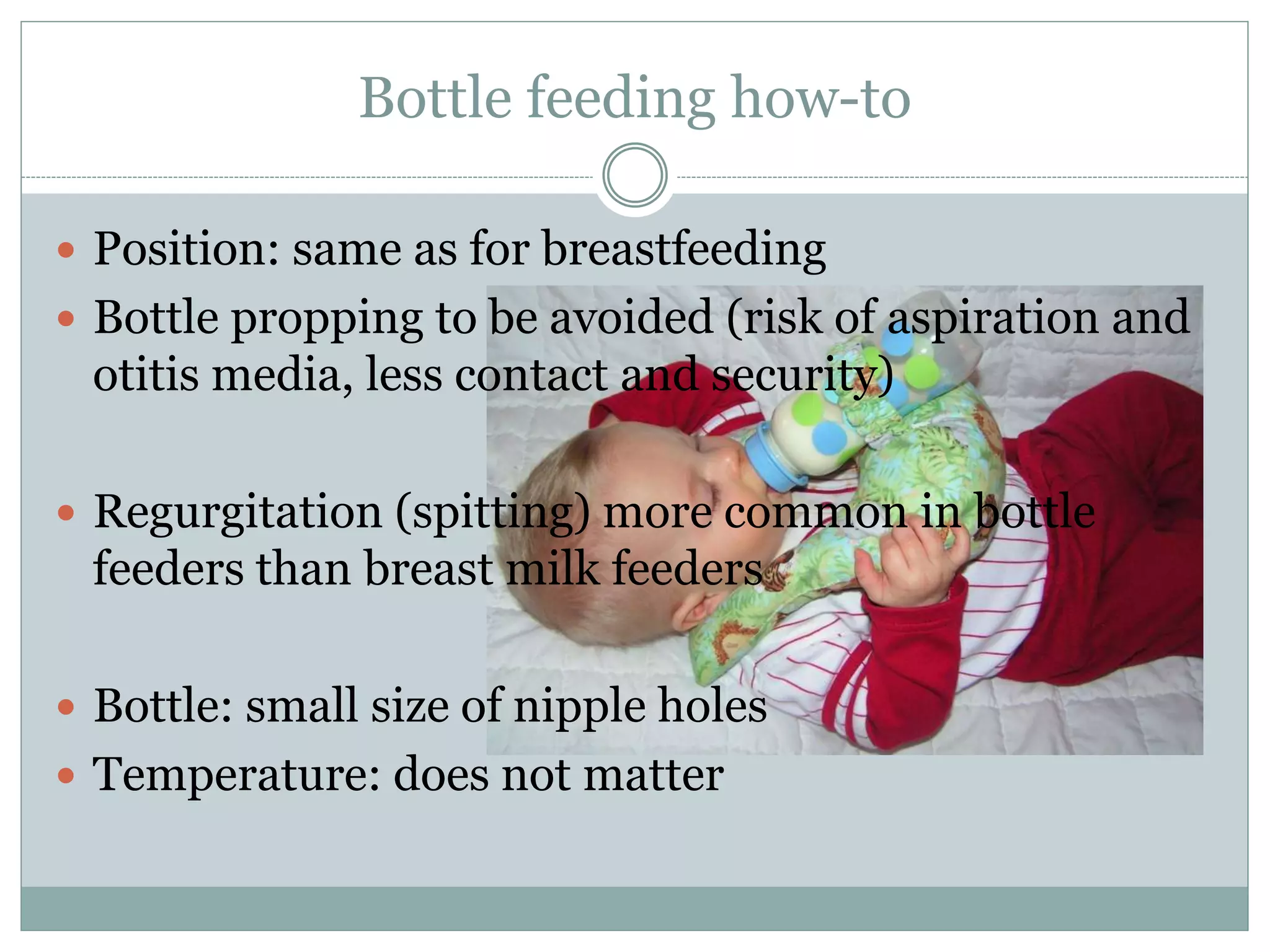
 Bottle propping to be avoided (risk of aspiration and
otitis media, less contact and security)
 Regurgitation (spitting) more common in bottle
feeders than breast milk feeders
 Bottle: small size of nipple holes
 Temperature: does not matter
Bottle feeding how-to
Adequacy of feeding
 Infant is satisfied after each feed (vs crying
vigorously or sucking on a fist)
 Sleeps 2-4 hr between feedings (vs sleeping 1-2 hrs)
 Wetting between four and six diapers each day
 Gains weight adequately
C O W M I L K - B A S E D
S O Y
H Y D R O L Y S A T E
A M I N O A C I D
O T H E R S
M E T A B O L I C
Types of formulas
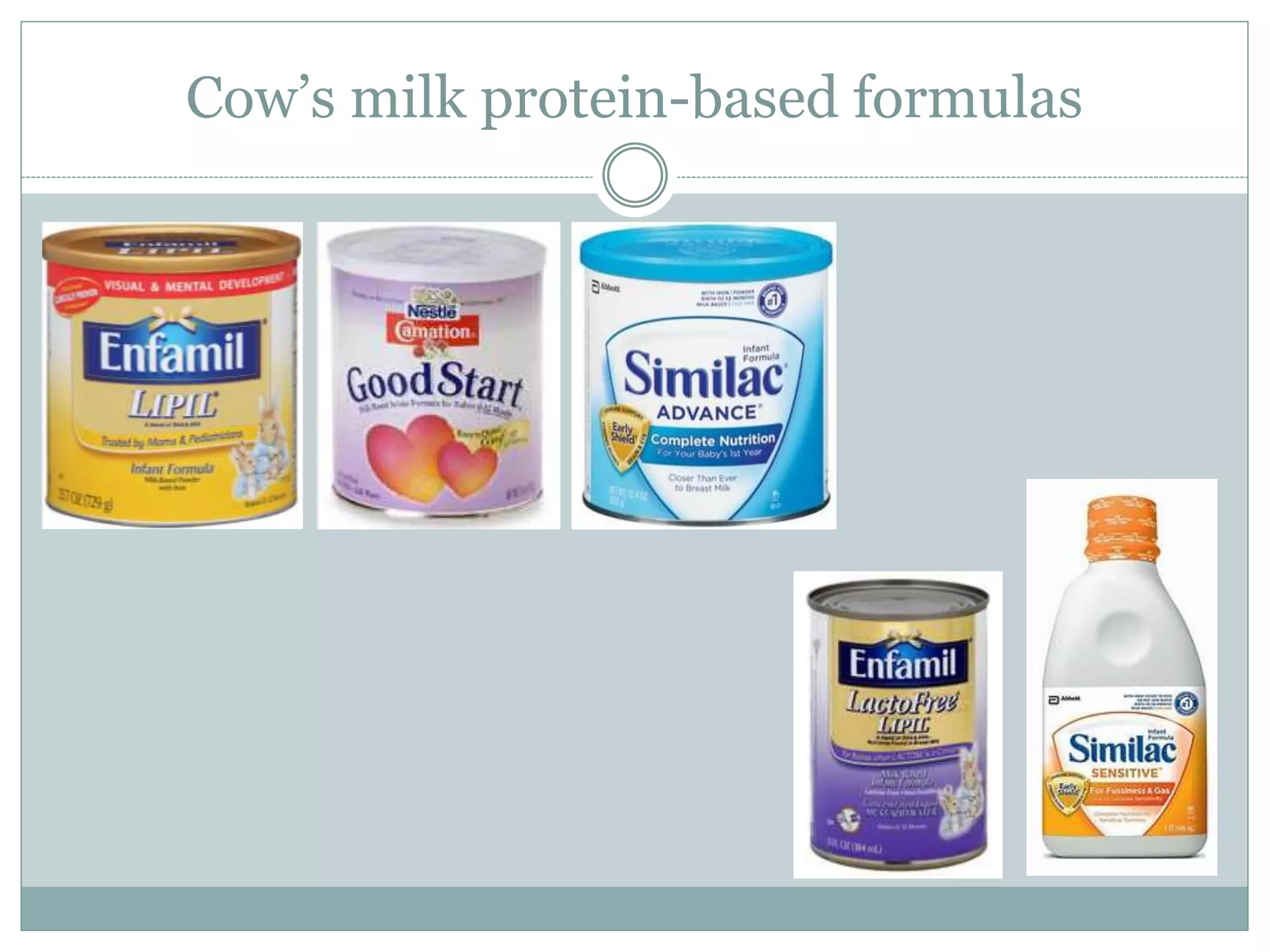
Cow’s milk protein-based formulas
 Protein concentration 1.45 to 1.6 g/dL vs ~1 g/dL
in breast milk
 Whey:casein ratio is 18:82 to 60:40 (or even 100%
whey)
 The predominant whey protein is β-globulin in
bovine milk and α-lactalbumin in human milk.
 No clinically significant difference demonstrated
Cow’s milk protein-based formulas
 Fat source is plant or plant and animal mixture
 All infant formulas supplemented with LCPUFAs,
DHA, and ARA
 ARA and DHA concentrations in human milk vary by
geographic region and maternal diet.
 DHA and ARA supplementation has positive effects on visual
acuity and neurocognitive development.
 No consistent beneficial effect of LCPUFAs supplementation
 Carbohydrate type in cow formula is lactose;
formulas for older infants might contain starch and
other complex carbohydrates
Cow’s milk protein-based formulas
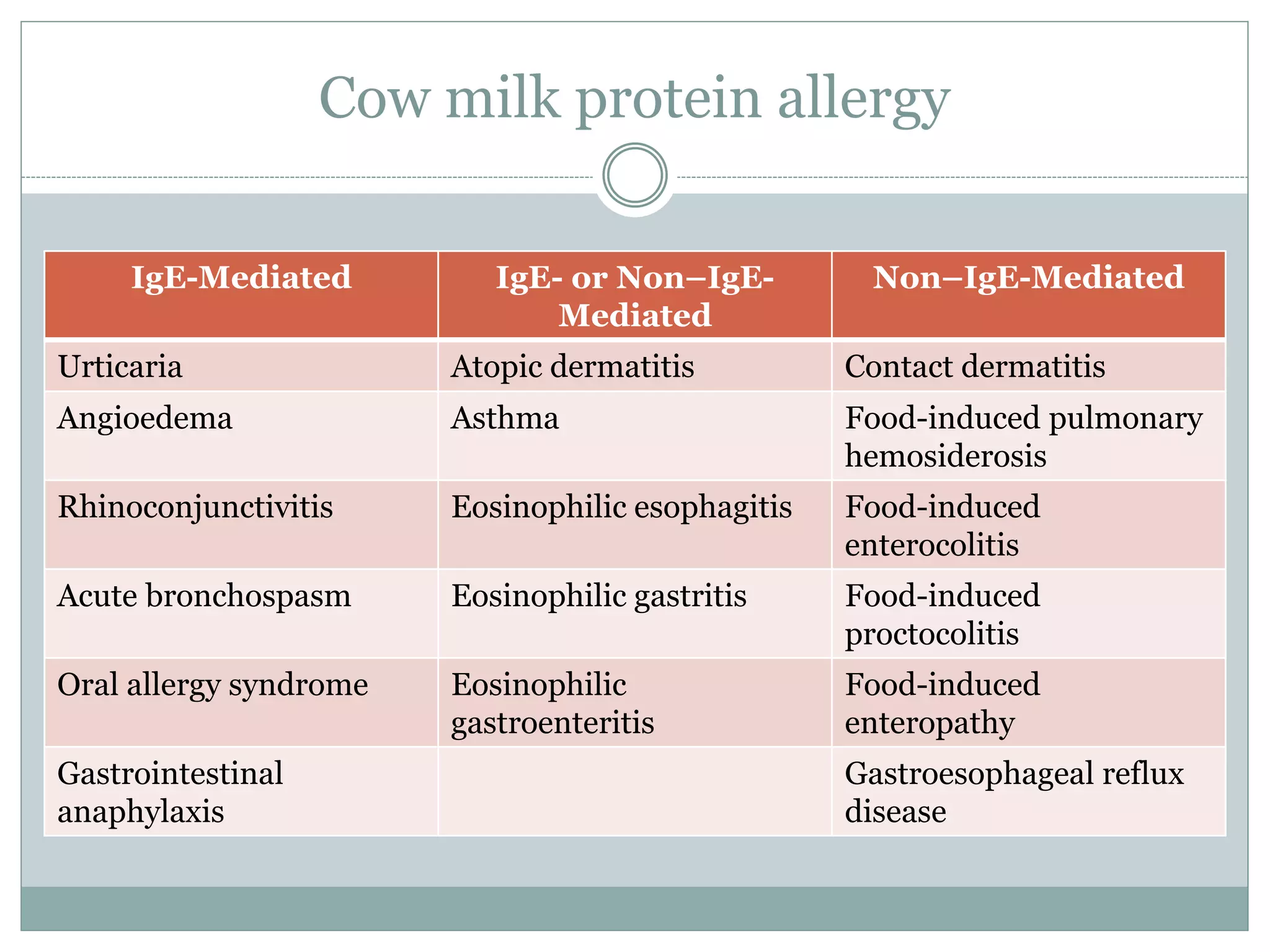
Cow milk protein allergy
IgE-Mediated IgE- or Non–IgE-
Mediated
Non–IgE-Mediated
Urticaria Atopic dermatitis Contact dermatitis
Angioedema Asthma Food-induced pulmonary
hemosiderosis
Rhinoconjunctivitis Eosinophilic esophagitis Food-induced
enterocolitis
Acute bronchospasm Eosinophilic gastritis Food-induced
proctocolitis
Oral allergy syndrome Eosinophilic
gastroenteritis
Food-induced
enteropathy
Gastrointestinal
anaphylaxis
Gastroesophageal reflux
disease
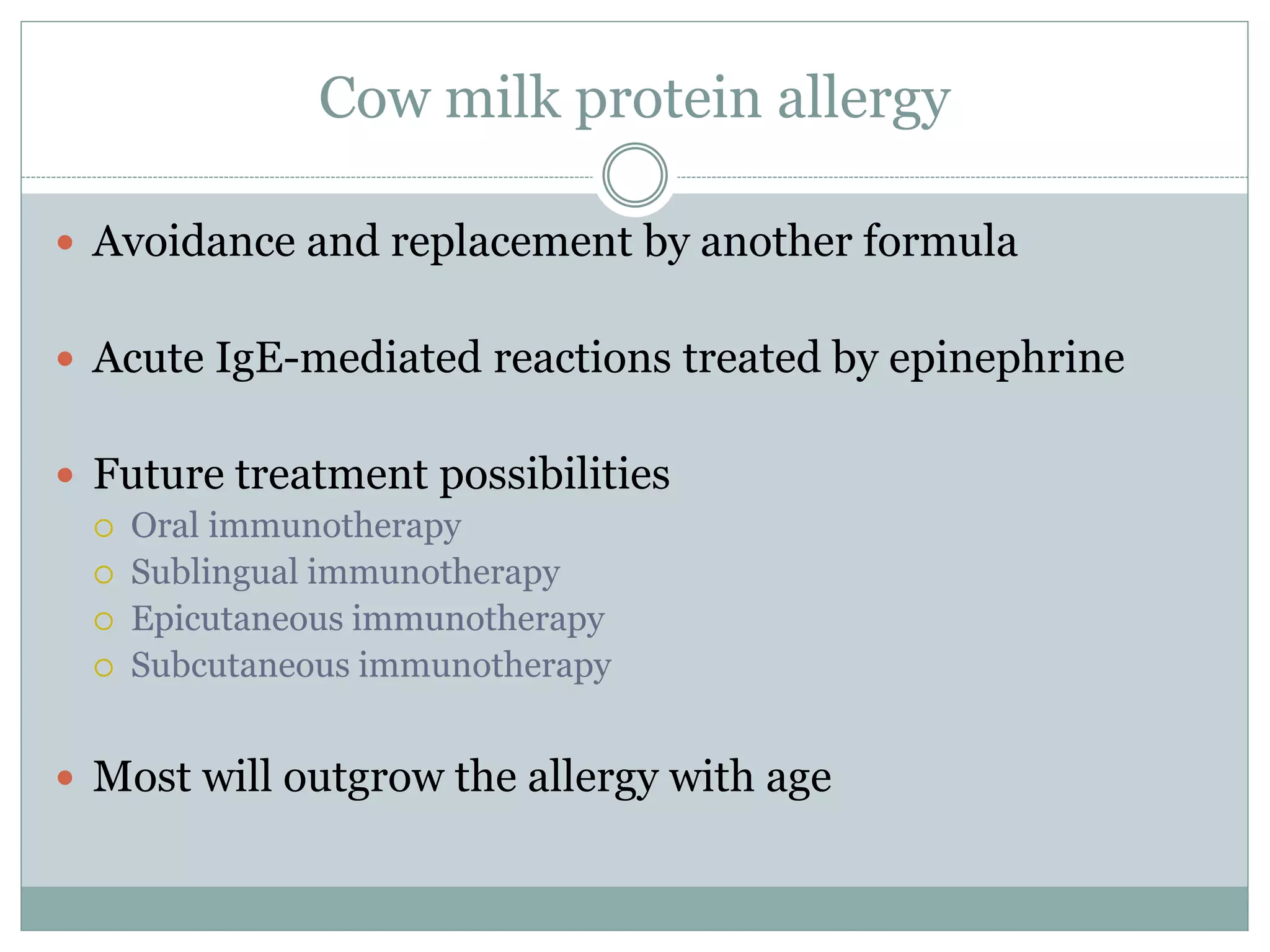
Cow milk protein allergy
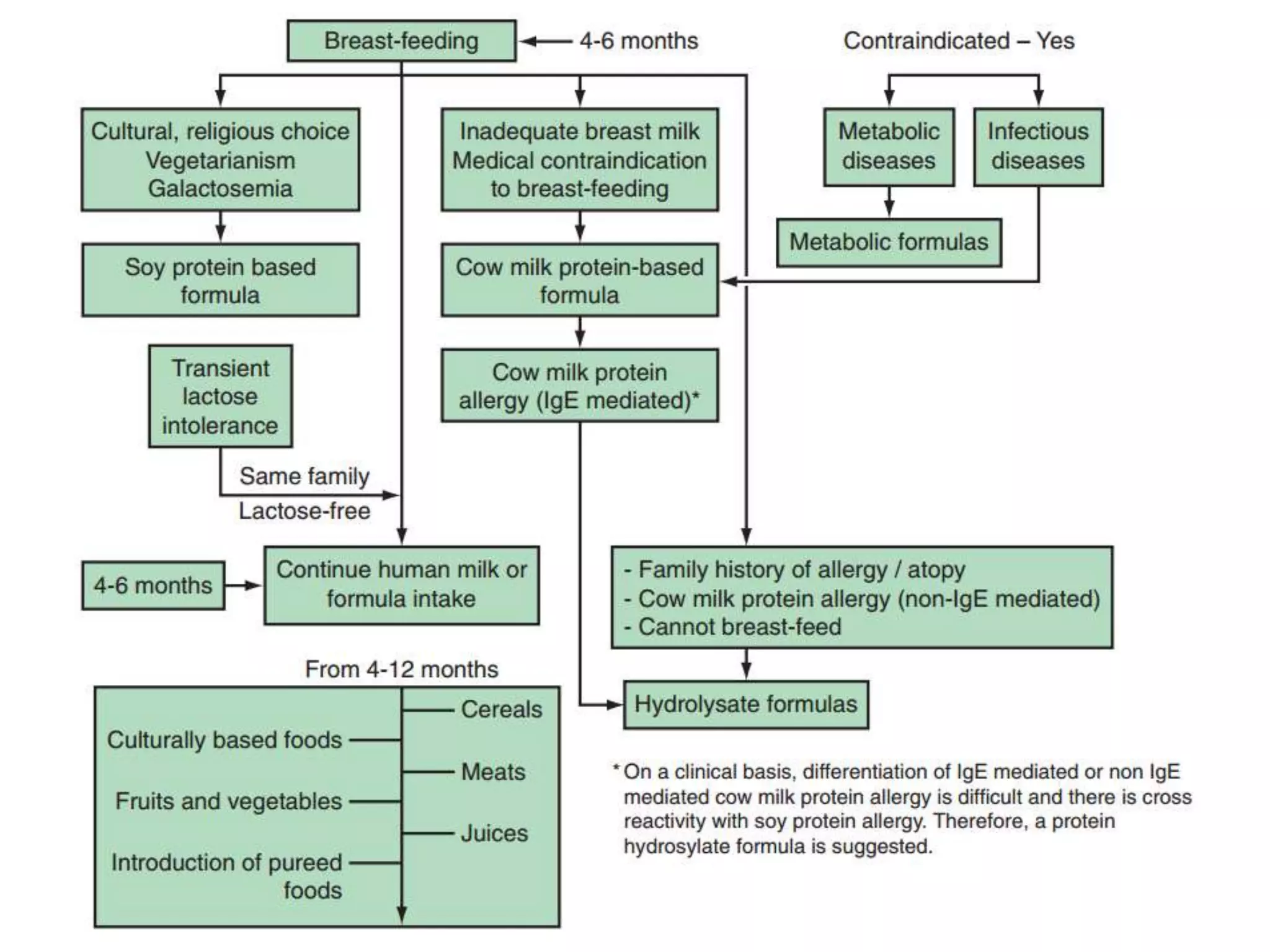
 Avoidance and replacement by another formula
 Acute IgE-mediated reactions treated by epinephrine
 Future treatment possibilities
 Oral immunotherapy
 Sublingual immunotherapy
 Epicutaneous immunotherapy
 Subcutaneous immunotherapy
 Most will outgrow the allergy with age
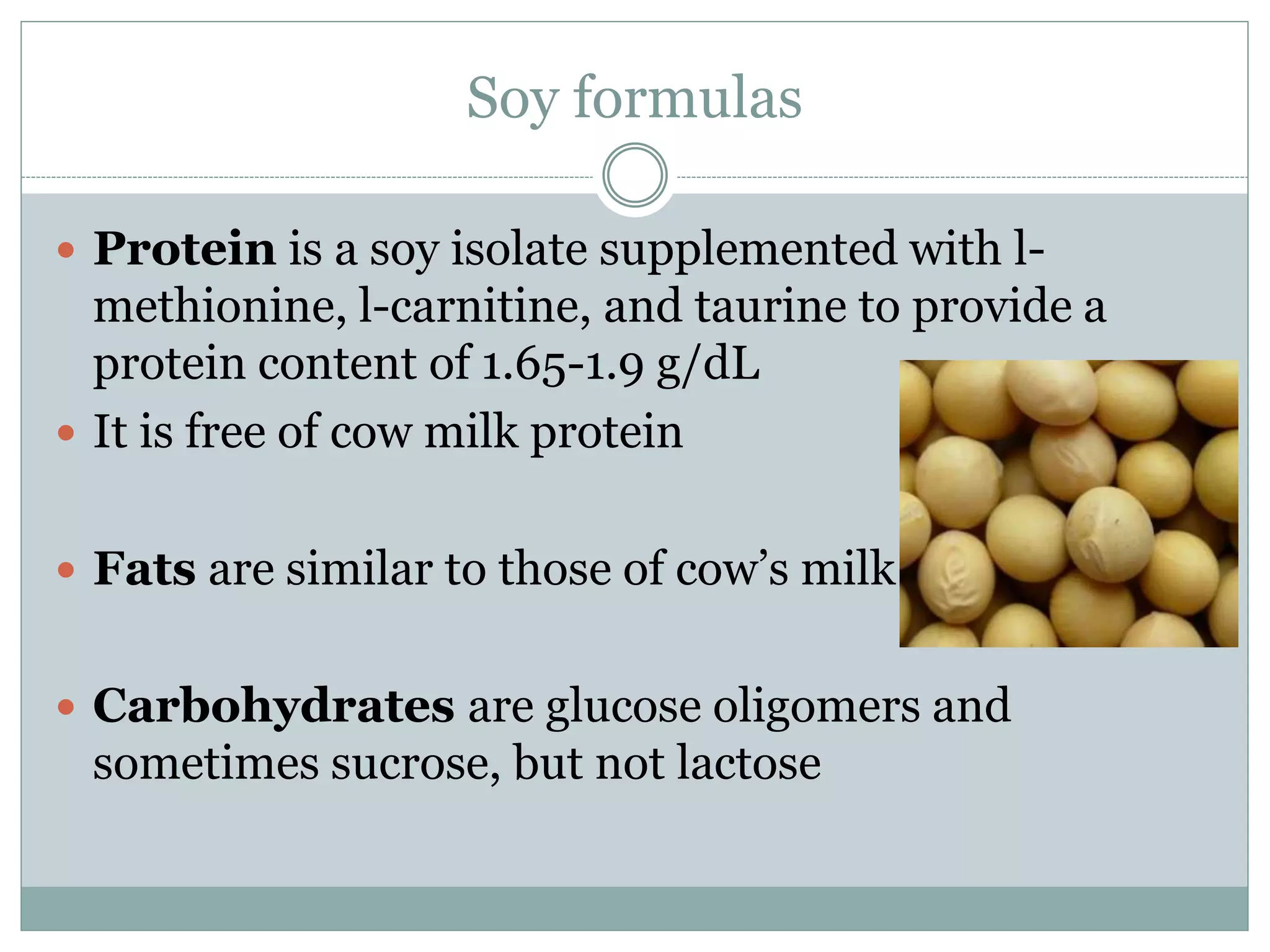
Soy formulas
 Protein is a soy isolate supplemented with l-
methionine, l-carnitine, and taurine to provide a
protein content of 1.65-1.9 g/dL
 It is free of cow milk protein
 Fats are similar to those of cow’s milk
 Carbohydrates are glucose oligomers and
sometimes sucrose, but not lactose
Soy formulas
 Indications for use
 Hereditary lactase deficiency or secondary lactose intolerance
(e.g. after gastroenteritis)
 Galactosemia
 Vegetarian diet
 ??? Cow milk protein allergy (enteropathy or enterocolitis)
 No proven benefit in infantile colic, fussiness, or
atopic disease
 Should not be given to LBW preterm infants
 Problem of phytoestrogens???
Soy formulas
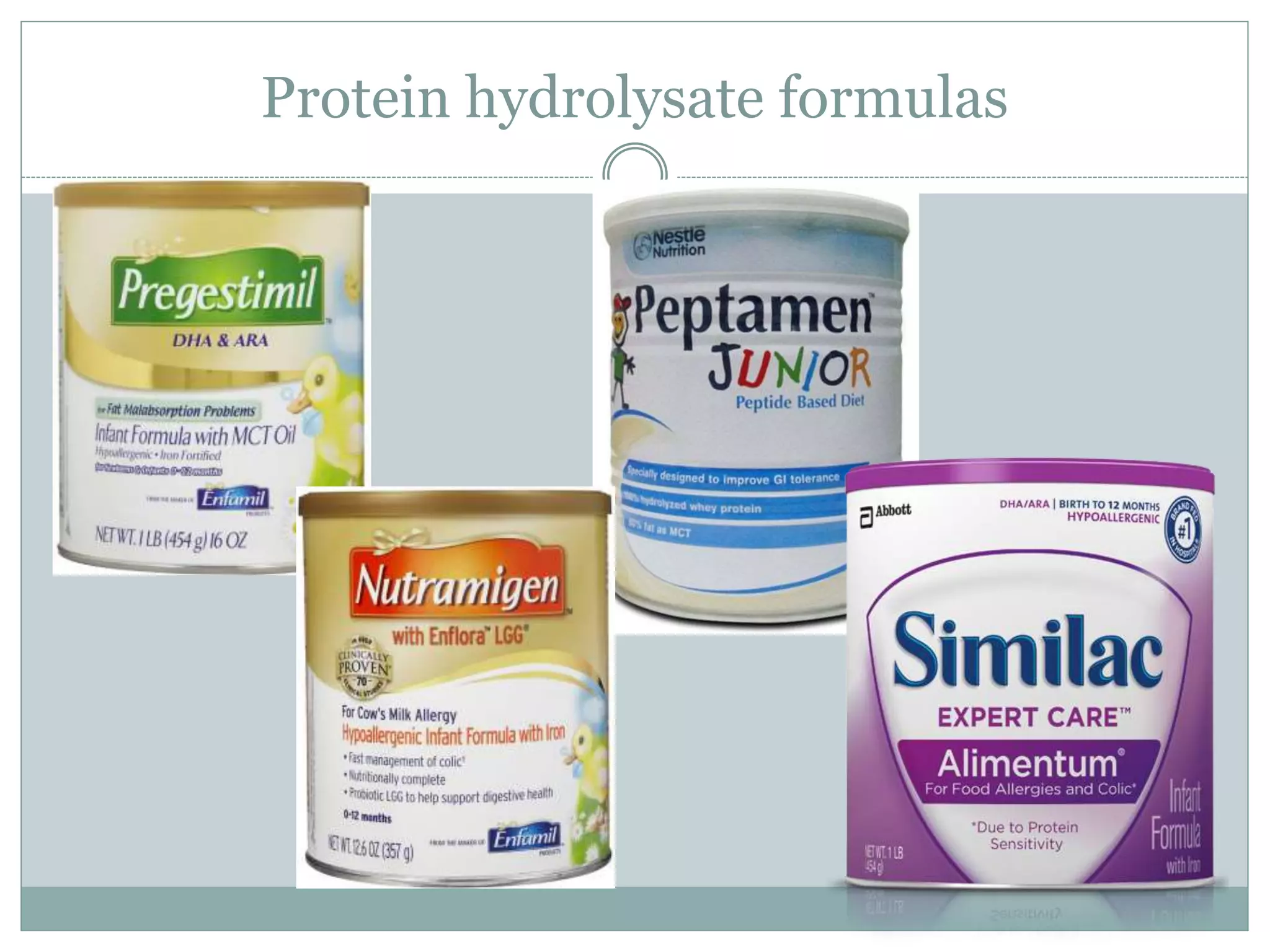
Protein hydrolysate formulas
 Proteins can be partially hydrolyzed (MW < 5000
d) or extensively hydrolyzed (MW < 3000 d) casein
 Fats similar to those in cow milk formula, and can
include MCTs
 Carbohydrates are corn maltodextrin or syrup
solids, and do not contain lactose
Protein hydrolysate formulas
 Indications for use
 Cow milk protein intolerance
 Soy protein intolerance
 Lactose intolerance and galactosemia
 Malabsorption due to cystic fibrosis, short gut syndrome,
cholestasis, mucosal atrophy or injury, and prolonged diarrhea
 Can be protective against atopic disease (especially
extensively hydrolyzed formulas)
 Not all hydrolysate formulas are created equal!
Protein hydrolysate formulas
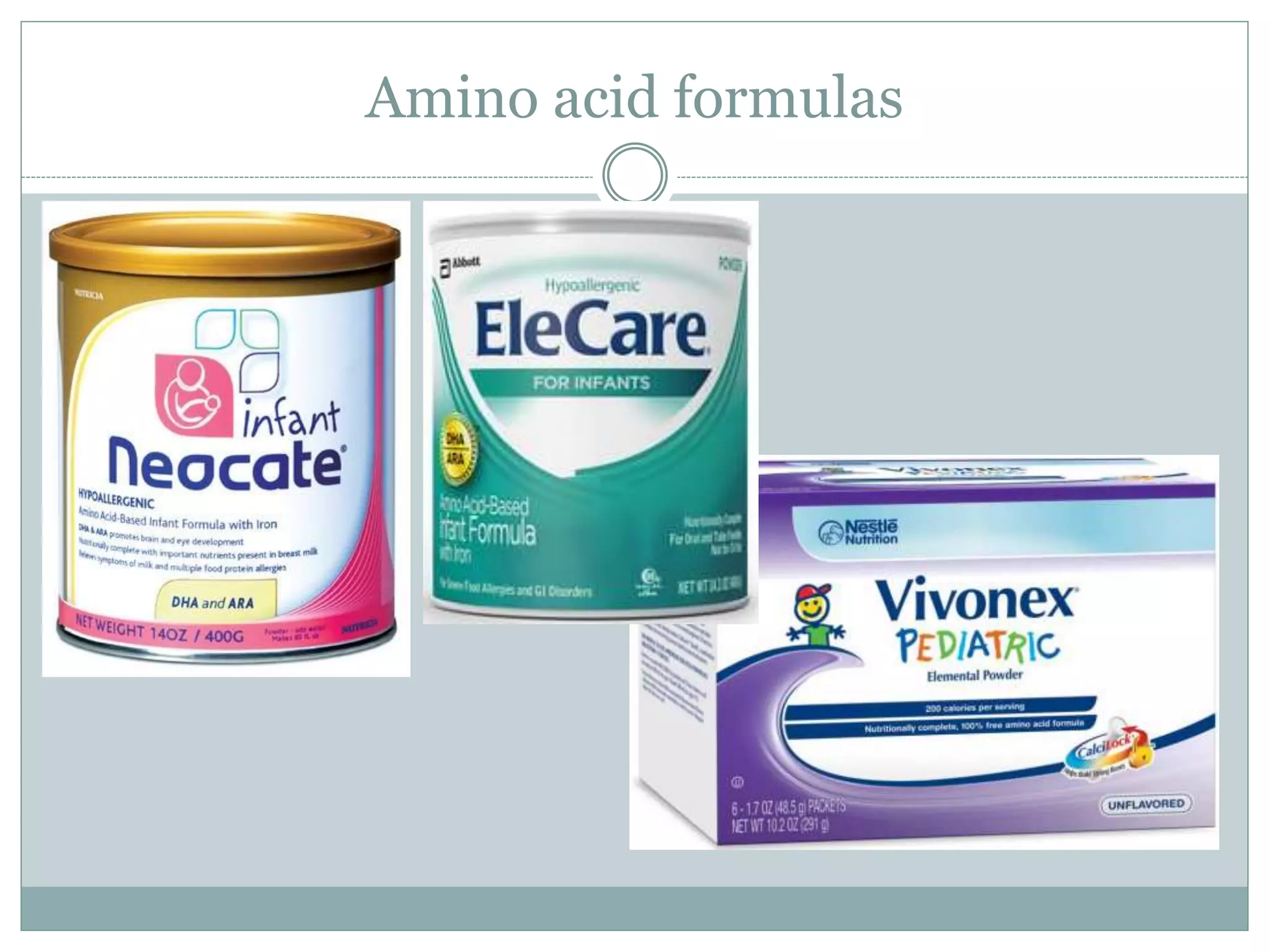
Amino acid formulas
 No proteins, only amino acids (mixture of essential
and non-essential amino acids)
 Indications:
 dairy protein allergy not responding to hydrolysate formulas
 intestinal transplant
 Effect on prevention of atopic disease not studied
Amino acid formulas
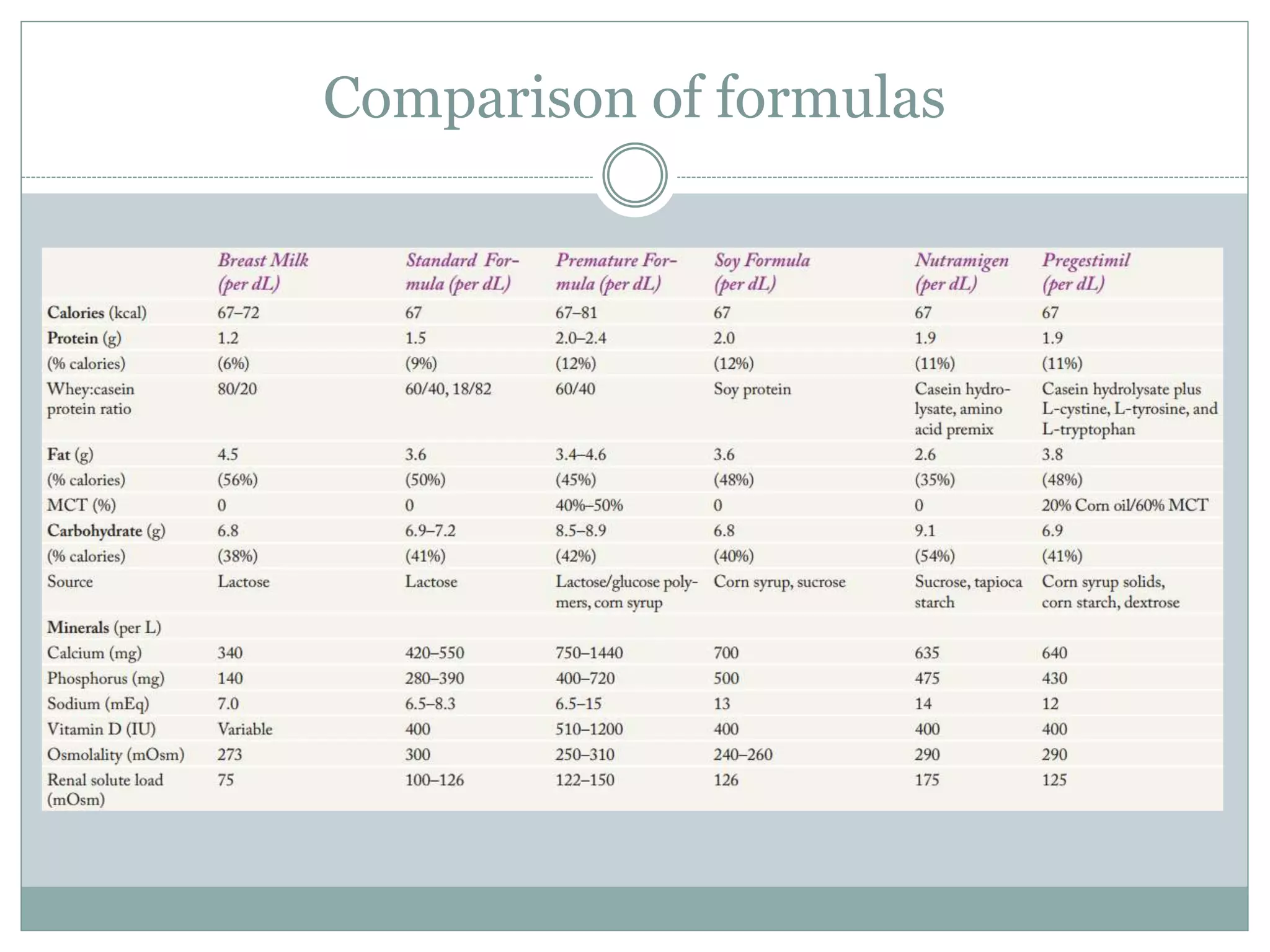
Comparison of formulas
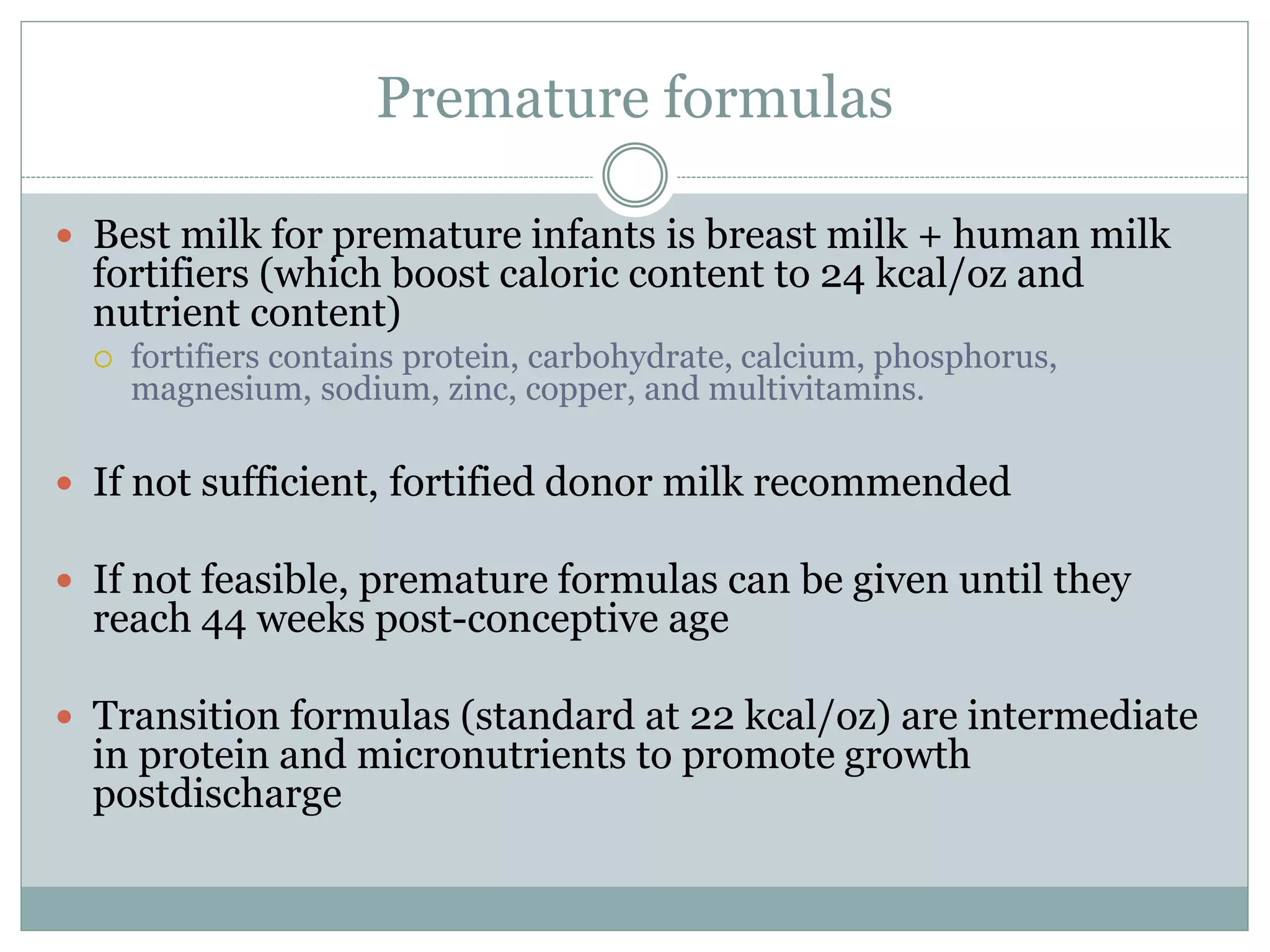
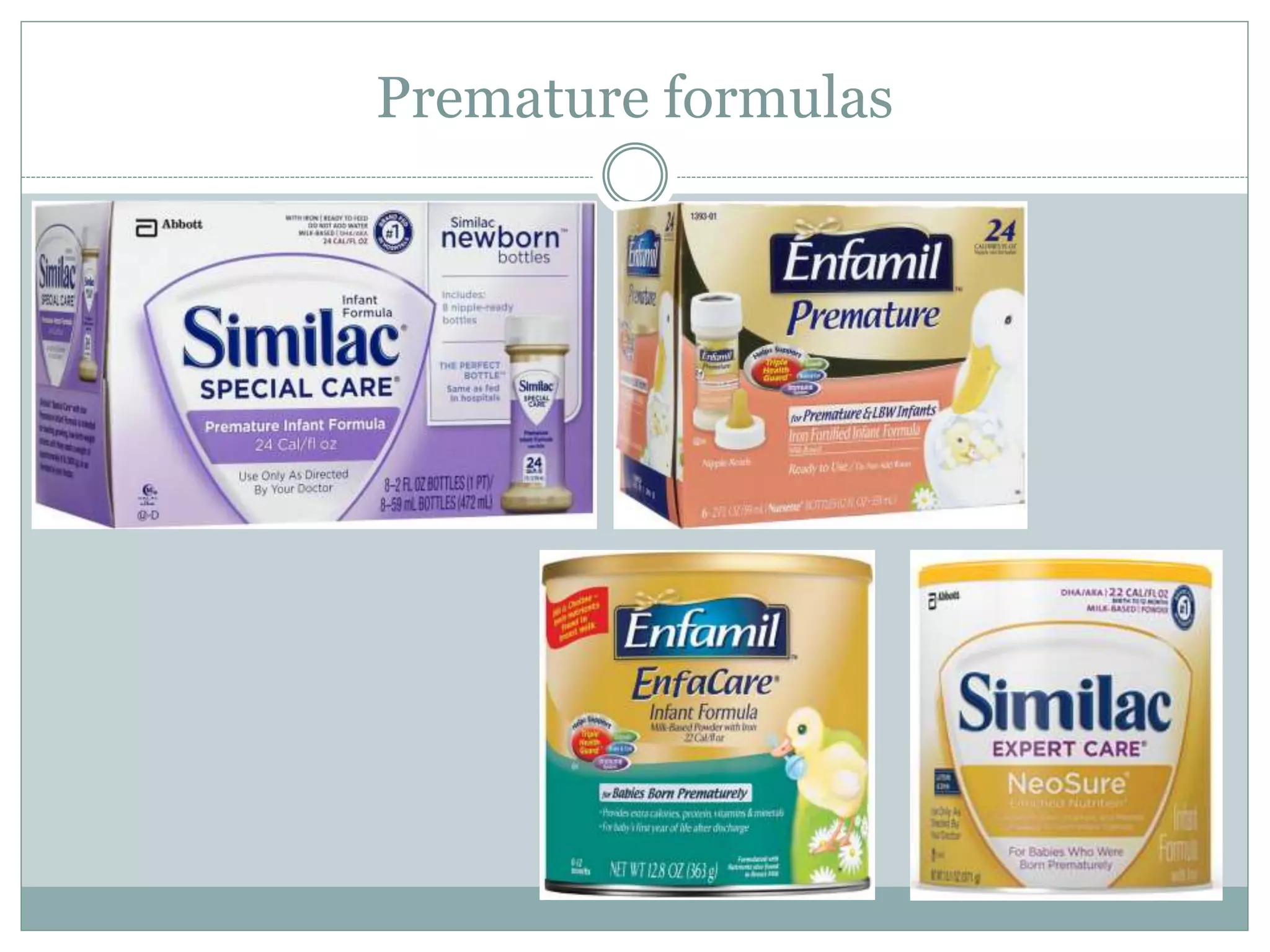
Premature formulas
 Best milk for premature infants is breast milk + human milk
fortifiers (which boost caloric content to 24 kcal/oz and
nutrient content)
 fortifiers contains protein, carbohydrate, calcium, phosphorus,
magnesium, sodium, zinc, copper, and multivitamins.
 If not sufficient, fortified donor milk recommended
 If not feasible, premature formulas can be given until they
reach 44 weeks post-conceptive age
 Transition formulas (standard at 22 kcal/oz) are intermediate
in protein and micronutrients to promote growth
postdischarge
Premature formulas
Other formulas
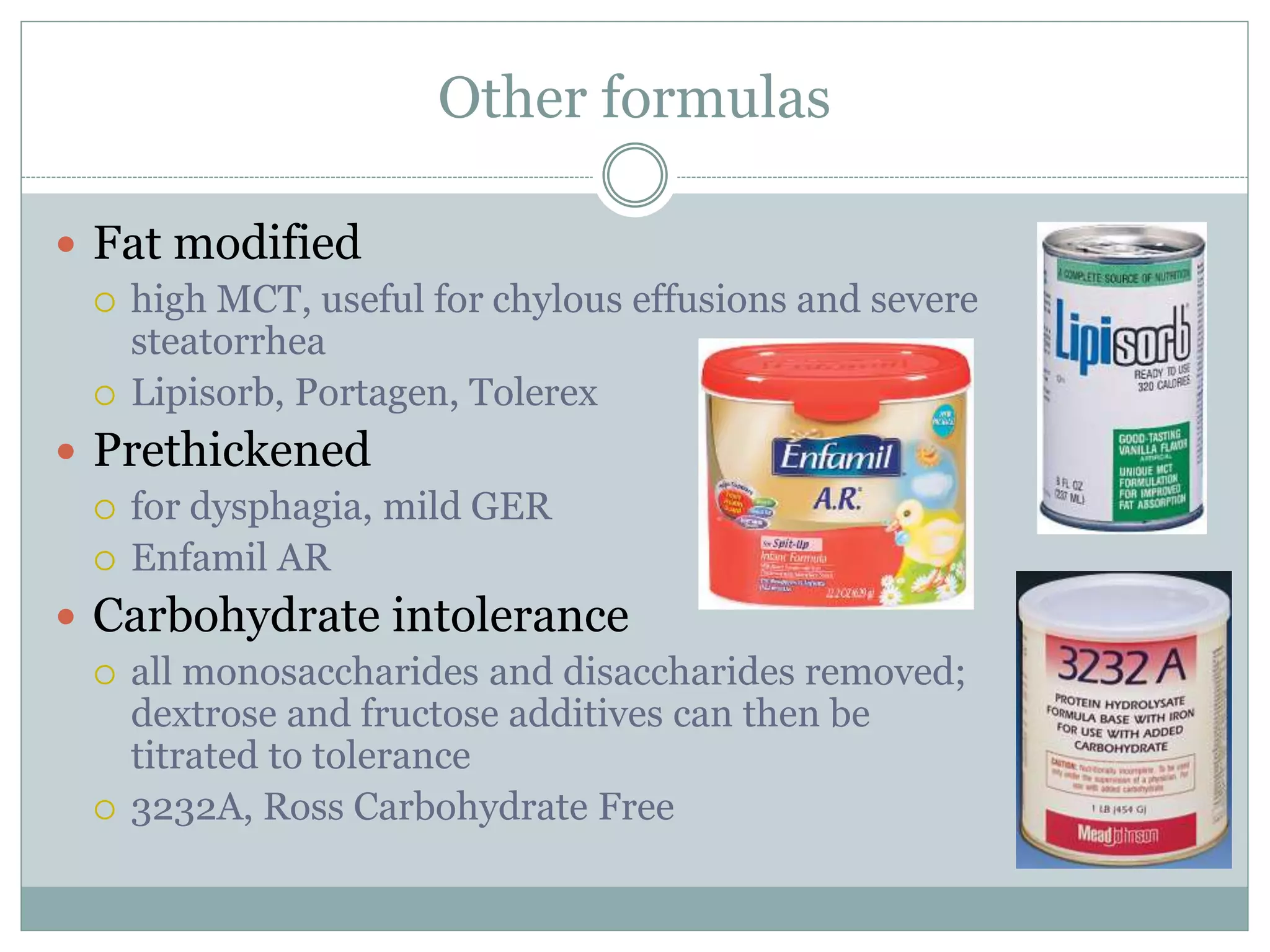
 Fat modified
 high MCT, useful for chylous effusions and severe
steatorrhea
 Lipisorb, Portagen, Tolerex
 Prethickened
 for dysphagia, mild GER
 Enfamil AR
 Carbohydrate intolerance
 all monosaccharides and disaccharides removed;
dextrose and fructose additives can then be
titrated to tolerance
 3232A, Ross Carbohydrate Free
Other formulas
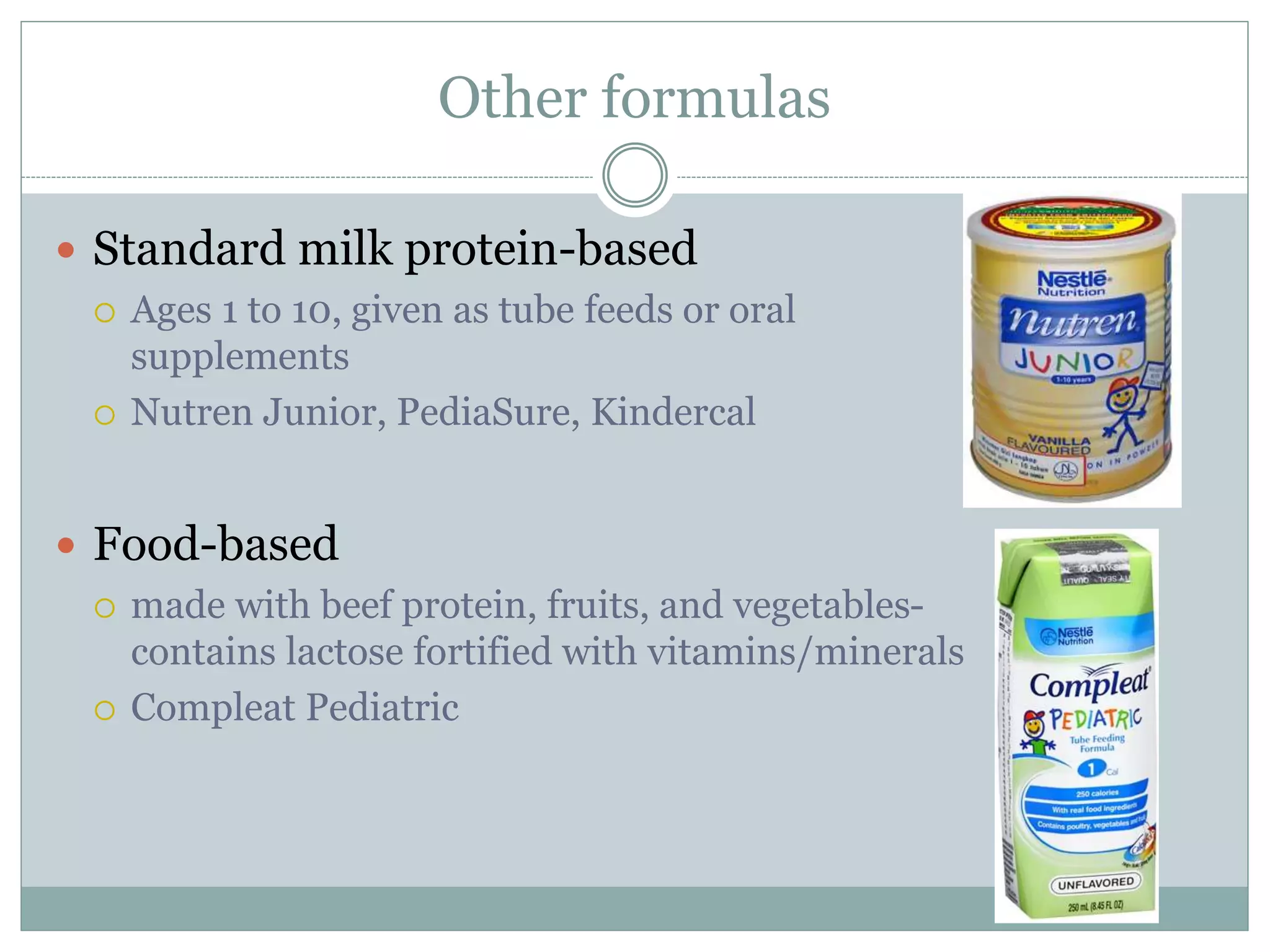
 Standard milk protein-based
 Ages 1 to 10, given as tube feeds or oral
supplements
 Nutren Junior, PediaSure, Kindercal
 Food-based
 made with beef protein, fruits, and vegetables-
contains lactose fortified with vitamins/minerals
 Compleat Pediatric
Bovine milk
 Avoid bovine milk (whole, partial fat, and skimmed cow’s
milk) before at least 1 yr of age because these infants ingest:
 ↑ protein (3 x)
 ↑ sodium (half)
 ↑ phosphorus
 ↓ linoleic acid (half)
 ↓ iron (two thirds)
 ↑ intestinal blood loss
 Why this discussion important?
 Use of skimmed milk recommended between 12-24 months of
age in those at risk of overweight or obesity.
Homemade formula
 Use only evaporated milk (not condensed milk)
 All utensils should be sterilized by boiling in
water for 5 to 10 min (rubber nipples for no
more than 5 minutes)
 Quart (32 oz) bottle are easiest to use
 1 can (13 oz) of evaporated milk + tap water + 2
tablespoons of cane sugar
 Stir well and terminally heat
 This will make enough formula for 1 day of the
infant’s needs. Each supply must be made no
more than 1 day at a time.
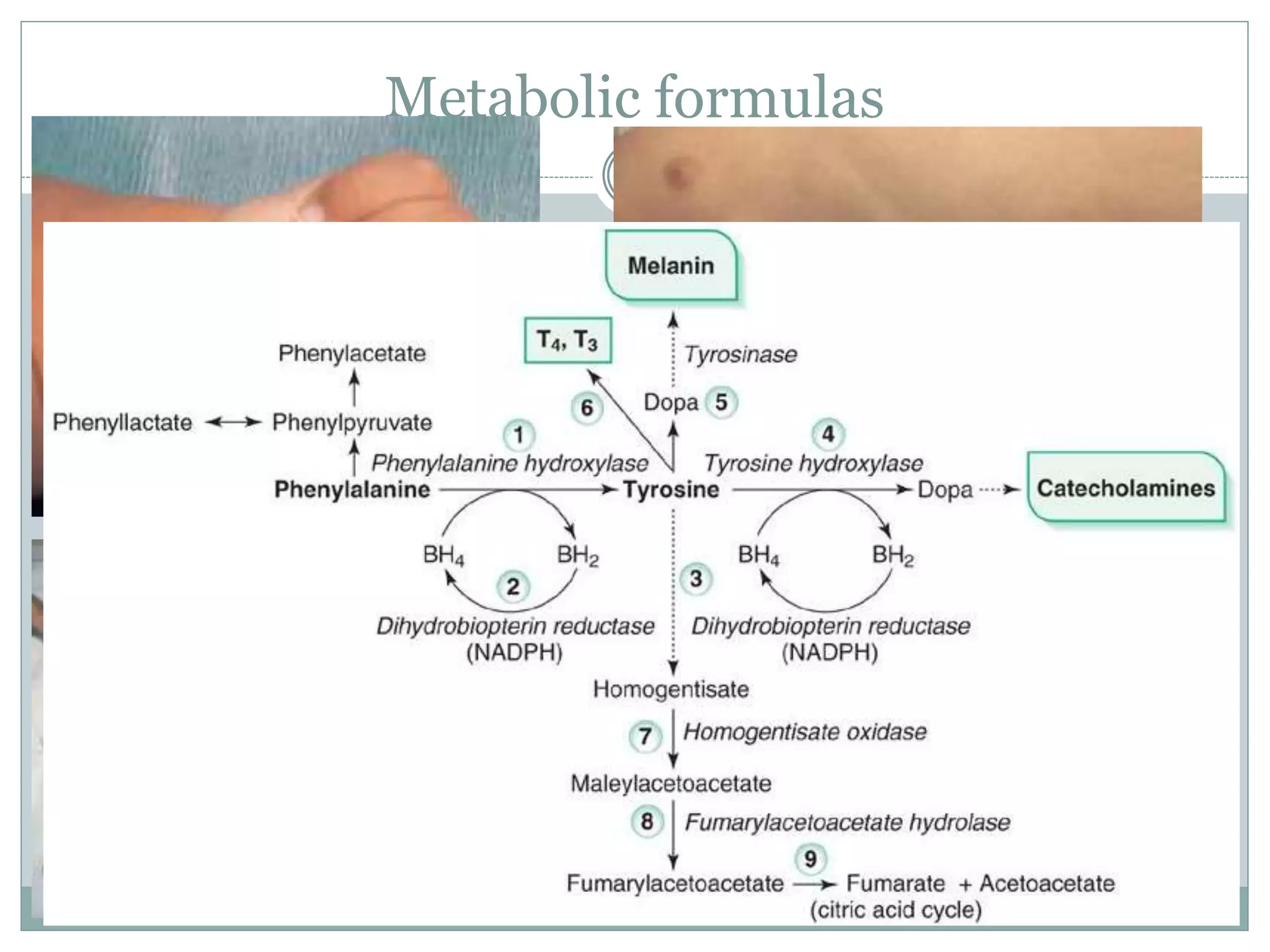
Metabolic formulas
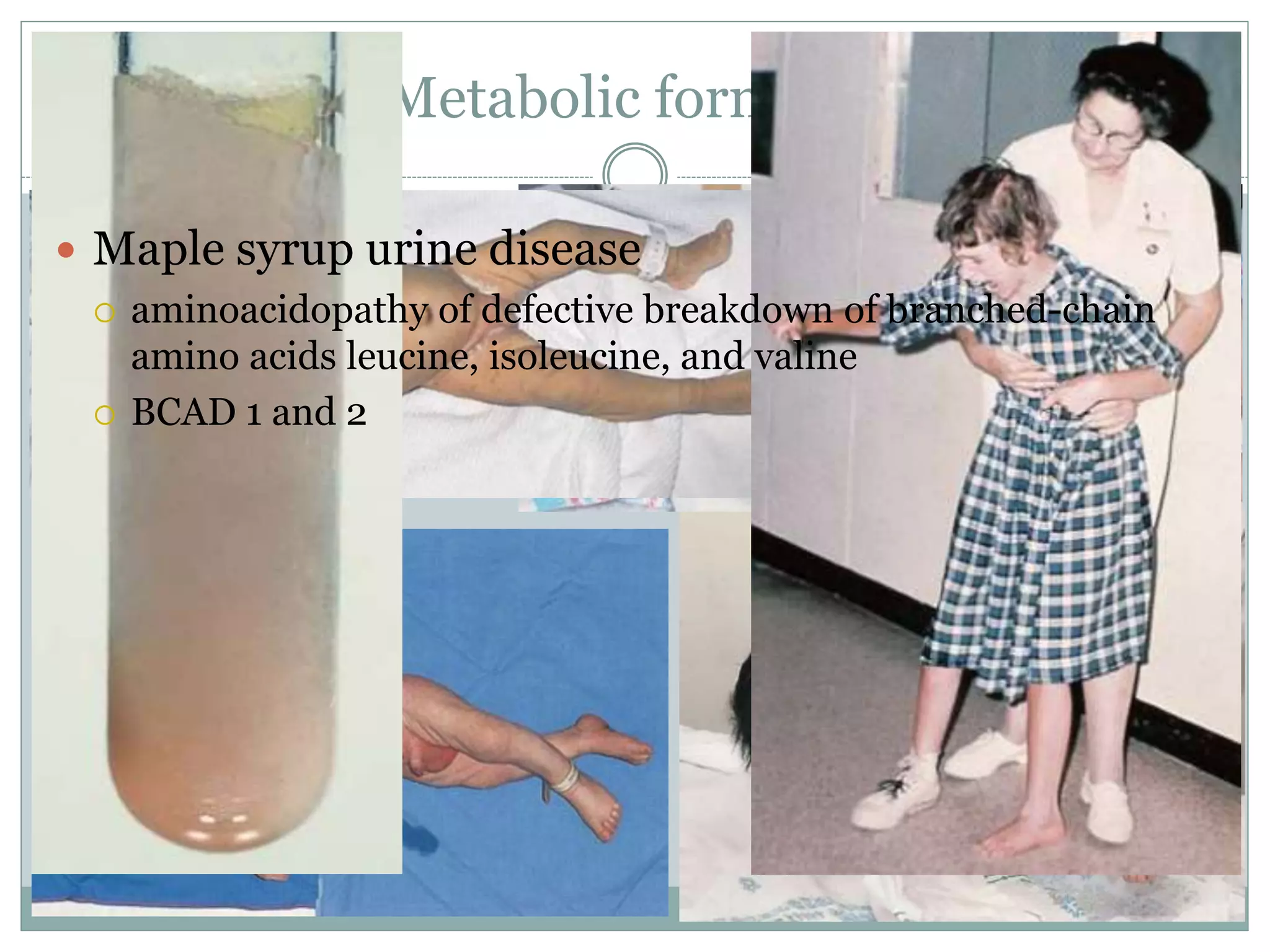
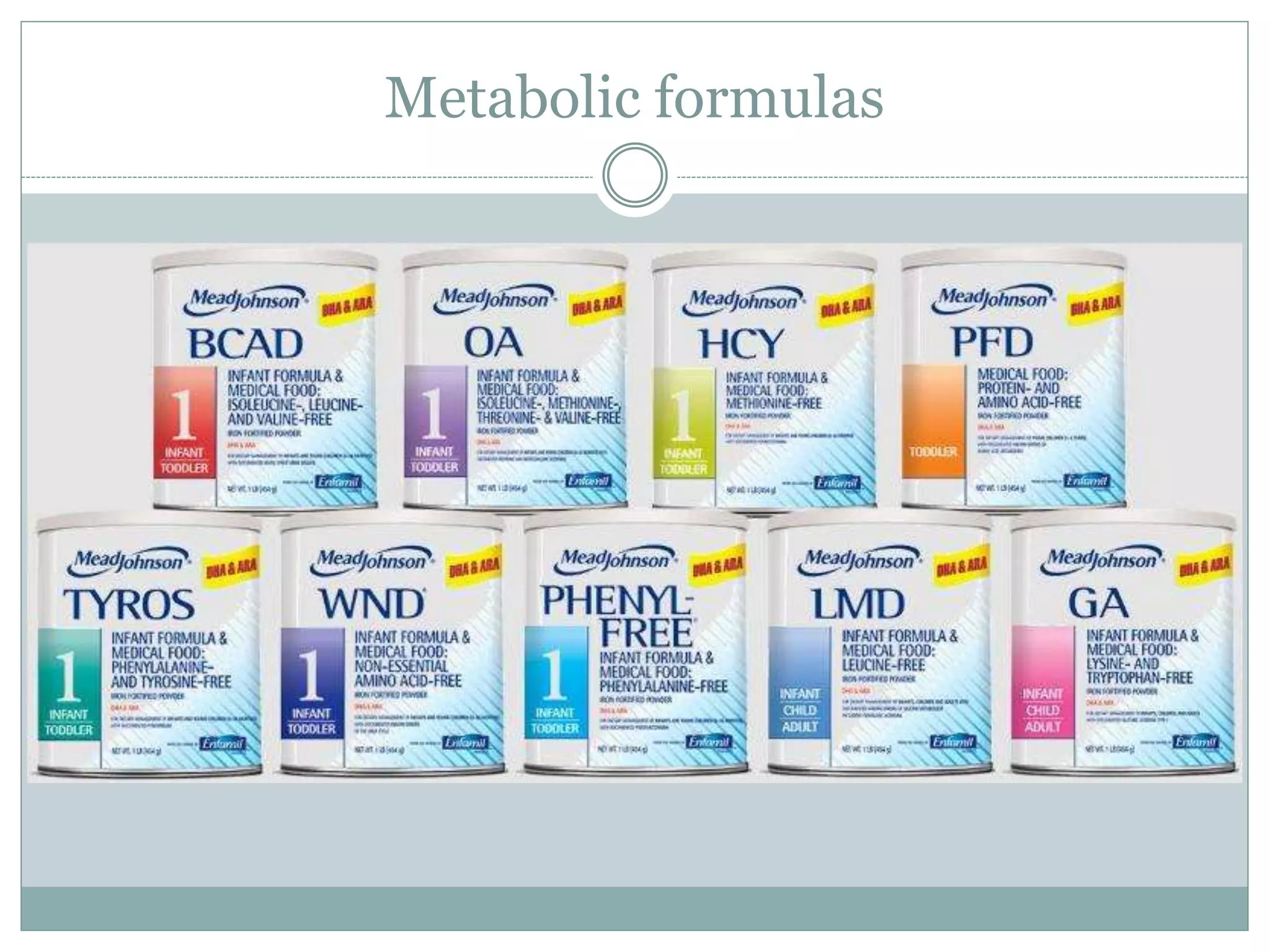
 Maple syrup urine disease
 aminoacidopathy of defective breakdown of branched-chain
amino acids leucine, isoleucine, and valine
 BCAD 1 and 2
Metabolic formulas
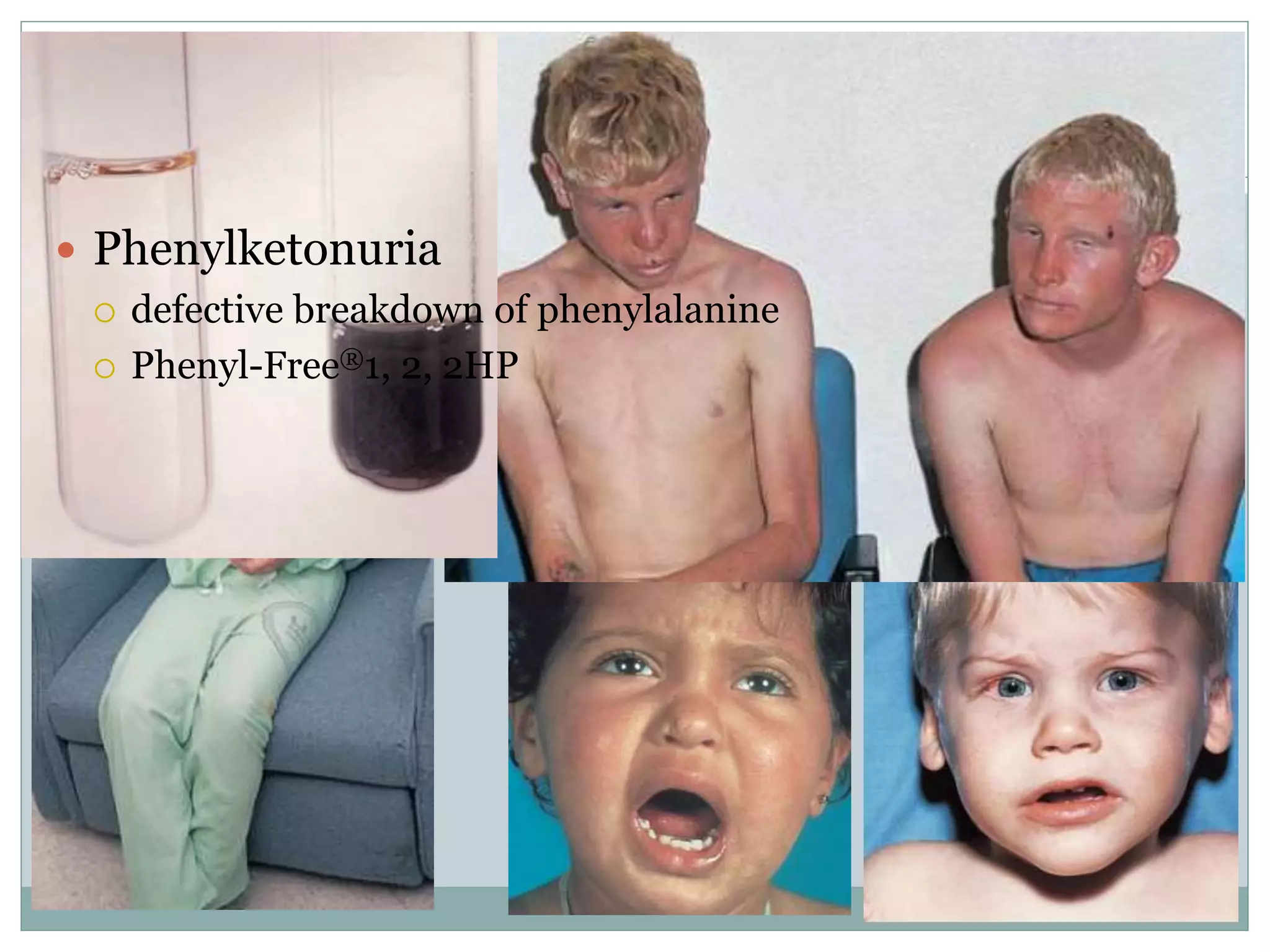
 Phenylketonuria
 defective breakdown of phenylalanine
 Phenyl-Free®1, 2, 2HP
Metabolic formulas
 Tyrosinemia
 inability to metabolize fumarylacetoacetatic acid
 TYROS 1 and 2
Metabolic formulas
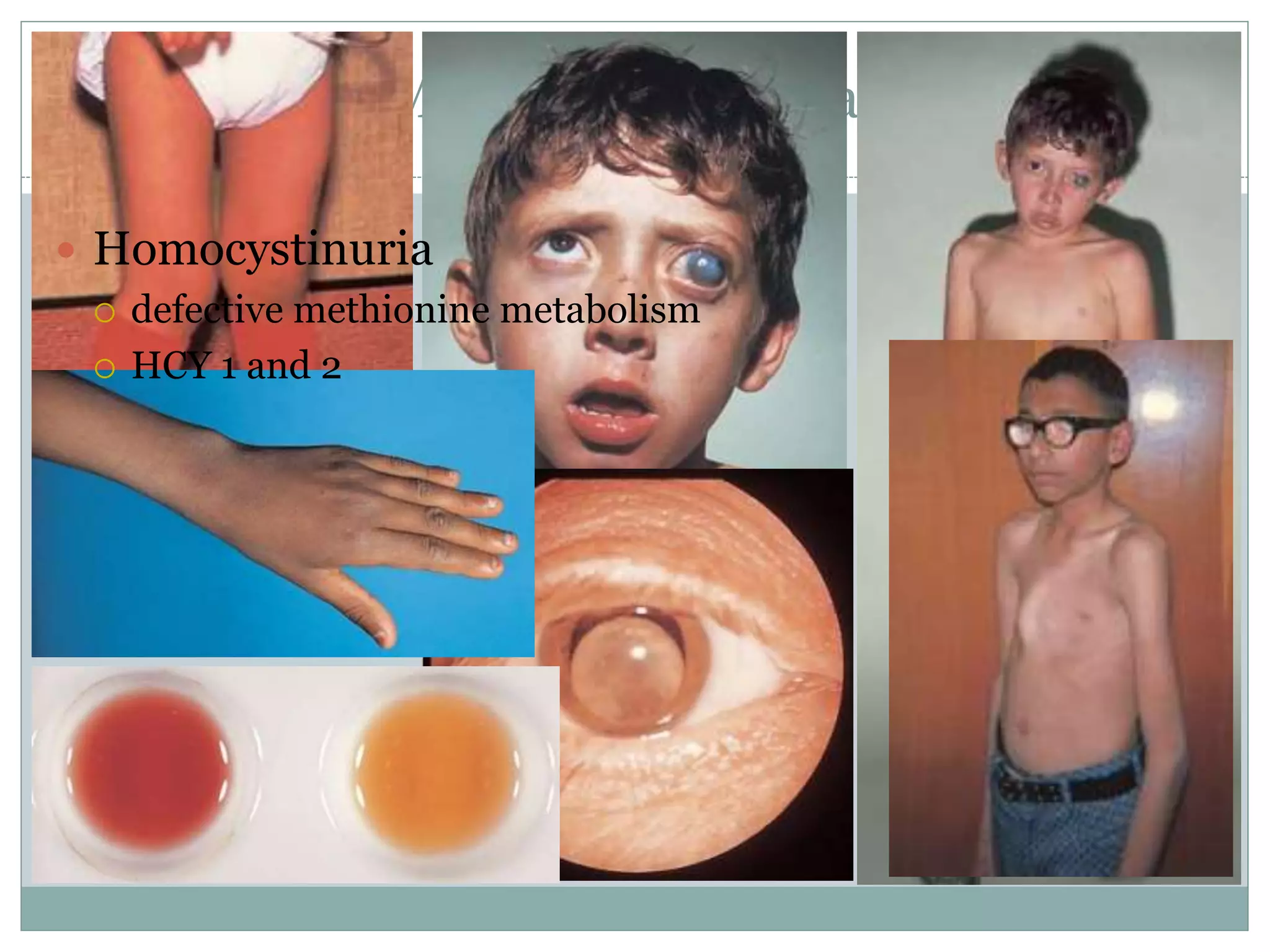
 Homocystinuria
 defective methionine metabolism
 HCY 1 and 2
Metabolic formulas
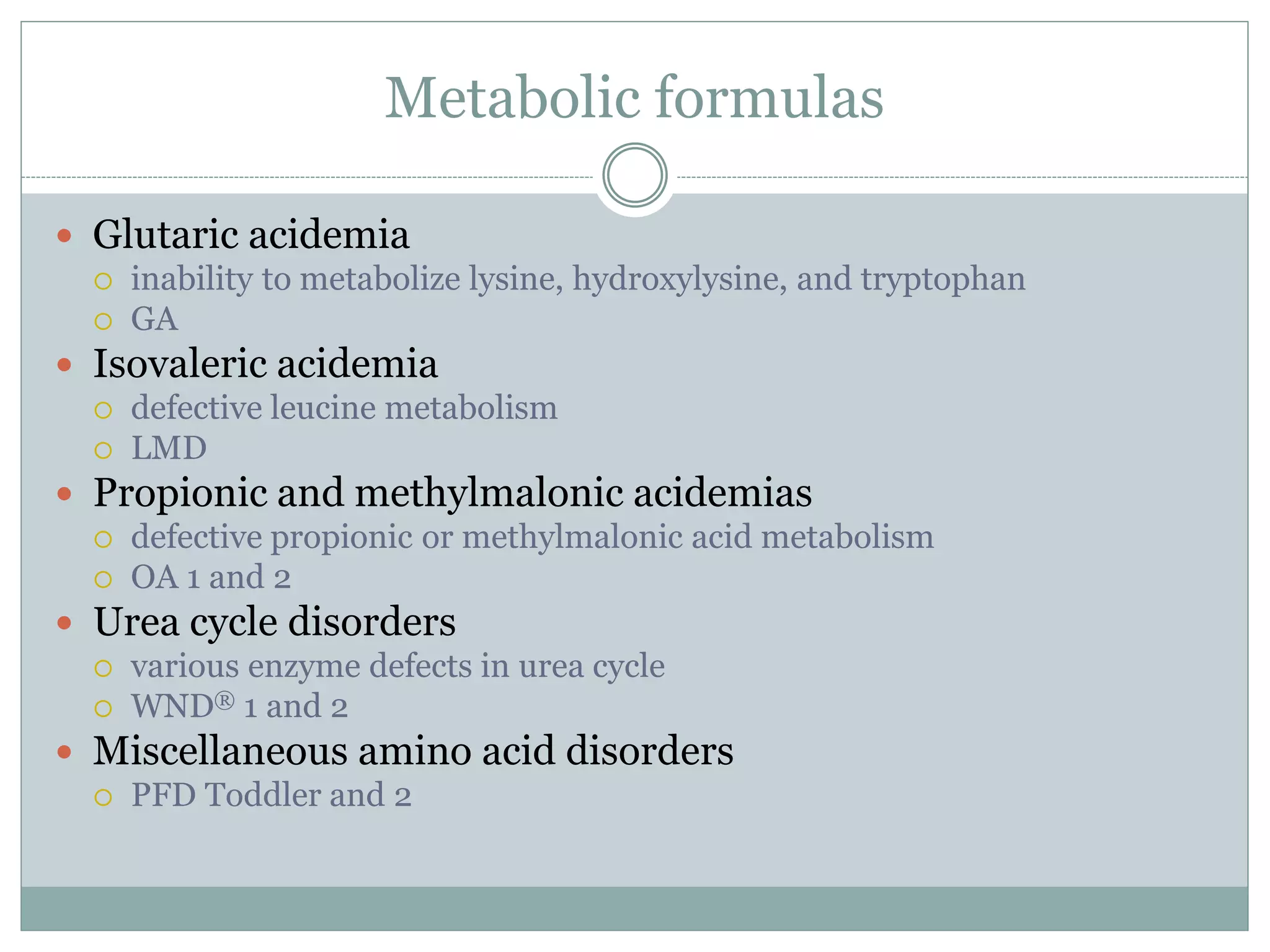
 Glutaric acidemia
 inability to metabolize lysine, hydroxylysine, and tryptophan
 GA
 Isovaleric acidemia
 defective leucine metabolism
 LMD
 Propionic and methylmalonic acidemias
 defective propionic or methylmalonic acid metabolism
 OA 1 and 2
 Urea cycle disorders
 various enzyme defects in urea cycle
 WND® 1 and 2
 Miscellaneous amino acid disorders
 PFD Toddler and 2
Metabolic formulas
Vignette
 A mother brings her 2-week-old full-term girl to your office with concern
for blood in her stools. The infant is formula fed and has become
increasingly fussy with feeds. The infant has otherwise been without fever,
vomiting, change in appetite.
 You consider the differential diagnosis for neonatal hematochezia, which
includes swallowed maternal blood, anal fissure, necrotizing enterocolitis,
and milk protein allergy. After initial evaluation, you decide that milk
protein allergy is most likely cause for the hematochezia and recommend
that they switch to which of the following formulas?
 a. Soy
 b. Lactose free
 c. Hydrolyzed
 d. Amino acid
 e. Fat modified
References
 Nelson Textbook of Pediatrics, 19th Edition
 Nelson Essentials of Pediatrics, 6th Edition
 Pediatrics for Medical Students, 3rd Edition
 Illustrated Textbook of Pediatrics, 4th Edition
 Oski’s Pediatric Certification and Recertification
Board Review
 Pediatric Clinical Diagnosis, 6th Edition
 Atlas of Metabolic Diseases, 2nd Edition
 Atlas of Pediatric Physical Diagnosis, 5th Edition
 The internet, journal articles, and UpToDate
Done

Types of Milk Formulas and Their Uses

  • 1.
    Types of MilkFormulas and Their Uses S U P E R V I S E D B Y D R J A M A L A H M A D R A S H I D
  • 2.
    Best food forbabies  AAP recommendation 4-6 mo 1 yr exclusive breastfeeding breastfeeding + weaning regular foods ± breastfeeding
  • 3.
    What is milk? 87% water and 13% solids  fats (including essential fatty acids—linoleic, linolenic, arachidonic)  proteins (especially caseins and whey proteins)  carbohydrates (lactose, composed of glucose and galactose)  minerals and vitamins  Fresh milk has a pH of 6.7-6.5  > 6.7 → mastitis  < 6.5 → colostrum or bacterial activity
  • 5.
  • 6.
    Breast vs Bottle More whey → more easily digested and promotes more rapid gastric emptying  Lactoferrin and immunoglobulin (specifically secretory IgA) → host defense  VLCPUFAs, ARA, and DHA → visual function and neurodevelopment  More lipase → superior fat absorption  Unabsorbed lactose → softer stool, more nonpathogenic fecal flora, and improved absorption of minerals  Oligosaccharides that mimic bacterial antigen ligands → preventing bacterial attachment to host mucosa  Minerals are more bioavailable (since bound to digestible proteins)
  • 7.
  • 10.
    Breast is best? Advantages to baby  ready, proper temperature, fresh, clean (Enterobacter sakazakii)  ↓ incidence or severity of diarrhea, intestinal bleeding, occult melena, colic, necrotizing enterocolitis  ↓ incidence or severity of respiratory illnesses, otitis media, UTI, bacteremia, bacterial meningitis, infant botulism  ↓ incidence of obesity and overweight, type 1 DM, celiac disease, Crohn disease, lymphoma, leukemia, food allergy, eczema  ↓ hospitalizations and infant mortality  psychological (close and comfortable relationship with the mother)
  • 11.
    Breast is best? Advantages to mother  psychological (sense of accomplishment and being essential)  decreased risk of postpartum hemorrhage  longer period of amenorrhea  reduced risk of ovarian and premenopausal breast cancers  possible reduced risk of osteoporosis  Advantages to society  reduced health care costs  reduced employee absenteeism
  • 12.
  • 14.
    When breast isnot best  Transmission of infections  HIV, HTLV type 1, CMV, rubella virus, hepatitis B virus (but not C), and HSV (direct contact)  Transmission of drugs and allergens  Metronidazole, sulfonamides, antithyroid, lithium, drugs of abuse, radioactive dyes, anticancer agents, isoniazid  Transmission of contaminants (cigarettes, alcohol)  Metabolic diseases in the baby
  • 16.
    Nutritional issues withbreastfeeding  Fluoride  deficient if not sufficient in water supply (≤0.3 ppm)  give 10 μg daily in first 6 months; thereafter, give as in adults  Vitamin D  if maternal intake deficient or limited infant sunlight exposure  give 10 μg daily  Iron  low amount but well-absorbed, sufficient for first 6 months  beyond 6 months give iron-fortified food or iron preparation  Vitamin K  give 1 mg parenterally at birth to prevent hemorrhagic disease
  • 17.
  • 18.
    Indications for bottlefeeding  Complementary  insufficient breast milk  replaces some breast feeds (e.g. working mother)  Substitutive  replaces breast completely  absent milk secretion, chronically ill mother, personal choice
  • 21.
  • 22.
    Formula preparations  Allprovide 20 kcal/1 oz or 0.67 kcal/mL (similar to breast milk) powder concentrated ready-to-feed
  • 23.
    Bottle feeding how-to Number and interval of feeds  from ≥ 8/day after birth to 3-4/day at 1 year  duration of each feed: 5-25 min  interval between feeds: 3-5 hours  around-the-clock feeding in first 2-3 months  Concentration of milk  water:milk ratio = 7:1  small scoop (4 gm): 30 ml water per scoop  large scoop (8 gm): 60 ml water per scoop  concentrated formula is intended to be diluted 1:1 with water
  • 24.
    Bottle feeding how-to Amount of milk per feed  weight method: 140-200 ml/kg/day  age method: 10 ml increase every day, then week, then month Age Average quantity per feed 1st and 2nd weeks 2 – 3 oz (60 – 90 mL) 3 weeks – 2 months 4 – 5 oz (120 – 150 mL) 2 – 3 months 5 – 6 oz (150 – 180 mL) 3 – 4 months 6 – 7 oz (180 – 210 mL) 5 – 12 months 7 – 8 oz (210 – 240 mL)
  • 25.
    Bottle feeding how-to Position: same as for breastfeeding  Bottle propping to be avoided (risk of aspiration and otitis media, less contact and security)  Regurgitation (spitting) more common in bottle feeders than breast milk feeders  Bottle: small size of nipple holes  Temperature: does not matter
  • 26.
  • 27.
    Adequacy of feeding Infant is satisfied after each feed (vs crying vigorously or sucking on a fist)  Sleeps 2-4 hr between feedings (vs sleeping 1-2 hrs)  Wetting between four and six diapers each day  Gains weight adequately
  • 28.
    C O WM I L K - B A S E D S O Y H Y D R O L Y S A T E A M I N O A C I D O T H E R S M E T A B O L I C Types of formulas
  • 29.
    Cow’s milk protein-basedformulas  Protein concentration 1.45 to 1.6 g/dL vs ~1 g/dL in breast milk  Whey:casein ratio is 18:82 to 60:40 (or even 100% whey)  The predominant whey protein is β-globulin in bovine milk and α-lactalbumin in human milk.  No clinically significant difference demonstrated
  • 30.
    Cow’s milk protein-basedformulas  Fat source is plant or plant and animal mixture  All infant formulas supplemented with LCPUFAs, DHA, and ARA  ARA and DHA concentrations in human milk vary by geographic region and maternal diet.  DHA and ARA supplementation has positive effects on visual acuity and neurocognitive development.  No consistent beneficial effect of LCPUFAs supplementation  Carbohydrate type in cow formula is lactose; formulas for older infants might contain starch and other complex carbohydrates
  • 31.
  • 32.
    Cow milk proteinallergy IgE-Mediated IgE- or Non–IgE- Mediated Non–IgE-Mediated Urticaria Atopic dermatitis Contact dermatitis Angioedema Asthma Food-induced pulmonary hemosiderosis Rhinoconjunctivitis Eosinophilic esophagitis Food-induced enterocolitis Acute bronchospasm Eosinophilic gastritis Food-induced proctocolitis Oral allergy syndrome Eosinophilic gastroenteritis Food-induced enteropathy Gastrointestinal anaphylaxis Gastroesophageal reflux disease
  • 33.
    Cow milk proteinallergy  Avoidance and replacement by another formula  Acute IgE-mediated reactions treated by epinephrine  Future treatment possibilities  Oral immunotherapy  Sublingual immunotherapy  Epicutaneous immunotherapy  Subcutaneous immunotherapy  Most will outgrow the allergy with age
  • 34.
    Soy formulas  Proteinis a soy isolate supplemented with l- methionine, l-carnitine, and taurine to provide a protein content of 1.65-1.9 g/dL  It is free of cow milk protein  Fats are similar to those of cow’s milk  Carbohydrates are glucose oligomers and sometimes sucrose, but not lactose
  • 35.
    Soy formulas  Indicationsfor use  Hereditary lactase deficiency or secondary lactose intolerance (e.g. after gastroenteritis)  Galactosemia  Vegetarian diet  ??? Cow milk protein allergy (enteropathy or enterocolitis)  No proven benefit in infantile colic, fussiness, or atopic disease  Should not be given to LBW preterm infants  Problem of phytoestrogens???
  • 36.
  • 37.
    Protein hydrolysate formulas Proteins can be partially hydrolyzed (MW < 5000 d) or extensively hydrolyzed (MW < 3000 d) casein  Fats similar to those in cow milk formula, and can include MCTs  Carbohydrates are corn maltodextrin or syrup solids, and do not contain lactose
  • 38.
    Protein hydrolysate formulas Indications for use  Cow milk protein intolerance  Soy protein intolerance  Lactose intolerance and galactosemia  Malabsorption due to cystic fibrosis, short gut syndrome, cholestasis, mucosal atrophy or injury, and prolonged diarrhea  Can be protective against atopic disease (especially extensively hydrolyzed formulas)  Not all hydrolysate formulas are created equal!
  • 39.
  • 40.
    Amino acid formulas No proteins, only amino acids (mixture of essential and non-essential amino acids)  Indications:  dairy protein allergy not responding to hydrolysate formulas  intestinal transplant  Effect on prevention of atopic disease not studied
  • 41.
  • 43.
  • 44.
    Premature formulas  Bestmilk for premature infants is breast milk + human milk fortifiers (which boost caloric content to 24 kcal/oz and nutrient content)  fortifiers contains protein, carbohydrate, calcium, phosphorus, magnesium, sodium, zinc, copper, and multivitamins.  If not sufficient, fortified donor milk recommended  If not feasible, premature formulas can be given until they reach 44 weeks post-conceptive age  Transition formulas (standard at 22 kcal/oz) are intermediate in protein and micronutrients to promote growth postdischarge
  • 45.
  • 46.
    Other formulas  Fatmodified  high MCT, useful for chylous effusions and severe steatorrhea  Lipisorb, Portagen, Tolerex  Prethickened  for dysphagia, mild GER  Enfamil AR  Carbohydrate intolerance  all monosaccharides and disaccharides removed; dextrose and fructose additives can then be titrated to tolerance  3232A, Ross Carbohydrate Free
  • 47.
    Other formulas  Standardmilk protein-based  Ages 1 to 10, given as tube feeds or oral supplements  Nutren Junior, PediaSure, Kindercal  Food-based  made with beef protein, fruits, and vegetables- contains lactose fortified with vitamins/minerals  Compleat Pediatric
  • 48.
    Bovine milk  Avoidbovine milk (whole, partial fat, and skimmed cow’s milk) before at least 1 yr of age because these infants ingest:  ↑ protein (3 x)  ↑ sodium (half)  ↑ phosphorus  ↓ linoleic acid (half)  ↓ iron (two thirds)  ↑ intestinal blood loss  Why this discussion important?  Use of skimmed milk recommended between 12-24 months of age in those at risk of overweight or obesity.
  • 49.
    Homemade formula  Useonly evaporated milk (not condensed milk)  All utensils should be sterilized by boiling in water for 5 to 10 min (rubber nipples for no more than 5 minutes)  Quart (32 oz) bottle are easiest to use  1 can (13 oz) of evaporated milk + tap water + 2 tablespoons of cane sugar  Stir well and terminally heat  This will make enough formula for 1 day of the infant’s needs. Each supply must be made no more than 1 day at a time.
  • 50.
    Metabolic formulas  Maplesyrup urine disease  aminoacidopathy of defective breakdown of branched-chain amino acids leucine, isoleucine, and valine  BCAD 1 and 2
  • 51.
    Metabolic formulas  Phenylketonuria defective breakdown of phenylalanine  Phenyl-Free®1, 2, 2HP
  • 52.
    Metabolic formulas  Tyrosinemia inability to metabolize fumarylacetoacetatic acid  TYROS 1 and 2
  • 53.
    Metabolic formulas  Homocystinuria defective methionine metabolism  HCY 1 and 2
  • 54.
    Metabolic formulas  Glutaricacidemia  inability to metabolize lysine, hydroxylysine, and tryptophan  GA  Isovaleric acidemia  defective leucine metabolism  LMD  Propionic and methylmalonic acidemias  defective propionic or methylmalonic acid metabolism  OA 1 and 2  Urea cycle disorders  various enzyme defects in urea cycle  WND® 1 and 2  Miscellaneous amino acid disorders  PFD Toddler and 2
  • 55.
  • 56.
    Vignette  A motherbrings her 2-week-old full-term girl to your office with concern for blood in her stools. The infant is formula fed and has become increasingly fussy with feeds. The infant has otherwise been without fever, vomiting, change in appetite.  You consider the differential diagnosis for neonatal hematochezia, which includes swallowed maternal blood, anal fissure, necrotizing enterocolitis, and milk protein allergy. After initial evaluation, you decide that milk protein allergy is most likely cause for the hematochezia and recommend that they switch to which of the following formulas?  a. Soy  b. Lactose free  c. Hydrolyzed  d. Amino acid  e. Fat modified
  • 57.
    References  Nelson Textbookof Pediatrics, 19th Edition  Nelson Essentials of Pediatrics, 6th Edition  Pediatrics for Medical Students, 3rd Edition  Illustrated Textbook of Pediatrics, 4th Edition  Oski’s Pediatric Certification and Recertification Board Review  Pediatric Clinical Diagnosis, 6th Edition  Atlas of Metabolic Diseases, 2nd Edition  Atlas of Pediatric Physical Diagnosis, 5th Edition  The internet, journal articles, and UpToDate
  • 58.

Editor's Notes

  • #3 Weaning at 4-6 mo recommended by AAP, WHO, and European Society for Pediatric Gastroenterology, Hepatology, and Nutrition
  • #8 Dynamic nutrient composition that differs throughout lactation, over the course of a day, within a feeding, and among women. Colostrum is the milk produced during the first 3 to 5 days. Its protein content is higher, including immunoglobulins and carotene, and it contains enzymes to stimulate gut maturation. Macrophages in human milk may synthesize complement, lysozyme, and lactoferrin. In addition, breast milk contains lactoferrin, an iron-binding whey protein that is normally about one-third saturated with iron and has an inhibitory effect on the growth of Escherichia coli in the intestine. The lower pH of the stool of breast-fed infants is thought to contribute to the favorable intestinal flora of infants fed human milk vs. formula (i.e., more bifidobacteria and lactobacilli; fewer E. coli), which helps protect against infections caused by some species of E. coli. Human milk also contains bile salt-stimulated lipase, which kills Giardia lamblia and Entamoeba histolytica. Transfer of tuberculin responsiveness by breast milk suggests passive transfer of T-cell immunity.
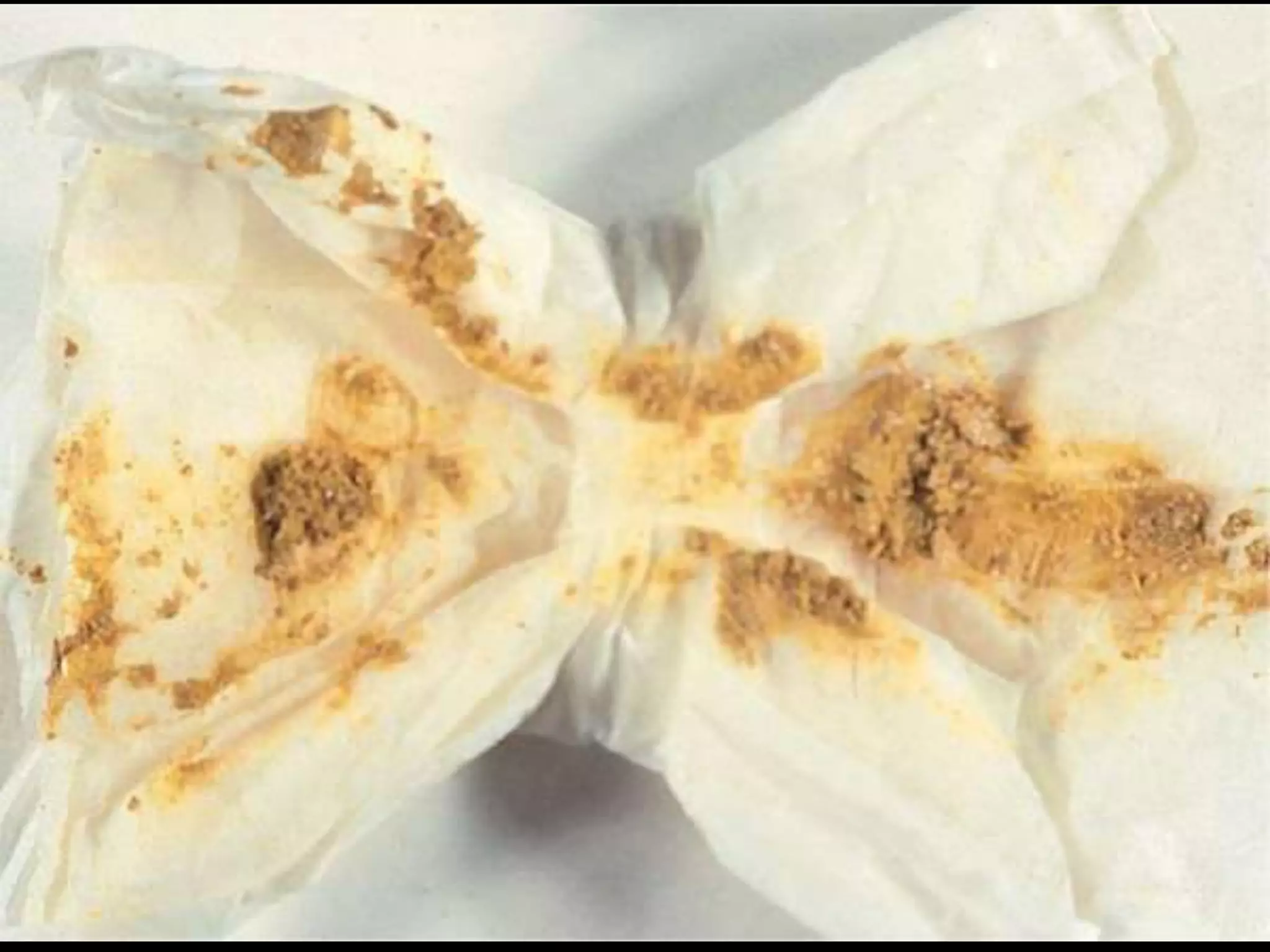
  • #9 Breast-milk stool. The stools of breast-fed infants are usually yellow, soft, and mild-smelling and typically have the consistency of pea soup. Breast milk stools can also be watery.
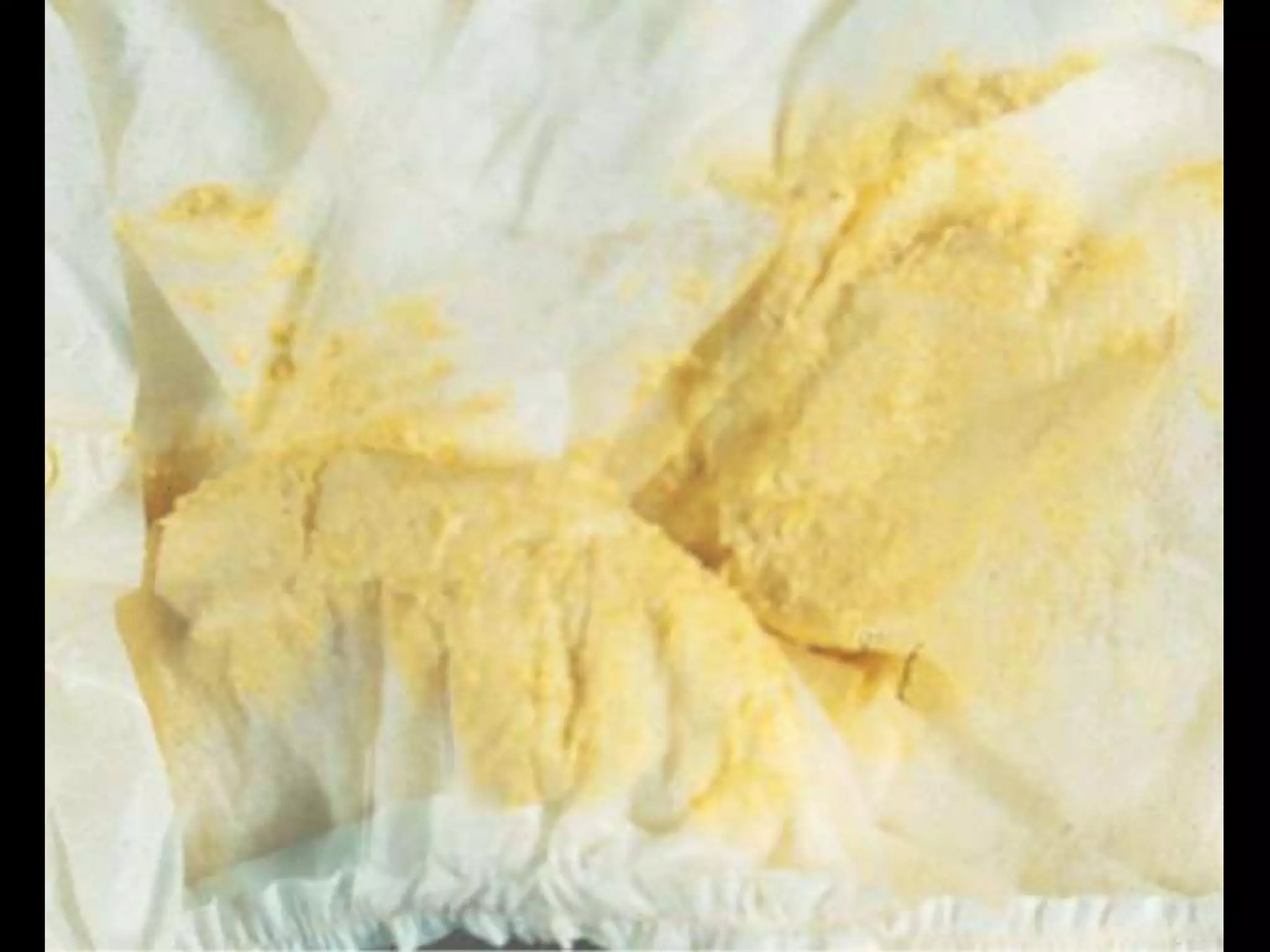
  • #10 Formula stool. Infants fed commercial formulas typically have darker, firmer stools than breast-fed infants.
  • #15 Between 15 and 25% of children born to HIV-infected mothers get infected with HIV during pregnancy or delivery, while about 15% of the children get infected through breastfeeding. Ways to decrease transmission: treat breast and infant mouth problems early, exclusively breastfeed for first 3 months, only breastfeed for 6 months. Septicemia, active tuberculosis (before 2 weeks of therapy), typhoid fever, breast cancer, malaria should not breastfeed
  • #17 If the mother is allergic to milk or dislikes it, her diet should be supplemented with 1 g calcium daily. Daily fluid intake should approximate 3 qt. The recommended dose is 1 mg/kg daily of elemental iron. The recommended dose is 0.25 mg daily of fluoride after 6 months.
  • #19 Three possibilities should be excluded before assuming that a mother cannot produce sufficient milk: (1) errors in feeding technique; (2) remediable maternal factors related to diet, rest, or emotional distress; and (3) physical disturbances of the infant that interfere with nursing or with weight gain.
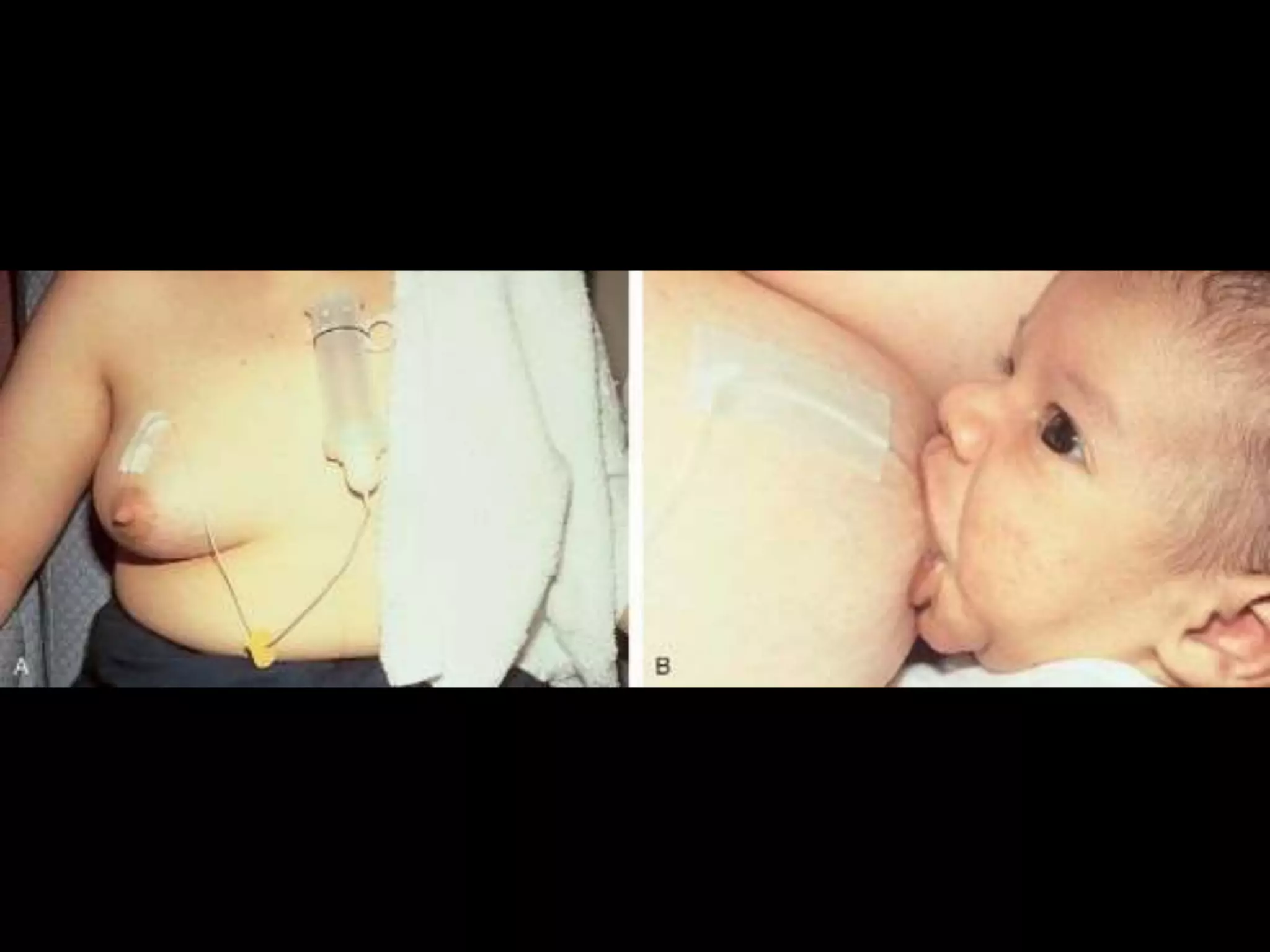
  • #20 Supplemental nursing system (SNS). SNS allows a baby to receive additional nutrients while still breastfeeding and thus provides stimulation to the breast. It does not interfere with breastfeeding technique and latch. The tip of the SNS tubing should protrude past the end of the nipple about a quarter of an inch.
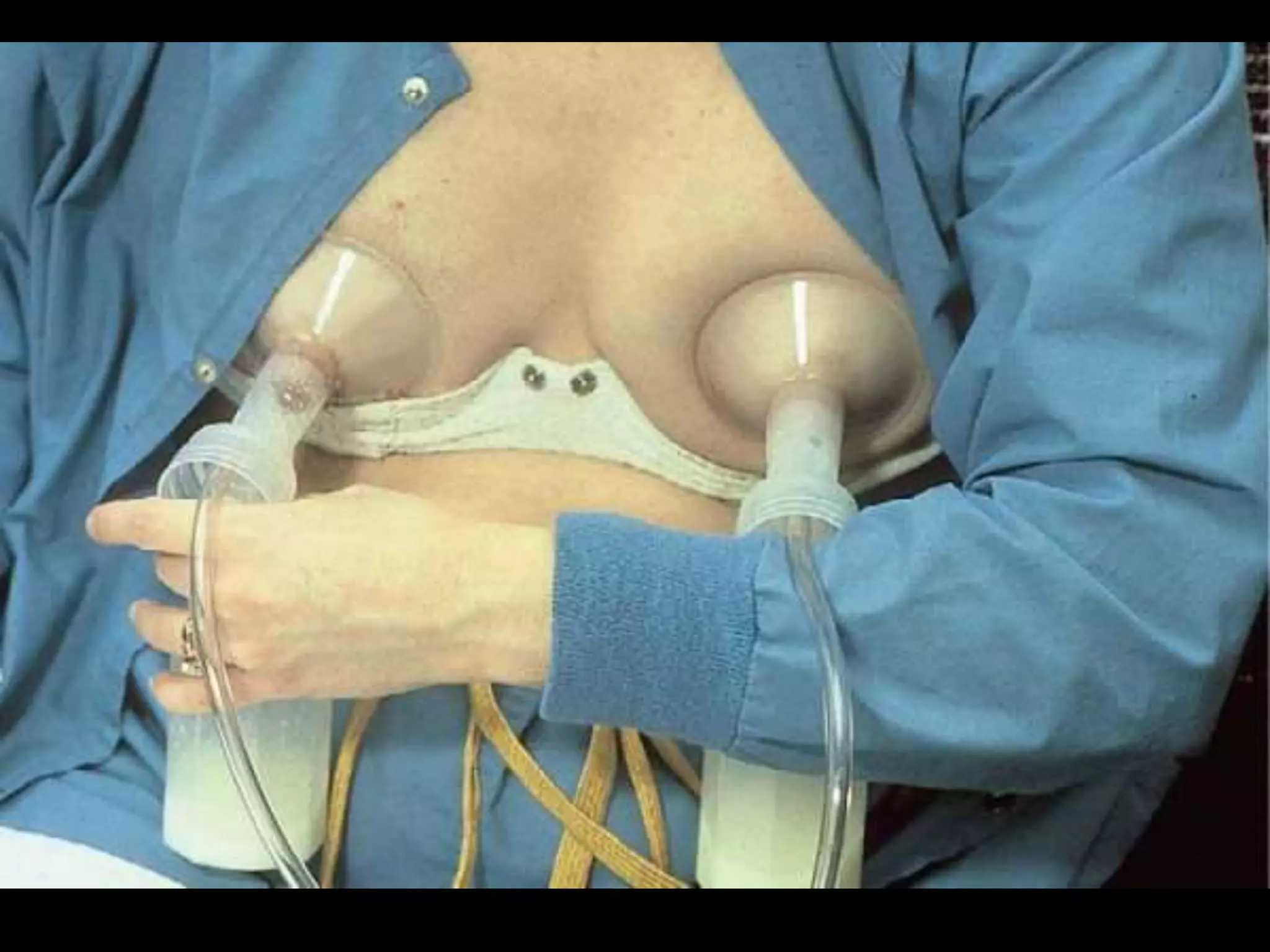
  • #21 Double pumping of the breasts. This is the most efficient and effective way for women to maintain a milk supply when they are unable to breast-feed directly. The pump should initially be set at the minimum setting and gradually increased to a level of comfort for the mother. Milk should be refrigerated and then used within 48 hr. Expressed breast milk can be frozen and used for up to 6 mo. Milk should be thawed rapidly by holding under running tepid water and used completely within 24 hr after thawing. Milk should not be microwaved.
  • #23 Ready-to-feed and concentrated once opened keep in refrigerator for no more than 48 hours. Power once opened keep in powder form in refrigerator for no more than 4 weeks.
  • #24 150 ml/kg/day provides 120 kcal/kg/day needed for growth.
  • #27 football sidelying crosscradle cradle
  • #34 Patients are generally started on a very small daily dose (eg, 4 drops per day of a solution of 10 drops of CM in 10 mL of water) and advanced to a maintenance dose (eg, 150 mL of undiluted CM) over several months. An alternative approach is to combine oral immunotherapy with administration of anti-IgE antibodies. This approach could theoretically decrease the risk of adverse reactions during initial treatment.
  • #36 Some reviewers suggest that early exposure to soy may prevent cancer and heart disease. Some reports suggest phytoestrogens have adverse effects with respect to carcinogenesis, reproductive function, immune function, and thyroid disease. Concerns about aluminum toxicity, the failure to achieve equivalent growth rates and albumin levels consistently and reduced bone mineralization
  • #45 Significant benefits to infant host defense, sensory-neural development, gastrointestinal maturation, and some aspects of nutritional status are observed when premature infants are fed their mothers' own milk. A reduction in infection-related morbidity in human milk-fed premature infants has been reported in nearly a dozen descriptive, and a few quasi-randomized, studies in the past 25 years. Human milk-fed infants also have decreased rates of rehospitalization for illness after discharge. Studies on neurodevelopmental outcomes have reported significantly positive effects for human milk intake in the neonatal period and long-term mental and motor development, intelligence quotient, and visual acuity through adolescence. Body composition in adolescence also is associated with human milk intake in the neonatal intensive care unit. Finally, human milk intake is less associated with the development of the metabolic syndrome than infant formula feeding.
  • #51 Neonate in opisthotonus Neonate with hypotonia Infant in relapse, semi-comatose, hypertonic and with exaggerated deep tendon reflexes and ankle clonus Infant with rigidity and dermatitis due to dietary management Teenager with retardation and ataxia Frozen urine sample with odor of maple syrup from concentrated oil on top
  • #52 10 month old with blue eyes, fair skin, and blond hair Saudi Arabian with classic PKU Institutionalized brothers, severely retarded, of fair skin and hair 10 year old, hyperactive, seizures, blond hair, hazel eyes, hypertonic, unusual limping gait Positive ferric chloride test
  • #53 Hepatomegaly, cirrhosis, ascites Rachitic rosary and wrist enlargement
  • #54 Short stature and genu valgum, fair skin and hair, pronounced malar flush, subluxed lenses removed and now glaucoma of left eye Downward dislocation of lens Positive cyanide nitroprusside test (more sulfhydryl-containing amino acids) on left Hand of tall, thin girl, height in 5th percentile, arachnodactyly
  • #55 WND® 1 and 2 free of non-essential amino acids PFD only contains taurine among the amino acids, a non-protein-building amino acid
  • #57 Hematochezia as a result of milk protein is a non–IgE-mediated allergy. About 30% to 50% of children with non–IgE-mediated allergy to milk protein have continued symptoms when transitioned to soy. A hydrolyzed formula is indicated for this infant. Lactose-free and fat-modified formulas still contain milk protein. Although amino acid formulas could also be used, they are more expensive and thus only indicated when multiple allergies are present.