Training Effectiveness
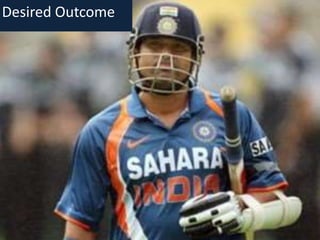
TV Interview
Desired Outcome
Ground Rules
Oath
– Ask now
– Language
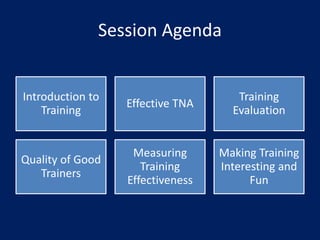
Session Agenda
Introduction to
Training
Effective TNA
Training
Evaluation
Quality of Good
Trainers
Measuring
Training
Effectiveness
Making Training
Interesting and
Fun
Introduction to Training
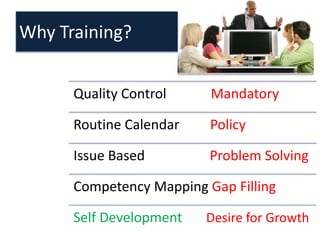
Why Training?
Quality Control Mandatory
Routine Calendar Policy
Issue Based Problem Solving
Competency Mapping Gap Filling
Self Development Desire for Growth
Cost can be reduced
Profits can be increased
Enhanced Productivity
can be achieved by
TRAINING
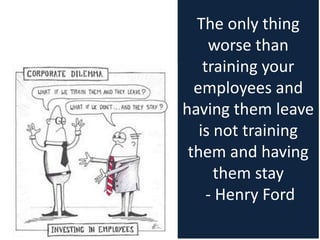
The only thing
worse than
training your
employees and
having them leave
is not training
them and having
them stay
- Henry Ford
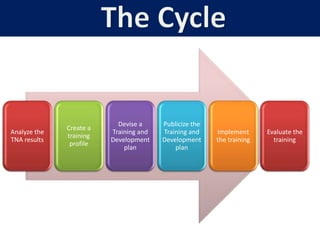
Training Cycle
Analyze the
TNA results
Create a
training
profile
Devise a
Training and
Development
plan
Publicize the
Training and
Development
plan
Implement
the training
Evaluate the
training
Effective
Training Need Analysis
(TNA)
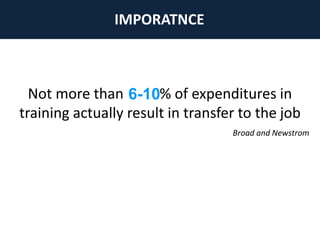
IMPORATNCE
Not more than % of expenditures in
training actually result in transfer to the job
Broad and Newstrom
6-10
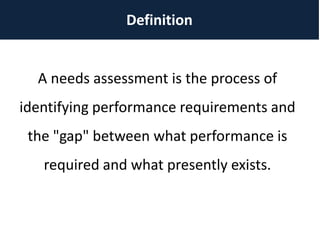
Definition
A needs assessment is the process of
identifying performance requirements and
the "gap" between what performance is
required and what presently exists.
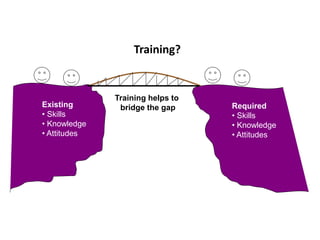
Training?
Training helps to
bridge the gapExisting
• Skills
• Knowledge
• Attitudes
Required
• Skills
• Knowledge
• Attitudes
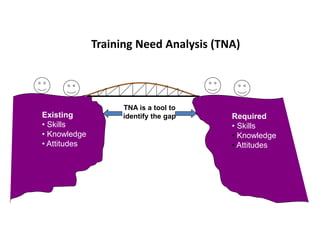
Training Need Analysis (TNA)
TNA is a tool to
identify the gapExisting
• Skills
• Knowledge
• Attitudes
Required
• Skills
• Knowledge
• Attitudes
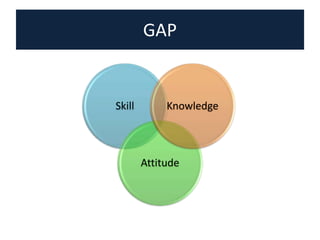
GAP
Skill
Attitude
Knowledge
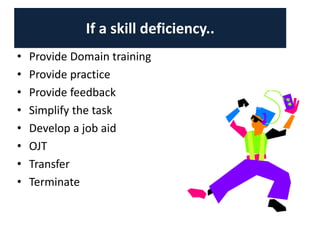
If a skill deficiency..
• Provide Domain training
• Provide practice
• Provide feedback
• Simplify the task
• Develop a job aid
• OJT
• Transfer
• Terminate
If Knowledge issue..
• Reading – Access to Resources
• Conferences & Seminars
• Discussion Groups
if it’s a problem of will...
• Remuneration Policy
• Work Environment
• Focus on Goals
• Motivational Lecture/Training
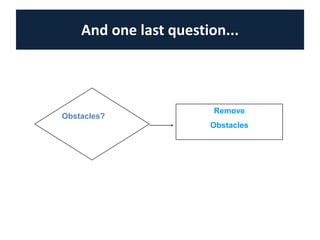
And one last question...
Obstacles?
Remove
Obstacles
To solve a performance issue
• Training may not be the answer
• Training may not be the only answer
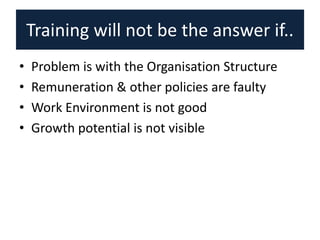
Training will not be the answer if..
• Problem is with the Organisation Structure
• Remuneration & other policies are faulty
• Work Environment is not good
• Growth potential is not visible
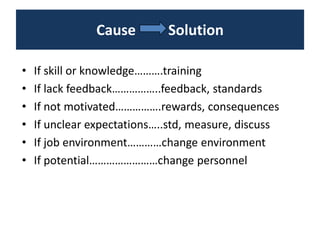
Cause Solution
• If skill or knowledge……….training
• If lack feedback……………..feedback, standards
• If not motivated…………….rewards, consequences
• If unclear expectations…..std, measure, discuss
• If job environment…………change environment
• If potential……………………change personnel
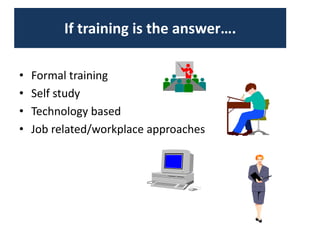
If training is the answer….
• Formal training
• Self study
• Technology based
• Job related/workplace approaches
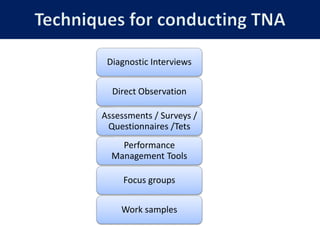
Diagnostic Interviews
Direct Observation
Assessments / Surveys /
Questionnaires /Tets
Performance
Management Tools
Focus groups
Work samples
Types of Trainee
Analyze Learners
Each one of us is a Unique Personality and therefore Unique Learner
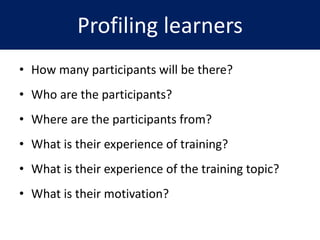
Profiling learners
• How many participants will be there?
• Who are the participants?
• Where are the participants from?
• What is their experience of training?
• What is their experience of the training topic?
• What is their motivation?
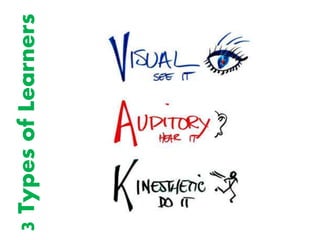
3TypesofLearners
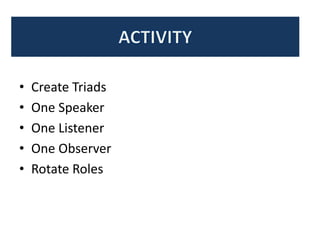
• Create Triads
• One Speaker
• One Listener
• One Observer
• Rotate Roles
Content
Development
Steps
• Structure
• Gather Material
• Flow and Theme
• Examples, Anecdotes and Stories
• Visuals-Pictures, Graphs, Cartoons
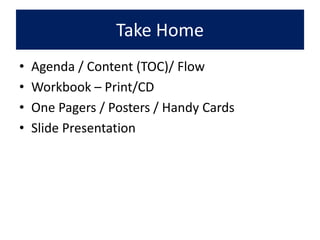
Take Home
• Agenda / Content (TOC)/ Flow
• Workbook – Print/CD
• One Pagers / Posters / Handy Cards
• Slide Presentation
The Trainer
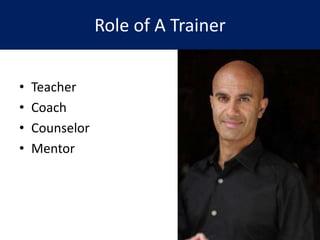
Role of A Trainer
• Teacher
• Coach
• Counselor
• Mentor
Qualities of Good Trainers
• Flexible
• Empathy Oriented
• Oratory
• Friendly
• Listener
• Concern and Desire
• Well Prepared
• Sensitive
• Energetic
• Enthusiasm
• Positive
• Confident
• Humorous
• Assertive
• Simple
• Willing to accept
mistake
Creative Training Methodologies
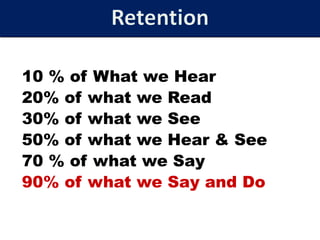
10 % of What we Hear
20% of what we Read
30% of what we See
50% of what we Hear & See
70 % of what we Say
90% of what we Say and Do
Interactive
Lecture
Slide Presentation
Why Slide?
A Picture is worth a thousand words
-Chinese Proverb
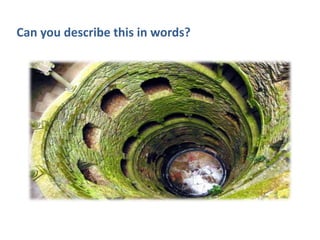
Can you describe this in words?
45
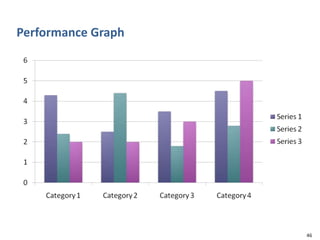
Performance Graph
46
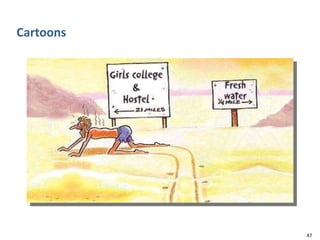
Cartoons
47
Say more than words!!
48
Audio Clips
Video Clips
Caution
Do not become SLAVE of slides!
StoryTelling
World Café
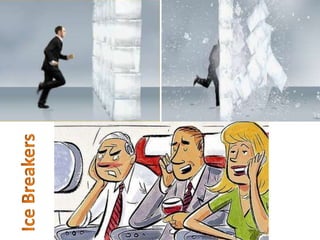
Ice Breakers
• Introduction with Adjectives
• 3 Questions
• Line up as per Birth Date
• Introduce Others
• Bingo
• Throw the Ball
• Many Others
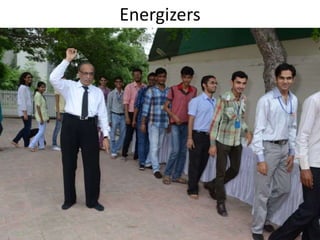
Energizers
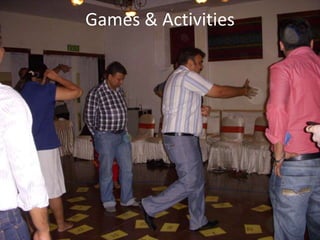
Games & Activities

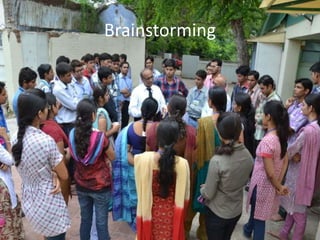
Brainstorming
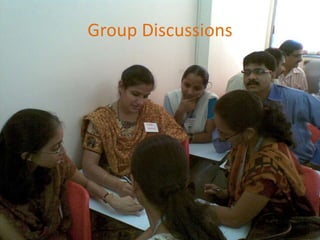
Group Discussions
Case Studies
Role Plays
Quiz
Film/Video Discussion
Presentation by Participants
Pen & Pencil Exercises
Simulation
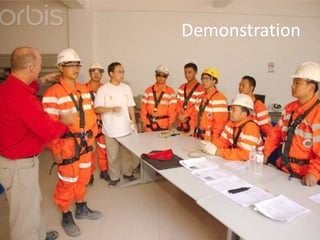
Demonstration
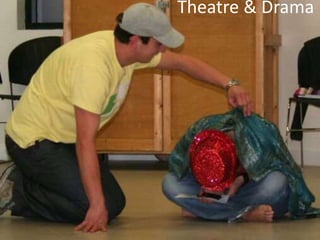
Theatre & Drama
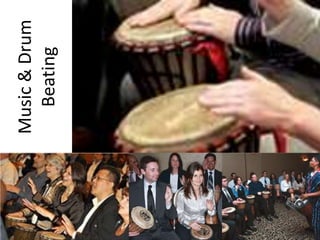
Music&Drum
Beating
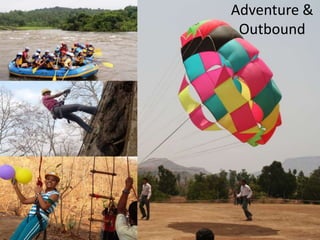
Adventure &
Outbound
Training
Delivery
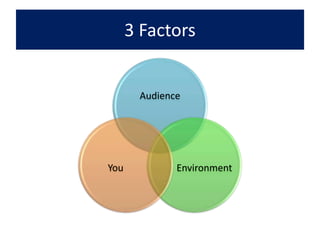
3 Factors
Audience
EnvironmentYou
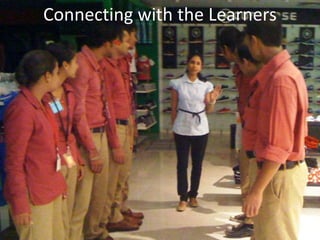
Connecting with the Learners
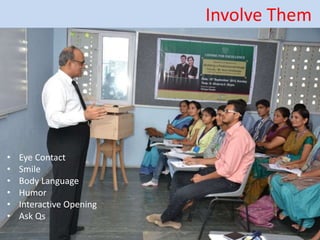
Involve Them
• Eye Contact
• Smile
• Body Language
• Humor
• Interactive Opening
• Ask Qs
Match The Pace
Environment
• Physical & Emotional Security
• Encouraging to participate and commit
mistakes
• Motivating
• Explored vs Told
• Seating Arrangement
• Ambience
• Facilities
Handling Difficult Learners
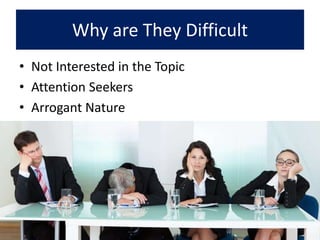
Why are They Difficult
• Not Interested in the Topic
• Attention Seekers
• Arrogant Nature
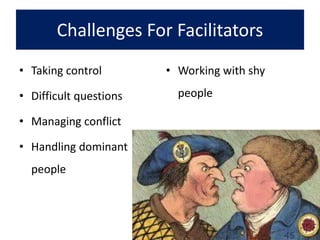
Challenges For Facilitators
• Taking control
• Difficult questions
• Managing conflict
• Handling dominant
people
• Working with shy
people
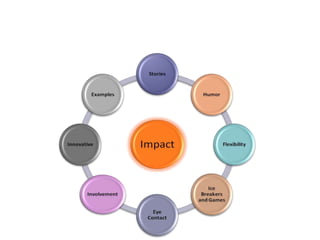
Creating an Impact
The Most Important Tool
81
Training
Evaluation
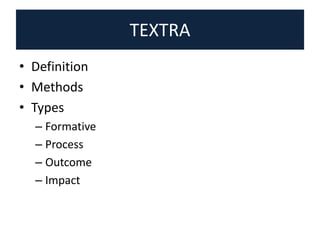
TEXTRA
• Definition
• Methods
• Types
– Formative
– Process
– Outcome
– Impact
Donald Kirkpatrick
Reaction -
Feel Good
Learning -
Take Home
Change in
Behavior
Results -
ROI
4 Layers of
Training
Effectiveness
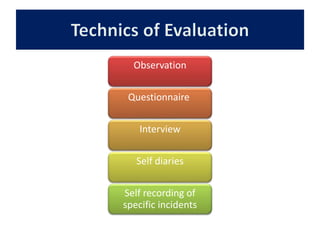
Observation
Questionnaire
Interview
Self diaries
Self recording of
specific incidents
Measurement
&
Assessment
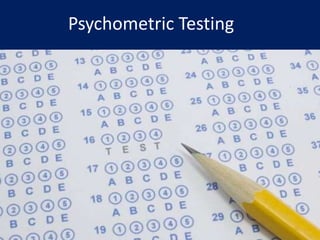
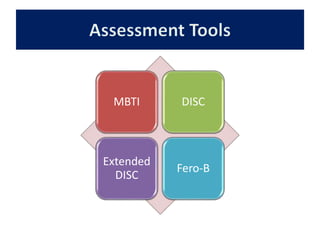
Psychometric Testing
MBTI DISC
Extended
DISC
Fero-B
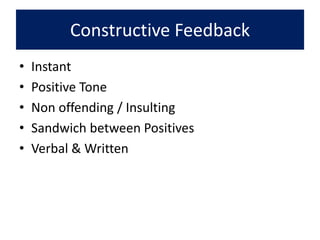
Constructive Feedback
• Instant
• Positive Tone
• Non offending / Insulting
• Sandwich between Positives
• Verbal & Written
Conclusion
&
Feedback
Plan of Action
Parting Activity
Parting Activity
Feedback

Training effectiveness