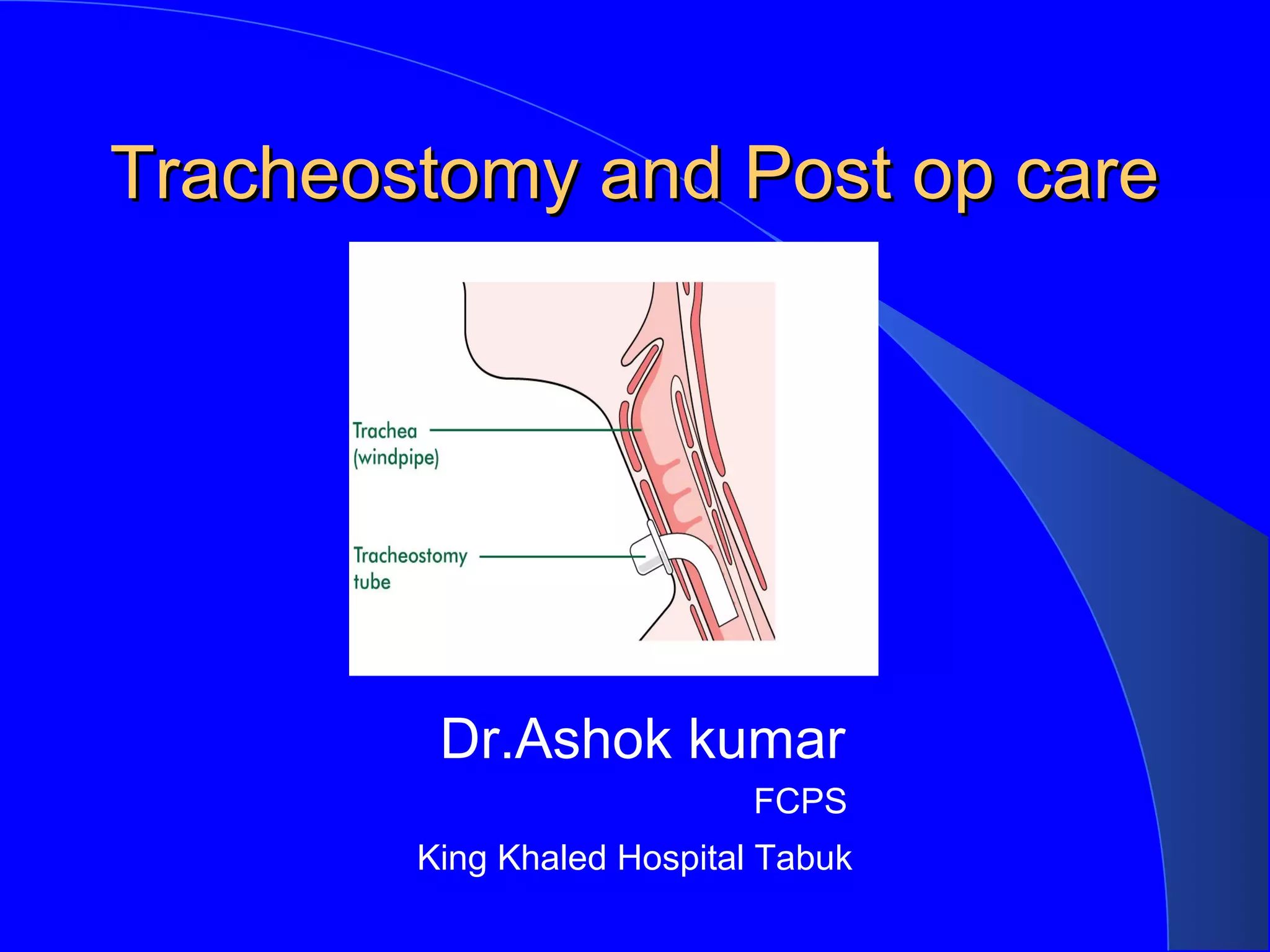
Tracheostomy and Post op careTracheostomy and Post op care
Dr.Ashok kumar
FCPS
King Khaled Hospital Tabuk
Points to be discussPoints to be discuss
 What is tracheostomy ?
 Indications
 Operative technique
 Complications
 Prevention/ Post operative care
 Education of the patient.
DefinitionDefinition
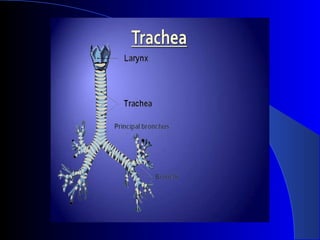
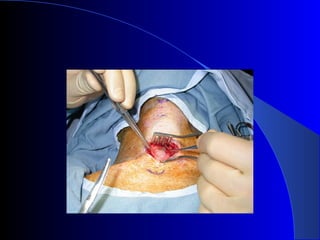
It is an operative procedure that creates a
surgical opening for airway in the anterior
wall of cervical trachea.
HistoryHistory
It was one of the oldest surgical procedures
in the ancient Egypt.
1546- Antonio Musa Brasavola, performed
a successful tracheotomy in a patient
suffering from obstruction of the tonsils.
HistoryHistory
1630-Habicot performed the first pediatric
tracheotomy,
From the 16th to 19th century, tracheotomy
was generally cosidered as dangerous
procedure. So it was reserved for
emergency treatment in the obstruction of
the upper airways
HistoryHistory
in early 1900s Chevalier Jackson standardized
the surgical procedure by showing lowered
mortality rates with proper techniques and
adequate post-operative care.
IndicationsIndications
Congenital: subglottic stenosis, laryngomalacia
Traumatic : Tracheal, laryngeal, facial fractures
Neoplastic: Laryngeal, thyroid, upper oesophageal
Infective: Ac:epiglottitis, diphtheria,oropharyngeal
retropharyngeal, parapharyngeal
abscess, Ludwig angina,
Neurological: Bil: V C palsy, Motor neuron disease
Other surgeries: Oesophageal, laryngeal, oral surgery
Difficult airway: emergency tracheostomy
Prolonged Intubation: >10 days
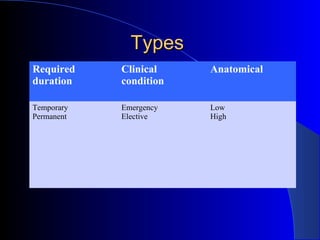
TypesTypes
Required
duration
Clinical
condition
Anatomical
Temporary
Permanent
Emergency
Elective
Low
High
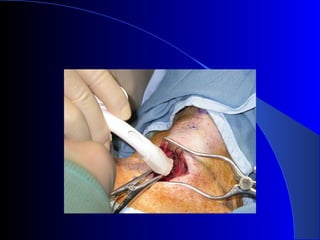
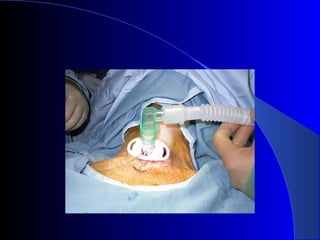
Operative techniqueOperative technique
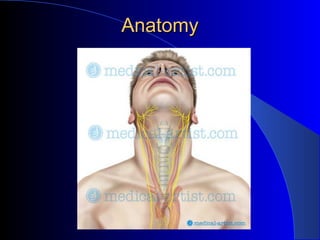
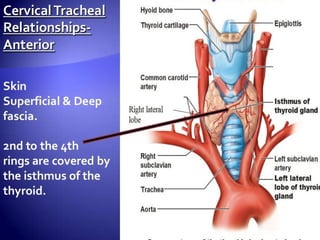
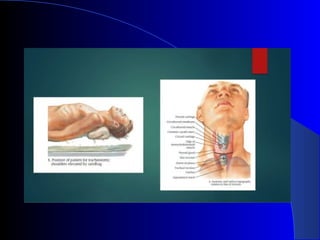
AnatomyAnatomy
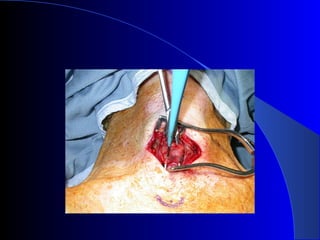
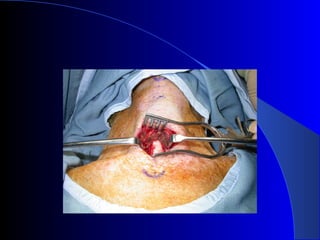
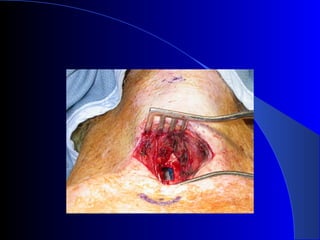
Surgical techniqueSurgical technique
Advantages over ET TubesAdvantages over ET Tubes
Comfort
Easier to nurse
↓ Dead space (70-100ml / 10-50%)
Better oral hygiene
No sinusitis, nasal or oral ulceration, subglottic stenosis
Better airway toilet
Weaning easier
Awake patient
ComplicationsComplications
Per operativePer operative
Bleeding
Damage to RLN
Tracheoeophageal puncture
Damage to lung apices
False track
Apnea
Post-operativePost-operative
Dislodgement of tube
Surgical emphysema
Pneumothorax/Pneumomediastinum
Obstruction of tube – crusting
Infection(perichondritis,wound infection,secondary haemorrhage)
Tracheal necrosis - leading to tracheal stenosis or tracheo-
oesophageal fistula
 Difficult decanulation
LateLate
Subglottic / tracheal stenosis
Granulation tissue
Tracheo-arterial fistula
Tracheocutaneous fistula
Decannulation difficulty
Scar mark
 keloid
PreventionPrevention
 Post opp CXR
Humidification
Infection control
Regular suctioning with saline
Gentle suctioning
Removal as soon as is safe
Indications for suctioningIndications for suctioning
Secretions in trachea
Suspected aspiration of gastric or upper
airway secretions.
Increase in peak airway pressure.
Gradual or sudden decrease in ABG
Sudden onset of respiratory distress when
airway patency is questioned
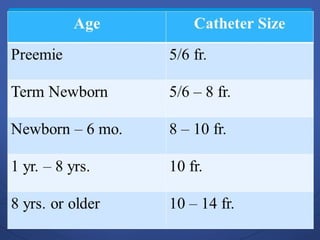
Size of suction catheterSize of suction catheter
Catheter should not be more than half of the
inner diameter of the tracheostomy tube.
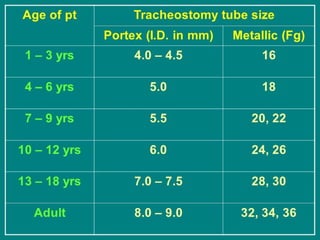
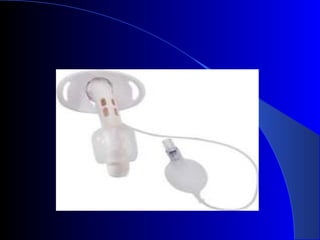
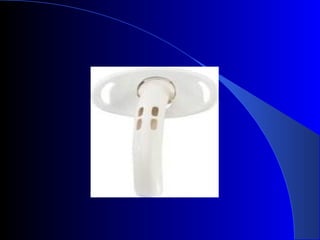
Catheter size can be calculated by
 (Size of tracheostomy tube /2) x 3
 Eg.Tracheostomy tube size is 8/2=4,
 4x3=12 French gauge of suction catheter
Tracheostomy  and post op care

Tracheostomy and post op care