
Contents
 Introduction
 Definition
 Components of time series analysis
 Applications and techniques
 Applications in forcastic
TIME SERIES ANALYSIS
> Future is a very necessary for the every
business firm,every Govt,institute,every
individual and for every country.
>As a like every business is doing planning for
possibilities of its financial resources & Sale
and for maximization its profit.
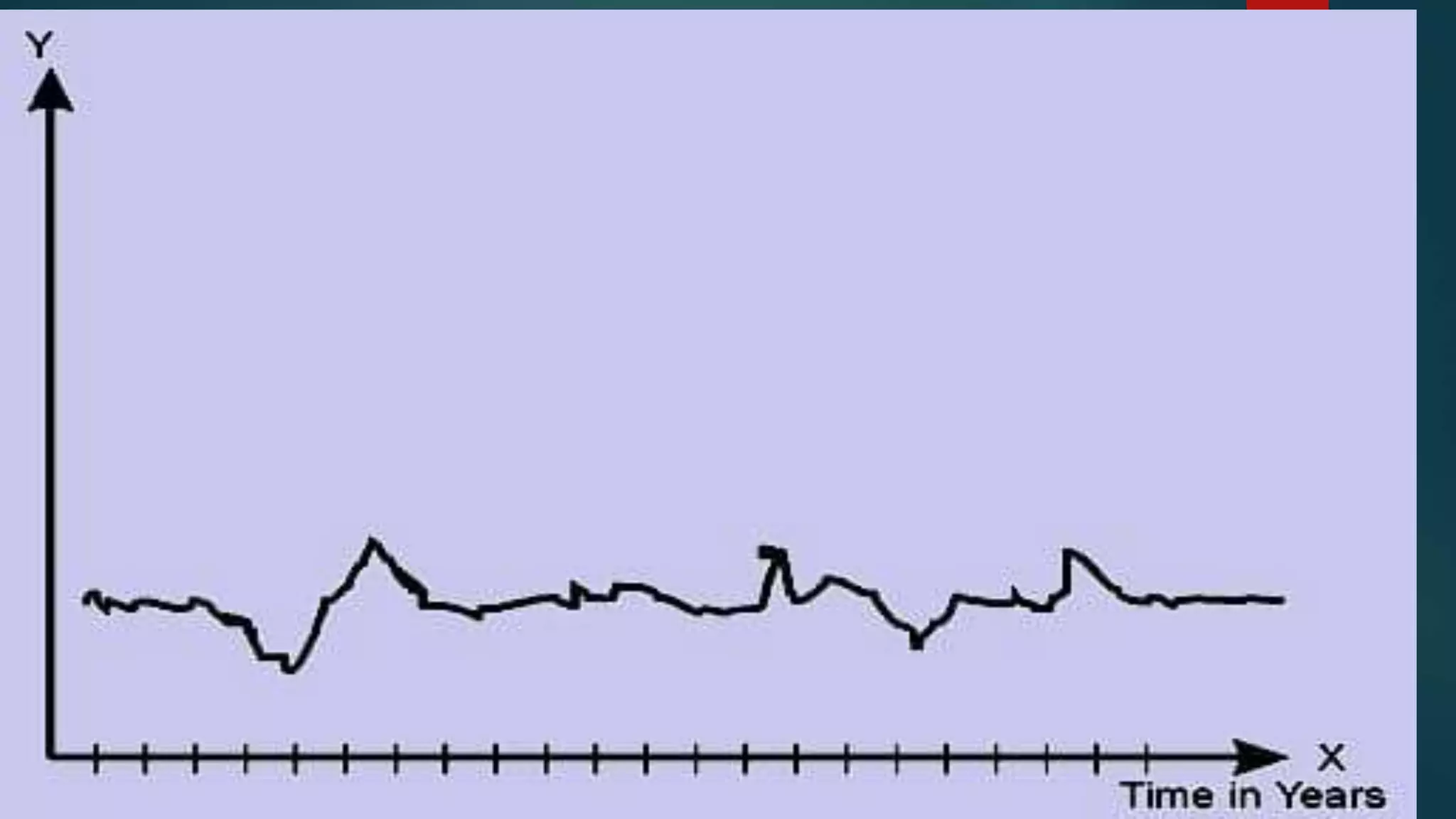
DEFINITION
“ A time series is a set of observation
taken at specified times, usually at equal
intervals ‘’
Components of time series
>The change which are being in time series, they are
affected by economic, social,natural
industrial & political reasons,these reasons are called
components of time series
* Secular trend
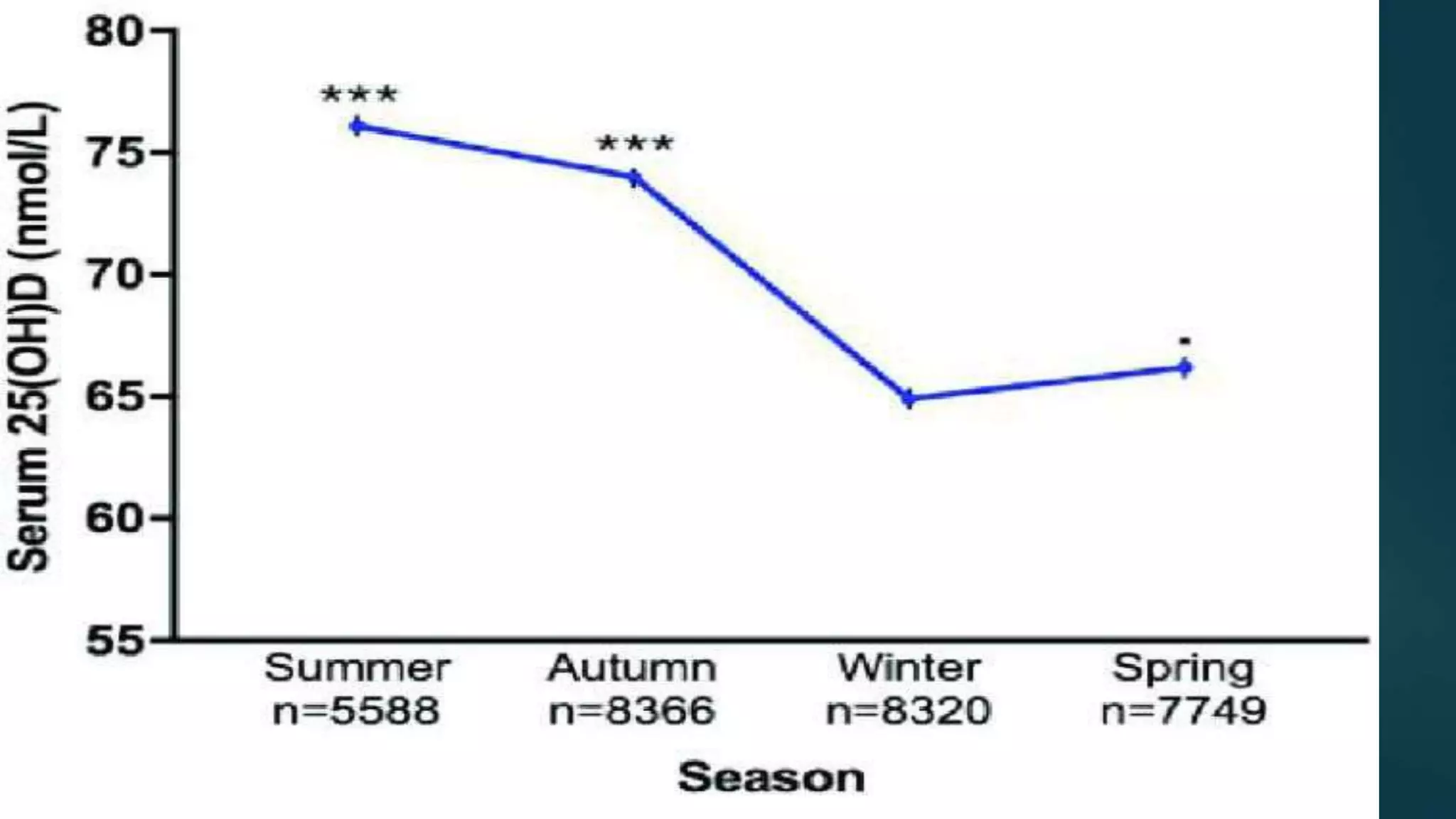
* Seasonal variation
* Cyclical variation
* Irregular Variation
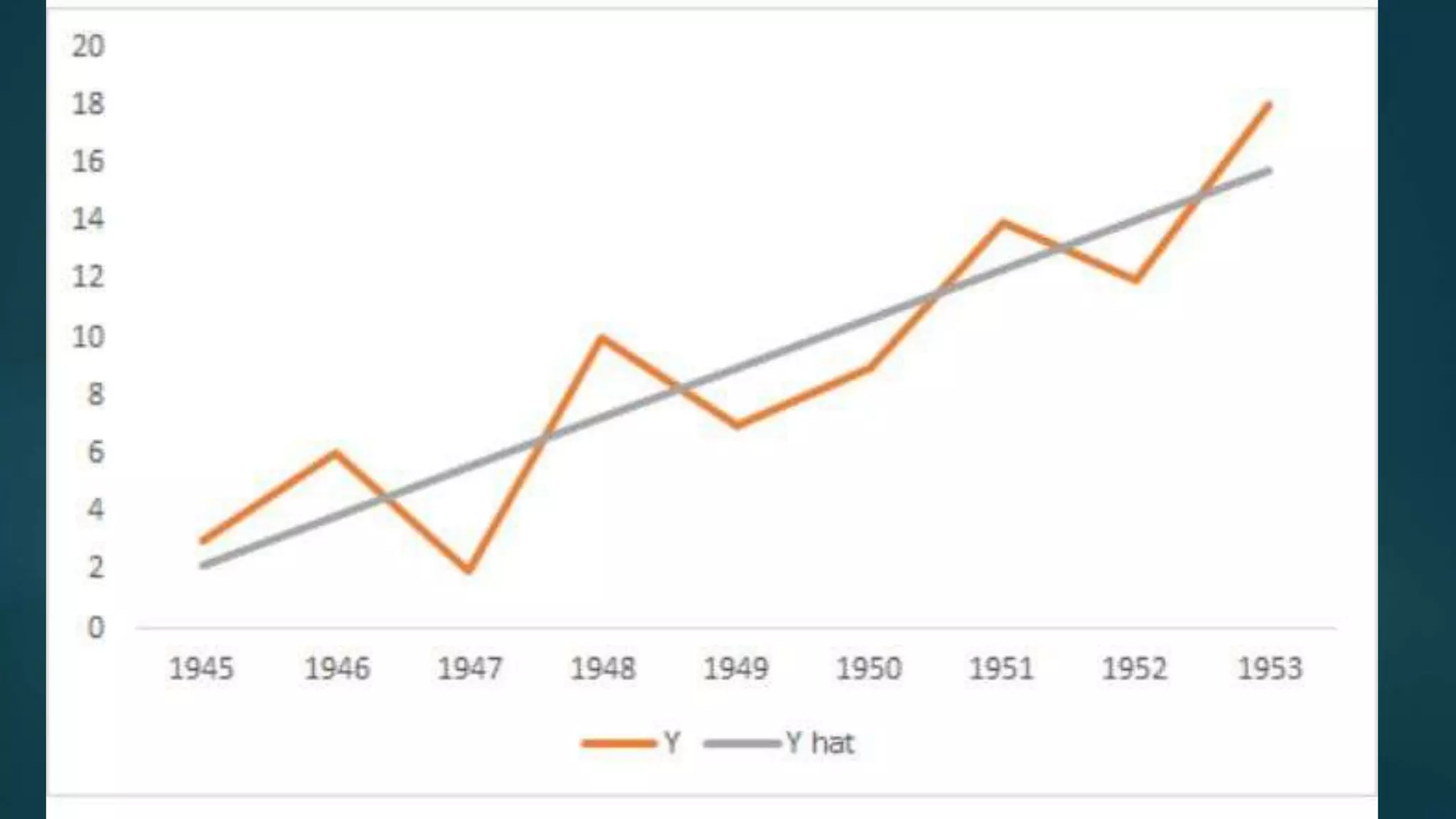
SECULAR TREND
• The increase of decrease in the movement
of a
time series is called secular trend
• Increase in population
• Change in technical progress
• Large scare shifts in consumers demands
SEASONAL VARIATION
• Seasonal variation are short –term fluctuation
in a time series which occur periodically in a
year
• More woolen clothes are sold in winter than in
the season of summer
• Each year more ice creams are sold in
summer and very little in winter season
CYCLICAL VARIATION
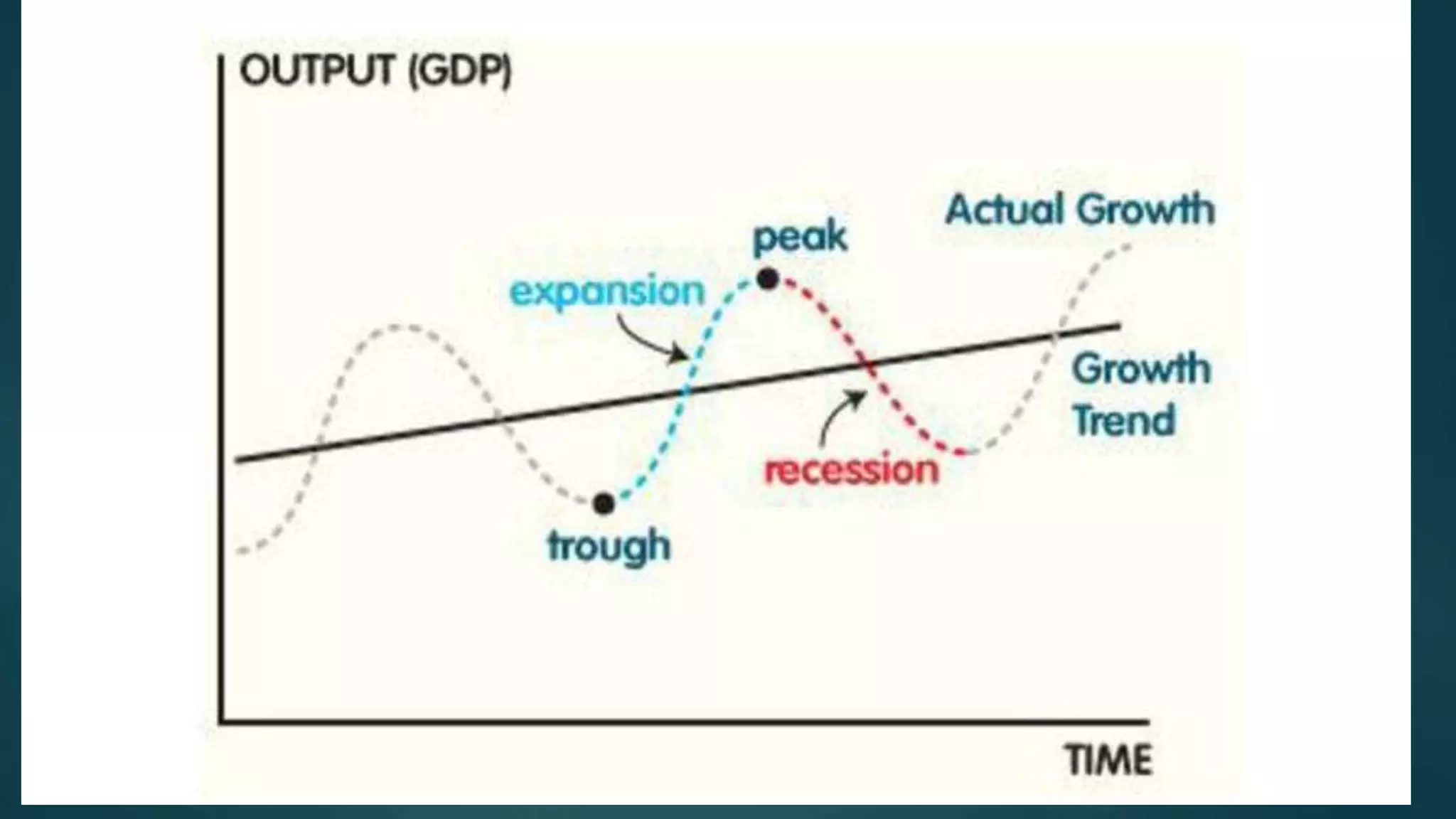
• Cyclical variation are recurrent upword or
downward movement in a time series but the
Period of cycle is greater than a year,Also
these variation are not regular as seasonal
variation
• Business cycle
IRREGULAR VARIATION
• Irregular variation are fluctuation in time
series that are short in duration,erratic nature
and follow no regularity in the occurrence
pattern
• Flood’s
• Earthquakes
• Wars
Applications: the usage of time series
models is twofold
Obtain an understanding of the
underlying forces and structure that
produced the observed data.
Fit a model and proceed to forcasting ,
monitoring or even feedback and
feedforward control.
Techniques of time series analysis
The fitting of time series models can be an
ambitious undertaking . There are many
methods of modal fitting including the
following:
 box- jenkins ARIMA models
 Box- jenkins multivariate models
 Holt-winters exponential
smoothing_(single,double,triple).
APPLICATION OF TIME SERIES
• Economic forecasting
• Sale forecasting
• Budgetory analysis
• Stock market analysis
• Yield projection
• Process and quality control
• Inventory studies
• Workload projection
• Utility studies
• Senses analysis
CONCLUSION
> Time series analysis is a most for every
company to understand
seasonality,cyclicality,trend and randomness in
the sales and attributes.in the coming blogs we
will learn more on how to perform time series
analysis with R,python and Hadoop.
REFERENCE
“ Time series analysis : The components That
Define It/ by OBSC open data science
https://medium.com/@ODSc/time series
Analysis -the components-that-define-it-
2234b76ce544
THANK YOU

Time Series Analysis, Components and Application in Forecasting

  • 2.
    Contents  Introduction  Definition Components of time series analysis  Applications and techniques  Applications in forcastic
  • 3.
    TIME SERIES ANALYSIS >Future is a very necessary for the every business firm,every Govt,institute,every individual and for every country. >As a like every business is doing planning for possibilities of its financial resources & Sale and for maximization its profit.
  • 4.
    DEFINITION “ A timeseries is a set of observation taken at specified times, usually at equal intervals ‘’
  • 5.
    Components of timeseries >The change which are being in time series, they are affected by economic, social,natural industrial & political reasons,these reasons are called components of time series * Secular trend * Seasonal variation * Cyclical variation * Irregular Variation
  • 6.
    SECULAR TREND • Theincrease of decrease in the movement of a time series is called secular trend • Increase in population • Change in technical progress • Large scare shifts in consumers demands
  • 8.
    SEASONAL VARIATION • Seasonalvariation are short –term fluctuation in a time series which occur periodically in a year • More woolen clothes are sold in winter than in the season of summer • Each year more ice creams are sold in summer and very little in winter season
  • 10.
    CYCLICAL VARIATION • Cyclicalvariation are recurrent upword or downward movement in a time series but the Period of cycle is greater than a year,Also these variation are not regular as seasonal variation • Business cycle
  • 12.
    IRREGULAR VARIATION • Irregularvariation are fluctuation in time series that are short in duration,erratic nature and follow no regularity in the occurrence pattern • Flood’s • Earthquakes • Wars
  • 14.
    Applications: the usageof time series models is twofold Obtain an understanding of the underlying forces and structure that produced the observed data. Fit a model and proceed to forcasting , monitoring or even feedback and feedforward control.
  • 15.
    Techniques of timeseries analysis The fitting of time series models can be an ambitious undertaking . There are many methods of modal fitting including the following:  box- jenkins ARIMA models  Box- jenkins multivariate models  Holt-winters exponential smoothing_(single,double,triple).
  • 16.
    APPLICATION OF TIMESERIES • Economic forecasting • Sale forecasting • Budgetory analysis • Stock market analysis • Yield projection • Process and quality control • Inventory studies • Workload projection • Utility studies • Senses analysis
  • 17.
    CONCLUSION > Time seriesanalysis is a most for every company to understand seasonality,cyclicality,trend and randomness in the sales and attributes.in the coming blogs we will learn more on how to perform time series analysis with R,python and Hadoop.
  • 18.
    REFERENCE “ Time seriesanalysis : The components That Define It/ by OBSC open data science https://medium.com/@ODSc/time series Analysis -the components-that-define-it- 2234b76ce544
  • 19.