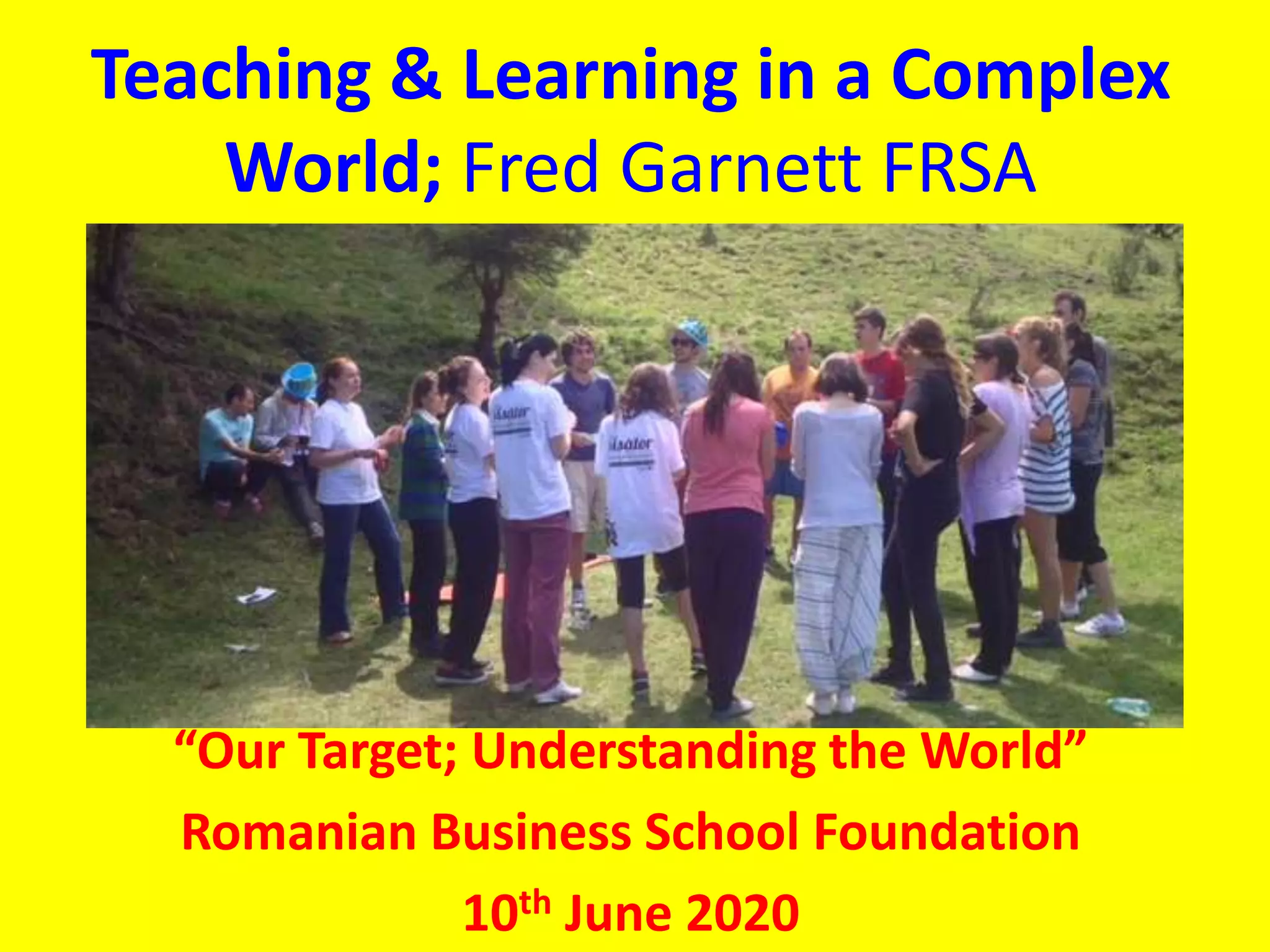
Teaching & Learning in a Complex
World; Fred Garnett FRSA
“Our Target; Understanding the World”
Romanian Business School Foundation
10th June 2020
Teaching & Learning in a Complex World
• The Craft of Teaching (Heutagogy)
• The Digital Practitioner (Technology)
• Social Media Model of Learning (Social)
• The Romanian Way of Learning (Cultural)
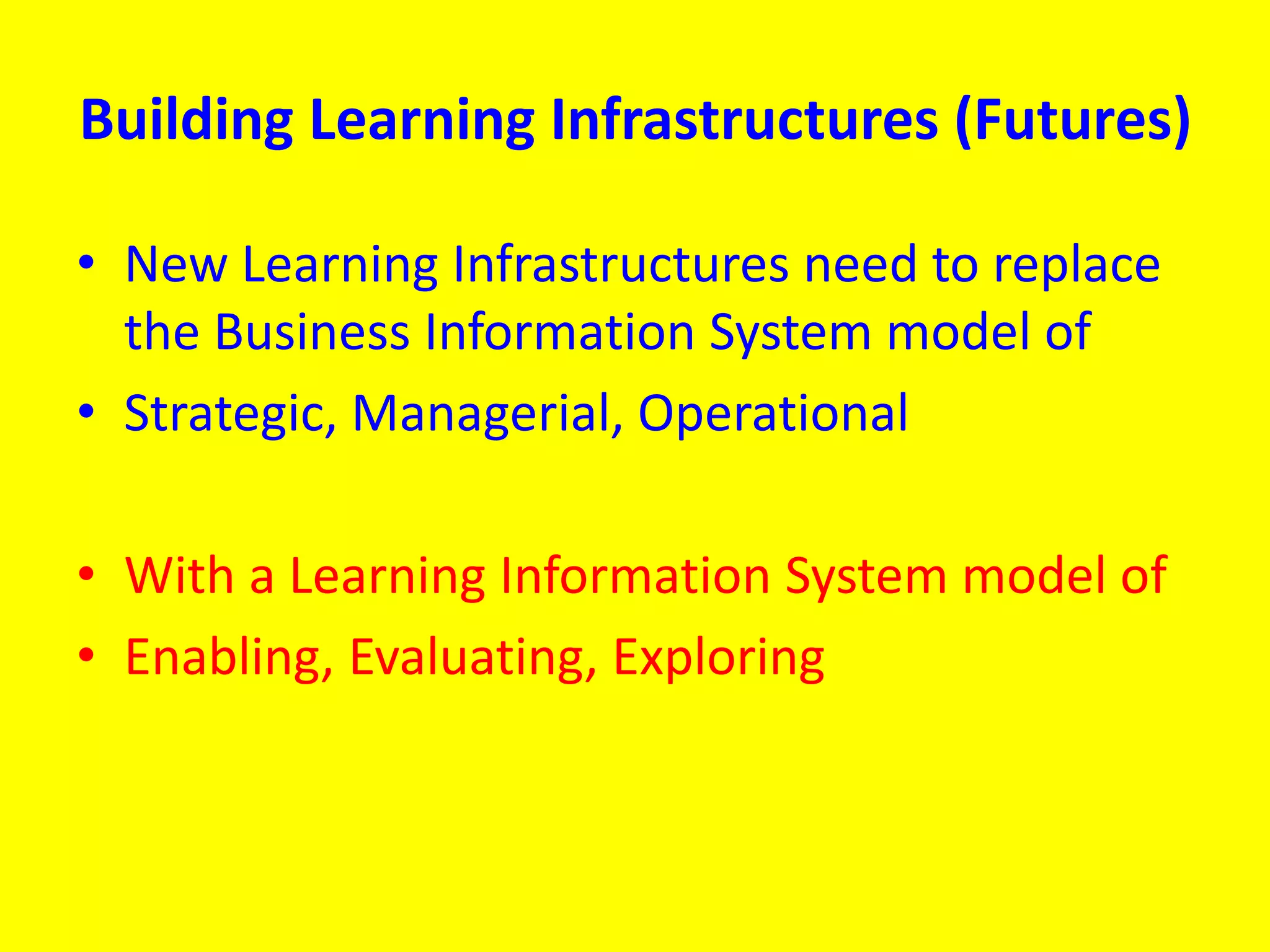
• Building Learning Infrastructures (Futures)
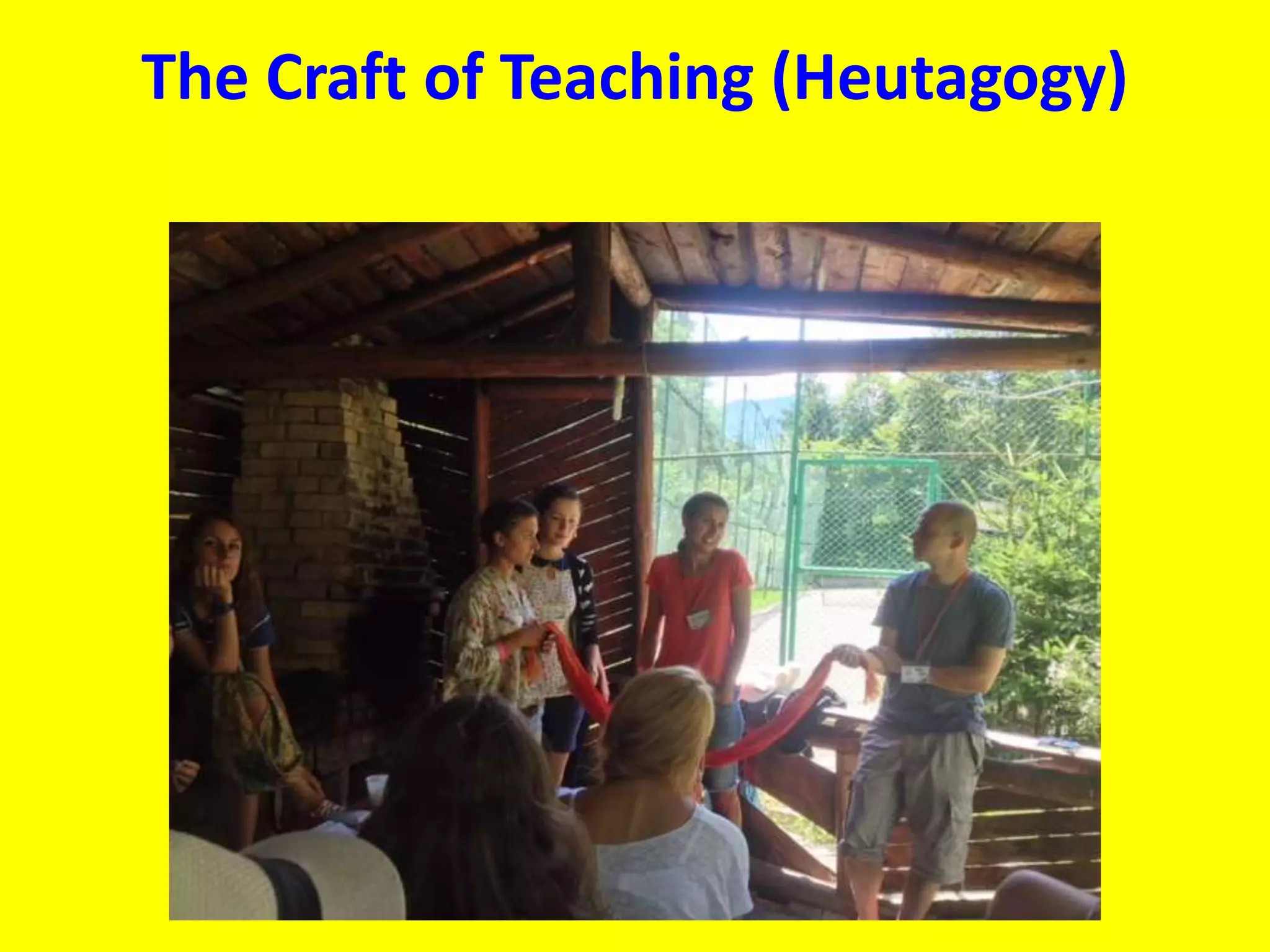
The Craft of Teaching (Heutagogy)
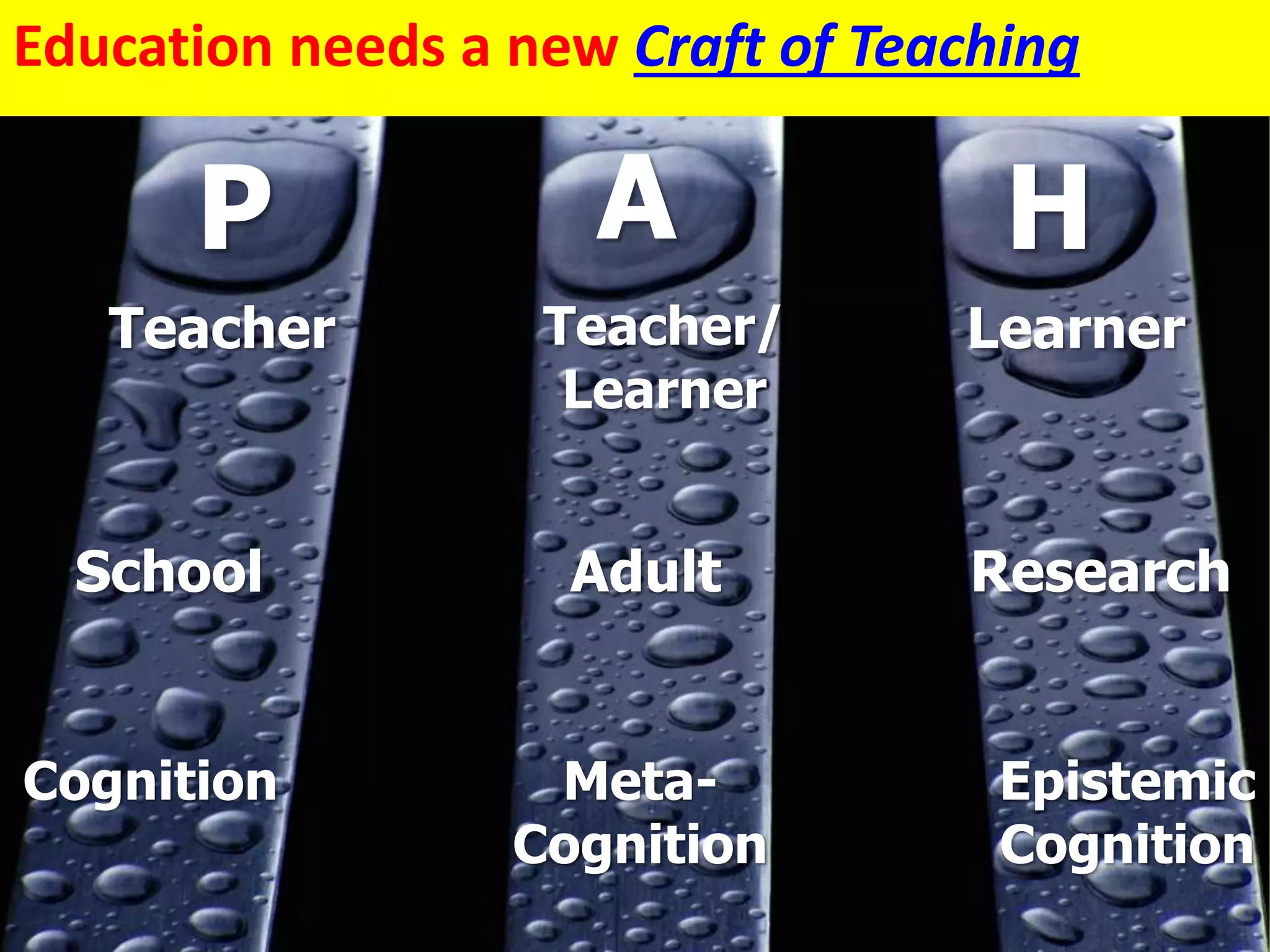
• Teachers need to;
• Deliver subject content (Pedagogy)
• Facilitate discussion (Andragogy)
• Enable creativity (Heutagogy)
P A H
Teacher
School
Teacher/
Learner
Learner
Research
Cognition Epistemic
Cognition
Meta-
Cognition
Adult
Education needs a new Craft of Teaching
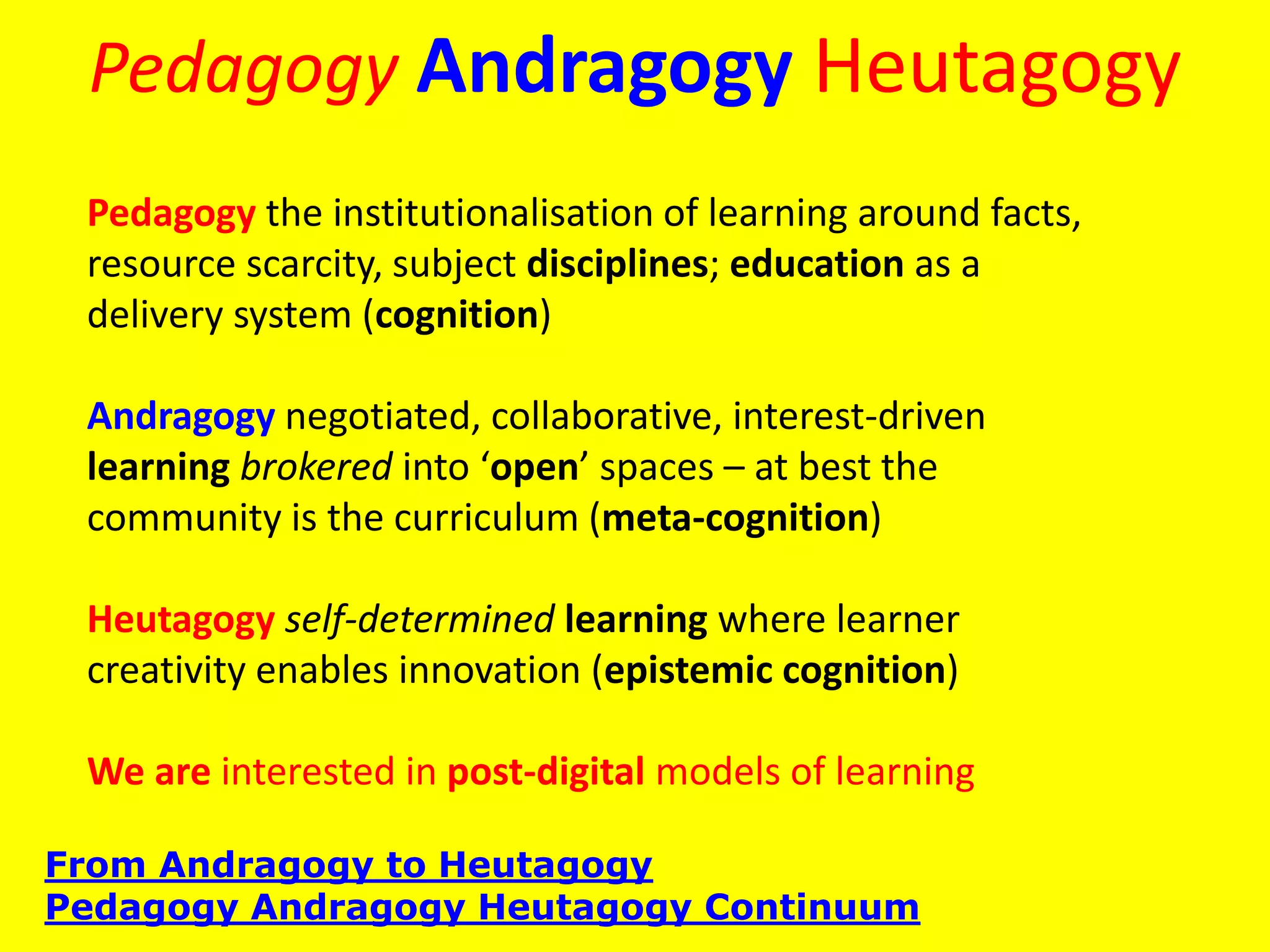
Pedagogy Andragogy Heutagogy
From Andragogy to Heutagogy
Pedagogy Andragogy Heutagogy Continuum
Pedagogy the institutionalisation of learning around facts,
resource scarcity, subject disciplines; education as a
delivery system (cognition)
Andragogy negotiated, collaborative, interest-driven
learning brokered into ‘open’ spaces – at best the
community is the curriculum (meta-cognition)
Heutagogy self-determined learning where learner
creativity enables innovation (epistemic cognition)
We are interested in post-digital models of learning
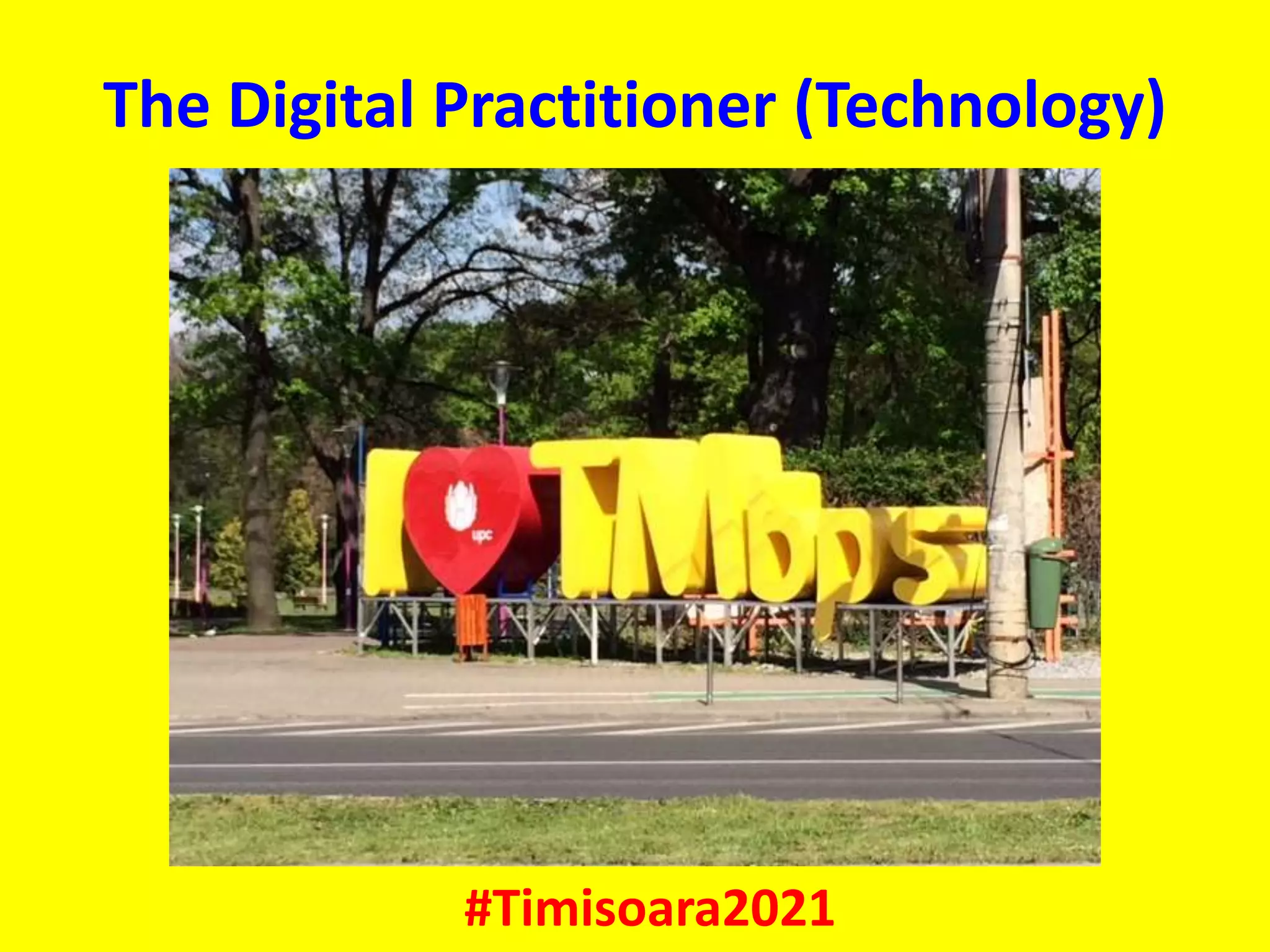
The Digital Practitioner (Technology)
#Timisoara2021
I am Curious Digital
timely
I am Curious;
#Digital
What the Digital Native did next
Based on; Interviews with 1000 Digital Teachers 2012
We found that Digital Practitioners;
Explore;
• With Confidence
• Think Divergently
Trust in;
• A Tapestry of Technology
• Student Play
• Bring Your Own Device
Use;
• Personal curiosity to Discover resources
& Collaborate confidently
Transformation comes from;
Designing “Artfully-constructed,
student-centred learning experiences”
11
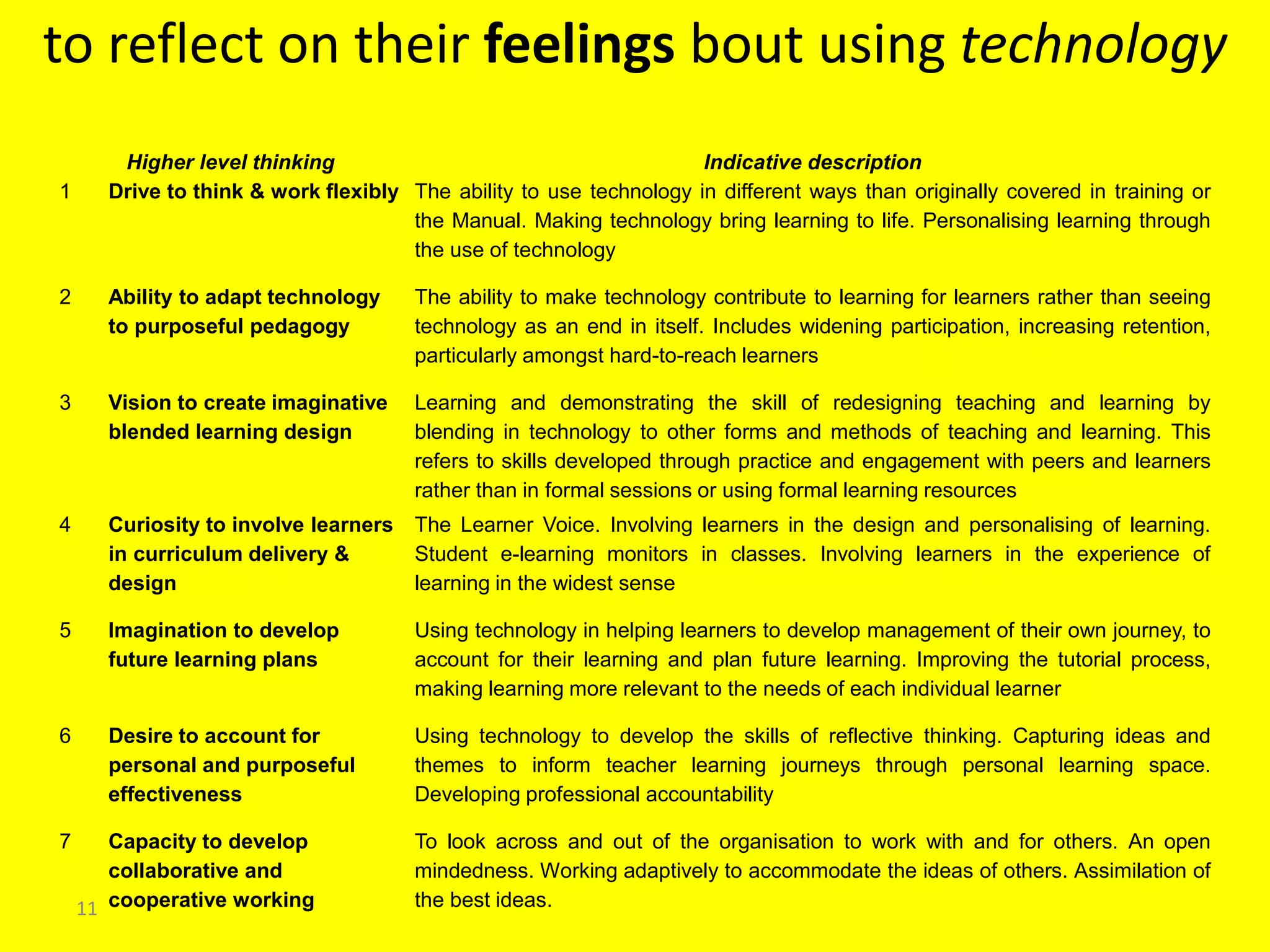
Higher level thinking Indicative description
1 Drive to think & work flexibly The ability to use technology in different ways than originally covered in training or
the Manual. Making technology bring learning to life. Personalising learning through
the use of technology
2 Ability to adapt technology
to purposeful pedagogy
The ability to make technology contribute to learning for learners rather than seeing
technology as an end in itself. Includes widening participation, increasing retention,
particularly amongst hard-to-reach learners
3 Vision to create imaginative
blended learning design
Learning and demonstrating the skill of redesigning teaching and learning by
blending in technology to other forms and methods of teaching and learning. This
refers to skills developed through practice and engagement with peers and learners
rather than in formal sessions or using formal learning resources
4 Curiosity to involve learners
in curriculum delivery &
design
The Learner Voice. Involving learners in the design and personalising of learning.
Student e-learning monitors in classes. Involving learners in the experience of
learning in the widest sense
5 Imagination to develop
future learning plans
Using technology in helping learners to develop management of their own journey, to
account for their learning and plan future learning. Improving the tutorial process,
making learning more relevant to the needs of each individual learner
6 Desire to account for
personal and purposeful
effectiveness
Using technology to develop the skills of reflective thinking. Capturing ideas and
themes to inform teacher learning journeys through personal learning space.
Developing professional accountability
7 Capacity to develop
collaborative and
cooperative working
To look across and out of the organisation to work with and for others. An open
mindedness. Working adaptively to accommodate the ideas of others. Assimilation of
the best ideas.
to reflect on their feelings bout using technology
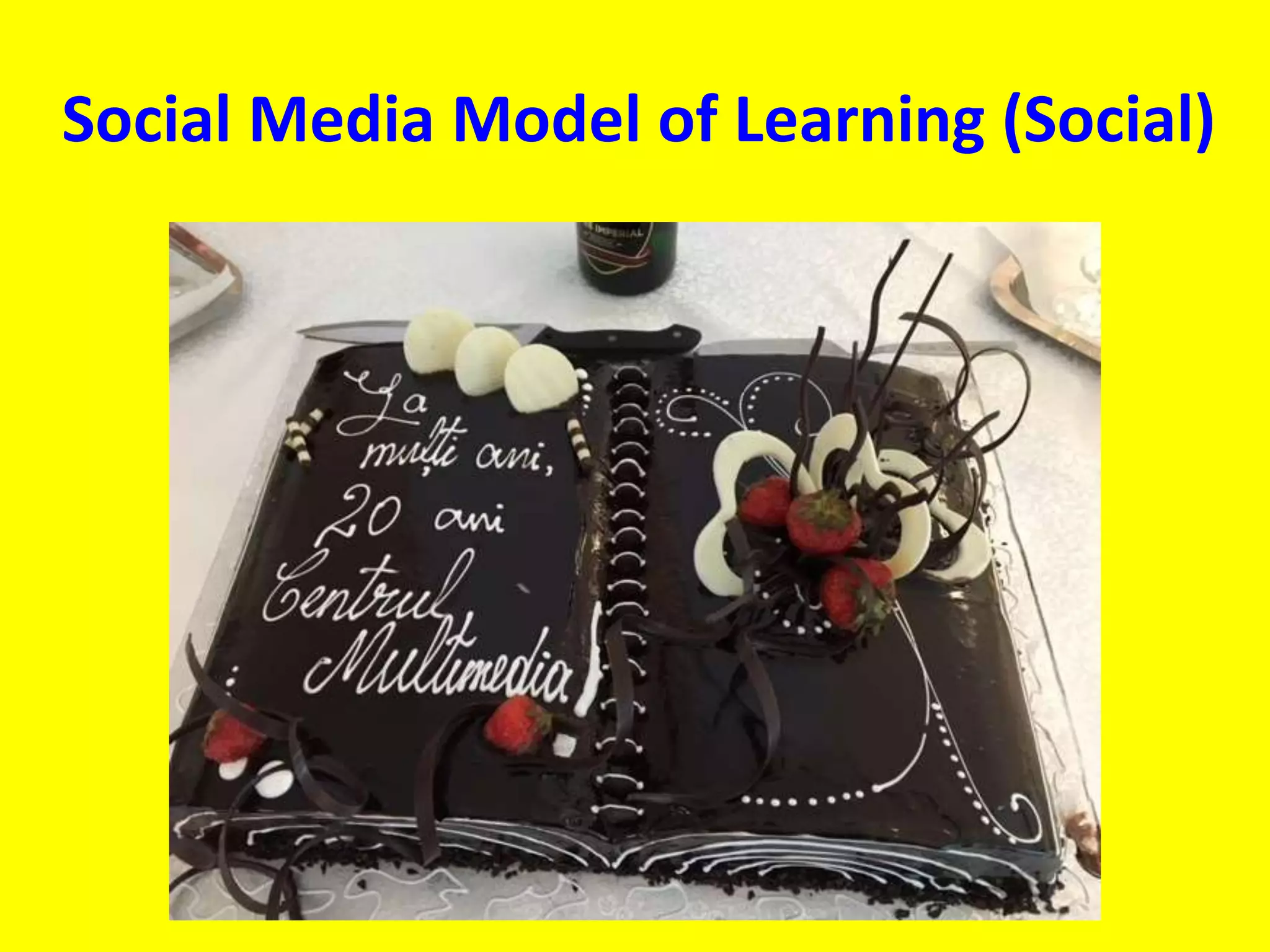
Social Media Model of Learning (Social)
• The use of Social Media for learning requires;
1. Social Phenomena (Social Design of Learning)
2. Learning Environment (Classroom, Online,
Ambient etc)
3. Set of Tools
OR
Purpose, Context, Resources
A Comparison of CROS & WikiQuals
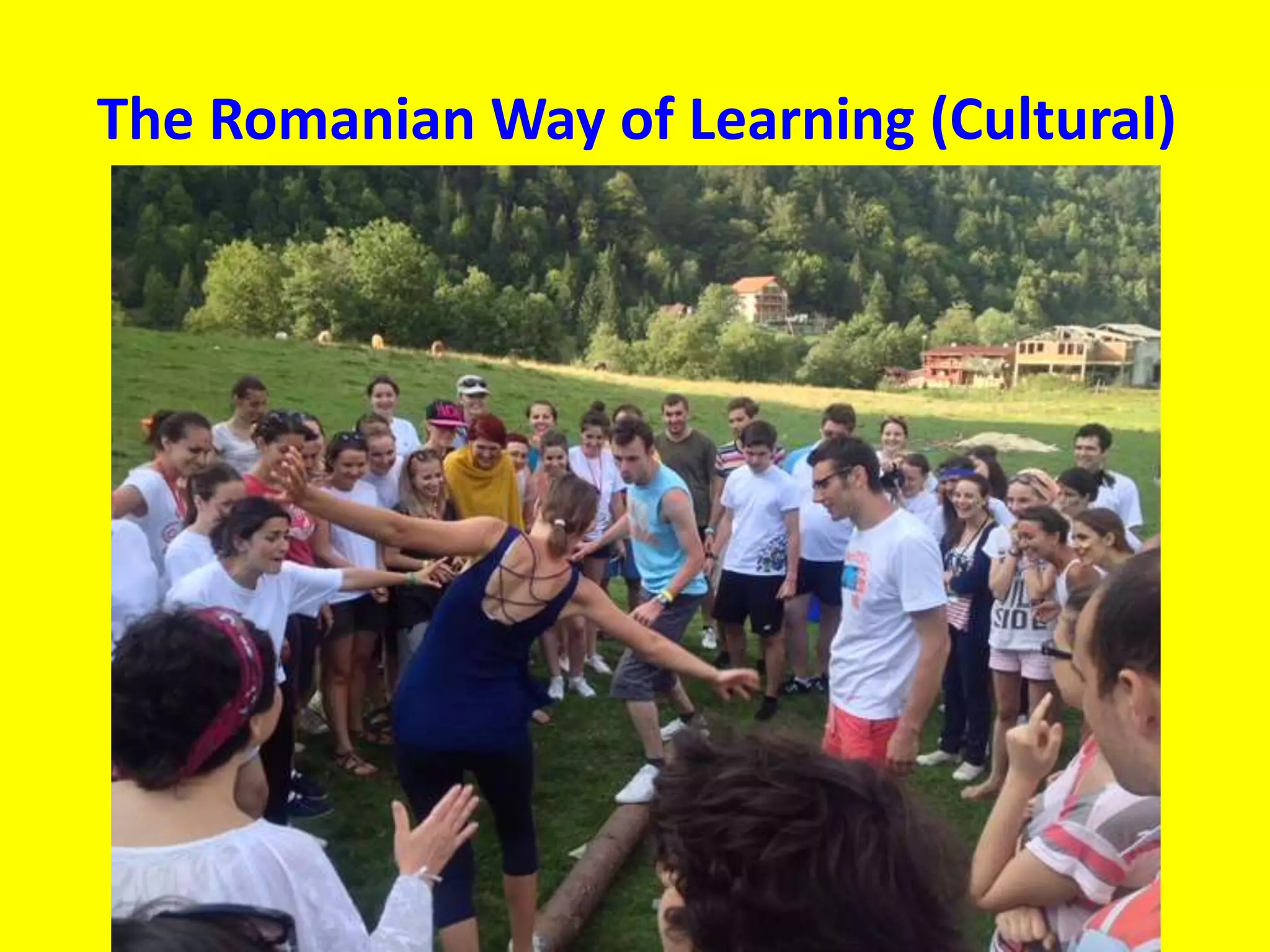
The Romanian Way of Learning (Cultural)
The Romanian Way of Learning
(Cultural)
• The first responsibility of an education system
is to transmit its cultural values & history
• With CROS at Summer School in Plaiul Foii
1. Peer-to-peer mentoring; human resource
development as co-creating learning
2. Thinking that is equally materialist & spiritual
https://bandwidthro.wordpress.com/about/
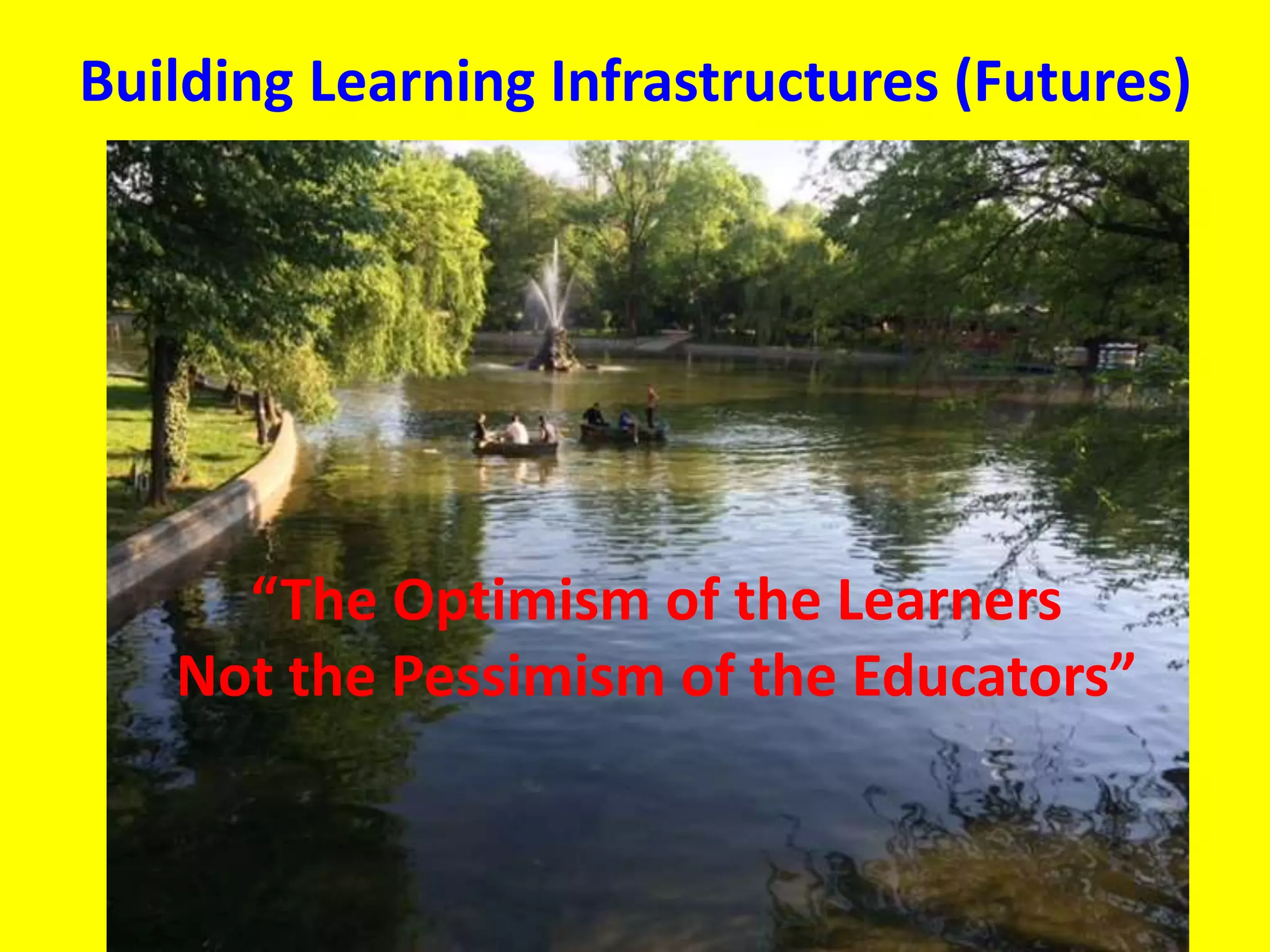
Building Learning Infrastructures (Futures)
“The Optimism of the Learners
Not the Pessimism of the Educators”
Building Learning Infrastructures (Futures)
• New Learning Infrastructures need to replace
the Business Information System model of
• Strategic, Managerial, Operational
• With a Learning Information System model of
• Enabling, Evaluating, Exploring
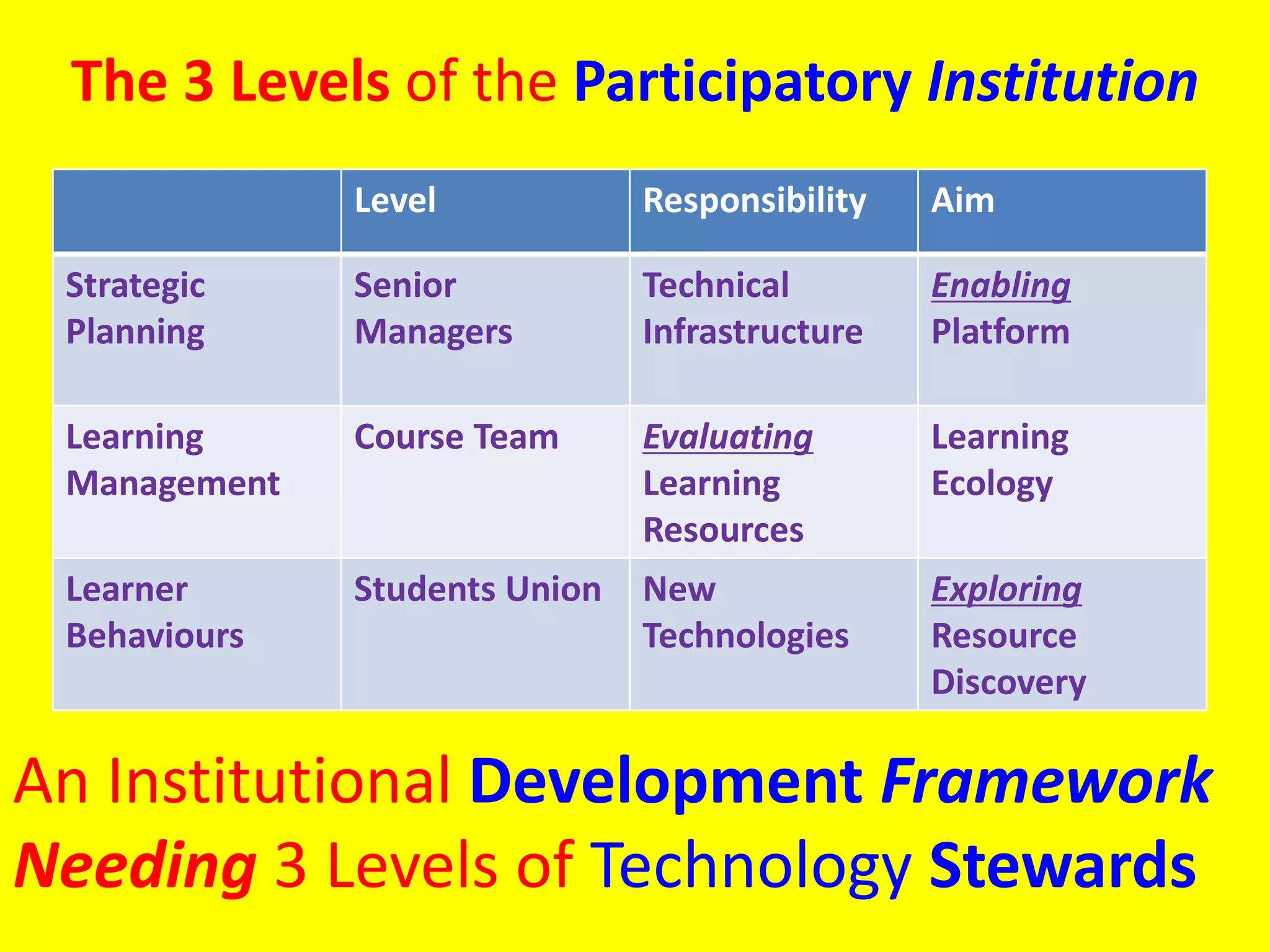
The 3 Levels of the Participatory Institution
Level Responsibility Aim
Strategic
Planning
Senior
Managers
Technical
Infrastructure
Enabling
Platform
Learning
Management
Course Team Evaluating
Learning
Resources
Learning
Ecology
Learner
Behaviours
Students Union New
Technologies
Exploring
Resource
Discovery
An Institutional Development Framework
Needing 3 Levels of Technology Stewards
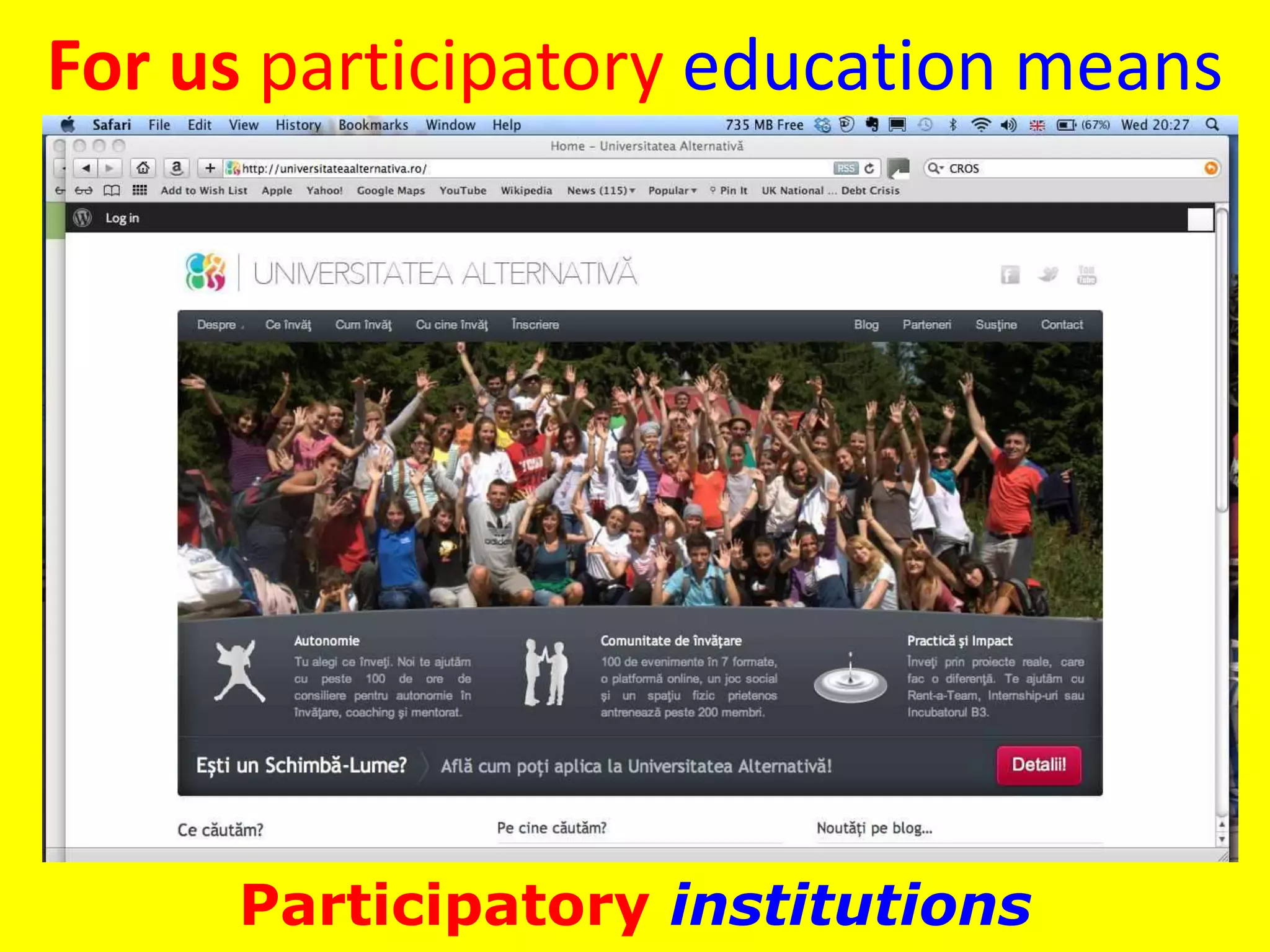
For us participatory education means
Participatory institutions
Resources
Resources
• The Craft of Teaching
• I Am Curious #Digital
• Social Media Models of Learning (CROS)
• Romanian Model of Learning
• Before and After Institutions
• Digital Learning Architectures of Participation
• Blog LearnTeach21
Thank You! @fredgarnett

Teaching and Learning in A Complex World

  • 1.
    Teaching & Learningin a Complex World; Fred Garnett FRSA “Our Target; Understanding the World” Romanian Business School Foundation 10th June 2020
  • 2.
    Teaching & Learningin a Complex World • The Craft of Teaching (Heutagogy) • The Digital Practitioner (Technology) • Social Media Model of Learning (Social) • The Romanian Way of Learning (Cultural) • Building Learning Infrastructures (Futures)
  • 3.
    The Craft ofTeaching (Heutagogy)
  • 4.
    The Craft ofTeaching (Heutagogy) • Teachers need to; • Deliver subject content (Pedagogy) • Facilitate discussion (Andragogy) • Enable creativity (Heutagogy)
  • 5.
    P A H Teacher School Teacher/ Learner Learner Research CognitionEpistemic Cognition Meta- Cognition Adult Education needs a new Craft of Teaching
  • 6.
    Pedagogy Andragogy Heutagogy FromAndragogy to Heutagogy Pedagogy Andragogy Heutagogy Continuum Pedagogy the institutionalisation of learning around facts, resource scarcity, subject disciplines; education as a delivery system (cognition) Andragogy negotiated, collaborative, interest-driven learning brokered into ‘open’ spaces – at best the community is the curriculum (meta-cognition) Heutagogy self-determined learning where learner creativity enables innovation (epistemic cognition) We are interested in post-digital models of learning
  • 7.
    The Digital Practitioner(Technology) #Timisoara2021
  • 8.
    I am CuriousDigital timely I am Curious; #Digital What the Digital Native did next Based on; Interviews with 1000 Digital Teachers 2012
  • 9.
    We found thatDigital Practitioners; Explore; • With Confidence • Think Divergently Trust in; • A Tapestry of Technology • Student Play • Bring Your Own Device Use; • Personal curiosity to Discover resources & Collaborate confidently
  • 10.
    Transformation comes from; Designing“Artfully-constructed, student-centred learning experiences”
  • 11.
    11 Higher level thinkingIndicative description 1 Drive to think & work flexibly The ability to use technology in different ways than originally covered in training or the Manual. Making technology bring learning to life. Personalising learning through the use of technology 2 Ability to adapt technology to purposeful pedagogy The ability to make technology contribute to learning for learners rather than seeing technology as an end in itself. Includes widening participation, increasing retention, particularly amongst hard-to-reach learners 3 Vision to create imaginative blended learning design Learning and demonstrating the skill of redesigning teaching and learning by blending in technology to other forms and methods of teaching and learning. This refers to skills developed through practice and engagement with peers and learners rather than in formal sessions or using formal learning resources 4 Curiosity to involve learners in curriculum delivery & design The Learner Voice. Involving learners in the design and personalising of learning. Student e-learning monitors in classes. Involving learners in the experience of learning in the widest sense 5 Imagination to develop future learning plans Using technology in helping learners to develop management of their own journey, to account for their learning and plan future learning. Improving the tutorial process, making learning more relevant to the needs of each individual learner 6 Desire to account for personal and purposeful effectiveness Using technology to develop the skills of reflective thinking. Capturing ideas and themes to inform teacher learning journeys through personal learning space. Developing professional accountability 7 Capacity to develop collaborative and cooperative working To look across and out of the organisation to work with and for others. An open mindedness. Working adaptively to accommodate the ideas of others. Assimilation of the best ideas. to reflect on their feelings bout using technology
  • 12.
    Social Media Modelof Learning (Social)
  • 13.
    Social Media Modelof Learning (Social) • The use of Social Media for learning requires; 1. Social Phenomena (Social Design of Learning) 2. Learning Environment (Classroom, Online, Ambient etc) 3. Set of Tools OR Purpose, Context, Resources A Comparison of CROS & WikiQuals
  • 14.
    The Romanian Wayof Learning (Cultural)
  • 15.
    The Romanian Wayof Learning (Cultural) • The first responsibility of an education system is to transmit its cultural values & history • With CROS at Summer School in Plaiul Foii 1. Peer-to-peer mentoring; human resource development as co-creating learning 2. Thinking that is equally materialist & spiritual https://bandwidthro.wordpress.com/about/
  • 16.
    Building Learning Infrastructures(Futures) “The Optimism of the Learners Not the Pessimism of the Educators”
  • 17.
    Building Learning Infrastructures(Futures) • New Learning Infrastructures need to replace the Business Information System model of • Strategic, Managerial, Operational • With a Learning Information System model of • Enabling, Evaluating, Exploring
  • 18.
    The 3 Levelsof the Participatory Institution Level Responsibility Aim Strategic Planning Senior Managers Technical Infrastructure Enabling Platform Learning Management Course Team Evaluating Learning Resources Learning Ecology Learner Behaviours Students Union New Technologies Exploring Resource Discovery An Institutional Development Framework Needing 3 Levels of Technology Stewards
  • 19.
    For us participatoryeducation means Participatory institutions
  • 20.
  • 21.
    Resources • The Craftof Teaching • I Am Curious #Digital • Social Media Models of Learning (CROS) • Romanian Model of Learning • Before and After Institutions • Digital Learning Architectures of Participation • Blog LearnTeach21
  • 22.