CC301:QUANTITY MEASUREMENT
Bill of Quantity
Describe the uses and importance of BoQ
Unit of quantity measurement
Recognize the structural drawing
Estimate earthwork
Produce taking off quantities of
substructure
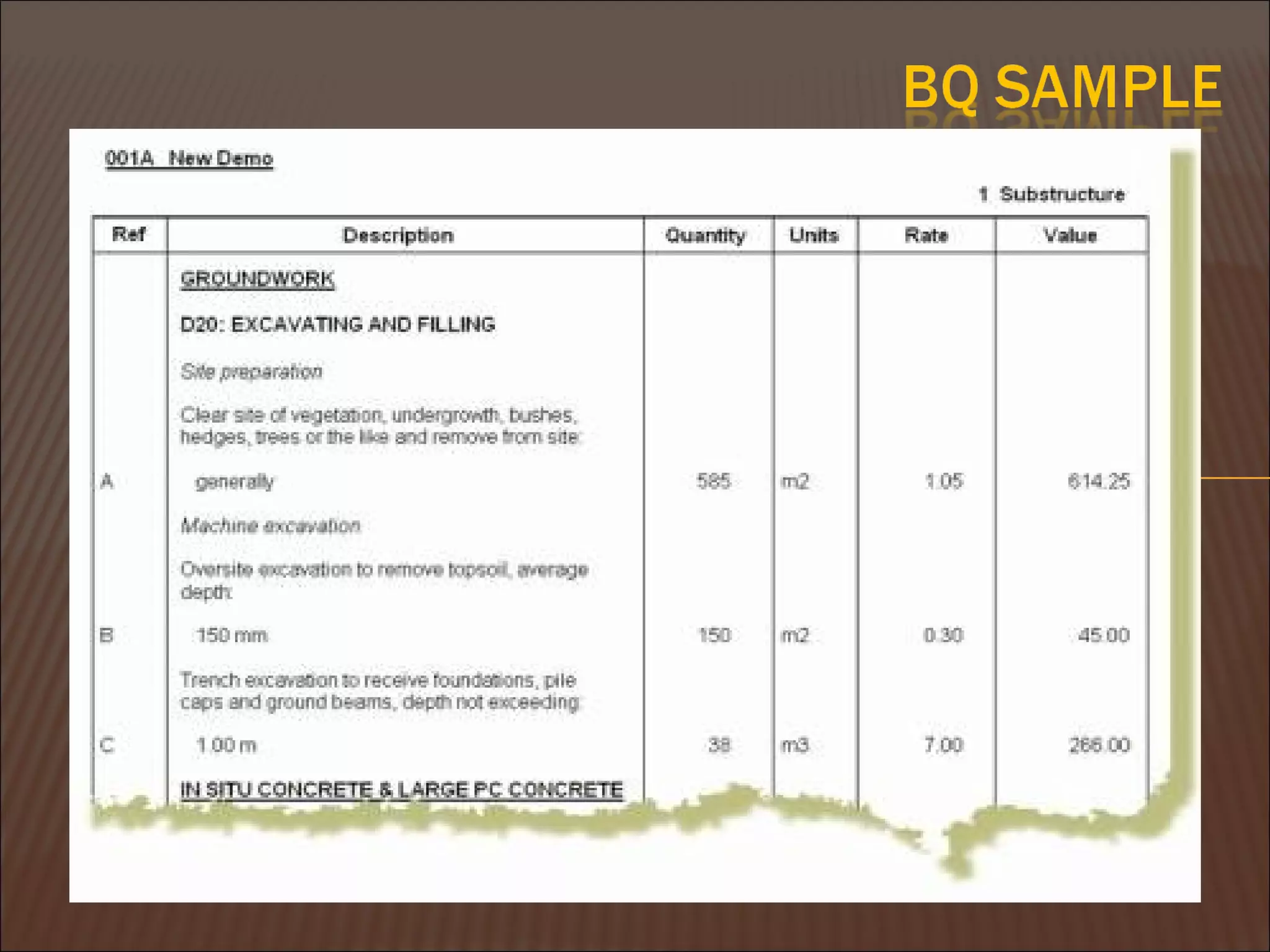
Bill of Quantity
BQ are prepared by the quantity
surveyors and are widely used for project costing,
tendering, as part of contract documentation
and for valuation of interim payment and variation
orders.
They are produced according to the
locally produced Standard Method of Measurement
(SMM)
To provide a basis for tendering
used for valuation of interim
payments
used for valuation of variation
orders
to order and purchase materials
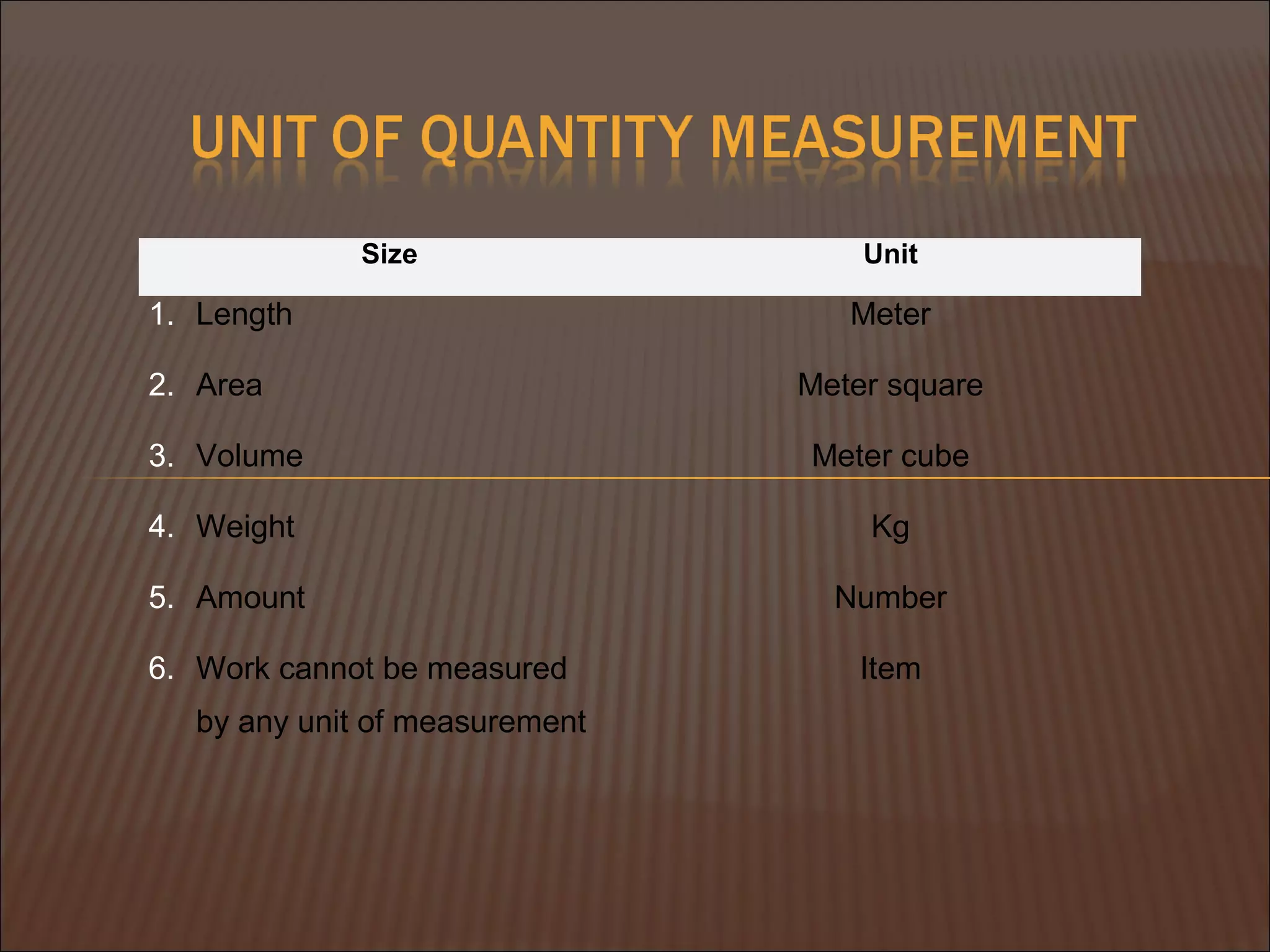
Size Unit
1. Length
2. Area
3. Volume
4. Weight
5. Amount
6. Work cannot be measured
by any unit of measurement
Meter
Meter square
Meter cube
Kg
Number
Item
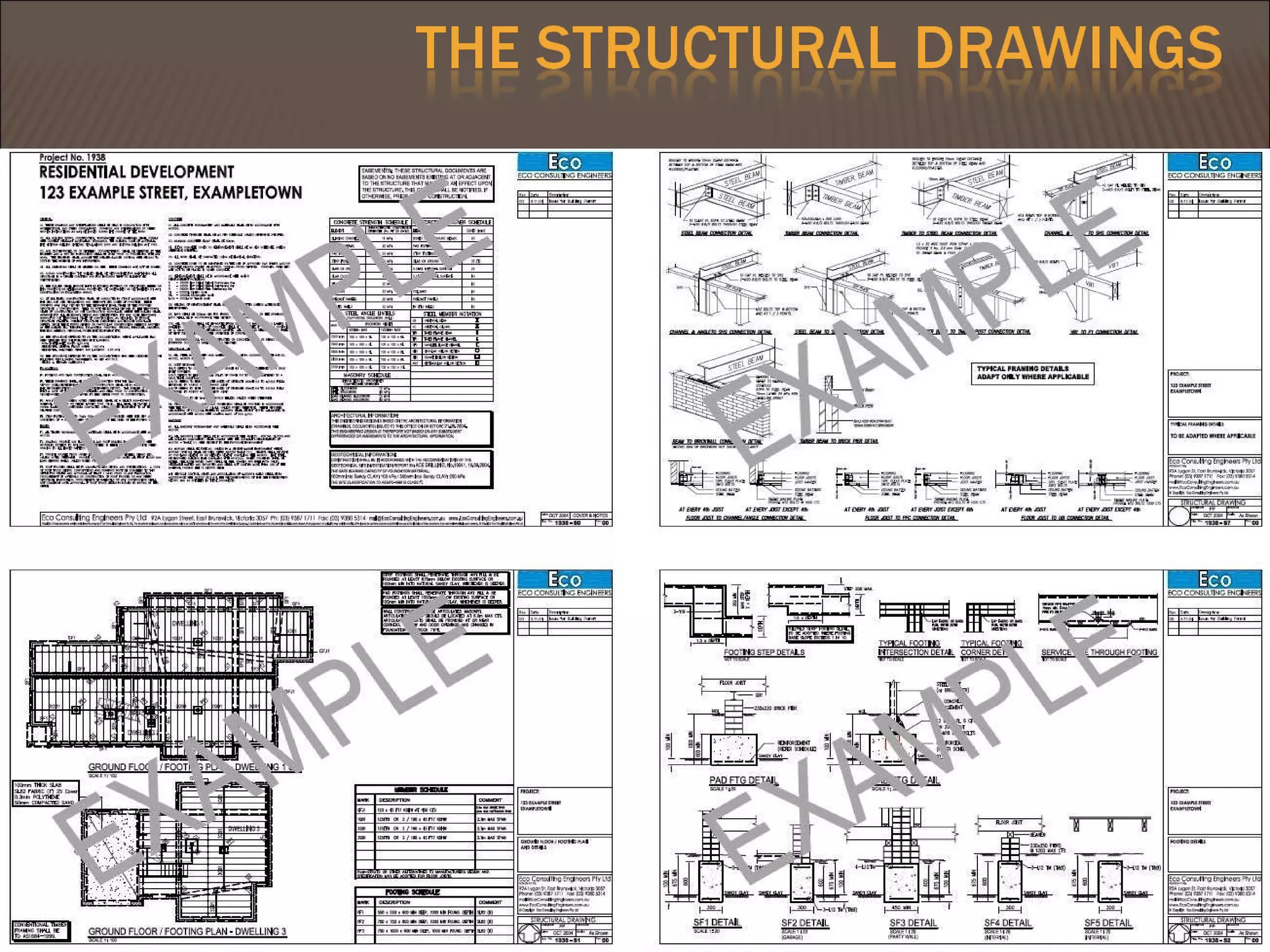
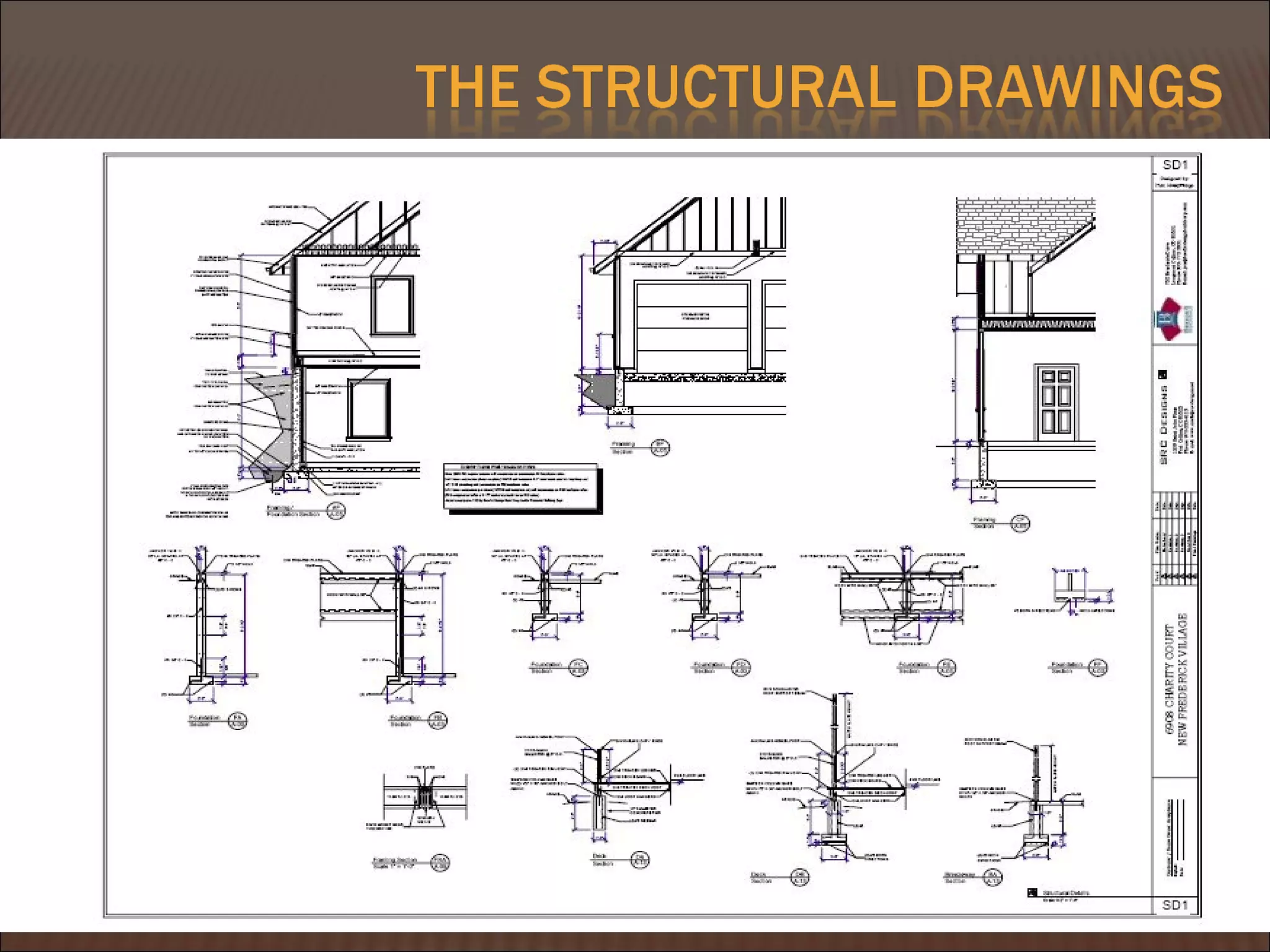
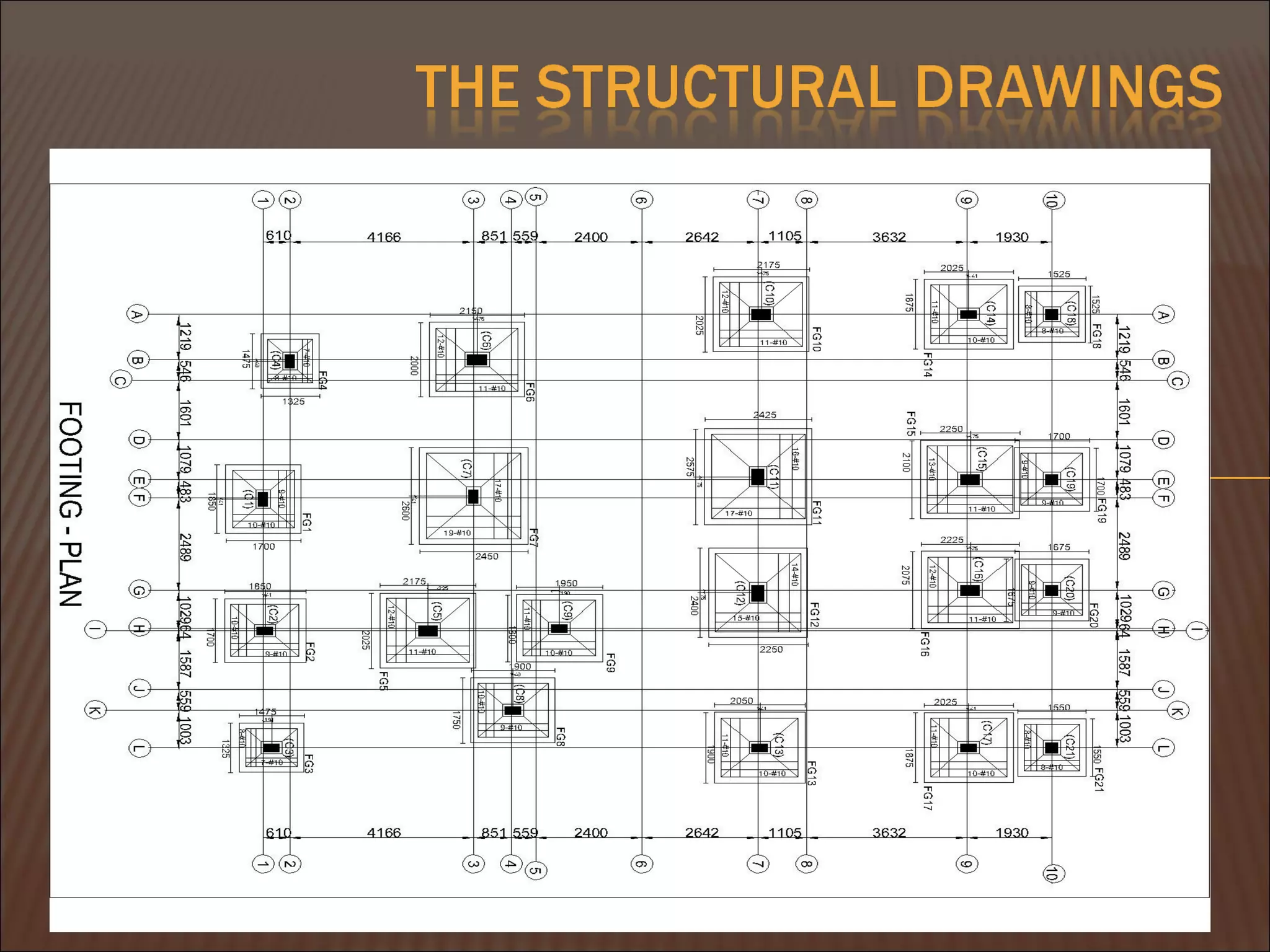
A structural drawing, a type of technical drawing, shows
information about architectural foundations, roof, or other structural
details.
STRUCTURAL   DRAWINGS   (sometimes identified  with  the
 designating  letter  S on their title blocks) consist of all the
drawings that describe the structural members of the building and
their relationship  to  each  other.  A  set  of  structural drawings
includes foundation plans and details, framing plans and details,
wall sections, column and   beam   details,   and   other   plans,
  sections, details, and schedules necessary to describe the
structural  components  of  the  building  or  structure. The general
notes in the structural drawings should also include, when
applicable, roof, floor, wind,  seismic,  and  other  loads, allowable
soil pressure or pile bearing capacity, and allowable stresses of all
material used in the design.
Taking off quantities of substructure:
piling work for concrete pile and timber pile
 work below lowest level (concrete, formwork
and reinforcement)
i. foundation
ii. column stump
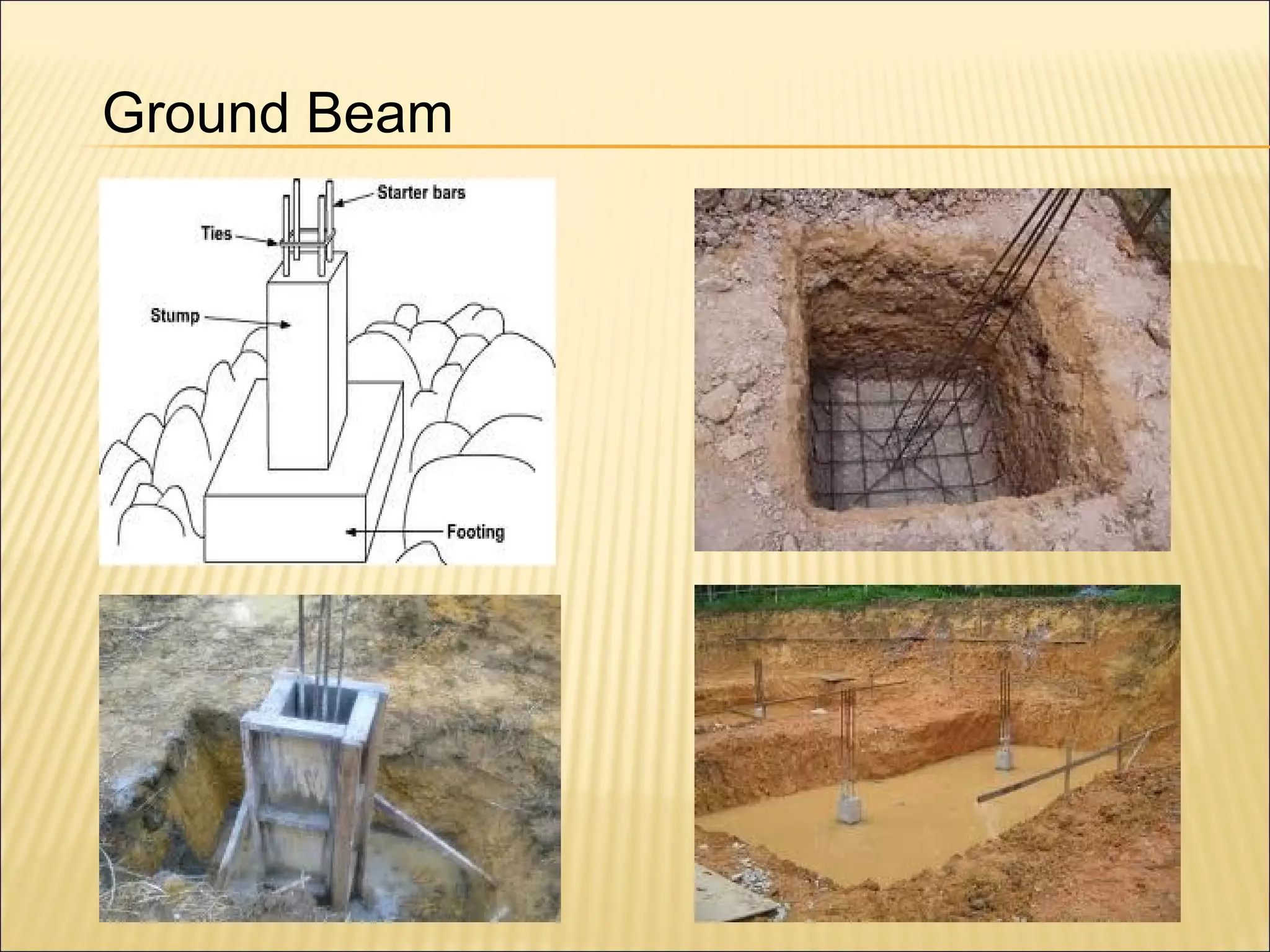
iii. ground beam
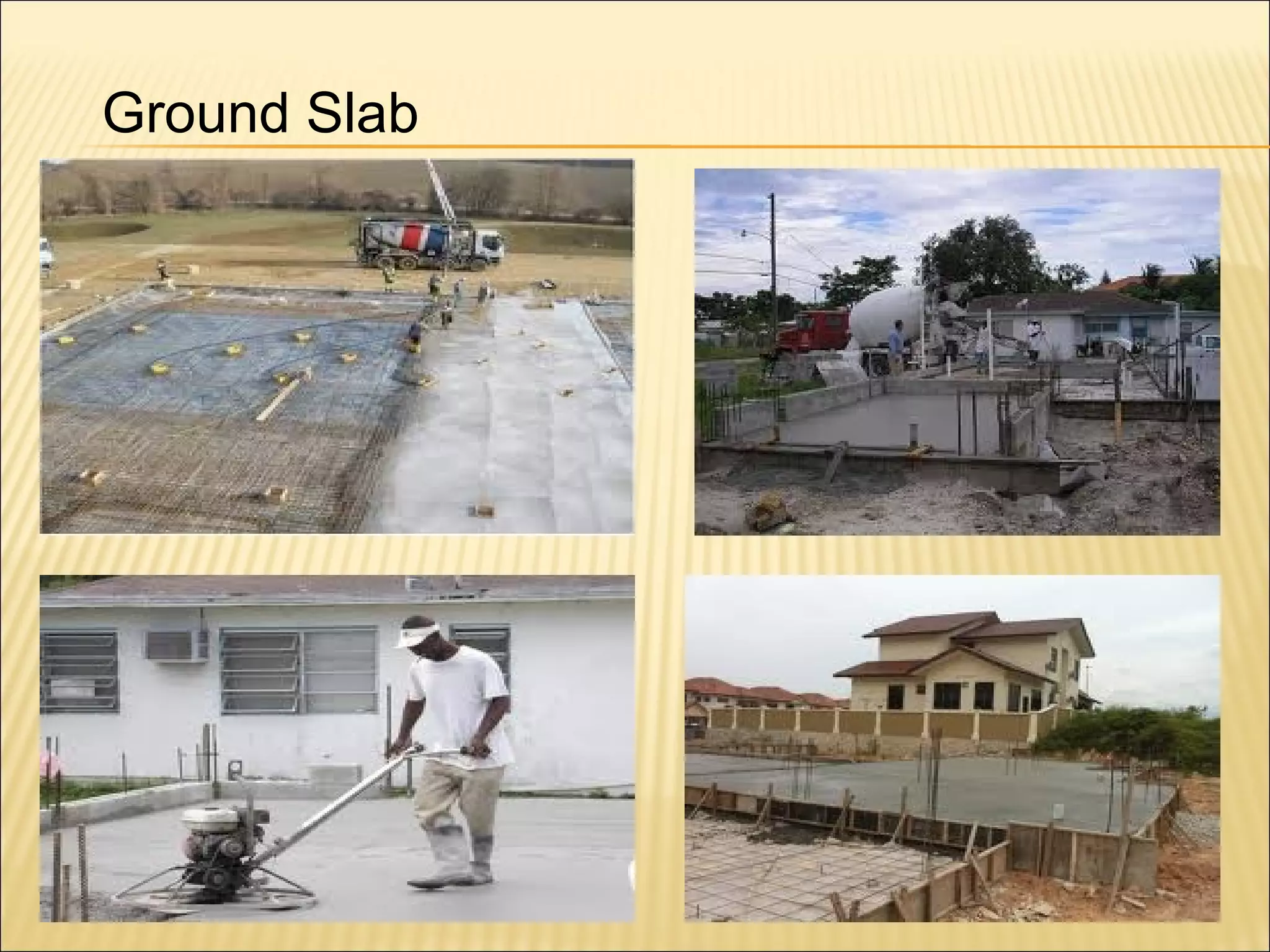
iv. ground slab.
Piling work
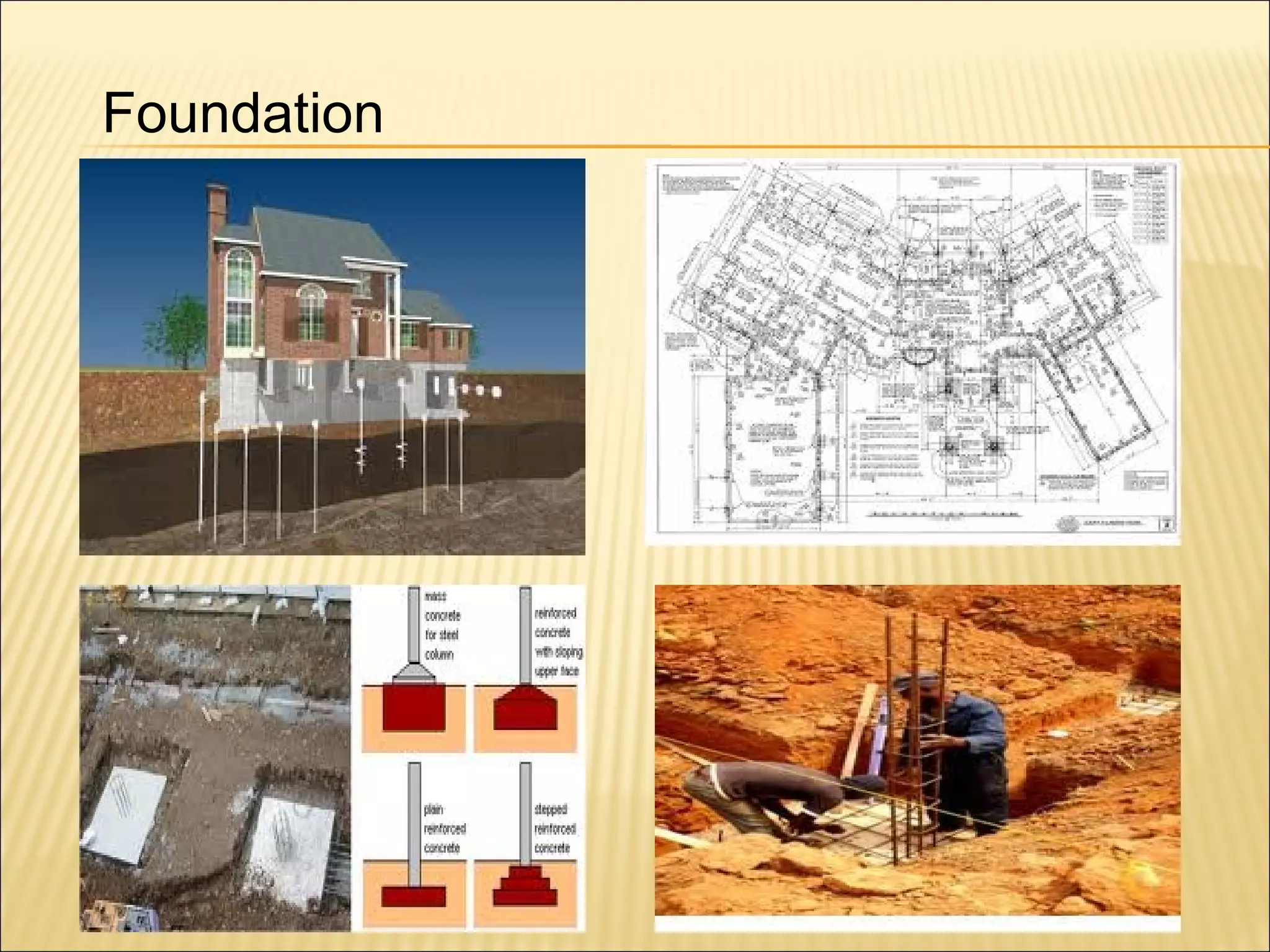
Foundation
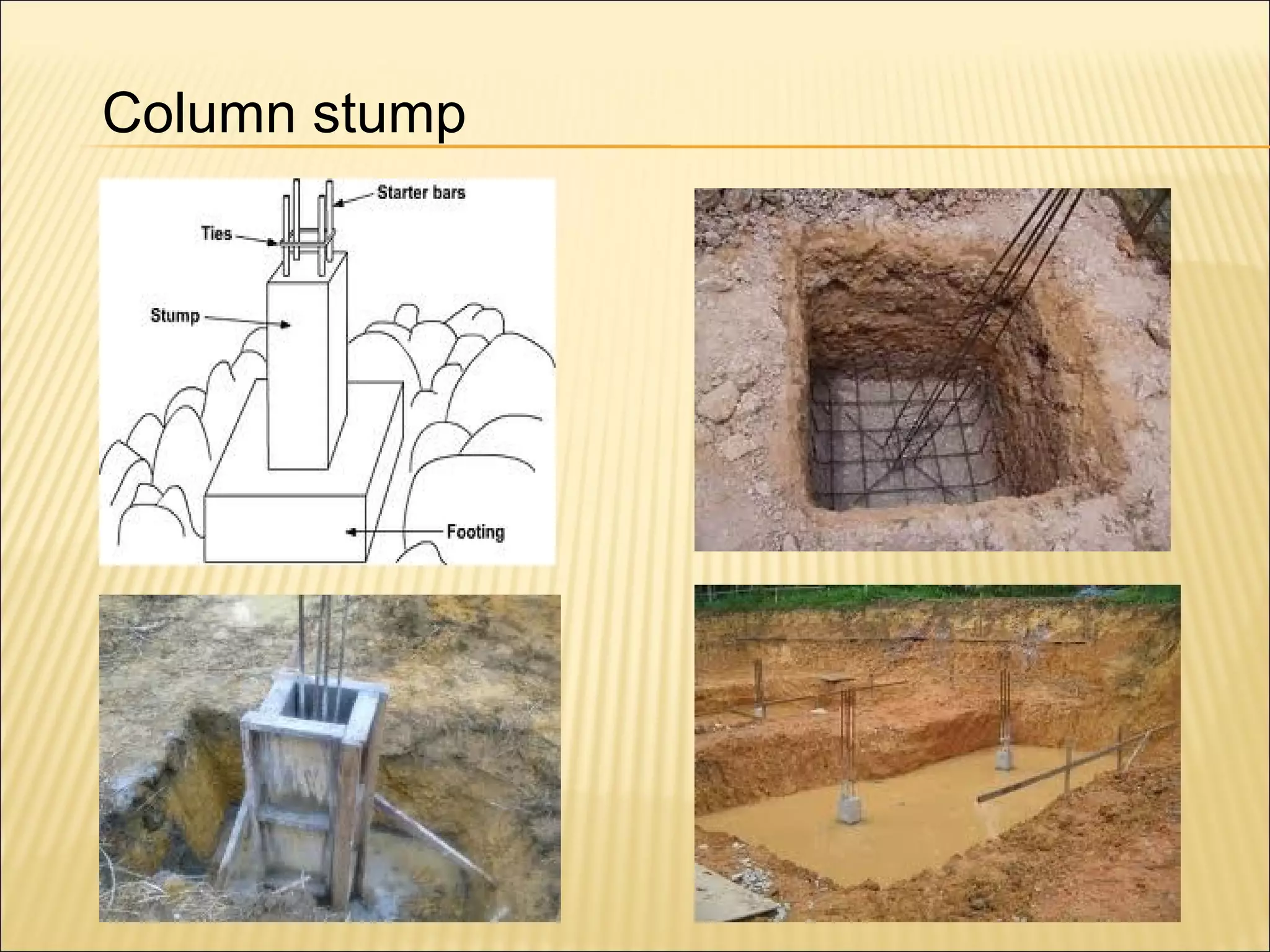
Column stump
Ground Beam
Ground Slab
T o p i c  3
T o p i c  3
T o p i c  3
T o p i c  3
T o p i c  3
T o p i c  3
T o p i c  3
T o p i c  3
T o p i c  3
T o p i c  3
T o p i c  3
T o p i c  3

T o p i c 3

  • 1.
  • 2.
    Bill of Quantity Describethe uses and importance of BoQ Unit of quantity measurement Recognize the structural drawing Estimate earthwork Produce taking off quantities of substructure
  • 3.
    Bill of Quantity BQare prepared by the quantity surveyors and are widely used for project costing, tendering, as part of contract documentation and for valuation of interim payment and variation orders. They are produced according to the locally produced Standard Method of Measurement (SMM)
  • 4.
    To provide abasis for tendering used for valuation of interim payments used for valuation of variation orders to order and purchase materials
  • 5.
    Size Unit 1. Length 2.Area 3. Volume 4. Weight 5. Amount 6. Work cannot be measured by any unit of measurement Meter Meter square Meter cube Kg Number Item
  • 7.
    A structural drawing, atype of technical drawing, shows information about architectural foundations, roof, or other structural details. STRUCTURAL   DRAWINGS   (sometimes identified  with  the  designating  letter  S on their title blocks) consist of all the drawings that describe the structural members of the building and their relationship  to  each  other.  A  set  of  structural drawings includes foundation plans and details, framing plans and details, wall sections, column and   beam   details,   and   other   plans,   sections, details, and schedules necessary to describe the structural  components  of  the  building  or  structure. The general notes in the structural drawings should also include, when applicable, roof, floor, wind,  seismic,  and  other  loads, allowable soil pressure or pile bearing capacity, and allowable stresses of all material used in the design.
  • 11.
    Taking off quantitiesof substructure: piling work for concrete pile and timber pile  work below lowest level (concrete, formwork and reinforcement) i. foundation ii. column stump iii. ground beam iv. ground slab.
  • 12.
  • 13.
  • 14.
  • 15.
  • 16.