www.elrouby-clinic.com
Systemic Inflammatory Response
Syndrome
A Summary
By
Professor Dr. Mohamed El
Rouby
www.elrouby-clinic.com
Definition
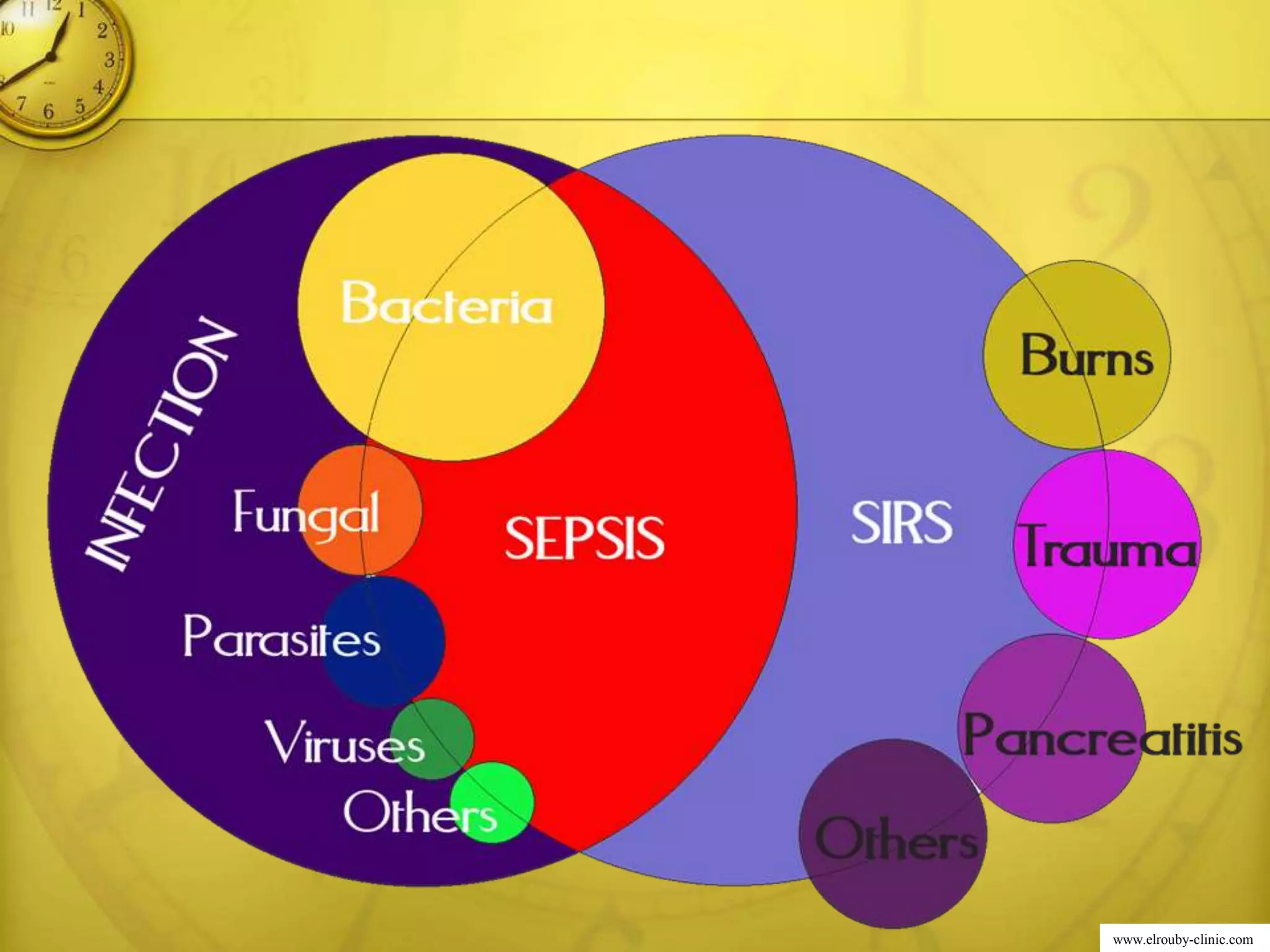
• SIRS is simply a severe systemic
response to a critical incidence.
• The response is characterized by
disseminated intravascular immune
activation, with consequent capillary
and vascular dysfunction often resulting
in hypotension, progressive major organ
dysfunction and death.
www.elrouby-clinic.com
Definition
• Some authors say “It is really septic
shock or septicemia renamed in
recognition of the varying etiologies.”
• Whereas others believe septicemia and
septic shock are merely the late stages
and a consequence of the response.
www.elrouby-clinic.com
Definition
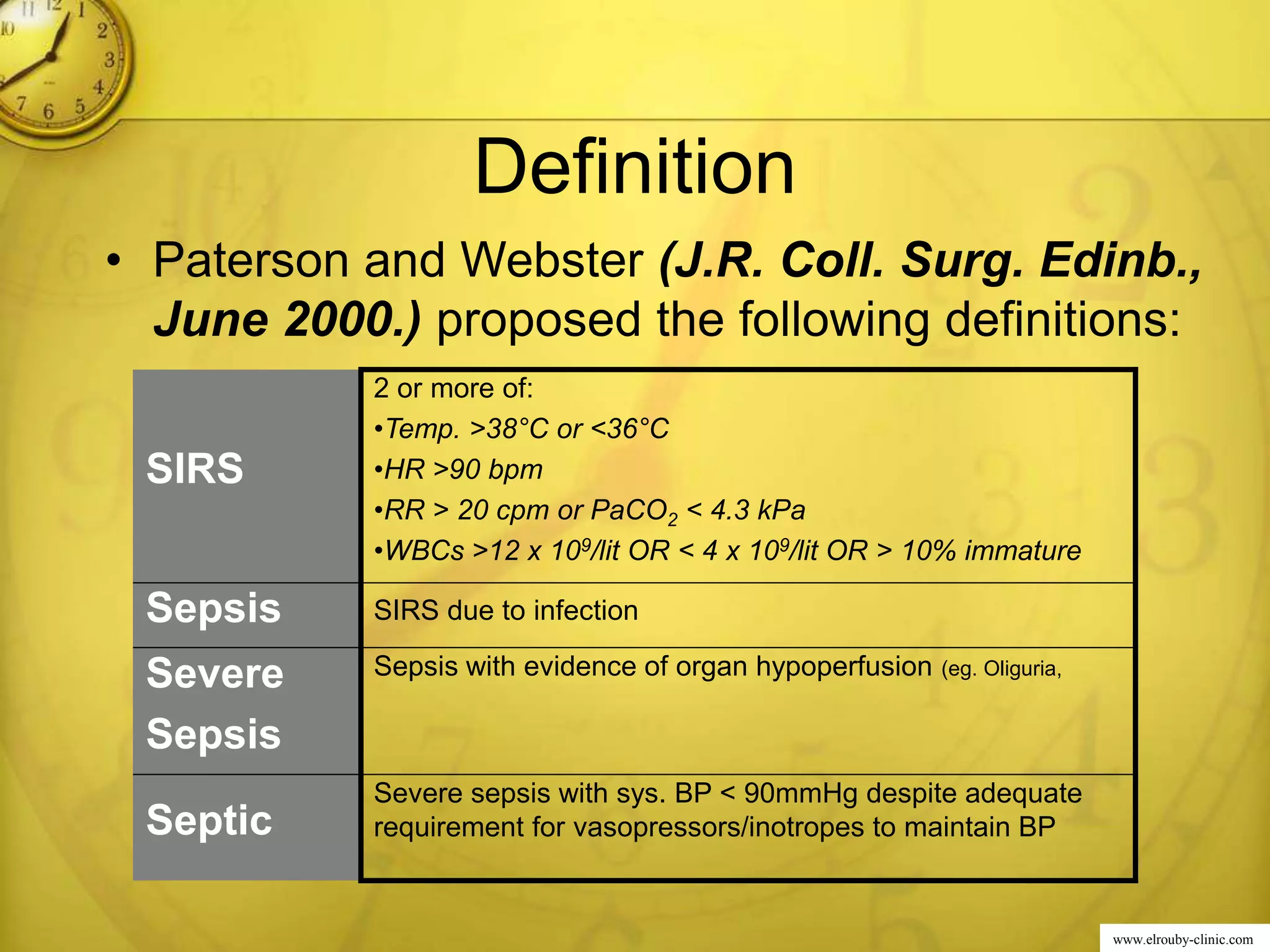
• Paterson and Webster (J.R. Coll. Surg. Edinb.,
June 2000.) proposed the following definitions:
SIRS
2 or more of:
•Temp. >38°C or <36°C
•HR >90 bpm
•RR > 20 cpm or PaCO2 < 4.3 kPa
•WBCs >12 x 109/lit OR < 4 x 10⁹/lit OR > 10% immature
Sepsis SIRS due to infection
Severe
Sepsis
Sepsis with evidence of organ hypoperfusion (eg. Oliguria,
Septic
Severe sepsis with sys. BP < 90mmHg despite adequate
requirement for vasopressors/inotropes to maintain BP
www.elrouby-clinic.com
Other Definitions
• MOD:
– Presence of altered organ function in an
acutely ill patient such that homeostasis
cannot be maintained without intervention
• MOF:
– Like MOD, but with no improvement with
any intervention
www.elrouby-clinic.com
What Happens in Burn?
www.elrouby-clinic.com
Pathophysiology of SIRS
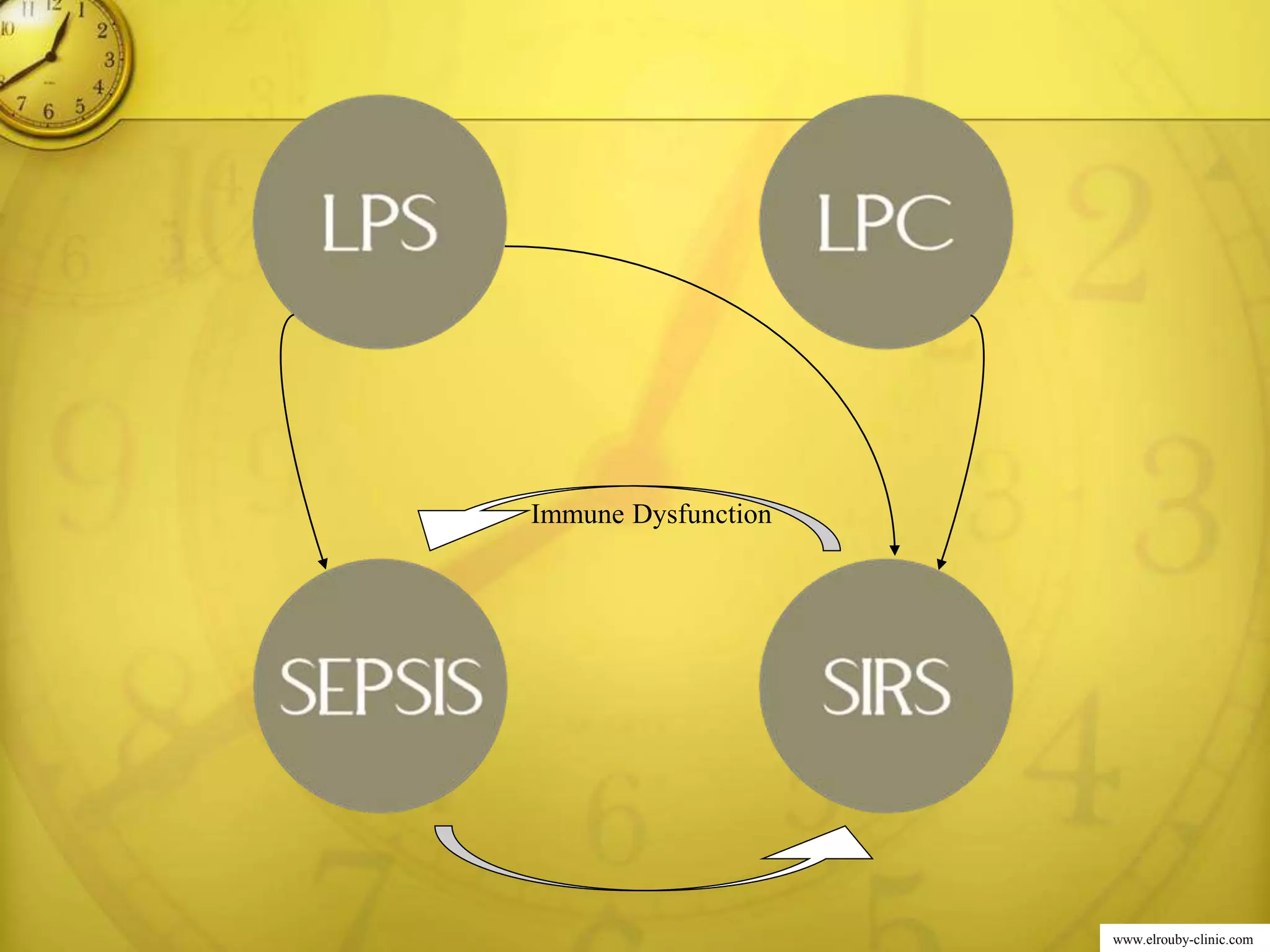
• 2 theories are proposed
– LPS (LipoPolySaccharide of Cell
Membrane)
– LPC (Lipid-Protein Complex)
www.elrouby-clinic.com
LPS
• Bacterial
translocation from
the gut
– Septicaemia
– Toximea
• Burn Wound
Infection
Pathophysiology of SIRS
www.elrouby-clinic.com
LPC
• Is formed of polymerized aggregates of
lipids & proteins of the cell membranes
from the burned skin
• It is formed under the burn eschar and
is continuously absorbed into circulation
• LPC acts as a potent antigen triggering
an inflammatory reaction similar to that
triggered by LPS
Pathophysiology of SIRS
www.elrouby-clinic.com
LPC
Pathophysiology of SIRS
LPC
Affects blood elements Inflammatory Response
Penetrates Parenchyma
Of all Organs
Gradual
Mitochondrial
destruction
Late Death of Burn
As a toxin
+
Heat Shock Proteins
SIRS
MOD & MOF
•Anemia
•↑ or ↓ platelet count
•Immune dysfunction
www.elrouby-clinic.com
Immune Dysfunction
www.elrouby-clinic.com
Pathophysiology of SIRS
• The antigen-antibody reaction
stimulates multiple interacting systems
such as:
– Complement Cascade
– Cytokine cascades
– Arachidonic Acid Metabolites
– Cell Mediated Immunity
– Humoral Immune Mechanisms
– Clotting Cascade
www.elrouby-clinic.com
Cytokines
• Are Intercellular signaling proteins or
messengers
• More than 30 recognized
• Act through binding to specific receptors
on the target cells triggering other
cascades or its own cascade
Pathophysiology of SIRS
www.elrouby-clinic.com
Pathophysiology of SIRS
www.elrouby-clinic.com
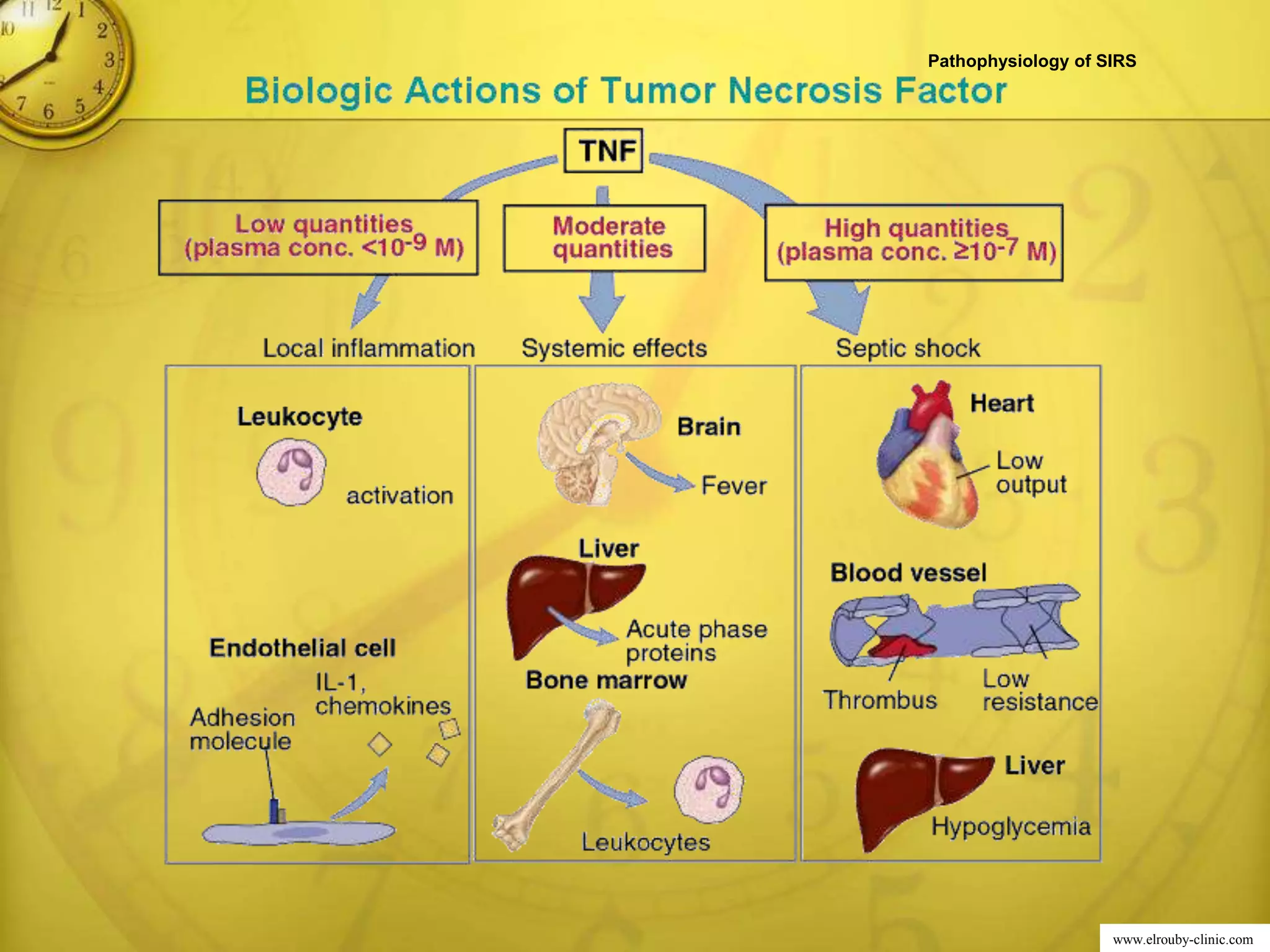
TNF-α
• The earliest and most potent mediator
in SIRS
• It activates neutrophils, causing the
production of Interleukin-1(IL-1),
Interleukin-6 (INL-6), and Interleukin -8
(INL-8).
• It stimulates platelet activating factors
and prostaglandin, and promotes
leukocyte or vessel cell wall adhesion.
Pathophysiology of SIRS
www.elrouby-clinic.com
Pathophysiology of SIRS
www.elrouby-clinic.com
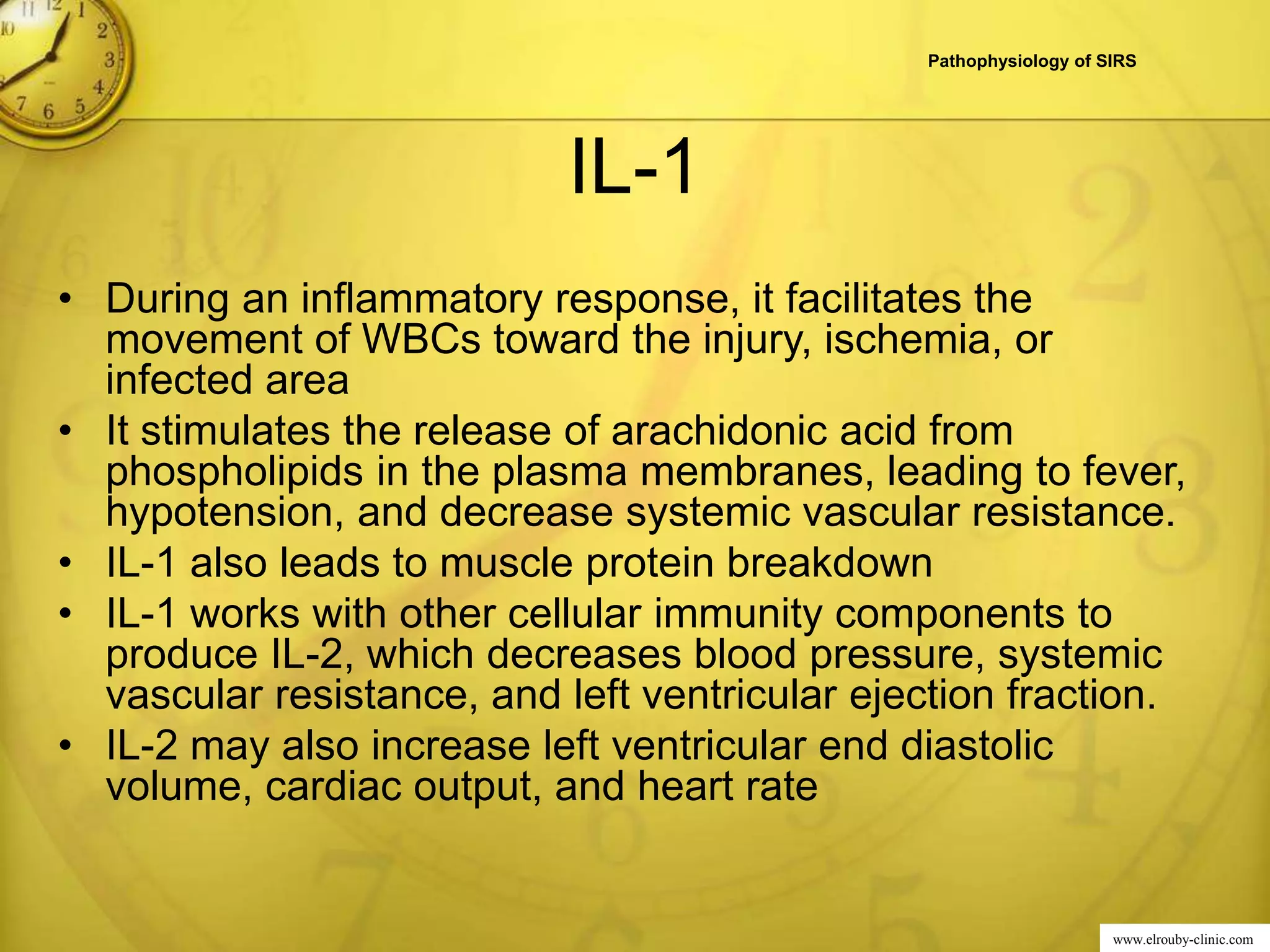
IL-1
• During an inflammatory response, it facilitates the
movement of WBCs toward the injury, ischemia, or
infected area
• It stimulates the release of arachidonic acid from
phospholipids in the plasma membranes, leading to fever,
hypotension, and decrease systemic vascular resistance.
• IL-1 also leads to muscle protein breakdown
• IL-1 works with other cellular immunity components to
produce IL-2, which decreases blood pressure, systemic
vascular resistance, and left ventricular ejection fraction.
• IL-2 may also increase left ventricular end diastolic
volume, cardiac output, and heart rate
Pathophysiology of SIRS
www.elrouby-clinic.com
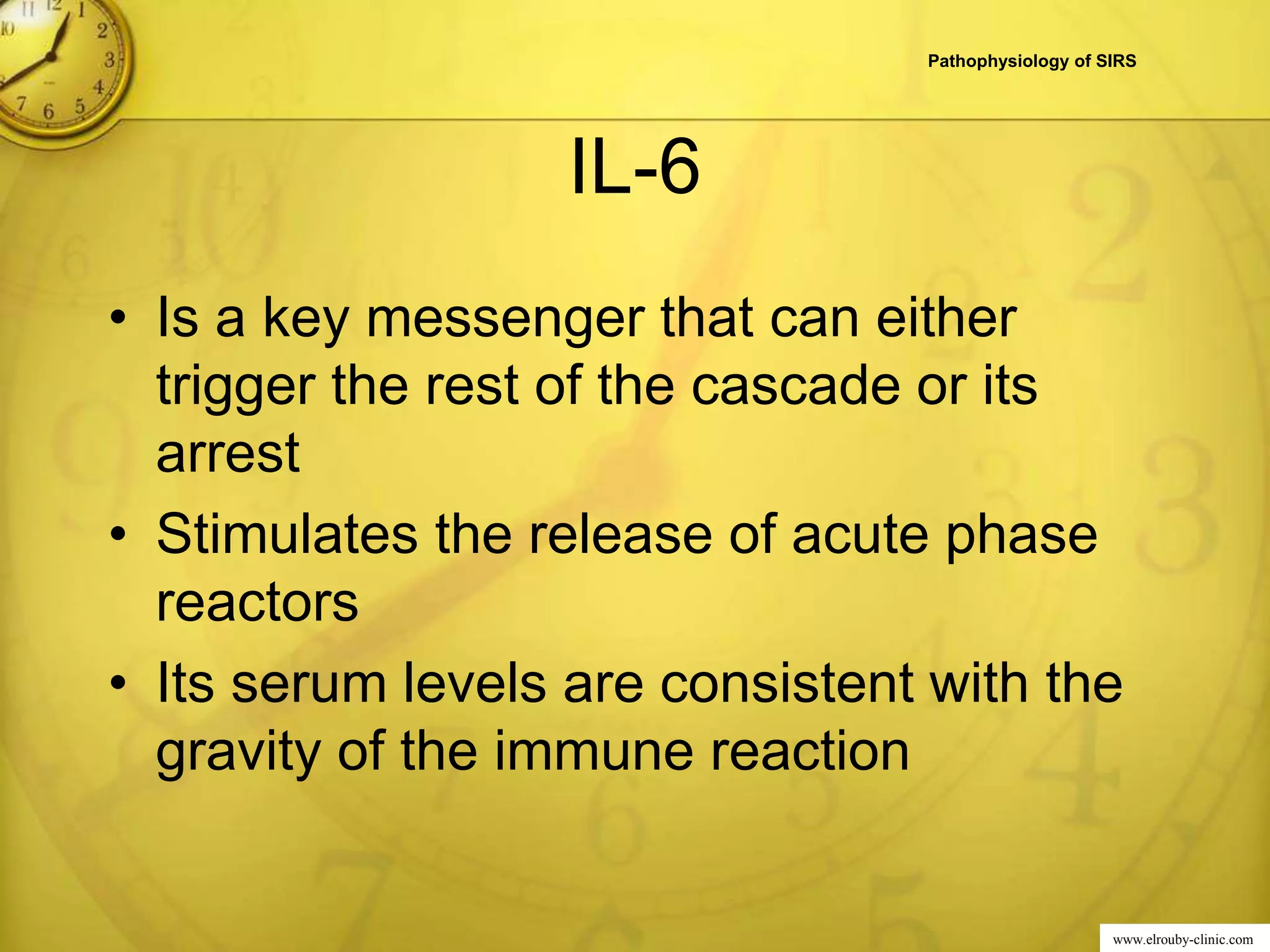
IL-6
• Is a key messenger that can either
trigger the rest of the cascade or its
arrest
• Stimulates the release of acute phase
reactors
• Its serum levels are consistent with the
gravity of the immune reaction
Pathophysiology of SIRS
www.elrouby-clinic.com
Nitric Oxide
• Nitric oxide is synthesised by inducible
nitric oxide synthase (iNOS) in the
vascular endothelium and smooth
muscle in response to pro-inflammatory
cytokines
• NO is the vasoactive mediator
responsible for the fall in systemic
vascular resistance underlying the
hypotension in the late stages of SIRS
www.elrouby-clinic.com
Arachidonic Acid Cascade
• Thromboxane A2
– Is a potent vasoconstrictor and platelet
aggregator
– Leads to tissue ischemia from
hypoperfusion.
• Leukotrienes leads to
– ↑Capillary endothelial permeability
– Bronchoconstriction
– Activation of neutrophils
Pathophysiology of SIRS
www.elrouby-clinic.com
The Complement Cascade
• Controls the inflammatory process
– Chemotaxis
– Opsonization
– Promotion of phagocytosis
Pathophysiology of SIRS
www.elrouby-clinic.com
Clotting Cascade
• Fibrin is formed due to the injury of the
vascular endothelium
• Chemical mediators stimulate the
release of Hageman Factor and
Thromboplastin
• These form clots at the site of the injury,
attempting to stabilize the site
• Fibrinolysis is activated by the
coagulation cascade, leading to
mediator induced (DIC).
Pathophysiology of SIRS
www.elrouby-clinic.com
Bradykinin
• The activation of the Hageman Factor
stimulates the release of bradykinin
• Bradykinin creates vasodilatation and
capillary leakage, therefore volume
depletion.
Pathophysiology of SIRS
www.elrouby-clinic.com
Myocardial Depressant Factor
• Myocardial depressant factor is a serum
protein released by the hypoperfused and
ischemic cells of the pancreas
• It decreases the velocity of contractions of
myocardial cells, leading to decreased
right and left ventricular ejection fractions
Pathophysiology of SIRS
www.elrouby-clinic.com
Beta Endorphins
• Beta endorphins are released, by the
pituitary and hypothalamus, in response to
hypoperfusion
• They cause peripheral vasodilatation, and
decrease cardiac contractility
Pathophysiology of SIRS
www.elrouby-clinic.com
Stages of SIRS
• 4 stages according to the gravity of the
situation
Pathophysiology of SIRS
www.elrouby-clinic.com
SIRS 1
• Release of proinflammatory mediators
– These mediators create a web of
reactions designed to limit new damage
and ameliorate whatever damage has
already occurred
Pathophysiology of SIRS
Stages
www.elrouby-clinic.com
SIRS 2
• Pro-inflammatory and anti-
inflammatory mediators appear in the
systemic circulation
– Pro-inflammatory mediators recruit
neutrophils, lymphocytes, platelets, and
coagulation factors
Stages
Pathophysiology of SIRS
www.elrouby-clinic.com
SIRS 3
• Massive Systemic Inflammation
– Progressive endothelial dysfunction
occurs increasing microvascular
permeability
– Vessels lose tone and profound
vasodilatation occurs resulting in
severe shock
Pathophysiology of SIRS
Stages
www.elrouby-clinic.com
SIRS 4
• Most patients do not make it this far -
-but if they do--
– A compensatory anti-inflammatory
response occurs trying to suppress
inflammation
Stages
Pathophysiology of SIRS
www.elrouby-clinic.com
Clinical Picture
• The typical 2 or more of:
– Temp. >38°C or <36°C
– HR >90 bpm
– RR > 20 cpm or PaCO2 < 4.3 kPa
– WBCs
• >12 x 109/lit
• < 4 x 10⁹/lit
• > 10% immature forms
• Symptoms & Signs of each organ sequels
www.elrouby-clinic.com
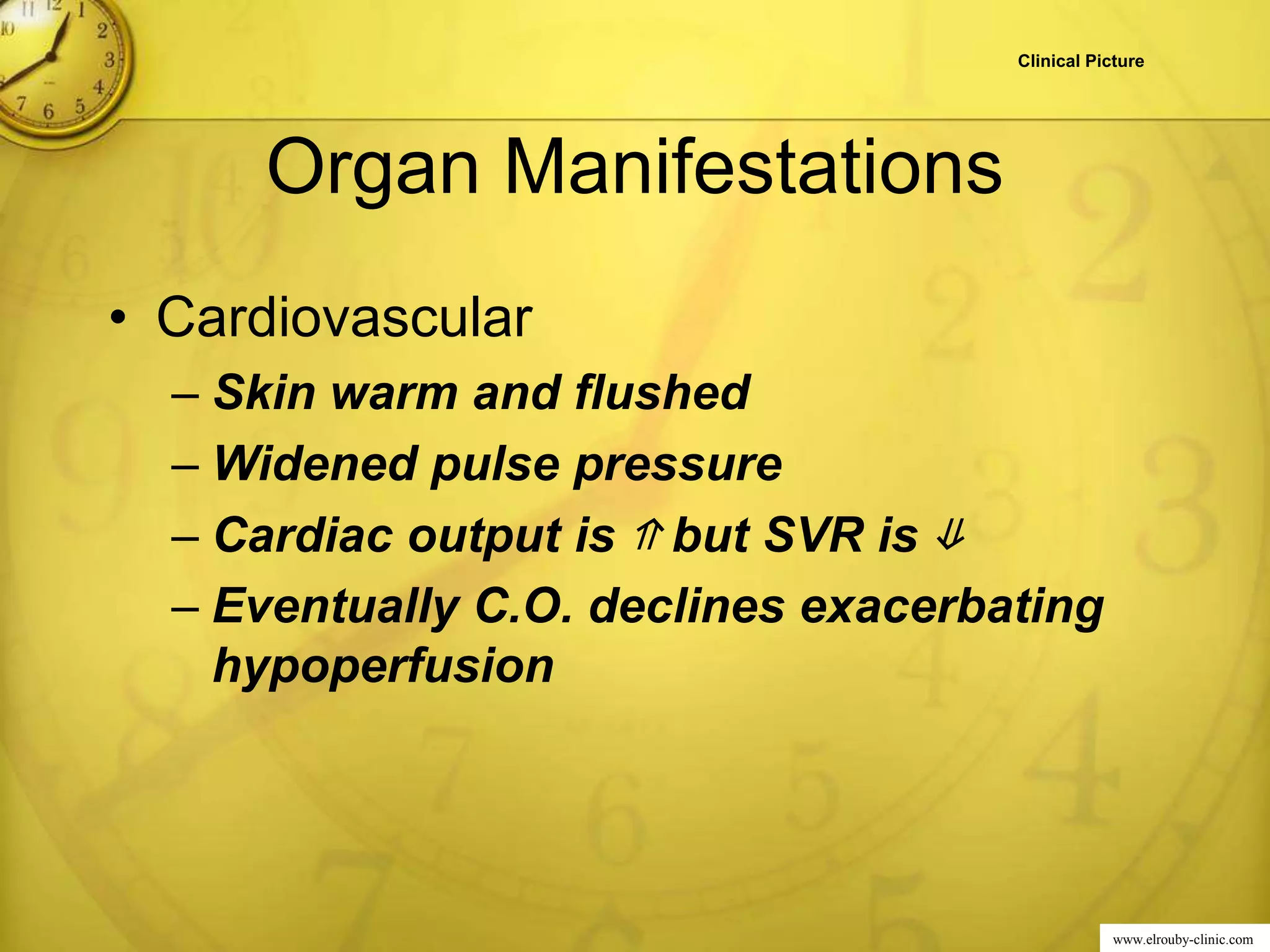
Organ Manifestations
• Cardiovascular
– Skin warm and flushed
– Widened pulse pressure
– Cardiac output is ⇑ but SVR is ⇓
– Eventually C.O. declines exacerbating
hypoperfusion
Clinical Picture
www.elrouby-clinic.com
Organ Manifestations
• Pulmonary
– Hypoxemia may be masked by
hyperventilation
– Respiratory alkalosis
– Pulmonary edema
– Respiratory failure
– Bronchoconstriction
– ARDS
Clinical Picture
www.elrouby-clinic.com
Organ Manifestations
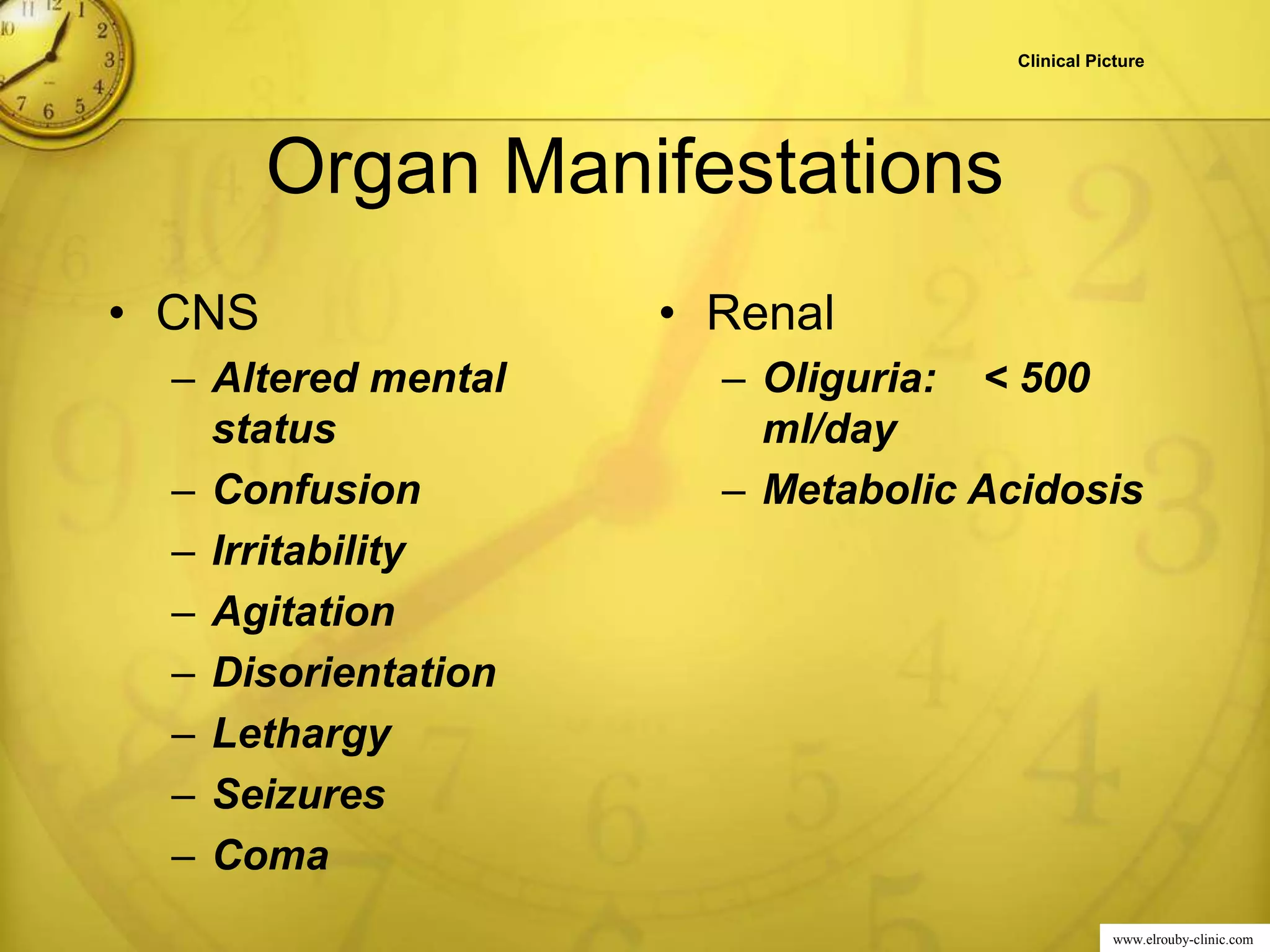
• CNS
– Altered mental
status
– Confusion
– Irritability
– Agitation
– Disorientation
– Lethargy
– Seizures
– Coma
• Renal
– Oliguria: < 500
ml/day
– Metabolic Acidosis
Clinical Picture
www.elrouby-clinic.com
Organ Manifestations
• GIT
– Impaired motility
– ⇑ SGPT & SGOT
– Hyperbilirubinemia
– Hepatic necrosis
– Hypoprothrombine
mia
– Hypoglycemia
• Blood
– ⇑ or ⇓ WBCs
– ⇑ PT and PTT
– ⇑ or ⇓ Platelets
– Anemia
Clinical Picture
www.elrouby-clinic.com
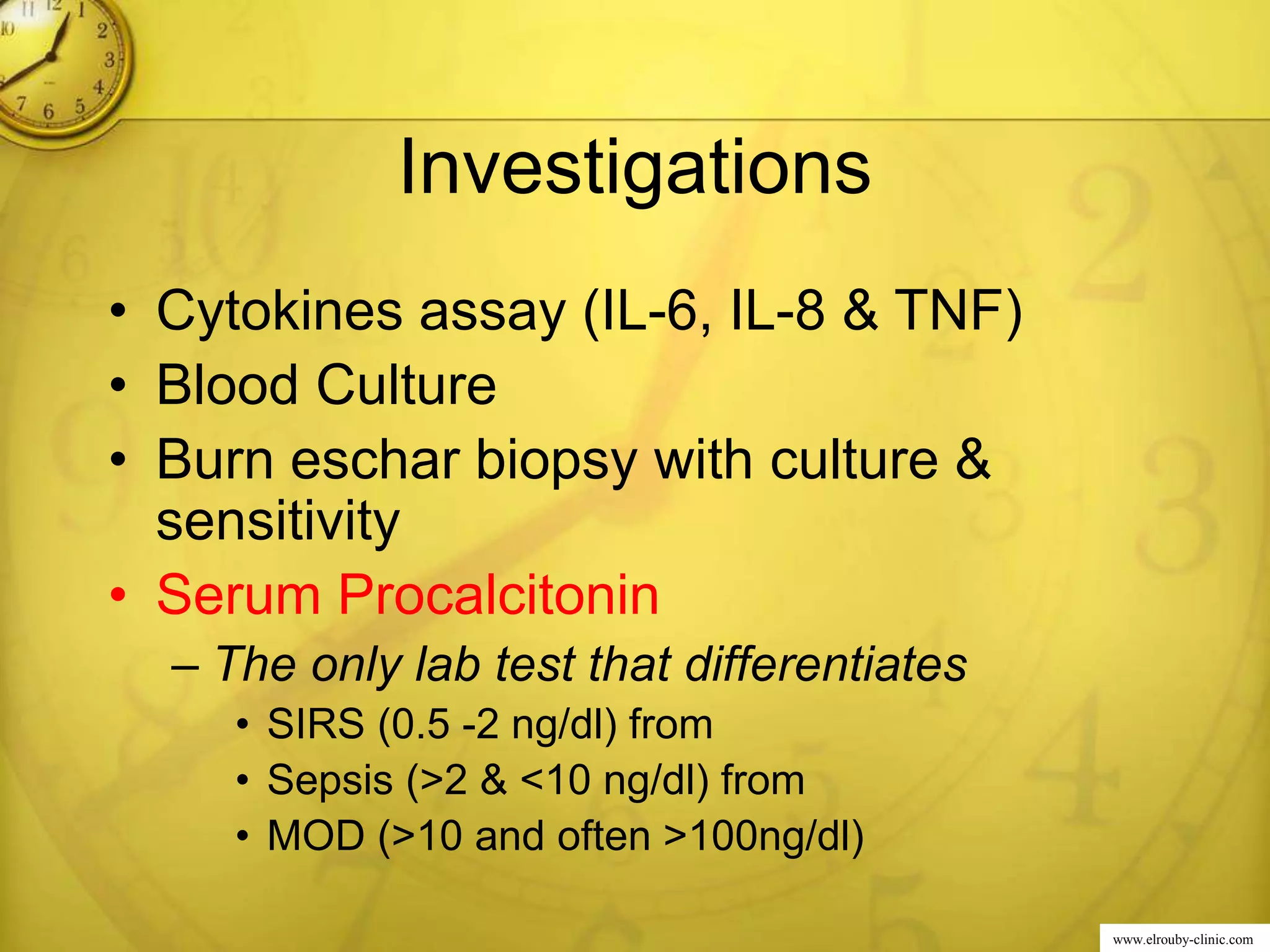
Investigations
• Cytokines assay (IL-6, IL-8 & TNF)
• Blood Culture
• Burn eschar biopsy with culture &
sensitivity
• Serum Procalcitonin
– The only lab test that differentiates
• SIRS (0.5 -2 ng/dl) from
• Sepsis (>2 & <10 ng/dl) from
• MOD (>10 and often >100ng/dl)
www.elrouby-clinic.com
Treatment
= Elimination of triggering factor (LPC &
LPS)
• LPS
– Antibiotics according to C&S
– Gut decontamination
• LPC through
• Prompt early surgical eschar excision
• Chemical elimination eg. Cerium Nitrate
www.elrouby-clinic.com
Treatment
• Supportive
• Medical
• Surgical
www.elrouby-clinic.com
Supportive Therapy
• Volume replacement
• +ve inotropes & vasopressors
• Ventilation (Pressure support or PEEP)
• Nutritional Support
– Iso-Osmotic Feedings
– TPN
– PPN
– Immune Modulatory Foods such as Arginine,
Glutamine & fish oils
Treatment
www.elrouby-clinic.com
Medical
• Potent anti-oxidants
– Methylene Blue given IV
– Acetyl Cysteine
– Vitamin C
• Immune Modulators
– Ibuprofen (proved of limited value)
– Centoxin: an Ab to endotoxins
– NOSI (nitric oxide synthetase inhibtor) very much
accepted
– IL-6 blockers Experimental
Treatment
www.elrouby-clinic.com
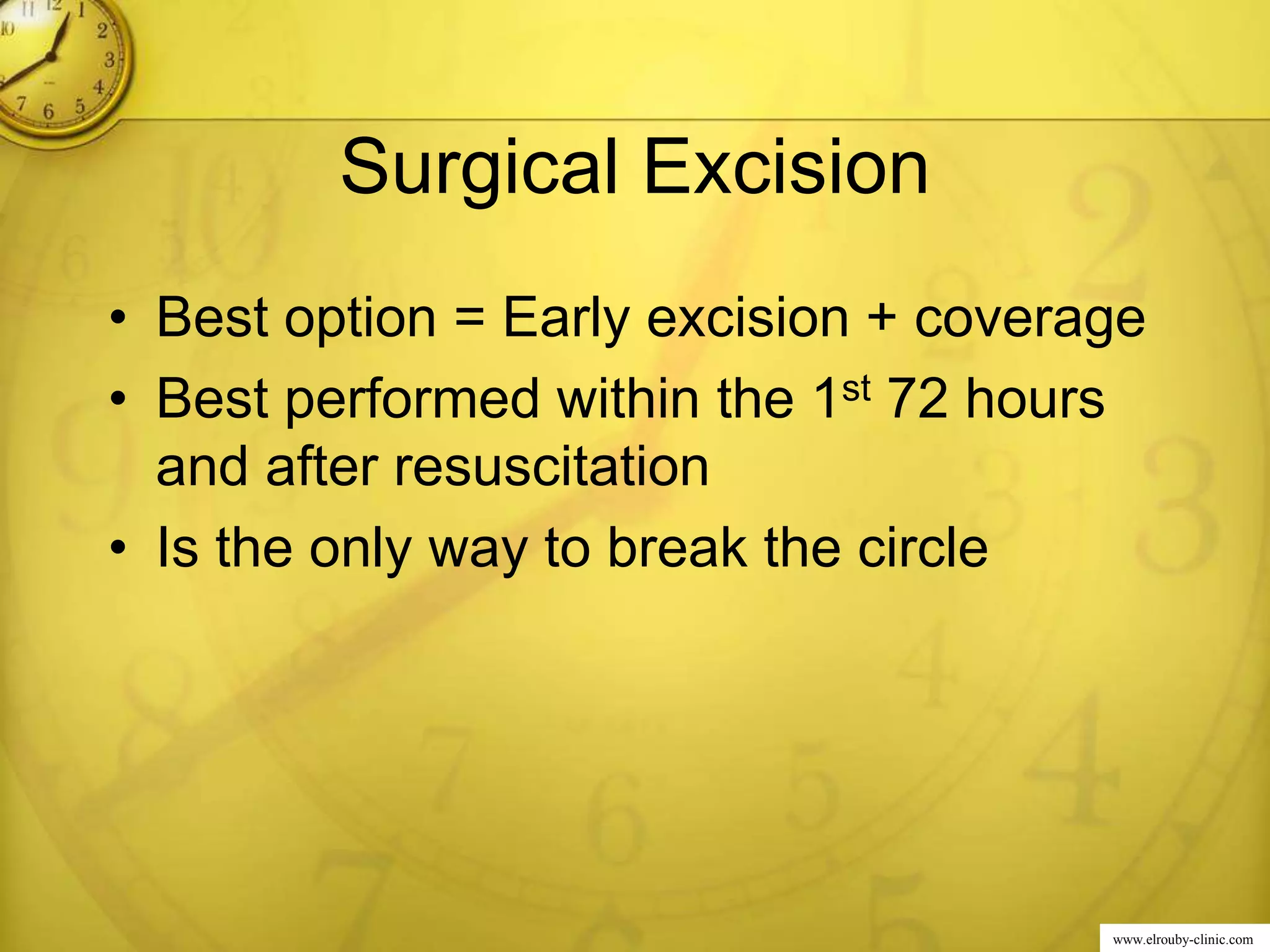
Surgical Excision
• Best option = Early excision + coverage
• Best performed within the 1st 72 hours
and after resuscitation
• Is the only way to break the circle
www.elrouby-clinic.com
Surgical Excision
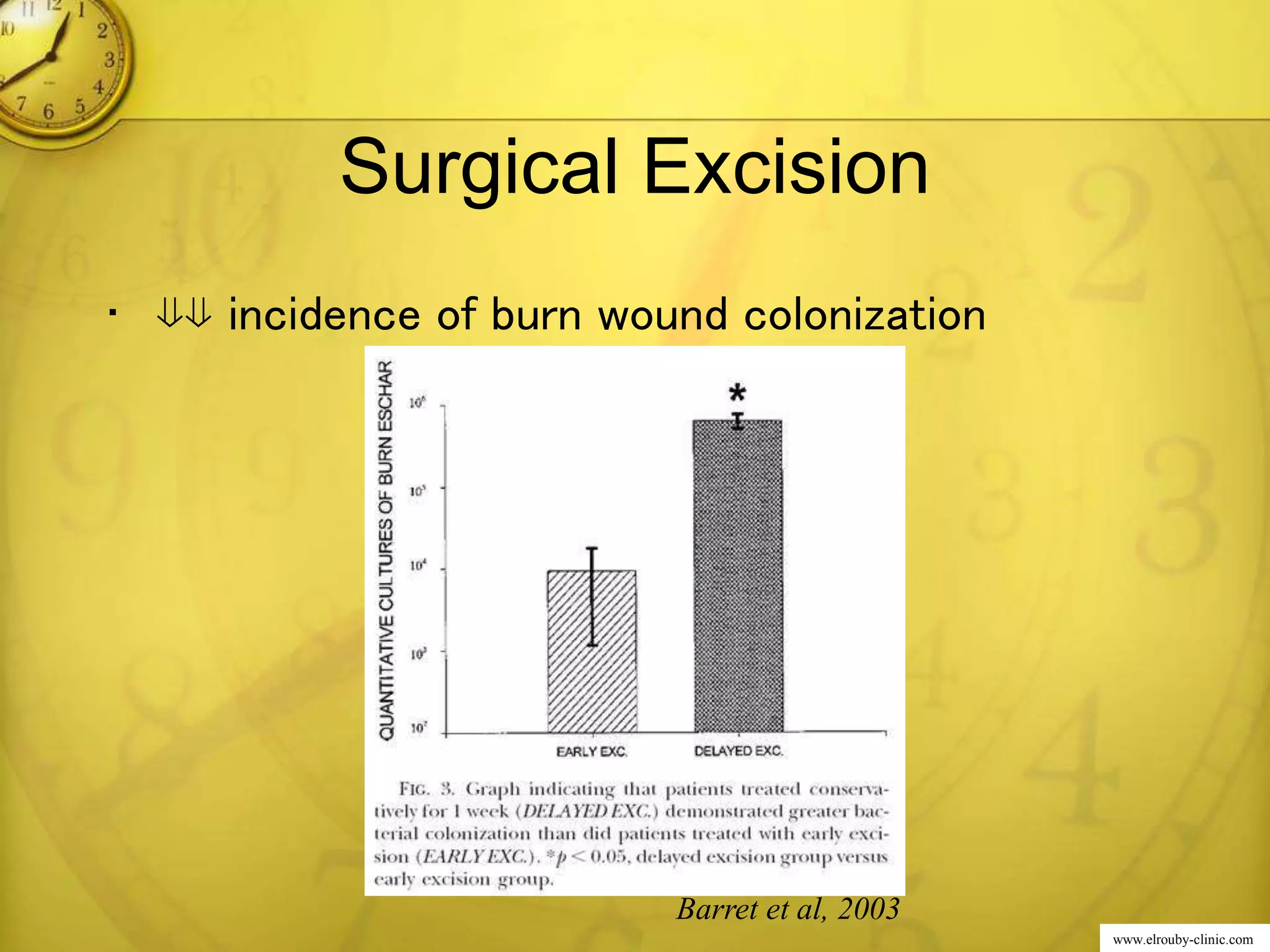
• ⇓⇓ incidence of burn wound colonization
Barret et al, 2003
www.elrouby-clinic.com
Prognosis
• Death in 60% of cases of late stages &
shock in patients with no previous
history of medical conditions
• Death rate is higher if MOD develops &
is dependant on no. of organs affected
– 3 organs 85%
– 4 organs 95%
– 5 organs 99%
www.elrouby-clinic.com
Thank You

Systemic Inflammatory Response Syndrome