Hyperparathyroidism
BY
Hosam M. Hamza, MD
Lecturer of General surgery & GI Endoscopy
Minia School of Medicine
MINIA - EGYPT
Parathyroid glands were discovered by Ivar
Victor Sandström (1852-1889), a Swedish
medical student in 1880. It was the last major organ to
be recognized in humans.
ANATOMY
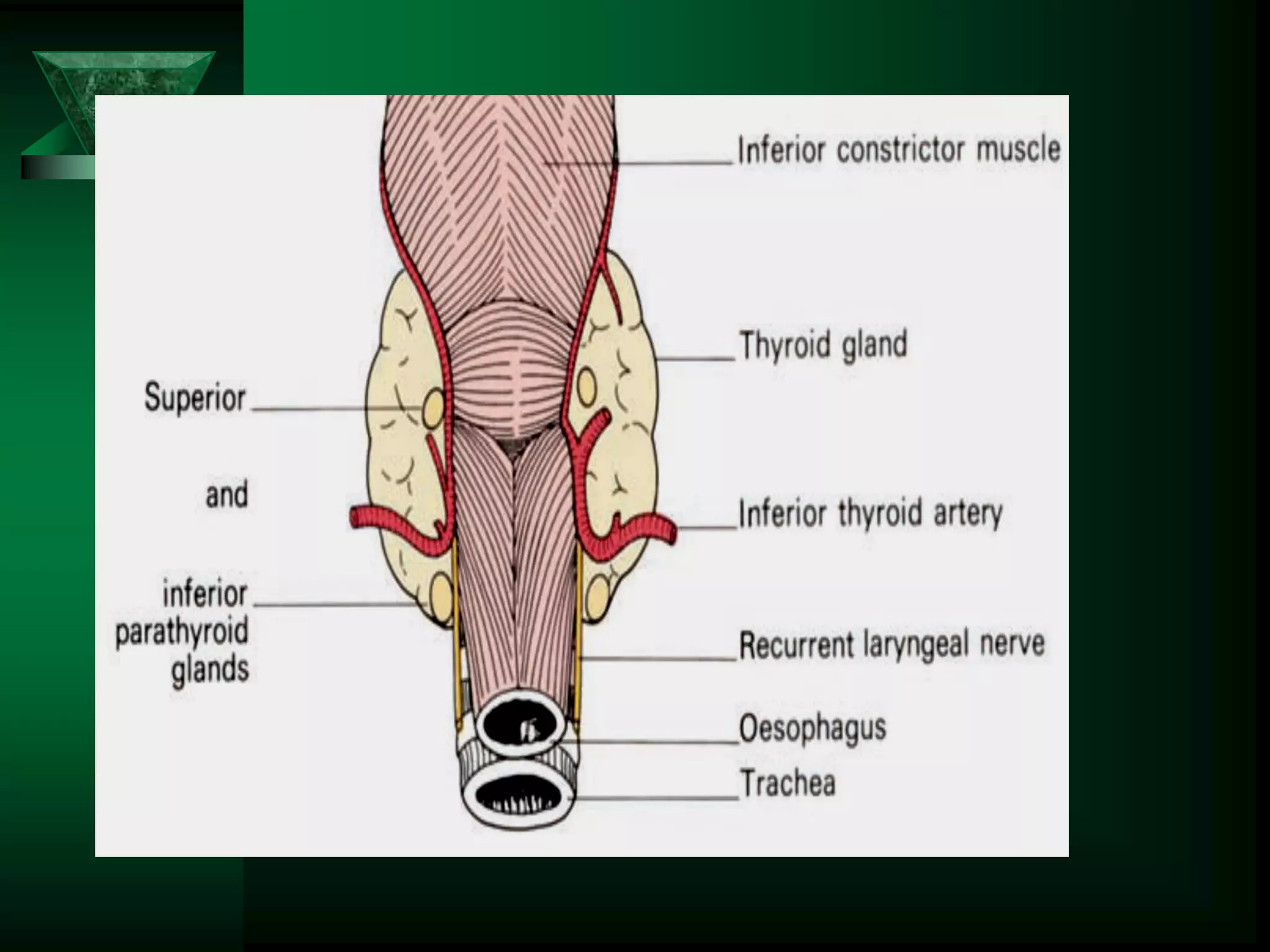
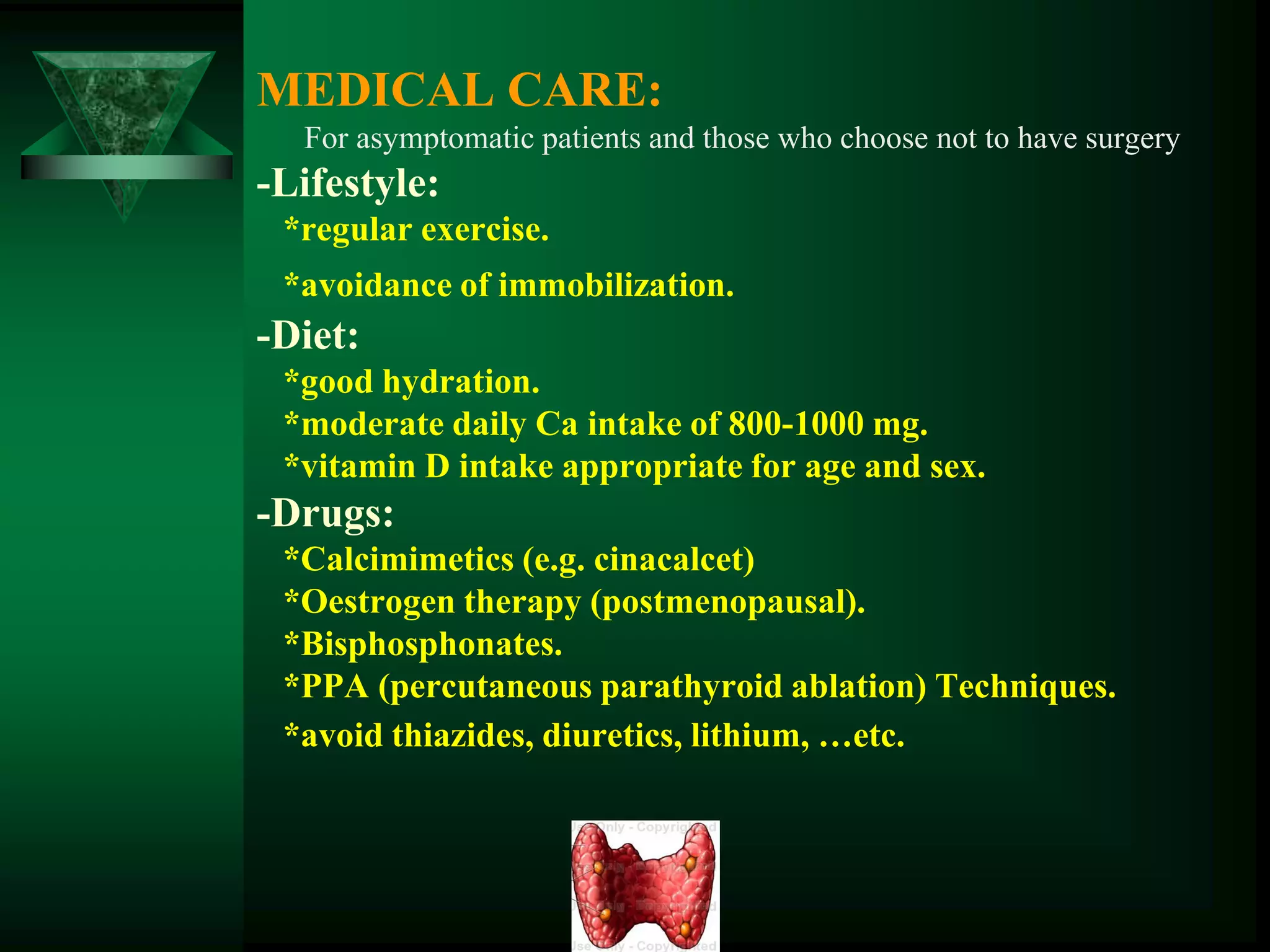
* 4 small yellowish brown bodies.
* situated posterior to lateral lobes of thyroid gland.
* In 1% of population, number is < 4
> 4 is the number in about over 33 %.
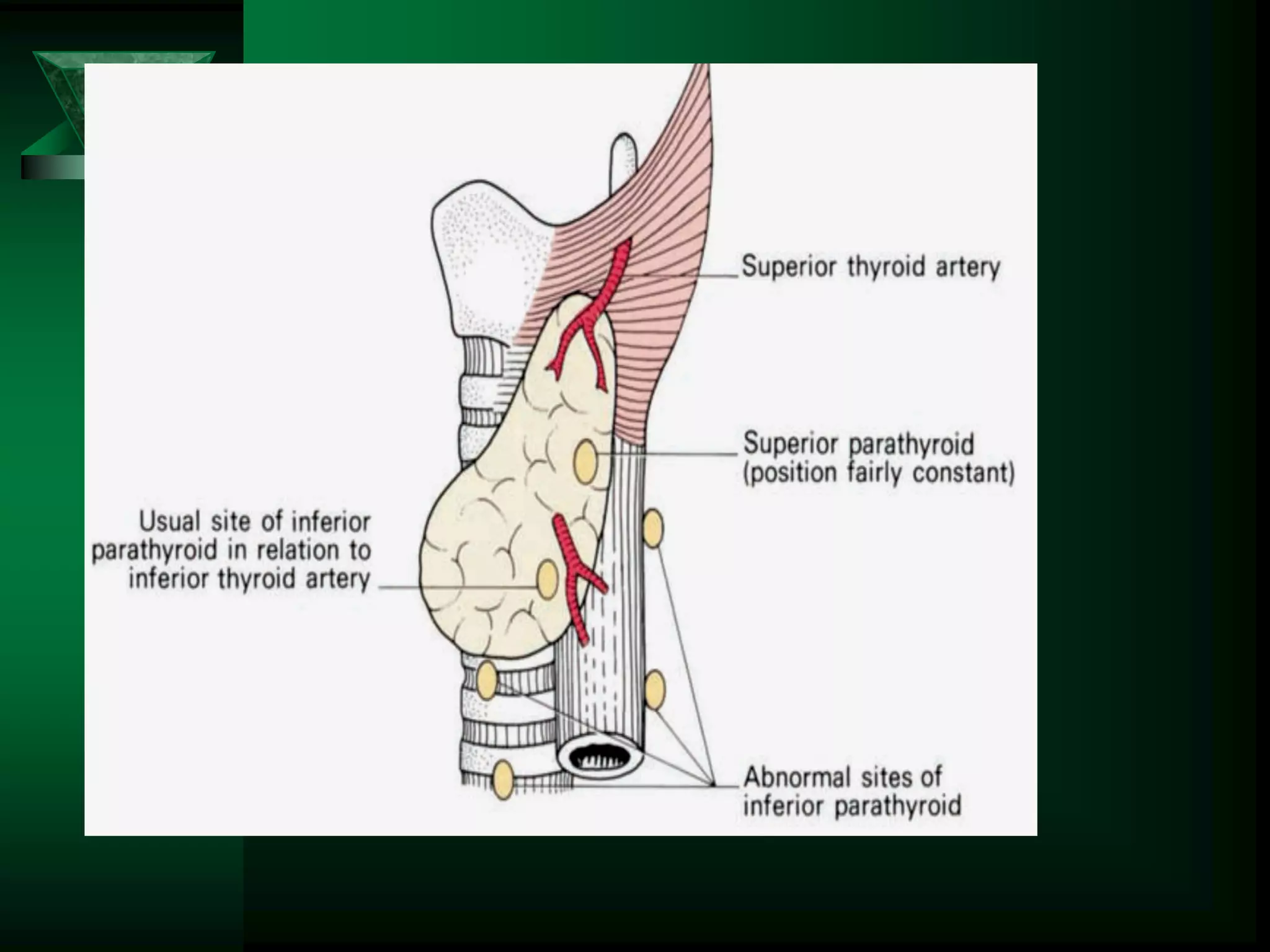
* divided, according to their situation, into superior
and inferior.
* superior parathyroids are more constant in position,
and are situated, one on either side, at the level of the
lower border of the cricoid cartilage.
* the inferior, may be applied to the lower edge of the
lateral lobes, or placed at some little distance below
the thyroid gland, or found in relation to one of the
inferior thyroid veins.
APPEARANCE
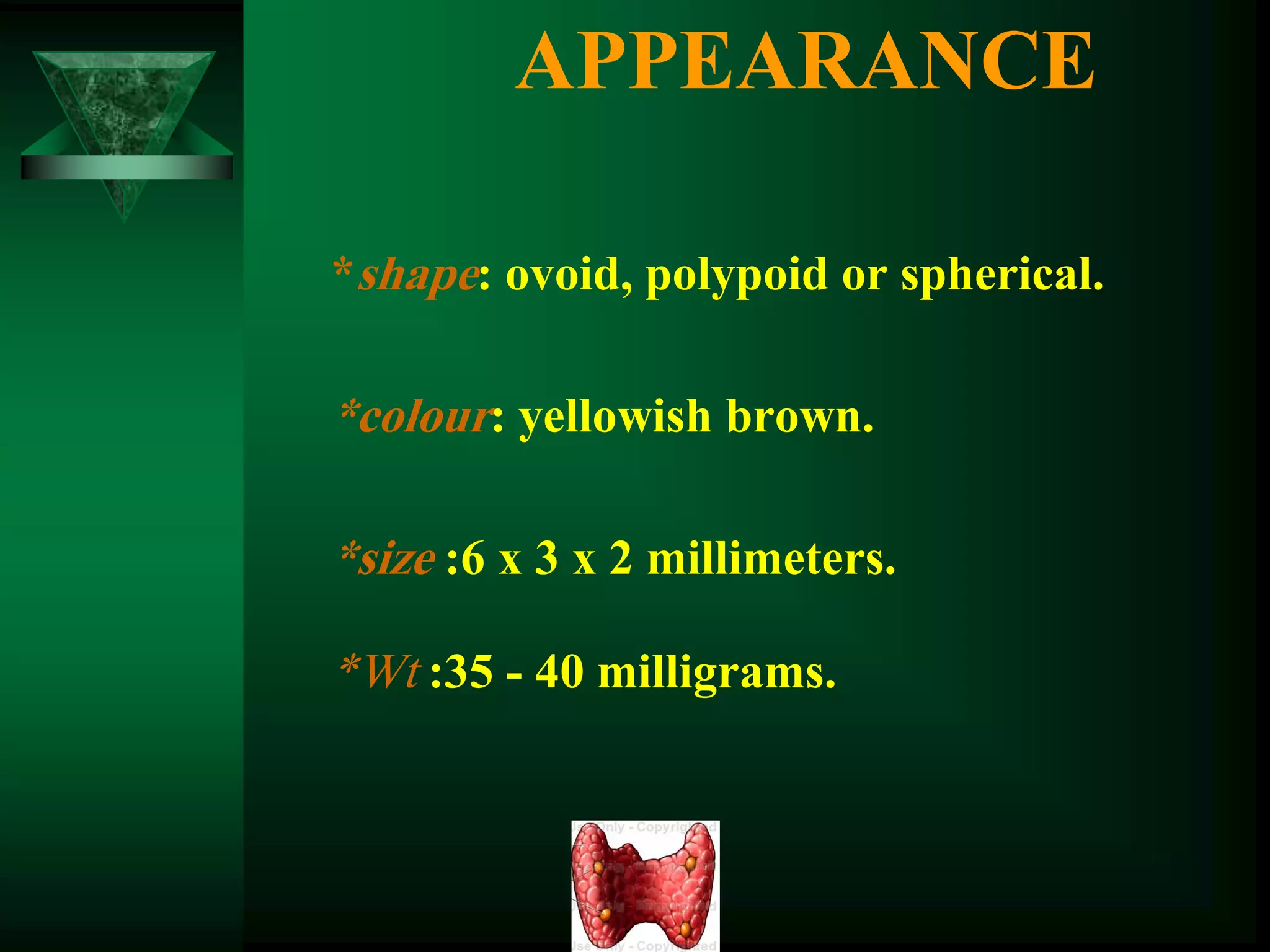
*shape: ovoid, polypoid or spherical.
*colour: yellowish brown.
*size :6 x 3 x 2 millimeters.
*Wt :35 - 40 milligrams.
Blood supply ?
*Each parathyroid gland is supplied by a branch from
the inferior thyroid artery.
*Superior parathyroids are sometimes supplied by
superior thyroid artery.
STRUCTURE
*Connective tissue stroma.
*Parenchyma:
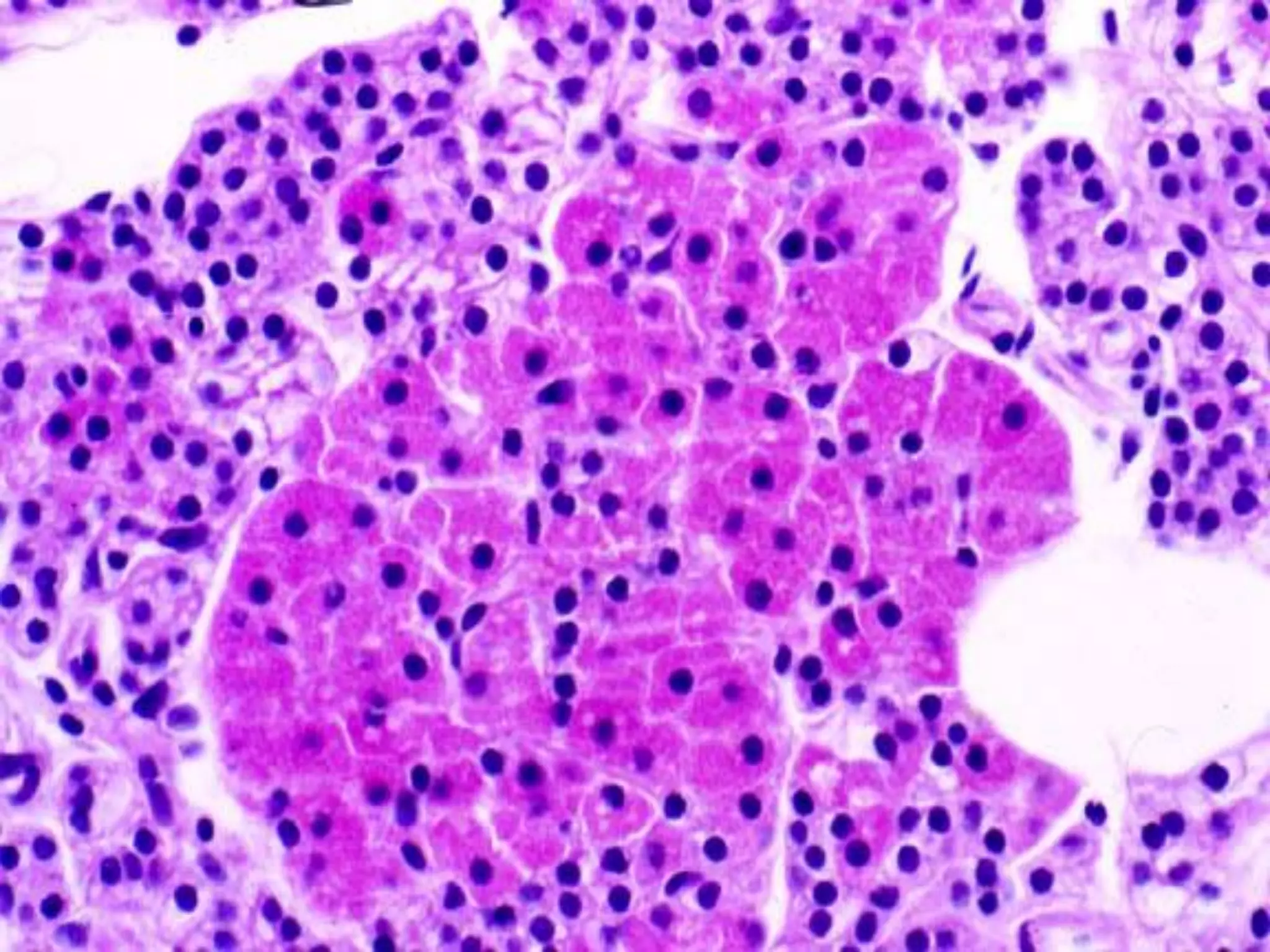
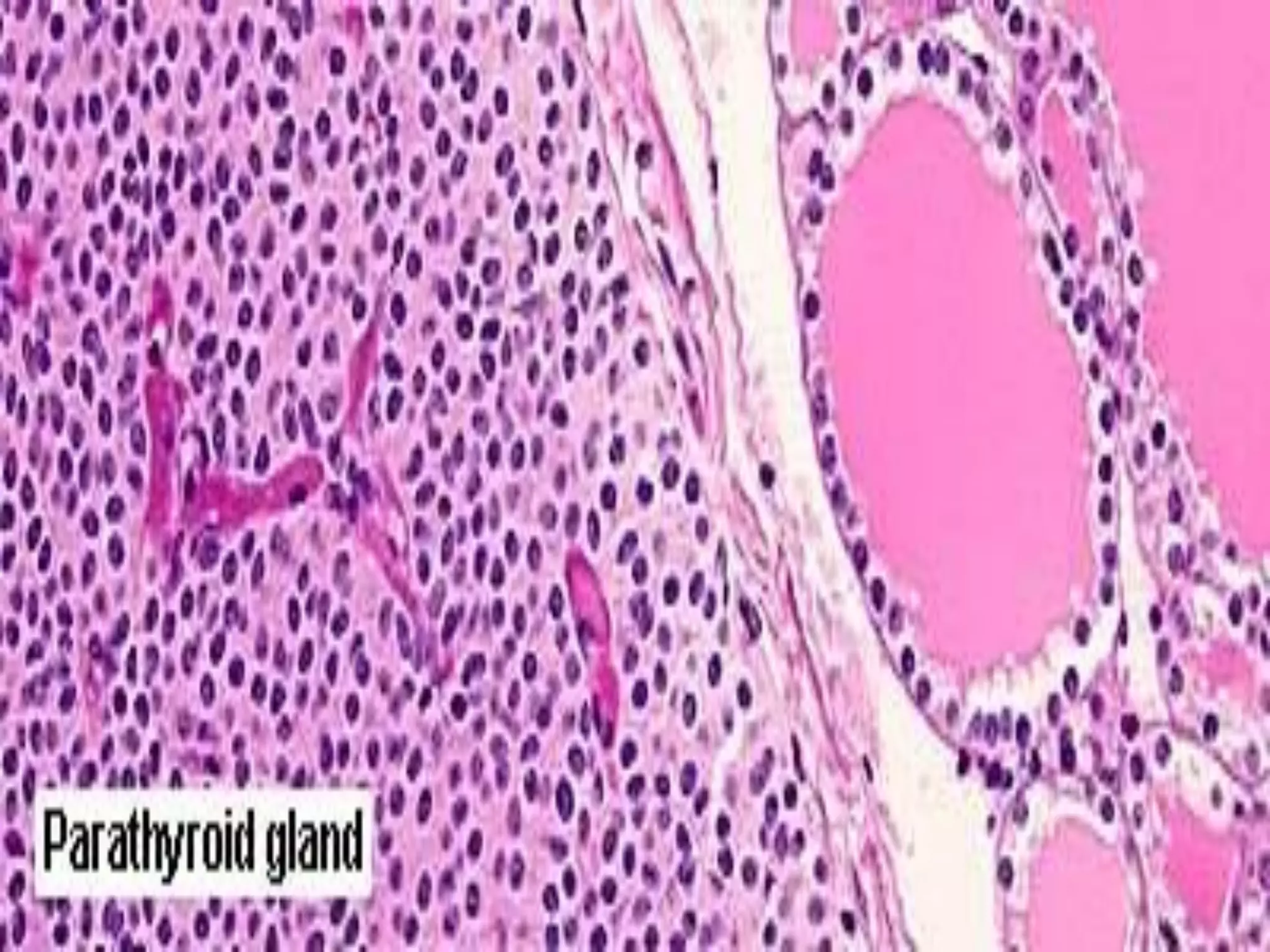
1- Chief cells: small closely packed cells secreting PTH.
2- Oxyphil cells: - larger in size but fewer in number
- their function is not yet known.
FUNCTION OF THE
PARATHYROID GLANDS
*Despite its name, parathyroid gland carries out a
different task compared to thyroid gland.
*Thyroid gland is mainly responsible for regulation of
mental and physical development, while
parathyroids regulate calcium (Ca) and phosphorus
(PO4) metabolism.
Ca Metabolism
*Importance of Ca in body:
1- Bone mineralization.
2- Blood coagulation.
3- Neuromuscular transmission.
4- Neurotransmitter release.
5- Contraction of all muscle types.
6- Cell membrane permeability and excitability.
7- Secretion of glands.
*Daily requirements: 1gm /day. (+ve Ca balance)
*Normal plasma Ca concentration: 9-11 mg%
*Absorption:↓↑
*Excretion: 75% in stool, 25% in urine.
Control Of Ca Homeostasis
1- Parathormone hormone (PTH):
raises plasma Ca level if it is lowered by:
-Vit. D activation→↑ Ca absorption.
-↑ Ca reabsorption in DCT.
-↓ PO4 reabsorption in PCT.
-↑ Ca mobilization from bone.
2- CALCITONIN:
lowers plasma Ca level if it is raised by:
-↓ Ca absorption.
-↑ PO4 reabsorption in PCT.
-↓ Ca mobilization from bone.
3- VITAMIN D:
-↑ Ca absorption.
-↑ Ca bone uptake and deposition.
Hyperparathyroidism
DEFINITION:
Overproduction of the parathyroid hormone (PTH)
resulting in abnormal calcium homeostasis.
CAUSES (TYPES):
I. Primary Hyperparathyroidism
Def.
uncontrolled (autonomous) PTH production with loss
of feedback mechanism by extracellular Ca.
Incidence
0.1 – 0.3%
more in ♀ (3 :1), may be familial
esp. between 45-60 years
Aetiology
-Single parathyroid adenoma (85%)
-In 15% of cases, multiple glands are involved
(either multiple adenomas or hyperplasia).
-Parathyroid carcinoma (rare)
-Paraneoplastic syndromes (rare)
The aetiology of adenomas or hyperplasia remains
unknown in most cases.
Familial cases can occur either as part of the multiple
endocrine neoplasia syndromes (MEN 1 or MEN 2a)
Or familial isolated hyperparathyroidism
MEN
IIB
MEN
IIA
MEN
I (3p)
Feature
-Sipple’s
syndrome
Wermer’s
syndrome
Eponym
--+Pituitary Adenoma
100%+-Medullary thyroid
cancer
--+Parath. hyperplasia
50%+-Pheochromocytoma
--Insulinoma-
gastrinoma
Pancreatic tumours
80%--Marfanoid body
95%--Multiple neuromata
Pathophysiology :
- In parathyroid adenomas: change in the set point of
PTH release (normal feedback on PTH production by extracellular
calcium seems to be lost and the adenoma considers normal level of Ca
as being low)
- In parathyroid hyperplasia: increase in the number
of cells producing PTH.
- Symptoms of hyperparathyroidism are due to:
* chronic excessive resorption of Ca from bone.
* hypercalcaemia.
Symptoms:
“ Disease of bones, stones, abdominal groans and
psychic moans"
1-Skeletal manifestations:
Bone and joint pain esp. in hand and feet (pseudogout).
2-Renal manifestations:
polyuria, dysuria, renal colics or stone passage.
3-Gastrointestinal manifestations:
anorexia, nausea, vomiting, abdominal pain, constipation.
4-Neuromusculopsychologic manifestations:
proximal muscle weakness, easy fatigability, depression, inability to
concentrate, and memory problems that are often poorly characterized
and may not be noted by the patient.
5-Cardiovascular manifestations :
palpitation and hypertensive symptoms.
6-Hyperparathyroid Hypercalcaemic crisis
7-Asymptomatic hypercalcaemia in most cases.
Physical Signs:
Examination is usually noncontributory but may
reveal:
1- muscle weakness.
2- depression.
3- hypertension and bradycardia.
4- palpable neck mass is not usually expected with
hyperparathyroidism, although in rare cases, it
may indicate parathyroid tumour.
Diagnostic Workup
(based on lab data)
A- Laboratory Studies:
1-Parathormone immuno-assay
(core of the diagnosis).
2-Total or ionized serum calcium levels.
3- 24-hour urine calcium.
4-Dent’s test:
an elevated PTH level with an elevated ionized serum Ca level
is diagnostic of 1ry hyperparathyroidism.
normocalcemic hyperparathyroidism
(? 2ry)
B- Imaging studies:
imaging studies are not used to make the diagnosis of primary
hyperparathyroidism (which is based on laboratory data) or to make a
decision for surgical therapy (which is based on clinical criteria).
Imaging studies are used to: .
1- guide the surgeon once surgical therapy has been decided.
2- detect skeletal manifestations.
1-Neck Ultrasonography:
*operator-dependent.
*not reliable in multigland disease.
Ultrasonography of the neck showing an extrathyroidal 10-mm diameter nodule below
the left thyroid lobe (white arrow) consistent with a parathyroid mass.
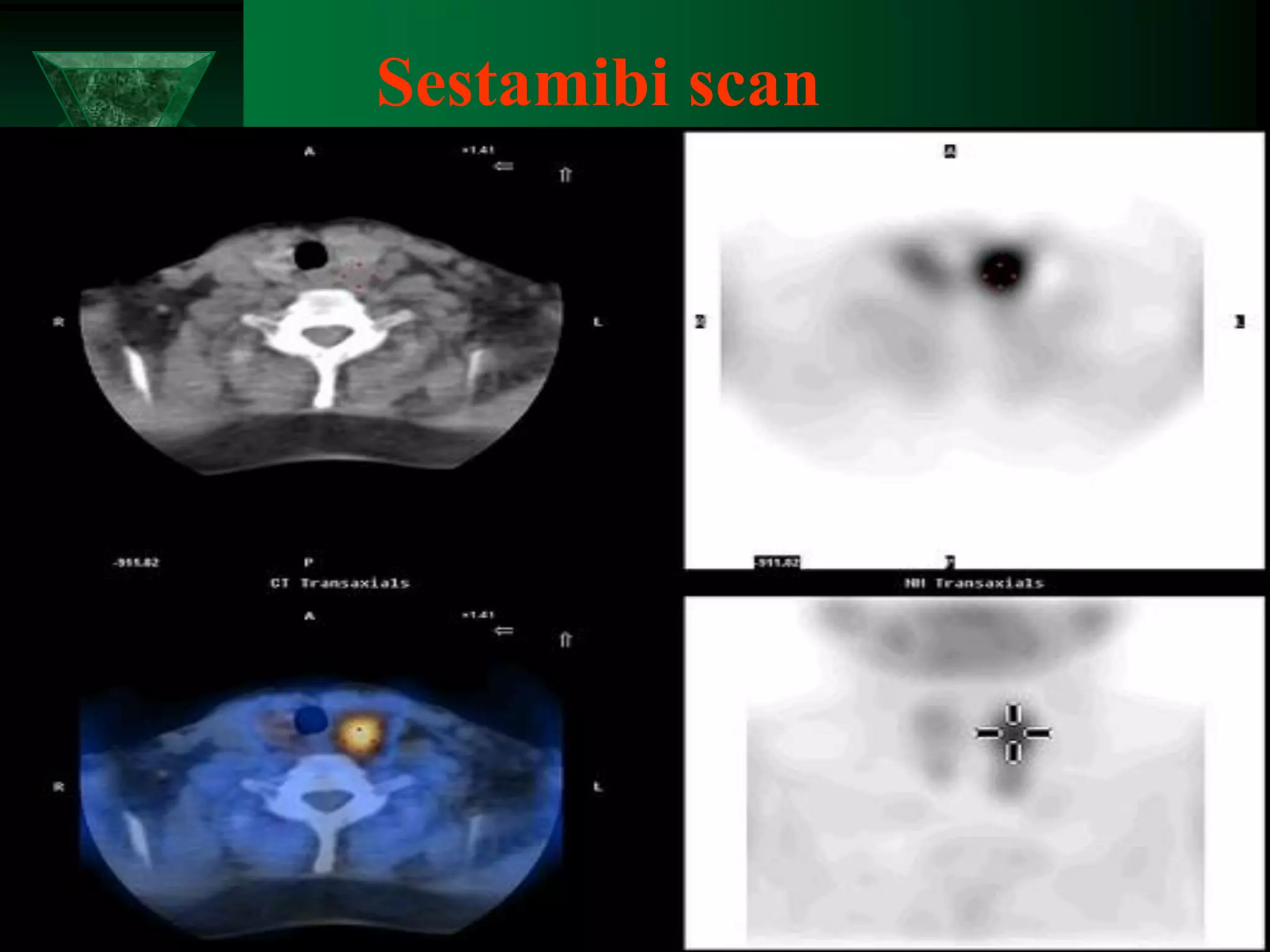
2-Nuclear scanning: (Sestamibi scan)
*Radiolabeled Sestamibi is concentrated in thyroid and
parathyroid tissues but usually washes out of normal thyroid in
under an hour and persists in abnormal parathyroid tissue that
can be seen as a persistent focus of activity on delayed images.
*Sensitivity for solitary adenomas ranges between 60-90%.
* Scan can include the mediastinum and, thus, is extremely useful
in cases of an ectopic adenoma or previously failed surgical
exploration.
Sestamibi scan
Sestamibi scan
3-CT and MRI scanning.
4- X-ray and DXA.
Subperiosteal resorption Brown tumor in the phalanx
as well as acroosteolysis with subperiosteal resorption
Brown tumor in the inferior obturator ramus
Salt and pepper skull Normal skull following treatment
TREATMENT OF 1RY
HYPERPARATHYROIDISM
MEDICAL CARE:
For asymptomatic patients and those who choose not to have surgery
-Lifestyle:
*regular exercise.
*avoidance of immobilization.
-Diet:
*good hydration.
*moderate daily Ca intake of 800-1000 mg.
*vitamin D intake appropriate for age and sex.
-Drugs:
*Calcimimetics (e.g. cinacalcet)
*Oestrogen therapy (postmenopausal).
*Bisphosphonates.
*PPA (percutaneous parathyroid ablation) Techniques.
*avoid thiazides, diuretics, lithium, …etc.
SURGICAL CARE:
-Since 1925, the gold standard treatment for Primary
Hyperparathyroidism is Parathyroidectomy.
-There is universal agreement that surgical treatment should be
offered to all patients with symptomatic disease. Some
controversy exists regarding the optimal management of
asymptomatic patients.
Indications Of Surgery in asymptomatic primary
hyperparathyroidism: National Institutes of Health (NIH) Workshop
(2002)
1) Any age younger than 50 years.
2) 1.0 mg/dL above the upper limit serum Ca.
3) 24-hour urinary Ca excretion > 400 mg.
4) Bone Mass Density (BMD) score below -2.5 at any
site.
Indications Of Surgery in asymptomatic primary
hyperparathyroidism
National Institutes of Health (NIH) Workshop (2002)
1) Any age younger than 50 years.
2) 1.0 mg/dL above the upper limit serum Ca.
3) 24-hour urinary Ca excretion > 400 mg.
4) Bone Mass Density (BMD) score below -2.5 at any site.
5) A 30% reduction in creatinine clearance
-Choice of the procedure:
*identification of all parathyroid glands and removal of all
abnormal glands.
*In the case of 4-gland hyperplasia, a 3.5-gland is performed
(subtotal parathyroidectomy).
Preoperative Localization of abnormal parathyroid
Sestamibi Scan.
HRUS
CT.
MRI.
Intraoperative Localization
Intraopartive PTH assay Radioguided parathyroidectomy
Intraopartive PTH assay
Radioguided parathyroidectomy
POSTOPERATIVE CARE &COPMPLICATIONS
-If a directed parathyroidectomy is performed successfully, most
of these patients may be safely discharged the day of surgery.
-For a full parathyroid exploration, Ca levels must be monitored
postoperatively every 12 hours until stabilization. (24-72 hrs
Many patients become hypocalcemic, but few becomepop).
symptomatic.
Chvostek’s sign Trousseau’s Sign
- Recurrent L. Nerve injury.
-A potential life-threatening emergency in the
postoperative period is the development of an
expanding hematoma in the pretracheal space.
- Regular follow up in the early pop period (2 wks)
for estimation of PTH and Ca levels after
surgery.
II. Secondary Hyperparathyroidism
Definition & aetiology:
to prolonged or intensesecondaryOverproduction of PTH
hypocalcaemia as in:
- chronic renal failure
- malabsorption
- rickets
Diagnosis:
low-normal calcium and elevated PTH
Treatment:
Unlike 1ry hyperparathyroidism, medical management
is the mainstay of treatment:
- treatment of the cause.
- vit D, Ca and PO4 binding agents.
- surgery if other measures failed.
III. Tertiary Hyperparathyroidism
Definition:
Overproduction of PTH after longstanding secondary
hyperparathyroidism and resulting in hypercalcaemia
Aetiology
Prolonged (refractory) 2ry type→ chief cell hyperplasia→
↑ PTH + ↑ Ca. Four-gland involvement occurs in most
patients.
Treatment:
Total parathyroidectomy with autotransplantation or subtotal
parathyroidectomy is indicated.
THANKS
hosam_hamza@ymail.com

Hyperparathyroidism

  • 1.
    Hyperparathyroidism BY Hosam M. Hamza,MD Lecturer of General surgery & GI Endoscopy Minia School of Medicine MINIA - EGYPT
  • 2.
    Parathyroid glands werediscovered by Ivar Victor Sandström (1852-1889), a Swedish medical student in 1880. It was the last major organ to be recognized in humans.
  • 4.
    ANATOMY * 4 smallyellowish brown bodies. * situated posterior to lateral lobes of thyroid gland. * In 1% of population, number is < 4 > 4 is the number in about over 33 %.
  • 5.
    * divided, accordingto their situation, into superior and inferior. * superior parathyroids are more constant in position, and are situated, one on either side, at the level of the lower border of the cricoid cartilage. * the inferior, may be applied to the lower edge of the lateral lobes, or placed at some little distance below the thyroid gland, or found in relation to one of the inferior thyroid veins.
  • 7.
    APPEARANCE *shape: ovoid, polypoidor spherical. *colour: yellowish brown. *size :6 x 3 x 2 millimeters. *Wt :35 - 40 milligrams.
  • 9.
    Blood supply ? *Eachparathyroid gland is supplied by a branch from the inferior thyroid artery. *Superior parathyroids are sometimes supplied by superior thyroid artery.
  • 10.
    STRUCTURE *Connective tissue stroma. *Parenchyma: 1-Chief cells: small closely packed cells secreting PTH. 2- Oxyphil cells: - larger in size but fewer in number - their function is not yet known.
  • 14.
    FUNCTION OF THE PARATHYROIDGLANDS *Despite its name, parathyroid gland carries out a different task compared to thyroid gland. *Thyroid gland is mainly responsible for regulation of mental and physical development, while parathyroids regulate calcium (Ca) and phosphorus (PO4) metabolism.
  • 16.
    Ca Metabolism *Importance ofCa in body: 1- Bone mineralization. 2- Blood coagulation. 3- Neuromuscular transmission. 4- Neurotransmitter release. 5- Contraction of all muscle types. 6- Cell membrane permeability and excitability. 7- Secretion of glands.
  • 17.
    *Daily requirements: 1gm/day. (+ve Ca balance) *Normal plasma Ca concentration: 9-11 mg% *Absorption:↓↑ *Excretion: 75% in stool, 25% in urine.
  • 18.
    Control Of CaHomeostasis 1- Parathormone hormone (PTH): raises plasma Ca level if it is lowered by: -Vit. D activation→↑ Ca absorption. -↑ Ca reabsorption in DCT. -↓ PO4 reabsorption in PCT. -↑ Ca mobilization from bone. 2- CALCITONIN: lowers plasma Ca level if it is raised by: -↓ Ca absorption. -↑ PO4 reabsorption in PCT. -↓ Ca mobilization from bone. 3- VITAMIN D: -↑ Ca absorption. -↑ Ca bone uptake and deposition.
  • 19.
  • 20.
    DEFINITION: Overproduction of theparathyroid hormone (PTH) resulting in abnormal calcium homeostasis. CAUSES (TYPES):
  • 21.
    I. Primary Hyperparathyroidism Def. uncontrolled(autonomous) PTH production with loss of feedback mechanism by extracellular Ca. Incidence 0.1 – 0.3% more in ♀ (3 :1), may be familial esp. between 45-60 years Aetiology -Single parathyroid adenoma (85%) -In 15% of cases, multiple glands are involved (either multiple adenomas or hyperplasia). -Parathyroid carcinoma (rare) -Paraneoplastic syndromes (rare)
  • 22.
    The aetiology ofadenomas or hyperplasia remains unknown in most cases. Familial cases can occur either as part of the multiple endocrine neoplasia syndromes (MEN 1 or MEN 2a) Or familial isolated hyperparathyroidism
  • 23.
    MEN IIB MEN IIA MEN I (3p) Feature -Sipple’s syndrome Wermer’s syndrome Eponym --+Pituitary Adenoma 100%+-Medullarythyroid cancer --+Parath. hyperplasia 50%+-Pheochromocytoma --Insulinoma- gastrinoma Pancreatic tumours 80%--Marfanoid body 95%--Multiple neuromata
  • 24.
    Pathophysiology : - Inparathyroid adenomas: change in the set point of PTH release (normal feedback on PTH production by extracellular calcium seems to be lost and the adenoma considers normal level of Ca as being low) - In parathyroid hyperplasia: increase in the number of cells producing PTH. - Symptoms of hyperparathyroidism are due to: * chronic excessive resorption of Ca from bone. * hypercalcaemia.
  • 25.
    Symptoms: “ Disease ofbones, stones, abdominal groans and psychic moans" 1-Skeletal manifestations: Bone and joint pain esp. in hand and feet (pseudogout). 2-Renal manifestations: polyuria, dysuria, renal colics or stone passage. 3-Gastrointestinal manifestations: anorexia, nausea, vomiting, abdominal pain, constipation. 4-Neuromusculopsychologic manifestations: proximal muscle weakness, easy fatigability, depression, inability to concentrate, and memory problems that are often poorly characterized and may not be noted by the patient. 5-Cardiovascular manifestations : palpitation and hypertensive symptoms. 6-Hyperparathyroid Hypercalcaemic crisis 7-Asymptomatic hypercalcaemia in most cases.
  • 27.
    Physical Signs: Examination isusually noncontributory but may reveal: 1- muscle weakness. 2- depression. 3- hypertension and bradycardia. 4- palpable neck mass is not usually expected with hyperparathyroidism, although in rare cases, it may indicate parathyroid tumour.
  • 28.
    Diagnostic Workup (based onlab data) A- Laboratory Studies: 1-Parathormone immuno-assay (core of the diagnosis). 2-Total or ionized serum calcium levels. 3- 24-hour urine calcium. 4-Dent’s test: an elevated PTH level with an elevated ionized serum Ca level is diagnostic of 1ry hyperparathyroidism. normocalcemic hyperparathyroidism (? 2ry)
  • 29.
    B- Imaging studies: imagingstudies are not used to make the diagnosis of primary hyperparathyroidism (which is based on laboratory data) or to make a decision for surgical therapy (which is based on clinical criteria). Imaging studies are used to: . 1- guide the surgeon once surgical therapy has been decided. 2- detect skeletal manifestations. 1-Neck Ultrasonography: *operator-dependent. *not reliable in multigland disease.
  • 30.
    Ultrasonography of theneck showing an extrathyroidal 10-mm diameter nodule below the left thyroid lobe (white arrow) consistent with a parathyroid mass.
  • 31.
    2-Nuclear scanning: (Sestamibiscan) *Radiolabeled Sestamibi is concentrated in thyroid and parathyroid tissues but usually washes out of normal thyroid in under an hour and persists in abnormal parathyroid tissue that can be seen as a persistent focus of activity on delayed images. *Sensitivity for solitary adenomas ranges between 60-90%. * Scan can include the mediastinum and, thus, is extremely useful in cases of an ectopic adenoma or previously failed surgical exploration.
  • 32.
  • 33.
  • 34.
    3-CT and MRIscanning. 4- X-ray and DXA. Subperiosteal resorption Brown tumor in the phalanx as well as acroosteolysis with subperiosteal resorption
  • 35.
    Brown tumor inthe inferior obturator ramus Salt and pepper skull Normal skull following treatment
  • 36.
  • 37.
    MEDICAL CARE: For asymptomaticpatients and those who choose not to have surgery -Lifestyle: *regular exercise. *avoidance of immobilization. -Diet: *good hydration. *moderate daily Ca intake of 800-1000 mg. *vitamin D intake appropriate for age and sex. -Drugs: *Calcimimetics (e.g. cinacalcet) *Oestrogen therapy (postmenopausal). *Bisphosphonates. *PPA (percutaneous parathyroid ablation) Techniques. *avoid thiazides, diuretics, lithium, …etc.
  • 38.
    SURGICAL CARE: -Since 1925,the gold standard treatment for Primary Hyperparathyroidism is Parathyroidectomy. -There is universal agreement that surgical treatment should be offered to all patients with symptomatic disease. Some controversy exists regarding the optimal management of asymptomatic patients. Indications Of Surgery in asymptomatic primary hyperparathyroidism: National Institutes of Health (NIH) Workshop (2002) 1) Any age younger than 50 years. 2) 1.0 mg/dL above the upper limit serum Ca. 3) 24-hour urinary Ca excretion > 400 mg. 4) Bone Mass Density (BMD) score below -2.5 at any site.
  • 39.
    Indications Of Surgeryin asymptomatic primary hyperparathyroidism National Institutes of Health (NIH) Workshop (2002) 1) Any age younger than 50 years. 2) 1.0 mg/dL above the upper limit serum Ca. 3) 24-hour urinary Ca excretion > 400 mg. 4) Bone Mass Density (BMD) score below -2.5 at any site. 5) A 30% reduction in creatinine clearance
  • 40.
    -Choice of theprocedure: *identification of all parathyroid glands and removal of all abnormal glands. *In the case of 4-gland hyperplasia, a 3.5-gland is performed (subtotal parathyroidectomy). Preoperative Localization of abnormal parathyroid Sestamibi Scan. HRUS CT. MRI. Intraoperative Localization Intraopartive PTH assay Radioguided parathyroidectomy
  • 41.
  • 42.
  • 44.
    POSTOPERATIVE CARE &COPMPLICATIONS -Ifa directed parathyroidectomy is performed successfully, most of these patients may be safely discharged the day of surgery. -For a full parathyroid exploration, Ca levels must be monitored postoperatively every 12 hours until stabilization. (24-72 hrs Many patients become hypocalcemic, but few becomepop). symptomatic. Chvostek’s sign Trousseau’s Sign
  • 45.
    - Recurrent L.Nerve injury. -A potential life-threatening emergency in the postoperative period is the development of an expanding hematoma in the pretracheal space. - Regular follow up in the early pop period (2 wks) for estimation of PTH and Ca levels after surgery.
  • 46.
    II. Secondary Hyperparathyroidism Definition& aetiology: to prolonged or intensesecondaryOverproduction of PTH hypocalcaemia as in: - chronic renal failure - malabsorption - rickets Diagnosis: low-normal calcium and elevated PTH Treatment: Unlike 1ry hyperparathyroidism, medical management is the mainstay of treatment: - treatment of the cause. - vit D, Ca and PO4 binding agents. - surgery if other measures failed.
  • 47.
    III. Tertiary Hyperparathyroidism Definition: Overproductionof PTH after longstanding secondary hyperparathyroidism and resulting in hypercalcaemia Aetiology Prolonged (refractory) 2ry type→ chief cell hyperplasia→ ↑ PTH + ↑ Ca. Four-gland involvement occurs in most patients. Treatment: Total parathyroidectomy with autotransplantation or subtotal parathyroidectomy is indicated.
  • 48.