Subcutaneous
Injections
By,
Ms. Ekta S Patel
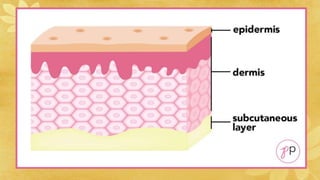
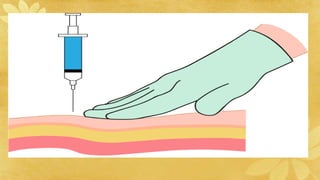
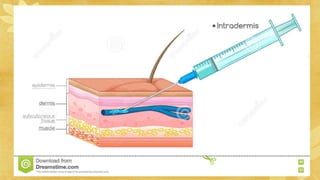
• Subcutaneous injections are administered into the
adipose tissue layer just below the epidermis and dermis.
• This tissue has few blood vessels, so drugs administered
here have a slow, sustained rate of absorption into the
capillaries.
• It is important to choose the right equipment to ensure
depositing the medication into the intended tissue layer
and not the underlying muscle.
• Review the specifics of the particular medication before
administrating it to the patient.
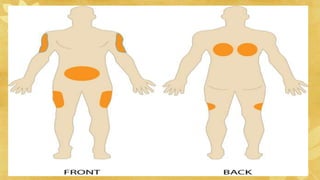
• Various sites may be used for subcutaneous injections,
including:
• the outer aspect of the upper arm,
• the abdomen (from below the costal margin to the iliac
crests),
• the anterior aspects of the thigh,
• the upper back,
• the upper ventral gluteal area.
• Absorption rates are different from the different sites.
Injections in the abdomen are absorbed most rapidly,
absorbed somewhat slower from the arms, even slower
from the thighs, and slowest from the upper ventral
gluteal areas
Upper
ventral
gluteal areas
Thighs
Arms
Abdomen
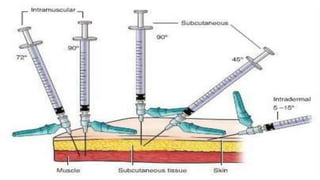
• Subcutaneous injections are administered at a 45- to 90-
degree angle.
• Choose the angle of needle insertion based on the amount
of subcutaneous tissue present and the length of the
needle.
• Choose the needle length based on the amount of
subcutaneous tissue present, based on the patient’s body
weight and build.
• Generally, insert the shorter, 3⁄8-inch needle at a 90-
degree angle and the longer, 5⁄8-inch needle at a 45-
degree angle.
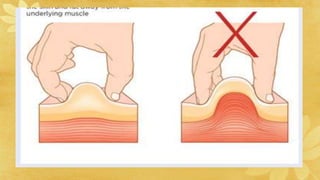
• Recommendations differ regarding pinching or
bunching of a skin fold for administration.
• Pinching is advised for thinner patients and when a
longer needle is used, to lift the adipose tissue away from
underlying muscle and tissue.
• If pinching is used, once the needle is inserted, release the
skin to avoid injecting into compressed tissue.
• Aspiration, or pulling back on the plunger to check that
a blood vessel has been entered, is not necessary and has
not proved to be a reliable indicator of needle placement.
The likelihood of injecting into a blood vessel is small
• The American Diabetes Association (2004) has stated that
routine aspiration is not necessary when injecting insulin.
• Aspiration is definitely contraindicated with
administration of heparin because this action can result
in hematoma formation.
• Usually, no more than 1 mL of solution is given
subcutaneously.
• Giving larger amounts adds to the patient’s discomfort
and may predispose to poor absorption.
EQUIPMENT
• Prescribed medication
• Sterile syringe and needle.
• Needle size depends on the medication administered and
patient body type.
• Antimicrobial swab
• Disposable gloves
• Small gauze square
• Medication Administration Record (MAR)
• PPE, as indicated
ASSESSMENT
• Assess the patient for any allergies.
• Check expiration date before administering medication.
• Assess the appropriateness of the drug for the patient.
• Verify patient name, dose, route, and time of
administration.
• Review assessment and laboratory data that may
influence drug administration.
• Assess the site on the patient where the injection is to be
given.
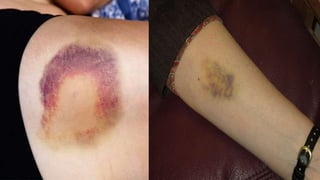
• Avoid sites that are bruised, tender, hard, swollen,
inflamed, or scarred. These conditions could affect
absorption or cause discomfort and injury.
• Assess the patient’s knowledge of the medication.
• If the patient has deficient knowledge about the
medication, this may be the appropriate time to begin
education about it.
• If the medication may affect the patient’s vital signs,
assess them before administration.
• If the medication is for pain relief, assess the patient’s
pain before and after administration.
Injections which are administered into the adipose tissue
layer just below the epidermis and dermis known as?
• Subcutaneous injection
• Intradermal injection
• IV injection
• IM injection
How much ml of medication can we
administered in subcutaneous injection?
• 0.5
• 1
• 1.5
• 2
Which size of needle used for SC injection?
• 22
• 23
• 24
• 18
What is angle for SC injection
administration?
• 15
• 30
• 45
• 72
Which site is not used for SC injection?
• vastus lateralis
• Upper arm
• Abdomen
• Thigh
Answers
• 1
• 2
• 3
• 3
• 1

Subcutaneous injections

  • 1.
  • 2.
    • Subcutaneous injectionsare administered into the adipose tissue layer just below the epidermis and dermis. • This tissue has few blood vessels, so drugs administered here have a slow, sustained rate of absorption into the capillaries.
  • 4.
    • It isimportant to choose the right equipment to ensure depositing the medication into the intended tissue layer and not the underlying muscle. • Review the specifics of the particular medication before administrating it to the patient.
  • 5.
    • Various sitesmay be used for subcutaneous injections, including: • the outer aspect of the upper arm, • the abdomen (from below the costal margin to the iliac crests), • the anterior aspects of the thigh, • the upper back, • the upper ventral gluteal area.
  • 6.
    • Absorption ratesare different from the different sites. Injections in the abdomen are absorbed most rapidly, absorbed somewhat slower from the arms, even slower from the thighs, and slowest from the upper ventral gluteal areas
  • 7.
  • 9.
    • Subcutaneous injectionsare administered at a 45- to 90- degree angle. • Choose the angle of needle insertion based on the amount of subcutaneous tissue present and the length of the needle. • Choose the needle length based on the amount of subcutaneous tissue present, based on the patient’s body weight and build.
  • 11.
    • Generally, insertthe shorter, 3⁄8-inch needle at a 90- degree angle and the longer, 5⁄8-inch needle at a 45- degree angle. • Recommendations differ regarding pinching or bunching of a skin fold for administration.
  • 13.
    • Pinching isadvised for thinner patients and when a longer needle is used, to lift the adipose tissue away from underlying muscle and tissue. • If pinching is used, once the needle is inserted, release the skin to avoid injecting into compressed tissue.
  • 14.
    • Aspiration, orpulling back on the plunger to check that a blood vessel has been entered, is not necessary and has not proved to be a reliable indicator of needle placement. The likelihood of injecting into a blood vessel is small
  • 17.
    • The AmericanDiabetes Association (2004) has stated that routine aspiration is not necessary when injecting insulin. • Aspiration is definitely contraindicated with administration of heparin because this action can result in hematoma formation.
  • 19.
    • Usually, nomore than 1 mL of solution is given subcutaneously. • Giving larger amounts adds to the patient’s discomfort and may predispose to poor absorption.
  • 20.
    EQUIPMENT • Prescribed medication •Sterile syringe and needle. • Needle size depends on the medication administered and patient body type. • Antimicrobial swab • Disposable gloves • Small gauze square • Medication Administration Record (MAR) • PPE, as indicated
  • 21.
    ASSESSMENT • Assess thepatient for any allergies. • Check expiration date before administering medication. • Assess the appropriateness of the drug for the patient. • Verify patient name, dose, route, and time of administration. • Review assessment and laboratory data that may influence drug administration.
  • 22.
    • Assess thesite on the patient where the injection is to be given. • Avoid sites that are bruised, tender, hard, swollen, inflamed, or scarred. These conditions could affect absorption or cause discomfort and injury. • Assess the patient’s knowledge of the medication. • If the patient has deficient knowledge about the medication, this may be the appropriate time to begin education about it.
  • 23.
    • If themedication may affect the patient’s vital signs, assess them before administration. • If the medication is for pain relief, assess the patient’s pain before and after administration.
  • 24.
    Injections which areadministered into the adipose tissue layer just below the epidermis and dermis known as? • Subcutaneous injection • Intradermal injection • IV injection • IM injection
  • 25.
    How much mlof medication can we administered in subcutaneous injection? • 0.5 • 1 • 1.5 • 2
  • 26.
    Which size ofneedle used for SC injection? • 22 • 23 • 24 • 18
  • 27.
    What is anglefor SC injection administration? • 15 • 30 • 45 • 72
  • 28.
    Which site isnot used for SC injection? • vastus lateralis • Upper arm • Abdomen • Thigh
  • 29.