Students as
Contributors:
Open Pedagogy
and the
Learner-Driven Course
@actualham
Presentation
CC BY
Robin DeRosa
Images
CC 0
Alan Levine
• 56% of students pay more
than $400 CAD per
semester
• 20% pay more than $650
CAD per semester
( = 20% of tuition at MRU)
• Students worry more
about paying for books
than they worry about
paying for college. (NEEBO)
Effects of Textbook Prices
• 67% did not purchase
a required textbook
• 38% earned a poor grade
• 20% failed a course
• 48% occasionally or frequently
took fewer courses
• 26% dropped a course
• 21% withdrew from a course
2016 Survey of 22,000 students,
Florida Virtual Campus, comprised of the
12 universities and 28 colleges in the Florida state system.
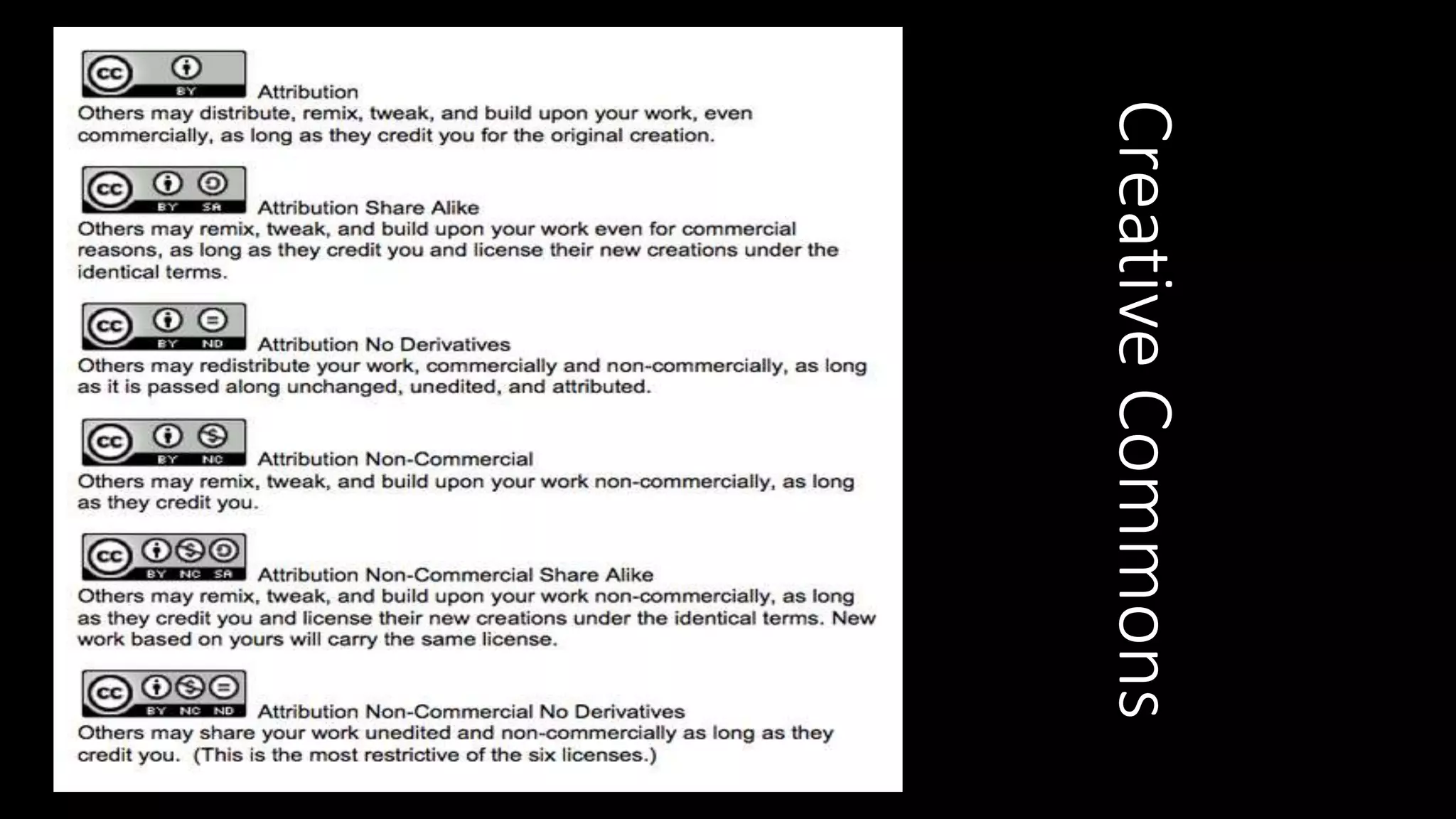
CreativeCommons
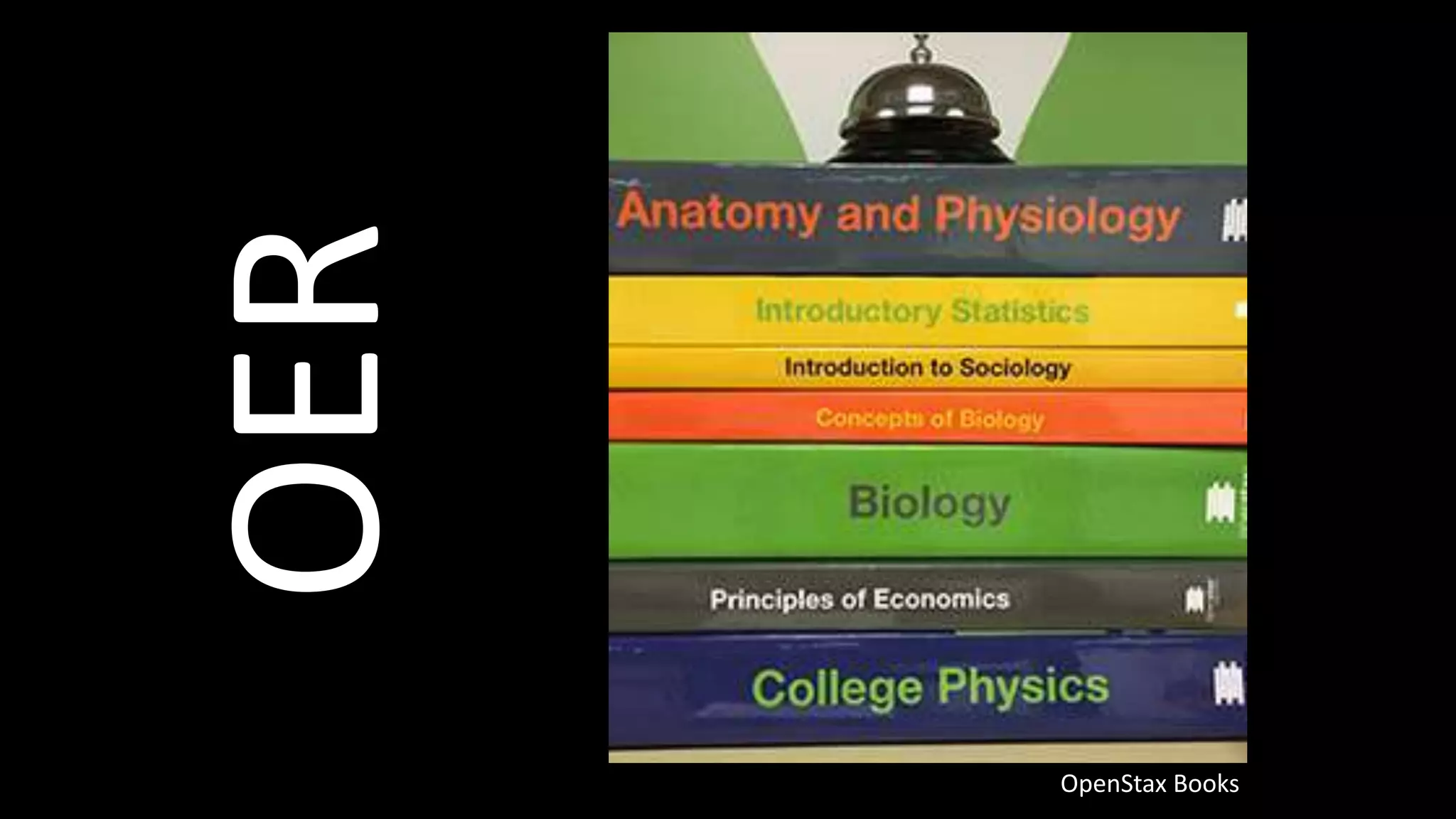
OER
OpenStax Books
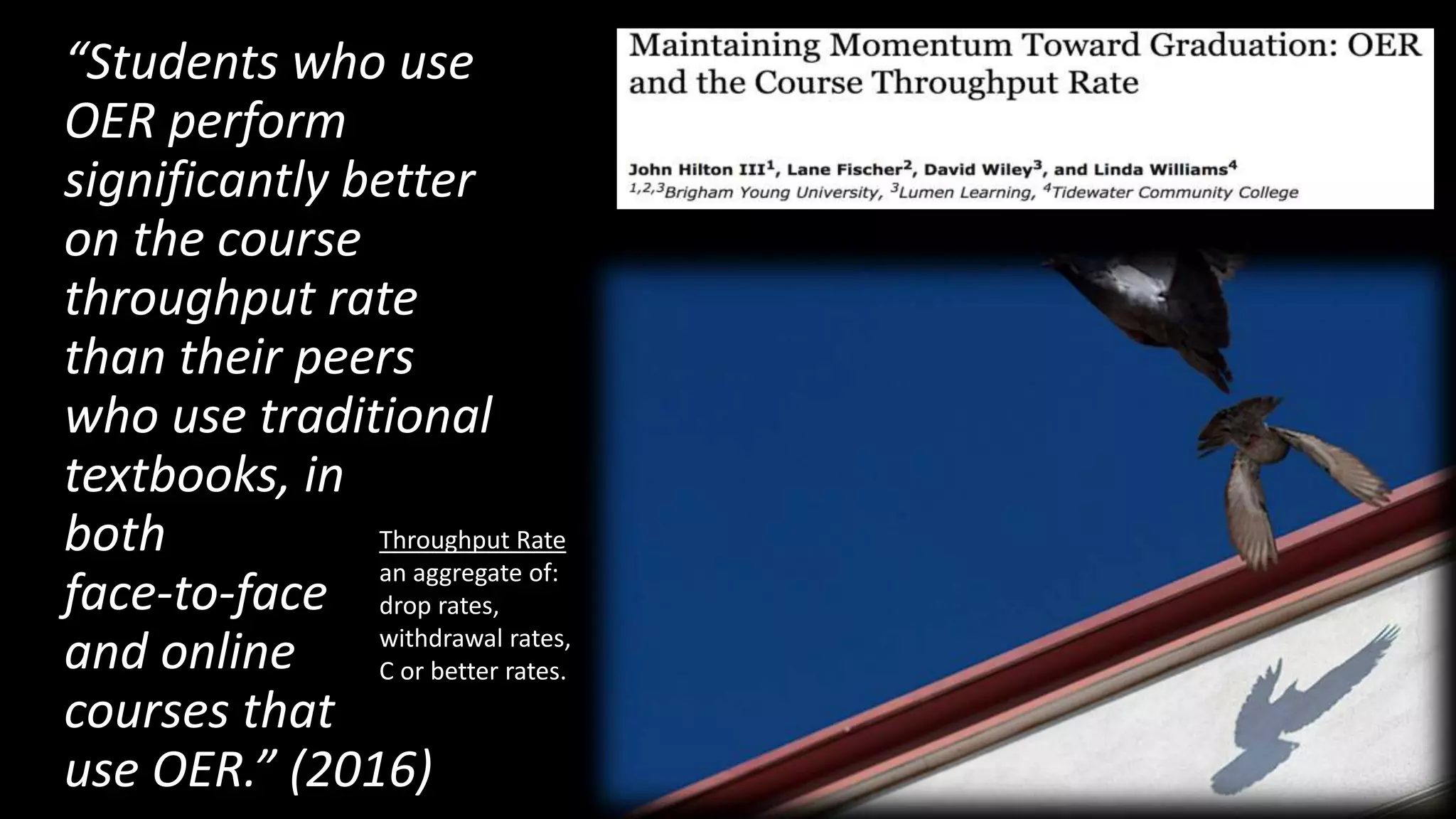
“Students who use
OER perform
significantly better
on the course
throughput rate
than their peers
who use traditional
textbooks, in
both
face-to-face
and online
courses that
use OER.” (2016)
Throughput Rate
an aggregate of:
drop rates,
withdrawal rates,
C or better rates.
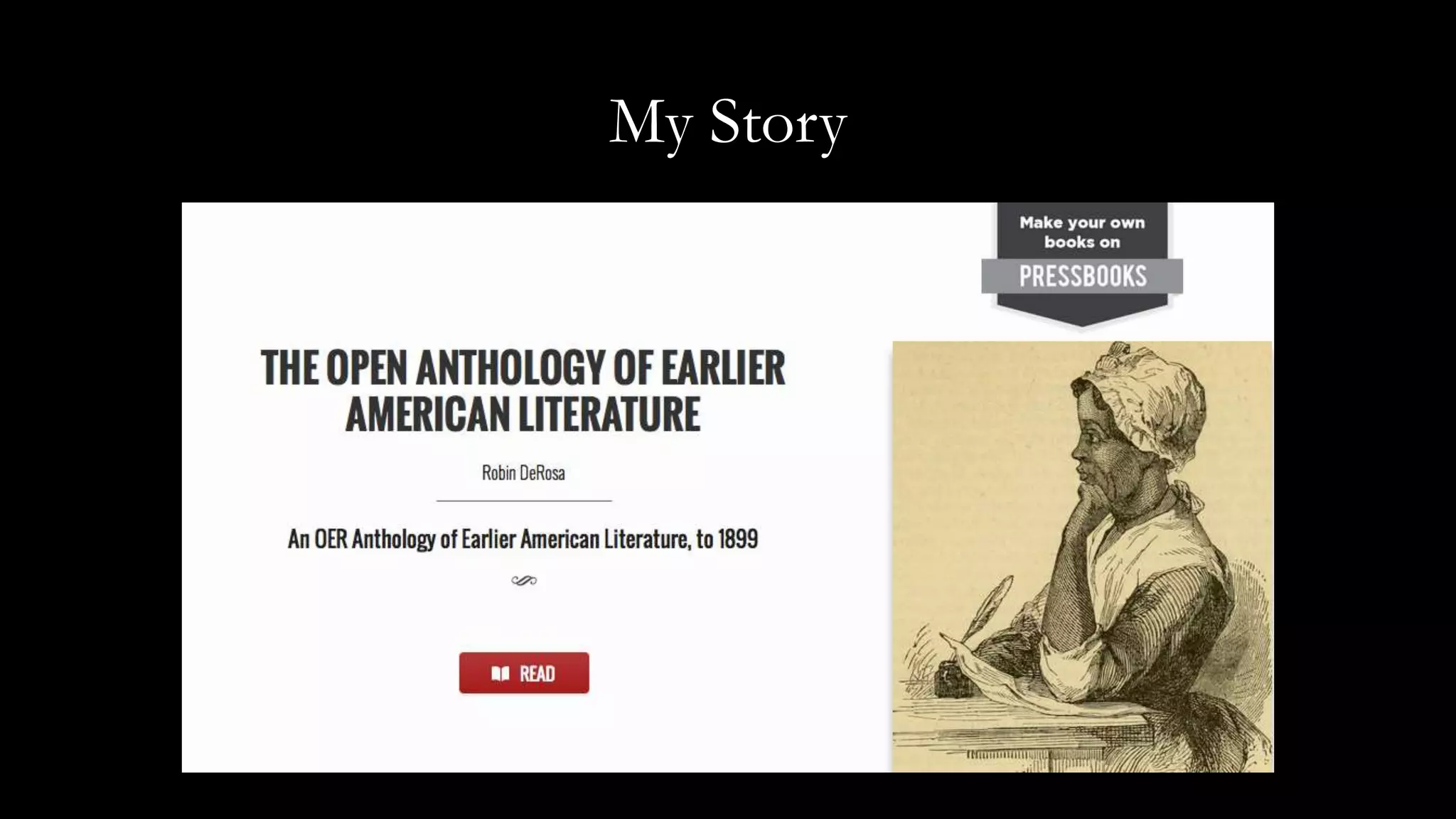
My Story
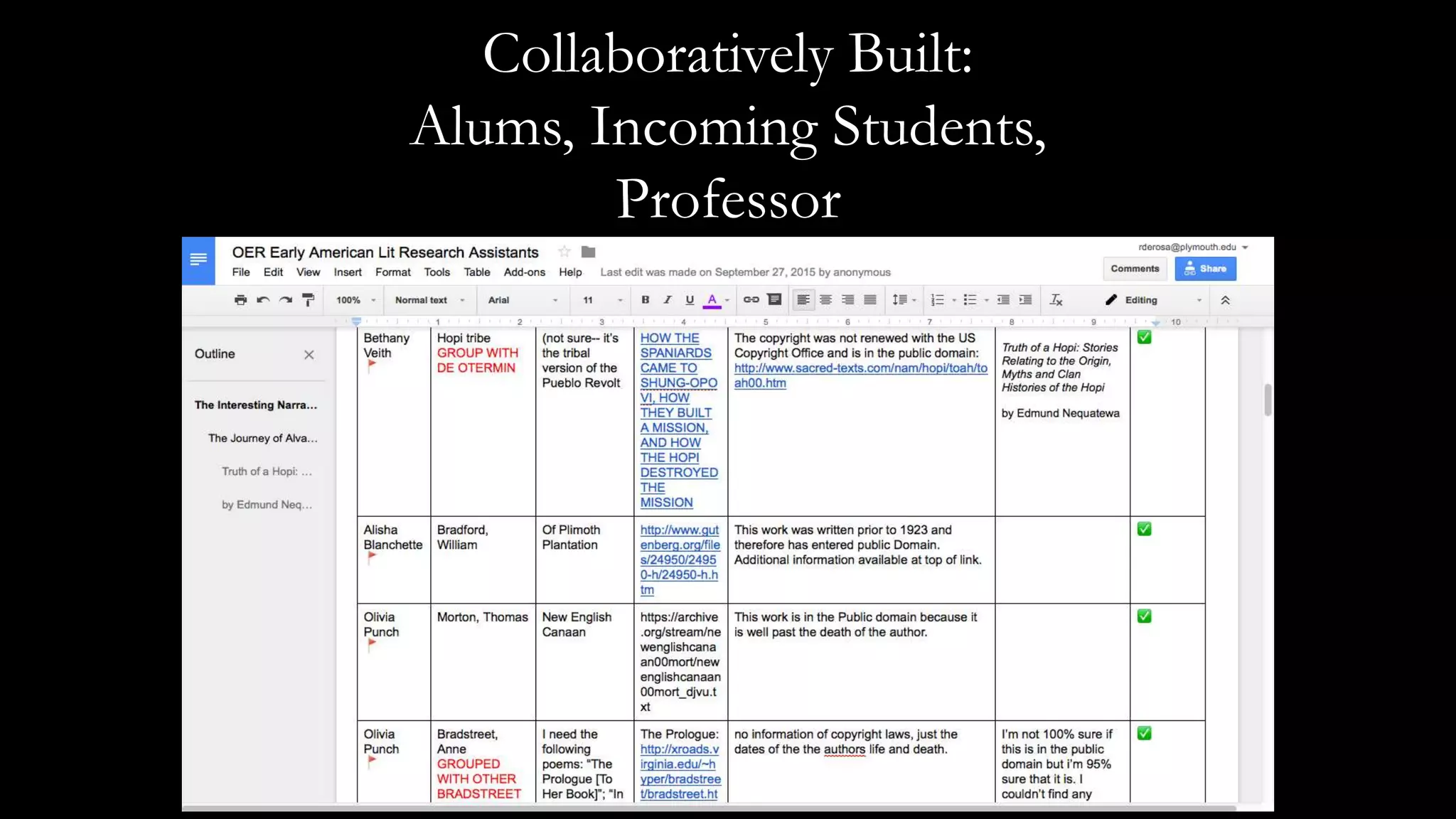
Collaboratively Built:
Alums, Incoming Students,
Professor
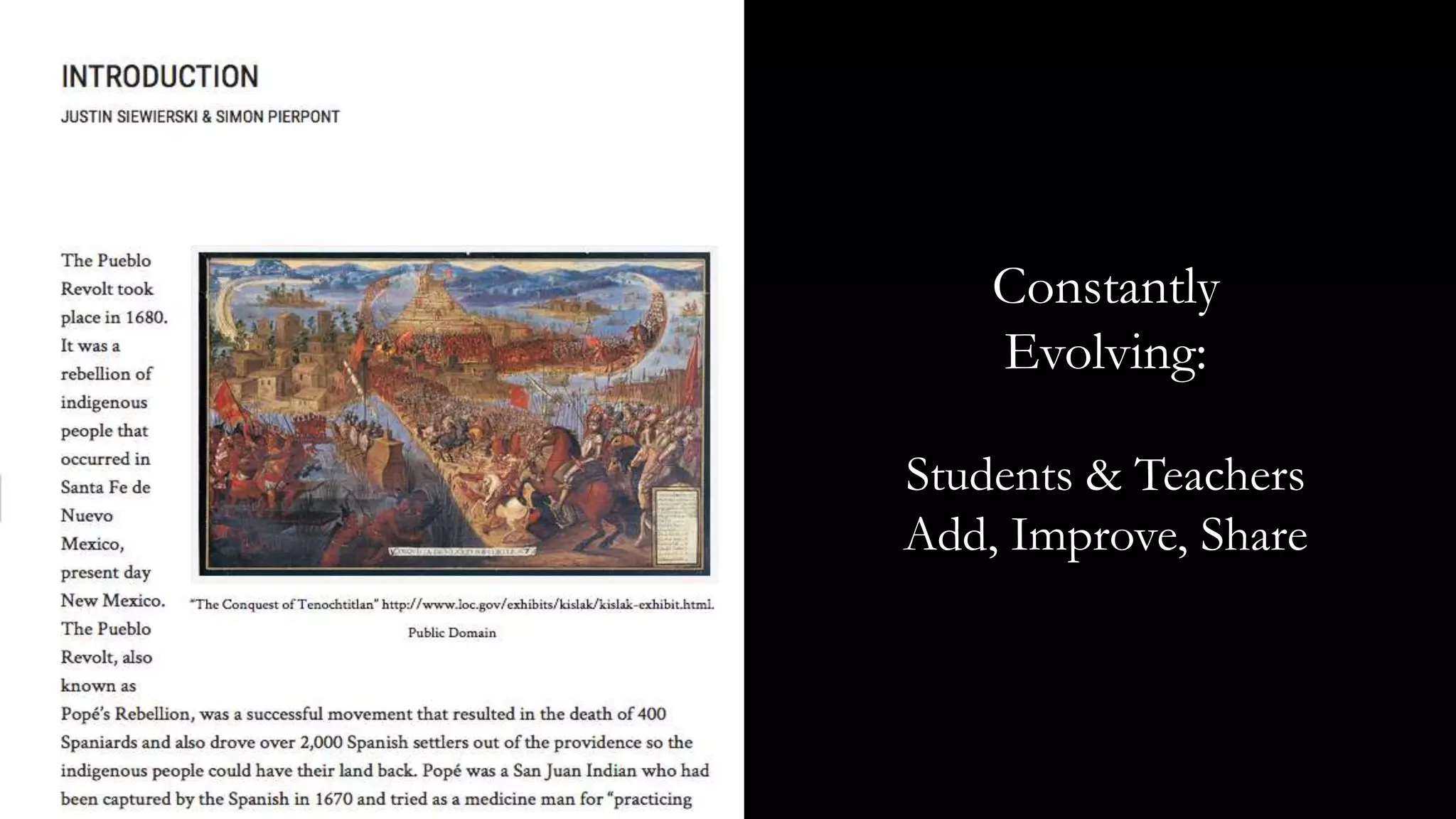
Constantly
Evolving:
Students & Teachers
Add, Improve, Share
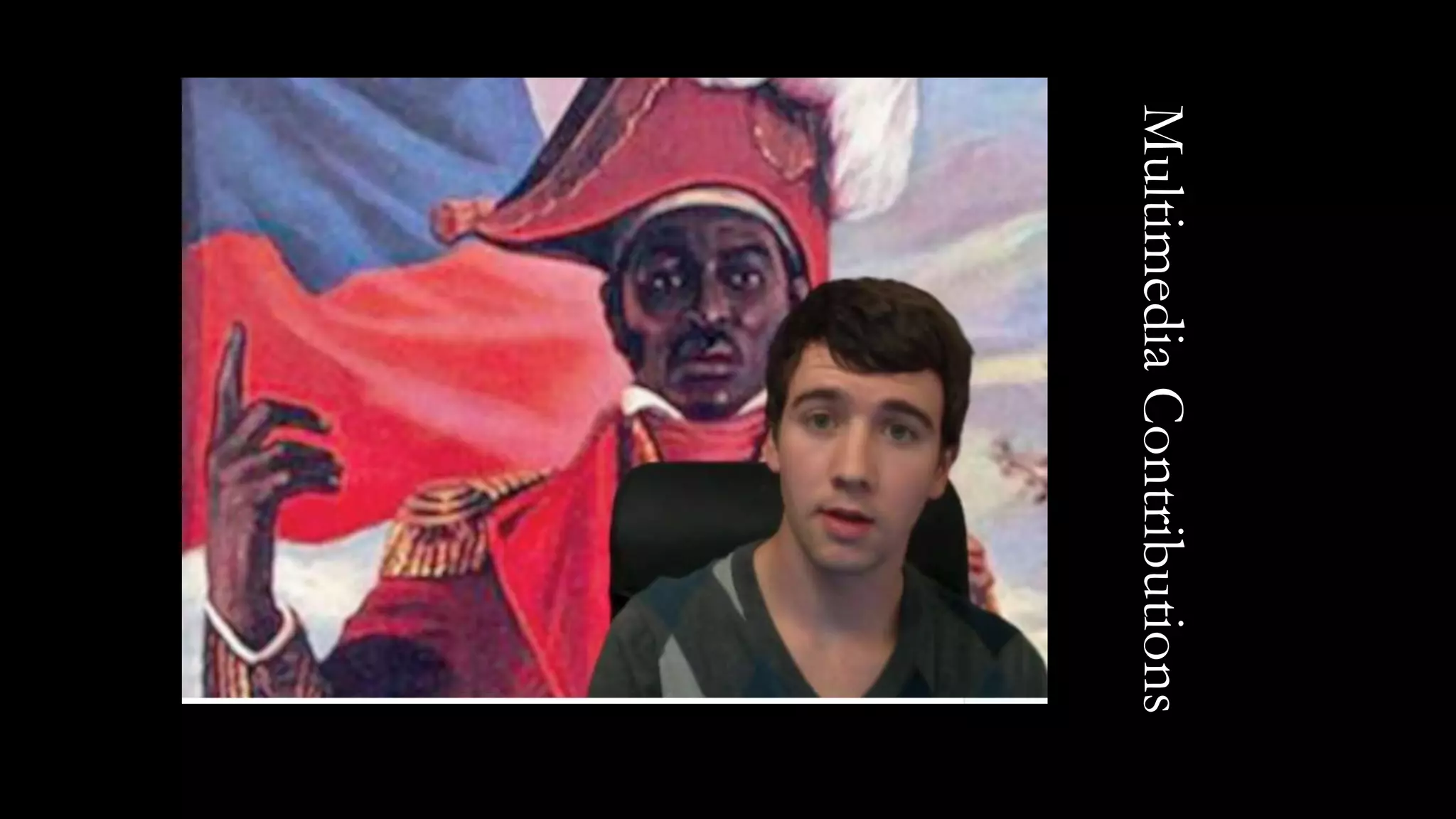
MultimediaContributions
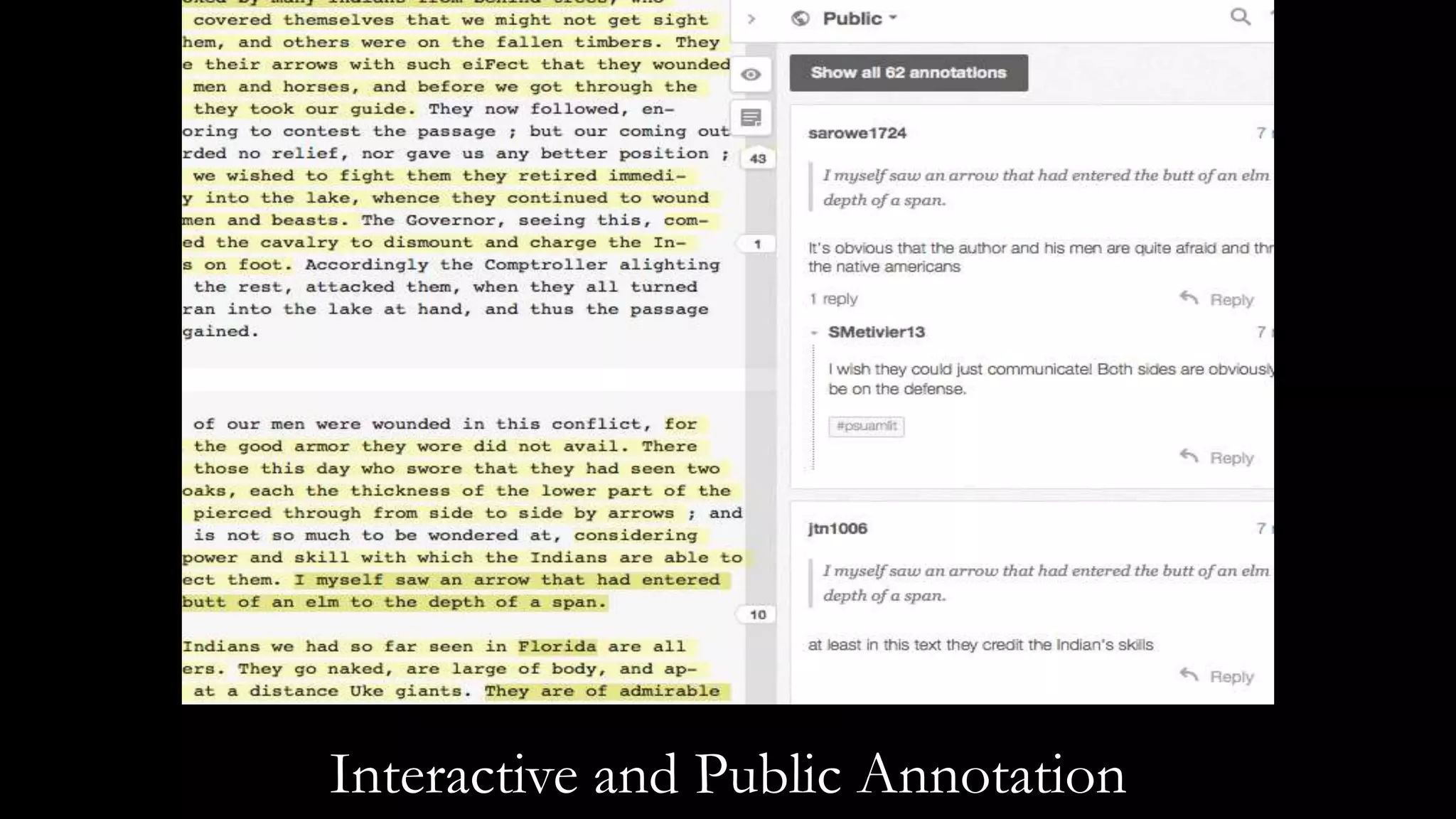
Interactive and Public Annotation
An Open
“Textbook”
Can Be:
• Interactive
• Collaborative
• Dialogic
• Dynamic
• Empowering
• Contributory
• Current
• Accessible
• Multimedia
• Public
• (Free)
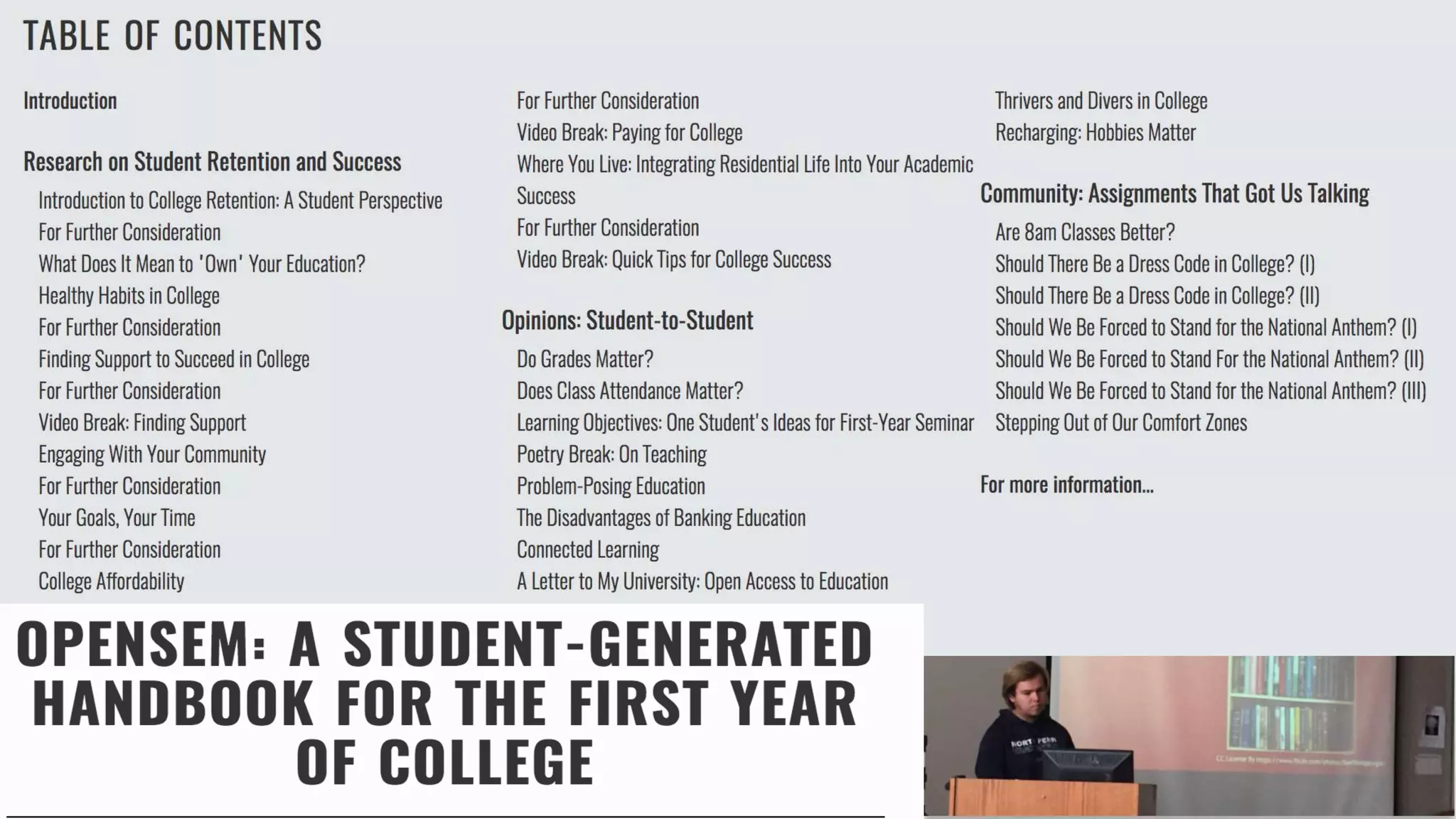
PM4ID
Screenshot of https://pm4id.pressbooks.com/front-matter/about-this-book/
Slide CCBY Rajiv Jhangiani
Screenshot CCBYNCSA http://opentextbc.ca/socialpsychology
Why have students answer
questions when they can
write them?
What is Open Pedagogy?
Pedagogy enabled by the
open license.
ACCESSIBLE:
the open license can reduce barriers to education.
LEARNER-DRIVEN:
the open license can empower learners.
CONNECTED:
the open license facilitates connection and collaboration.
PUBLIC:
the open license can help build a case for public education.
CCBY Jonathan Brodsky https://flic.kr/p/37z2C2
Access, broadly writ.
Price (not cost) of college, digital divide & redlining,
accessibility & universal design, online safety & harassment
Student-Centered  Learner-Driven
Learning Outcomes; Policies (Attendance, Late Work);
Procedures (Assessments, Grading); Schedule of Work (Curated Reading); Assignments
COURSE LEVEL, PROGRAM LEVEL
Content
↓
Community
Connected
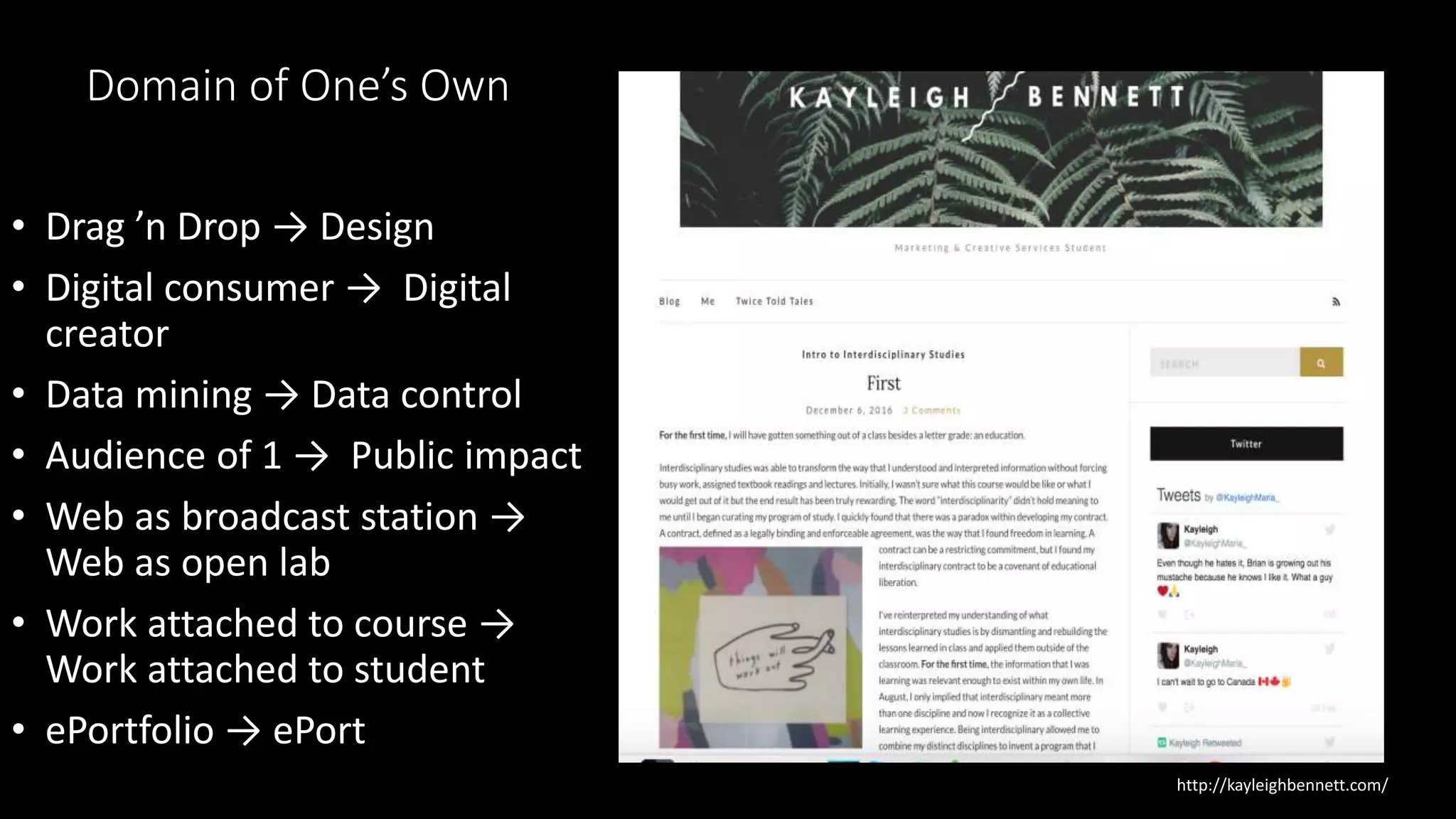
Domain of One’s Own
• Drag ’n Drop → Design
• Digital consumer → Digital
creator
• Data mining → Data control
• Audience of 1 → Public impact
• Web as broadcast station →
Web as open lab
• Work attached to course →
Work attached to student
• ePortfolio → ePort
http://kayleighbennett.com/
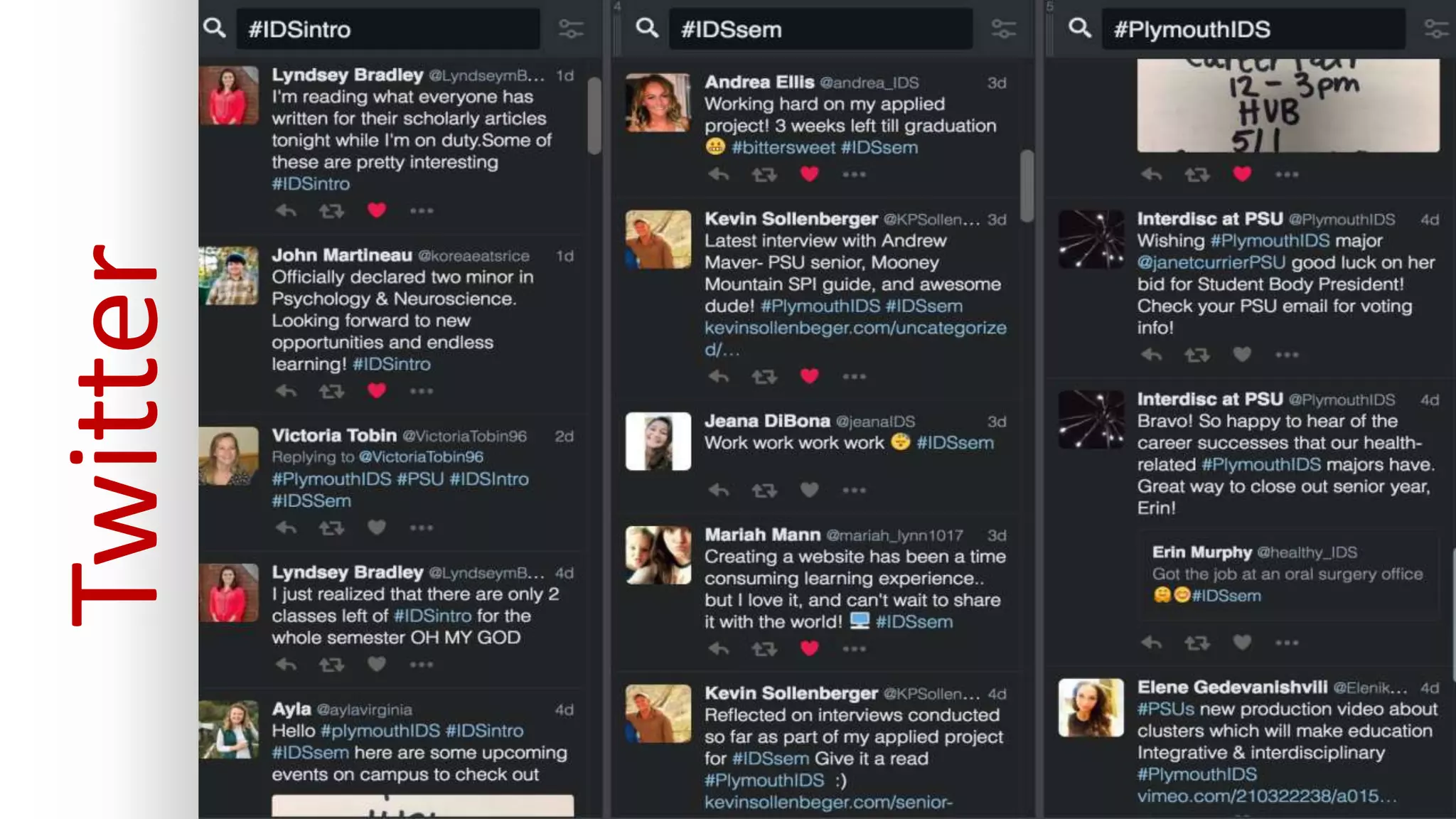
Twitter
Twitter
Twitter
Twitter
Students as
Contributors
• Challenge access barriers,
however major or
insidious.
• Involve students in the
architecture of their
programs and courses.
• Connect students to their
scholarly & professional
communities of practice.
• Work in and at public.
July 28-30
Q&A
tweet thoughts, questions, ideas
@actualham

Students as Contributors: Open Pedagogy & the Learner-Driven Course

Editor's Notes

  • #6 I can show you how to choose a license CC ND is not OER
  • #9 Could be an OpenStax book or public docs or whatever
  • #16 Screenshot of https://pm4id.pressbooks.com/front-matter/about-this-book/
  • #17 Screenshot of http://opentextbc.ca/socialpsychology (CC-BY-NC-SA)
  • #24 Source: http://wikiedu.org/changing/students/
  • #25 Source: http://wikiedu.org/changing/students/
  • #26 Source: http://wikiedu.org/changing/students/
  • #27 Source: http://wikiedu.org/changing/students/