Still to be filled –
a vision for small(er)
institutions in open education
Sarah Faye Cohen
ConnectNY
April 18 2019
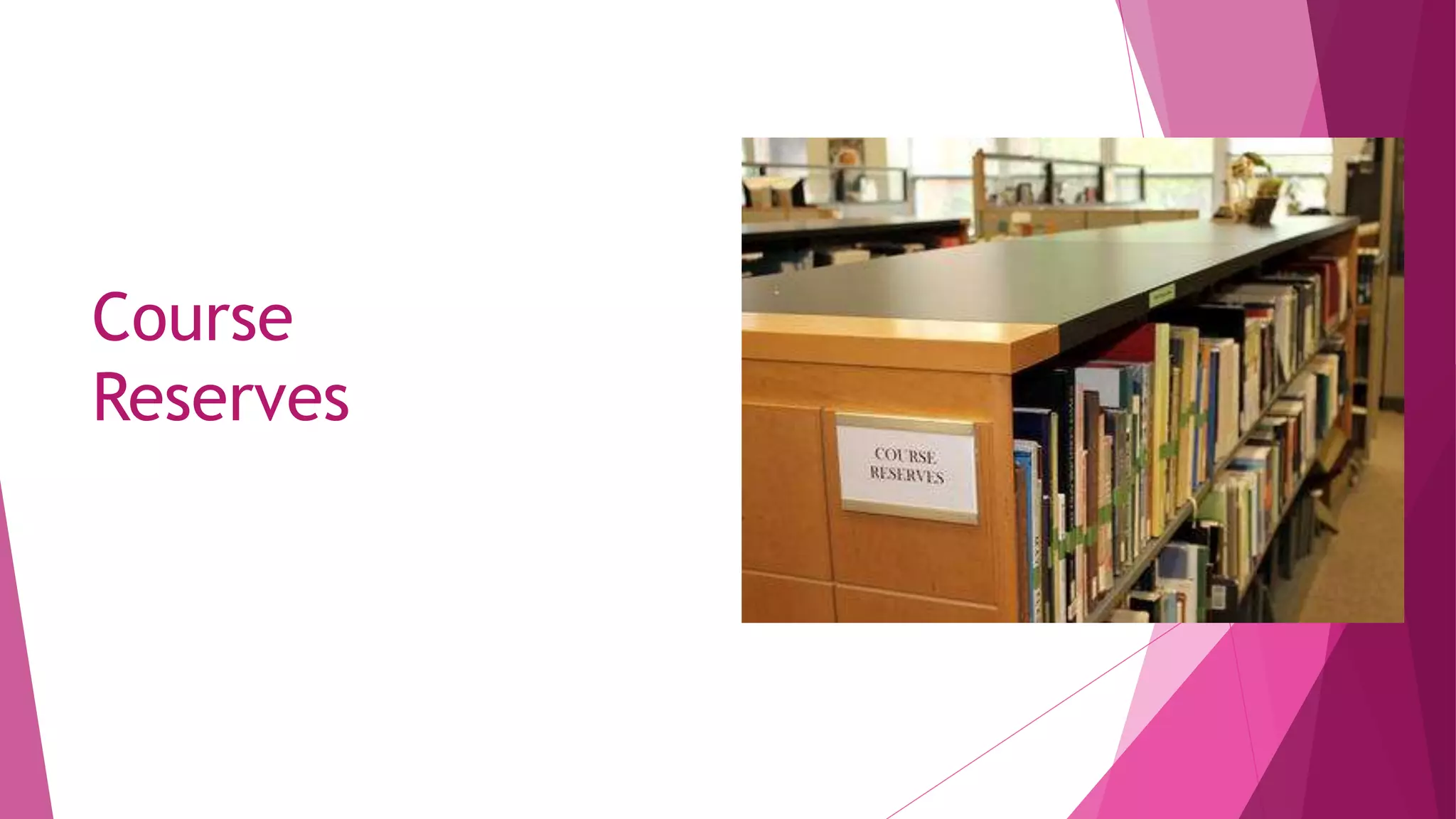
Course
Reserves
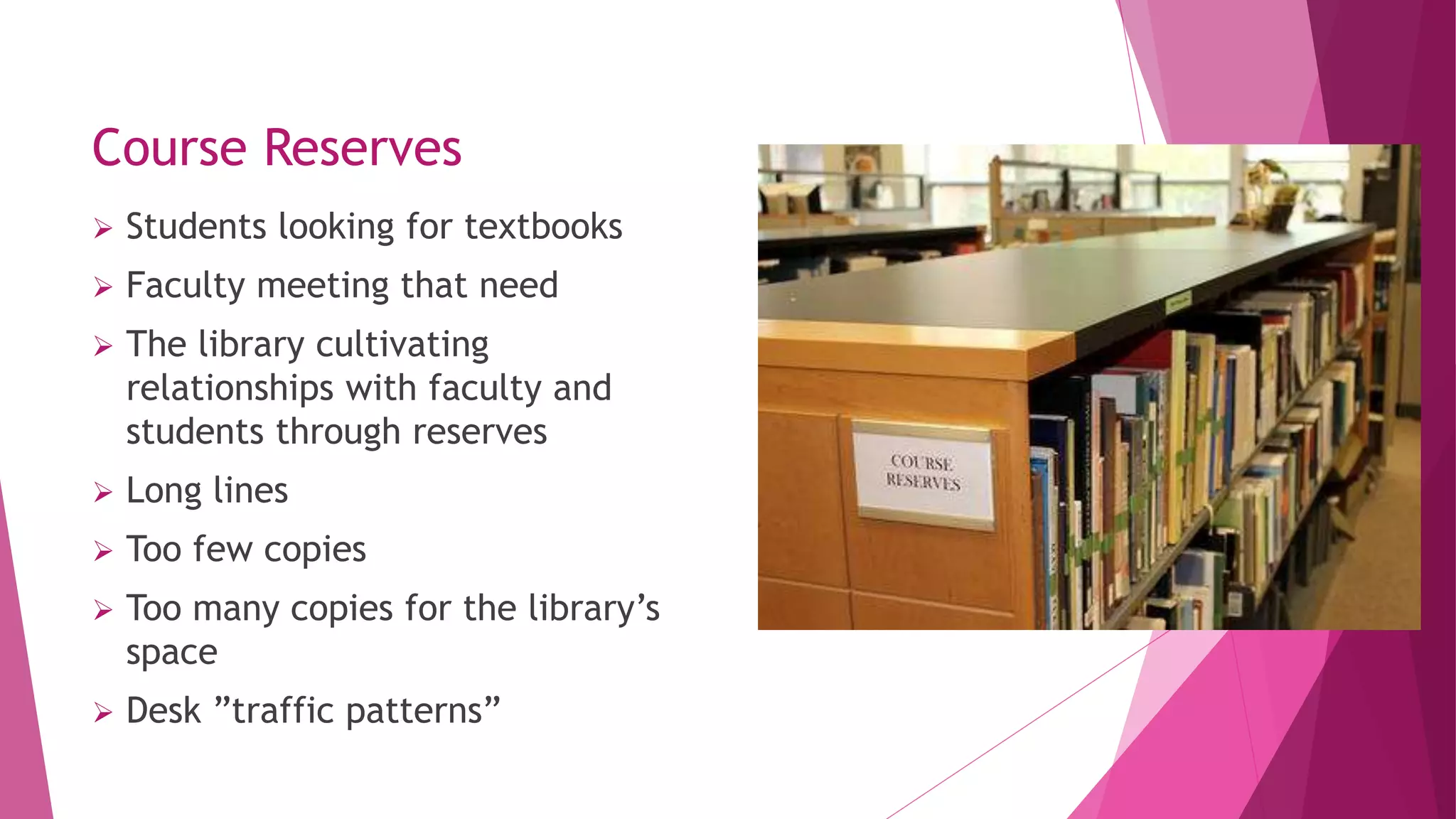
Course Reserves
 Students looking for textbooks
 Faculty meeting that need
 The library cultivating
relationships with faculty and
students through reserves
 Long lines
 Too few copies
 Too many copies for the library’s
space
 Desk ”traffic patterns”
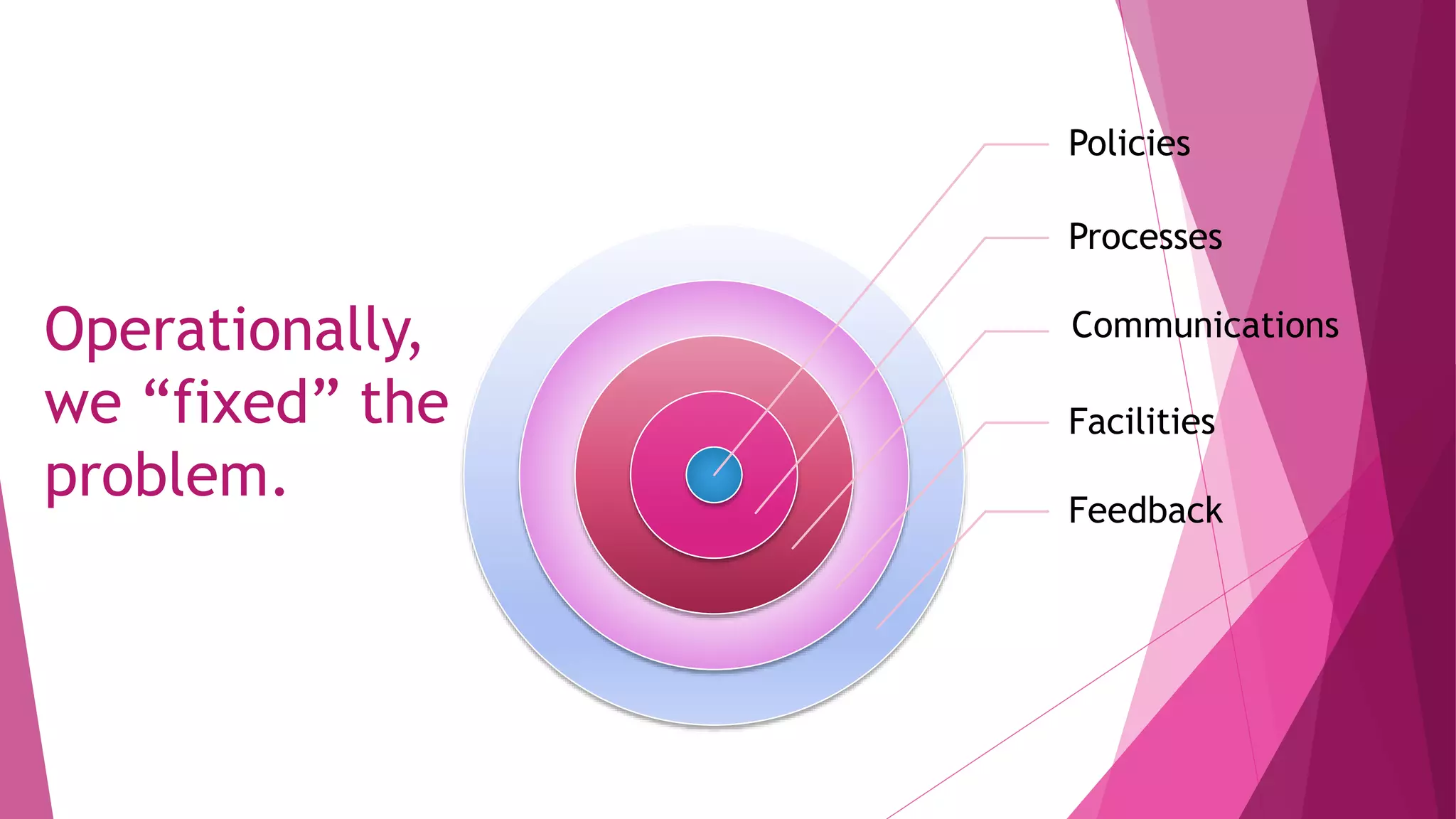
Operationally,
we “fixed” the
problem.
Policies
Processes
Communications
Facilities
Feedback
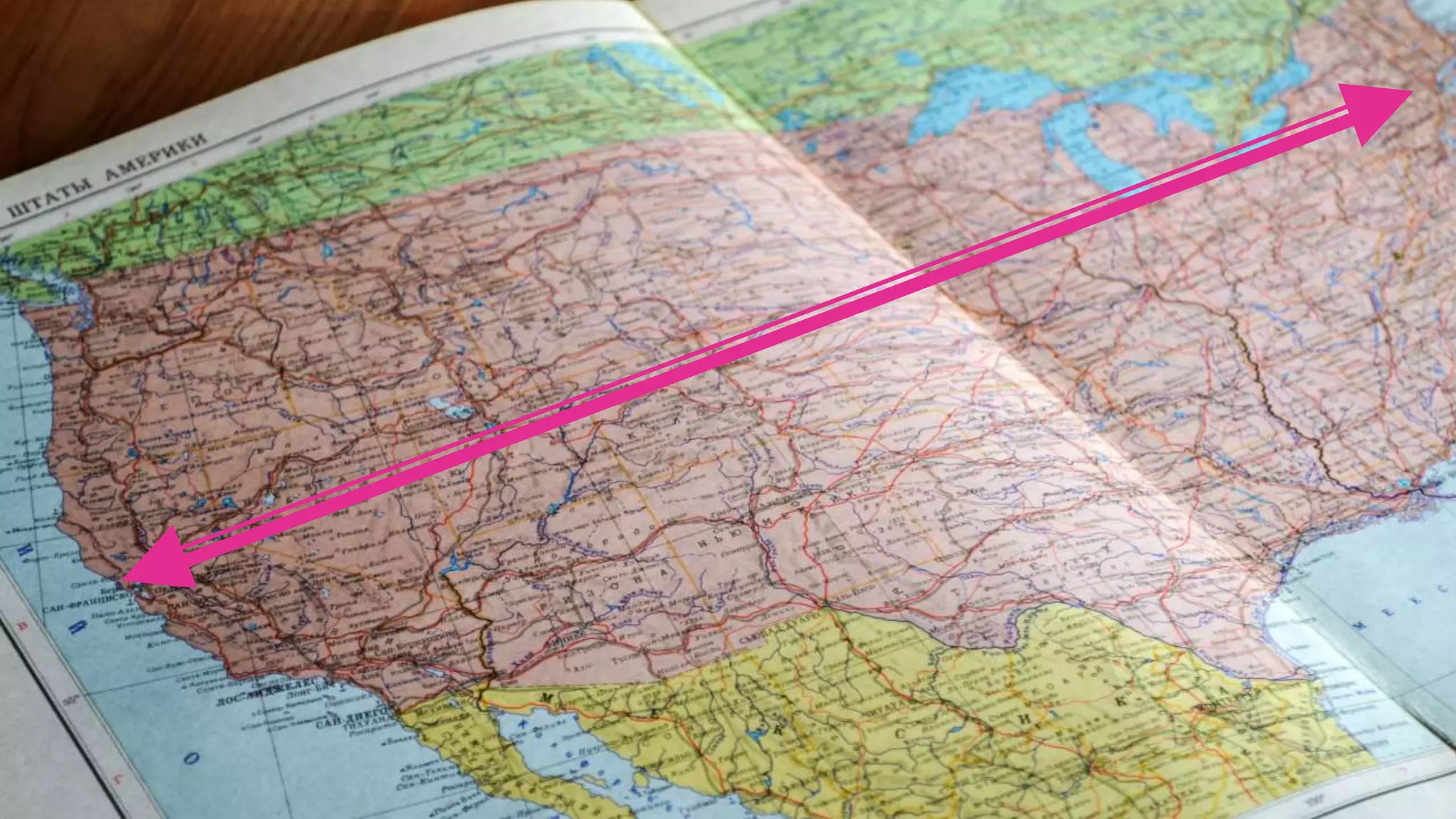
“There’s an open education conference
in Vancouver, BC. You should go.”
“There’s an open education conference
in Vancouver, BC. You should go.”
“There’s an open education conference
in Vancouver, BC. You should go.”
What is open
education and
why are we
talking about
it?
What is open
education and
why are we
talking about
it?
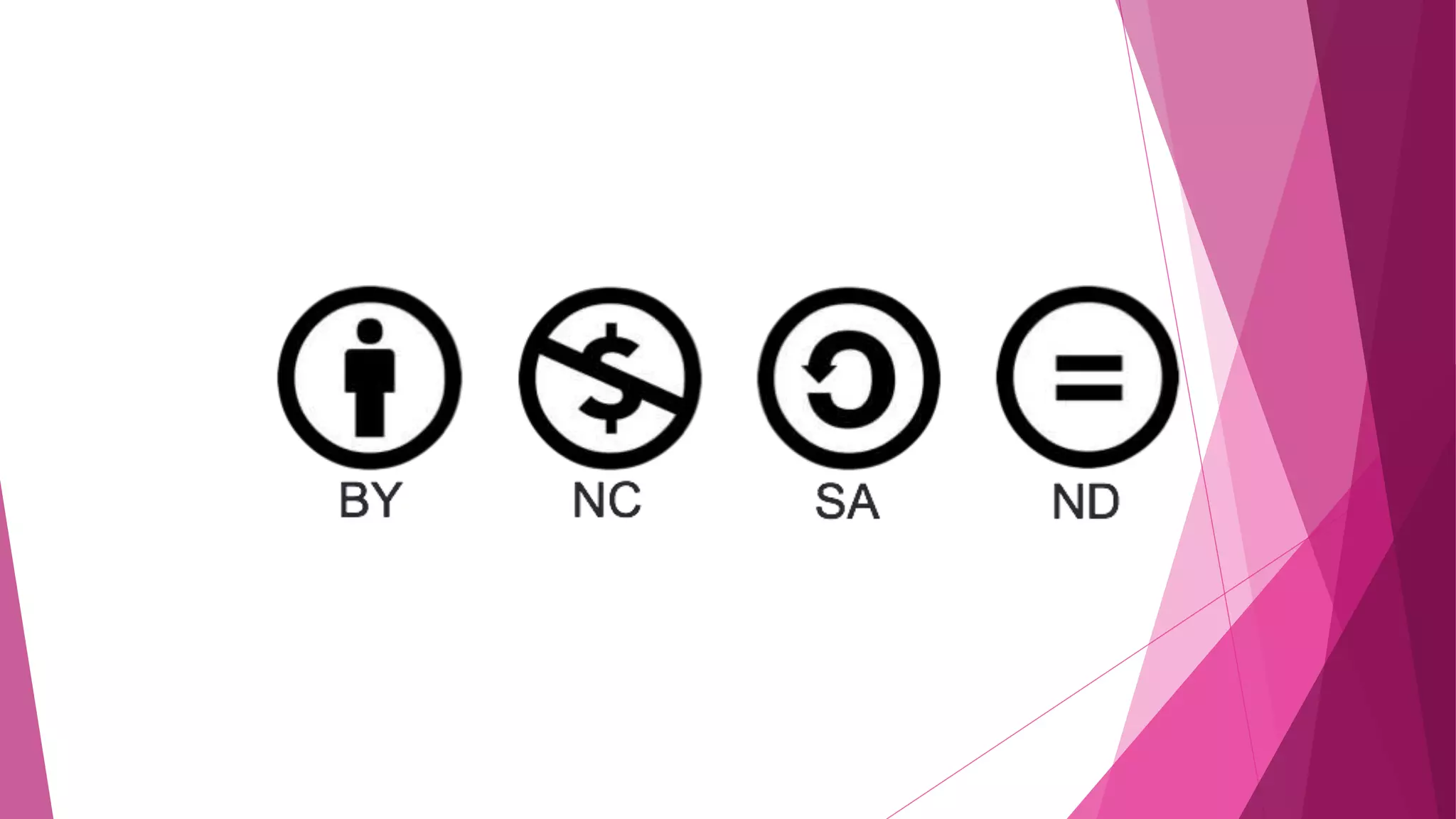
CC BY
@open_textbooks
@dernst
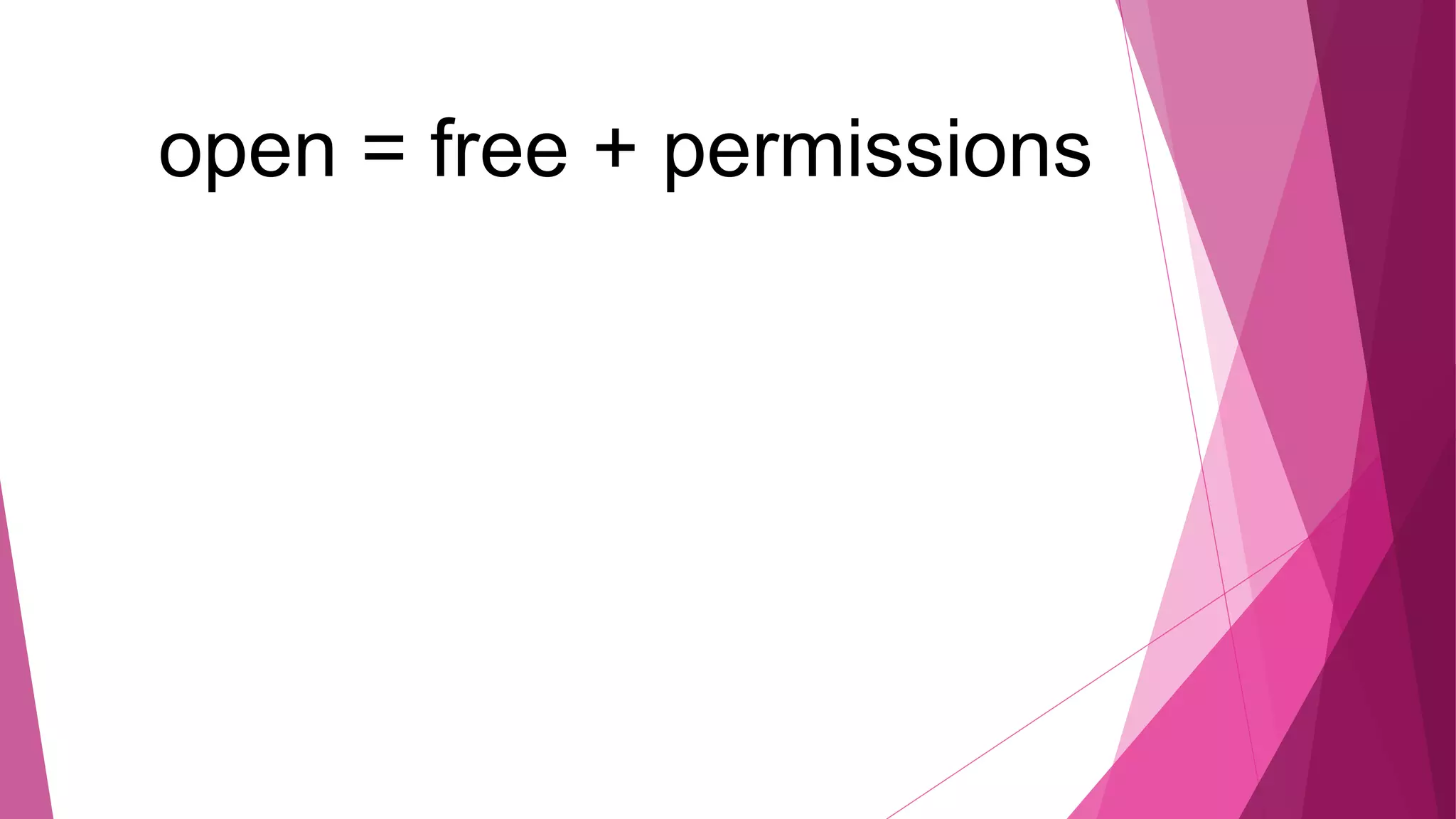
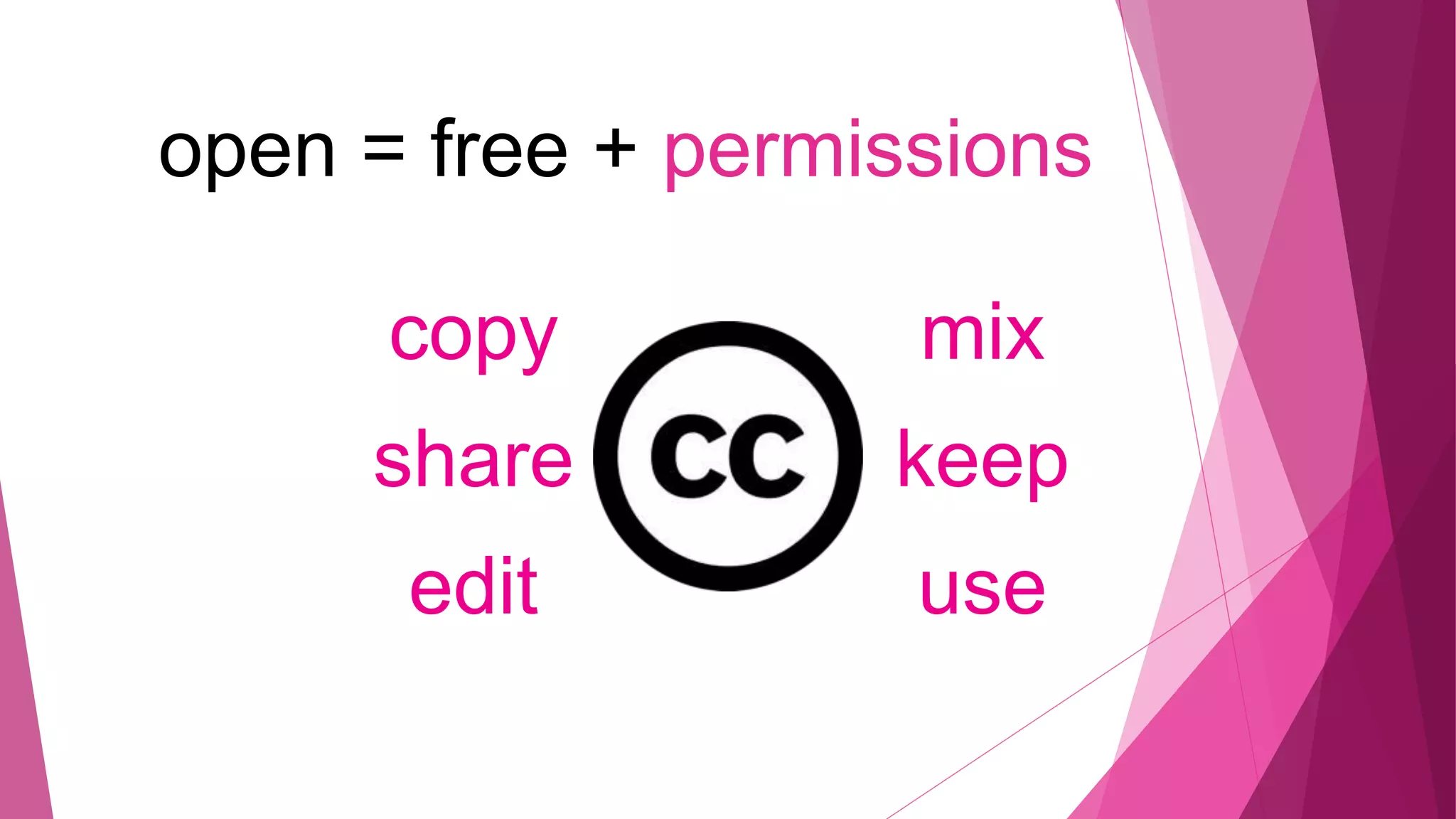
open = free + permissions
copy mix
share keep
edit use
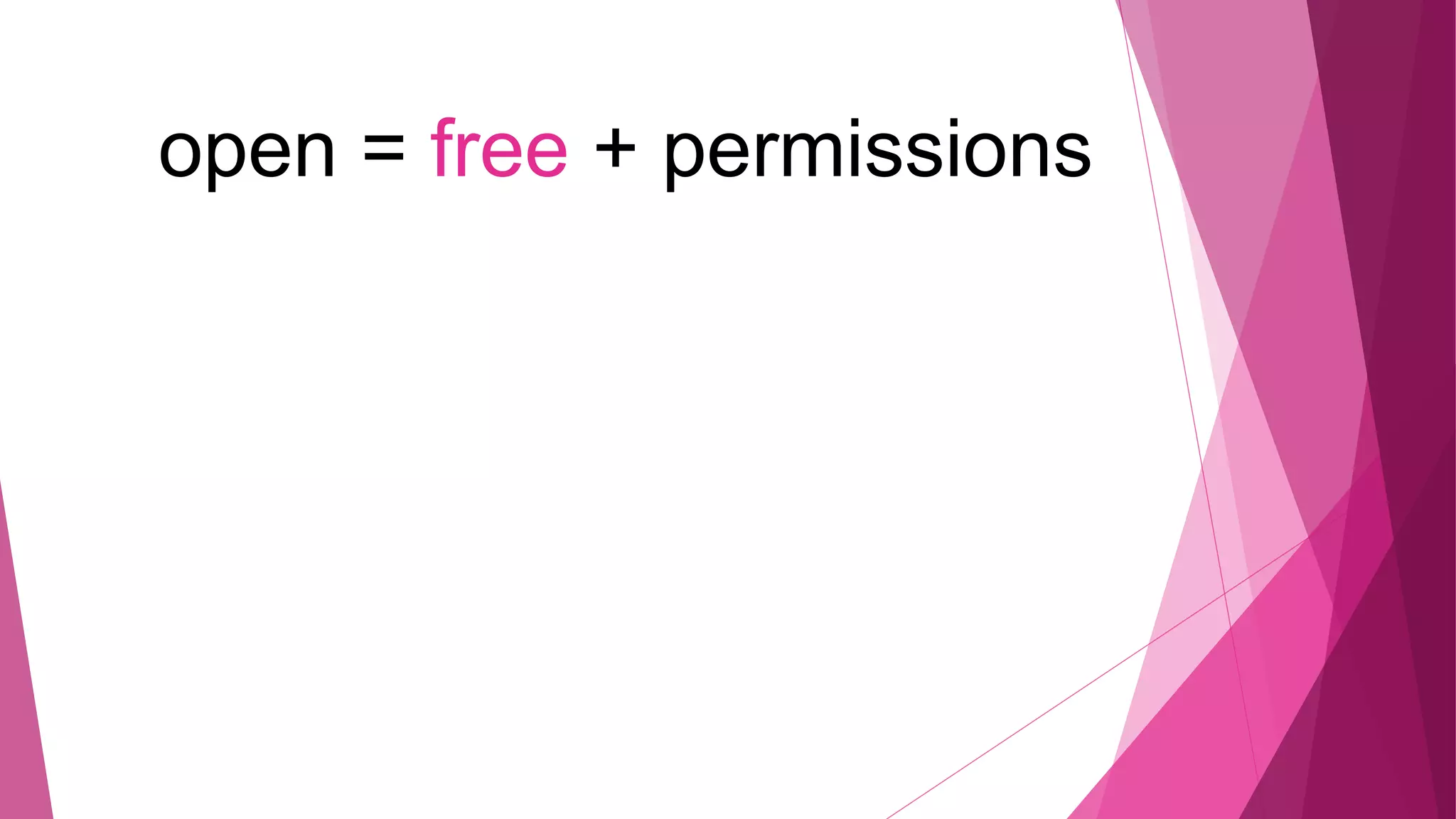
open = free + permissions
Defining Open Educational Resources
Hewlett Foundation
Definition:
“OER are teaching, learning,
and research resources that
reside in the public domain or
are released under an
intellectual property license
that permits their free use
and repurposing by others.”
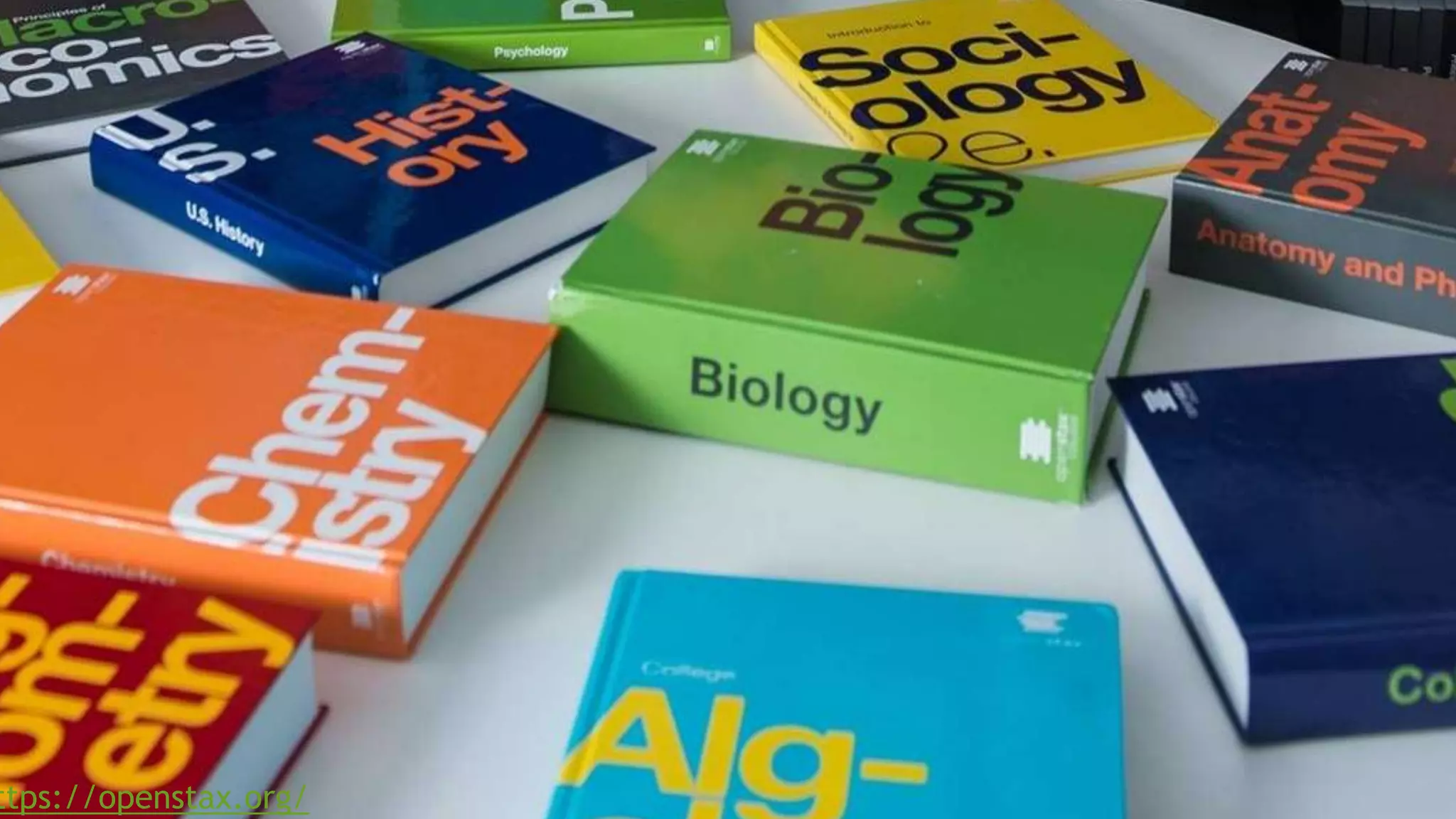
ttps://openstax.org/
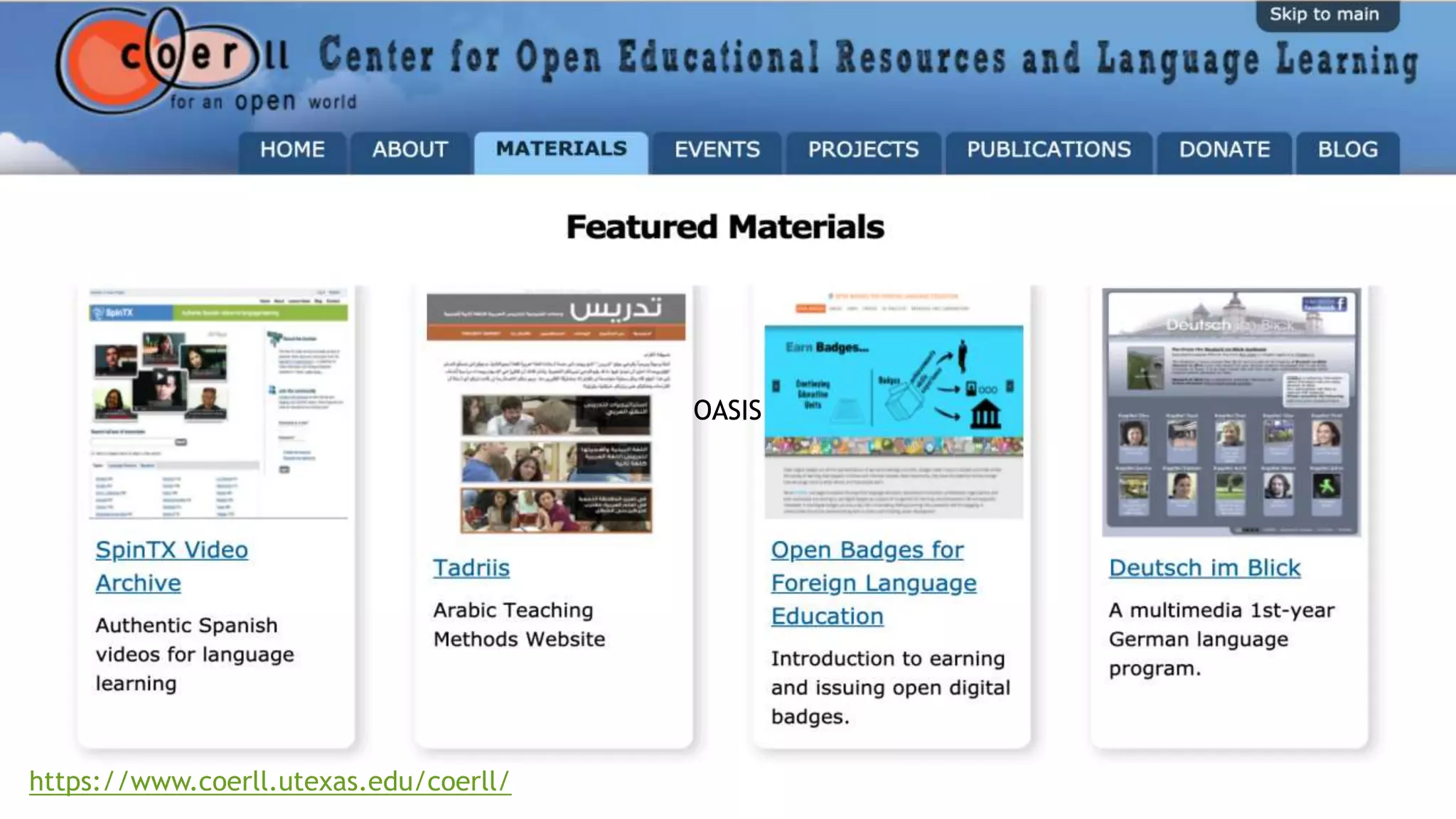
https://www.coerll.utexas.edu/coerll/
OASISOASIS
What is open
education and
why are we
talking about
it?
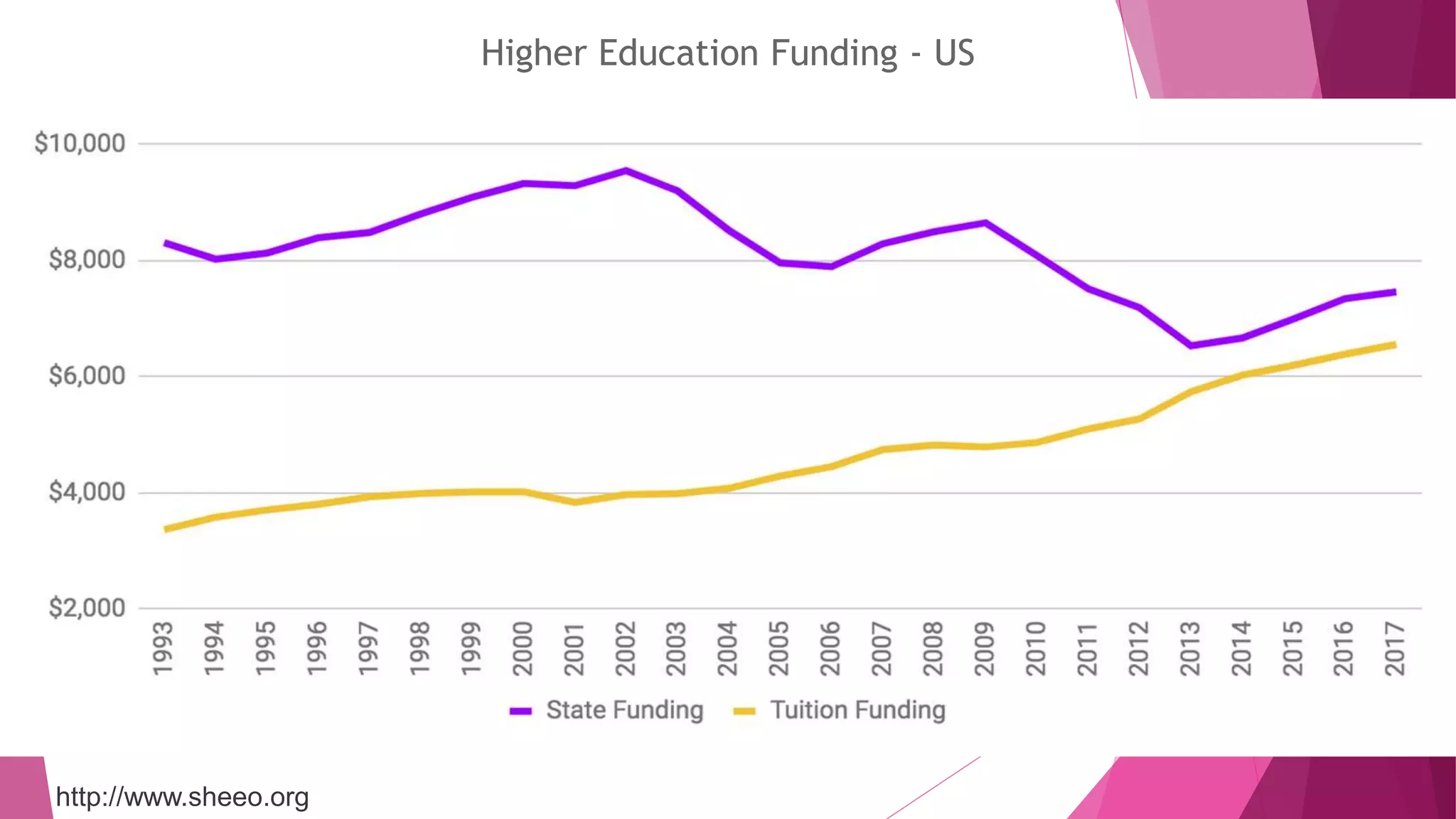
http://www.sheeo.org
Higher Education Funding - US
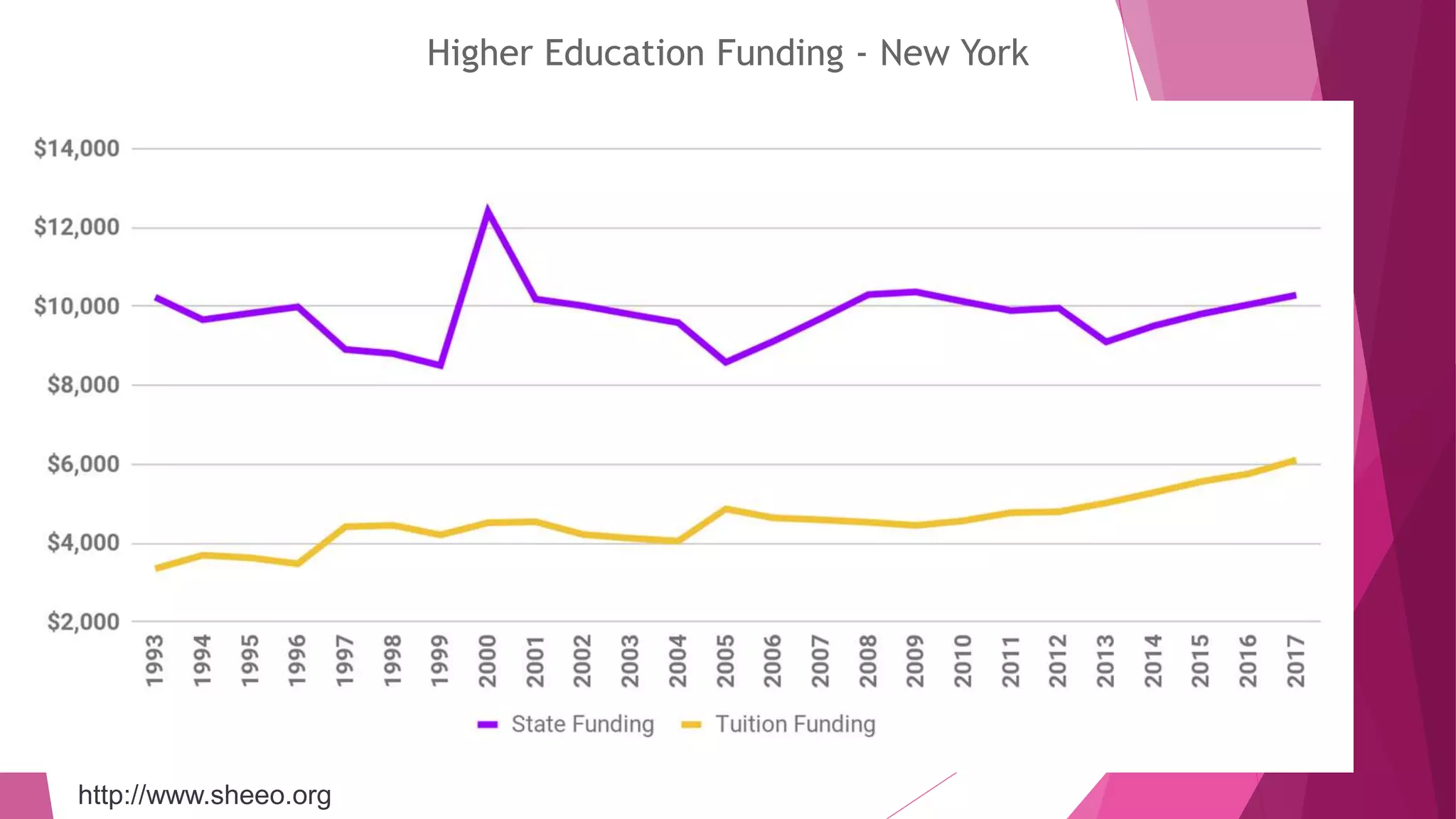
http://www.sheeo.org
Higher Education Funding - New York
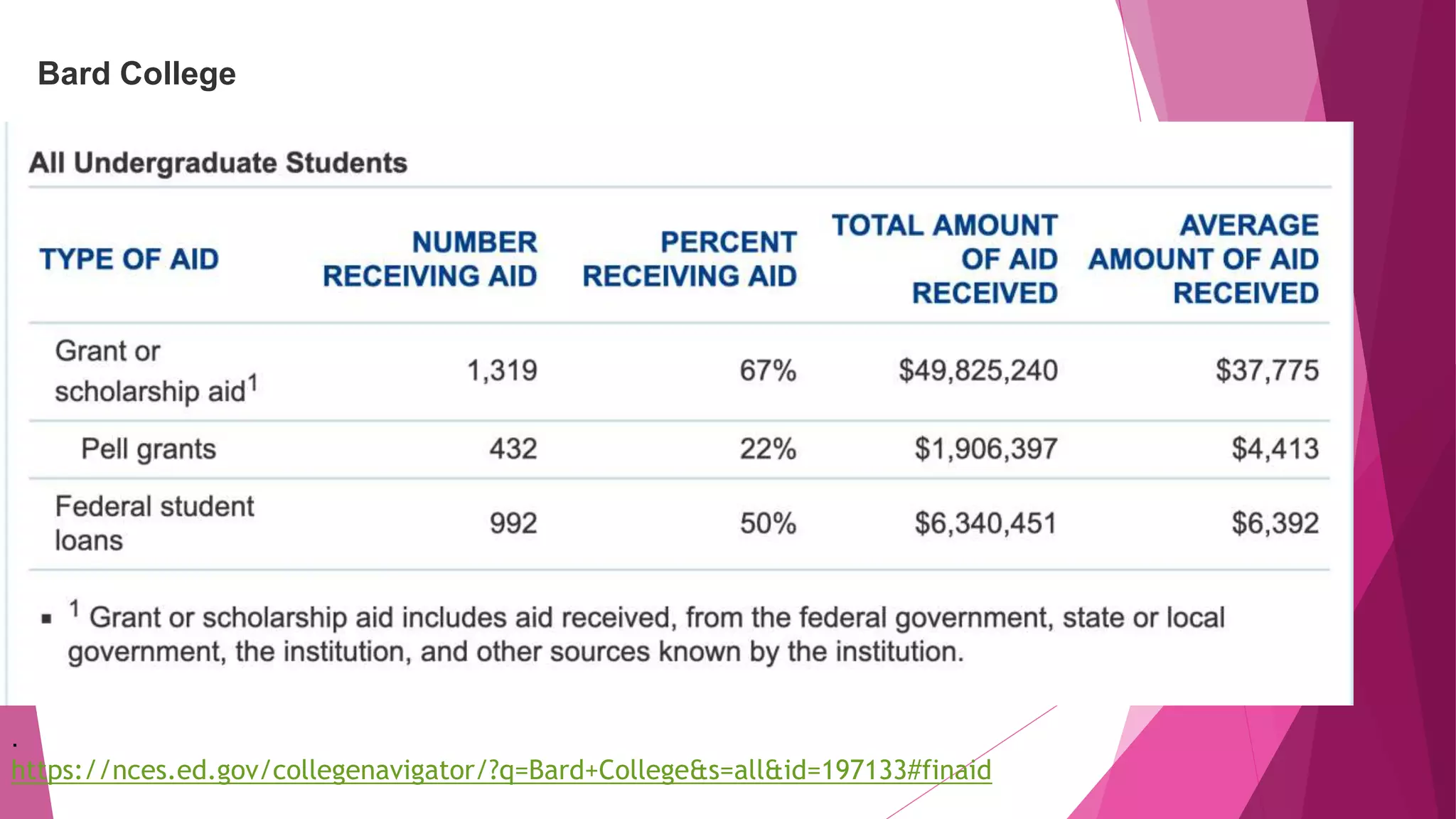
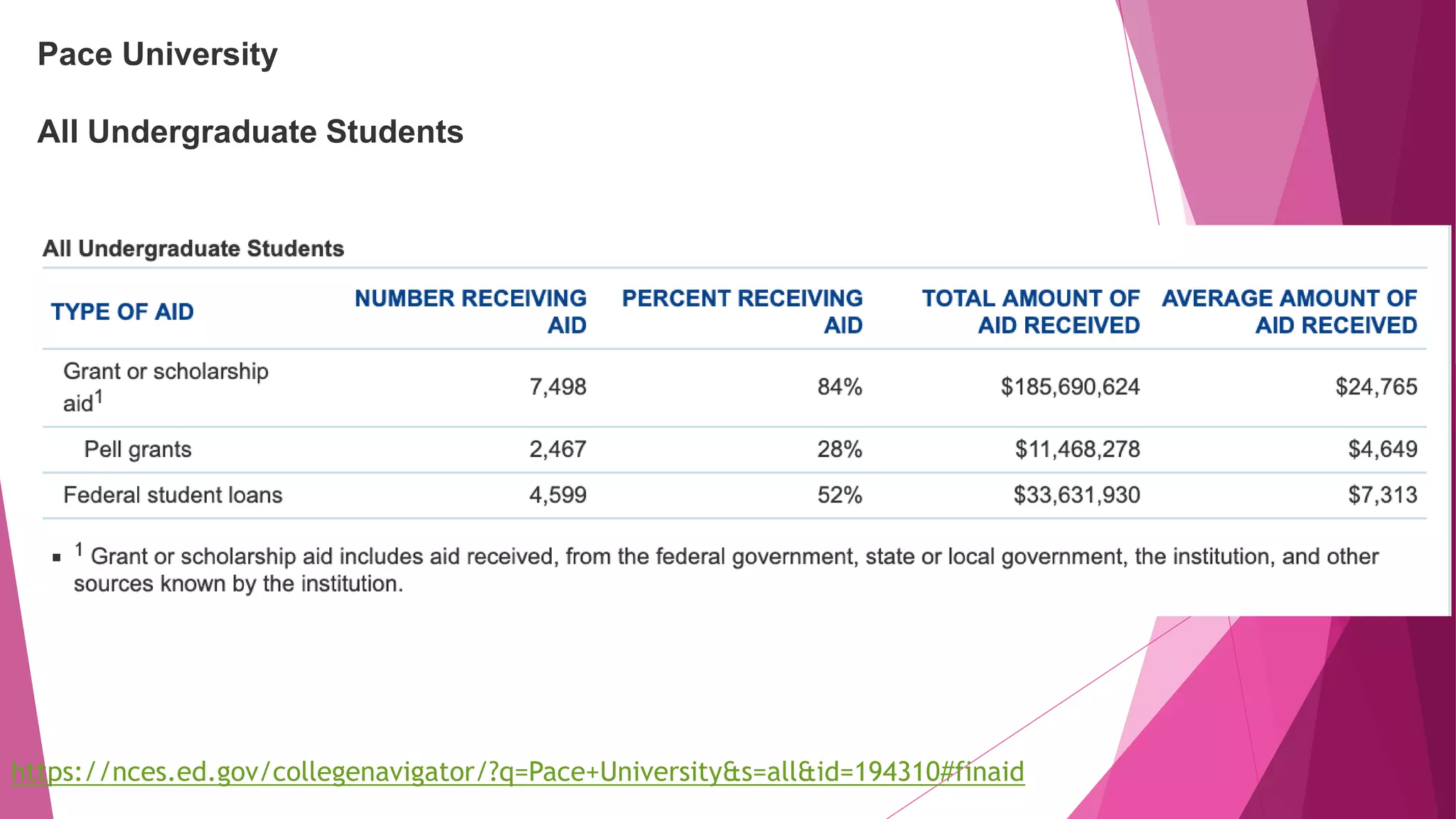
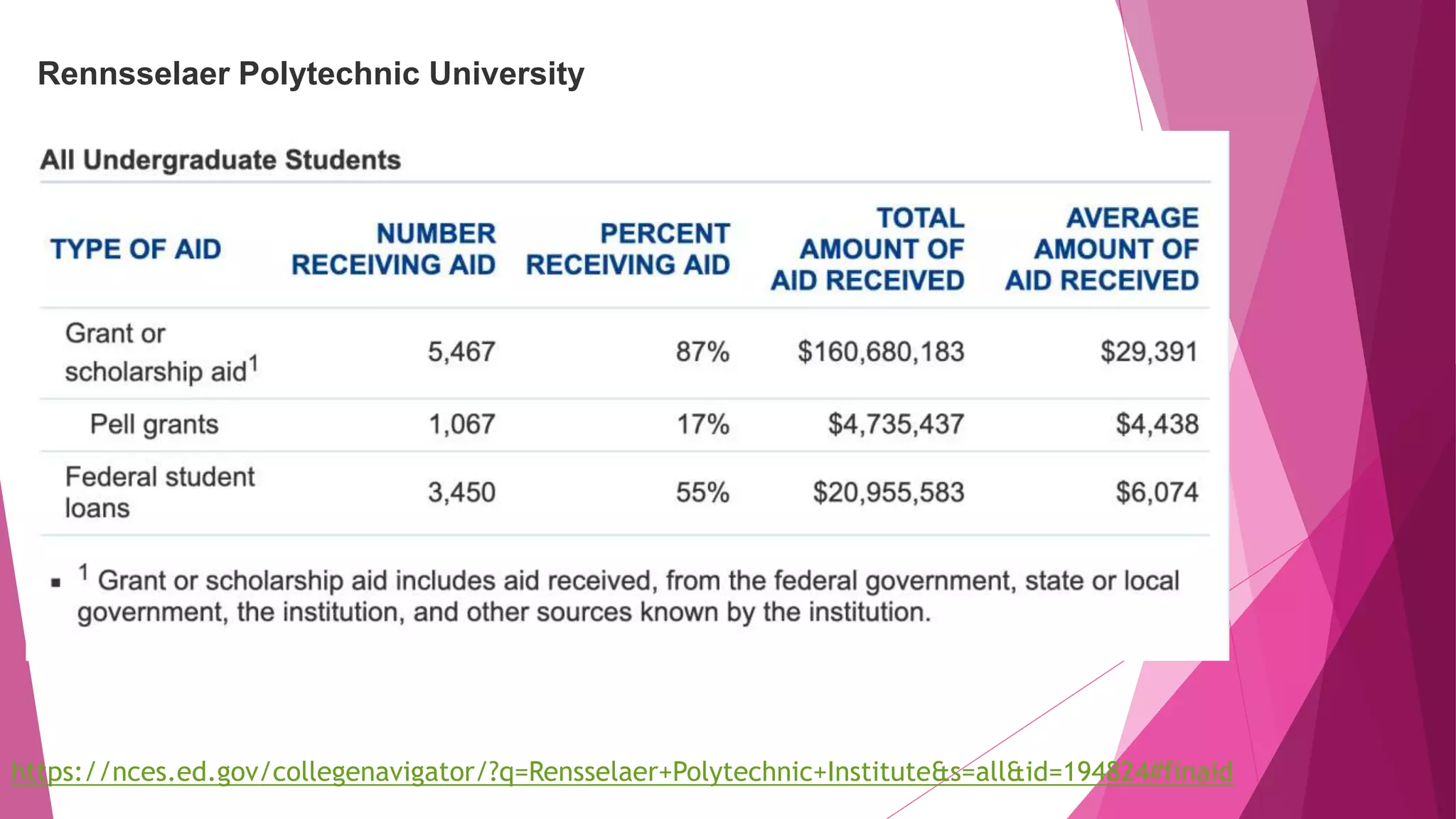
Is cost relevant at private institutions?
Bard College
.
https://nces.ed.gov/collegenavigator/?q=Bard+College&s=all&id=197133#finaid
Pace University
All Undergraduate Students
https://nces.ed.gov/collegenavigator/?q=Pace+University&s=all&id=194310#finaid
Rennsselaer Polytechnic University
https://nces.ed.gov/collegenavigator/?q=Rensselaer+Polytechnic+Institute&s=all&id=194824#finaid
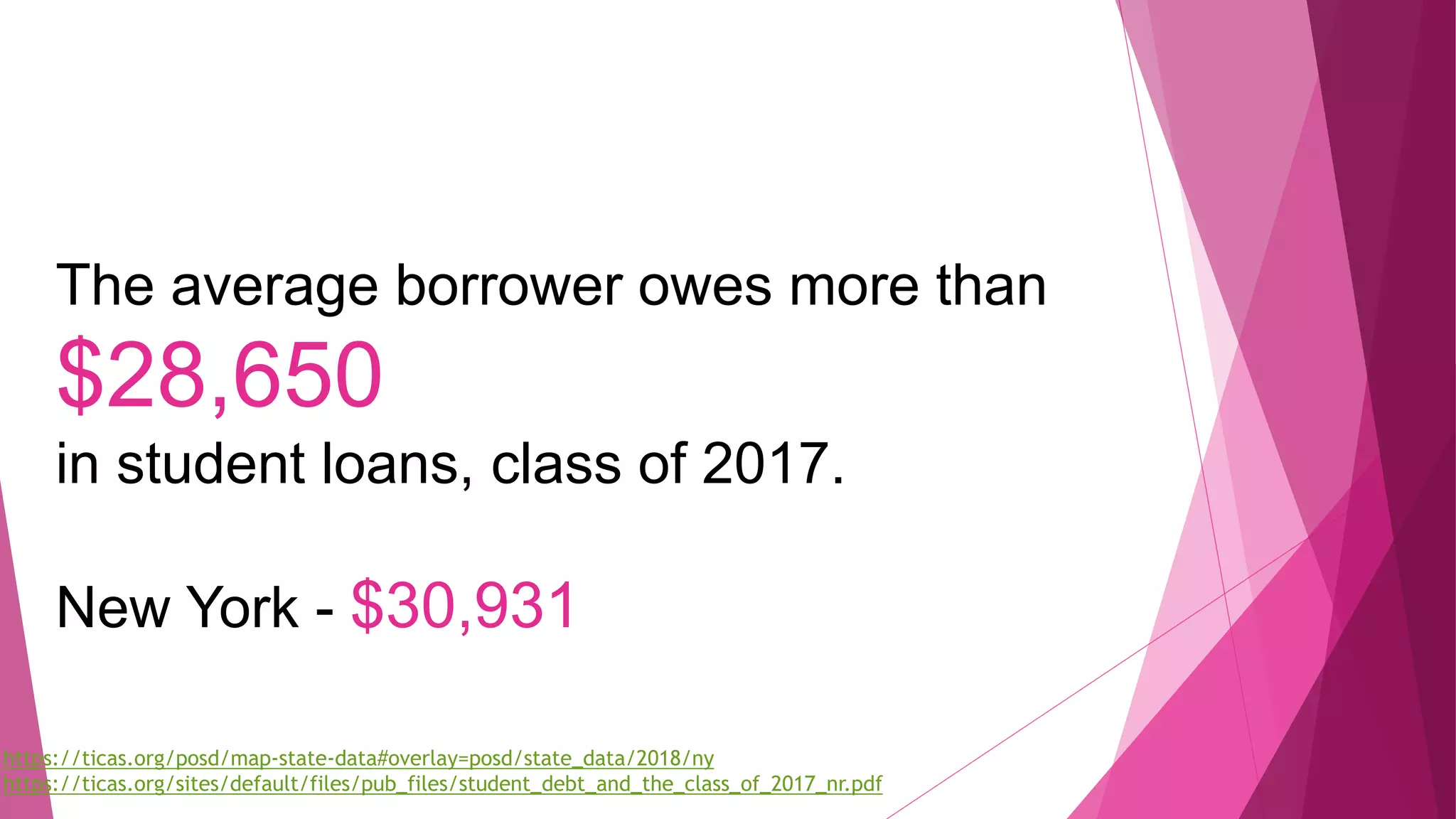
The average borrower owes more than
$28,650
in student loans, class of 2017.
New York - $30,931
https://ticas.org/posd/map-state-data#overlay=posd/state_data/2018/ny
https://ticas.org/sites/default/files/pub_files/student_debt_and_the_class_of_2017_nr.pdf
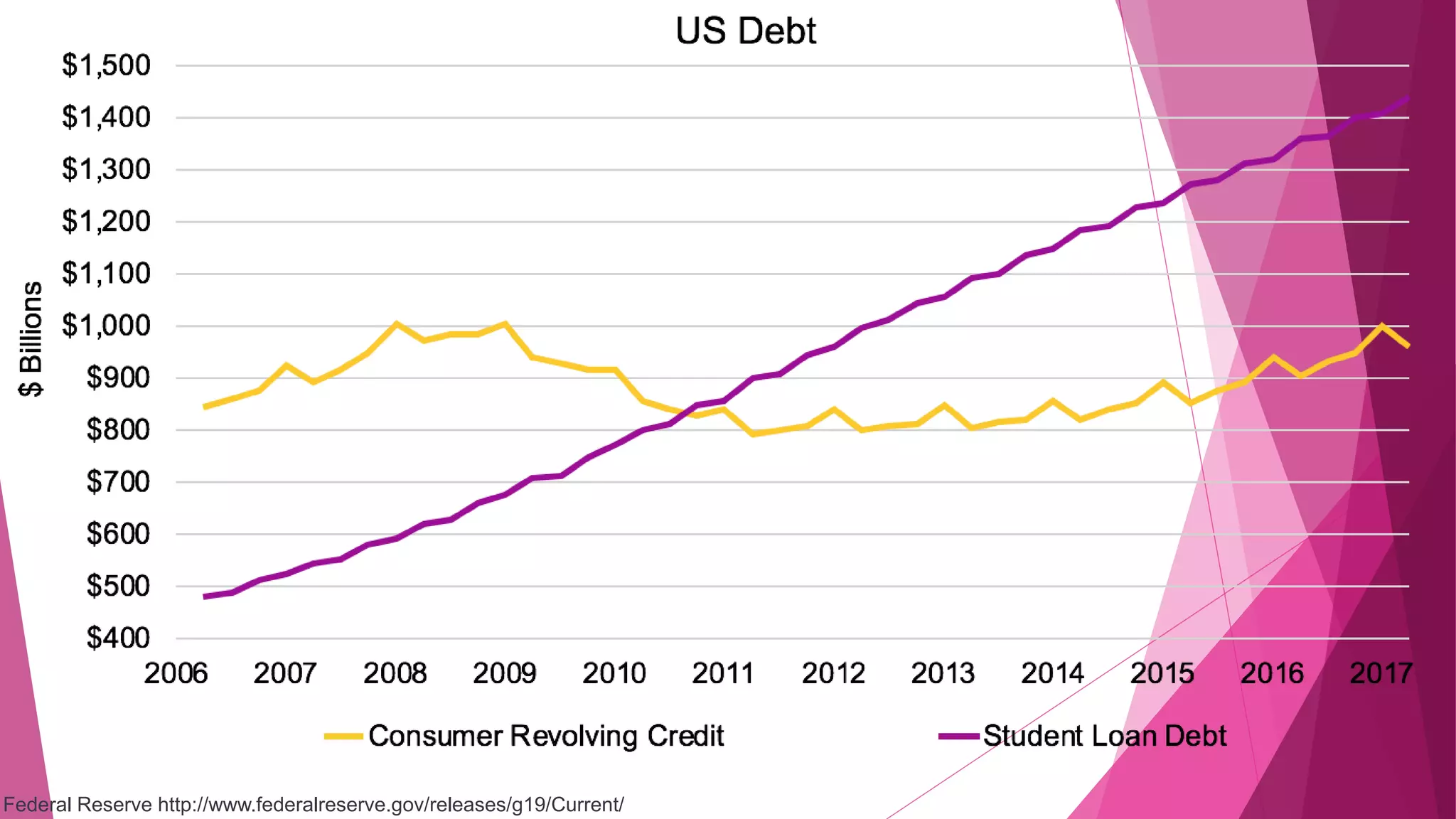
Federal Reserve http://www.federalreserve.gov/releases/g19/Current/
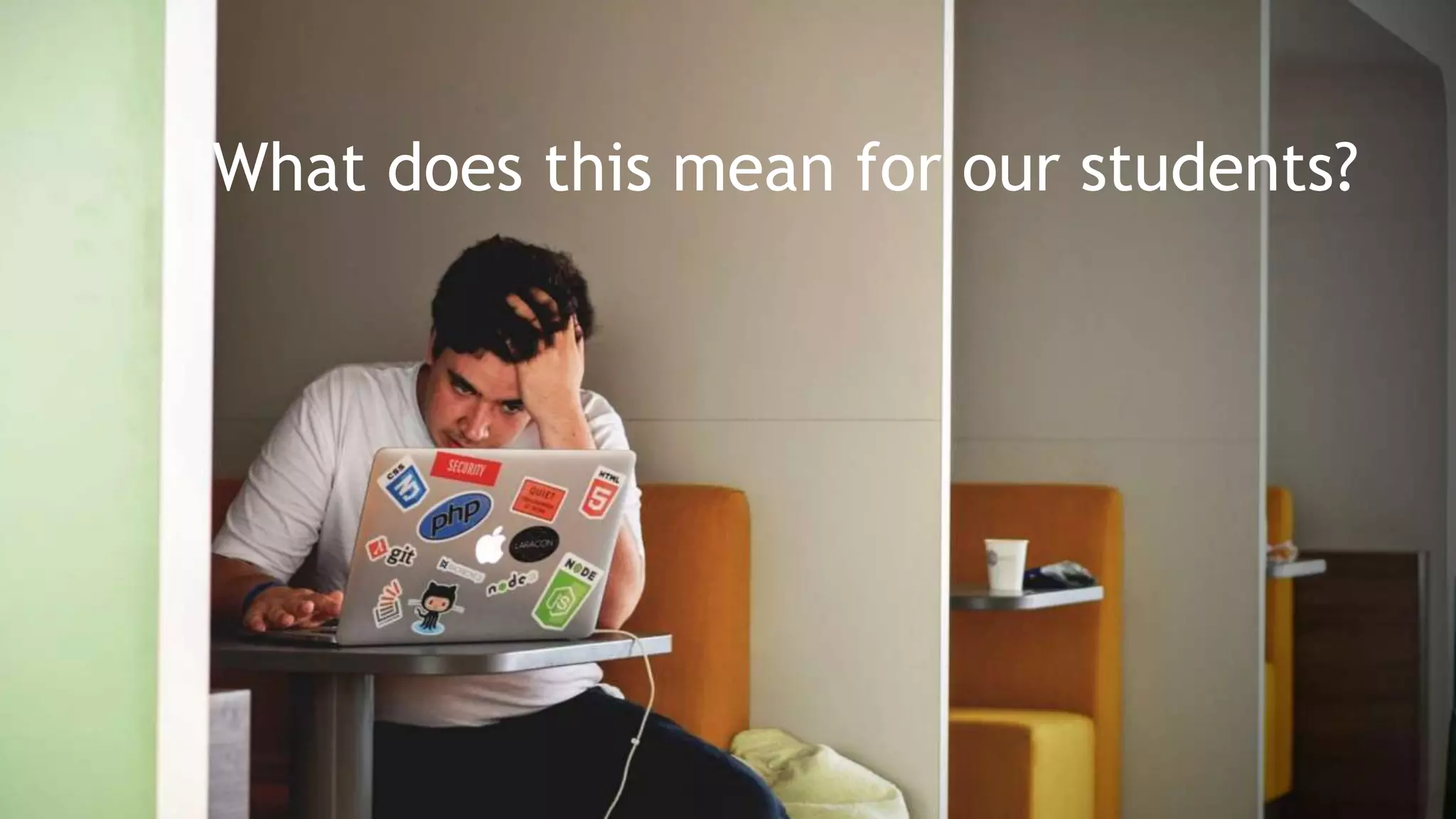
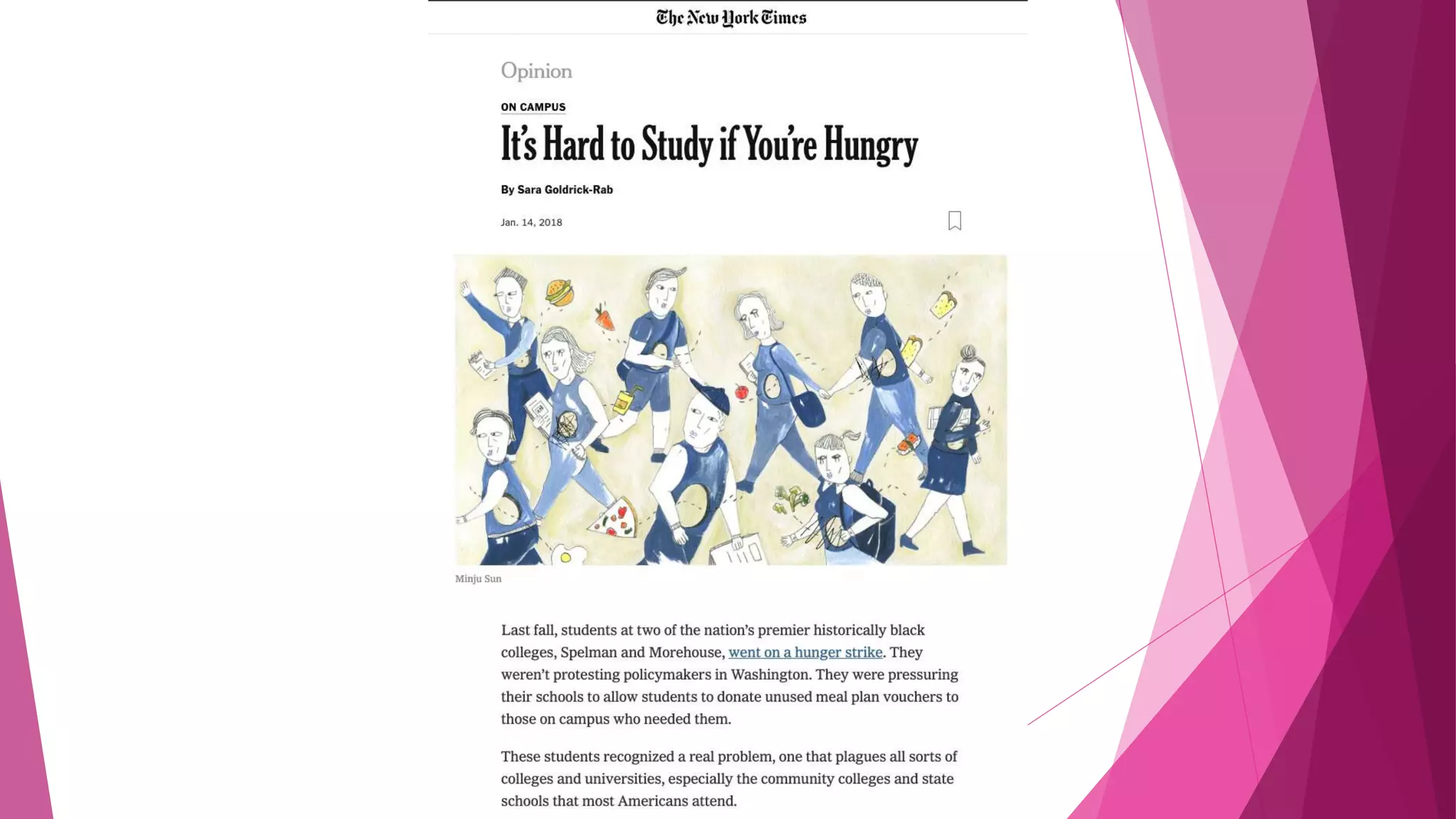
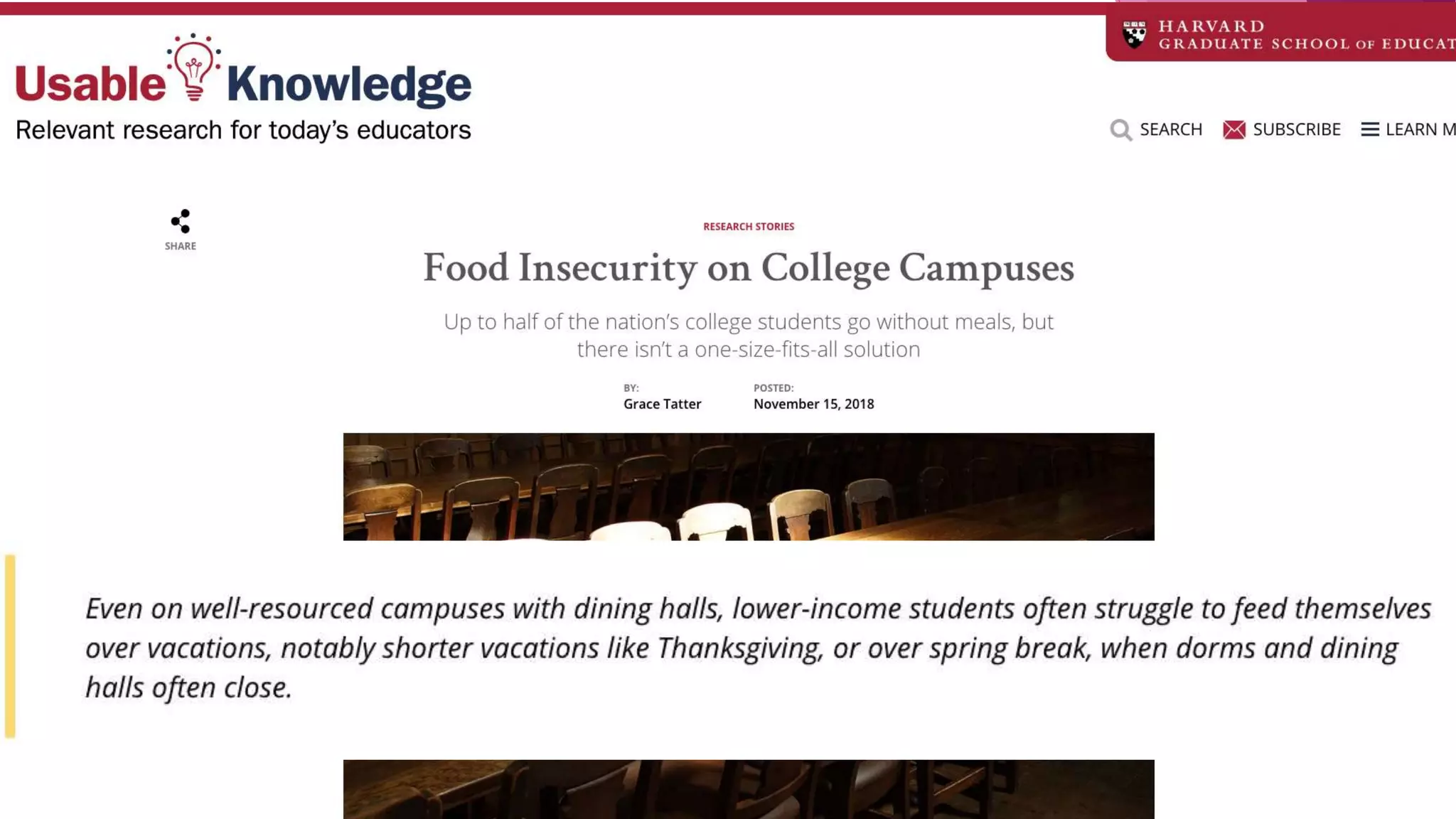
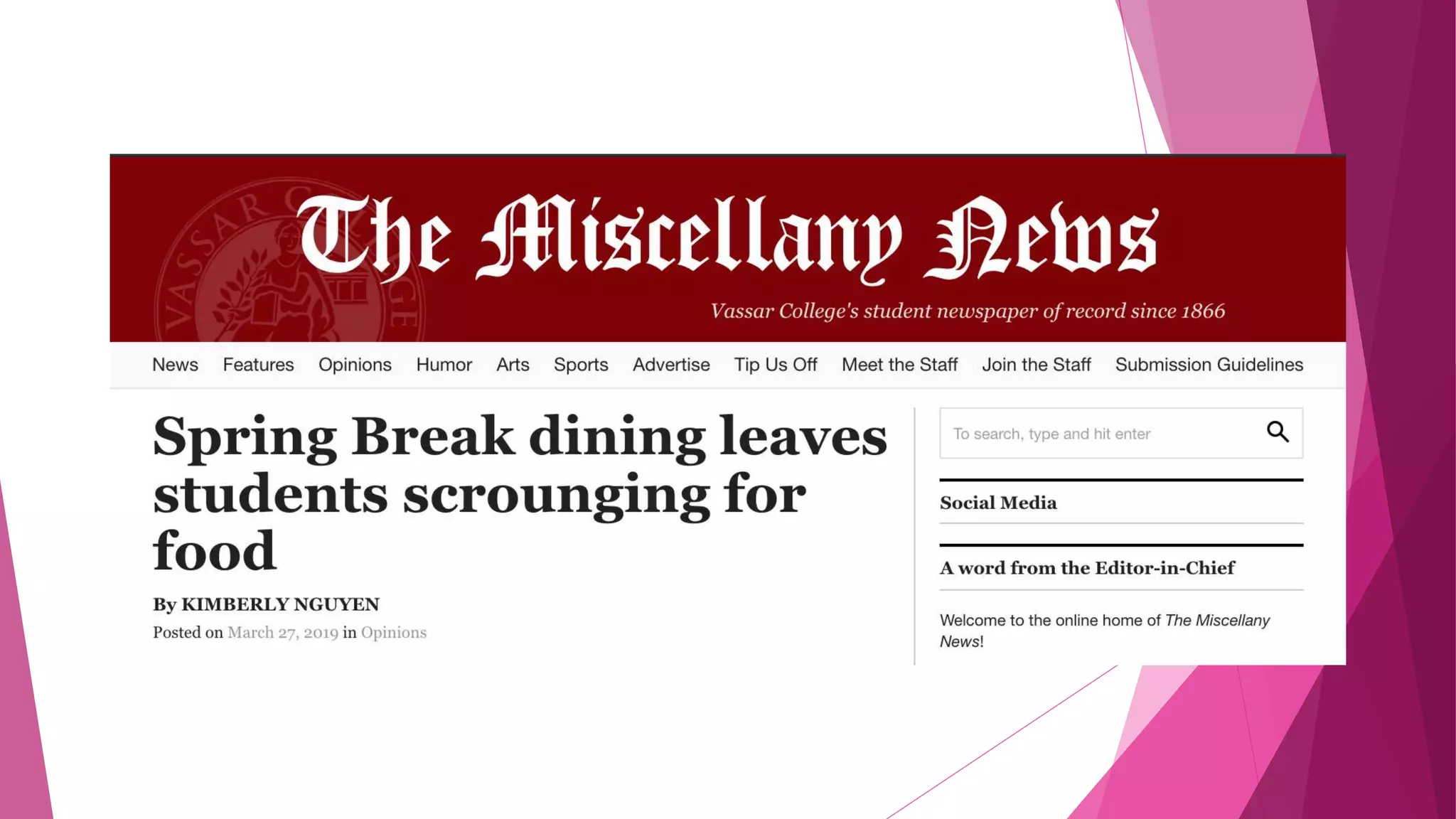
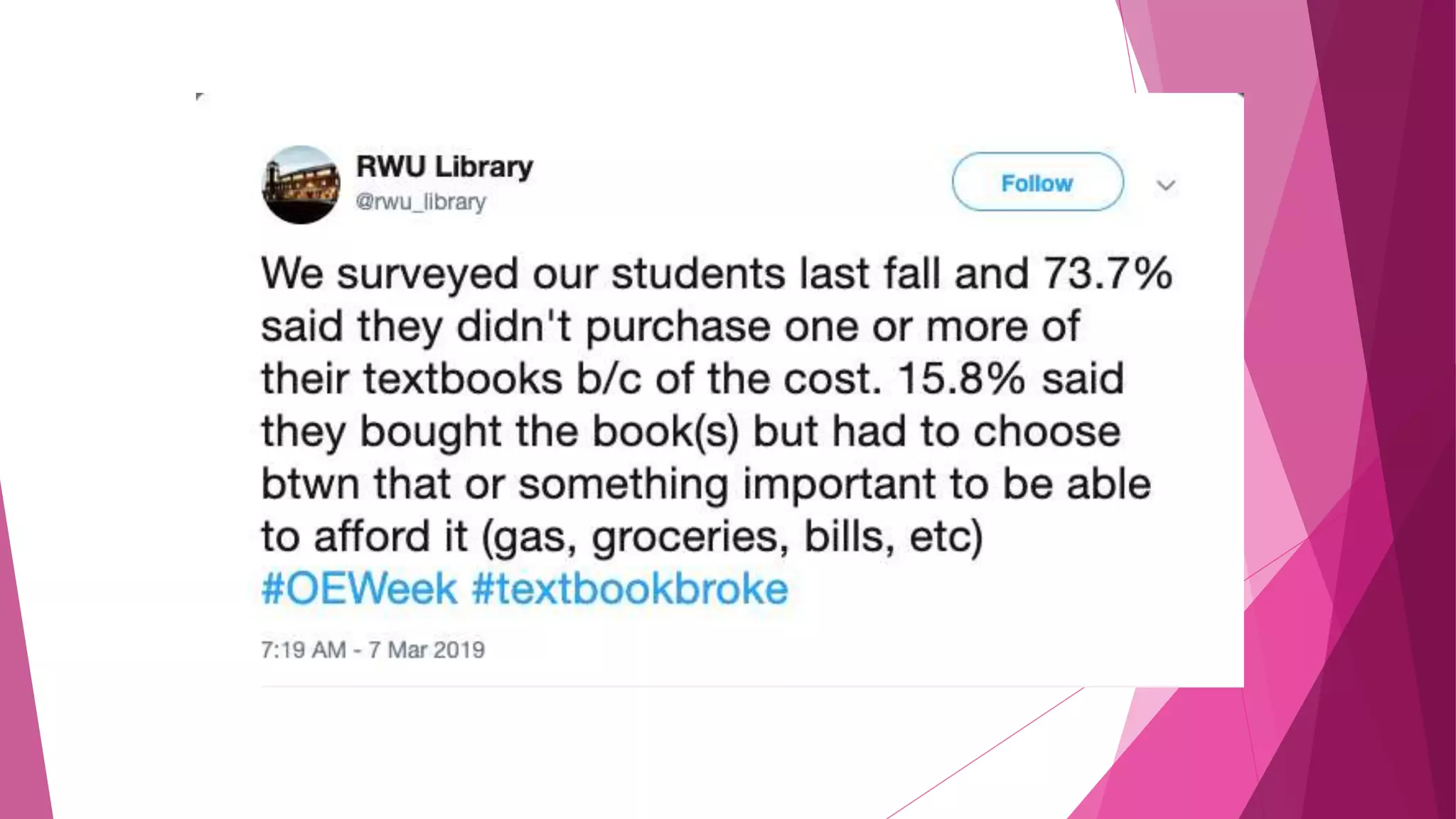
What does this mean for our students?
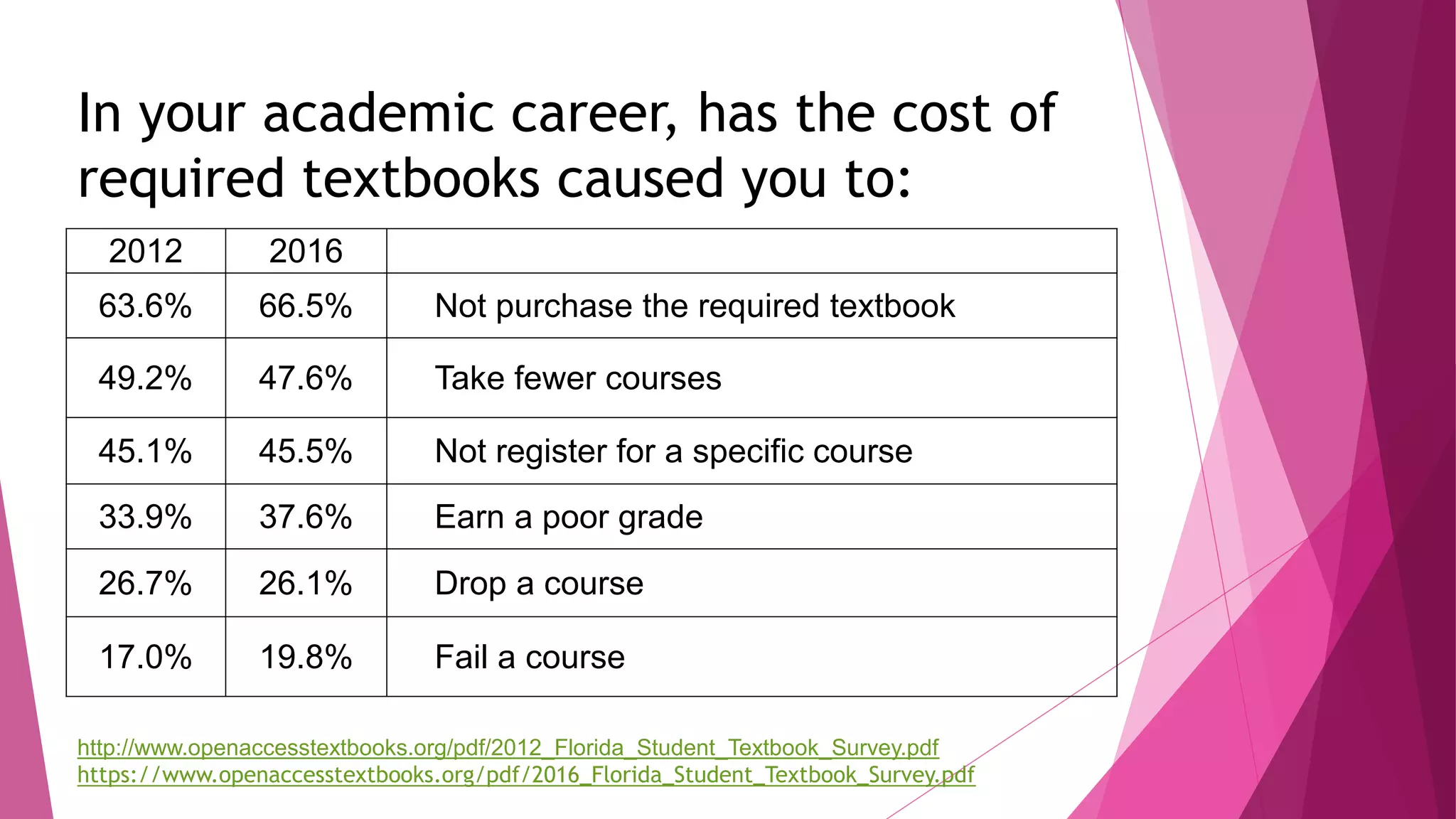
2012 2016
63.6% 66.5% Not purchase the required textbook
49.2% 47.6% Take fewer courses
45.1% 45.5% Not register for a specific course
33.9% 37.6% Earn a poor grade
26.7% 26.1% Drop a course
17.0% 19.8% Fail a course
In your academic career, has the cost of
required textbooks caused you to:
http://www.openaccesstextbooks.org/pdf/2012_Florida_Student_Textbook_Survey.pdf
https://www.openaccesstextbooks.org/pdf/2016_Florida_Student_Textbook_Survey.pdf
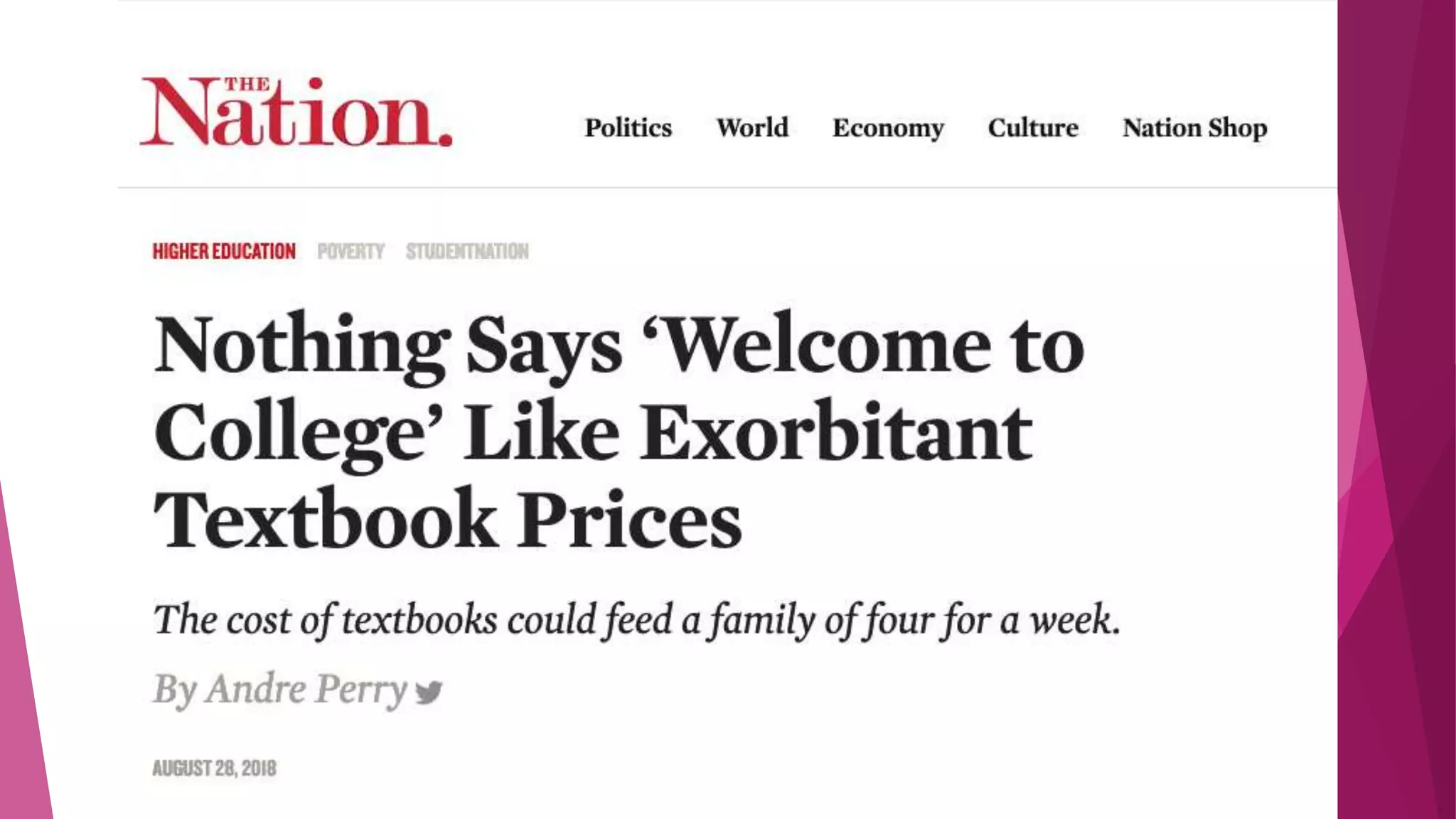
What impression does this make?
Does this matter at small(er) schools?
For reasons that go beyond cost.
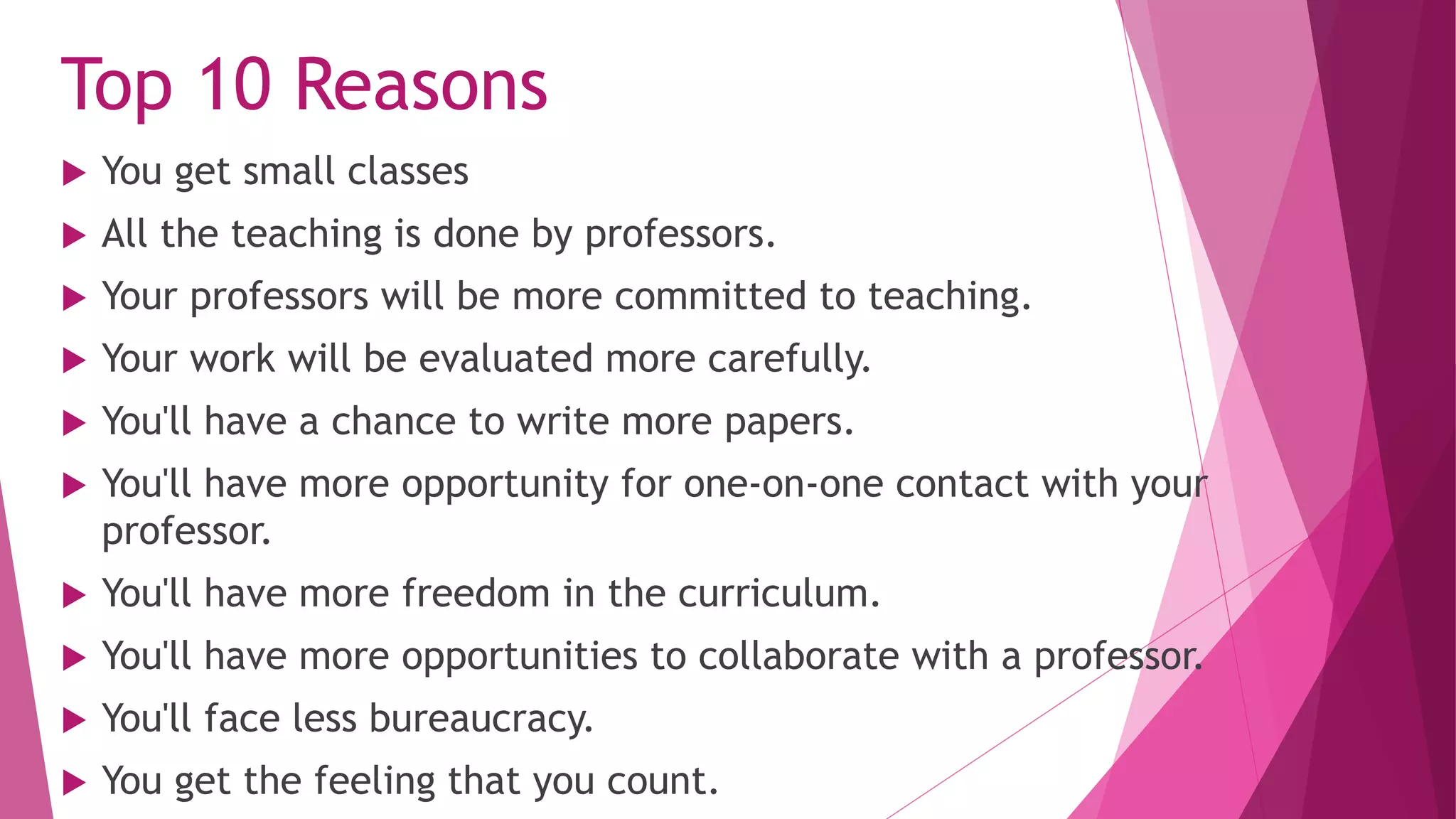
Top 10 Reasons
 You get small classes
 All the teaching is done by professors.
 Your professors will be more committed to teaching.
 Your work will be evaluated more carefully.
 You'll have a chance to write more papers.
 You'll have more opportunity for one-on-one contact with your
professor.
 You'll have more freedom in the curriculum.
 You'll have more opportunities to collaborate with a professor.
 You'll face less bureaucracy.
 You get the feeling that you count.
“
”
Open education is about
increasing student achievement,
inspiring passion among faculty,
and building better connections
between students and the
materials that they use to meet
their educational goals.
- Quill West
Open education has incredible
potential.
What would happen if small(er)
schools took a leading role in
open education?
What if
students
created the
content for
their
education?
What does this mean for our students?
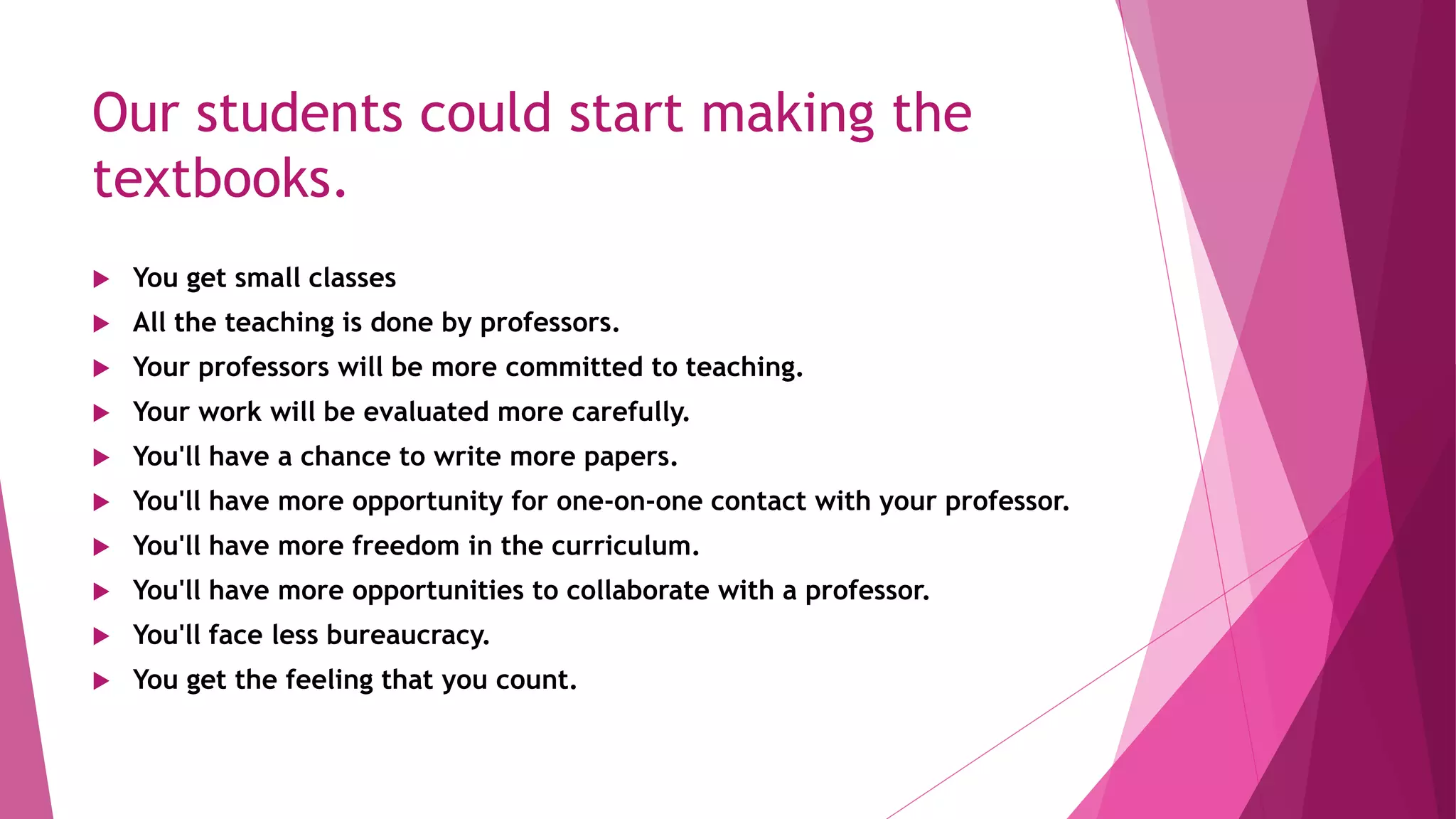
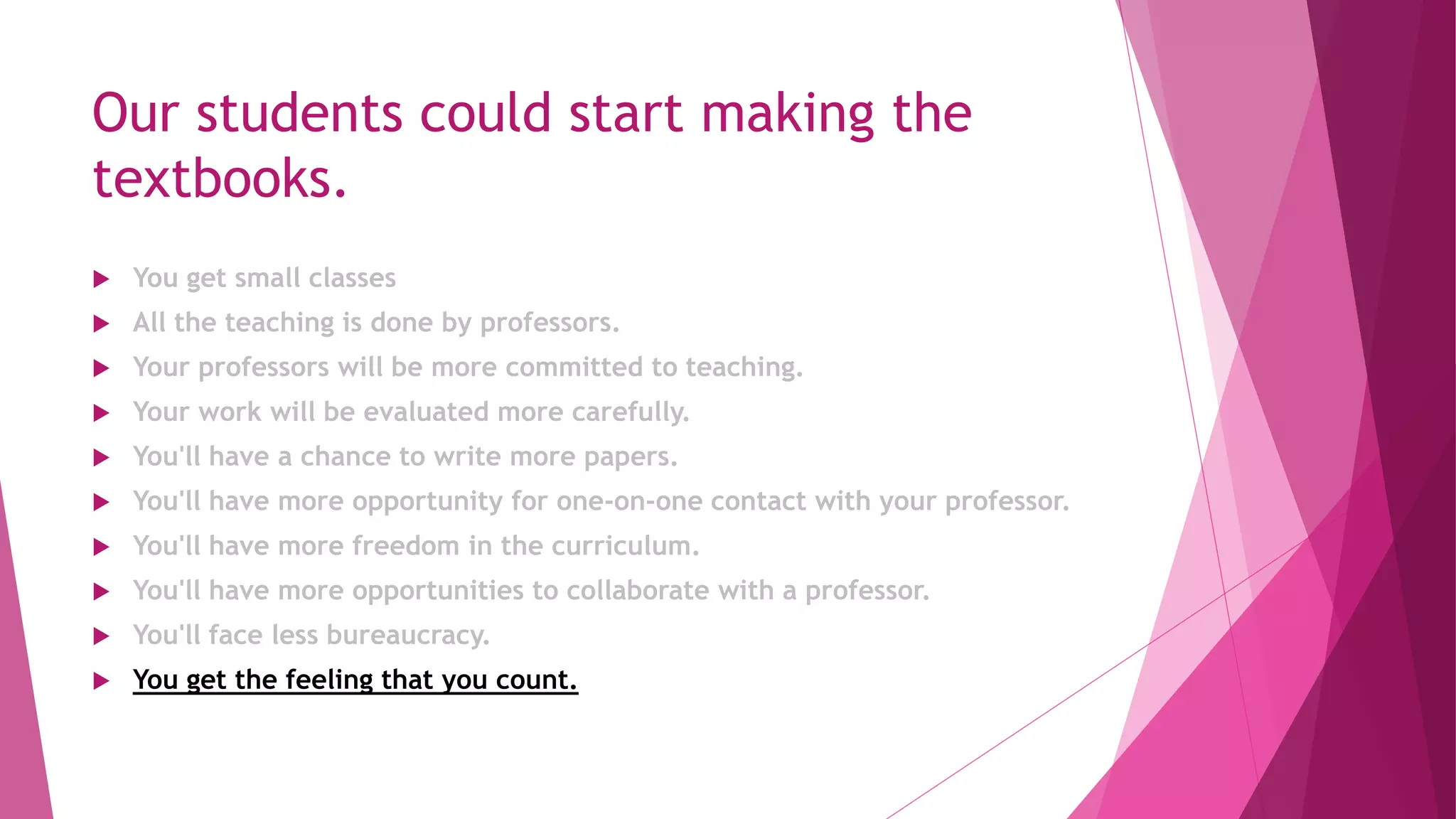
Our students could start making the
textbooks.
 You get small classes
 All the teaching is done by professors.
 Your professors will be more committed to teaching.
 Your work will be evaluated more carefully.
 You'll have a chance to write more papers.
 You'll have more opportunity for one-on-one contact with your professor.
 You'll have more freedom in the curriculum.
 You'll have more opportunities to collaborate with a professor.
 You'll face less bureaucracy.
 You get the feeling that you count.
Our students could start making the
textbooks.
 You get small classes
 All the teaching is done by professors.
 Your professors will be more committed to teaching.
 Your work will be evaluated more carefully.
 You'll have a chance to write more papers.
 You'll have more opportunity for one-on-one contact with your professor.
 You'll have more freedom in the curriculum.
 You'll have more opportunities to collaborate with a professor.
 You'll face less bureaucracy.
 You get the feeling that you count.
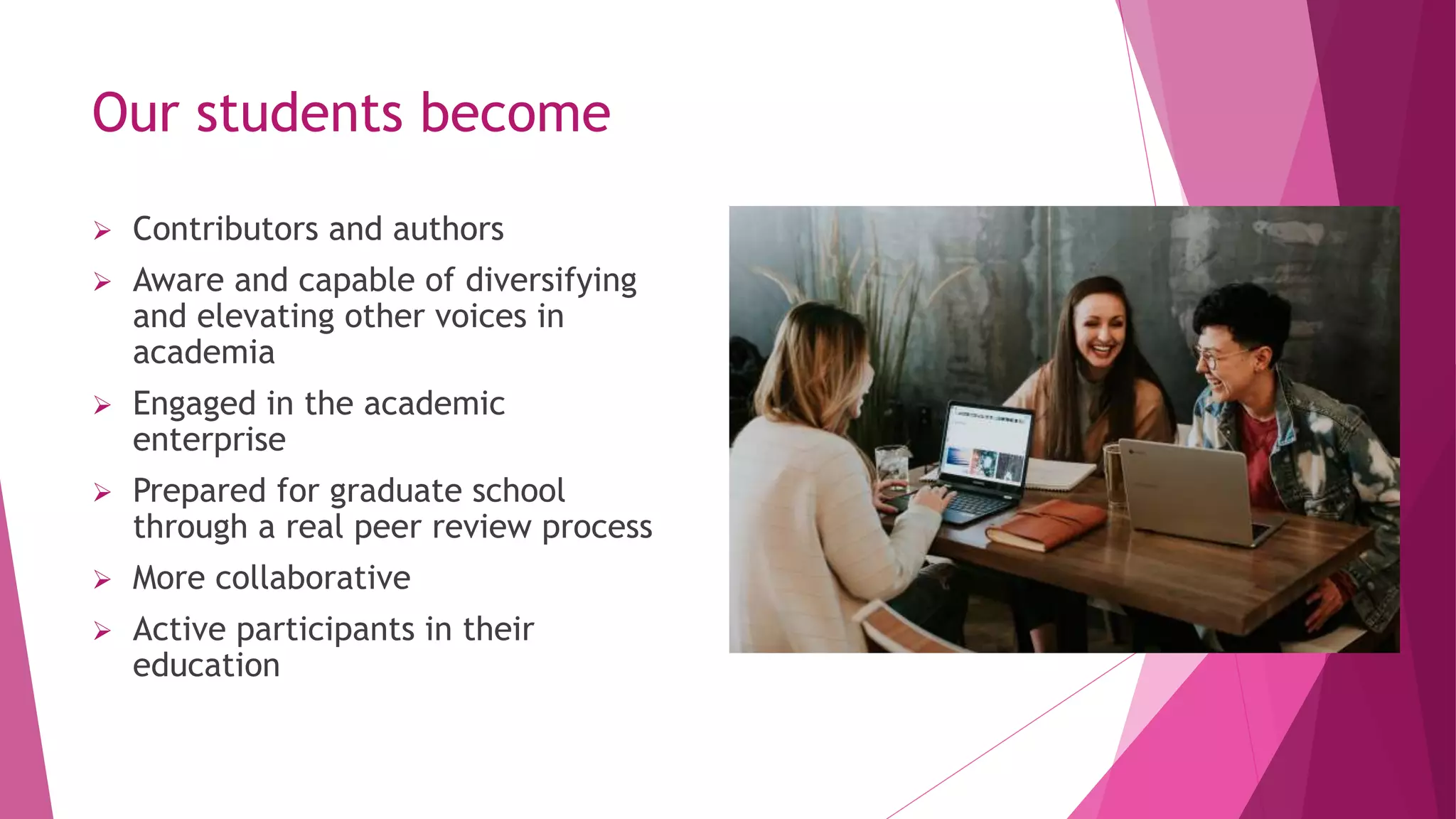
Our students become
 Contributors and authors
 Aware and capable of diversifying
and elevating other voices in
academia
 Engaged in the academic
enterprise
 Prepared for graduate school
through a real peer review process
 More collaborative
 Active participants in their
education
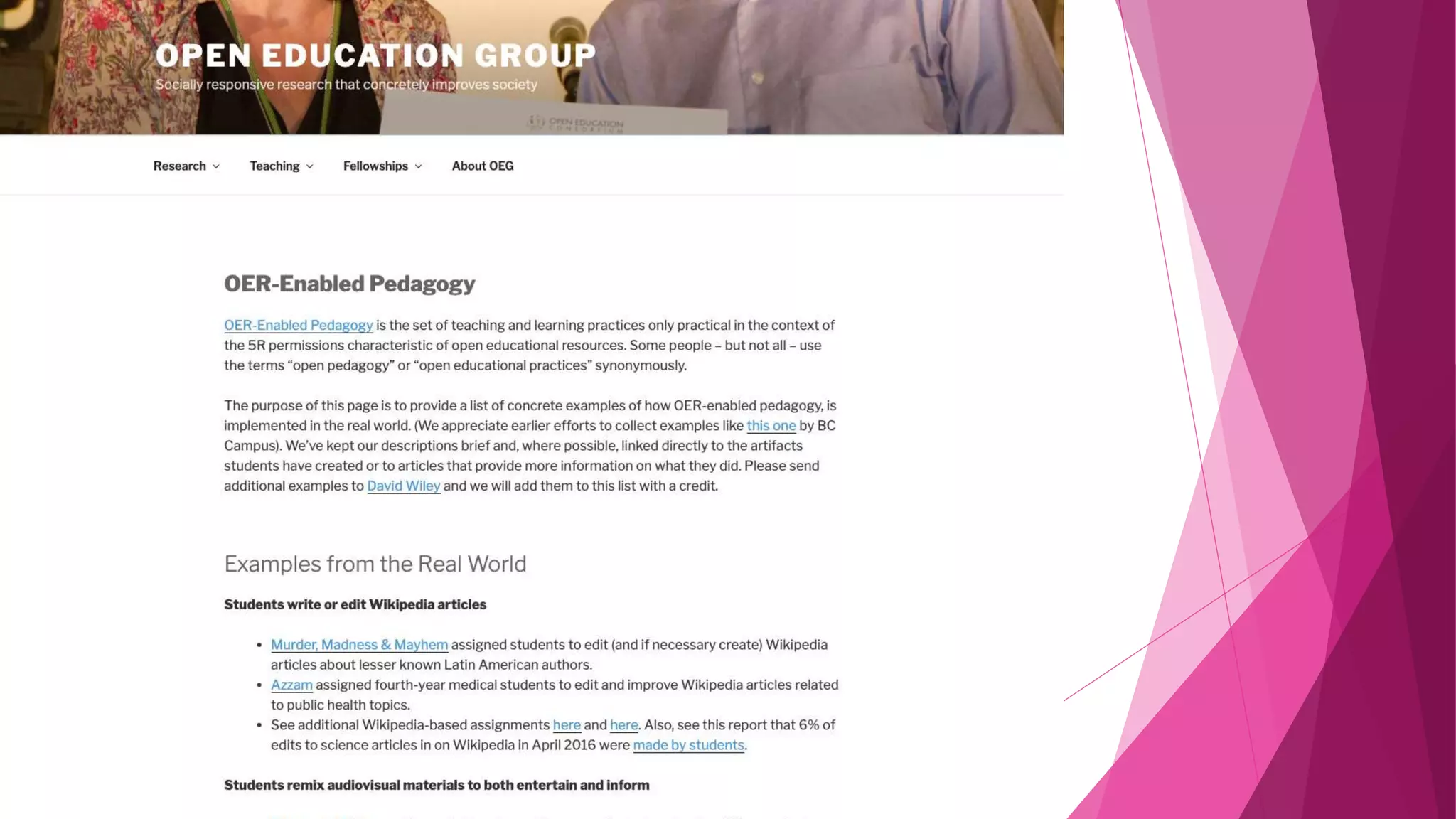
“Open Pedagogy”
or
“OER Enabled Pedagogy”
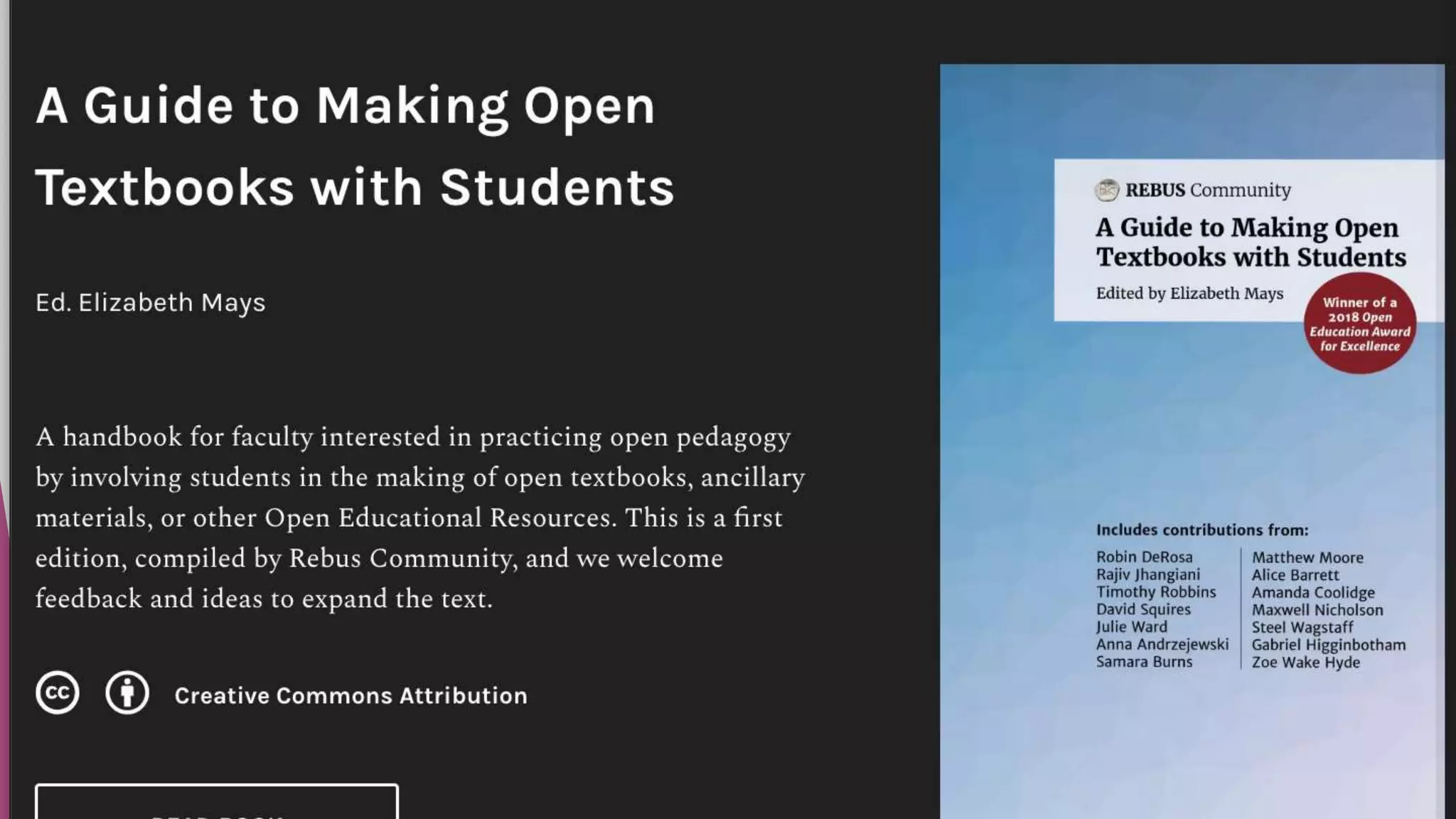
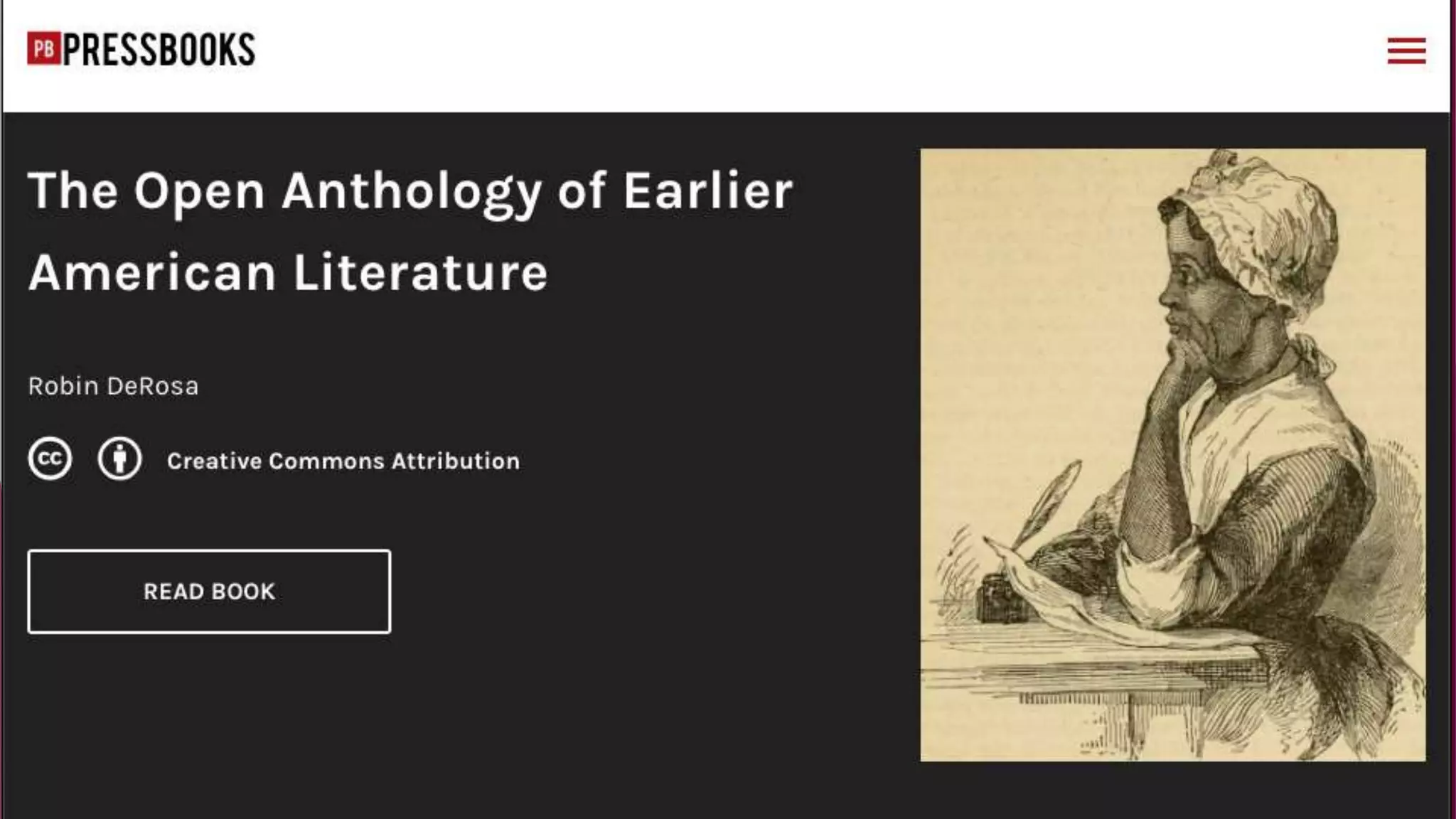
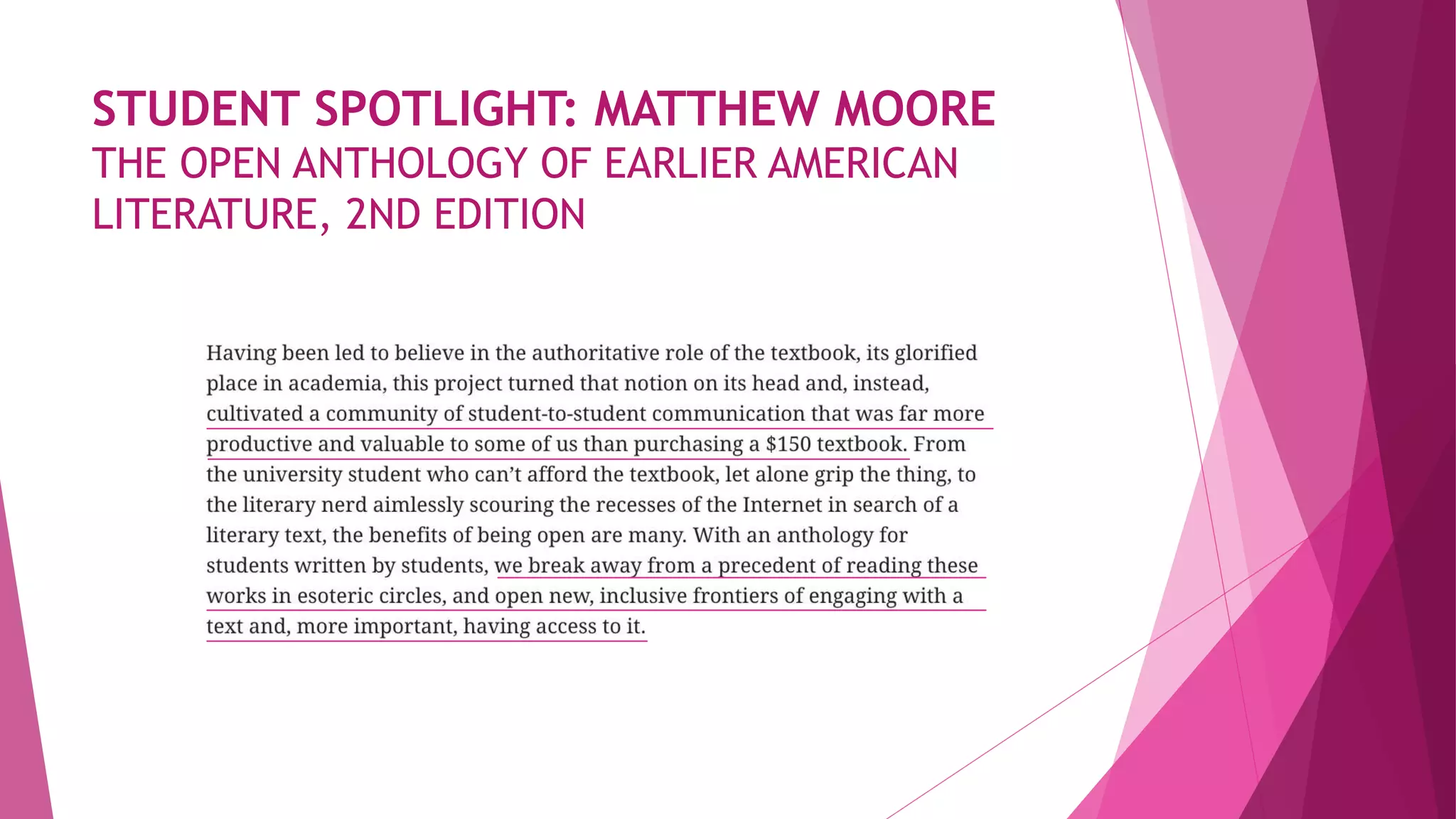
STUDENT SPOTLIGHT: MATTHEW MOORE
THE OPEN ANTHOLOGY OF EARLIER AMERICAN
LITERATURE, 2ND EDITION
Open Pedagogy Notebook
openpedagagy.org
“My small class of 35
students wrote 1400
questions in the
span of 10 weeks. ”
Students creating the
quiz bank
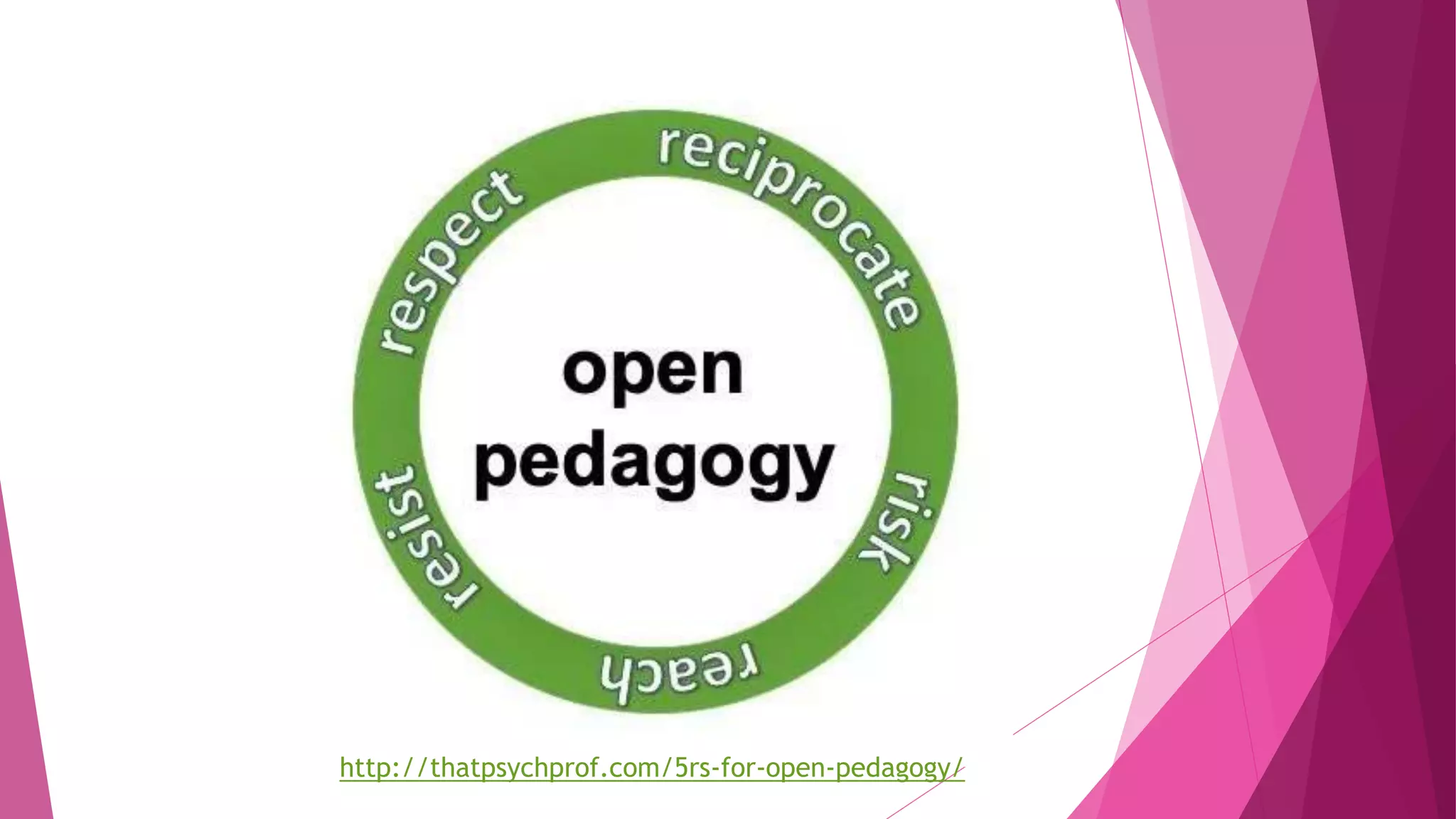
http://thatpsychprof.com/5rs-for-open-pedagogy/
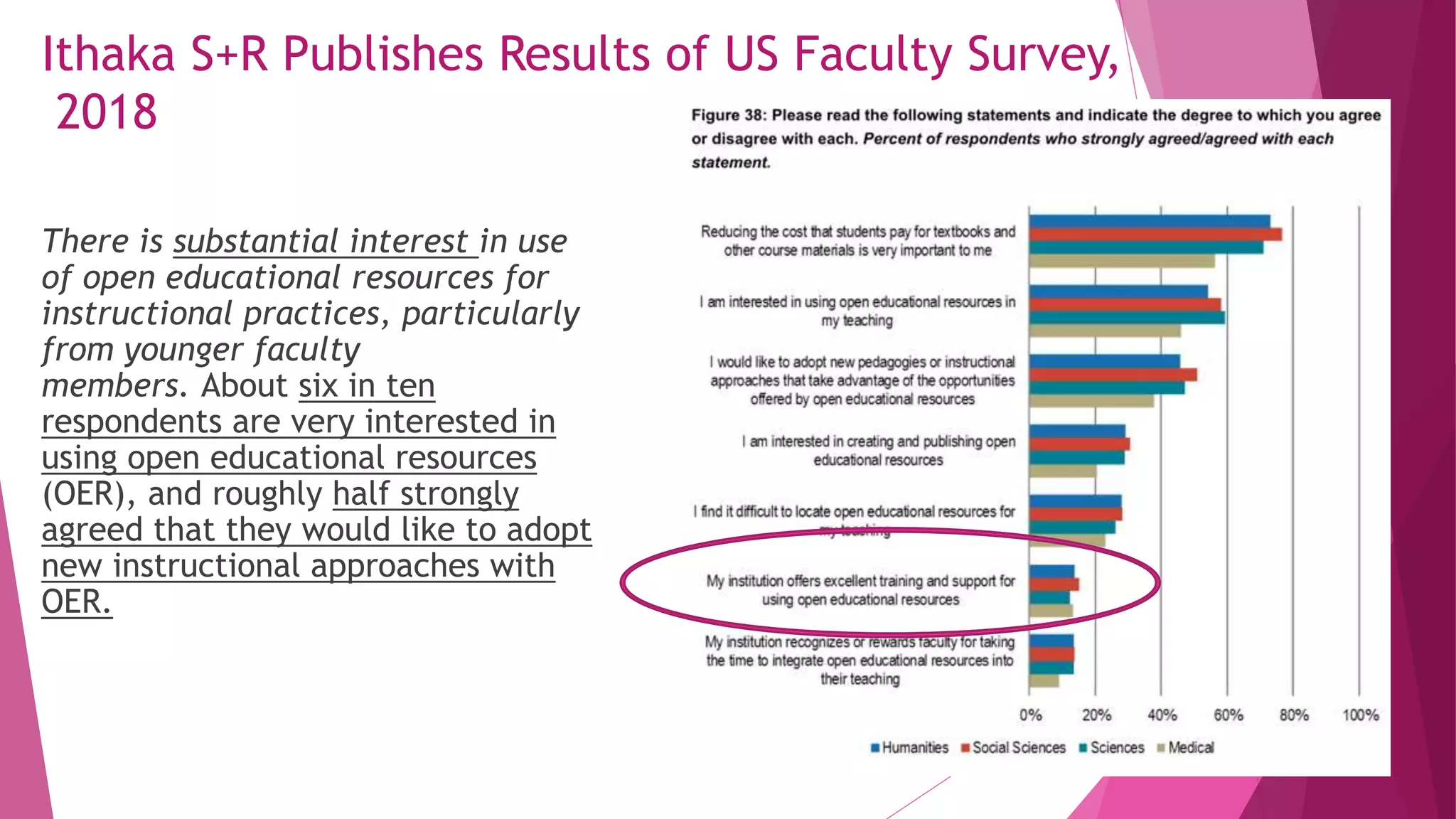
Ithaka S+R Publishes Results of US Faculty Survey,
2018
There is substantial interest in use
of open educational resources for
instructional practices, particularly
from younger faculty
members. About six in ten
respondents are very interested in
using open educational resources
(OER), and roughly half strongly
agreed that they would like to adopt
new instructional approaches with
OER.
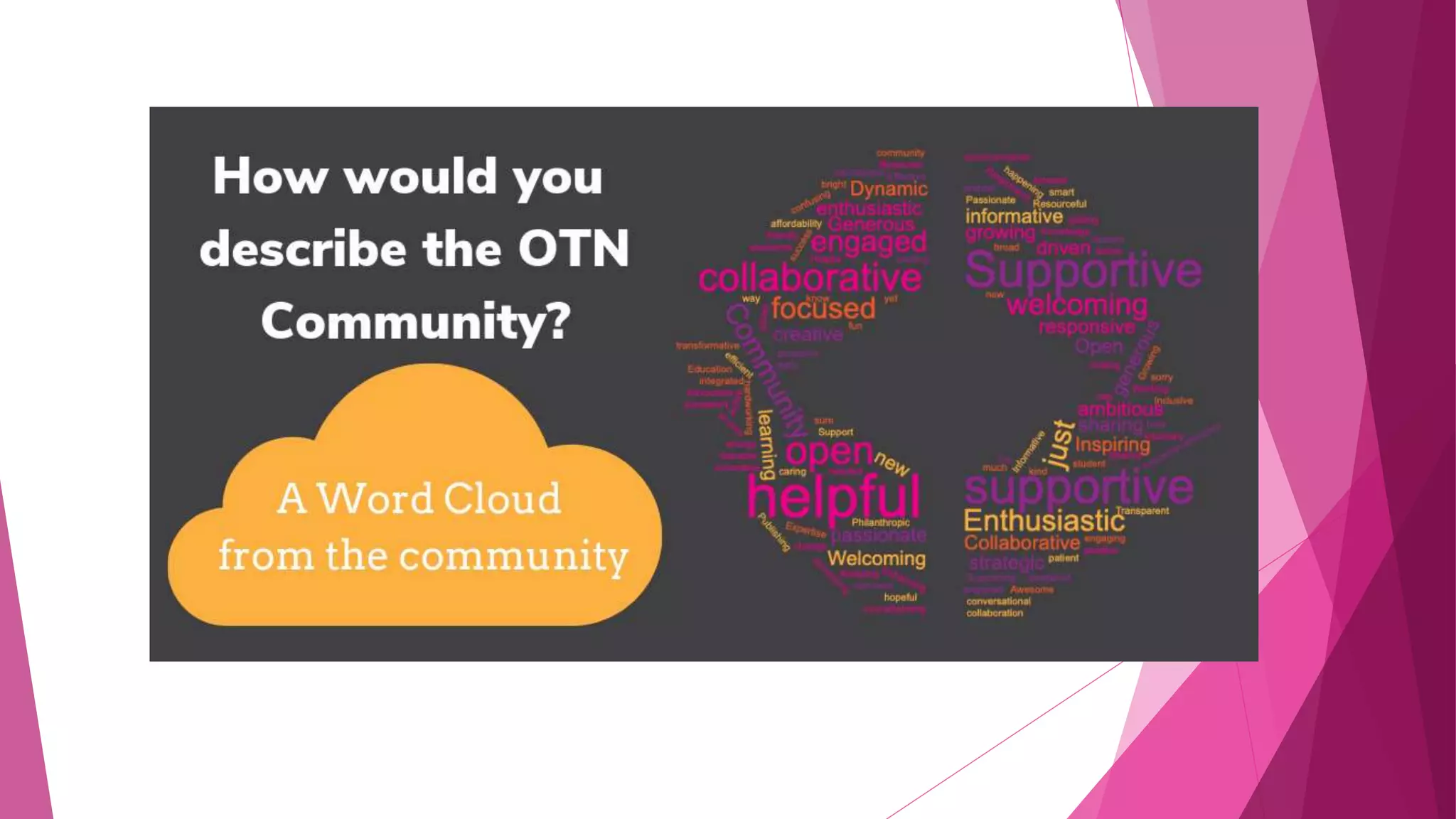
Open education is about
community.
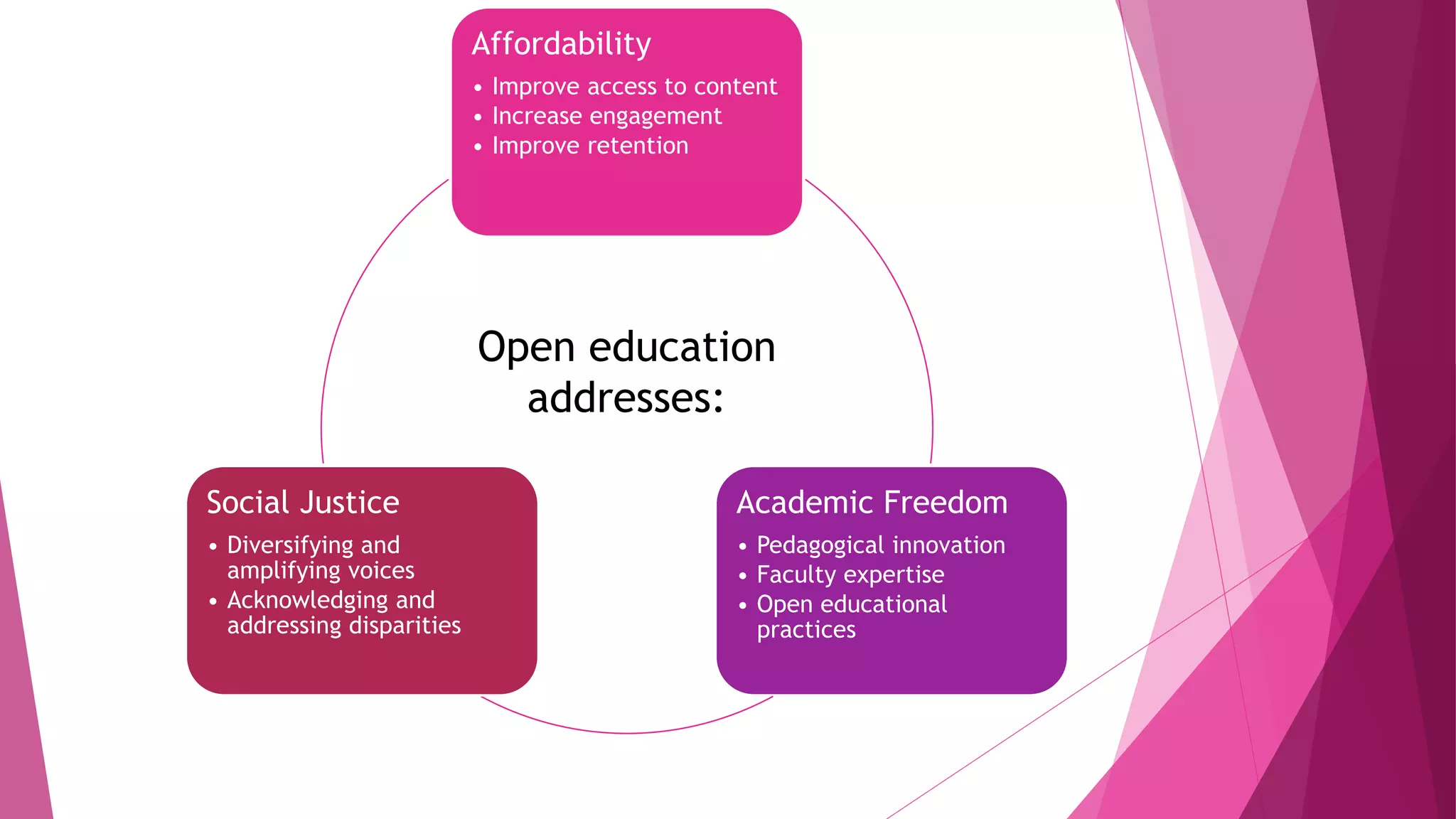
Affordability
• Improve access to content
• Increase engagement
• Improve retention
Academic Freedom
• Pedagogical innovation
• Faculty expertise
• Open educational
practices
Social Justice
• Diversifying and
amplifying voices
• Acknowledging and
addressing disparities
Open education
addresses:
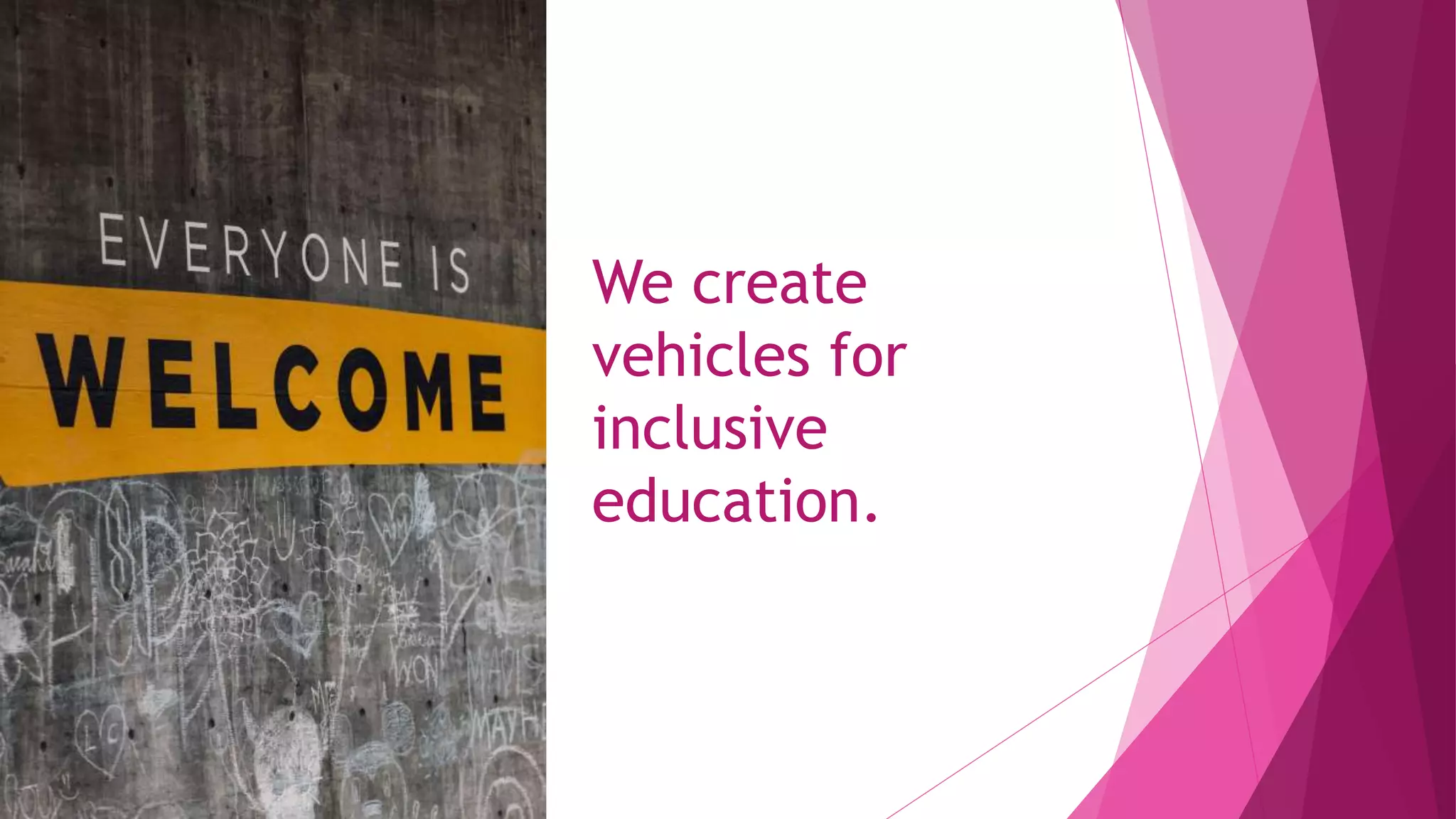
We create
vehicles for
inclusive
education.
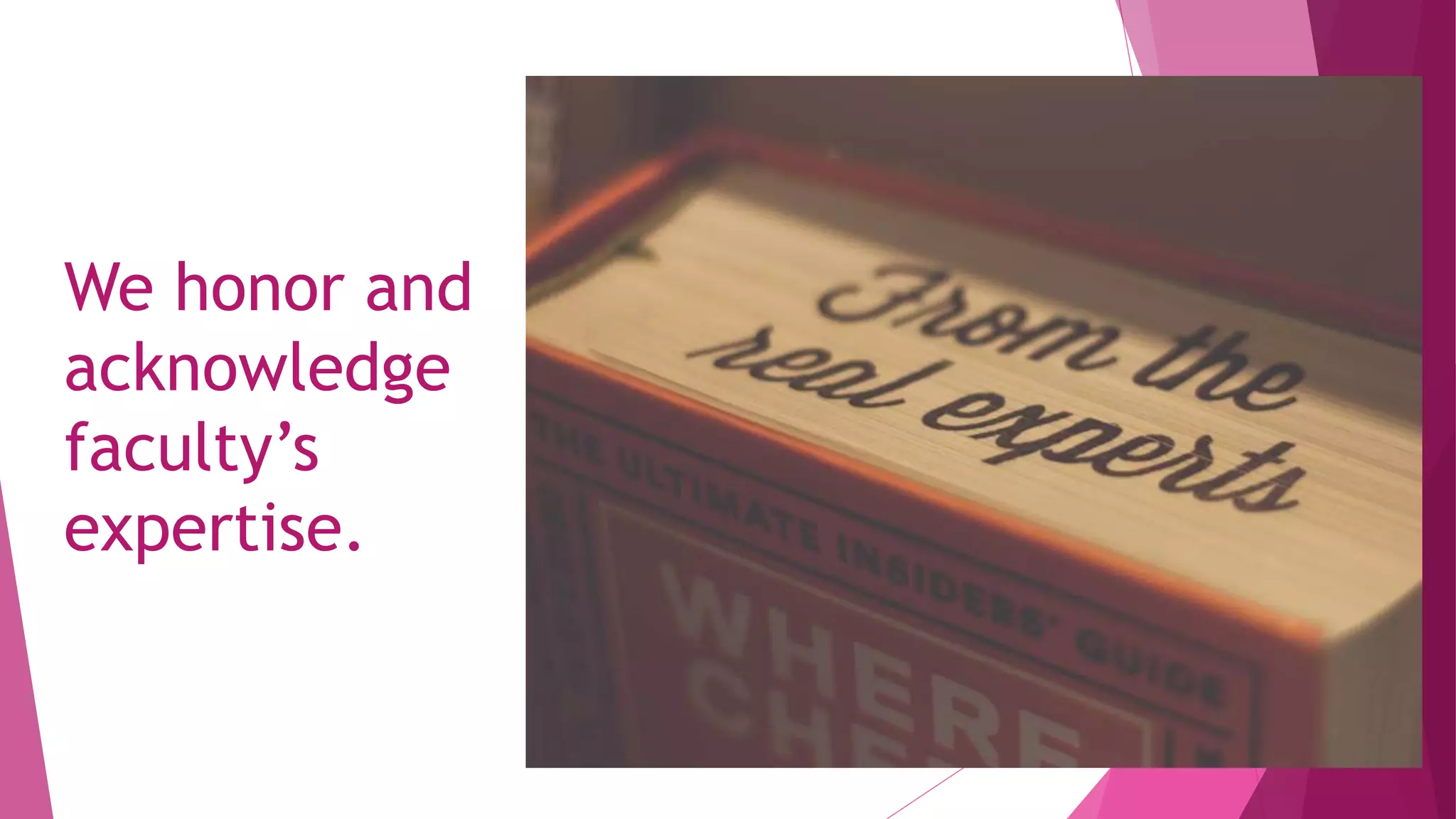
We honor and
acknowledge
faculty’s
expertise.
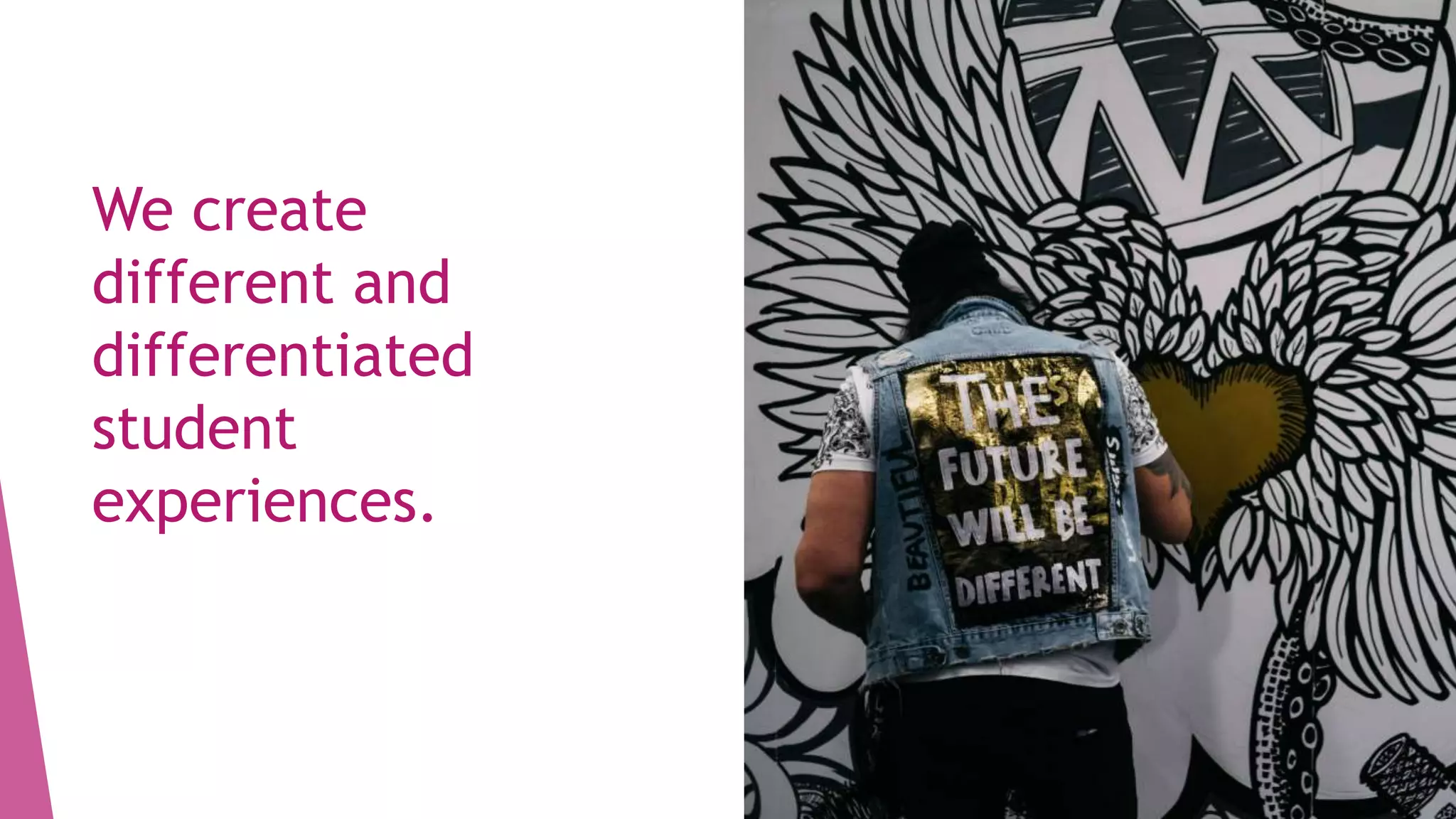
We create
different and
differentiated
student
experiences.
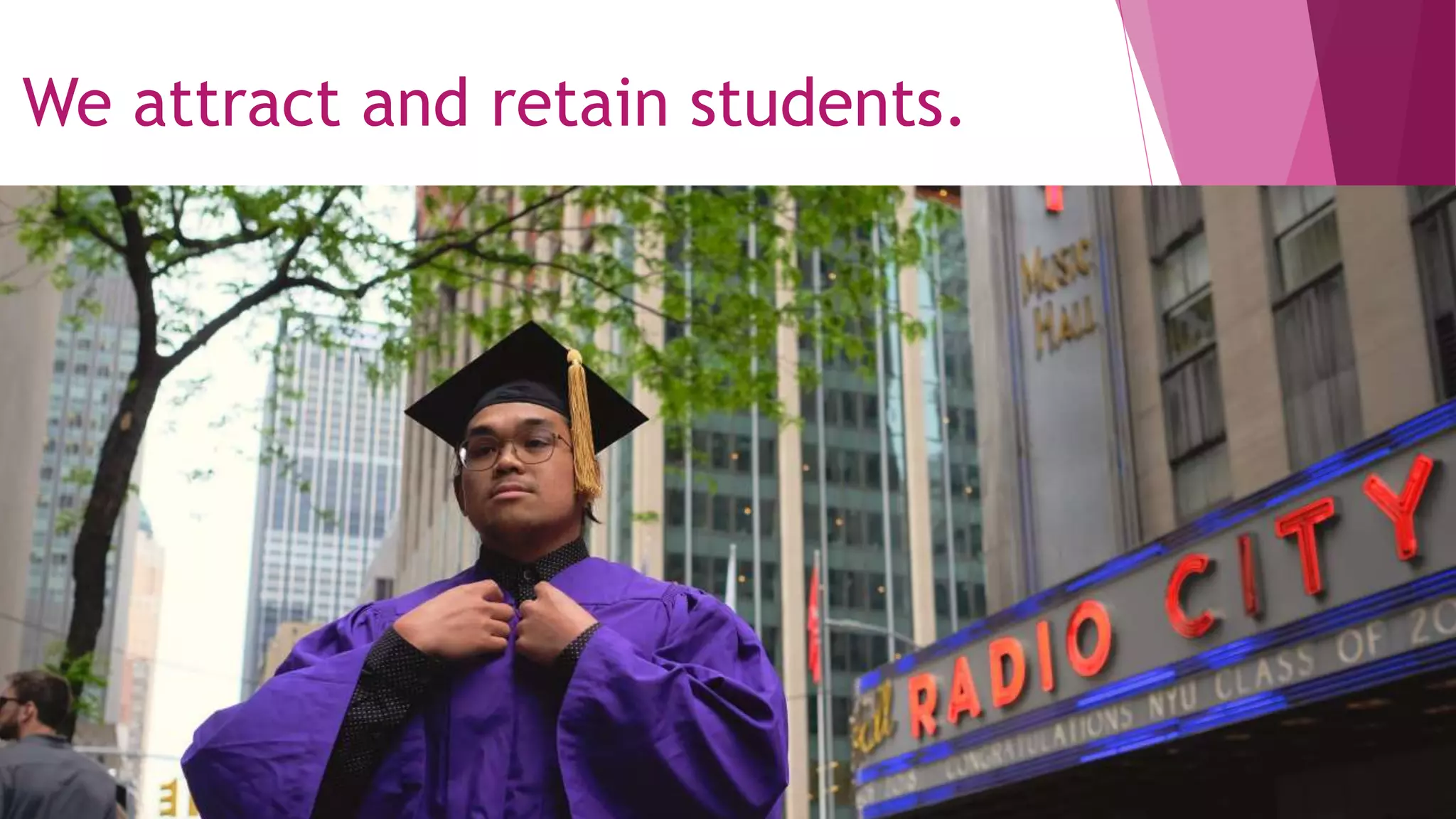
We attract and retain students.
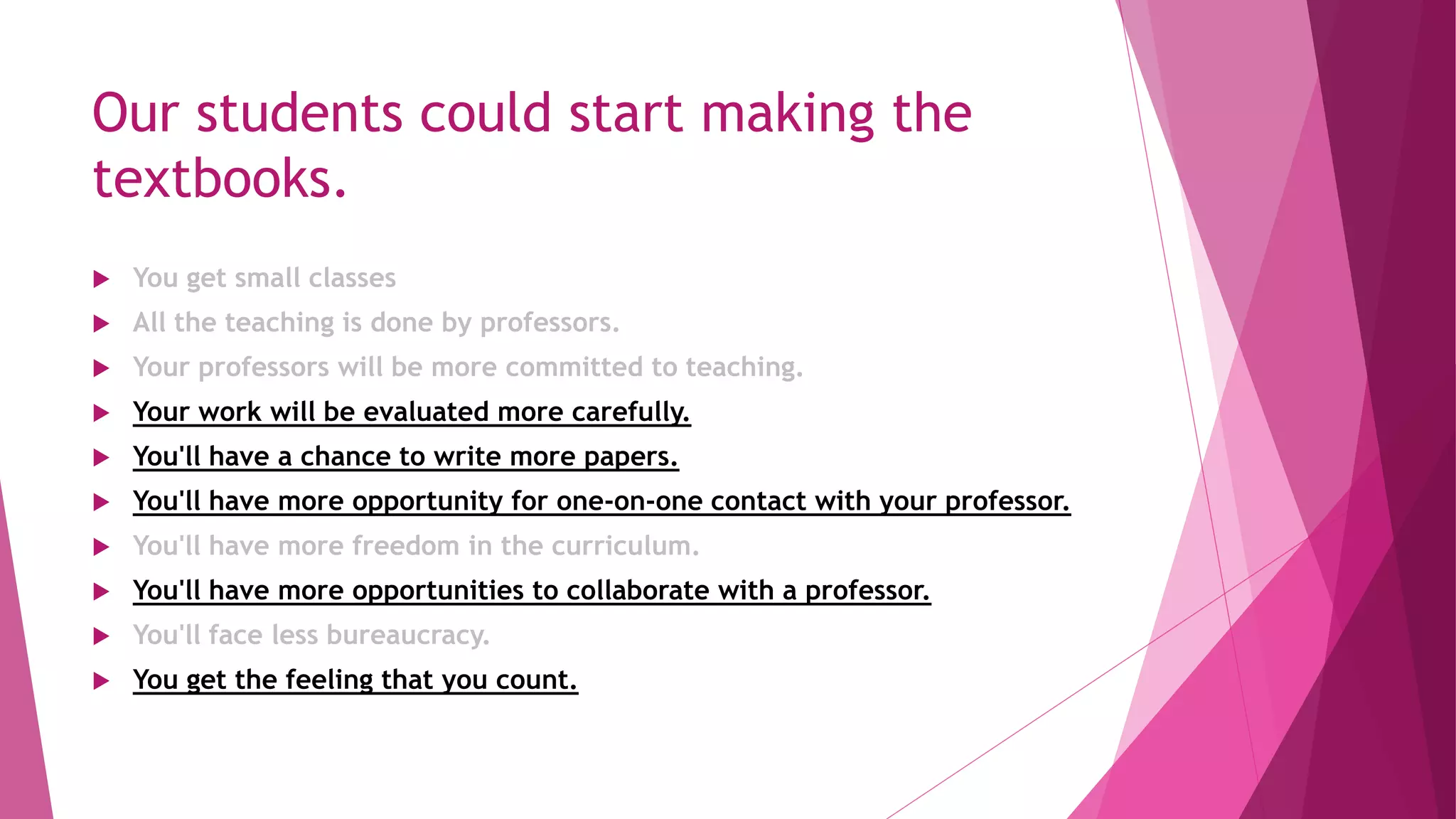
Our students could start making the
textbooks.
 You get small classes
 All the teaching is done by professors.
 Your professors will be more committed to teaching.
 Your work will be evaluated more carefully.
 You'll have a chance to write more papers.
 You'll have more opportunity for one-on-one contact with your professor.
 You'll have more freedom in the curriculum.
 You'll have more opportunities to collaborate with a professor.
 You'll face less bureaucracy.
 You get the feeling that you count.
We all count.
Together, we can:
 Offer students agency in their
own education
 Create new materials
 Catalyze educational
innovation
 Support great teaching
 Enhance student learning
 Facilitate great learning
experiences
 Develop partnerships
 Transform higher education
sfcohen@umn.edu
@thesheck
sfcohen@umn.edu
@thesheck
Linkedin.com/thesheck
https://www.slideshare.net/thesheck

A Vision for Small(er) Institutions in open education