DR. BARKHA GUPTA
ASSISTANT PROFESSOR (VETERINARY BIOCHEMISTRY)
DEPARTMENT OF VETERINARY PHYSIOLOGYAND BIOCHEMISTRY
POST GRADUATE INSTITUTE OF VETERINARY EDUCATION AND RESEARCH (PGIVER), JAIPUR
RAJASTHAN UNIVERSITY OF VETERINARYAND ANIMAL SCIENCES (RAJUVAS), BIKANER
YouTube Channel: Barkha’s VetSphere
Stem Cell Technology
and its Clinical
Application
1
 Stem cells are un-differentiated/un-specialised/un-programmed
biological cells that are thought to be able to reproduce
themselves indefinitely and, under the right conditions, to develop
into a wide variety of mature cells with specialized functions.
 They can differentiate into different type of tissue such as skin,
bone, cartilage, muscle, nerve and other specialized type of cells.
 They can divide either asymmetrically or mitotically to produce
more stem cells. They are found in multicellular organisms.
2
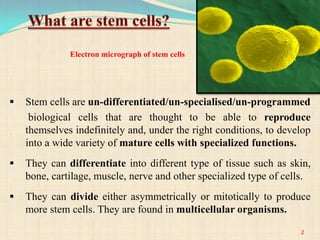
Electron micrograph of stem cells
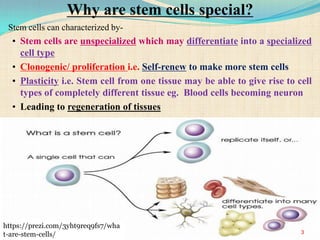
Stem cells can characterized by-
• Stem cells are unspecialized which may differentiate into a specialized
cell type
• Clonogenic/ proliferation i.e. Self-renew to make more stem cells
• Plasticity i.e. Stem cell from one tissue may be able to give rise to cell
types of completely different tissue eg. Blood cells becoming neuron
• Leading to regeneration of tissues
Why are stem cells special?
https://prezi.com/3yht9req9fs7/wha
t-are-stem-cells/ 3
4
Historical Perspectives
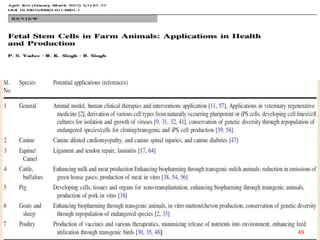
 1908: The term "stem cell" was coined by Alexander Maksimov
 1963: McCulloch and Till illustrate the presence of self-renewing cells in mouse
bone marrow.
 1968: Bone marrow transplant (BMT) between two siblings successfully treats
SCID.
 1978: Haematopoietic stem cells are discovered in human cord blood.
 1990: The Nobel Prize was awarded jointly to Thomas ED, Lochte HL, Lu
WC, Ferrebee JW for “Intravenous infusion of bone marrow in patients
receiving radiation and chemotherapy first successful” (Haematopoietic stem cell
transplantation (HSCT) in treatment of acute leukemias)
 2000: Several reports of adult stem cell plasticity are published.
 2007: The Nobel Prize was awarded jointly to Mario R. Capecchi, Sir Martin
J. Evans and Oliver Smithies "for their discoveries of principles for introducing
specific gene modifications in mice by the use of embryonic stem cells".
 2008: Development of human cloned blastocysts following somatic cell nuclear
transfer (SCNT) with adult fibroblasts
 2012: The Nobel Prize was awarded jointly to Sir John B. Gurdon and Shinya
Yamanaka "for the discovery that mature cells can be reprogrammed to become
pluripotent"
Totipotent Pluripotent Multipotent Unipotent
 Cells from early
embryo
 Able to become
whole individual
including a extra-
embryonic
structures i.e.
placenta
 E.g. 8-16 cell
embryo
 Cells from blastocyst
 Can become any
type of tissue in the
body excluding a
placenta
 E.g. inner cell mass
(ICM), iPSC
 Fetal tissue, cord
blood & adult
stem cell
 Produce only cells
of a closely
related family of
cells
 E.g. MSC,
hematopoietic
stem cells
 Adult cells
 Unipotent stem
cells can produce
only one cell type
 E.g. muscle stem
cells, SSC
Type of stem cells-Potency
5
Pluripotent stem cells
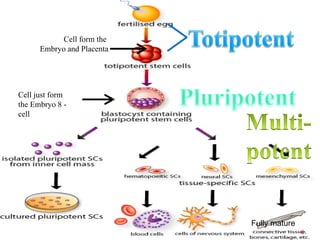
Cell form the
Embryo and Placenta
Cell just form
the Embryo 8 -
cell
Fully mature
6
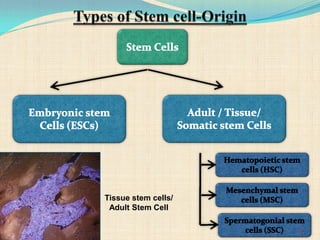
Tissue stem cells/
Adult Stem Cell
7
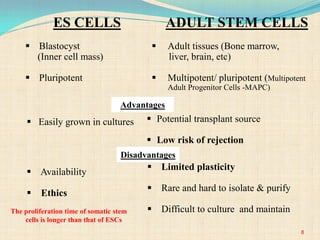
ES CELLS
 Blastocyst
(Inner cell mass)
 Pluripotent
ADULT STEM CELLS
 Adult tissues (Bone marrow,
liver, brain, etc)
 Multipotent/ pluripotent (Multipotent
Adult Progenitor Cells -MAPC)
Advantages
 Easily grown in cultures  Potential transplant source
 Low risk of rejection
Disadvantages
 Availability
 Ethics
 Limited plasticity
 Rare and hard to isolate & purify
 Difficult to culture and maintain
8
The proliferation time of somatic stem
cells is longer than that of ESCs
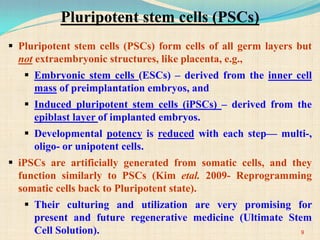
 Pluripotent stem cells (PSCs) form cells of all germ layers but
not extraembryonic structures, like placenta, e.g.,
 Embryonic stem cells (ESCs) – derived from the inner cell
mass of preimplantation embryos, and
 Induced pluripotent stem cells (iPSCs) – derived from the
epiblast layer of implanted embryos.
 Developmental potency is reduced with each step— multi-,
oligo- or unipotent cells.
 iPSCs are artificially generated from somatic cells, and they
function similarly to PSCs (Kim etal. 2009- Reprogramming
somatic cells back to Pluripotent state).
 Their culturing and utilization are very promising for
present and future regenerative medicine (Ultimate Stem
Cell Solution). 9
Pluripotent stem cells (PSCs)
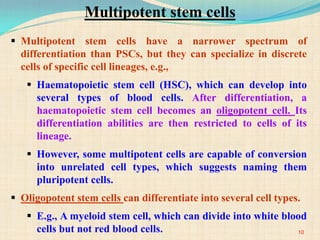
 Multipotent stem cells have a narrower spectrum of
differentiation than PSCs, but they can specialize in discrete
cells of specific cell lineages, e.g.,
 Haematopoietic stem cell (HSC), which can develop into
several types of blood cells. After differentiation, a
haematopoietic stem cell becomes an oligopotent cell. Its
differentiation abilities are then restricted to cells of its
lineage.
 However, some multipotent cells are capable of conversion
into unrelated cell types, which suggests naming them
pluripotent cells.
 Oligopotent stem cells can differentiate into several cell types.
 E.g., A myeloid stem cell, which can divide into white blood
cells but not red blood cells. 10
Multipotent stem cells
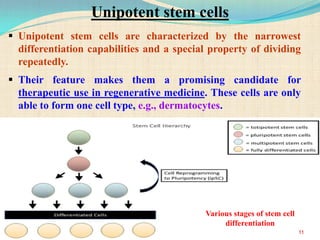
 Unipotent stem cells are characterized by the narrowest
differentiation capabilities and a special property of dividing
repeatedly.
 Their feature makes them a promising candidate for
therapeutic use in regenerative medicine. These cells are only
able to form one cell type, e.g., dermatocytes.
Various stages of stem cell
differentiation
11
Unipotent stem cells
12
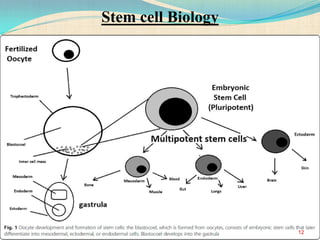
Stem cell Biology
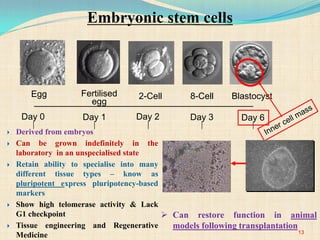
8-Cell BlastocystFertilised
egg
2-CellEgg
Day 0 Day 1 Day 2 Day 3 Day 6
Embryonic stem cells
 Derived from embryos
 Can be grown indefinitely in the
laboratory in an unspecialised state
 Retain ability to specialise into many
different tissue types – know as
pluripotent express pluripotency-based
markers
 Show high telomerase activity & Lack
G1 checkpoint
 Tissue engineering and Regenerative
Medicine
 Can restore function in animal
models following transplantation
13
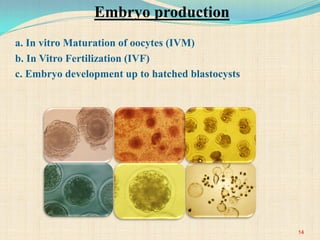
a. In vitro Maturation of oocytes (IVM)
b. In Vitro Fertilization (IVF)
c. Embryo development up to hatched blastocysts
14
Embryo production
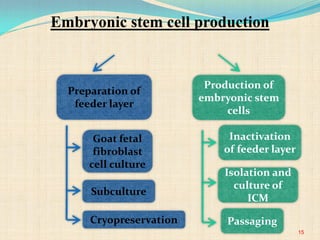
Preparation of
feeder layer
Production of
embryonic stem
cells
Goat fetal
fibroblast
cell culture
Passaging
Subculture
Cryopreservation
Inactivation
of feeder layer
Isolation and
culture of
ICM
15
Embryonic stem cell production
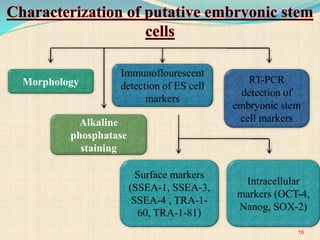
RT-PCR
detection of
embryonic stem
cell markers
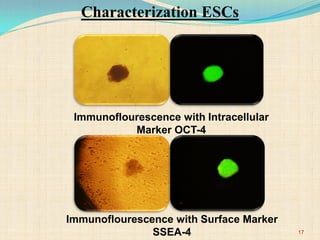
Intracellular
markers (OCT-4,
Nanog, SOX-2)
Surface markers
(SSEA-1, SSEA-3,
SSEA-4 , TRA-1-
60, TRA-1-81)
Immunoflourescent
detection of ES cell
markers
Alkaline
phosphatase
staining
Morphology
16
Immunoflourescence with Surface Marker
SSEA-4
Immunoflourescence with Intracellular
Marker OCT-4
17
Characterization ESCs
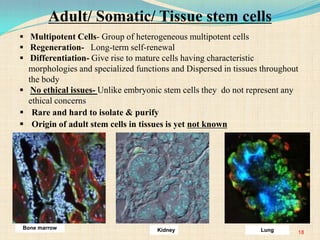
Adult/ Somatic/ Tissue stem cells
 Multipotent Cells- Group of heterogeneous multipotent cells
 Regeneration- Long-term self-renewal
 Differentiation- Give rise to mature cells having characteristic
morphologies and specialized functions and Dispersed in tissues throughout
the body
 No ethical issues- Unlike embryonic stem cells they do not represent any
ethical concerns
 Rare and hard to isolate & purify
 Origin of adult stem cells in tissues is yet not known
Bone marrow Kidney Lung 18
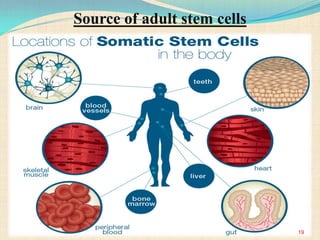
Source of adult stem cells
19
 Relative ease of isolation.
 Multipotent- The ability to differentiate into a wide variety of functional
cell types of both Mesenchymal and Non-Mesenchymal origin.
 Their ability to be extensively expanded in culture without a loss of
differentiative capacity.
 They are not only hypoimmunogenic, they also produce immuno-
suppression upon transplantation.
 Their pronounced anti-inflammatory properties.
 Their ability to home to damaged tissues following in-vivo administration.
 The MSC capture and send molecular signals, which change the niche,
either by modulating the immune system as providing mechanisms for
tissue repair effectors, involving activation of cell homing, cell apoptosis,
induction of the formation of new blood vessels, and the healing process.
Mesenchymal stem cells/ Marrow Stromal cells
20
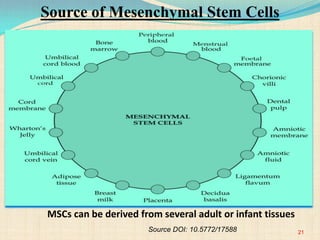
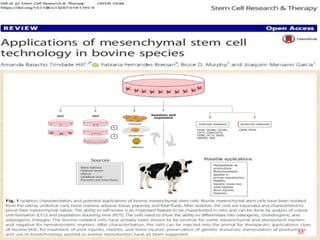
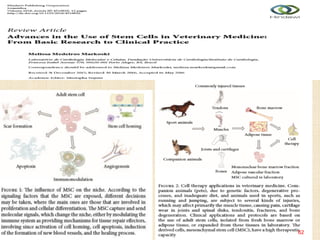
MSCs can be derived from several adult or infant tissues
Source DOI: 10.5772/17588 21
Source of Mesenchymal Stem Cells
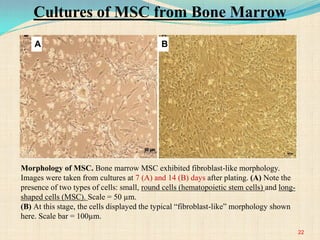
Morphology of MSC. Bone marrow MSC exhibited fibroblast-like morphology.
Images were taken from cultures at 7 (A) and 14 (B) days after plating. (A) Note the
presence of two types of cells: small, round cells (hematopoietic stem cells) and long-
shaped cells (MSC). Scale = 50 µm.
(B) At this stage, the cells displayed the typical “fibroblast-like” morphology shown
here. Scale bar = 100µm.
A B
22
Cultures of MSC from Bone Marrow
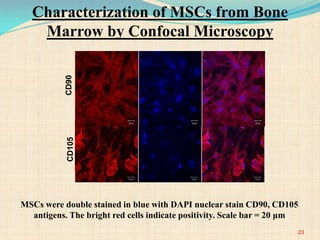
MSCs were double stained in blue with DAPI nuclear stain CD90, CD105
antigens. The bright red cells indicate positivity. Scale bar = 20 μm
CD90CD105
23
Characterization of MSCs from Bone
Marrow by Confocal Microscopy
24
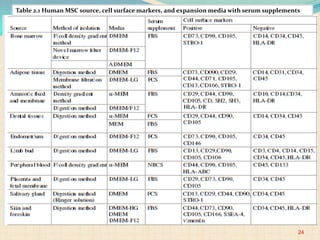
Table 2.1 Human MSC source, cell surface markers, and expansion media with serum supplements
Clinical applications of MSCs in Degenerative,
Inflammatory or Autoimmune Chronic Diseases
 Muscular dystrophies
 Cardiovascular diseases
 Fulminant hepatic failure
 Rheumatoid arthritis
 Systemic lupus rythematosus
 Amyotrophic lateral sclerosis
(ALS)
 Type 1 diabetes
 Multiple Sclerosis
 Parkinson’s disease
 Alzheimer disease
25
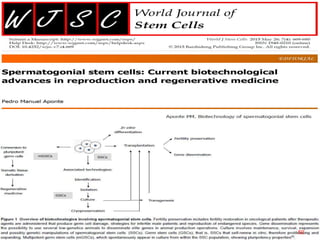
Spermatogonial stem cells (SSCs)
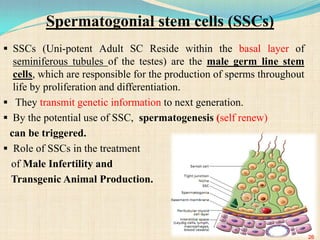
 SSCs (Uni-potent Adult SC Reside within the basal layer of
seminiferous tubules of the testes) are the male germ line stem
cells, which are responsible for the production of sperms throughout
life by proliferation and differentiation.
 They transmit genetic information to next generation.
 By the potential use of SSC, spermatogenesis (self renew)
can be triggered.
 Role of SSCs in the treatment
of Male Infertility and
Transgenic Animal Production.
26
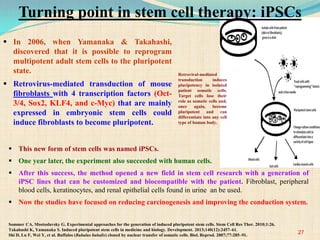
 In 2006, when Yamanaka & Takahashi,
discovered that it is possible to reprogram
multipotent adult stem cells to the pluripotent
state.
 Retrovirus-mediated transduction of mouse
fibroblasts with 4 transcription factors (Oct-
3/4, Sox2, KLF4, and c-Myc) that are mainly
expressed in embryonic stem cells could
induce fibroblasts to become pluripotent.
Sommer CA, Mostoslavsky G. Experimental approaches for the generation of induced pluripotent stem cells. Stem Cell Res Ther. 2010;1:26.
Takahashi K, Yamanaka S. Induced pluripotent stem cells in medicine and biology. Development. 2013;140(12):2457–61.
Shi D, Lu F, Wei Y, et al. Buffalos (Bubalus bubalis) cloned by nuclear transfer of somatic cells. Biol. Reprod. 2007;77:285–91.
 This new form of stem cells was named iPSCs.
 One year later, the experiment also succeeded with human cells.
 After this success, the method opened a new field in stem cell research with a generation of
iPSC lines that can be customized and biocompatible with the patient. Fibroblast, peripheral
blood cells, keratinocytes, and renal epithelial cells found in urine an be used.
 Now the studies have focused on reducing carcinogenesis and improving the conduction system.
Retroviral-mediated
transduction induces
pluripotency in isolated
patient somatic cells.
Target cells lose their
role as somatic cells and,
once again, become
pluripotent and can
differentiate into any cell
type of human body.
27
Turning point in stem cell therapy: iPSCs
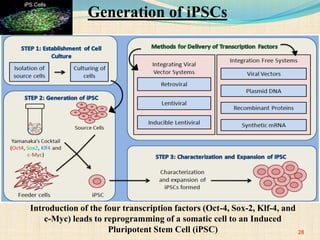
Introduction of the four transcription factors (Oct-4, Sox-2, Klf-4, and
c-Myc) leads to reprogramming of a somatic cell to an Induced
Pluripotent Stem Cell (iPSC) 28
Generation of iPSCs
iPS Cells
 Pros:
◦ Cells would be genetically identical to patient or donor of
skin cells (no immune rejection!)
◦ Do not need to use an embryo
 Cons:
◦ Cells would still have genetic defects
◦ One of the pluripotency genes is a cancer gene
◦ Viruses might insert genes in places we don’t want them
(causing mutations)
◦ Cost
◦ Unauthorized Stem Cell Clinics
Pros and Cons to iPS cell technology
29
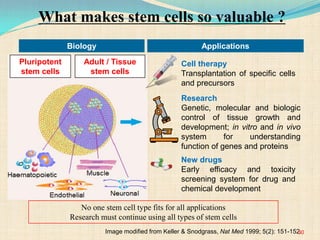
Research
Genetic, molecular and biologic
control of tissue growth and
development; in vitro and in vivo
system for understanding
function of genes and proteins
New drugs
Early efficacy and toxicity
screening system for drug and
chemical development
What makes stem cells so valuable ?
Image modified from Keller & Snodgrass, Nat Med 1999; 5(2): 151-152.
Pluripotent
stem cells
Adult / Tissue
stem cells
No one stem cell type fits for all applications
Research must continue using all types of stem cells
Biology Applications
Cell therapy
Transplantation of specific cells
and precursors
30
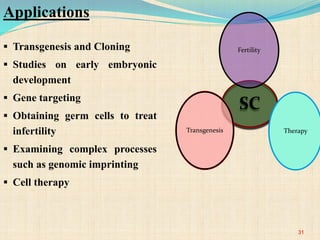
 Transgenesis and Cloning
 Studies on early embryonic
development
 Gene targeting
 Obtaining germ cells to treat
infertility
 Examining complex processes
such as genomic imprinting
 Cell therapy
Applications
31
SC
Fertility
TherapyTransgenesis
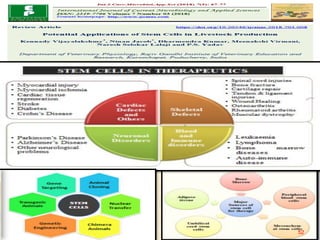
Major Applications:Livestock stem cells
 Animal model testing for pharmaceutical research
 Use of stem cells in transplantation and cell replacement therapy
 Conservation (sustenance and propagation) of endangered species
 Understanding fundamental events in embryonic development
 Regeneration of tissues i.e. healing, growth, and replacement of cells
 Therapeutic delivery system
 To resolve mysteries of developmental biology
 To investigate genes involved in differentiation and development
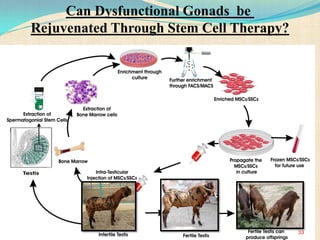
 Infertility treatment i.e. anestrous and improve the fecundity of
domestic animals in which twinning or triplets are rare. Thus full utilization of
the reproductive potential of elite female can be done
 Stem cells transfer can also help aged and infertile farm animals by
regenerating their reproductive capability, lead to the efficient livestock
production
 Cell banking for research applications
32
33
Can Dysfunctional Gonads be
Rejuvenated Through Stem Cell Therapy?
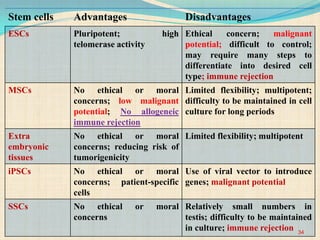
Stem cells Advantages Disadvantages
ESCs Pluripotent; high
telomerase activity
Ethical concern; malignant
potential; difficult to control;
may require many steps to
differentiate into desired cell
type; immune rejection
MSCs No ethical or moral
concerns; low malignant
potential; No allogeneic
immune rejection
Limited flexibility; multipotent;
difficulty to be maintained in cell
culture for long periods
Extra
embryonic
tissues
No ethical or moral
concerns; reducing risk of
tumorigenicity
Limited flexibility; multipotent
iPSCs No ethical or moral
concerns; patient-specific
cells
Use of viral vector to introduce
genes; malignant potential
SSCs No ethical or moral
concerns
Relatively small numbers in
testis; difficulty to be maintained
in culture; immune rejection 34
35
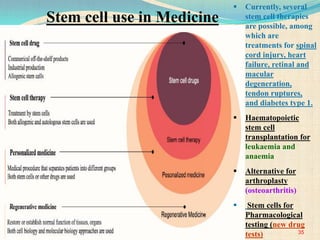
 Currently, several
stem cell therapies
are possible, among
which are
treatments for spinal
cord injury, heart
failure, retinal and
macular
degeneration,
tendon ruptures,
and diabetes type 1.
 Haematopoietic
stem cell
transplantation for
leukaemia and
anaemia
 Alternative for
arthroplasty
(osteoarthritis)
 Stem cells for
Pharmacological
testing (new drug
tests)
Stem cell use in Medicine
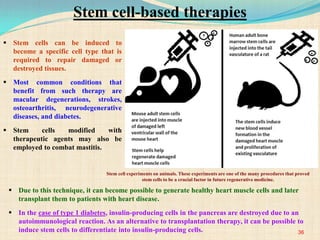
 Stem cells can be induced to
become a specific cell type that is
required to repair damaged or
destroyed tissues.
 Most common conditions that
benefit from such therapy are
macular degenerations, strokes,
osteoarthritis, neurodegenerative
diseases, and diabetes.
 Stem cells modified with
therapeutic agents may also be
employed to combat mastitis.
 Due to this technique, it can become possible to generate healthy heart muscle cells and later
transplant them to patients with heart disease.
 In the case of type 1 diabetes, insulin-producing cells in the pancreas are destroyed due to an
autoimmunological reaction. As an alternative to transplantation therapy, it can be possible to
induce stem cells to differentiate into insulin-producing cells.
Stem cell experiments on animals. These experiments are one of the many procedures that proved
stem cells to be a crucial factor in future regenerative medicine.
36
Stem cell-based therapies
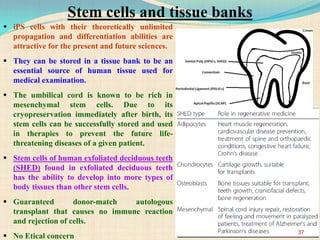
 iPS cells with their theoretically unlimited
propagation and differentiation abilities are
attractive for the present and future sciences.
 They can be stored in a tissue bank to be an
essential source of human tissue used for
medical examination.
 The umbilical cord is known to be rich in
mesenchymal stem cells. Due to its
cryopreservation immediately after birth, its
stem cells can be successfully stored and used
in therapies to prevent the future life-
threatening diseases of a given patient.
 Stem cells of human exfoliated deciduous teeth
(SHED) found in exfoliated deciduous teeth
has the ability to develop into more types of
body tissues than other stem cells.
 Guaranteed donor-match autologous
transplant that causes no immune reaction
and rejection of cells.
 No Etical concern
37
Stem cells and tissue banks
 In 2011, an experiment on mice found it possible to form sperm from iPSCs
and succeeded in delivering healthy and fertile pups in infertile mice. The
experiment was also successful for female mice, where iPSCs formed fully
functional eggs.
 Young adults at risk of losing their spermatogonial stem cells (SSC), mostly
cancer patients, are the main target group that can benefit from testicular
tissue cryopreservation and autotransplantation.
 Human amniotic epithelial cell (hAEC) transplantation could effectively
improve ovarian function by inhibiting cell apoptosis and reducing
inflammation in injured ovarian tissue of mice.
 It could be a promising strategy for the management of premature ovarian
failure or insufficiency in female cancer survivors.
38
Fertility diseases
 It is possible not only to delay the progression of incurable
neurodegenerative diseases such as Parkinson’s disease (PD), Alzheimer’s
disease (AD), and Huntington disease, but also, to remove the source of the
problem.
 Neural stem cells are capable of improving cognitive function in preclinical
rodent models of AD. Awe et al. clinically derived relevant human iPSCs
from skin punch biopsies to develop a neural stem cell-based approach for
treating AD. (Awe JP et al. Generation and characterization of transgene-free human induced pluripotent stem cells and conversion to
putative clinical-grade status. Stem Cell Res Ther. 2013;4:87.)
 Neuronal degeneration in PD is focal, and dopaminergic neurons can be
efficiently generated from hESCs.
 PD is an ideal disease for iPSC-based cell therapy. However, this therapy is
still in an experimental phase.
39
Therapy for neurodegenerative diseases
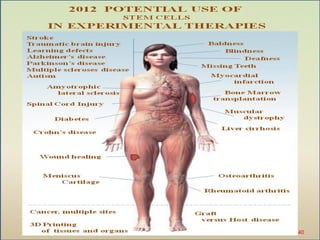
40
Cardiac diseases
• Mesenchymal stem cell - Canine chronic ischemia – increased vascularity
and improved cardiac function (G.V. Silva etal,2004)
• Human Mesenchymal SCs – Canine complete heart block –improved
cardiac function (A.N. Plotnikov et al:2007)
Wound healing
• Bone Marrow derived autologous stem cell - to treat chronic ulcer in
heifer (J. Das et al:2012)
Musculoskeletal diseases
• Mesenchymal SCs - osteoarthritis of coxo-femoral joints in dog
(L.L.Black et al:2007)
• Mesenchymal stem cell therapy for equine tendinopathy
(R.K.W.Smith:2008)
• Bone marrow stem cells in a caprine – osteoarthritis (J.M.Murphy et
al:2003)
Nervous system diseases
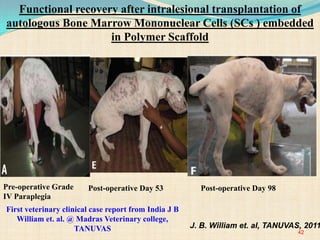
• Bone marrow mononuclear cells embedded in polymer scaffoldfunctional
recovery of spinal cord injury (J B William et. Al. 2011)
41
Uses in Veterinary (Experimental & Clinical uses)
Post-operative Day 53 Post-operative Day 98
J. B. William et. al, TANUVAS, 2011
42
Functional recovery after intralesional transplantation of
autologous Bone Marrow Mononuclear Cells (SCs ) embedded
in Polymer Scaffold
Pre-operative Grade
IV Paraplegia
First veterinary clinical case report from India J B
William et. al. @ Madras Veterinary college,
TANUVAS
43
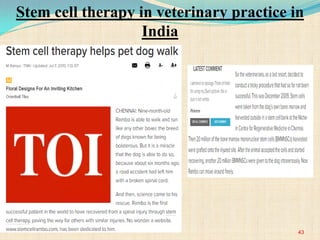
Stem cell therapy in veterinary practice in
India
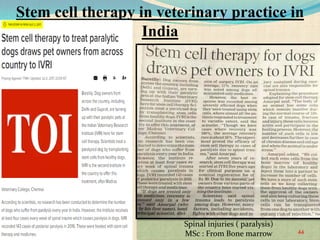
Spinal injuries ( paralysis)
MSc : From Bone marrow 44
Stem cell therapy in veterinary practice in
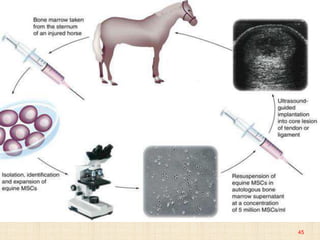
India
45
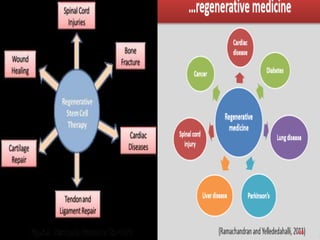
46
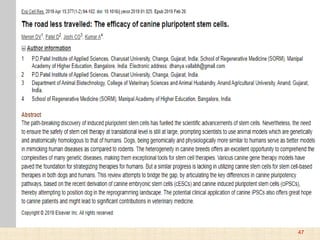
47
Animal Model in stem cell research
 Certain large animal models : close to human physiology and anatomy can serve as a
model which can mimic both of them.
 Model animals : baseline to develop stem cell treatments for humans wherein many
injuries like tendon and ligament damage and diseases such as myocardial infarction,
stroke, osteoarthritis, osteochondrosis, and muscular dystrophy can be targeted in large
animals, and even in humans.
 Animal stem cells also provide new tools to generate genetically modified as well as
humanized animals as better models for human conditions.
 Stem cells from farm animals like pig, cattle, sheep, goat, or horse can be useful for
improving animal health. It will also facilitate the development and validation of animal
models for evaluating stem cell-based therapies. The applications of stem cells in livestock
are specific for every species depending upon the economic importance, animals’ utility
and their use in human or biomedical sciences.
 Goats are widely used as large animal preclinical model for bone tissue engineering,
testing feasibility, safety, and efficacy of this new class of therapeutics as they have a body
weight similar to that of human beings that mimics the same load bearing factors on human
fracture. The metabolic rate of goats is similar to that of humans and have a body size
suitable for implantation of implants and prostheses.
48
49
50
51
52
53
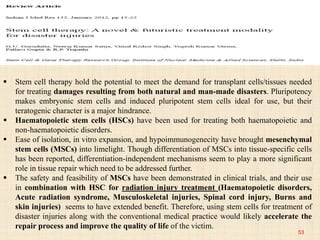
 Stem cell therapy hold the potential to meet the demand for transplant cells/tissues needed
for treating damages resulting from both natural and man-made disasters. Pluripotency
makes embryonic stem cells and induced pluripotent stem cells ideal for use, but their
teratogenic character is a major hindrance.
 Haematopoietic stem cells (HSCs) have been used for treating both haematopoietic and
non-haematopoietic disorders.
 Ease of isolation, in vitro expansion, and hypoimmunogenecity have brought mesenchymal
stem cells (MSCs) into limelight. Though differentiation of MSCs into tissue-specific cells
has been reported, differentiation-independent mechanisms seem to play a more significant
role in tissue repair which need to be addressed further.
 The safety and feasibility of MSCs have been demonstrated in clinical trials, and their use
in combination with HSC for radiation injury treatment (Haematopoietic disorders,
Acute radiation syndrome, Musculoskeletal injuries, Spinal cord injury, Burns and
skin injuries) seems to have extended benefit. Therefore, using stem cells for treatment of
disaster injuries along with the conventional medical practice would likely accelerate the
repair process and improve the quality of life of the victim.
54
55
56
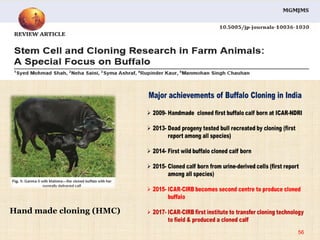
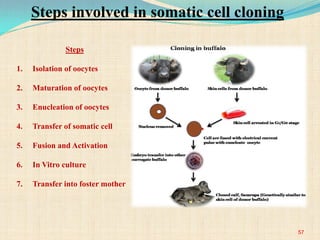
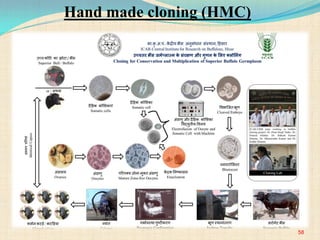
Hand made cloning (HMC)
Steps
1. Isolation of oocytes
2. Maturation of oocytes
3. Enucleation of oocytes
4. Transfer of somatic cell
5. Fusion and Activation
6. In Vitro culture
7. Transfer into foster mother
Steps involved in somatic cell cloning
57
Hand made cloning (HMC)
58
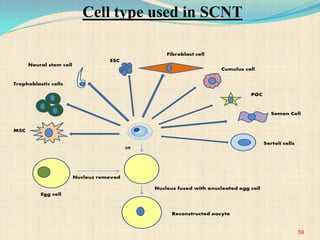
Cell type used in SCNT
59
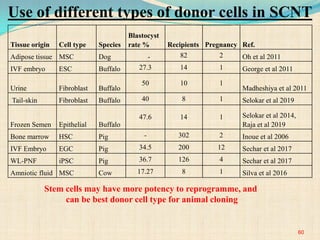
Tissue origin Cell type Species
Blastocyst
rate % Recipients Pregnancy Ref.
Adipose tissue MSC Dog - 82 2 Oh et al 2011
IVF embryo ESC Buffalo 27.3 14 1 George et al 2011
Urine Fibroblast Buffalo
50 10 1
Madheshiya et al 2011
Tail-skin Fibroblast Buffalo 40 8 1 Selokar et al 2019
Frozen Semen Epithelial Buffalo
47.6 14 1 Selokar et al 2014,
Raja et al 2019
Bone marrow HSC Pig - 302 2 Inoue et al 2006
IVF Embryo EGC Pig 34.5 200 12 Sechar et al 2017
WL-PNF iPSC Pig 36.7 126 4 Sechar et al 2017
Amniotic fluid MSC Cow 17.27 8 1 Silva et al 2016
Use of different types of donor cells in SCNT
Stem cells may have more potency to reprogramme, and
can be best donor cell type for animal cloning
60
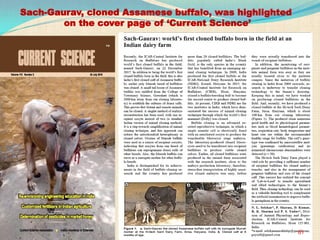
Sach-Gaurav, cloned Assamese buffalo, was highlighted
on the cover page of ‘Current Science’
61
62
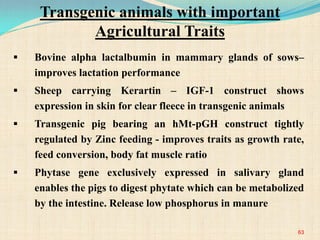
 Bovine alpha lactalbumin in mammary glands of sows–
improves lactation performance
 Sheep carrying Kerartin – IGF-1 construct shows
expression in skin for clear fleece in transgenic animals
 Transgenic pig bearing an hMt-pGH construct tightly
regulated by Zinc feeding - improves traits as growth rate,
feed conversion, body fat muscle ratio
 Phytase gene exclusively expressed in salivary gland
enables the pigs to digest phytate which can be metabolized
by the intestine. Release low phosphorus in manure
63
Transgenic animals with important
Agricultural Traits
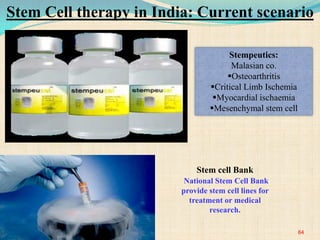
Stempeutics:
Malasian co.
Osteoarthritis
Critical Limb Ischemia
Myocardial ischaemia
Mesenchymal stem cell
64
Stem Cell therapy in India: Current scenario
Stem cell Bank
National Stem Cell Bank
provide stem cell lines for
treatment or medical
research.
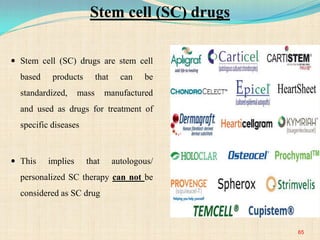
 Stem cell (SC) drugs are stem cell
based products that can be
standardized, mass manufactured
and used as drugs for treatment of
specific diseases
 This implies that autologous/
personalized SC therapy can not be
considered as SC drug
65
Stem cell (SC) drugs
SC drugs for Veterinary use
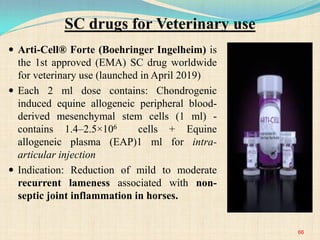
 Arti-Cell® Forte (Boehringer Ingelheim) is
the 1st approved (EMA) SC drug worldwide
for veterinary use (launched in April 2019)
 Each 2 ml dose contains: Chondrogenic
induced equine allogeneic peripheral blood-
derived mesenchymal stem cells (1 ml) -
contains 1.4–2.5×10⁶ cells + Equine
allogeneic plasma (EAP)1 ml for intra-
articular injection
 Indication: Reduction of mild to moderate
recurrent lameness associated with non-
septic joint inflammation in horses.
66
 National Guidelines for Stem Cell Research, ICMR – DBT,
2013
 National Apex Committee for Stem Cell Research and
Therapy (NAC-SCRT) will monitor activities at national level
 Institutional Committee for Stem Cell Research (IC-SCR)
and Institutional Ethics Committee (IEC) at institutional
level
 In vitro SC culture and in vivo in experimental animal except
primates permitted
 Excludes research with animal stem cells - restricted to
animal to animal studies
67
Regulations for Stem cell research in India
68
 Development of zygote for ES cell line restricted
 Prohibited human reproductive cloning
 Breeding of animals in which human stem cells have been
introduced prohibited
 Any clinical research on Xenogenic-Human hybrids is
prohibited
Prohibited areas of research….
 Allow procurement of hESC from spare embryos: 19 countries including Australia
 Allow creation of human embryos for research purposes: Australia, Belgium, Israel,
Japan, Singapore, South Korea, Sweden, UK, USA (6 States and privately)
 Prohibit procurement of hESC from spare embryos but allow import of hESC lines:
Germany, France
 Prohibit procurement of hESC: Austria, Italy, Norway, Poland, US State of
Nebraska
 Prohibit human cloning: 51 countries
69
 Adult stem cells: difficult to isolate, short storage life in
culture
 Embryonic stem cells: difficult to control growth, ethical
issues
 Donor-to-recipient transmission of pathogens
 Unwanted differentiation; Encapsulated structures in
infracted areas of heart in mice (M. Breitbach et. al., 2007)
 Lack of standardised protocols for culture and therapy
Challenges
70
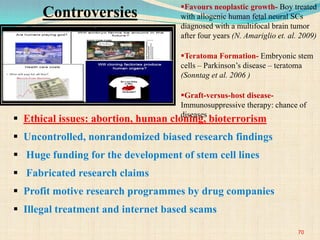
 Ethical issues: abortion, human cloning, bioterrorism
 Uncontrolled, nonrandomized biased research findings
 Huge funding for the development of stem cell lines
 Fabricated research claims
 Profit motive research programmes by drug companies
 Illegal treatment and internet based scams
Controversies Favours neoplastic growth- Boy treated
with allogenic human fetal neural SCs
diagnosed with a multifocal brain tumor
after four years (N. Amariglio et. al. 2009)
Teratoma Formation- Embryonic stem
cells – Parkinson’s disease – teratoma
(Sonntag et al. 2006 )
Graft-versus-host disease-
Immunosuppressive therapy: chance of
diseases
Future Prospects
 While the treatment with stem cells for various indications in reproductive
medicine seems very attractive, one has to proceed with cautious optimism
and be careful not to overstate the promises of the technology in its current
form.
 There is certainly a promising vision as to how the research could change
the world of fertility and aging.
 Very Small Embryonic- like Stem Cells (VSELs) as effective regenerative
medicine/ therapy
71
72
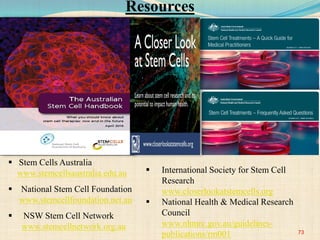
Resources
 Stem Cells Australia
www.stemcellsaustralia.edu.au
 National Stem Cell Foundation
www.stemcellfoundation.net.au
 NSW Stem Cell Network
www.stemcellnetwork.org.au
 International Society for Stem Cell
Research
www.closerlookatstemcells.org
 National Health & Medical Research
Council
www.nhmrc.gov.au/guidelines-
publications/rm001 73
74
STEM CELLS CAN CREATE MIRACLES…
GIVE HOPE TO THE HOPELESS…
&
COULD MAKE LIFE IMMORTAL!!!

Stem Cell Technology and its Clinical Application

  • 1.
    DR. BARKHA GUPTA ASSISTANTPROFESSOR (VETERINARY BIOCHEMISTRY) DEPARTMENT OF VETERINARY PHYSIOLOGYAND BIOCHEMISTRY POST GRADUATE INSTITUTE OF VETERINARY EDUCATION AND RESEARCH (PGIVER), JAIPUR RAJASTHAN UNIVERSITY OF VETERINARYAND ANIMAL SCIENCES (RAJUVAS), BIKANER YouTube Channel: Barkha’s VetSphere Stem Cell Technology and its Clinical Application 1
  • 2.
     Stem cellsare un-differentiated/un-specialised/un-programmed biological cells that are thought to be able to reproduce themselves indefinitely and, under the right conditions, to develop into a wide variety of mature cells with specialized functions.  They can differentiate into different type of tissue such as skin, bone, cartilage, muscle, nerve and other specialized type of cells.  They can divide either asymmetrically or mitotically to produce more stem cells. They are found in multicellular organisms. 2 Electron micrograph of stem cells
  • 3.
    Stem cells cancharacterized by- • Stem cells are unspecialized which may differentiate into a specialized cell type • Clonogenic/ proliferation i.e. Self-renew to make more stem cells • Plasticity i.e. Stem cell from one tissue may be able to give rise to cell types of completely different tissue eg. Blood cells becoming neuron • Leading to regeneration of tissues Why are stem cells special? https://prezi.com/3yht9req9fs7/wha t-are-stem-cells/ 3
  • 4.
    4 Historical Perspectives  1908:The term "stem cell" was coined by Alexander Maksimov  1963: McCulloch and Till illustrate the presence of self-renewing cells in mouse bone marrow.  1968: Bone marrow transplant (BMT) between two siblings successfully treats SCID.  1978: Haematopoietic stem cells are discovered in human cord blood.  1990: The Nobel Prize was awarded jointly to Thomas ED, Lochte HL, Lu WC, Ferrebee JW for “Intravenous infusion of bone marrow in patients receiving radiation and chemotherapy first successful” (Haematopoietic stem cell transplantation (HSCT) in treatment of acute leukemias)  2000: Several reports of adult stem cell plasticity are published.  2007: The Nobel Prize was awarded jointly to Mario R. Capecchi, Sir Martin J. Evans and Oliver Smithies "for their discoveries of principles for introducing specific gene modifications in mice by the use of embryonic stem cells".  2008: Development of human cloned blastocysts following somatic cell nuclear transfer (SCNT) with adult fibroblasts  2012: The Nobel Prize was awarded jointly to Sir John B. Gurdon and Shinya Yamanaka "for the discovery that mature cells can be reprogrammed to become pluripotent"
  • 5.
    Totipotent Pluripotent MultipotentUnipotent  Cells from early embryo  Able to become whole individual including a extra- embryonic structures i.e. placenta  E.g. 8-16 cell embryo  Cells from blastocyst  Can become any type of tissue in the body excluding a placenta  E.g. inner cell mass (ICM), iPSC  Fetal tissue, cord blood & adult stem cell  Produce only cells of a closely related family of cells  E.g. MSC, hematopoietic stem cells  Adult cells  Unipotent stem cells can produce only one cell type  E.g. muscle stem cells, SSC Type of stem cells-Potency 5 Pluripotent stem cells
  • 6.
    Cell form the Embryoand Placenta Cell just form the Embryo 8 - cell Fully mature 6
  • 7.
  • 8.
    ES CELLS  Blastocyst (Innercell mass)  Pluripotent ADULT STEM CELLS  Adult tissues (Bone marrow, liver, brain, etc)  Multipotent/ pluripotent (Multipotent Adult Progenitor Cells -MAPC) Advantages  Easily grown in cultures  Potential transplant source  Low risk of rejection Disadvantages  Availability  Ethics  Limited plasticity  Rare and hard to isolate & purify  Difficult to culture and maintain 8 The proliferation time of somatic stem cells is longer than that of ESCs
  • 9.
     Pluripotent stemcells (PSCs) form cells of all germ layers but not extraembryonic structures, like placenta, e.g.,  Embryonic stem cells (ESCs) – derived from the inner cell mass of preimplantation embryos, and  Induced pluripotent stem cells (iPSCs) – derived from the epiblast layer of implanted embryos.  Developmental potency is reduced with each step— multi-, oligo- or unipotent cells.  iPSCs are artificially generated from somatic cells, and they function similarly to PSCs (Kim etal. 2009- Reprogramming somatic cells back to Pluripotent state).  Their culturing and utilization are very promising for present and future regenerative medicine (Ultimate Stem Cell Solution). 9 Pluripotent stem cells (PSCs)
  • 10.
     Multipotent stemcells have a narrower spectrum of differentiation than PSCs, but they can specialize in discrete cells of specific cell lineages, e.g.,  Haematopoietic stem cell (HSC), which can develop into several types of blood cells. After differentiation, a haematopoietic stem cell becomes an oligopotent cell. Its differentiation abilities are then restricted to cells of its lineage.  However, some multipotent cells are capable of conversion into unrelated cell types, which suggests naming them pluripotent cells.  Oligopotent stem cells can differentiate into several cell types.  E.g., A myeloid stem cell, which can divide into white blood cells but not red blood cells. 10 Multipotent stem cells
  • 11.
     Unipotent stemcells are characterized by the narrowest differentiation capabilities and a special property of dividing repeatedly.  Their feature makes them a promising candidate for therapeutic use in regenerative medicine. These cells are only able to form one cell type, e.g., dermatocytes. Various stages of stem cell differentiation 11 Unipotent stem cells
  • 12.
  • 13.
    8-Cell BlastocystFertilised egg 2-CellEgg Day 0Day 1 Day 2 Day 3 Day 6 Embryonic stem cells  Derived from embryos  Can be grown indefinitely in the laboratory in an unspecialised state  Retain ability to specialise into many different tissue types – know as pluripotent express pluripotency-based markers  Show high telomerase activity & Lack G1 checkpoint  Tissue engineering and Regenerative Medicine  Can restore function in animal models following transplantation 13
  • 14.
    a. In vitroMaturation of oocytes (IVM) b. In Vitro Fertilization (IVF) c. Embryo development up to hatched blastocysts 14 Embryo production
  • 15.
    Preparation of feeder layer Productionof embryonic stem cells Goat fetal fibroblast cell culture Passaging Subculture Cryopreservation Inactivation of feeder layer Isolation and culture of ICM 15 Embryonic stem cell production
  • 16.
    RT-PCR detection of embryonic stem cellmarkers Intracellular markers (OCT-4, Nanog, SOX-2) Surface markers (SSEA-1, SSEA-3, SSEA-4 , TRA-1- 60, TRA-1-81) Immunoflourescent detection of ES cell markers Alkaline phosphatase staining Morphology 16
  • 17.
    Immunoflourescence with SurfaceMarker SSEA-4 Immunoflourescence with Intracellular Marker OCT-4 17 Characterization ESCs
  • 18.
    Adult/ Somatic/ Tissuestem cells  Multipotent Cells- Group of heterogeneous multipotent cells  Regeneration- Long-term self-renewal  Differentiation- Give rise to mature cells having characteristic morphologies and specialized functions and Dispersed in tissues throughout the body  No ethical issues- Unlike embryonic stem cells they do not represent any ethical concerns  Rare and hard to isolate & purify  Origin of adult stem cells in tissues is yet not known Bone marrow Kidney Lung 18
  • 19.
    Source of adultstem cells 19
  • 20.
     Relative easeof isolation.  Multipotent- The ability to differentiate into a wide variety of functional cell types of both Mesenchymal and Non-Mesenchymal origin.  Their ability to be extensively expanded in culture without a loss of differentiative capacity.  They are not only hypoimmunogenic, they also produce immuno- suppression upon transplantation.  Their pronounced anti-inflammatory properties.  Their ability to home to damaged tissues following in-vivo administration.  The MSC capture and send molecular signals, which change the niche, either by modulating the immune system as providing mechanisms for tissue repair effectors, involving activation of cell homing, cell apoptosis, induction of the formation of new blood vessels, and the healing process. Mesenchymal stem cells/ Marrow Stromal cells 20
  • 21.
    MSCs can bederived from several adult or infant tissues Source DOI: 10.5772/17588 21 Source of Mesenchymal Stem Cells
  • 22.
    Morphology of MSC.Bone marrow MSC exhibited fibroblast-like morphology. Images were taken from cultures at 7 (A) and 14 (B) days after plating. (A) Note the presence of two types of cells: small, round cells (hematopoietic stem cells) and long- shaped cells (MSC). Scale = 50 µm. (B) At this stage, the cells displayed the typical “fibroblast-like” morphology shown here. Scale bar = 100µm. A B 22 Cultures of MSC from Bone Marrow
  • 23.
    MSCs were doublestained in blue with DAPI nuclear stain CD90, CD105 antigens. The bright red cells indicate positivity. Scale bar = 20 μm CD90CD105 23 Characterization of MSCs from Bone Marrow by Confocal Microscopy
  • 24.
    24 Table 2.1 HumanMSC source, cell surface markers, and expansion media with serum supplements
  • 25.
    Clinical applications ofMSCs in Degenerative, Inflammatory or Autoimmune Chronic Diseases  Muscular dystrophies  Cardiovascular diseases  Fulminant hepatic failure  Rheumatoid arthritis  Systemic lupus rythematosus  Amyotrophic lateral sclerosis (ALS)  Type 1 diabetes  Multiple Sclerosis  Parkinson’s disease  Alzheimer disease 25
  • 26.
    Spermatogonial stem cells(SSCs)  SSCs (Uni-potent Adult SC Reside within the basal layer of seminiferous tubules of the testes) are the male germ line stem cells, which are responsible for the production of sperms throughout life by proliferation and differentiation.  They transmit genetic information to next generation.  By the potential use of SSC, spermatogenesis (self renew) can be triggered.  Role of SSCs in the treatment of Male Infertility and Transgenic Animal Production. 26
  • 27.
     In 2006,when Yamanaka & Takahashi, discovered that it is possible to reprogram multipotent adult stem cells to the pluripotent state.  Retrovirus-mediated transduction of mouse fibroblasts with 4 transcription factors (Oct- 3/4, Sox2, KLF4, and c-Myc) that are mainly expressed in embryonic stem cells could induce fibroblasts to become pluripotent. Sommer CA, Mostoslavsky G. Experimental approaches for the generation of induced pluripotent stem cells. Stem Cell Res Ther. 2010;1:26. Takahashi K, Yamanaka S. Induced pluripotent stem cells in medicine and biology. Development. 2013;140(12):2457–61. Shi D, Lu F, Wei Y, et al. Buffalos (Bubalus bubalis) cloned by nuclear transfer of somatic cells. Biol. Reprod. 2007;77:285–91.  This new form of stem cells was named iPSCs.  One year later, the experiment also succeeded with human cells.  After this success, the method opened a new field in stem cell research with a generation of iPSC lines that can be customized and biocompatible with the patient. Fibroblast, peripheral blood cells, keratinocytes, and renal epithelial cells found in urine an be used.  Now the studies have focused on reducing carcinogenesis and improving the conduction system. Retroviral-mediated transduction induces pluripotency in isolated patient somatic cells. Target cells lose their role as somatic cells and, once again, become pluripotent and can differentiate into any cell type of human body. 27 Turning point in stem cell therapy: iPSCs
  • 28.
    Introduction of thefour transcription factors (Oct-4, Sox-2, Klf-4, and c-Myc) leads to reprogramming of a somatic cell to an Induced Pluripotent Stem Cell (iPSC) 28 Generation of iPSCs iPS Cells
  • 29.
     Pros: ◦ Cellswould be genetically identical to patient or donor of skin cells (no immune rejection!) ◦ Do not need to use an embryo  Cons: ◦ Cells would still have genetic defects ◦ One of the pluripotency genes is a cancer gene ◦ Viruses might insert genes in places we don’t want them (causing mutations) ◦ Cost ◦ Unauthorized Stem Cell Clinics Pros and Cons to iPS cell technology 29
  • 30.
    Research Genetic, molecular andbiologic control of tissue growth and development; in vitro and in vivo system for understanding function of genes and proteins New drugs Early efficacy and toxicity screening system for drug and chemical development What makes stem cells so valuable ? Image modified from Keller & Snodgrass, Nat Med 1999; 5(2): 151-152. Pluripotent stem cells Adult / Tissue stem cells No one stem cell type fits for all applications Research must continue using all types of stem cells Biology Applications Cell therapy Transplantation of specific cells and precursors 30
  • 31.
     Transgenesis andCloning  Studies on early embryonic development  Gene targeting  Obtaining germ cells to treat infertility  Examining complex processes such as genomic imprinting  Cell therapy Applications 31 SC Fertility TherapyTransgenesis
  • 32.
    Major Applications:Livestock stemcells  Animal model testing for pharmaceutical research  Use of stem cells in transplantation and cell replacement therapy  Conservation (sustenance and propagation) of endangered species  Understanding fundamental events in embryonic development  Regeneration of tissues i.e. healing, growth, and replacement of cells  Therapeutic delivery system  To resolve mysteries of developmental biology  To investigate genes involved in differentiation and development  Infertility treatment i.e. anestrous and improve the fecundity of domestic animals in which twinning or triplets are rare. Thus full utilization of the reproductive potential of elite female can be done  Stem cells transfer can also help aged and infertile farm animals by regenerating their reproductive capability, lead to the efficient livestock production  Cell banking for research applications 32
  • 33.
    33 Can Dysfunctional Gonadsbe Rejuvenated Through Stem Cell Therapy?
  • 34.
    Stem cells AdvantagesDisadvantages ESCs Pluripotent; high telomerase activity Ethical concern; malignant potential; difficult to control; may require many steps to differentiate into desired cell type; immune rejection MSCs No ethical or moral concerns; low malignant potential; No allogeneic immune rejection Limited flexibility; multipotent; difficulty to be maintained in cell culture for long periods Extra embryonic tissues No ethical or moral concerns; reducing risk of tumorigenicity Limited flexibility; multipotent iPSCs No ethical or moral concerns; patient-specific cells Use of viral vector to introduce genes; malignant potential SSCs No ethical or moral concerns Relatively small numbers in testis; difficulty to be maintained in culture; immune rejection 34
  • 35.
    35  Currently, several stemcell therapies are possible, among which are treatments for spinal cord injury, heart failure, retinal and macular degeneration, tendon ruptures, and diabetes type 1.  Haematopoietic stem cell transplantation for leukaemia and anaemia  Alternative for arthroplasty (osteoarthritis)  Stem cells for Pharmacological testing (new drug tests) Stem cell use in Medicine
  • 36.
     Stem cellscan be induced to become a specific cell type that is required to repair damaged or destroyed tissues.  Most common conditions that benefit from such therapy are macular degenerations, strokes, osteoarthritis, neurodegenerative diseases, and diabetes.  Stem cells modified with therapeutic agents may also be employed to combat mastitis.  Due to this technique, it can become possible to generate healthy heart muscle cells and later transplant them to patients with heart disease.  In the case of type 1 diabetes, insulin-producing cells in the pancreas are destroyed due to an autoimmunological reaction. As an alternative to transplantation therapy, it can be possible to induce stem cells to differentiate into insulin-producing cells. Stem cell experiments on animals. These experiments are one of the many procedures that proved stem cells to be a crucial factor in future regenerative medicine. 36 Stem cell-based therapies
  • 37.
     iPS cellswith their theoretically unlimited propagation and differentiation abilities are attractive for the present and future sciences.  They can be stored in a tissue bank to be an essential source of human tissue used for medical examination.  The umbilical cord is known to be rich in mesenchymal stem cells. Due to its cryopreservation immediately after birth, its stem cells can be successfully stored and used in therapies to prevent the future life- threatening diseases of a given patient.  Stem cells of human exfoliated deciduous teeth (SHED) found in exfoliated deciduous teeth has the ability to develop into more types of body tissues than other stem cells.  Guaranteed donor-match autologous transplant that causes no immune reaction and rejection of cells.  No Etical concern 37 Stem cells and tissue banks
  • 38.
     In 2011,an experiment on mice found it possible to form sperm from iPSCs and succeeded in delivering healthy and fertile pups in infertile mice. The experiment was also successful for female mice, where iPSCs formed fully functional eggs.  Young adults at risk of losing their spermatogonial stem cells (SSC), mostly cancer patients, are the main target group that can benefit from testicular tissue cryopreservation and autotransplantation.  Human amniotic epithelial cell (hAEC) transplantation could effectively improve ovarian function by inhibiting cell apoptosis and reducing inflammation in injured ovarian tissue of mice.  It could be a promising strategy for the management of premature ovarian failure or insufficiency in female cancer survivors. 38 Fertility diseases
  • 39.
     It ispossible not only to delay the progression of incurable neurodegenerative diseases such as Parkinson’s disease (PD), Alzheimer’s disease (AD), and Huntington disease, but also, to remove the source of the problem.  Neural stem cells are capable of improving cognitive function in preclinical rodent models of AD. Awe et al. clinically derived relevant human iPSCs from skin punch biopsies to develop a neural stem cell-based approach for treating AD. (Awe JP et al. Generation and characterization of transgene-free human induced pluripotent stem cells and conversion to putative clinical-grade status. Stem Cell Res Ther. 2013;4:87.)  Neuronal degeneration in PD is focal, and dopaminergic neurons can be efficiently generated from hESCs.  PD is an ideal disease for iPSC-based cell therapy. However, this therapy is still in an experimental phase. 39 Therapy for neurodegenerative diseases
  • 40.
  • 41.
    Cardiac diseases • Mesenchymalstem cell - Canine chronic ischemia – increased vascularity and improved cardiac function (G.V. Silva etal,2004) • Human Mesenchymal SCs – Canine complete heart block –improved cardiac function (A.N. Plotnikov et al:2007) Wound healing • Bone Marrow derived autologous stem cell - to treat chronic ulcer in heifer (J. Das et al:2012) Musculoskeletal diseases • Mesenchymal SCs - osteoarthritis of coxo-femoral joints in dog (L.L.Black et al:2007) • Mesenchymal stem cell therapy for equine tendinopathy (R.K.W.Smith:2008) • Bone marrow stem cells in a caprine – osteoarthritis (J.M.Murphy et al:2003) Nervous system diseases • Bone marrow mononuclear cells embedded in polymer scaffoldfunctional recovery of spinal cord injury (J B William et. Al. 2011) 41 Uses in Veterinary (Experimental & Clinical uses)
  • 42.
    Post-operative Day 53Post-operative Day 98 J. B. William et. al, TANUVAS, 2011 42 Functional recovery after intralesional transplantation of autologous Bone Marrow Mononuclear Cells (SCs ) embedded in Polymer Scaffold Pre-operative Grade IV Paraplegia First veterinary clinical case report from India J B William et. al. @ Madras Veterinary college, TANUVAS
  • 43.
    43 Stem cell therapyin veterinary practice in India
  • 44.
    Spinal injuries (paralysis) MSc : From Bone marrow 44 Stem cell therapy in veterinary practice in India
  • 45.
  • 46.
  • 47.
  • 48.
    Animal Model instem cell research  Certain large animal models : close to human physiology and anatomy can serve as a model which can mimic both of them.  Model animals : baseline to develop stem cell treatments for humans wherein many injuries like tendon and ligament damage and diseases such as myocardial infarction, stroke, osteoarthritis, osteochondrosis, and muscular dystrophy can be targeted in large animals, and even in humans.  Animal stem cells also provide new tools to generate genetically modified as well as humanized animals as better models for human conditions.  Stem cells from farm animals like pig, cattle, sheep, goat, or horse can be useful for improving animal health. It will also facilitate the development and validation of animal models for evaluating stem cell-based therapies. The applications of stem cells in livestock are specific for every species depending upon the economic importance, animals’ utility and their use in human or biomedical sciences.  Goats are widely used as large animal preclinical model for bone tissue engineering, testing feasibility, safety, and efficacy of this new class of therapeutics as they have a body weight similar to that of human beings that mimics the same load bearing factors on human fracture. The metabolic rate of goats is similar to that of humans and have a body size suitable for implantation of implants and prostheses. 48
  • 49.
  • 50.
  • 51.
  • 52.
  • 53.
    53  Stem celltherapy hold the potential to meet the demand for transplant cells/tissues needed for treating damages resulting from both natural and man-made disasters. Pluripotency makes embryonic stem cells and induced pluripotent stem cells ideal for use, but their teratogenic character is a major hindrance.  Haematopoietic stem cells (HSCs) have been used for treating both haematopoietic and non-haematopoietic disorders.  Ease of isolation, in vitro expansion, and hypoimmunogenecity have brought mesenchymal stem cells (MSCs) into limelight. Though differentiation of MSCs into tissue-specific cells has been reported, differentiation-independent mechanisms seem to play a more significant role in tissue repair which need to be addressed further.  The safety and feasibility of MSCs have been demonstrated in clinical trials, and their use in combination with HSC for radiation injury treatment (Haematopoietic disorders, Acute radiation syndrome, Musculoskeletal injuries, Spinal cord injury, Burns and skin injuries) seems to have extended benefit. Therefore, using stem cells for treatment of disaster injuries along with the conventional medical practice would likely accelerate the repair process and improve the quality of life of the victim.
  • 54.
  • 55.
  • 56.
  • 57.
    Steps 1. Isolation ofoocytes 2. Maturation of oocytes 3. Enucleation of oocytes 4. Transfer of somatic cell 5. Fusion and Activation 6. In Vitro culture 7. Transfer into foster mother Steps involved in somatic cell cloning 57
  • 58.
  • 59.
    Cell type usedin SCNT 59
  • 60.
    Tissue origin Celltype Species Blastocyst rate % Recipients Pregnancy Ref. Adipose tissue MSC Dog - 82 2 Oh et al 2011 IVF embryo ESC Buffalo 27.3 14 1 George et al 2011 Urine Fibroblast Buffalo 50 10 1 Madheshiya et al 2011 Tail-skin Fibroblast Buffalo 40 8 1 Selokar et al 2019 Frozen Semen Epithelial Buffalo 47.6 14 1 Selokar et al 2014, Raja et al 2019 Bone marrow HSC Pig - 302 2 Inoue et al 2006 IVF Embryo EGC Pig 34.5 200 12 Sechar et al 2017 WL-PNF iPSC Pig 36.7 126 4 Sechar et al 2017 Amniotic fluid MSC Cow 17.27 8 1 Silva et al 2016 Use of different types of donor cells in SCNT Stem cells may have more potency to reprogramme, and can be best donor cell type for animal cloning 60
  • 61.
    Sach-Gaurav, cloned Assamesebuffalo, was highlighted on the cover page of ‘Current Science’ 61
  • 62.
  • 63.
     Bovine alphalactalbumin in mammary glands of sows– improves lactation performance  Sheep carrying Kerartin – IGF-1 construct shows expression in skin for clear fleece in transgenic animals  Transgenic pig bearing an hMt-pGH construct tightly regulated by Zinc feeding - improves traits as growth rate, feed conversion, body fat muscle ratio  Phytase gene exclusively expressed in salivary gland enables the pigs to digest phytate which can be metabolized by the intestine. Release low phosphorus in manure 63 Transgenic animals with important Agricultural Traits
  • 64.
    Stempeutics: Malasian co. Osteoarthritis Critical LimbIschemia Myocardial ischaemia Mesenchymal stem cell 64 Stem Cell therapy in India: Current scenario Stem cell Bank National Stem Cell Bank provide stem cell lines for treatment or medical research.
  • 65.
     Stem cell(SC) drugs are stem cell based products that can be standardized, mass manufactured and used as drugs for treatment of specific diseases  This implies that autologous/ personalized SC therapy can not be considered as SC drug 65 Stem cell (SC) drugs
  • 66.
    SC drugs forVeterinary use  Arti-Cell® Forte (Boehringer Ingelheim) is the 1st approved (EMA) SC drug worldwide for veterinary use (launched in April 2019)  Each 2 ml dose contains: Chondrogenic induced equine allogeneic peripheral blood- derived mesenchymal stem cells (1 ml) - contains 1.4–2.5×10⁶ cells + Equine allogeneic plasma (EAP)1 ml for intra- articular injection  Indication: Reduction of mild to moderate recurrent lameness associated with non- septic joint inflammation in horses. 66
  • 67.
     National Guidelinesfor Stem Cell Research, ICMR – DBT, 2013  National Apex Committee for Stem Cell Research and Therapy (NAC-SCRT) will monitor activities at national level  Institutional Committee for Stem Cell Research (IC-SCR) and Institutional Ethics Committee (IEC) at institutional level  In vitro SC culture and in vivo in experimental animal except primates permitted  Excludes research with animal stem cells - restricted to animal to animal studies 67 Regulations for Stem cell research in India
  • 68.
    68  Development ofzygote for ES cell line restricted  Prohibited human reproductive cloning  Breeding of animals in which human stem cells have been introduced prohibited  Any clinical research on Xenogenic-Human hybrids is prohibited Prohibited areas of research….  Allow procurement of hESC from spare embryos: 19 countries including Australia  Allow creation of human embryos for research purposes: Australia, Belgium, Israel, Japan, Singapore, South Korea, Sweden, UK, USA (6 States and privately)  Prohibit procurement of hESC from spare embryos but allow import of hESC lines: Germany, France  Prohibit procurement of hESC: Austria, Italy, Norway, Poland, US State of Nebraska  Prohibit human cloning: 51 countries
  • 69.
    69  Adult stemcells: difficult to isolate, short storage life in culture  Embryonic stem cells: difficult to control growth, ethical issues  Donor-to-recipient transmission of pathogens  Unwanted differentiation; Encapsulated structures in infracted areas of heart in mice (M. Breitbach et. al., 2007)  Lack of standardised protocols for culture and therapy Challenges
  • 70.
    70  Ethical issues:abortion, human cloning, bioterrorism  Uncontrolled, nonrandomized biased research findings  Huge funding for the development of stem cell lines  Fabricated research claims  Profit motive research programmes by drug companies  Illegal treatment and internet based scams Controversies Favours neoplastic growth- Boy treated with allogenic human fetal neural SCs diagnosed with a multifocal brain tumor after four years (N. Amariglio et. al. 2009) Teratoma Formation- Embryonic stem cells – Parkinson’s disease – teratoma (Sonntag et al. 2006 ) Graft-versus-host disease- Immunosuppressive therapy: chance of diseases
  • 71.
    Future Prospects  Whilethe treatment with stem cells for various indications in reproductive medicine seems very attractive, one has to proceed with cautious optimism and be careful not to overstate the promises of the technology in its current form.  There is certainly a promising vision as to how the research could change the world of fertility and aging.  Very Small Embryonic- like Stem Cells (VSELs) as effective regenerative medicine/ therapy 71
  • 72.
  • 73.
    Resources  Stem CellsAustralia www.stemcellsaustralia.edu.au  National Stem Cell Foundation www.stemcellfoundation.net.au  NSW Stem Cell Network www.stemcellnetwork.org.au  International Society for Stem Cell Research www.closerlookatstemcells.org  National Health & Medical Research Council www.nhmrc.gov.au/guidelines- publications/rm001 73
  • 74.
    74 STEM CELLS CANCREATE MIRACLES… GIVE HOPE TO THE HOPELESS… & COULD MAKE LIFE IMMORTAL!!!