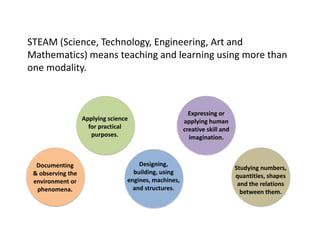





STEAM (Science, Technology, Engineering, Art and
Mathematics) means teaching and learning using more than
one modality.
Documenting
& observing the
environment or
phenomena.
Applying science
for practical
purposes.
Designing,
building, using
engines, machines,
and structures.
Expressing or
applying human
creative skill and
imagination.
Studying numbers,
quantities, shapes
and the relations
between them.
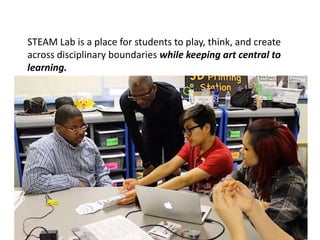
STEAM Lab is a place for students to play, think, and create
across disciplinary boundaries while keeping art central to
learning.
W.E.B. Du Bois
Artist: Stacey Robinson
Grandmaster Flash
Cross-fader
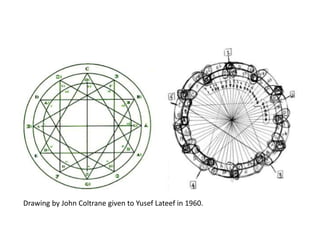
Drawing by John Coltrane given to Yusef Lateef in 1960.
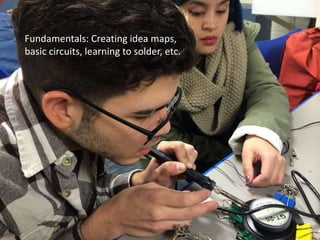
Fundamentals: Creating idea maps,
basic circuits, learning to solder, etc.
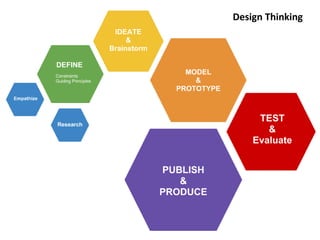
Design Thinking
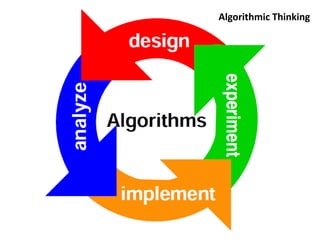
Algorithmic Thinking
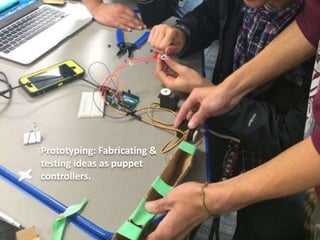
Prototyping: Fabricating &
testing ideas as puppet
controllers.
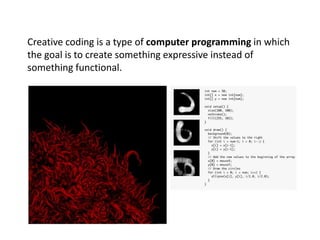
Creative coding is a type of computer programming in which
the goal is to create something expressive instead of
something functional.
Exhibition: Present, perform
& share the work.
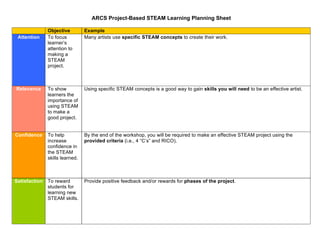
ARCS Project-Based STEAM Learning Planning Sheet
Objective Example
Attention To focus
learner’s
attention to
making a
STEAM
project.
Many artists use specific STEAM concepts to create their work.
Relevance To show
learners the
importance of
using STEAM
to make a
good project.
Using specific STEAM concepts is a good way to gain skills you will need to be an effective artist.
Confidence To help
increase
confidence in
the STEAM
skills learned.
By the end of the workshop, you will be required to make an effective STEAM project using the
provided criteria (i.e., 4 “C’s” and RICO).
Satisfaction To reward
students for
learning new
STEAM skills.
Provide positive feedback and/or rewards for phases of the project.

STEAM Learning & Education: K-12

  • 1.
    STEAM (Science, Technology,Engineering, Art and Mathematics) means teaching and learning using more than one modality. Documenting & observing the environment or phenomena. Applying science for practical purposes. Designing, building, using engines, machines, and structures. Expressing or applying human creative skill and imagination. Studying numbers, quantities, shapes and the relations between them.
  • 2.
    STEAM Lab isa place for students to play, think, and create across disciplinary boundaries while keeping art central to learning.
  • 3.
  • 4.
  • 6.
  • 7.
  • 8.
    Drawing by JohnColtrane given to Yusef Lateef in 1960.
  • 11.
    Fundamentals: Creating ideamaps, basic circuits, learning to solder, etc.
  • 12.
  • 13.
  • 14.
    Prototyping: Fabricating & testingideas as puppet controllers.
  • 15.
    Creative coding isa type of computer programming in which the goal is to create something expressive instead of something functional.
  • 16.
  • 17.
    ARCS Project-Based STEAMLearning Planning Sheet Objective Example Attention To focus learner’s attention to making a STEAM project. Many artists use specific STEAM concepts to create their work. Relevance To show learners the importance of using STEAM to make a good project. Using specific STEAM concepts is a good way to gain skills you will need to be an effective artist. Confidence To help increase confidence in the STEAM skills learned. By the end of the workshop, you will be required to make an effective STEAM project using the provided criteria (i.e., 4 “C’s” and RICO). Satisfaction To reward students for learning new STEAM skills. Provide positive feedback and/or rewards for phases of the project.

Editor's Notes

  • #3 BAA’s STEAM lab pilots emerging STEAM-inspired curricula and teaching, and shares its findings with the broader educational community while providing students access to resources, tools, and guidance to experiment with STEAM ideas and practices.
  • #14 An Algorithm is a method to solve a problem that consists of. exactly defined instructions”. Algorithmic thinking is a way of getting to a solution through the clear definition of the steps needed. This is often done through computer programming/coding.