Downloaded 157 times
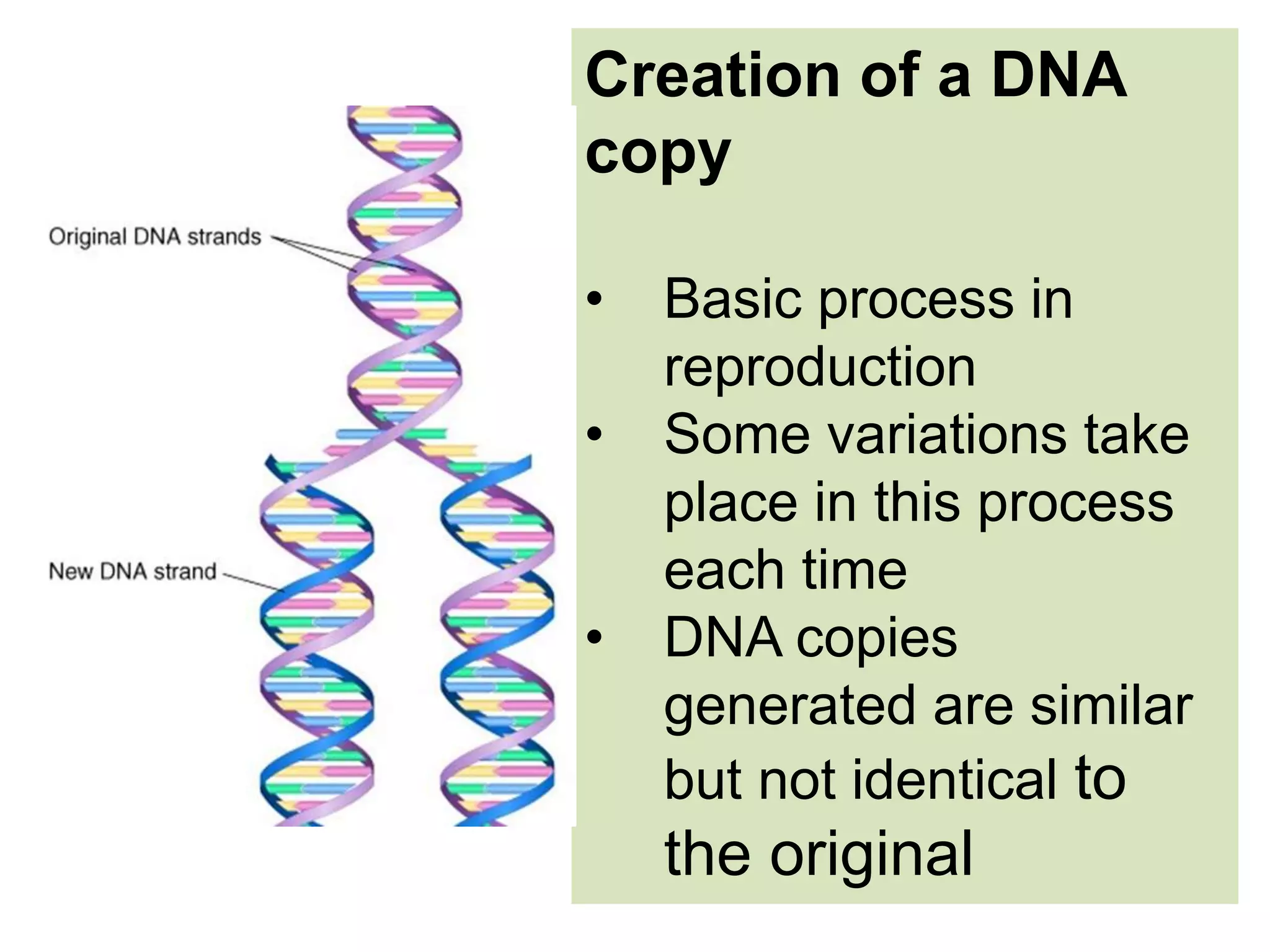
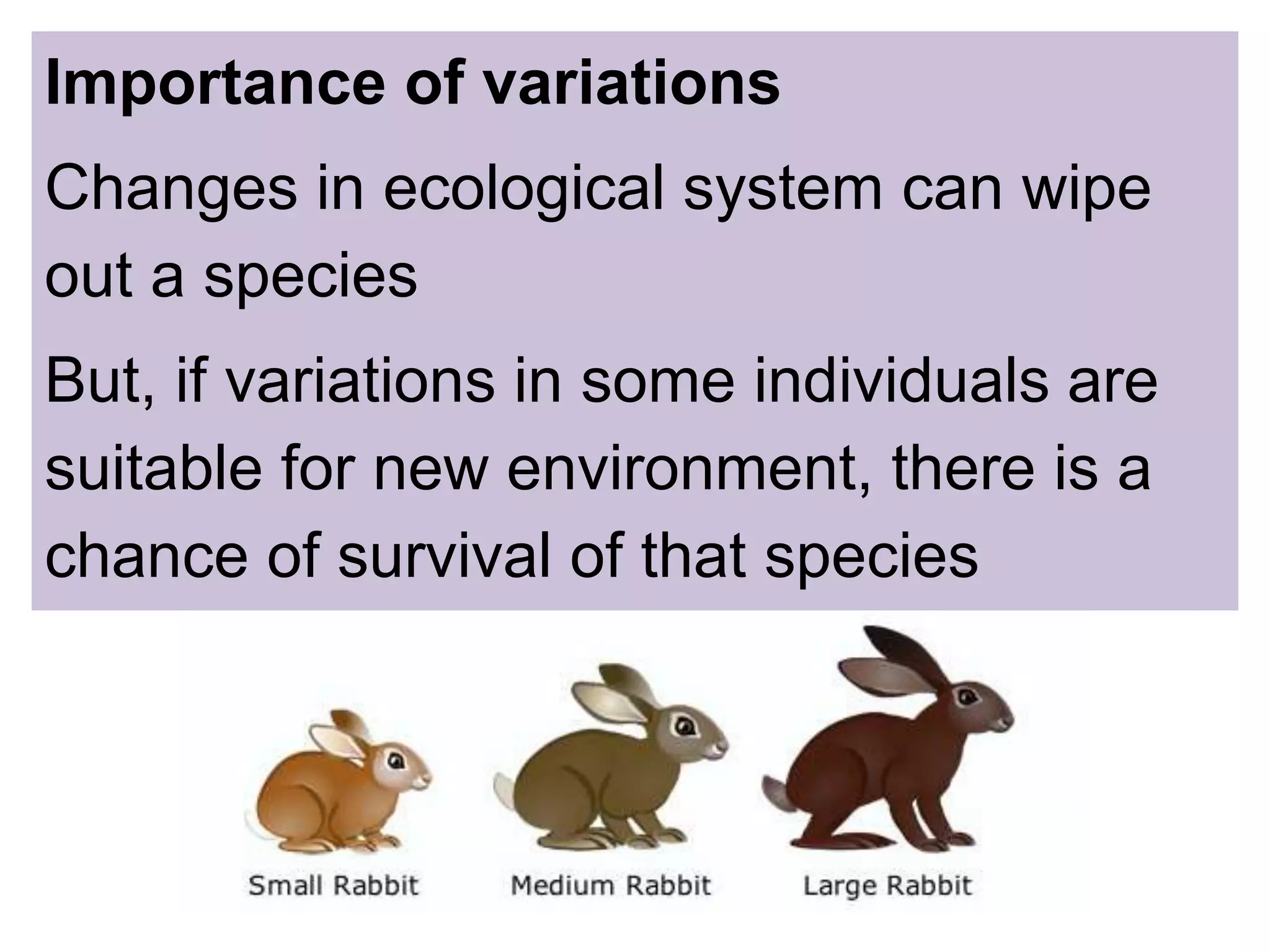
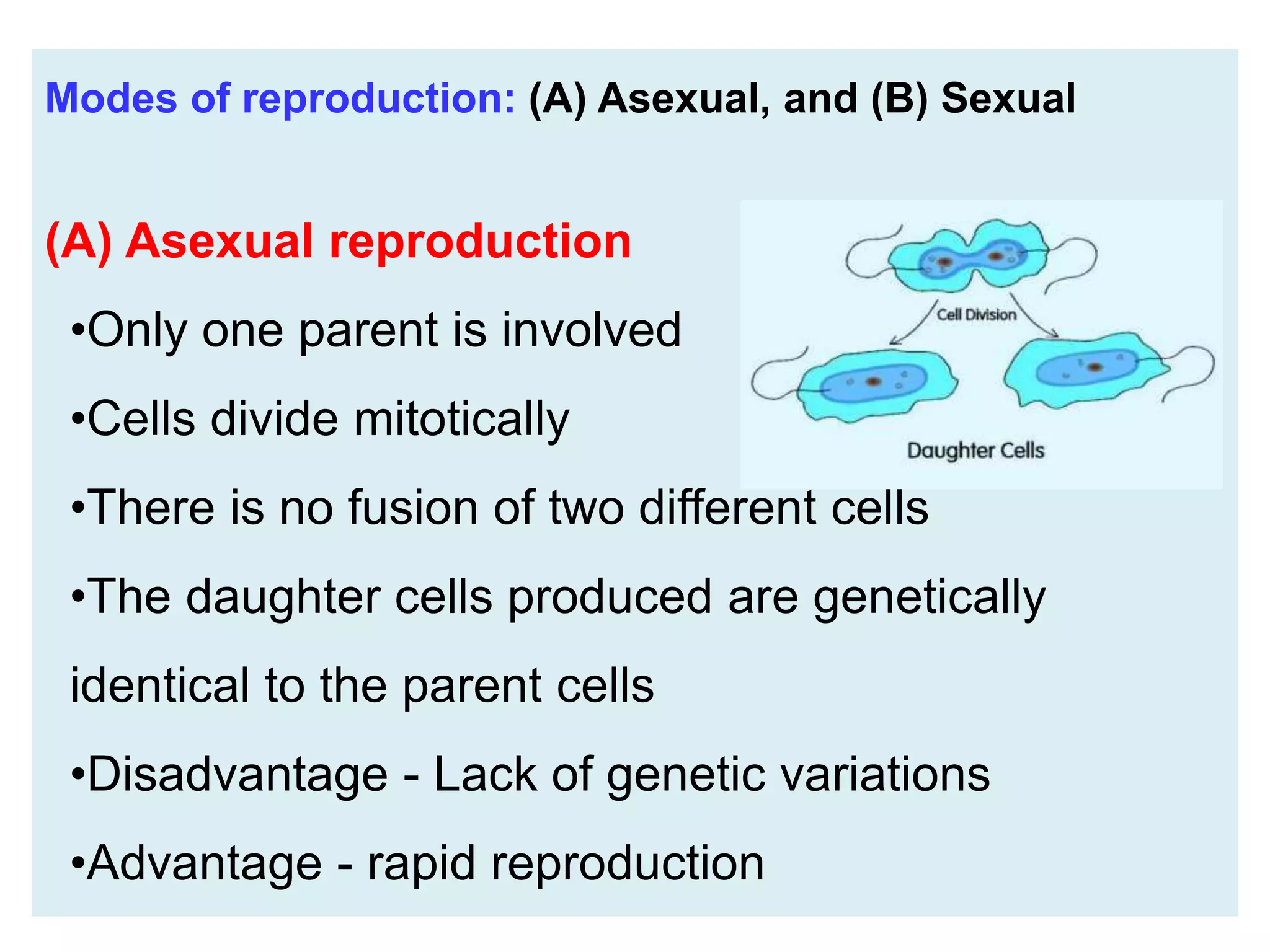
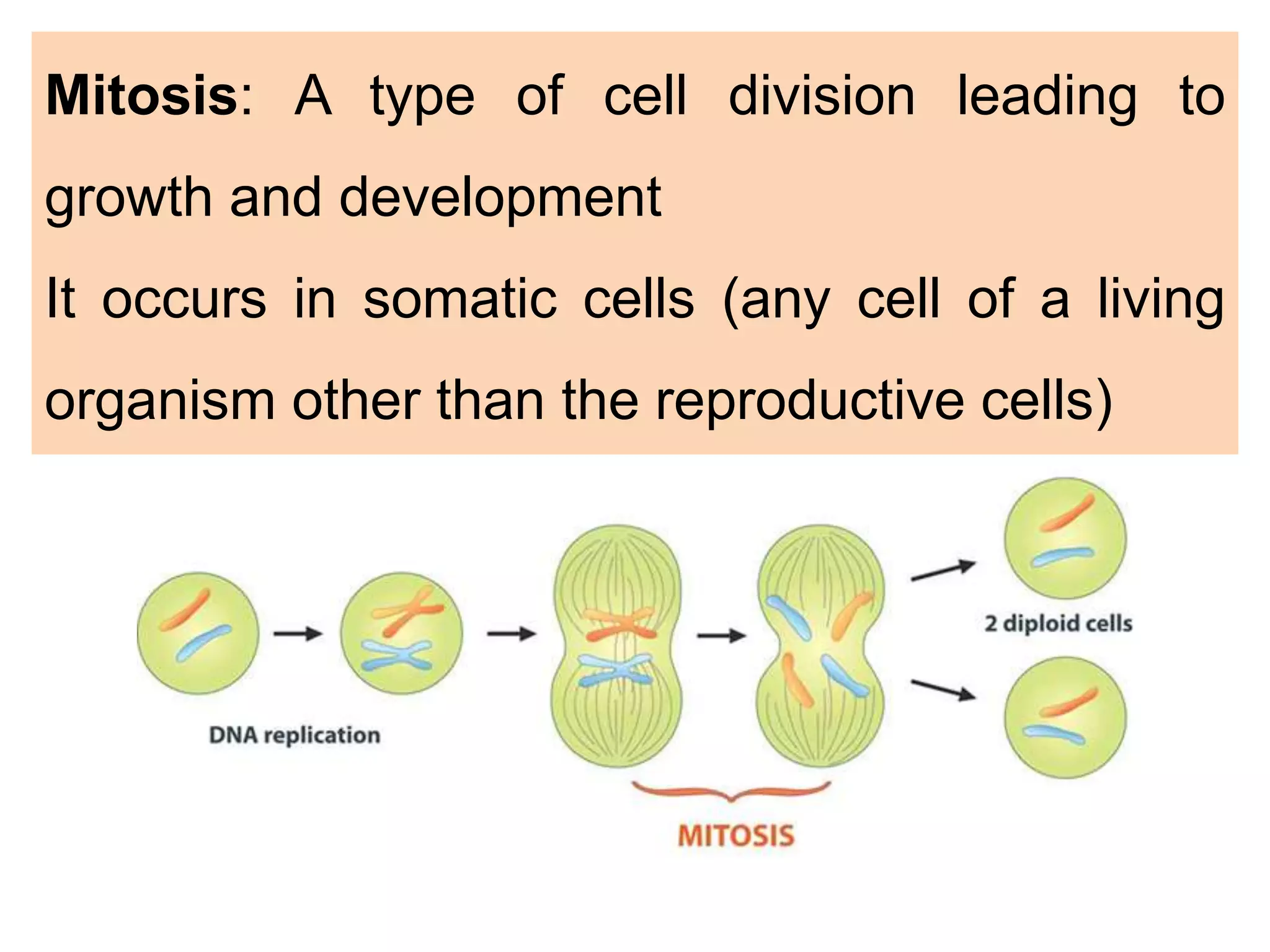
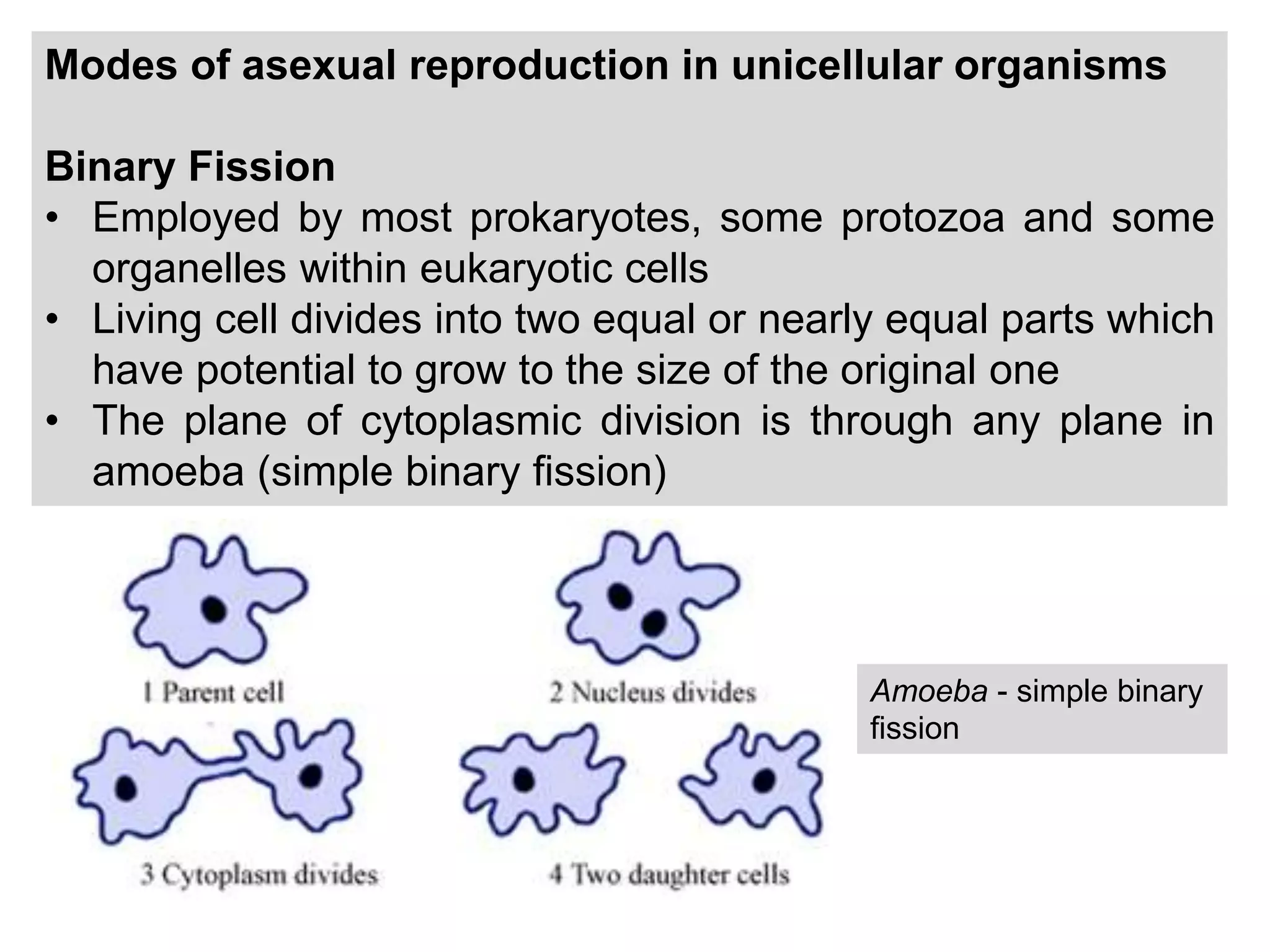
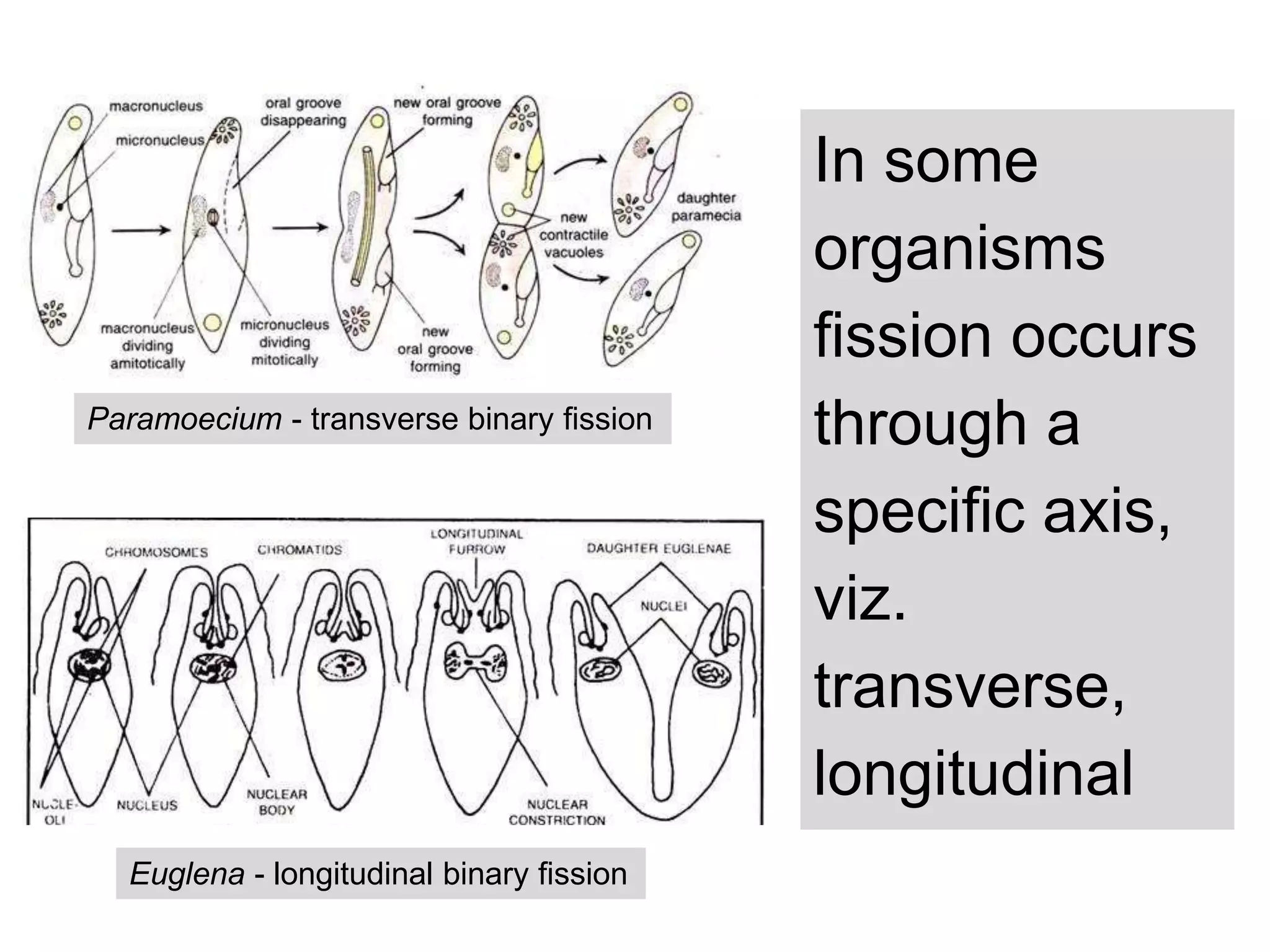
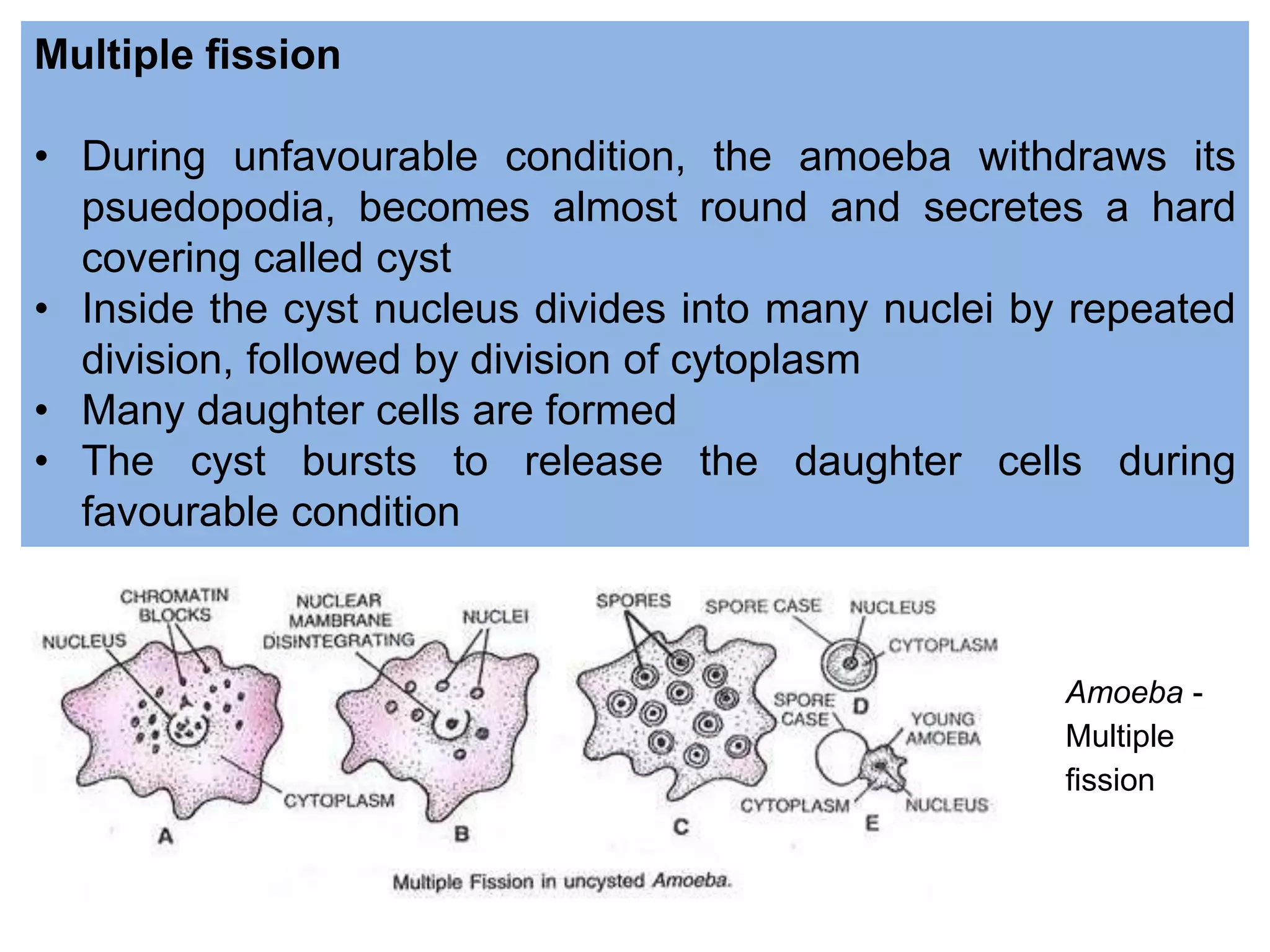
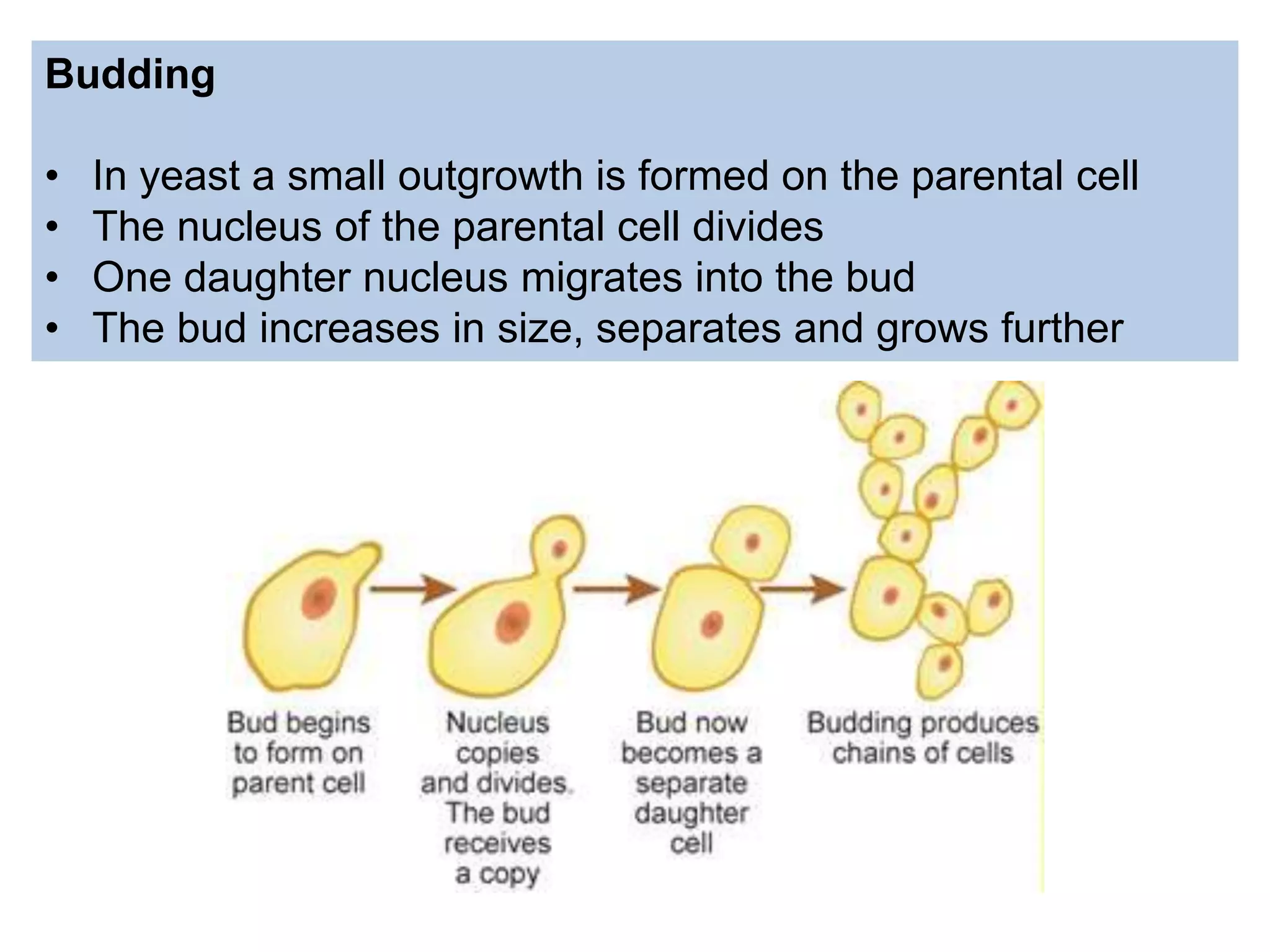
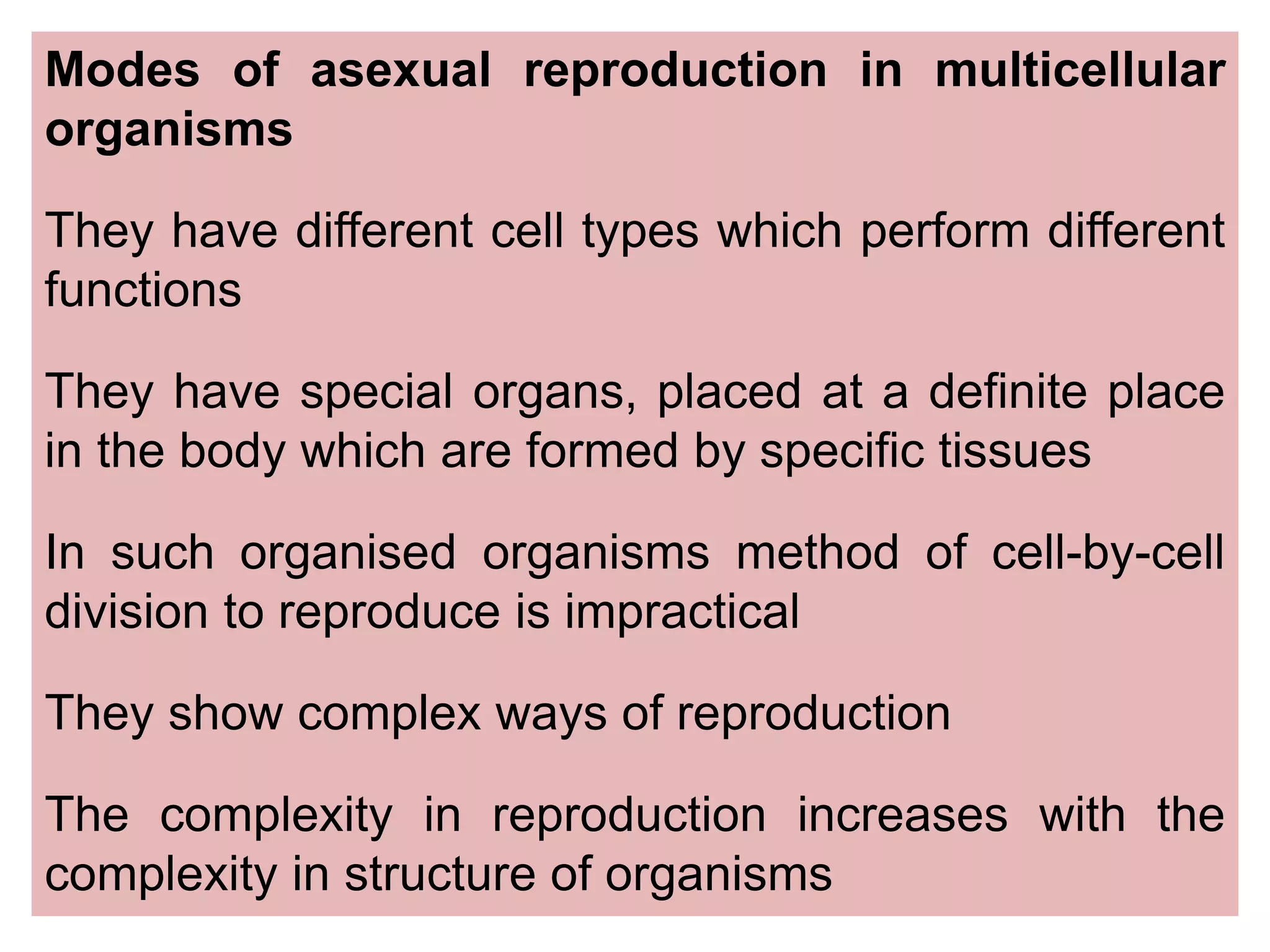
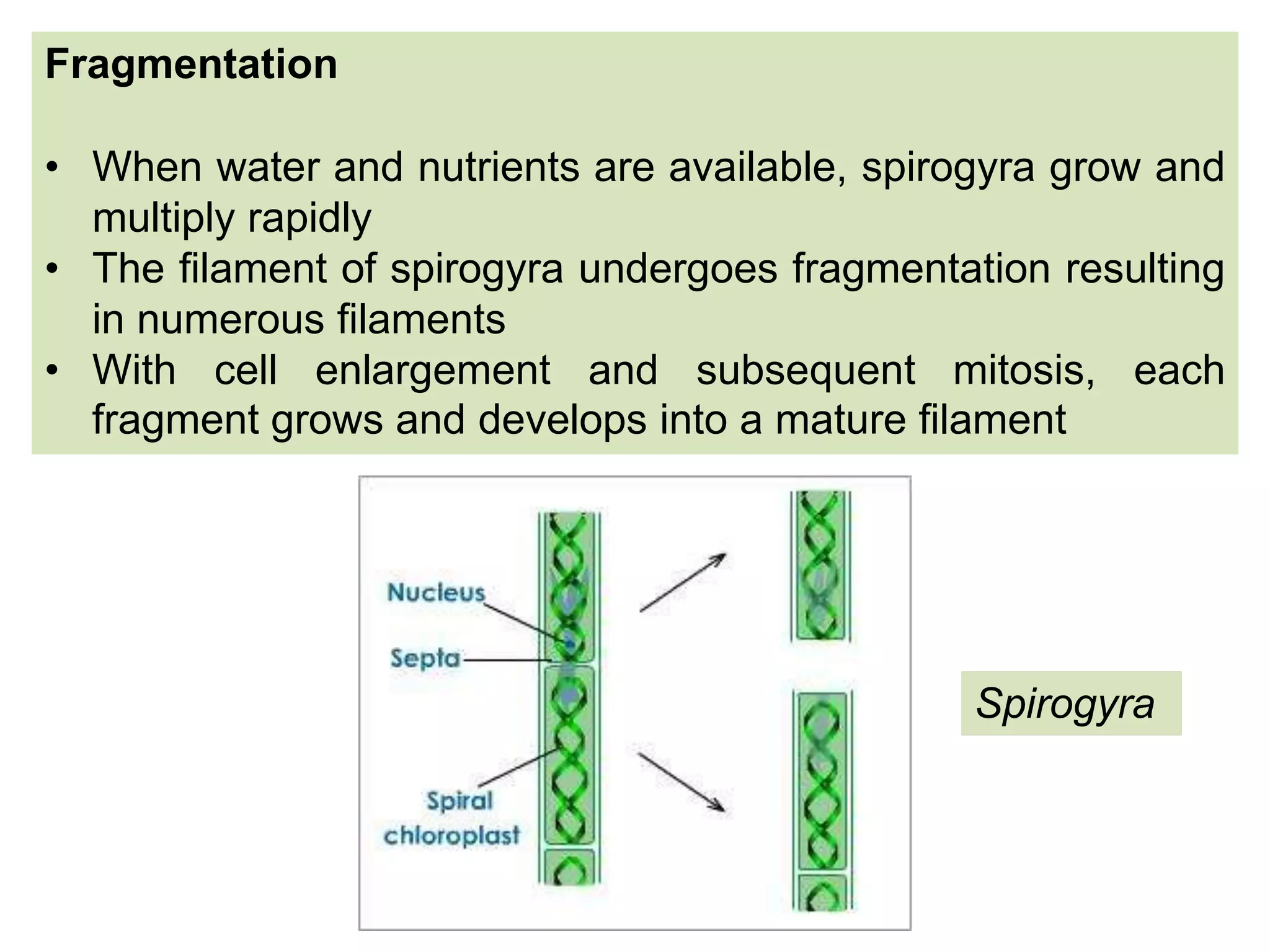
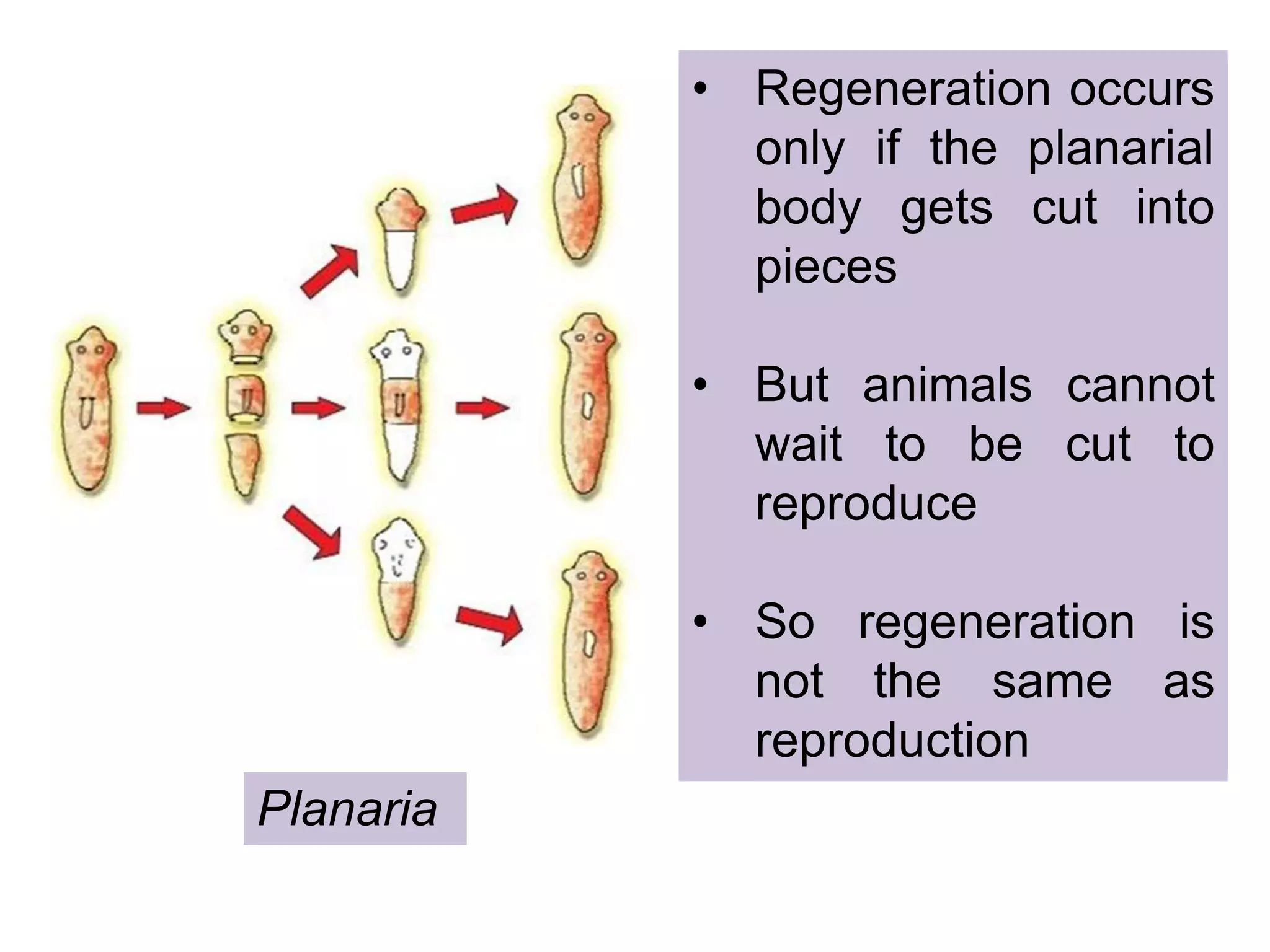
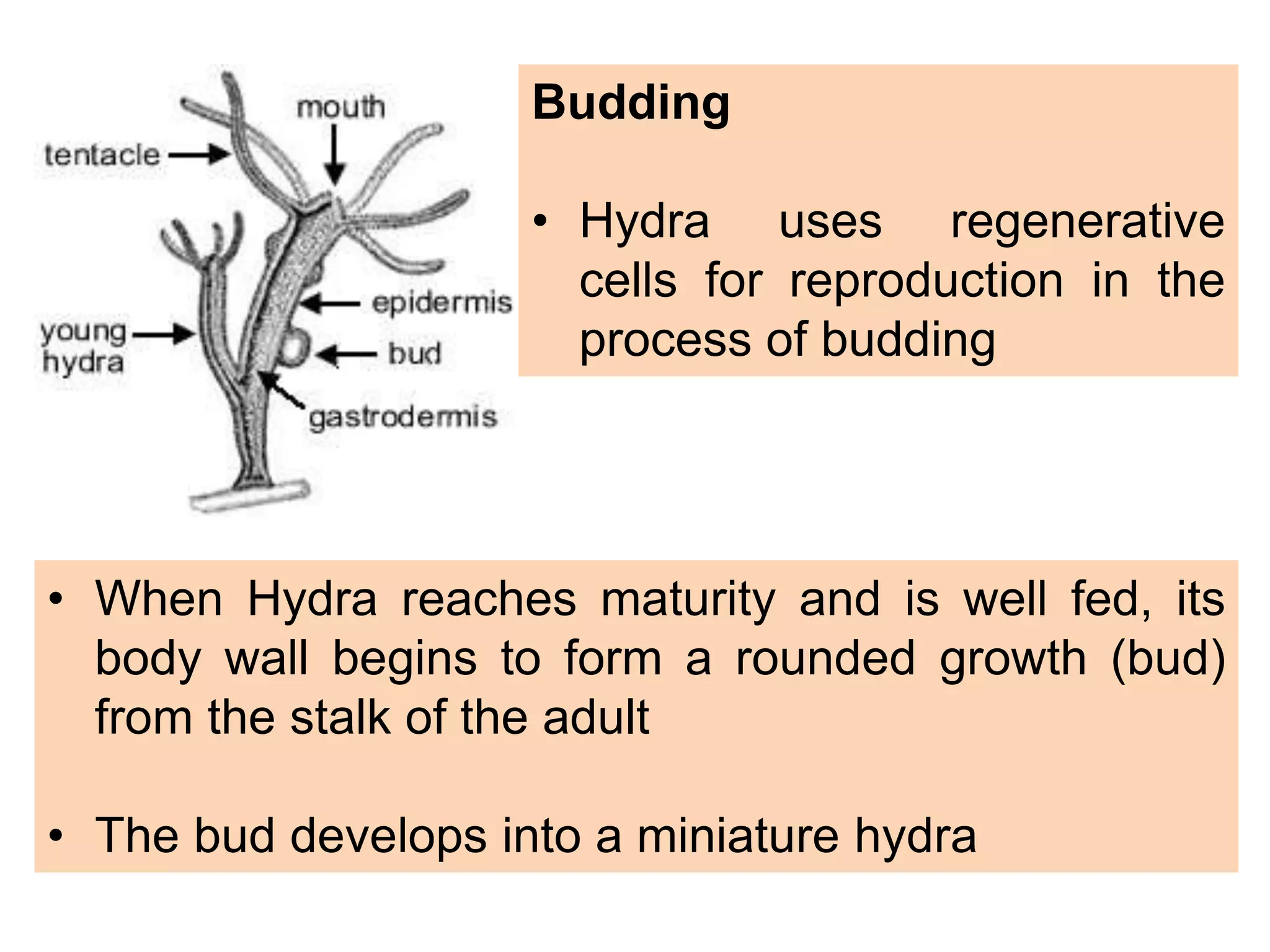
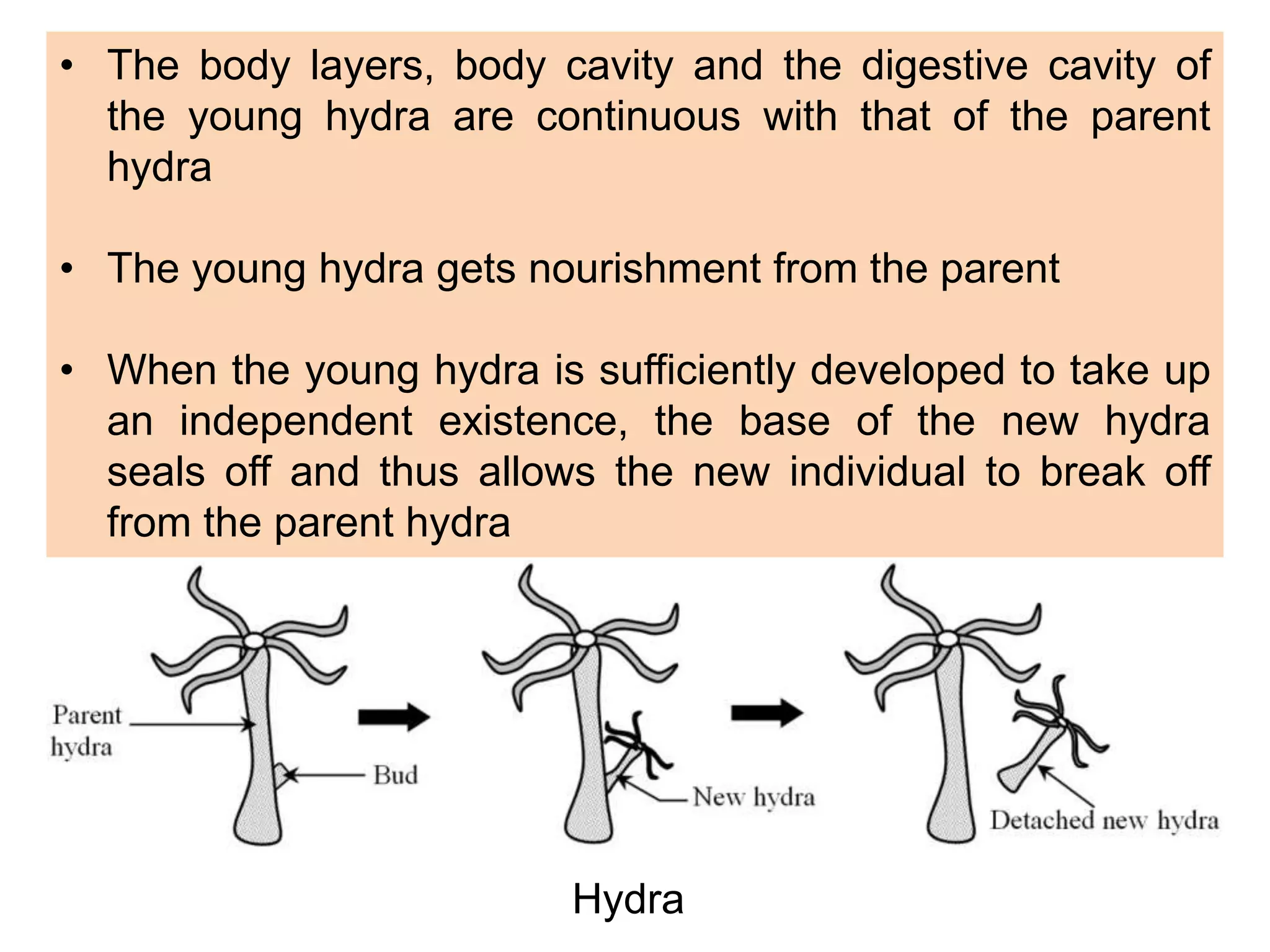
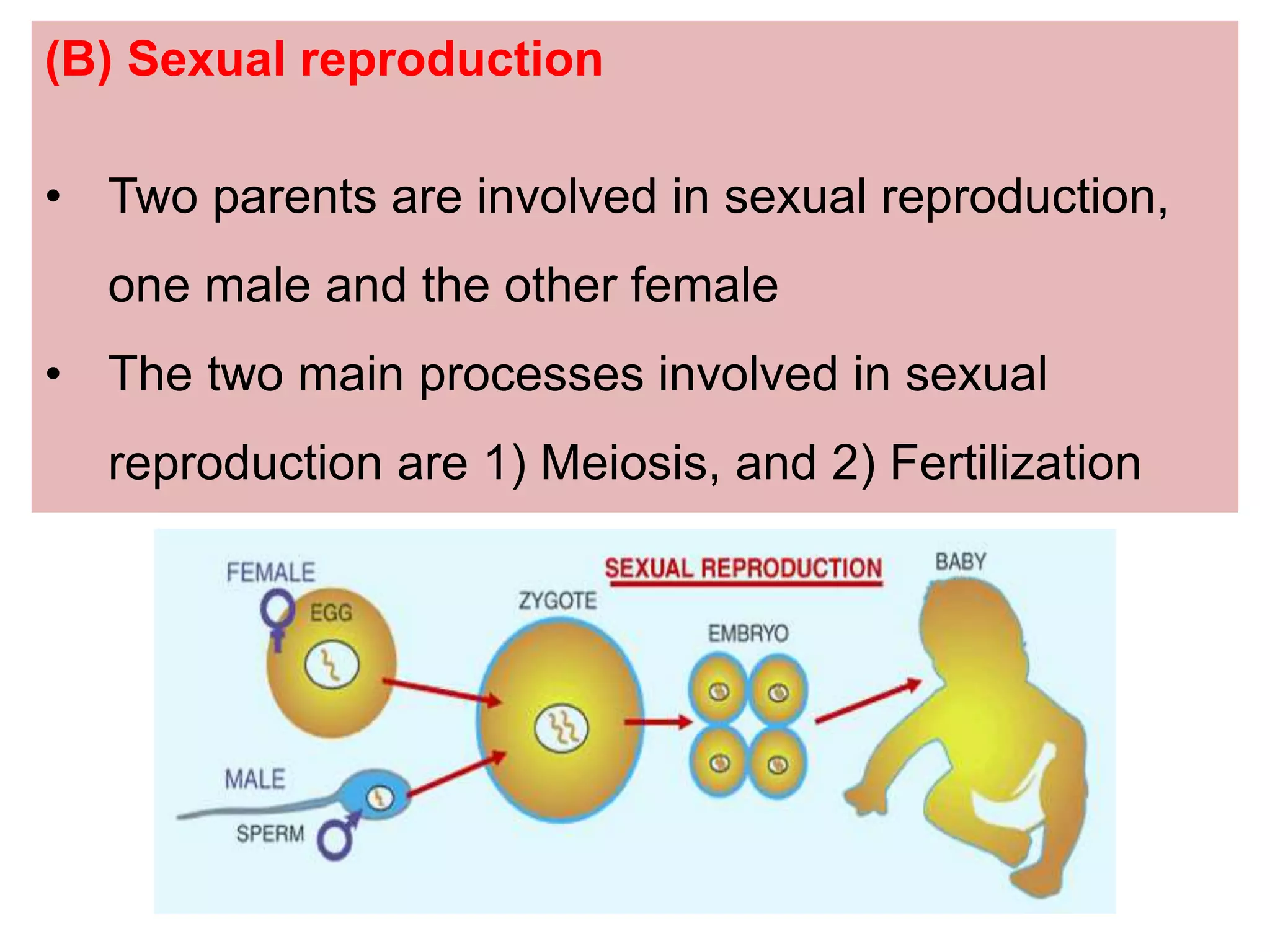
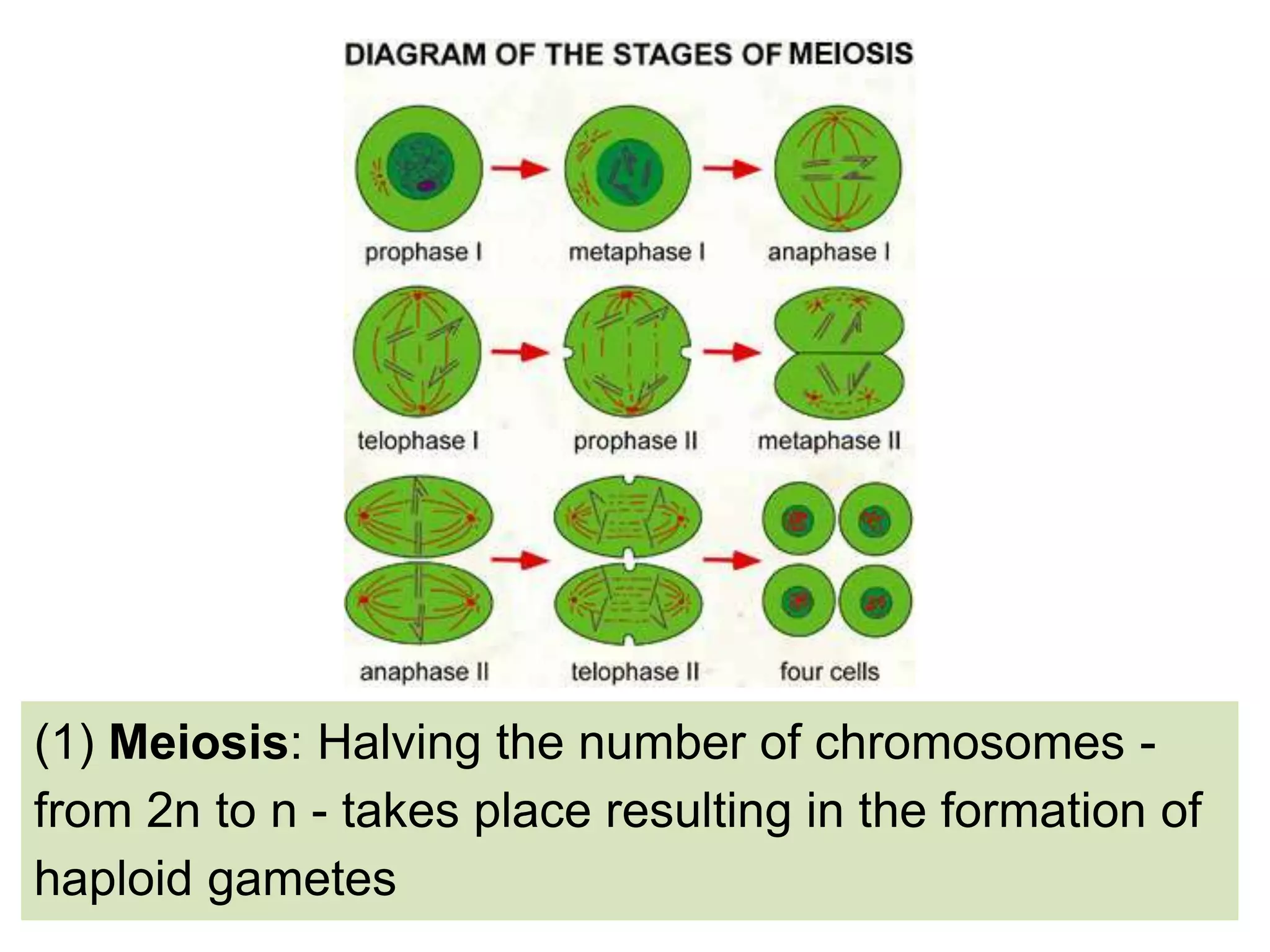
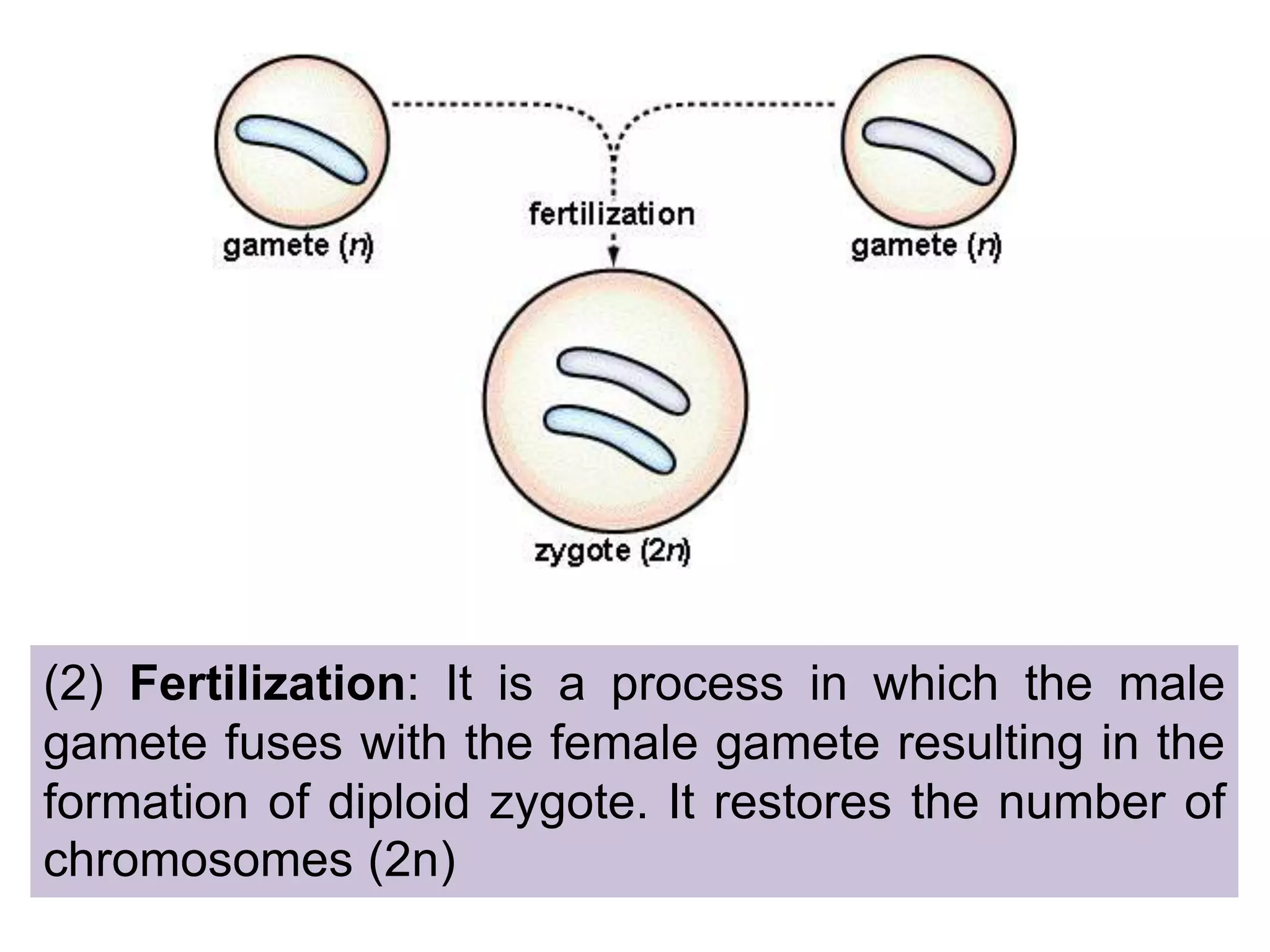
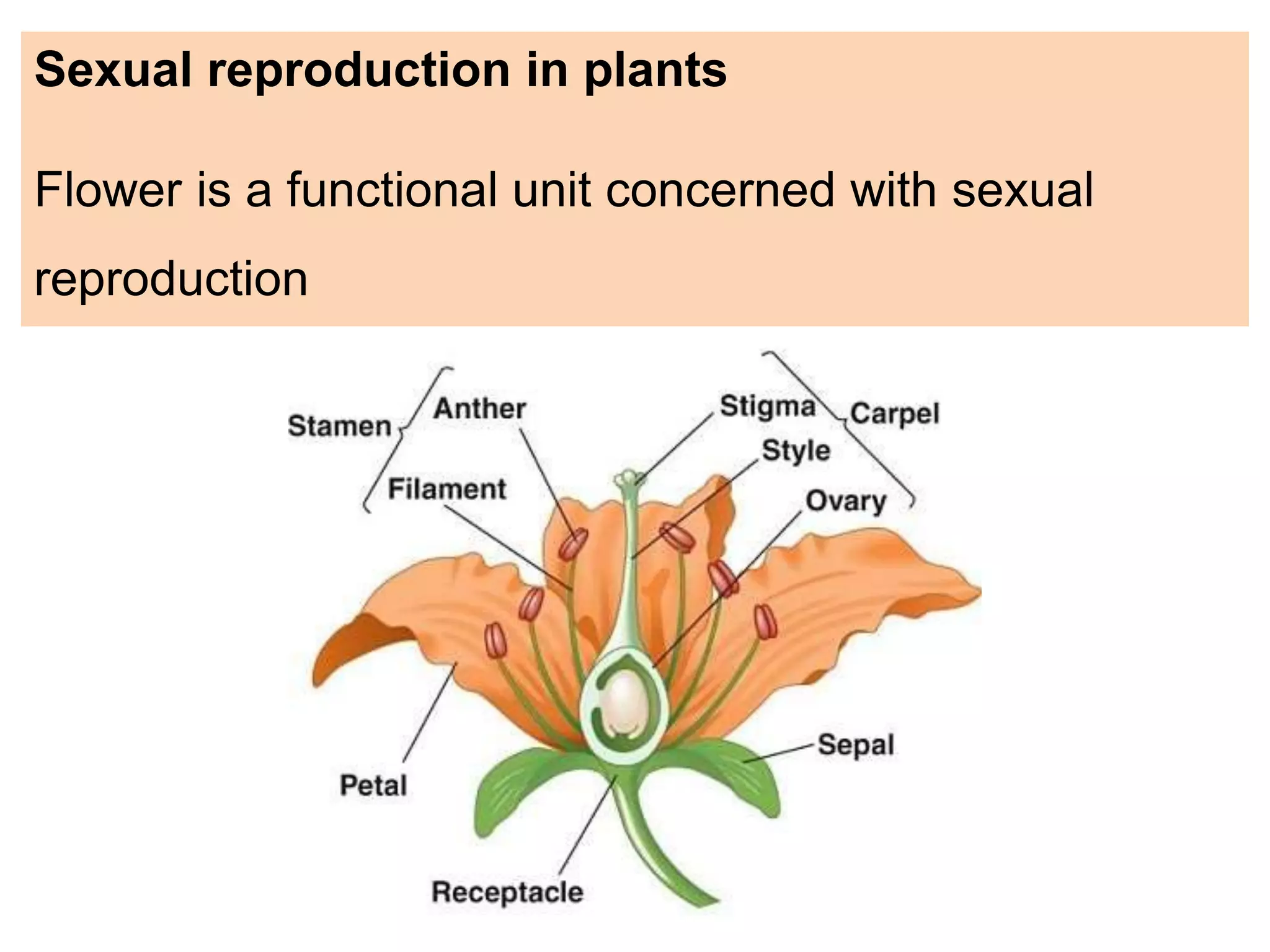
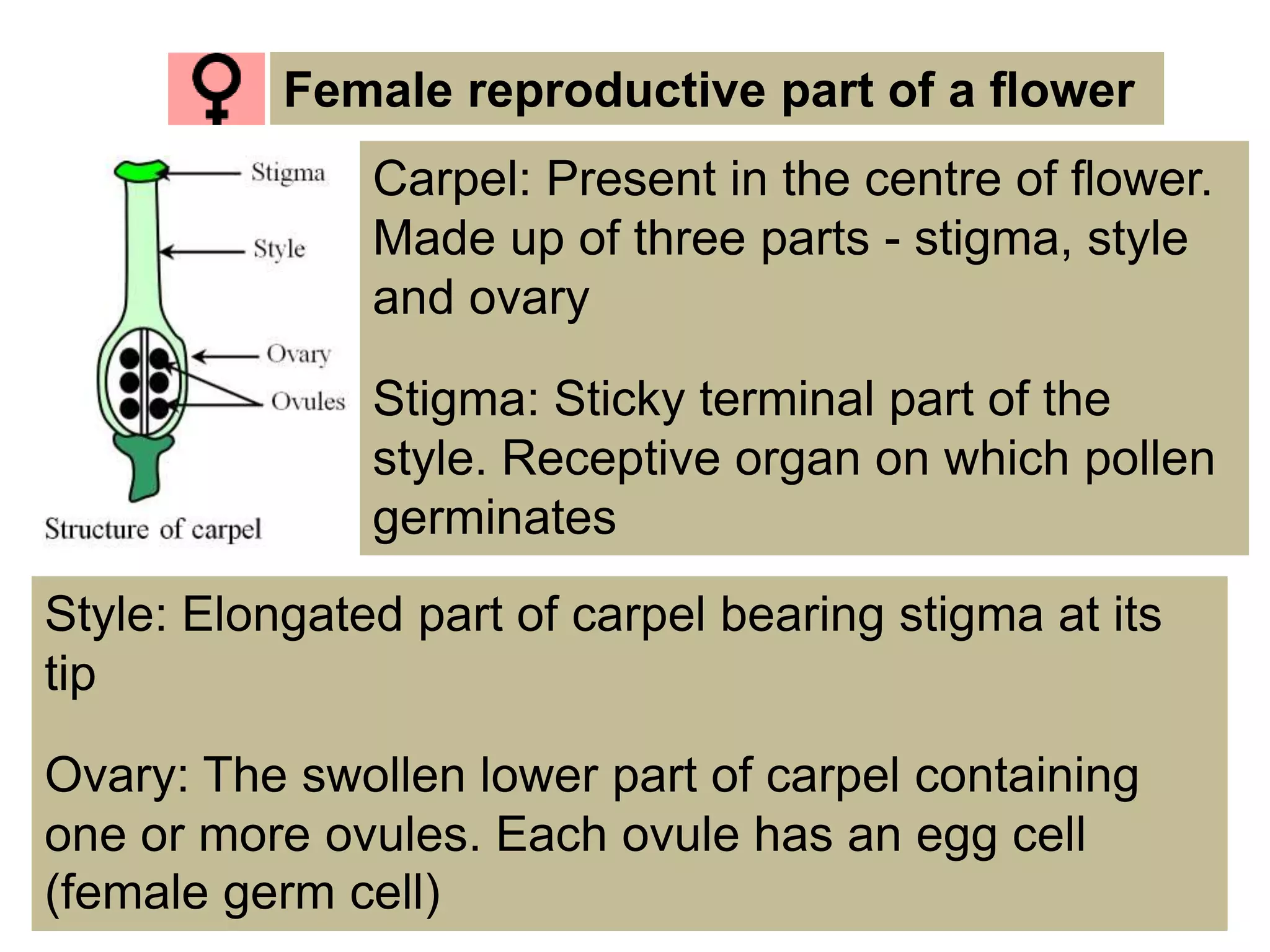
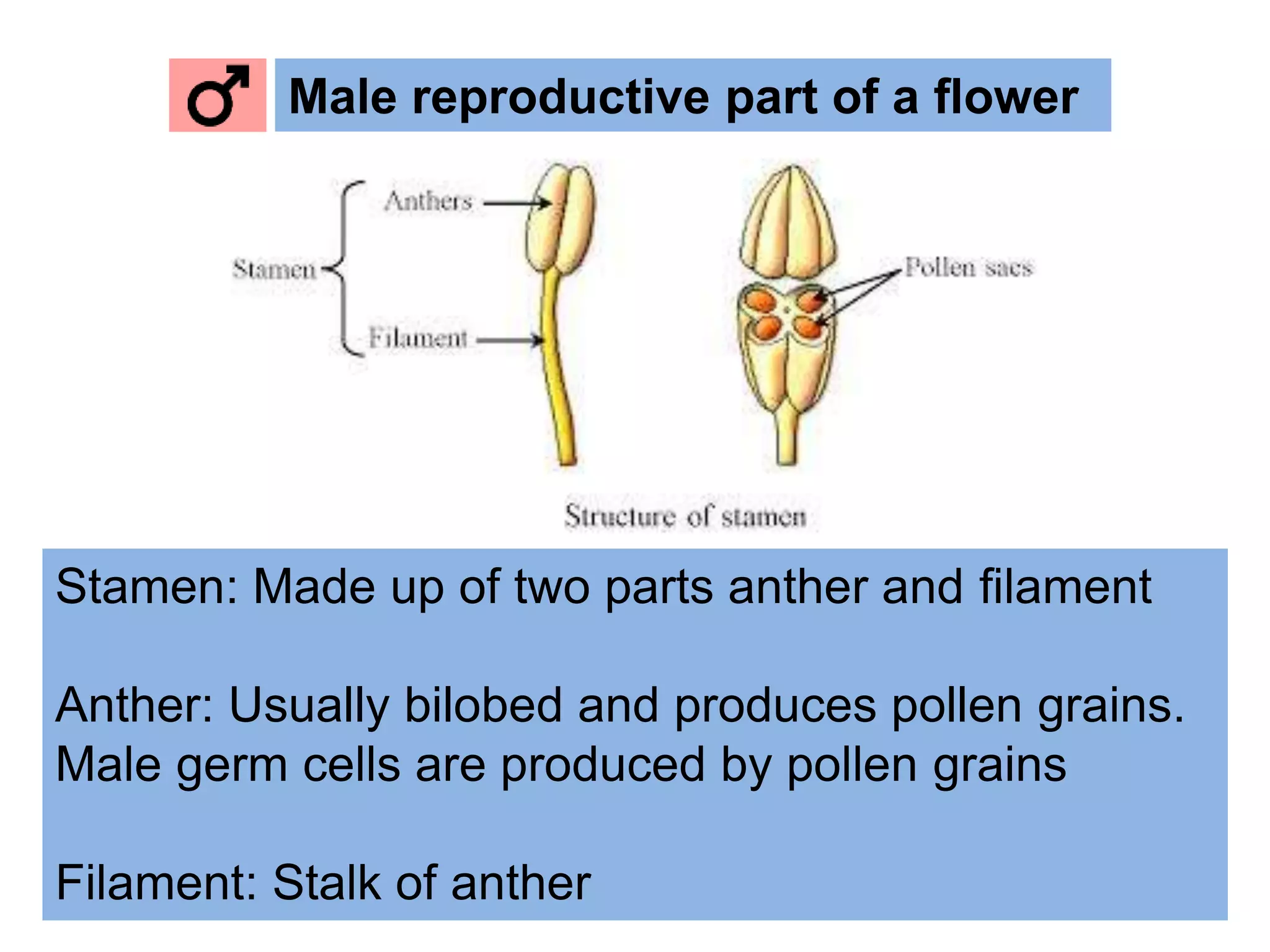
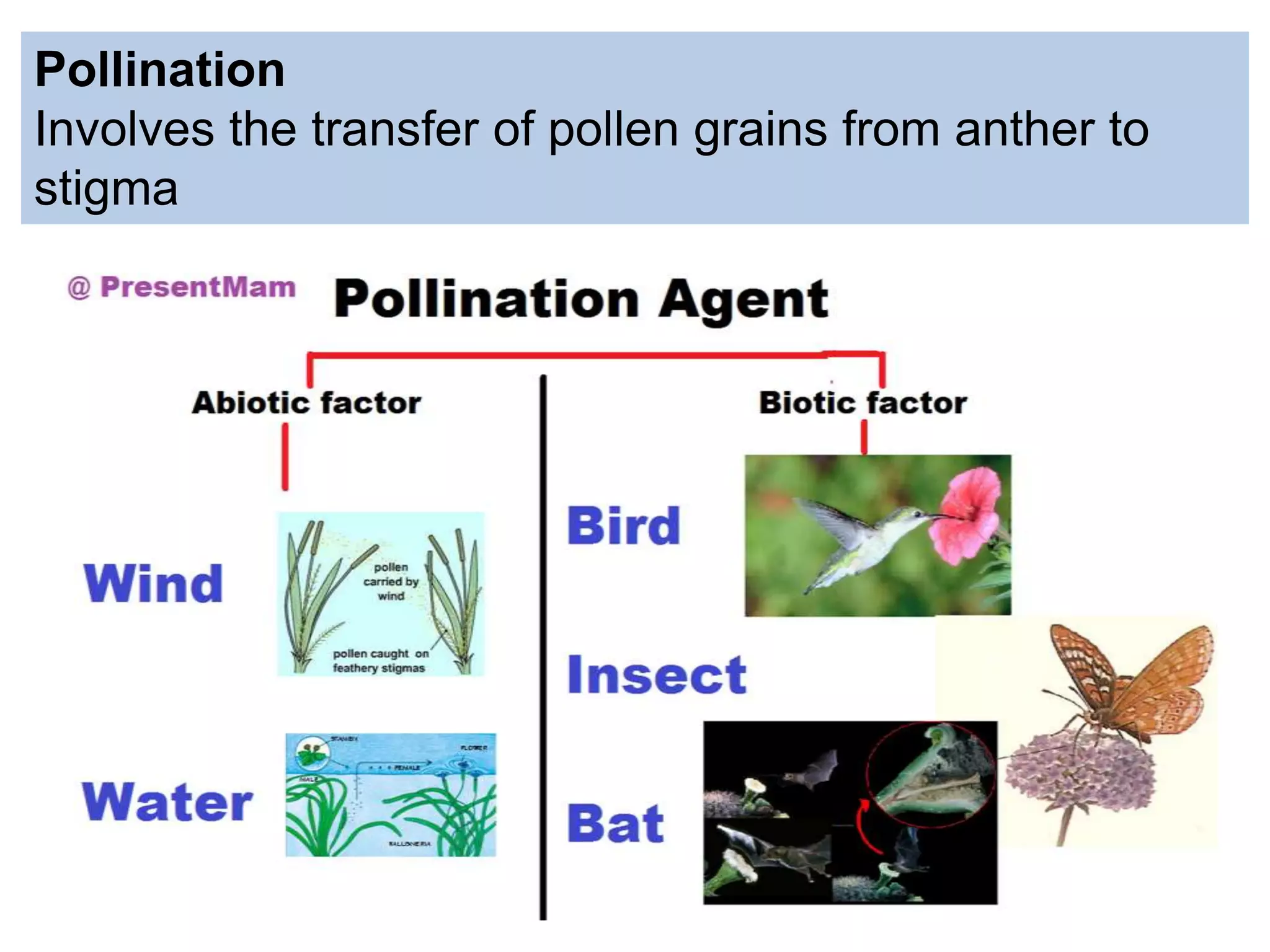
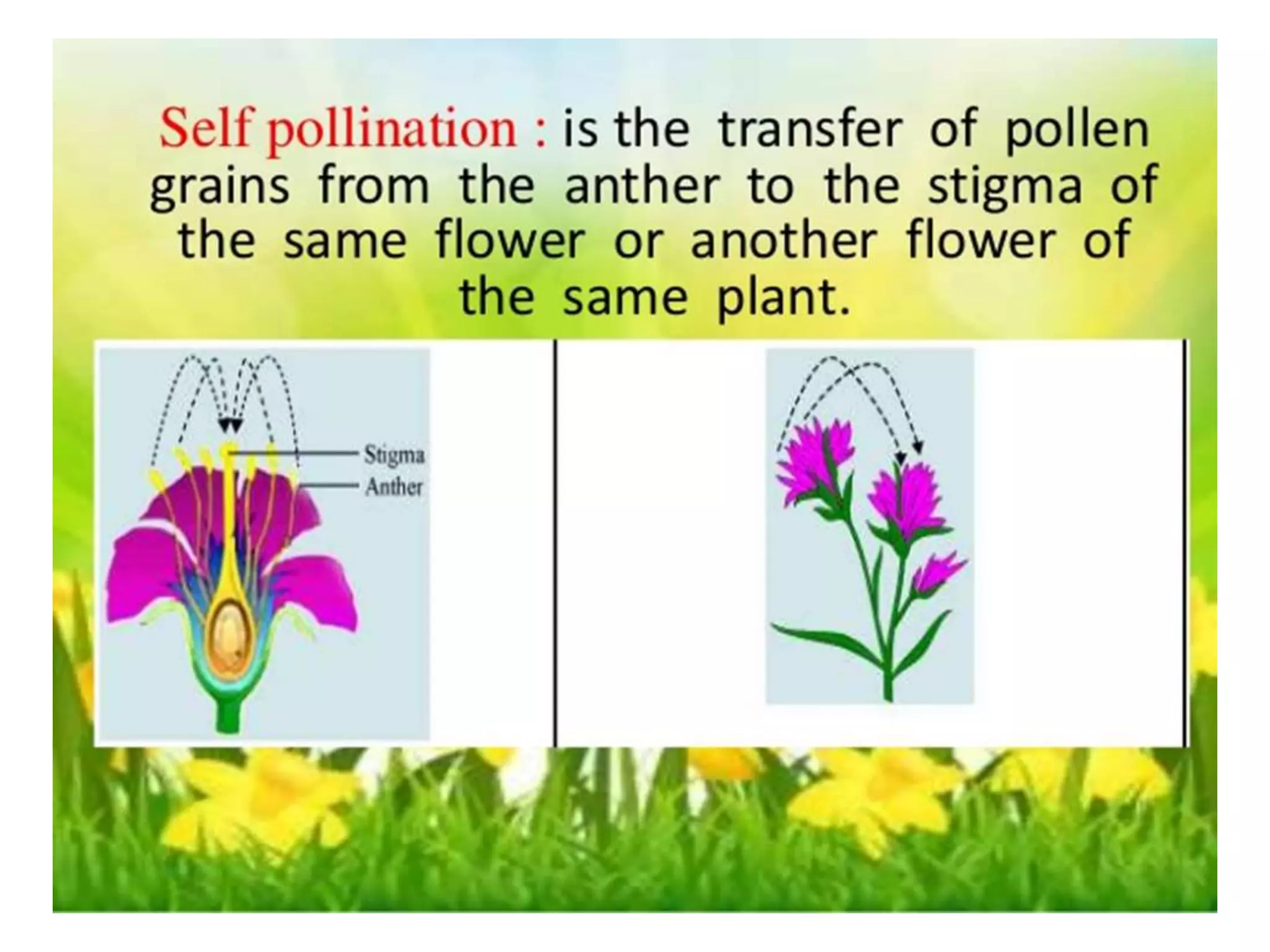
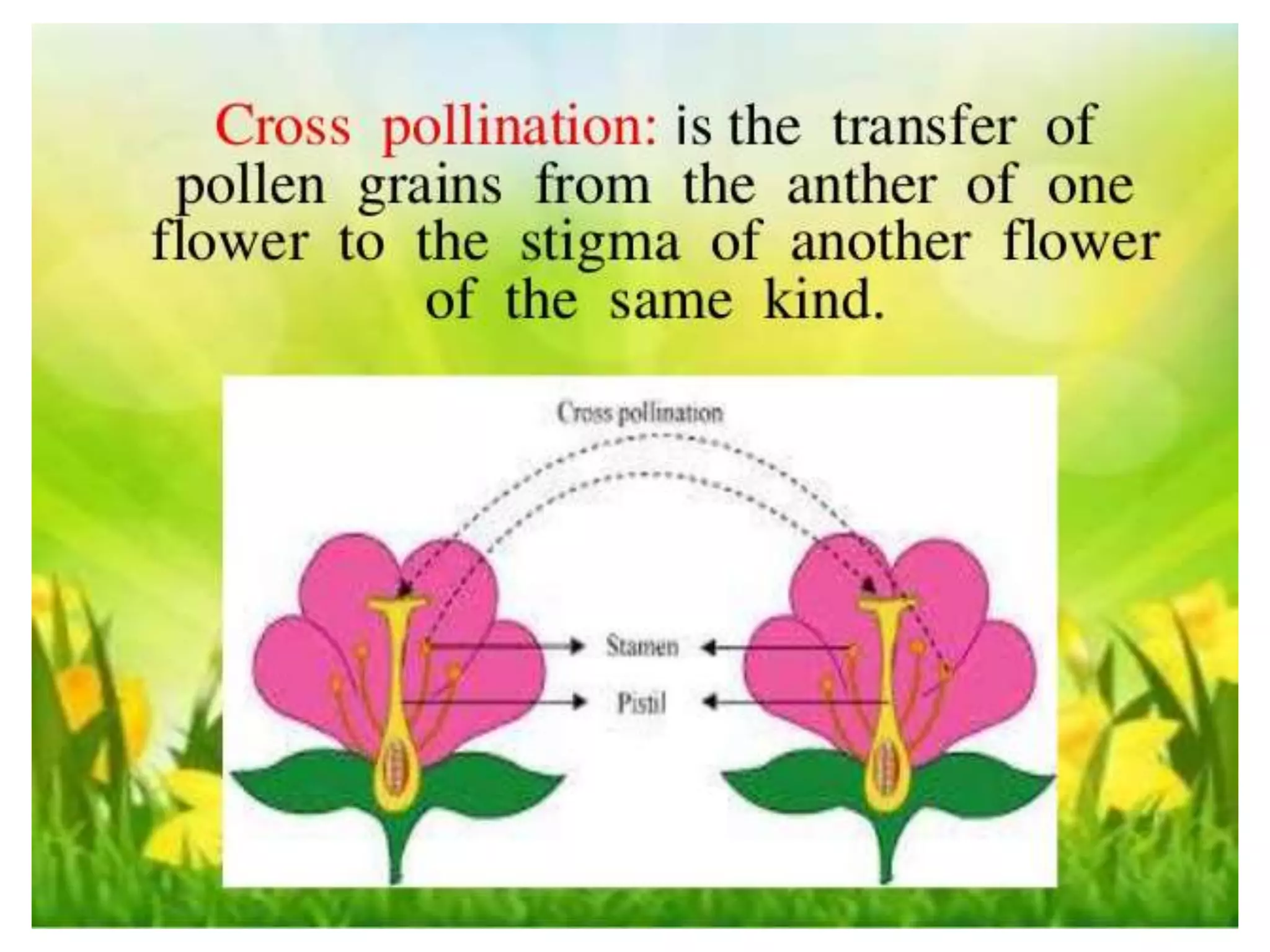
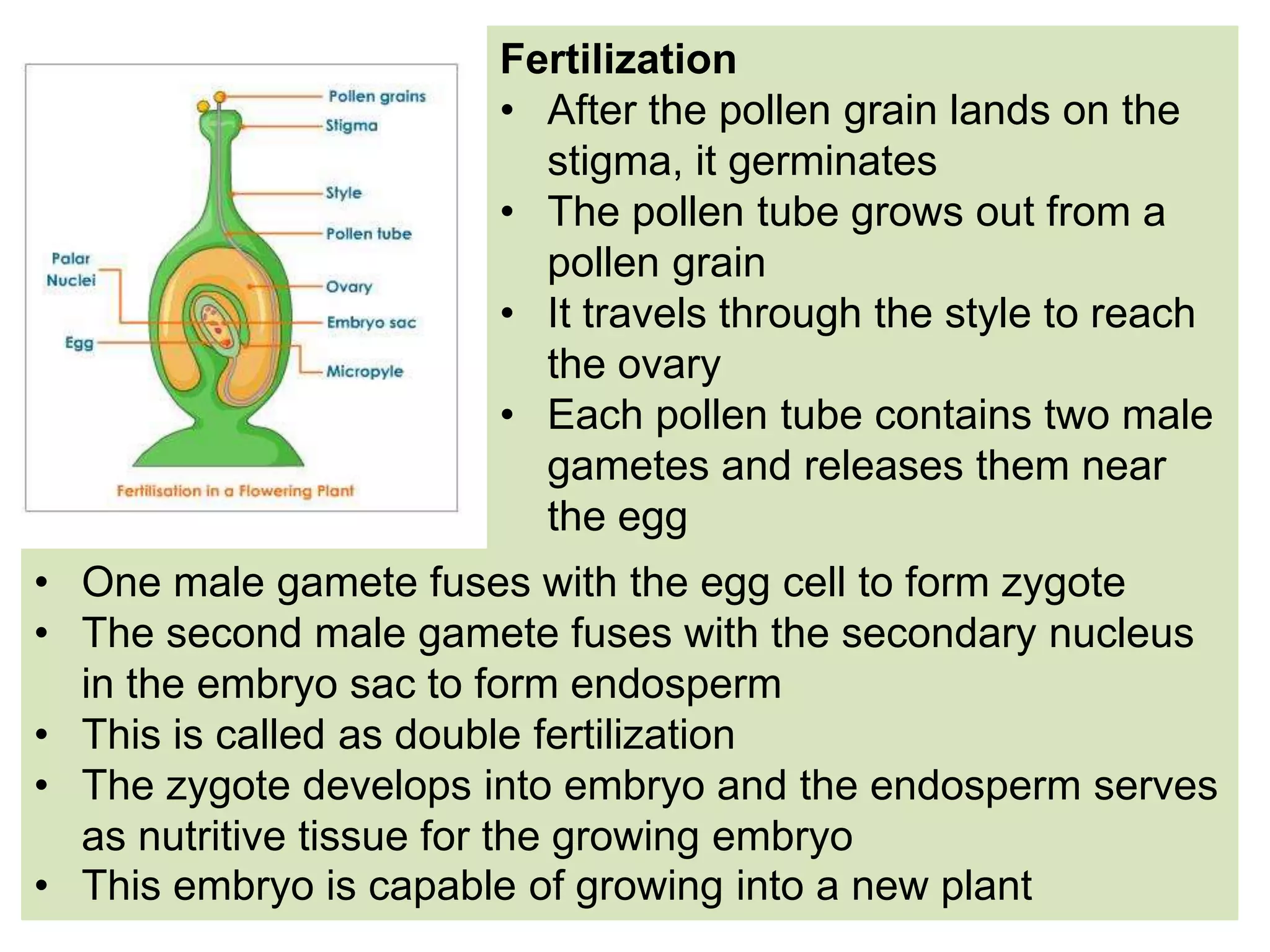
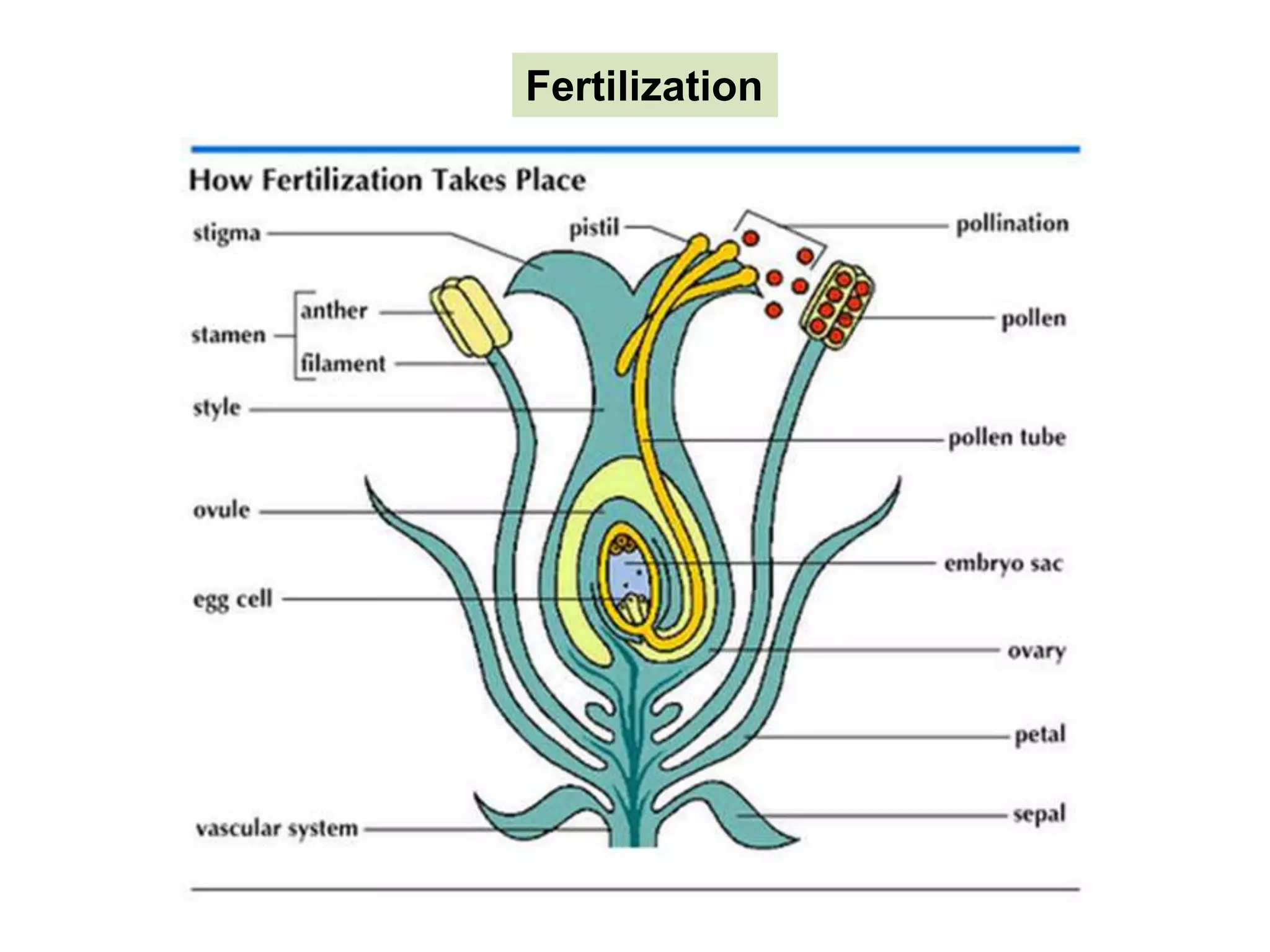


Sexual reproduction involves the fusion of two gametes - one male and one female. In plants, this occurs through pollination where pollen is transferred from the anther to the stigma, and fertilization where the pollen tube delivers sperm to fuse with the egg. This restores the chromosome number and produces offspring that are genetically different from the parents, allowing for beneficial variations that help species adapt and survive changing environments. Asexual reproduction only involves one parent and mitosis, resulting in genetically identical offspring but lacks variations. Both modes are important - sexual reproduction for variations and asexual for rapid reproduction.


