Soft palate and
pharynx
Presented by : Dr.yasmin shihadeh
Prosthodontic resident at
Royal medical services
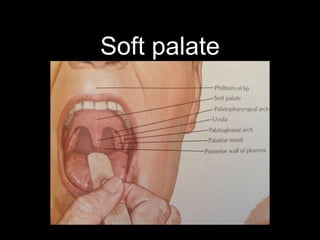
Soft palate
Muscles
The five muscles of the soft palate ,play important role in
swallowing and breathing,the muscles are :
Tensor veli palatini ,palatoglossus and levator veli palatini
involved in swallowing
Palatopharngeus involved in breathing
Musculus uvulae ,which moves the uvula
Tensor veli palatini
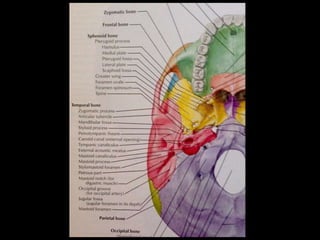
• Originate from scaphoid fossa of sphenoid bone and from
the lateral side of the cartilaginous part of auditory tube.
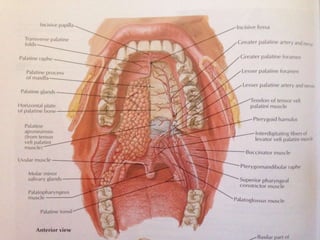
• From its origin ,the fibres converge toward the pterygoid
hamulus,when the muscle becomes tendinous (the tendon
bending at right angles around the hamulus to become the
palatine aponeurosis.
• The anterior border of the aponeurosis is attached to the
posterior border of the hard palate,medically it merges with
aponeurosis of the other side ,posteriorly it merges with
sub mucosa at the posterior edge of soft palate .
• When the tensor veli palatini muscle contracts,the
aponeurosis becomes a taut ,a horizontal plate of
tissue with other muscles act to change the
position of the soft palate.
• The motor innervation is derived from mandibular
branch of the trigiminal nerve(via the nerve to the
medial pterygoid muscle and the optic ganglion).
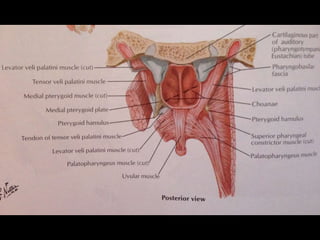
Levator veli palatini
• Originates from the base of the skull at the apex of the petrous part
of temporal bone ,anterior to the opening of the carotid canal,and
from the medial side of the cartilaginous part of auditory tube .
• The muscle curve downward,medically and forwards to enter the
palate immediately below the opening of the auditory tube.
• The levator muscles of the palate form a U- shaped muscular sling
• Contraction of the levator muscle produces an upwards and
backwards movement of soft palate,in this way the nasopharynx is
shut off from the oropharynx by the apposition of the soft palate on
the posterior wall of the pharynx
Palatopharyngeus
• Arises from two heads : one from the posterior
border of the hard palate,the other from the upper
surface of palatine aponeurosis.
• The muscle is inserted in to the the posterior
border of the thyroid cartilage of the larynx.
• The main action of the palatopharyngeus muscle
is to elevate the larynx and pharynx
Palatoglossus
• Arises from the aponeurosis of the soft palate and
descends to the tongue in tha palatoglossal fold .
• The action of the palatoglossus is to raise the
tongue in order to narrow the transverse diameter
of the oropharngeal isthmus .
Musculus uvulae
• Arises from the posterior nasal spine at the back
of the hard palate and from the palatine
aponeurosis.
• It passes backwards and downwards to insert in
to the mucosa of the uvula.
• It moves the uvula upwards and laterally and
helps to complete the seal between the soft
palate and pharynx when the palate is elevated.
Nerve and blood supply
• With the exception of the tensor veli palatini
muscle,the nerve supply to the muscles of the
palate is derived from accessory nerve via the
pharyngeal plexus.
• The arterial supply to the muscles of the soft
palate is derived from the facial artery (ascending
palatine branch),the ascending pharyngeal artery
and the maxillary artery.

soft palate

  • 1.
    Soft palate and pharynx Presentedby : Dr.yasmin shihadeh Prosthodontic resident at Royal medical services
  • 2.
  • 3.
    Muscles The five musclesof the soft palate ,play important role in swallowing and breathing,the muscles are : Tensor veli palatini ,palatoglossus and levator veli palatini involved in swallowing Palatopharngeus involved in breathing Musculus uvulae ,which moves the uvula
  • 4.
    Tensor veli palatini •Originate from scaphoid fossa of sphenoid bone and from the lateral side of the cartilaginous part of auditory tube. • From its origin ,the fibres converge toward the pterygoid hamulus,when the muscle becomes tendinous (the tendon bending at right angles around the hamulus to become the palatine aponeurosis. • The anterior border of the aponeurosis is attached to the posterior border of the hard palate,medically it merges with aponeurosis of the other side ,posteriorly it merges with sub mucosa at the posterior edge of soft palate .
  • 5.
    • When thetensor veli palatini muscle contracts,the aponeurosis becomes a taut ,a horizontal plate of tissue with other muscles act to change the position of the soft palate. • The motor innervation is derived from mandibular branch of the trigiminal nerve(via the nerve to the medial pterygoid muscle and the optic ganglion).
  • 8.
    Levator veli palatini •Originates from the base of the skull at the apex of the petrous part of temporal bone ,anterior to the opening of the carotid canal,and from the medial side of the cartilaginous part of auditory tube . • The muscle curve downward,medically and forwards to enter the palate immediately below the opening of the auditory tube. • The levator muscles of the palate form a U- shaped muscular sling • Contraction of the levator muscle produces an upwards and backwards movement of soft palate,in this way the nasopharynx is shut off from the oropharynx by the apposition of the soft palate on the posterior wall of the pharynx
  • 10.
    Palatopharyngeus • Arises fromtwo heads : one from the posterior border of the hard palate,the other from the upper surface of palatine aponeurosis. • The muscle is inserted in to the the posterior border of the thyroid cartilage of the larynx. • The main action of the palatopharyngeus muscle is to elevate the larynx and pharynx
  • 11.
    Palatoglossus • Arises fromthe aponeurosis of the soft palate and descends to the tongue in tha palatoglossal fold . • The action of the palatoglossus is to raise the tongue in order to narrow the transverse diameter of the oropharngeal isthmus .
  • 12.
    Musculus uvulae • Arisesfrom the posterior nasal spine at the back of the hard palate and from the palatine aponeurosis. • It passes backwards and downwards to insert in to the mucosa of the uvula. • It moves the uvula upwards and laterally and helps to complete the seal between the soft palate and pharynx when the palate is elevated.
  • 13.
    Nerve and bloodsupply • With the exception of the tensor veli palatini muscle,the nerve supply to the muscles of the palate is derived from accessory nerve via the pharyngeal plexus. • The arterial supply to the muscles of the soft palate is derived from the facial artery (ascending palatine branch),the ascending pharyngeal artery and the maxillary artery.