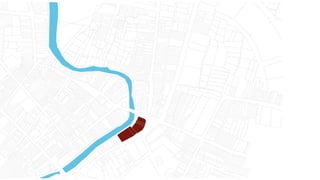
HISTORY
of
MELAKA
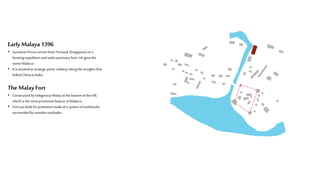
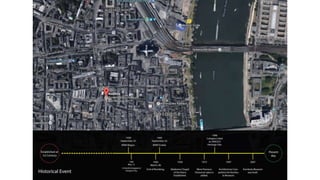
EarlyMalaya 1396
• SumatranPrincearrives fromTemasek(Singapore)on a
huntingexpeditionandseekssanctuaryhere.He gave the
nameMalacca
• It is situatedatstrategicpoint,midwayalongthe straightsthat
linked ChinatoIndia
The Malay Fort
• Constructedbyindigenous Malayatthebottomofthe hill,
which is themost prominentfeatureofMalacca
• Fortwasbuilt forprotectionmadeofa systemofearthworks
surroundedbywoodenstockades
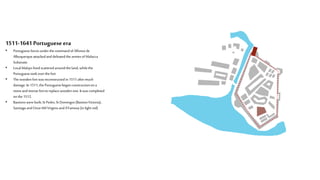
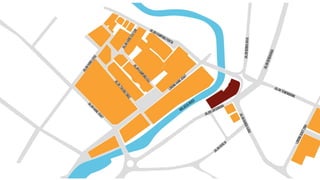
1511-1641 Portuguese era
• PortugueseforcesunderthecommandofAlfonsode
Albuquerqueattackedanddefeatedthe armiesofMalacca
Sultanate.
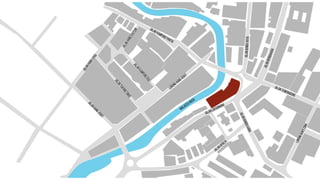
• LocalMalayslived scatteredaroundthe land,while the
Portuguesetookover thefort
• The woodenfortwasreconstructedin 1511aftermuch
damage.In 1511,the Portuguesebegan constructionon a
stoneandmortarfortto replacewoodenone.It wascompleted
onthe 1512.
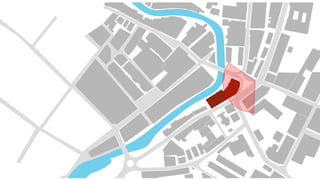
• Bastionswerebuilt; StPedro,StDomingos(BastionVictoria),
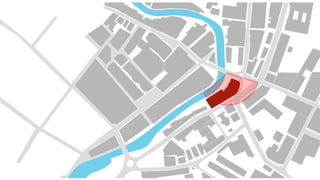
SantiagoandOnzeMil Virgens andA’Famosa(in light red)
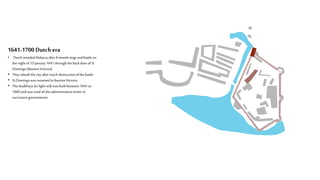
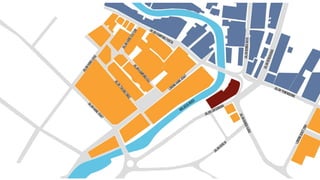
1641-1700 Dutchera
• DutchinvadedMalacca after8 monthsiege andbattleon
the nightof13 January1641throughthebackdoorofSt
Domingo(BastionVictoria)
• Theyrebuilt thecityaftermuch destructionofthe battle
• StDomingowasrenamedtobastionVictoria
• TheStadthuys(in light red) wasbuilt between1641to
1660andwasusedad theadministrativecenteror
successive governments
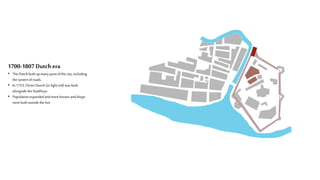
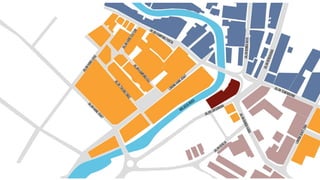
1700-1807 Dutchera
• The Dutchbuilt upmanypartsofthe city,including
the systemofroads.
• In 1753,ChristChurch(in light red) wasbuilt
alongsidetheStadthuys
• Populationexpandedandmorehouses andshops
werebuilt outsidethefort
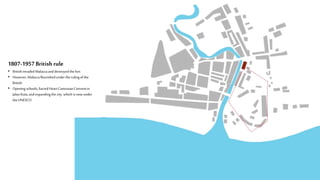
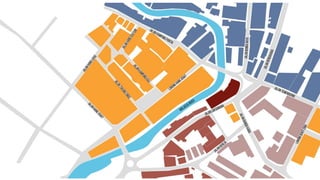
1807-1957 Britishrule
• Britishinvaded Malaccaanddestroyedthefort
• However, Malaccaflourishedunderthe ruling ofthe
British
• Opening schools;SacredHeart CanossianConventin
JalanKota,andexpandingthe city which is nowunder
the UNESCO
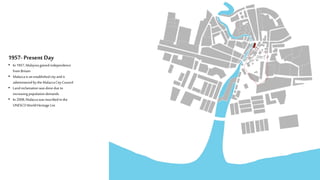
1957- Present Day
• In 1957,Malaysiagainedindependence
fromBritain
• Malaccais anestablishedcityandis
administeredbythe MalaccaCityCouncil
• Landreclamationwasdonedue to
increasing populationdemands.
• In 2008,Malaccawasinscribed in the
UNESCOWorldHeritage List
ARCHITECTURAL
STYLE
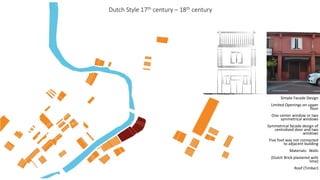
Dutch Style 17th century – 18th century
Simple Facade Design
Limited Openings on upper
floor
One center window or two
symmetrical windows
Symmetrical facade design of
centralized door and two
windows
Five foot way not connected
to adjacent building
Materials: Walls
(Dutch Brick plastered with
lime)
Roof (Timber)
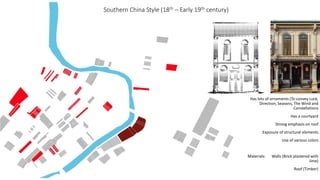
Southern China Style (18th – Early 19th century)
Has lots of ornaments (To convey Luck,
Direction, Seasons, The Wind and
Constellations
Has a courtyard
Strong emphasis on roof
Exposure of structural elements
Use of various colors
Materials: Walls (Brick plastered with
lime)
Roof (Timber)
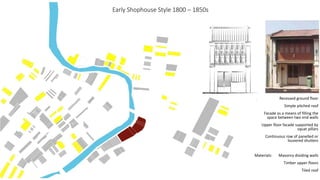
Early Shophouse Style 1800 – 1850s
Recessed ground floor
Simple pitched roof
Facade as a means of filling the
space between two end walls
Upper floor facade supported by
squat pillars
Continuous row of panelled or
louvered shutters
Materials: Masonry dividing walls
Timber upper floors
Tiled roof
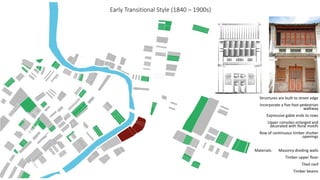
Early Transitional Style (1840 – 1900s)
Structures are built to street edge
Incorporate a five foot pedestrian
walkway
Expressive gable ends to rows
Upper consoles enlarged and
decorated with floral motifs
Row of continuous timber shutter
openings
Materials: Masonry dividing walls
Timber upper floor
Tiled roof
Timber beams
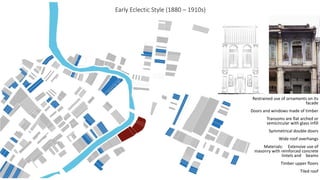
Early Eclectic Style (1880 – 1910s)
Restrained use of ornaments on its
facade
Doors and windows made of timber
Transoms are flat arched or
semicircular with glass infill
Symmetrical double doors
Wide roof overhangs
Materials: Extensive use of
masonry with reinforced concrete
lintels and beams
Timber upper floors
Tiled roof
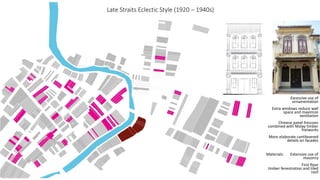
Late Straits Eclectic Style (1920 – 1940s)
Excessive use of
ornamentation
Extra windows reduce wall
space and maximize
ventilation
Chinese panel frescoes
combined with Malay timber
fretworks
More elaborate cantilevered
details on facades
Materials: Extensive use of
masonry
First floor
timber fenestration and tiled
roof
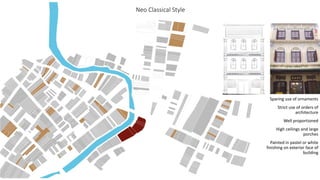
Neo Classical Style
Sparing use of ornaments
Strict use of orders of
architecture
Well proportioned
High ceilings and large
porches
Painted in pastel or white
finishing on exterior face of
building
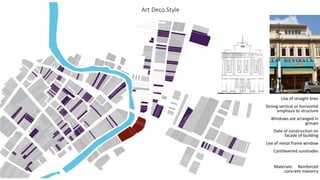
Art Deco Style
Use of straight lines
Strong vertical or horizontal
emphasis to structure
Windows are arranged in
groups
Date of construction on
facade of building
Use of metal frame window
Cantilevered sunshades
Materials: Reinforced
concrete masonry
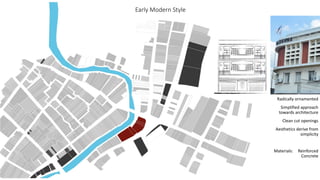
Early Modern Style
Radically ornamented
Simplified approach
towards architecture
Clean cut openings
Aesthetics derive from
simplicity
Materials: Reinforced
Concrete
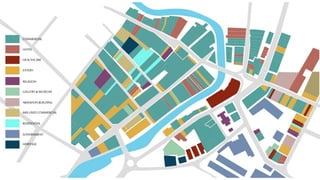
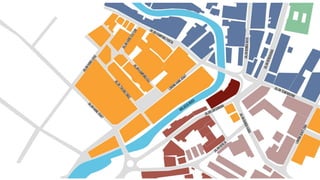
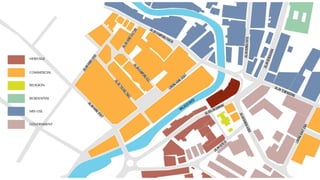
LAND USE
DISTRICT
COMMERCIAL
HOTEL
HEALTHCARE
EATERY
RELIGION
GALLERY&MUSEUM
ABANDON BUILDING
MIX-USEDCOMMERCIAL
RESIDENTIAL
GOVERNMENT
HERITAGE
HERITAGE
COMMERCIAL
RELIGION
RESIDENTIAL
MIX-USE
GOVERNMENT
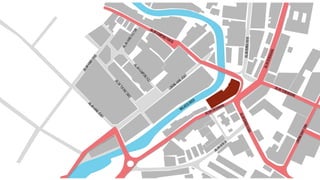
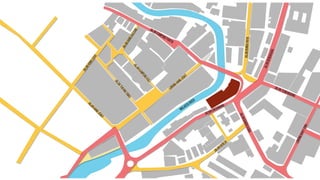
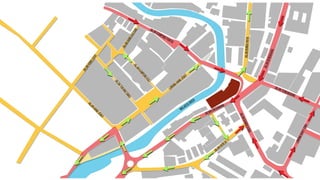
VEHICULAR PATH
PEDESTRIAN PATH
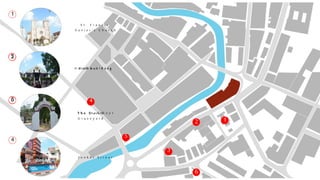
LANDMARK
L o c a l ( M a l a c c a )
1
S t . F r a n c i s
X a v i e r ’ s C h u r c h
R e d b u i l d i n g
T h e S t a d t h u y s
J o n k e r S t r e e t
1
2
2
3
3 4
4
C h i n a T o w n
L i t t l e I n d i a
5
6
5
6
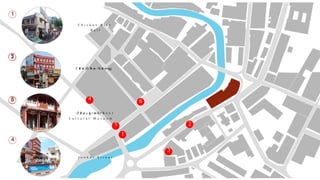
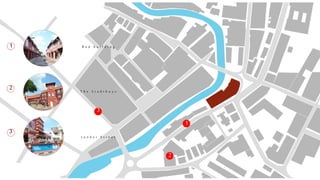
LANDMARK
L o c a l ( M a l a y s i a )
1
C h i c k e n R i c e
B a l l
R e d b u i l d i n g
T h e S t a d t h u y s
J o n k e r S t r e e t
1
2
2
3
3 4
4
S a n S h u G o n g
C h e n g H o ’ s
C u l t u r a l M u s u e m
5
6
5
6
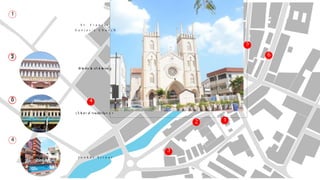
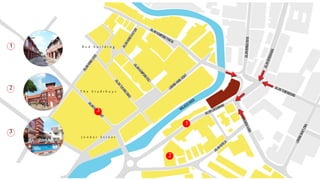
LANDMARK
T o u r i s t
1
S t . F r a n c i s
X a v i e r ’ s C h u r c h
R e d b u i l d i n g
T h e S t a d t h u y s
J o n k e r S t r e e t
1
2
2
3
3 4
4
H a r d R o c k C a f e
T h e D u t c h
G r a v e y a r d
5
6
5
6
1
R e d b u i l d i n g
T h e S t a d t h u y s
J o n k e r S t r e e t
1
2
2
3
3
1
R e d b u i l d i n g
T h e S t a d t h u y s
J o n k e r S t r e e t
1
2
2
3
3
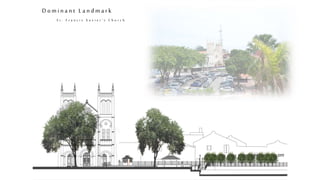
D o m i n a n t L a n d m a r k
S t . F r a n c i s X a v i e r ’ s C h u r c h
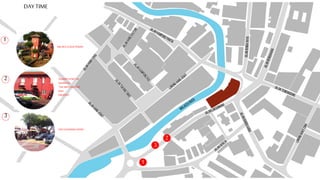
HUMAN ACTIVITIES
DAY TIME
3
2
1
1
2
3
MELAKA CLOCKTOWER
TOURISTSTARTTO
SWARM IN
THEAREA AROUND
9AM
DROPOFF
THE GATHERING POINT
3
4
2
1
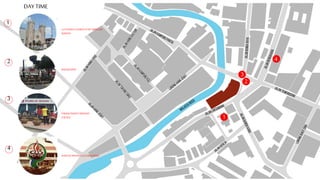
DAY TIME
4
1
2
3
A CATHOLICCHURCHTHATSERVE ON
SUNDAY
PIGEON SPOT
TAKINGPHOTOAROUND
THE SITE
SHOPOF INDIANCULTURALFOOD
3
2
1
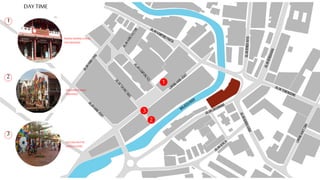
DAY TIME
1
2
3
PEOPLEVISITINGCHENG
HO’SMUSUEM
COLOURFULWALL
PAINTINGS
CYCLINGON THE
UNESCOZONE
4
3
4
2
1
1
2
3
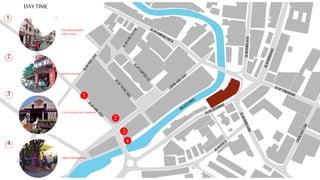
DAY TIME
EXPLORINGJONKER
STREET FOOD
BUYINGCENDOL
CHITCHATINGANDDRINKING
STREET PERFORMANCE
3
2
1
1
2
3
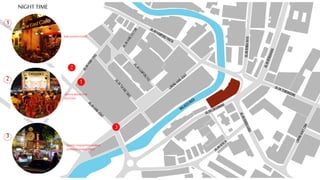
NIGHT TIME
BABANYONYAFOOD
OPEN KARAOKE FOR
OLDFOLK
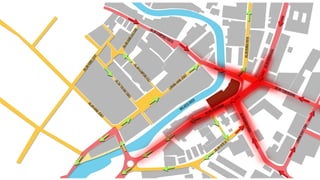
TRAFFICCONGESTIONDURING
ENTERING JONKER STREET
3
2
1
1
2
3
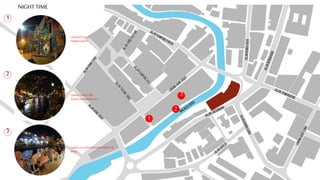
NIGHT TIME
HANGOUTPLACE
DURINGNIGHT`
TAKING ABOAT TRIP
ALONGSUNGAIMELAKA
HAVINGA CANDLEDINNINGASIDE THE
RIVER
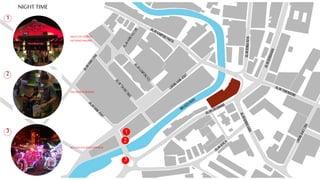
NIGHT TIME
3
2
1
1
2
3
NIGHTLIFEACTIVITY
LIVE BANDSINGING
OKUPEOPLESINGING
BECAONTHEROADFORRENT
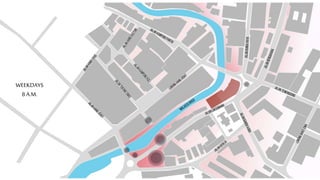
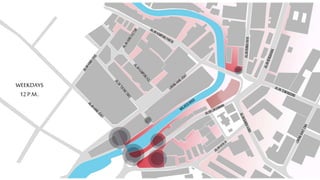
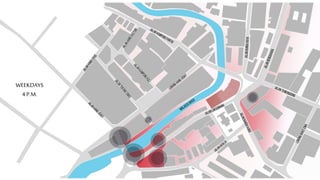
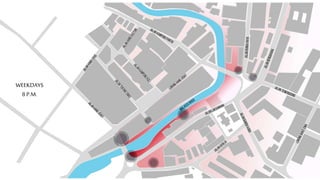
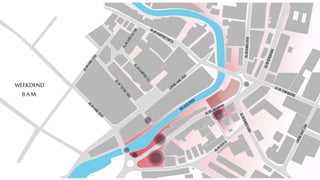
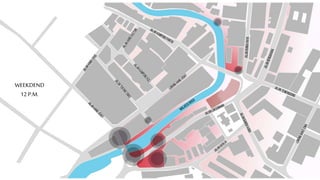
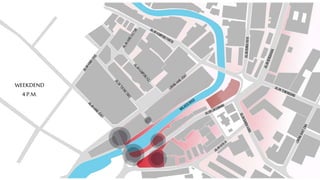
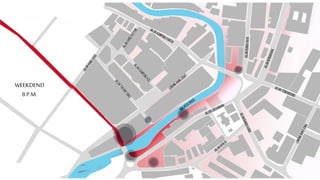
HUMAN DENSITY
NODES
WEEKDAYS
8 A.M.
WEEKDAYS
12 P.M..
WEEKDAYS
4 P.M.
WEEKDAYS
8 P.M.
WEEKDEND
8 A.M.
WEEKDEND
12 P.M.
WEEKDEND
4 P.M.
WEEKDEND
8 P.M.
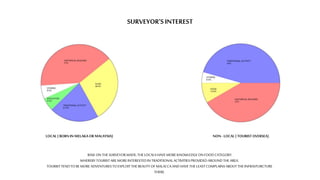
SURVEYOR’S INTEREST
LOCAL( BORN INMELAKAOR MALAYSIA) NON -LOCAL( TOURISTOVERSEA)
BASEONTHE SURVEYORMADE, THELOCALSHAVE MOREKNOWLEDGEONFOOD CATEGORY
WHEREBYTOURISTAREMOREINTERESTEDIN TRADITIONALACTIVITIESPROVIDEDAROUNDTHE AREA.
TOURISTTENDTOBEMOREADVENTURESTOEXPLOITTHE BEAUTYOFMALACCA ANDHAVE THELEASTCOMPLAINSABOUTTHE INFRASTURCTURE
THERE.
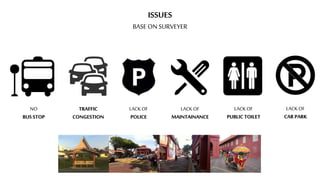
ISSUES
BASE ONSURVEYER
NO
BUS STOP
TRAFFIC
CONGESTION
LACK OF
POLICE
LACK OF
MAINTAINANCE
LACK OF
PUBLIC TOILET
LACK OF
CAR PARK
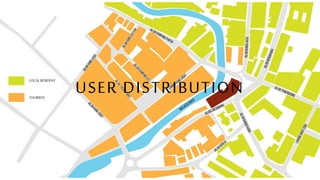
LOCALRESIDENT
TOURISTS
USER DISTRIBUTION
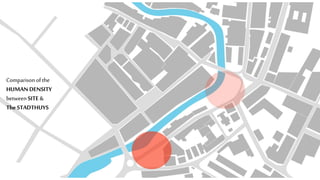
Comparison of the
HUMAN DENSITY
betweenSITE &
The STADTHUYS
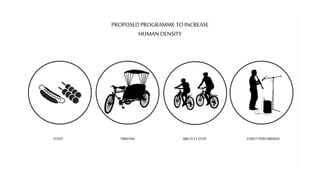
PROPOSEDPROGRAMME TO INCREASE
HUMAN DENSITY
FOOD TRISHAW BISCYCLESTOP STREETPERFORMERS
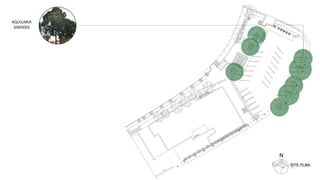
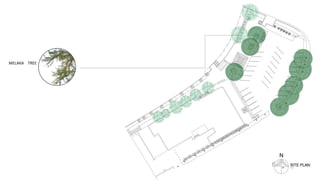
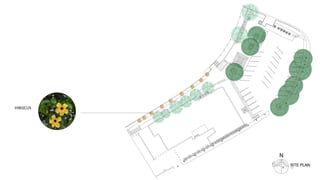
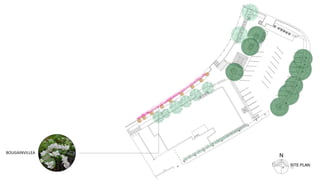
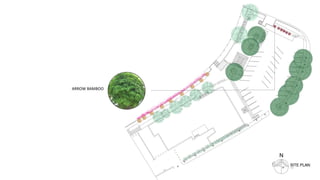
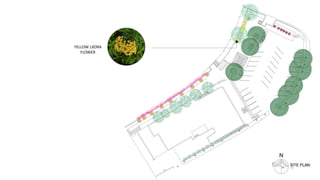
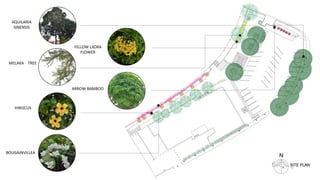
VEGETATIONS
AQUILARIA
SINENSIS
MELAKA TREE
HIBISCUS
BOUGAINVILLEA
ARROW BAMBOO
YELLOW LXORA
FLOWER
AQUILARIA
SINENSIS
MELAKA TREE
HIBISCUS
BOUGAINVILLEA
YELLOW LXORA
FLOWER
ARROW BAMBOO
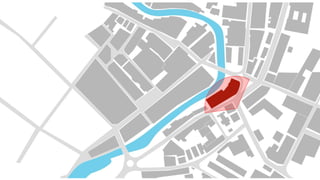
SITE
DOCUMENTATION
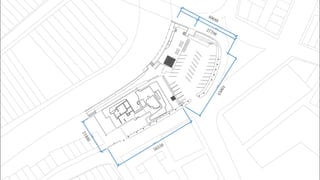
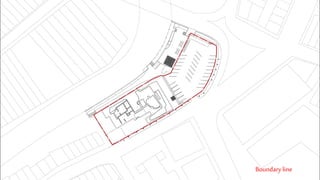
Boundary line
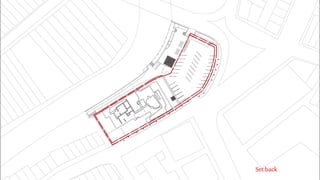
Set back
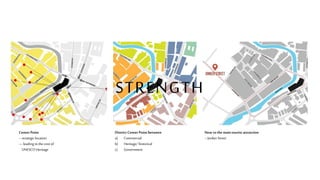
S W O T
Center Point
--strategiclocation
–-leading tothe coreof
UNESCOHeritage
District CenterPoint between
a) Commercial
b) Heritage/ historical
c) Government
Near tothe maintourist attraction
--JonkerStreet
STRENGTH
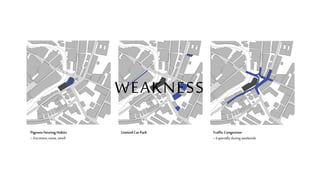
Limited CarPark TrafficCongestion
--Especiallyduring weekends
PigeonsNesting Habits
--Excretion,noise,smell
WEAKNESS
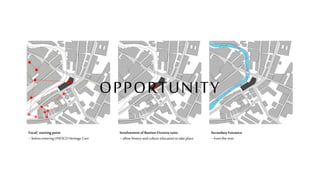
InvolvementofBastionVictoriaruins
--allowhistoryandcultureeducationtotakeplace.
SecondaryEntrance
--fromthe river
Focal/ starting point
--beforeentering UNESCOHeritage Core
OPPORTUNITY
Foundationandearthworkmight affectthe soil
stabilitynearthe river bankcausingthe river bankto
collapse.
THREAT
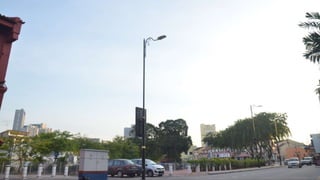
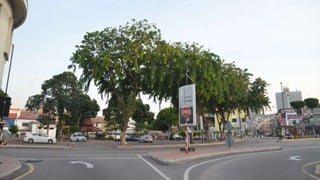
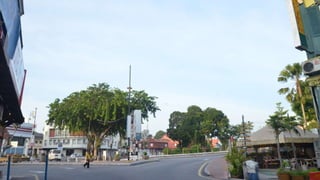
VIEW TO SITE
DESIGN
STRATEGY
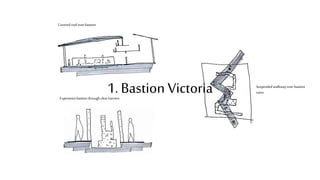
1. Bastion Victoria
Covered roofover bastion
Experiencebastionthroughclear barriers
Suspendedwalkwayover bastion
ruins
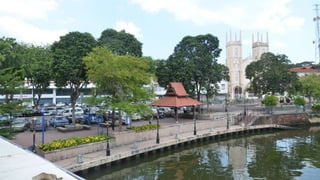
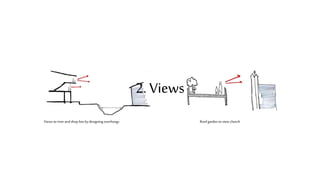
Viewstoriver andshoplotsbydesigning overhangs Roofgardentoview church
2. Views
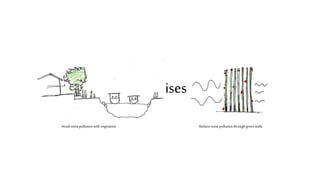
3. Noises
Avoid noisepollutionwithvegetation Reducenoise pollutionthroughgreen walls
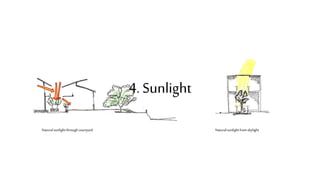
Naturalsunlightthroughcourtyard Naturalsunlightfromskylight
4. Sunlight
Naturalthreat(birds)byproviding birdpits andusing flatroofsforeasy
maintenance
Naturalventilationthroughairwell andlargeopenings
5. Natural Ventilation
PRECEDENT
STUDY
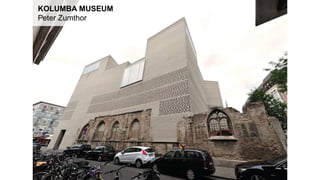
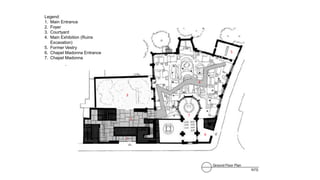
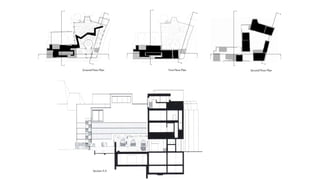
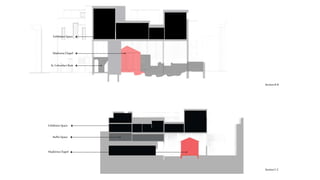
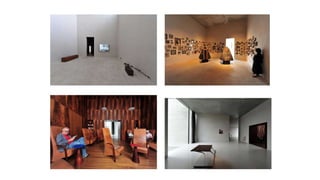
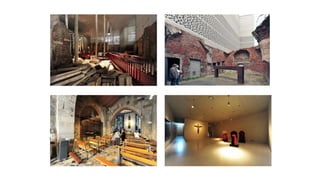
KOLUMBA MUSEUM
Peter Zumthor
Legend:
1. Main Entrance
2. Foyer
3. Courtyard
4. Main Exhibition (Ruins
Excavation)
5. Former Vestry
6. Chapel Madonna Entrance
7. Chapel Madonna
1
2
3
4
5
6
7
A
Ground Floor Plan First Floor Plan Second Floor Plan
SectionA-A
C C
A
A
B
B
C C
A
B
B
C C
A
B
B
SectionB-B
SectionC-C
ExhibitionSpace
Madonna Chapel
St.Columba’s Ruin
Exhibition Space
BufferSpace
Madonna Chapel
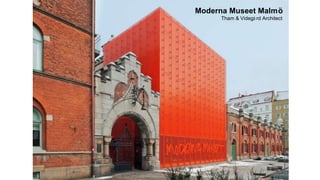
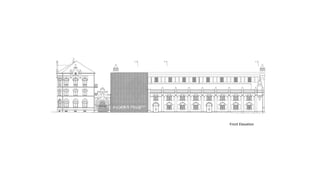
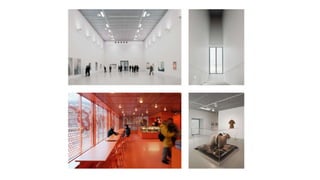
Moderna Museet Malmö
Tham & Videgå rd Architect
Front Elevation
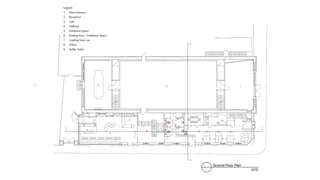
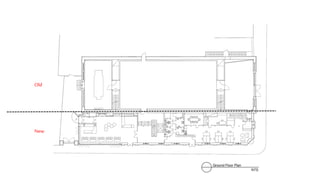
Legend:
1. MainEntrance
2. Reception
3. Cafe
4. Hallway
5. Exhibition Space
6. loading Area / Exhibition Space
7. Loading Area/ car
8. Office
9. Public Toilet
1
3
2
4
5 7
6
8
9C C
A
A
B
Old
New
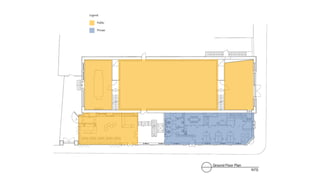
Public
Private
Legend:
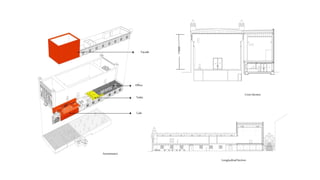
Axonometric
Cross Section
Longitudinal Section
Cafe
Facade
Toilet
Office
11000
CONCLUSION
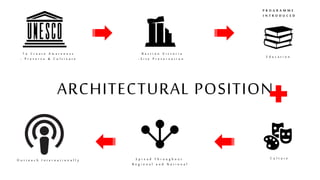
ARCHITECTURAL POSITION
P R O G R A M M E
I N T R O D U C E D
E d u c a t i o n
C u l t u r e
T o C r e a t e A w a r e n e s s
- P r e s e r v e & C u l t i v a t e
B a s t i o n V i c t o r i a
- S i t e P r e s e r v a t i o n
S p r e a d T h r o u g h o u t
R e g i o n a l a n d N a t i o n a l
O u t r e a c h I n t e r n a t i o n a l l y
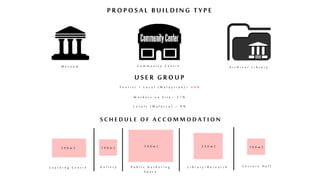
PROPOSAL BUILDING TYPE
M u s e u m C o m m u n i t y C e n t r e A r c h i v e / L i b r a r y
S C H E D U L E O F A C C O M M O D A T I O N
2 0 0 m 2
L e a r n i n g C e n t r e
1 0 0 m 2
G a l l e r y
5 0 0 m 2
P u b l i c G a t h e r i n g
S p a c e
2 5 0 m 2
L i b r a r y / R e s e a r c h
USER GROUP
T o u r i s t + L o c a l ( M a l a y s i a n ) – 6 4 %
L e c t u r e H a l l
1 0 0 m 2
W o r k e r s o n S i t e – 2 7 %
L o c a l s ( M a l a c c a ) – 9 %
THANK YOU
T E A M M U N I N N
b y

Site analysis