Sex Cells 
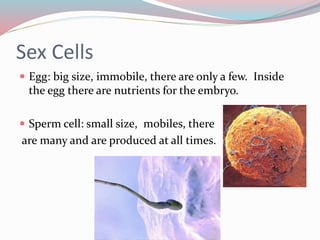
 Egg: big size, immobile, there are only a few. Inside 
the egg there are nutrients for the embryo. 
 Sperm cell: small size, mobiles, there 
are many and are produced at all times.
Fertilization 
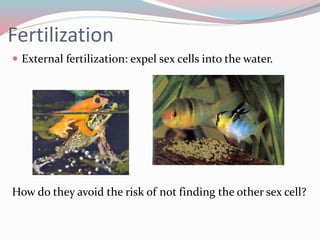
 External fertilization: expel sex cells into the water. 
How do they avoid the risk of not finding the other sex cell?
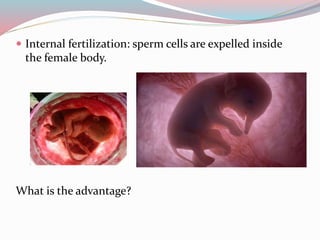
 Internal fertilization: sperm cells are expelled inside 
the female body. 
What is the advantage?
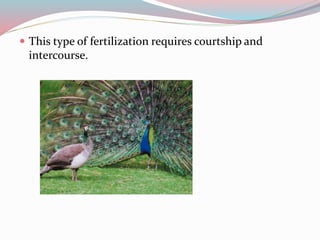
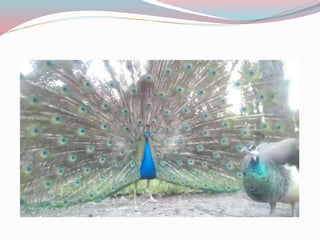
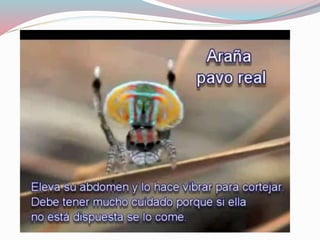
 This type of fertilization requires courtship and 
intercourse.
 Disney Nature Minuto 24.
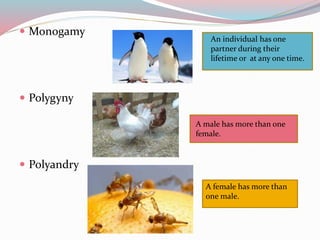
 Monogamy 
 Polygyny 
 Polyandry 
An individual has one 
partner during their 
lifetime or at any one time. 
A male has more than one 
female. 
A female has more than 
one male.
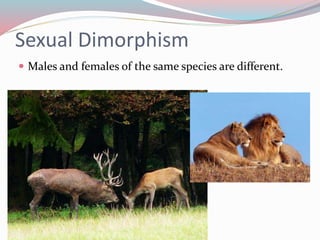
Sexual Dimorphism 
 Males and females of the same species are different.
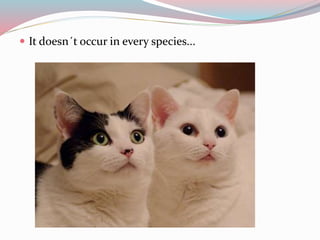
 It doesn´t occur in every species...
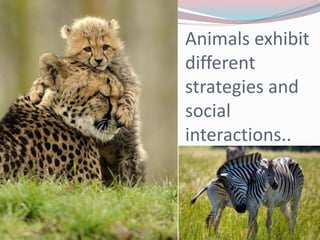
Animals exhibit 
different 
strategies and 
social 
interactions..
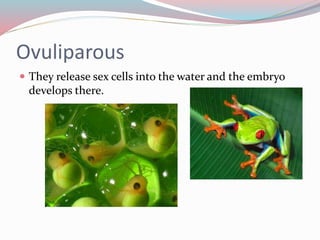
Ovuliparous 
 They release sex cells into the water and the embryo 
develops there.
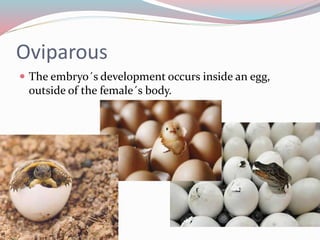
Oviparous 
 The embryo´s development occurs inside an egg, 
outside of the female´s body.
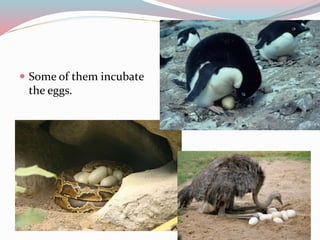
 Some of them incubate 
the eggs.
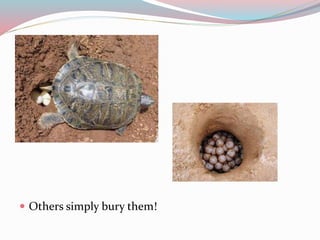
 Others simply bury them!
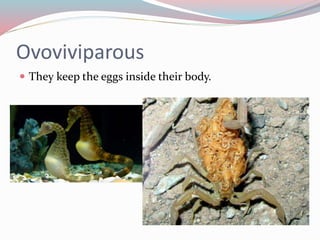
Ovoviviparous 
 They keep the eggs inside their body.
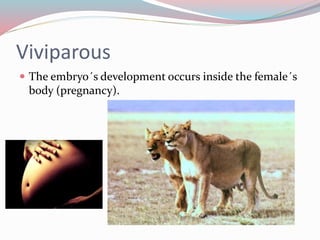
Viviparous 
 The embryo´s development occurs inside the female´s 
body (pregnancy).
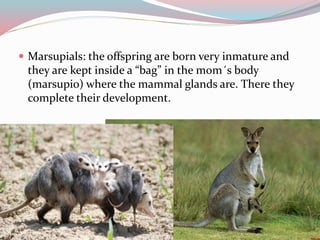
 Marsupials: the offspring are born very inmature and 
they are kept inside a “bag” in the mom´s body 
(marsupio) where the mammal glands are. There they 
complete their development.
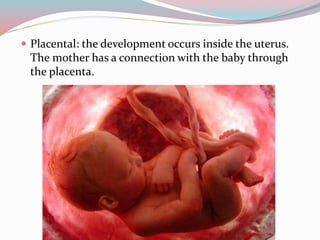
 Placental: the development occurs inside the uterus. 
The mother has a connection with the baby through 
the placenta.
Development 
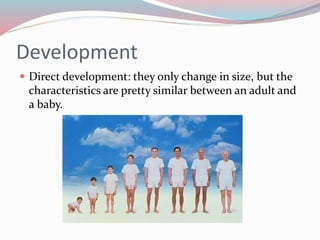
 Direct development: they only change in size, but the 
characteristics are pretty similar between an adult and 
a baby.
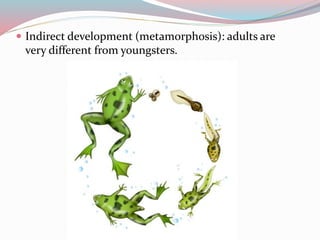
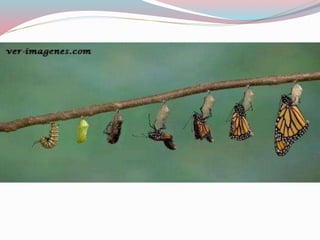
 Indirect development (metamorphosis): adults are 
very different from youngsters.
Reproductive Strategies 
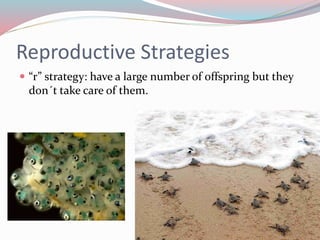
 “r” strategy: have a large number of offspring but they 
don´t take care of them.
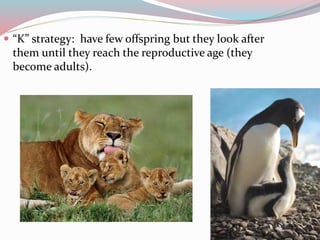
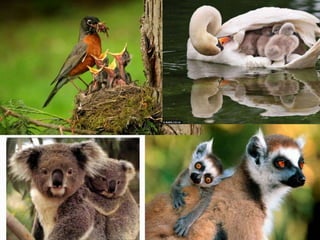
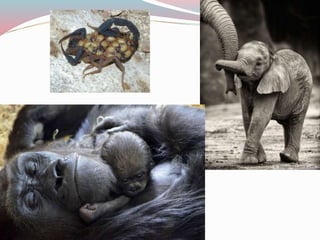
 “K” strategy: have few offspring but they look after 
them until they reach the reproductive age (they 
become adults).
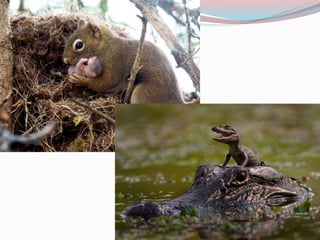
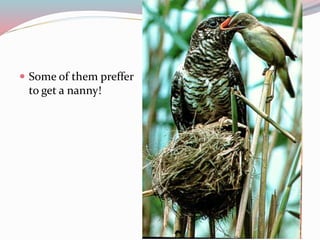
 Some of them preffer 
to get a nanny!
Sexual reproduction

Sexual reproduction

  • 2.
    Sex Cells Egg: big size, immobile, there are only a few. Inside the egg there are nutrients for the embryo.  Sperm cell: small size, mobiles, there are many and are produced at all times.
  • 3.
    Fertilization  Externalfertilization: expel sex cells into the water. How do they avoid the risk of not finding the other sex cell?
  • 4.
     Internal fertilization:sperm cells are expelled inside the female body. What is the advantage?
  • 5.
     This typeof fertilization requires courtship and intercourse.
  • 7.
  • 9.
     Monogamy Polygyny  Polyandry An individual has one partner during their lifetime or at any one time. A male has more than one female. A female has more than one male.
  • 10.
    Sexual Dimorphism Males and females of the same species are different.
  • 11.
     It doesn´toccur in every species...
  • 12.
    Animals exhibit different strategies and social interactions..
  • 13.
    Ovuliparous  Theyrelease sex cells into the water and the embryo develops there.
  • 14.
    Oviparous  Theembryo´s development occurs inside an egg, outside of the female´s body.
  • 15.
     Some ofthem incubate the eggs.
  • 16.
  • 17.
    Ovoviviparous  Theykeep the eggs inside their body.
  • 18.
    Viviparous  Theembryo´s development occurs inside the female´s body (pregnancy).
  • 19.
     Marsupials: theoffspring are born very inmature and they are kept inside a “bag” in the mom´s body (marsupio) where the mammal glands are. There they complete their development.
  • 20.
     Placental: thedevelopment occurs inside the uterus. The mother has a connection with the baby through the placenta.
  • 22.
    Development  Directdevelopment: they only change in size, but the characteristics are pretty similar between an adult and a baby.
  • 24.
     Indirect development(metamorphosis): adults are very different from youngsters.
  • 26.
    Reproductive Strategies “r” strategy: have a large number of offspring but they don´t take care of them.
  • 27.
     “K” strategy:have few offspring but they look after them until they reach the reproductive age (they become adults).
  • 31.
     Some ofthem preffer to get a nanny!