
A Brief History of Tourism
Rahmat Darsono, SE.,MM
Current Tourism Growth
 “The substantial growth of the tourism activity
marks tourism as one of the most remarkable
economic and social phenomena of the past century.”
 The number of international arrivals shows an evolution from
a mere 25 million international arrivals in 1950 to an
estimated 763 million in 2004
 This is a growth rate of 6.5%
 The growth rate has sustained! What are the limits?
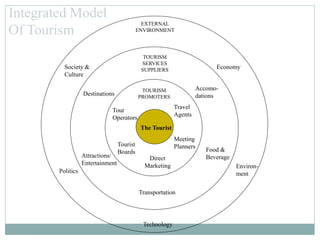
The Tourist
TOURISM
PROMOTERS
TOURISM
SERVICES
SUPPLIERS
EXTERNAL
ENVIRONMENT
Tour
Operators
Tourist
Boards
Meeting
Planners
Travel
Agents
Direct
Marketing
Destinations
Attractions/
Entertainment
Transportation
Food &
Beverage
Accomo-
dations
Society &
Culture
Politics
Technology
Environ-
ment
Economy
Integrated Model
Of Tourism
History of Travel & Tourism
- Pre-Historic Travel
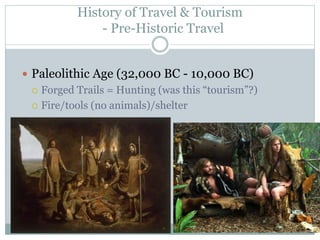
 Paleolithic Age (32,000 BC - 10,000 BC)
 Forged Trails = Hunting (was this “tourism”?)
 Fire/tools (no animals)/shelter
History of Travel & Tourism
- Pre-Historic Travel
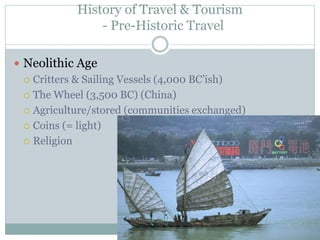
 Neolithic Age
 Critters & Sailing Vessels (4,000 BC’ish)
 The Wheel (3,500 BC) (China)
 Agriculture/stored (communities exchanged)
 Coins (= light)
 Religion
- The Empire Era
 Egyptian Kingdoms (4850 – 715 B.C.)
 Government in centralized locations
 Used Nile (north = current, south = sails)
 Greek Empire (900 – 200 B.C.)
 Use of a common language (Mediterr.)
 Currency Exchange
 City-States became attractions
 Shopping, eat/drinking, gaming, sports, theater
Empire Era (cont.)
 Roman Empire (500 B.C. – A.D. 300)
 Tourism for both middle class and wealthy
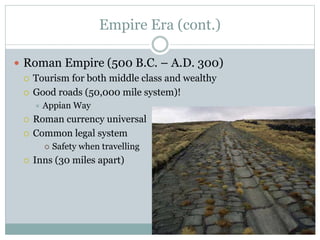
 Good roads (50,000 mile system)!
 Appian Way
 Roman currency universal
 Common legal system
 Safety when travelling
 Inns (30 miles apart)
Middle Ages and Renaissance
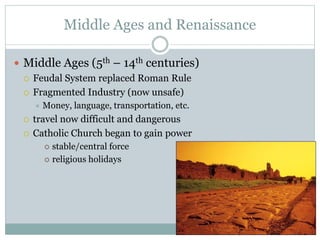
 Middle Ages (5th – 14th centuries)
 Feudal System replaced Roman Rule
 Fragmented Industry (now unsafe)
 Money, language, transportation, etc.
 travel now difficult and dangerous
 Catholic Church began to gain power
 stable/central force
 religious holidays
Middle Ages - Crusades
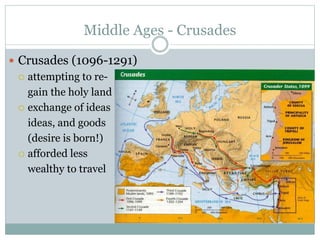
 Crusades (1096-1291)
 attempting to re-
gain the holy land
 exchange of ideas
ideas, and goods
(desire is born!)
 afforded less
wealthy to travel
Pilgrimages
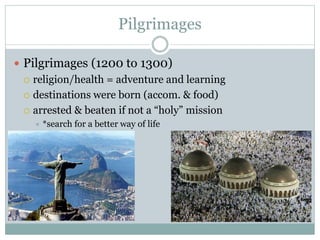
 Pilgrimages (1200 to 1300)
 religion/health = adventure and learning
 destinations were born (accom. & food)
 arrested & beaten if not a “holy” mission
 *search for a better way of life
Marco Polo
 Marco Polo (1275 – 1295) Mid. East to China
 4 Languages
 Had wealth in gold
 Had access to transportation vessels
 Family involved in the Navy and were merchants
 Had education
 Had “important” friends through family marriages
 Safety and marketing were assured
 1254-1324, from Venice, Italy
 Silk Road (began journey in 1271)
 His books detailing “the world” piqued interest in travel
amongst Europe’s elitists
The Renaissance Era
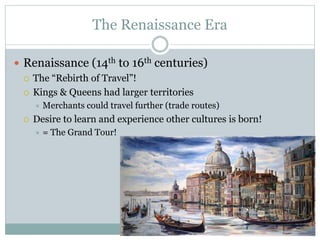
 Renaissance (14th to 16th centuries)
 The “Rebirth of Travel”!
 Kings & Queens had larger territories
 Merchants could travel further (trade routes)
 Desire to learn and experience other cultures is born!
 = The Grand Tour!
Grand Tour Era!
 Grand Tour (1500-1820) or (1613-1785)!
 Wealthy English started, later others (status)
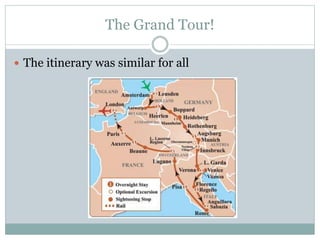
 England - France – Switzerland – Germany - Italy
 Motivations
 culture, health, pleasure, curiosity, science, career
education, art & scenery
 Lasted approximately 40 months (age 22 to 40)
 New amenities formed
 Tribulations = theft, alps, rivers
 Carriage rentals, 1829 1st all-inclusive
 Industrial Revolution (1750) started downfall
The Grand Tour!
 The itinerary was similar for all
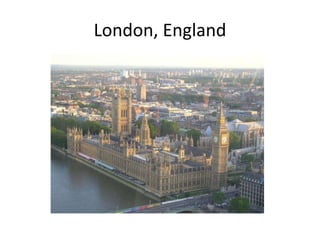
London, England
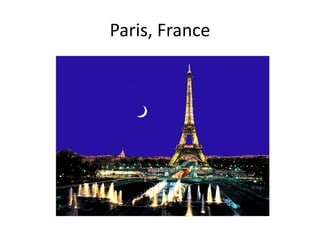
Paris, France
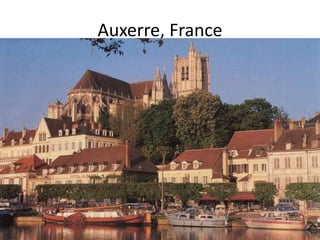
Auxerre, France
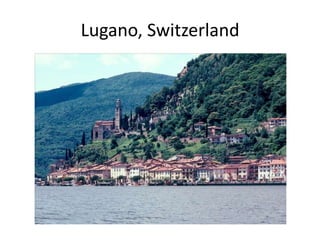
Lugano, Switzerland
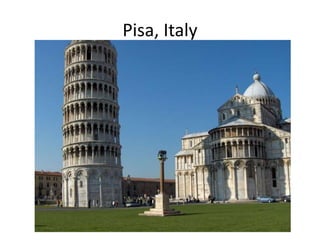
Pisa, Italy
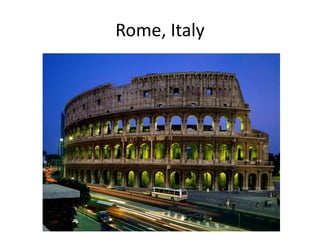
Rome, Italy
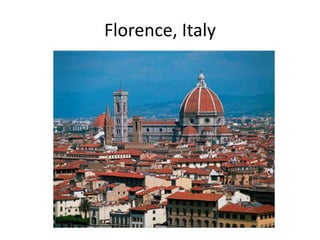
Florence, Italy
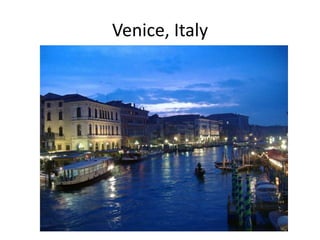
Venice, Italy
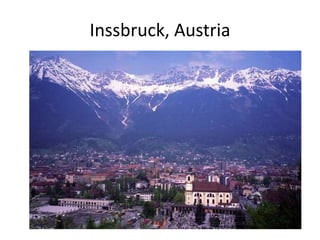
Inssbruck, Austria
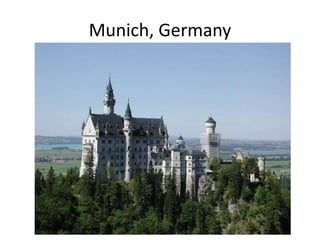
Munich, Germany
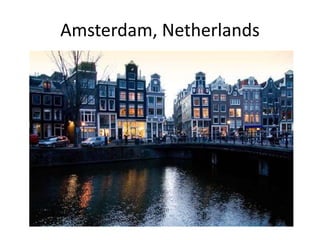
Amsterdam, Netherlands
The Mobility Era (1800 – 1944)
 Growing economic prosperity = leisure time!
 Grand Tour gave way to family vacations
 spas were huge
 Romanticism (1800s)= literature & arts
 urban bad, nature good (closer to God)
 Transportation!!
 Coach system (mail), needed tie-ups/Inns
 abusive (schedules, temp., physical)
 Water travel preferred (1840 Cunard)
 Trains (1830 in England), 1903 Wright Brothers
 Model T mass produced (1914)
Cook’s Tours
 Made Group Tour a business (1841)
 Economics: Desire+Need+Motivation=$$$
 Services
 Connections, tickets, timetables, currency exchange,
travel guides, the tour
 Introduced (1850 - 1920)
 Cook’s Coupons (pre-pay)
 Circular Notes (travelers’ cheques)
 Cook made world tourism affordable!
Modern Era – Mass Tourism
 2 World Wars = Technology & desire increase
 Automobile
 Better Roads post WW1 = bungalow camps
 Post WW2
 Mass produced, gas not rationed & prosperity
 Airplane
 Lindbergh (1927), initially $$
 1958 = jet travel and economy class
 Credit card (1950)
 Individual vs. Organized Mass Tourists
Other Factors
 Leisure Time
 Creation of the weekend (Upton Sinclair’s “The Jungle)
 1938 Fair Labor Standards Act
 Oil Crisis (mid 70’s)
 Tourism Policy
 deregulation (1978), USTTA (1981)
 Technology Advances
 Theme Parks
 Peace Industry??
Geography of Tourism
 Physical Geography (features of earth)
 Landforms, H20, vegetation, climate, etc.
 Human (cultural) Geography
 Language, religion, dress, food, customs…
 = cultural norms/expectations
 Regional Geography (study one area)
 Effects of climate, time of year, etc.
 ie, Ski areas, wine regions, etc.
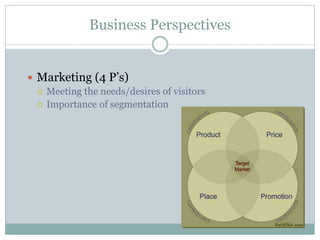
Business Perspectives
 Marketing (4 P’s)
 Meeting the needs/desires of visitors
 Importance of segmentation
Challenges & Opportunities
 Can growth & development occur w/o creating
environmental problems?
 How will technology effect tourism?
 As tourism grows, where will the workforce
come from?
 Will tourism change the social structure of
countries/communities?
Definition of Tourism
Tourism may be defined as the processes,
activities, and outcomes arising from the
relationships and the interactions among
tourists, tourism suppliers, host
governments,
host communities, and
surrounding environments
that are involved
in the attracting
and hosting
of visitors.
UNWTO Definition of Tourism
Tourism comprises the activities of persons
traveling to and staying in places outside their
usual environment for not more than one
consecutive year for leisure, business and other
purposes.
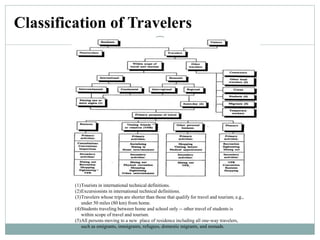
Classification of Travelers
(1)Tourists in international technical definitions.
(2)Excursionists in international technical definitions.
(3)Travelers whose trips are shorter than those that qualify for travel and tourism; e.g.,
under 50 miles (80 km) from home.
(4)Students traveling between home and school only -- other travel of students is
within scope of travel and tourism.
(5)All persons moving to a new place of residence including all one-way travelers,
such as emigrants, immigrants, refugees, domestic migrants, and nomads.
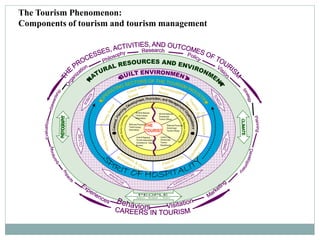
The Tourism Phenomenon:
Components of tourism and tourism management
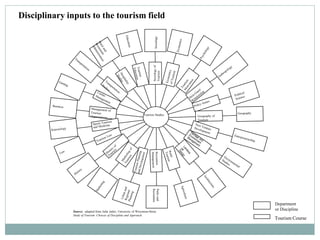
Tourism Course
Department
or Discipline
Tourism Studies
Sociologyof
Tourism
SociologyParksand
Recreation
Source: adapted from Jafar Jafari, University of Wisconsin-Stout,
Study of Tourism: Choices of Discipline and Approach.
Disciplinary inputs to the tourism field
38
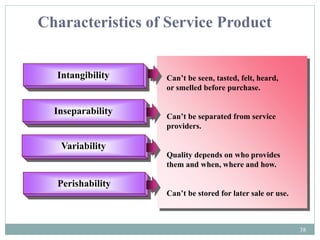
Intangibility
Inseparability
Variability
Perishability
Can’t be seen, tasted, felt, heard,
or smelled before purchase.
Can’t be separated from service
providers.
Quality depends on who provides
them and when, where and how.
Can’t be stored for later sale or use.
Characteristics of Service Product
Sejarah Perjalanan manusia

Sejarah Perjalanan manusia

  • 1.
    A Brief Historyof Tourism Rahmat Darsono, SE.,MM
  • 2.
    Current Tourism Growth “The substantial growth of the tourism activity marks tourism as one of the most remarkable economic and social phenomena of the past century.”  The number of international arrivals shows an evolution from a mere 25 million international arrivals in 1950 to an estimated 763 million in 2004  This is a growth rate of 6.5%  The growth rate has sustained! What are the limits?
  • 3.
  • 4.
    History of Travel& Tourism - Pre-Historic Travel  Paleolithic Age (32,000 BC - 10,000 BC)  Forged Trails = Hunting (was this “tourism”?)  Fire/tools (no animals)/shelter
  • 5.
    History of Travel& Tourism - Pre-Historic Travel  Neolithic Age  Critters & Sailing Vessels (4,000 BC’ish)  The Wheel (3,500 BC) (China)  Agriculture/stored (communities exchanged)  Coins (= light)  Religion
  • 6.
    - The EmpireEra  Egyptian Kingdoms (4850 – 715 B.C.)  Government in centralized locations  Used Nile (north = current, south = sails)  Greek Empire (900 – 200 B.C.)  Use of a common language (Mediterr.)  Currency Exchange  City-States became attractions  Shopping, eat/drinking, gaming, sports, theater
  • 7.
    Empire Era (cont.) Roman Empire (500 B.C. – A.D. 300)  Tourism for both middle class and wealthy  Good roads (50,000 mile system)!  Appian Way  Roman currency universal  Common legal system  Safety when travelling  Inns (30 miles apart)
  • 8.
    Middle Ages andRenaissance  Middle Ages (5th – 14th centuries)  Feudal System replaced Roman Rule  Fragmented Industry (now unsafe)  Money, language, transportation, etc.  travel now difficult and dangerous  Catholic Church began to gain power  stable/central force  religious holidays
  • 9.
    Middle Ages -Crusades  Crusades (1096-1291)  attempting to re- gain the holy land  exchange of ideas ideas, and goods (desire is born!)  afforded less wealthy to travel
  • 10.
    Pilgrimages  Pilgrimages (1200to 1300)  religion/health = adventure and learning  destinations were born (accom. & food)  arrested & beaten if not a “holy” mission  *search for a better way of life
  • 11.
    Marco Polo  MarcoPolo (1275 – 1295) Mid. East to China  4 Languages  Had wealth in gold  Had access to transportation vessels  Family involved in the Navy and were merchants  Had education  Had “important” friends through family marriages  Safety and marketing were assured  1254-1324, from Venice, Italy  Silk Road (began journey in 1271)  His books detailing “the world” piqued interest in travel amongst Europe’s elitists
  • 12.
    The Renaissance Era Renaissance (14th to 16th centuries)  The “Rebirth of Travel”!  Kings & Queens had larger territories  Merchants could travel further (trade routes)  Desire to learn and experience other cultures is born!  = The Grand Tour!
  • 13.
    Grand Tour Era! Grand Tour (1500-1820) or (1613-1785)!  Wealthy English started, later others (status)  England - France – Switzerland – Germany - Italy  Motivations  culture, health, pleasure, curiosity, science, career education, art & scenery  Lasted approximately 40 months (age 22 to 40)  New amenities formed  Tribulations = theft, alps, rivers  Carriage rentals, 1829 1st all-inclusive  Industrial Revolution (1750) started downfall
  • 14.
    The Grand Tour! The itinerary was similar for all
  • 15.
  • 16.
  • 17.
  • 18.
  • 19.
  • 20.
  • 21.
  • 22.
  • 23.
  • 24.
  • 25.
  • 26.
    The Mobility Era(1800 – 1944)  Growing economic prosperity = leisure time!  Grand Tour gave way to family vacations  spas were huge  Romanticism (1800s)= literature & arts  urban bad, nature good (closer to God)  Transportation!!  Coach system (mail), needed tie-ups/Inns  abusive (schedules, temp., physical)  Water travel preferred (1840 Cunard)  Trains (1830 in England), 1903 Wright Brothers  Model T mass produced (1914)
  • 27.
    Cook’s Tours  MadeGroup Tour a business (1841)  Economics: Desire+Need+Motivation=$$$  Services  Connections, tickets, timetables, currency exchange, travel guides, the tour  Introduced (1850 - 1920)  Cook’s Coupons (pre-pay)  Circular Notes (travelers’ cheques)  Cook made world tourism affordable!
  • 28.
    Modern Era –Mass Tourism  2 World Wars = Technology & desire increase  Automobile  Better Roads post WW1 = bungalow camps  Post WW2  Mass produced, gas not rationed & prosperity  Airplane  Lindbergh (1927), initially $$  1958 = jet travel and economy class  Credit card (1950)  Individual vs. Organized Mass Tourists
  • 29.
    Other Factors  LeisureTime  Creation of the weekend (Upton Sinclair’s “The Jungle)  1938 Fair Labor Standards Act  Oil Crisis (mid 70’s)  Tourism Policy  deregulation (1978), USTTA (1981)  Technology Advances  Theme Parks  Peace Industry??
  • 30.
    Geography of Tourism Physical Geography (features of earth)  Landforms, H20, vegetation, climate, etc.  Human (cultural) Geography  Language, religion, dress, food, customs…  = cultural norms/expectations  Regional Geography (study one area)  Effects of climate, time of year, etc.  ie, Ski areas, wine regions, etc.
  • 31.
    Business Perspectives  Marketing(4 P’s)  Meeting the needs/desires of visitors  Importance of segmentation
  • 32.
    Challenges & Opportunities Can growth & development occur w/o creating environmental problems?  How will technology effect tourism?  As tourism grows, where will the workforce come from?  Will tourism change the social structure of countries/communities?
  • 33.
    Definition of Tourism Tourismmay be defined as the processes, activities, and outcomes arising from the relationships and the interactions among tourists, tourism suppliers, host governments, host communities, and surrounding environments that are involved in the attracting and hosting of visitors.
  • 34.
    UNWTO Definition ofTourism Tourism comprises the activities of persons traveling to and staying in places outside their usual environment for not more than one consecutive year for leisure, business and other purposes.
  • 35.
    Classification of Travelers (1)Touristsin international technical definitions. (2)Excursionists in international technical definitions. (3)Travelers whose trips are shorter than those that qualify for travel and tourism; e.g., under 50 miles (80 km) from home. (4)Students traveling between home and school only -- other travel of students is within scope of travel and tourism. (5)All persons moving to a new place of residence including all one-way travelers, such as emigrants, immigrants, refugees, domestic migrants, and nomads.
  • 36.
    The Tourism Phenomenon: Componentsof tourism and tourism management
  • 37.
    Tourism Course Department or Discipline TourismStudies Sociologyof Tourism SociologyParksand Recreation Source: adapted from Jafar Jafari, University of Wisconsin-Stout, Study of Tourism: Choices of Discipline and Approach. Disciplinary inputs to the tourism field
  • 38.
    38 Intangibility Inseparability Variability Perishability Can’t be seen,tasted, felt, heard, or smelled before purchase. Can’t be separated from service providers. Quality depends on who provides them and when, where and how. Can’t be stored for later sale or use. Characteristics of Service Product