Subject :
Media and Society

Presentation Topic :
Representation and Popular Culture
 Media representation are the ways in which the media portrays
particular group, communities,
 Experiences ,ideas or topics from the particular ideas or values.
 Media representations are simply reflecting or mirroring “Reality”
 Media representations serve to re –present or to actually create a new
reality.
 Example is the Disney corporation ,one of the major producers of
films and television , who represents stories and fairy tales for children
primarily in terms of white ,western ,middle- class values.
 Disney land and Disney world go so far as to create a new land
through representation.
Representation

 Representations in media are a key part of society ,as they shape to a
certain degree , the way we think and what we believe
 James Tobin (2001) argues that young students are able to resist these
representations as they can parody or adopt creative alternatives to
representations.
Why study Representation in media?

 Creating new means by which we can understand reality.
 Stuart Hall argued (1997), this approach is different from traditional
methods of analyzing representations as being totally different from
the reality , media representation is affected by the interpretation.
 Daniel Chandler argues that this new means of looking at media
representation moves away the stereotyping that is considered as a
major factor in the media industry.
Studying Representation in Media

 Images
 Sound/Music
 Inter textually
Things to consider When analyzing Media
Representation

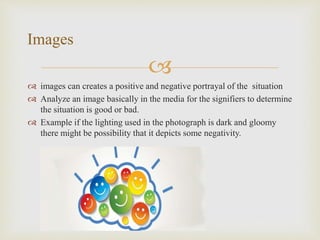
 images can creates a positive and negative portrayal of the situation
 Analyze an image basically in the media for the signifiers to determine
the situation is good or bad.
 Example if the lighting used in the photograph is dark and gloomy
there might be possibility that it depicts some negativity.
Images

 Media texts represent social worlds through their use of music.
 Usually relies on the audiences prior knowledge of certain types of
music to be make a connection.
Sounds and Music

 Media representations also depends on the audiences perceptions
knowledge of the intertextaul links between the current texts and other
previous texts using the same images , languages sounds or logos.
Inter-Textually

 Basically links with the audience , means how audiences analyze the
certain contents which are coming from the media and other sources .
 Clears the literal meaning of what is in the picture or scene.
 Connotation means different interpretations suggested or implied by
the text.
 Example : Denotation ( Red Rose) Connotation ( Love)
Semiotic Analysis

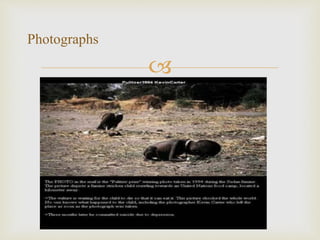
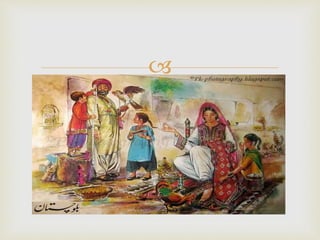
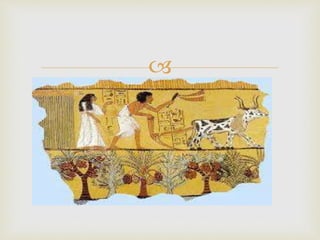
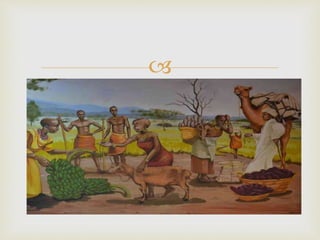
 Important source of communication
 Define and explains in the clear and one word without any description
because photograph itself explain and convey the message to the
audiences or the individuals.
 Photographs with the headlines and captions in order to make their
meanings more stable and clear .
 Photographs are used to support written text and to provide the
evidence which back up the journalists stories.
 Photographs mostly used in books, newspapers , Televisions and so
on.
Understanding a Photograph

Photographs




 Representation of the gender is one of the most important factor in the
media .
 Gender includes the two opposite sex Male , Female , boys and girls.
 Example “Feminine’’ traditional roles in the society.
 Women viewers for a more positive representation of the women
characters can be seen in feminist television theory of 1970s and
1980s.
 Soap operas extremely fruitful in opening up work upon the
representation and draws the attention to the constructions of Feminity
and masculinity. Which basically frames of the understanding of
representations in more detail.
Representation and Gender

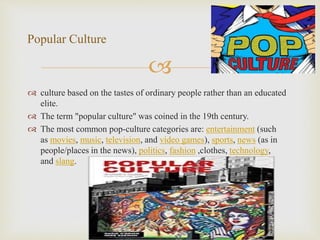
 culture based on the tastes of ordinary people rather than an educated
elite.
 The term "popular culture" was coined in the 19th century.
 The most common pop-culture categories are: entertainment (such
as movies, music, television, and video games), sports, news (as in
people/places in the news), politics, fashion ,clothes, technology,
and slang.
Popular Culture

 Films ( started by the Popular culture)
 Television (audio visual content for broadcast contain the multiple
programs like Fictional , comedy non fictional , documentaries ,
educational instructional and educational)
 Music (folk , traditional, Pope and Jazz , Classical distributed to the
audience through the music industry)
 sports ( includes the Physical activities maintains to improve the
physical and mental development and also provides the enjoyment to
the audiences )
 Books
 Radio
 The internet
Sources of the Popular Culture

 Media texts are considered as the dominant features of the society they
provides some information to the society, they not only provides the
information but also makes the audiences to get more involvement in
particular representations because they linked the relationships
between Media texts and the audiences .
 Popular culture is one of the main stream path that connect the whole
society whether the elite or non elite classes. By spreading the cultural
aspects through the specific mediums. And engaging all the society
under one umbrella because media act as the cultural commodification
of the society.
Conclusion

THANKS…..

Representations and Popular Culture

  • 1.
  • 2.
  • 3.
     Media representationare the ways in which the media portrays particular group, communities,  Experiences ,ideas or topics from the particular ideas or values.  Media representations are simply reflecting or mirroring “Reality”  Media representations serve to re –present or to actually create a new reality.  Example is the Disney corporation ,one of the major producers of films and television , who represents stories and fairy tales for children primarily in terms of white ,western ,middle- class values.  Disney land and Disney world go so far as to create a new land through representation. Representation
  • 4.
      Representations inmedia are a key part of society ,as they shape to a certain degree , the way we think and what we believe  James Tobin (2001) argues that young students are able to resist these representations as they can parody or adopt creative alternatives to representations. Why study Representation in media?
  • 5.
      Creating newmeans by which we can understand reality.  Stuart Hall argued (1997), this approach is different from traditional methods of analyzing representations as being totally different from the reality , media representation is affected by the interpretation.  Daniel Chandler argues that this new means of looking at media representation moves away the stereotyping that is considered as a major factor in the media industry. Studying Representation in Media
  • 6.
      Images  Sound/Music Inter textually Things to consider When analyzing Media Representation
  • 7.
      images cancreates a positive and negative portrayal of the situation  Analyze an image basically in the media for the signifiers to determine the situation is good or bad.  Example if the lighting used in the photograph is dark and gloomy there might be possibility that it depicts some negativity. Images
  • 8.
      Media textsrepresent social worlds through their use of music.  Usually relies on the audiences prior knowledge of certain types of music to be make a connection. Sounds and Music
  • 9.
      Media representationsalso depends on the audiences perceptions knowledge of the intertextaul links between the current texts and other previous texts using the same images , languages sounds or logos. Inter-Textually
  • 10.
      Basically linkswith the audience , means how audiences analyze the certain contents which are coming from the media and other sources .  Clears the literal meaning of what is in the picture or scene.  Connotation means different interpretations suggested or implied by the text.  Example : Denotation ( Red Rose) Connotation ( Love) Semiotic Analysis
  • 11.
      Important sourceof communication  Define and explains in the clear and one word without any description because photograph itself explain and convey the message to the audiences or the individuals.  Photographs with the headlines and captions in order to make their meanings more stable and clear .  Photographs are used to support written text and to provide the evidence which back up the journalists stories.  Photographs mostly used in books, newspapers , Televisions and so on. Understanding a Photograph
  • 12.
  • 13.
  • 14.
  • 15.
  • 16.
      Representation ofthe gender is one of the most important factor in the media .  Gender includes the two opposite sex Male , Female , boys and girls.  Example “Feminine’’ traditional roles in the society.  Women viewers for a more positive representation of the women characters can be seen in feminist television theory of 1970s and 1980s.  Soap operas extremely fruitful in opening up work upon the representation and draws the attention to the constructions of Feminity and masculinity. Which basically frames of the understanding of representations in more detail. Representation and Gender
  • 17.
      culture basedon the tastes of ordinary people rather than an educated elite.  The term "popular culture" was coined in the 19th century.  The most common pop-culture categories are: entertainment (such as movies, music, television, and video games), sports, news (as in people/places in the news), politics, fashion ,clothes, technology, and slang. Popular Culture
  • 18.
      Films (started by the Popular culture)  Television (audio visual content for broadcast contain the multiple programs like Fictional , comedy non fictional , documentaries , educational instructional and educational)  Music (folk , traditional, Pope and Jazz , Classical distributed to the audience through the music industry)  sports ( includes the Physical activities maintains to improve the physical and mental development and also provides the enjoyment to the audiences )  Books  Radio  The internet Sources of the Popular Culture
  • 19.
      Media textsare considered as the dominant features of the society they provides some information to the society, they not only provides the information but also makes the audiences to get more involvement in particular representations because they linked the relationships between Media texts and the audiences .  Popular culture is one of the main stream path that connect the whole society whether the elite or non elite classes. By spreading the cultural aspects through the specific mediums. And engaging all the society under one umbrella because media act as the cultural commodification of the society. Conclusion
  • 20.