Downloaded 1,874 times
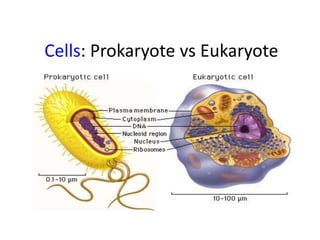



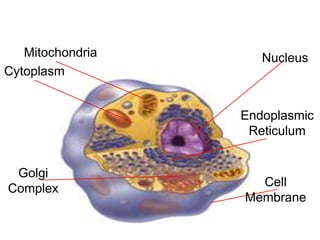




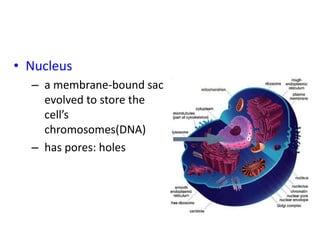
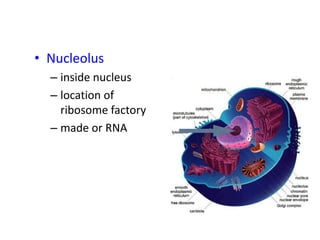

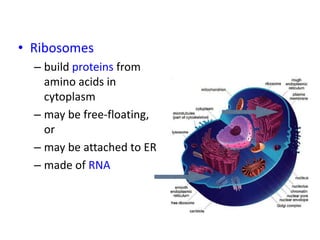

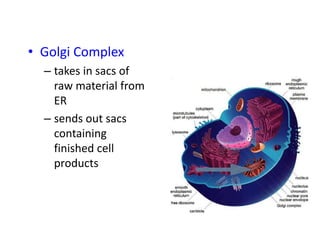

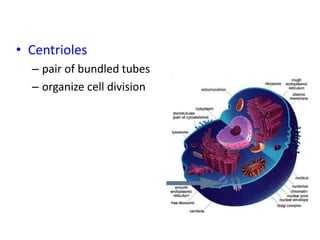


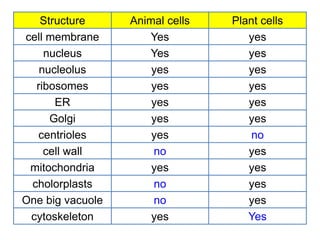


There are two main types of cells: prokaryotic and eukaryotic. Prokaryotic cells were the earliest life on Earth and lack membrane-bound organelles, while eukaryotic cells evolved later and have organelles within membranes. Key differences include prokaryotes being smaller, unicellular, and lacking a nucleus, while eukaryotes can be multicellular, have organelles like mitochondria and chloroplasts, and contain DNA within the nucleus. Both share some basic components like the cell membrane but eukaryotes have a more complex internal structure adapted for specialized functions.


![Human Reproduction [ Reproductive System ] Notes @irfanullah_mehar Irfanullah...](https://cdn.slidesharecdn.com/ss_thumbnails/humanreproductionreproductivesystemnotesirfanullahmeharirfanullahmeharjanantantra-260111172350-56e85778-thumbnail.jpg?width=640&height=640&fit=bounds)


