Unit 4: The cell
Cell as a unit of structure and function;
Characteristics of prokaryotic and eukaryotic cells;
Origin of eukaryotic cell (Endosymbiotic theory)
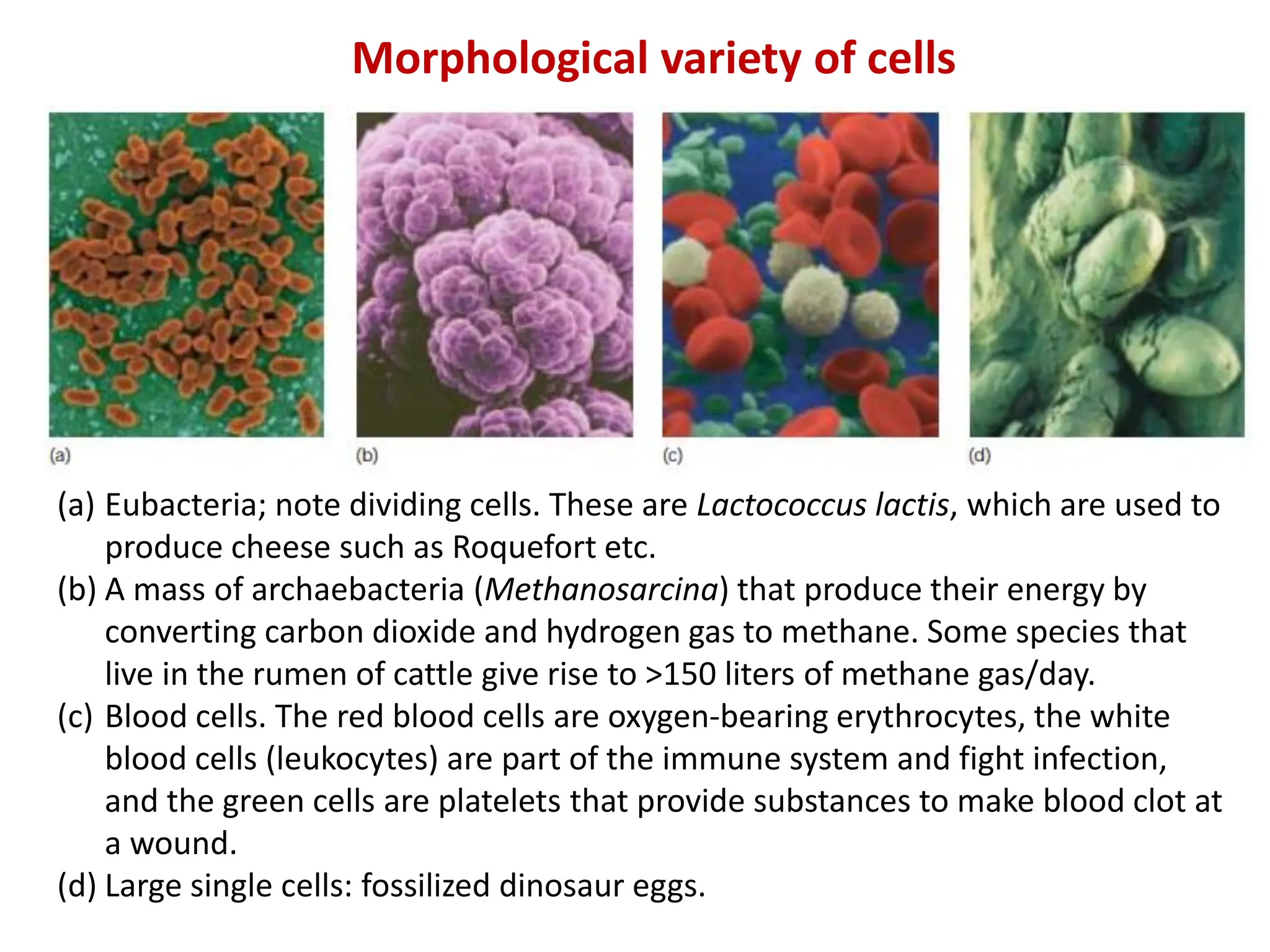
(a) Eubacteria; note dividing cells. These are Lactococcus lactis, which are used to
produce cheese such as Roquefort etc.
(b) A mass of archaebacteria (Methanosarcina) that produce their energy by
converting carbon dioxide and hydrogen gas to methane. Some species that
live in the rumen of cattle give rise to >150 liters of methane gas/day.
(c) Blood cells. The red blood cells are oxygen-bearing erythrocytes, the white
blood cells (leukocytes) are part of the immune system and fight infection,
and the green cells are platelets that provide substances to make blood clot at
a wound.
(d) Large single cells: fossilized dinosaur eggs.
Morphological variety of cells
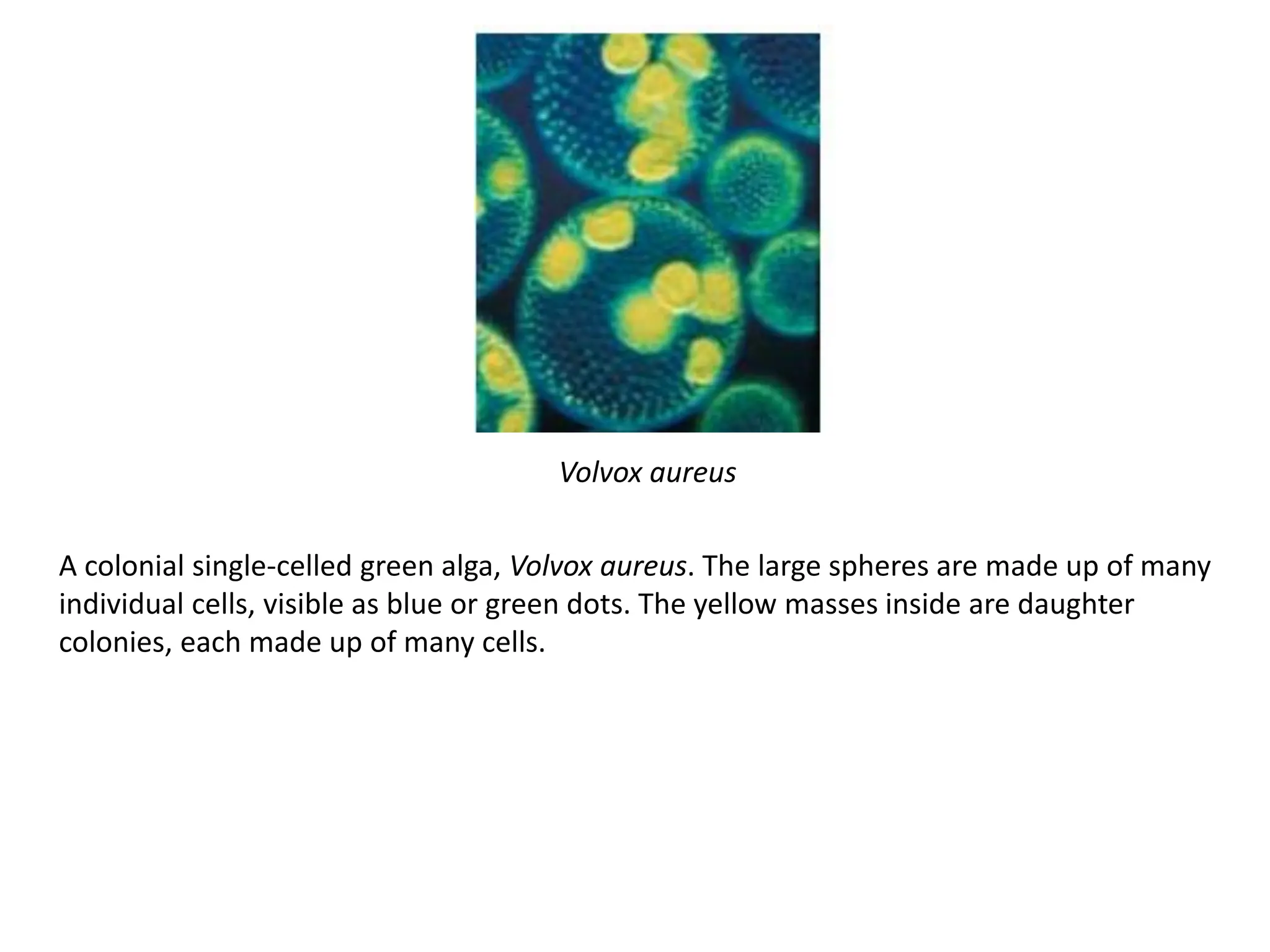
A colonial single-celled green alga, Volvox aureus. The large spheres are made up of many
individual cells, visible as blue or green dots. The yellow masses inside are daughter
colonies, each made up of many cells.
Volvox aureus
Cell is the fundamental, structural and functional unit of all living organisms.
• It is the smallest unit of life. The study of cells is called cell biology or cytology.
• Until the invention of the microscope in the 17th century cells were not
discovered.
• In 1665 English natural philosopher Robert Hooke was the first to observe cells,
naming the shapes he saw in cork “cellulae” (Latin, “small rooms”). This is known
as cells.
• Another early microscopist, Dutch Anton van Leeuwenhoek, first observed living
cells, which he termed “animalcules,” or little animals.
• Robert Browne discovered nucleus (1833).
• In 1838, German botanist Matthias Schleiden stated that all plants “are
aggregates of fully individualized, independent, separate beings, namely the cells
themselves.”
In 1839, German physiologist Theodor Schwann reported that all animal
tissues also consist of individual cells. Thus, the cell theory was born.
The cell theory explains the observation that all organisms are composed
of cells.
The cell theory includes the following three principles:
1. All organisms are composed of one or more cells, and the life
processes of metabolism and heredity occur within these cells.
2. Cells are the smallest living things, the basic units of organization of
all organisms.
3. Cells arise only by division of a previously existing cell. Although life
likely evolved spontaneously in the environment of early Earth,
biologists have concluded that no additional cells are originating
spontaneously at present. Rather, life on Earth represents a
continuous line of descent from those early cells.
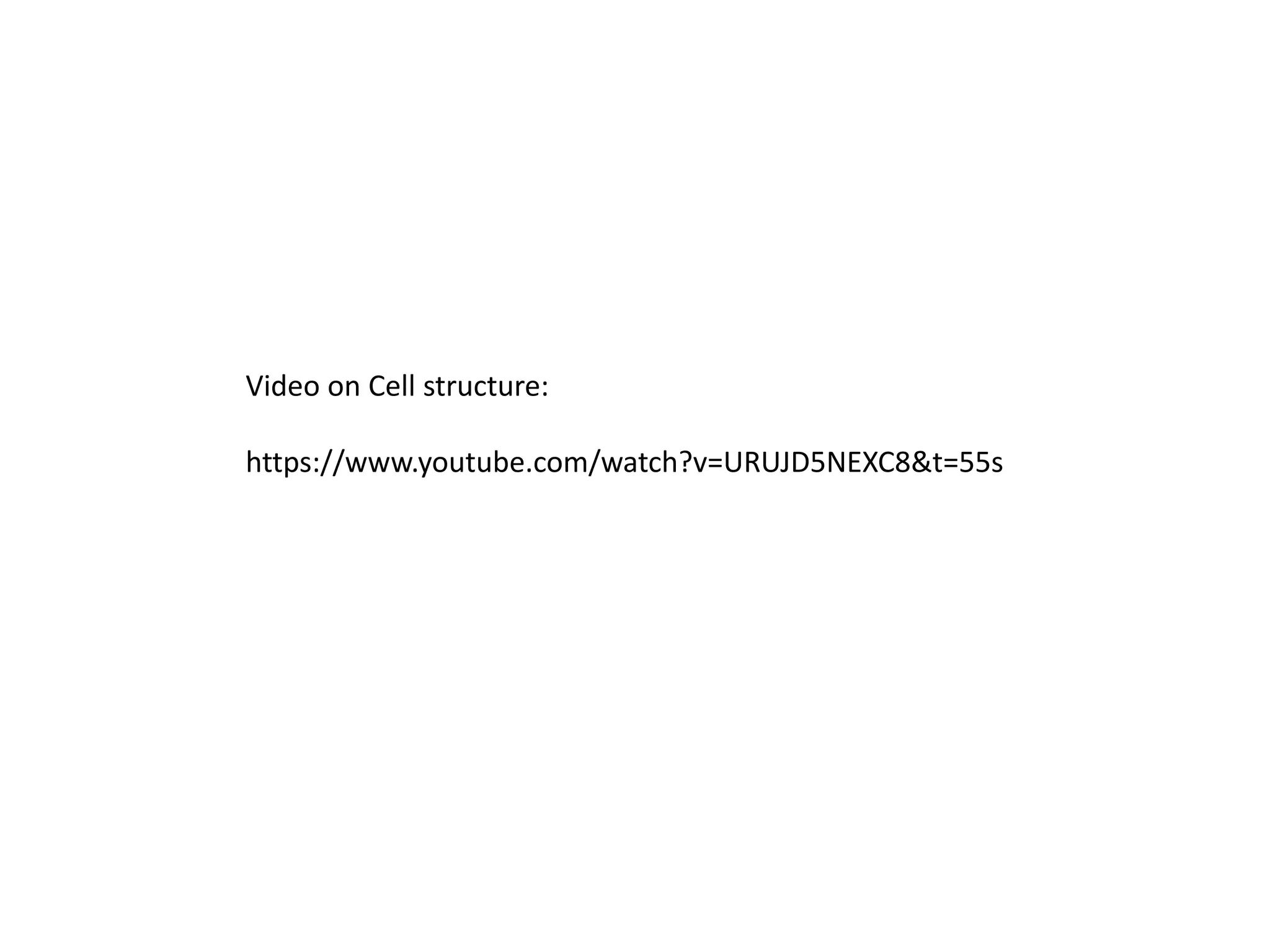
SIZE: varies from few microns (1cm= 10mm; 1mm=1000µm) to few cms
Smallest living cell is PPLO ( Pleuro Pneumonia Like Organism) - 0.1µm
Largest living cell is Egg of an Ostrich , 170 to 180 mm in diameter.
Bacteria – 0.1 to 0.5 µm
Sclerenchyma fibre upto 60cms in length
Video on Cell structure:
https://www.youtube.com/watch?v=URUJD5NEXC8&t=55s
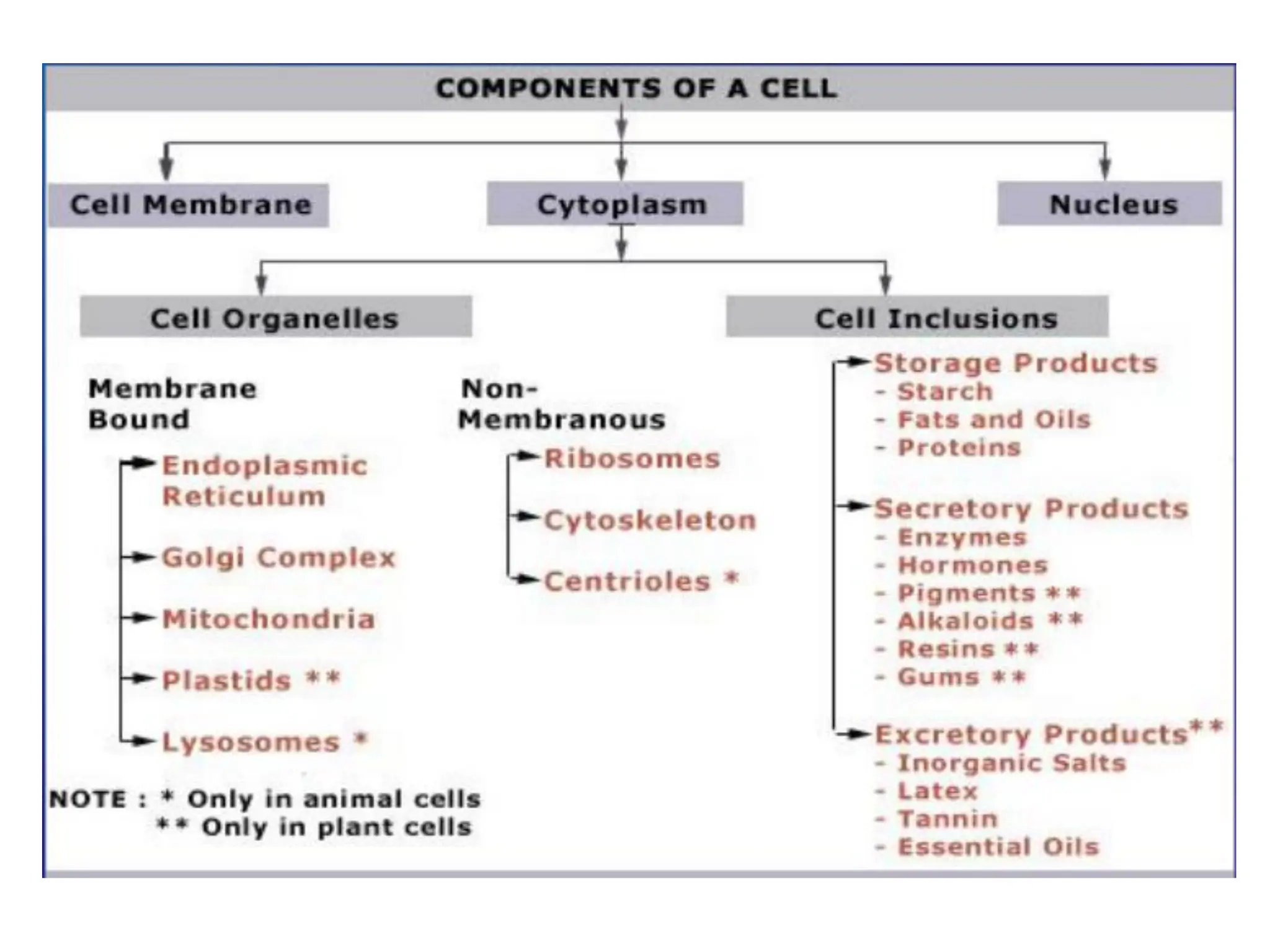
Cell Structure and Function
• Cell has non living outer layer called CELL WALL found only in plant cells.
• Below cell wall is CELL MEMBRANE
• CELL MEMBRANE encloses PROTOPLASM
• PROTOPLASM has semi fluid matrix called CYTOPLASM and large
membrane bound structure called NUCLEUS
• CYTOPLASM has many membrane bound organelles like Endoplasmic
reticulum , Golgi Bodies Mitochondria ,Plastids and vacuoles.
• They also have non membrane bound structures called Ribosomes and
Centrosomes
• Cytoplasm without Cell organelles are called Cytosol.
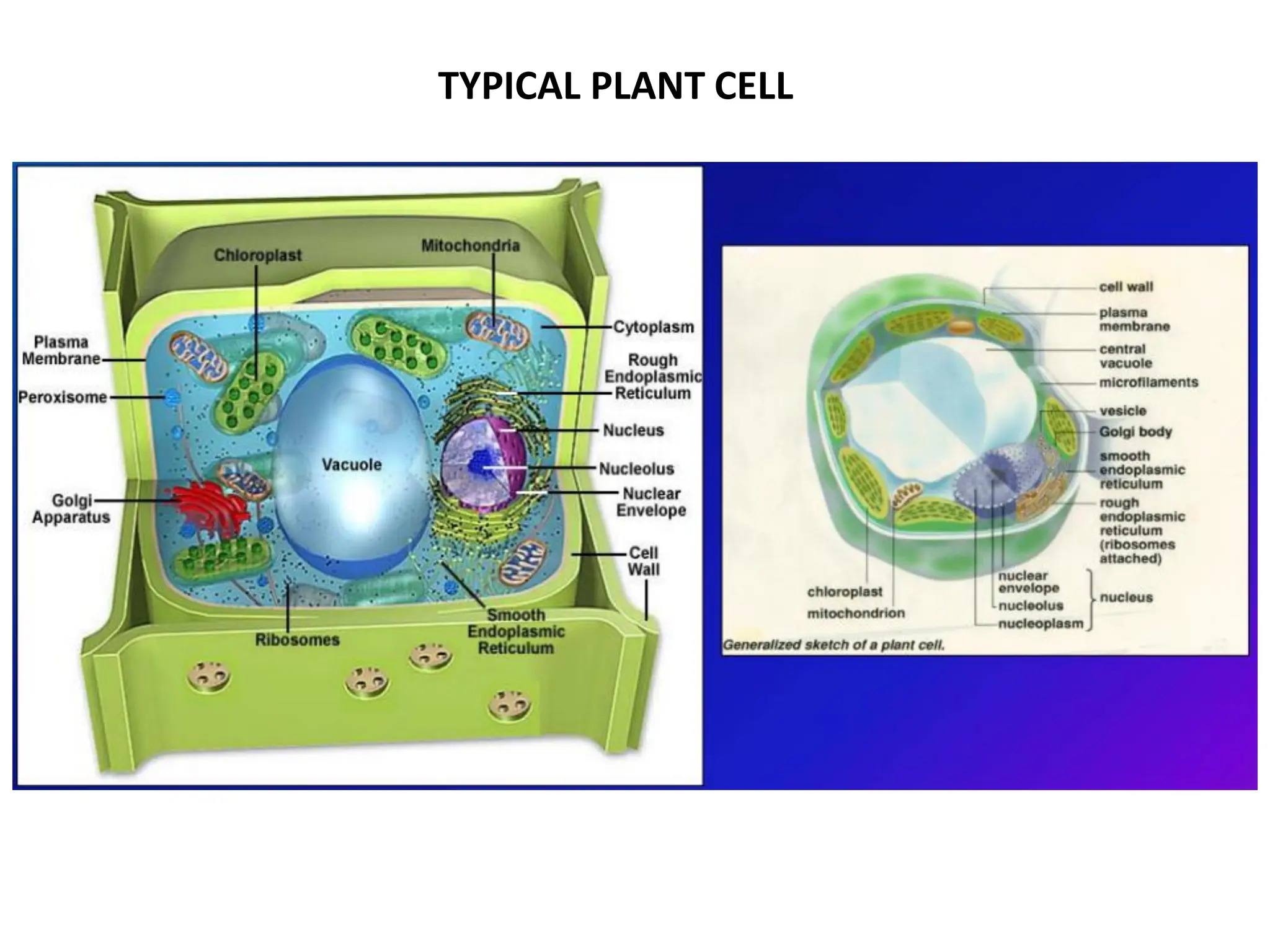
TYPICAL PLANT CELL
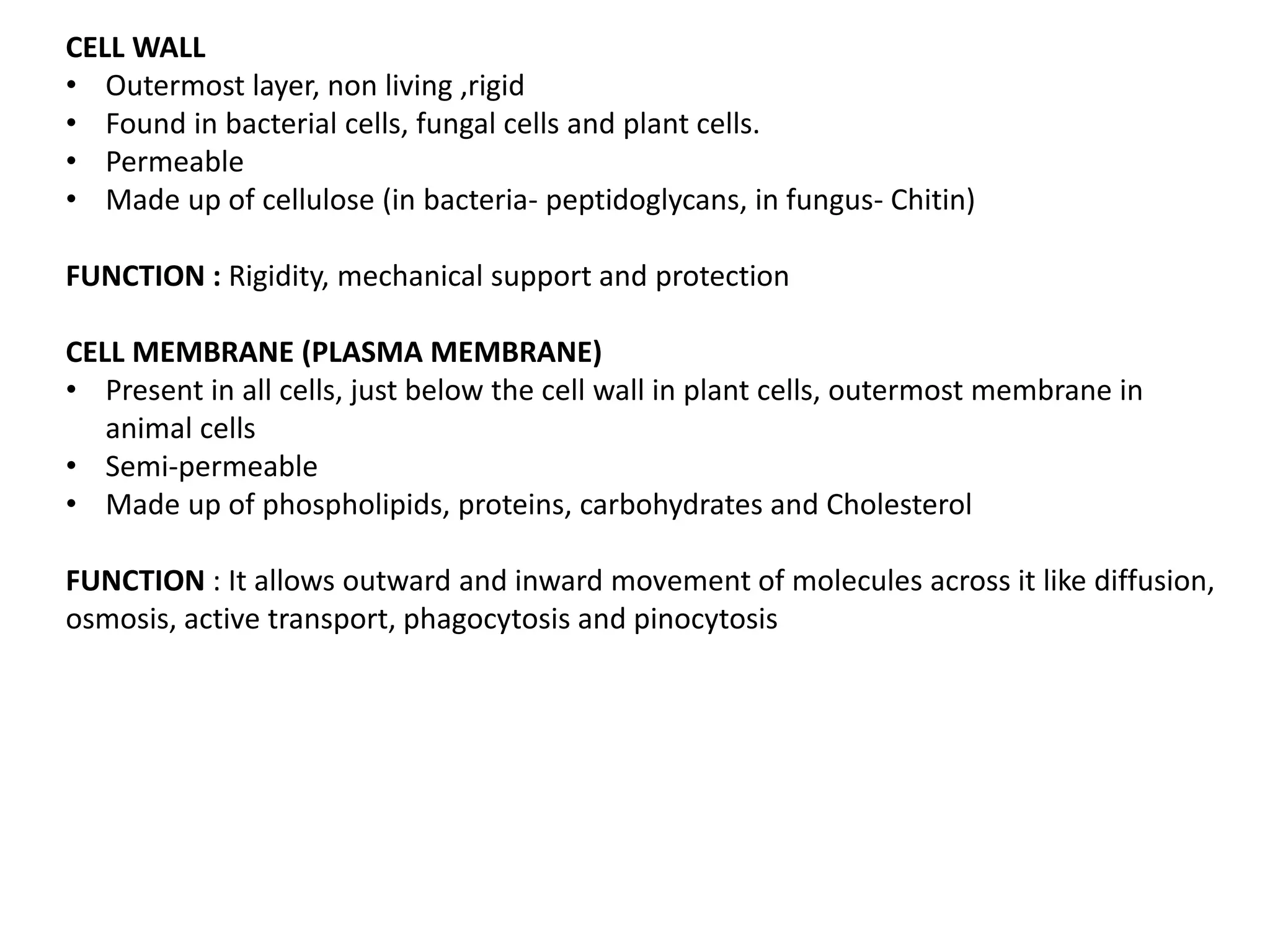
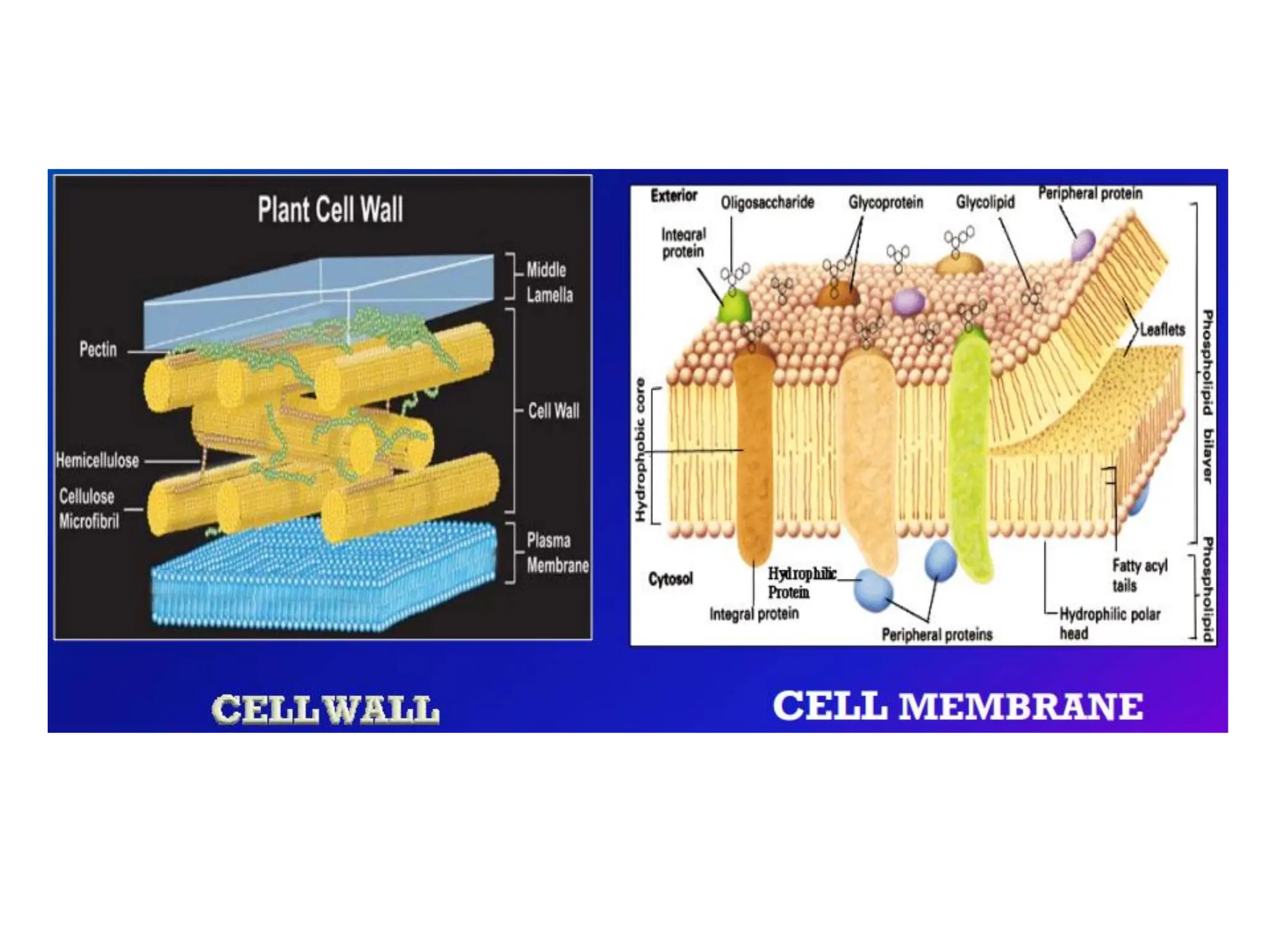
CELL WALL
• Outermost layer, non living ,rigid
• Found in bacterial cells, fungal cells and plant cells.
• Permeable
• Made up of cellulose (in bacteria- peptidoglycans, in fungus- Chitin)
FUNCTION : Rigidity, mechanical support and protection
CELL MEMBRANE (PLASMA MEMBRANE)
• Present in all cells, just below the cell wall in plant cells, outermost membrane in
animal cells
• Semi-permeable
• Made up of phospholipids, proteins, carbohydrates and Cholesterol
FUNCTION : It allows outward and inward movement of molecules across it like diffusion,
osmosis, active transport, phagocytosis and pinocytosis
PROTOPLASMA
• Protoplasm is the living part of a cell that is surrounded by a plasma
membrane.
• According to Huxley , protoplasm is “physical basis of life”
• Includes organic and inorganic molecules
CYTOPLASM
• Semi fluid matrix present between cell membrane and nuclear membrane
• It has various living cell inclusions called cell organelles and non living
substances called Ergastic substances.
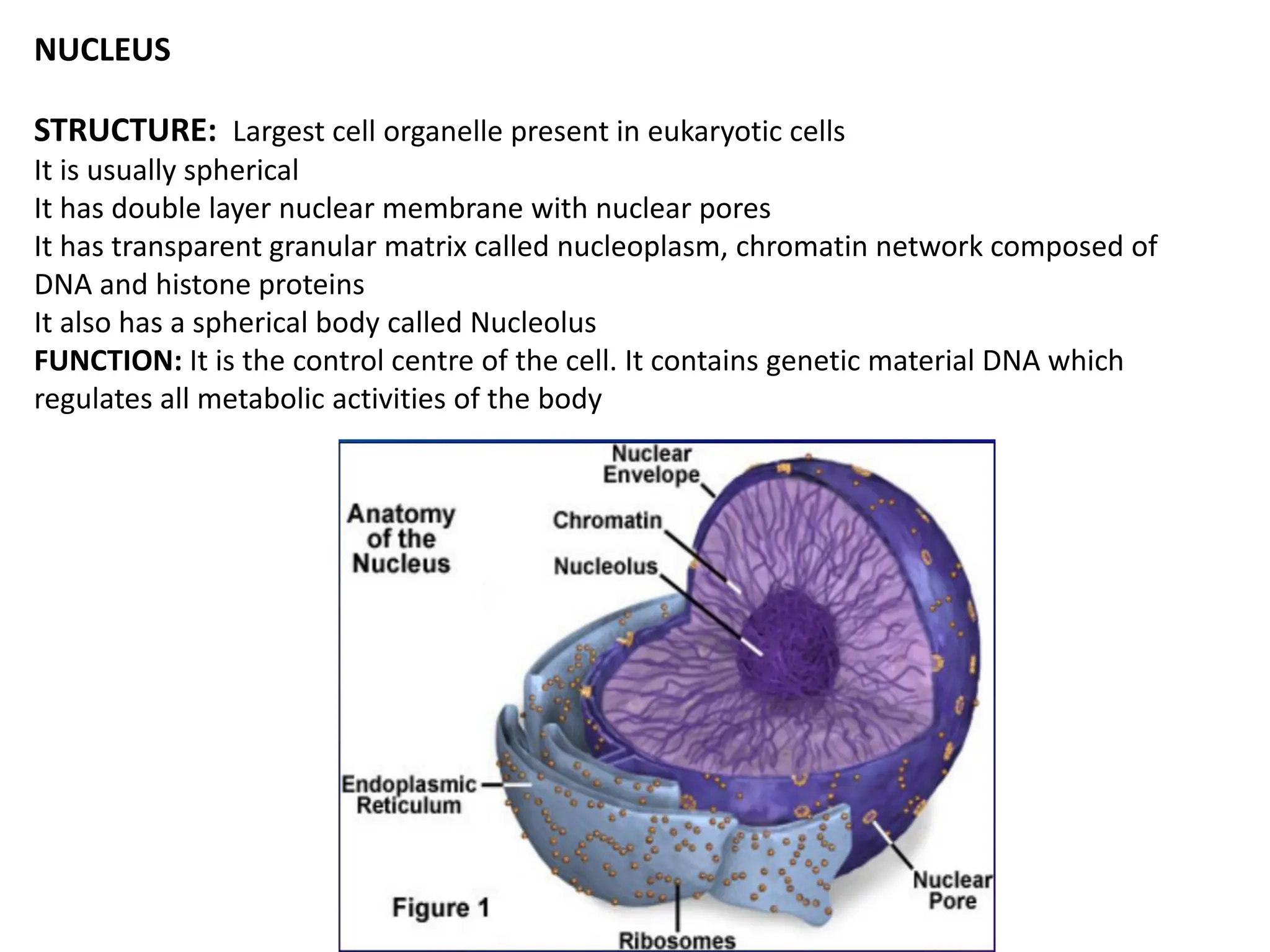
NUCLEUS
STRUCTURE: Largest cell organelle present in eukaryotic cells
It is usually spherical
It has double layer nuclear membrane with nuclear pores
It has transparent granular matrix called nucleoplasm, chromatin network composed of
DNA and histone proteins
It also has a spherical body called Nucleolus
FUNCTION: It is the control centre of the cell. It contains genetic material DNA which
regulates all metabolic activities of the body
All Cells Are Prokaryotic or Eukaryotic
The biological universe consists of two types of cells— prokaryotic and
eukaryotic.
Prokaryotic cells consist of a single closed compartment that is surrounded
by the plasma membrane, lacks a defined nucleus, and has a relatively
simple internal organization. All prokaryotes have cells of this type.
Bacteria, the most numerous prokaryotes, are single-celled organisms; the
cyanobacteria, or blue-green algae, can be unicellular or filamentous
chains of cells.
Although bacterial cells do not have membrane-bounded compartments,
many proteins are precisely localized in their aqueous interior, or cytosol,
indicating the presence of internal organization.
• Bacteria account for an estimated 1–1.5 kg of the average human’s
weight.
• Prokaryotic cells are quite adaptable have been found 7 miles deep in
the ocean and 40 miles up in the atmosphere.
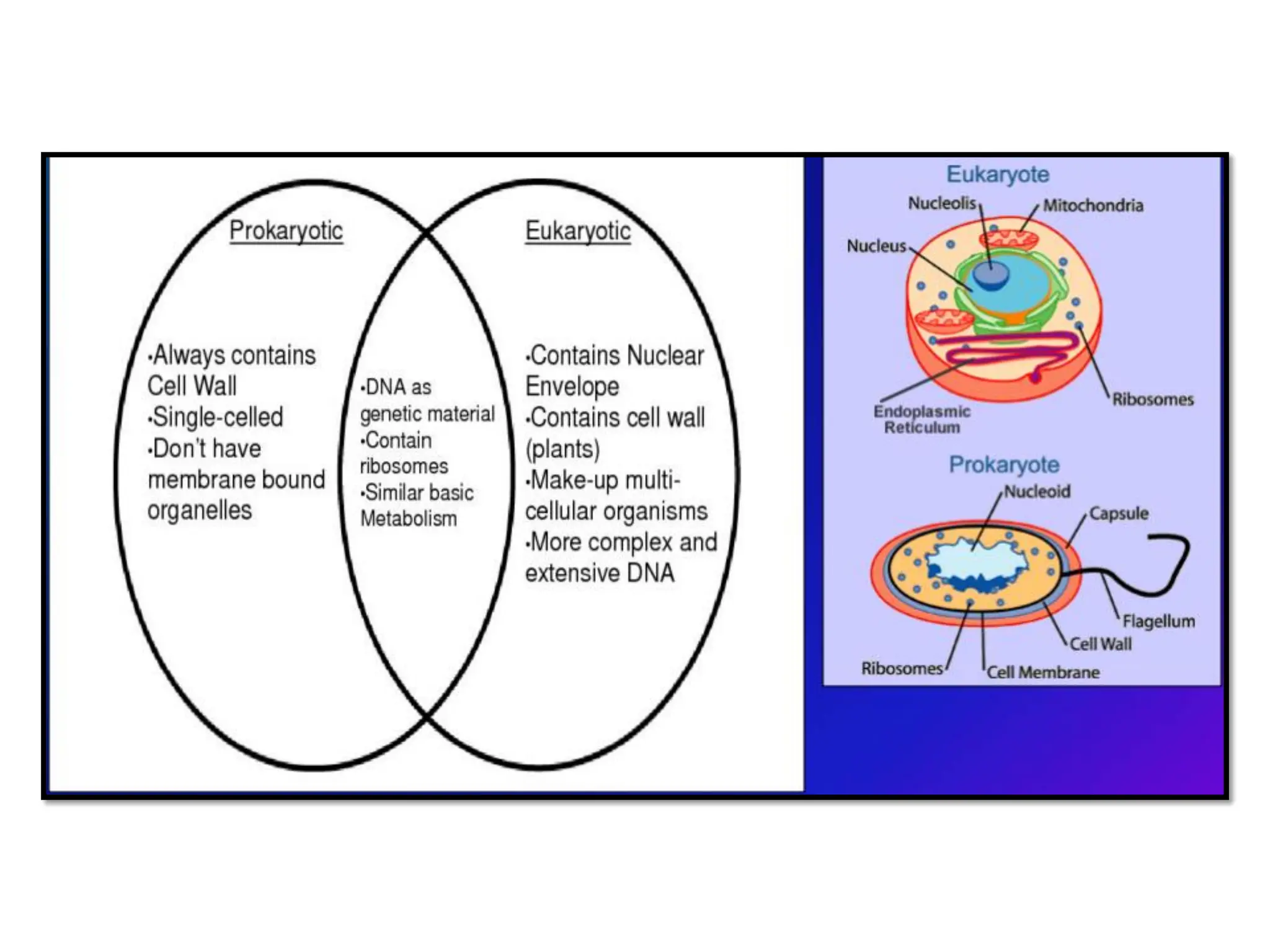
• Eukaryotic cells, unlike prokaryotic cells, contain a defined membrane-
bound nucleus and extensive internal membranes that enclose other
compartments (organelles).
• The region of the cell lying between the plasma membrane and the
nucleus is the cytoplasm, comprising the cytosol (aqueous phase) and
the organelles.
• Eukaryotes comprise all members of the plant and animal kingdoms,
including the fungi, which exist in both multicellular forms (molds) and
unicellular forms (yeasts), and the protozoans (proto, primitive; zoan,
animal), which are exclusively unicellular.
• Eukaryotic cells are commonly about 10–100 micron in size, generally
much larger than bacteria.
• An amoeba, a single celled protozoan, can be more than 0.5 mm long.
• An ostrich egg begins as a single cell that is even larger and easily visible
to the naked eye
Features of Prokaryotic cells
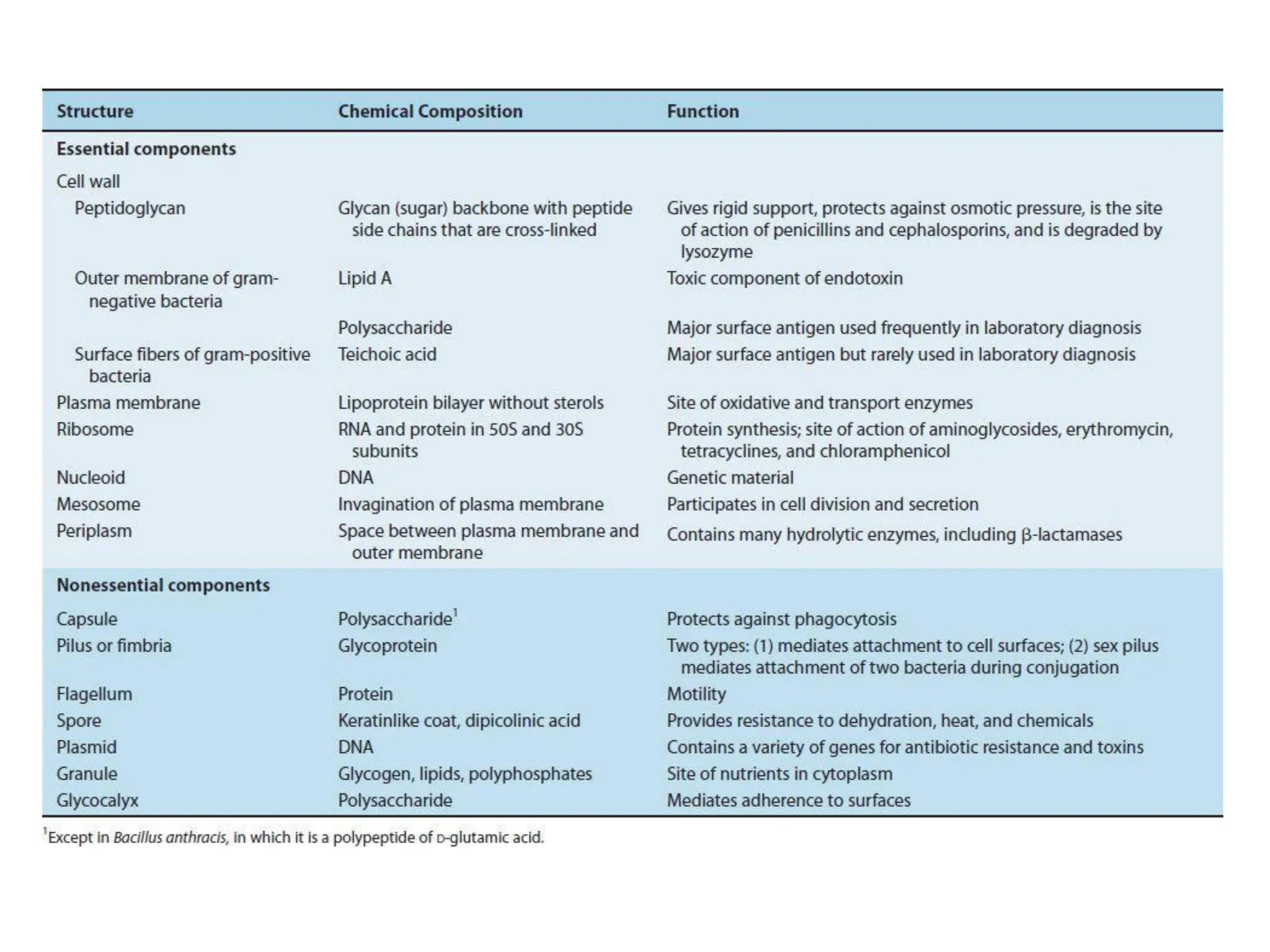
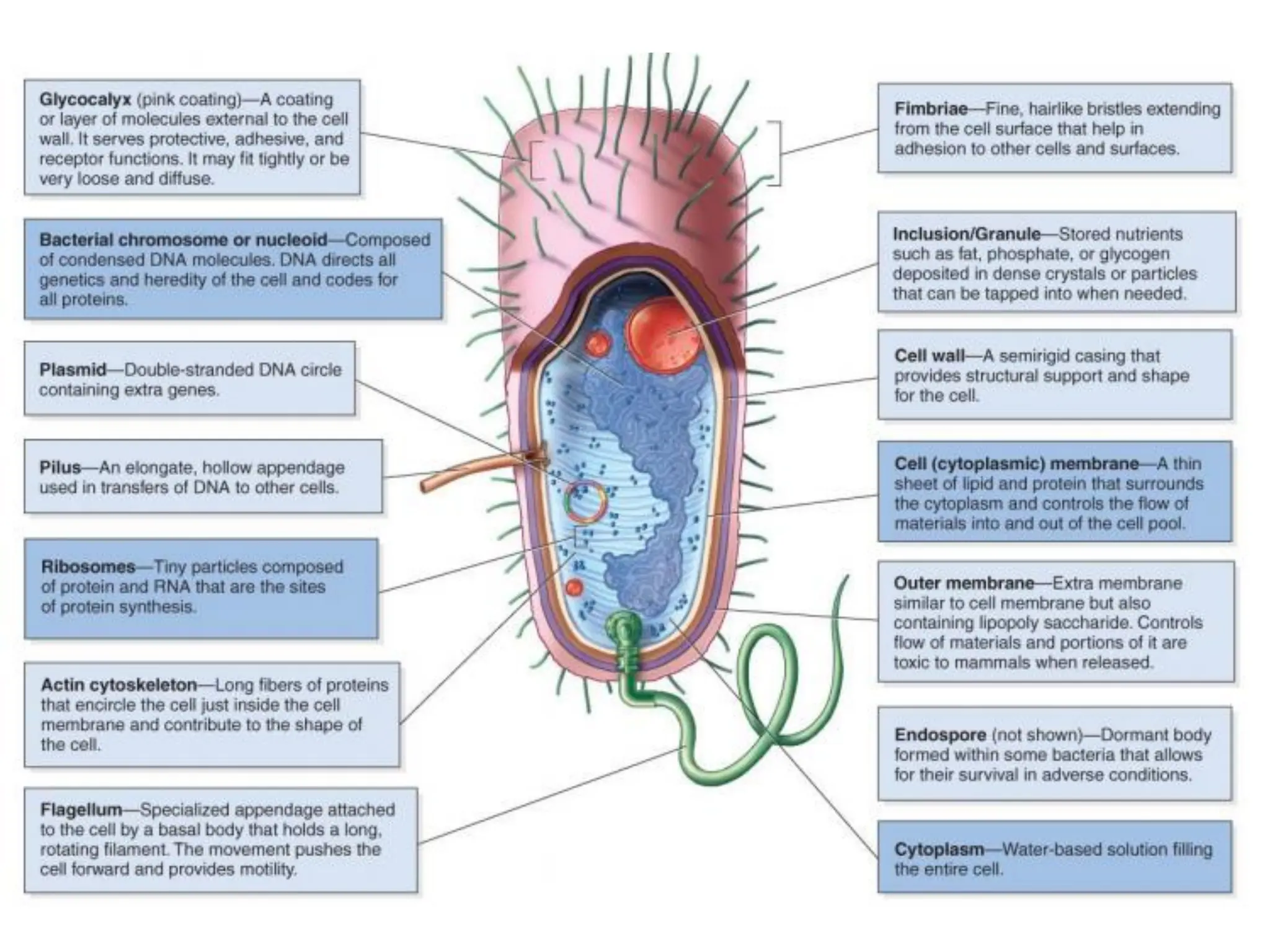
Prokaryotic cells have relatively simple organization
• Prokaryotes are the simplest organisms.
• Prokaryotic cells are small.
• Bacteria and archaebacteria are the most abundant organisms and
commonly 1–2 micron in size.
• Their cytoplasm is surrounded by a plasma membrane and are encased
within a rigid cell wall.
• They have no distinct interior compartments .
• Prokaryotic cells mostly lack the membrane-bounded organelles which
are the characteristic feature of eukaryotic cells although they do
contain organelles like ribosomes, which carry out protein synthesis.
• In prokaryotes, the genetic material lies in a single circular molecule of
DNA. It typically resides near the center of the cell in an area called the
nucleoid. This area is not segregated from the rest of the cell’s interior
by membranes.
• Some prokaryotes move using a rotating flagellum. Flagella (singular,
flagellum) are long, threadlike structures protruding from the surface
of a cell that are used in locomotion.
• Prokaryotic flagella are protein fibers that extend out from the cell.
There may be one or more per cell, or none, depending on the species.
• The plasma membrane of a prokaryotic cell carries out some of the
functions of the organelles performed in eukaryotic cells.
• For example, some photosynthetic bacteria, such as the
cyanobacterium, Prochloron, have an extensively folded plasma
membrane, with the folds extending into the cell’s interior. These
membrane folds contain the bacterial pigments connected with
photosynthesis.
In eukaryotic plant cells, photosynthetic pigments are found in the
inner membrane of the chloroplast.
 As a prokaryotic cell contains no membrane-bounded organelles, the
DNA, enzymes, and other cytoplasmic constituents have access to all
parts of the cell.
 Reactions are not compartmentalized as they are in eukaryotic cells, and
the whole prokaryote operates as a single unit.
 Prokaryotes are very important in the ecology of living organisms.
 Some harvest light by photosynthesis, others break down dead organisms
and recycle their components.
 Still others cause disease or have uses in many important industrial
processes.
 Prokaryotes have two main domains: archaea and bacteria.
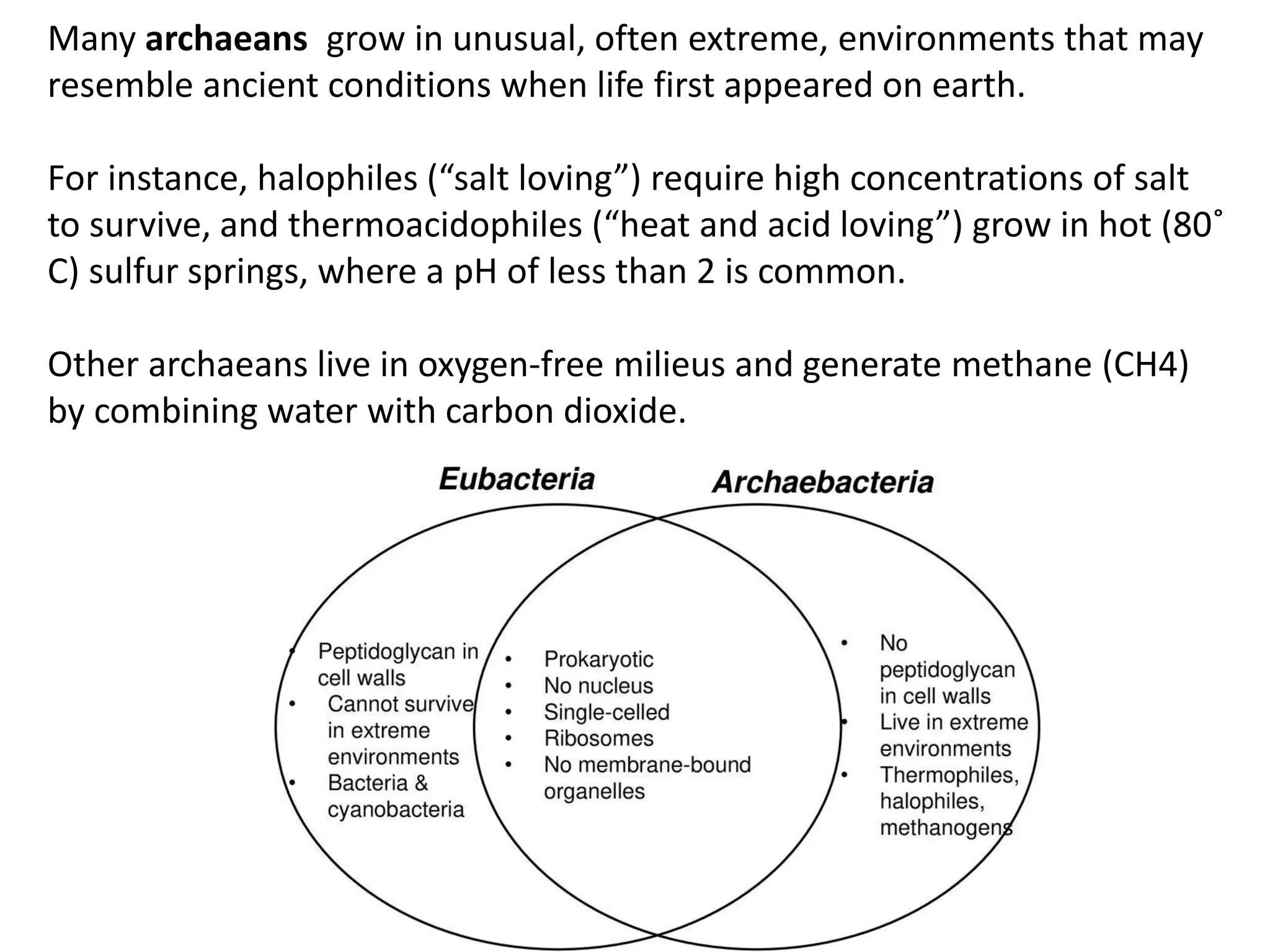
Many archaeans grow in unusual, often extreme, environments that may
resemble ancient conditions when life first appeared on earth.
For instance, halophiles (“salt loving”) require high concentrations of salt
to survive, and thermoacidophiles (“heat and acid loving”) grow in hot (80˚
C) sulfur springs, where a pH of less than 2 is common.
Other archaeans live in oxygen-free milieus and generate methane (CH4)
by combining water with carbon dioxide.
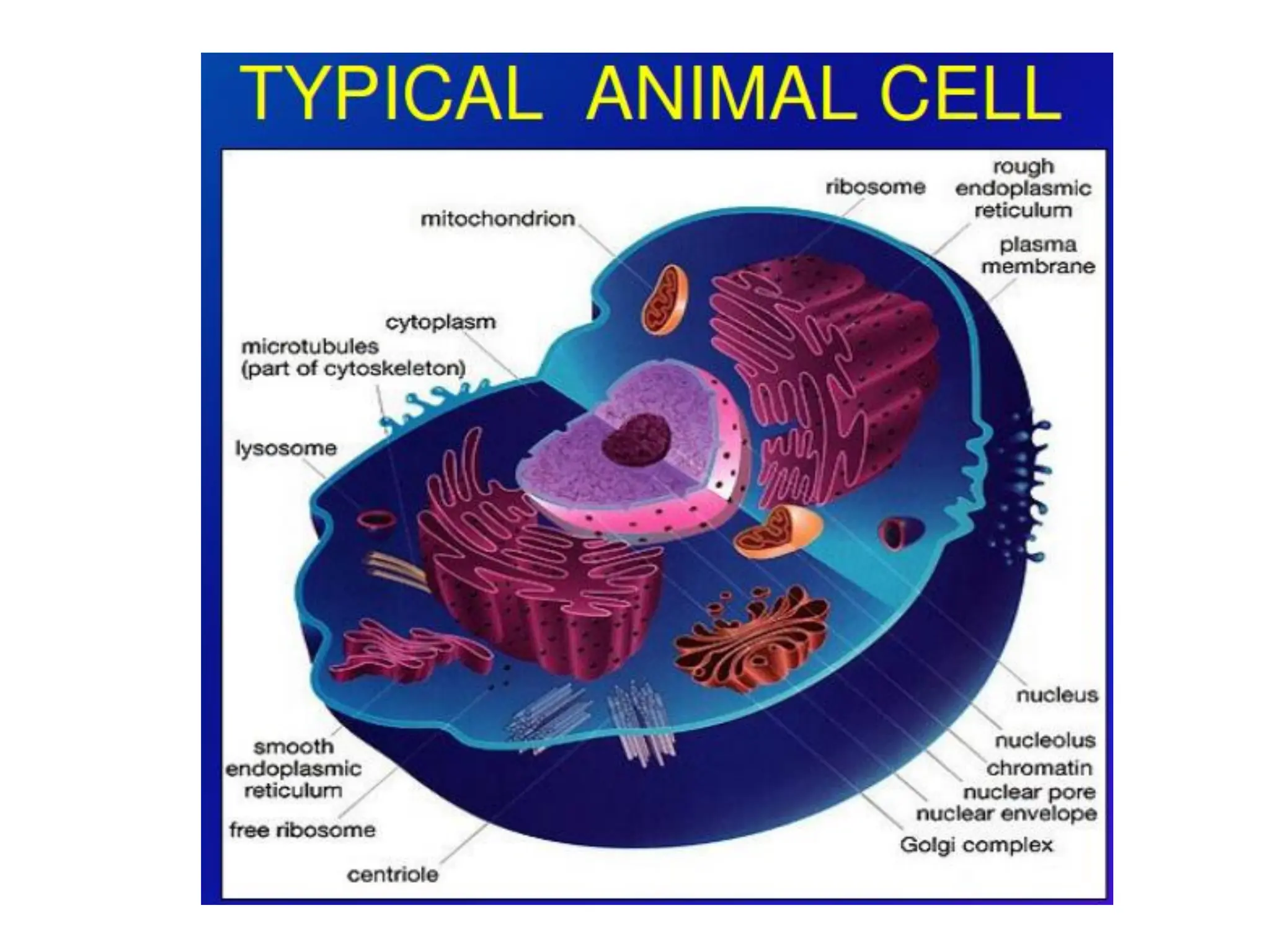
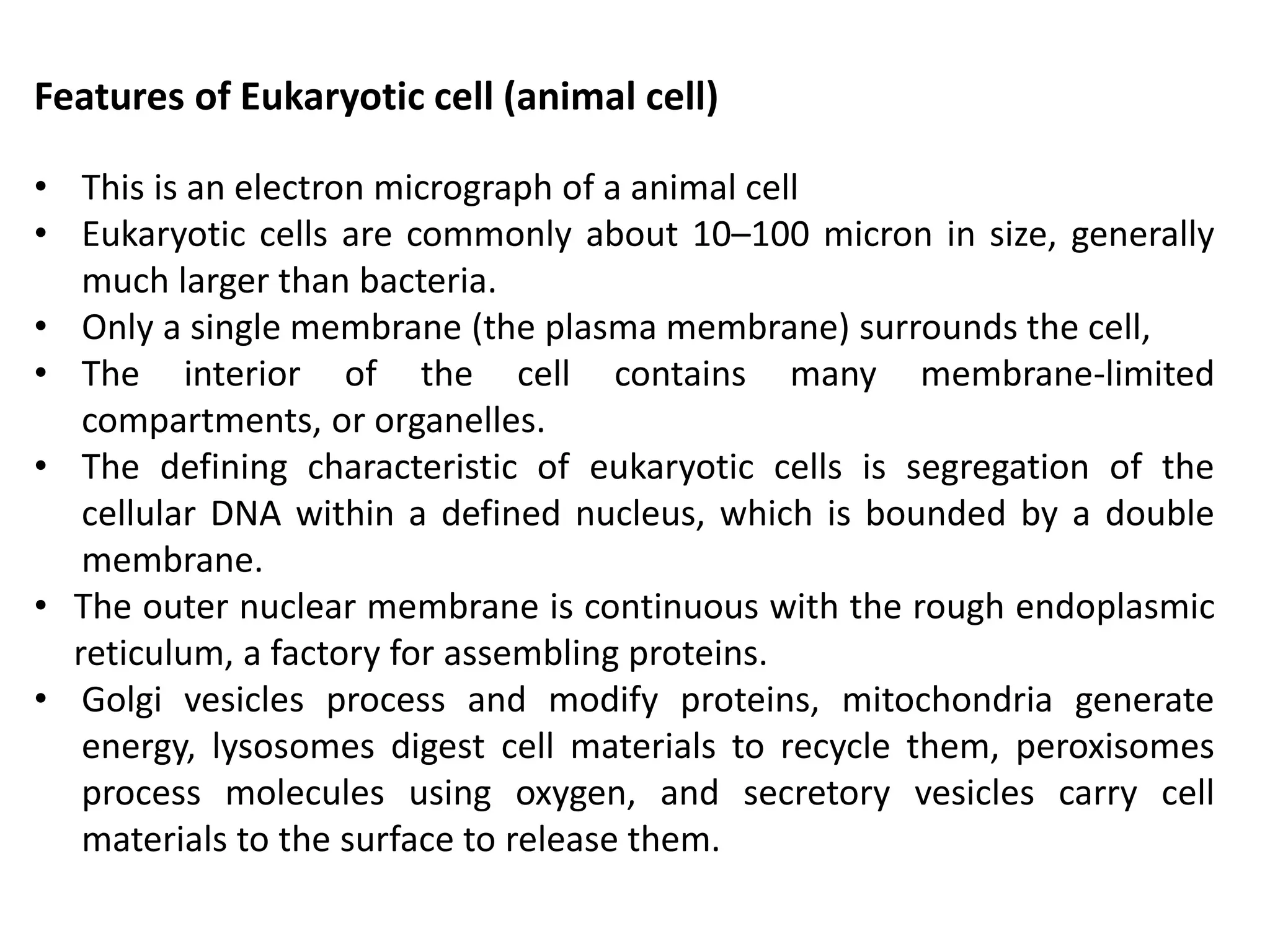
Features of Eukaryotic cell (animal cell)
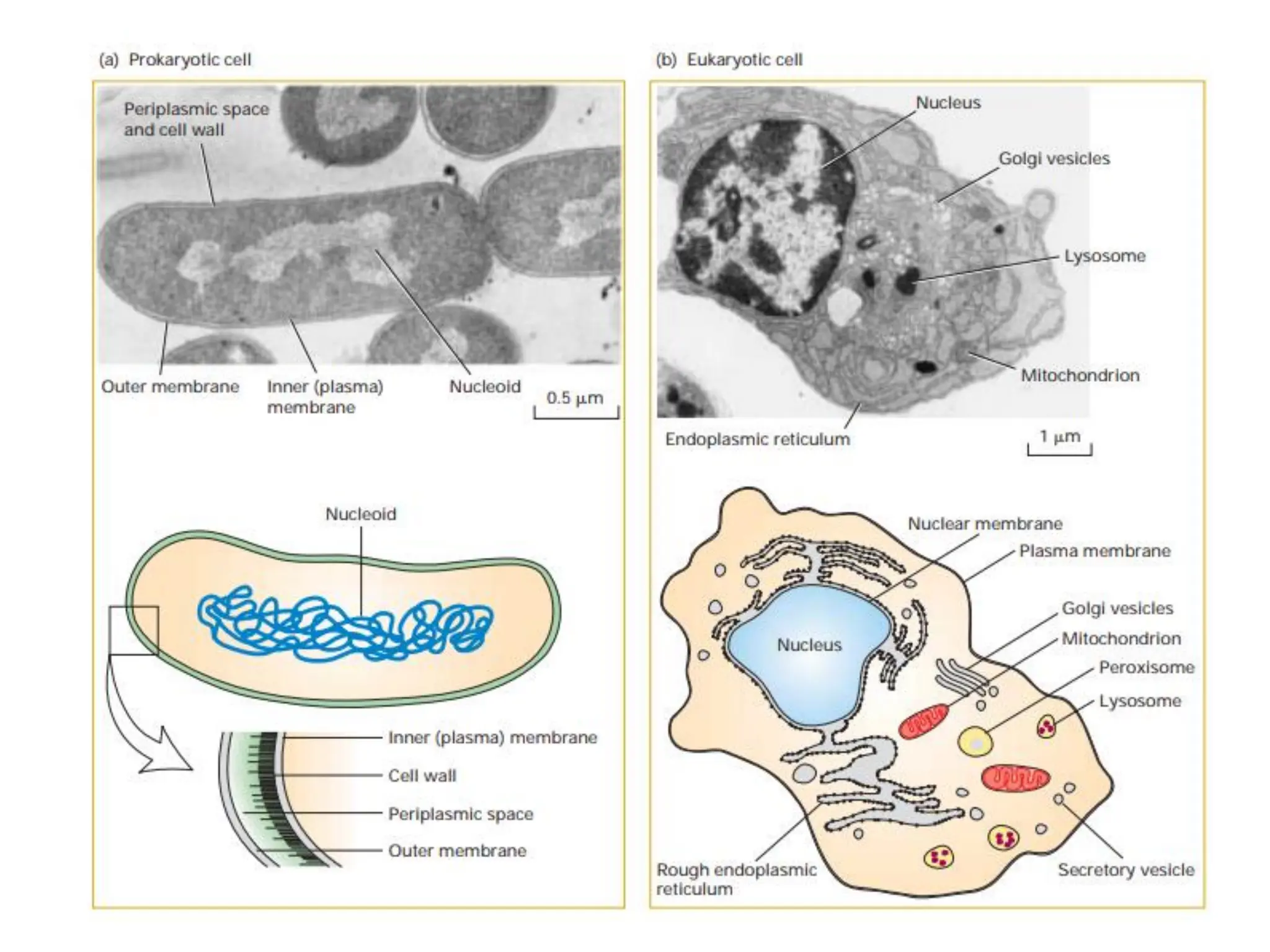
• This is an electron micrograph of a animal cell
• Eukaryotic cells are commonly about 10–100 micron in size, generally
much larger than bacteria.
• Only a single membrane (the plasma membrane) surrounds the cell,
• The interior of the cell contains many membrane-limited
compartments, or organelles.
• The defining characteristic of eukaryotic cells is segregation of the
cellular DNA within a defined nucleus, which is bounded by a double
membrane.
• The outer nuclear membrane is continuous with the rough endoplasmic
reticulum, a factory for assembling proteins.
• Golgi vesicles process and modify proteins, mitochondria generate
energy, lysosomes digest cell materials to recycle them, peroxisomes
process molecules using oxygen, and secretory vesicles carry cell
materials to the surface to release them.
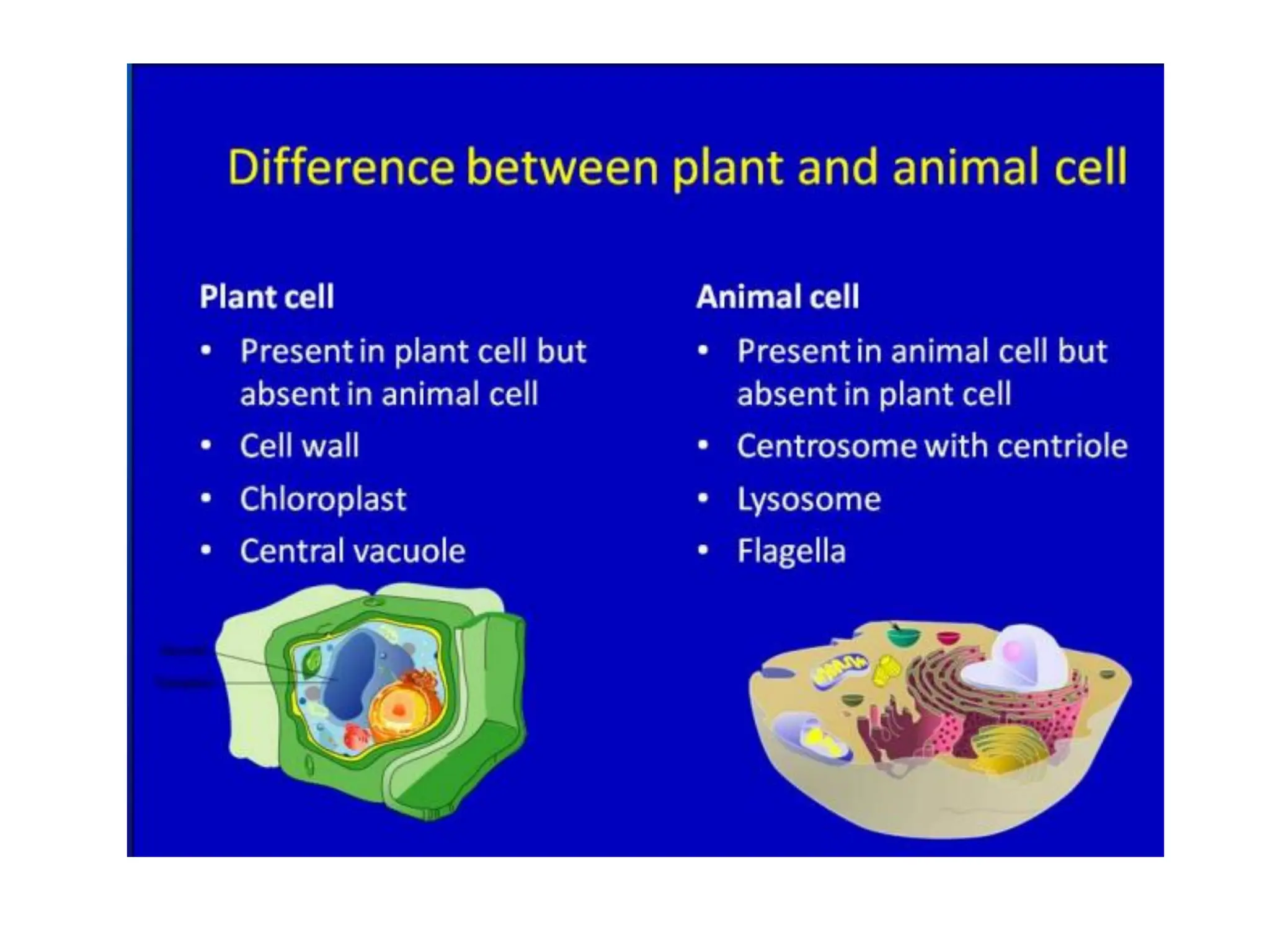
Features of Eukaryotic cell (Plant cell)
• Plant cells have a outermost thick layer known as cell wall covering the
cell membrane and has a protective as well as a supportive function.
• The contents of the cell are separated from the external surroundings by
a limiting membrane also called a plasma membrane.
• Double membrane organelles such as chloroplast and mitochondria are
present involved in photosynthesis and ATP generation, respectively.
• A large dense double membrane structure called nucleus is present.
• Plant cell possesses large central vacuole, bounded by a single
membrane called tonoplast.
• In the cytosol membrane bound as well as free ribosomes are present
which carry out the function of protein synthesis.
• Within the cytoplasm an extensive network of membrane called ER
(endoplasmic reticulum) along with Golgi body are present.
• Single membrane vesicular structures called glyoxysomes and
peroxisomes are also present.
Origin of eukaryotic cell
(Endosymbiotic theory)
Until 1970, it was generally believed that eukaryotic
cells evolved from prokaryotic cells by a process of
gradual evolution in which the organelles of the
eukaryotic cell became progressively more complex.
The work of Lynn Margulis at Boston University changed this concept.
Margulis proposed that certain organelles of a eukaryotic cell—most
notably the mitochondria and chloroplasts—had evolved from smaller
prokaryotic cells that had taken up residence in the cytoplasm of a larger
host cell.
This hypothesis is referred to as the endosymbiont theory which describes
how a single “composite” cell of greater complexity evolve from two or
more separate, simpler cells living in a symbiotic relationship with one
another.
Dr. Lynn Margulis
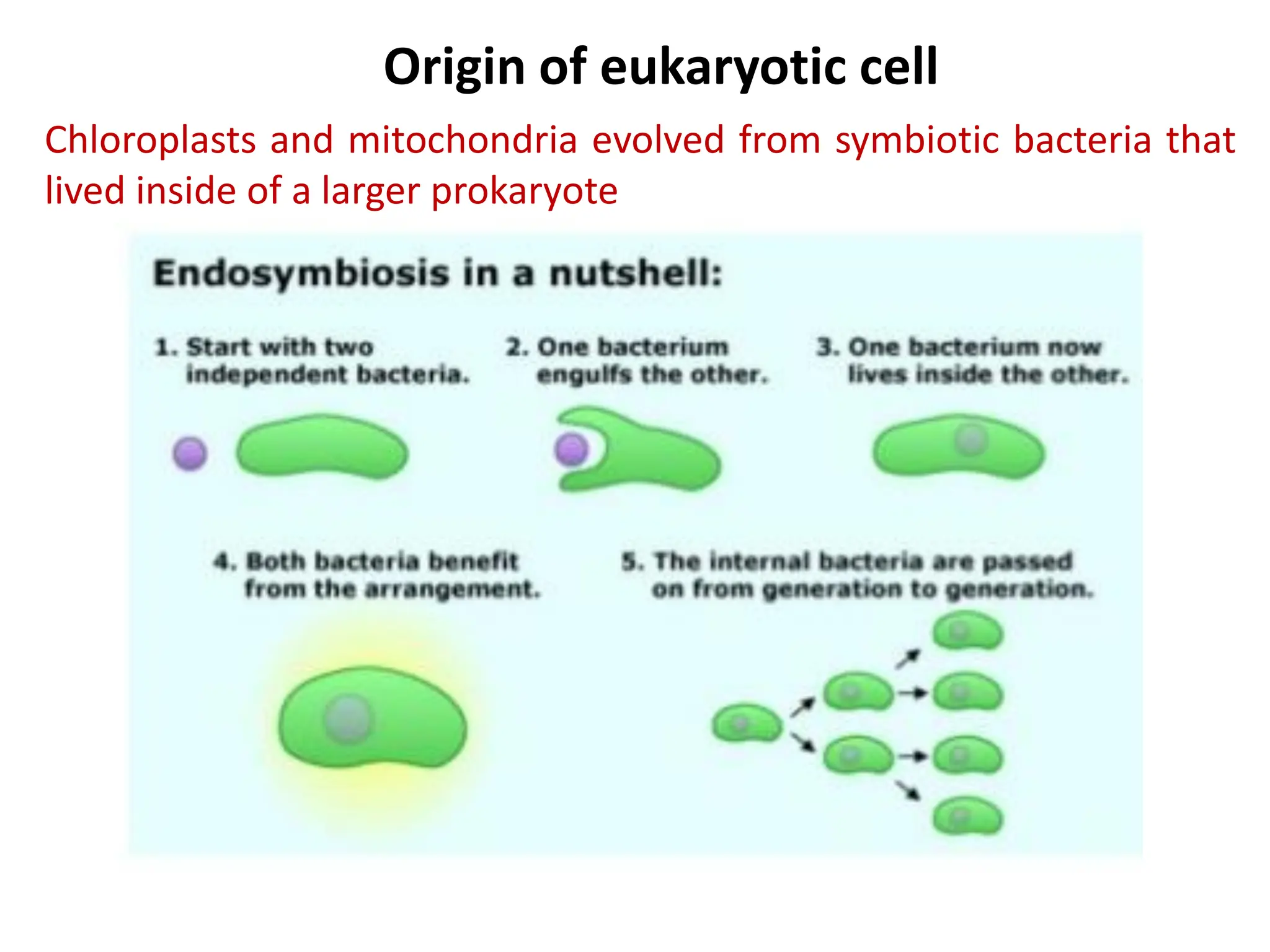
Chloroplasts and mitochondria evolved from symbiotic bacteria that
lived inside of a larger prokaryote
Origin of eukaryotic cell
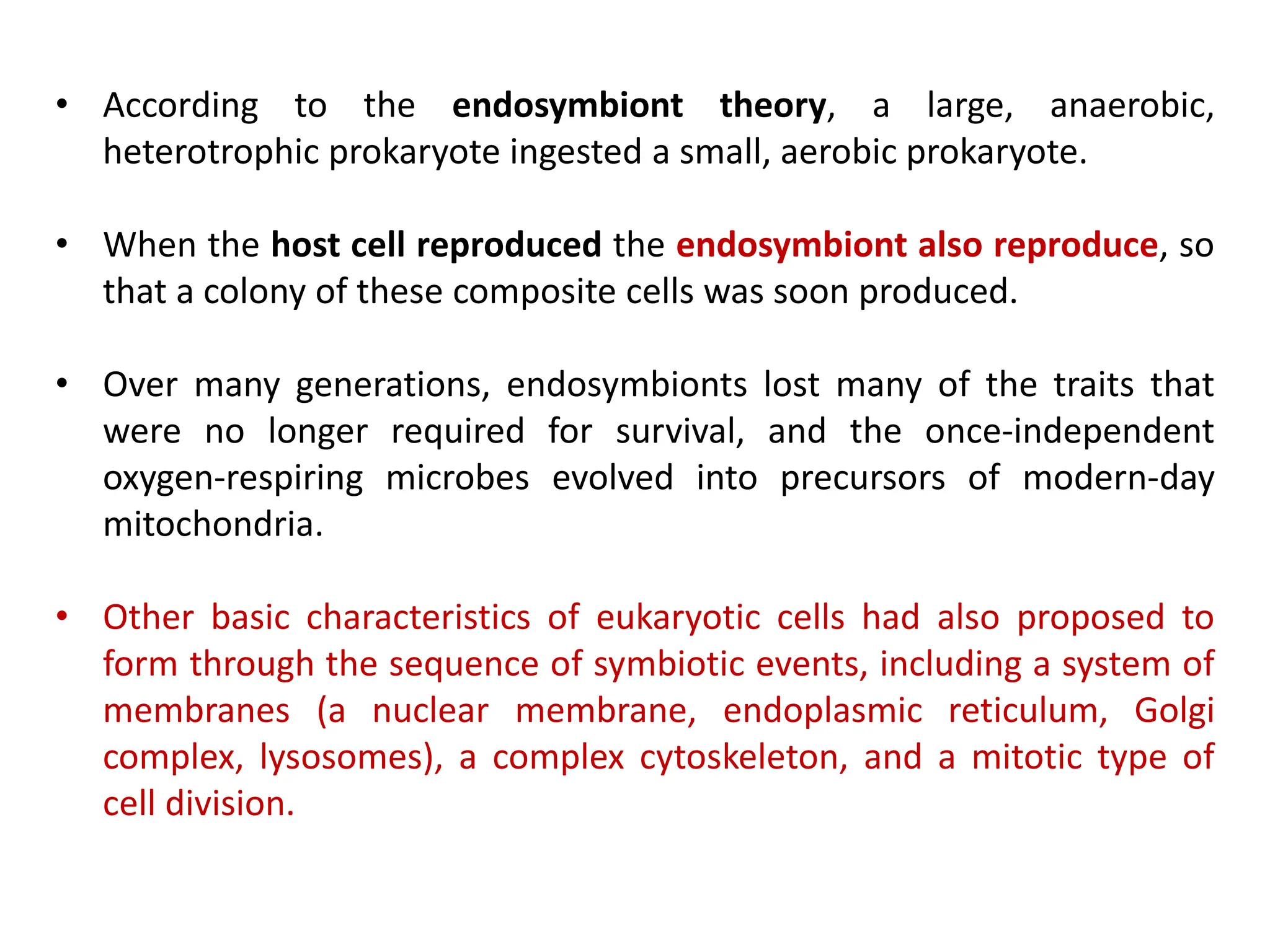
• According to the endosymbiont theory, a large, anaerobic,
heterotrophic prokaryote ingested a small, aerobic prokaryote.
• When the host cell reproduced the endosymbiont also reproduce, so
that a colony of these composite cells was soon produced.
• Over many generations, endosymbionts lost many of the traits that
were no longer required for survival, and the once-independent
oxygen-respiring microbes evolved into precursors of modern-day
mitochondria.
• Other basic characteristics of eukaryotic cells had also proposed to
form through the sequence of symbiotic events, including a system of
membranes (a nuclear membrane, endoplasmic reticulum, Golgi
complex, lysosomes), a complex cytoskeleton, and a mitotic type of
cell division.
• For example, the endoplasmic reticulum and nuclear membranes might
have been derived from a portion of the cell’s outer plasma membrane
that became internalized and then modified into a different type of
membrane.
• A cell that possessed internal membrane-bound compartments would
have been an ancestor of a heterotrophic eukaryotic cell, such as a fungal
cell or a protist.
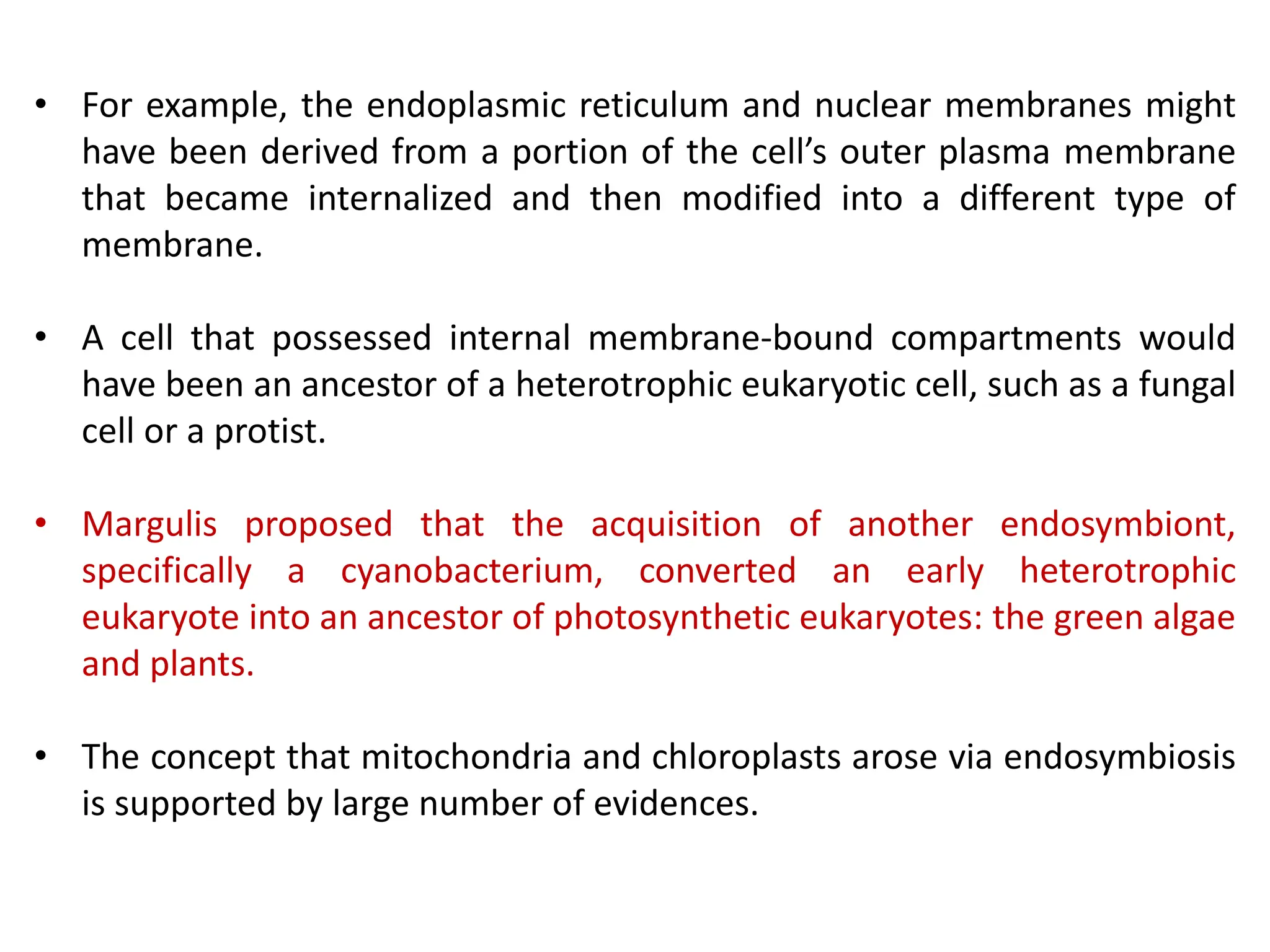
• Margulis proposed that the acquisition of another endosymbiont,
specifically a cyanobacterium, converted an early heterotrophic
eukaryote into an ancestor of photosynthetic eukaryotes: the green algae
and plants.
• The concept that mitochondria and chloroplasts arose via endosymbiosis
is supported by large number of evidences.
Multiple forms of evidence that support Endosymbiotic theory:
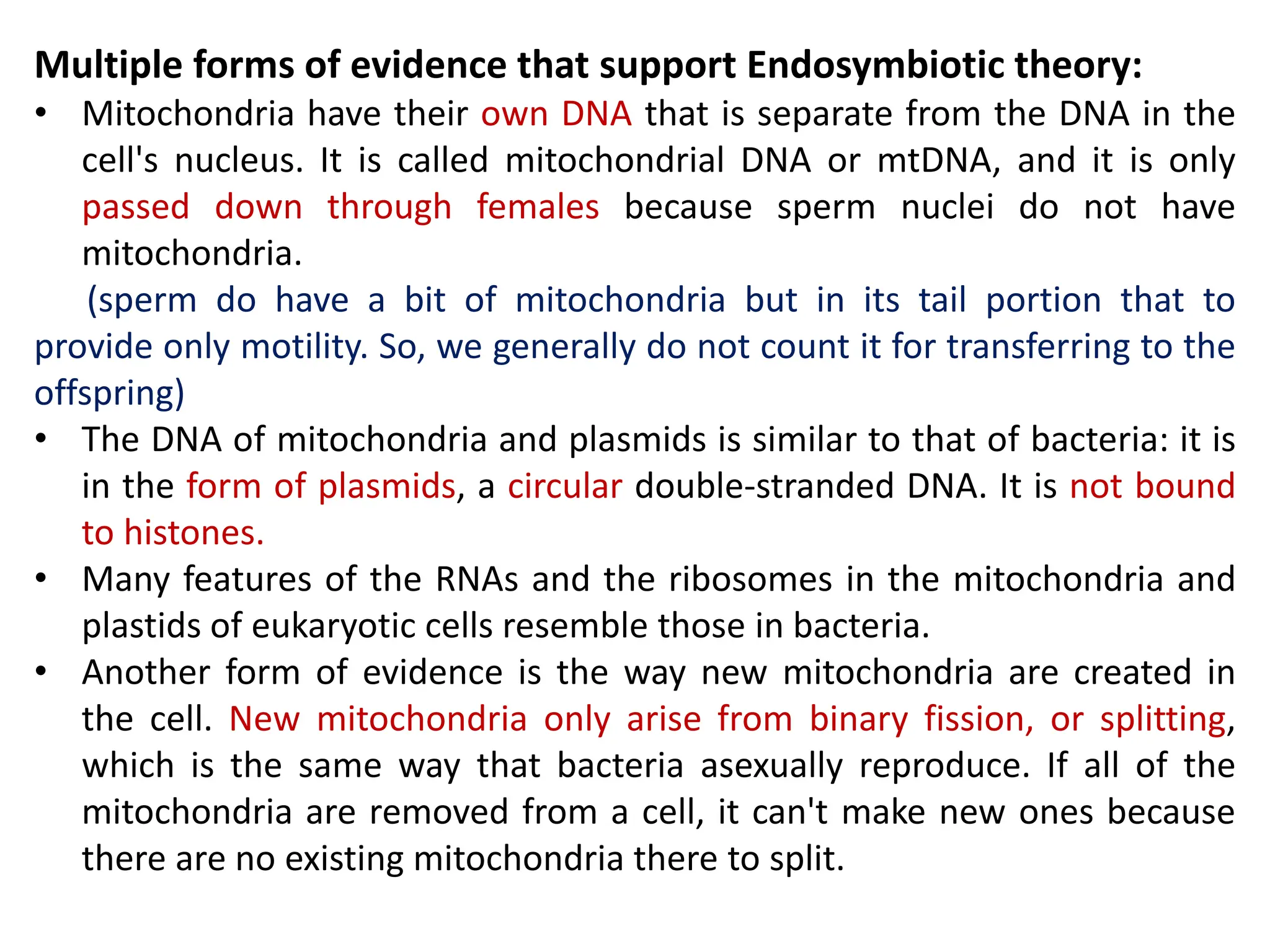
• Mitochondria have their own DNA that is separate from the DNA in the
cell's nucleus. It is called mitochondrial DNA or mtDNA, and it is only
passed down through females because sperm nuclei do not have
mitochondria.
(sperm do have a bit of mitochondria but in its tail portion that to
provide only motility. So, we generally do not count it for transferring to the
offspring)
• The DNA of mitochondria and plasmids is similar to that of bacteria: it is
in the form of plasmids, a circular double-stranded DNA. It is not bound
to histones.
• Many features of the RNAs and the ribosomes in the mitochondria and
plastids of eukaryotic cells resemble those in bacteria.
• Another form of evidence is the way new mitochondria are created in
the cell. New mitochondria only arise from binary fission, or splitting,
which is the same way that bacteria asexually reproduce. If all of the
mitochondria are removed from a cell, it can't make new ones because
there are no existing mitochondria there to split.
• Phylogenetic analyses suggest that mitochondria derive from bacterial
lines related to alpha-proteobacteria. This is a major group of bacteria,
which also includes a wide variety of pathogens, including Rickettsia
bacteria, tiny Gram-negative microbes that can cause diseases such as
typhus.
• These analysis suggests that mitochondria are closely related to
Rickettsia.
• The sequence comparison of plastids of algae and higher plants shows
that all plastids have a cyanobacterial origin.
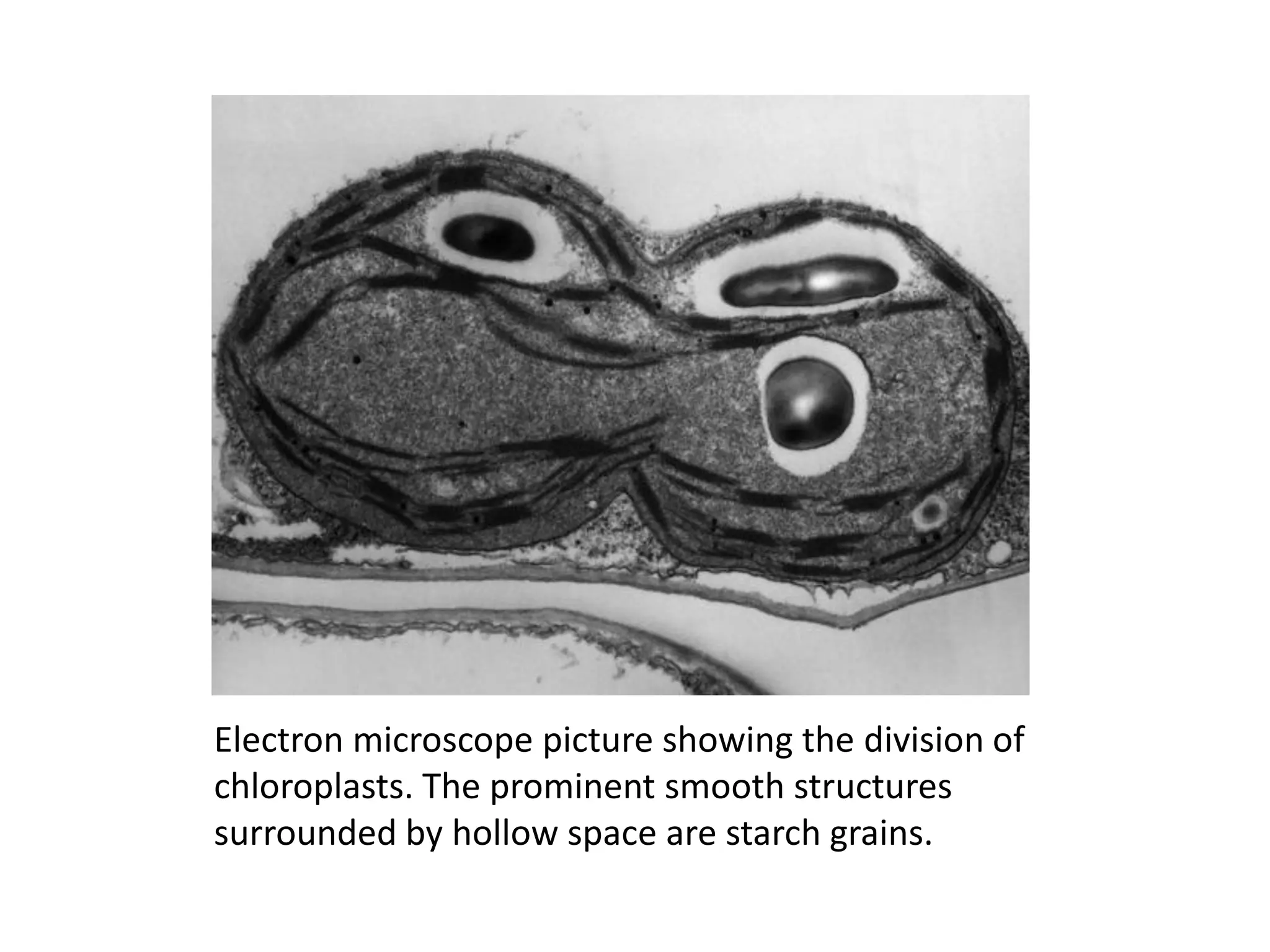
• Chloroplasts also split through binary fission.
Electron microscope picture showing the division of
chloroplasts. The prominent smooth structures
surrounded by hollow space are starch grains.
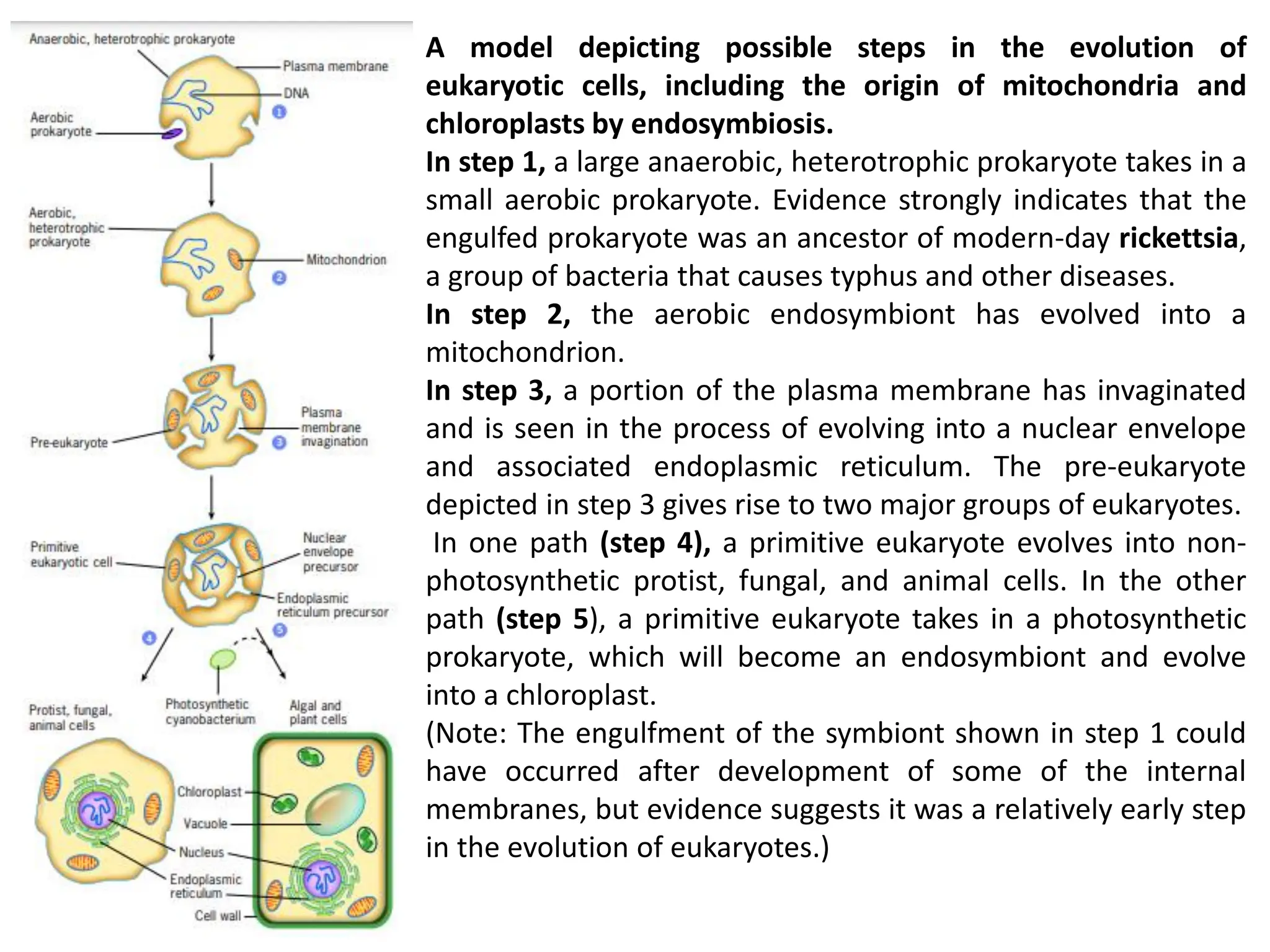
A model depicting possible steps in the evolution of
eukaryotic cells, including the origin of mitochondria and
chloroplasts by endosymbiosis.
In step 1, a large anaerobic, heterotrophic prokaryote takes in a
small aerobic prokaryote. Evidence strongly indicates that the
engulfed prokaryote was an ancestor of modern-day rickettsia,
a group of bacteria that causes typhus and other diseases.
In step 2, the aerobic endosymbiont has evolved into a
mitochondrion.
In step 3, a portion of the plasma membrane has invaginated
and is seen in the process of evolving into a nuclear envelope
and associated endoplasmic reticulum. The pre-eukaryote
depicted in step 3 gives rise to two major groups of eukaryotes.
In one path (step 4), a primitive eukaryote evolves into non-
photosynthetic protist, fungal, and animal cells. In the other
path (step 5), a primitive eukaryote takes in a photosynthetic
prokaryote, which will become an endosymbiont and evolve
into a chloroplast.
(Note: The engulfment of the symbiont shown in step 1 could
have occurred after development of some of the internal
membranes, but evidence suggests it was a relatively early step
in the evolution of eukaryotes.)

Cell wall is a part of cell structure that covers it from outside

  • 1.
    Unit 4: Thecell Cell as a unit of structure and function; Characteristics of prokaryotic and eukaryotic cells; Origin of eukaryotic cell (Endosymbiotic theory)
  • 2.
    (a) Eubacteria; notedividing cells. These are Lactococcus lactis, which are used to produce cheese such as Roquefort etc. (b) A mass of archaebacteria (Methanosarcina) that produce their energy by converting carbon dioxide and hydrogen gas to methane. Some species that live in the rumen of cattle give rise to >150 liters of methane gas/day. (c) Blood cells. The red blood cells are oxygen-bearing erythrocytes, the white blood cells (leukocytes) are part of the immune system and fight infection, and the green cells are platelets that provide substances to make blood clot at a wound. (d) Large single cells: fossilized dinosaur eggs. Morphological variety of cells
  • 3.
    A colonial single-celledgreen alga, Volvox aureus. The large spheres are made up of many individual cells, visible as blue or green dots. The yellow masses inside are daughter colonies, each made up of many cells. Volvox aureus
  • 4.
    Cell is thefundamental, structural and functional unit of all living organisms. • It is the smallest unit of life. The study of cells is called cell biology or cytology. • Until the invention of the microscope in the 17th century cells were not discovered. • In 1665 English natural philosopher Robert Hooke was the first to observe cells, naming the shapes he saw in cork “cellulae” (Latin, “small rooms”). This is known as cells. • Another early microscopist, Dutch Anton van Leeuwenhoek, first observed living cells, which he termed “animalcules,” or little animals. • Robert Browne discovered nucleus (1833). • In 1838, German botanist Matthias Schleiden stated that all plants “are aggregates of fully individualized, independent, separate beings, namely the cells themselves.”
  • 5.
    In 1839, Germanphysiologist Theodor Schwann reported that all animal tissues also consist of individual cells. Thus, the cell theory was born. The cell theory explains the observation that all organisms are composed of cells. The cell theory includes the following three principles: 1. All organisms are composed of one or more cells, and the life processes of metabolism and heredity occur within these cells. 2. Cells are the smallest living things, the basic units of organization of all organisms. 3. Cells arise only by division of a previously existing cell. Although life likely evolved spontaneously in the environment of early Earth, biologists have concluded that no additional cells are originating spontaneously at present. Rather, life on Earth represents a continuous line of descent from those early cells.
  • 6.
    SIZE: varies fromfew microns (1cm= 10mm; 1mm=1000µm) to few cms Smallest living cell is PPLO ( Pleuro Pneumonia Like Organism) - 0.1µm Largest living cell is Egg of an Ostrich , 170 to 180 mm in diameter. Bacteria – 0.1 to 0.5 µm Sclerenchyma fibre upto 60cms in length
  • 7.
    Video on Cellstructure: https://www.youtube.com/watch?v=URUJD5NEXC8&t=55s
  • 8.
    Cell Structure andFunction • Cell has non living outer layer called CELL WALL found only in plant cells. • Below cell wall is CELL MEMBRANE • CELL MEMBRANE encloses PROTOPLASM • PROTOPLASM has semi fluid matrix called CYTOPLASM and large membrane bound structure called NUCLEUS • CYTOPLASM has many membrane bound organelles like Endoplasmic reticulum , Golgi Bodies Mitochondria ,Plastids and vacuoles. • They also have non membrane bound structures called Ribosomes and Centrosomes • Cytoplasm without Cell organelles are called Cytosol.
  • 11.
  • 13.
    CELL WALL • Outermostlayer, non living ,rigid • Found in bacterial cells, fungal cells and plant cells. • Permeable • Made up of cellulose (in bacteria- peptidoglycans, in fungus- Chitin) FUNCTION : Rigidity, mechanical support and protection CELL MEMBRANE (PLASMA MEMBRANE) • Present in all cells, just below the cell wall in plant cells, outermost membrane in animal cells • Semi-permeable • Made up of phospholipids, proteins, carbohydrates and Cholesterol FUNCTION : It allows outward and inward movement of molecules across it like diffusion, osmosis, active transport, phagocytosis and pinocytosis
  • 15.
    PROTOPLASMA • Protoplasm isthe living part of a cell that is surrounded by a plasma membrane. • According to Huxley , protoplasm is “physical basis of life” • Includes organic and inorganic molecules CYTOPLASM • Semi fluid matrix present between cell membrane and nuclear membrane • It has various living cell inclusions called cell organelles and non living substances called Ergastic substances.
  • 16.
    NUCLEUS STRUCTURE: Largest cellorganelle present in eukaryotic cells It is usually spherical It has double layer nuclear membrane with nuclear pores It has transparent granular matrix called nucleoplasm, chromatin network composed of DNA and histone proteins It also has a spherical body called Nucleolus FUNCTION: It is the control centre of the cell. It contains genetic material DNA which regulates all metabolic activities of the body
  • 18.
    All Cells AreProkaryotic or Eukaryotic The biological universe consists of two types of cells— prokaryotic and eukaryotic. Prokaryotic cells consist of a single closed compartment that is surrounded by the plasma membrane, lacks a defined nucleus, and has a relatively simple internal organization. All prokaryotes have cells of this type. Bacteria, the most numerous prokaryotes, are single-celled organisms; the cyanobacteria, or blue-green algae, can be unicellular or filamentous chains of cells. Although bacterial cells do not have membrane-bounded compartments, many proteins are precisely localized in their aqueous interior, or cytosol, indicating the presence of internal organization.
  • 19.
    • Bacteria accountfor an estimated 1–1.5 kg of the average human’s weight. • Prokaryotic cells are quite adaptable have been found 7 miles deep in the ocean and 40 miles up in the atmosphere.
  • 21.
    • Eukaryotic cells,unlike prokaryotic cells, contain a defined membrane- bound nucleus and extensive internal membranes that enclose other compartments (organelles). • The region of the cell lying between the plasma membrane and the nucleus is the cytoplasm, comprising the cytosol (aqueous phase) and the organelles. • Eukaryotes comprise all members of the plant and animal kingdoms, including the fungi, which exist in both multicellular forms (molds) and unicellular forms (yeasts), and the protozoans (proto, primitive; zoan, animal), which are exclusively unicellular. • Eukaryotic cells are commonly about 10–100 micron in size, generally much larger than bacteria. • An amoeba, a single celled protozoan, can be more than 0.5 mm long. • An ostrich egg begins as a single cell that is even larger and easily visible to the naked eye
  • 22.
    Features of Prokaryoticcells Prokaryotic cells have relatively simple organization • Prokaryotes are the simplest organisms. • Prokaryotic cells are small. • Bacteria and archaebacteria are the most abundant organisms and commonly 1–2 micron in size. • Their cytoplasm is surrounded by a plasma membrane and are encased within a rigid cell wall. • They have no distinct interior compartments . • Prokaryotic cells mostly lack the membrane-bounded organelles which are the characteristic feature of eukaryotic cells although they do contain organelles like ribosomes, which carry out protein synthesis. • In prokaryotes, the genetic material lies in a single circular molecule of DNA. It typically resides near the center of the cell in an area called the nucleoid. This area is not segregated from the rest of the cell’s interior by membranes.
  • 23.
    • Some prokaryotesmove using a rotating flagellum. Flagella (singular, flagellum) are long, threadlike structures protruding from the surface of a cell that are used in locomotion. • Prokaryotic flagella are protein fibers that extend out from the cell. There may be one or more per cell, or none, depending on the species. • The plasma membrane of a prokaryotic cell carries out some of the functions of the organelles performed in eukaryotic cells. • For example, some photosynthetic bacteria, such as the cyanobacterium, Prochloron, have an extensively folded plasma membrane, with the folds extending into the cell’s interior. These membrane folds contain the bacterial pigments connected with photosynthesis. In eukaryotic plant cells, photosynthetic pigments are found in the inner membrane of the chloroplast.
  • 24.
     As aprokaryotic cell contains no membrane-bounded organelles, the DNA, enzymes, and other cytoplasmic constituents have access to all parts of the cell.  Reactions are not compartmentalized as they are in eukaryotic cells, and the whole prokaryote operates as a single unit.  Prokaryotes are very important in the ecology of living organisms.  Some harvest light by photosynthesis, others break down dead organisms and recycle their components.  Still others cause disease or have uses in many important industrial processes.  Prokaryotes have two main domains: archaea and bacteria.
  • 25.
    Many archaeans growin unusual, often extreme, environments that may resemble ancient conditions when life first appeared on earth. For instance, halophiles (“salt loving”) require high concentrations of salt to survive, and thermoacidophiles (“heat and acid loving”) grow in hot (80˚ C) sulfur springs, where a pH of less than 2 is common. Other archaeans live in oxygen-free milieus and generate methane (CH4) by combining water with carbon dioxide.
  • 28.
    Features of Eukaryoticcell (animal cell) • This is an electron micrograph of a animal cell • Eukaryotic cells are commonly about 10–100 micron in size, generally much larger than bacteria. • Only a single membrane (the plasma membrane) surrounds the cell, • The interior of the cell contains many membrane-limited compartments, or organelles. • The defining characteristic of eukaryotic cells is segregation of the cellular DNA within a defined nucleus, which is bounded by a double membrane. • The outer nuclear membrane is continuous with the rough endoplasmic reticulum, a factory for assembling proteins. • Golgi vesicles process and modify proteins, mitochondria generate energy, lysosomes digest cell materials to recycle them, peroxisomes process molecules using oxygen, and secretory vesicles carry cell materials to the surface to release them.
  • 29.
    Features of Eukaryoticcell (Plant cell) • Plant cells have a outermost thick layer known as cell wall covering the cell membrane and has a protective as well as a supportive function. • The contents of the cell are separated from the external surroundings by a limiting membrane also called a plasma membrane. • Double membrane organelles such as chloroplast and mitochondria are present involved in photosynthesis and ATP generation, respectively. • A large dense double membrane structure called nucleus is present. • Plant cell possesses large central vacuole, bounded by a single membrane called tonoplast. • In the cytosol membrane bound as well as free ribosomes are present which carry out the function of protein synthesis. • Within the cytoplasm an extensive network of membrane called ER (endoplasmic reticulum) along with Golgi body are present. • Single membrane vesicular structures called glyoxysomes and peroxisomes are also present.
  • 30.
    Origin of eukaryoticcell (Endosymbiotic theory) Until 1970, it was generally believed that eukaryotic cells evolved from prokaryotic cells by a process of gradual evolution in which the organelles of the eukaryotic cell became progressively more complex. The work of Lynn Margulis at Boston University changed this concept. Margulis proposed that certain organelles of a eukaryotic cell—most notably the mitochondria and chloroplasts—had evolved from smaller prokaryotic cells that had taken up residence in the cytoplasm of a larger host cell. This hypothesis is referred to as the endosymbiont theory which describes how a single “composite” cell of greater complexity evolve from two or more separate, simpler cells living in a symbiotic relationship with one another. Dr. Lynn Margulis
  • 31.
    Chloroplasts and mitochondriaevolved from symbiotic bacteria that lived inside of a larger prokaryote Origin of eukaryotic cell
  • 32.
    • According tothe endosymbiont theory, a large, anaerobic, heterotrophic prokaryote ingested a small, aerobic prokaryote. • When the host cell reproduced the endosymbiont also reproduce, so that a colony of these composite cells was soon produced. • Over many generations, endosymbionts lost many of the traits that were no longer required for survival, and the once-independent oxygen-respiring microbes evolved into precursors of modern-day mitochondria. • Other basic characteristics of eukaryotic cells had also proposed to form through the sequence of symbiotic events, including a system of membranes (a nuclear membrane, endoplasmic reticulum, Golgi complex, lysosomes), a complex cytoskeleton, and a mitotic type of cell division.
  • 33.
    • For example,the endoplasmic reticulum and nuclear membranes might have been derived from a portion of the cell’s outer plasma membrane that became internalized and then modified into a different type of membrane. • A cell that possessed internal membrane-bound compartments would have been an ancestor of a heterotrophic eukaryotic cell, such as a fungal cell or a protist. • Margulis proposed that the acquisition of another endosymbiont, specifically a cyanobacterium, converted an early heterotrophic eukaryote into an ancestor of photosynthetic eukaryotes: the green algae and plants. • The concept that mitochondria and chloroplasts arose via endosymbiosis is supported by large number of evidences.
  • 34.
    Multiple forms ofevidence that support Endosymbiotic theory: • Mitochondria have their own DNA that is separate from the DNA in the cell's nucleus. It is called mitochondrial DNA or mtDNA, and it is only passed down through females because sperm nuclei do not have mitochondria. (sperm do have a bit of mitochondria but in its tail portion that to provide only motility. So, we generally do not count it for transferring to the offspring) • The DNA of mitochondria and plasmids is similar to that of bacteria: it is in the form of plasmids, a circular double-stranded DNA. It is not bound to histones. • Many features of the RNAs and the ribosomes in the mitochondria and plastids of eukaryotic cells resemble those in bacteria. • Another form of evidence is the way new mitochondria are created in the cell. New mitochondria only arise from binary fission, or splitting, which is the same way that bacteria asexually reproduce. If all of the mitochondria are removed from a cell, it can't make new ones because there are no existing mitochondria there to split.
  • 35.
    • Phylogenetic analysessuggest that mitochondria derive from bacterial lines related to alpha-proteobacteria. This is a major group of bacteria, which also includes a wide variety of pathogens, including Rickettsia bacteria, tiny Gram-negative microbes that can cause diseases such as typhus. • These analysis suggests that mitochondria are closely related to Rickettsia. • The sequence comparison of plastids of algae and higher plants shows that all plastids have a cyanobacterial origin. • Chloroplasts also split through binary fission.
  • 36.
    Electron microscope pictureshowing the division of chloroplasts. The prominent smooth structures surrounded by hollow space are starch grains.
  • 37.
    A model depictingpossible steps in the evolution of eukaryotic cells, including the origin of mitochondria and chloroplasts by endosymbiosis. In step 1, a large anaerobic, heterotrophic prokaryote takes in a small aerobic prokaryote. Evidence strongly indicates that the engulfed prokaryote was an ancestor of modern-day rickettsia, a group of bacteria that causes typhus and other diseases. In step 2, the aerobic endosymbiont has evolved into a mitochondrion. In step 3, a portion of the plasma membrane has invaginated and is seen in the process of evolving into a nuclear envelope and associated endoplasmic reticulum. The pre-eukaryote depicted in step 3 gives rise to two major groups of eukaryotes. In one path (step 4), a primitive eukaryote evolves into non- photosynthetic protist, fungal, and animal cells. In the other path (step 5), a primitive eukaryote takes in a photosynthetic prokaryote, which will become an endosymbiont and evolve into a chloroplast. (Note: The engulfment of the symbiont shown in step 1 could have occurred after development of some of the internal membranes, but evidence suggests it was a relatively early step in the evolution of eukaryotes.)